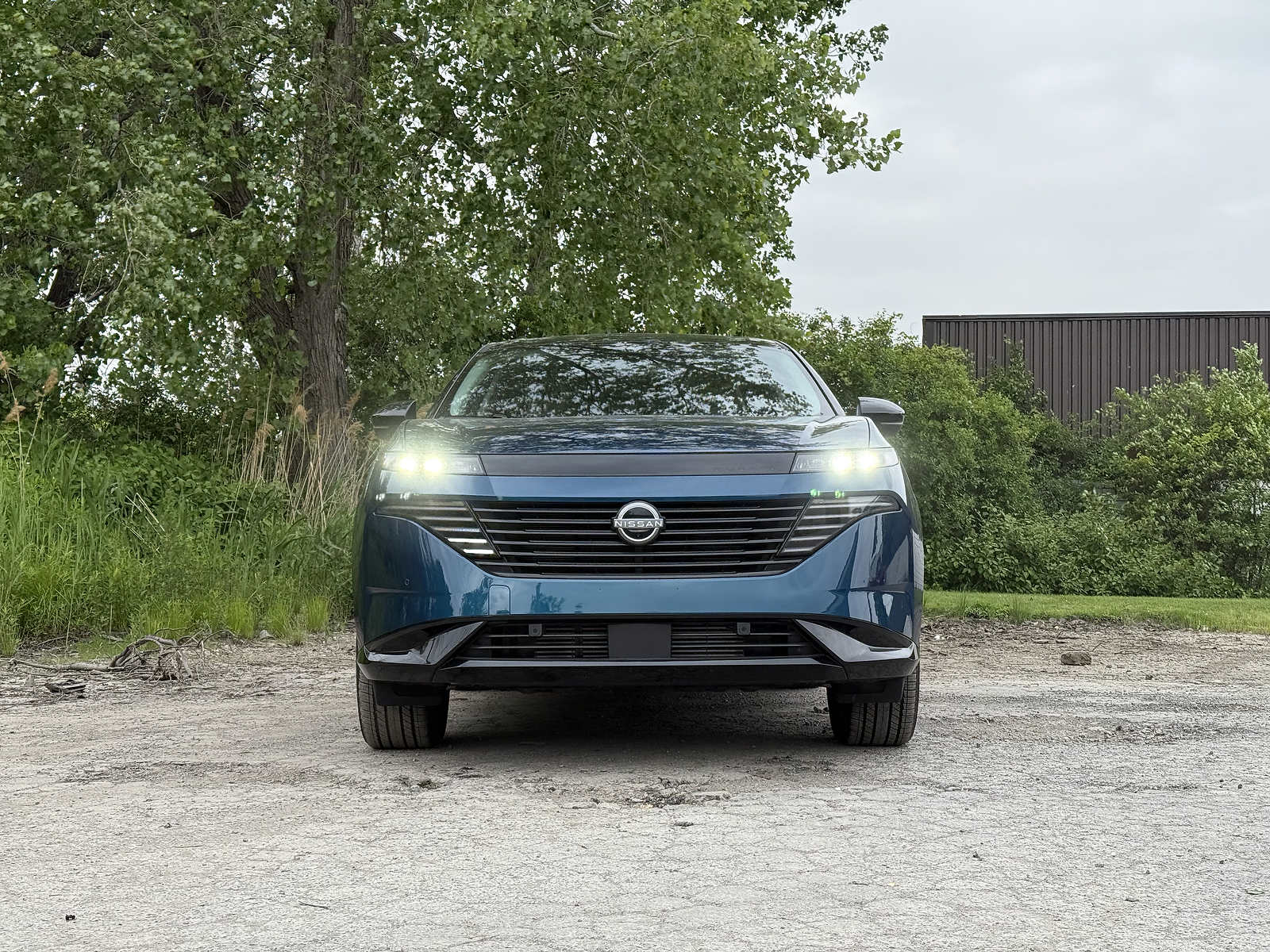
Murano’s turbo-four swaps power for torque, with minimal fuel savings over the old V6.
Comfort, quietness and cabin space make it ideal for long Canadian road trips.
No hybrid option and so-so efficiency hold it back versus more modern rivals.
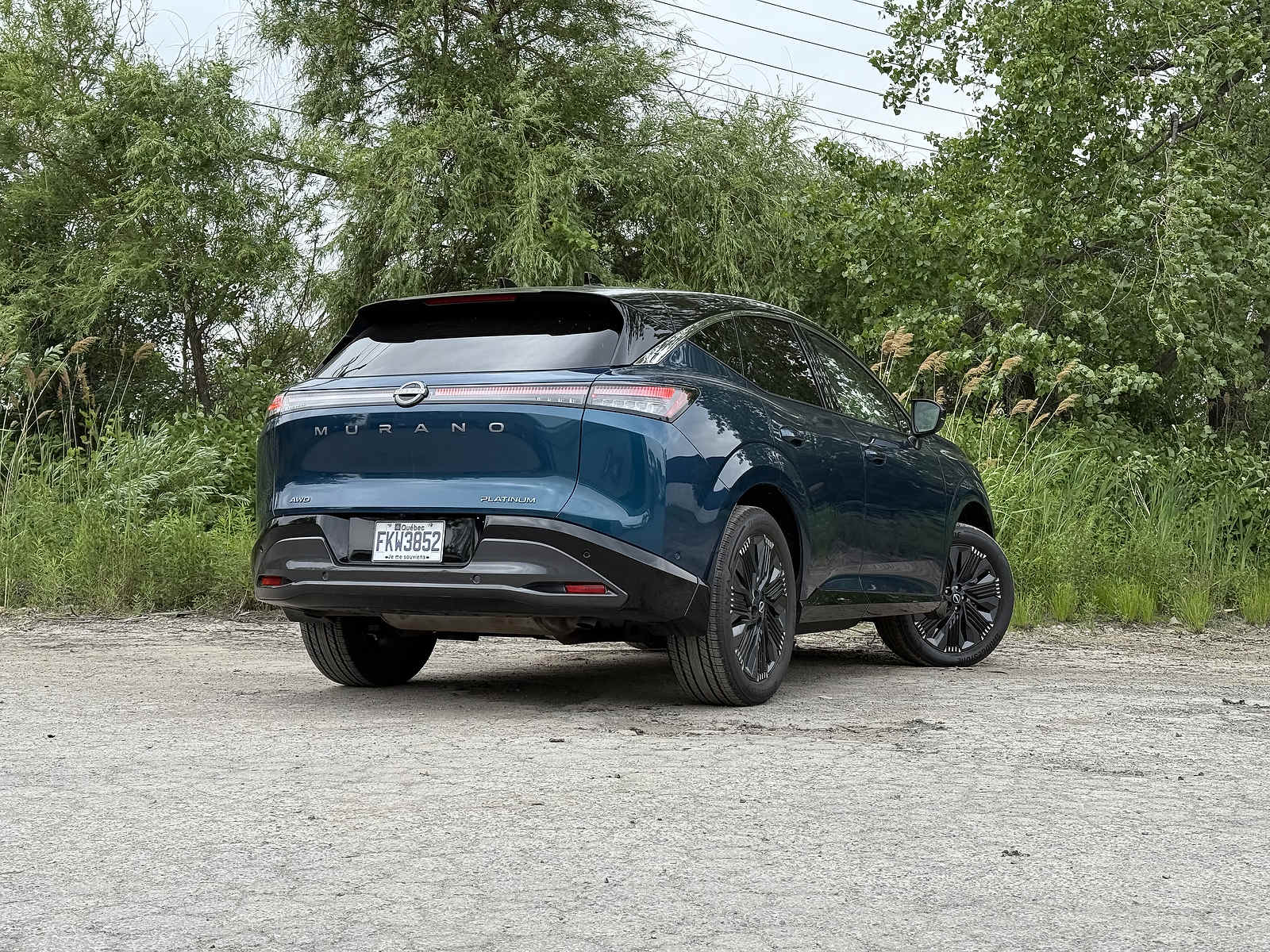
I spent a week living with the all-new fourth-generation Nissan Murano, and I found myself drifting back through Nissan’s history. Back in the ‘90s and early 2000s, Nissan and Infiniti were untouchable. They rolled out hit after hit, including Maxima, Altima, and G35, cars that redefined their respective segments. So when the first Murano launched in 2003, with its sleek design and gutsy V6, it was genuinely exciting.
 2025 Nissan Murano | Photo: Matt St-Pierre
But somewhere along the line, that spark faded. By the time the second-generation arrived in 2009, the Murano had quietly blended into the background of a booming midsize SUV crowd. I even lost track of it.
So here we are now, two decades later, with a brand-new Murano. And to my surprise, it finally makes sense again, though not for the reasons that made me fall for the original. It’s no longer trying to be the edgy standout. Instead, it’s found a comfortable groove, focusing on what matters to many Canadian families: space, calmness and a premium vibe at a fair price. This, at the expense of big volume, unfortunately.
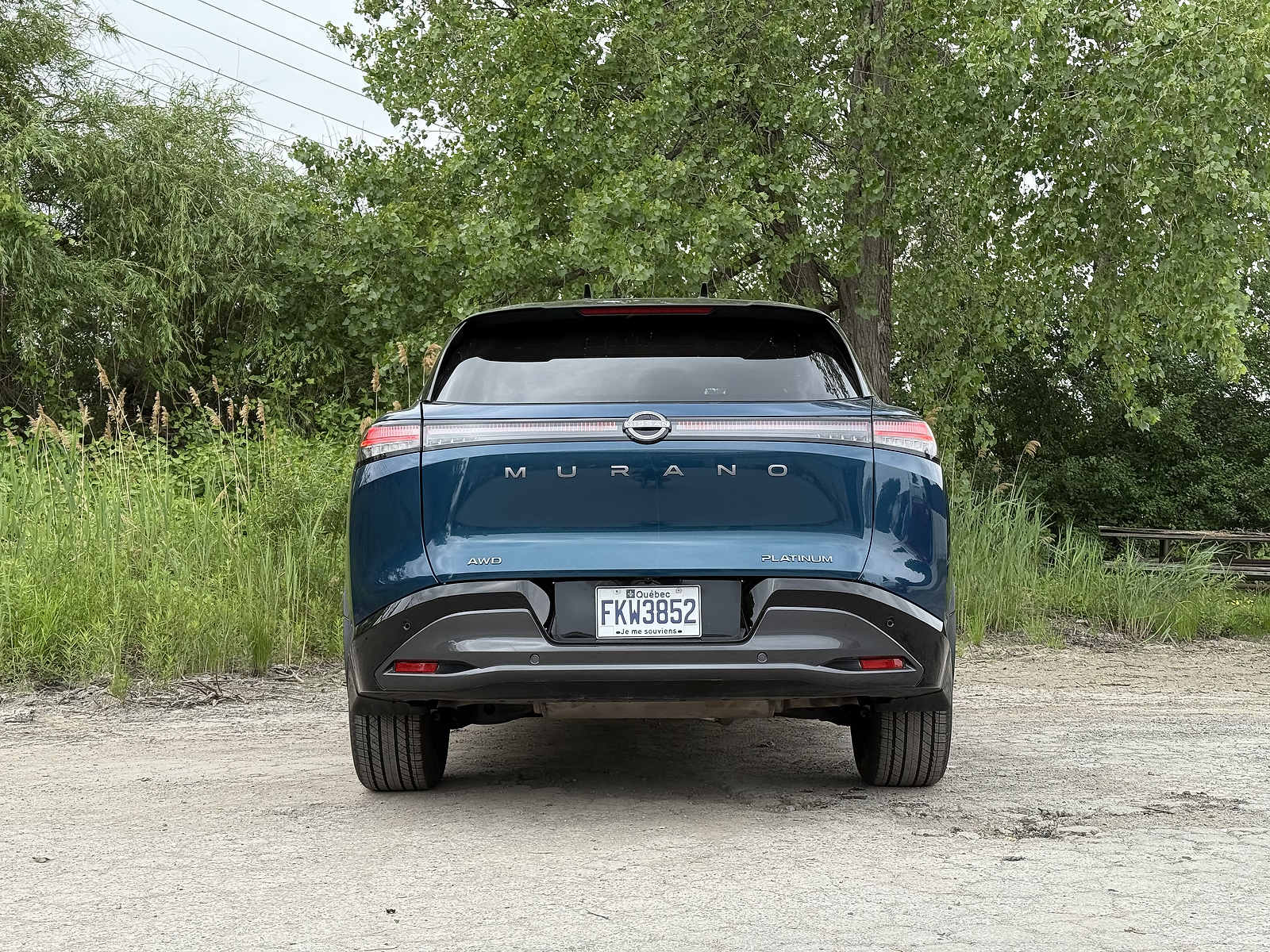
 2025 Nissan Murano | Photo: Matt St-Pierre
Decent bang for the buck
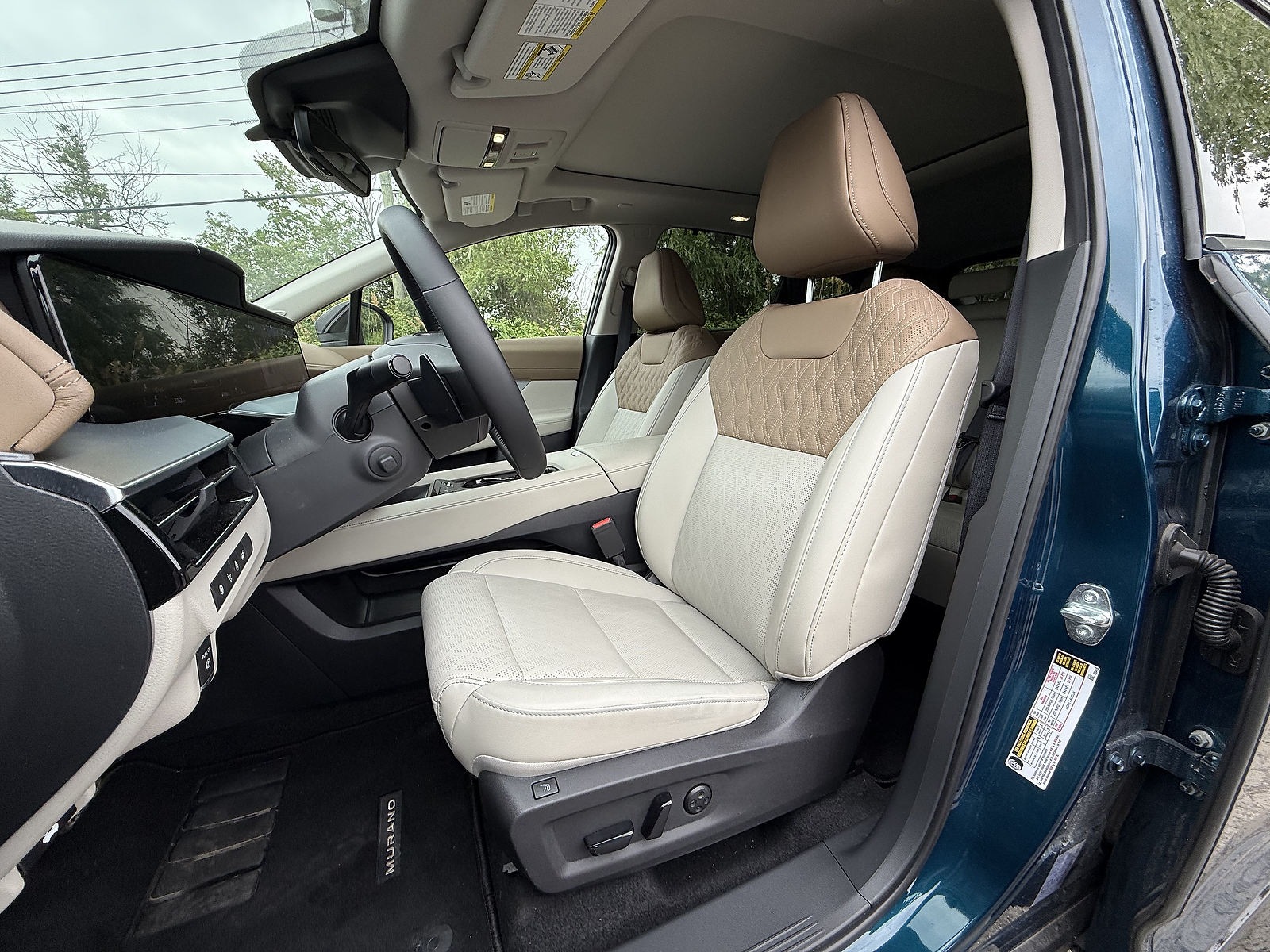
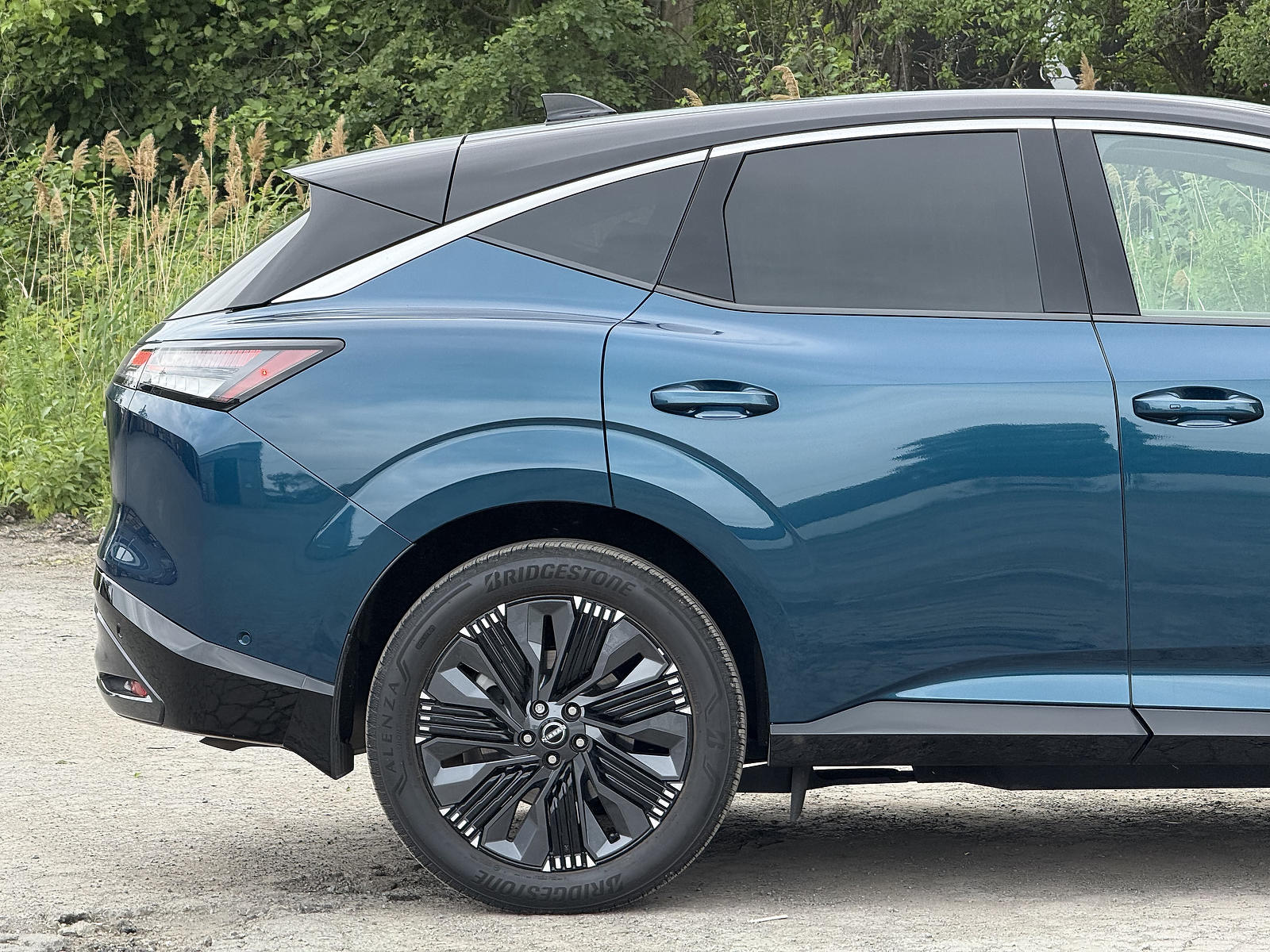
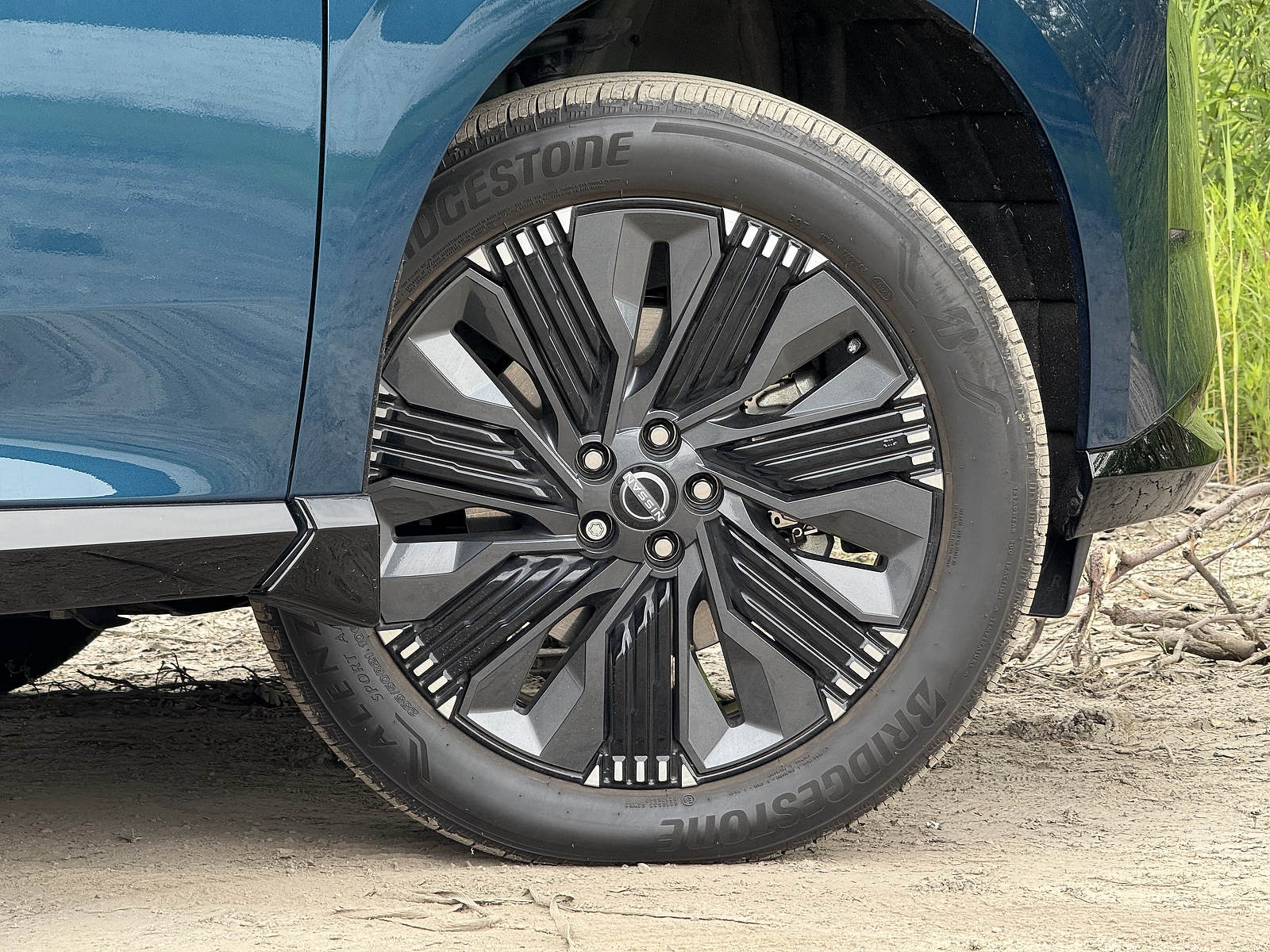
Let’s start there. In Canada, the Murano is all-wheel drive, which is only logical for our winters. Pricing begins at $46,848 for the SV, climbs to $50,498 for the SL, and tops out with my tester, a Platinum at $54,498. That may sound like a hefty chunk of change, but you do get twin 12.3-inch screens, 20-inch wheels, a power hatch, LED lighting and, in the case of this Platinum, semi-aniline leather, massaging front seats, a head-up display and 21-inch alloys.
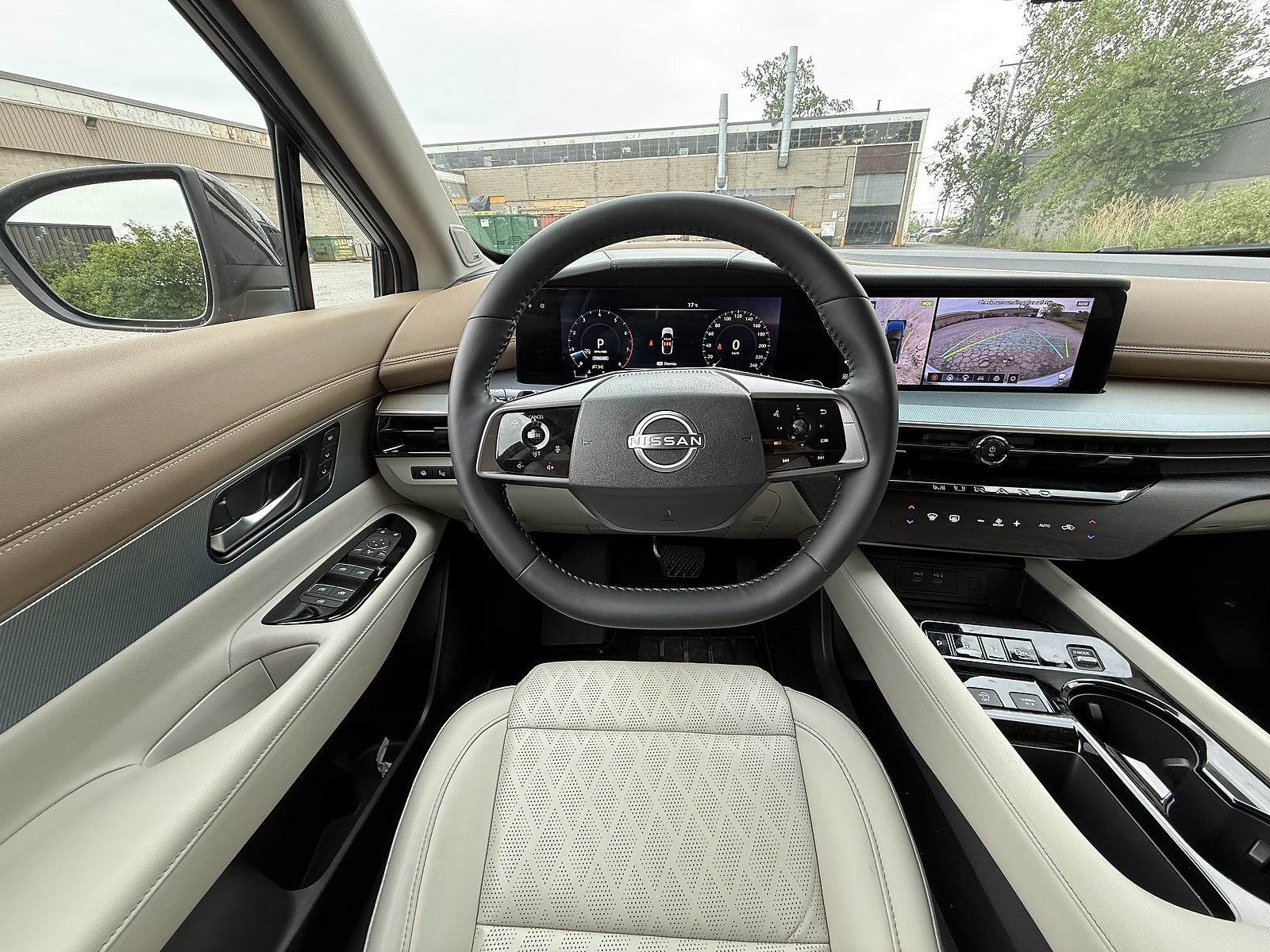
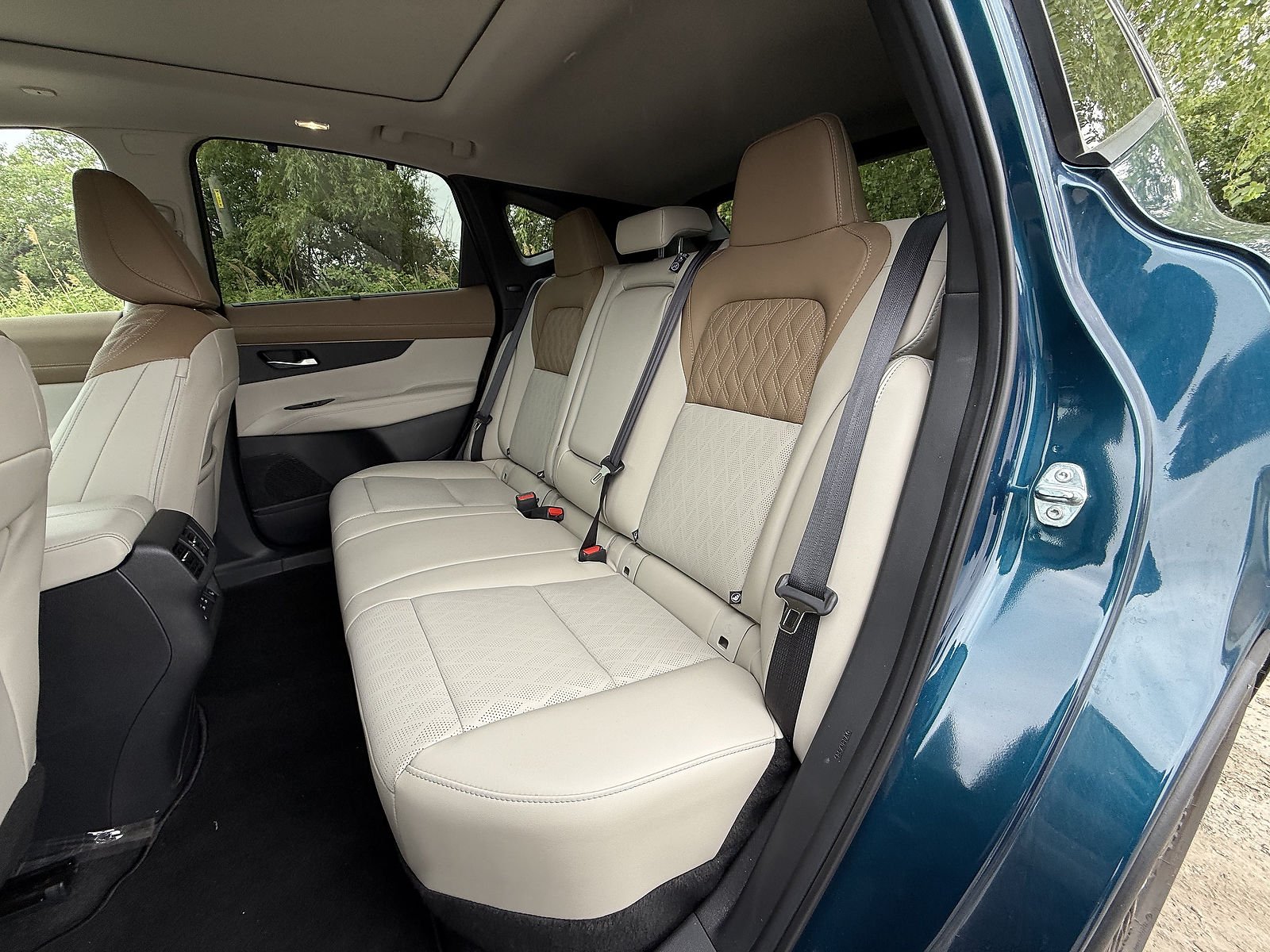
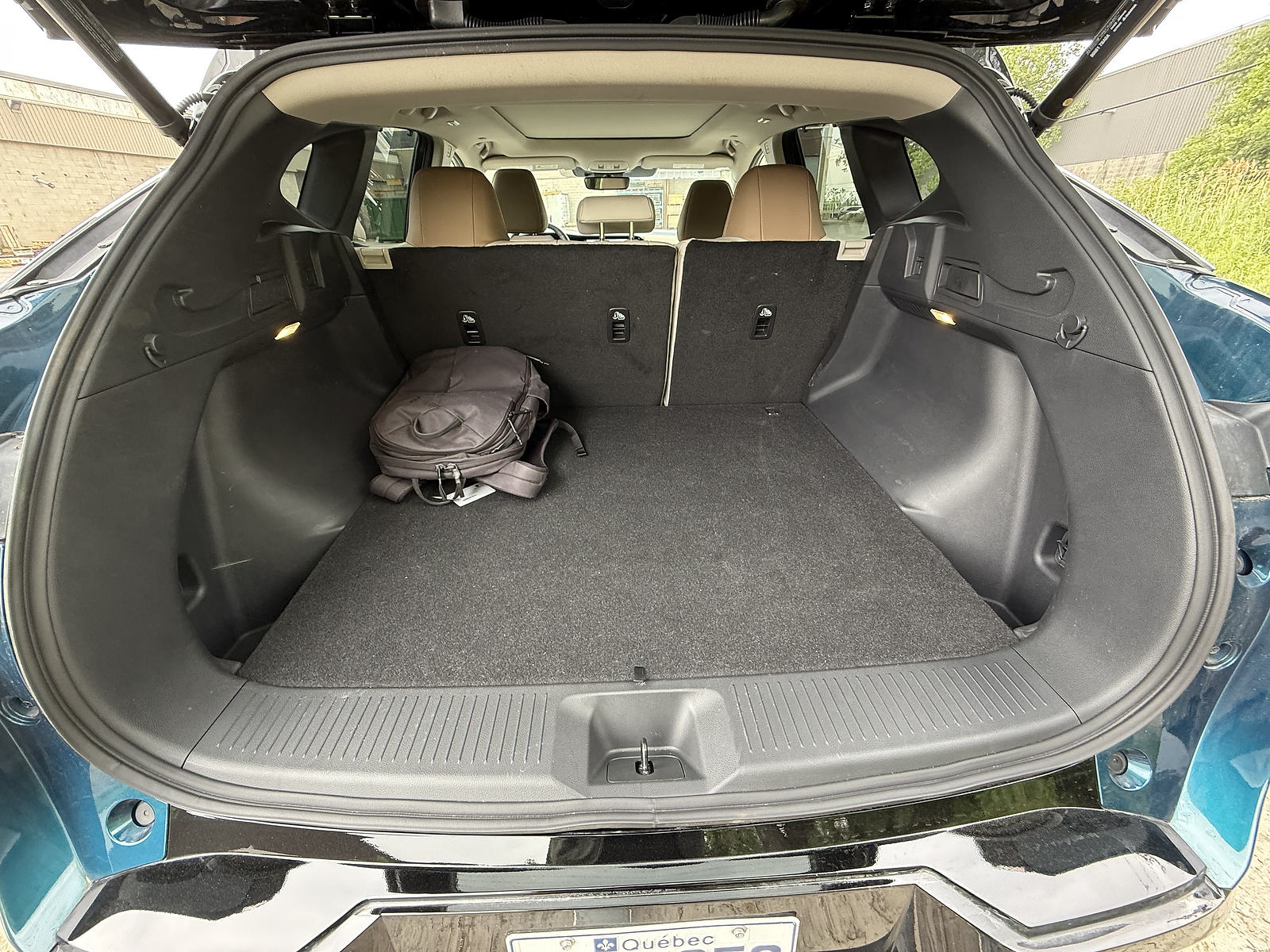
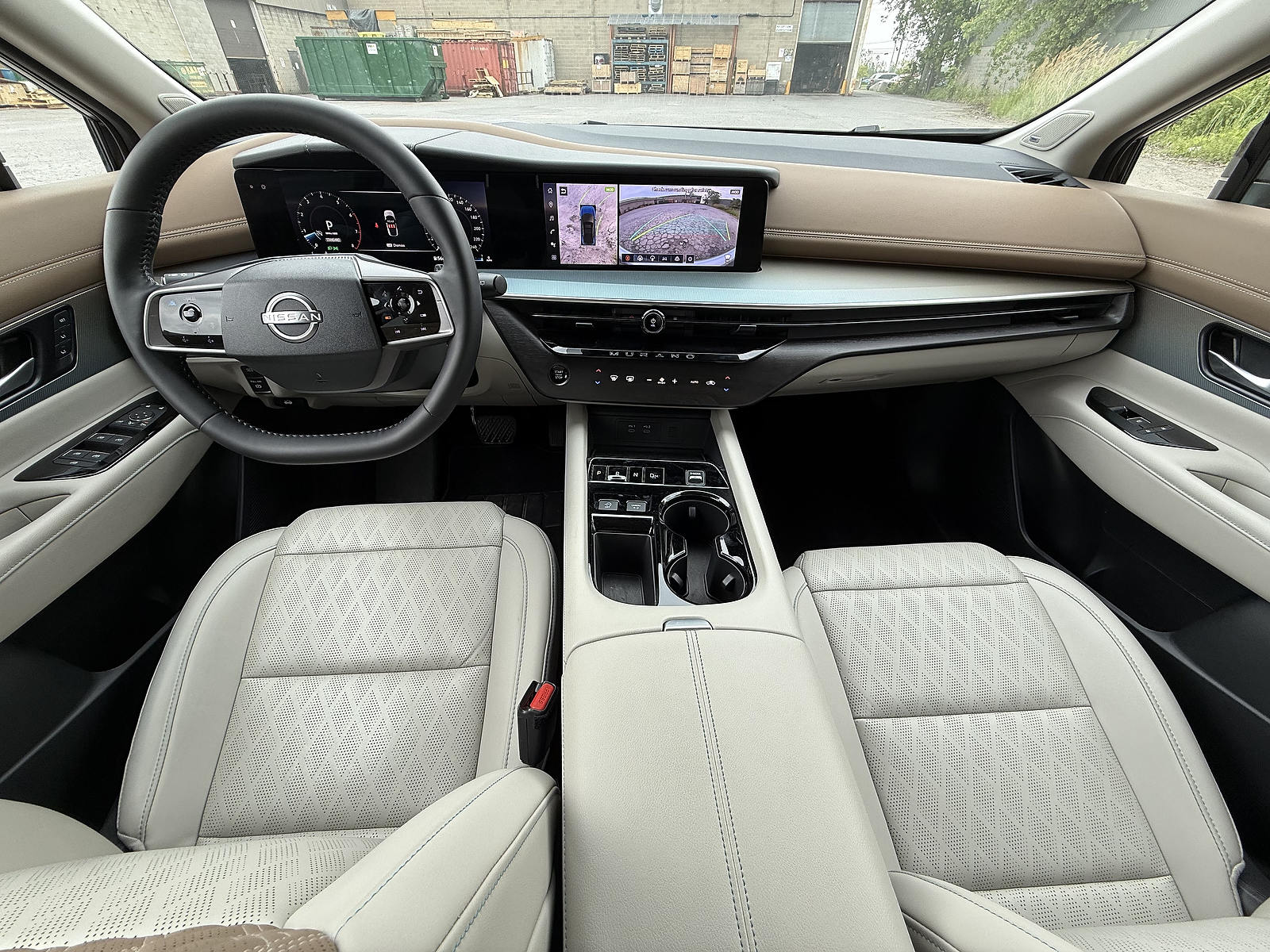
Slide inside and you quickly see where Nissan spent the money. The cabin’s two-tone materials are cleanly executed, the seats (still Nissan’s “Zero Gravity”) are spectacularly comfortable, and there’s a real sense of width thanks to the new body being 2.6 inches broader than before. Rear seat space is generous, and the flat floor makes stretching out easy. Even the cargo area impresses with a low lift-over height and a wide opening, suitable for golf bags if that’s your thing.
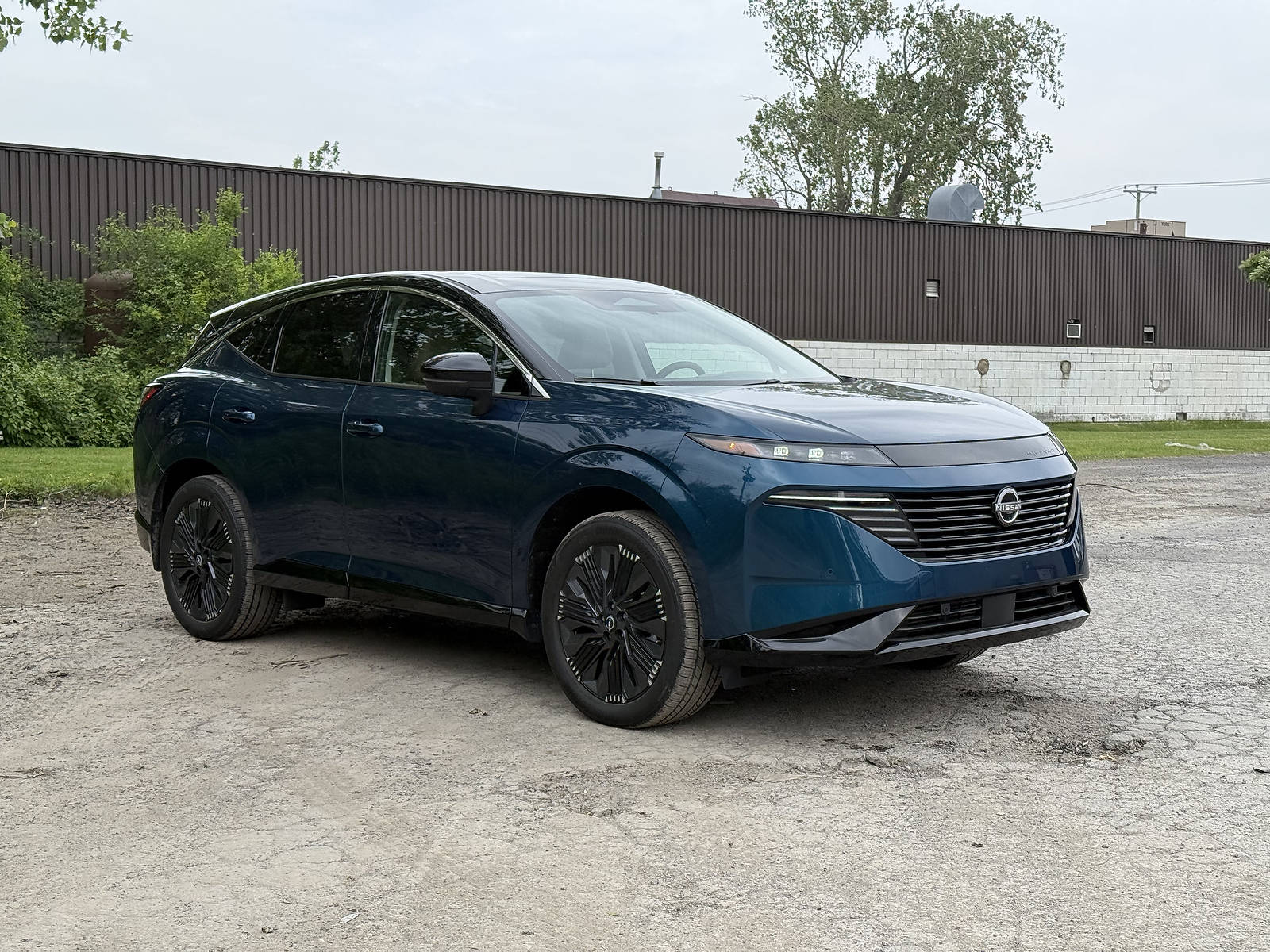
 2025 Nissan Murano | Photo: Matt St-Pierre
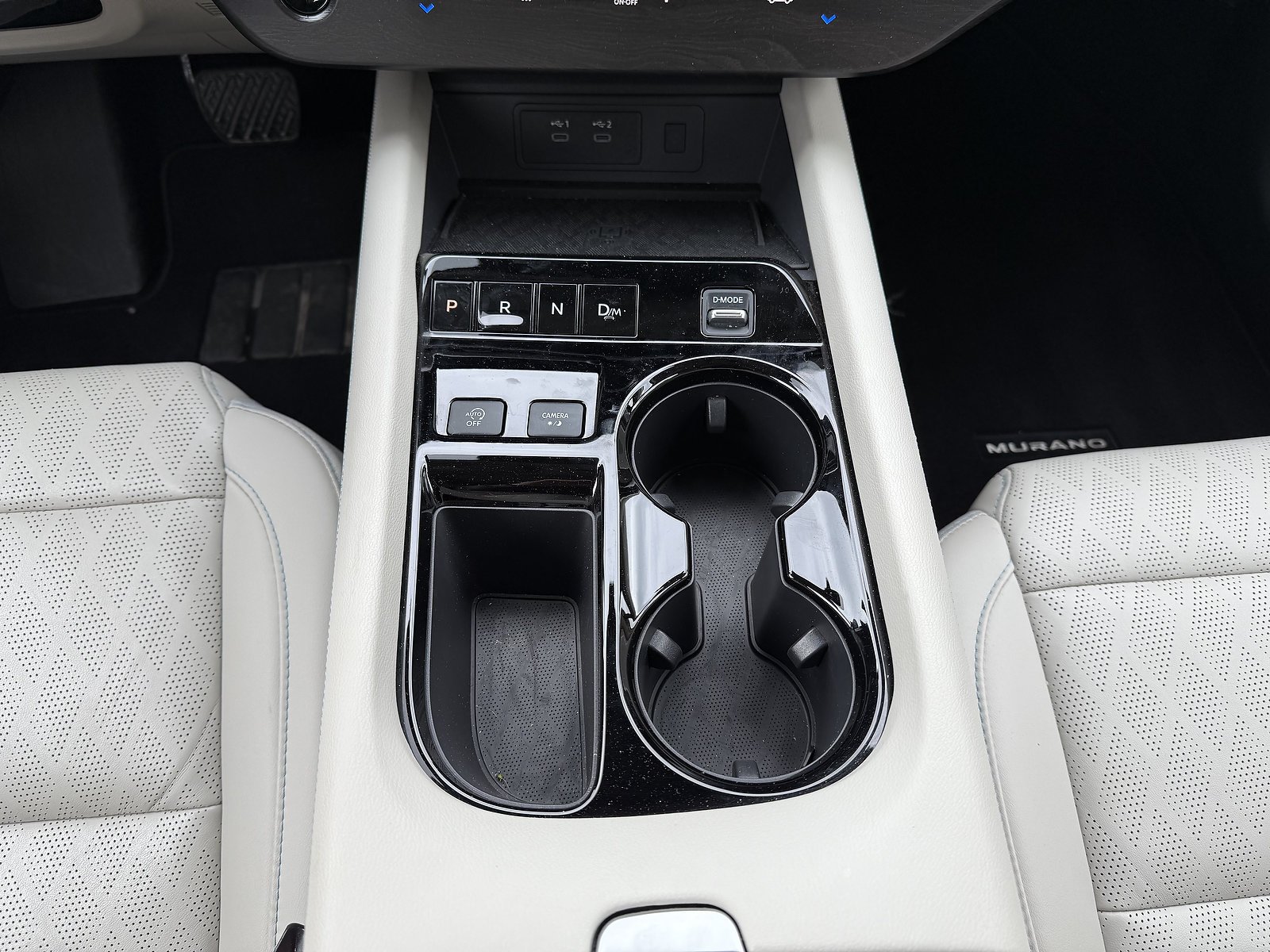
As for tech, it’s a mostly strong showing. The dual 12.3-inch screens are crisp, the Bose audio is solid, and HVAC controls are logically placed. Although I did have one comically bad moment with the touchscreen freezing completely. An atypical new car teething issue, I hope.
VCT 2.0, no electrification
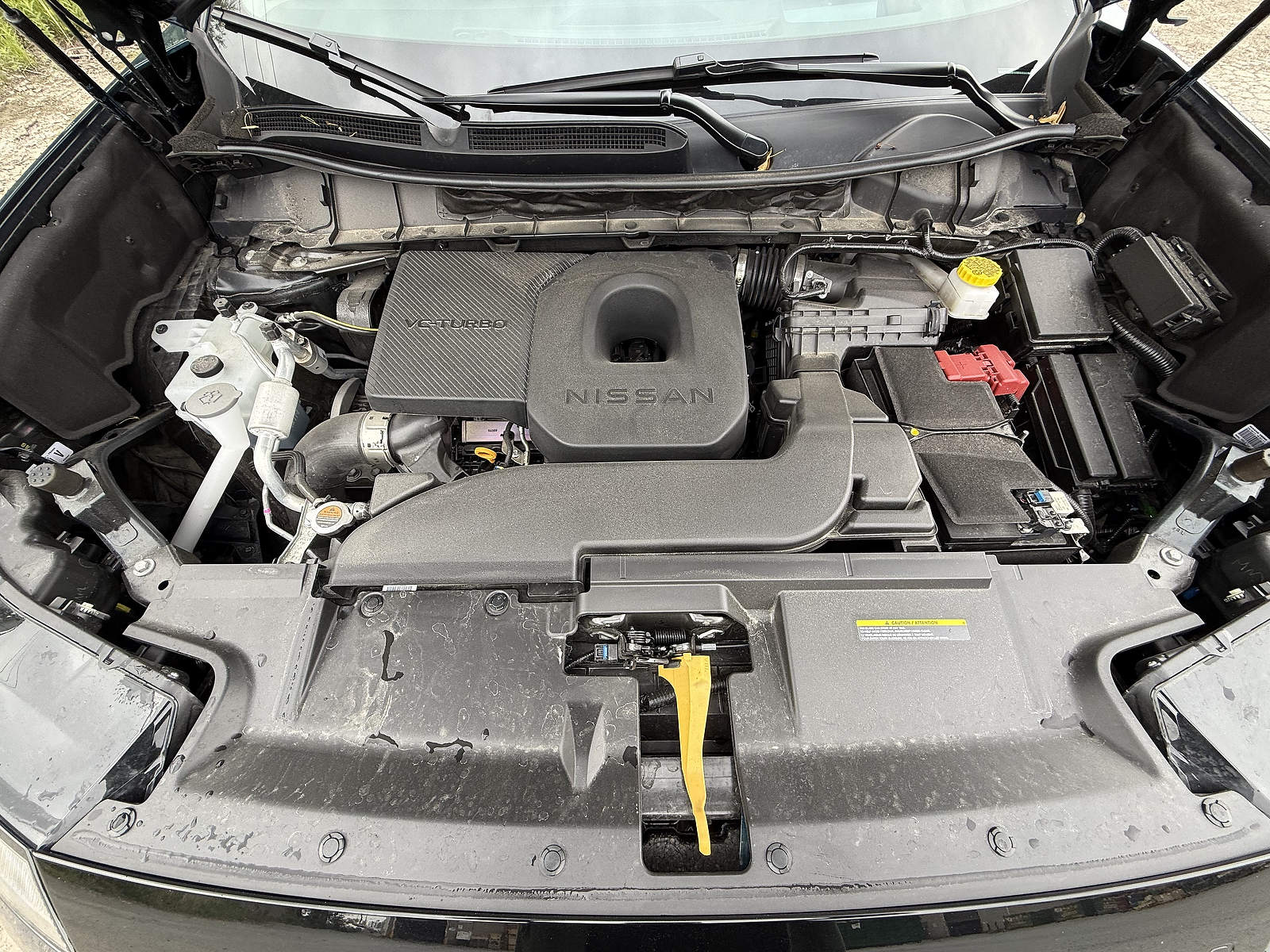
On the move, the Murano is precisely what its interior suggests: calm, quiet and smooth. The old 3.5-litre V6 is gone, replaced by a turbocharged VCT 2.0-litre four-cylinder that offers 241 horsepower and 260 lb-ft of torque. It’s a decent trade, down on power but up on torque, and paired to a conventional nine-speed automatic transmission. It’s quieter and less drone-y than the old CVT, though a hard kickdown still feels like it’s asking a lot. And despite the smaller engine, real-world fuel economy hasn’t budged much: I averaged just under 13 litres per 100 km, well off the official estimate of 9.7.
 2025 Nissan Murano | Photo: Matt St-Pierre
The drive itself is almost entirely drama-free. The steering is light, the brakes progressive, and the suspension—MacPherson up front, multi-link in the rear—soaks up rough pavement nicely, even on these big 21-inch wheels. It’s not sporty, but that’s the point. It’s tuned for long hauls to Winnipeg or Saskatoon from Montreal with your family, where the massaging seats and whisper-quiet cabin earn their keep.
If there’s a knock, beyond fuel economy, it’s that Nissan didn’t seize the chance to offer a hybrid. With rivals like the Hyundai Santa Fe Hybrid looming, the Murano’s purely gas-fed powertrain might be a dealbreaker for some, perhaps even many.
What to Watch Out For
The VCT engine. On paper, the variable compression turbocharged engine delivers both fuel efficiency and power. But it’s complex and fragile, with numerous and recurring issues. Nissan has already recalled over 440,000 vehicles equipped with the 1.5L and 2.0L VCT engines due to potentially faulty bearings, which could lead to damage or engine failure.
 2025 Nissan Murano | Photo: Matt St-Pierre
Good-er Murano, but not quite?
In the end, driving this Murano gave me a fresh perspective. It’s no longer the exciting outlier it once tried to be. Instead, it’s leaned hard into quiet luxury, offering surprising value in a world where many midsize SUVs start north of sixty grand. For folks like my friend’s father-in-law, who loved his old Murano more than the new Mazda he replaced it with, this one will hit all the right notes.
Would I buy it? Personally, probably not. I’d still look for something with a hybrid or a bit more verve. But for a serene, spacious, very well-appointed family hauler that costs less than many flashier alternatives, the new Murano earns a second look. Sometimes, knowing exactly who you are is more important than chasing who you used to be. And in that, the Murano has finally found its stride again.