

The electric C-HR drives far better than expected, combining comfort, composure and genuinely entertaining handling beautifully.
Nearly 500 km of claimed range makes the front-drive C-HR a compelling everyday electric crossover.
Some irritating interior decisions remain, but they’re not enough to spoil an unexpectedly convincing package overall.
Increasingly entry-level, quasi-affordable EVs are entering the market, even as buyers have chilled somewhat on the idea of going electric. One of the many complaints surrounding EVs was affordability, and while “expensive,” there are more affordable EVs available today than there have ever been.
And every time I drive one of these gateway EVs, something like the Chevrolet Bolt, Kia EV3, EV4 or EV5, Hyundai Kona Electric, Nissan Leaf, Subaru Uncharted or Toyota C-HR, I come away with renewed hope for what these vehicles can accomplish.
 2026 Toyota C-HR SE | Photo: Matt St-Pierre
And I’m going straight to the point: the 2026 Toyota C-HR is incredibly interesting.
You may remember the original C-HR sold between 2018 and 2022 – I do. And I’ll keep my thoughts about that vehicle simple: I didn’t like it. It did absolutely nothing for me.
So, I approached this second-generation, all-electric C-HR with basically the same attitude. And I will admit I was way wrong. Somehow this makes me appreciate large-small EV even more.
 2026 Toyota C-HR SE | Photo: Matt St-Pierre
A Lot More C-HR
The 2026 C-HR SE starts at $47,900 with fees, before rebates. That gets you the front-wheel-drive model with a seven-inch digital instrument cluster, massive 14-inch touchscreen, power driver’s seat, heated front seats, heated steering wheel, and power tailgate.
There are EVs hovering below $40,000 before rebates (approximately $42,000 with fees), but some sacrifice range or charging capability. The C-HR starts looking like a very interesting middle ground between price, equipment and usability.
It’s also considerably larger than the old C-HR, which was one issue for me with the previous model. The new one’s wheelbase grows by 11 cm, overall length by 18 cm, and it’s nearly eight centimetres wider.
 2026 Toyota C-HR SE | Photo: Matt St-Pierre
Styling? I’m still not entirely sold on it. But I’m warming up to its busy/subtle design. Those integrated rear door handles, though? Disaster. My kids don’t like them because they’re too high, and I just hate the whole idea. Put the handle where a door handle normally goes. Make it normal.
Practical, With A Few Irritations
There’s no frunk (no big deal), but the rear cargo area holds 720L of stuff. Unfortunately, its adjustable floor panels bounce around over rough roads and make noise when in the upper position. Lowering them helps, but then you lose the flat load floor. Not a deal breaker. Just something to know in order to avoid visiting the dealership with a rattle complaint.
Rear-seat space is surprisingly generous, too. Even with two booster seats installed, there’s enough room between them for a teenager. The rear door openings are somewhat narrow but liveable.
 2026 Toyota C-HR SE | Photo: Matt St-Pierre
The cabin itself is generally sombre; however, marks are awarded to the different textures and materials, which work nicely. Unfortunately, Toyota then made some decisions I simply don’t understand.
There’s no conventional glove compartment, and the huge center console between the front seats is a catastrophe. It’s ugly, it’s ungainly, and it isn’t particularly useful, all of this in the name of wireless phone chargers. Put glasses there, and they slide around. Put your phone there and, unless it has a very grippy case, that moves around too. Did I mention it looks horrible and cheap?
I like convenience, not toys. Give me things that work all the time, unlike the rotary shift controller. Well, to be fair, often the C-HR won’t shift into “D” because it’s “not ready”. Say what?
 2026 Toyota C-HR SE | Photo: Matt St-Pierre
Moving along, the 14-inch touchscreen works well, but there are far too few physical controls outside of the display. You get buttons for the defrosters, heated mirrors and a volume knob, but most other functions require the screen. That lack of physical buttons is a serious problem.
Visibility, thankfully, is excellent, and the relatively small steering wheel has a nice grip, although in my seating position it partially blocks the bottom of the instrument display. This same bug is found in Toyota’s other EVs.
 2026 Toyota C-HR SE | Photo: Matt St-Pierre
Here’s Where The C-HR Got Me
I truly did not expect to enjoy driving this thing. The tested front-wheel-drive SE makes 221 hp and 198 lb-ft of torque. Those numbers aren’t outrageous, and they don’t need to be. The C-HR gets up and goes with typical electric oomph. What impressed me, though, is the chassis.
The C-HR stays relatively flat and predictable through corners despite its weight. There’s a multi-link rear suspension, 18-inch wheels and a very nicely judged combination of comfort and handling. The steering is heavy, but purposefully so rather than artificially exaggerated. And I love the brakes.
The regenerative braking paddles and the control they provide are a little sad compared with what Korean manufacturers offer, but the conventional brake response itself is excellent.
 2026 Toyota C-HR SE | Photo: Matt St-Pierre
Every C-HR gets a 77-kWh battery. The front-drive version is rated for 496 km of range, which is very good. The all-wheel-drive XSE jumps to 338 hp and adds another 125 lb-ft from the rear motor, the sole cost being an estimated range drop to 452 km.
That sounds like the makings of a future GR Sport to me.
Charging tops out at 150 kW, which is perfectly adequate for long-distance driving, and the native NACS port adds another sometimes-useful piece to the package. On a full charge, my test vehicle indicated just over 400 km. Concerning, perhaps, but not alarming for now — particularly because I’d been having far too much fun driving it.
 2026 Toyota C-HR SE | Photo: Matt St-Pierre
What to Watch For
The bouncing rear cargo-floor panels could become irritating on rough Canadian roads, while the touchscreen-heavy control layout may prove frustrating in daily use. The occasional delay I experienced when selecting Drive is another quirk worth monitoring.
Real-world range also deserves attention: my fully charged tester’s reduced displayed range may indicate serious range cuts come winter tire time, be it because of the cold or road conditions.
This Is a Good One
I’m now a fan of the all-electric Toyota C-HR. There, I said it.
The Chevrolet Bolt still appeals to me for its simplicity, accessibility and pricing. The Kia EV5 pleased me enormously, while the EV4 makes an interesting alternative for someone replacing a compact sedan or an older C-HR.
2027 Kia EV5 Review: Kia’s Best EV Yet Might Also Be Its Smartest
The bottom line is that there’s something about the way this Toyota drives.
Toyota and Subaru’s recent EVs have been increasingly convincing, interesting and genuinely usable, and the C-HR continues that run. My heart still belongs to the Trailseeker and bZ Woodland because, well, I like wagons.
But the C-HR? And, presumably, its Subaru Uncharted twin?
I went into this test expecting very little. Instead, I came away wanting to book the all-wheel-drive version for a winter test for no particularly sensible reason…
What am I trying to say? I like it, and if Toyota’s watching this, you know what to do.


| Specifications |  | 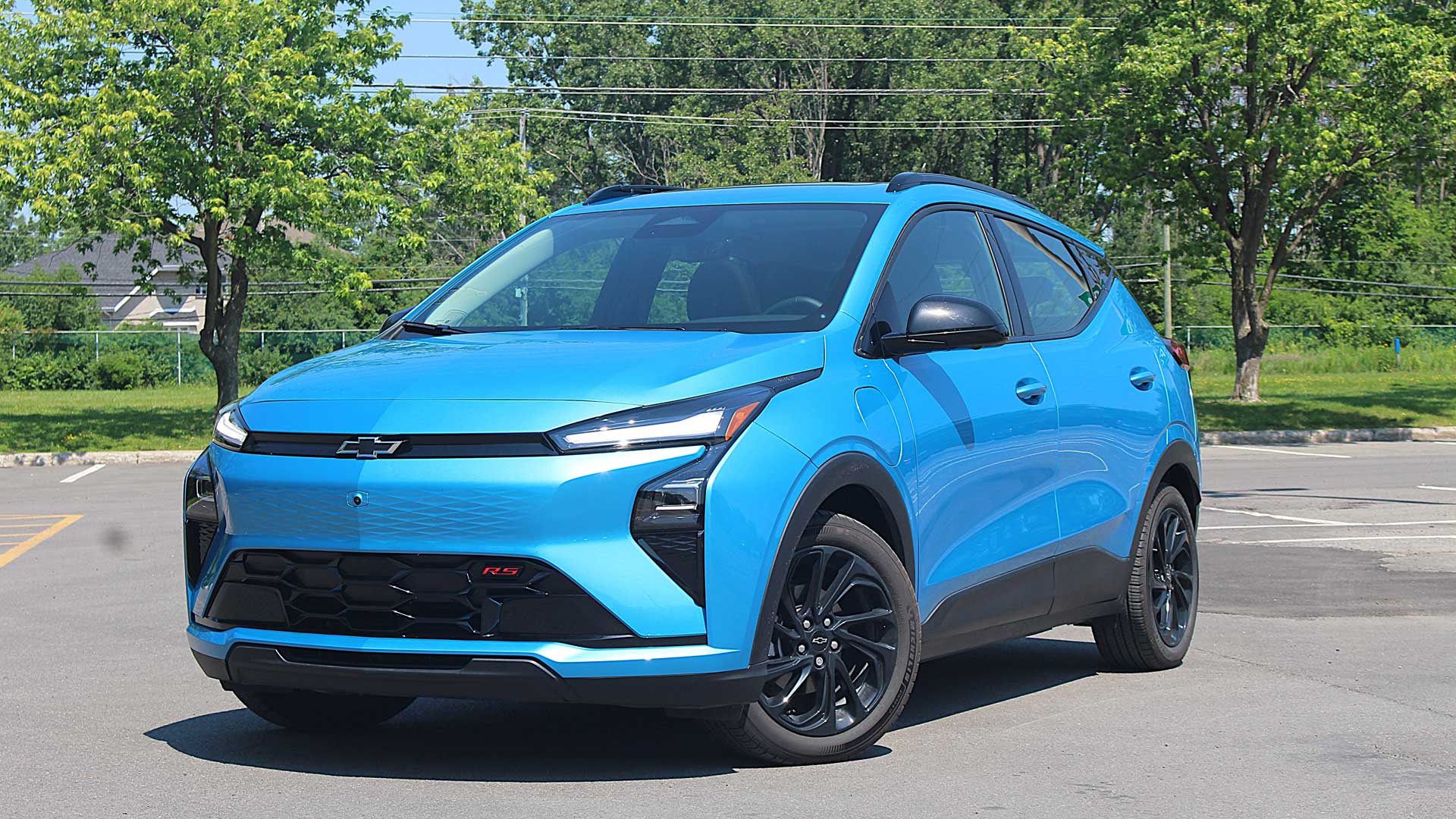 |  | 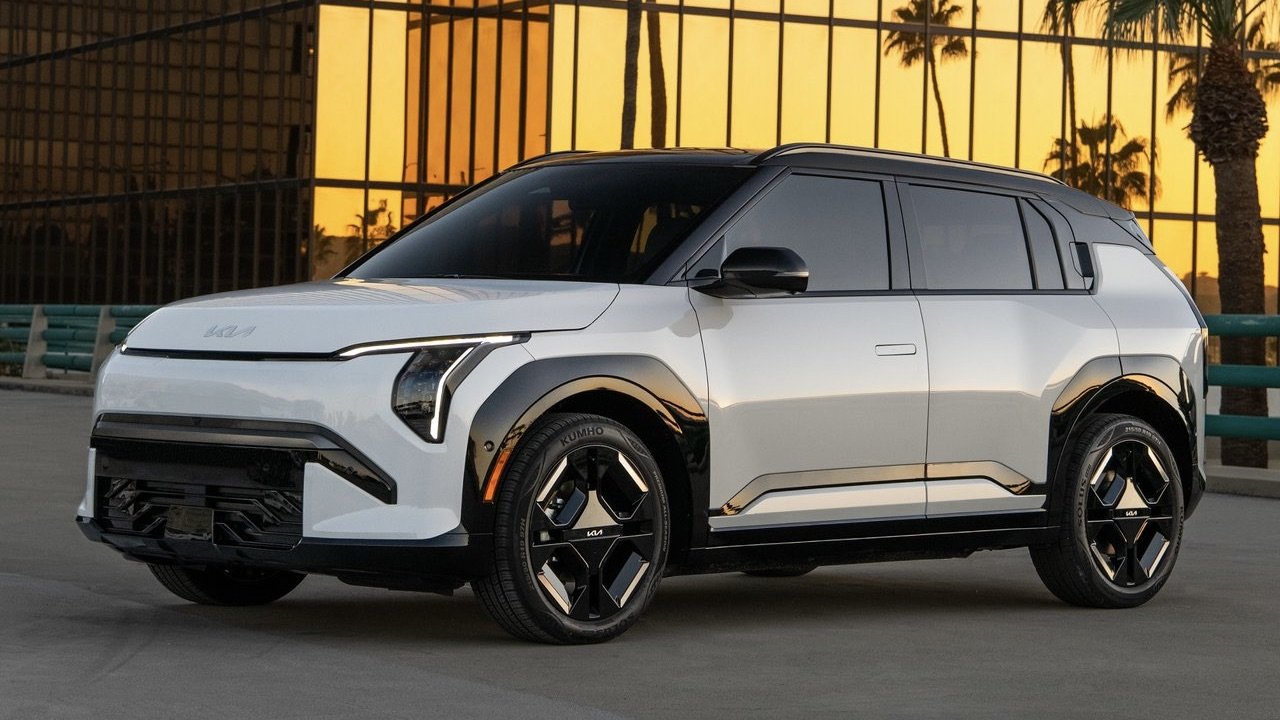 |
|---|---|---|---|---|
| 2026 Toyota C-HR | 2027 Chevrolet Bolt | 2026 Hyundai Kona Electric | 2027 Kia EV3 | |
| Price Range (($CAD) including fees) | $47,829 to $58,234 | $43,398 to $54,163 | $47,098 to $53,498 | $40,179 to $59,429 |
| Drivetrain | Single Motor FWD Dual-Motor AWD | Single Motor FWD | Single Motor FWD | Single Motor FWD Dual-Motor AWD |
| Output (hp) | 221 (FWD) / 338 (AWD) | 210 | 201 | 201 (FWD) / 288 (AWD) |
| Torque (lb-ft) | 198 (front) / 125 (rear) | 169 | 188 | 209 (FWD) / 345 (AWD) |
| Base City/Highway/Combined (kWh/100 km) | 15.0 to 17.2 / 17.8 to 20.6 / 16.2 to 18.7 | 15.6 / 19.8 / 17.5 | 16.3 / 20.3 / 18.1 | 16.2 to 19.3 / 20.5 to 21.7 / 18.0 to 20.5 |
| Battery Capacity (kWh) | 77 | 65 | 64.8 | 58.3 / 81.4 |
| Driving Range (km) | 438 to 496 | 422 | 420 | 356 to 517 |
| Wheelbase (mm) | 2,750 | 2,675 | 2,660 | 2,680 |
| Length (mm) | 4,520 | 4,307 | 4,355 | 4,310 |
| Width (mm) | 1,870 | 1,770 | 1,825 | 1,850 |
| Height (mm) | 1,620 | 1,622 | 1,580 | 1,575 |
| Cargo Volume (L) | 720 | 459 | 723 | 740 |
