Pros
- Driving range
- Interior layout
- Driving dynamics
Cons
- Reliability remains to be proven
- Price of certain options
- Unknown resale value
Just as BMW unveils the M60 and iX4 versions, I had the opportunity to get back behind the wheel of the iX3 50 xDrive. This time, it was not on the enchanting roads of southern Spain, but here at home, in our very Quebec reality. Did it impress me as much as it did the first time? Yes, although I made a few observations that put things into perspective.
An Unmistakably Bold Design
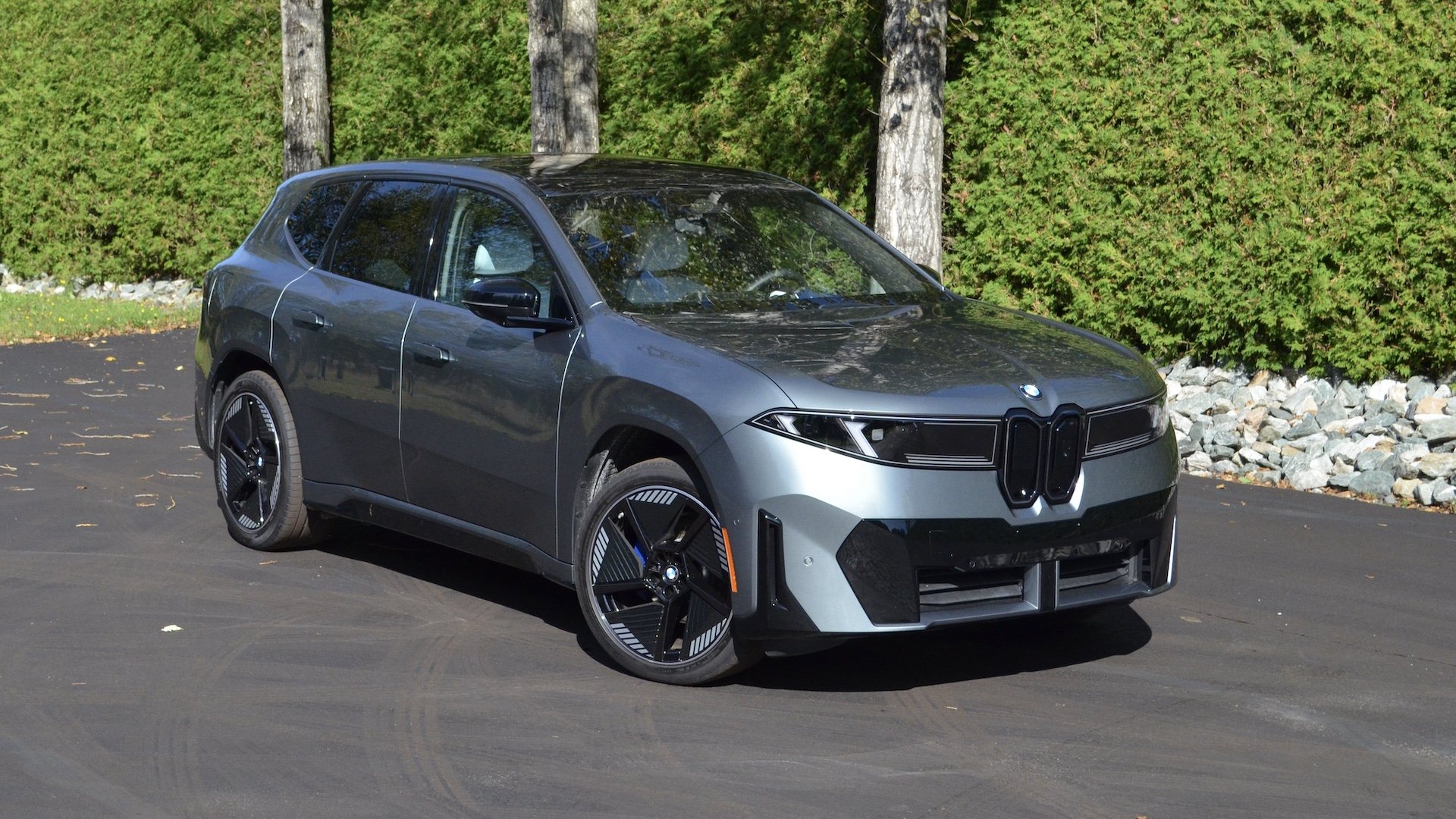
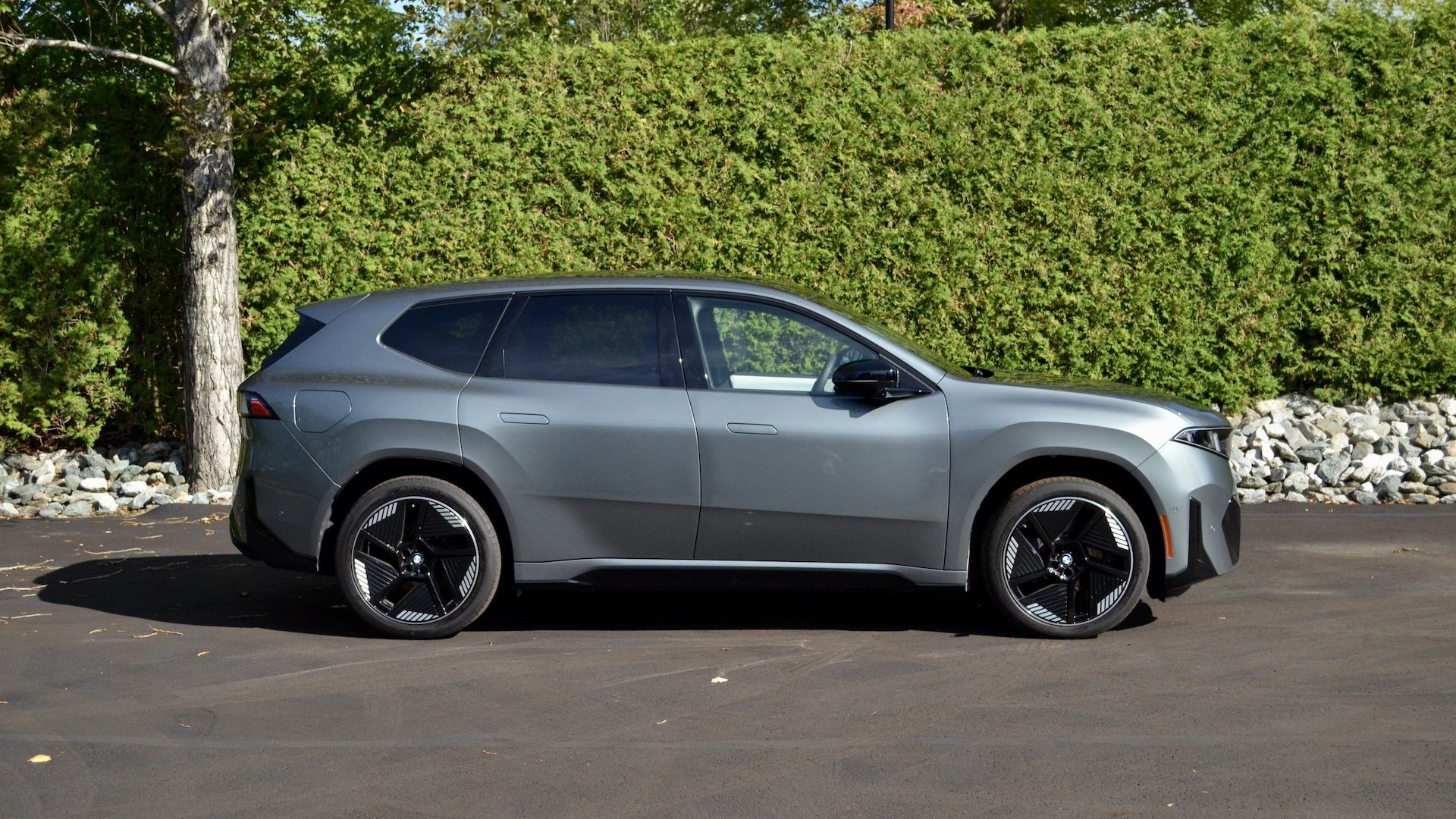
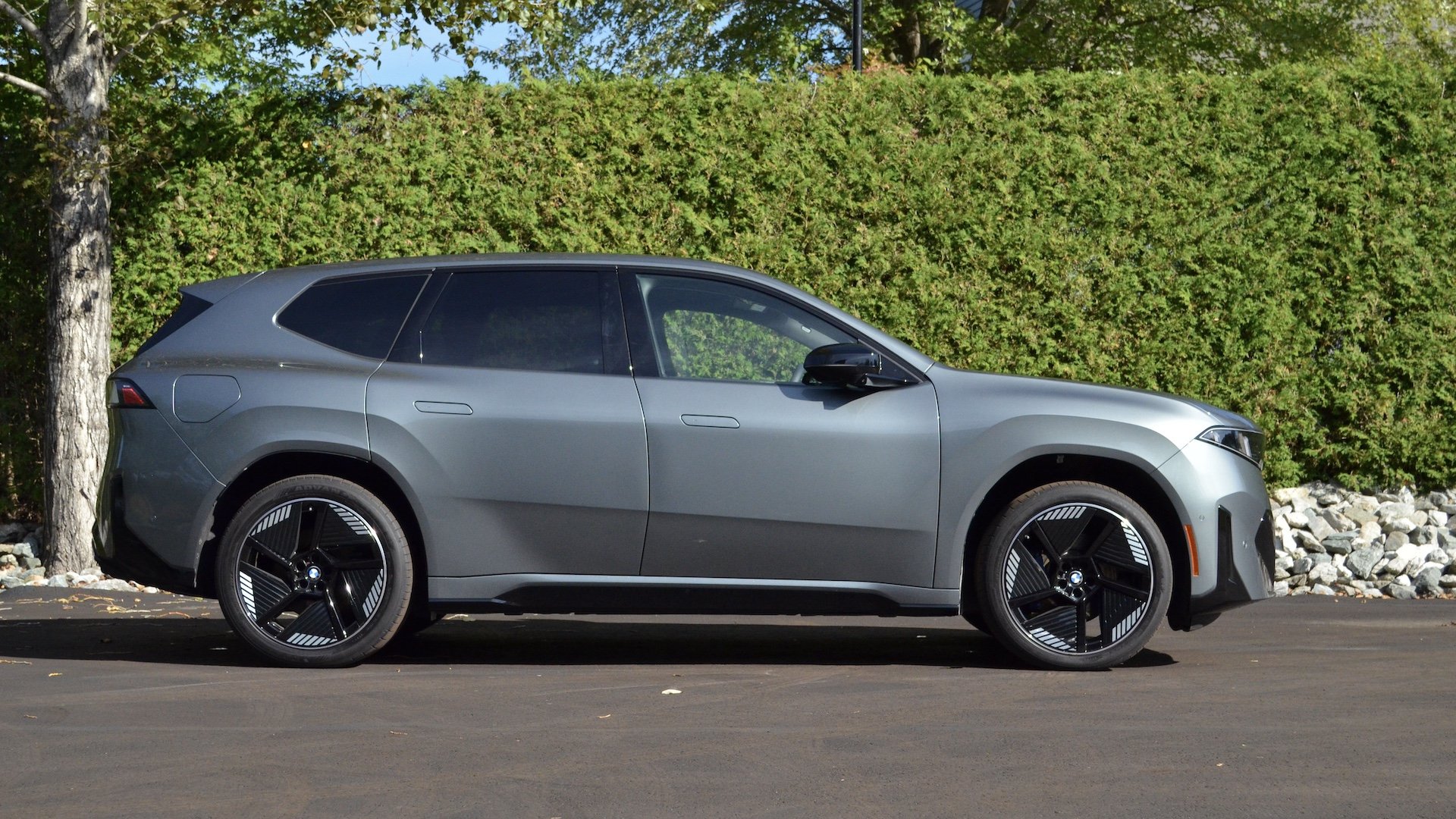
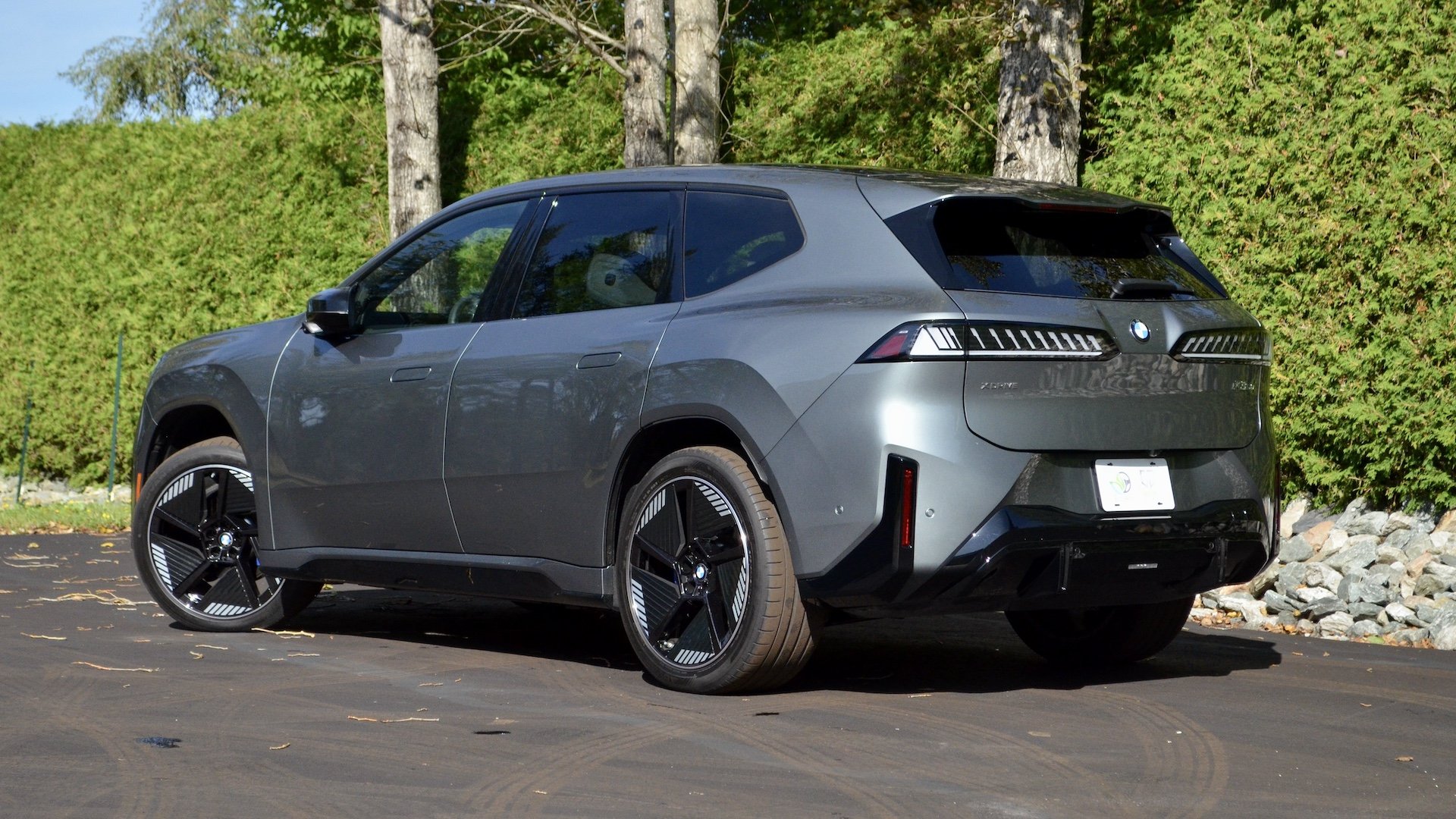
There is no doubt that BMW is entering this new era of electrification in style. The iX3 has a confident, assertive and powerful design. There is no mistaking the brand: this is unmistakably a BMW, with a collection of design elements unique to the marque.
BMW Unveils the iX4, an iX3 that Trades Some Practicality for a More Distinctive Design
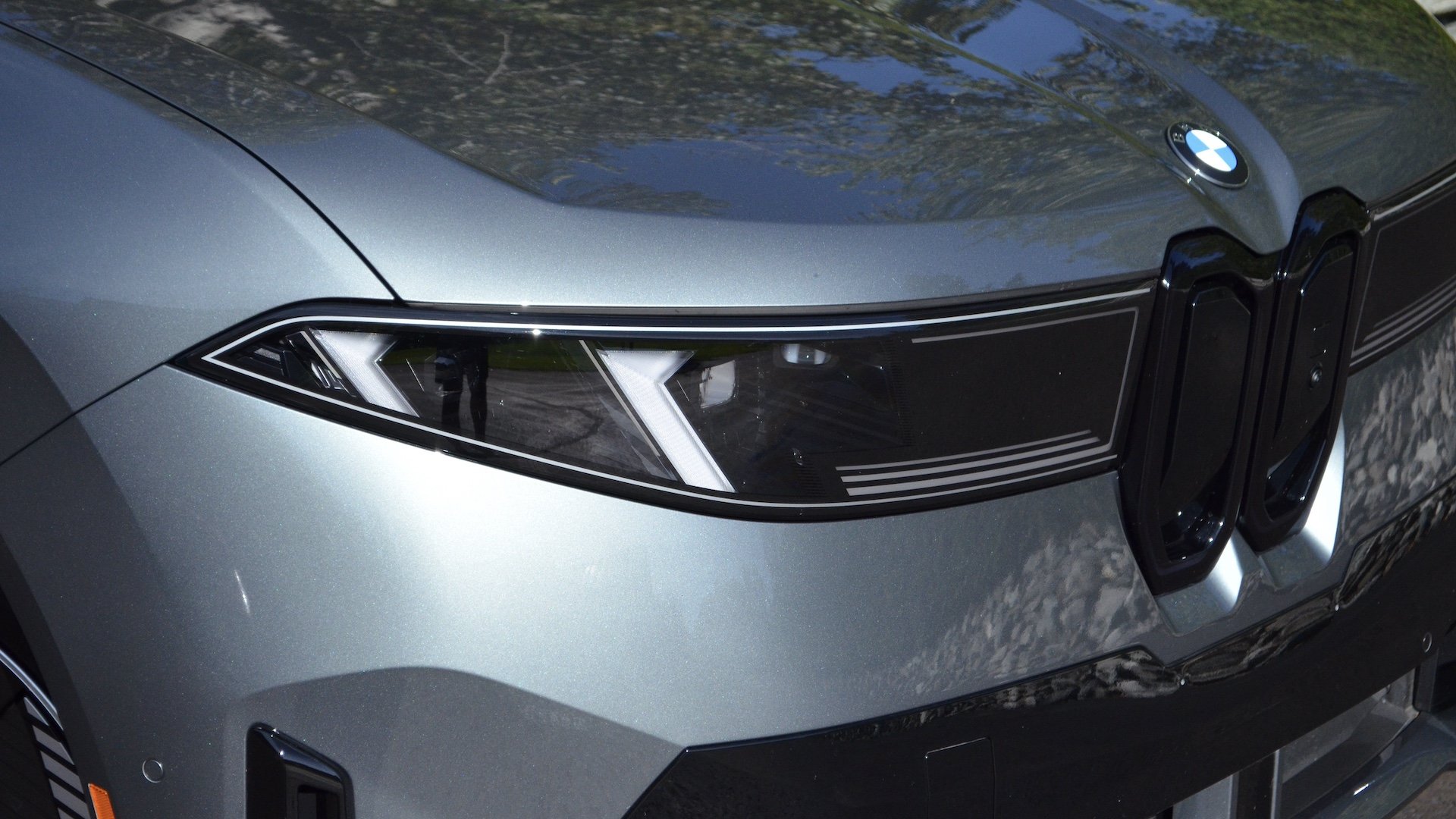
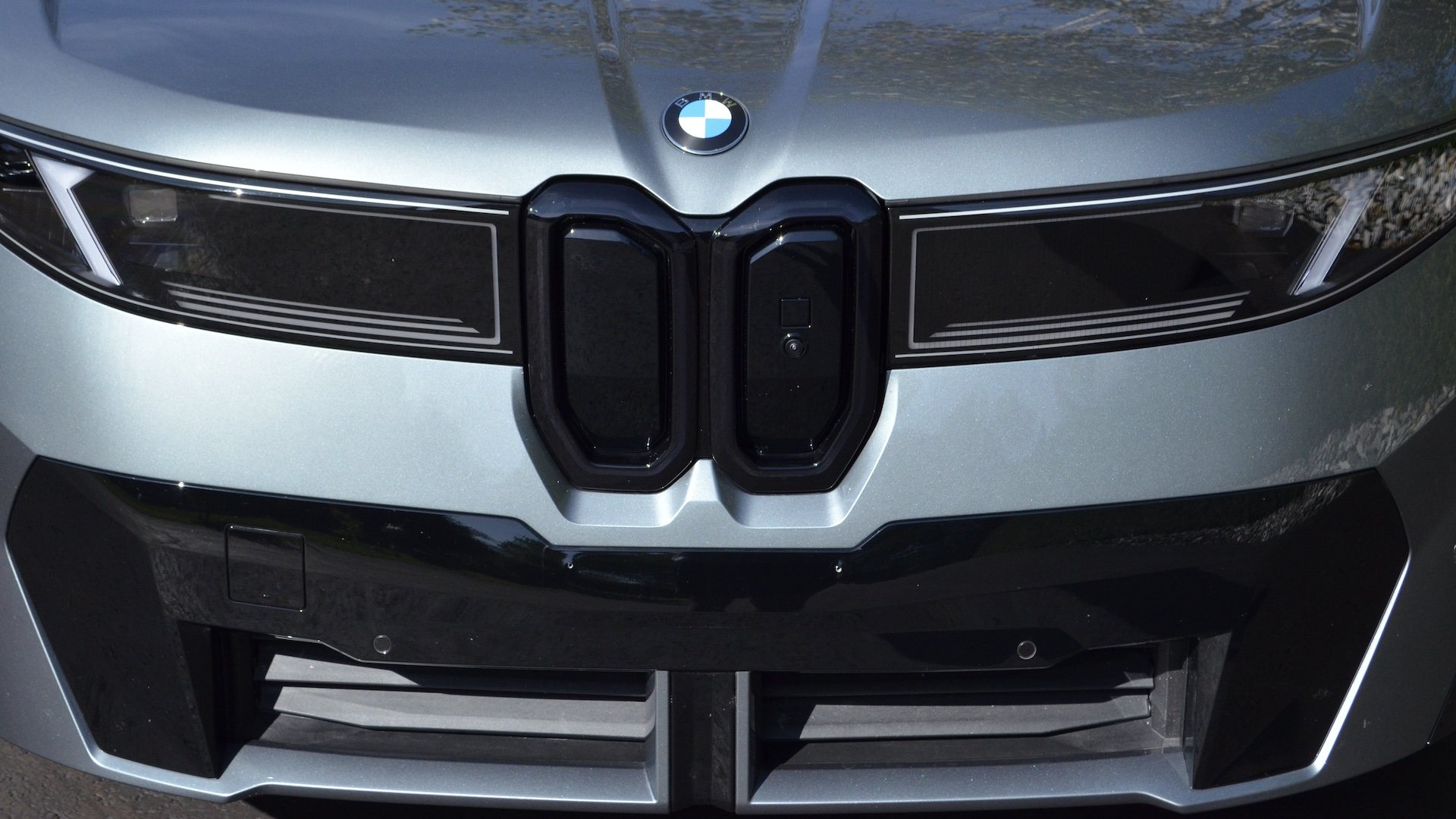
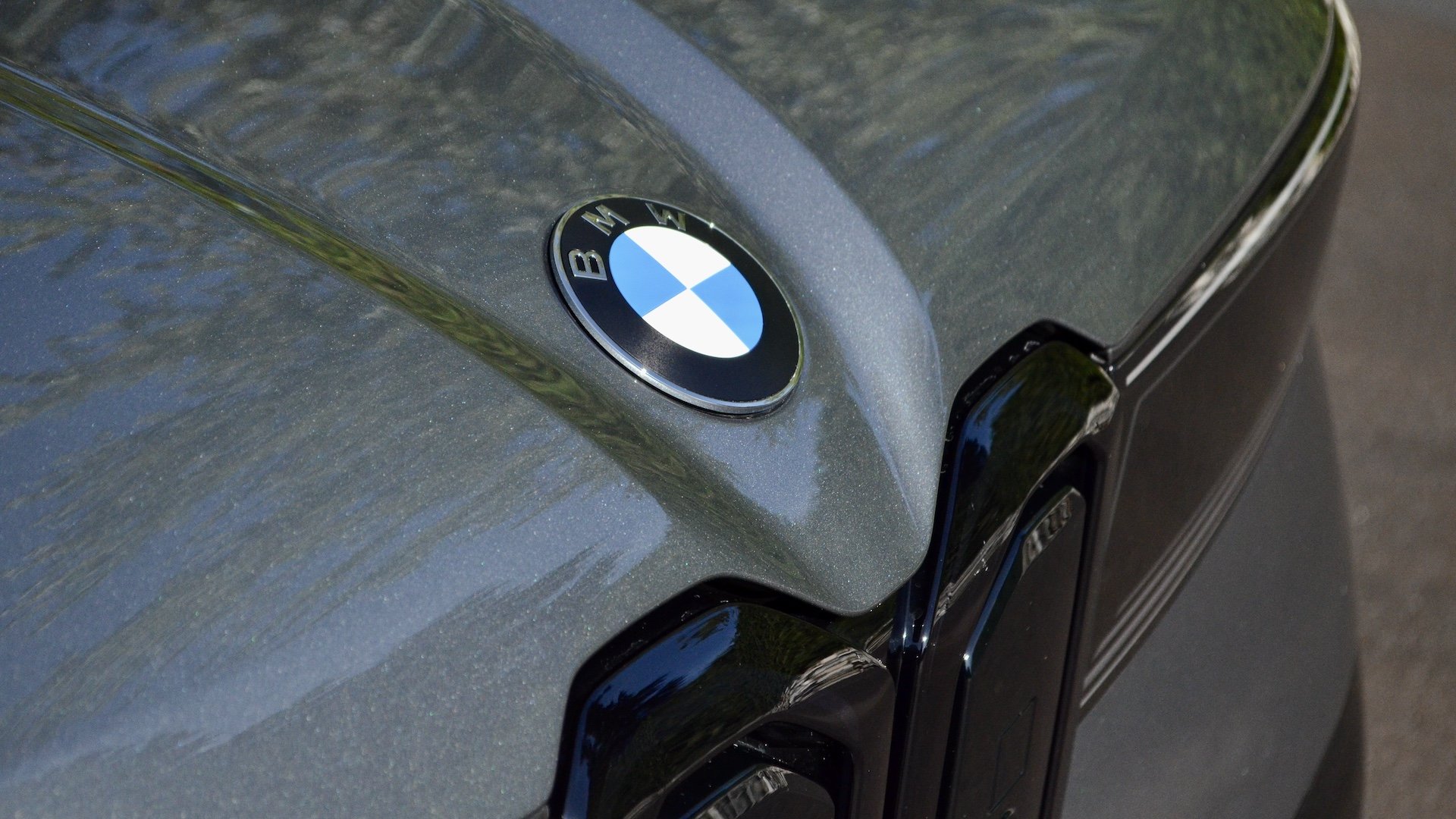
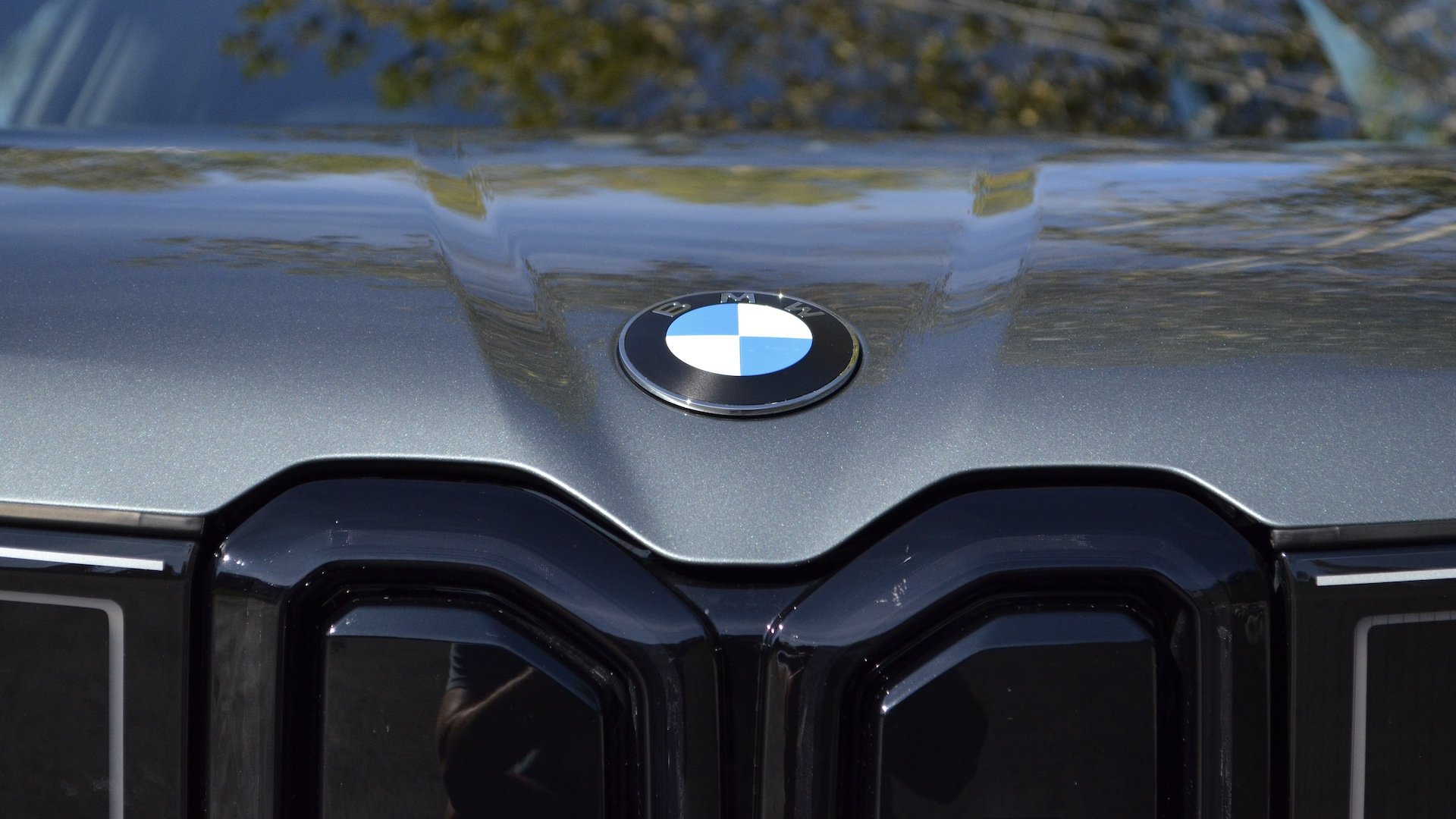
The most prominent feature is unquestionably the grille, with its two illuminated kidney openings that revive the Neue Klasse theme of the 1960s. After years of excess, a sense of “normality” has returned to BMW. There are also two small strips referencing the paired round headlights, a tradition the brand has interpreted in different ways for decades.
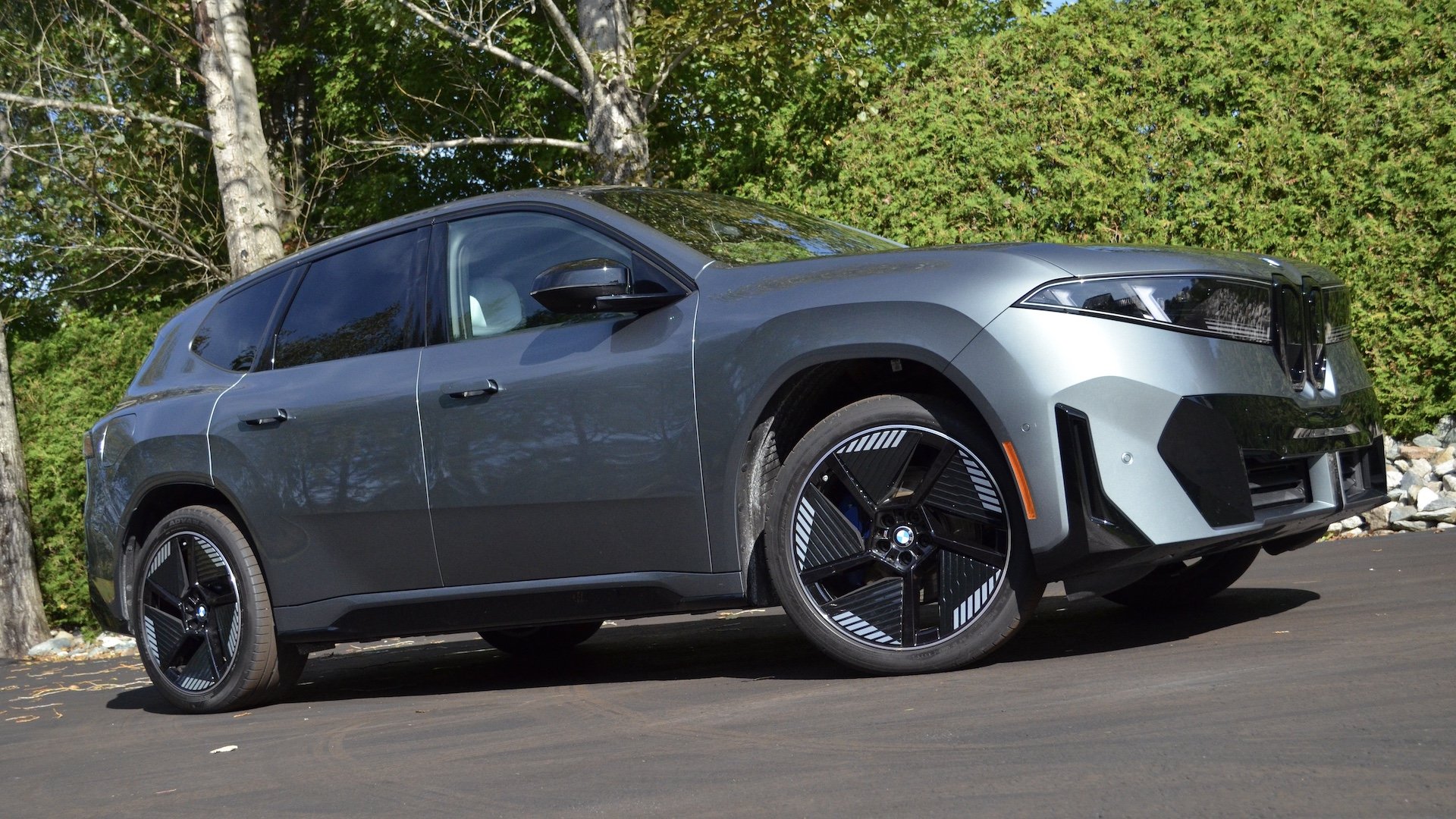
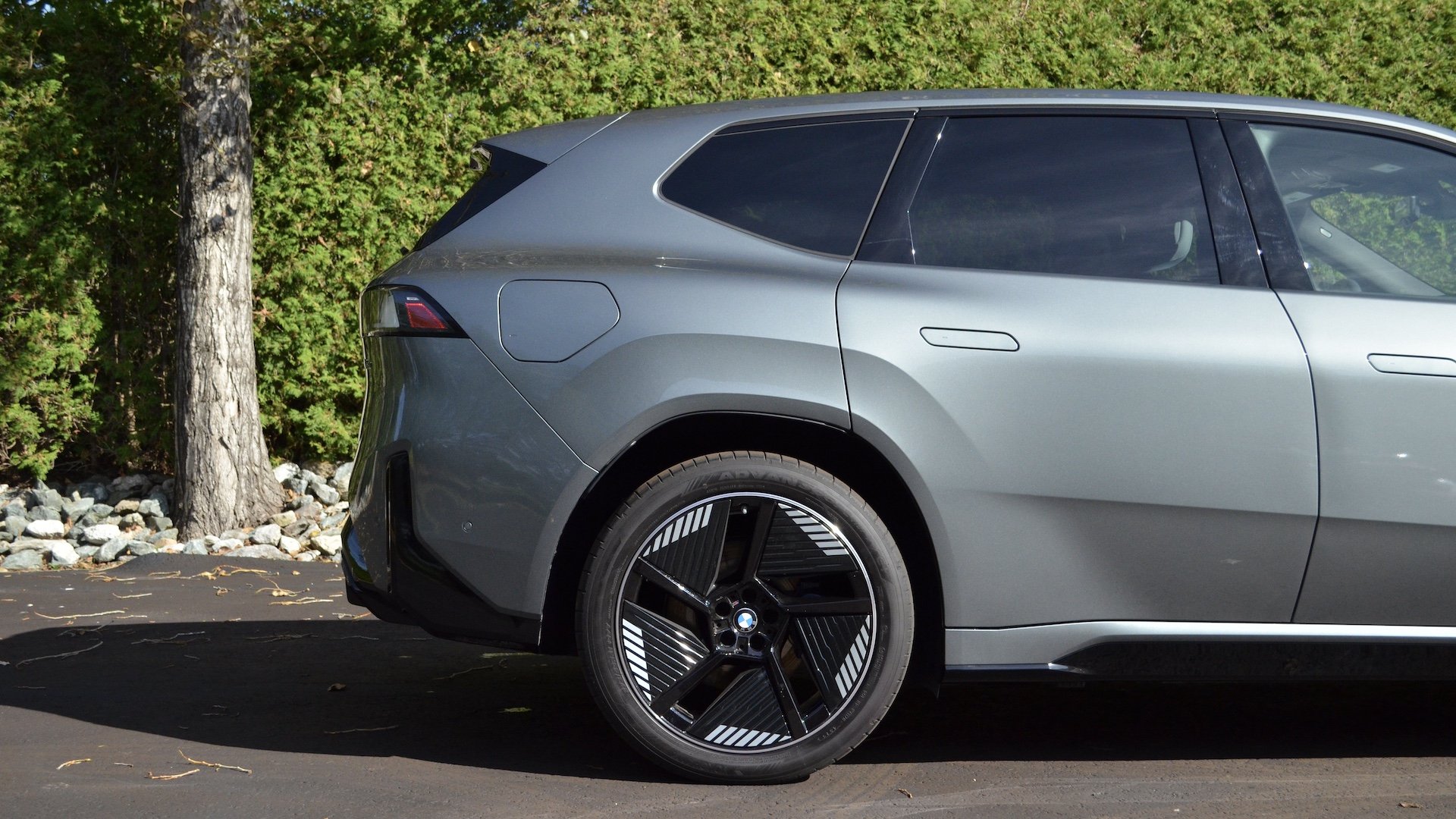
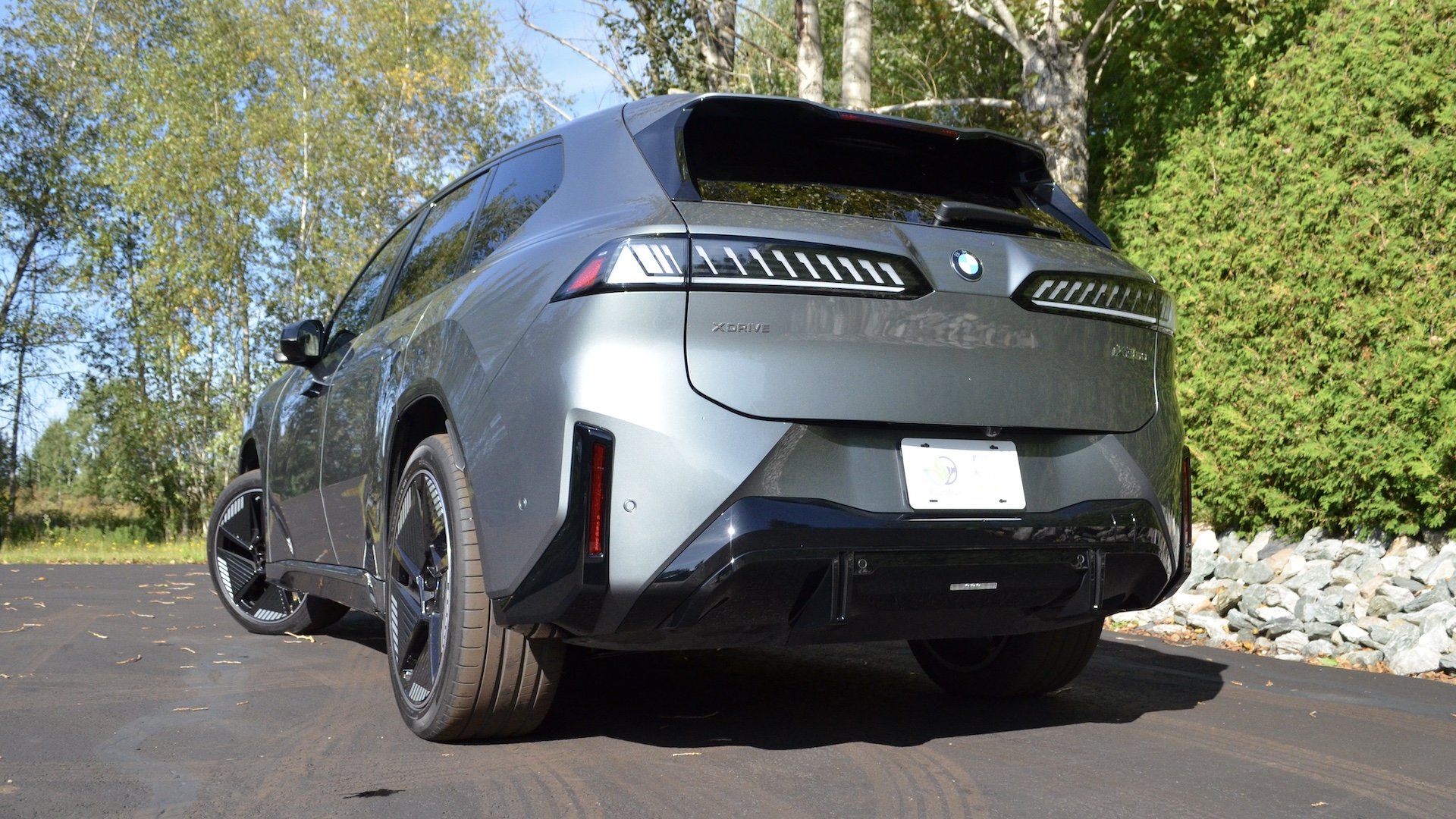
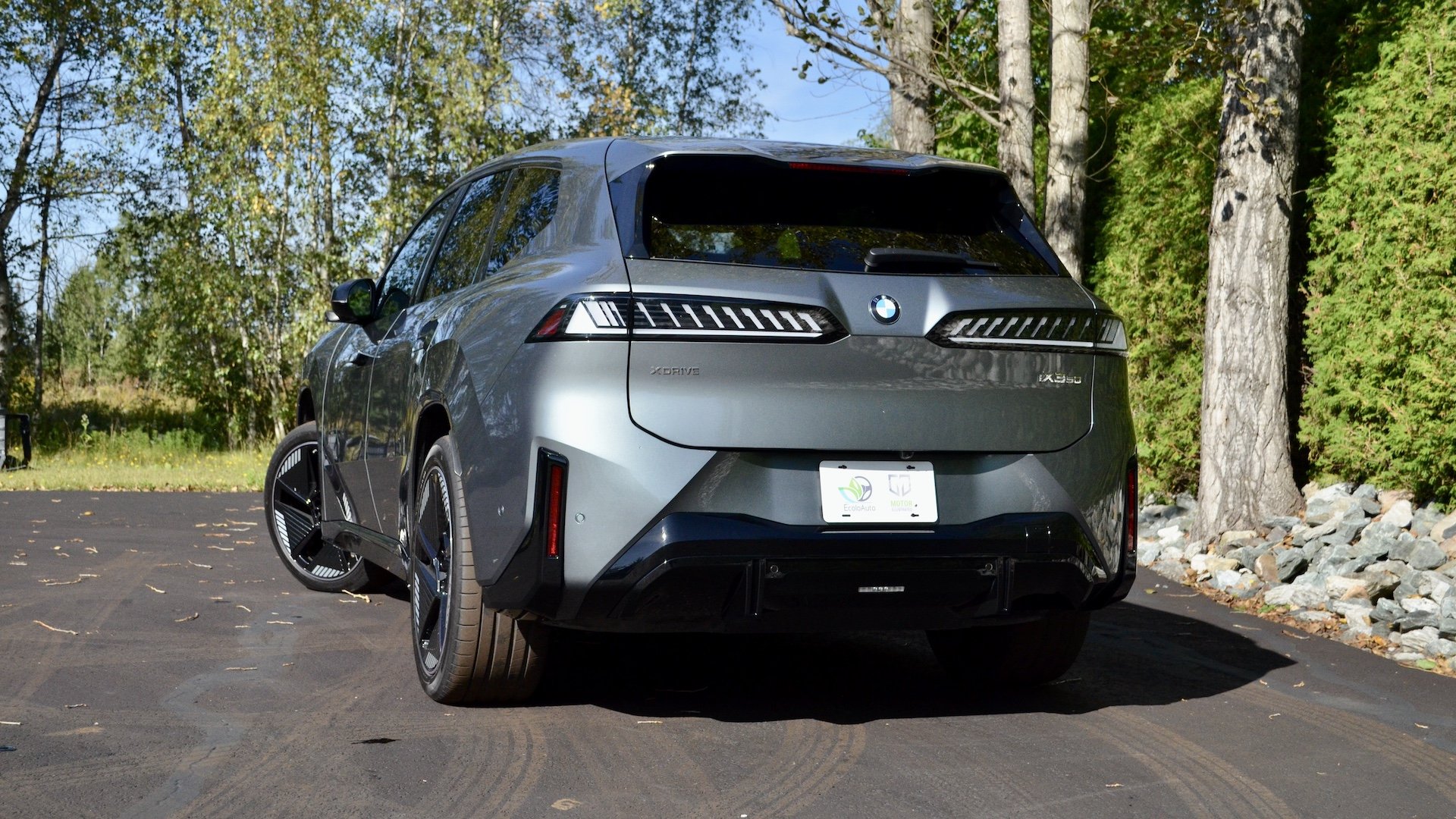
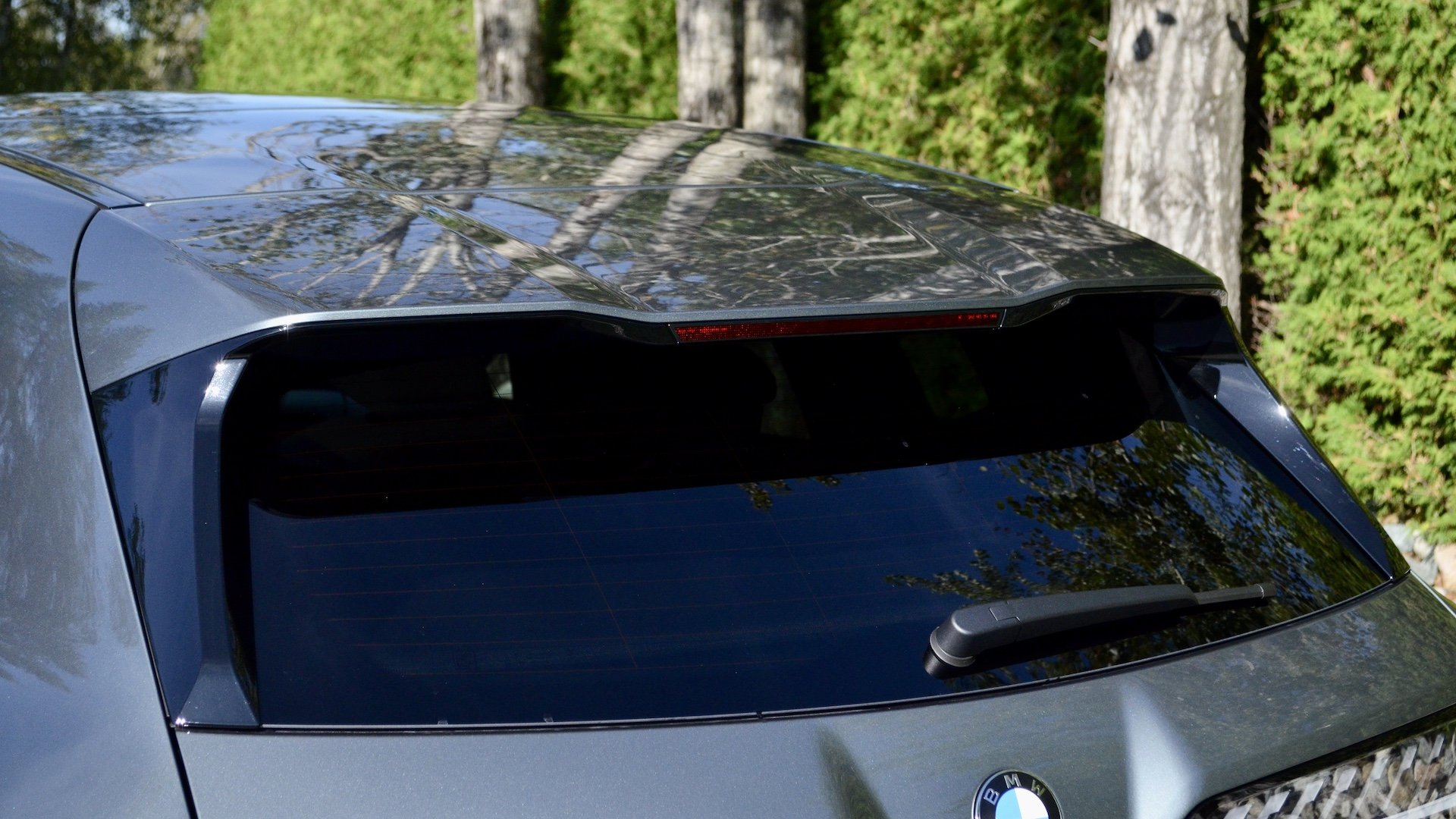
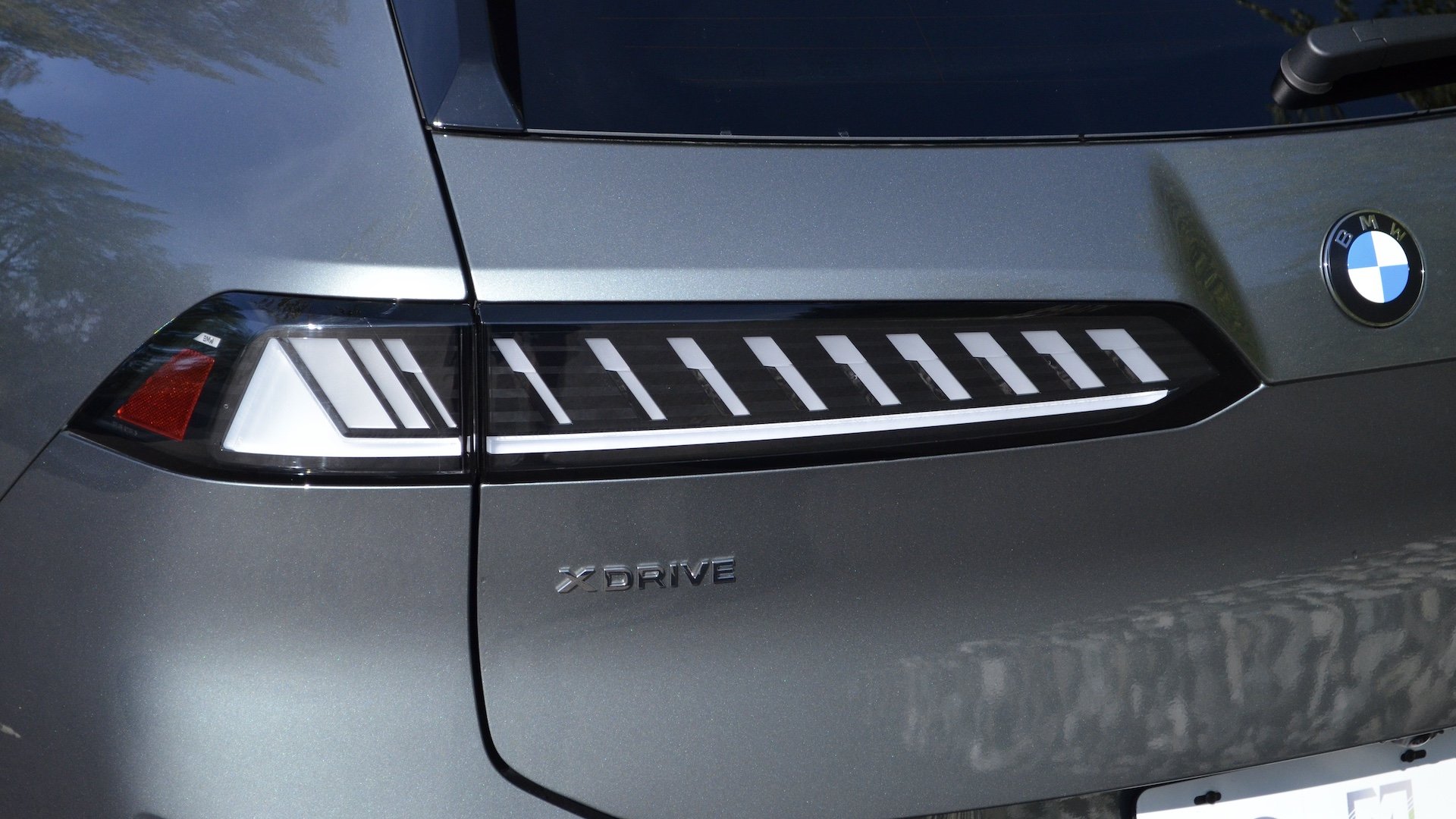
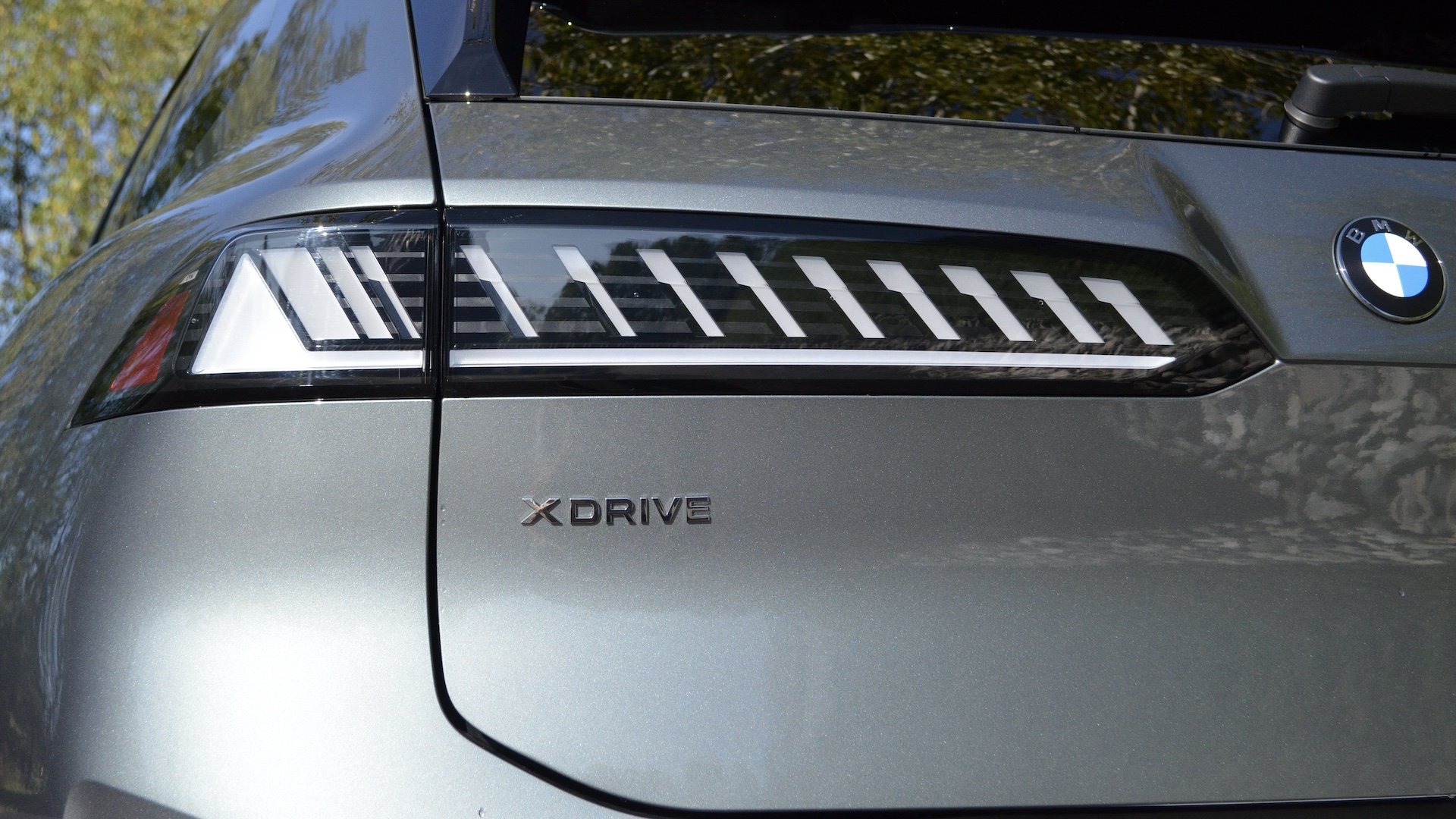
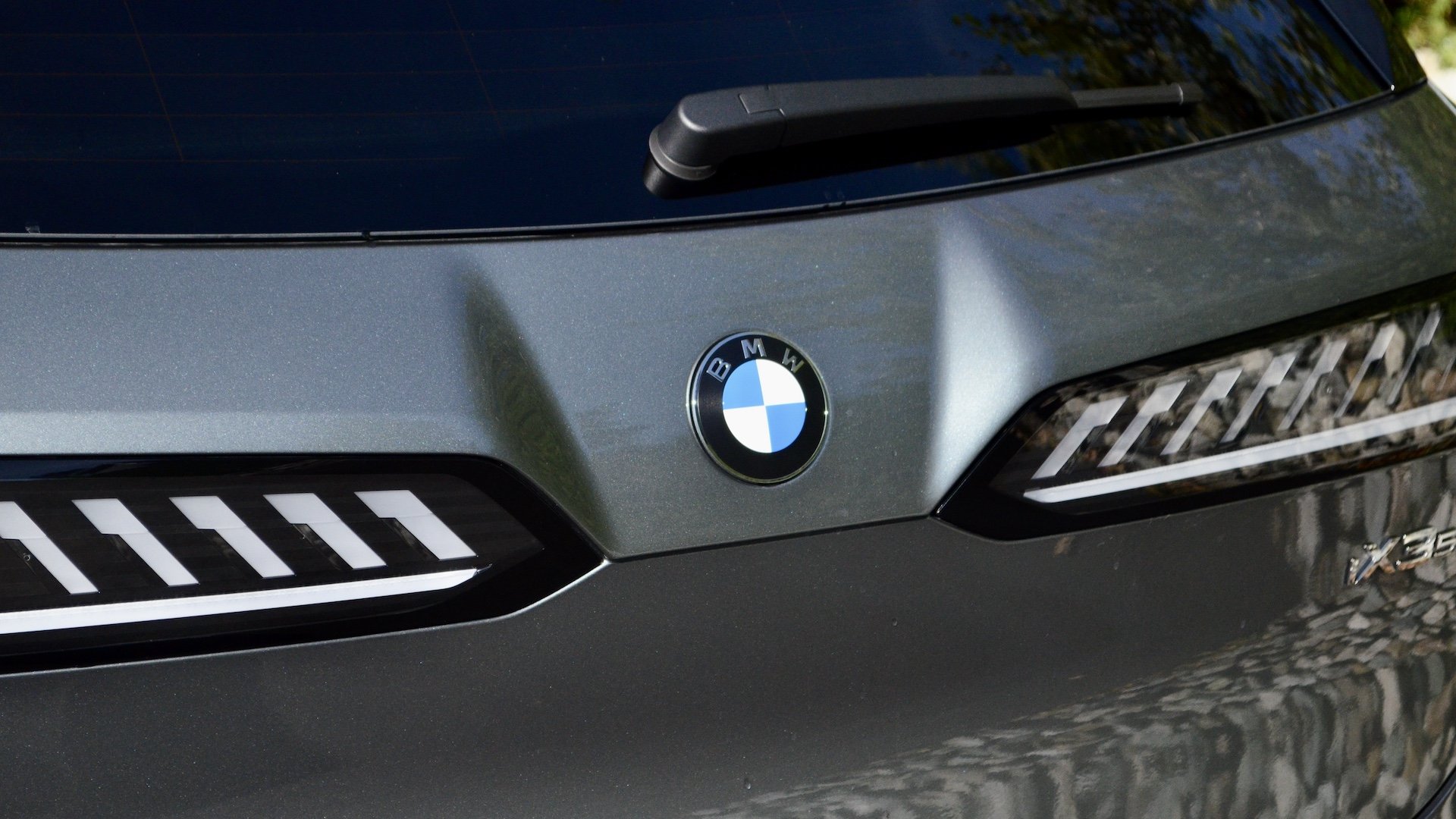
In profile, the Hofmeister kink remains at the rear quarter window. At the back, the reference is more subtle, but the taillights feature a small upward turn that recalls the L-shaped lighting of other BMW models.
 2027 BMW iX3 50 xDrive (Picture by Luc-Olivier Chamberland)
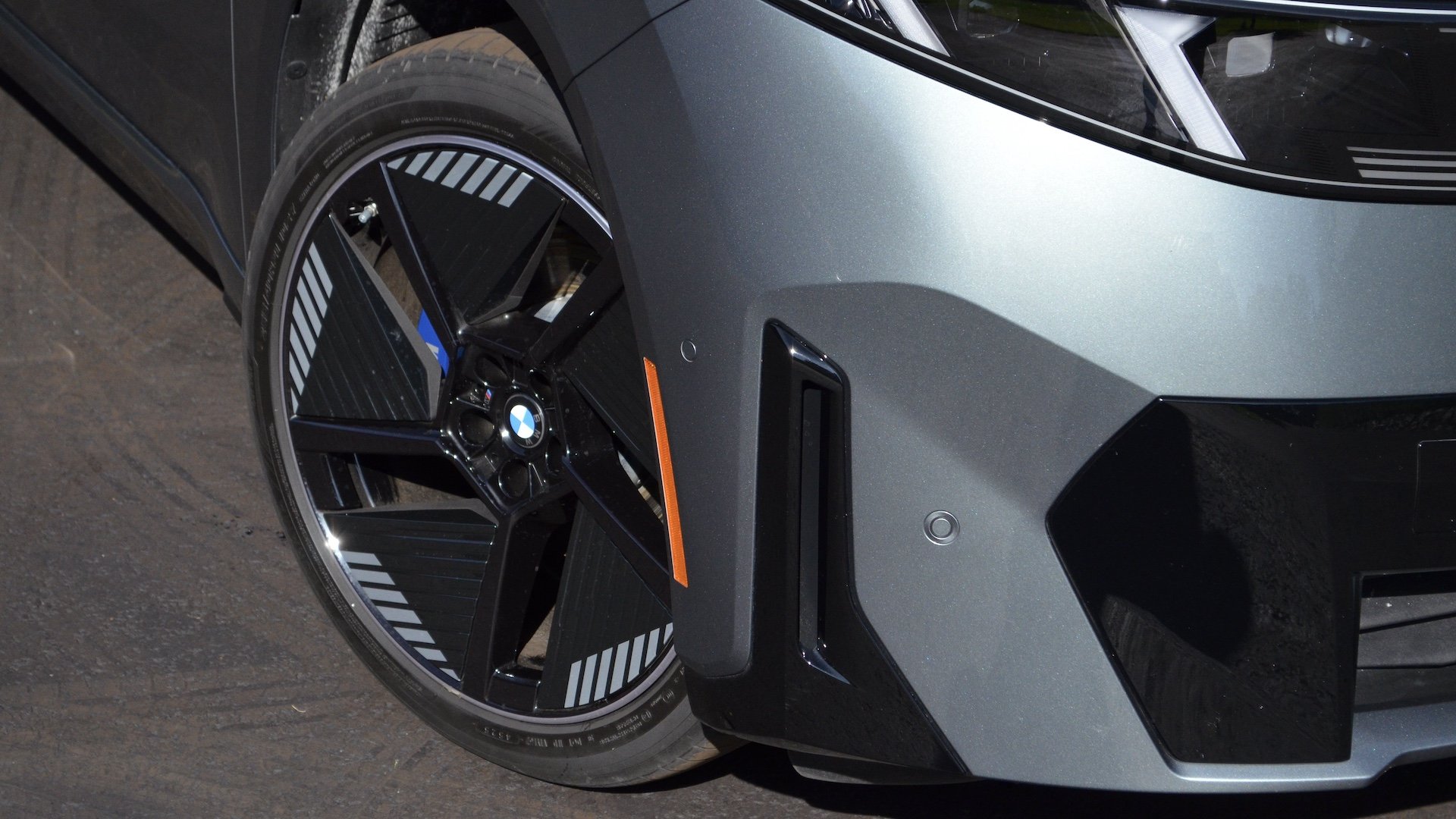
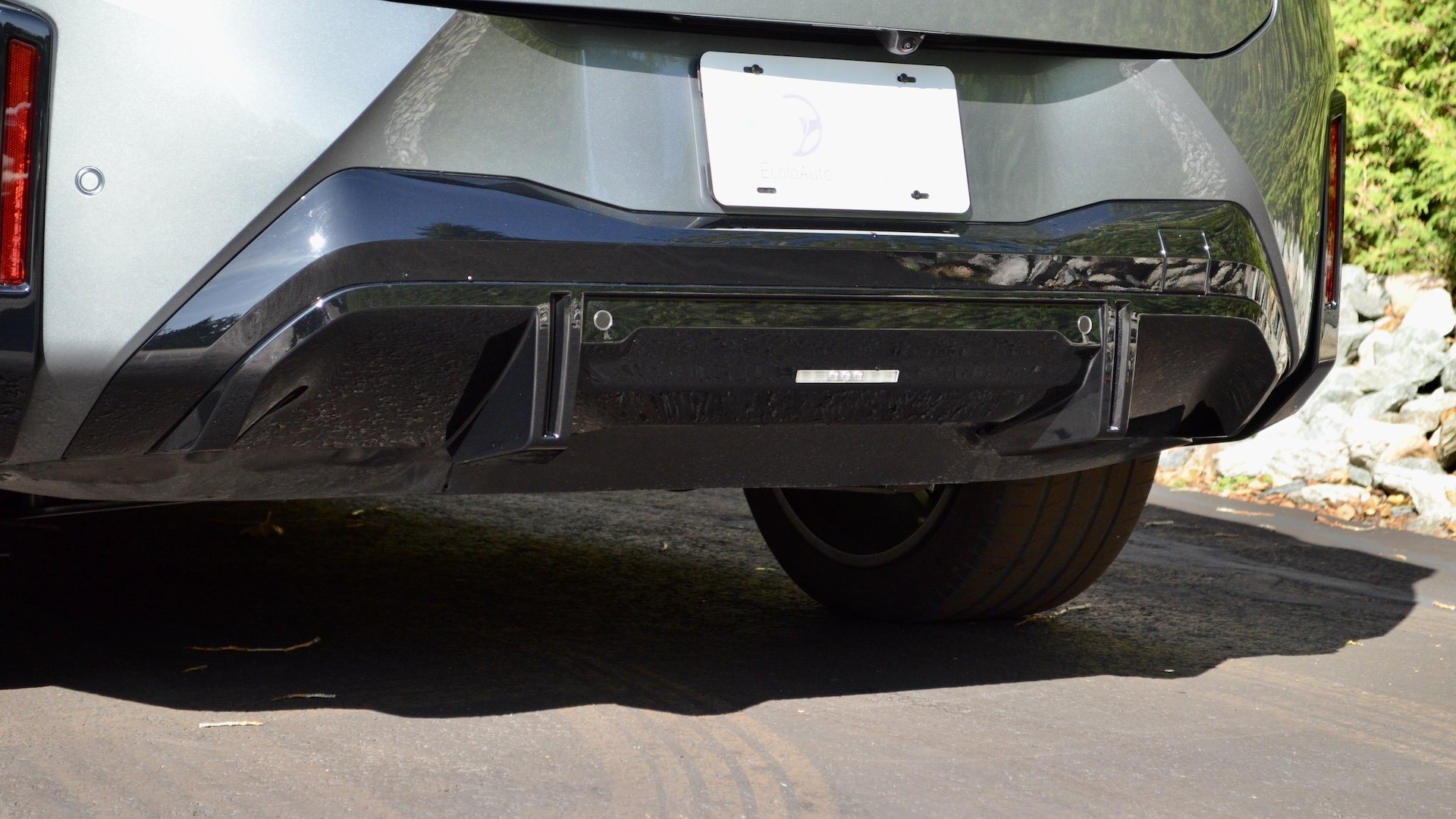
The vehicle I tested came with the $4,000 M Sport Pro package. It includes different bumpers, 21-inch wheels (eight wheel designs are available), blue-painted brake calipers and black exterior accents. Eucalyptus Green paint costs $900. Worth noting, the build quality lives up to the brand’s reputation.
The Future Is Now
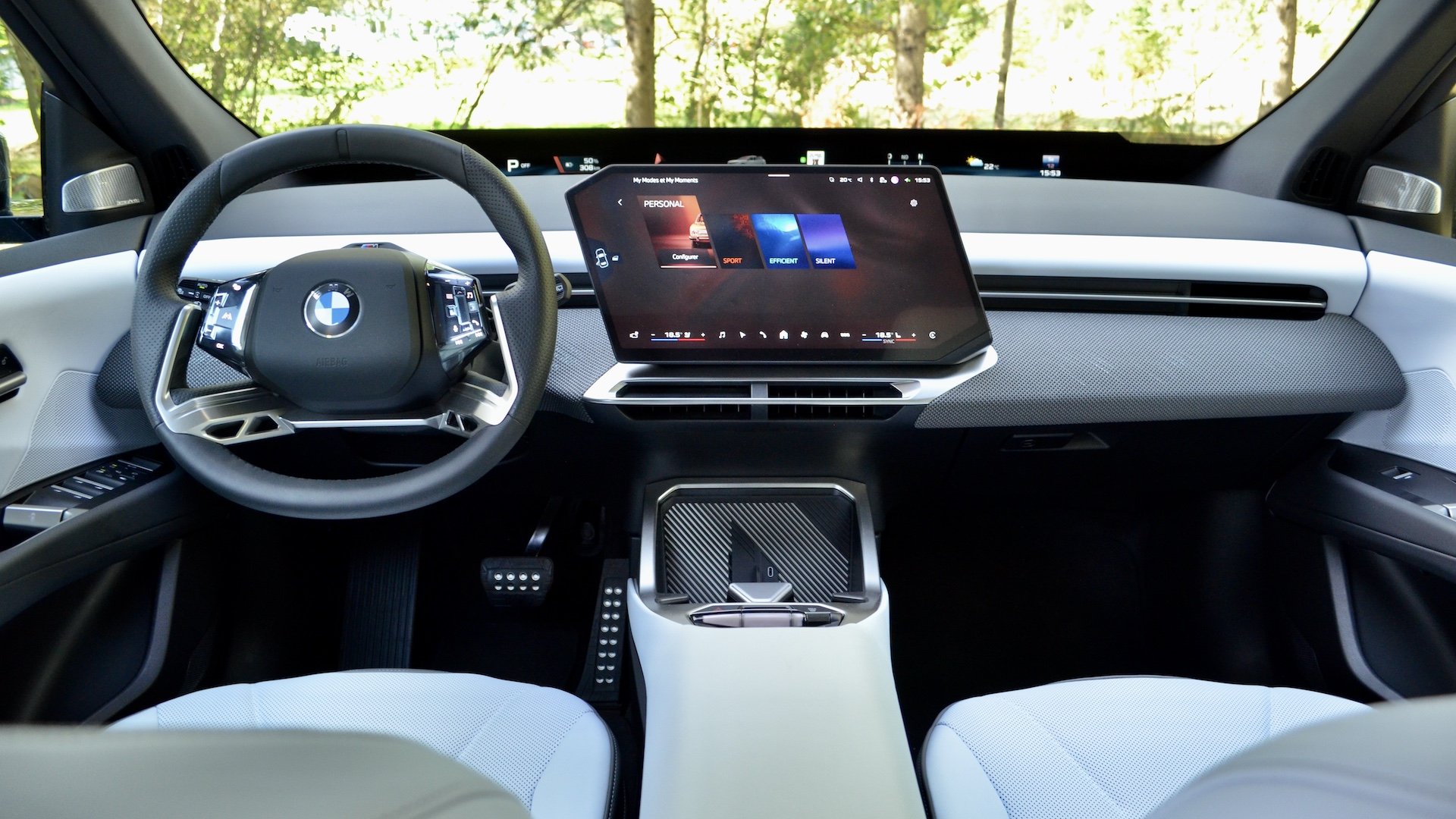
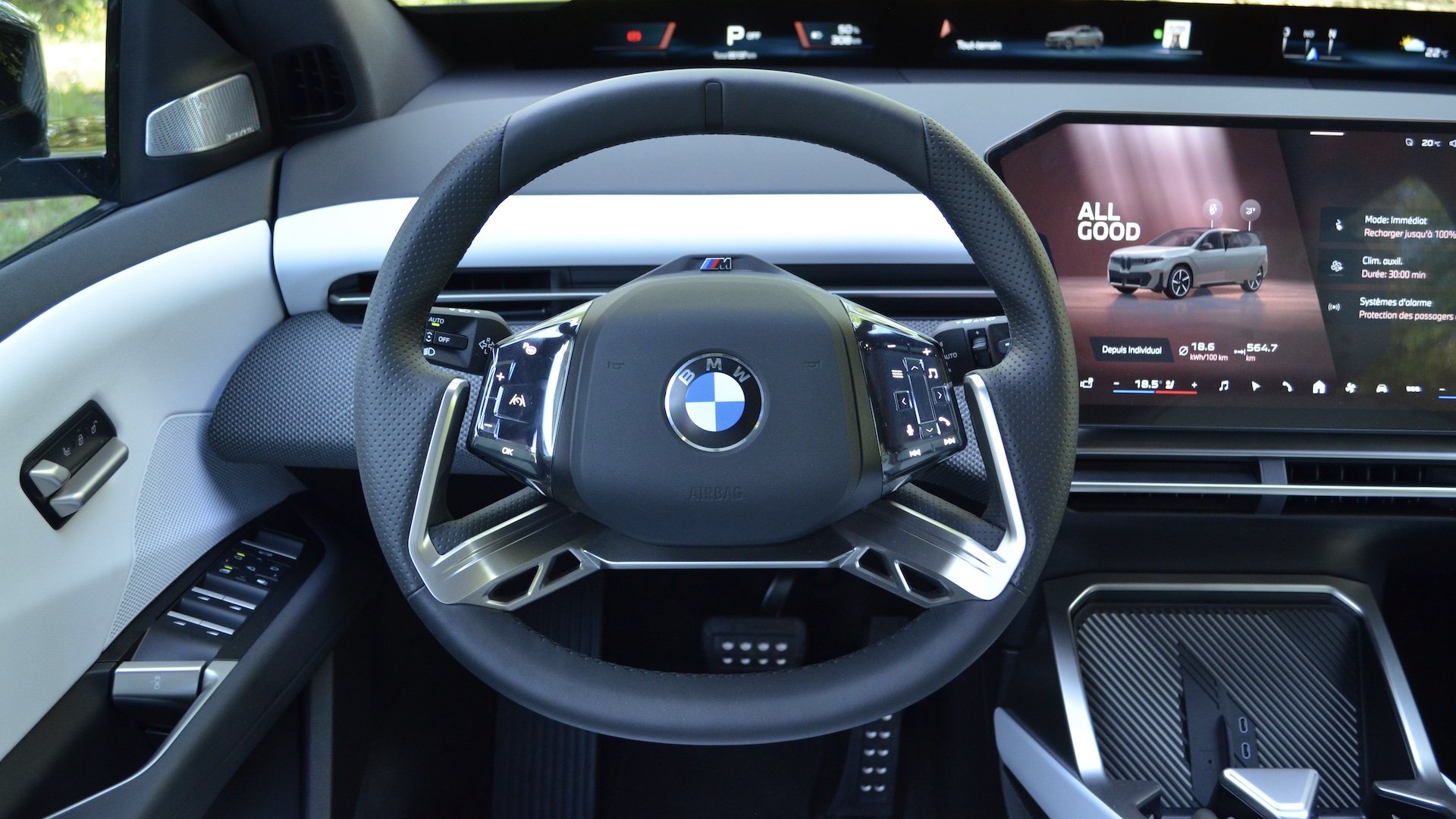
The automaker has completely rethought how drivers interact with their vehicles. The approach is ambitious, but the result avoids many of the frustrations typically associated with an increasing number of screens and touch-sensitive controls.
The real star is the new Panoramic Vision system. Rather than concentrating all the information behind the steering wheel, BMW distributes it across a projection strip at the base of the windshield. The different zones are customizable, allowing drivers to choose the information they want to see.
 2027 BMW iX3 50 xDrive (Picture by Luc-Olivier Chamberland)
I have to admit that this layout works remarkably well. Even passengers are impressed by its clarity. It makes the optional three-dimensional head-up display ($750) seem less relevant.
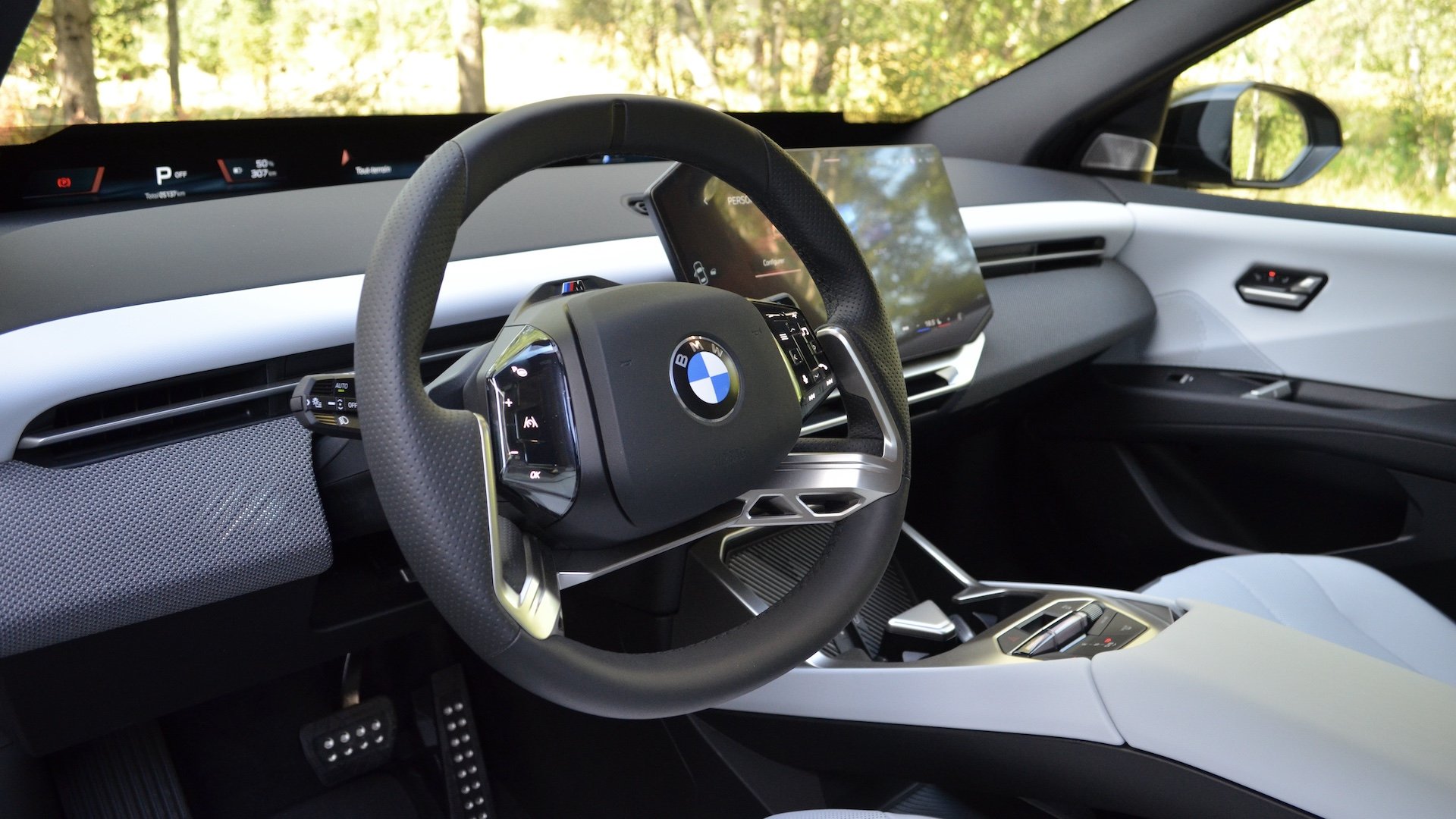
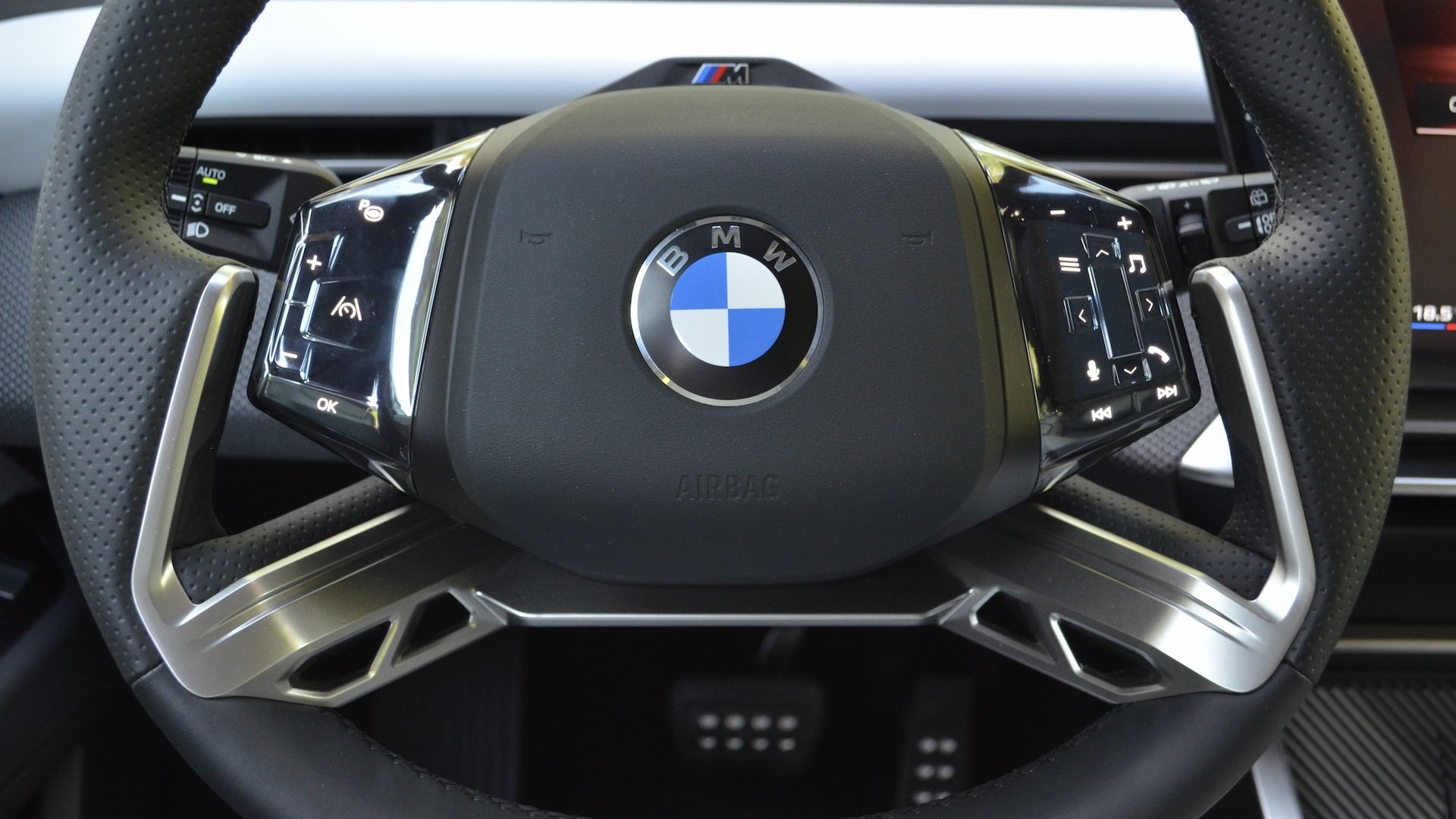
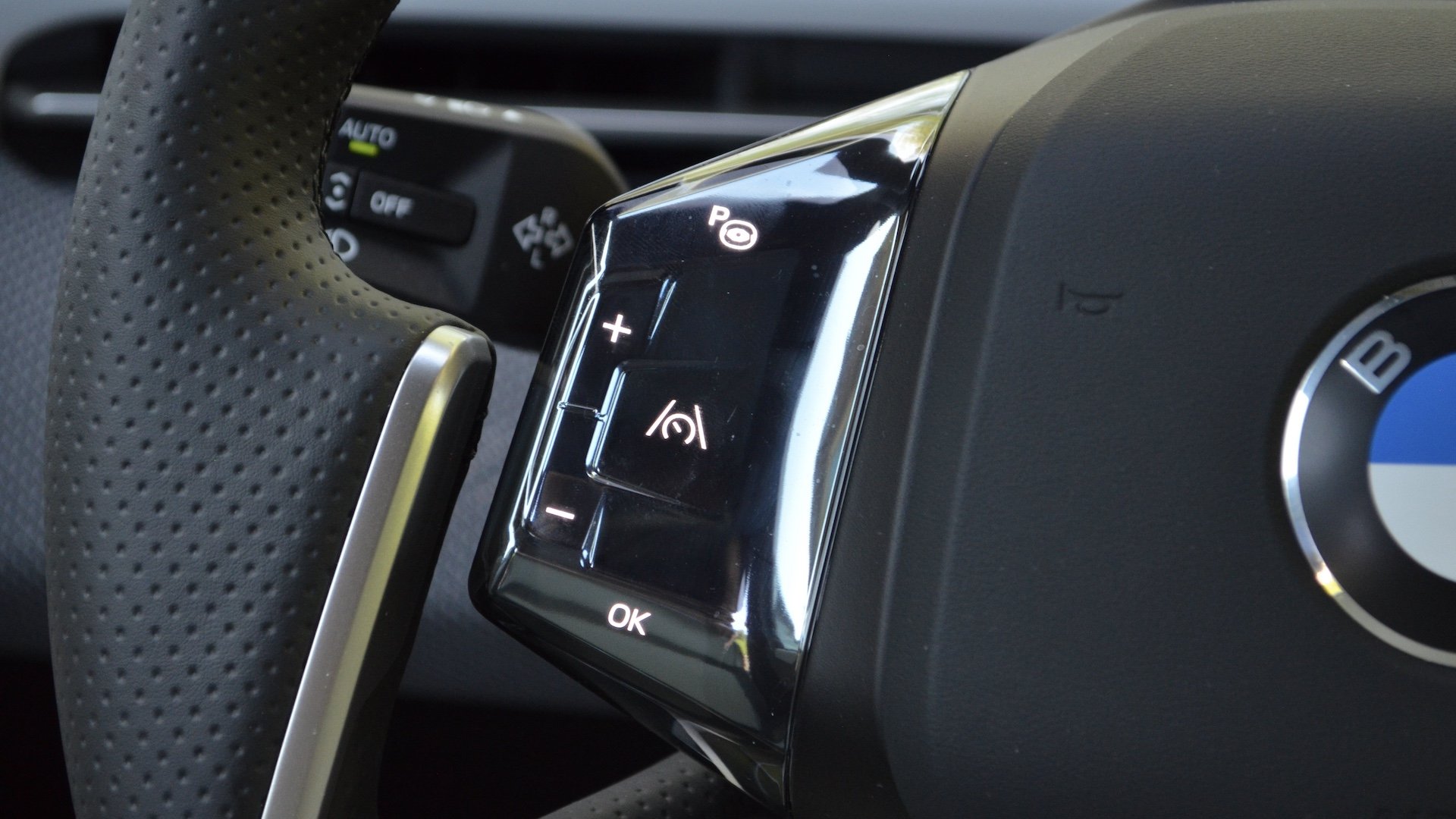
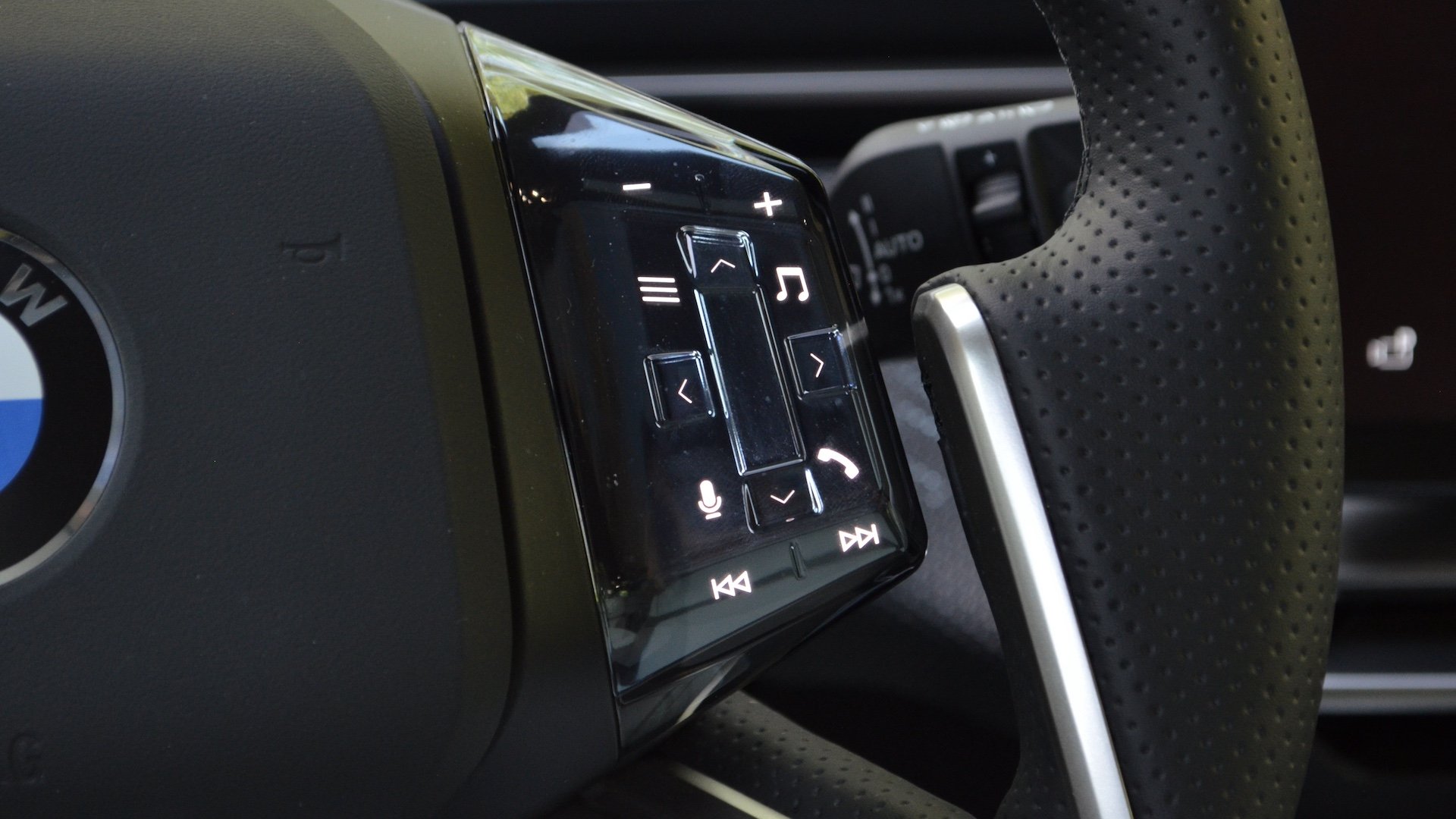
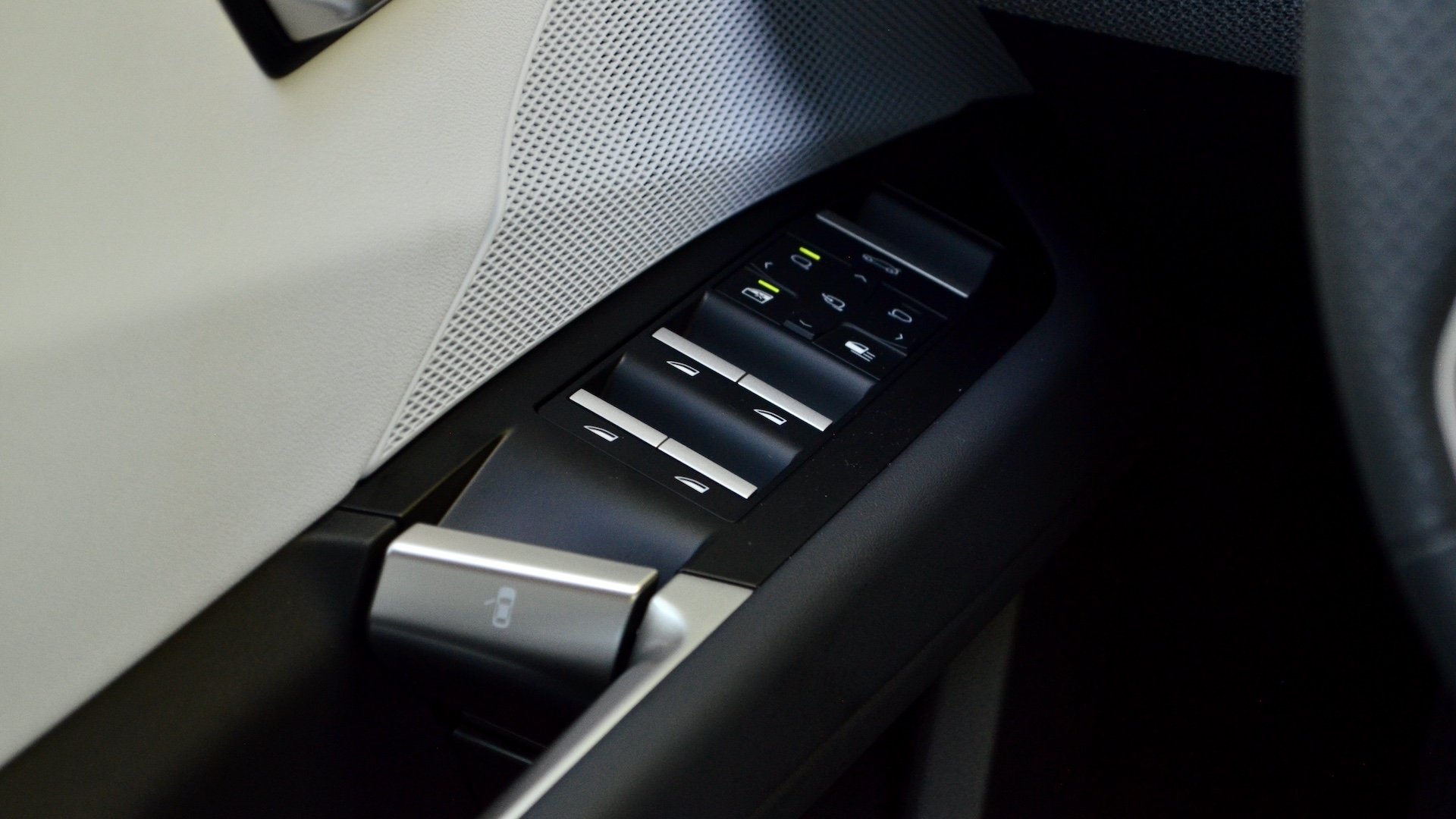
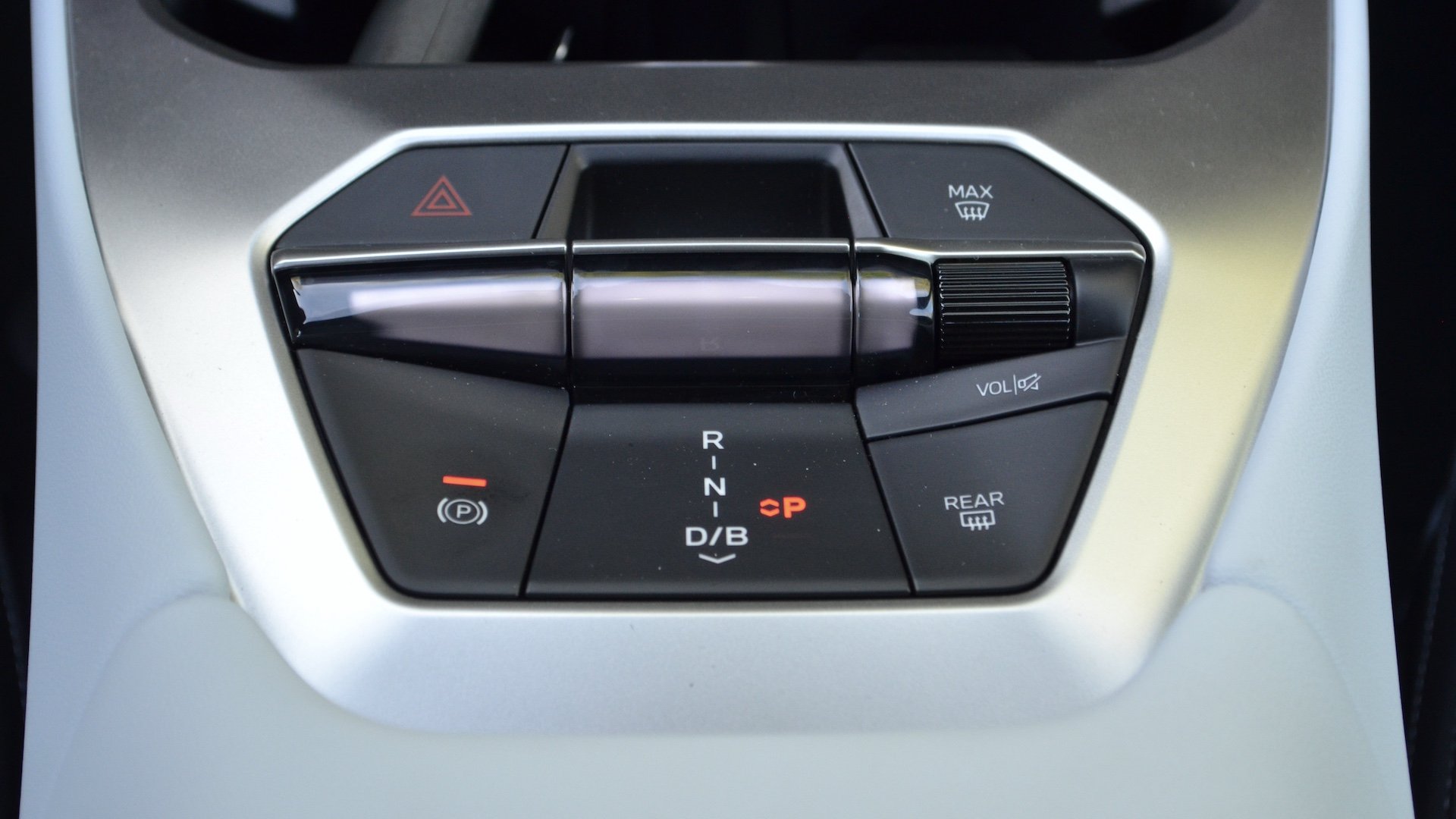
Continuing the focus on innovation, the steering wheel will not appeal to everyone. Three configurations are offered, including the one in our M Sport Pro, recognizable by its two lower spokes. The controls are well thought out. The haptic surfaces respond precisely, while their illumination makes functions easier to locate.
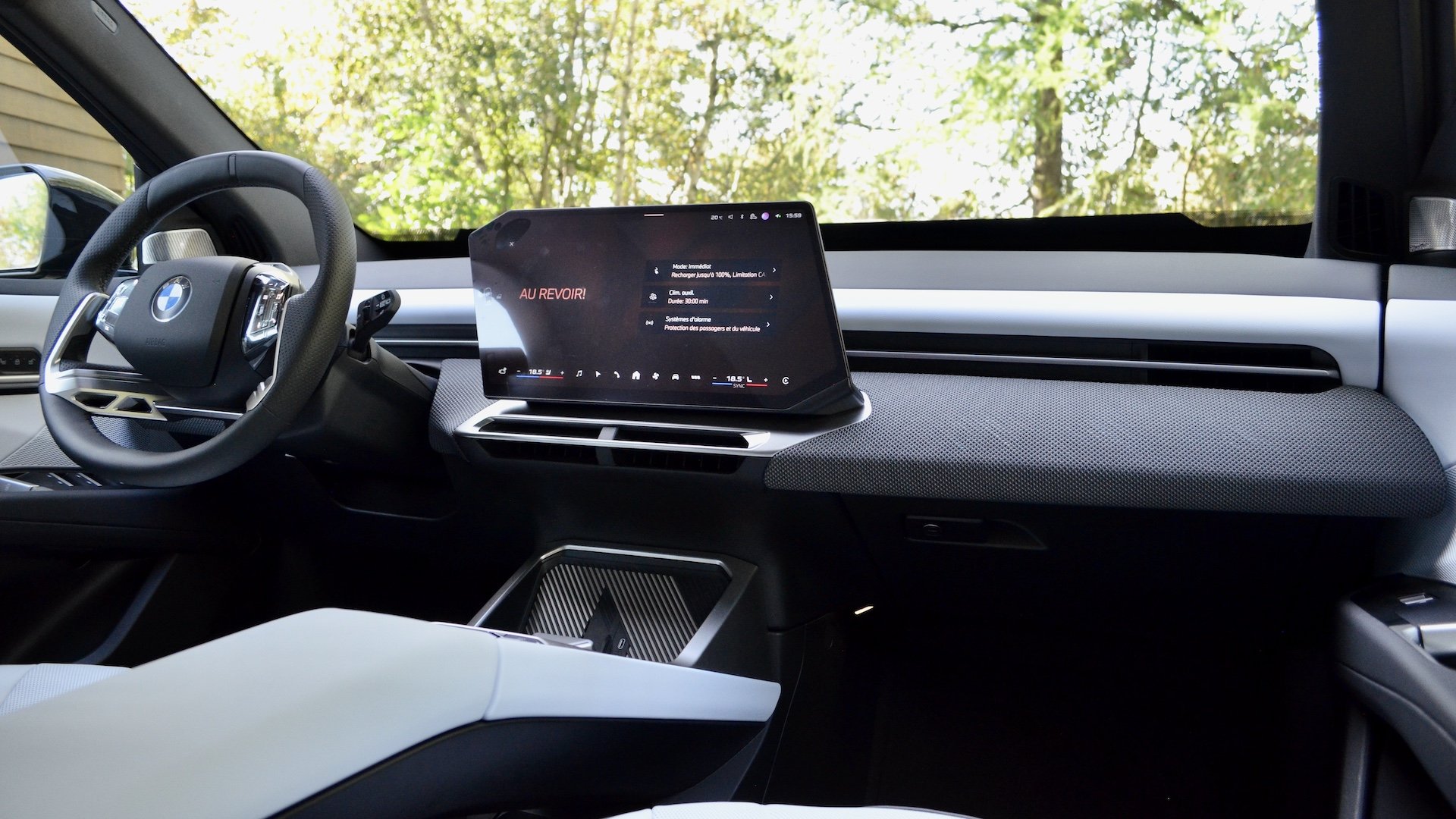
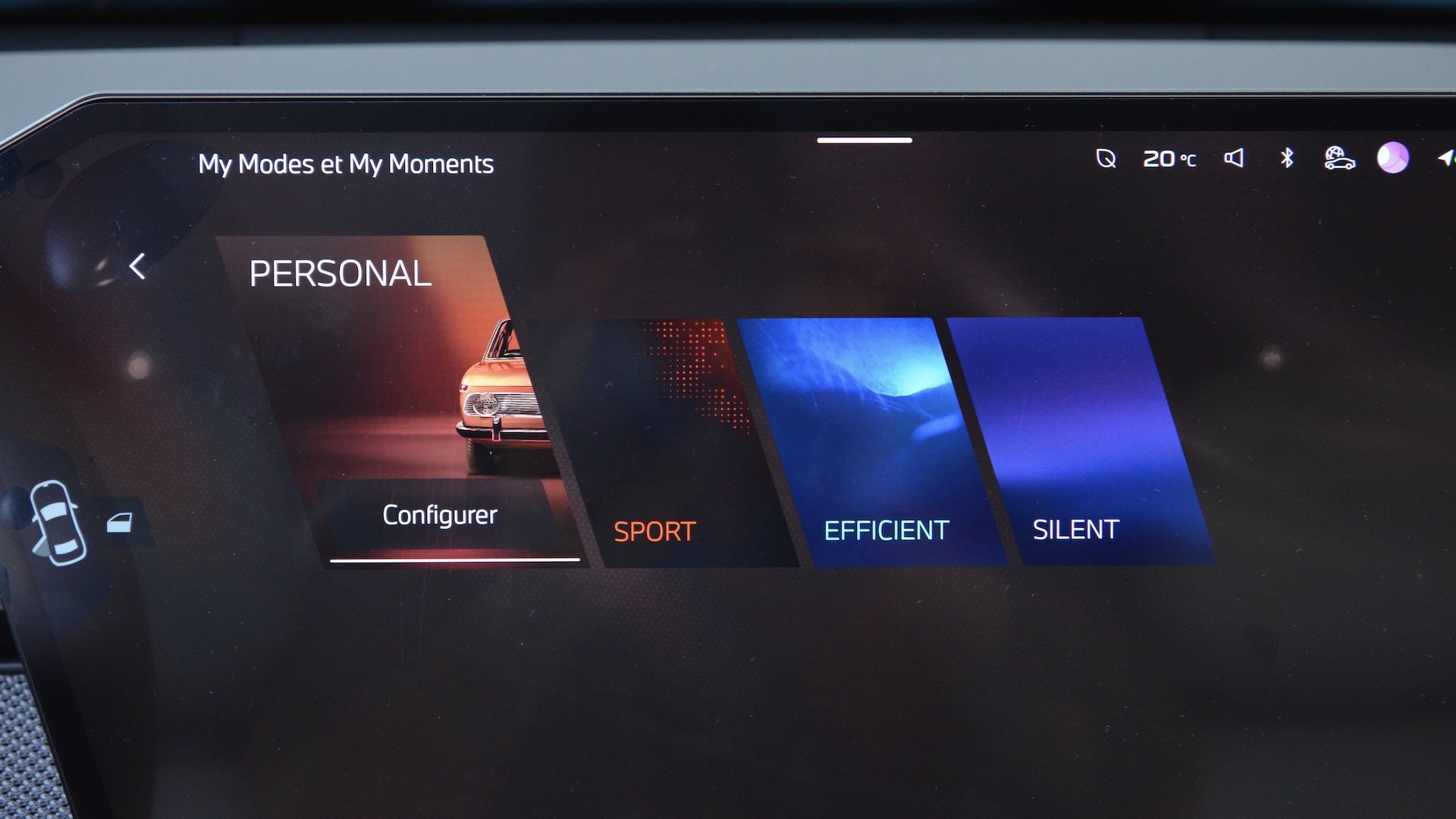
BMW has also made a considerable effort to make its infotainment system more accessible. The new 17.9-inch central screen houses the tenth generation of iDrive and its QuickSelect interface. Despite the sheer number of features, navigation remains logical and takes only a few minutes to learn. Compared with previous generations, this is a significant improvement.
 2027 BMW iX3 50 xDrive (Picture by Luc-Olivier Chamberland)
The Intelligent Personal Assistant completes the experience. Activated with “Hey BMW,” it allows drivers to control several features by voice. Over longer-term ownership, the system can recognize the driver’s habits through the “Routines” function. It automates certain comfort preferences, particularly according to the seasons.
A Cabin Designed for Everyday Life
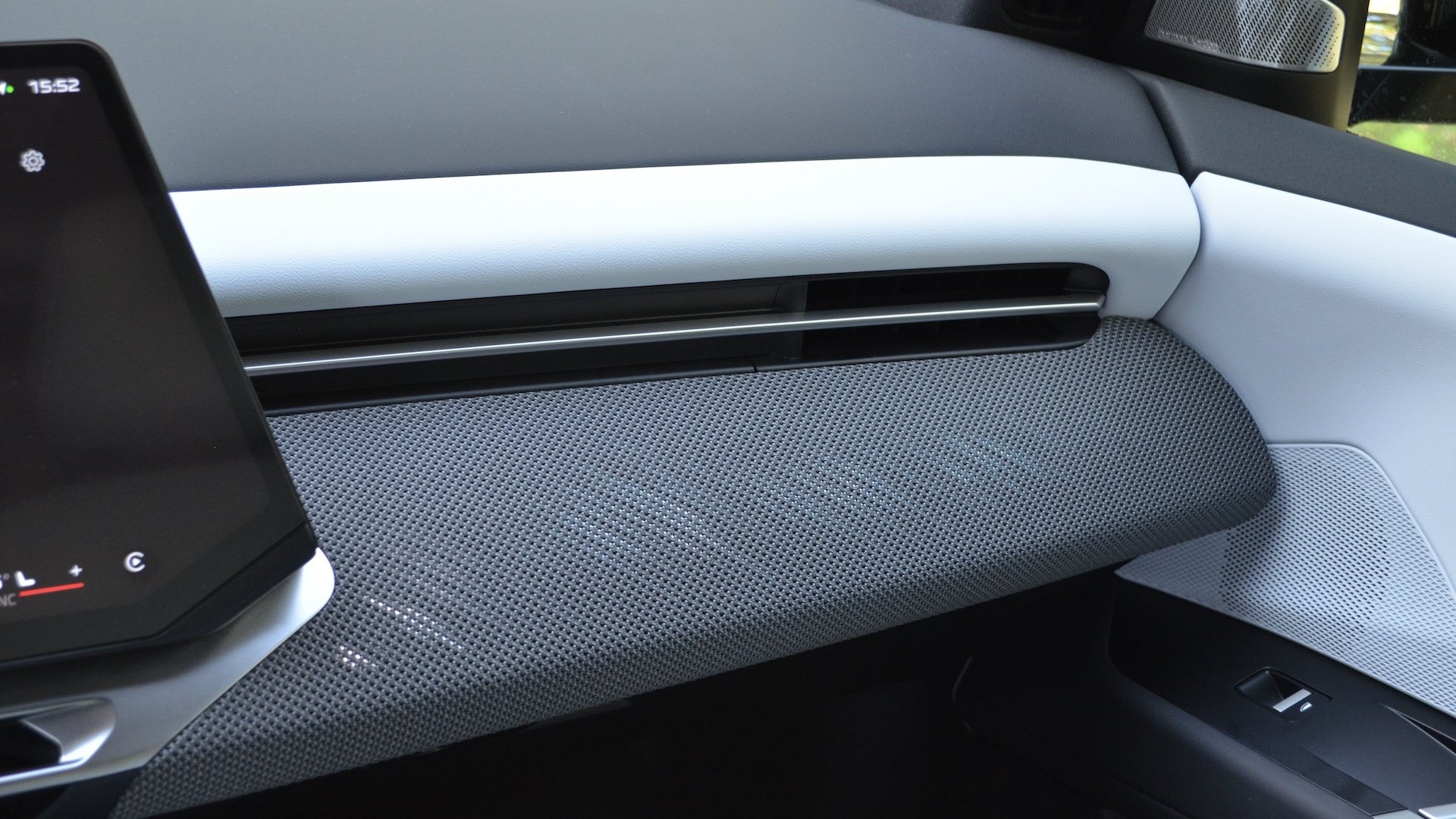
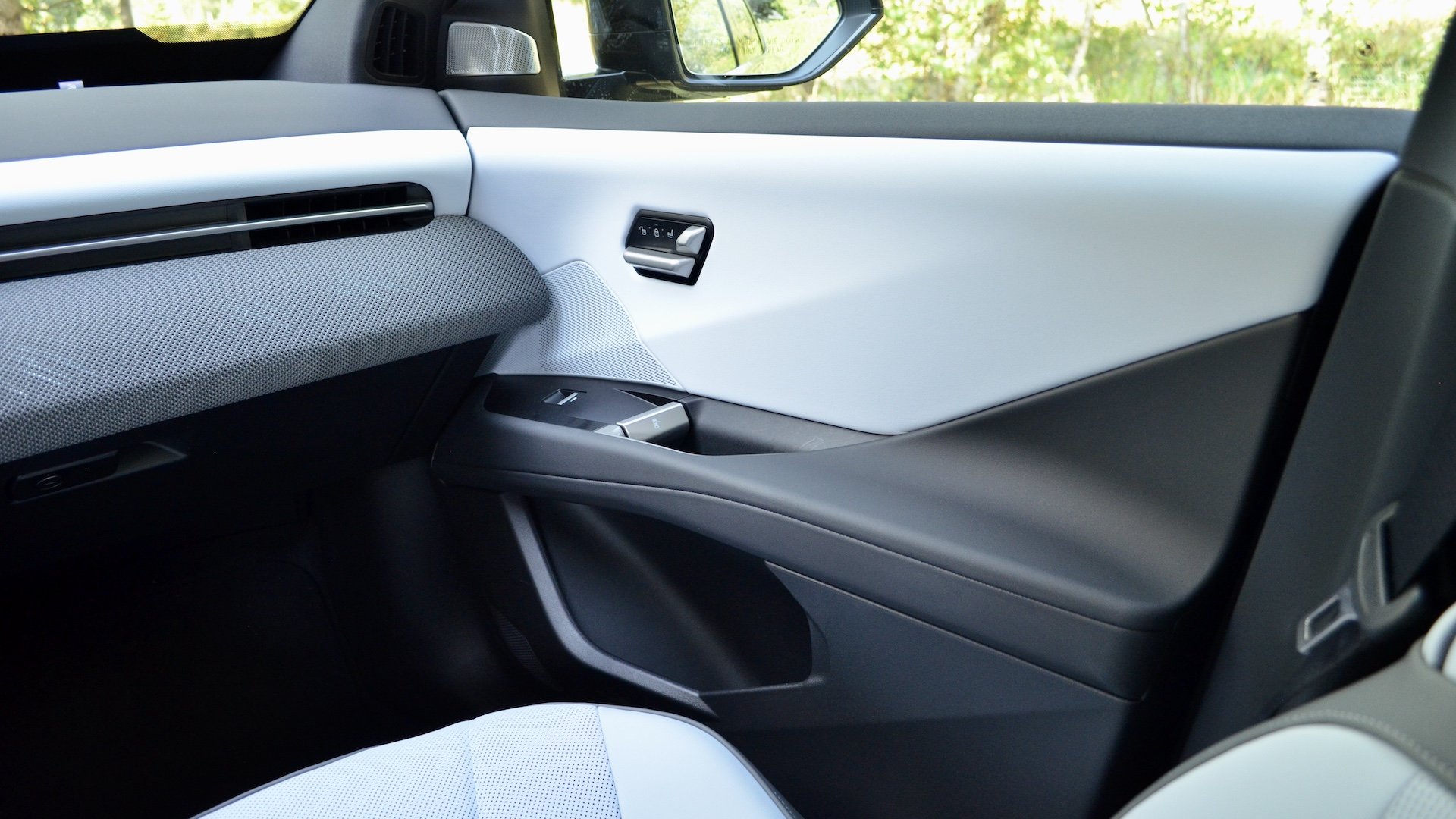
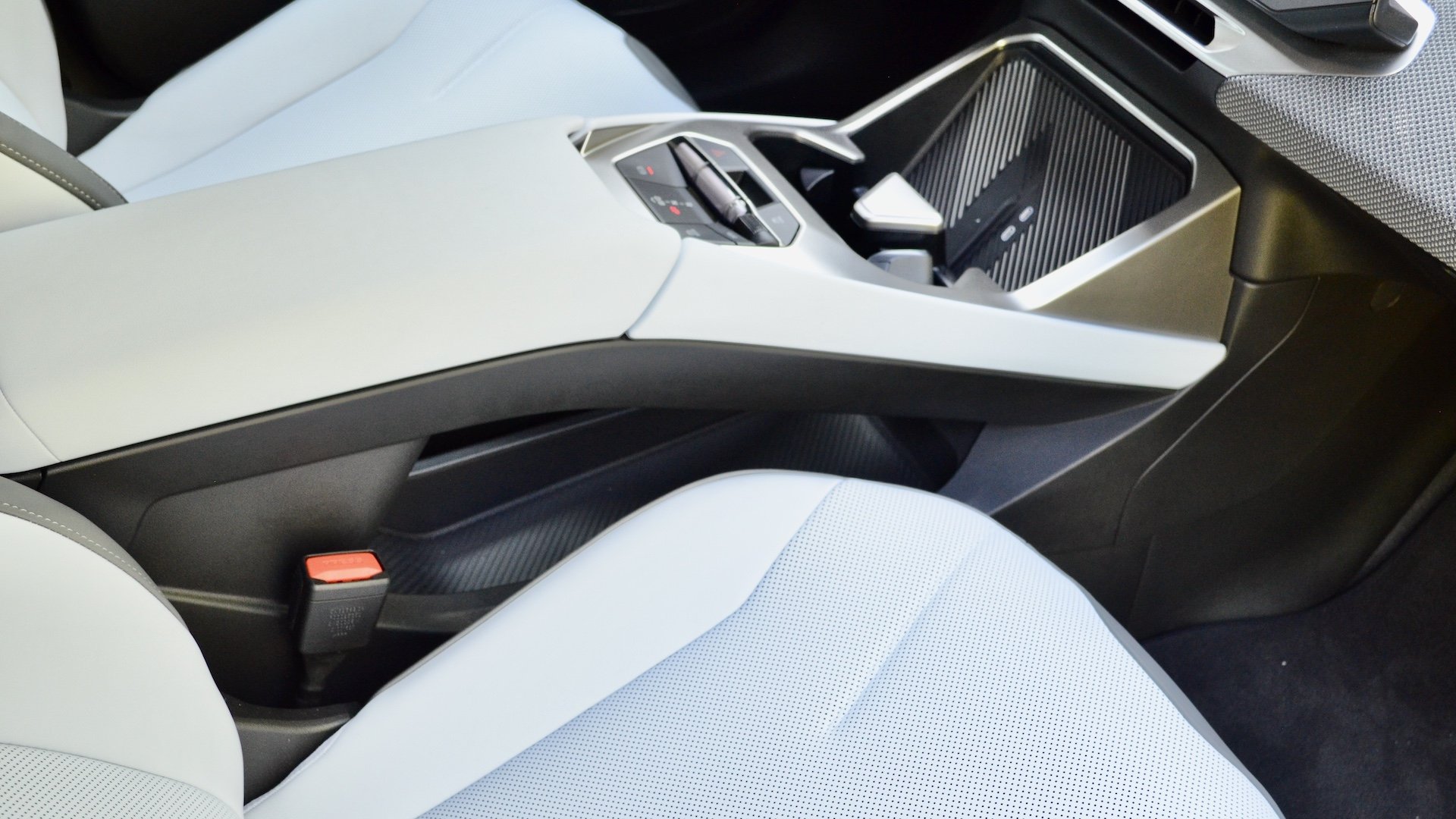
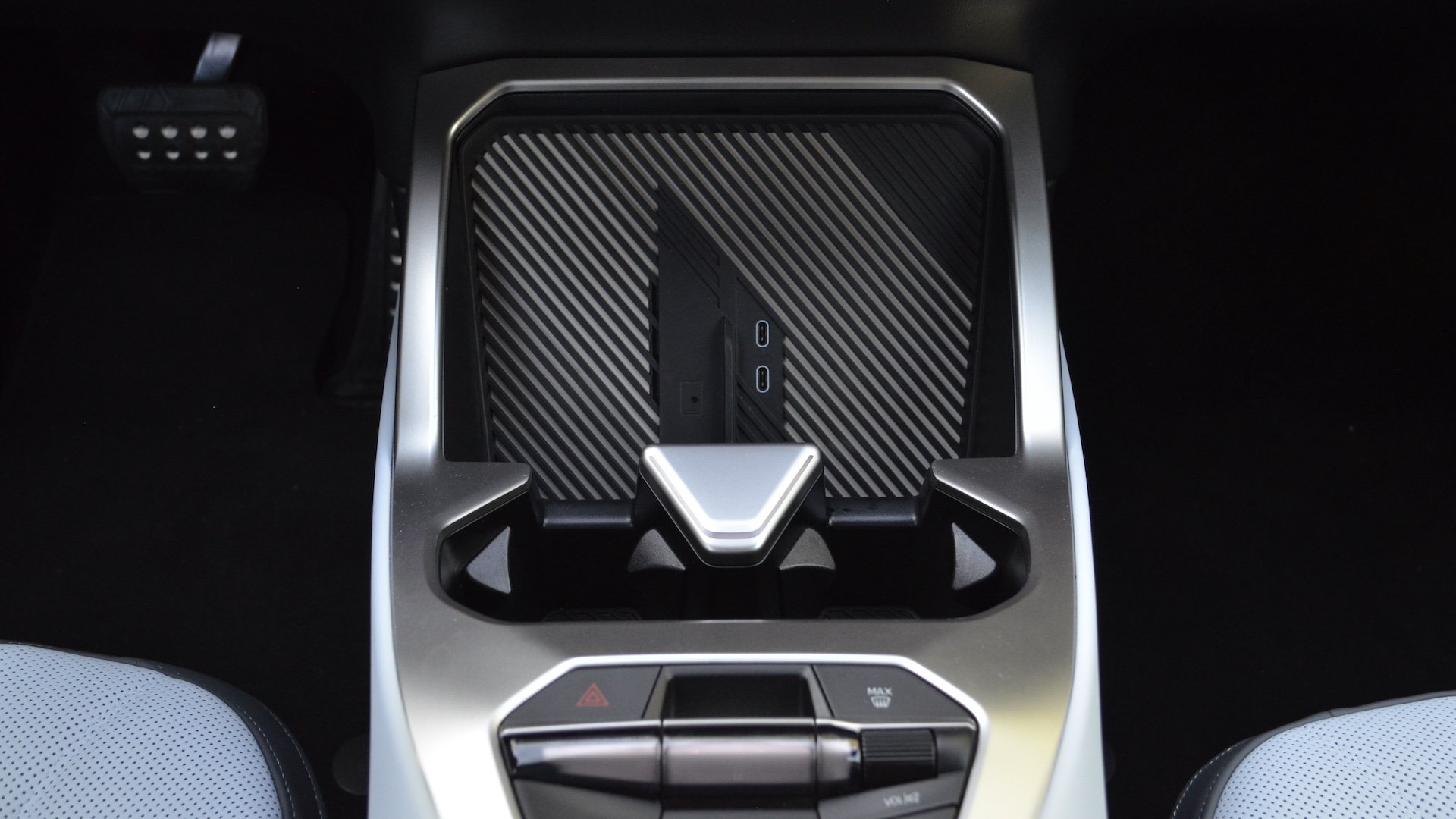
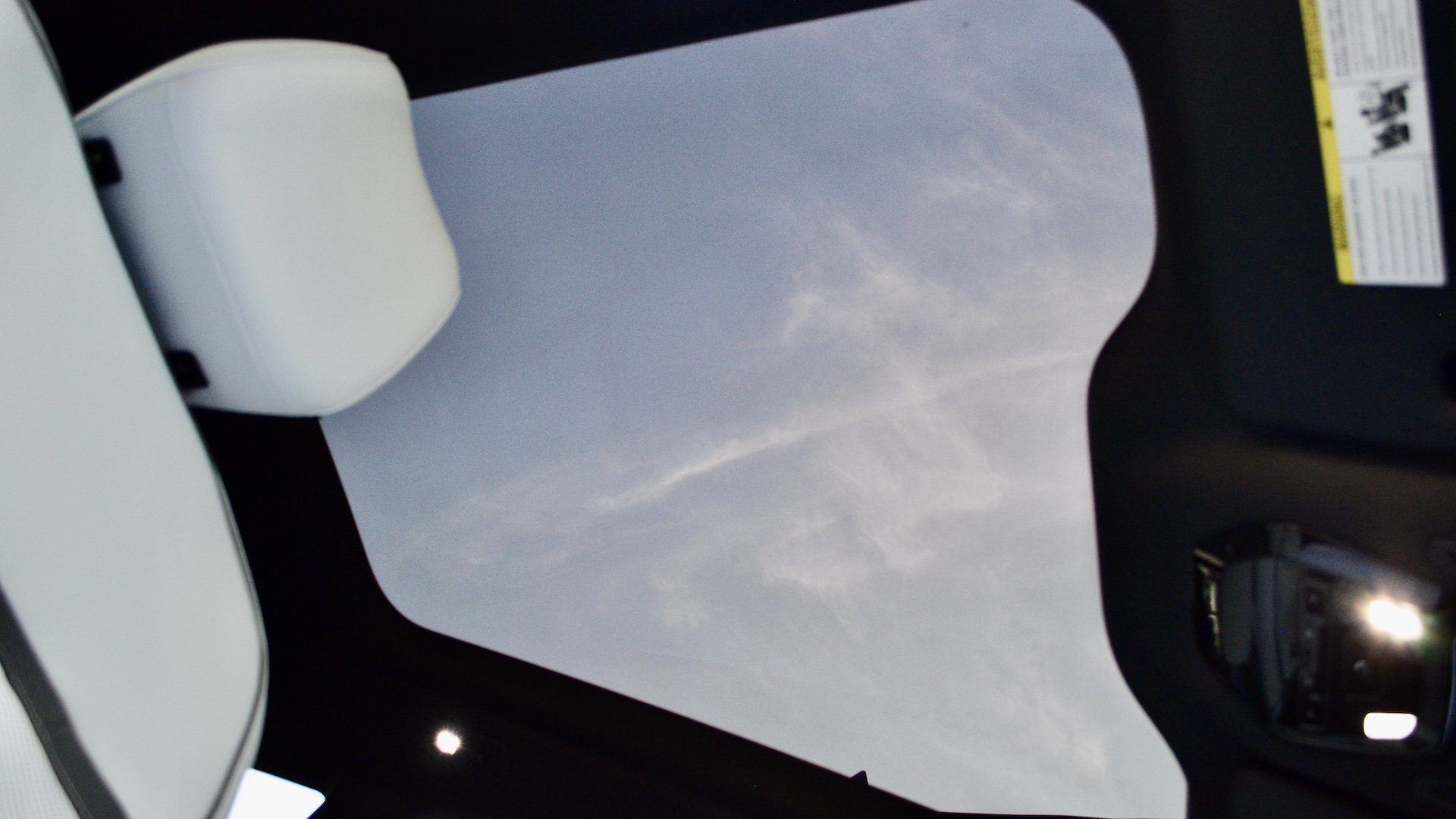
The interior remains minimalist, with quality materials and tight assembly. The seats strike an excellent balance between support and comfort, with enough adjustments to accommodate different body types. The large panoramic glass roof also deserves praise for bringing plenty of light into the cabin. It is included in the $4,900 Premium package.
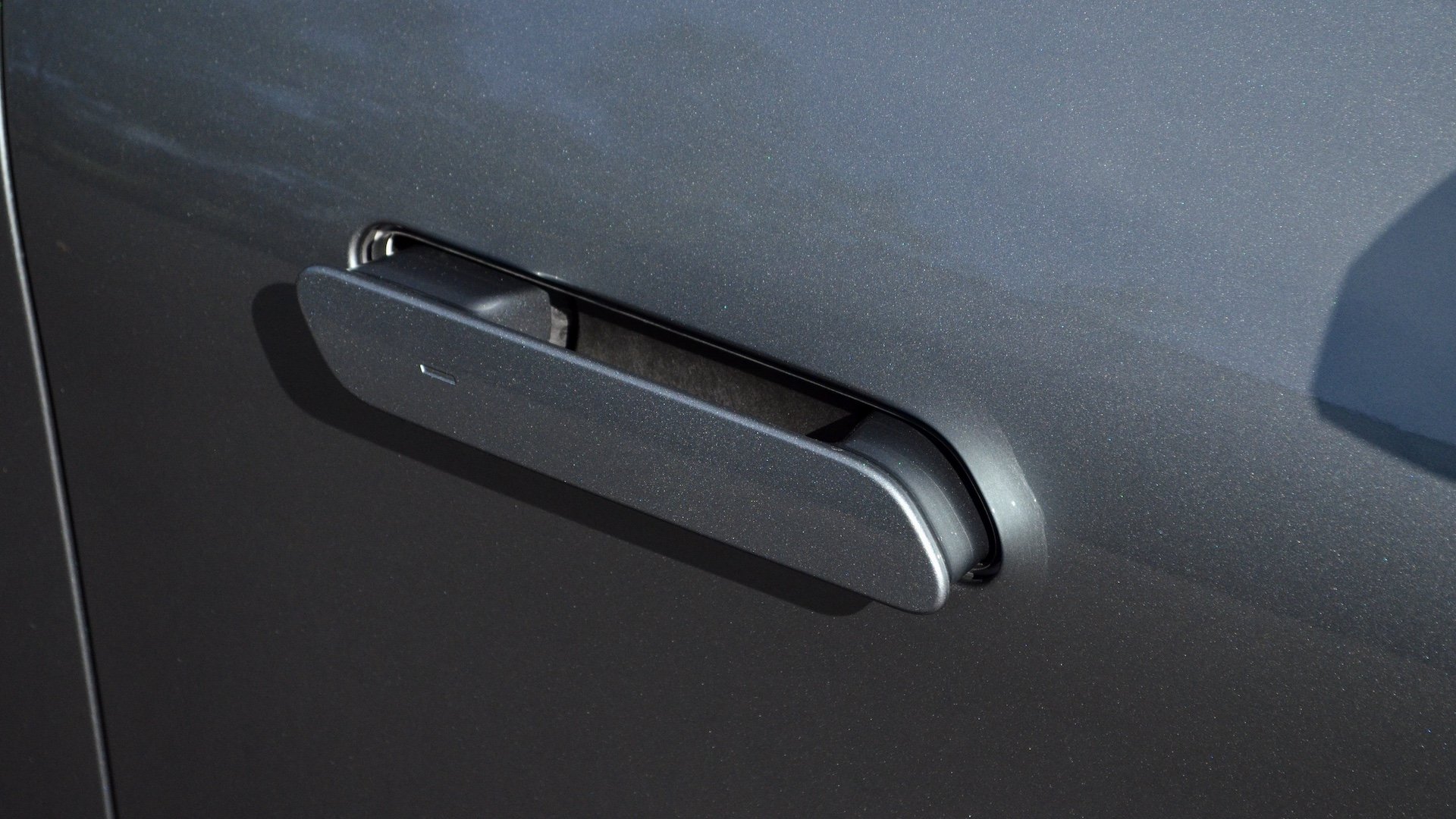
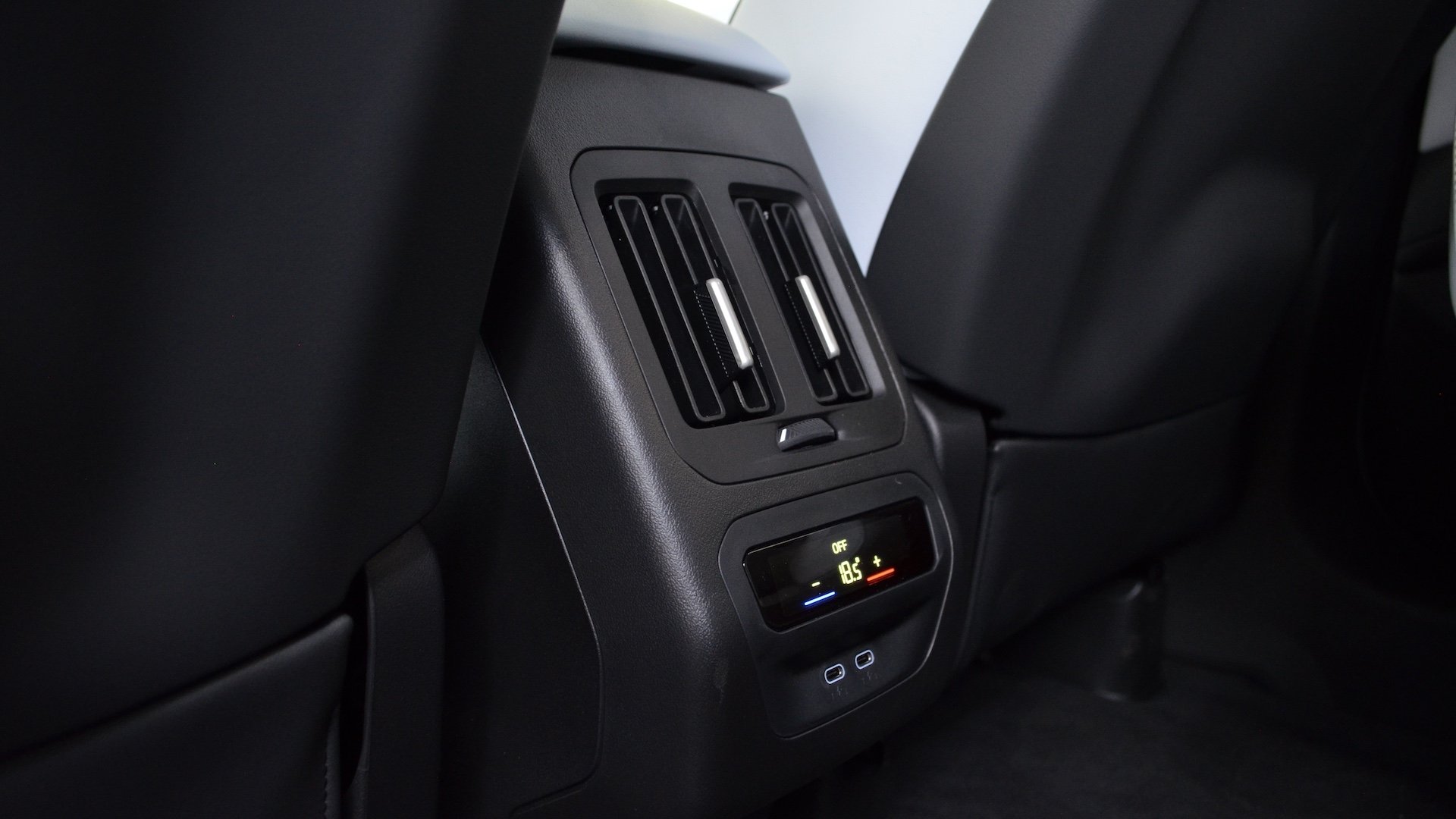
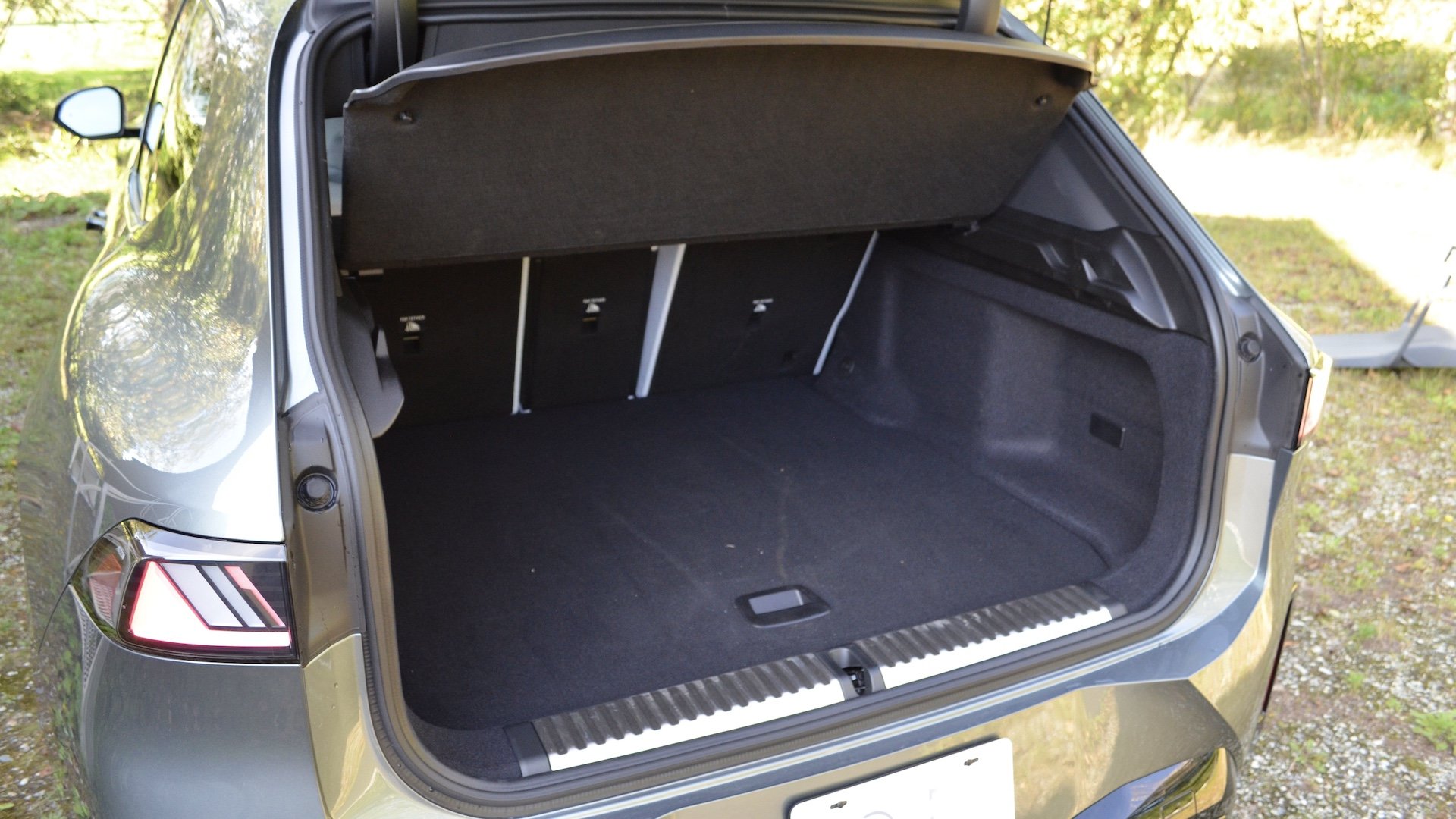
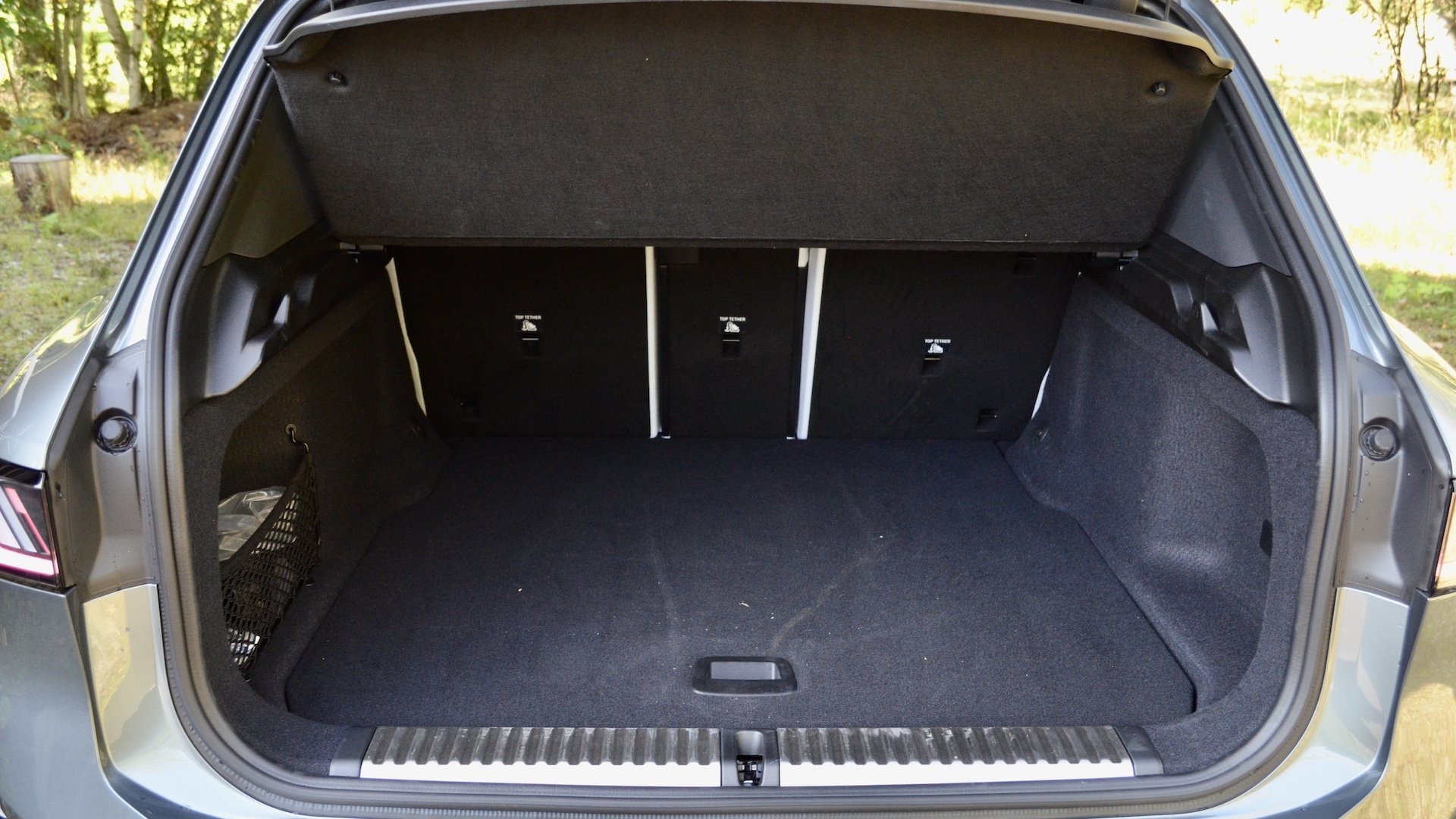
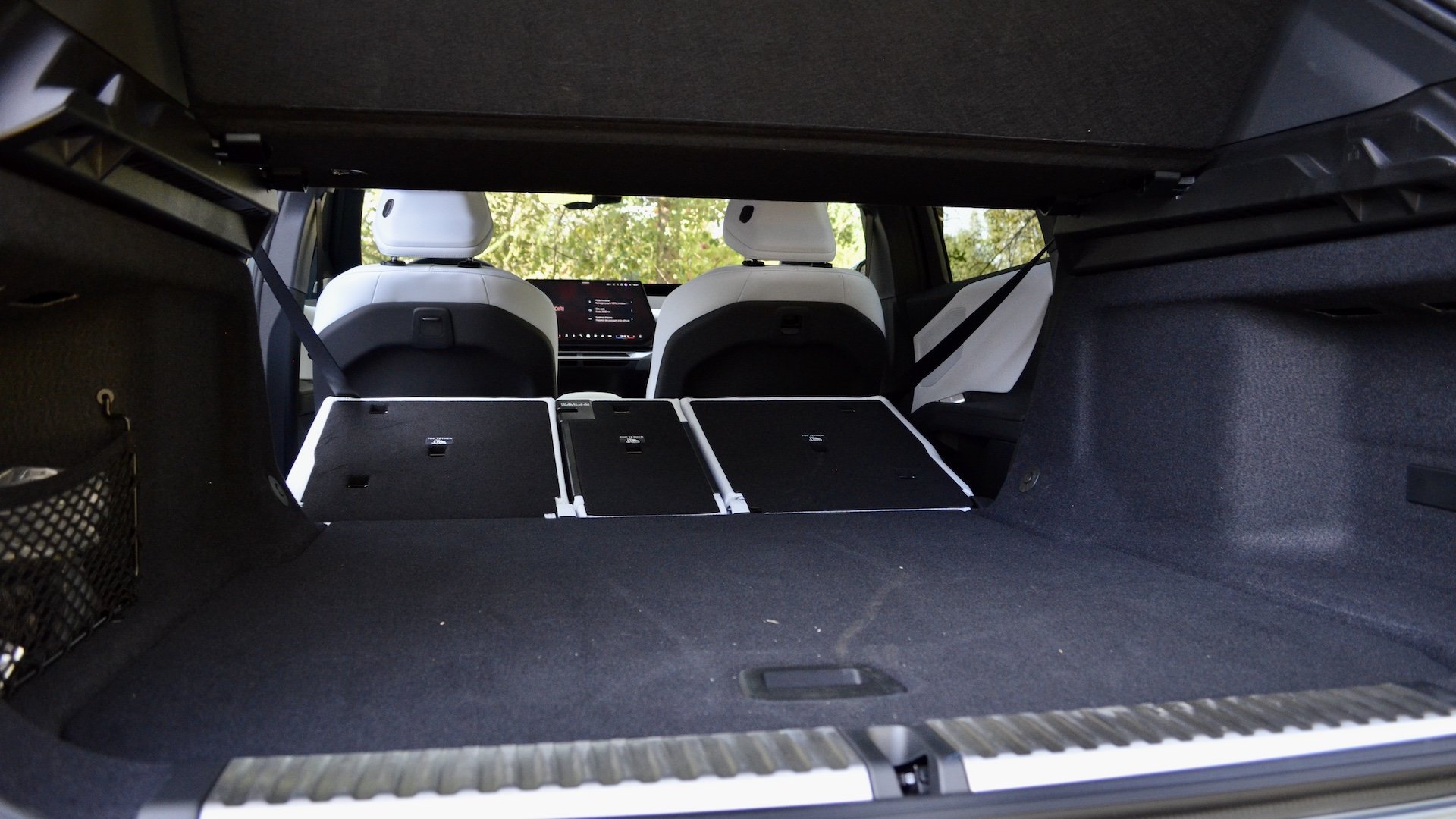
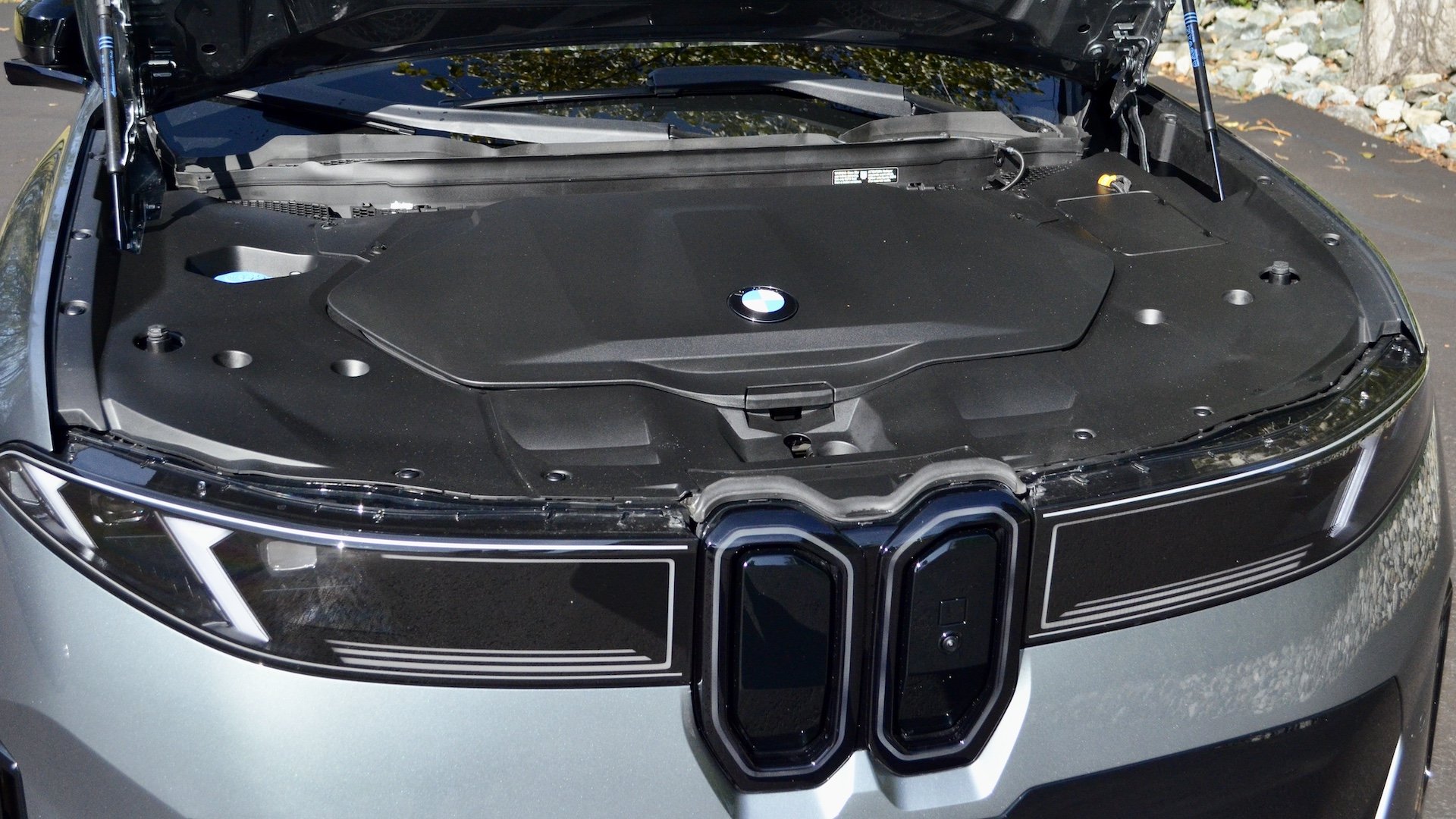
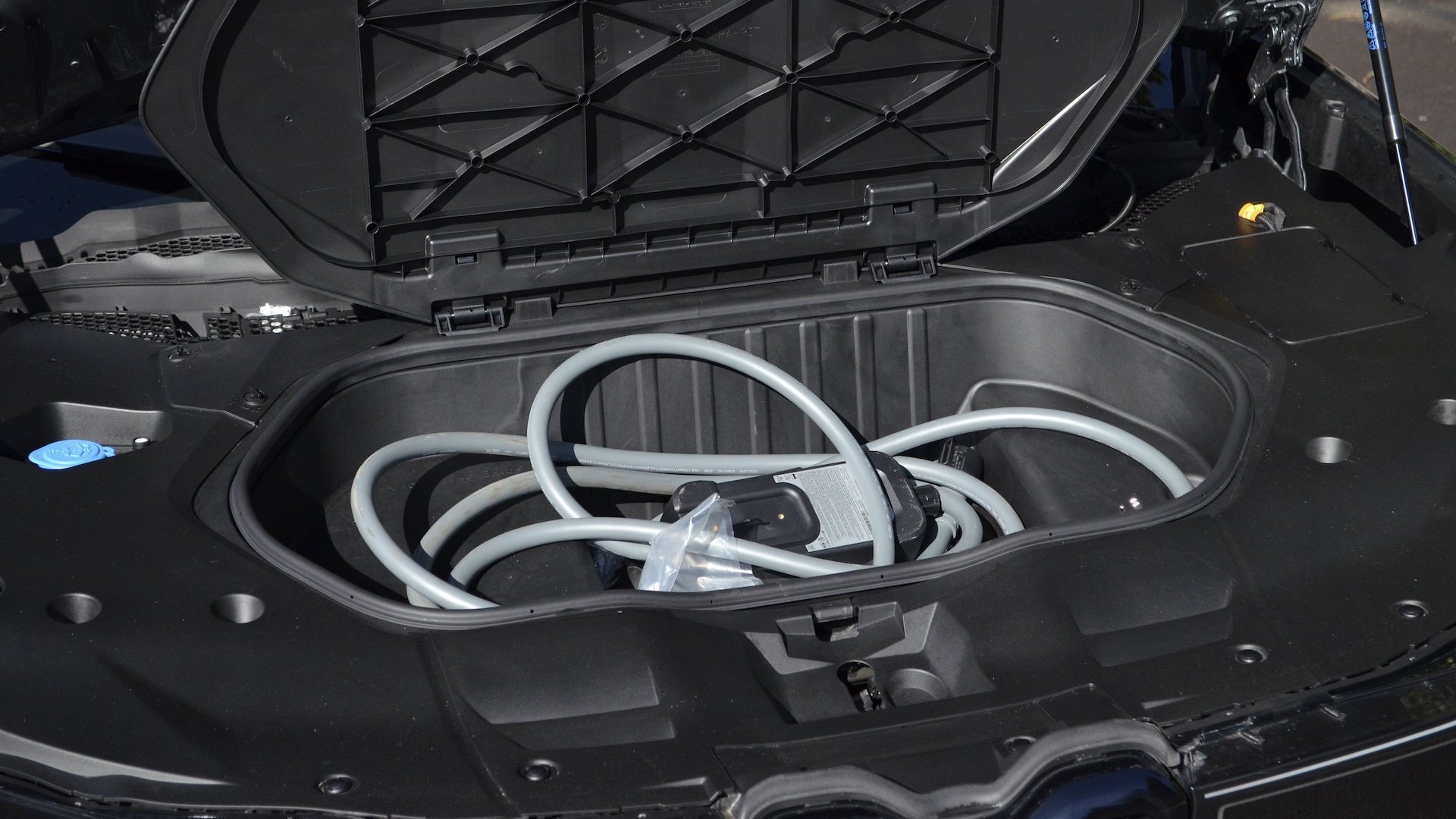
In practical terms, the iX3 meets the expectations of a compact family SUV. The second row offers generous legroom and headroom, while the wide door openings make access easier. Cargo capacity is 520 litres behind the rear seats and up to 1,750 litres with the 40/20/40 seatbacks folded. The front trunk is practically useless.
 2027 BMW iX3 50 xDrive (Picture by Luc-Olivier Chamberland)
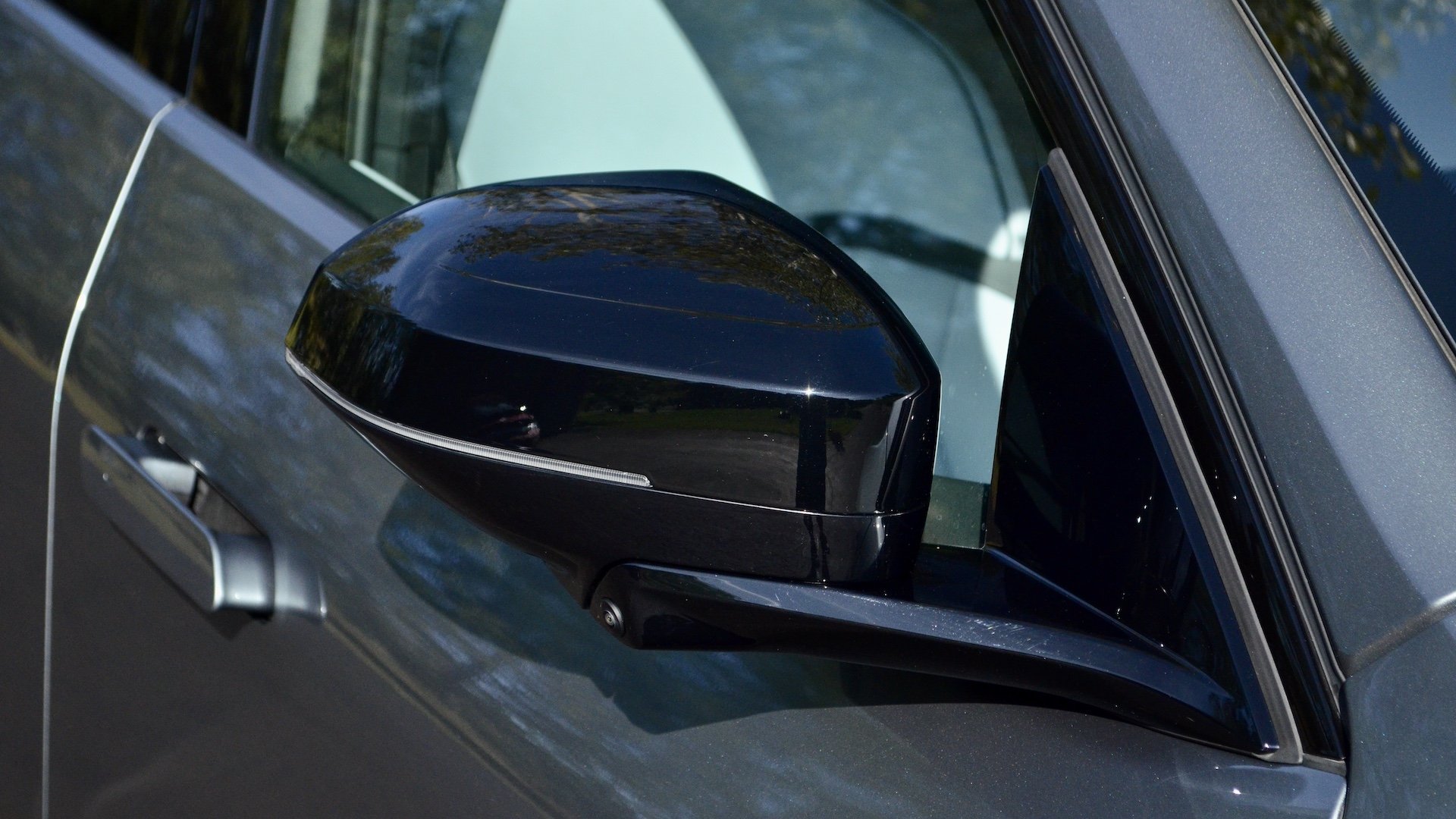
The thickness of the A-pillar at its base compromises visibility in certain urban situations, particularly at intersections. Cameras and sensors provide welcome assistance, but drivers still need to remain vigilant.
A New Electric Architecture That Pushes the Limits
The iX3 marks an important milestone in the German automaker’s electrification journey. Developed on an entirely new platform, it introduces the sixth generation of eDrive technology.
BMW claims a 40% reduction in energy losses, a 10% weight reduction and 20% lower production costs. The 108.7-kWh battery uses cylindrical lithium-ion cells offering 20% greater energy density and 30% faster charging. Integrating the battery into the vehicle structure also helps optimize the overall package. This is cutting-edge technology.
 2027 BMW iX3 50 xDrive (Picture by Luc-Olivier Chamberland)
The lineup is expanding, but for this test I had the first available version, the 50 xDrive. Two electric motors provide all-wheel drive, with 322 hp at the rear and 165 hp at the front. Combined output reaches 463 hp and 476 lb-ft of torque. The M60, meanwhile, delivers more than 600 horsepower. That will be brutal!
Truly Convincing Driving Dynamics
It is behind the wheel that the iX3 reveals its most interesting qualities. Despite its considerable weight, the SUV displays surprising agility. The steering provides well-judged resistance and precision that encourage more spirited driving. There is no doubt that electrification has not diminished driving enjoyment at BMW.
On the road, acceleration is instantaneous, yet the power remains perfectly manageable. The rear motor’s greater contribution preserves BMW’s characteristic dynamic personality. Sport mode sharpens responses without turning the iX3 into an aggressive vehicle.
 2027 BMW iX3 50 xDrive (Picture by Luc-Olivier Chamberland)
The suspension is probably the biggest surprise. BMW achieves a remarkable balance without resorting to adaptive dampers or air suspension. It is almost miraculous. Body movements are limited through corners, and stability inspires confidence. You can seriously have fun on winding roads. On imperfect pavement, however, the firmness may irritate some drivers. Personally, I like that stiffness, but it does hit hard on occasion.
Braking is equally effective, with discs measuring more than 13 inches and an energy recuperation system capable of slowing the vehicle to a complete stop.
114 Kilometres Short
The iX3 promises a range of 698 kilometres according to Natural Resources Canada. During my test, on summer tires and in mild temperatures around 20 degrees Celsius, I recorded average consumption of 18.6 kWh/100 km. Extrapolating from that figure, my real-world range would have been 584 kilometres. That is considerably below the advertised figure, although there are ways to reduce consumption, such as Eco mode, which I deliberately did not use.
 2027 BMW iX3 50 xDrive (Picture by Luc-Olivier Chamberland)
Electric Technology at Its Peak
The 800-volt electrical architecture is a major advantage. At home, AC charging can reach 11 kW. The NACS connector and compatibility with 400-volt DC fast chargers make Tesla charging stations easier to access, although an adapter will be required for the Electric Circuit network. With DC fast-charging power of up to 400 kW, BMW claims the iX3 can recover 282 kilometres of range in ten minutes and charge from 10% to 80% in just 21 minutes under optimal conditions. That is fairly close to reality, provided you have 350 kW available, as I did.
What to Watch
The model is still new to the North American market, so there is no reliability record to draw on yet. Looking at Europe, where more than 50,000 units have already been sold, reliability appears good so far. Only one recall affects the model, covering 145 vehicles for an issue with the charging module.
 |  |  | |
|---|---|---|---|
| Model | BMW iX3 50 | Volvo EX60 P10 | Audi Q6 e-tron |
| Price | $78,938 | $80,723 | $84,160 |
| Power | 463 hp | 503 hp | 456 hp |
| Torque | 476 lb-pi | 524 lb-pi | 428 lb-pi |
| Drivetrain | xDrive | AWD | quattro |
| Battery | 112.2 kWh | 95 kWh | 100 kWh |
| Architecture | 800V | 800V | 800V |
| Charger | 11 kW | 11 kW | 11 kW |
| Max DC charging | 400 kW | 370 kW | 270 kW |
| Time 10-80% | 21 min | 18 min | 21 min |
| Range | 698 km | 531 km | 523 km |
| Towing | 2,000 kg | 2,040 kg | 1,996 kg |
| 0-100km/h | 4.9 sec. | 4.6 sec. | 5.4 sec. |
Pricing Becomes a Selling Point
People often say electric vehicles are expensive. In the case of the iX3 50, its base price is $75,900 (78 938$ including fees). The base price of the gasoline-powered X3 in the equivalent 50 trim is $77,900 (80 938$). In both cases, options will increase the price in much the same way. BMW has therefore managed to do what many others cannot do, or even imagine doing: offer electrification at a lower cost than gasoline power.
On top of that, ownership costs should be lower thanks to maintenance and energy expenses. Electricity is affordable, while 91-octane gasoline costs around $2.21 per litre.
Conclusion
In my opinion, the BMW iX3 has fully earned its 2027 Vehicle of the Year title in L’Annuel de l’Automobile. I voted for it myself. It would be impossible to call it perfect, because it is not, but it certainly makes our job much harder when it comes time to be critical. Being BMW, the automaker is adding other variants, including the 40, M60, the coupe-shaped iX4 and even a future full M model. Consumers in the segment will have choices.
The only remaining question is reliability. BMW’s current track record with electric vehicles is not perfect, but it remains above average. For now, this is one of the most impressive electric vehicles available.