Pros:
- More enjoyable driving dynamics
- Excellent fuel efficiency
- Simplified model lineup
- Low ownership costs (resale value and maintenance expenses)
Cons:
- Engine remains noisy
- Plenty of plastic inside
- Not enough mechanical differentiation from the RAV4
Subtle Exterior Styling Changes
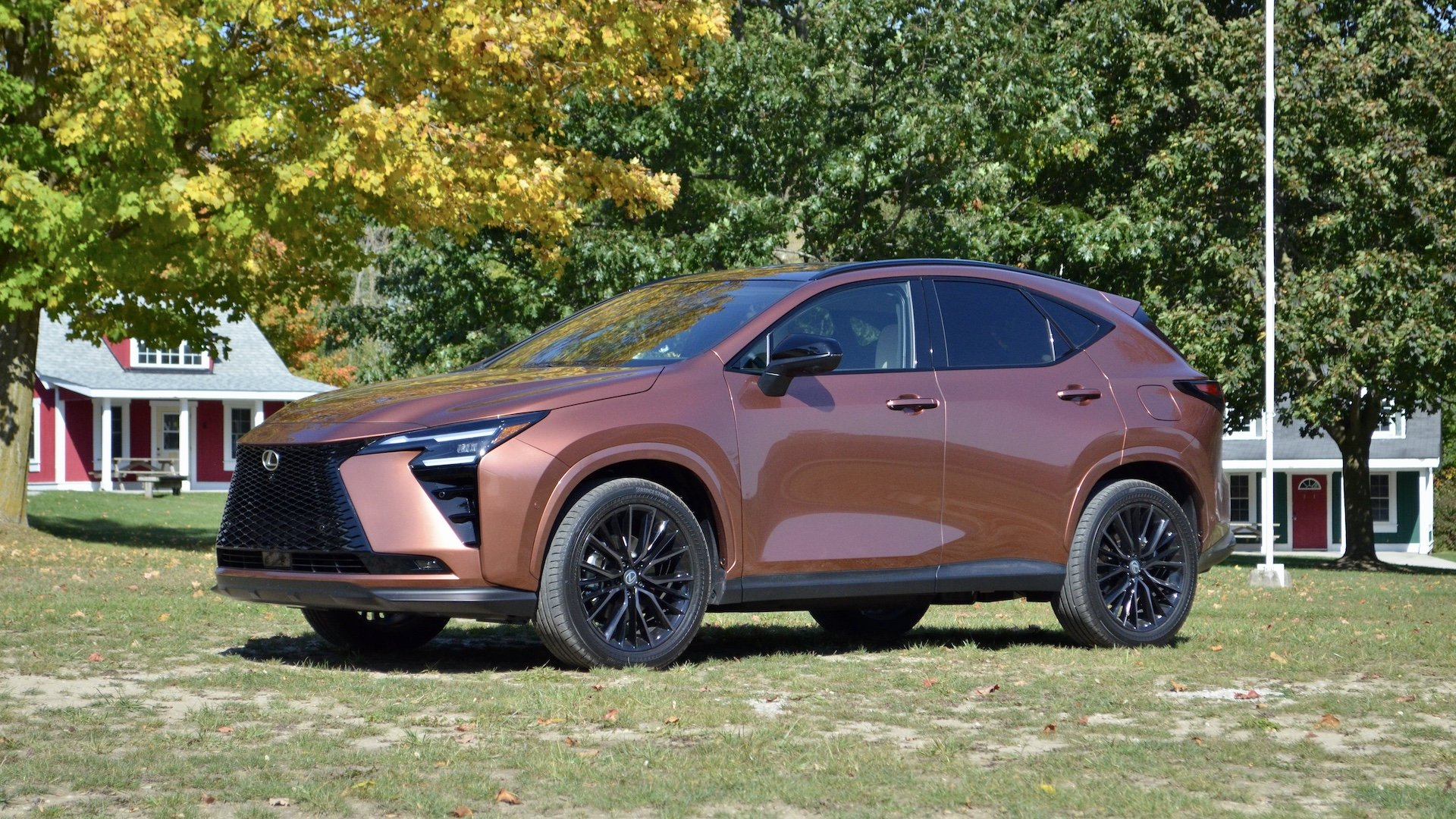
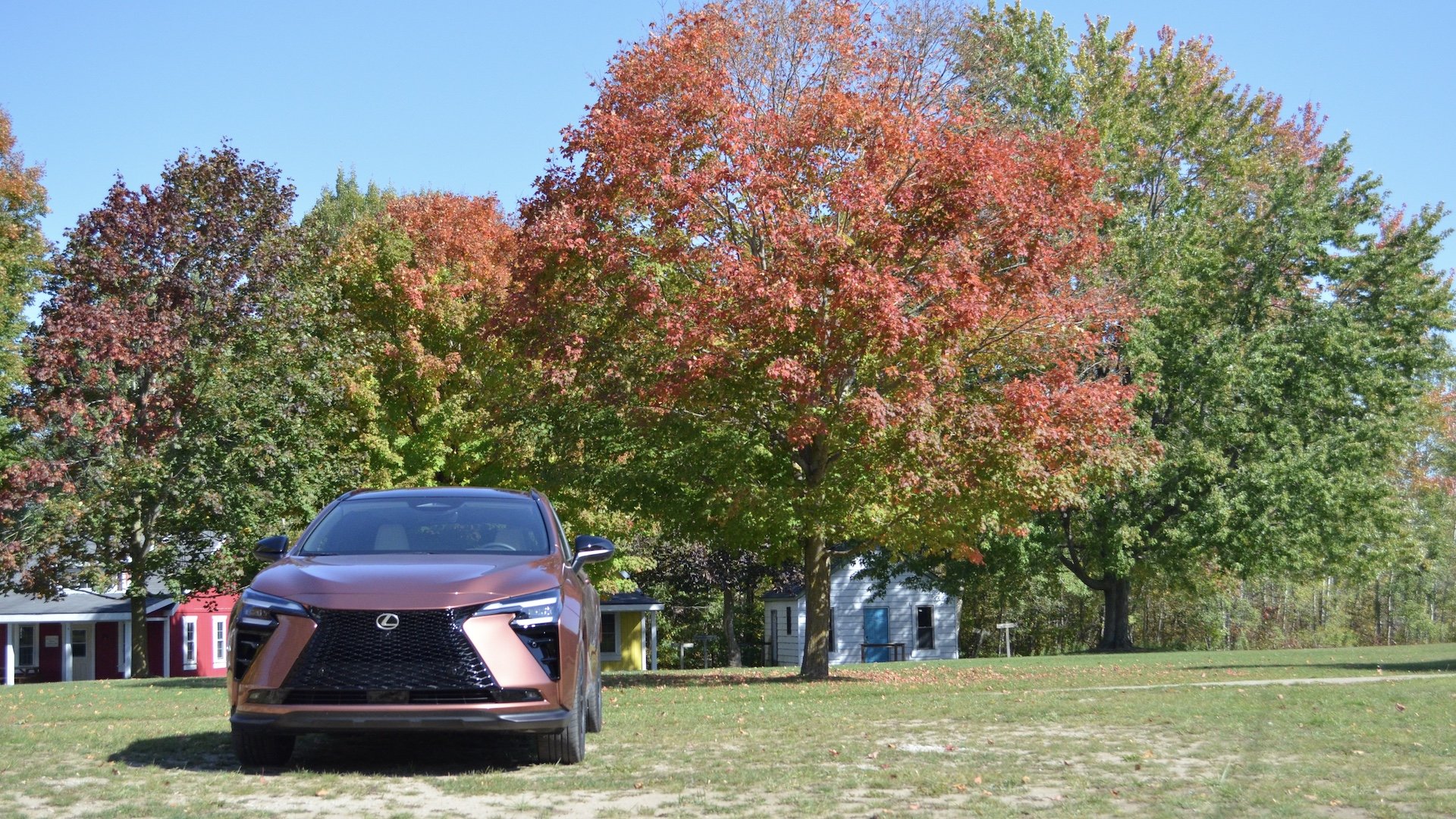
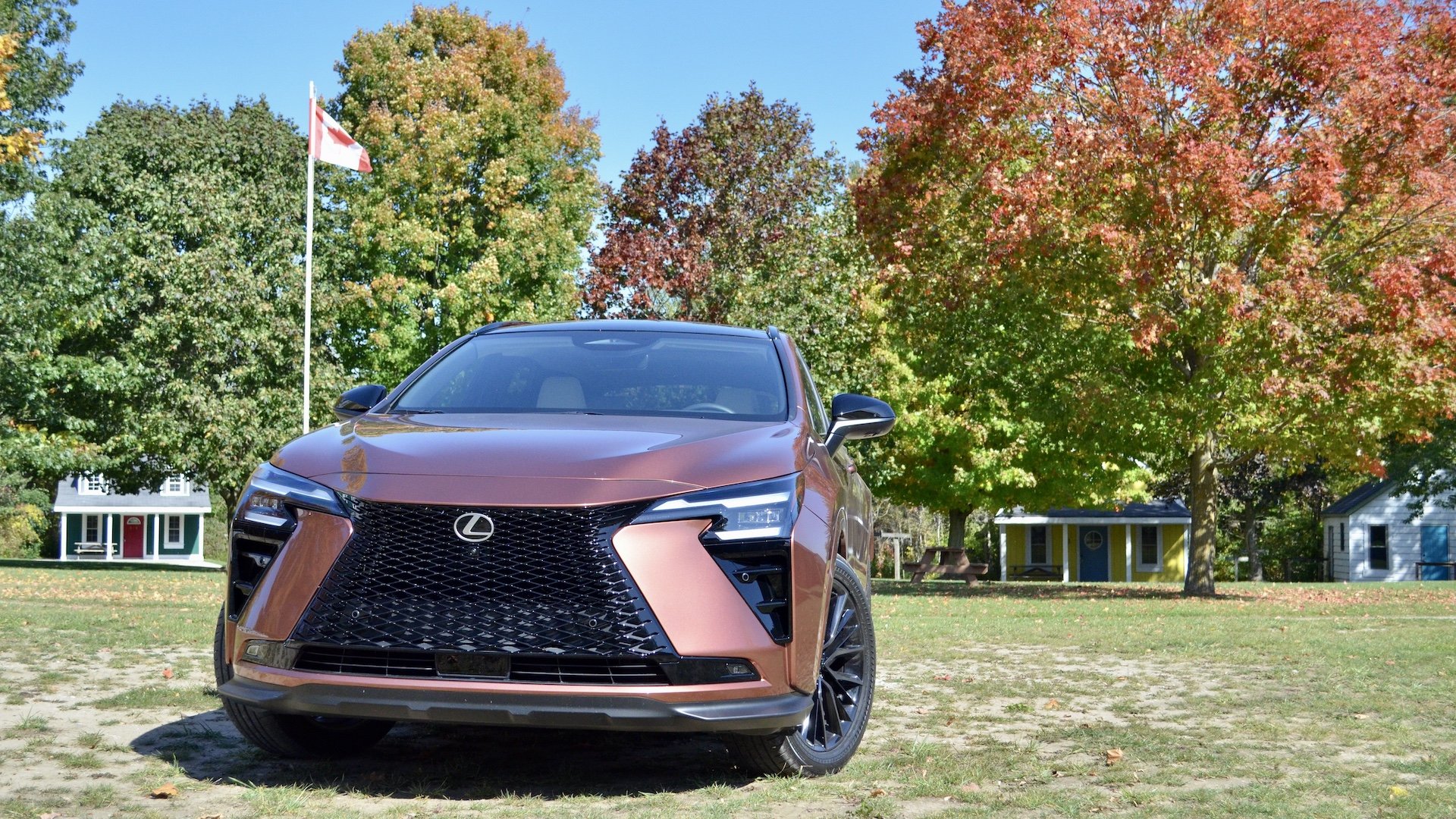
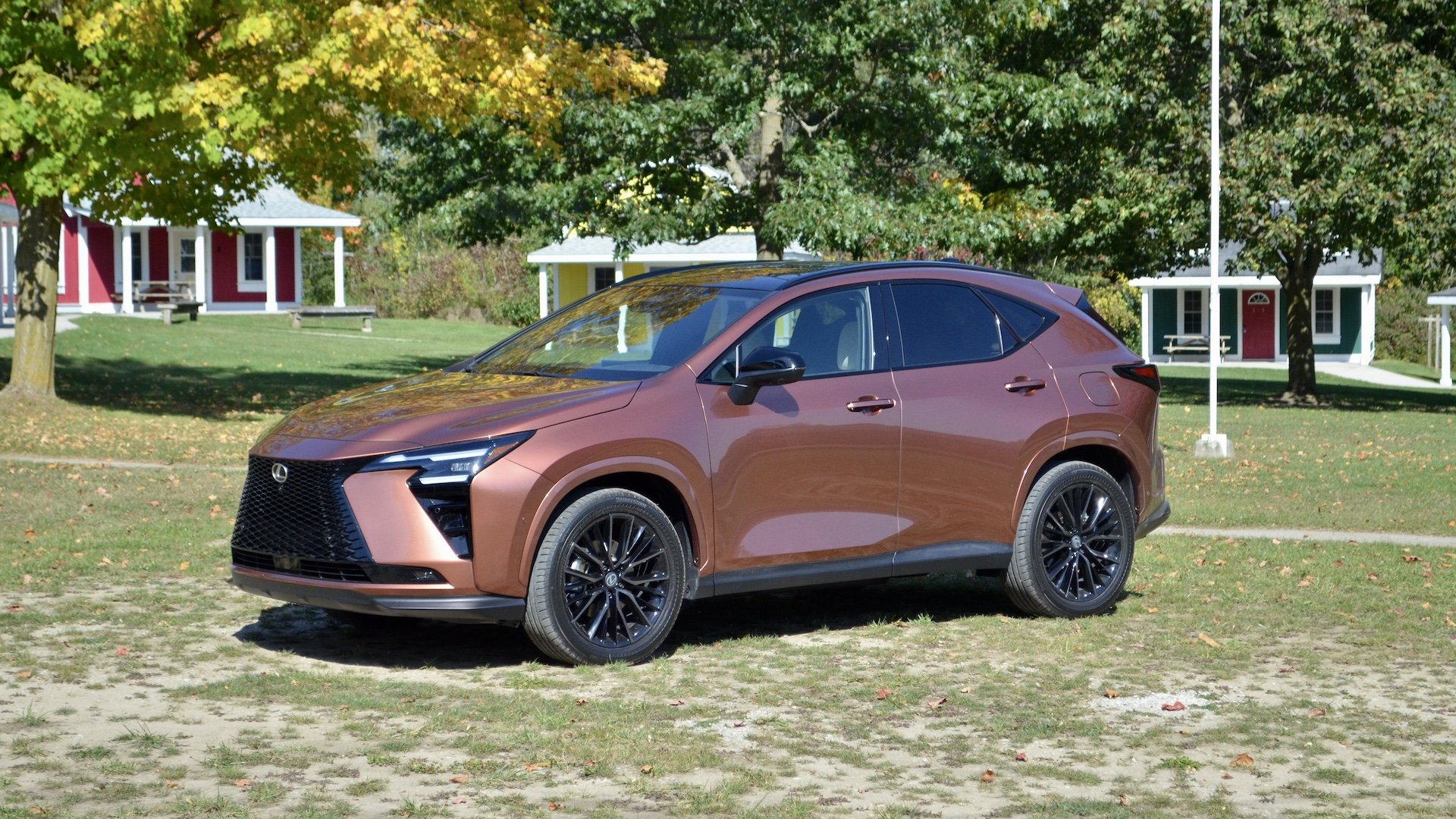
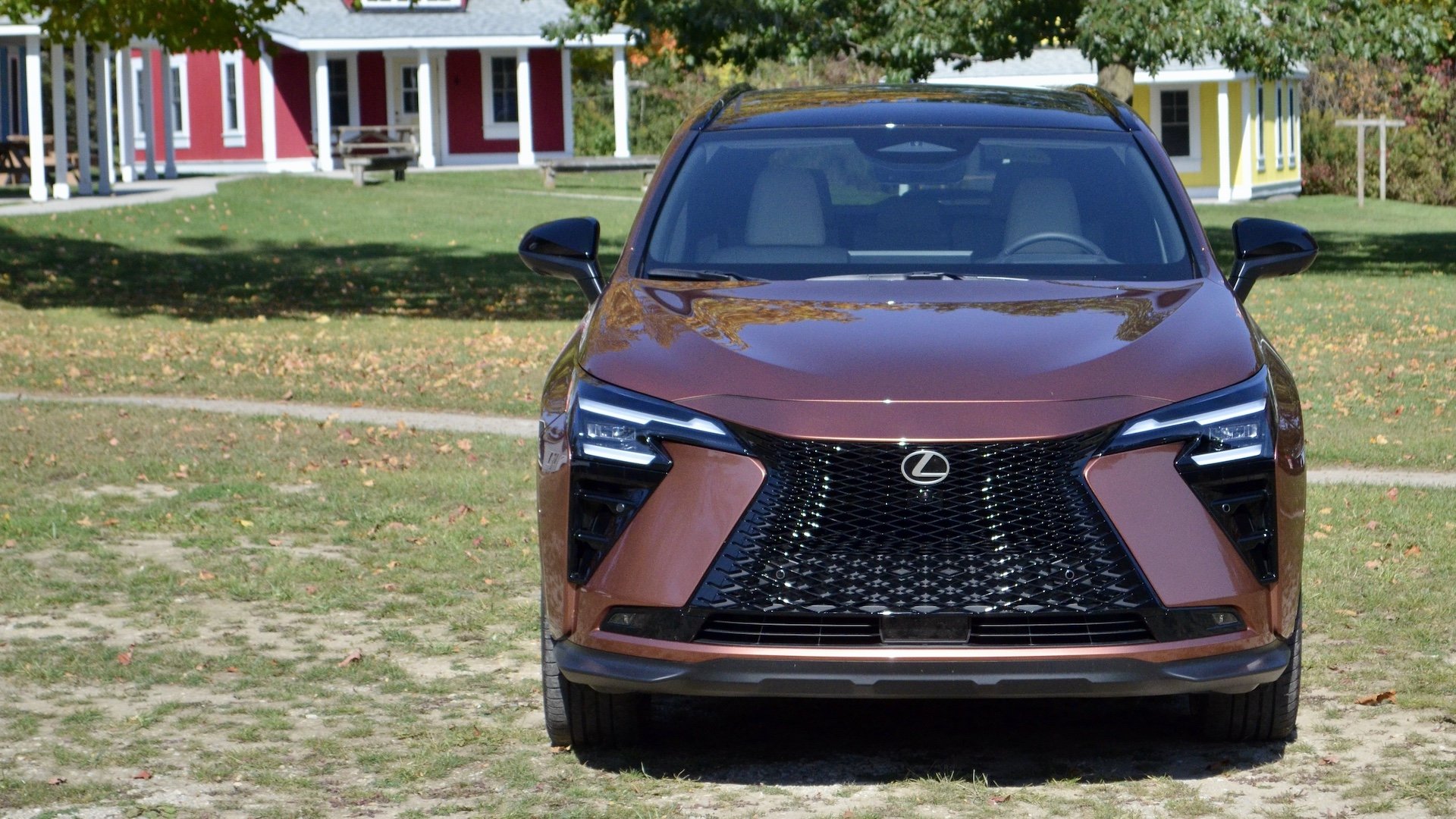
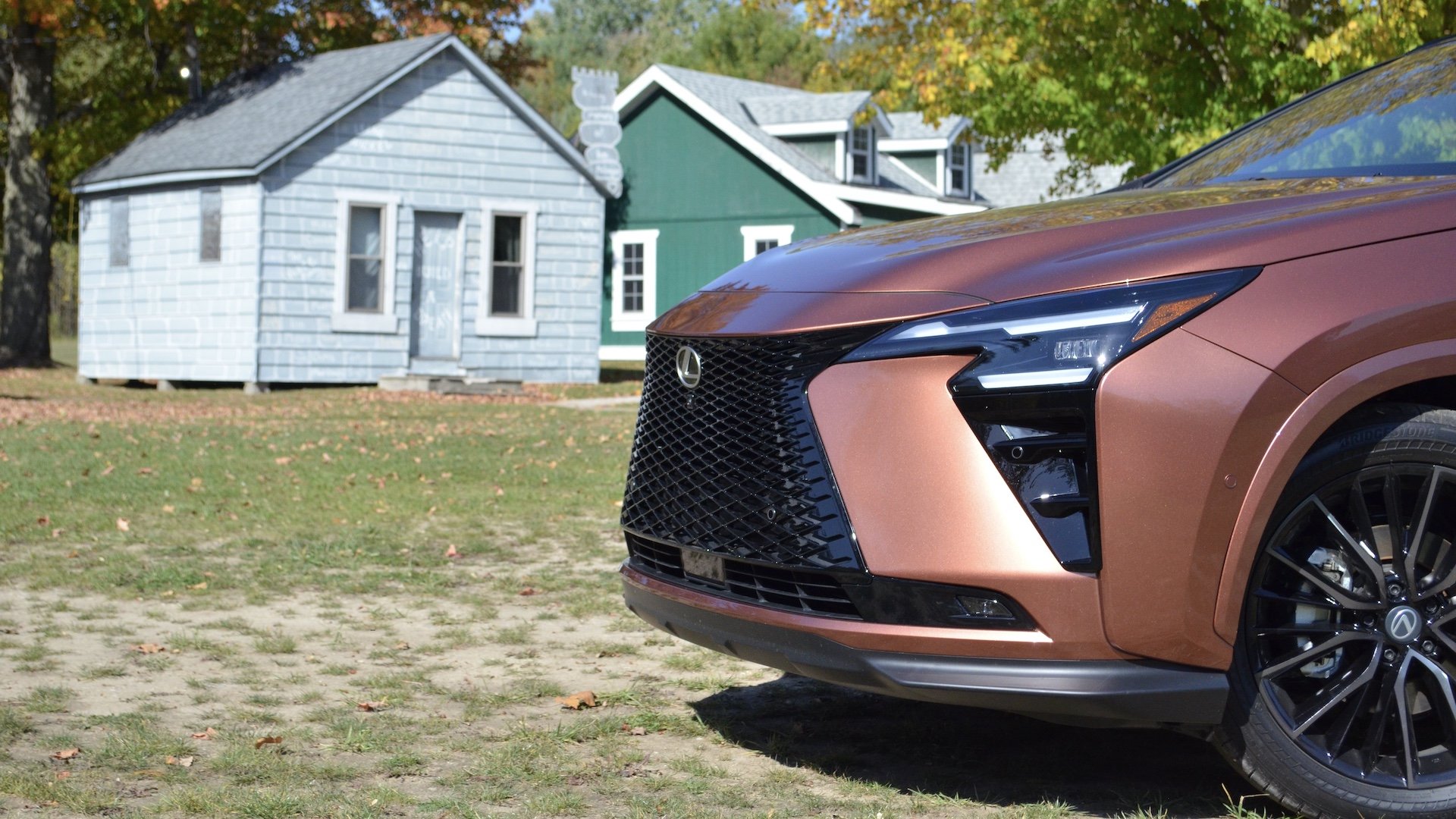
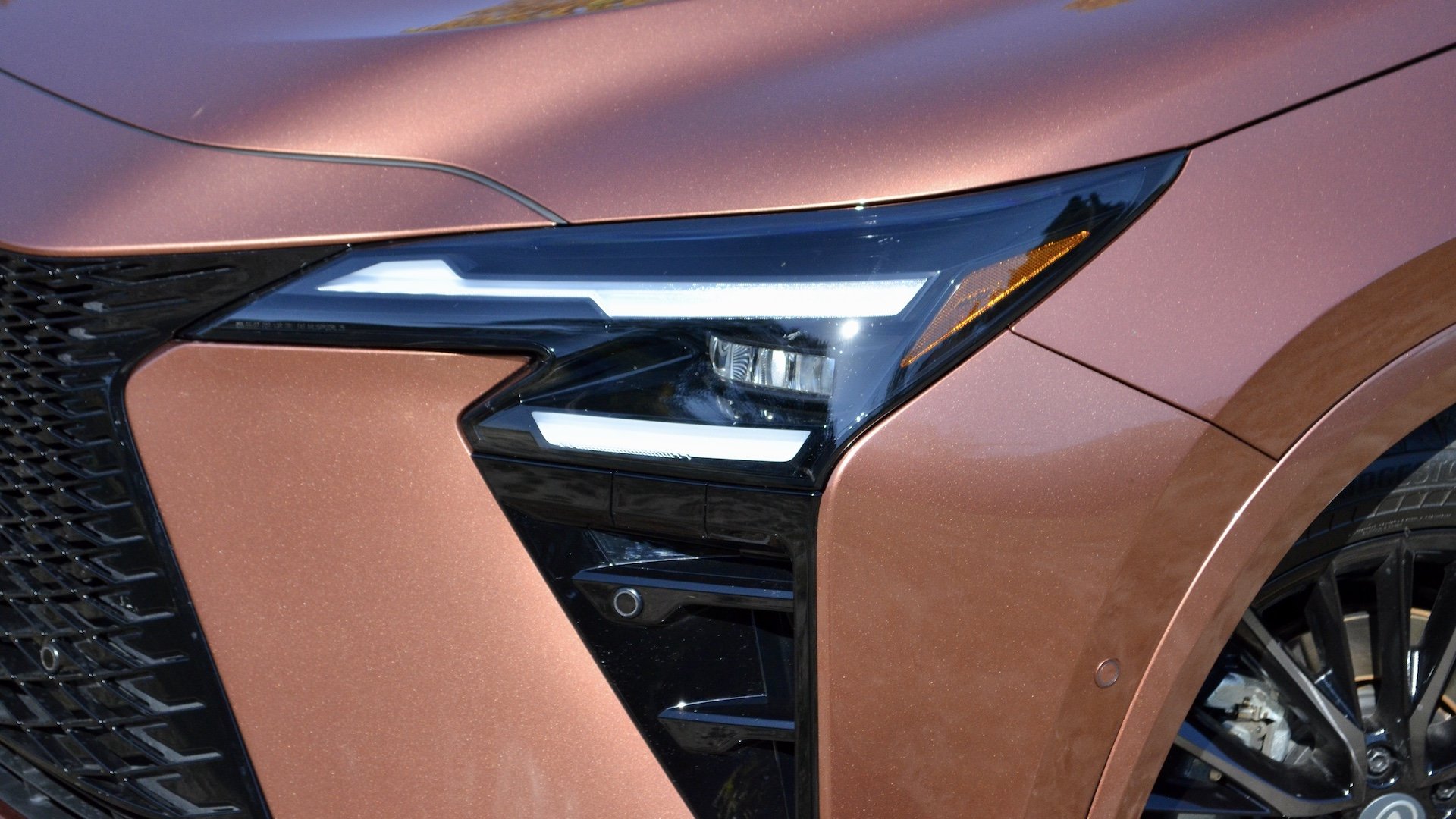
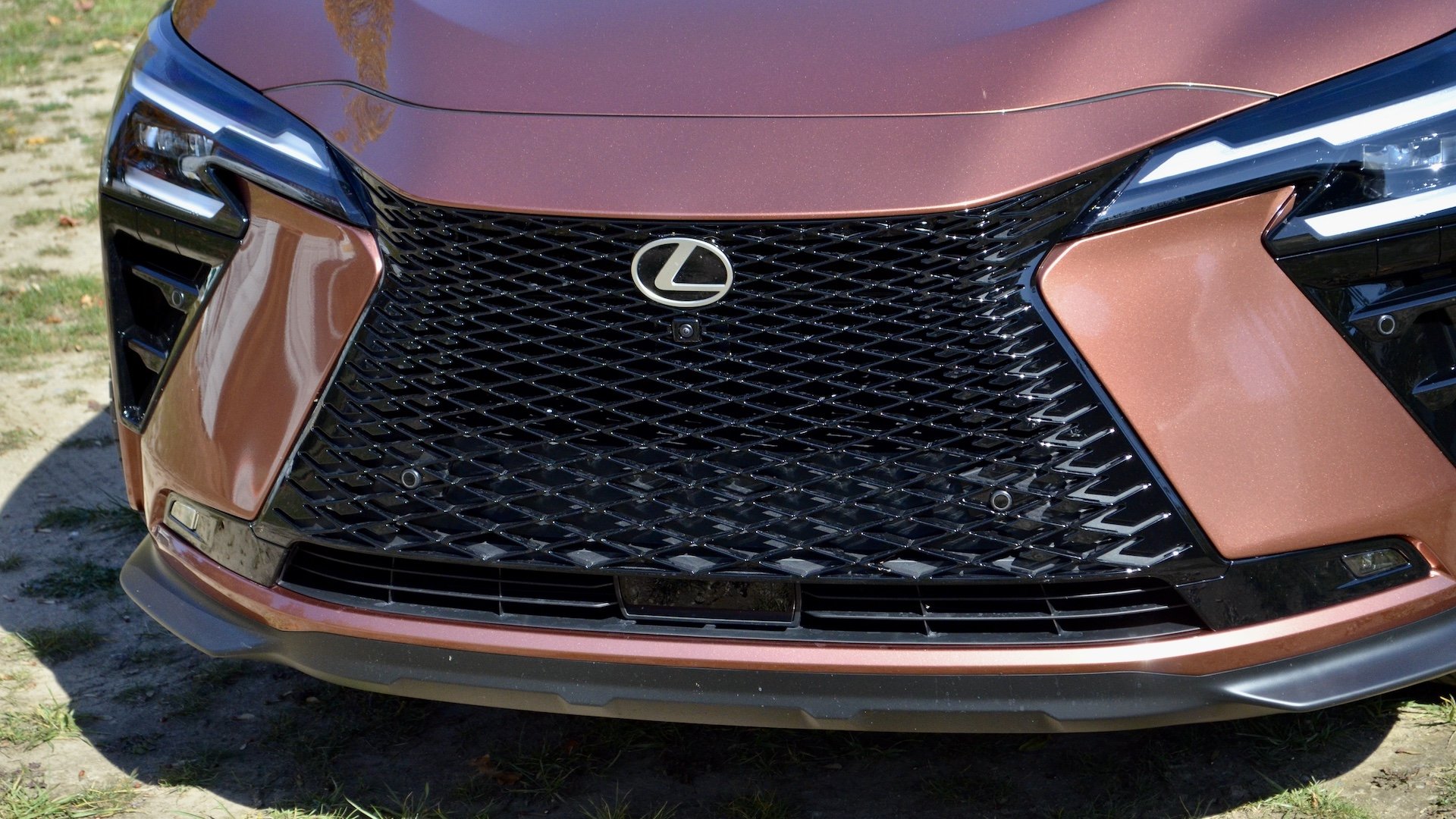
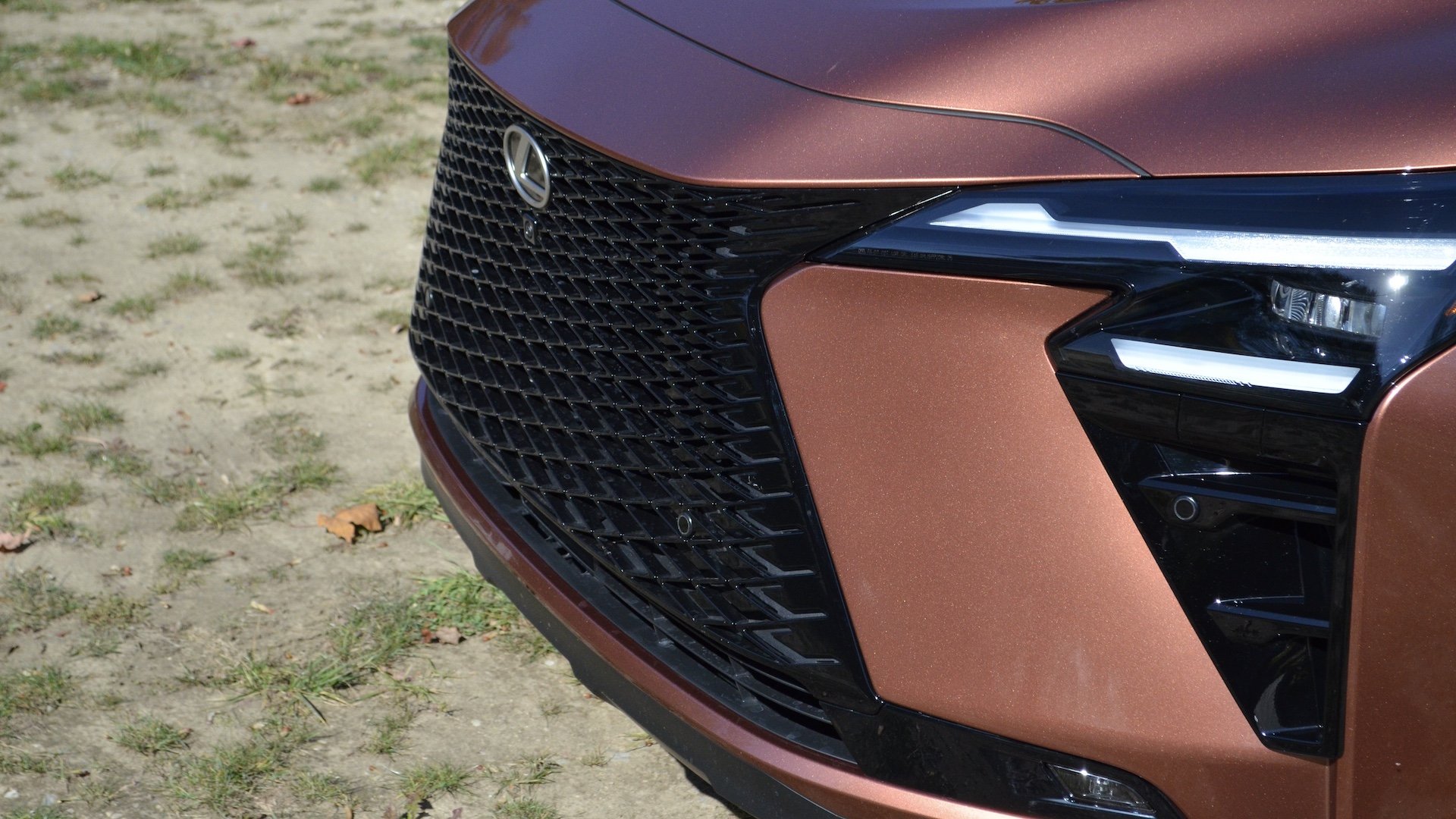
Were it not for the uncertainty surrounding the U.S. presidency, the NX would surely have received a complete redesign, just like the 2026 RAV4. Instead, Lexus is playing it safe, concentrating on the front end with headlights featuring a new signature of two parallel LED strips. This new approach retains the familiar arrowhead motif. The entire front bumper has been redesigned, although the enormous spindle grille remains.
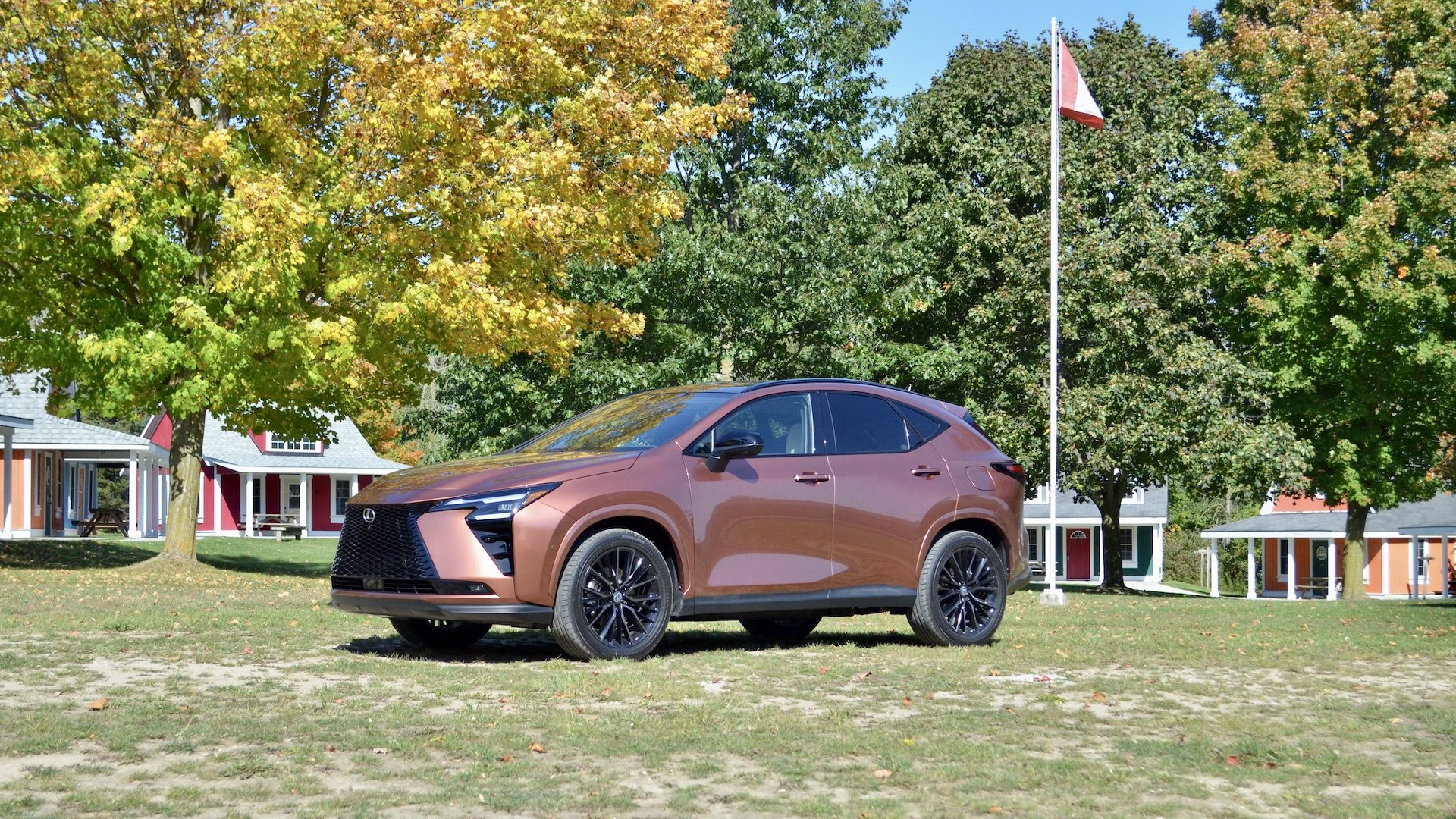 2027 Lexus NX 350h Luxury (Picture by Luc-Olivier Chamberland)
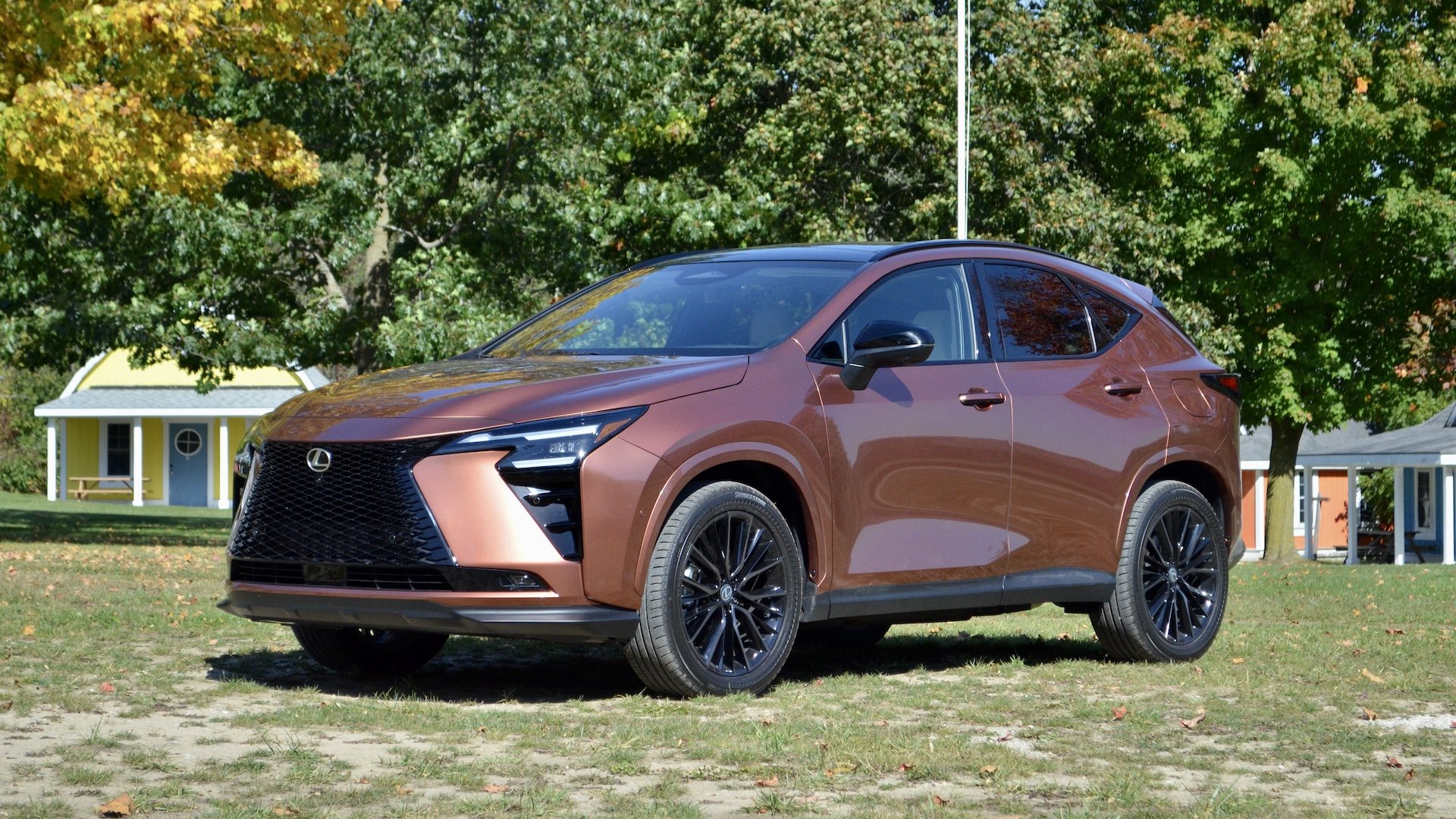
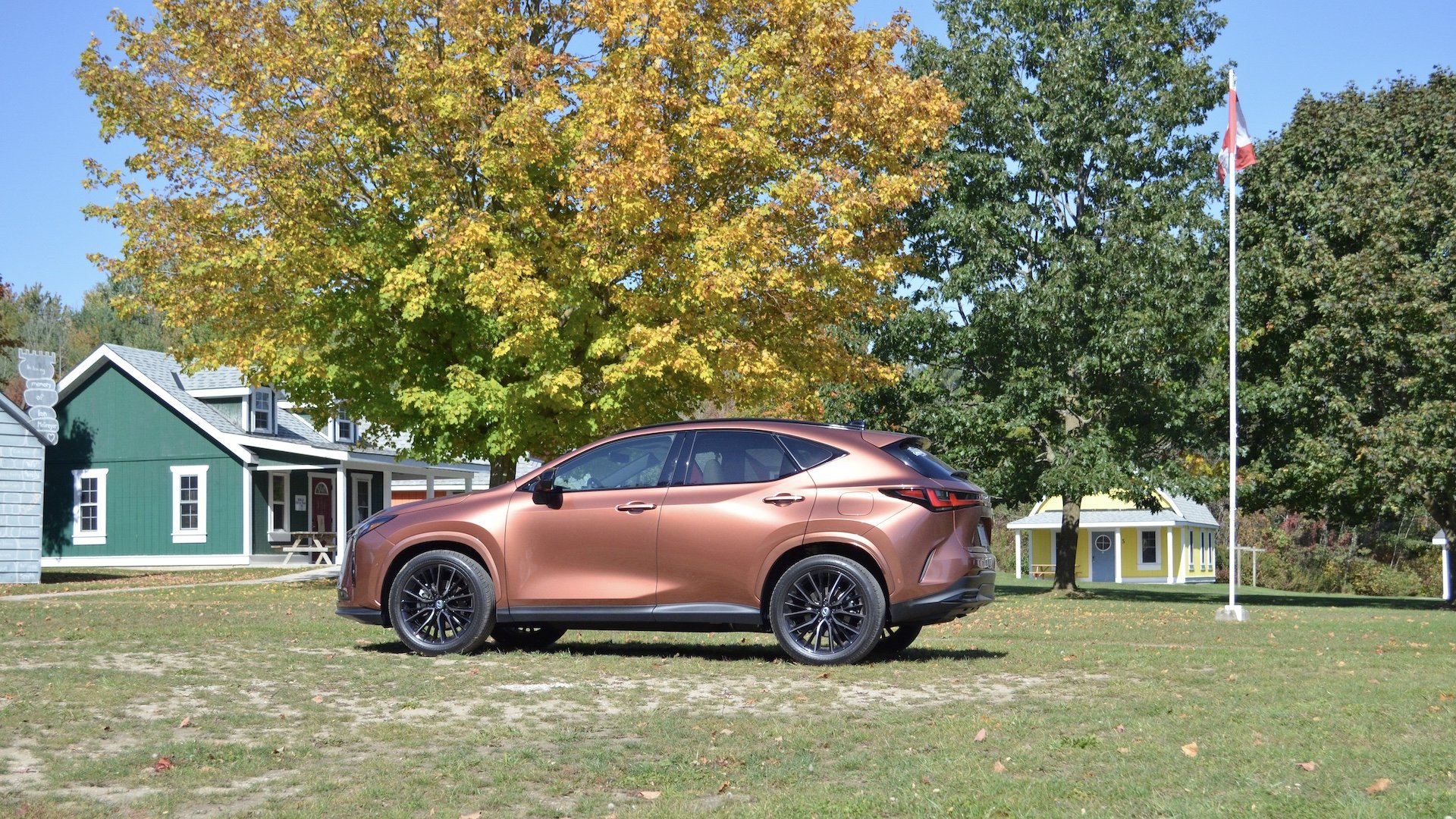
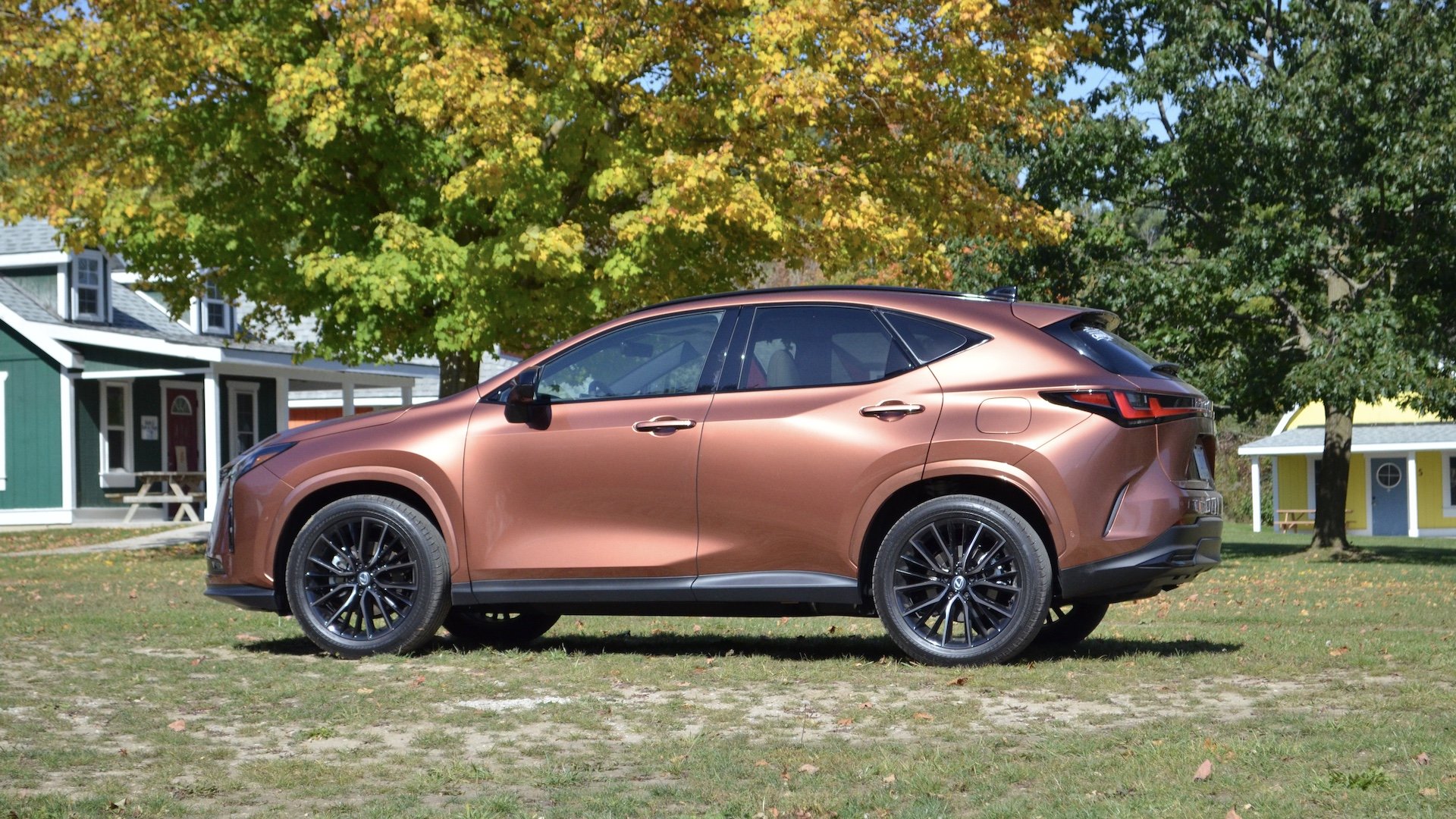
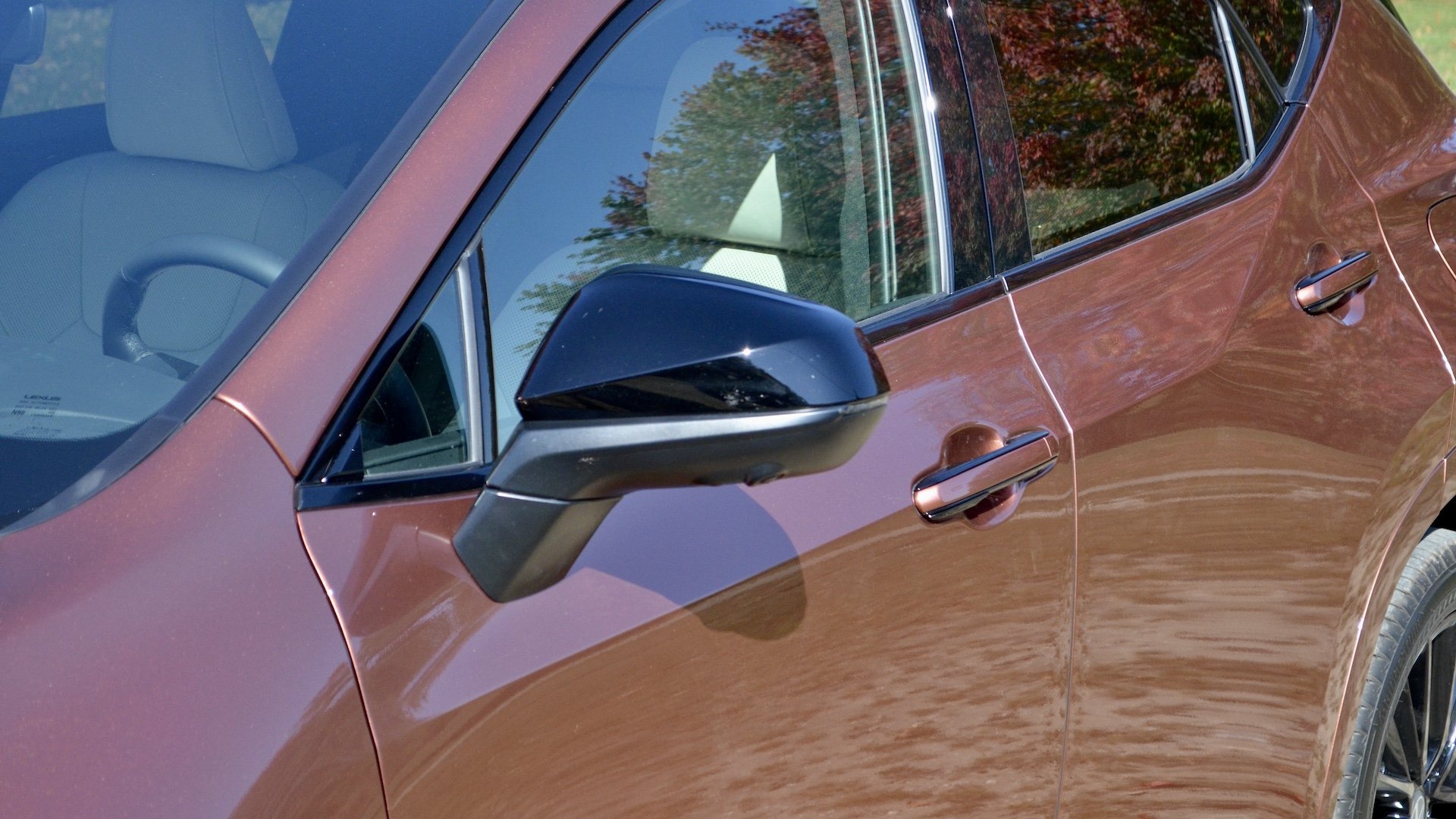
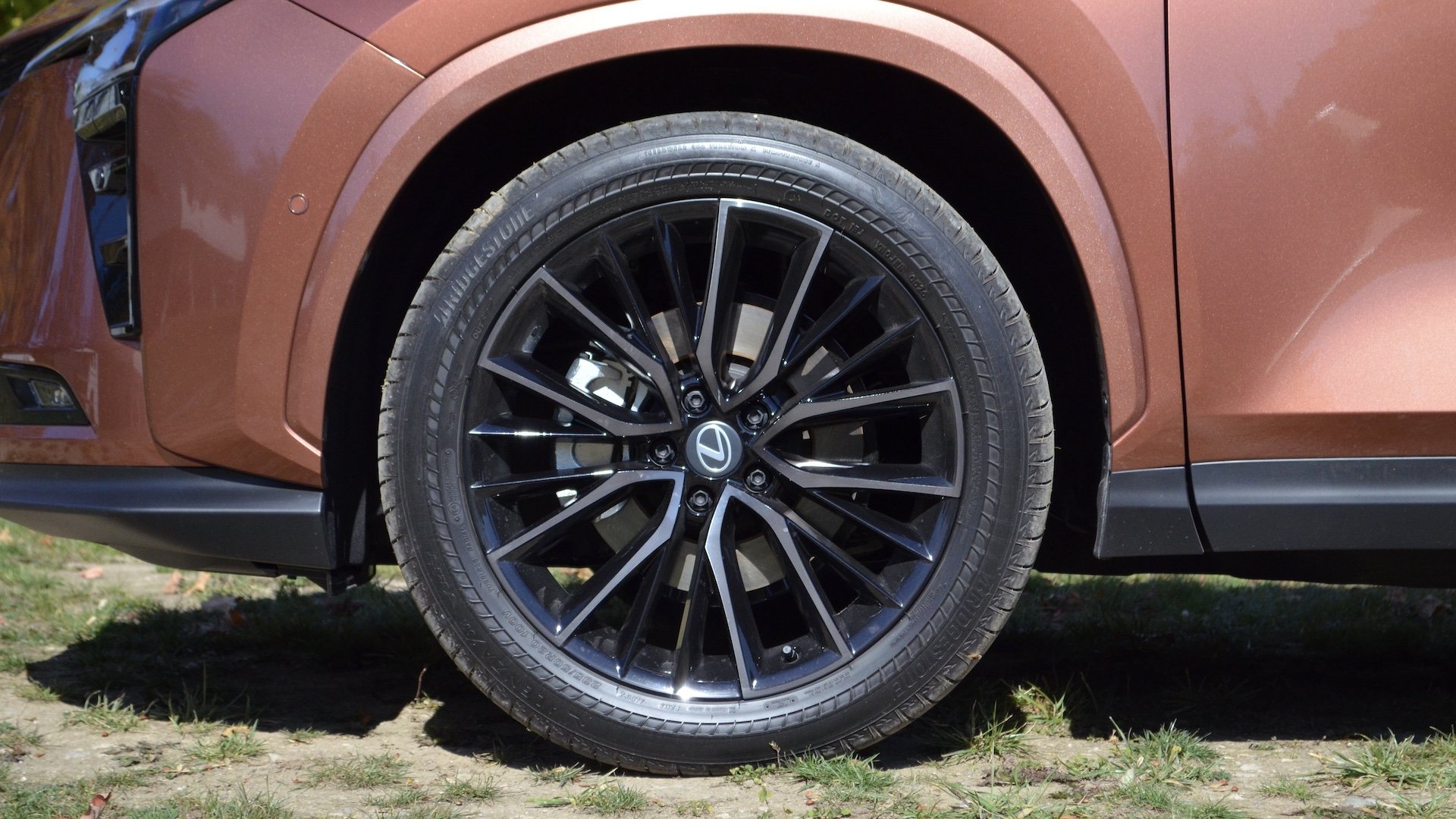
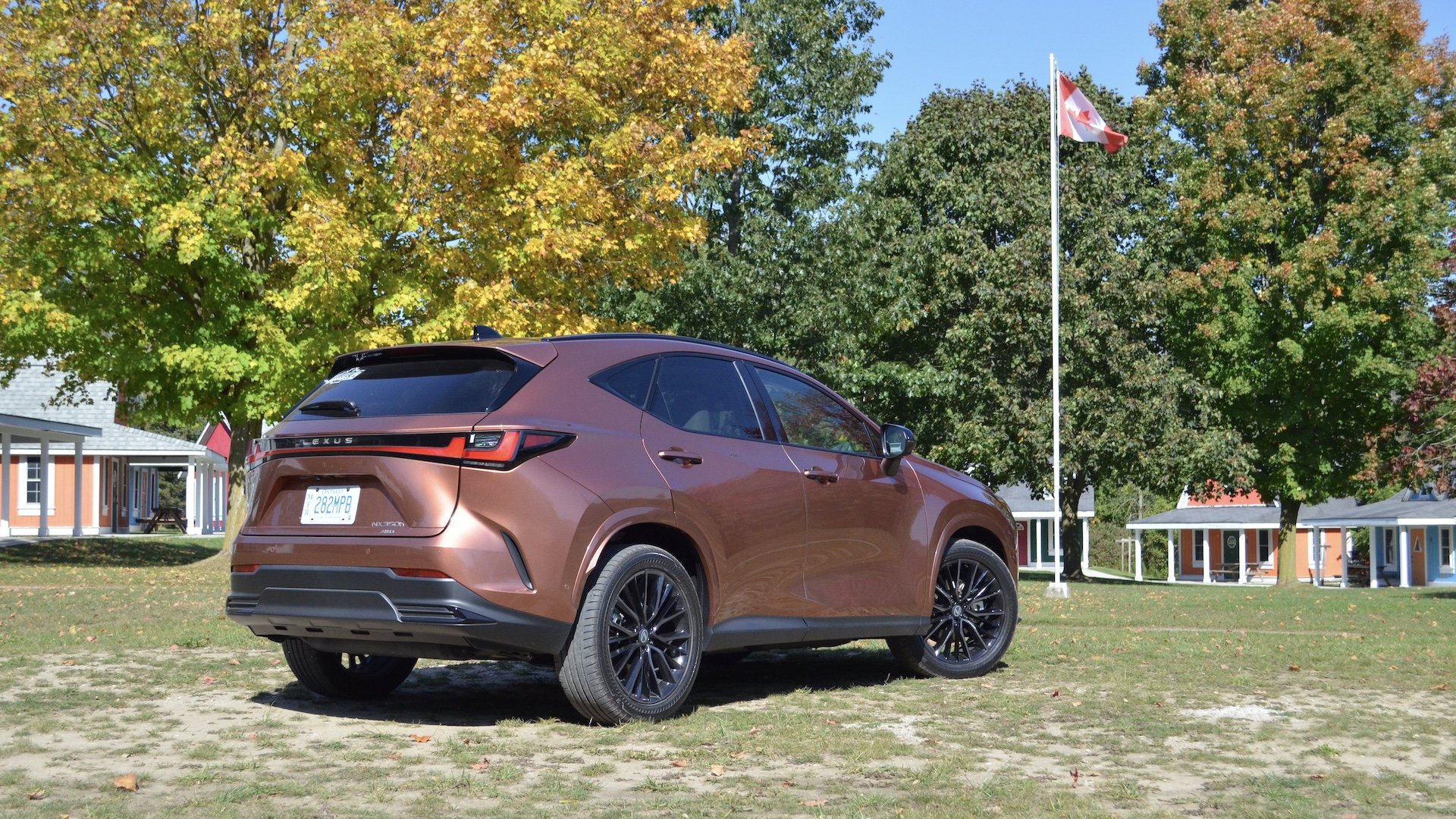
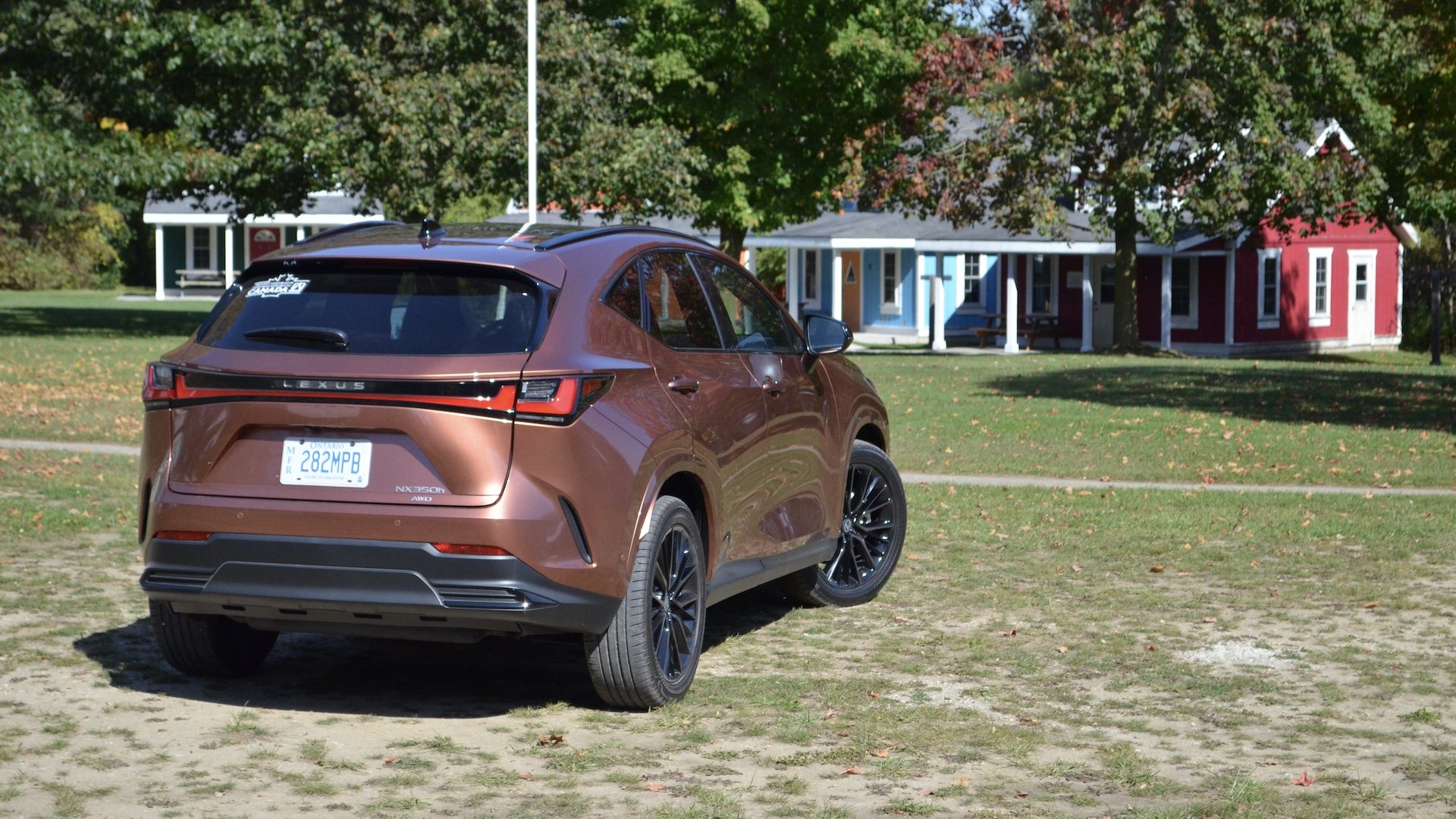
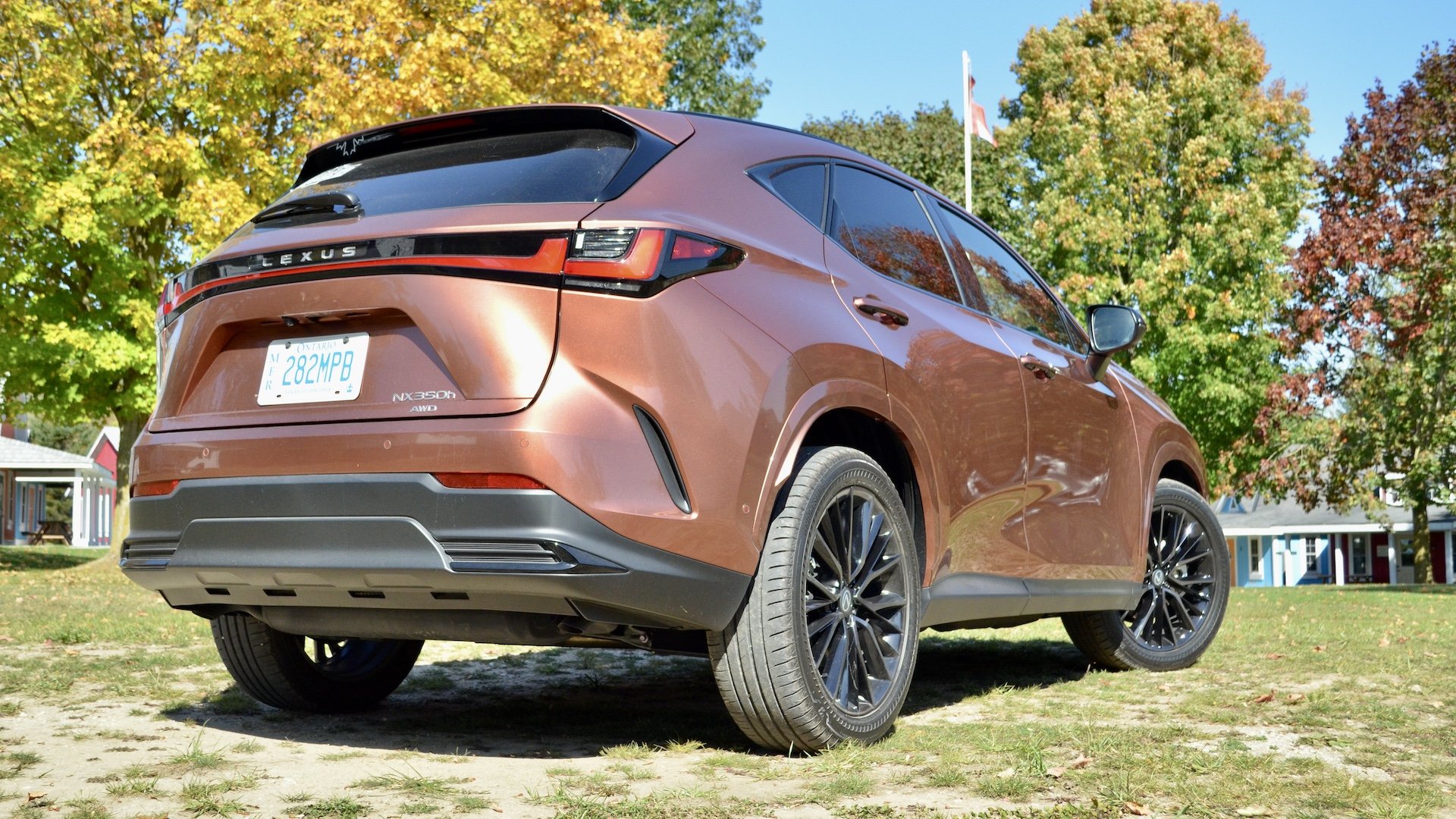
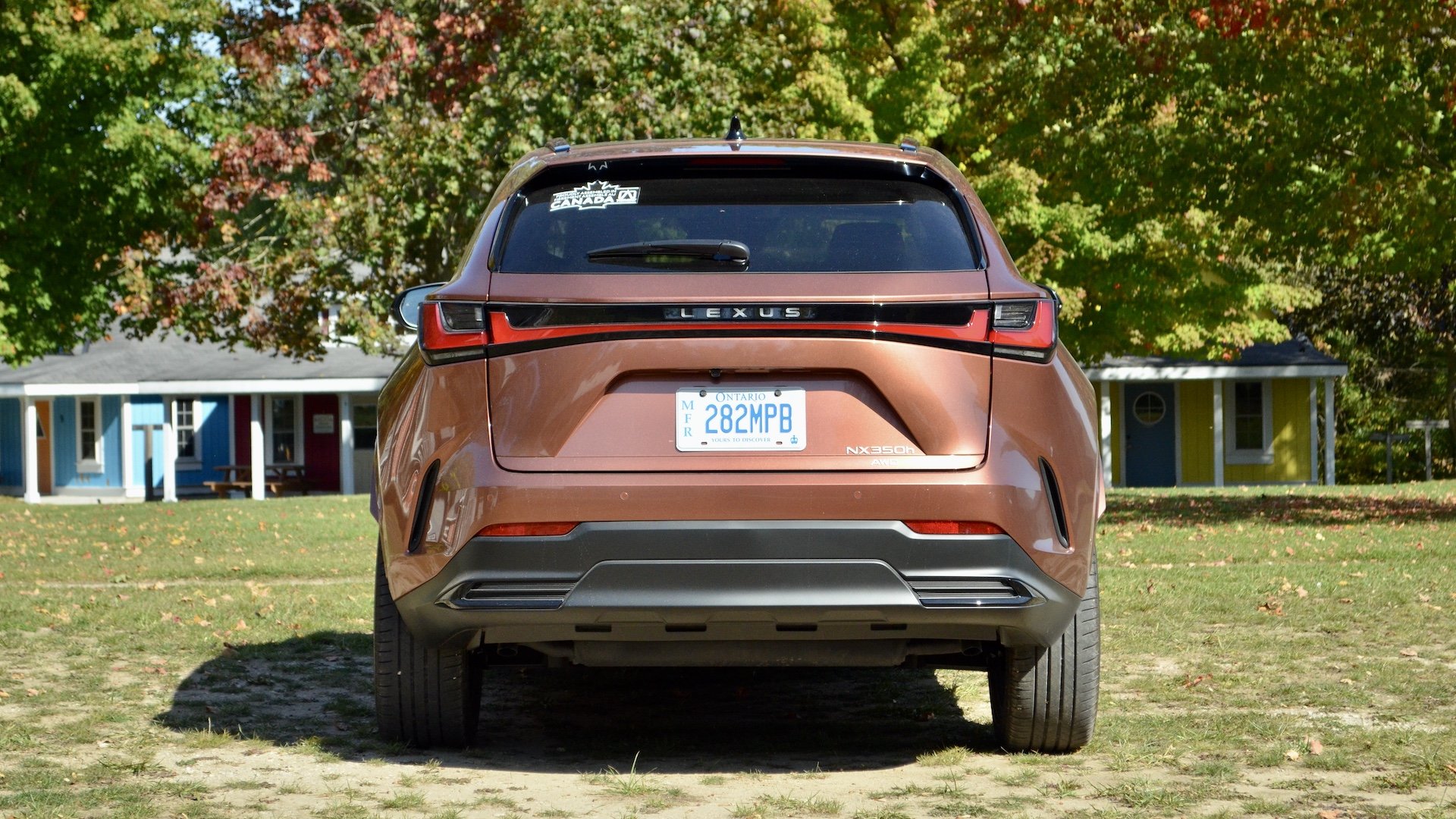
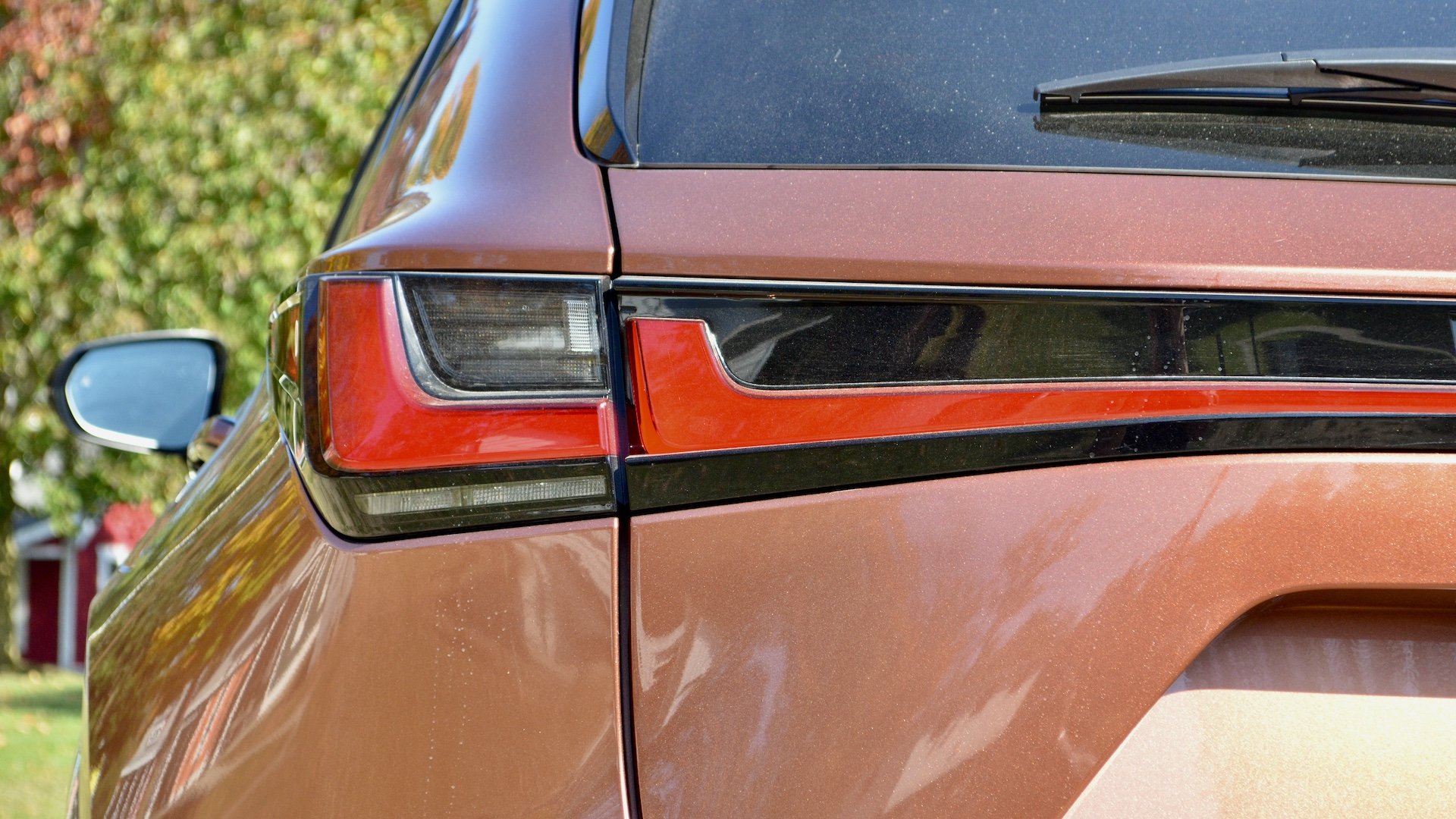
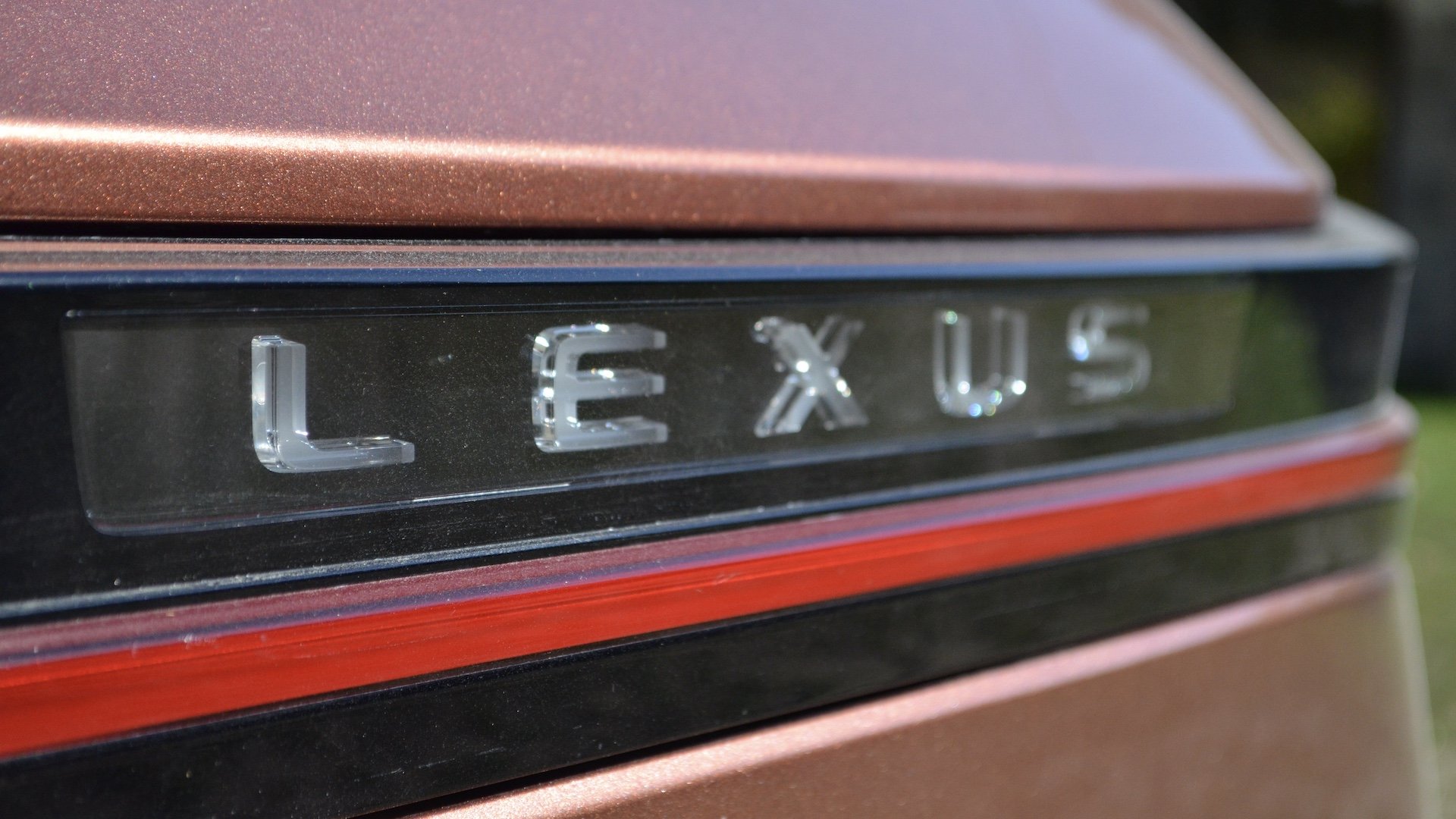
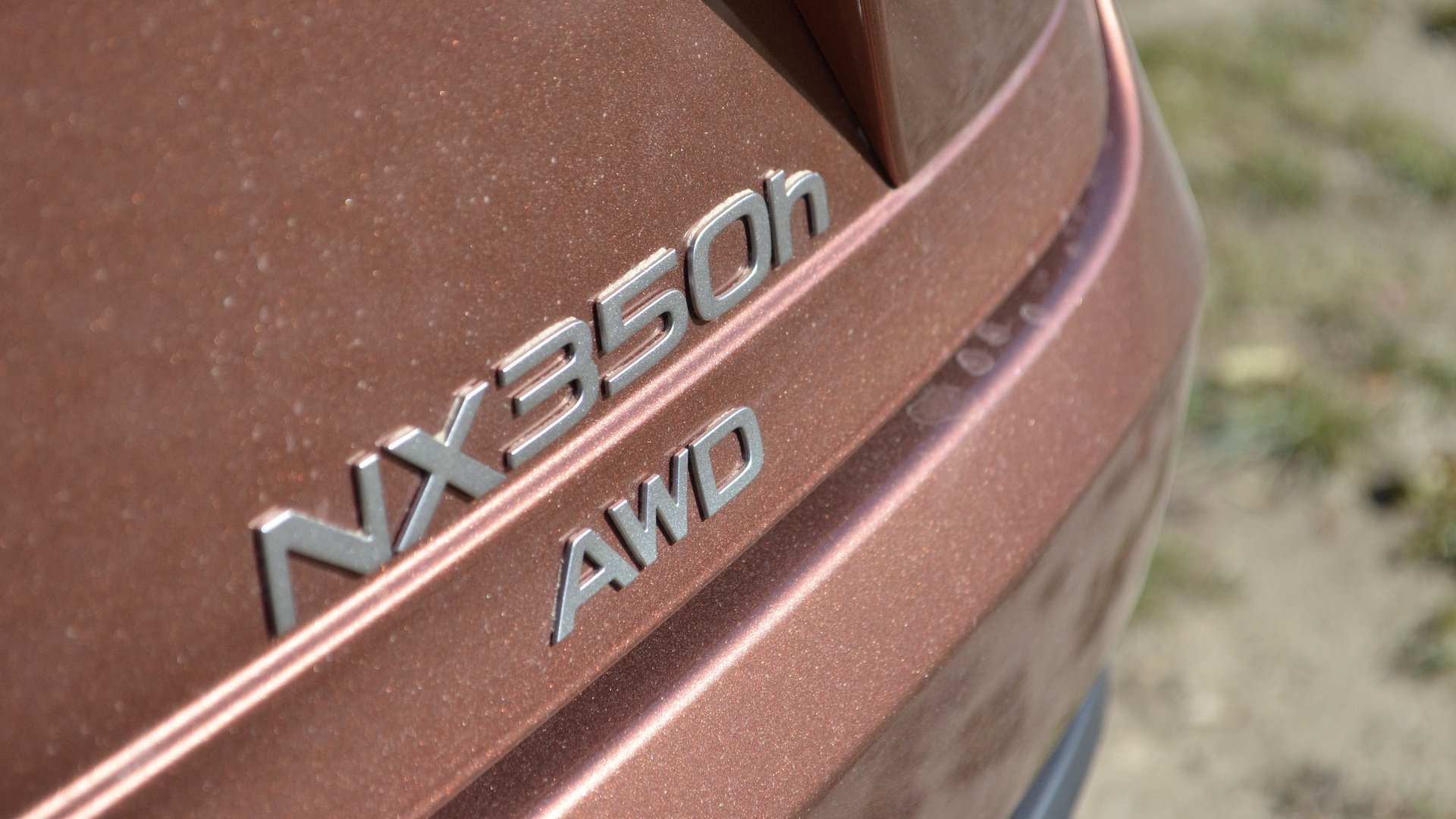
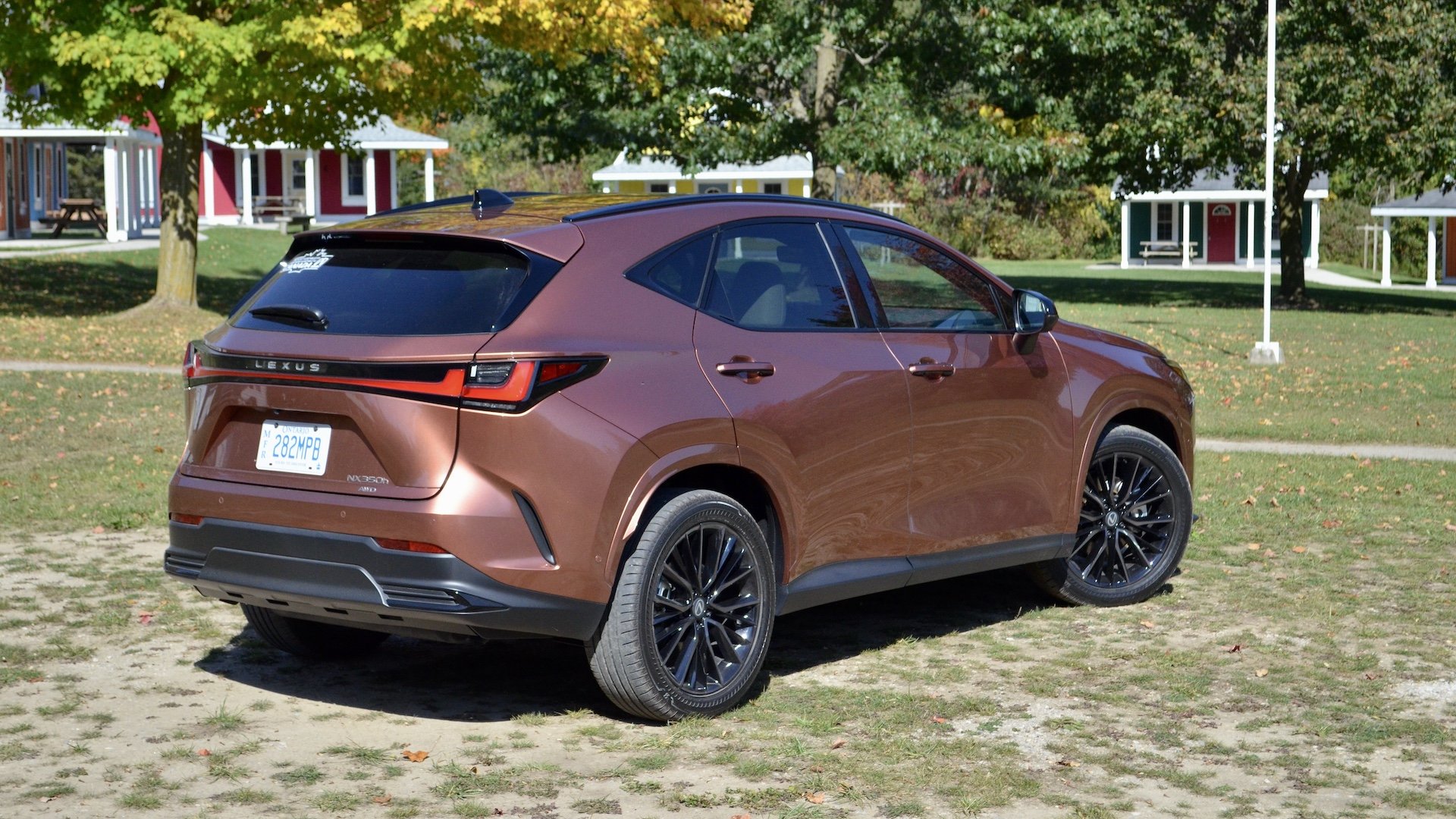
From the side, the main distinguishing features are the 18-inch wheels on the entry-level Luxury trim and the 20-inch wheels on the Executive and F Sport models. At the rear, changes are discreet: a second “L” has been added to the full-width light bar, which now incorporates illuminated LEXUS lettering at night. New exterior colours complete the updates. Build quality, it should be noted, is impeccable.
Goodbye, Piano Black
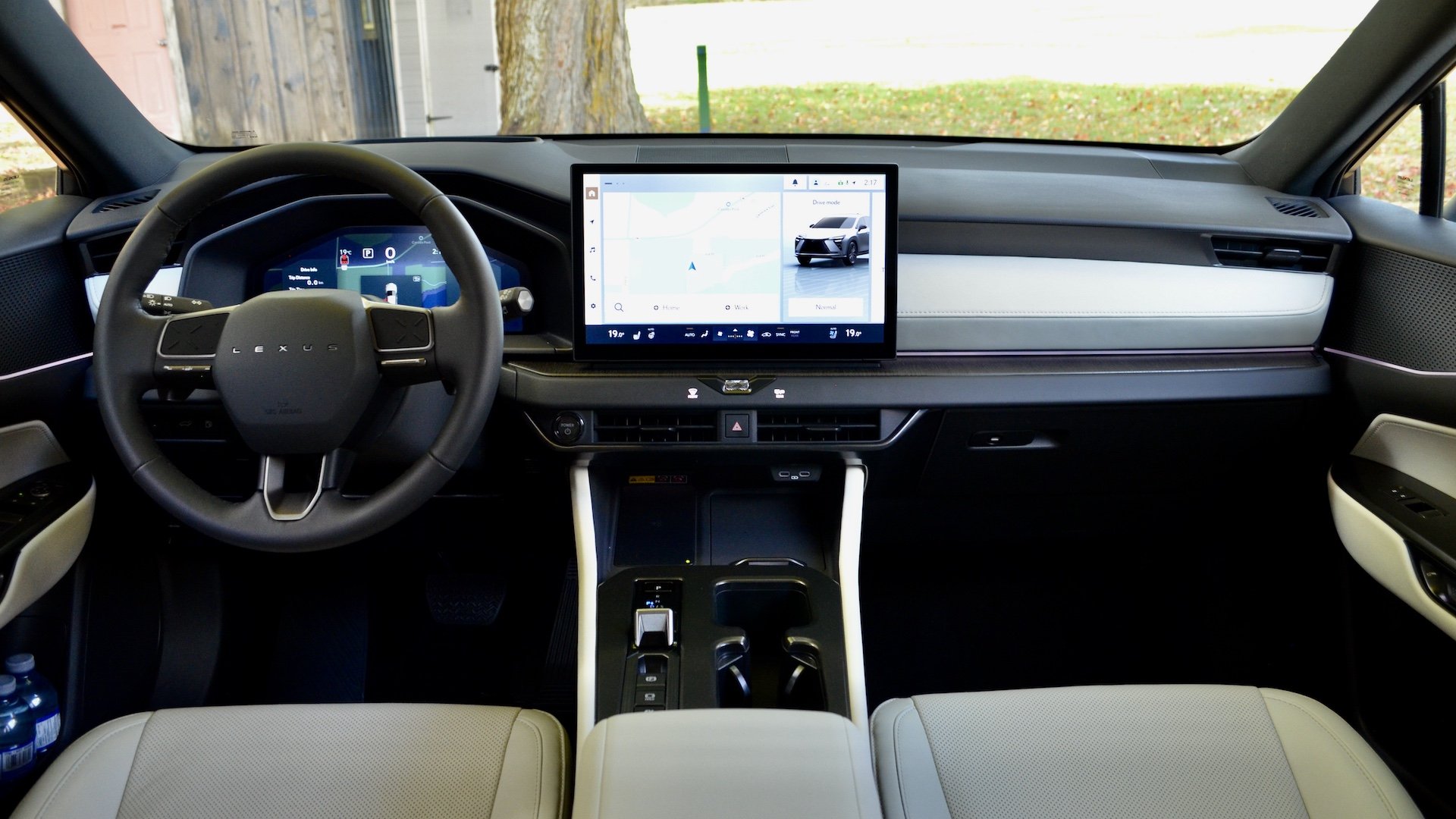
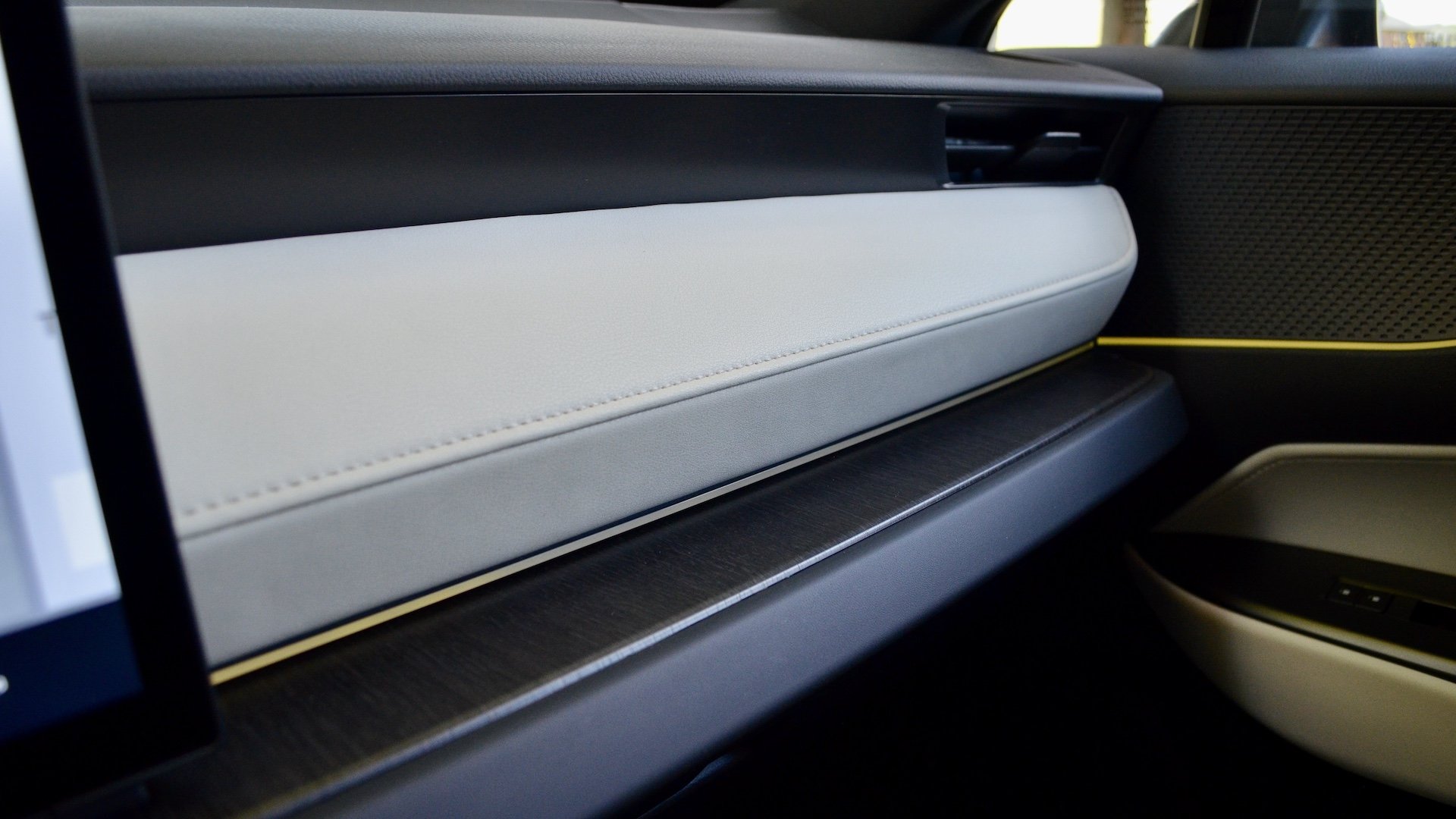
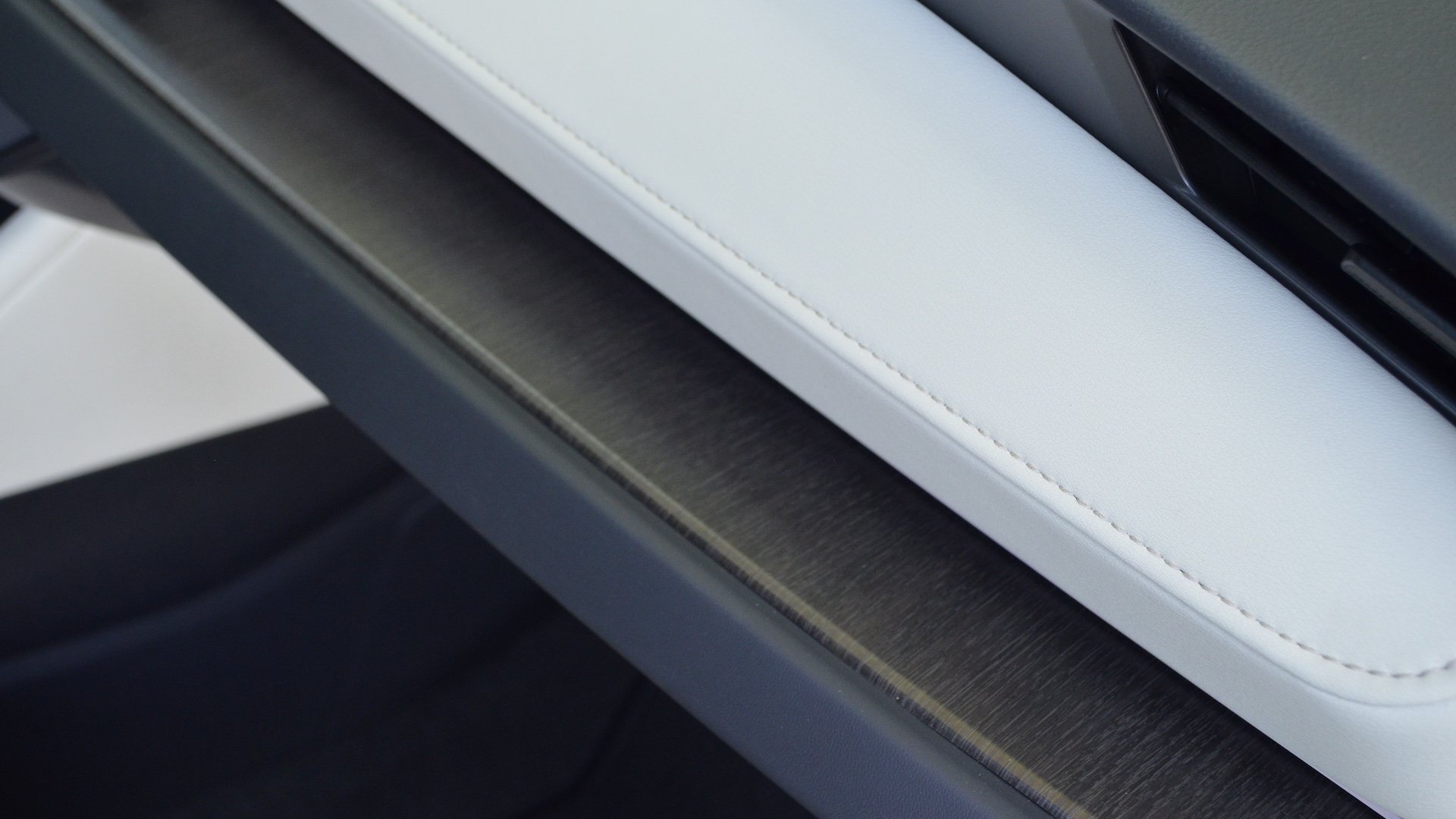
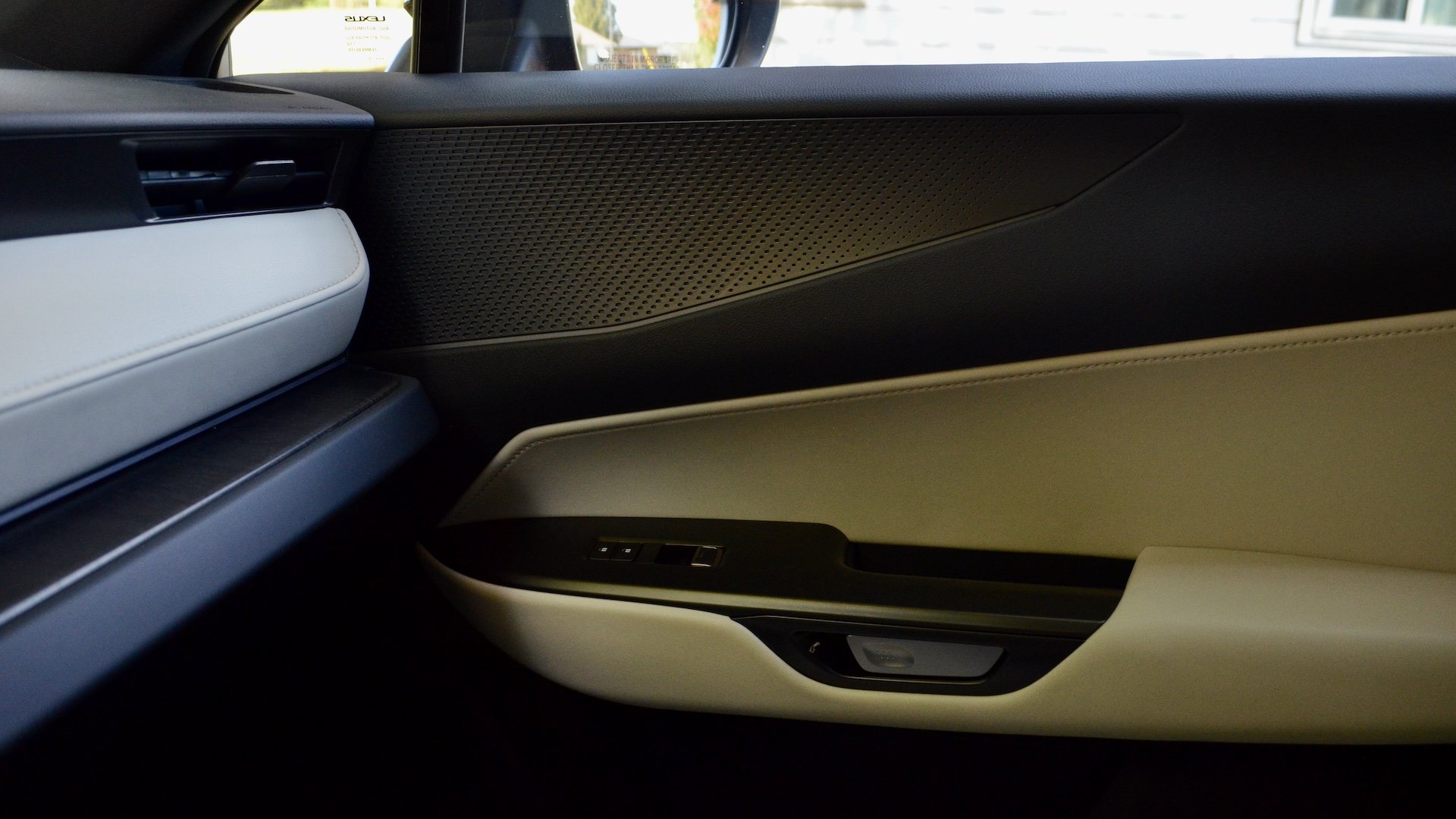
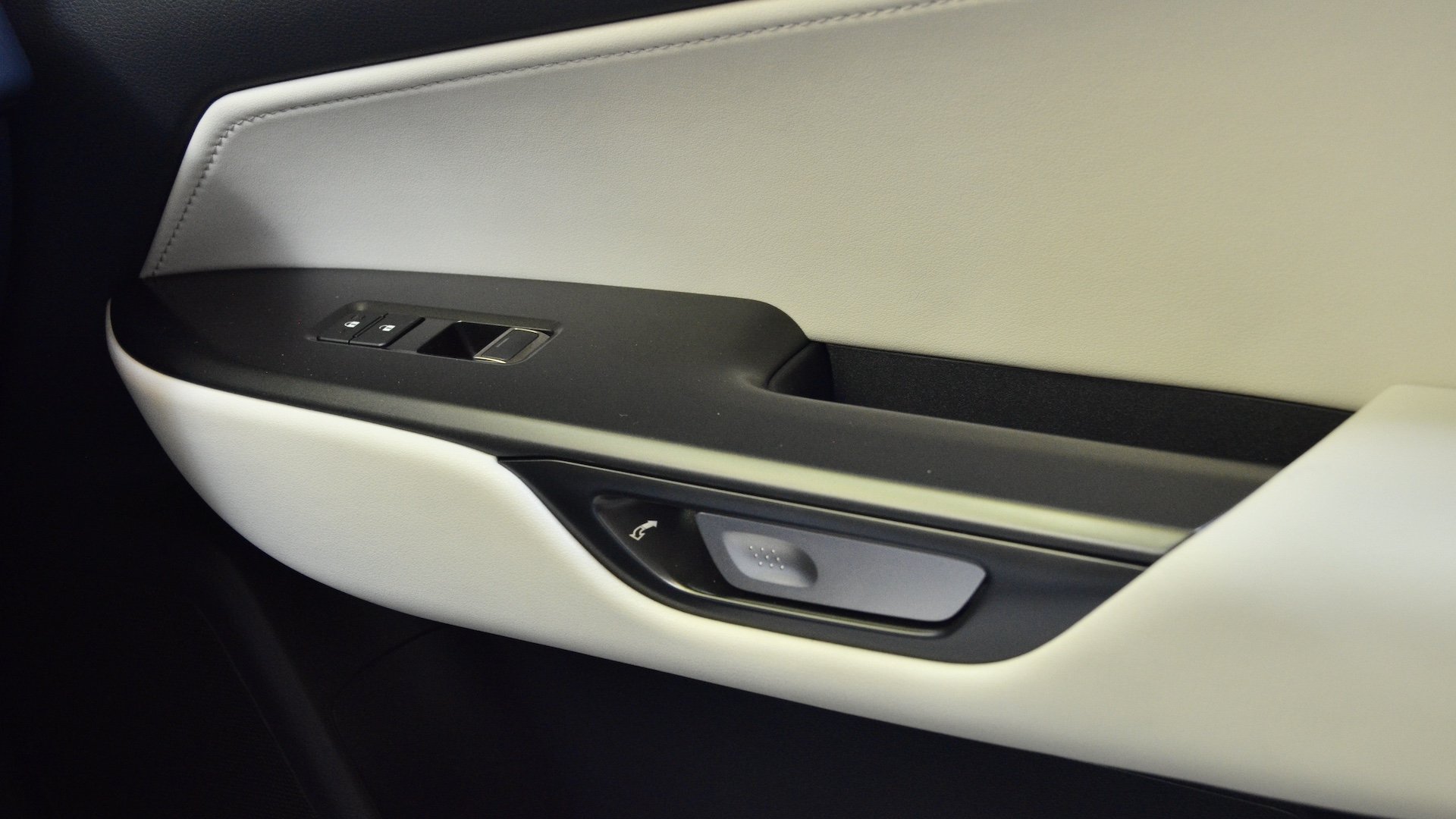
A new trend is taking hold in the automotive industry: getting rid of piano-black trim. It looked great, but was a nightmare to maintain and especially vulnerable to scratches. In short, it did not stay attractive for long. For 2027, Lexus has removed all glossy black surfaces from the NX cabin in favour of a much cleaner, more linear and structured design featuring matte plastics.
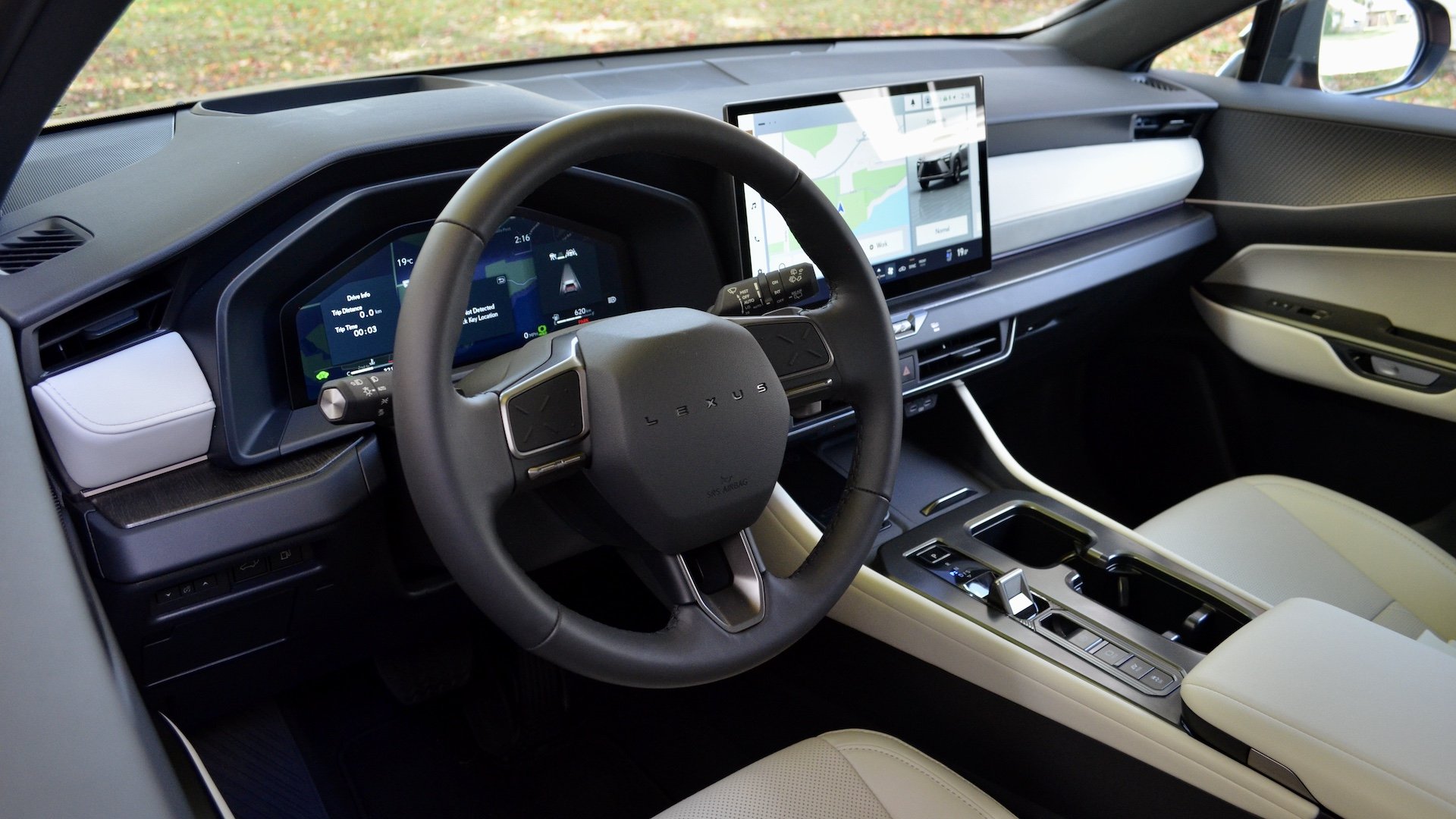 2027 Lexus NX 350h Luxury (Picture by Luc-Olivier Chamberland)
The cabin is available in no fewer than five colours, including a striking red for the F Sport. Depending on the trim, Luxury and Executive models feature wood accents, while the F Sport gets a poor imitation of woven carbon fibre. The appearance is modern, but some of the luxury character traditionally associated with Lexus has been lost. Fit and finish, however, are beyond reproach.
An Almost Magical Steering Wheel
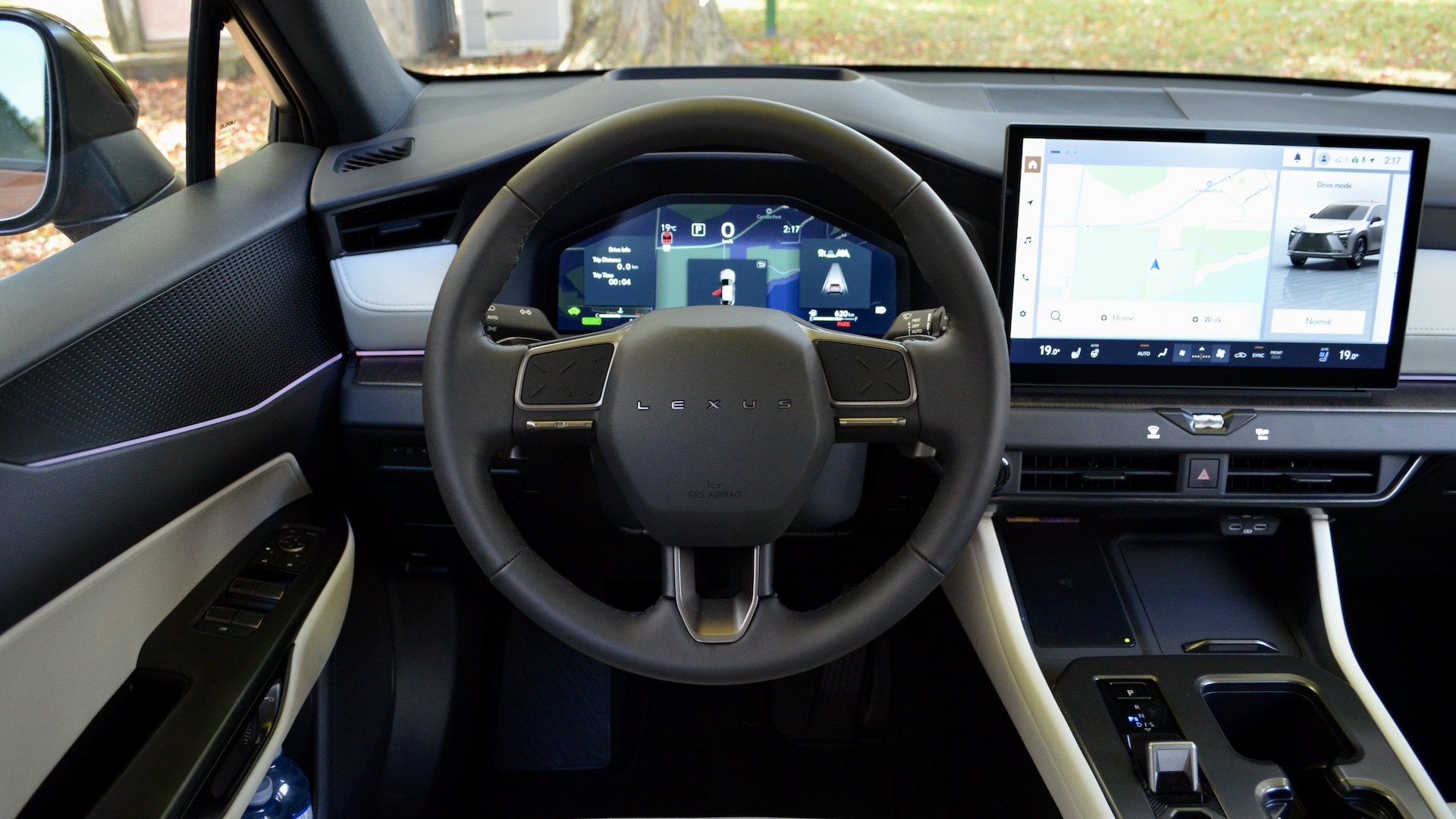
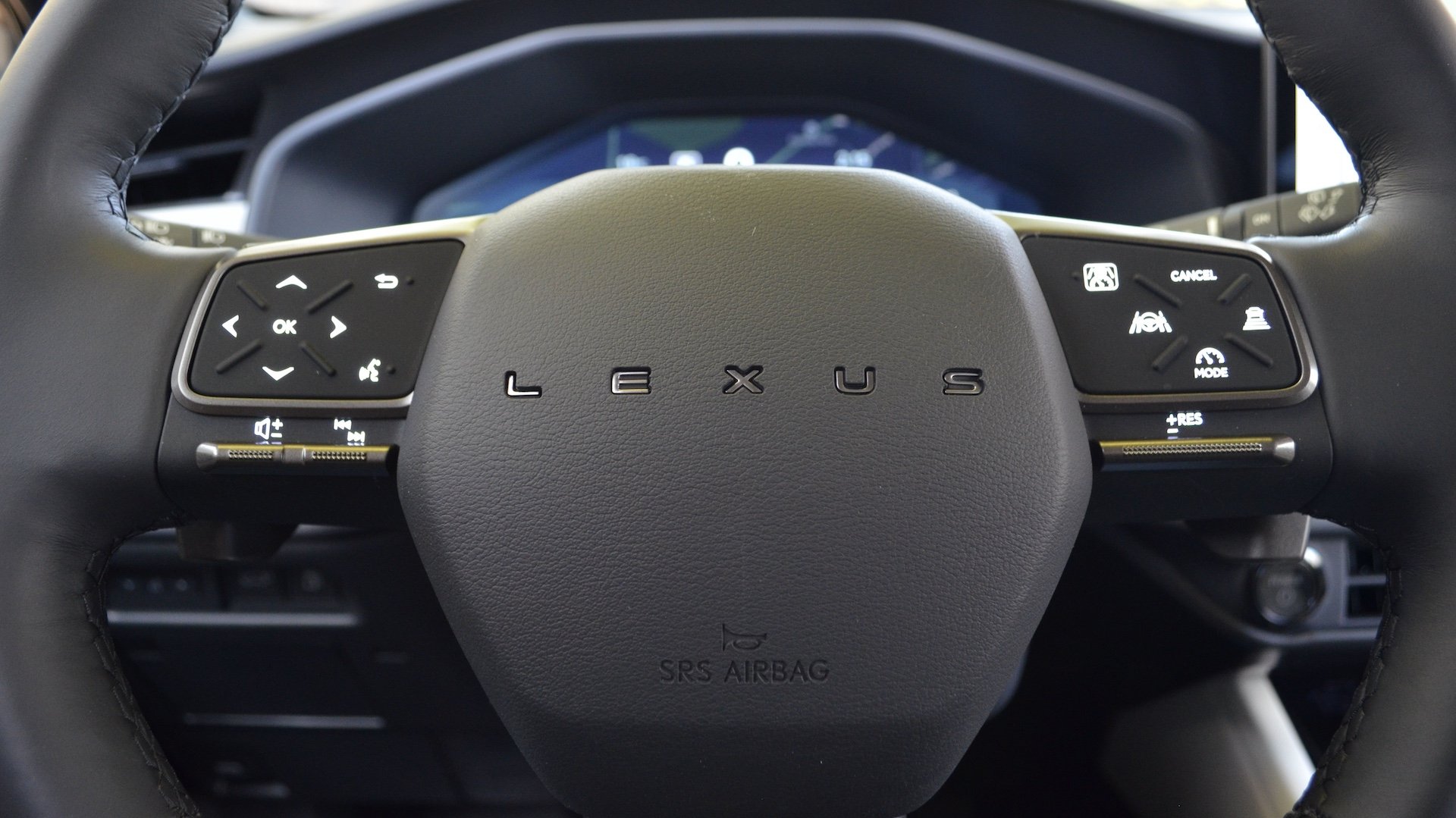
The steering wheel has undergone a small revolution. It is one centimetre smaller than before, yet delivers an entirely different sensation. The driver feels more connected to the vehicle, especially with the more pleasant steering calibration and more responsive variable steering ratio. It may sound like a minor detail, but the positive impact on driving is real. The backlit buttons disappear when not in use. Cute, but unnecessary.
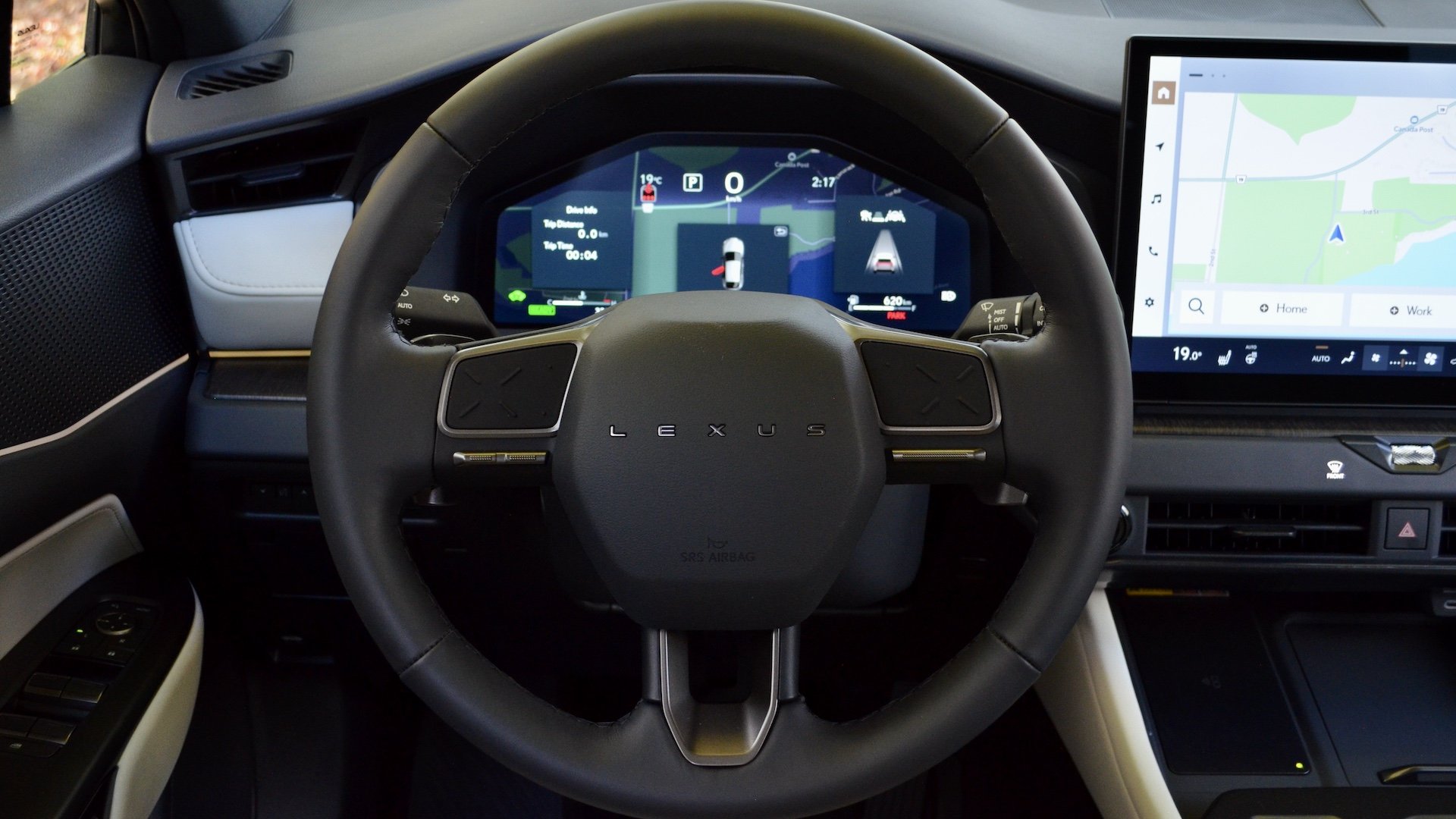 2027 Lexus NX 350h Luxury (Picture by Luc-Olivier Chamberland)
The Displays
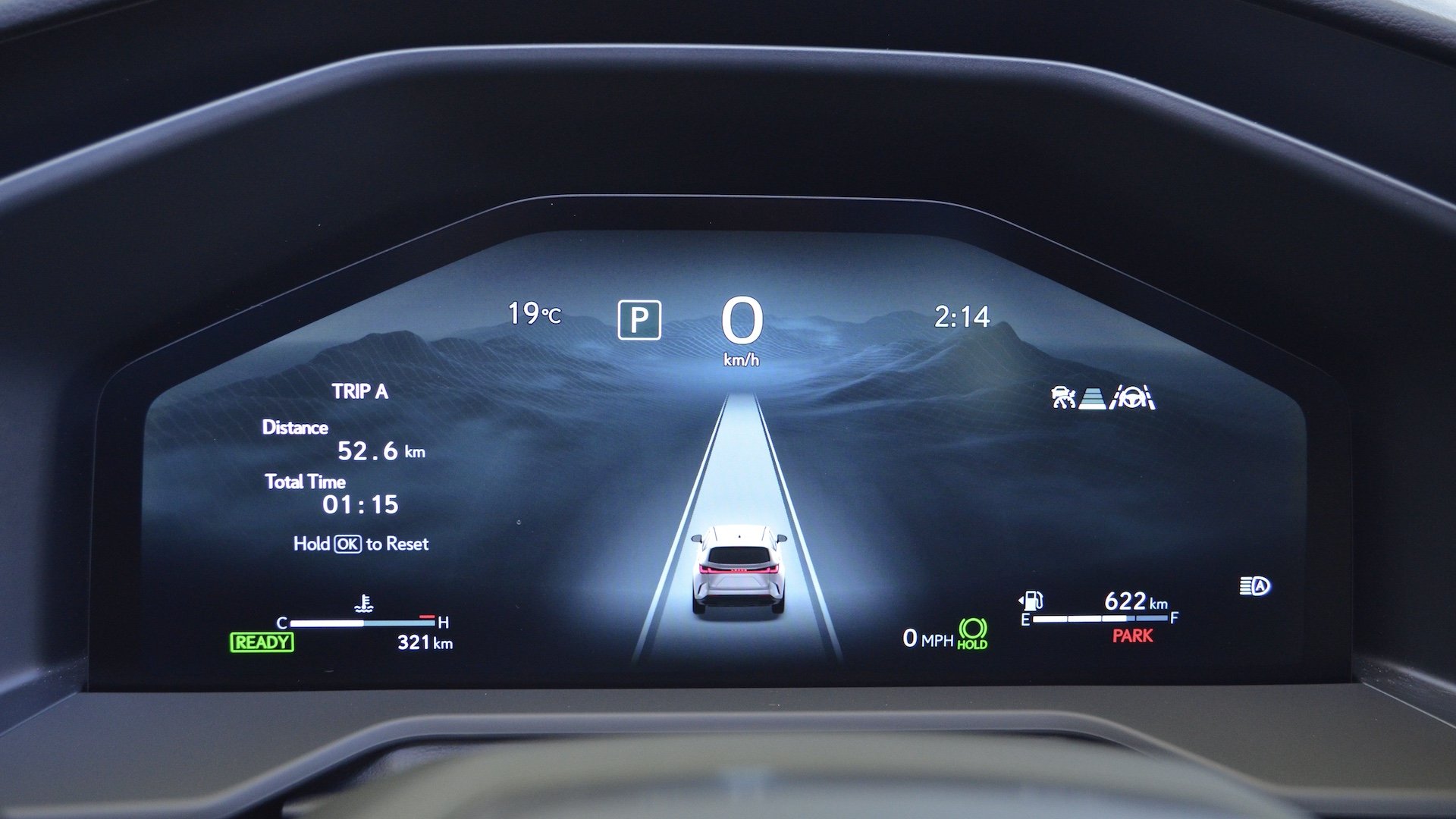
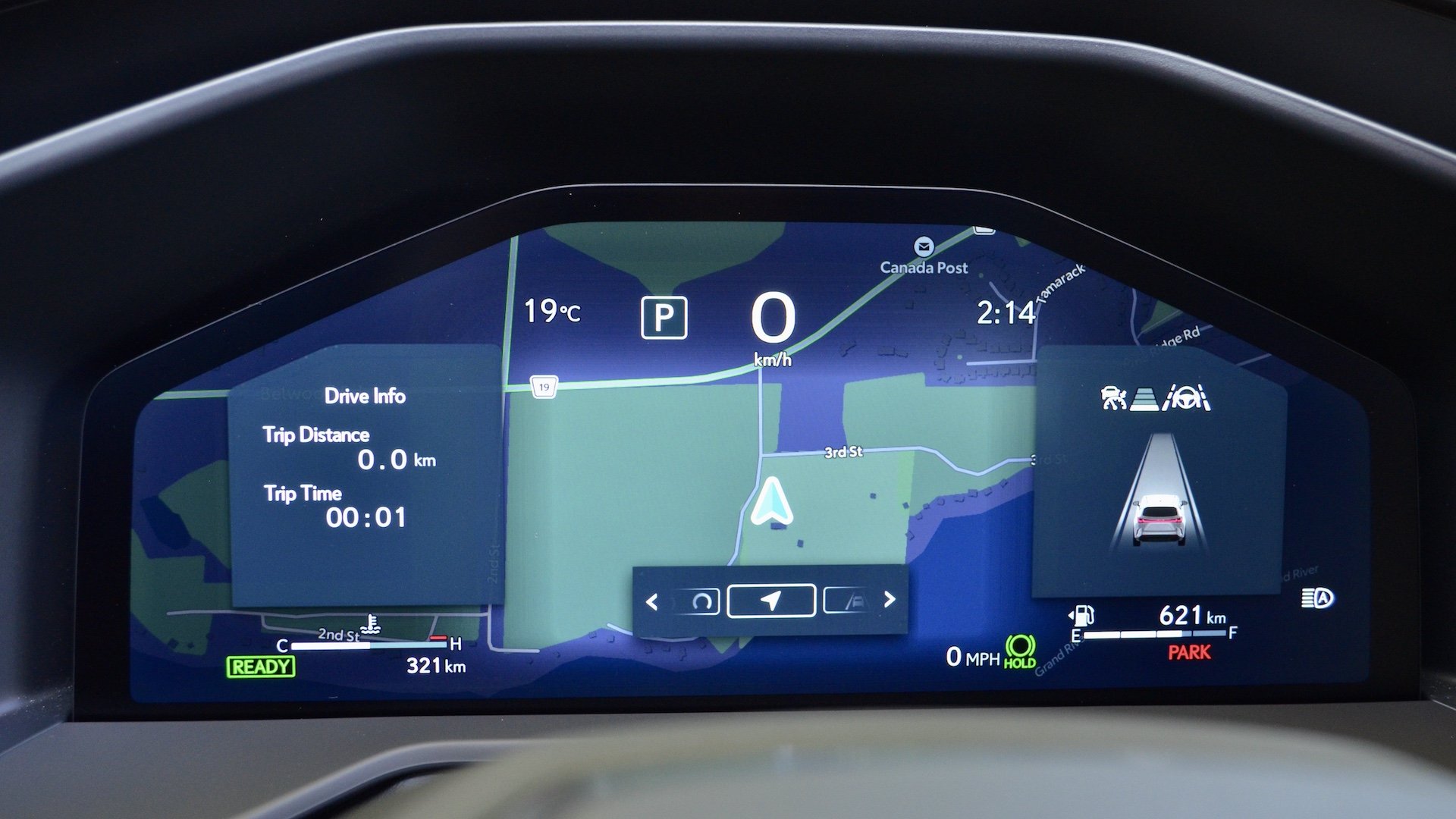
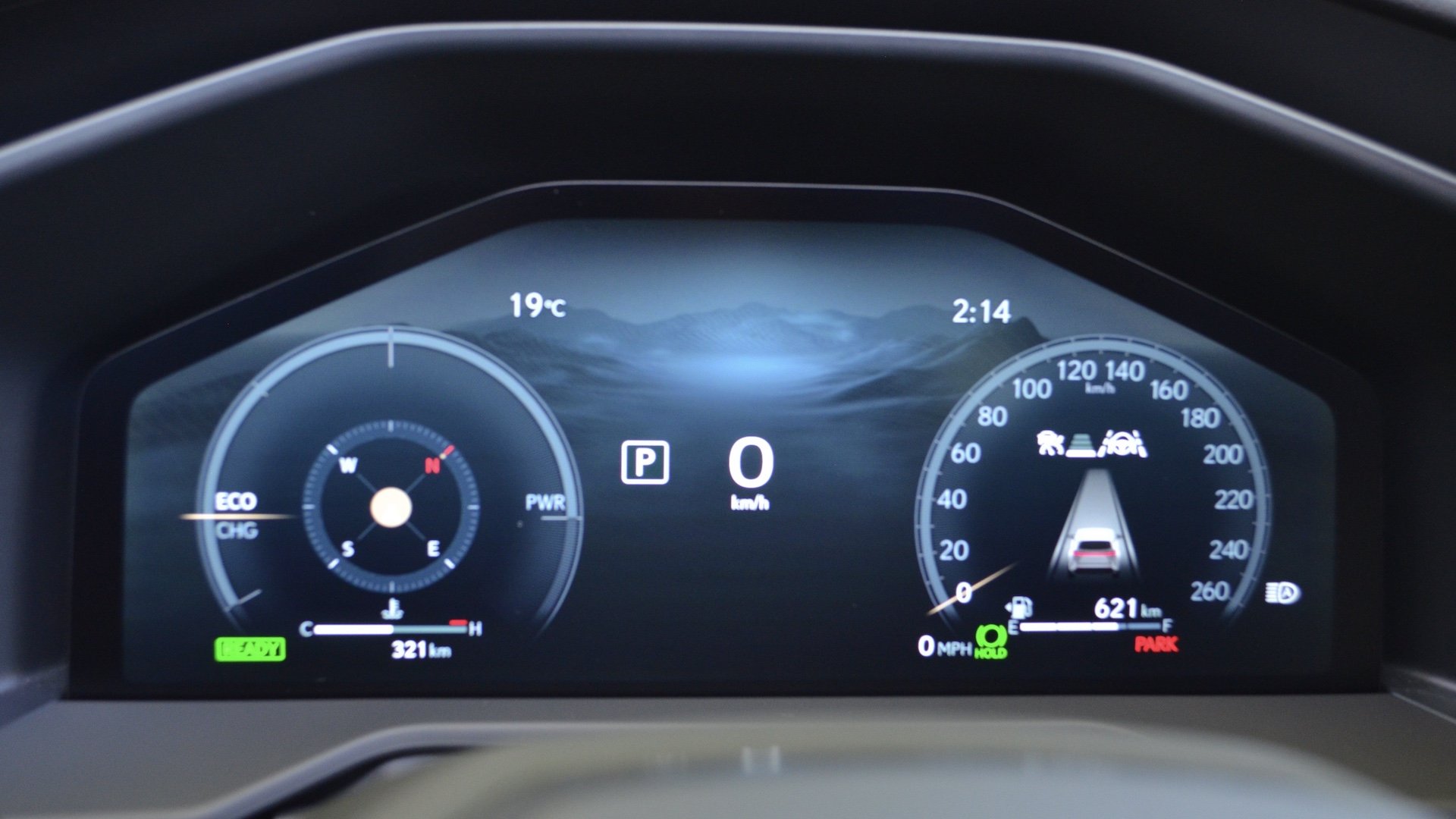
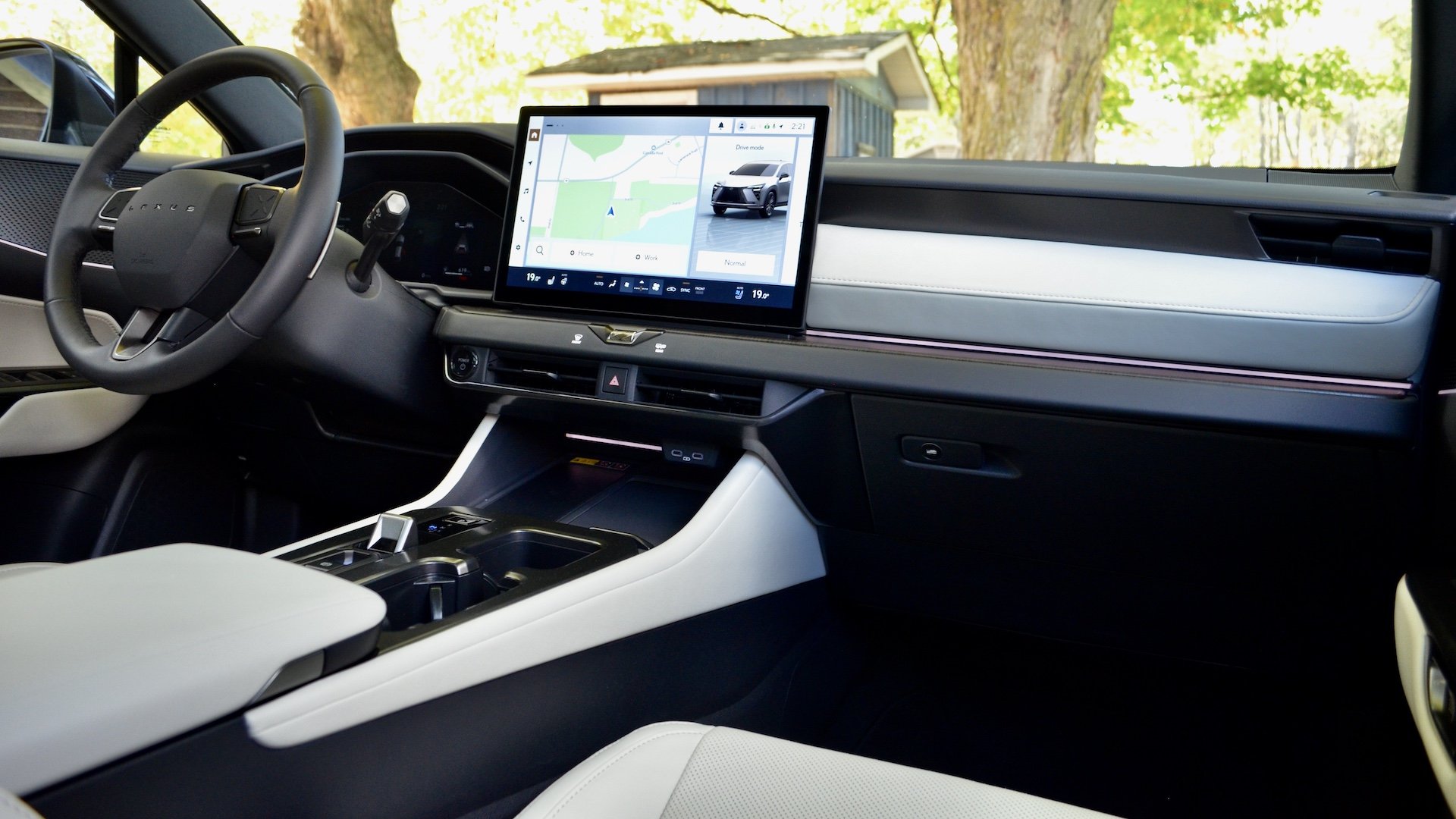
Behind the steering wheel, the 12.3-inch house-shaped digital instrument cluster leaves little to criticize. Information is clear and well organized. Drivers can switch between several layouts to access different information, and the system works well.
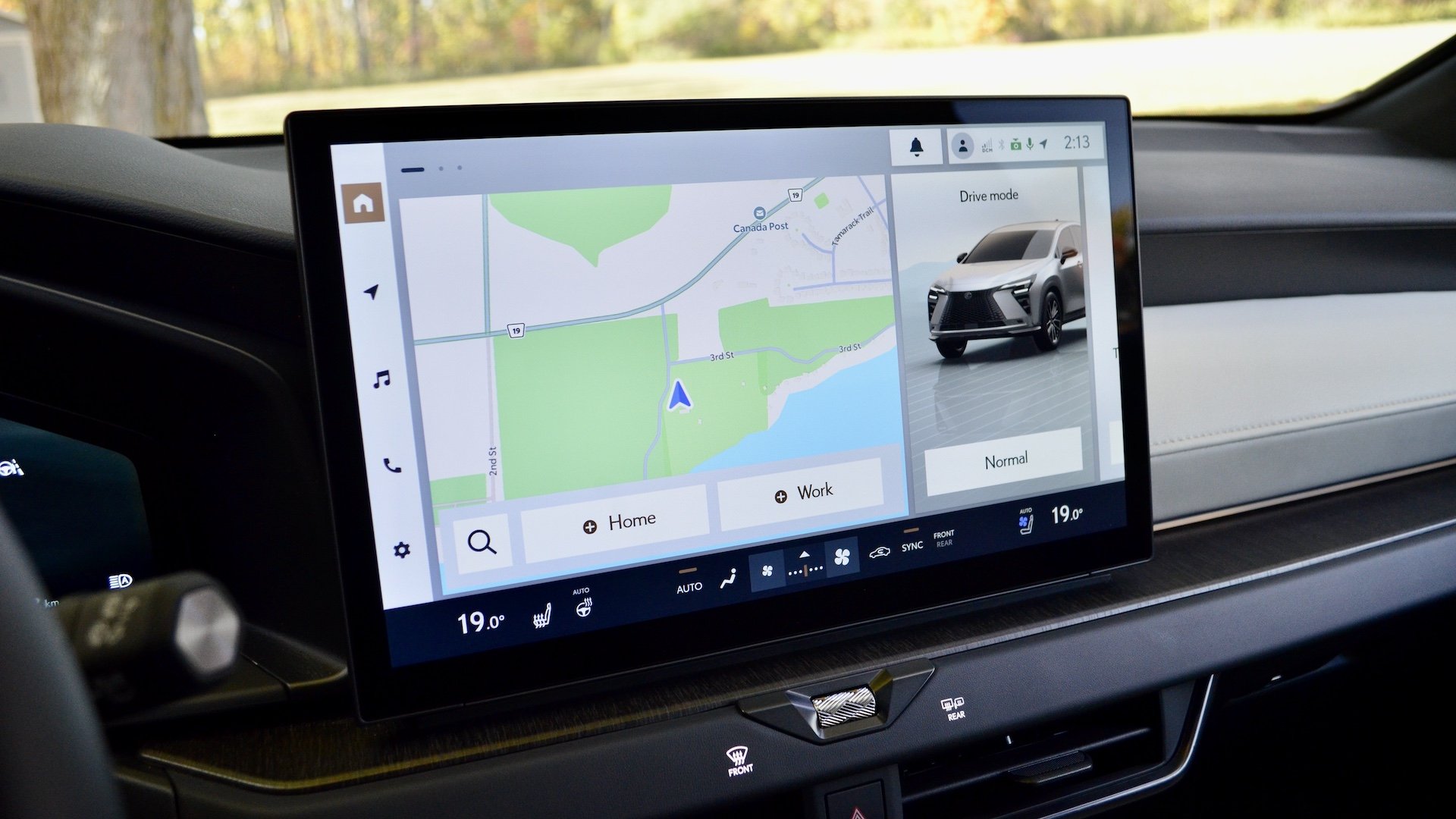
At the centre of the dashboard sits the main attraction: a 14-inch touchscreen running the latest generation of Lexus’s multimedia system. Again, there is little to criticize, except perhaps the overuse of grey. Without turning the interface into a rainbow, a little more colour would be welcome.
Everyday Functionality
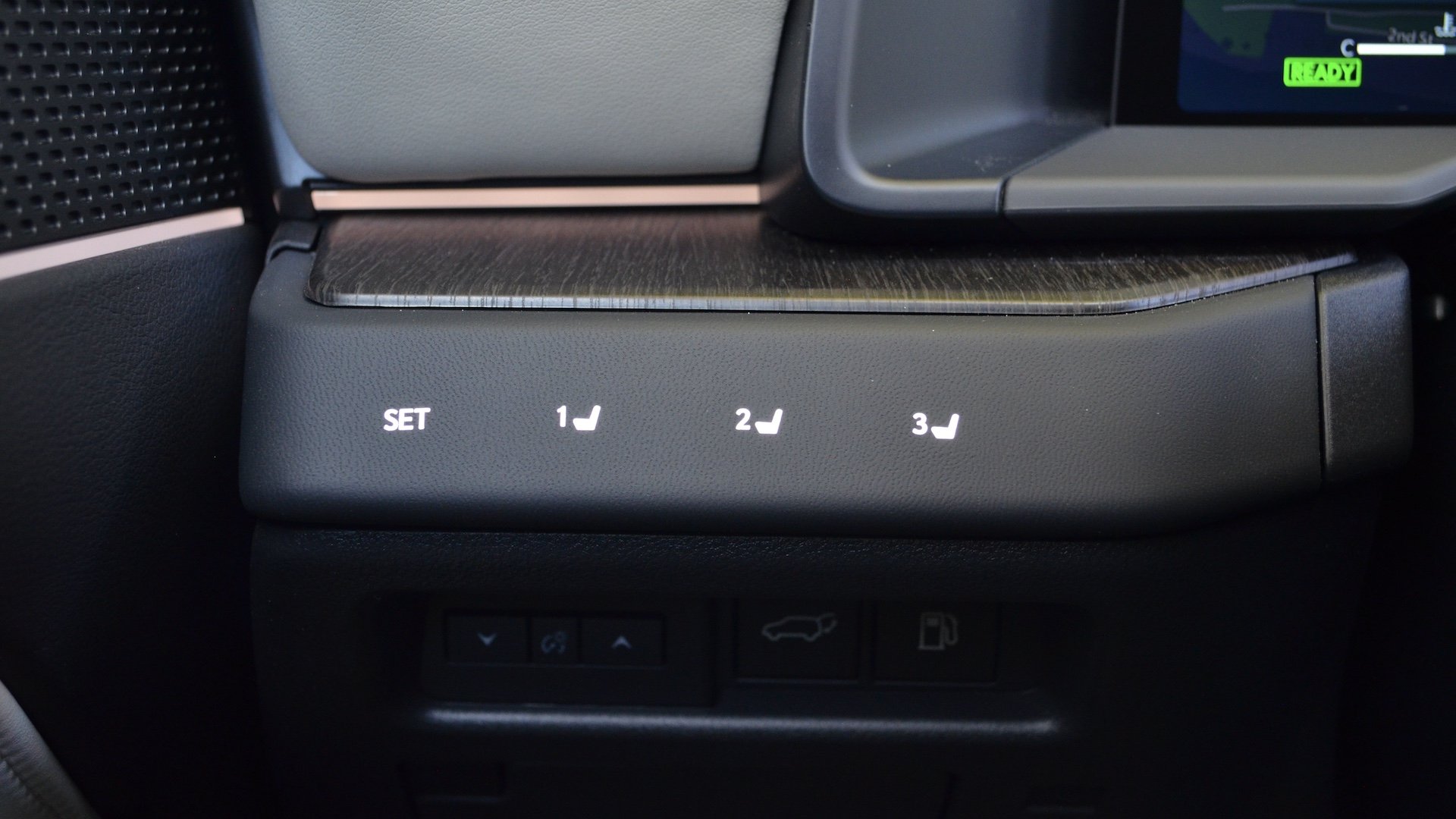
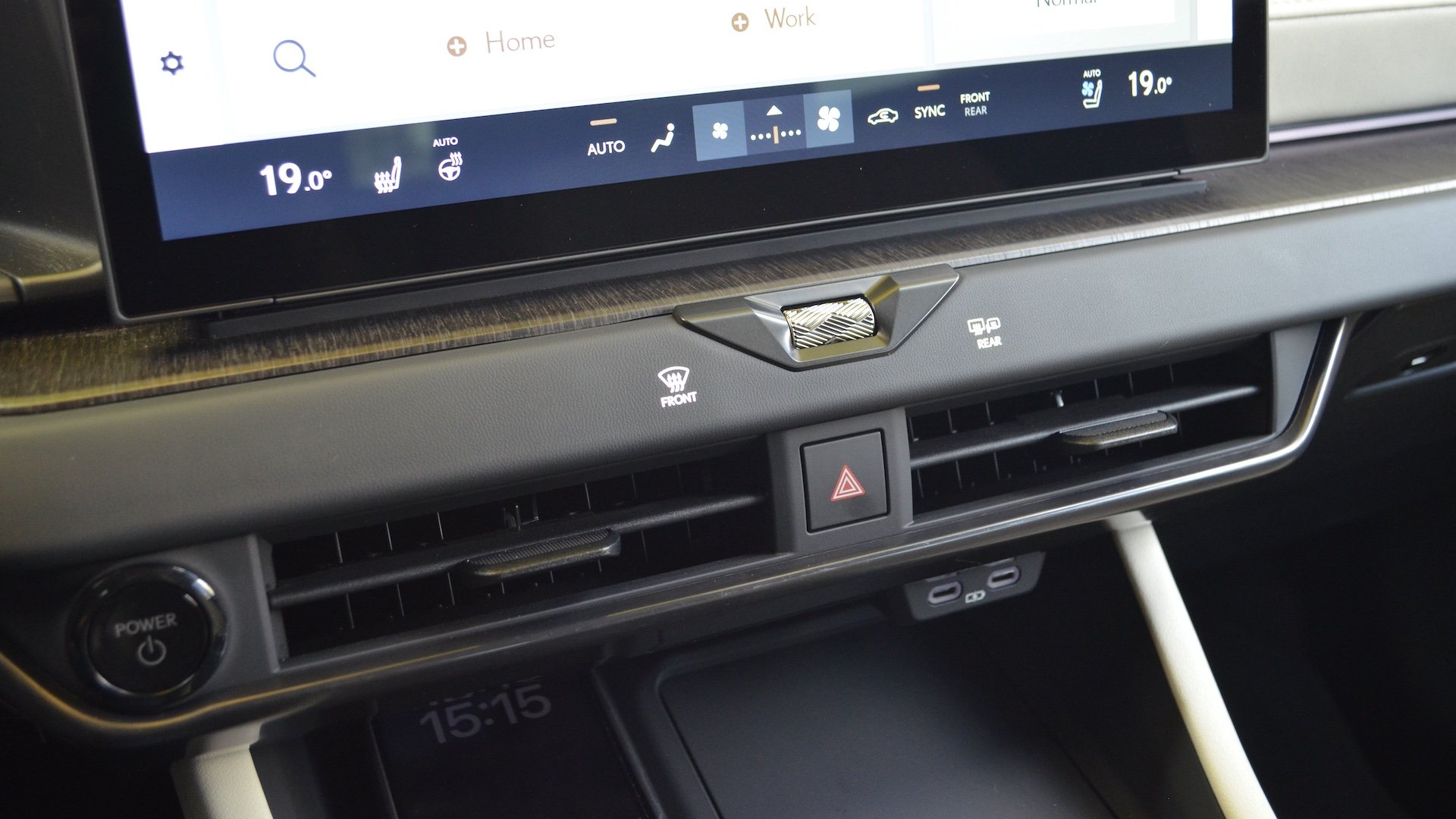
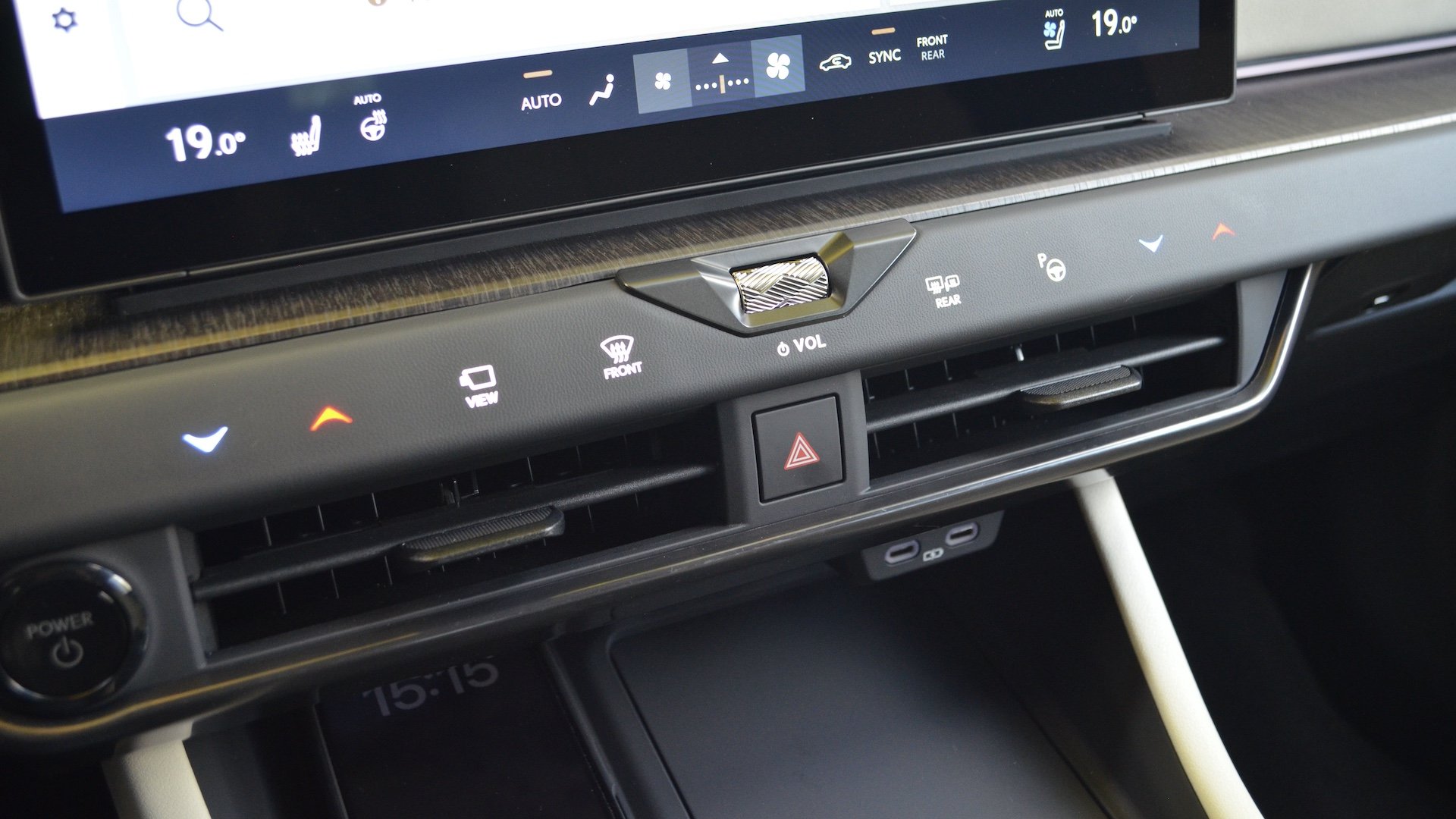
Below the display are a few controls for audio volume and climate settings. Apparently, Lexus has yet to receive the memo about bringing back more physical buttons. Ergonomics are good, however, and the controls are easy to find with a quick glance.
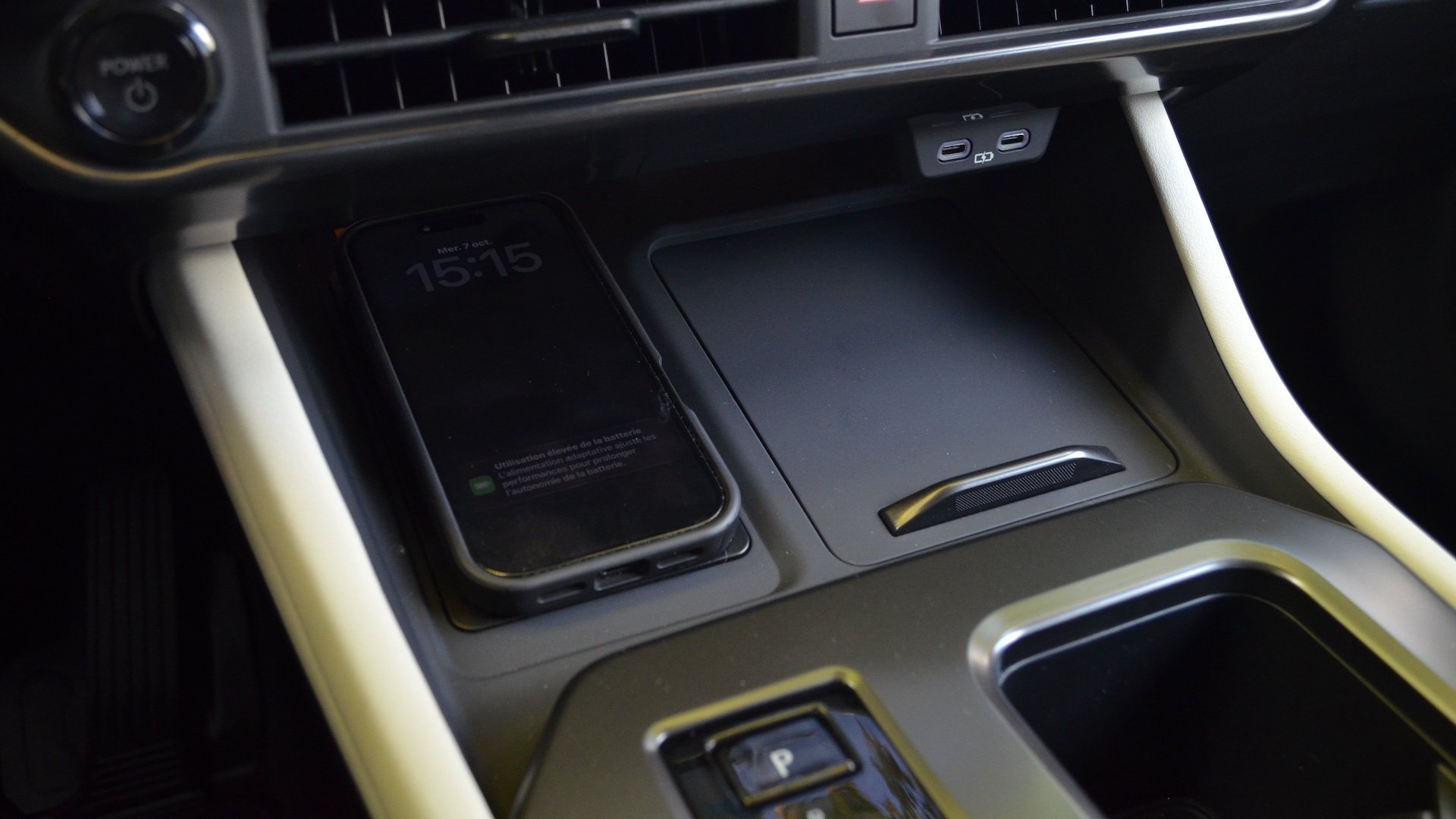
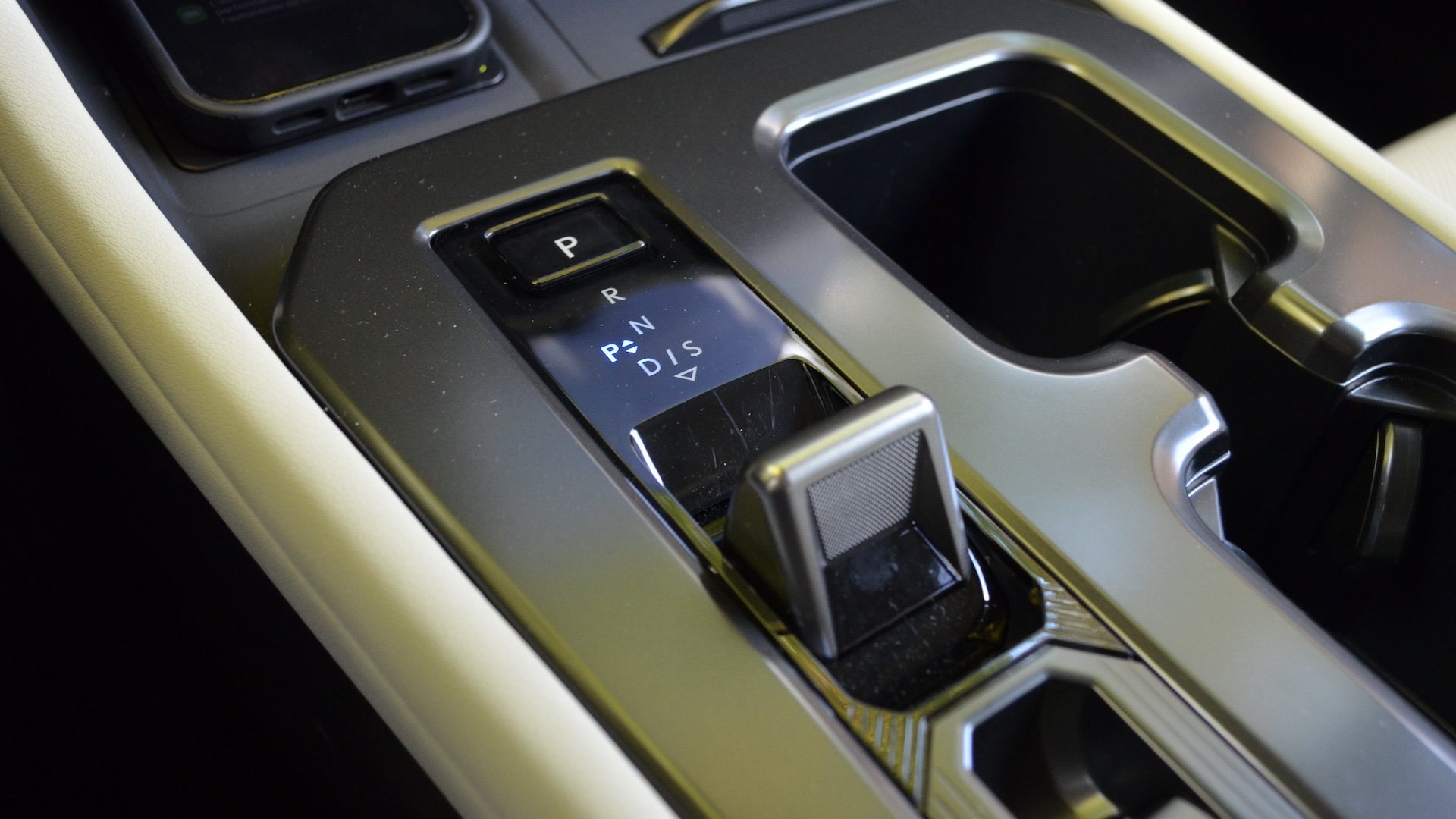
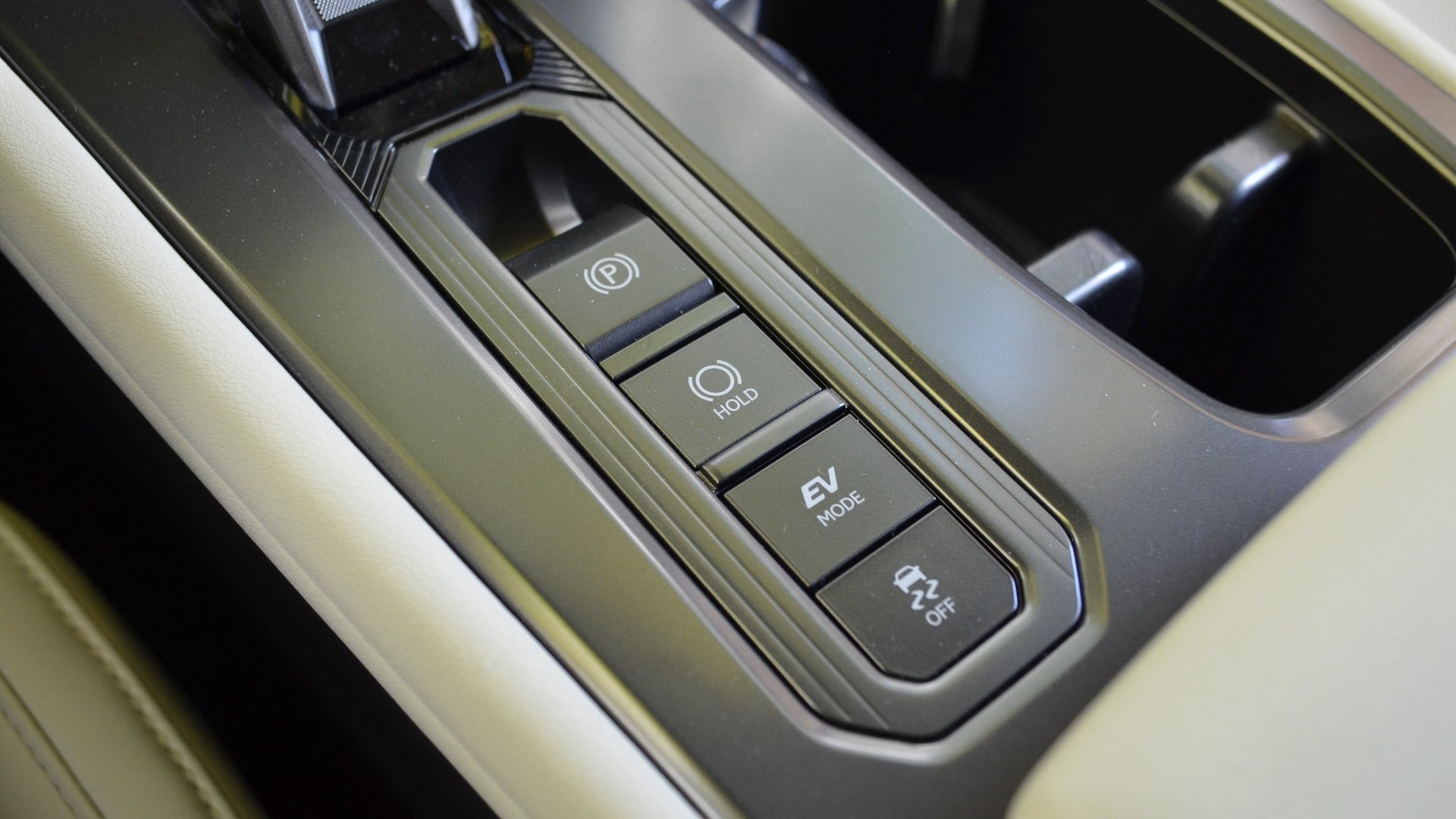
On the centre console, the transmission is operated using a small switch, freeing up plenty of room for cupholders and smartphone charging. The centre armrest opens from either side, a genuinely practical feature.
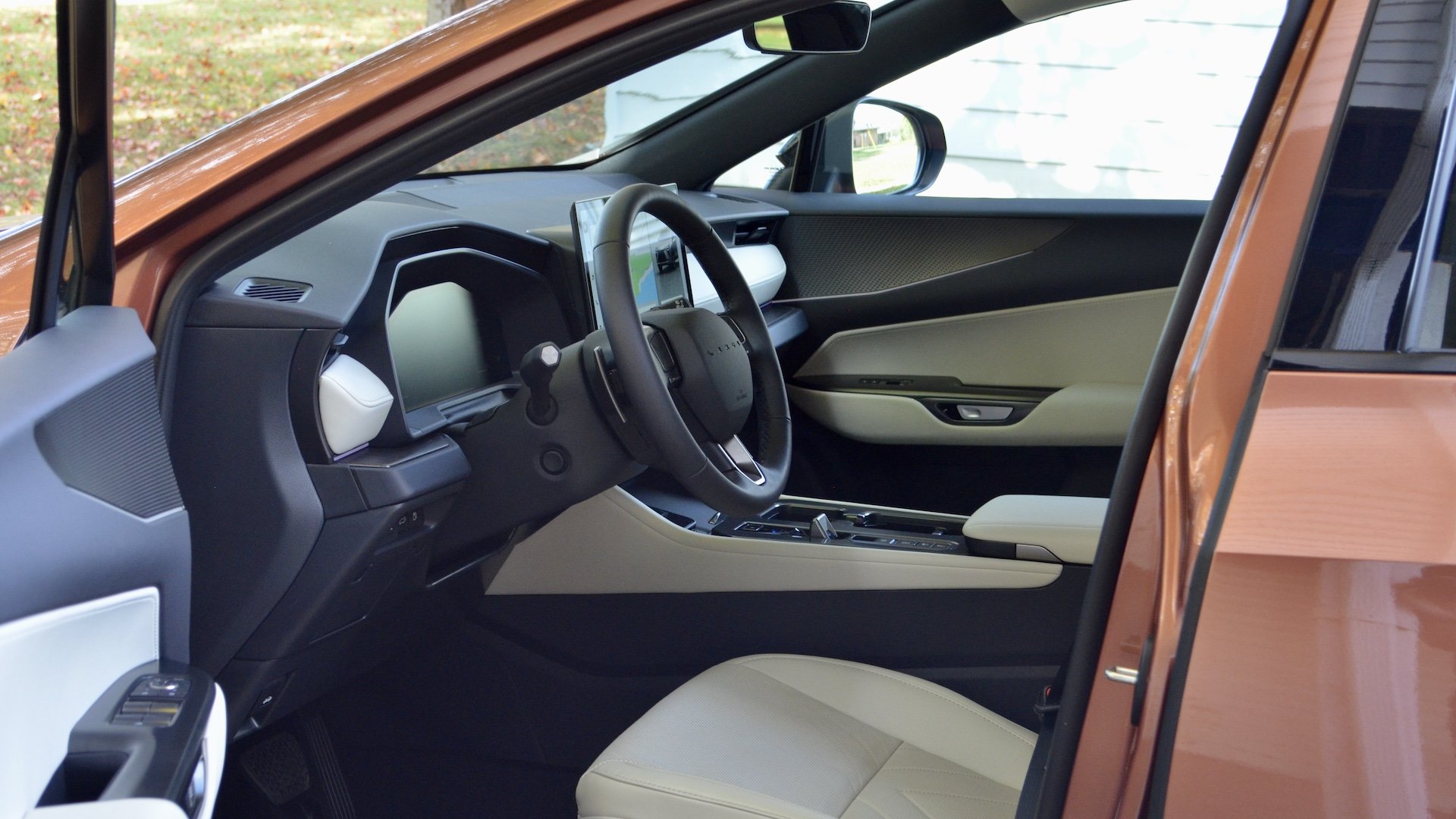 2027 Lexus NX 350h Luxury (Picture by Luc-Olivier Chamberland)
Wellness Features, Perhaps a Little Too Much
The NX offers a very pleasant environment for four occupants. Depending on the trim, an excellent 1,800-watt Mark Levinson surround-sound system with 14 speakers is available. This is one of Lexus’s signature features, and the brand adds a touch of disco with ambient lighting integrated into certain speakers.
New features include a panoramic sunroof and the Sensory Concierge. According to Lexus, this feature is designed to transport occupants into an elevated state of well-being based on their mood. It appeals to several senses at once, coordinating ambient lighting, music, climate control, temperature and even fragrance. Lexus’s descriptions are quite something:
- “Inspire” is designed to energize and uplift through coordinated lighting, immersive sound, refreshing airflow and personalized comfort settings.
- “Radiance” is designed to promote focus and mental clarity through balanced synchronization of lighting, fragrance, sound and comfort settings, creating a more stimulating and comfortable everyday driving experience.
- “Revitalize” is designed to encourage relaxation and renewal through soothing ambient sounds, gentle lighting and comfort-focused settings.
Things become even more entertaining when Lexus describes the fragrances.
- Shinmei: A fragrance with pure citrus notes, inspired by the feeling of a fresh start at dawn, evoking clarity, optimism and the promise of a new day.
- Seiyo: A soft white floral fragrance inspired by abundant spring sunshine, evoking warmth, comfort and natural openness.
- Hanya: A soft, mysterious musk inspired by the quiet calm of the night, creating a soothing atmosphere intended to encourage relaxation and reflection.
I am clearly not the target customer for this feature, especially the fragrance component. It offers three intensity settings, and even at the lowest level I had to open a window to air out the cabin. It was simply overpowering. Fortunately, switching it off is easy.
Overall Comfort
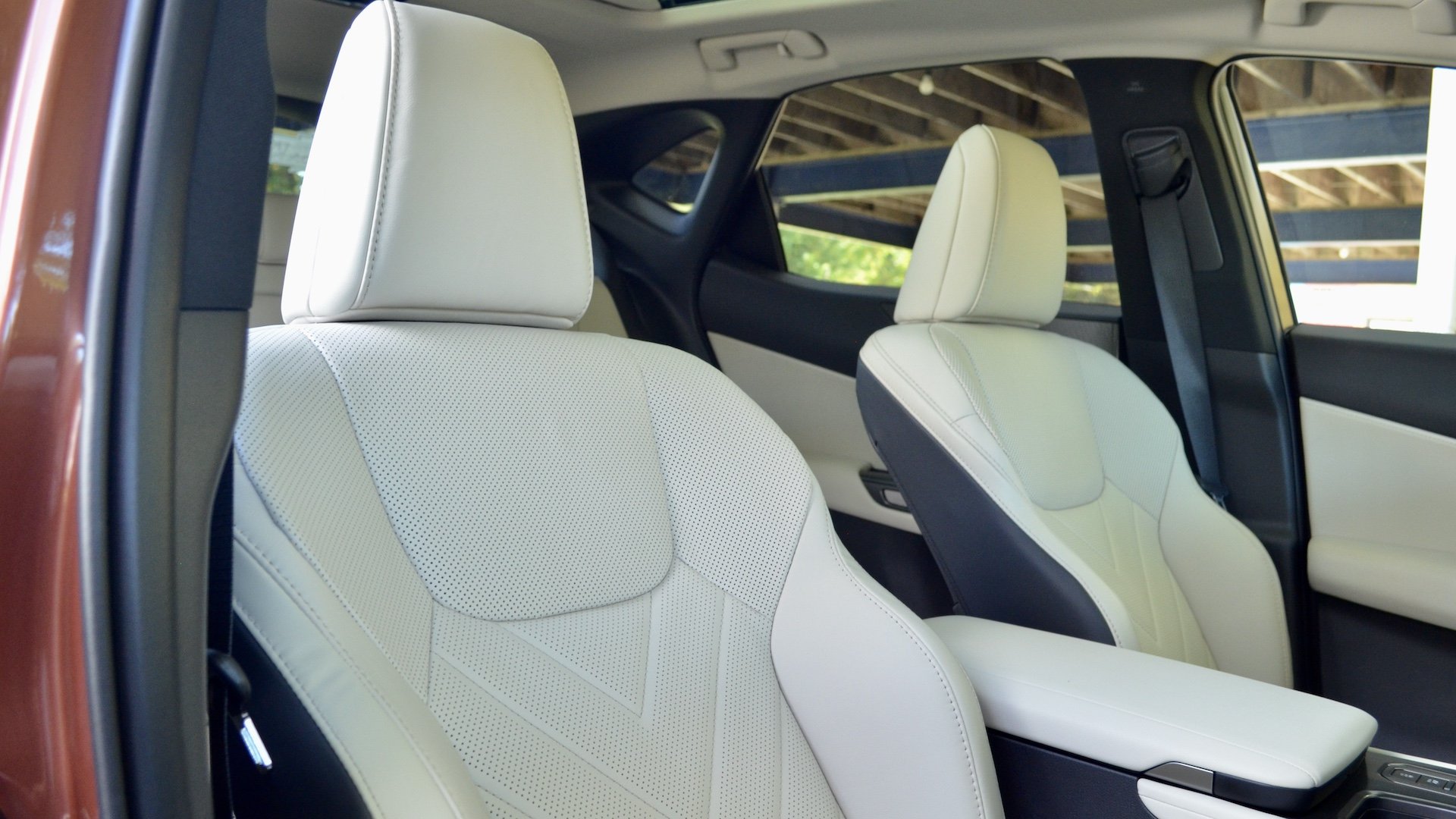
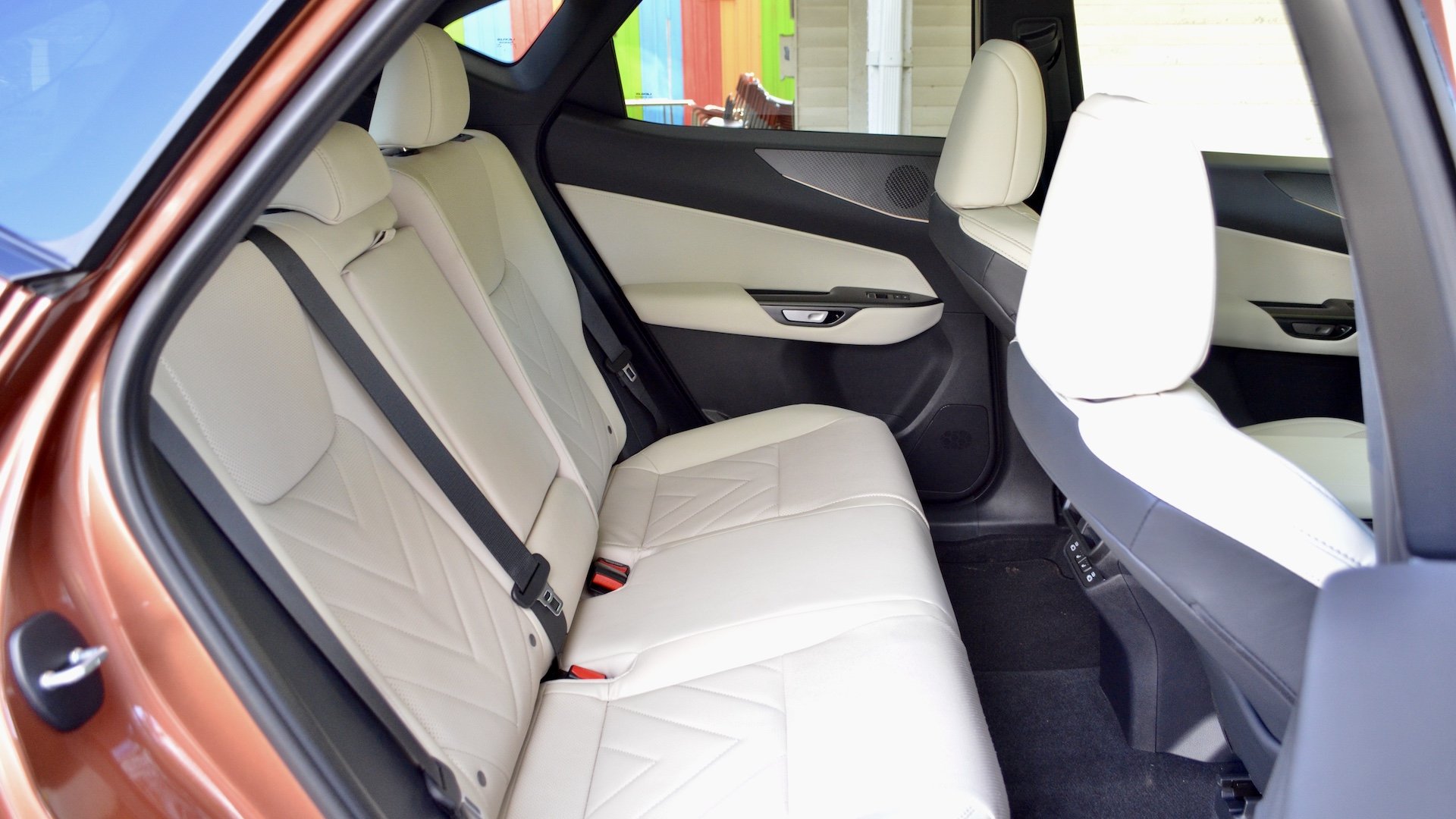
Visibility is good thanks to the generous glass area. The seats offer a good level of comfort and adequate adjustments, with one exception: height. For anyone over six feet tall, the seat cannot be lowered far enough to prevent their hair from brushing against the headliner.
 2027 Lexus NX 350h Luxury (Picture by Luc-Olivier Chamberland)
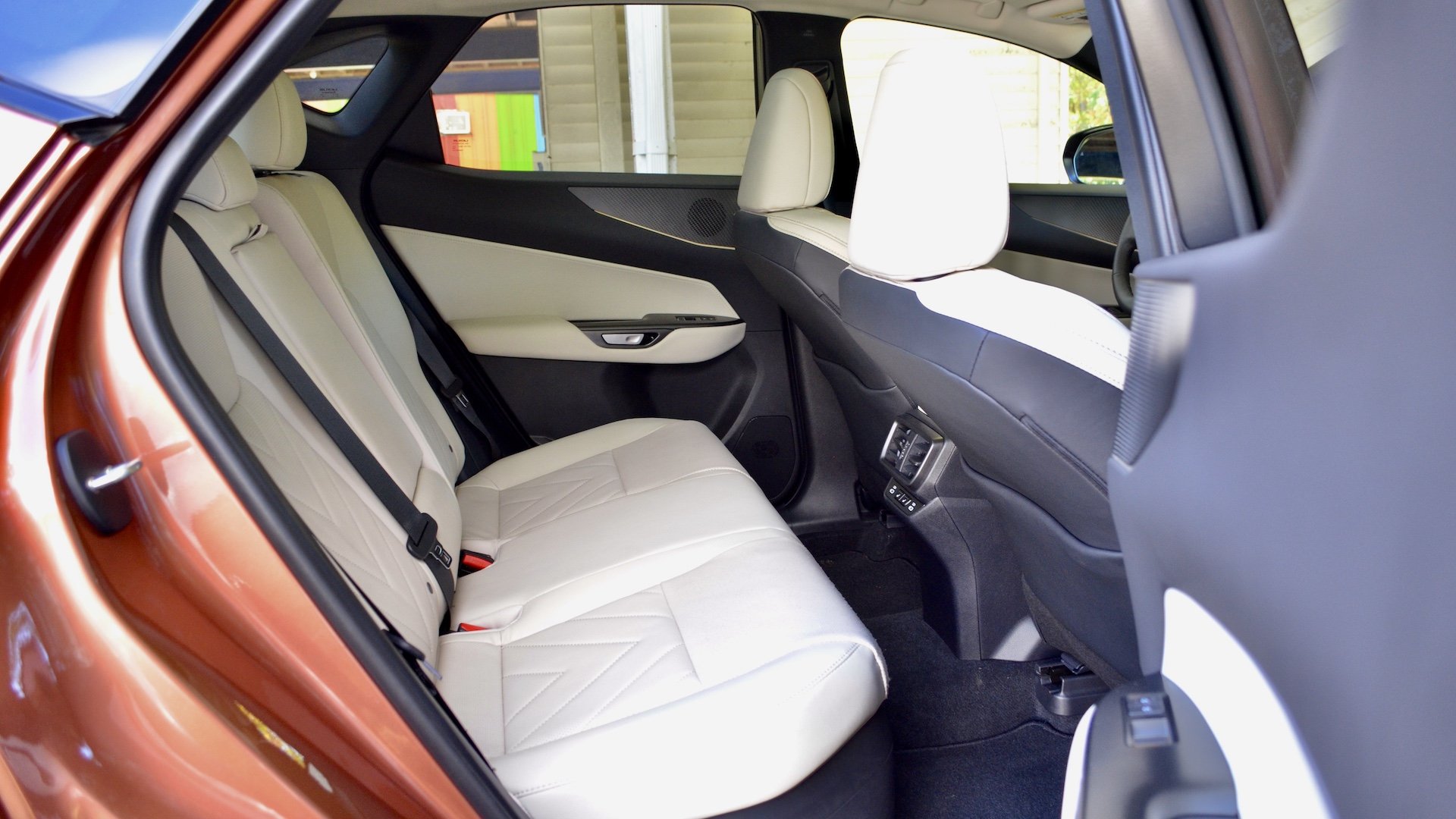
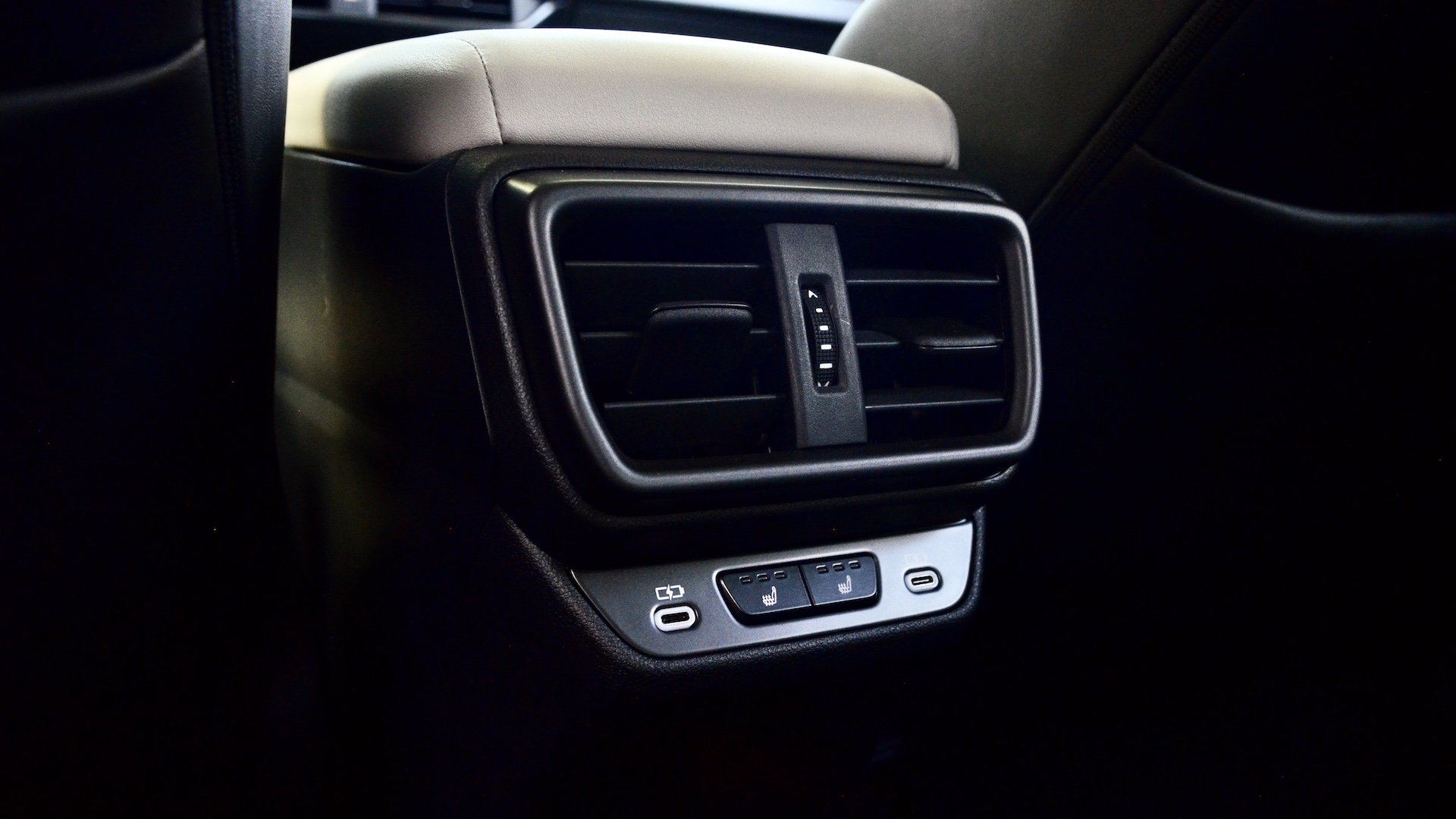
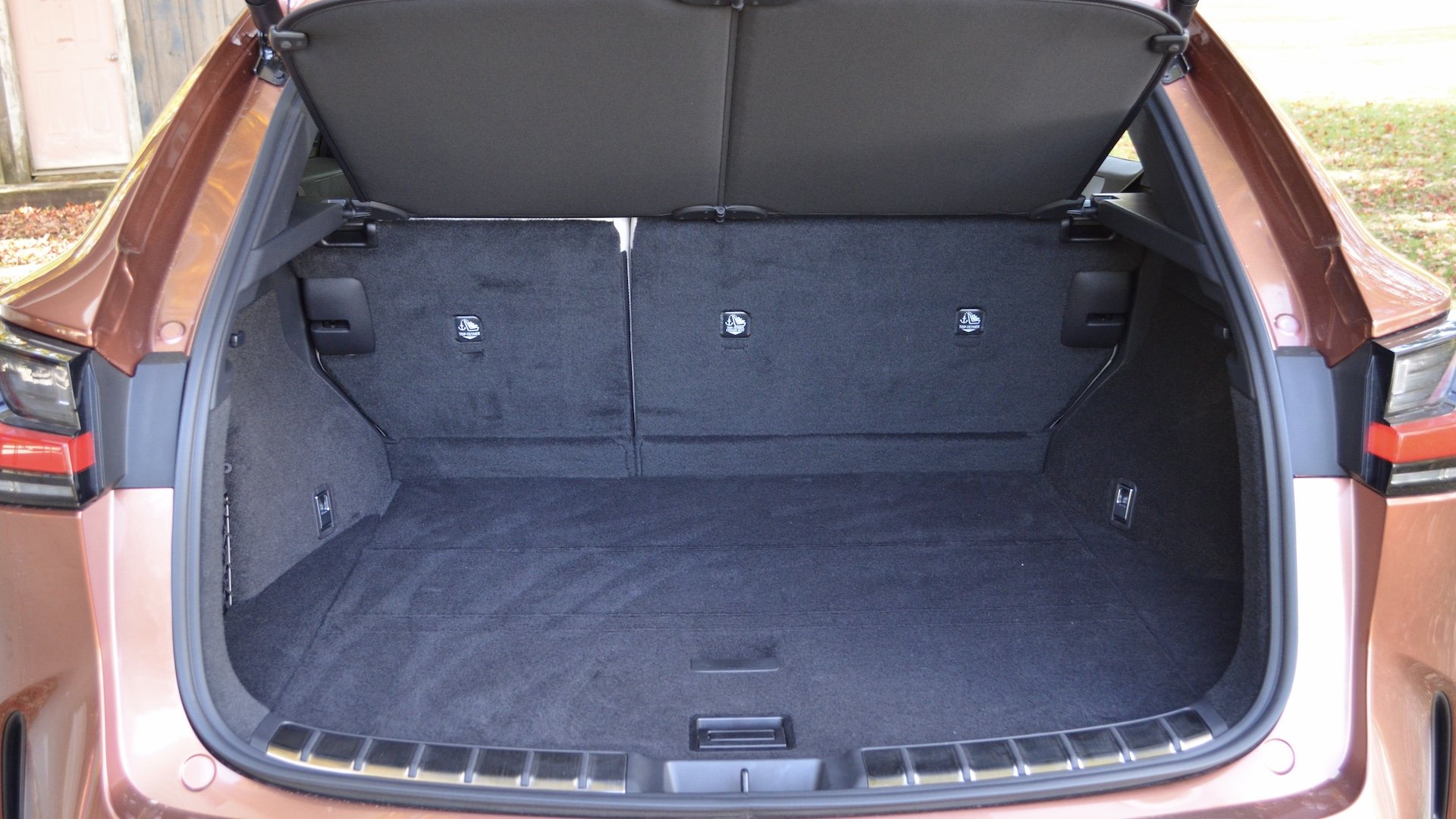
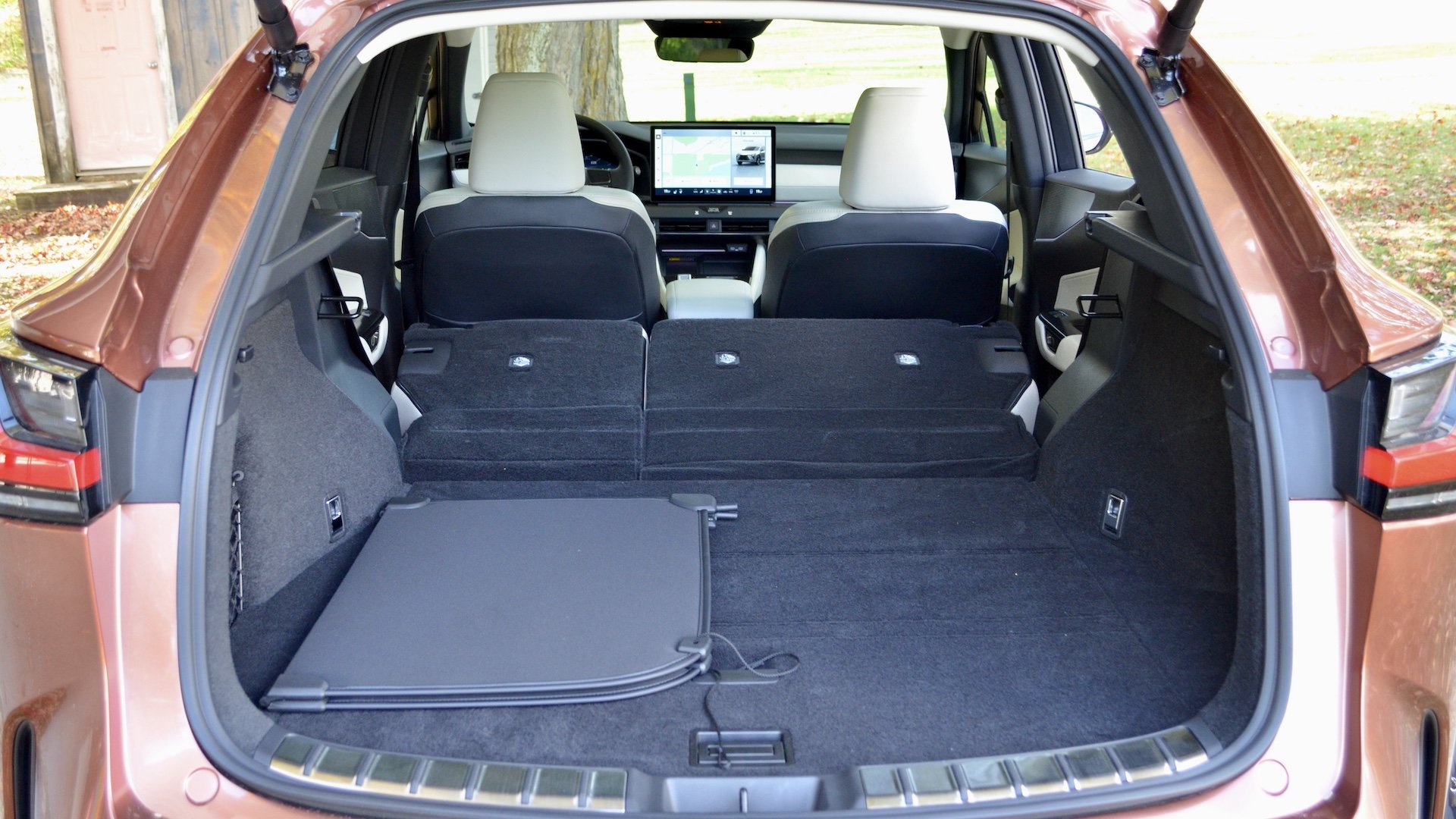
Rear-seat space is adequate for family use. Trying to accommodate a third passenger while maintaining comfort would be ambitious. Cargo capacity is respectable at 643 litres or 1,328 litres, depending on the rear seatback position.
The Powertrains: Where the Real Changes Are
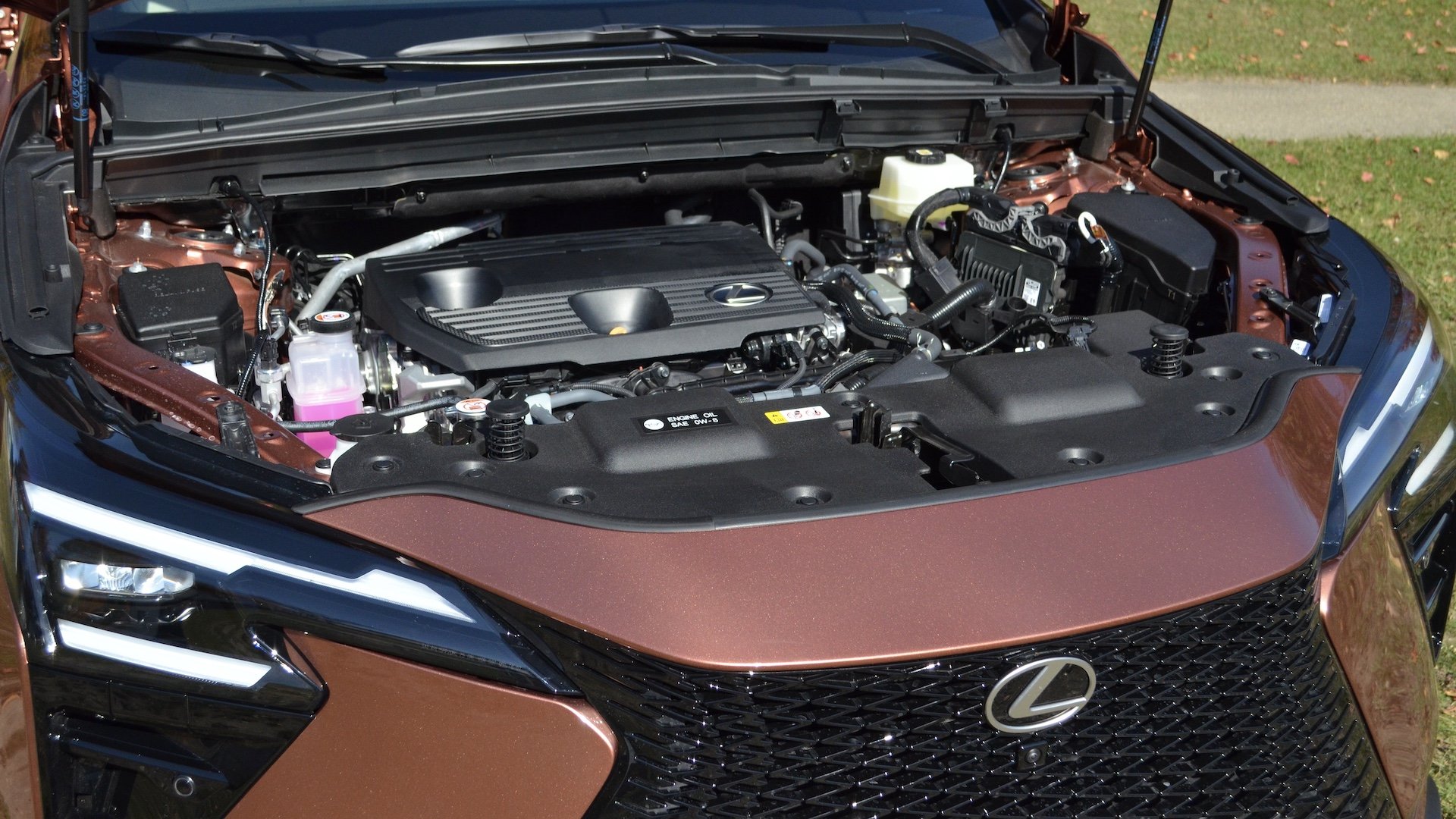
The mechanical side of the story is easy to explain: it is the same setup found in the 2026 Toyota RAV4. The platform is new, and the improvements go well beyond added structural rigidity. The NX was already solid, but it feels even more so on the road.
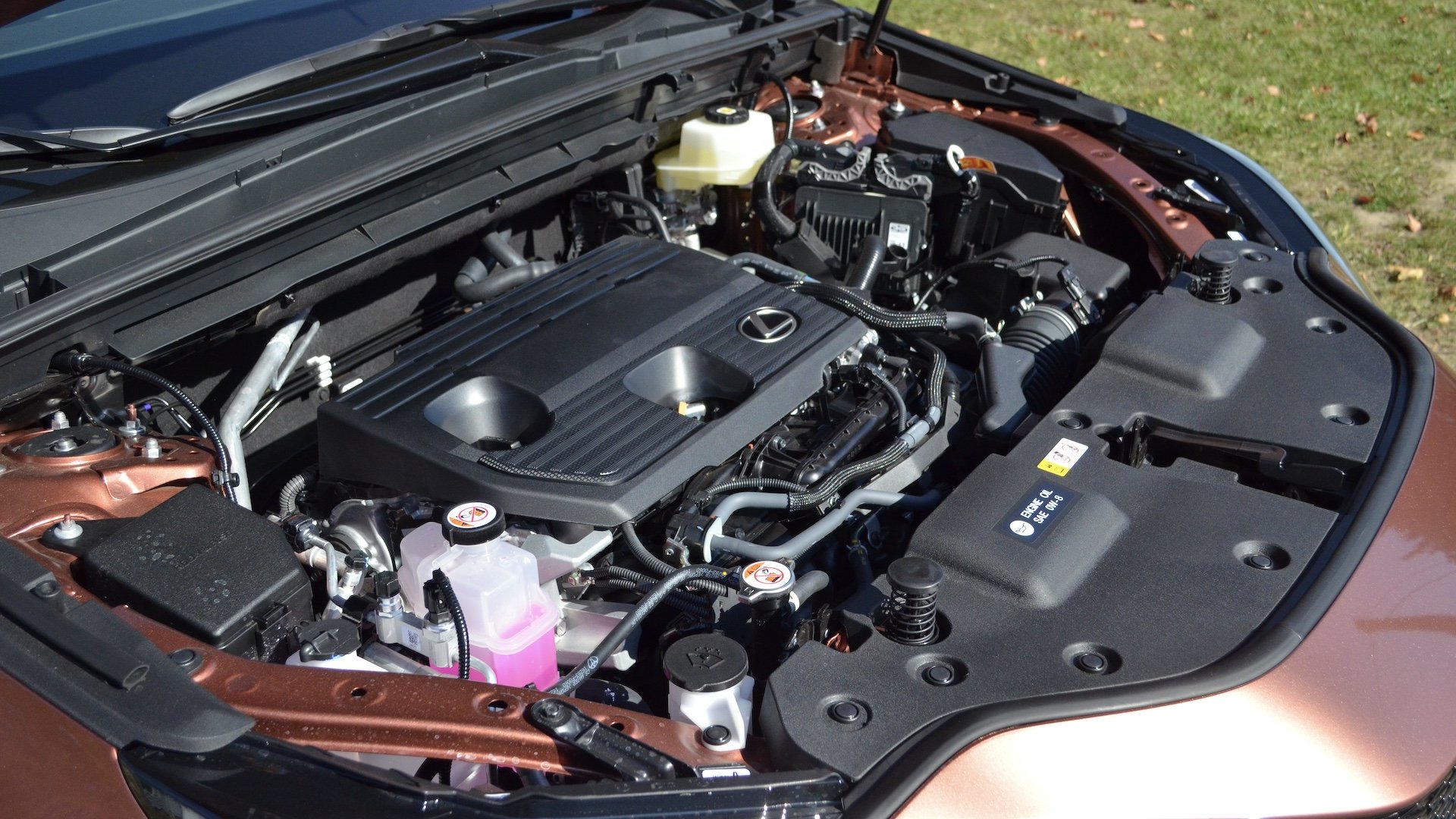
Turbocharged gasoline engines are gone. The lineup now features two variations of the same 2.5-litre four-cylinder engine familiar from the RAV4: one hybrid and one plug-in hybrid.
 2027 Lexus NX 350h Luxury (Picture by Luc-Olivier Chamberland)
The hybrid produces 244 horsepower on 91-octane gasoline. The 2.5-litre engine is paired with two electric motors, one producing 115 kW at the front and the other 40 kW at the rear. The NX maintains permanent all-wheel drive, with some power always going to both axles. Power distribution ranges from 90:10 to 20:80.
Power is ample and gives the vehicle a reassuring sense of confidence. That said, the 2.5-litre engine still growls a little too much for my taste, even though Lexus says it has worked hard to reduce noise and vibration.
 2027 Lexus NX 350h Luxury (Picture by Luc-Olivier Chamberland)
The NX 450h+ plug-in hybrid retains the same basic setup, but front electric motor output rises to 151 kW. Total system output matches the RAV4 Plug-in Hybrid at 324 horsepower. It is powerful, and the immediate response from the electric motors is clearly noticeable.
More importantly, the NX 450h+ receives a larger battery than before, increasing from 18.1 kWh to 22.7 kWh. As a result, all-electric range reaches up to 72 kilometres in the Luxury trim with 18-inch wheels. Executive and F Sport models give up one kilometre, offering 71 kilometres.
An important detail: thanks to its NACS charging port, the NX 450h+ can use 50-kW Level 3 DC fast chargers. At home, it supports Level 2 AC charging at up to 11 kW.
Driving Impressions: A Pleasant Surprise
Lexus has introduced a series of improvements. The smaller steering wheel provides a better grip, but the real story is the more precise and communicative steering. That is not something I have often written about a Lexus.
The pedal assembly is also much more direct. Engineers cut the number of components in half, improving communication between driver and machine. The dampers have also been partially revised, with ultra-low-speed valves that improve responsiveness. The F Sport goes a step further with adaptive dampers.
 2027 Lexus NX 350h Luxury (Picture by Luc-Olivier Chamberland)
Overall, the 2027 Lexus NX delivers a considerably more enjoyable and engaging driving experience than before. These improvements put it in a stronger position against the driving dynamics generally associated with its German competitors.
Conclusion
Lexus almost whispers that this is a new generation. Yet the improvements to the NX are very real, and it is clear that the manufacturer has focused on what matters most. There is more technology on board, modern and efficient powertrains, better driving enjoyment and a simplified lineup.
In keeping with what we have come to expect from Lexus, the powertrains are fuel-efficient, maintenance costs are lower than those of competitors, reliability is stronger and resale values tend to exceed those of rivals. And if you have a patriotic streak, the NX is built in Canada.
The 2027 Lexus NX lineup will arrive early next year. Pricing will be announced closer to its market launch.