

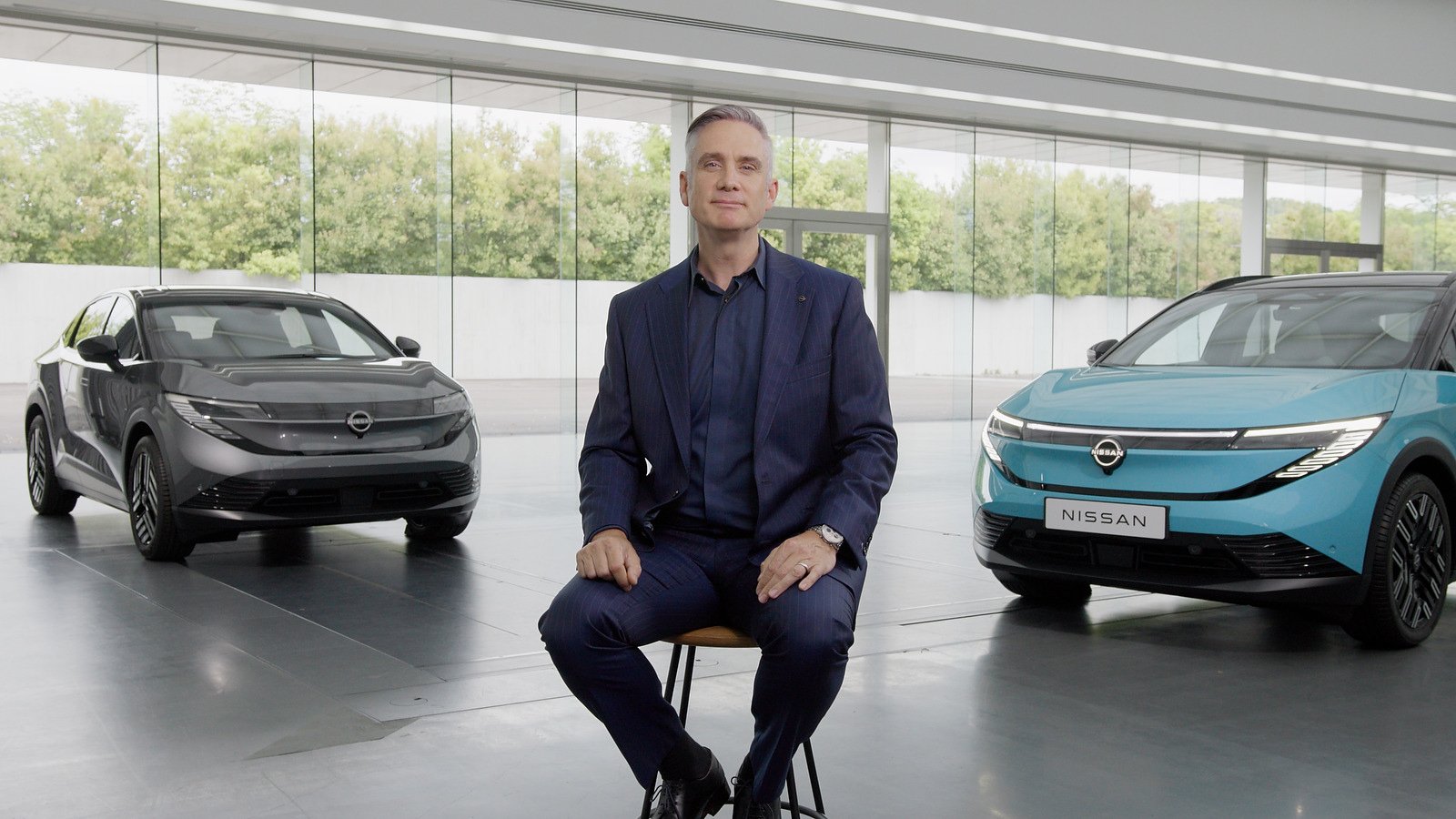
Third-gen LEAF uses 700,000 unit sales data to inform new aerodynamic, efficient design.
Electrochromic panoramic roof enhances comfort, lowers drag, and frees up headroom.
CMF-EV platform supports flat floor, improving space and functionality for everyday use.
Nissan has introduced the third generation of its LEAF electric vehicle, reengineered with a focus on aerodynamic efficiency, cabin innovation, and practical design.
The new LEAF builds on the brand’s extensive EV experience, drawing insights from 700,000 global sales since the first generation debuted in 2010. Nissan estimates these vehicles have collectively travelled over 28 billion kilometres worldwide.
Designed to reduce drag while maintaining a bold exterior, the all-new LEAF achieves a drag coefficient of 0.26. This is accomplished through design features such as flush-mounted door handles, an active grille shutter, aerodynamic wheel design, a flat underfloor, and a fastback-style silhouette.
Next-Gen 2026 Nissan Leaf Could Have Over 480 Kilometres of Range
According to Nissan, the panoramic roof plays a central role in both energy efficiency and cabin comfort. Equipped with electrochromic dimming technology, the glass roof eliminates the need for physical sunshades and enables a 12 mm reduction in vehicle height at critical airflow points. The roof’s infrared-reflective coating also limits heat buildup, contributing to all-season usability.
The interior benefits from Nissan’s CMF-EV platform, which offers a flat floor for more cabin space and comfort. Nissan positions the new LEAF as a more-than-ever viable alternative to ICE vehicles. “We wanted it to balance emotional and rational appeal, ensuring it looks sleek and bold, whilst meeting the real-world needs of families with thoughtful design,” said Richard Candler, Vice President of Global Product Strategy.
The LEAF remains one of Nissan’s key global nameplates, central to the company’s brand identity. More details on the new EV are imminent.
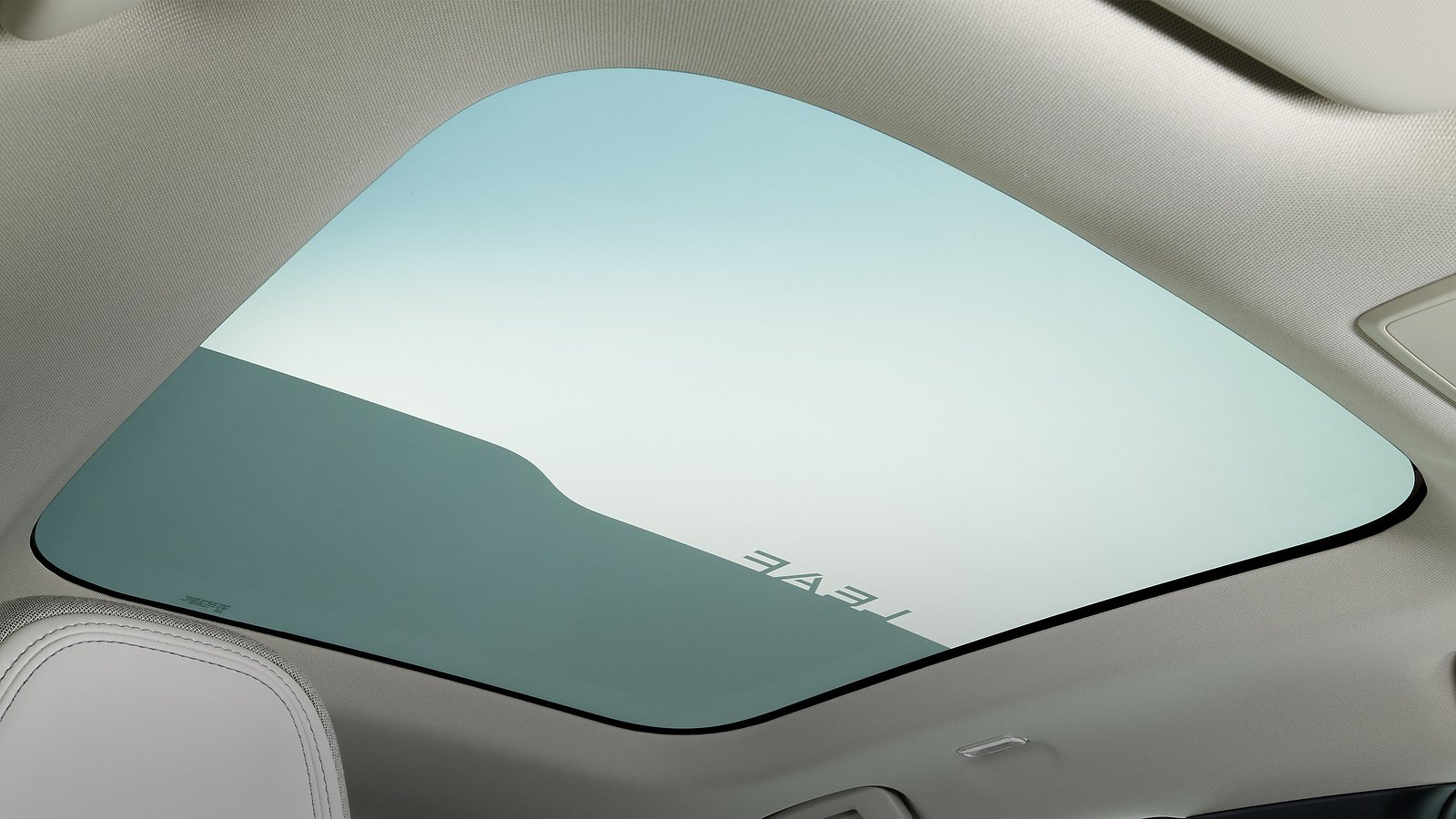 2026 Nissan LEAF | Photo: Nissan
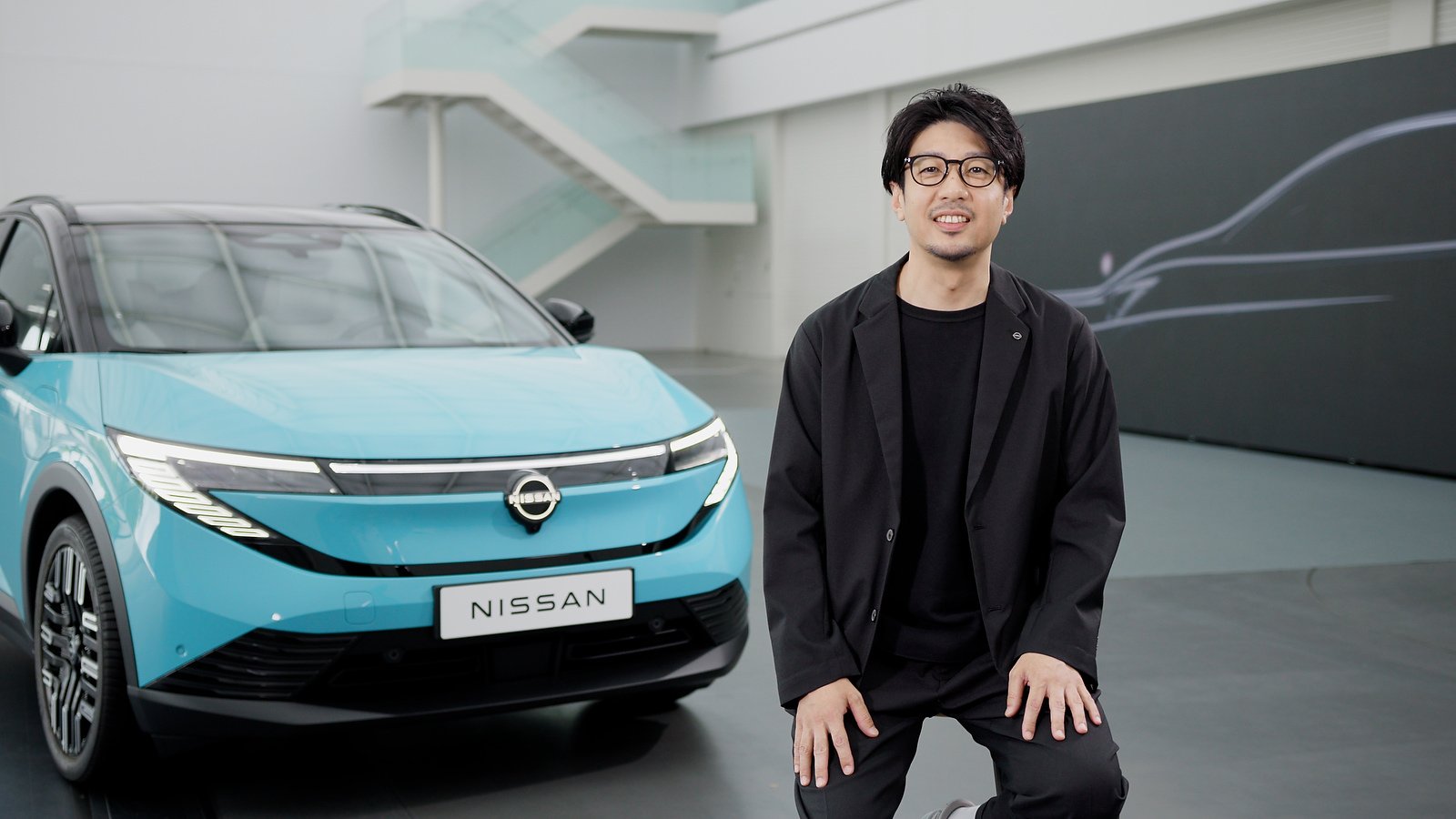 2026 Nissan LEAF | Photo: Nissan
