


U.S.-EU trade plan proposes mutual recognition of vehicle safety and emissions regulations.
Industry experts split on whether change allows vehicles to be sold without modification.
European groups raise safety, environmental concerns over influx of American-built vehicles.
A clause in the recently announced United States-European Union trade framework could reshape global automotive trade by opening the door to mutual recognition of vehicle safety and emissions regulations.
In a joint statement issued on Aug. 21, both governments stated their intent “to accept and provide mutual recognition to each other’s standards” with respect to automobiles. The proposal, outlined in Article 8 of the framework, remains nonbinding and is seen by trade experts as aspirational. By some, meaning us, completely logical.
 2024 Ford F-150 Raptor | Photo : Ford
Legal analysts say that, if adopted, the provision could allow vehicles built in either jurisdiction to be sold in the other without modifications to meet differing standards. Mitch Zajac, a trade attorney at Butzel, said the change could reduce compliance obligations for U.S. automakers seeking to export vehicles to the EU, potentially bypassing requirements such as collapsible hoods or external airbags.
Sam Abuelsamid, vice president of market research at Telemetry, noted that the change could permit models like the Ford F-150 to be sold in Europe as built, and EU models like the Volkswagen Golf to be sold in the U.S. without alterations. Automakers could save hundreds of millions of dollars annually by avoiding region-specific vehicle design changes. Not to mention, increasing their offering can potentially attract more buyers. There’s a real possibility, however, that this could be a one-sided venture.
While the statement does not commit either side to implementation, it signals a willingness to further negotiate regulatory alignment. The proposal has raised concerns among European safety and environmental groups. Antonio Avenoso, executive director of the European Transport Safety Council, warned that U.S. vehicles lacking features like automatic emergency braking and pedestrian protection systems could compromise road safety.
Environmental organizations also objected, criticizing the potential influx of high-emissions vehicles. James Nix, vehicles policy manager at Brussels-based Transport & Environment, argued the proposal equates heavy U.S. trucks with smaller European models in terms of emissions and safety standards.
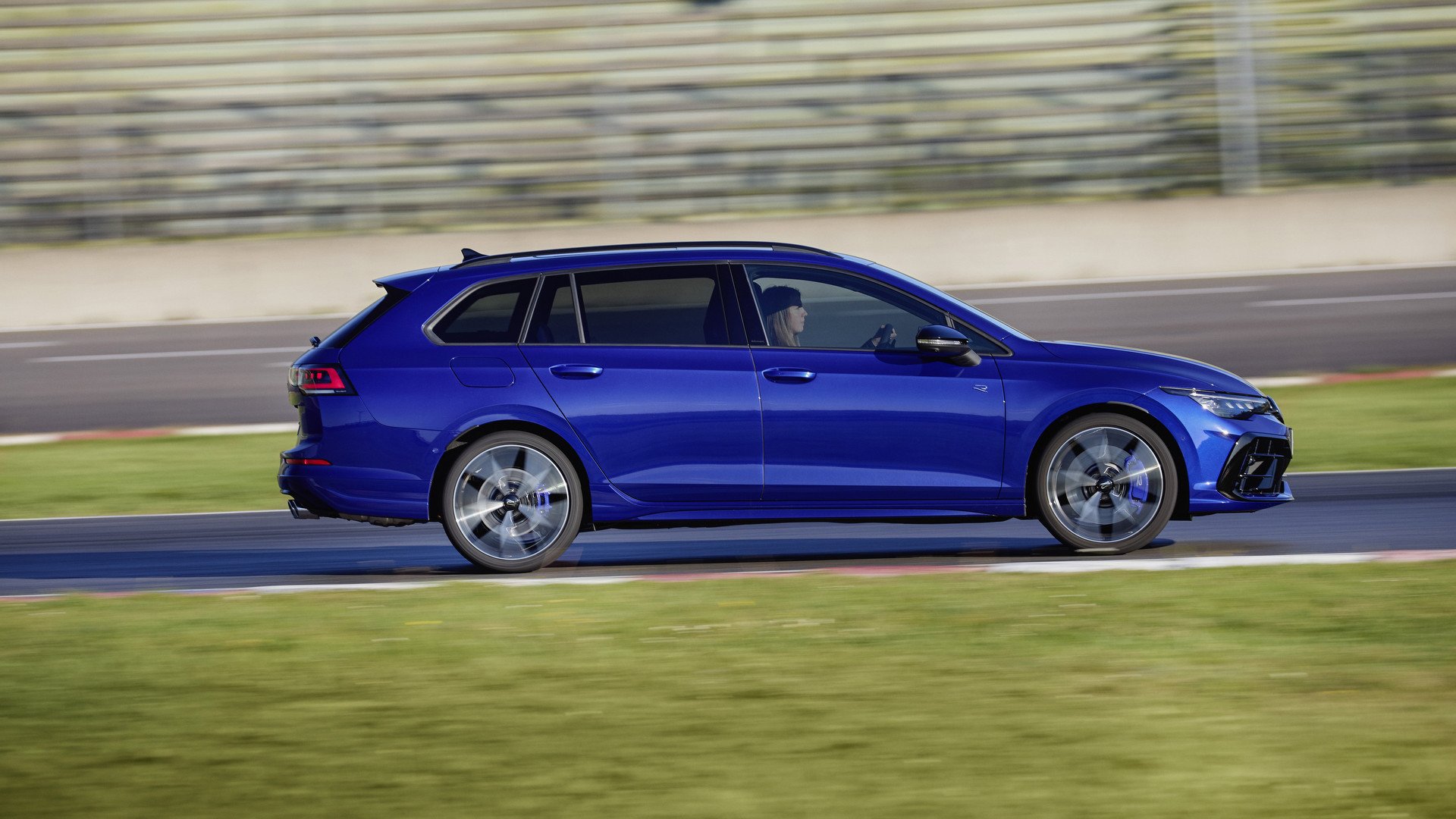
The differences in regulatory focus between the U.S. and the EU remain substantial. While the U.S. prioritizes occupant safety and limits on smog-forming pollutants such as nitrogen oxides, EU standards emphasize pedestrian protection and carbon dioxide emissions. Vehicles designed for one market often require substantial modifications to be sold in the other.
While it’s likely that many Europeans might be interested in Ford F-150s and Chevrolet Suburbans, we believe that their numbers pale in comparison to the number of North American buyers that would love nothing more than a smaller, more efficient SUV like a Fiat Grande Panda, or an aforementioned compact VW Golf.
The discussion has also reignited similar calls in Canada, where the Canadian Automobile Dealers Association has urged the federal government to recognize safety certifications from the EU, Korea, and Japan. While Transport Canada maintains its own safety rules, its standards are generally consistent with U.S. regulations. CADA CEO Tim Reuss questioned the necessity of requiring further certification for vehicles already approved in highly regulated jurisdictions.
Market appetite is the real issue. Large American pickups and SUVs have traditionally seen limited success in Europe, where compact to midsize cars, crossovers, and SUVs, mainstays in that market, are also highly sought after here. Abuelsamid said the proposal could, however, provide a pathway for American EVs to enter European markets without added regulatory costs. Once more, the volume could be limited, perhaps even a fraction of the number of newly introduced “euro’’ vehicles in Canada and the U.S.
Source: Automotive News
