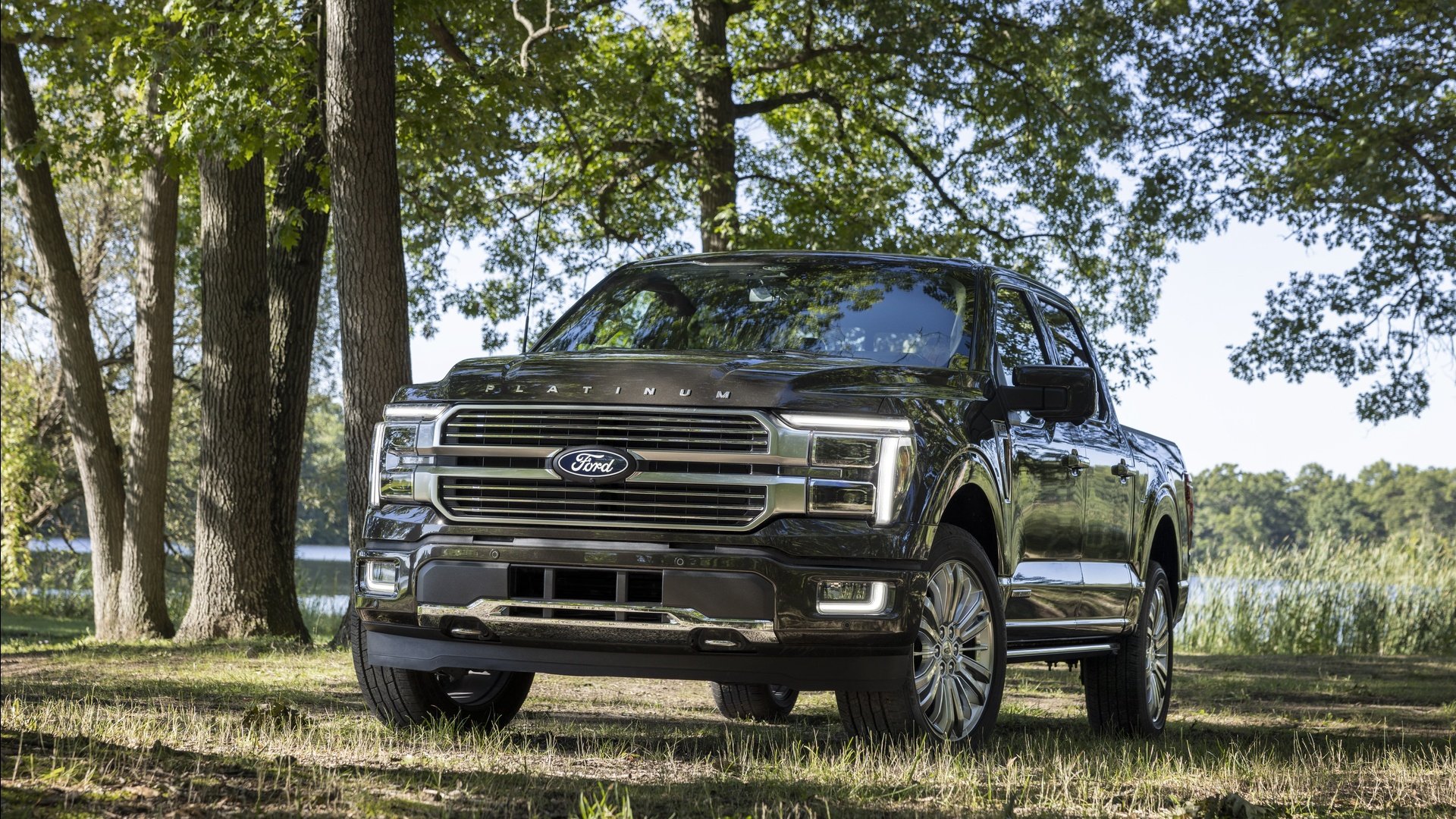
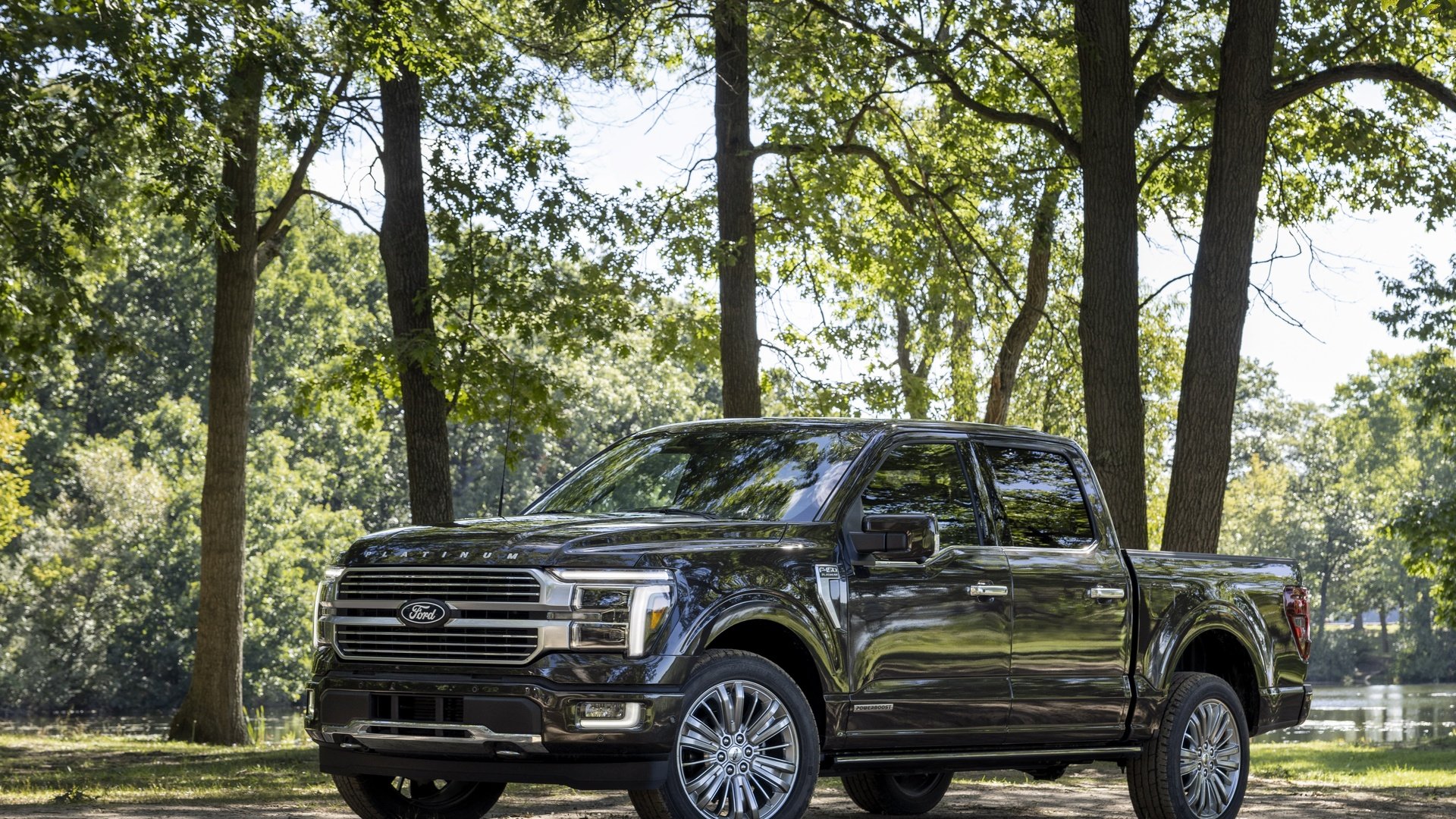
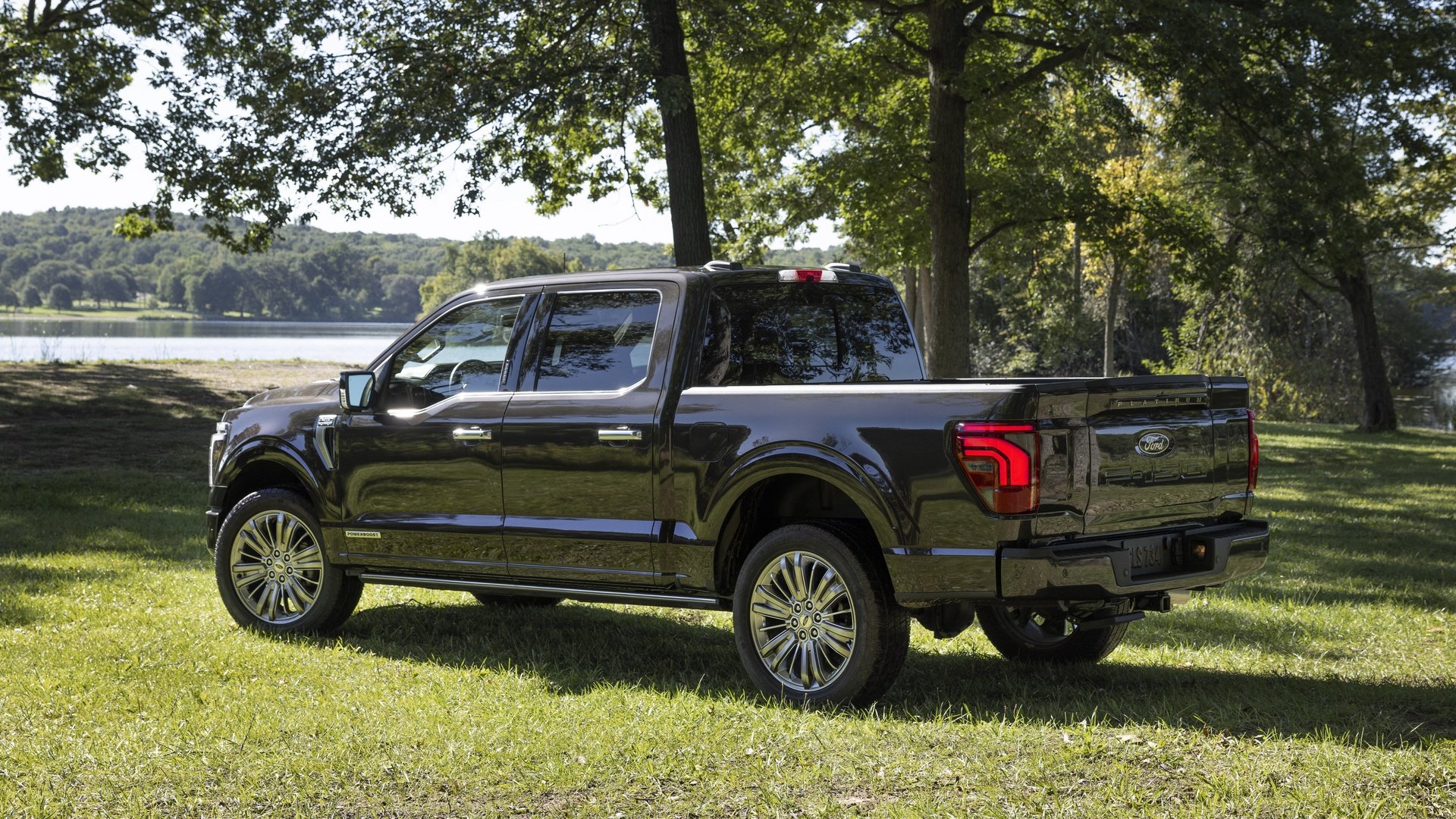
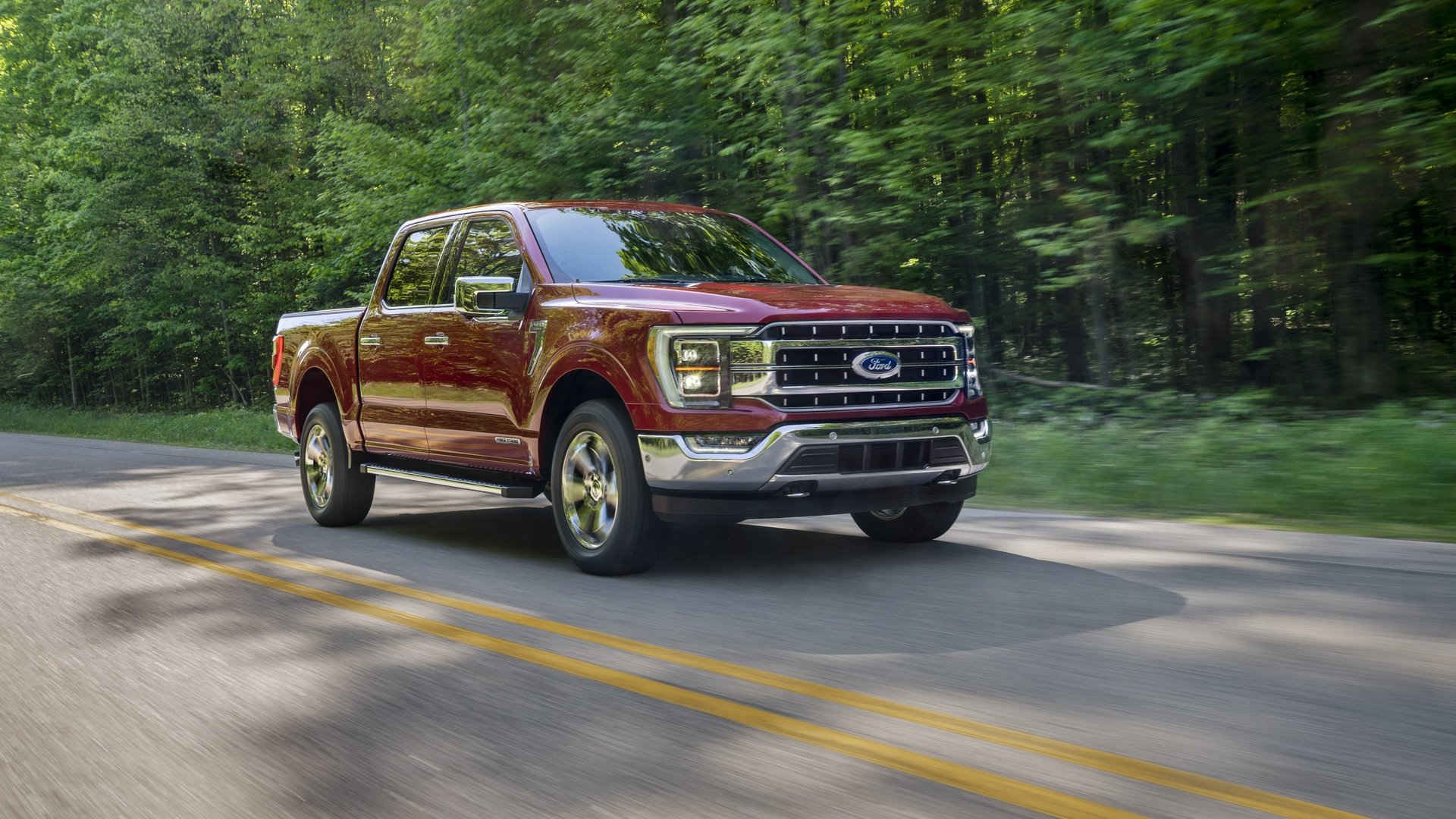
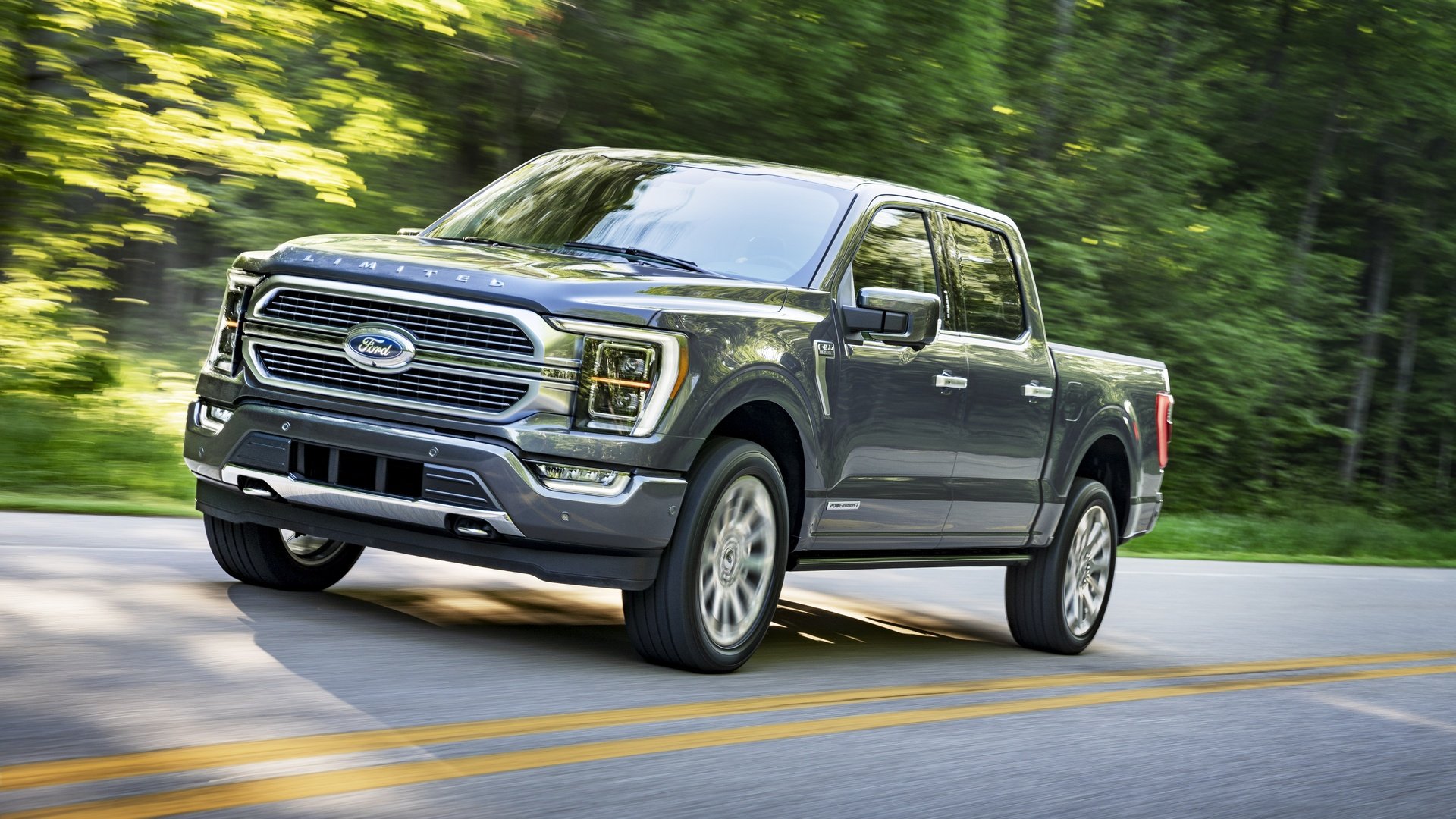
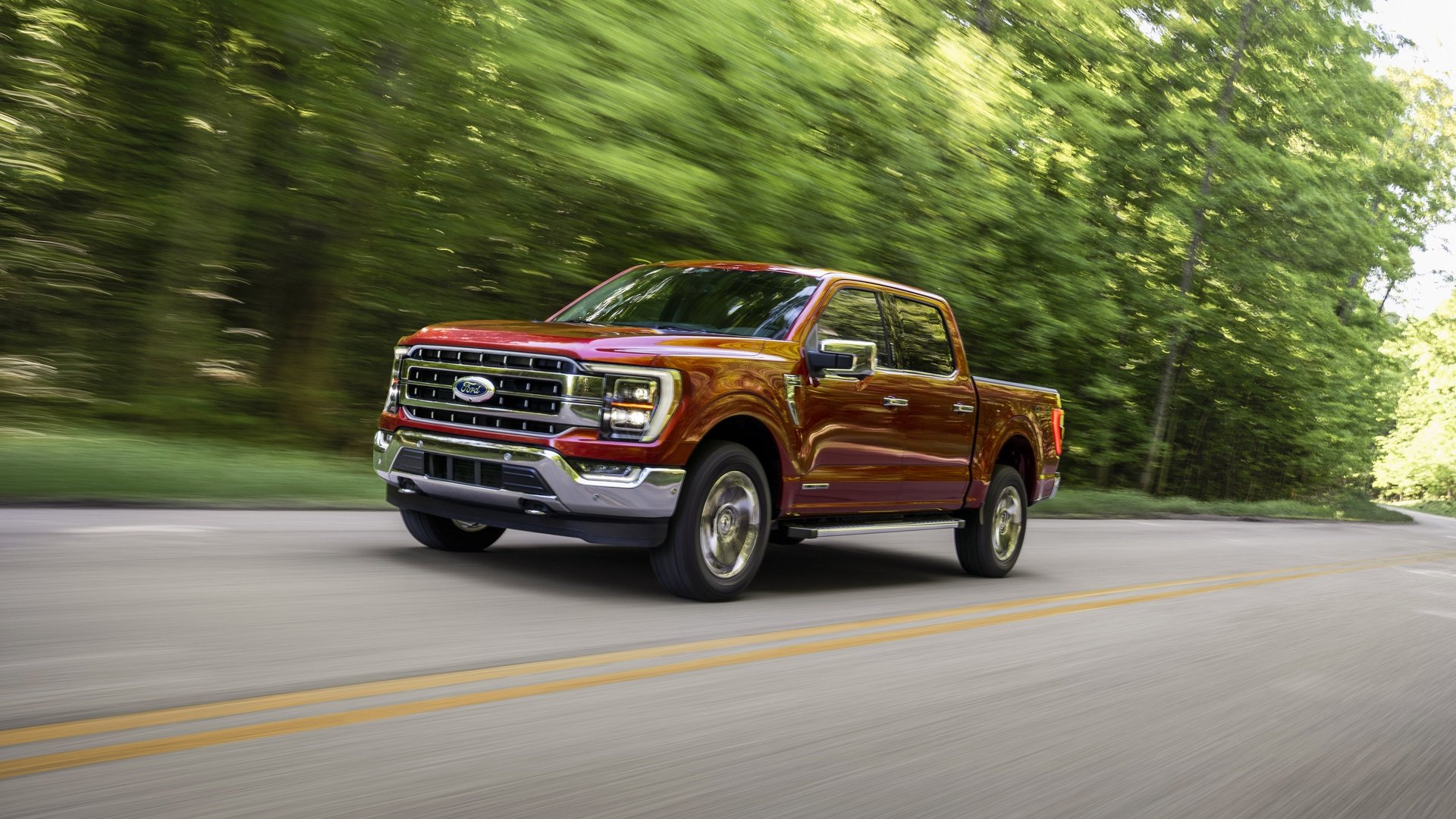
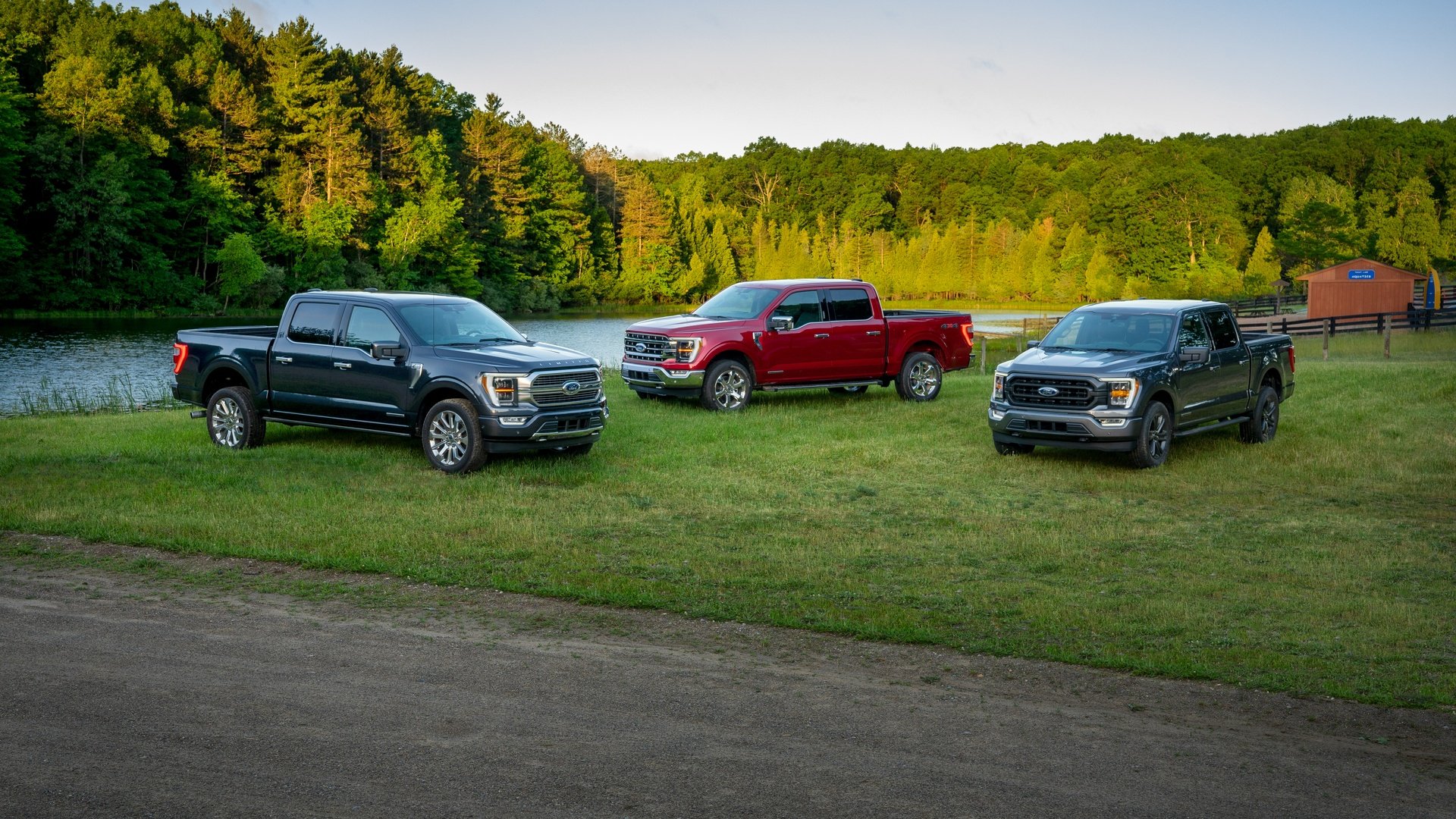
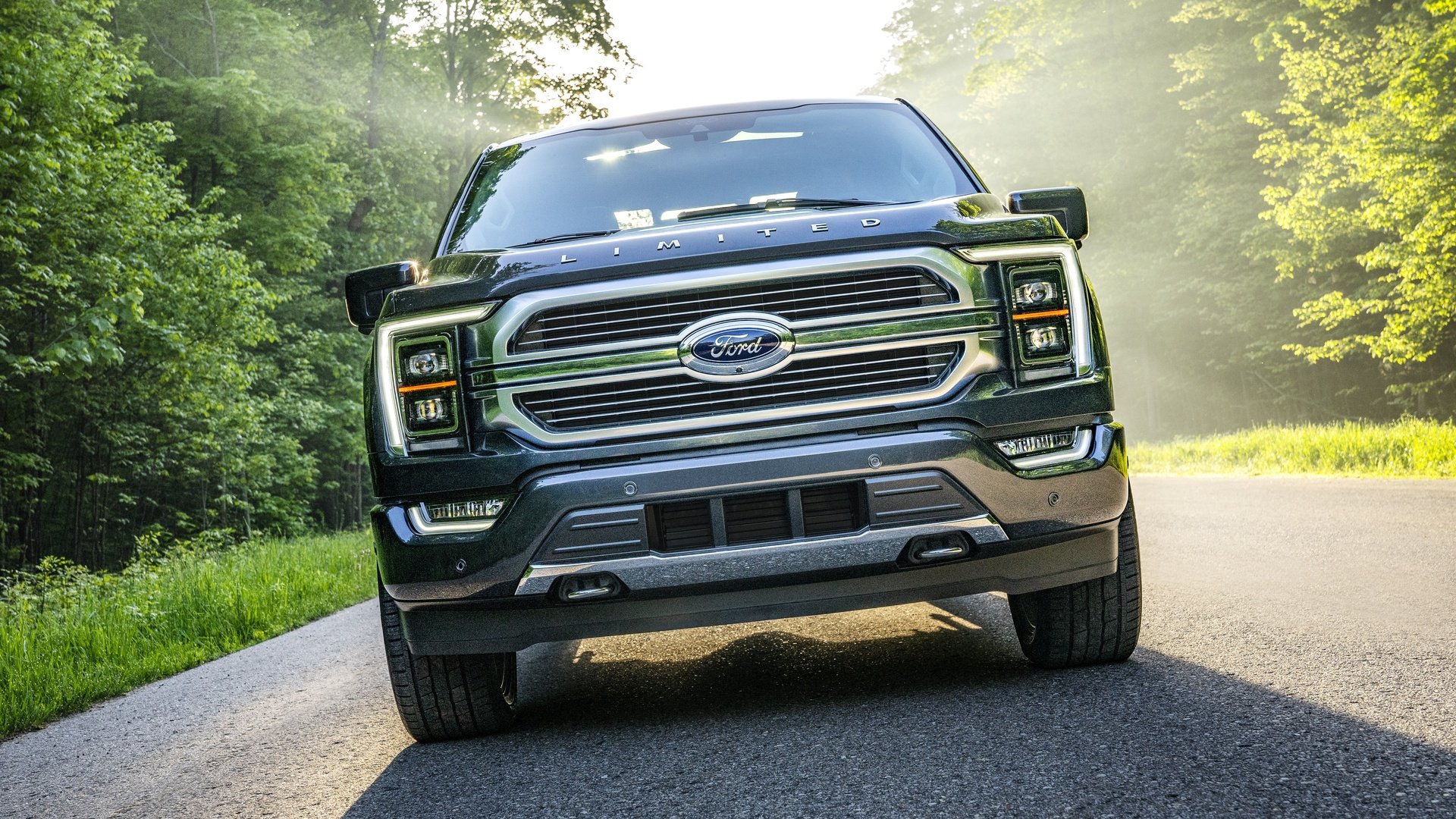
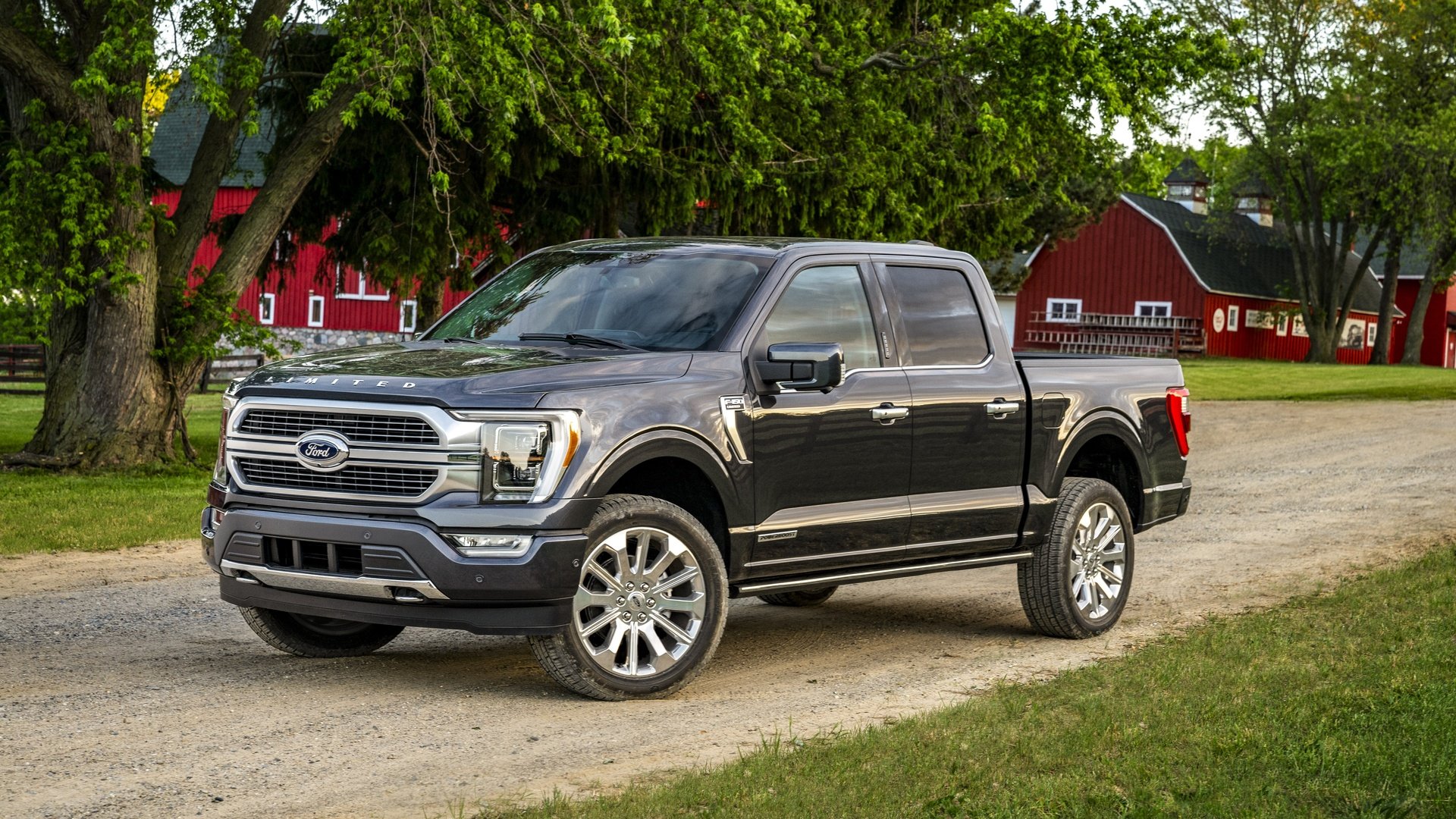
The 14th-generation Ford F-150, launched in 2021, represents one of the most ambitious redesigns in the model’s history. It introduced a new PowerBoost hybrid powertrain, an integrated Pro Power Onboard generator, and the SYNC 4 infotainment system. A top seller in Canada and the United States, the F-150 remains a formidable choice. However, the 2021 and 2022 model years accumulated a high number of complaints and recalls that any serious buyer should examine before signing.
- Electric parking brake – Unintended activation while driving; NHTSA recall (NHTSA 23V509) targeting 870,701 US vehicles (2021–2023); the highest-volume recall of the generation.
- 10R80 automatic transmission – Vibrations and abrupt gear changes from the first model years; Ford issued a technical service bulletin as well as a recall (NHTSA 22V188) for unexpected neutral drop on ~47,084 US vehicles.
- Rear axle bolts (maximum tow group) – Fatigue fracture risk while driving; two waves of recalls (NHTSA 23V896 and NHTSA 25V512) covering approximately 216,139 US vehicles on 2021–2025 models equipped with the Max Duty axle group.
- 2.7L EcoBoost engine (2021) – Potentially defective intake valves susceptible to fracturing; recall (NHTSA 24V635) targeting 90,736 US vehicles; possible engine replacement.
- PowerBoost hybrid system (3.5L) – Multiple failures reported from the first thousands of kilometres; ranked among the least reliable by Consumer Reports for 2021–2022.
Technical Briefing
The 14th-generation F-150 retains the aluminum body introduced in 2015. Several powertrains are available; here is a summary table:
| Engine | Type | Power | Torque (lb-ft) | Aspiration | Availability |
|---|---|---|---|---|---|
| 3,3 L V6 Ti-VCT | V6 | 290 hp | 265 lb-ft | Naturally aspirated | 2021 – 2023 |
| 2,7 L EcoBoost V6 | V6 | 325 hp | 400 lb-ft | Twin Turbo | 2021 – 2026 |
| 5.0 L V8 Ti-VCT | V8 | 400 hp | 410 lb-ft | Naturally aspirated | 2021 – 2026 |
| 3,5 L EcoBoost V6 | V6 | 400 hp | 500 lb-ft | Twin Turbo | 2021 – 2026 |
| 3,5 L PowerBoost V6 Hybride | V6 | 430 hp | 570 lb-ft | Twin Turbo Hybrid | 2021 – 2026 |
| 3,0 L Power Stroke V6 Diesel | V6 | 250 hp | 440 lb-ft | Turbodiesel | 2021 |
| 3,5 L EcoBoost HO (Raptor) | V6 | 450 hp | 510 lb-ft | Twin Turbo | 2021 – 2026 |
| 5,2 L V8 Superchargé (Raptor R) | V8 | 700 hp | 640 lb-ft | Supercharged | 2023 – 2026 |
The first hybrid powertrain offered on the F-150 produces 430 horsepower and 570 lb-ft of torque. It integrates an on-board Pro Power Onboard generator to power electric tools or appliances on the job site. The transmission is a 10-speed automatic across all trims. Assembly takes place in Dearborn, Michigan and Kansas City, Missouri.
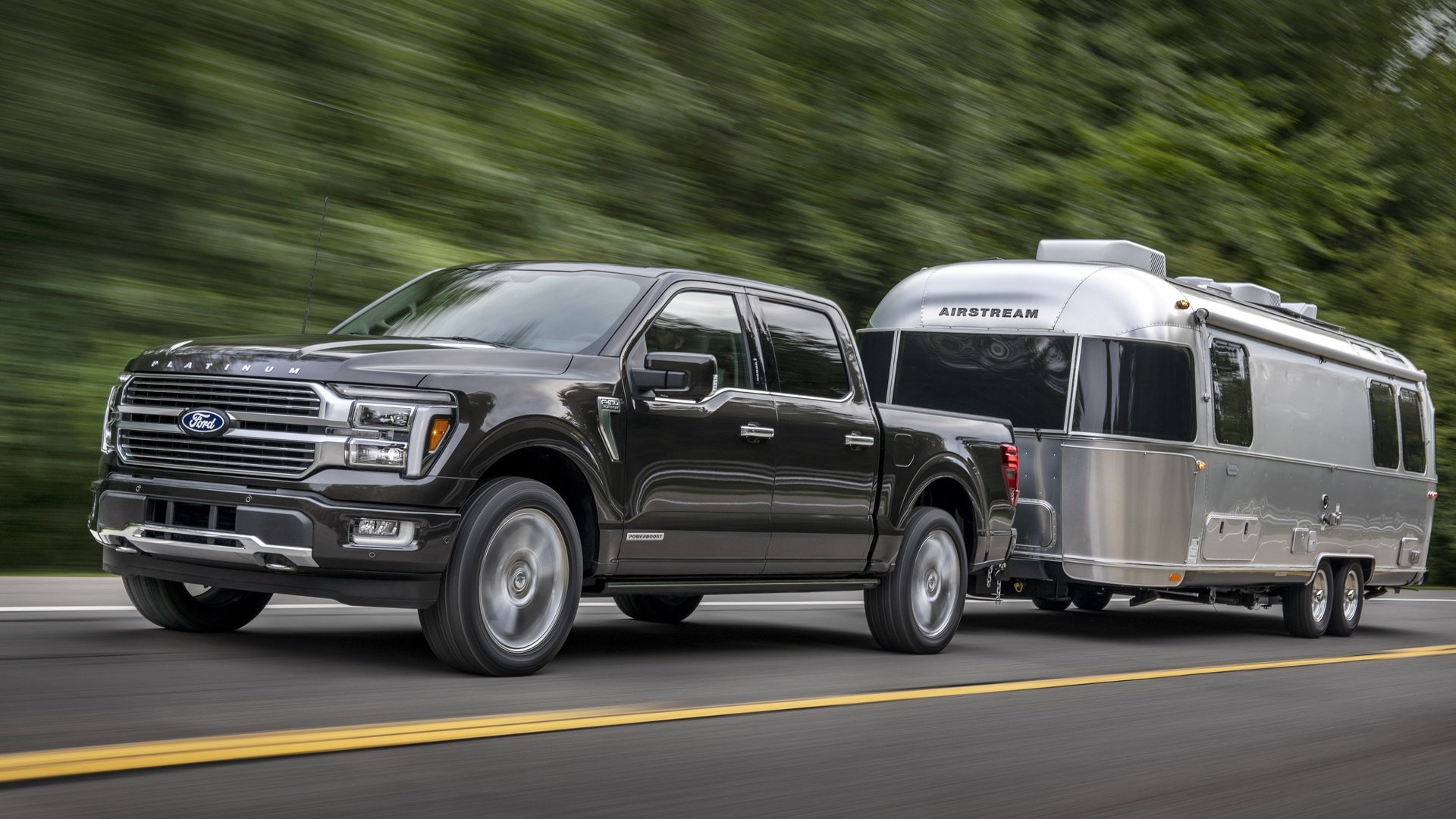
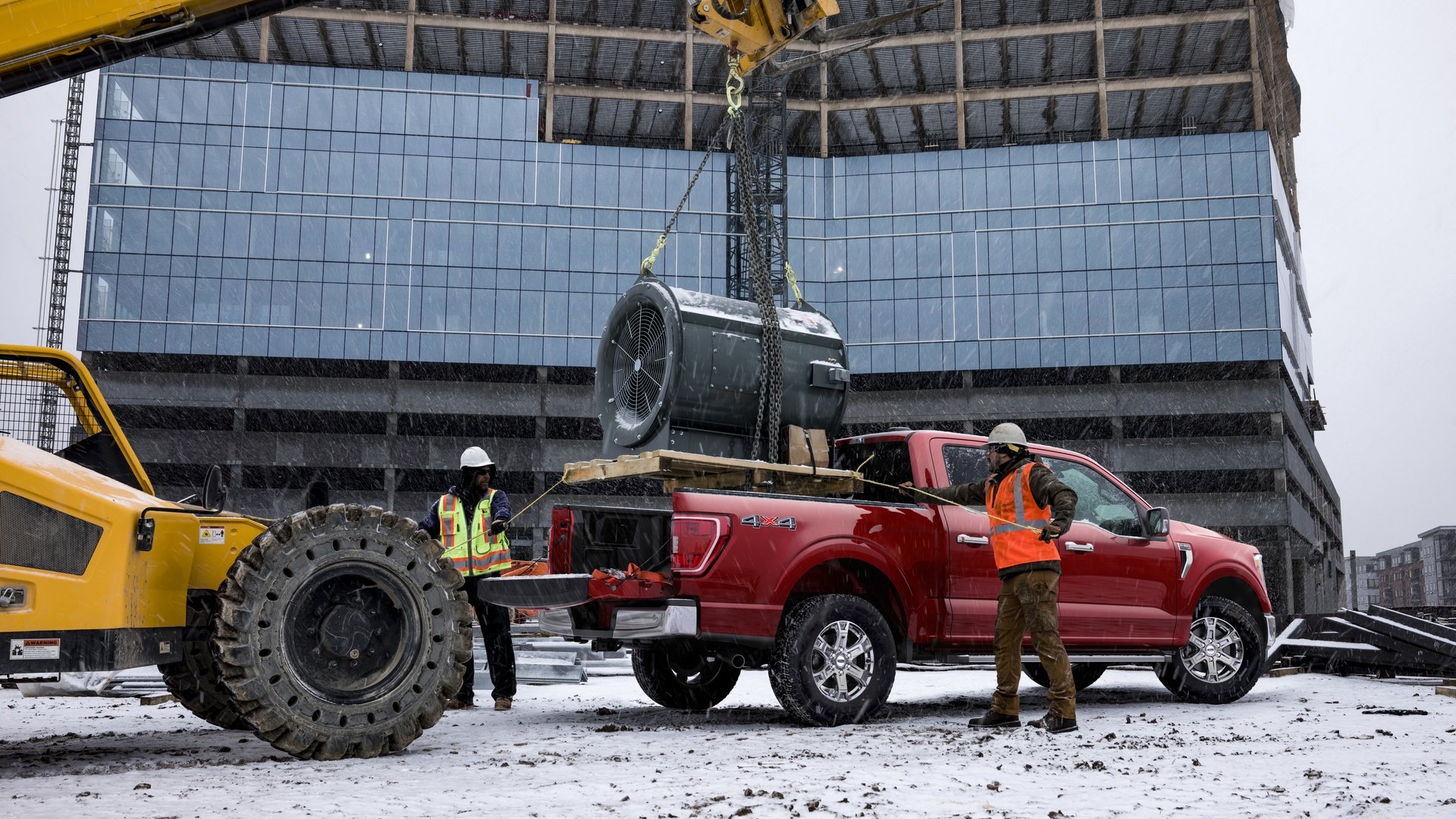
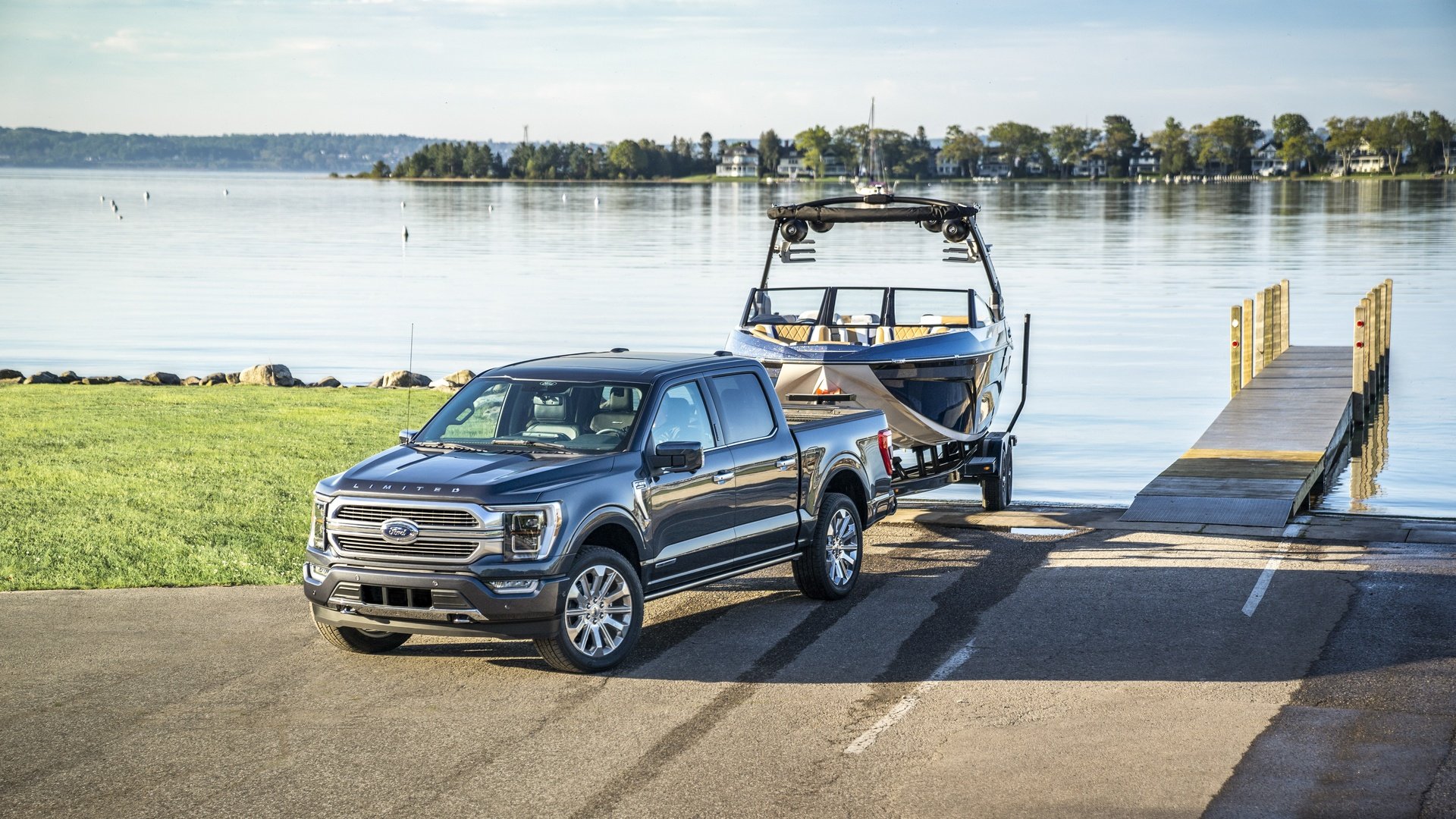
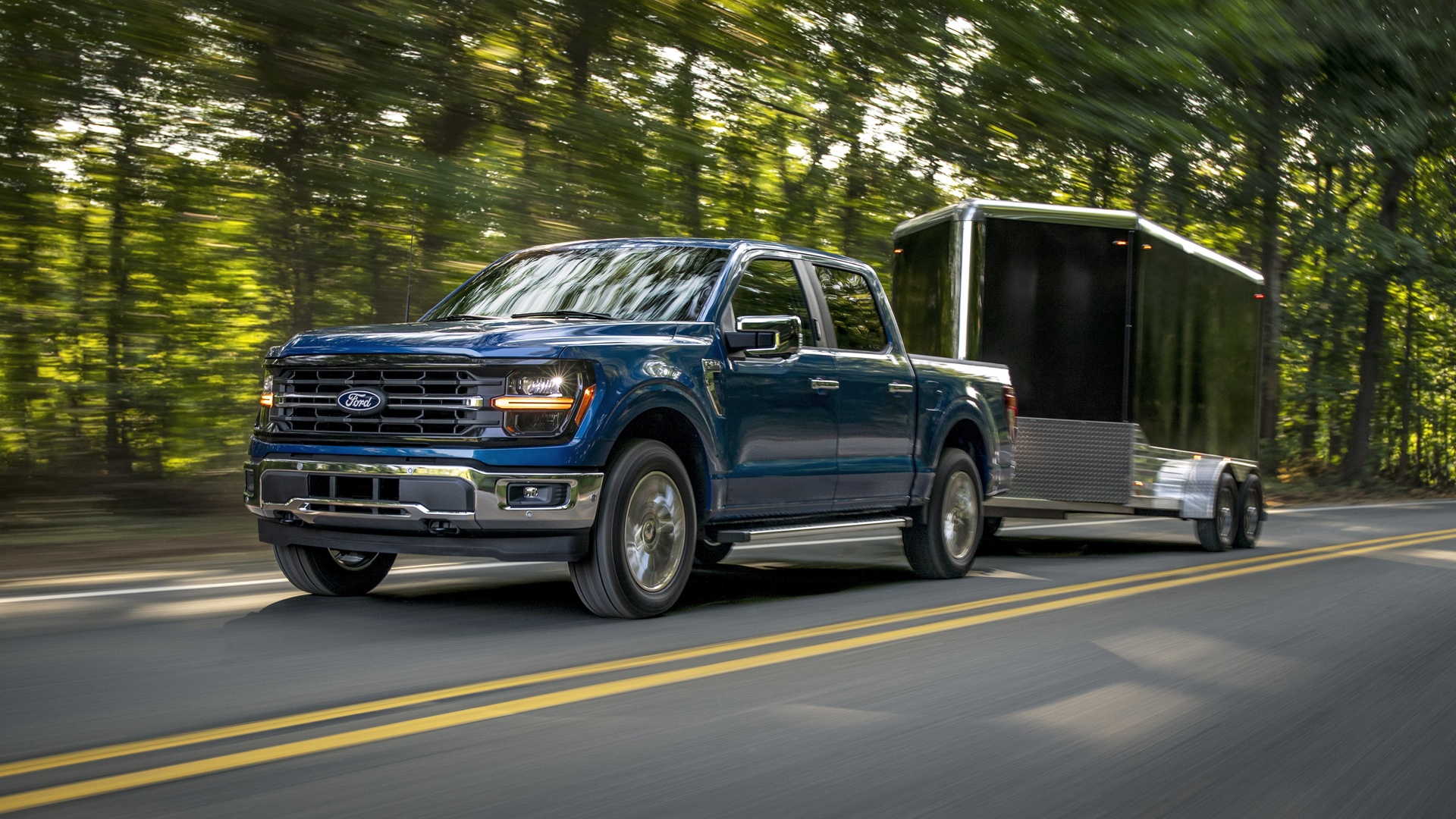 F-150 XLT 2024 Towing | Photo : Ford Motor Company
Most Frequent Problems
The 10R80 automatic transmission is at the heart of the most frequent complaints on 2021–2022 models. Owners describe vibrations between 50 and 70 km/h linked to torque converter slip.
Abrupt gear changes between 3rd, 4th and 5th gears are also reported, as well as hesitations during urban acceleration. Ford issued service bulletins to reprogram the transmission control module, which improves the situation in about 70 to 80% of cases.
The PowerBoost hybrid system was one of the big promises of this generation. However, it turned out to be one of its main sources of frustration. Owners report error messages from the first thousands of kilometres.
12V battery recharge issues, Park mode failures, and cold-weather clunking noises are also noted. Consumer Reports ranked the F-150 PowerBoost among the least reliable vehicles in its category for model years 2021–2022.
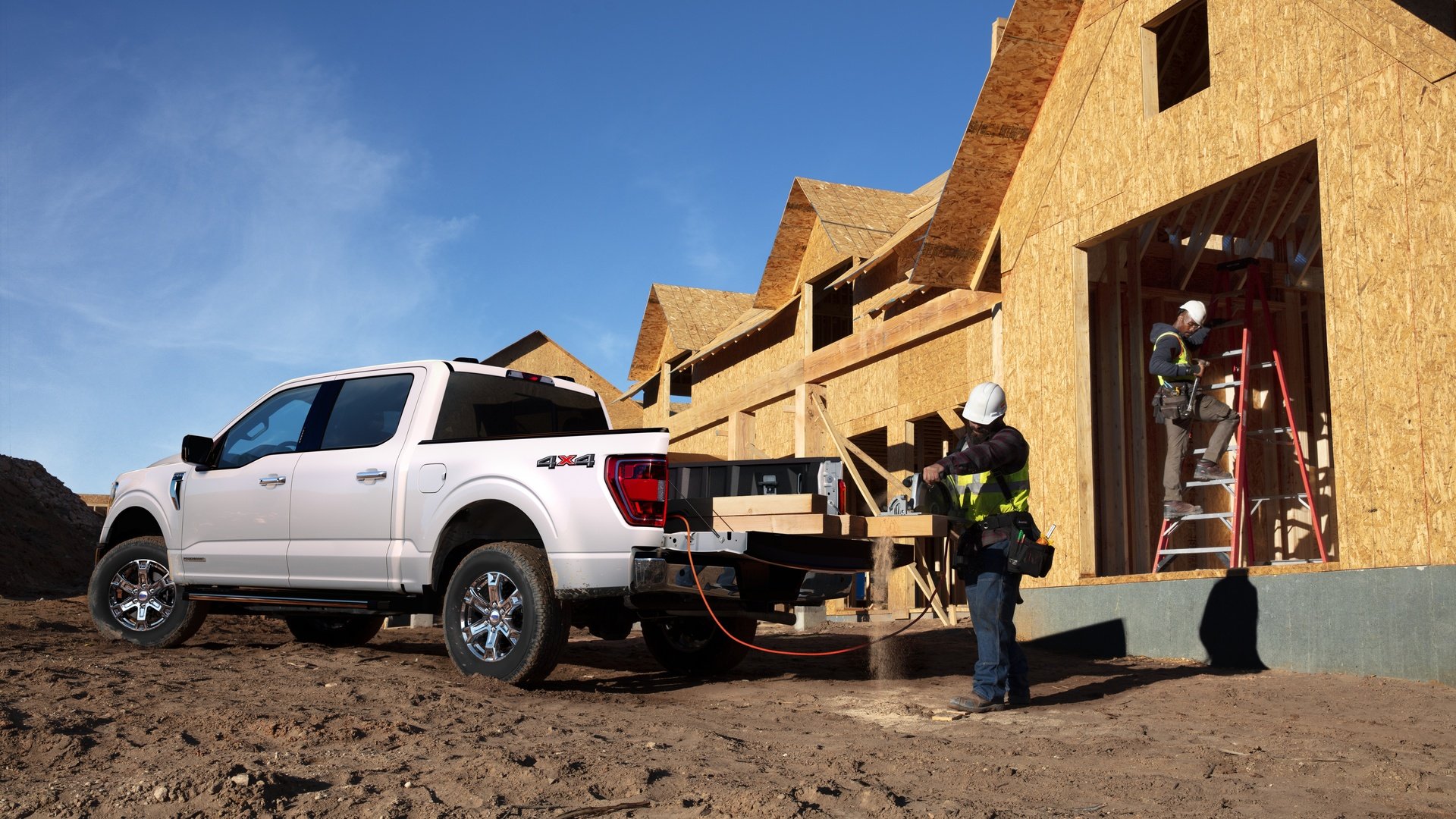
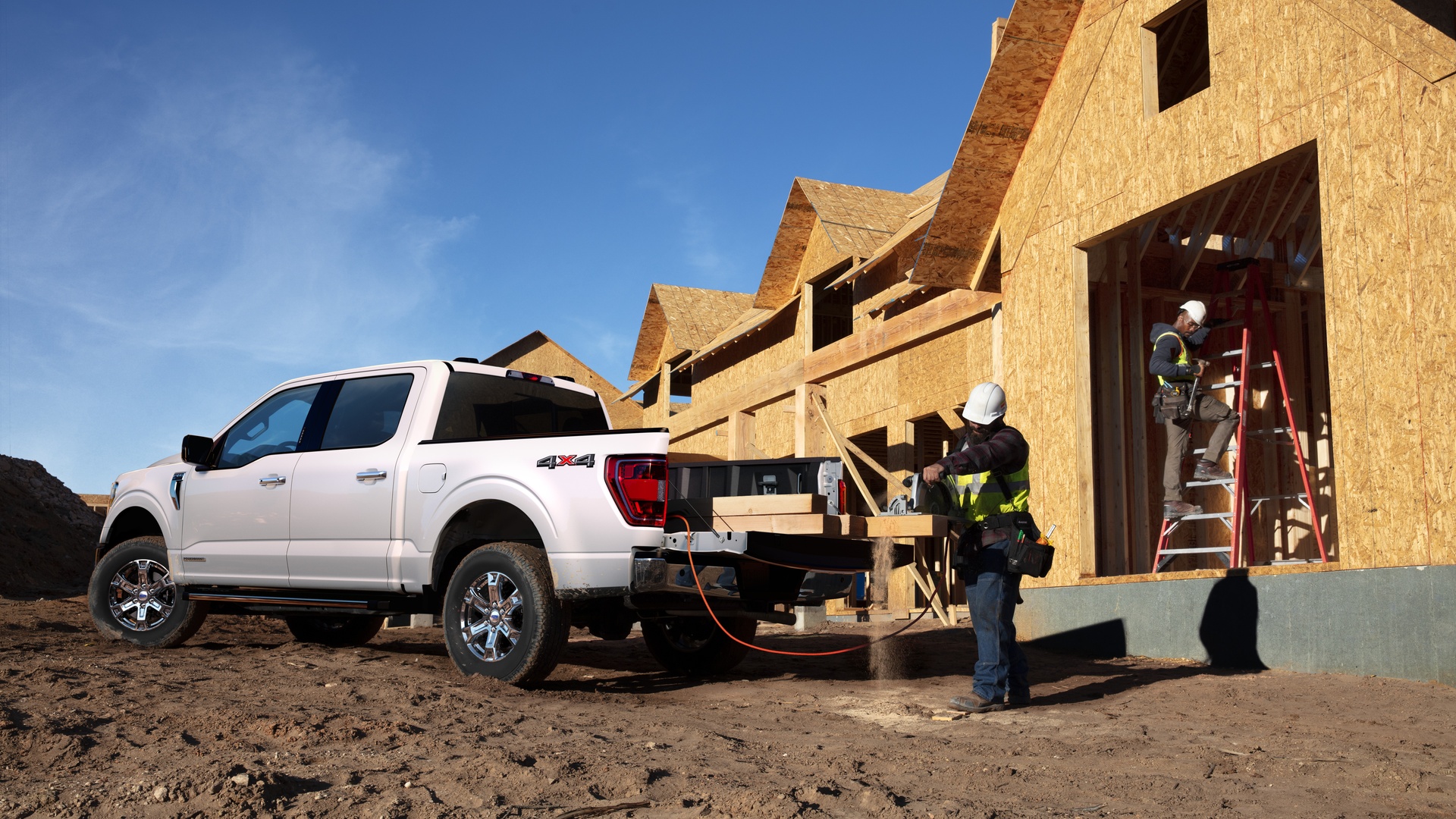 ProPower Onboard | Photo: Ford Motor Company
The Pro Power Onboard system, a novelty of this generation, generated its share of problems. “Service required – grounding fault” messages appear intermittently. This often occurs after humidity exposure or during cold starts. The system may become completely non-functional temporarily.
The SYNC 4 system is not without its faults either. Frequent freezes, CarPlay disconnections, and rear camera display issues are among the most commonly reported technology complaints. Ford has addressed several of these issues via over-the-air software updates.
On 2021 models, certain assembly defects were reported at delivery: uneven body panels, misaligned doors, and hood gaps. These issues are less frequent from the 2022 model year onward.
Official NHTSA Recalls
The 14th-generation F-150 has been subject to 62 official NHTSA recalls. Here are the main ones, ranked by importance and number of vehicles affected:
The highest-volume recall is for the electric parking brake (NHTSA 23V509 / Ford 23S35). Issued in 2023, it affects 870,701 US vehicles from model years 2021 to 2023 equipped with a simple exhaust system. The rear axle wiring harness can rub against the carrier and progressively damage – this can cause unintended activation of the electric parking brake while driving – a serious risk of loss of control. The fix is an inspection and harness clamp at the dealership, at no charge.
Rear axle bolts were subject to two successive recalls. The first (NHTSA 23V896 / NHTSA 23V896), covering model years 2021–2023, affects approximately 112,965 US vehicles equipped with the maximum towing package “Trailer Tow Max Duty” (9.75-inch axle). The second wave (NHTSA 25V512 / NHTSA 25V512) extends coverage to model years 2023 to 2025, adding approximately 103,174 additional US vehicles.
The axle bolts can fracture from fatigue while driving, causing spline wear and a wheel detachment risk. The fix is complete replacement of the rear half-shafts, at no charge. These two recalls cover approximately 216,139 US vehicles.
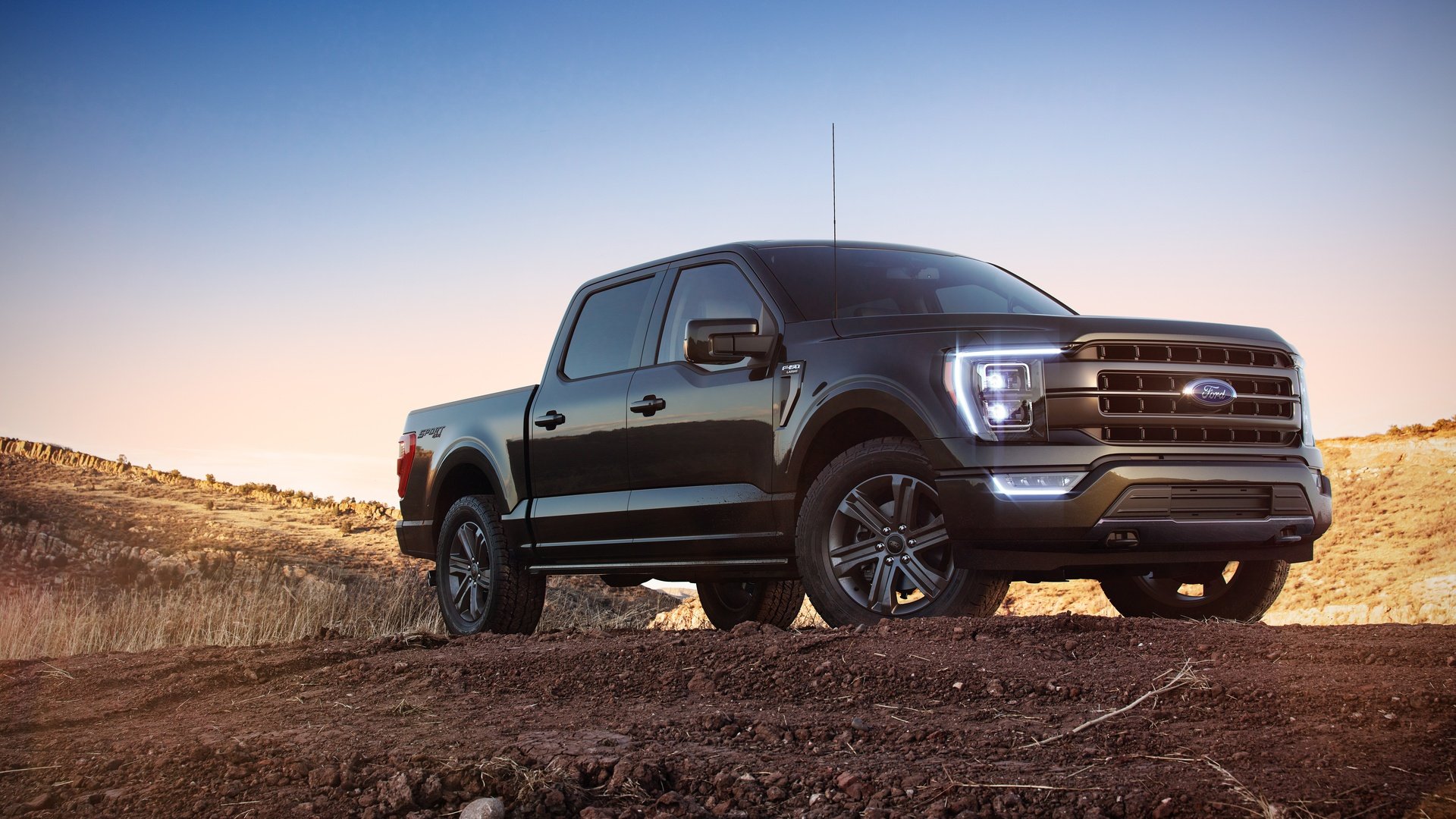
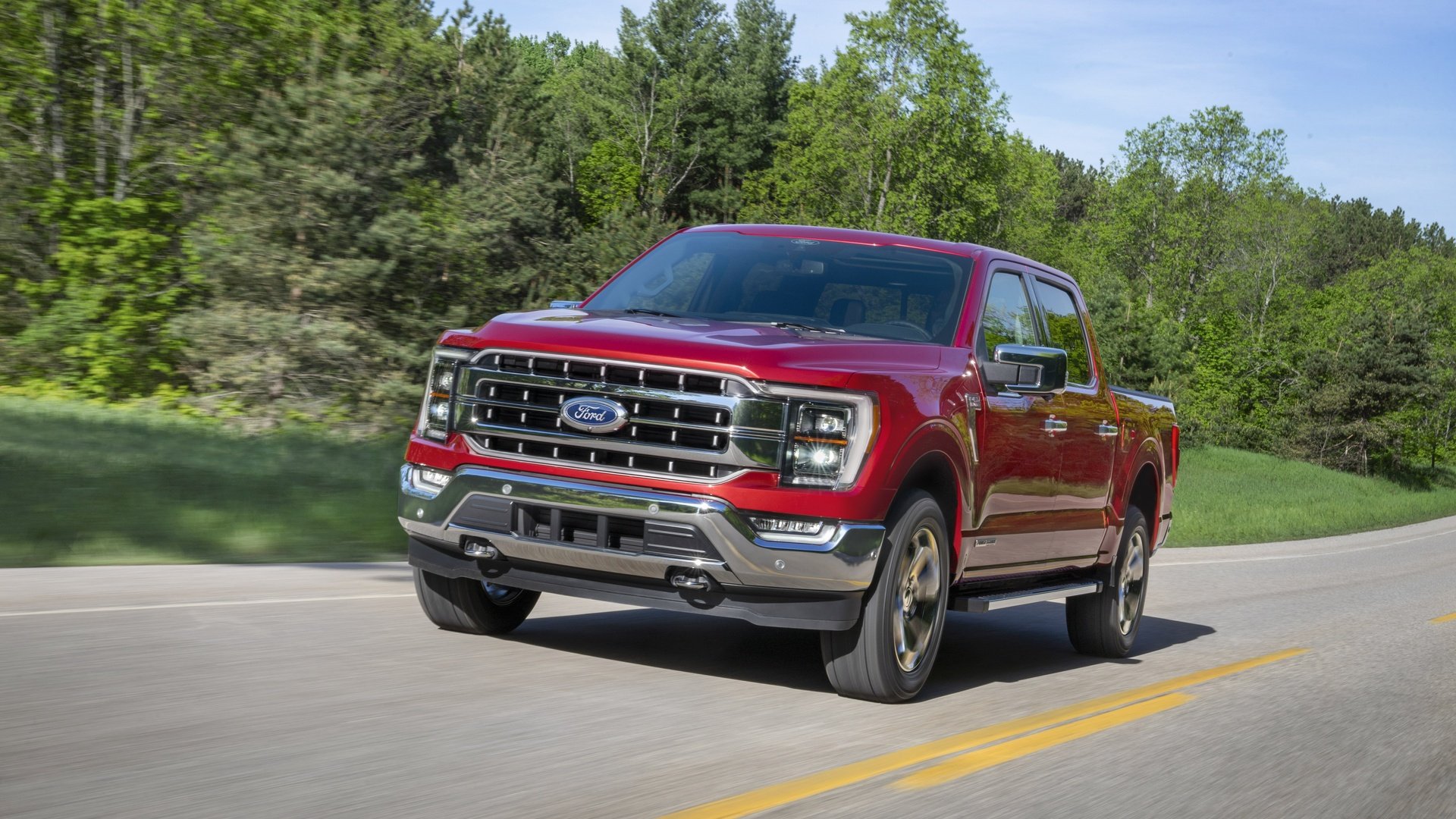
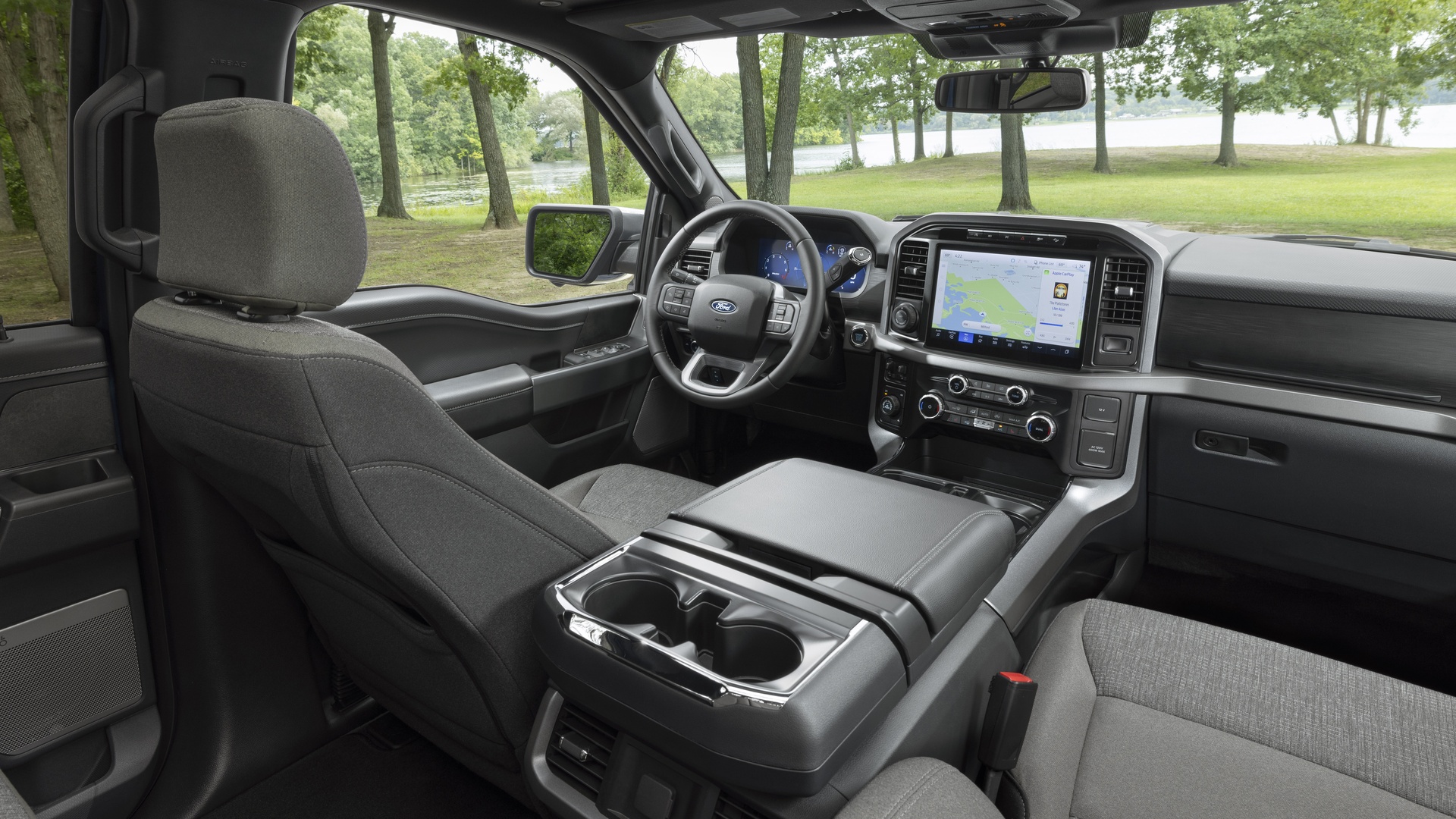 Ford F-150 XLT 2024
For 2021 models equipped with the 2.7L EcoBoost engine, NHTSA issued recall (NHTSA 24V635) (Ford 24S55 / NHTSA 24V635), affecting 90,736 US vehicles across all Ford/Lincoln brands combined. The intake valves may have been manufactured with a hardness defect making them brittle and prone to fracturing, causing a serious engine failure and accident risk. The dealership performs an engine cycle test; if anomalies are detected, the engine is replaced entirely, at no charge.
The 10R80 transmission was also targeted by two distinct recalls. The first (NHTSA 22V188 / Ford 22S15 / NHTSA 22V188) concerns approximately 47,084 US 2021 vehicles equipped with 2.7L, 3.5L or 5.0L engines without Auto Start-Stop. A PCM module programming error could cause an unexpected transmission drop to neutral in drive – sudden loss of propulsion. Fix: PCM reprogramming. A second recall (NHTSA 25V169) was then necessary for vehicles where the first repair had been poorly executed. Finally, a distinct recall (NHTSA 23V070 / Ford 23S06 / NHTSA 23V070) targeted a restricted lot of 2022–2023 trucks (~1,138 US vehicles) where a free-floating bolt inside the box could block the park pawl – the vehicle could move while the dashboard indicated “P”.
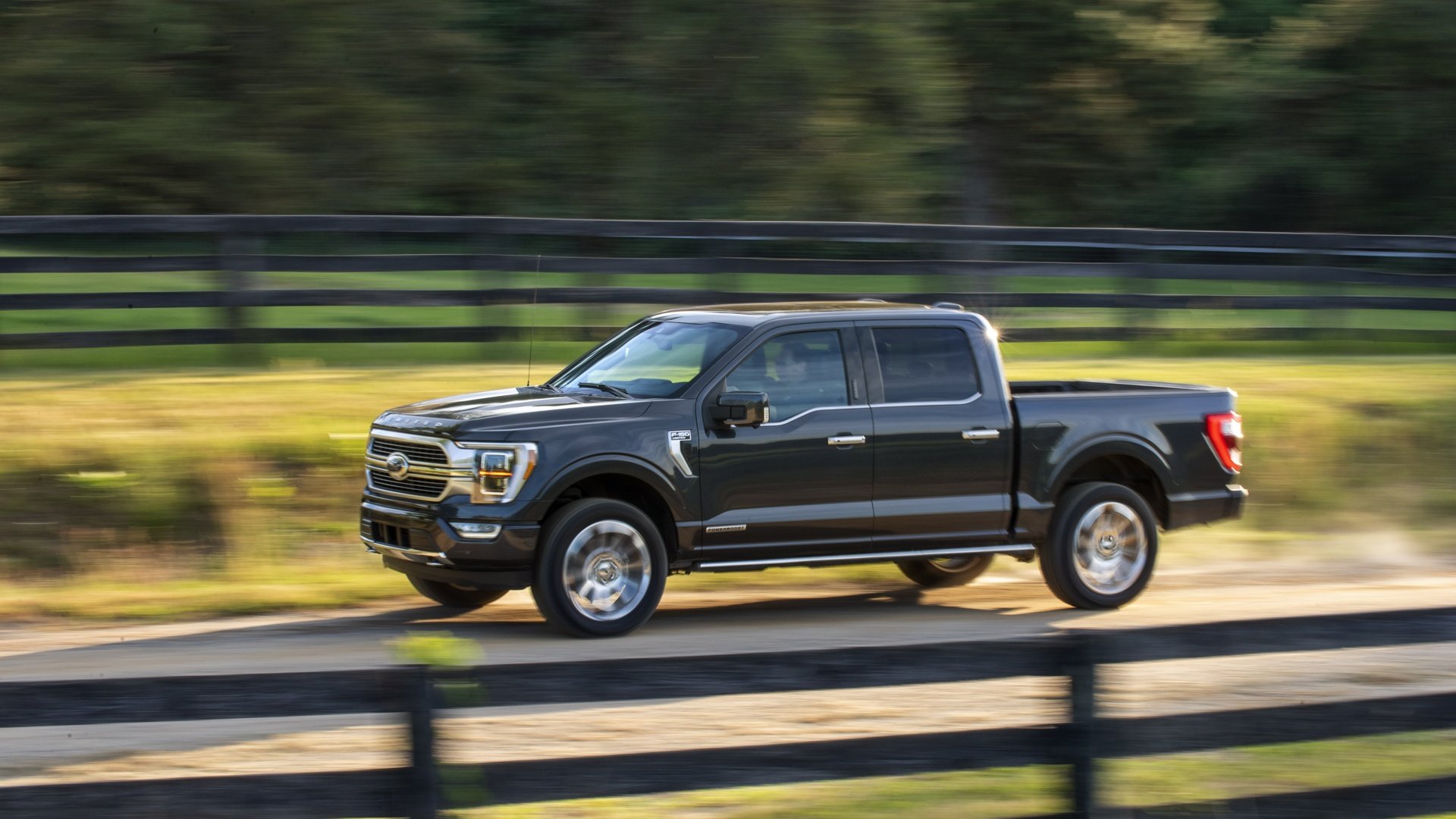
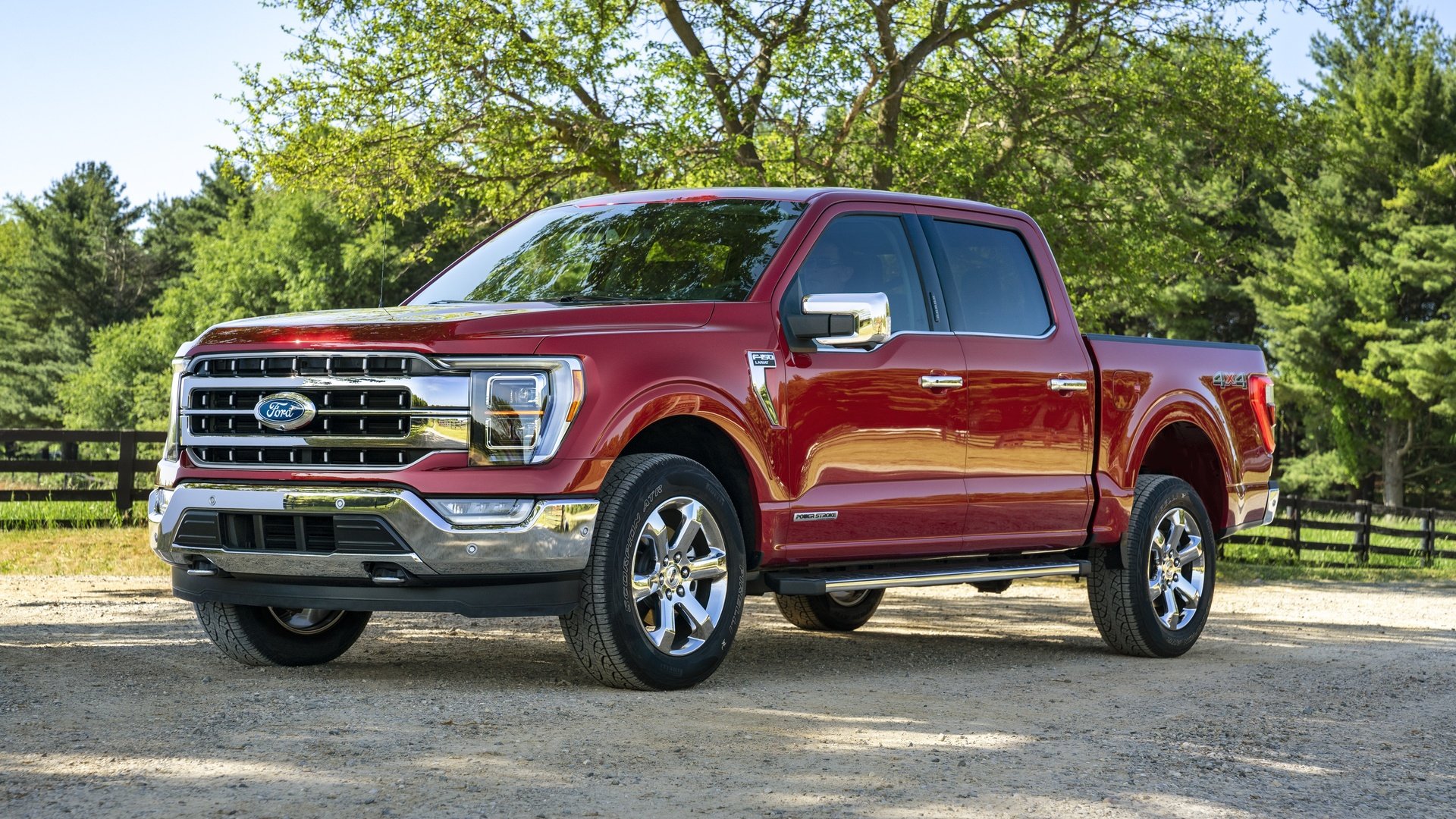
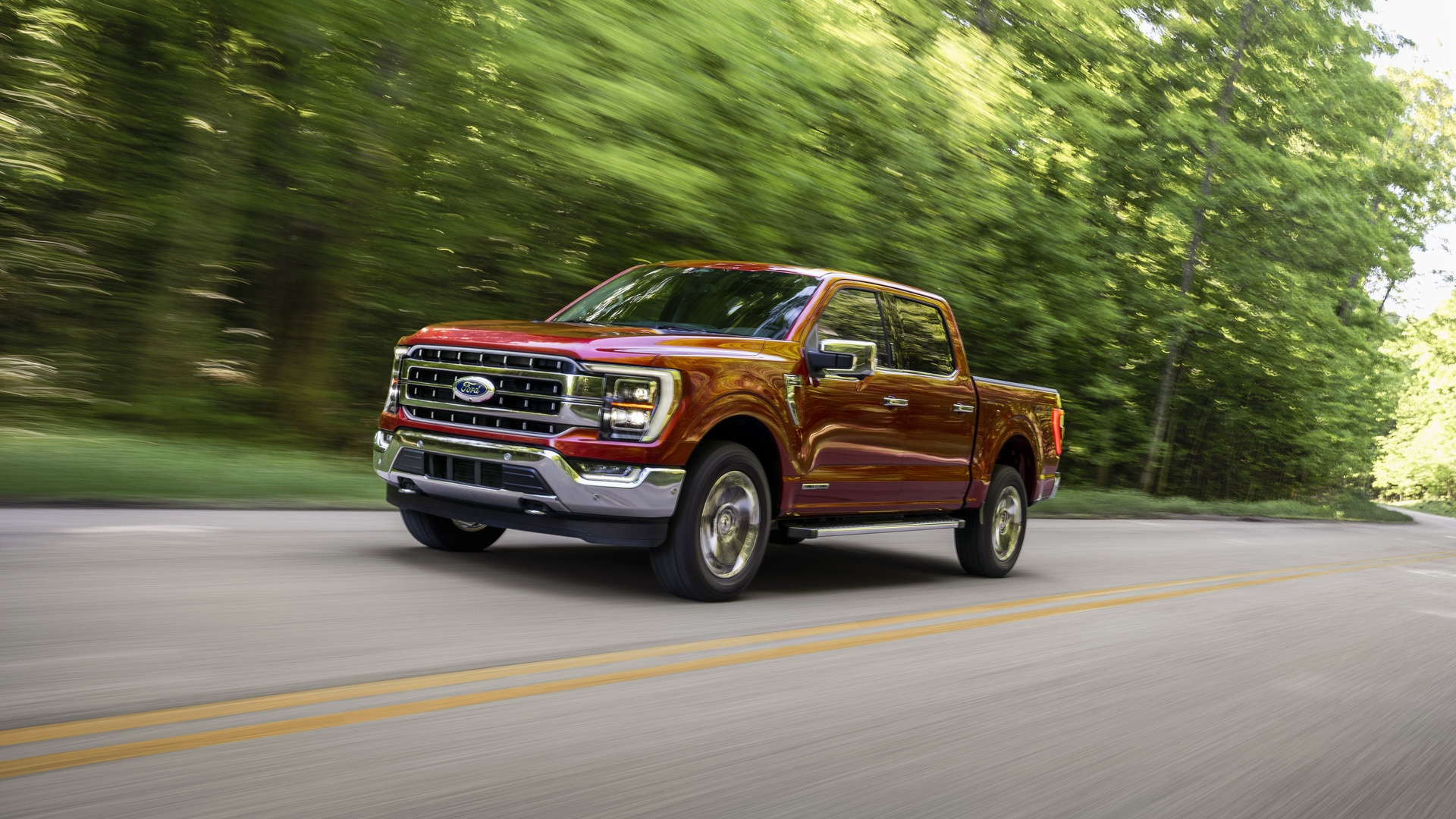 Ford F-150 XLT 2021 | Photo: Ford Motor Company
A more recent software recall (NHTSA 25V315) affects model years 2021 to 2024 and fixes a bug that could prevent the backup camera image from displaying or cause it to freeze during reverse. The update is performed free of charge at the dealership.
In summary, the 14th-gen F-150 is not limited to one or two isolated recalls – it has accumulated about ten with NHTSA for the 2021–2025 period alone. If you’re shopping for a used model, systematically check open recalls by entering the vehicle’s VIN at www.nhtsa.gov/recalls.
What Owners Say
On the forums, owners first point to assembly quality. Uneven body panels between doors, hood and fenders are frequently reported, sometimes from delivery. Some describe deformed door panels after a few months of use. The SYNC 4 screen is also criticized for intermittent freezes and frequent CarPlay disconnections via wireless.
In winter, several US owners mention unstable idle speeds and transmission clunking noises on cold first starts. On the positive side, towing capacity, heated seat comfort, and the versatility of the Pro Power Onboard on job sites are unanimously praised. Ford’s after-sales service is, however, a recurring source of frustration, with parts supply delays considered excessive.
To Conclude
The 14th-generation F-150 remains a very capable pickup truck, particularly from the 2023 model year onward, where Ford corrected the majority of launch irritants. If you’re shopping for a used model, avoid early 2021 models, especially in PowerBoost or 2.7L EcoBoost versions. Systematically check open recalls at www.nhtsa.gov/recalls using the vehicle’s VIN. Pay particular attention to the electric parking brake recall if you’re looking at a 2021–2023 model. Also make sure the rear axle bolts have been replaced if the truck is equipped with the maximum tow group. Safe travels!