

 One of Japan’s oldest carbuilders, Mitsubishi Motors currently has a very small presence in the North American market, at least compared to some other automotive brands.

It thrived in the 1970s and 1980s in our market, first through a partnership with the Chrysler Corporation, then by expanding its own dealership network in the United States first, then in Canada. It offered a wide variety of vehicles equipped with the latest technological features and sophisticated powertrains, but then started a slow downward slide as the company revised its North American lineup with domestically engineered and built products, while some bad corporate decisions tainted the brand’s reputation and affected its bottom line.

Part of the Renault-Nissan-Mitsubishi Alliance, Mitsubishi has been slowly reinventing itself, and sales are on the uptick in our market, despite a small lineup of vehicles. Thanks to great warranty coverage and a good reputation for reliability, Mitsubishi is known for offering durable cars and crossovers.
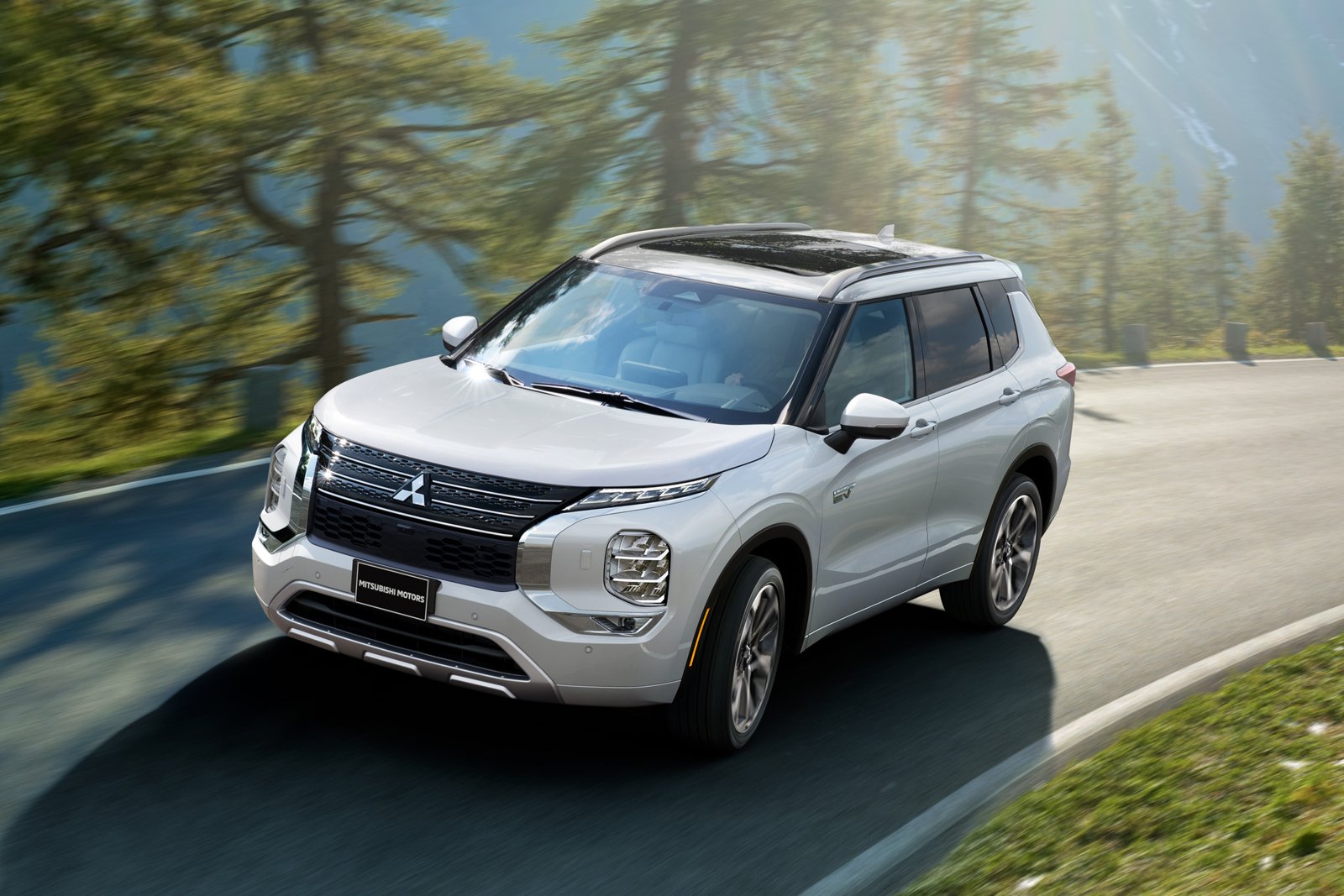
The latest-generation Mitsubishi Outlander is a sign of happier times, and its availability of a plug-in hybrid powertrain is definitely a reason for getting consumers’ attention. The brand will now have to build on that interest by introducing some all-new products, which would be welcome as the rest of its current lineup is getting a little long in the tooth. With little new products on tap, consumers might not be visiting dealership showrooms as much as the brand would like.
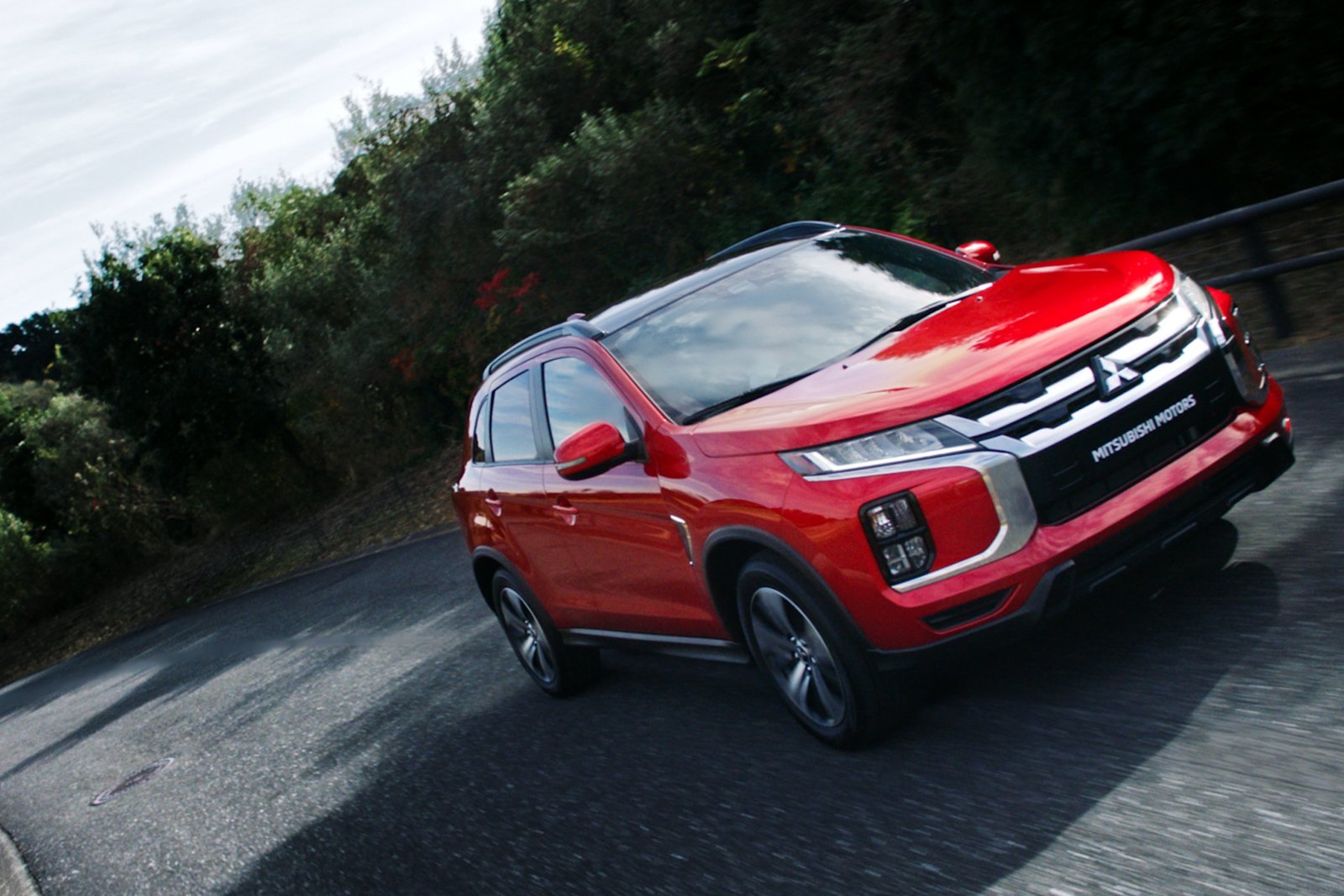
Back in 2023, the company announced that 16 new models will be introduced worldwide by 2028, although there is no confirmation on how many of them will reach the North American market. There are rumors of another hybrid or plug-in hybrid crossover on the way for our market, in addition to the eventual return of a pickup truck, which the brand hasn’t sold in our market for many years since it pulled the plug on the Dodge Dakota-based Raider after the 2009 model year. This potential new model could be fully electric.
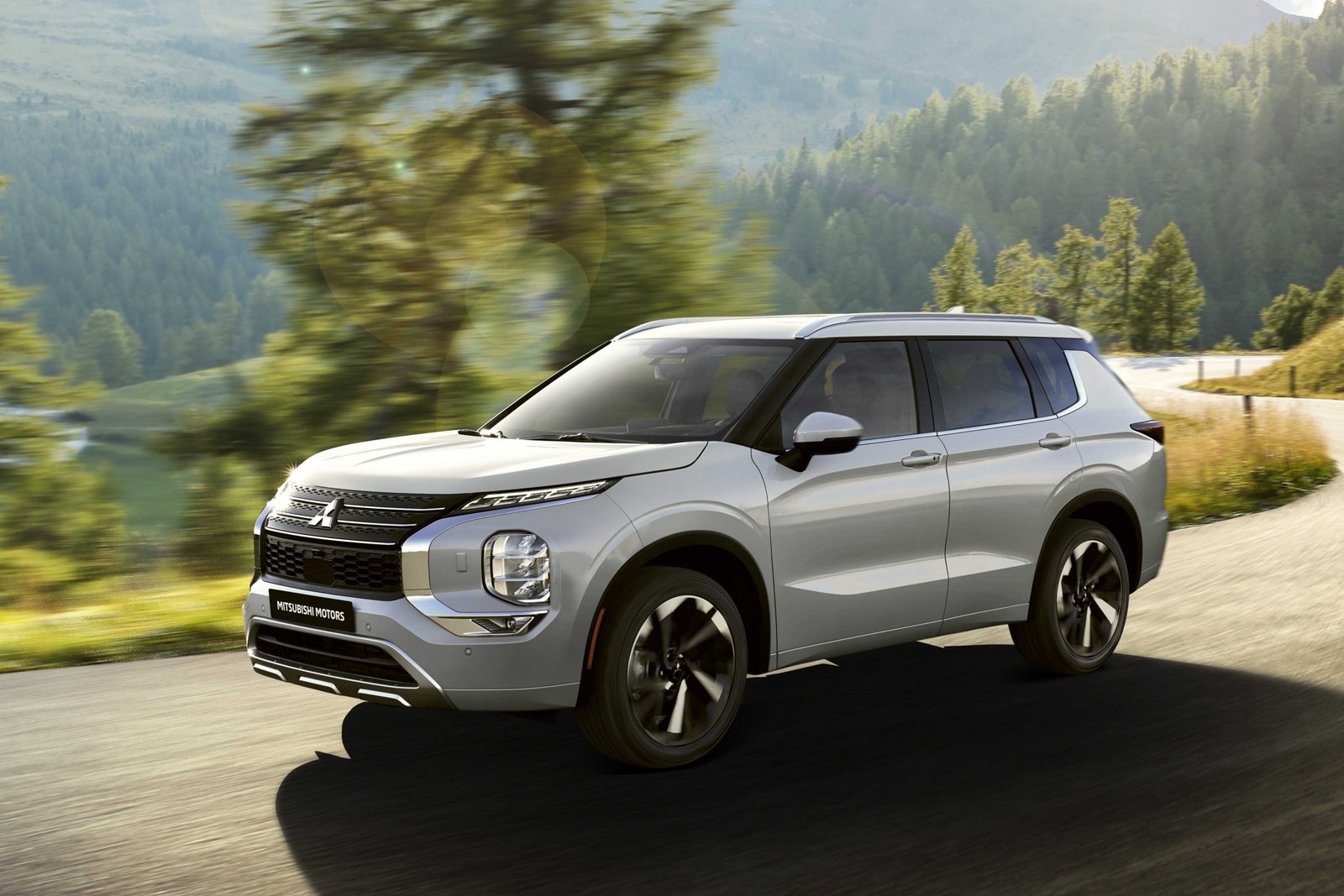
The biggest challenge ahead, at least for the company’s North American market presence, is also to expand its lineup to cover more vehicle segments, as it has in the past, while still pursuing most automakers’ goal of boasting a selection of fully electric models.
Current Mitsubishi Model Lineup
The brand’s U.S. and Canadian lineups currently consist of the Mitsubishi Mirage city car as well as the Mitsubishi Outlander Sport/RVR, Mitsubishi Eclipse Cross, Mitsubishi Outlander and Outlander PHEV crossovers.
Mitsubishi History
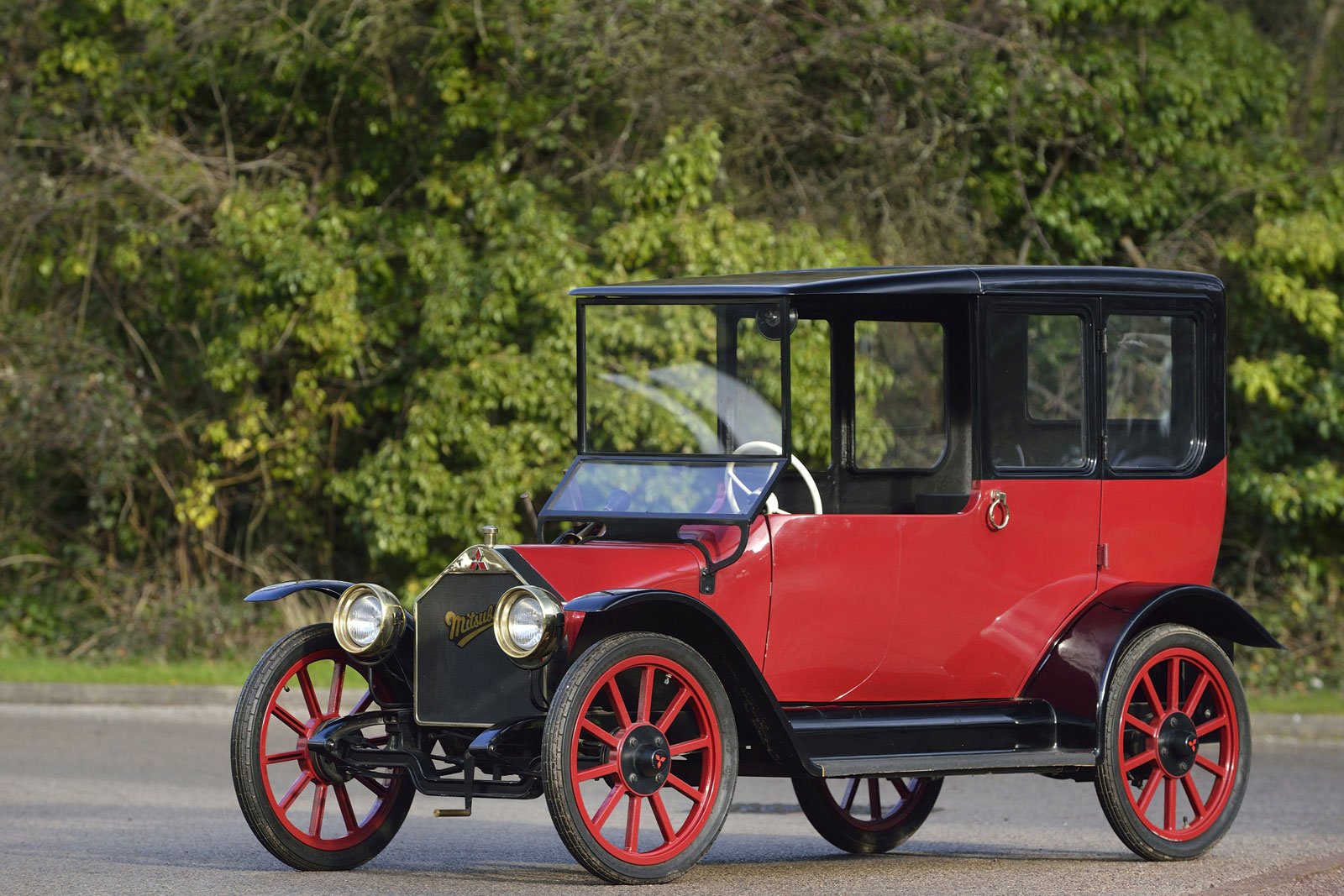
The Mitsubishi brand has been present in the North American market since the 1980s, but the company itself has been around for more than a century. In fact, after its foundation as a shipping firm by Yatarō Iwasaki in 1870, it quickly diversified its operations as a shipbuilder, an insurance company, a trading company and even coal mining, among others. It launched its very first automobile back in 1917, called the Mitsubishi Model-A, which was Japan’s first production car, and 22 units were built through 1921.
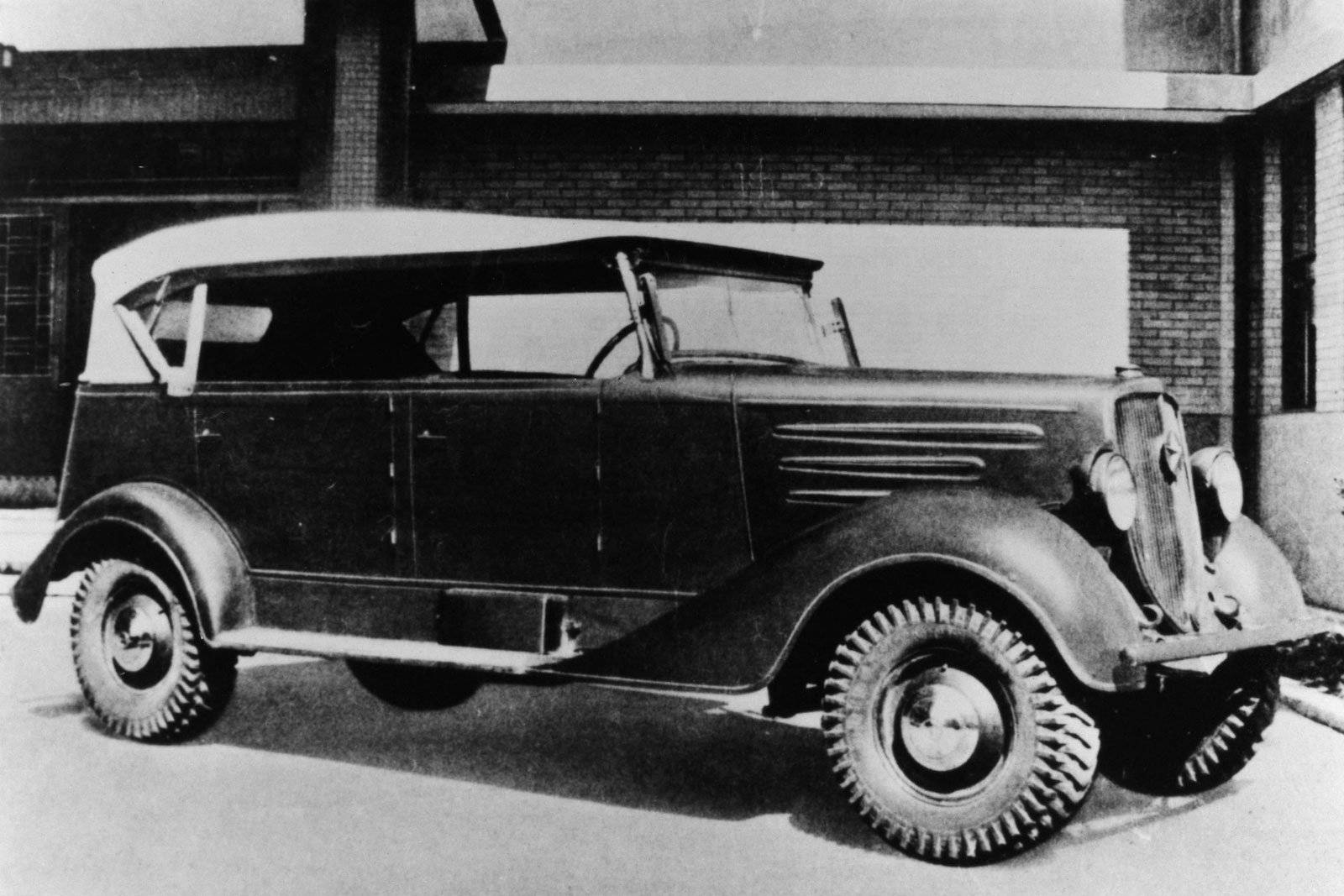
The conglomerate’s automotive business didn’t continue its activities until 1937, when the Mitsubishi PX33 prototype was created for military purposes, which was the country’s first four-wheel-drive passenger car.
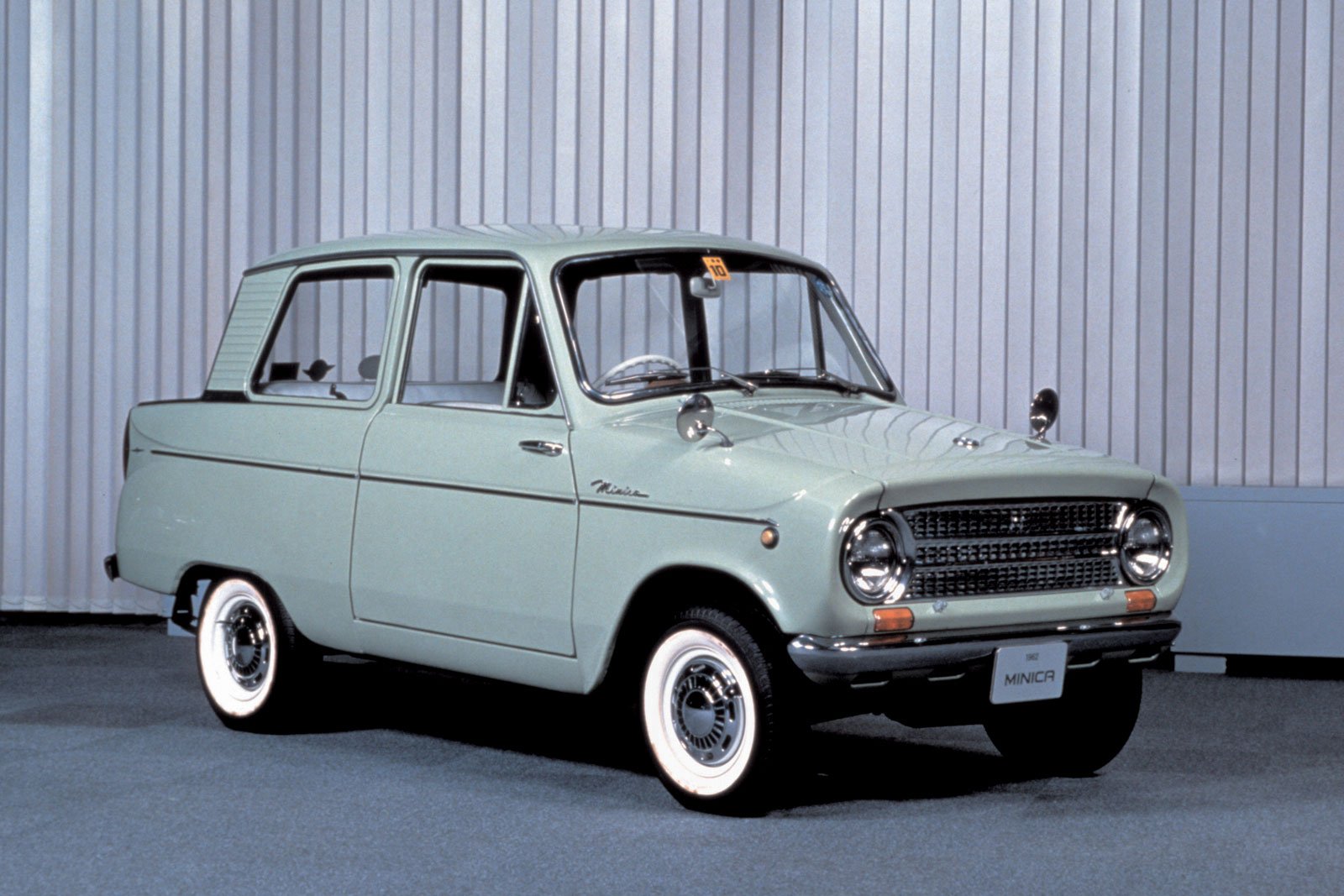
After World War II, Mitsubishi’s various companies imported knock-down kits of the American Kaiser Henry J and Jeep CJ-3B, before developing its own new mass-market cars in the Sixties such as the Mitsubishi 500 sedan, the Mitsubishi 360 van and pickup truck, the Mitsubishi Minica city car, the subcompact Mitsubishi Colt, the Mitsubishi Debonair luxury sedan, the compact Mitsubishi Galant as well as the Mitsubishi Delica in van and pickup truck configurations. The brand started competing in motorsports events in the sixties as well.
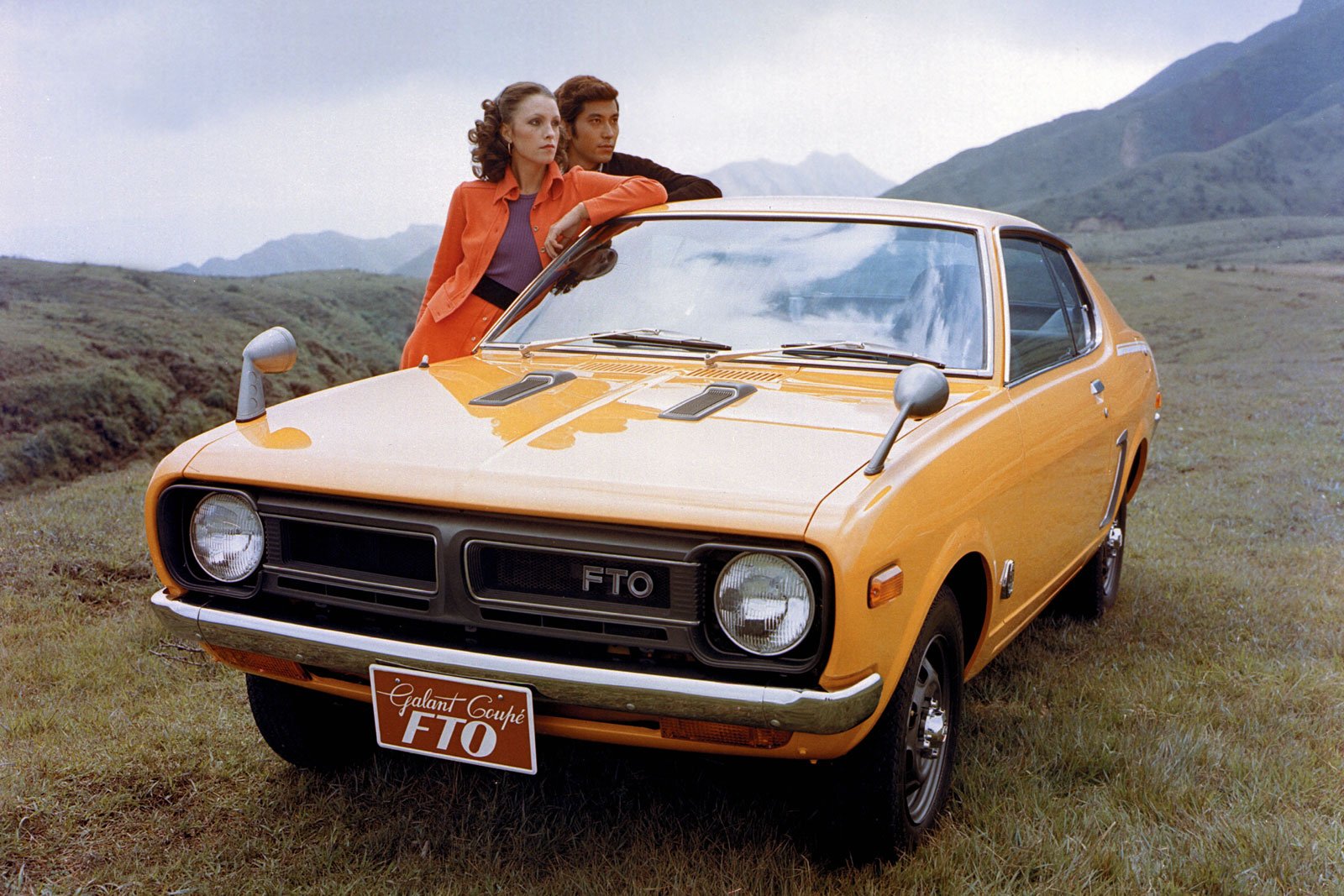
The Mitsubishi Motors Corporation, newly formed in 1970, launched the Mitsubishi Lancer in 1973 and the Mitsubishi L200/Triton pickup in 1978. It established a partnership with the Chrysler Corporation, allowing the latter to sell the Japanese brand’s vehicles in North America, including the Dodge Arrow, Dodge Colt, Dodge Challenger, Plymouth Arrow and Plymouth Sapporo as rebadged Galant and Lancer variants. Mitsubishi began selling its vehicles in Europe using its Colt branding in the ‘70s, and expanded its operations in Australia, Malaysia, Thailand and the Philippines in the ‘80s. The company started competing in rally events during the ‘70s, eventually leading to the establishment of the Ralliant high-performance division.
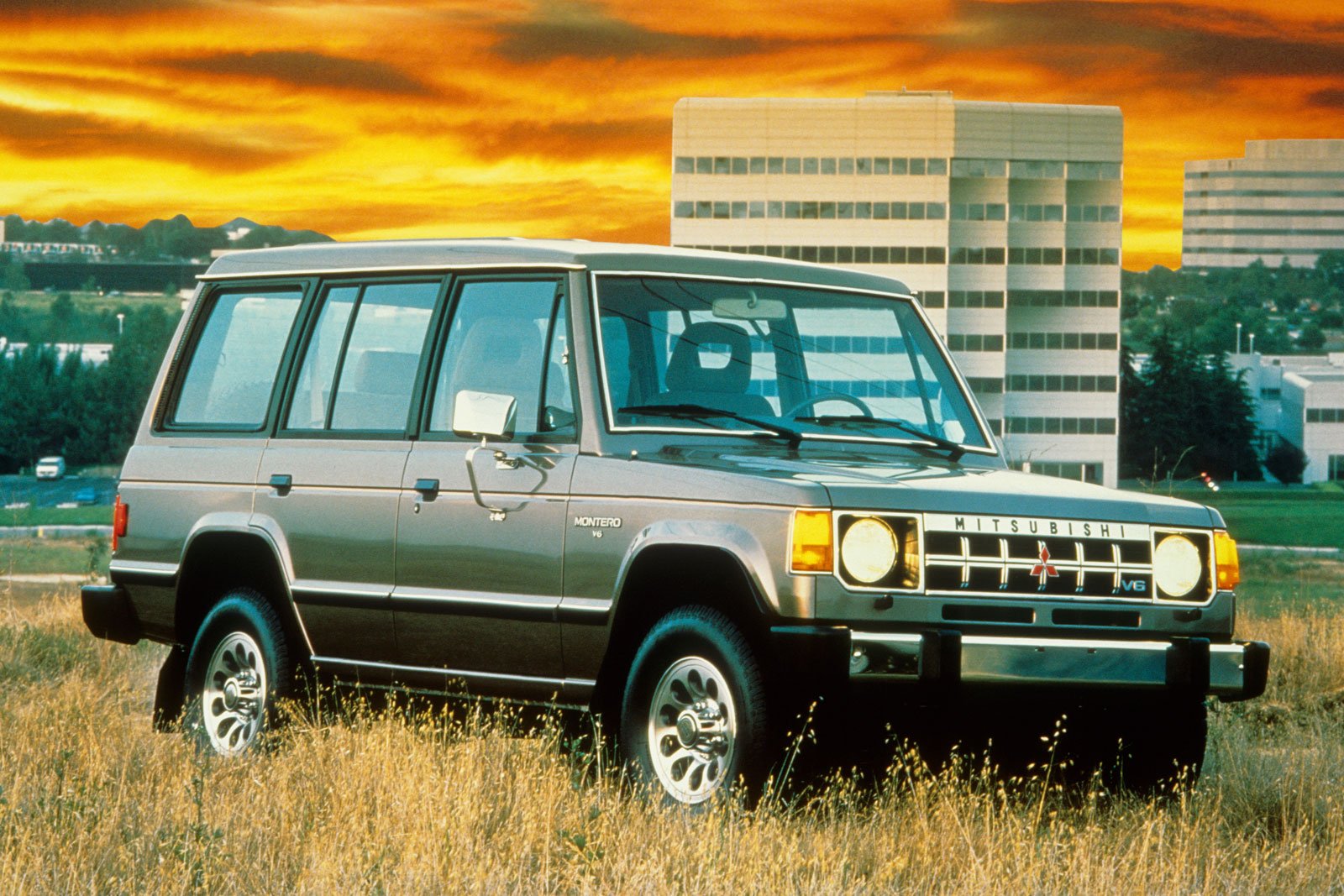
The brand first appeared in the United States in 1982, introducing models such as the Mitsubishi Cordia coupe, the Mitsubishi Tredia sedan and the Mitsubishi Starion sports car. They were followed by the Mitsubishi Galant, the Mitsubishi Galant Σ/Sigma, the Mitsubishi Mirage, the Mitsubishi Precis (a rebadged Hyundai Excel), the Mitsubishi Mighty Max pickup and the Mitsubishi Montero SUV–also called the Mitsubishi Pajero in other markets. During the decade, most of these models could also be found in various Chrysler Corporation showrooms as the Chrysler Conquest (Starion), the Dodge/Plymouth Colt and Eagle Vista/Summit (Mirage), the Canada-only Dodge/Eagle 2000GTX (Galant), the Dodge D50/Ram 50 (Mighty Max) and the Dodge Raider (Montero).
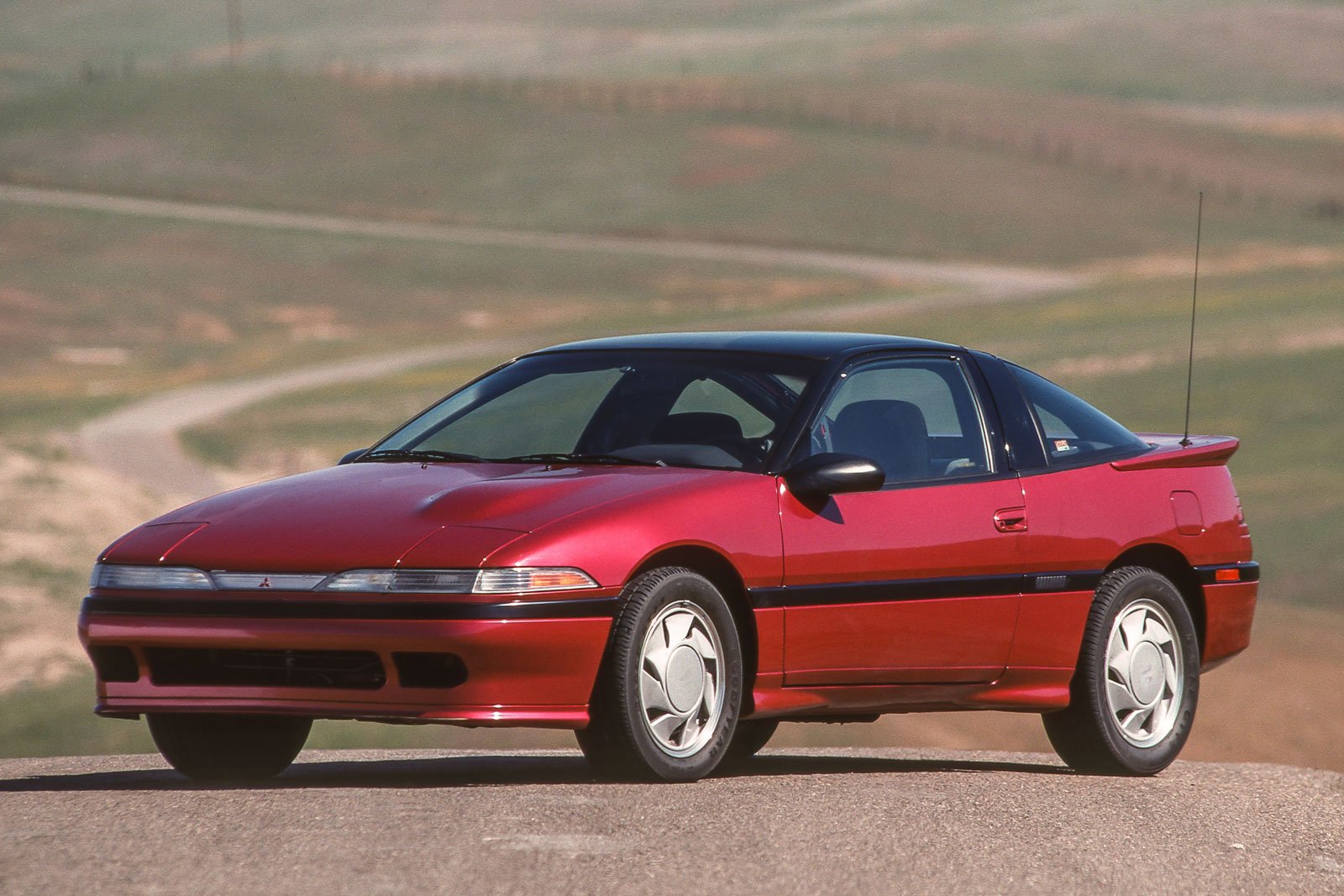
The brand also launched performance-focused variants of its models in the 80s, such as the Mitsubishi Mirage Turbo, the Mitsubishi Galant GS and the Galant VR-4. Diamond-Star Motors was incorporated in 1985 in collaboration with Chrysler, which included the establishment of a factory in Normal, Illinois. That assembly plant started manufacturing the Mitsubishi Eclipse alongside the Eagle Talon and Plymouth Laser sports cars. Mitsubishi bought out Chrysler’s share of Diamond-Star motors in 1991.
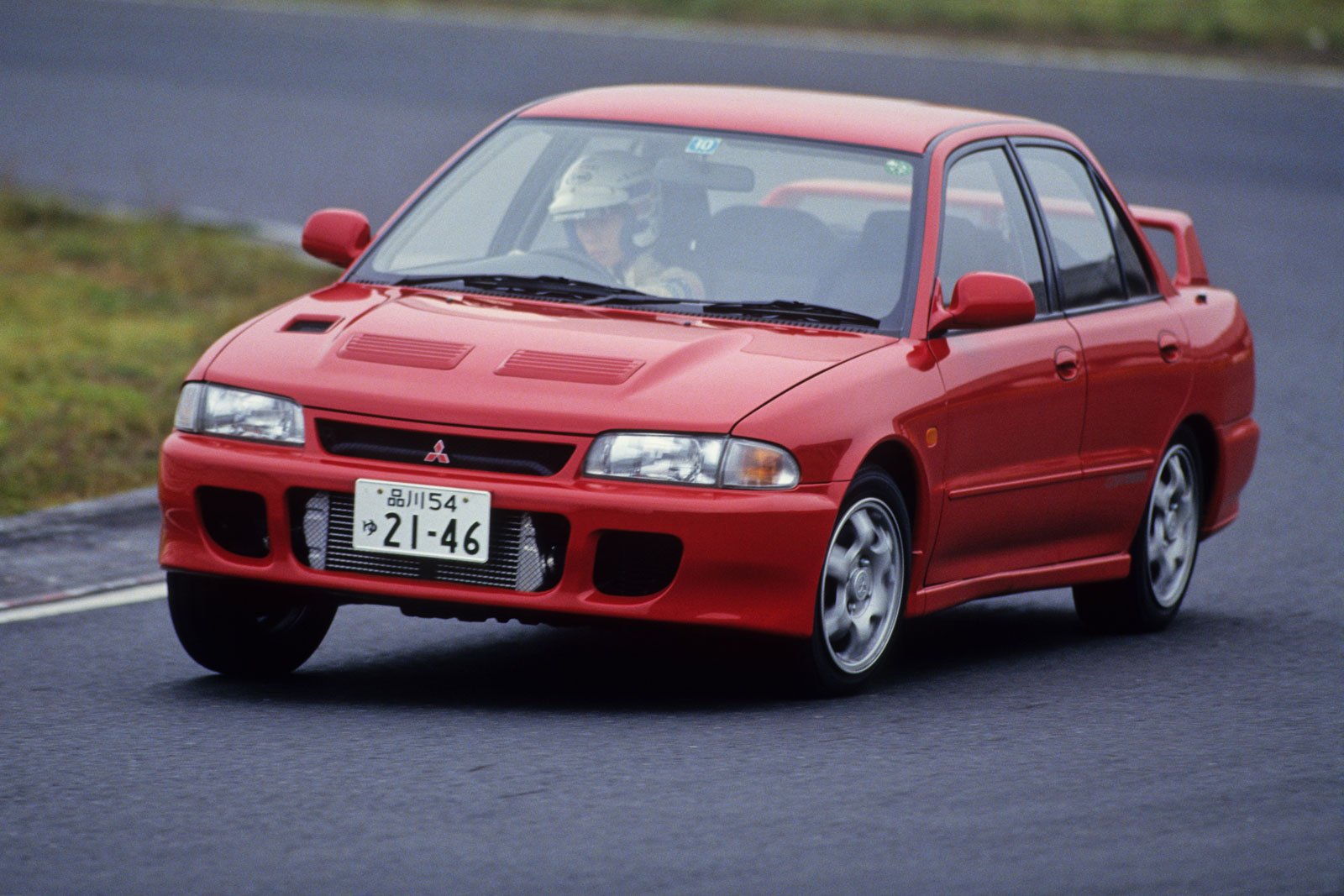
In 1990, Mitsubishi developed the world’s first electronically controlled traction control system, which is now a standard feature in every passenger vehicle sold in the U.S. and Canada. The iconic Mitsubishi Lancer Evolution’s first iteration launched in 1992, and quickly won WRC, track racing and hill climb titles. In 1999, the fully electric Mitsubishi FTO-EV prototype earned a Guinness world Record by traveling 2,000 km in 24 hours.
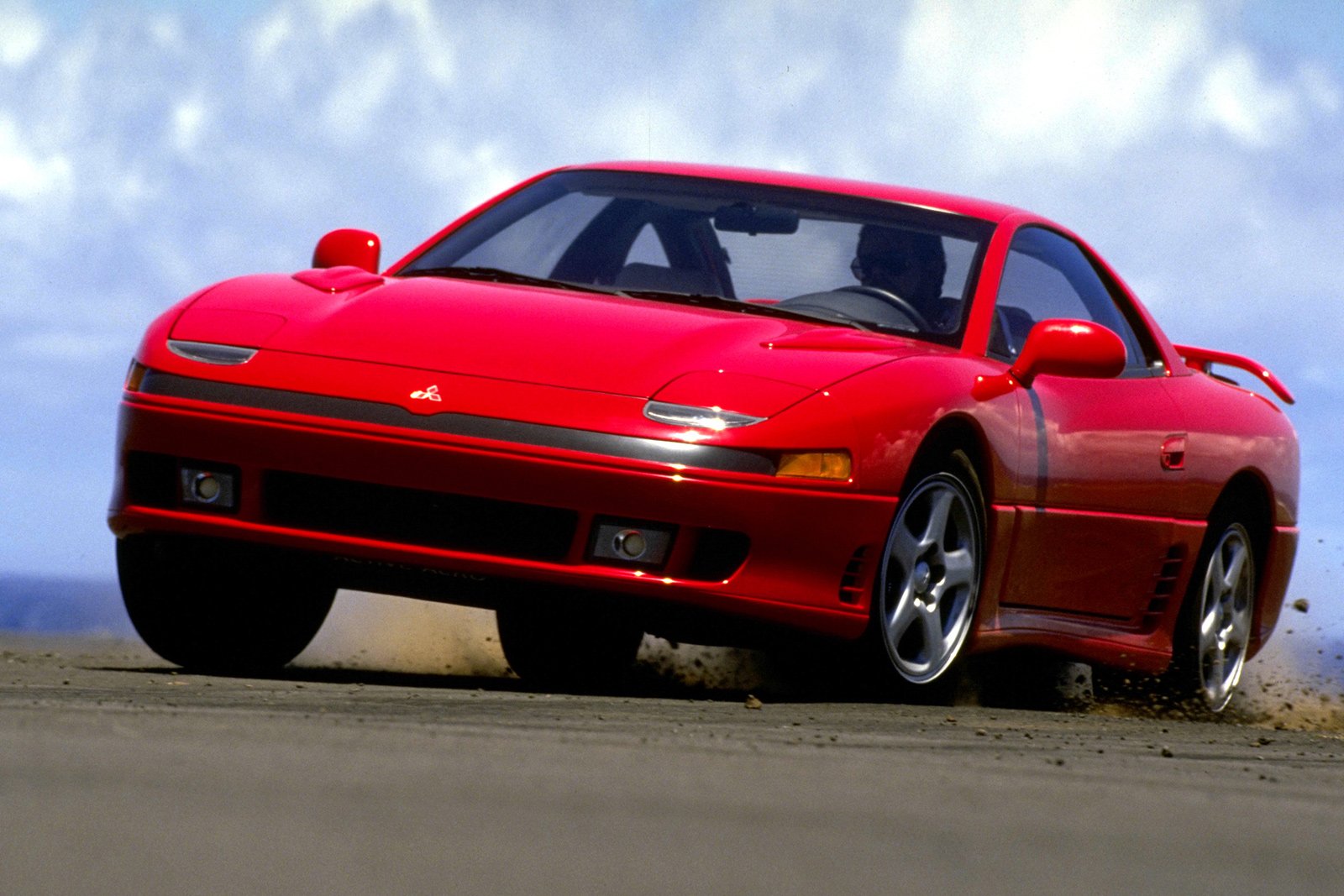
During the Nineties in the United States, the brand introduced the Mitsubishi Expo and Expo LRV multipurpose vehicles, the Mitsubishi Diamante midsize sedan, the Mitsubishi 3000GT sports car and the Mitsubishi Montero Sport utility vehicle. After the turn of the century, the Mitsubishi Lancer sedan launched as a 2002 model, while the Lancer Sportback wagon appeared for 2004. Both were available in the performance-focused Ralliart trim level.
In 2000, Mitsubishi Motors admitted to covering up 30 years of vehicle defects and customer complaints, leading to the recall of one million vehicles and a significant market value loss for the automaker. Soon thereafter, the merger between Chrysler and Daimler, DaimlerChrysler AG, acquired a controlling interest in Mitsubishi Motors in 2000, as the latter was considered to be an entry gate to the Asian market for the newly formed automaker. Financial difficulties and internal politics led to DaimlerChrysler unloading its stake in Mitsubishi in 2005. During that time, Mitsubishi Motors North America’s 2003 zero-down, zero-interest finance plan with deferred payments for 12 months led to a $454 million financial disaster for the company’s credit operations.
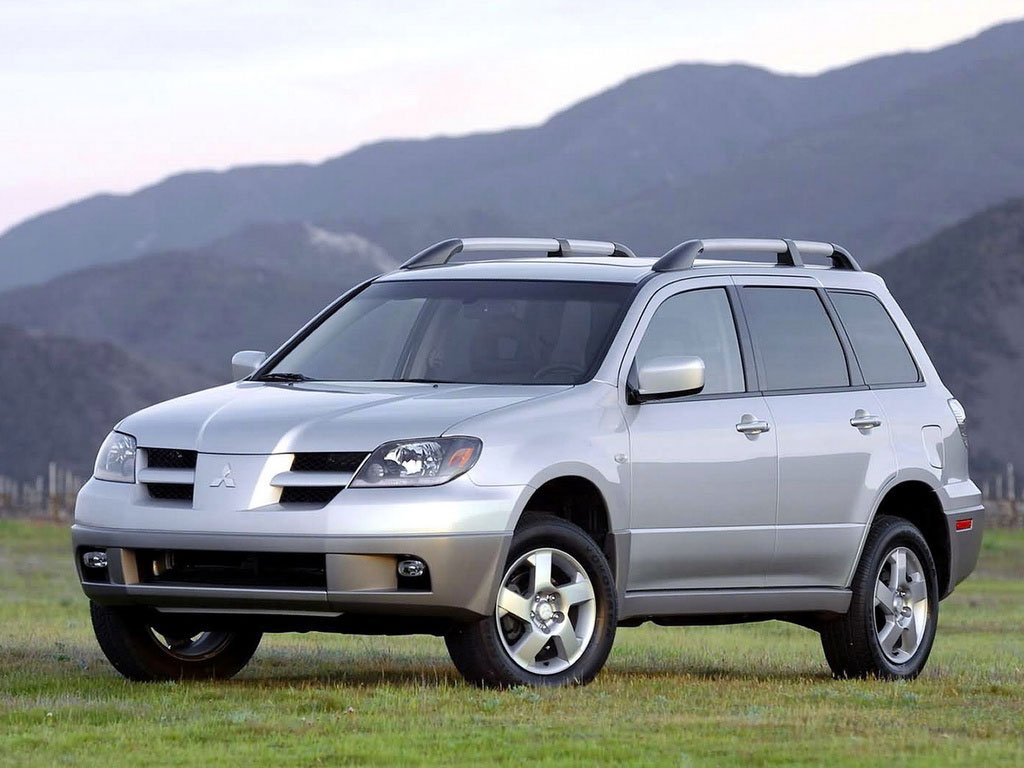
Mitsubishi finally arrived in Canada in 2002 with dealerships opening across the country. Two years later, the Canadian subsidiary launched its 10-year/160,000-km limited powertrain warranty, which still stands as the most comprehensive program in the country’s automotive market today.
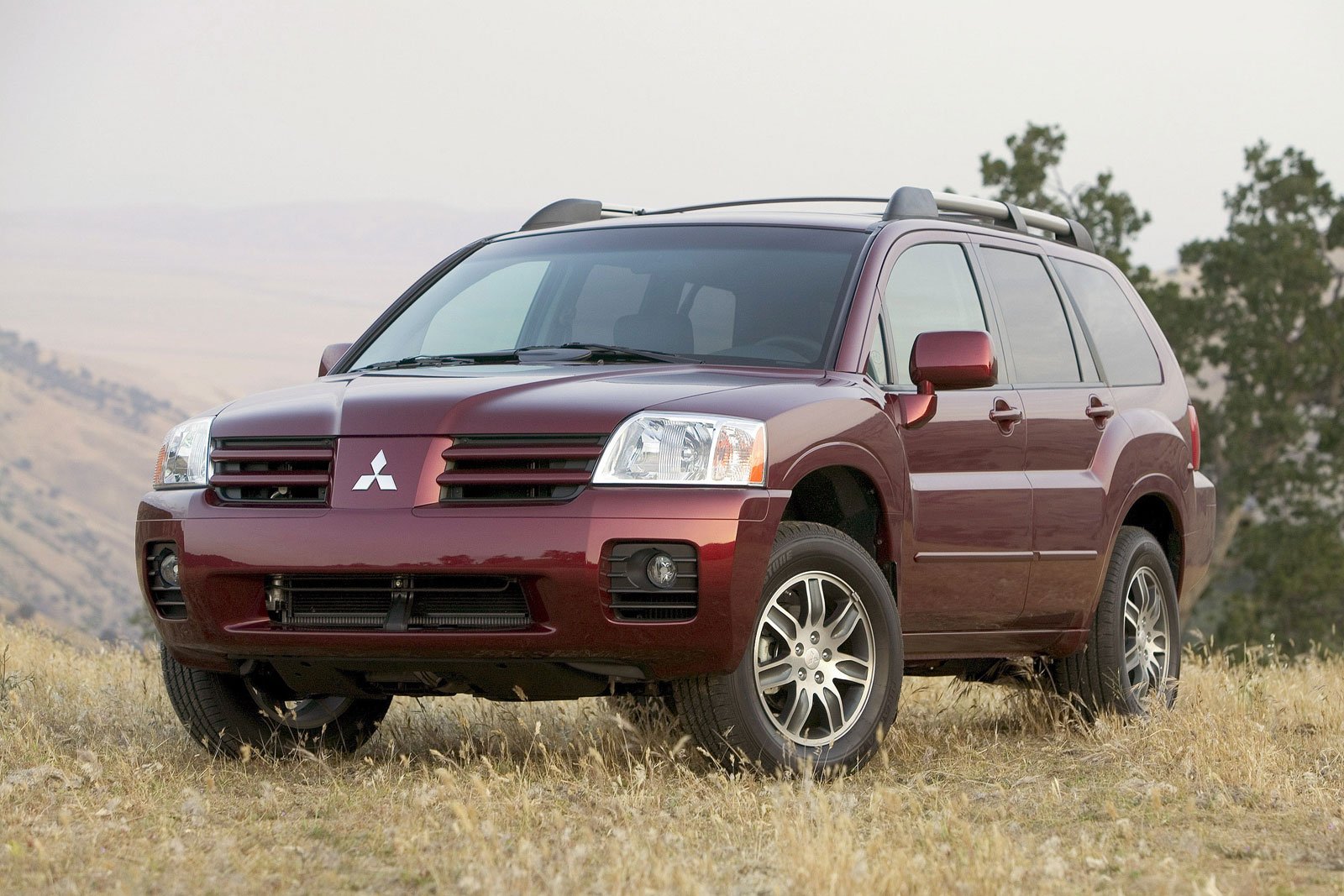
The company’s North American operations launched the Mitsubishi Endeavor midsize crossover and the ninth-generation Galant for 2004, along with the fourth-generation Eclipse coupe and convertible in 2006 and 2007, all based on the “Project America” platform. The new-generation Mitsubishi Lancer debuted as a 2007 model, followed by the mighty Lancer Evolution X for 2008–the first nine Evolution variants were never offered in North America–and the five-door Lancer Sportback. The Mitsubishi Outlander also launched for the 2004 model year as a replacement for the Montero Sport, though the latter was redesigned for markets outside of the U.S. and Canada, and was quickly followed by the second-generation Outlander for 2007. The Mitsubishi i city car was also introduced outside of North America.
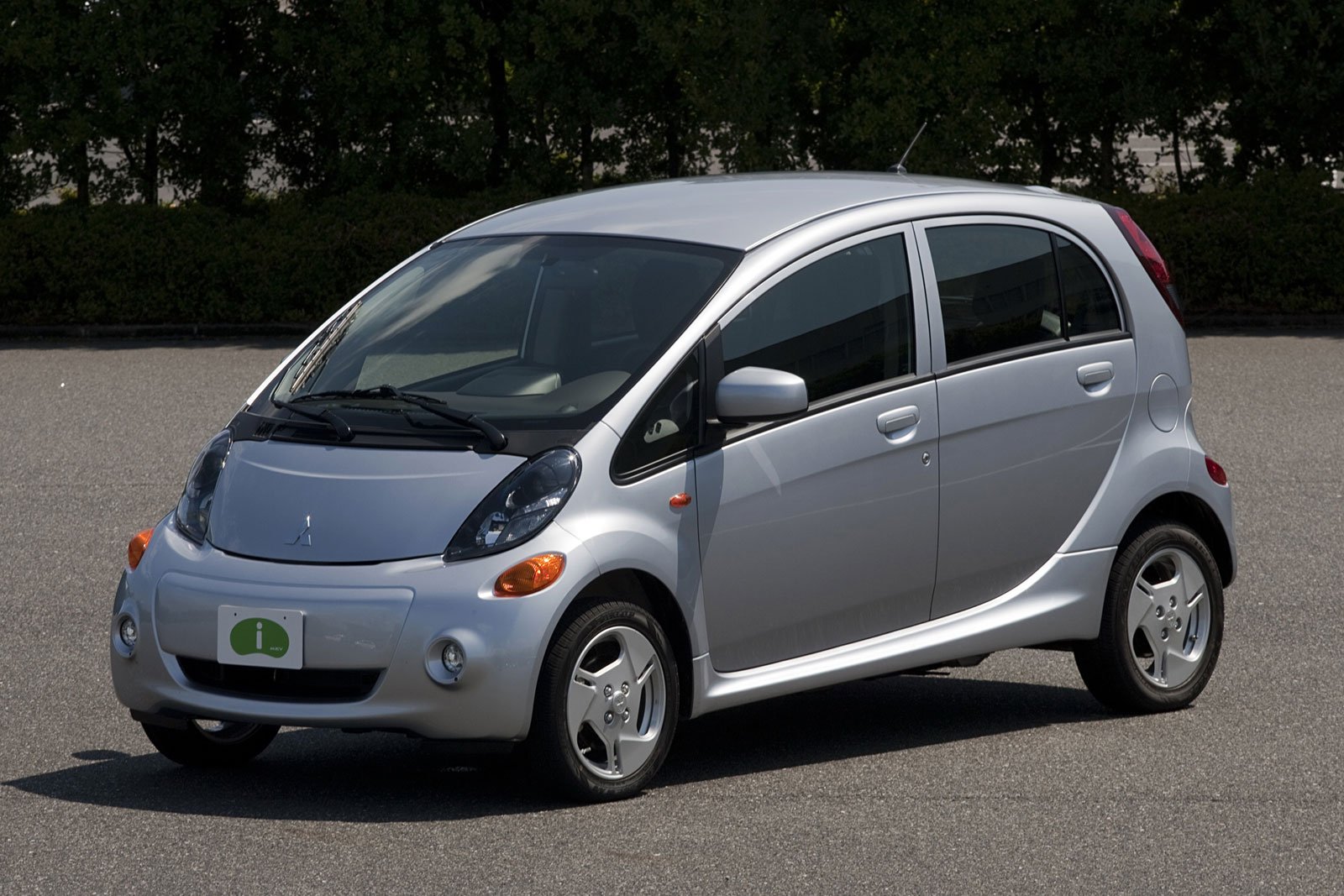
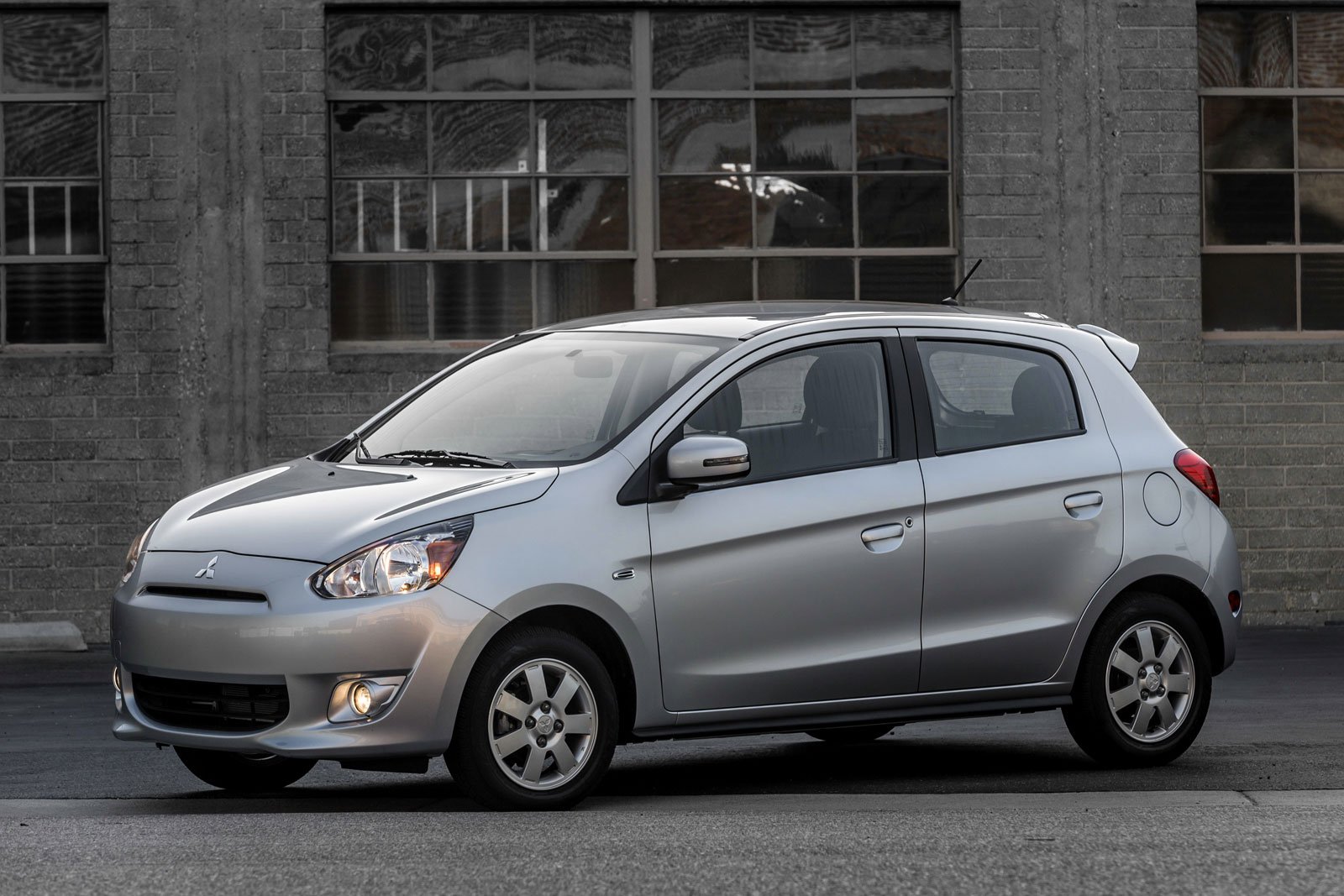
The 2010s brought some new models, such as the Mitsubishi Outlander Sport (U.S.) and RVR (Canada) for 2011, the third-generation Outlander for 2014 as well as the Mitsubishi Mirage for 2014, returning to the North American market as an affordable city car, followed by the Mirage G4 sedan. However, a significant model to arrive was the Mitsubishi i-MiEV, one of the first fully electric mass-production cars to hit the North American market for the 2012 model year.
The automaker closed its Normal, Illinois assembly plant in 2015, ultimately selling the facility to Rivian. In 2016, Mitsubishi admitted to falsifying fuel economy ratings for some of its domestic-market models, which were also sold as rebadged Nissan vehicles, and it was Nissan who uncovered the wrongdoings. Mitsubishi subsequently lost half of its market value–about 3.6 million USD–and a controlling 34% stake was acquired by Nissan, leading to the Renault-Nissan-Mitsubishi Alliance in late 2017, led by Chairman Carlos Ghosn.
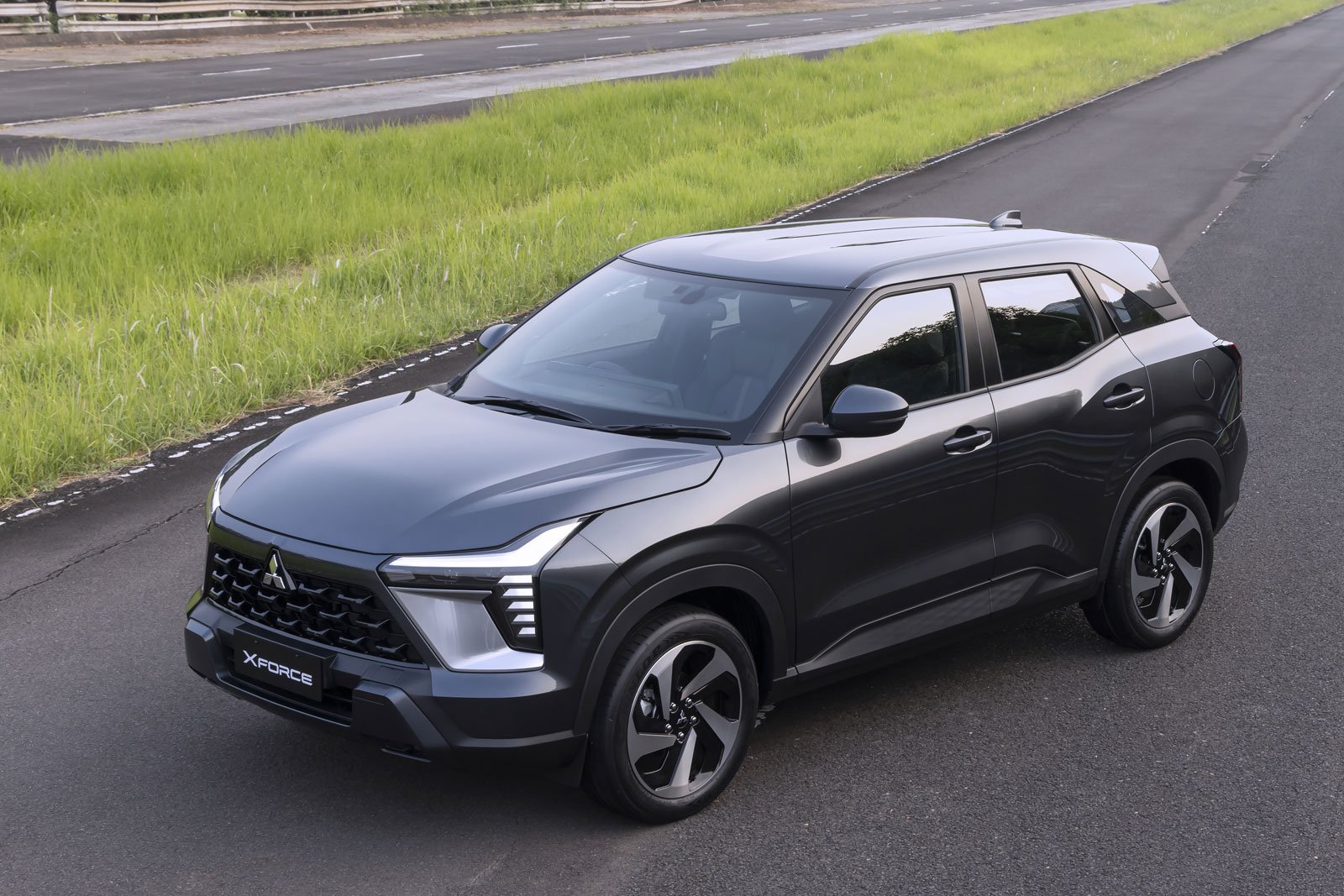
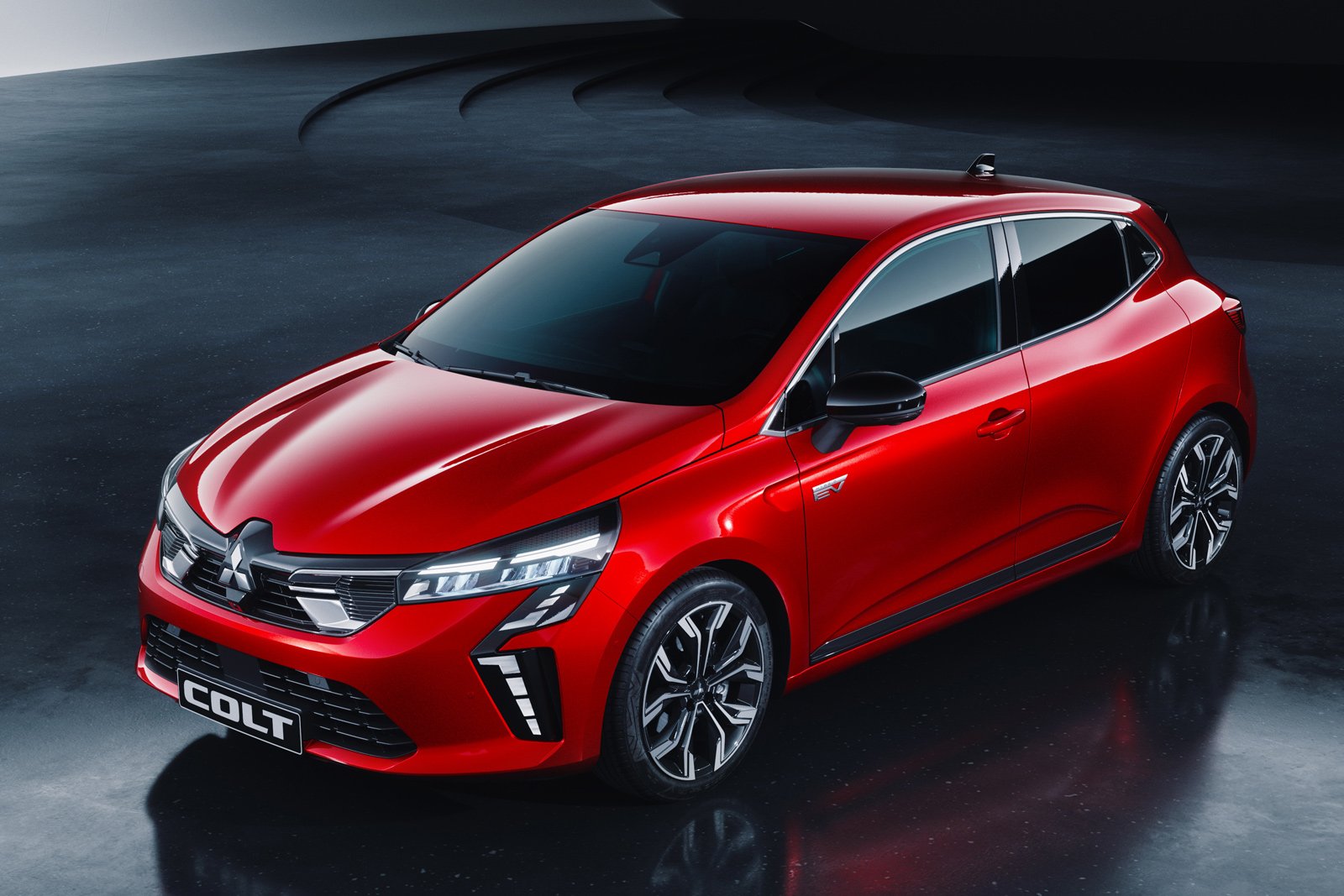
The world’s first plug-in hybrid utility vehicle to hit the market, the Mitsubishi Outlander PHEV launched in Japan, Europe and Australia in 2013 and 2024, but didn’t arrive in the U.S. and Canada before 2017 as a 2018 model. The Mitsubishi Xpander MPV, the new-generation Mitsubishi Delica and Mitsubishi eK, the Mitsubishi Airtrek EV, the Mitsubishi Colt HEV and the Mitsubishi XForce debuted in several markets outside of the U.S. and Canada, while the Mitsubishi Eclipse Cross compact crossover coupe was introduced for 2018. The fourth-generation Outlander appeared for the 2022 model year, followed by the PHEV variant for 2023.
Mitsubishi Motors aims to raise its proportion of global electrified vehicle sales to 50% by 2030, while achieving net-zero CO2 emissions across its operations by 2050.