

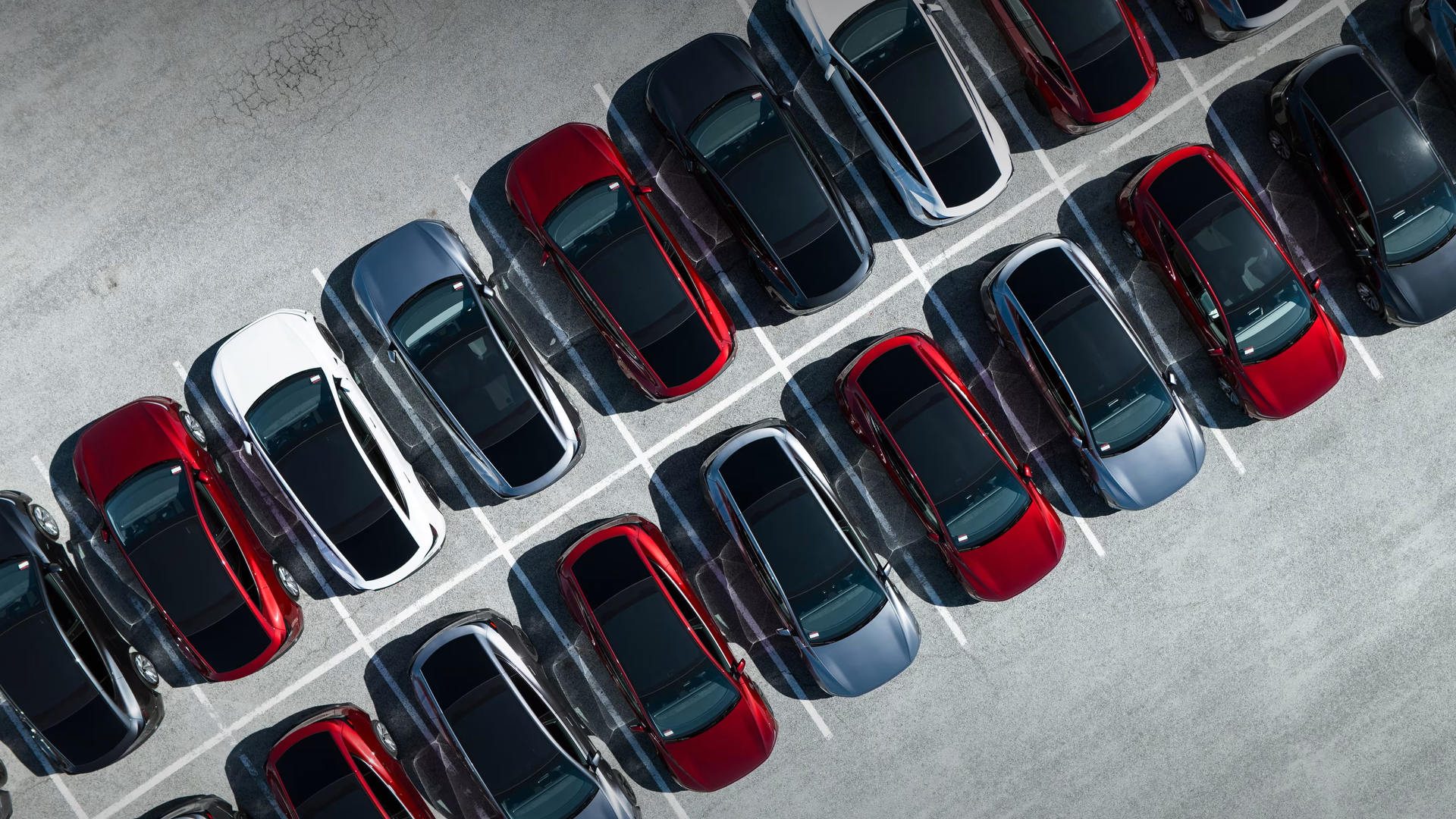
Consumers downsize or buy used as monthly payments and prices climb across the board
Auto dealers respond with more discounts as vehicles linger longer on lots
Loan defaults rise among lower-income buyers due to inflation and credit pressures
American car shoppers are beginning to resist historically high vehicle prices, prompting a slowdown in sales and a shift toward more affordable purchasing strategies. Dealers and analysts report that consumers are increasingly turning to smaller vehicles, used models, and longer loan terms to manage costs.
After years of rising prices driven by supply shortages and robust demand, signs of buyer fatigue are now emerging. October marked the slowest monthly selling rate in over a year, and expectations for growth in 2025 have been revised downward. Analysts now anticipate flat or muted gains, with similar trends expected in 2026.
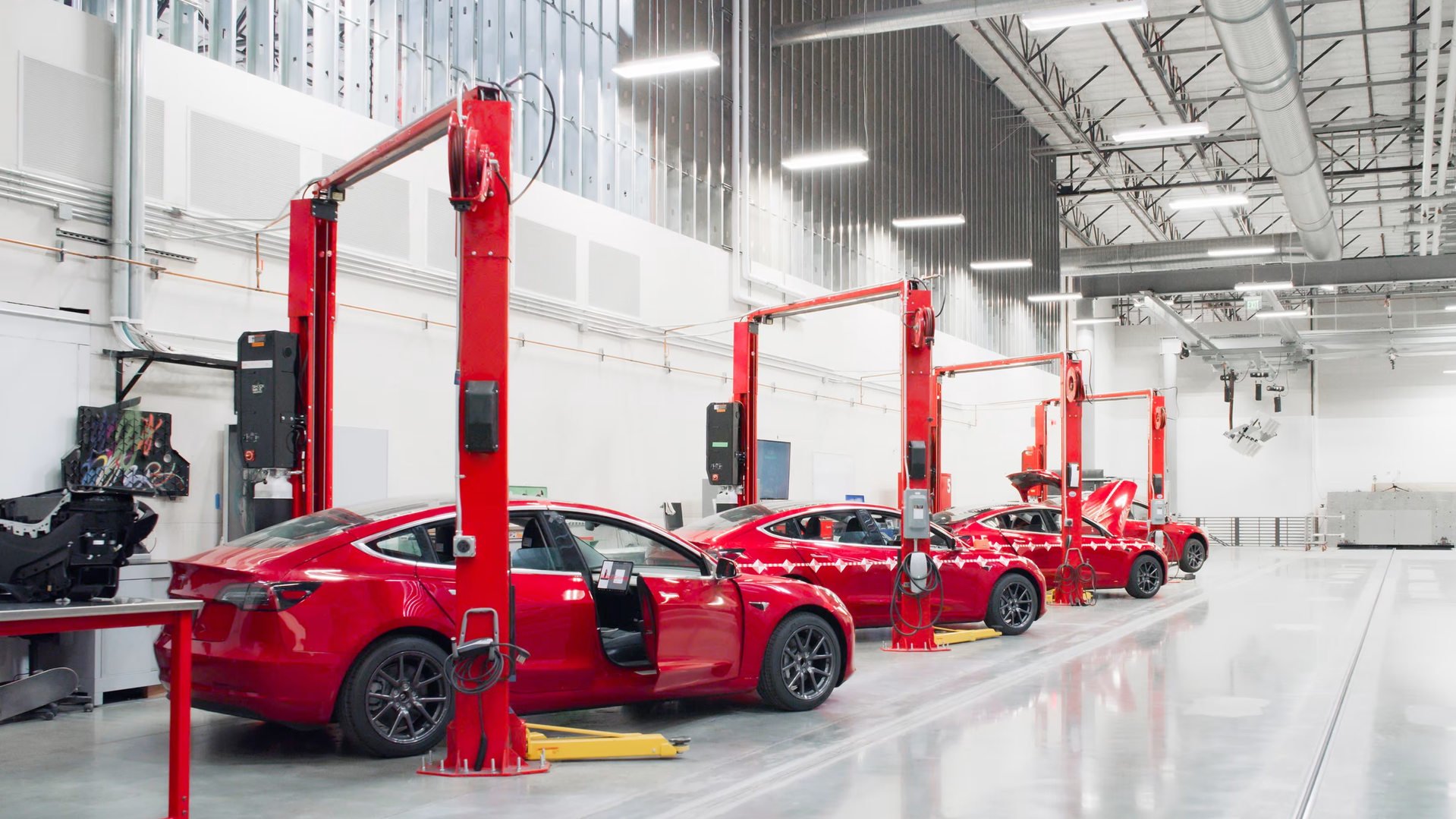 Certified Pre-Owned | Photo: Tesla
Dealers across the country report more customers asking pointed questions about affordability. At dealerships, new-vehicle shoppers are gravitating toward lower-priced entry-level models. While showroom traffic remains steady, more buyers are holding out for better deals or rejecting higher monthly payments altogether.
Economic pressures are contributing to this new reality. Persistent inflation, tariffs on imported vehicles, and a softening labour market have led many Americans to reassess large purchases. The September expiry of the federal $7,500 electric vehicle credit also removed a key incentive, curbing EV sales momentum and dampening overall volume.
Automakers saw strong performance through the first three quarters of 2025, with General Motors reporting a 10.5% increase in sales and Ford a 7.3% increase. However, October’s slowdown and early November trends suggest the market has cooled. Vehicles are staying longer on lots, and dealers are offering larger incentives to close sales.
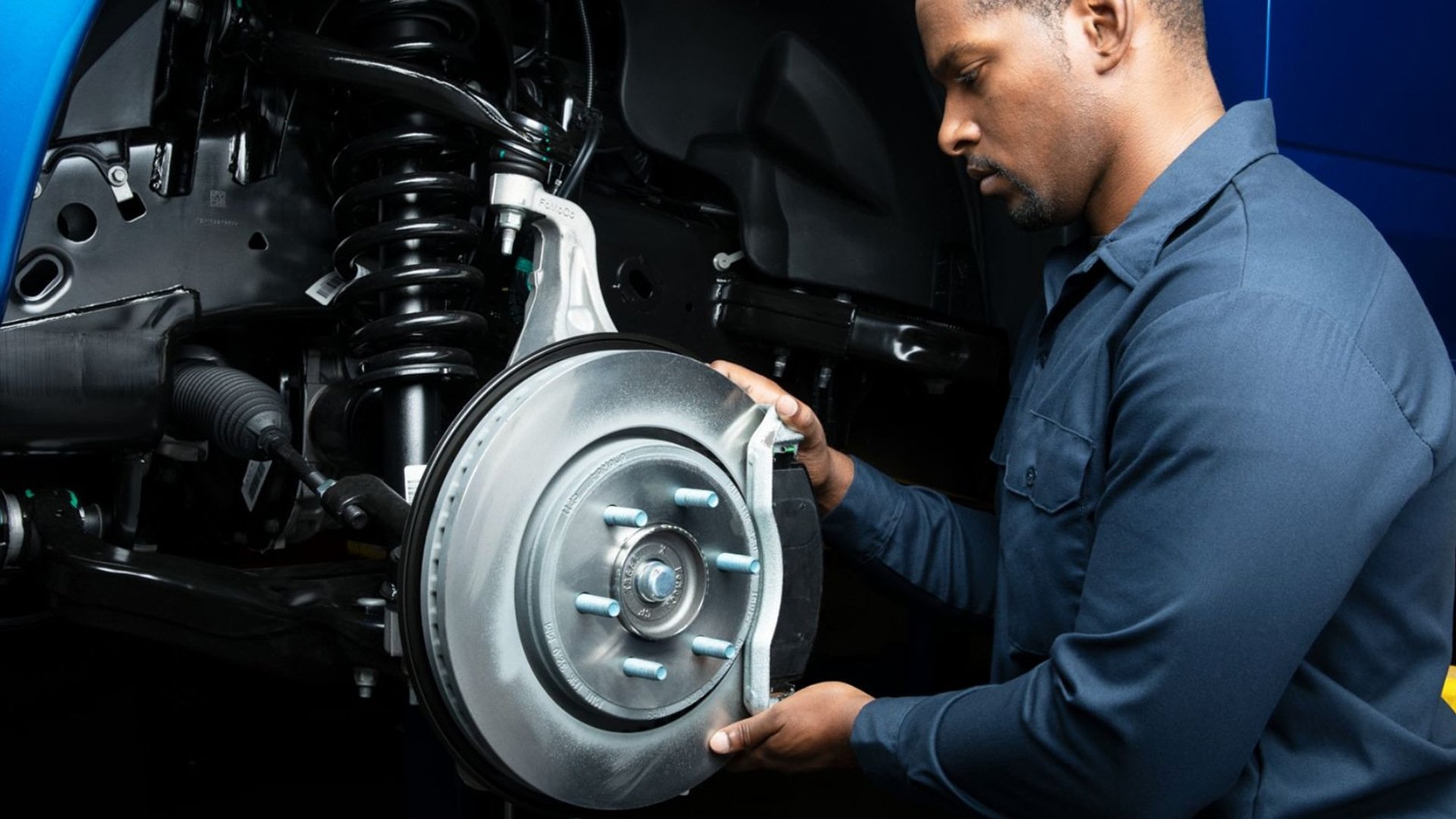 Brake Job repair | Photo: Ford
Some buyers are choosing to extend the life of their existing vehicles instead. With the cost of new purchases rising, service departments are seeing increased demand as customers invest in maintenance and repairs. At the same time, used car prices remain elevated due to limited inventory from prior years.
Lower-income consumers appear to be under increasing financial pressure, with auto loan defaults rising. Meanwhile, several of the largest U.S. auto retailers reported lower margins on new-vehicle sales in their most recent quarterly results.
Despite affordability challenges, a segment of high-income buyers continues to drive demand for premium trucks and SUVs equipped with advanced features. However, analysts caution that over-reliance on affluent consumers may not be sustainable for long-term industry health.
Source: Wall Street Journal
