


Aston Martin no longer plans to launch its first electric vehicle by 2030.
V8 and V12 engines could remain available and emissions-compliant through at least 2035.
Every Aston Martin model is scheduled for replacement between 2030 and 2035.
Aston Martin will delay its first battery-electric vehicle until at least 2033 as uncertainty surrounding demand and regulations complicate long-term product planning.
CEO Adrian Hallmark said the British automaker could introduce an EV between 2033 and 2035, depending on legislation and market conditions. A 2030 or 2031 arrival is no longer under consideration.
The revised schedule represents another postponement for Aston Martin. Previous management had targeted 2027, while Hallmark later indicated the company could bring an electric model to market by 2030.
Aston Martin will instead remain primarily focused on combustion engines through the first half of the next decade. Hallmark said the company has developed a plan to keep its V8 and V12 engines compliant until at least 2035.
Hybrid technology will form part of that strategy, although Aston Martin does not currently expect to rely heavily on plug-in hybrids. Hallmark questioned the benefit of adding approximately 200 kg (450 lbs) of battery and associated components when regulations may not require that approach.
The company’s delayed EV program will let it limit near-term capital spending while evaluating battery, powertrain, and electronic technologies. Current spending remains focused on research rather than vehicle development.
Aston Martin CEO Wants More Manuals, Even If The Last One Didn’t Sell
Aston Martin still has an agreement giving it access to electric technology from Lucid. Hallmark expects the hardware available when the program begins to differ significantly from the technology contemplated when the companies originally reached their agreement.
Its partnership with Mercedes-Benz, which supplies engines and electronic systems, will also continue and could become more extensive.
The automaker intends to replace every model in its range between 2030 and 2035. Hallmark said the next-generation vehicles will deliver improvements in performance, quality and other core attributes.
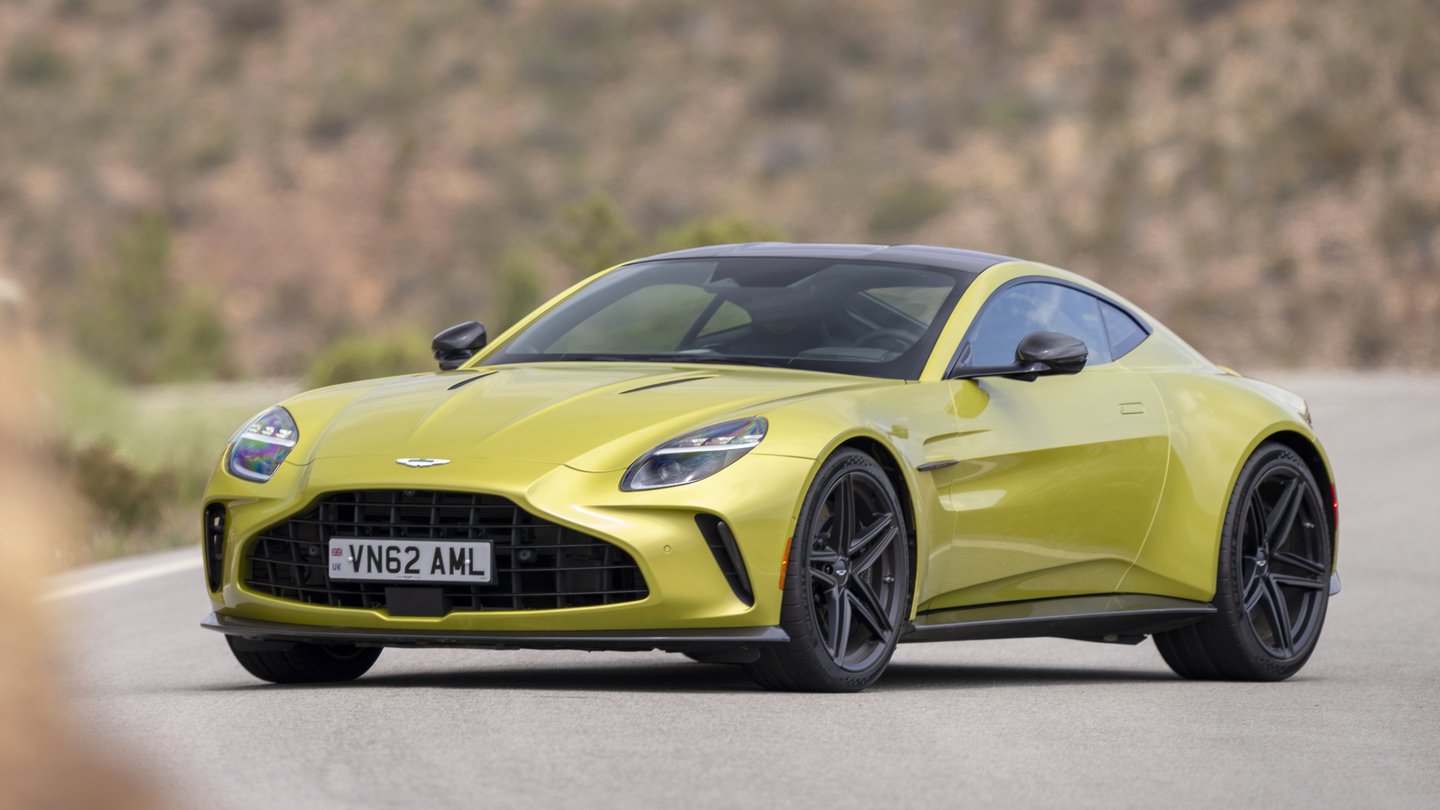
That renewal is also expected to address an imbalance between Aston Martin’s two British assembly operations. Gaydon currently produces the company’s sports cars, while St Athan handles SUV production.
The Valhalla mid-engine hybrid will remain part of Aston Martin’s plans. The company is also considering additional low-volume models based on its platform, potentially including a version with a different roof configuration.
Source: Autocar
