Audi’s Concept C previews future models with vertical frame and electric two-seat roadster architecture.
New design ethos emphasizes clarity, reduction, and emotion across products and corporate structure.
Over 20 models to debut by 2025 as Audi prepares for Formula 1 and Rivian partnership rollout.
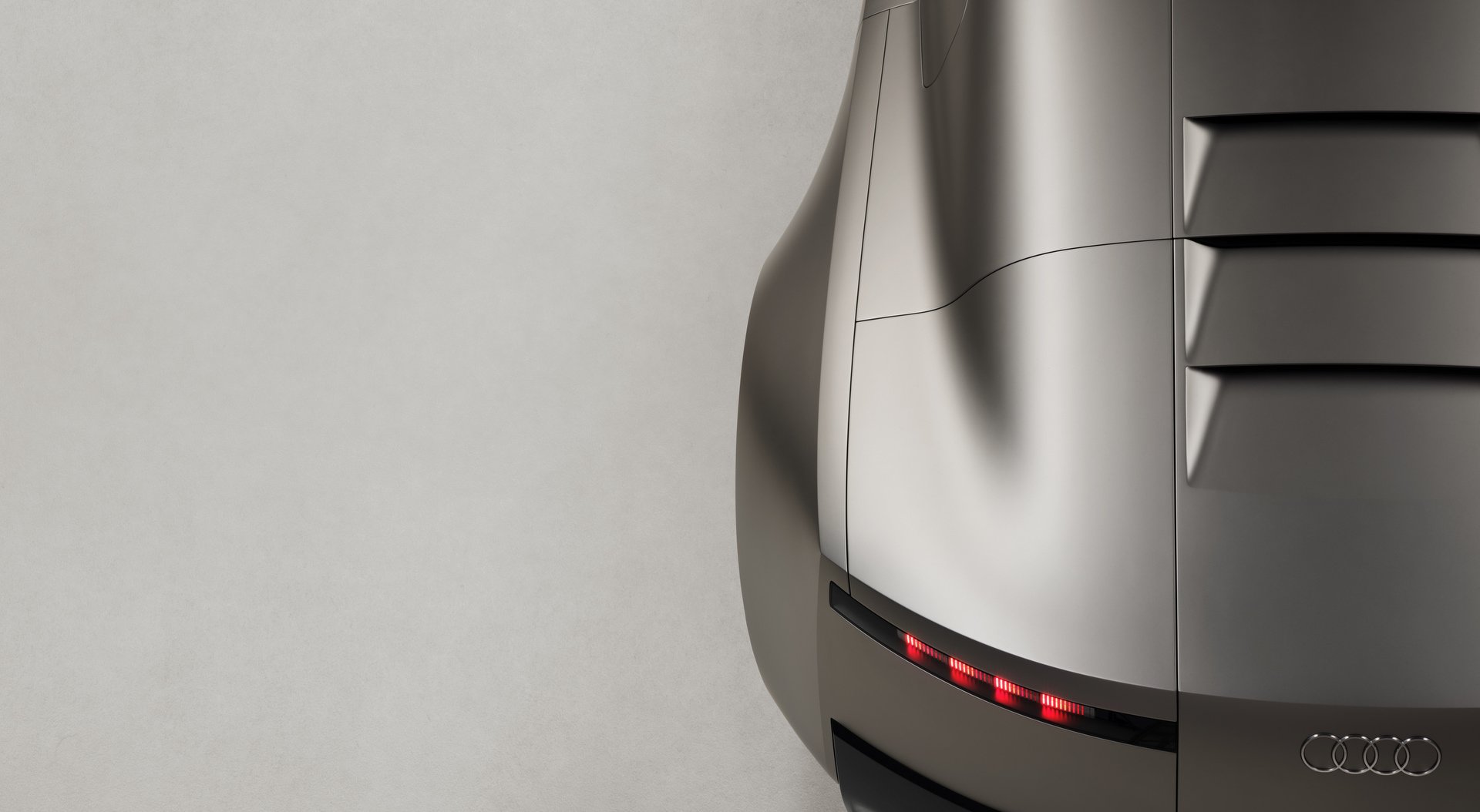
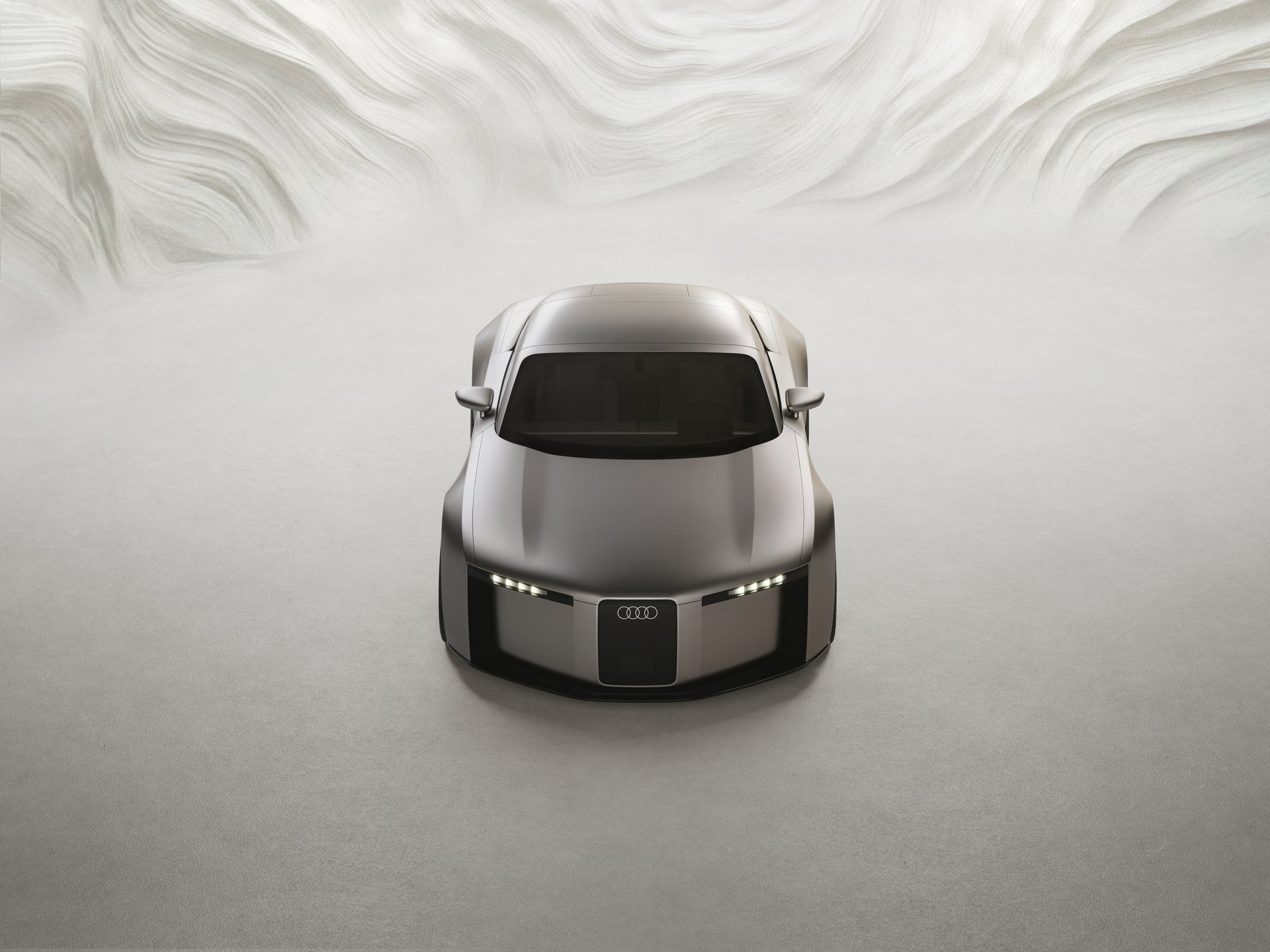
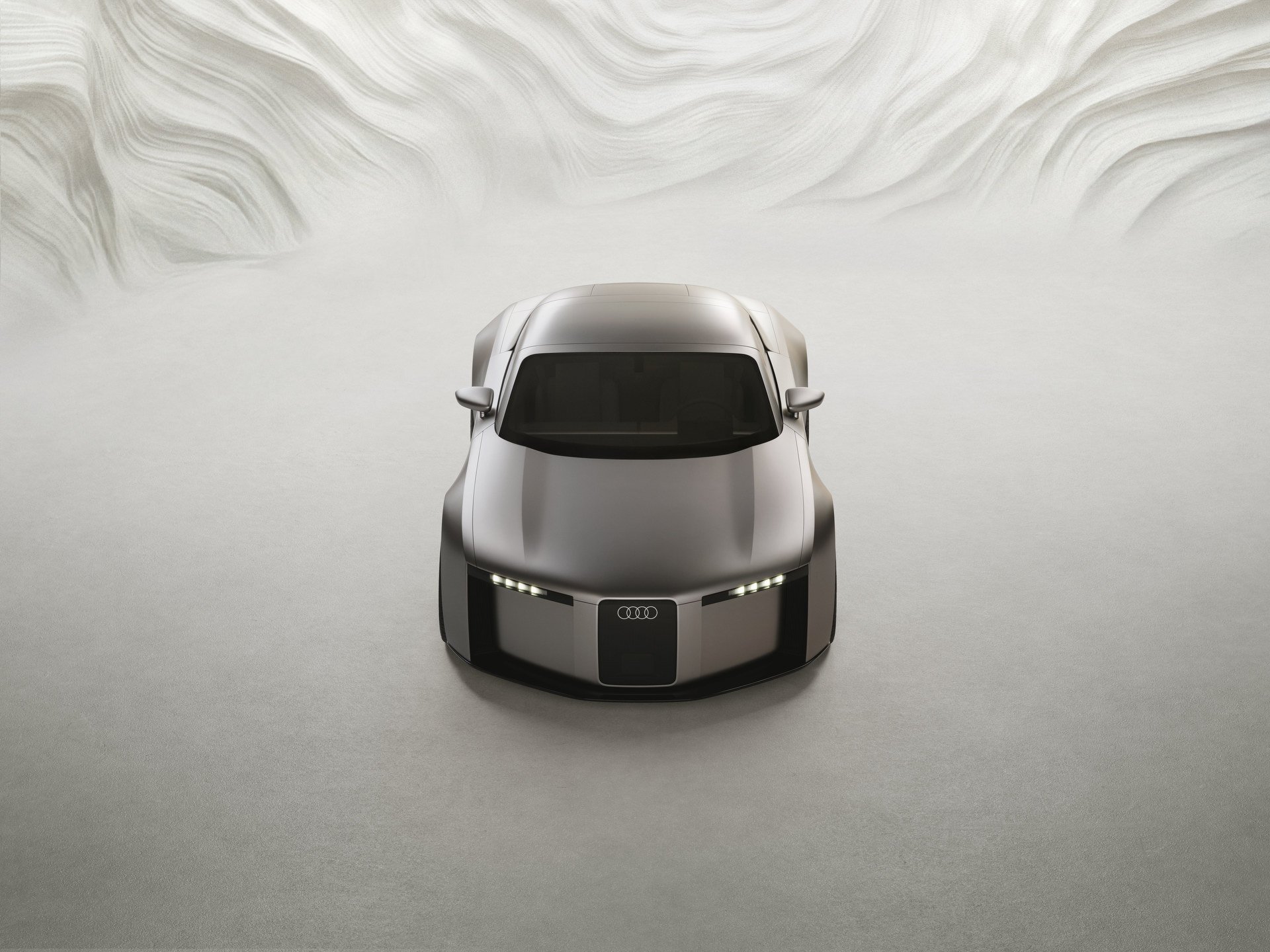
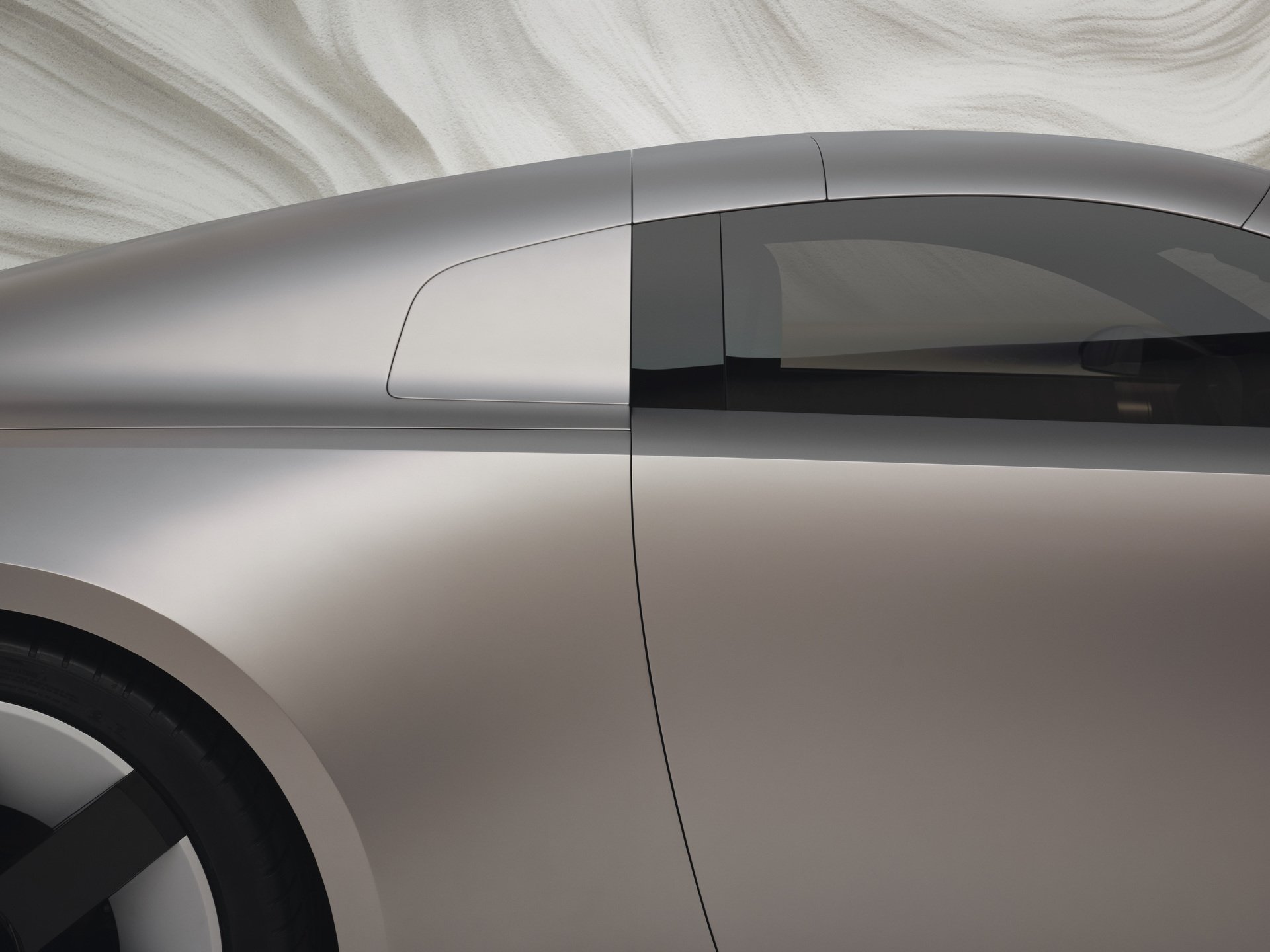
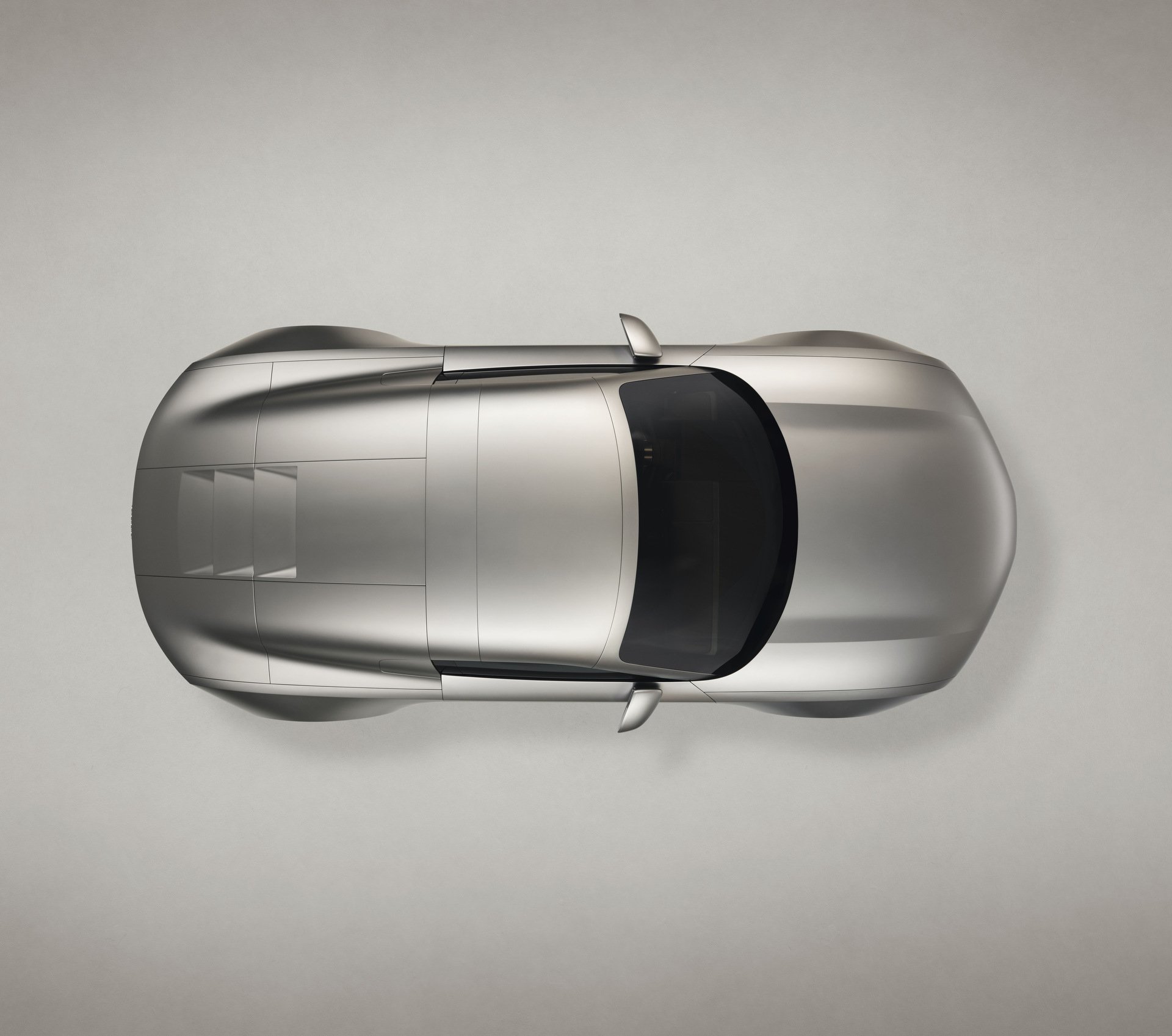
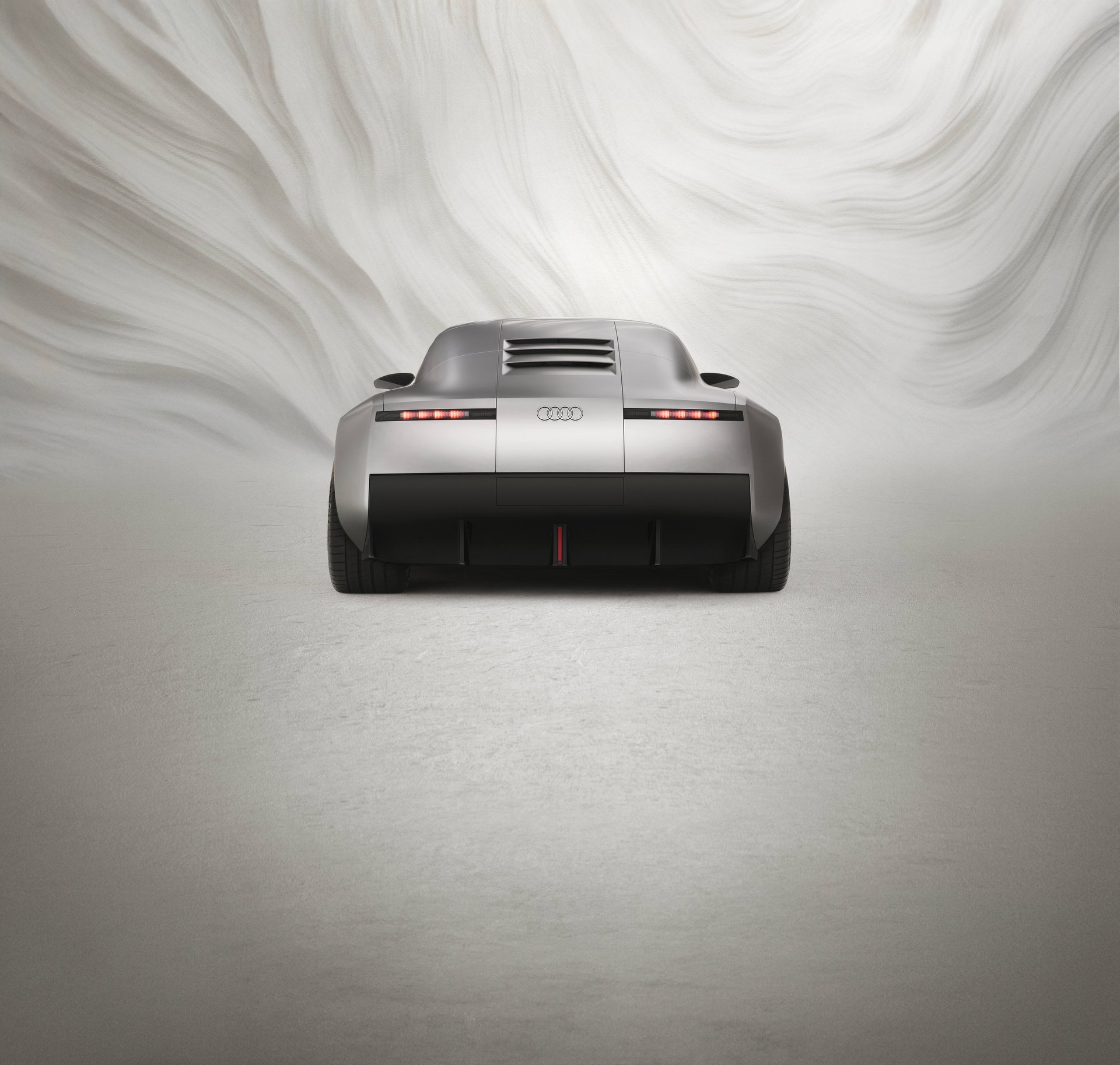
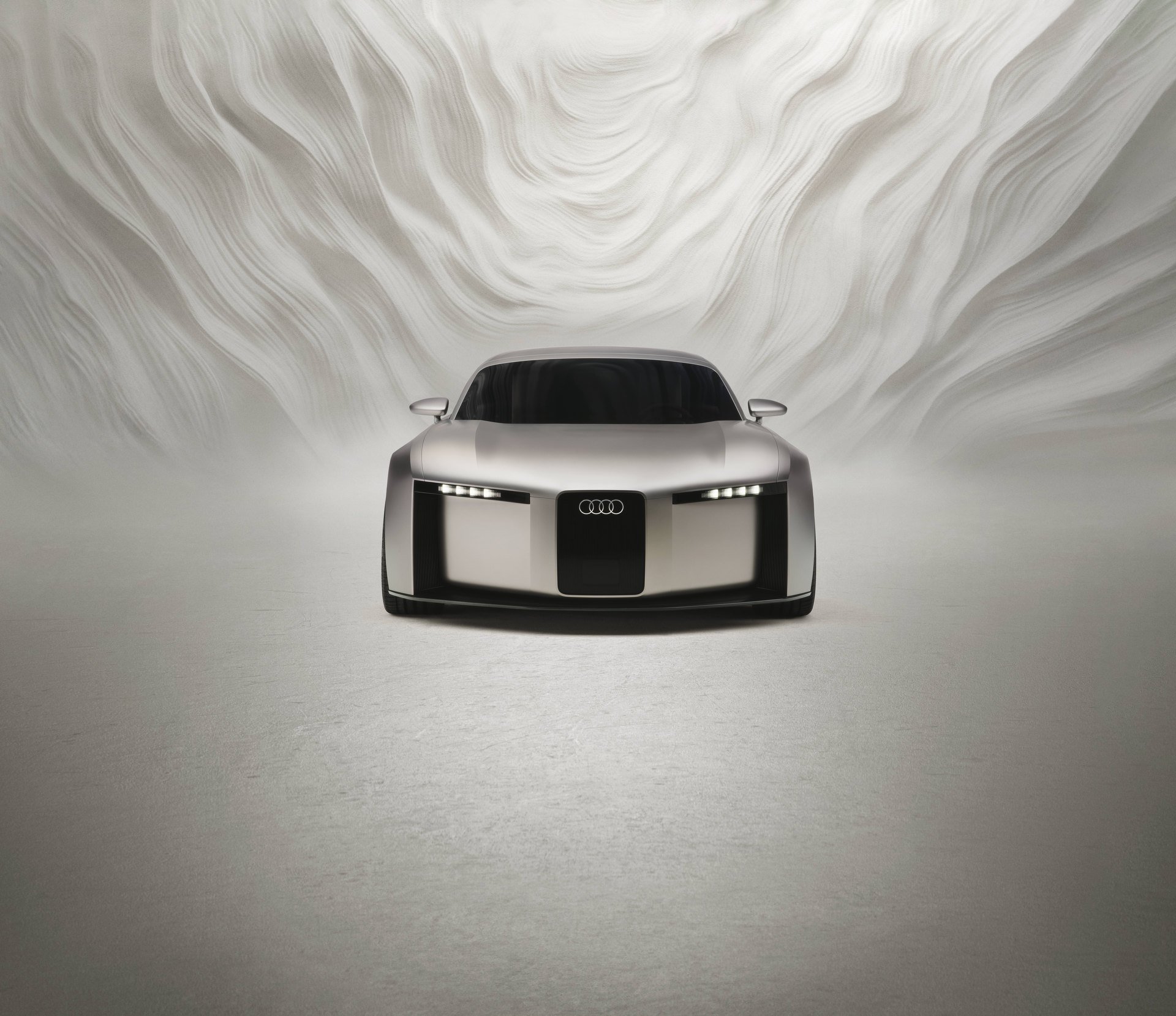
The all-electric two-seat sports car serves as a realistic preview of Audi’s new aesthetic principles. Characterized by geometric clarity, the bare essentials, and emotionally driven design, the Concept C reflects what the automaker describes as a company-wide shift toward “radical simplicity.” The model will be shown publicly at the IAA in Munich and is confirmed for production at Audi’s Böllinger Höfe facility.
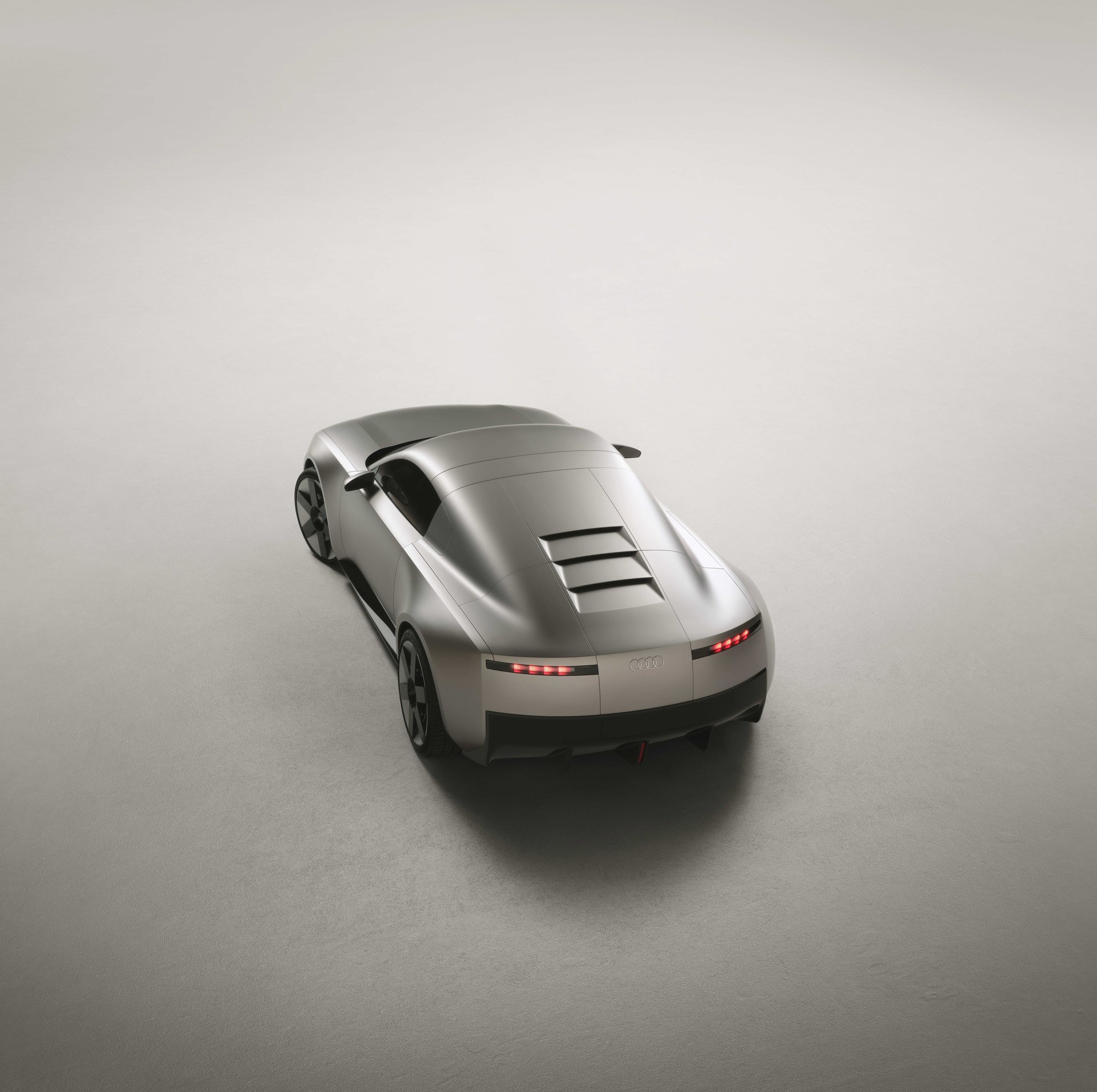 Audi Concept C | Photo: Audi
The vehicle’s defining features include a vertically oriented front frame inspired by the Auto Union Type C, a retractable hardtop that preserves a monolithic silhouette, and a distinctive four-element lighting signature. The exterior is finished in a colour called “Titanium,” designed to evoke the material’s technical and lightweight properties.
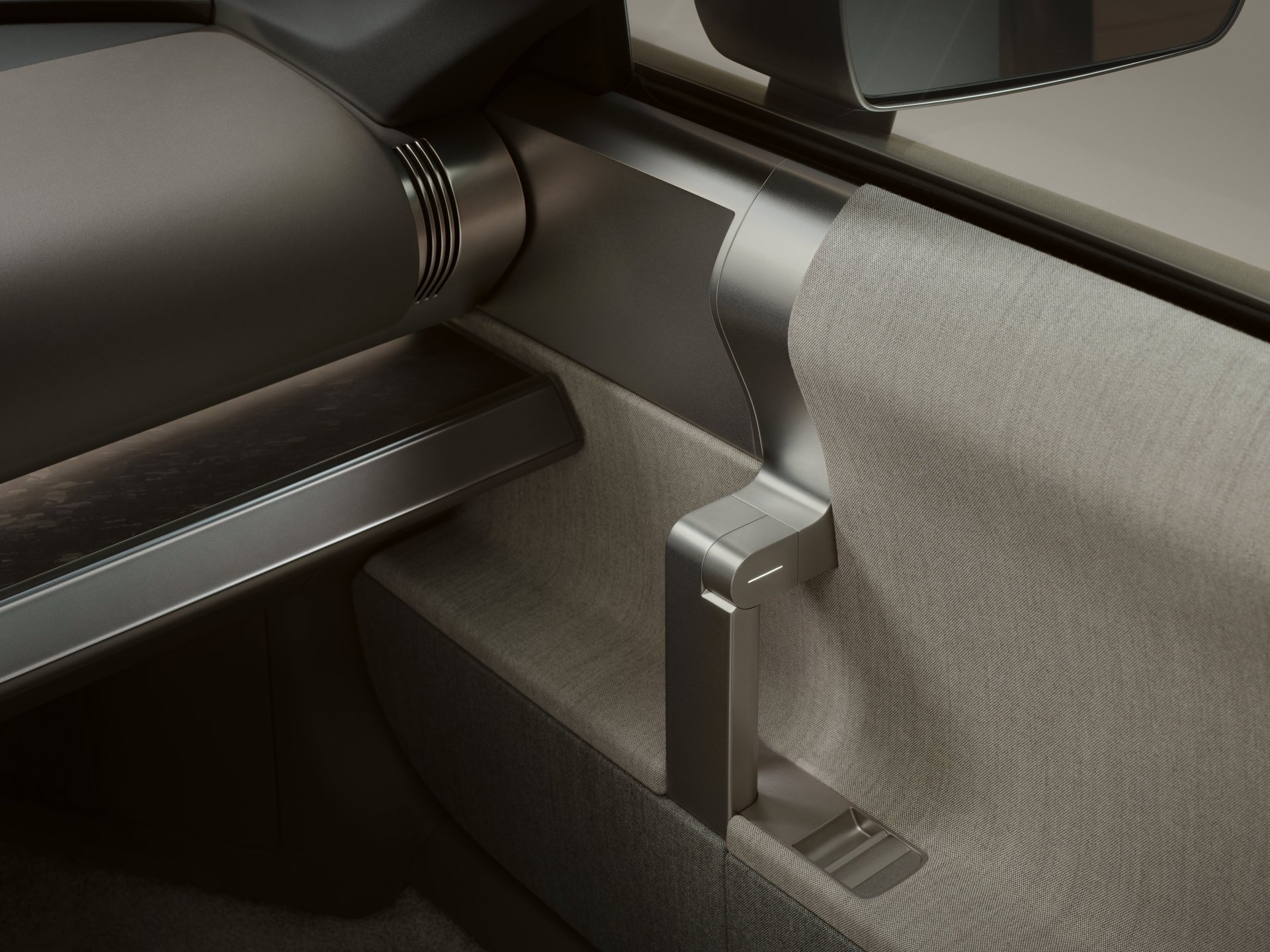
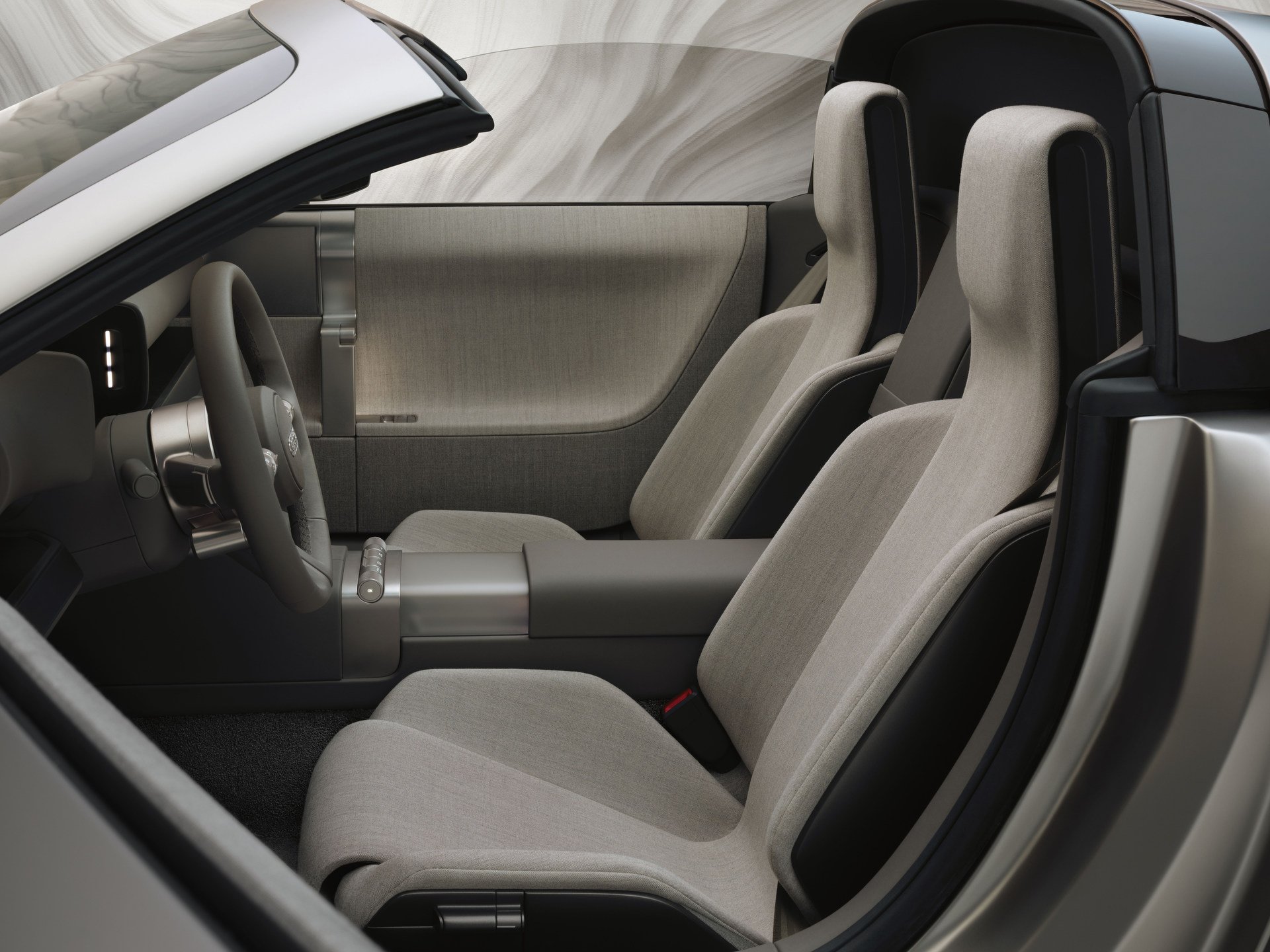
Inside, the Concept C continues the minimalist approach with straightforward aluminum controls, natural material finishes, and subdued ambient lighting. A foldable 10.4-inch centre display and haptic control layout align with Audi’s “shy tech” philosophy.
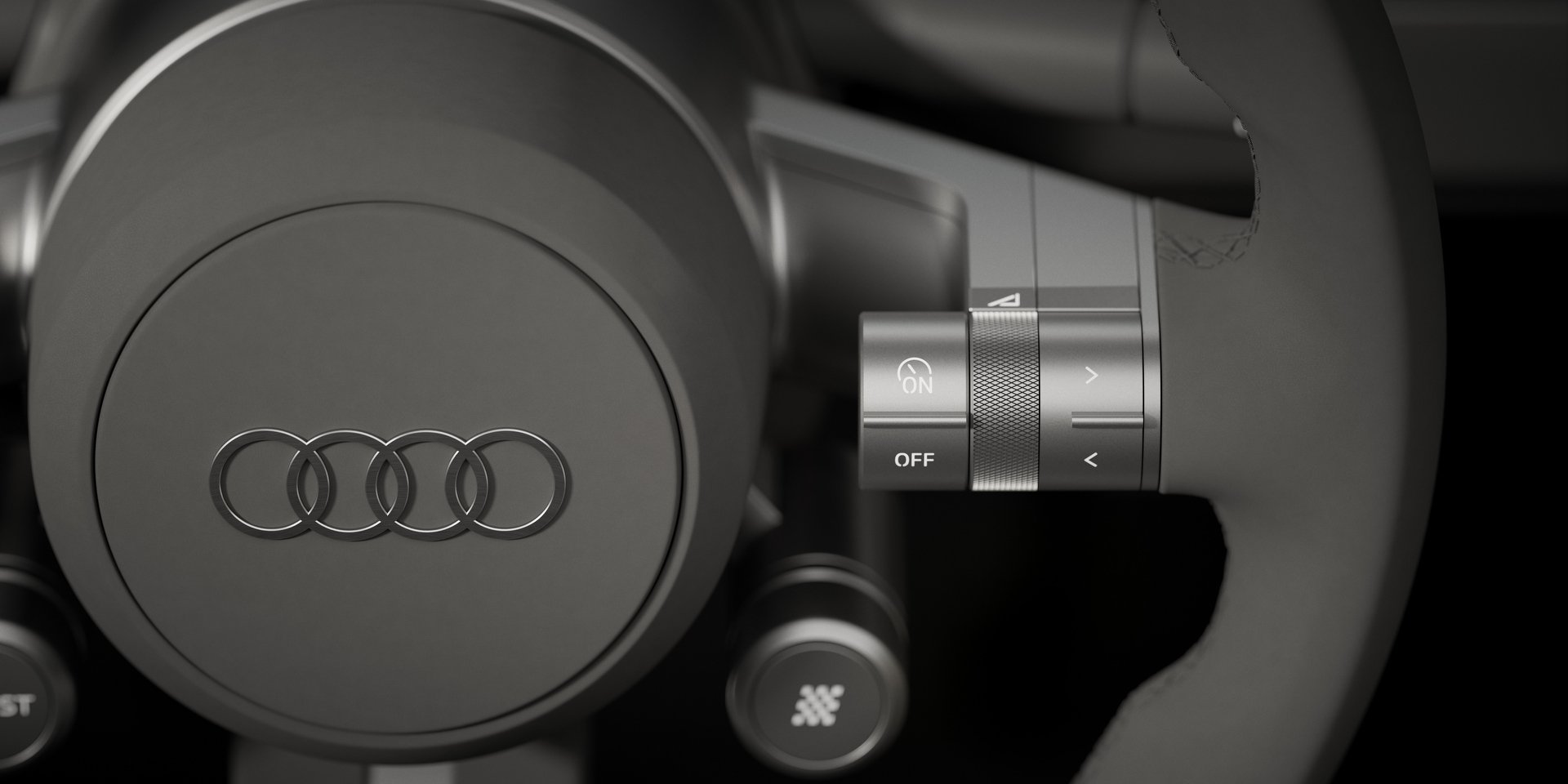 Audi Concept C | Photo: Audi
Audi Chief Creative Officer Massimo Frascella said the brand’s new design philosophy would influence every aspect of the company. “We achieve clarity by reducing everything to the essential,” he said. “The outcome must be an emotion.” CEO Gernot Döllner added that clarity is not only a design value but also a core corporate principle.
The design approach extends beyond the product line. According to Audi, it will inform internal operations, product development, and customer experience strategies. “The way we design our vehicles is the way we will shape our company,” said Döllner.
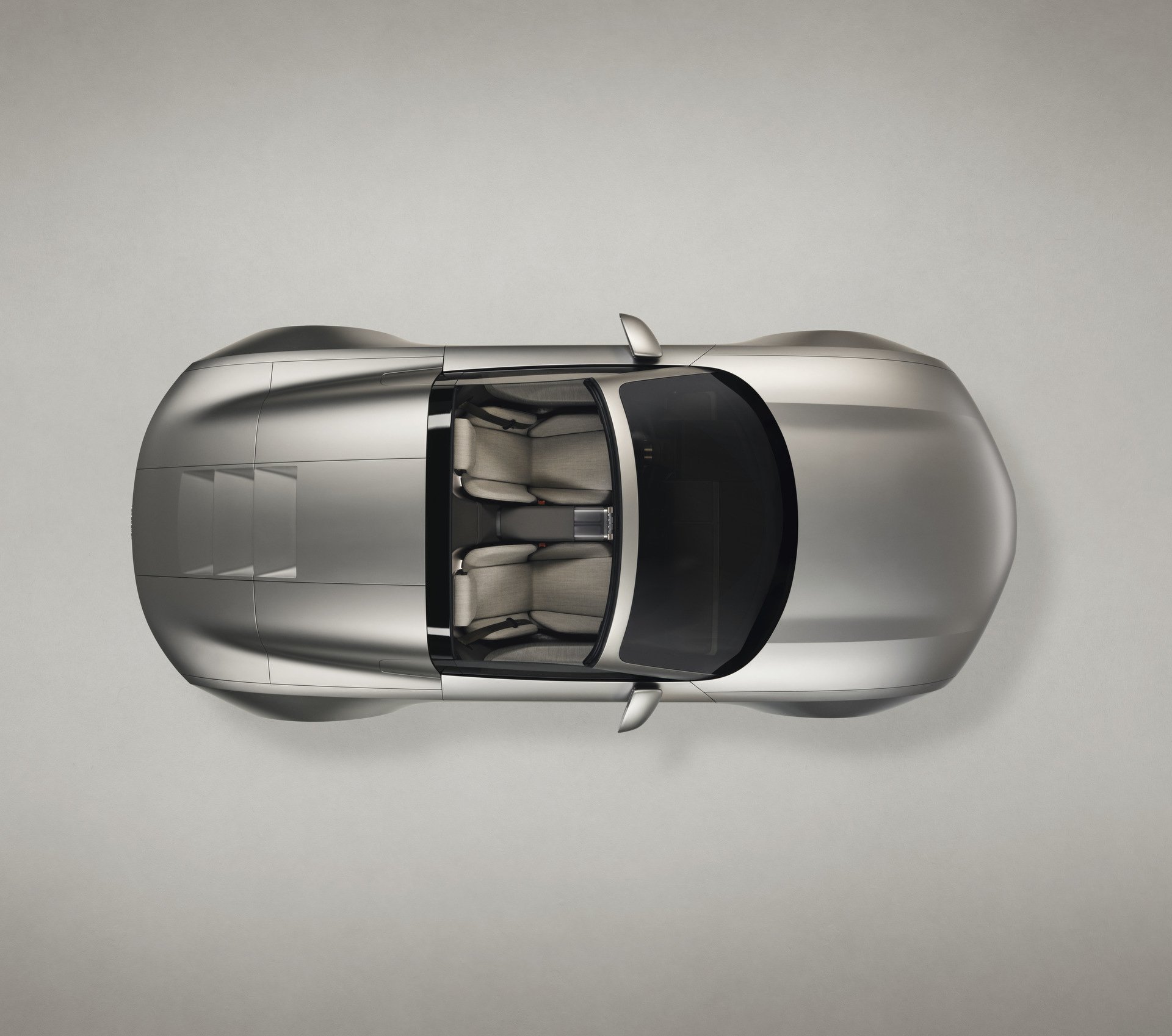 Audi Concept C | Photo: Audi
The unveiling of the Concept C comes as part of the Audi Agenda, which involves accelerating the rollout of a revised model portfolio, aiming to introduce over 20 models between 2023 and 2025. These include electric, plug-in hybrid, and next-generation combustion vehicles across key global markets.
Future plans include a fully electric entry-level model to be produced in Ingolstadt beginning in 2026 and the continued expansion of the Audi Sport performance line. The company is also preparing for its entry into Formula 1 in 2026, positioning the series as a testbed for new technologies and engineering processes. Audi’s partnership with Rivian, announced earlier in 2025, is part of an effort to increase speed and efficiency in software development.