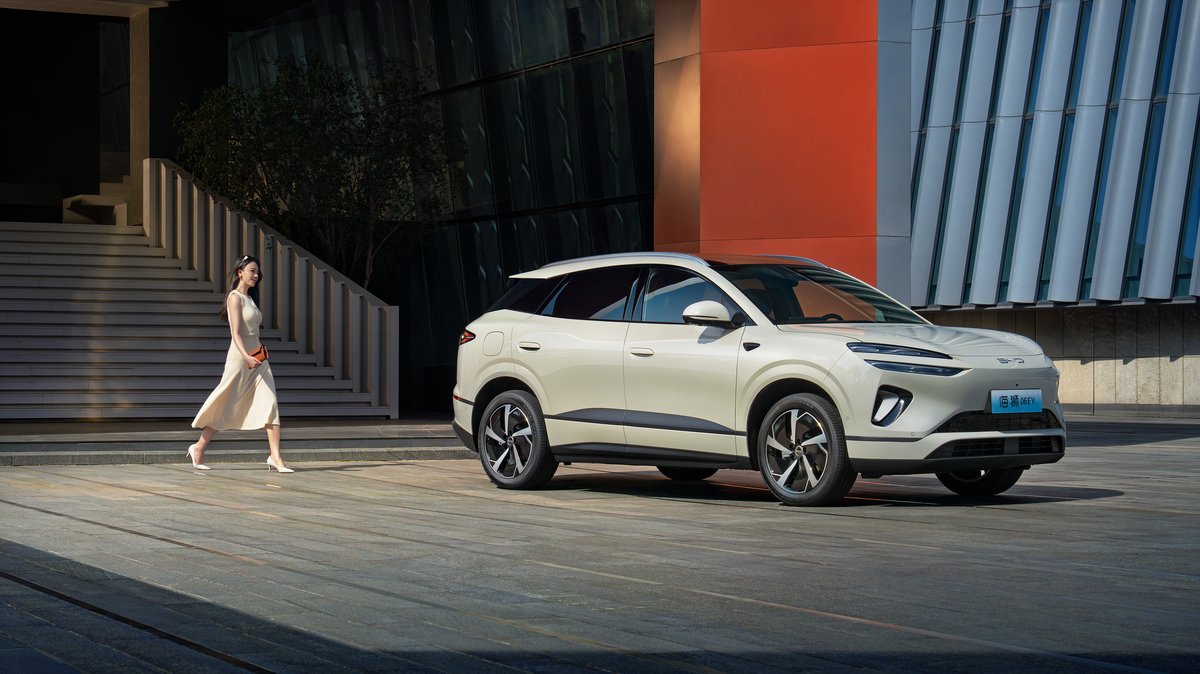
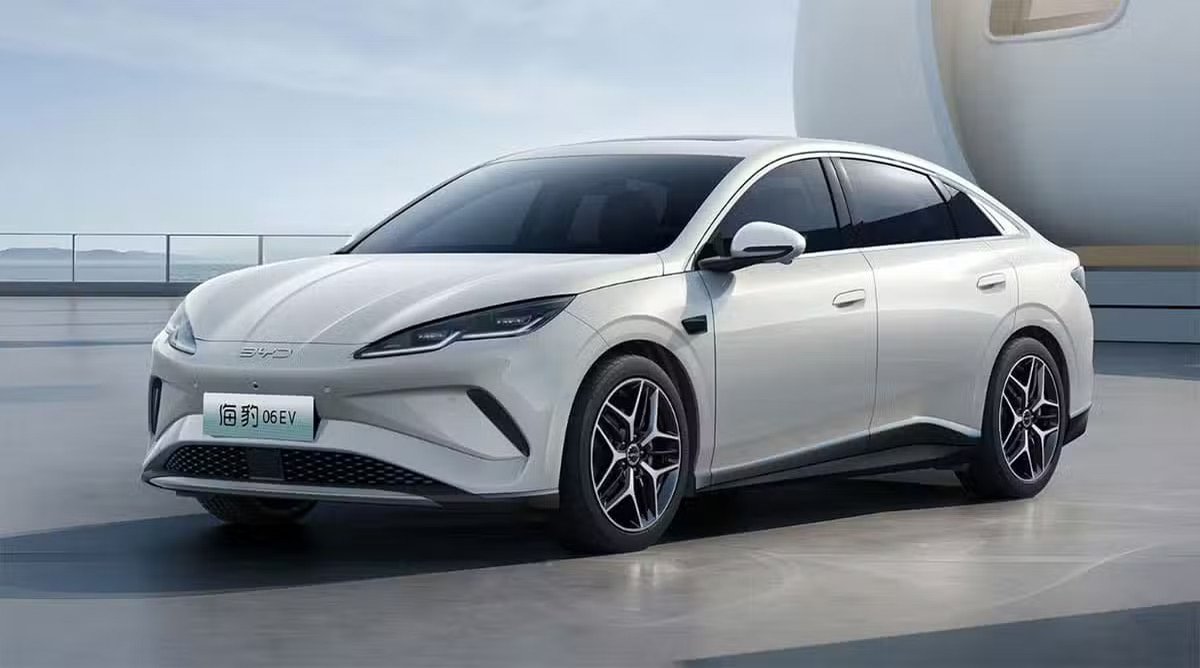
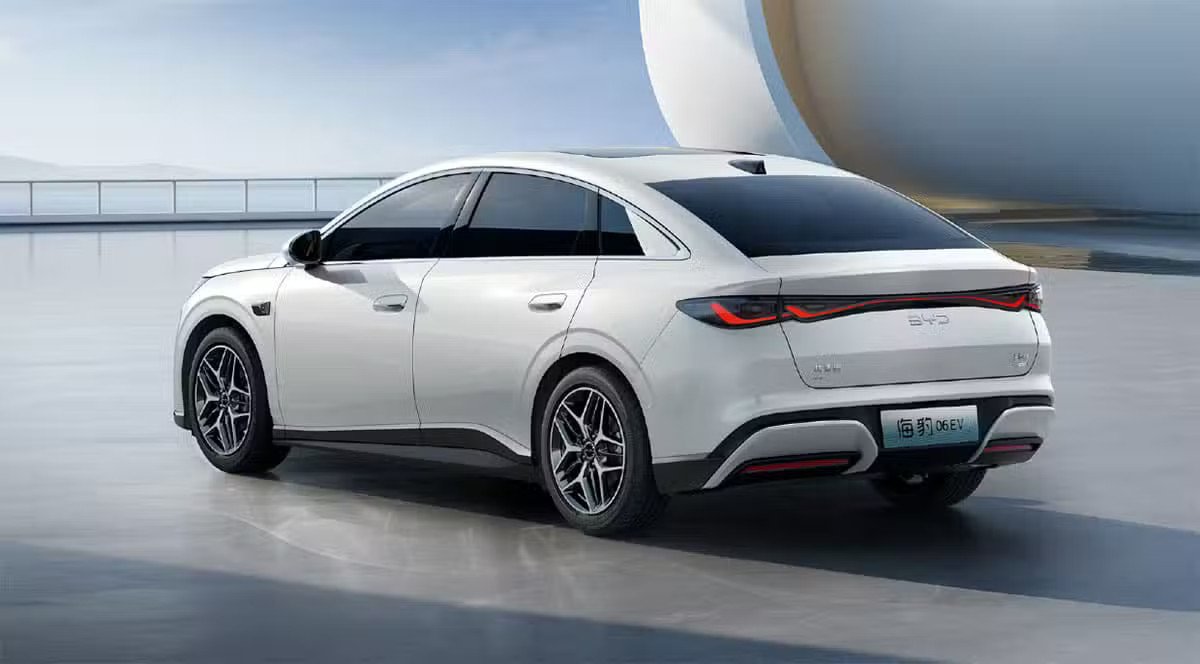
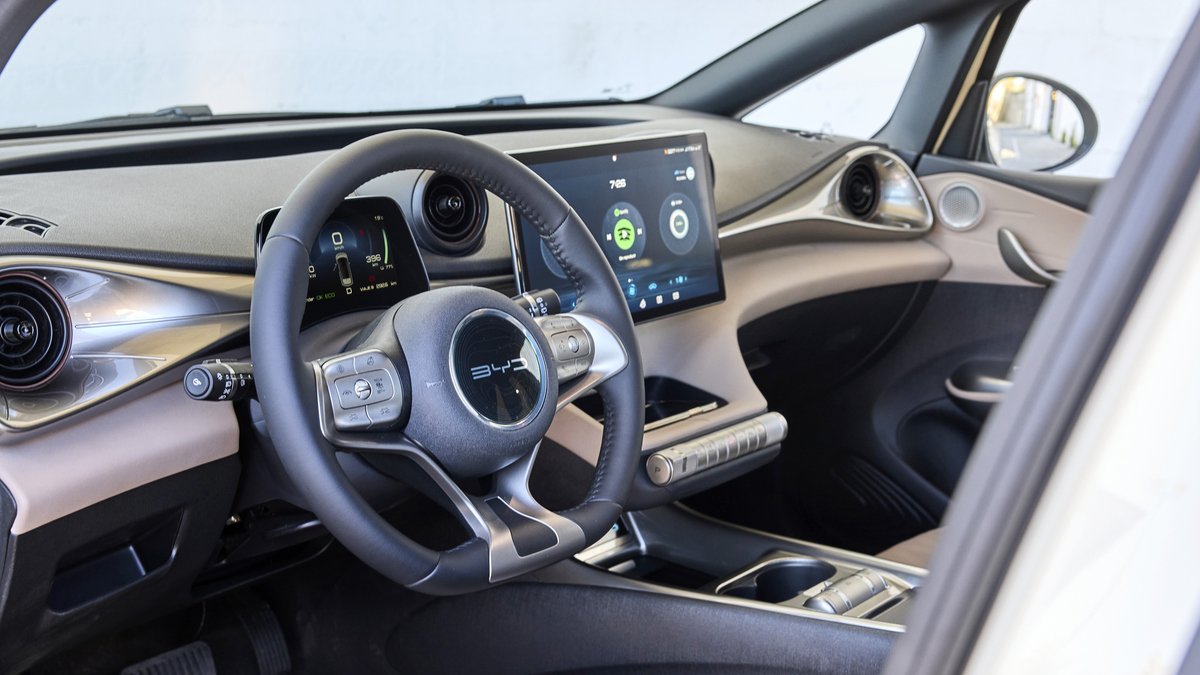
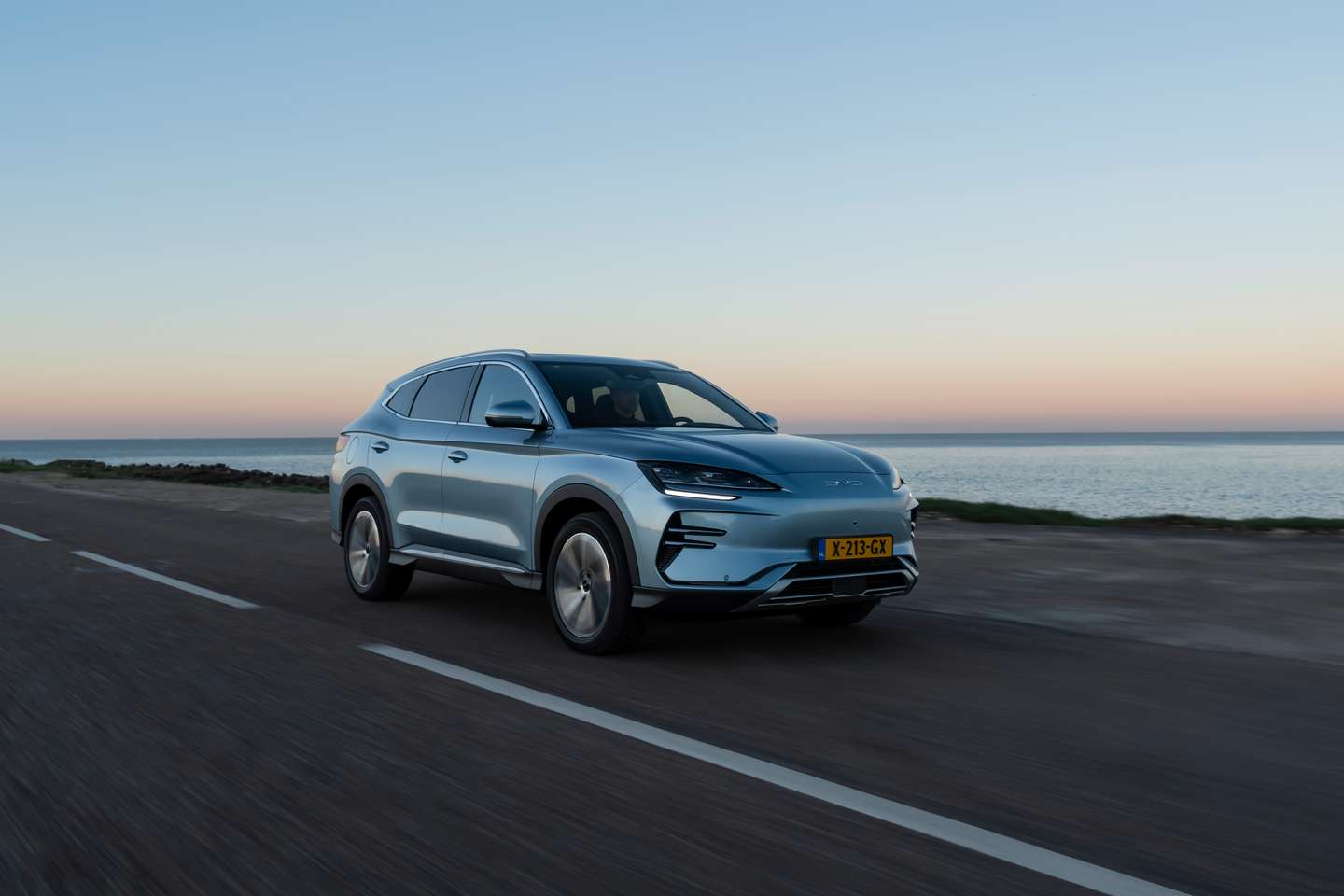
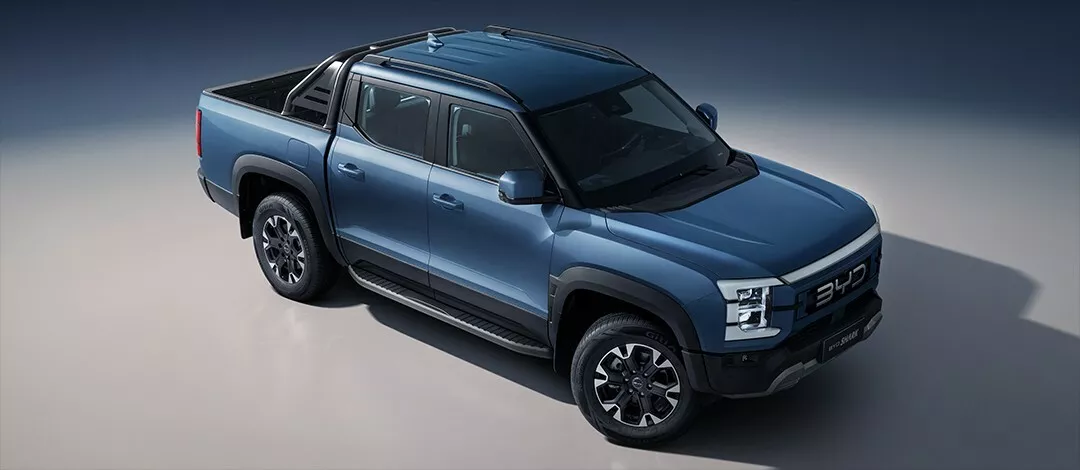
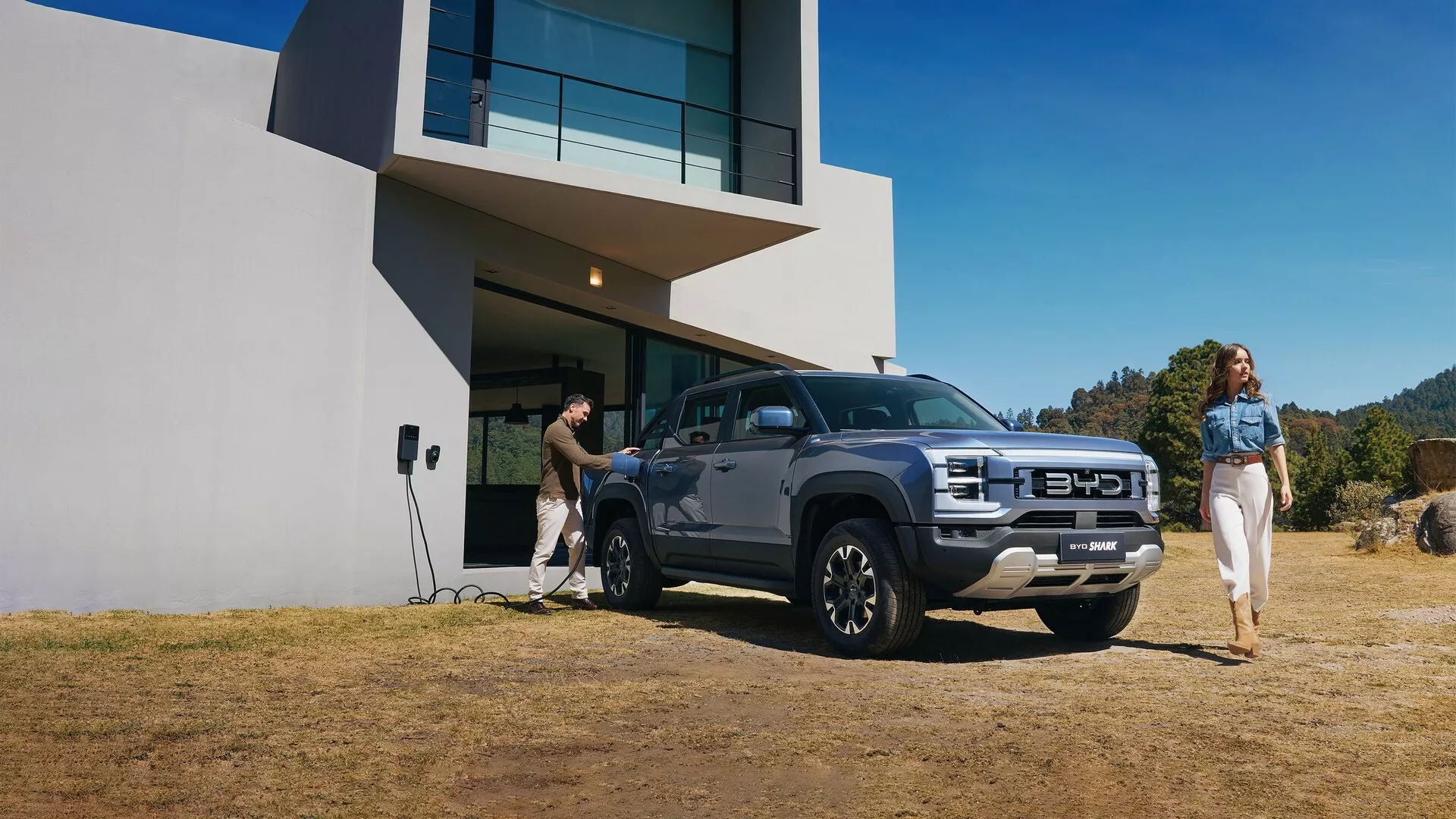
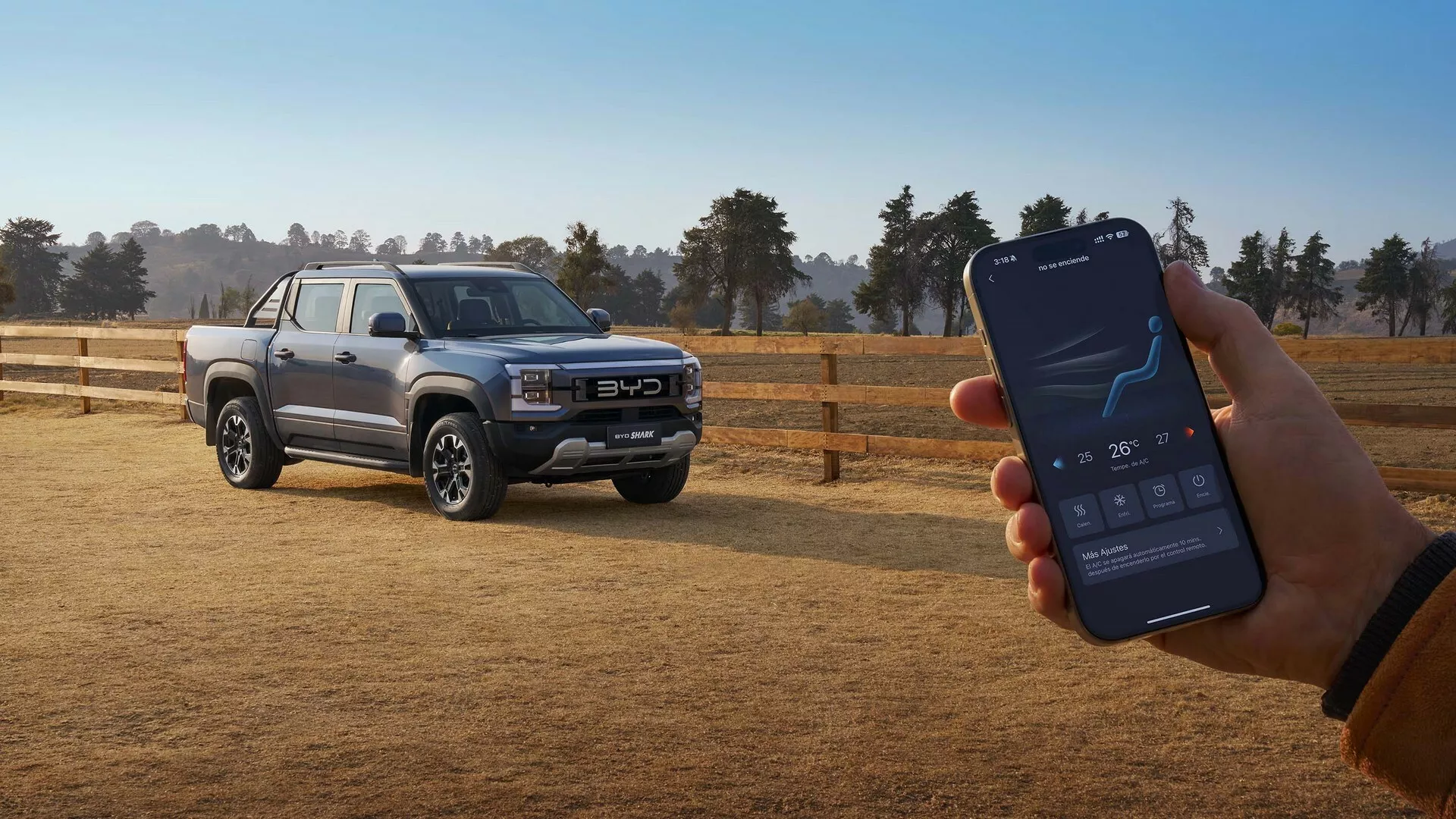
BYD’s smallest EV could open near $25,000 in Canada.
China-built BYD imports excluded from federal incentives.
Permit access and dealer rollout may matter as much as pricing.
Canada’s January 2026 trade reset with China created a pathway for brands such as BYD to test the market under a 49,000-unit annual quota, which will grow over time, with imports inside that cap subject to a 6.1% tariff instead of the previous 100% surtax. Import permits began flowing March 1, and lower-priced vehicles are a central part of the framework.
BYD has not released Canadian pricing or a formal on-sale date as of yet. Reports tied to its early market planning, however, point to a dealership push centred first on the Greater Toronto Area, with about 20 branded locations under consideration nationally. The storefront push will eventually include cities such as Montreal and Vancouver.
BYD Targets Toronto, Vancouver, Montreal for Retail First Dealerships
For pricing, Australia is the clearest comparable market, based on currency. BYD already sells the Atto 1, Dolphin, Atto 3, and Seal there under a tariff structure that closely mirrors Canada’s new quota regime.
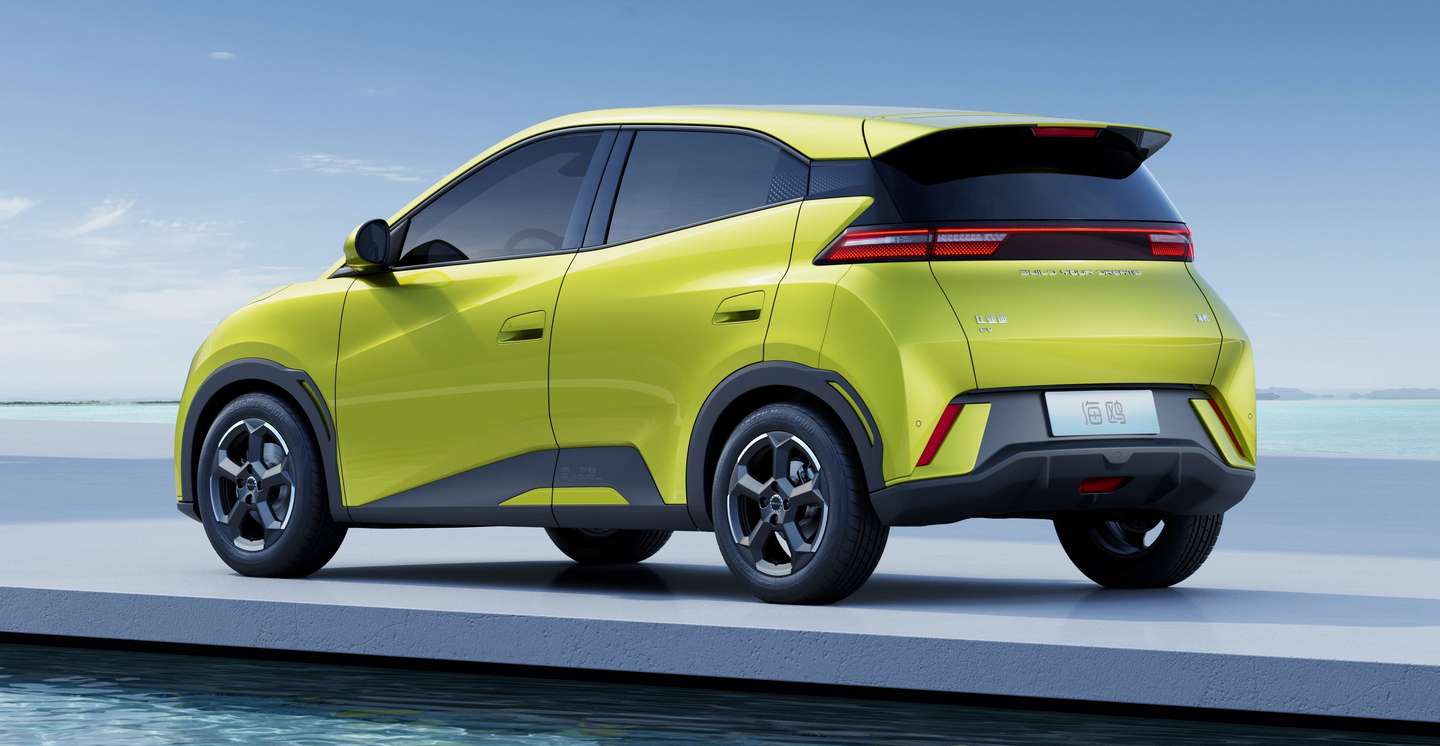
This suggests the smallest BYD could land around $25,000. In Australia, the Seagull-based Atto 1 opens at AUD $23,990 before other costs. This would position the Seagull as the entry-level city EV and give Canada a potential new, most affordable model on the market, EV or otherwise.
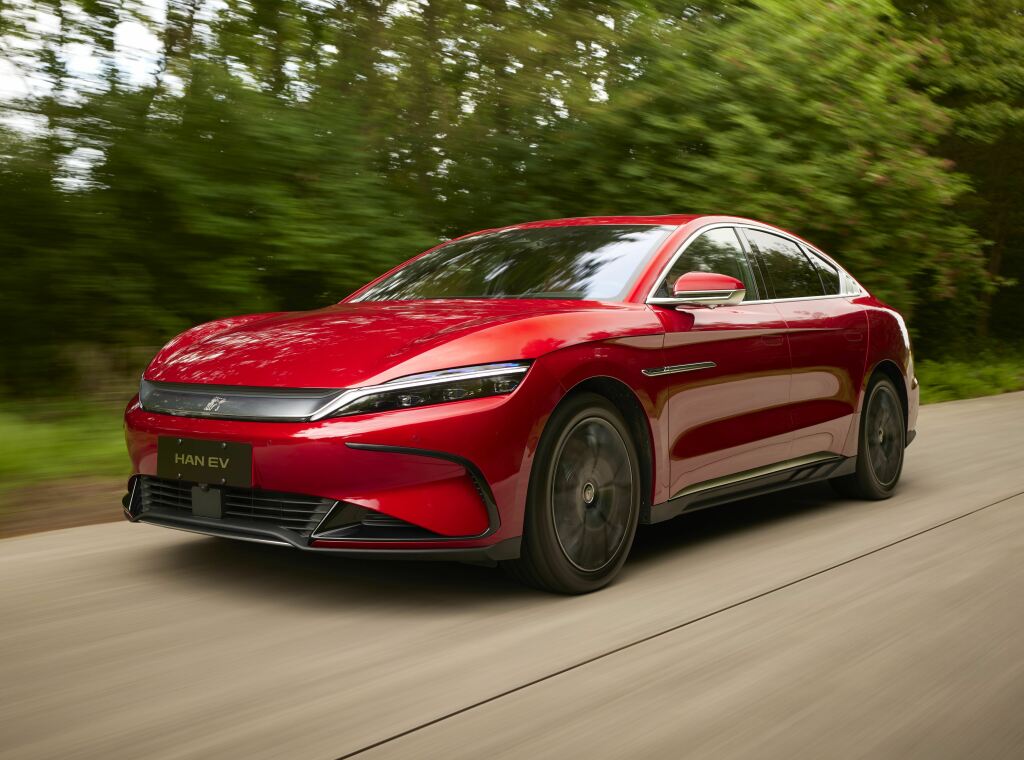
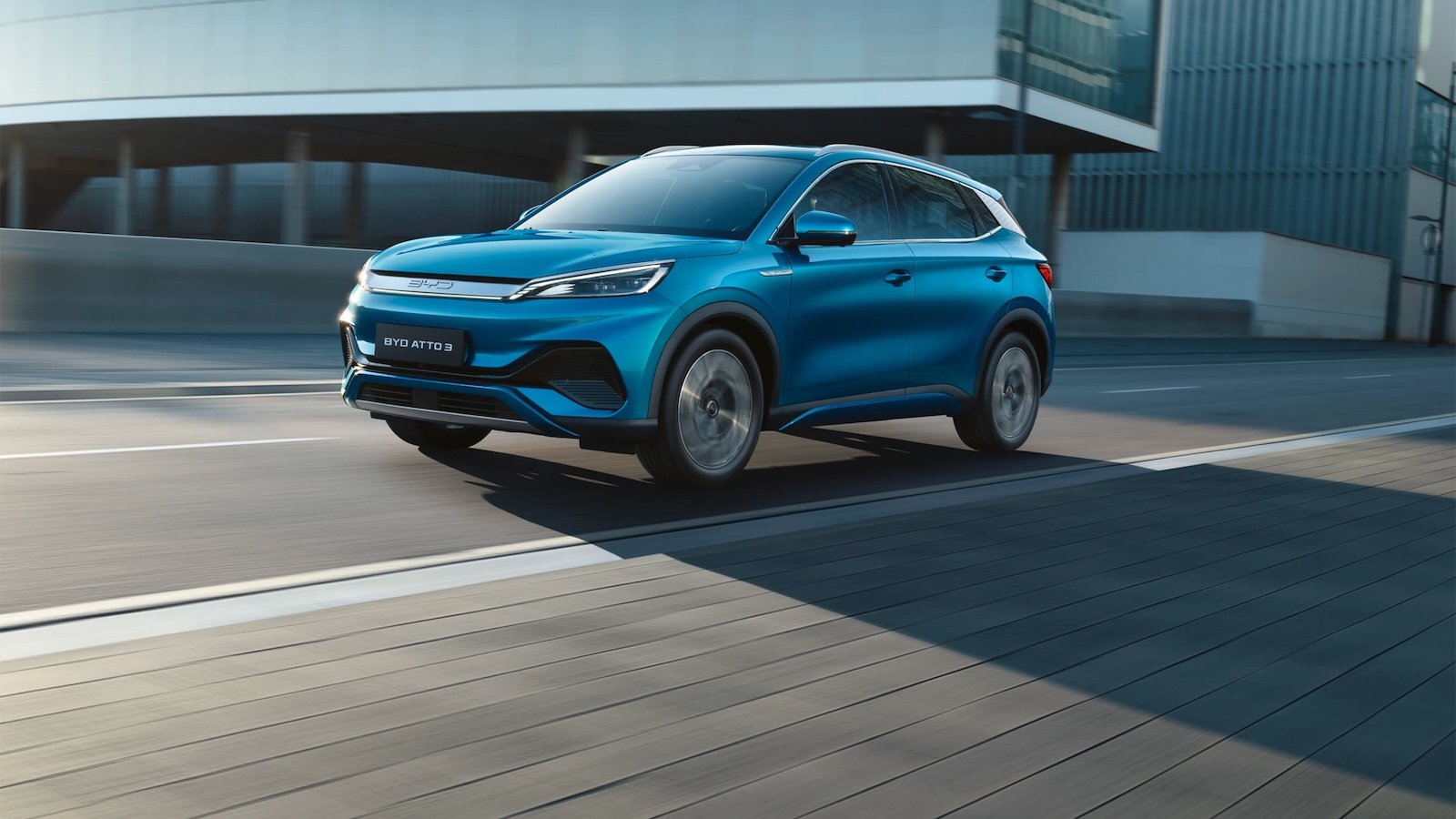
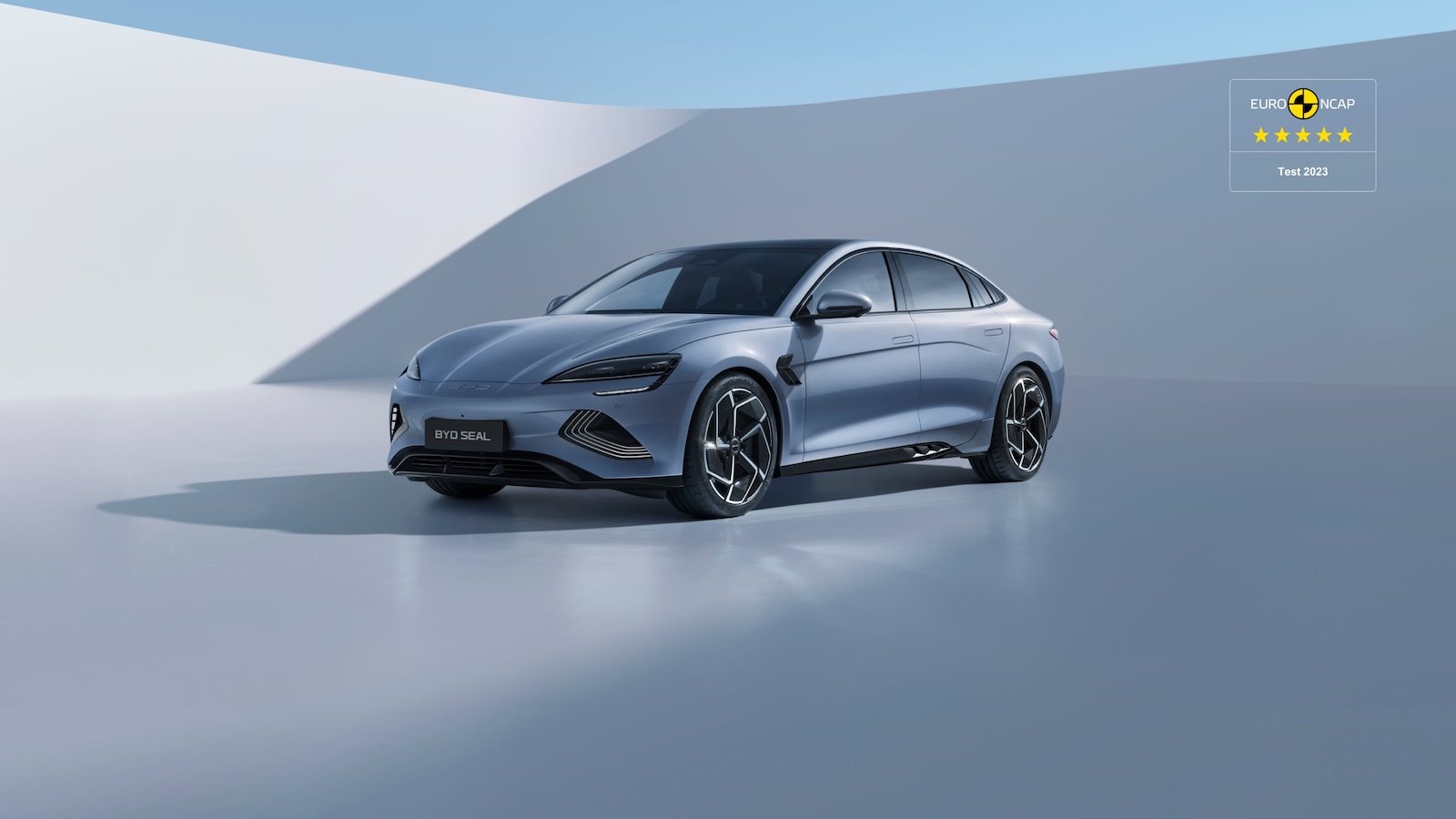
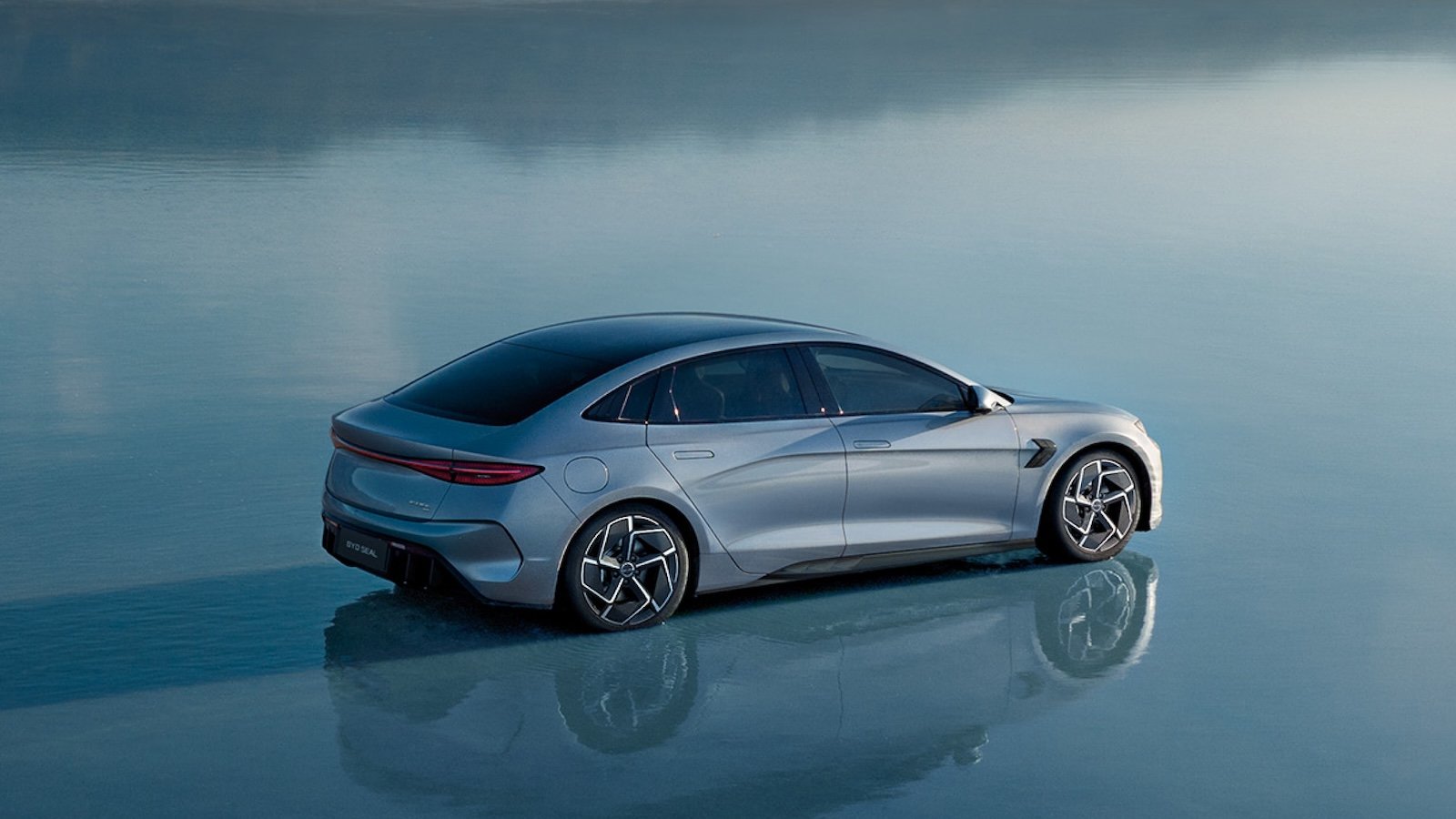
The Dolphin appears more likely to sit close to $31,000, which would place it under the quota’s reserved sub-$35,000 band. The Atto 3 would sport a sticker price closer to $42,000, while the Seal could begin near $49,000. On paper, that would give BYD real price leverage in several segments, especially in compact cars and midsize sedans.
A short while ago, an unconfirmed and unsubstantiated price list, apparently from BYB, began circulating online. It placed the Dolphin Essential at as little as $17,600, the Atto 3 at $21,200, and the Seal at $39,570.
No matter how BYD chooses to structure pricing for its models, one thing is clear: They will offer the most affordable and attainable new vehicles in the country.
The federal incentive structure is the main offset. Transport Canada’s new Electric Vehicle Affordability Program, which replaced iZEV on February 16, offers up to $5,000, but only for vehicles made in Canada or in countries with free trade agreements with Canada. China does not qualify, so imported BYD models would likely miss the program even if their transaction prices fit the cap.
That leaves BYD competing on base price alone. Rivals can narrow the gap through federal support, though the projected initial price gap will be so great that incentives may have limited impact on transaction prices.
Will Canadians buy Chinese EVs?
Source: GlobalChinaEV