Starting in 2028, Mercedes-Benz’ upcoming EVs will be powered by South Korean Samsung SDI cells — not Chinese CATL. On the surface, it’s a supplier change. In reality, it’s much more than that.
- Samsung SDI replaces CATL as the NMC cell supplier for upcoming Mercedes models
- The switch applies to the MMA platform, with deliveries starting in 2028
- The real driver: reducing dependence on Chinese suppliers
Mercedes-Benz is making a strategic shift: its upcoming EVs built on the MMA platform (Mercedes Modular Architecture) — compact and mid-size SUVs, plus a few coupes — will use Samsung SDI cells. First deliveries are expected from 2028 onward.
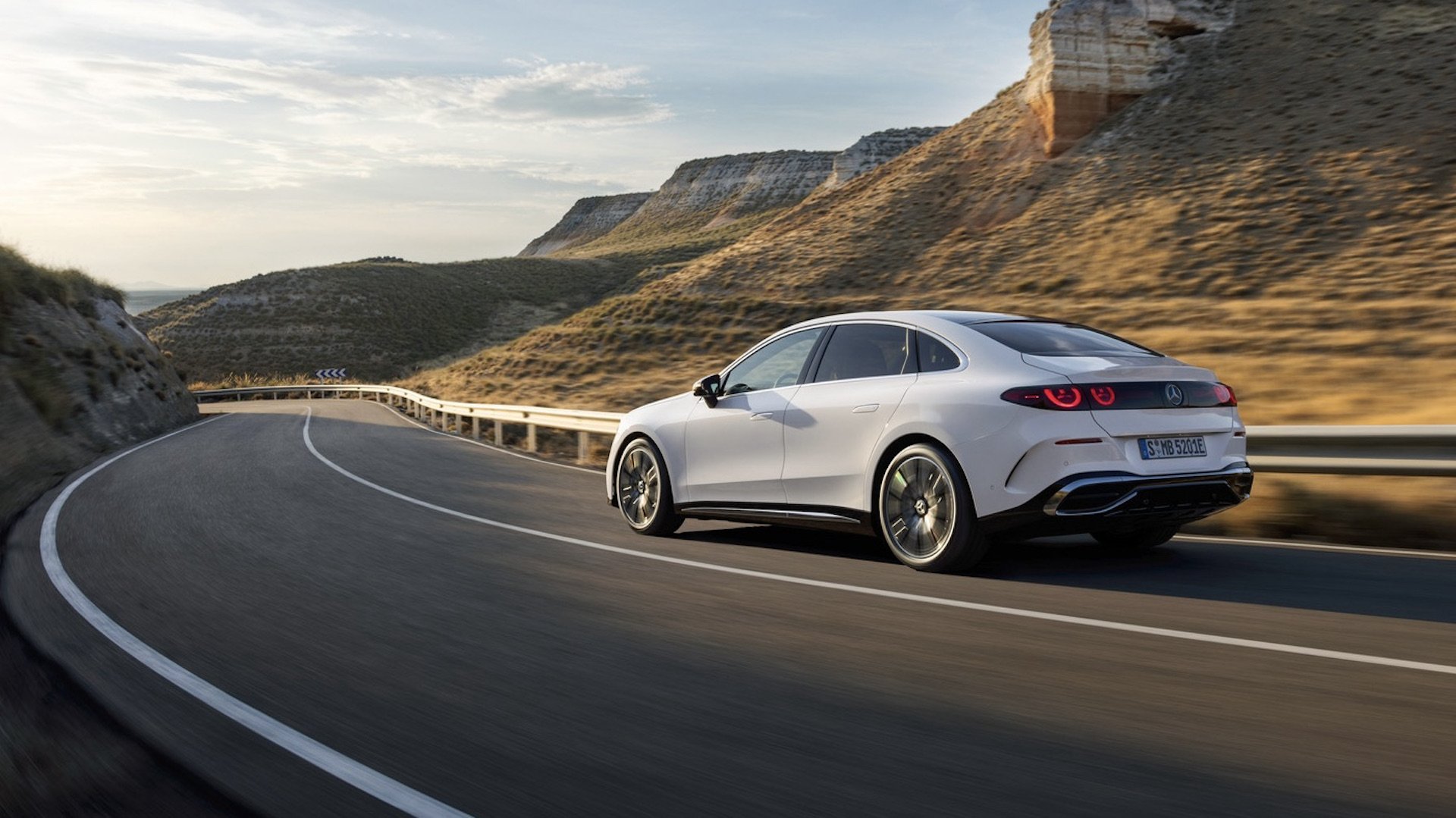
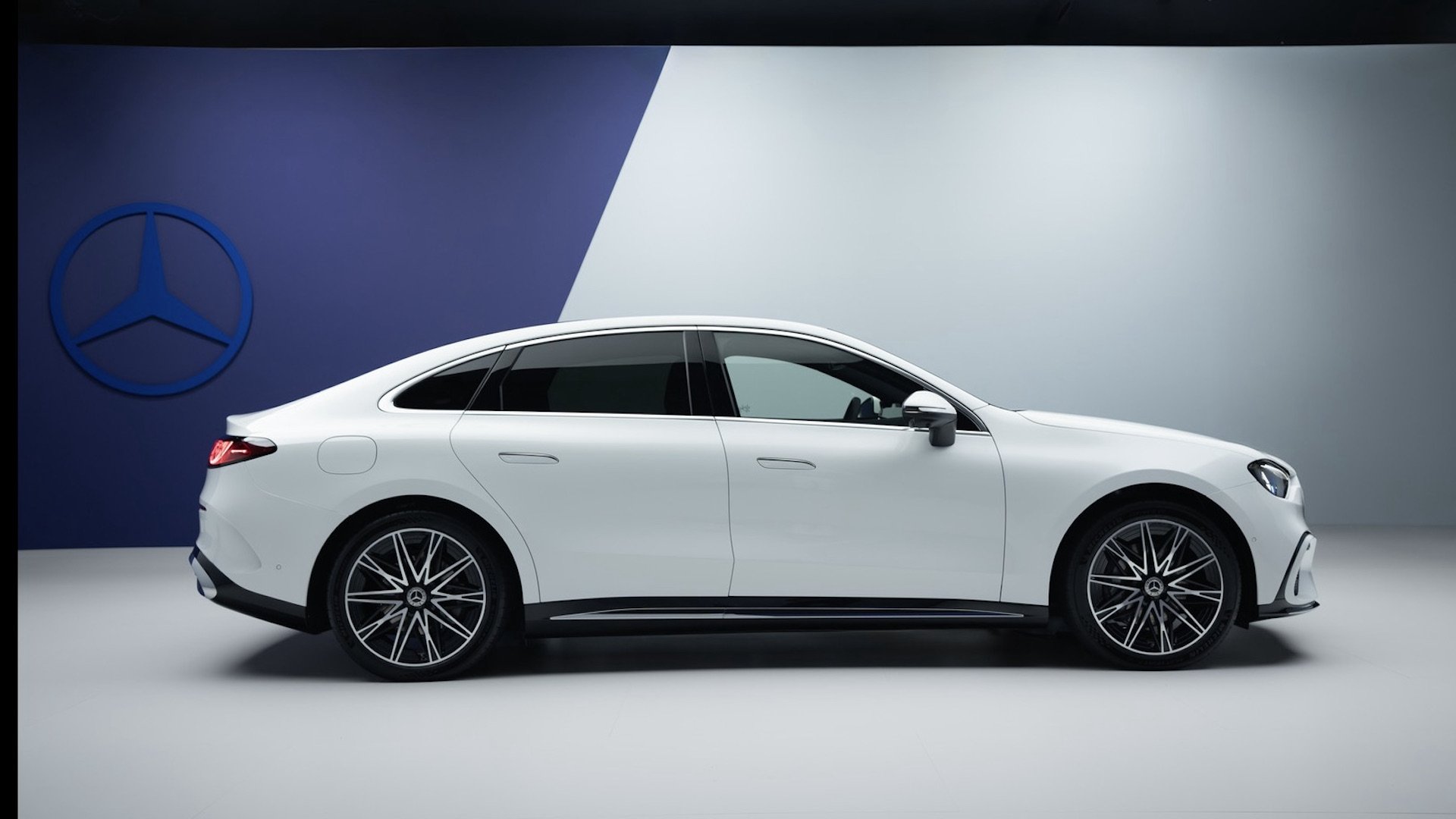
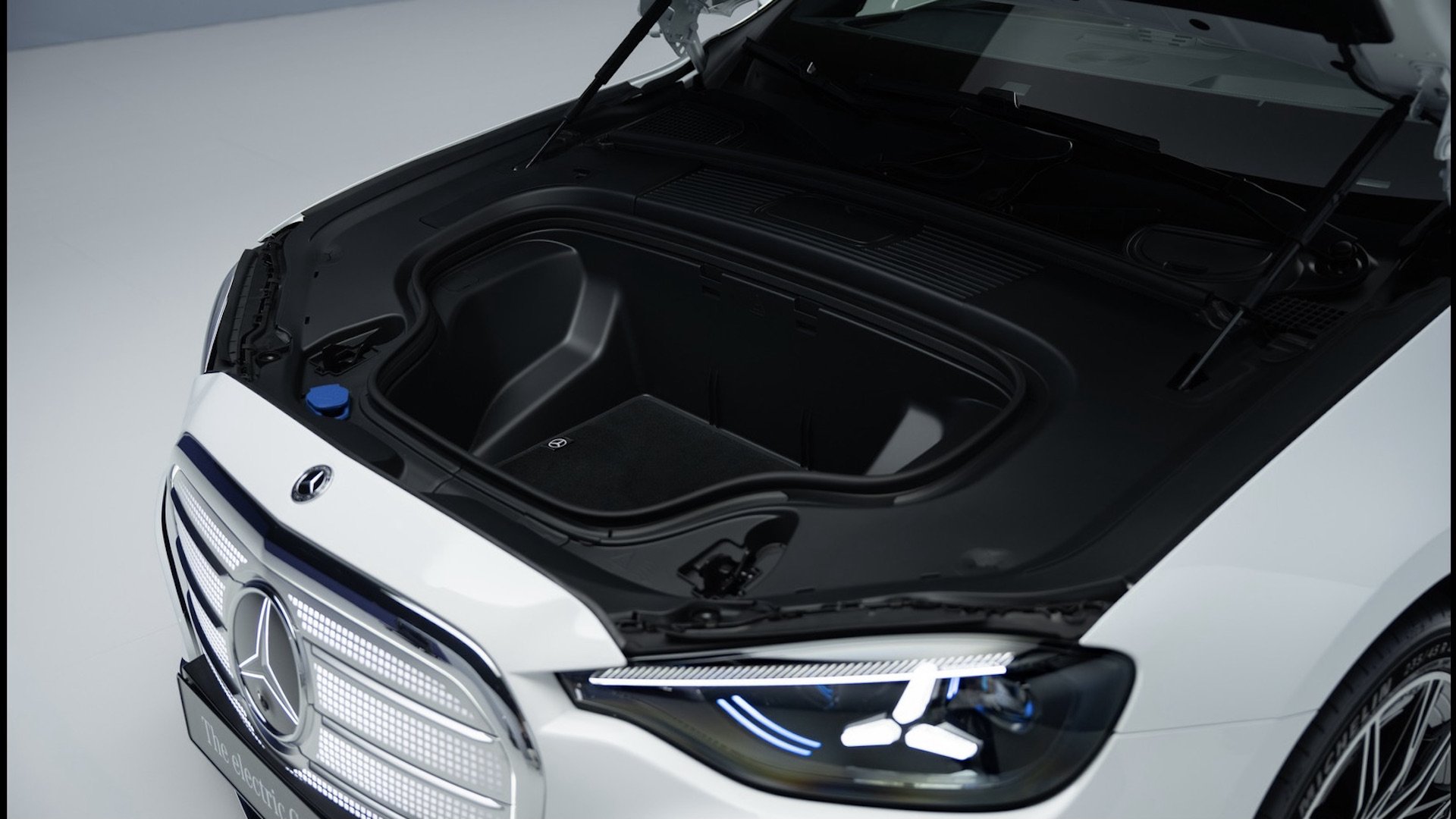
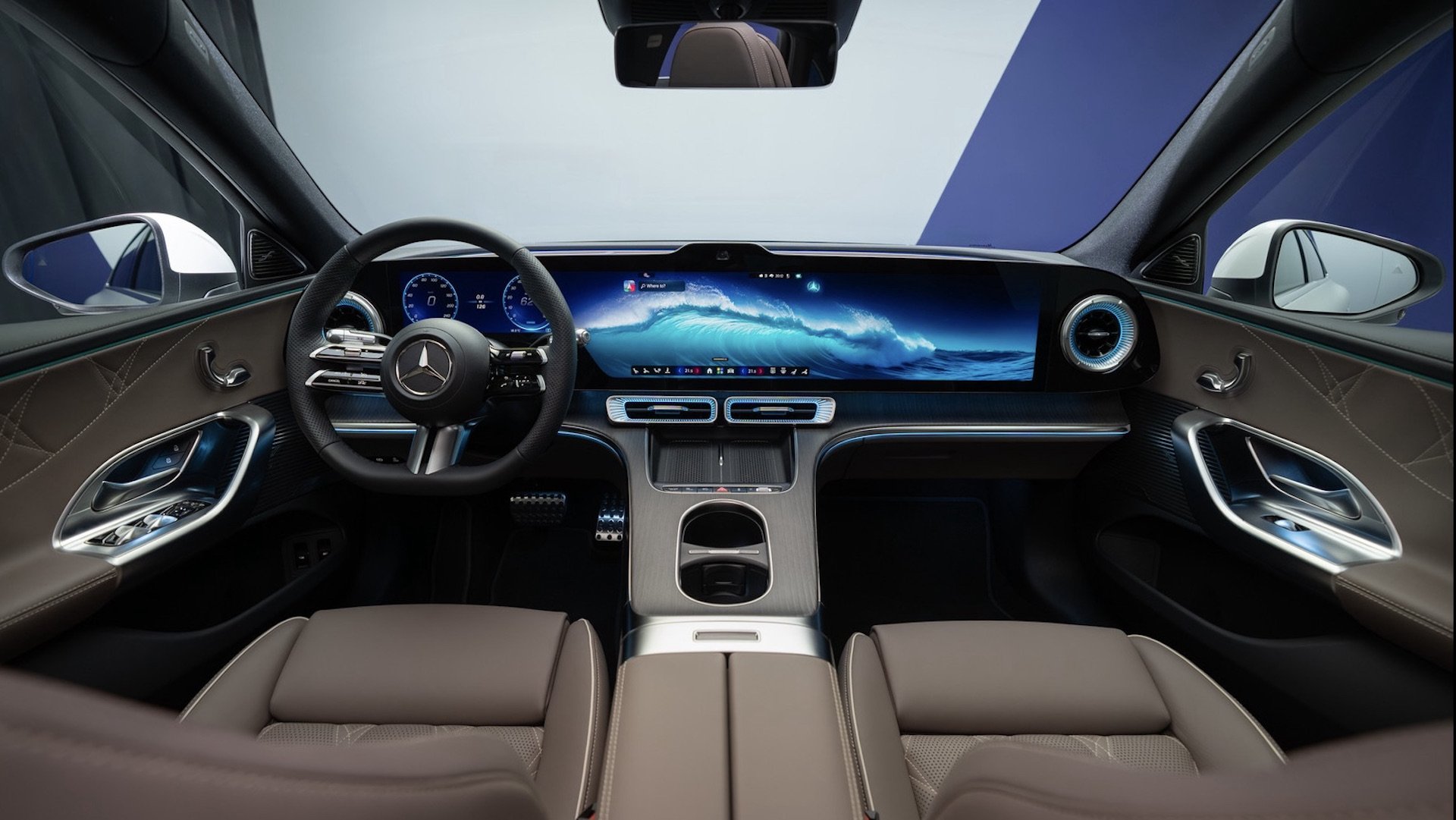
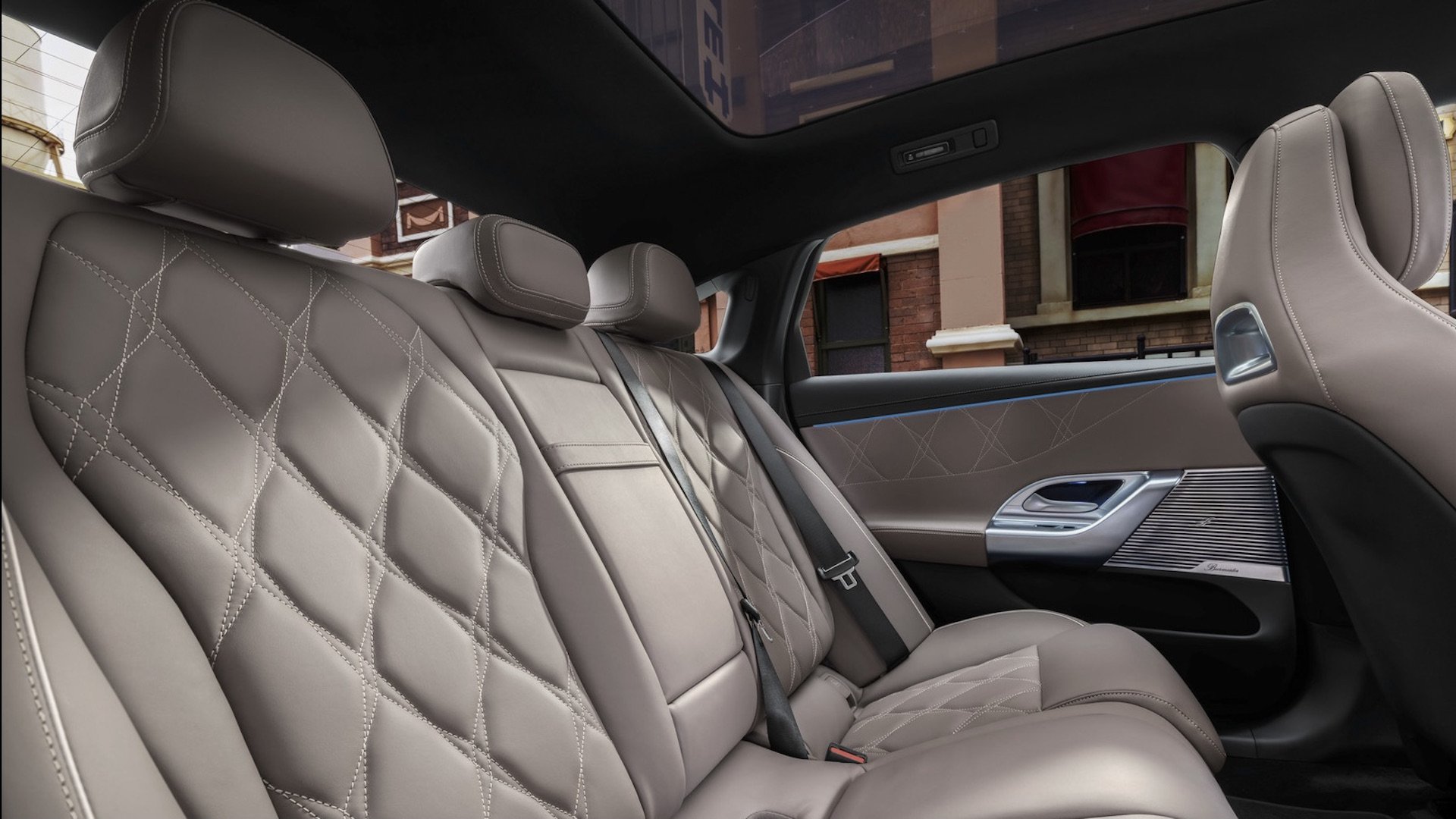
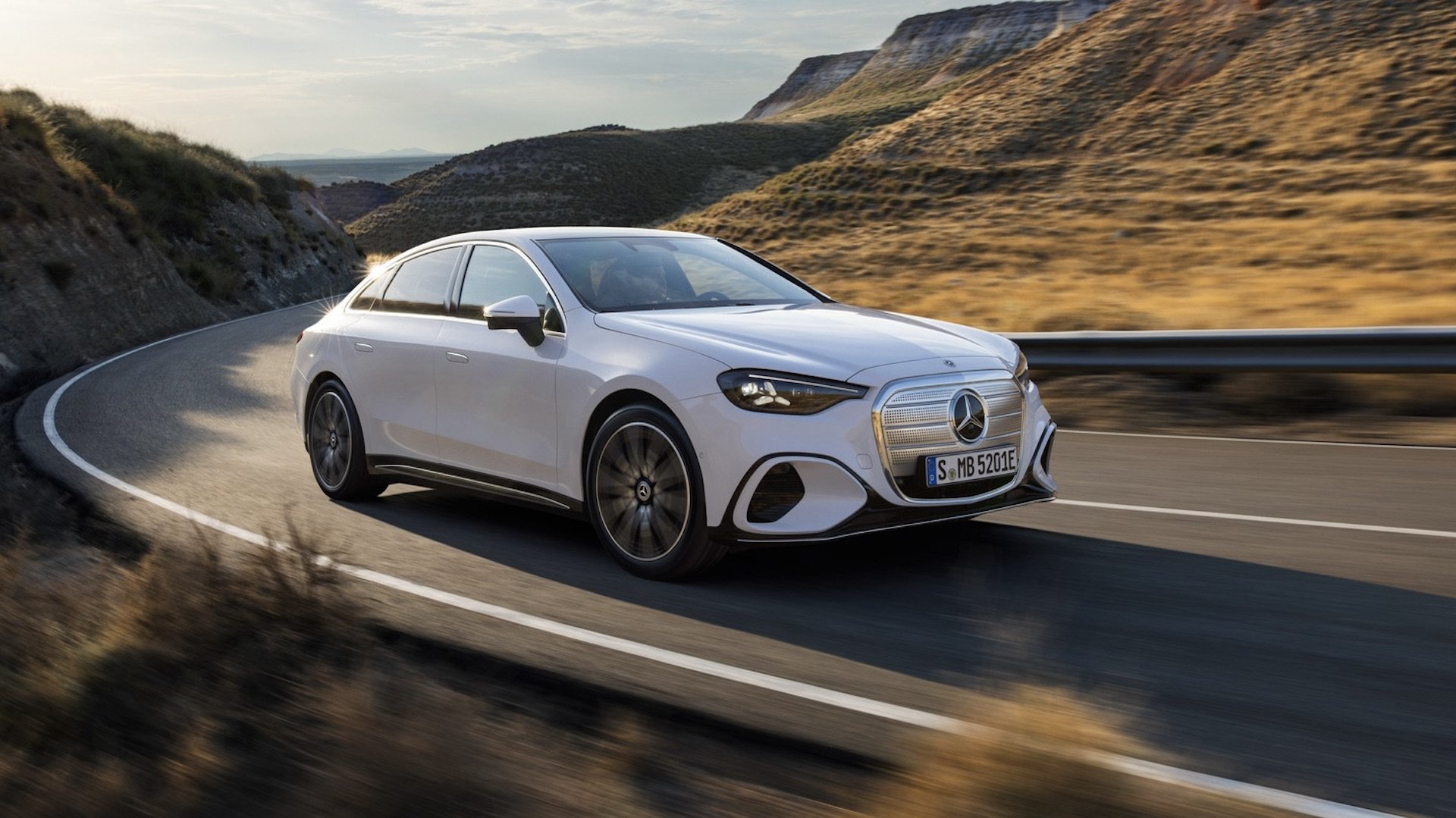 2027 Mercedes-Benz C-Class EV
One thing worth clarifying upfront: Mercedes-Benz is not changing battery chemistry. The brand already uses NMC (Nickel-Manganese-Cobalt) — the current CLA is supplied by CATL, and the new electric C-Class carries a 94.5 kWh pack with a claimed range of 760 km. The chemistry stays; the supplier changes.
The Real Reason: Reducing Dependence on China
CATL is the world’s largest battery manufacturer — and it’s Chinese. As commercial tensions between Europe and China continue to escalate, relying on a single Chinese supplier for the most strategic component in an EV has become a risk European automakers are no longer willing to take.
Samsung SDI is South Korean, with plants in South Korea, Hungary, and the United States. It already uses supplies cells to BMW and Stellantis. For Mercedes, this is about securing its supply chain without changing technology. Others are making the same calculation: LG Energy Solution and SK On are gaining ground for the same reasons. The consolidation of non-Chinese cell suppliers is well underway.
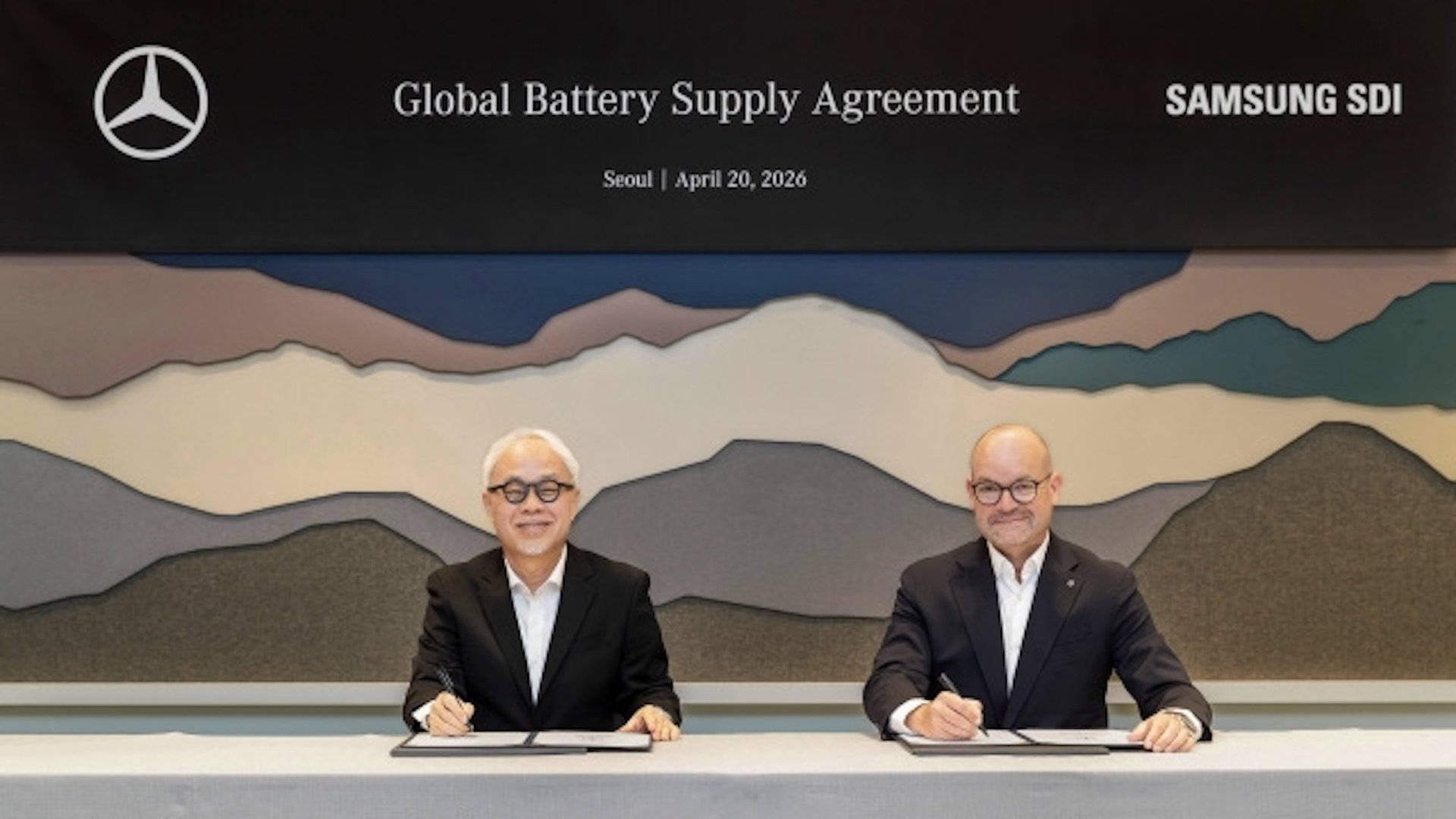 Mercedes-Benz Samsung agreement
NMC or LFP: What Does This Actually Mean?
There are two major lithium-ion battery chemistries in today’s automotive market: NMC (Nickel-Manganese-Cobalt) and LFP (Lithium-Iron-Phosphate). They don’t play in the same league.
NMC makes sense for a premium brand like Mercedes, but it comes with real trade-offs worth naming:
- NMC: high energy density, meaning more range for the same battery size. The downside is faster degradation when charged to 100% regularly (80% recommended) and it contains cobalt — a mineral with well-documented ethical sourcing concerns.
- LFP: moderate energy density, but far more durable over time. Can be charged to 100% without issue, cobalt-free, and generally cheaper. This is what you’ll find in entry-level Teslas, the Mustang Mach-E Select, the 2027 Bolt, and many Chinese EVs
For a Mercedes-Benz EV buyer, range is a key differentiator — so NMC makes sense. To extend battery life, it’s recommended to charge to 80% for daily use, and up to 100% only when needed for longer trips.
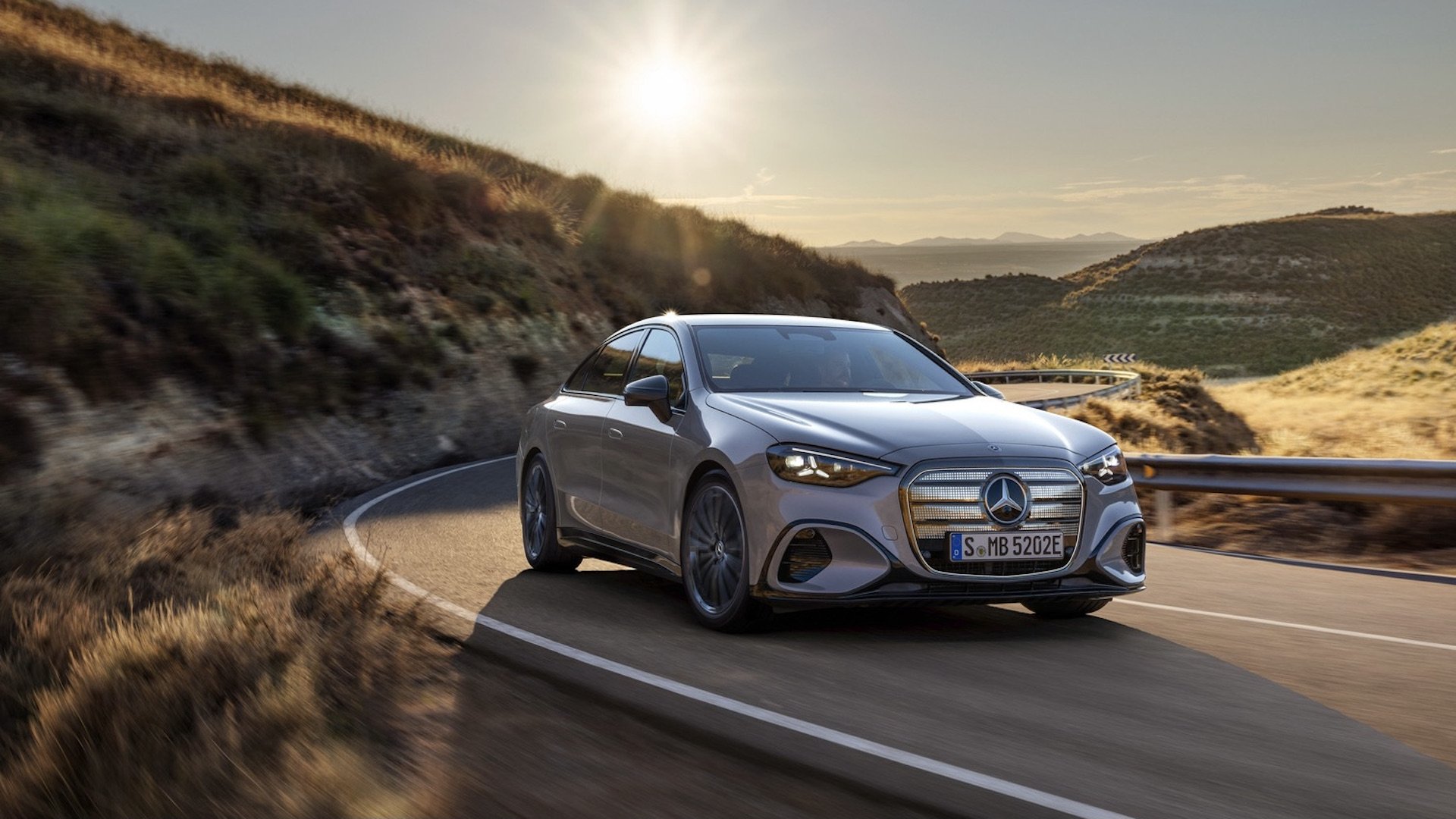
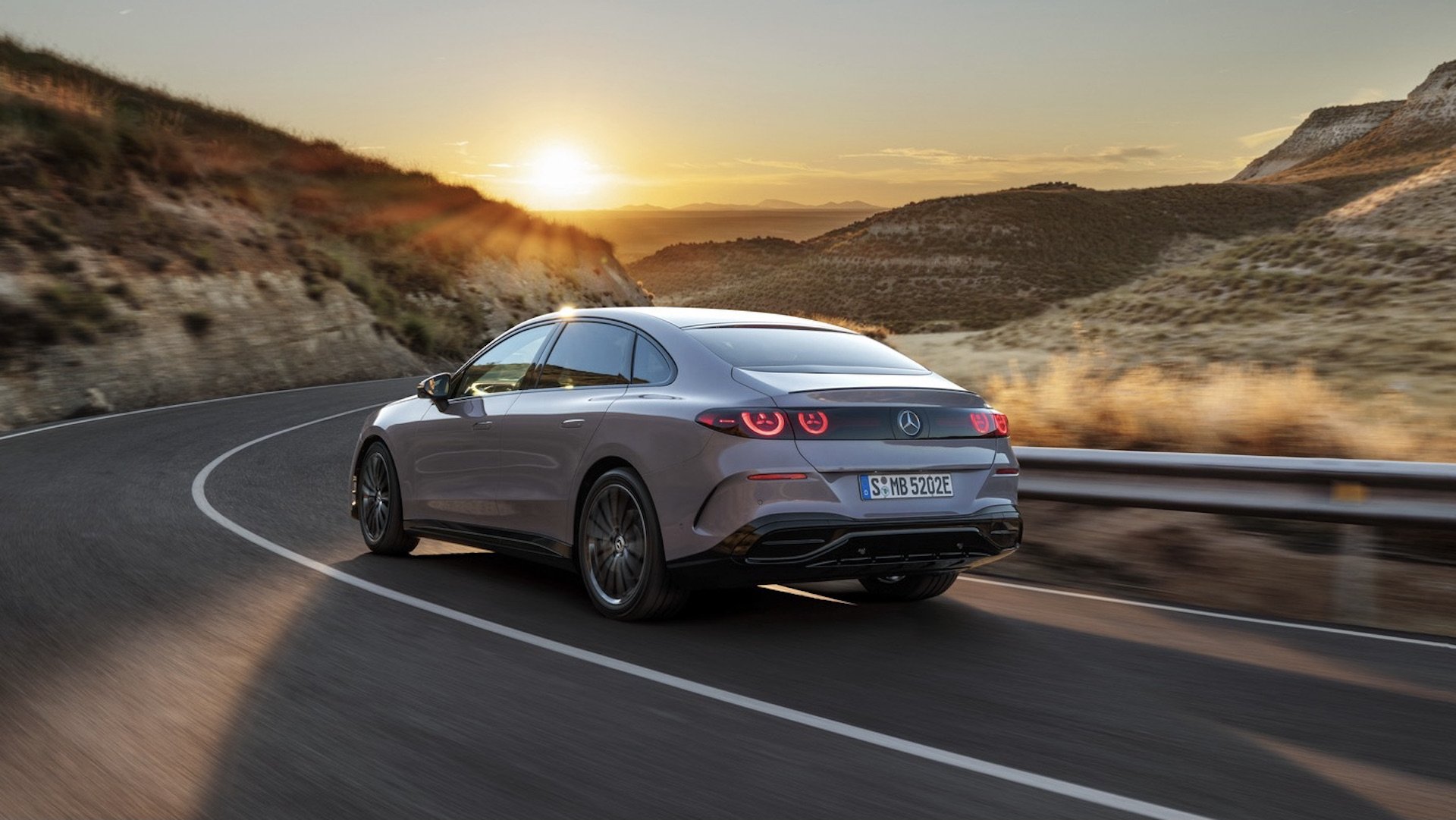
All-New Mercedes-Benz C 400 4MATIC Electric Launches With 482 HP
One detail relevant to the Quebec market: in the premium electric segment, Mercedes is sticking with its premium chemistry, a choice justified by its charging performance, energy density, and better thermal behavior — NMC holding up better than LFP in winter conditions, especially below -20 °C.
What This Changes, in the End
To recap: the battery chemistry isn’t changing. What’s changing is where the cells come from. Mercedes is reducing its exposure to China, Samsung SDI is landing a major contract on a flagship platform, and the industry is confirming a powerful trend: the battery has become a matter of industrial sovereignty, not just a question of kilowatt-hours.
Two questions to watch between now and 2028: will Samsung SDI’s cells meet CATL’s quality benchmark? And will other European automakers follow with the same supplier? Stay tuned.
For now, remember this: in the next decade, who makes the battery will matter as much as who makes the car. And that race has already uses begun.