


The president has met with executives from Ford and General Motors, as well as automotive dealer associations, and the Alliance for Automotive Innovation.
This bill would require automakers to make parts and diagnostic information available to independent repair shops and owners to facilitate out-of-dealership repairs.
Canada already has a form of Right-to-Repair law in place federally, with Quebec pushing the consumer protections further.
As the Right-to-Repair bill is moving through congress in the United States, president Donald Trump met with a number of auto industry executives last week.
Indeed, the president reportedly met with General Motors’ CEO Mary Barra, Ford Senior Executive Andrew Frick, and executives from the National Automobile Dealers Association (NADA) and the Alliance for Automotive Innovation.
While the details of what was said in this meeting are kept secret, the president told the press afterwards that the auto industry doesn’t want third parties to fix their cars.
This has been known for a while now, with automakers and dealerships fighting against independent repair shops over access to original parts, proprietary tools, and diagnostic information.
With the auto service market being worth about $200 billion annually in the United States alone, it is no wonder that automakers and especially dealerships are unwilling to make it easier for independent repair shops and mechanically-inclined owners to work on their recent vehicles.
 Car mechanic | Photo: Dreamstime
To corner this market and force drivers to have their cars serviced at the dealerships, automakers have kept a close grip on the supply of parts and proprietary tools.
In addition, the increasing presence of software and electronics in vehicles means that companies can require technicians to have access to their own diagnostic tools to complete basic servicing procedures.
Therefore, independent repair shops need to purchase software licenses for most of the brands of vehicles they work on, which quickly becomes very expensive.
To prevent this and allow independent mechanics as well as owners to repair and maintain newer vehicles, the Right-to-Repair bill would require automakers (as well as a bunch of other companies, such as appliance manufacturers and tech companies) to provide buyers and third-party repair centres access to the necessary parts, information, tools, and diagnostic equipment.
Despite this apparent pushback, the Alliance for Automotive Innovation, which represents most automakers, says it supports Right-to-Repair laws as 75% of all post-warranty automotive servicing is done at independent mechanics anyway.
The alliance also noted that the automakers it represents agreed back in 2014 to make parts and information more easily accessible to third parties.
Doing so could also reduce repair prices to customers by increasing competition in the field.
Unsurprisingly, dealership groups oppose these types of laws, saying that they could allow aftermarket parts manufacturers to make knockoffs by reverse-engineering factory parts and give insurance companies more power to influence repair decisions.
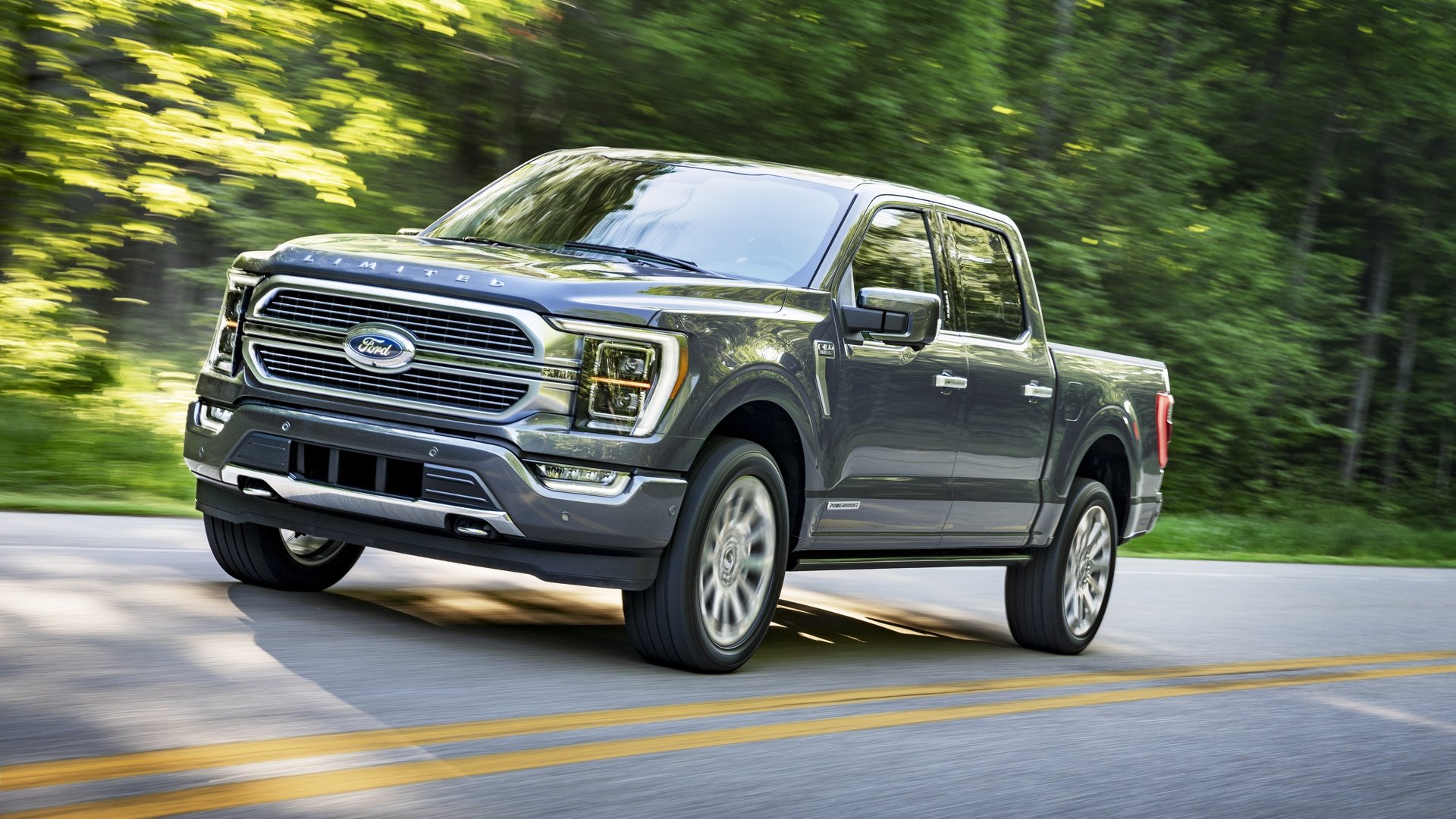 Ford F-150 | Photo: Ford
While this is going on in the United States, Canadian consumers are already covered by a similar law that allows third parties to circumvent digital locks that prevent them from servicing other company’s products.
This applies to a number of items, including electronic devices, household appliances, and automobiles.
Companies are also no longer able to prevent third parties from creating software that is interoperable with their own proprietary systems, which should make diagnosis easier.
As is often the case when it comes to consumer protection, the Province of Quebec goes further by requiring that manufacturers provide a free legal warranty to buyers, along with the parts, information, and tools needed to service the products they sell.
This warranty is intended to ensure that products can be used as intended for a “reasonable” amount of time. What is a “reasonable” useful life isn’t specified, but experts will look at the product’s initial cost when making a decision in case the warranty is needed.
Under this warranty, manufacturers need to repair or replace the product if it fails within that “reasonable” life expectancy, even if the actual manufacturer’s warranty is over.
 2026 GMC Terrain Denali | Photo: Anthony Lemonde
Retailers, or dealerships, when it comes to cars, are also not allowed to force the customer to deal directly with the manufacturer and must take all necessary steps to fix or replace the defective product themselves.
While many companies warn that this warranty cannot apply since replacement parts are not available, the Quebec law means that the manufacturer needs to inform buyers in writing at the time of purchase if parts or diagnostic information are unavailable or only partially available.
Of course, manufacturers and retailers have both warned that Quebec’s law could make prices of new vehicles, appliances, and electronics rise significantly in order to offset the costs of potential free repairs.
It will be interesting to see if the bill passes in the Unites States, as this would mark an important step forward in the Right-to-Repair movement, which has gained traction worldwide over the last few years.
Source: Automotive News
