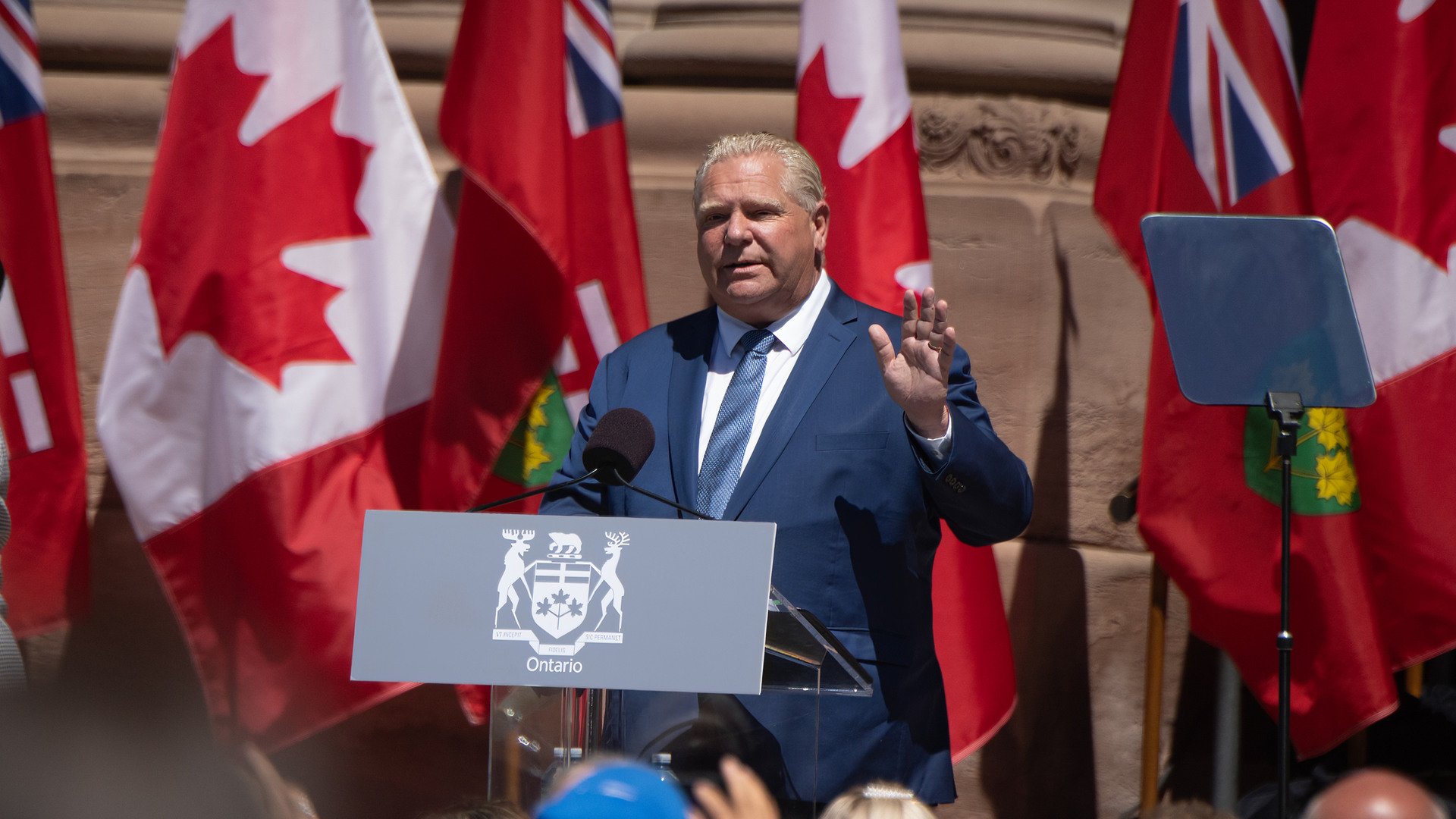
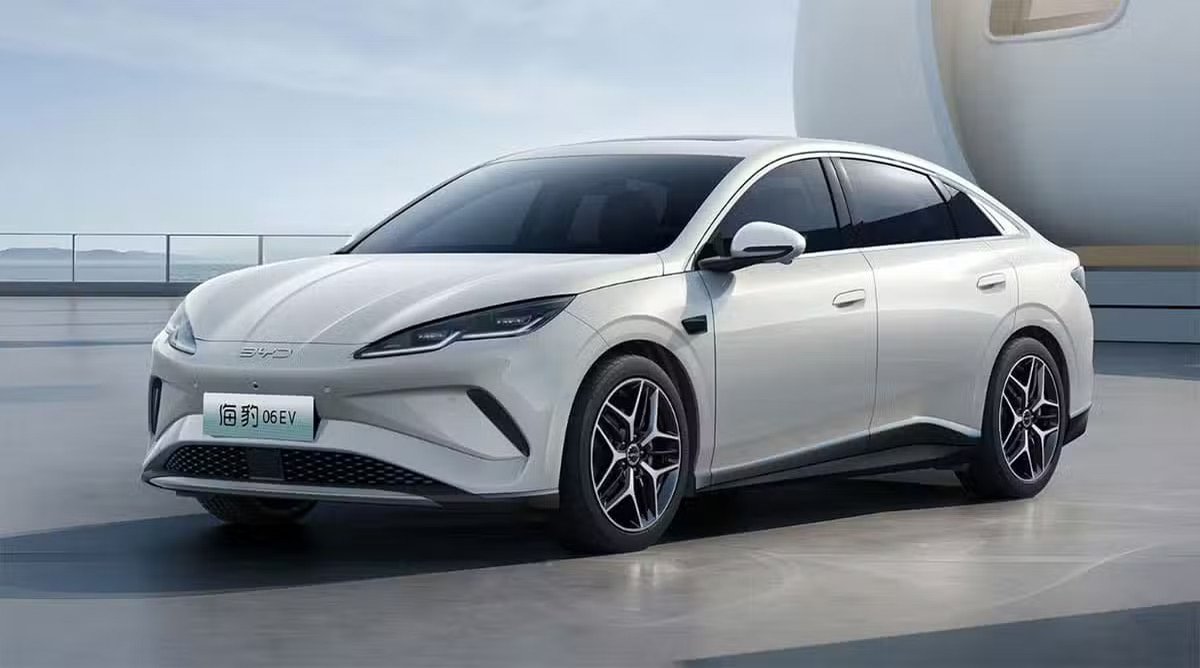
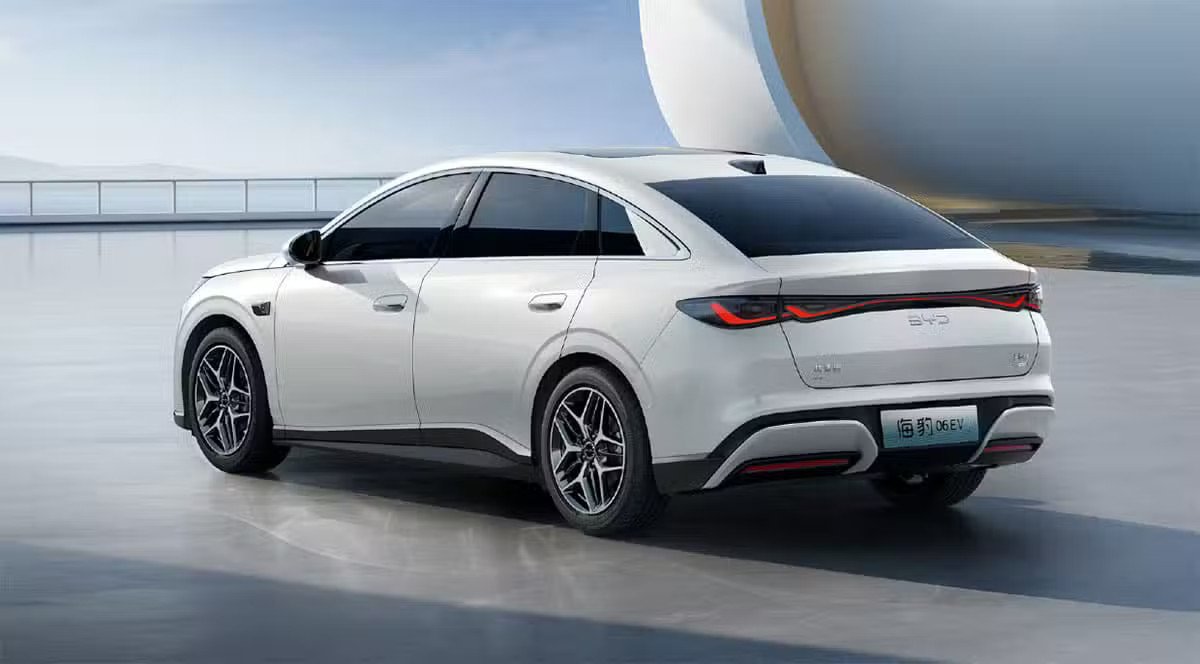
The Canadian federal government’s decision to authorize the sale of 49,000 electric vehicles from China with a reduced tariff from 102.5% to 6.1% continues to fuel discussion across the country. In Ontario, Premier Doug Ford has just made a clear statement.
The number of vehicles from China will be limited to 49,000 initially
The largest Chinese electric vehicle manufacturer is BYD (Build Your Dream)
Canadian consumers are divided on the issue
In fact, the latter is calling on Canadians to boycott Chinese electric vehicles when they become available for sale. According to the Ontario Premier, the decision to authorize Chinese electric vehicles on our territory will harm Ontario’s automotive sector.
“Boycott the Chinese EV vehicles. Support companies that are building vehicles here. It’s as simple as that”, he said.
According to him, people here need to support the domestic automotive industry and manufacturers that assemble vehicles in the country. He doesn’t believe Chinese manufacturers will ever produce vehicles on Canadian soil.
During the announcement of the agreement with China, Canadian Prime Minister Mark Carney stated that it offered great opportunities for Ontario and the automotive sector.
Clearly, the two politicians are not on the same page.
Also present at the press conference where Doug Ford spoke was Flavio Volpe, president of the Automotive Parts Manufacturers’ Association. He also had his two cents to add. He mentioned that the objective of the 100%+ tariffs was to give Canadian vehicle investments a chance to succeed before Chinese vehicles arrive in large numbers. According to him, the agreement weakens the domestic market, adding:
“The concession is directly to the market prospects of the companies that we’re trying to bolster, at a time when we’re under unprecedented pressure. Fifty thousand cars is about a shift at an auto plant, and a shift is 1,000 workers. It might be 5,000 supplier workers. So the challenge now is, if they’re inside the gate, what are we going to do to bolster the capabilities of Canadian suppliers with hundreds of millions of dollars of capital at risk?”
A Look at the Most Interesting Chinese Electric Vehicles Under $35,000
On the federal side, the message is somewhat different. Mark Carney stated that Chinese companies are showing interest in producing affordable electric vehicles here.
However, no agreement was signed in this regard, it must be noted.
The debate will continue to rage, and frankly, both sides raise interesting arguments.
Time, once again, will tell us if Canada was right. If things are done properly, the decision may end up being the right one. On the other hand, if we forget to consider the opinion of people directly involved in the Canadian automotive industry, the scenario could be less positive.
We’ll have the opportunity to discuss this again.