The Ford Capri means a lot to many people in Europe, but its story also reached North America. When it launched in 1969, the Capri wasn’t meant to copy the Mustang. Instead, Ford of Europe took the Mustang’s spirit and adapted it for European reality.
Pros
- Comfortable, composed ride well suited to long-distance travel
- Predictable handling and stable feel at higher speeds
- Uses energy efficiently for its size
Cons
- The Capri name sets expectations that this car doesn’t really meet
- DC fast-charging is slower than some main rivals
- Driving experience focuses more on ease of use than excitement
Things like narrower roads, higher fuel costs, stricter insurance, and a desire for stylish but affordable cars shaped what the Capri became. Built with parts from the Cortina, it offered good performance and eye-catching looks.The range included everything from basic four- cylinder models to top versions like the RS2600. By the time production ended in 1986, almost 1.9 million Capris had been sold, earning it the nickname “the car you always promised yourself.”
European Charmer Comes to America
That promise reached beyond Europe. In Canada and the US, the original European Capri was sold through Lincoln-Mercury dealers starting in 1970. For North American buyers, it was something different, a small, European-style coupe at a time when local cars were getting bigger and heavier. While it didn’t sell as much as in Europe, the Capri built a loyal fan base, especially among younger buyers who liked its size, balance, and unique feel.
 1970 Ford Capri (Picture by Ford)
This is why people often link the Capri and Mustang, even though they’re quite different. The Mustang was all about power and size, while the original Capri focused on being agile and efficient. What they really shared was being accessible, not their style or format.
Volkswagen DNA Under the Surface
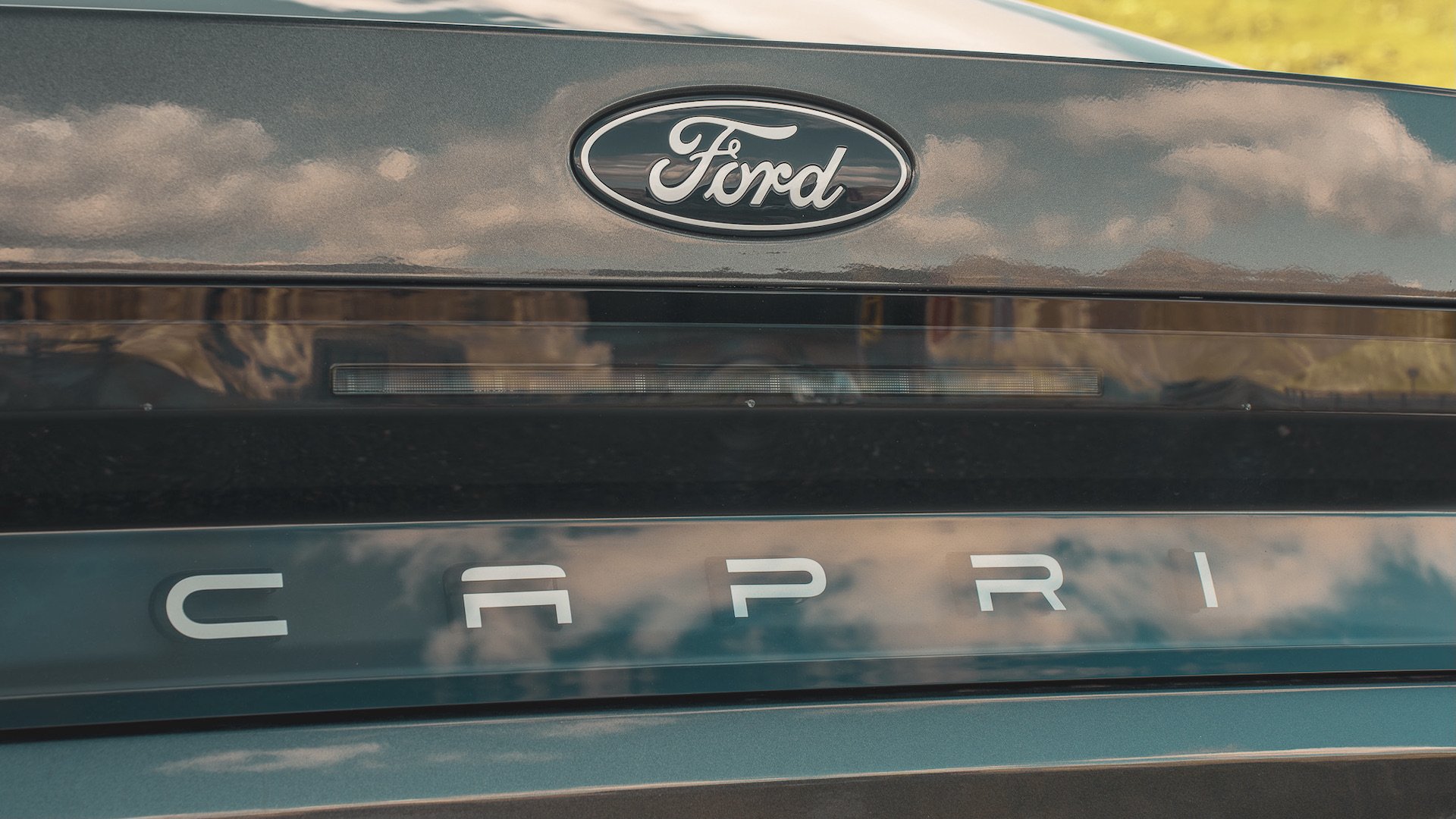
The new Ford Capri EV isn’t trying to bring back the old coupe. Instead, it uses the Capri name for today’s European market, where compact crossovers are popular and electric cars are the norm. This isn’t about nostalgia, it’s about practicality.
To make this change work, Ford teamed up with Volkswagen and used the MEB platform, which is also found in cars like the ID.4. Even though the basic setup is shared, Ford gave the Capri its own steering, suspension, and throttle feel.
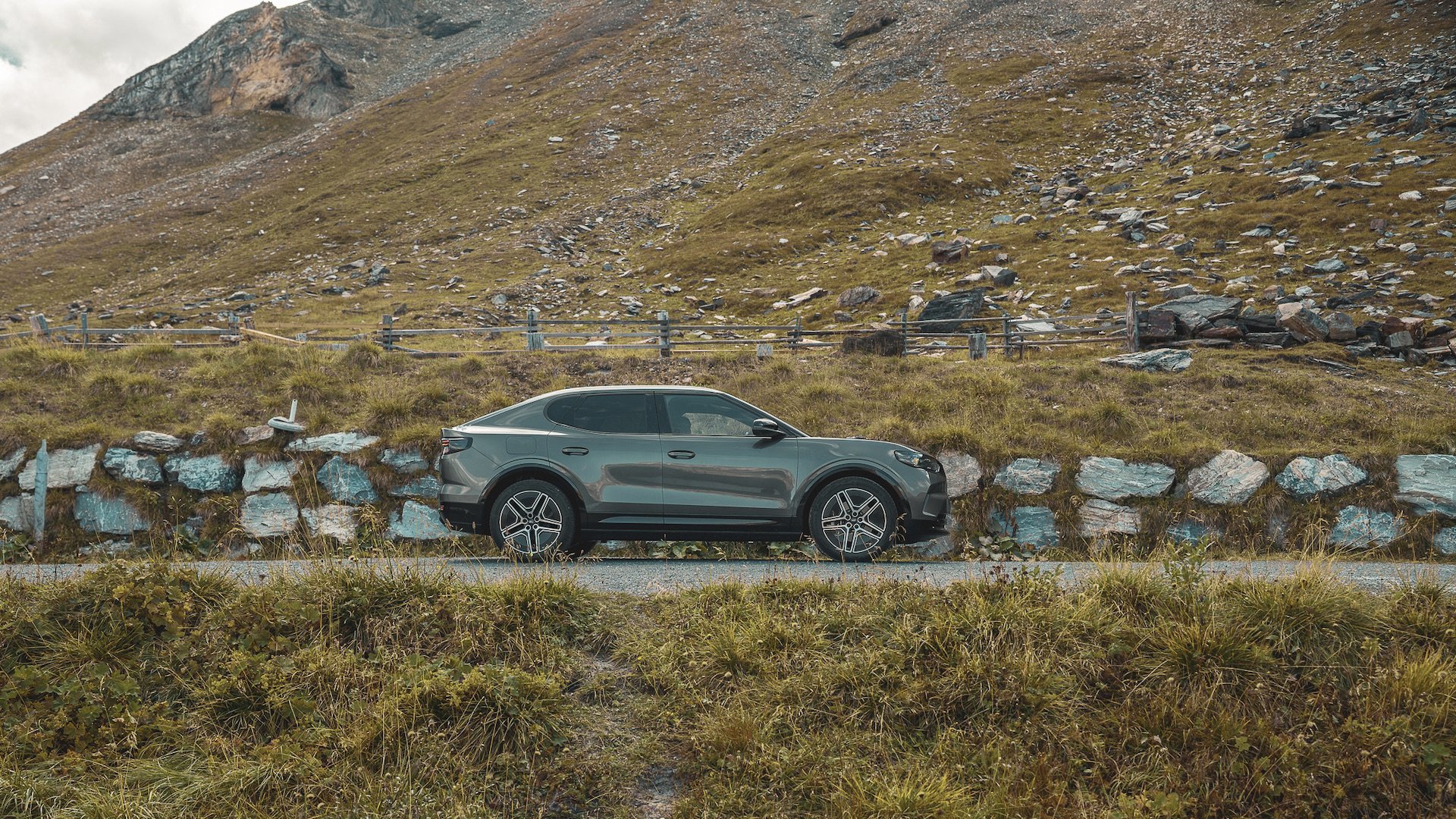
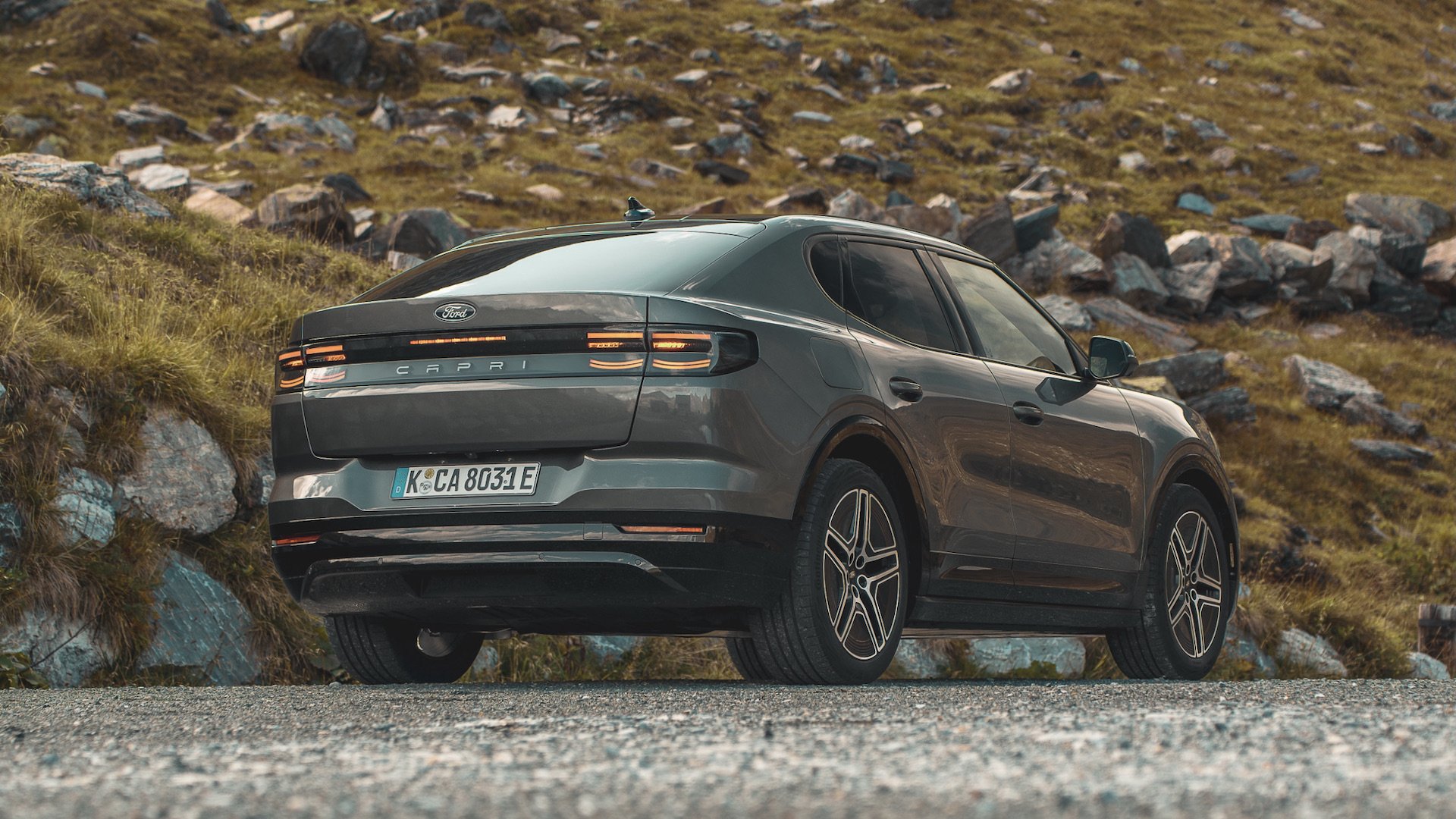
 2026 Ford Capri EV Premium RWD (Picture by Alain Kuhn Von Kuhnenfeld)
You can feel these differences on the road. Compared to most other MEB-based EVs, the Capri feels more stable at higher speeds and responds in a more controlled way. The steering is heavier than usual for this type of car, which helps you feel confident, though it’s not the most agile. For a car this size, it handles its weight well, especially on faster roads where it stays calm and predictable.
We tested the Ford Capri Premium RWD, which uses a single electric motor at the back with 286 hp and 402 lb-ft of torque. It goes from 0 to 100 km/h in 6.4 seconds, which is about what you’d expect for a rear-wheel-drive EV with this power. The 77 kWh battery gives it a WLTP range of 598 km, or about 470–480 km in EPA real-world terms.
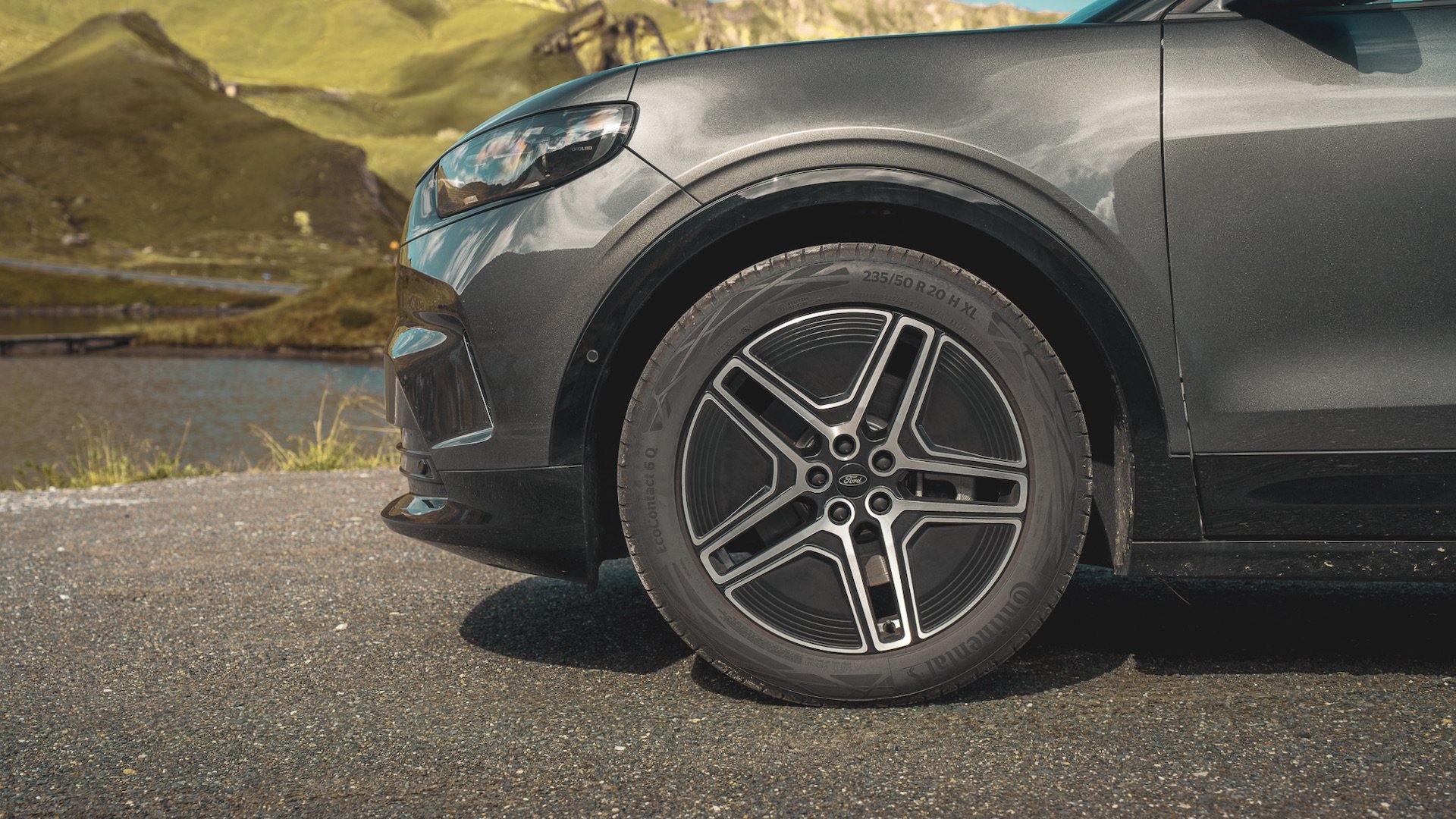
 2026 Ford Capri EV Premium RWD (Picture by Alain Kuhn Von Kuhnenfeld)
Composed Without Chasing Sportiness
The Capri delivers power right away at low speeds, but it’s easy to control. In city driving, it’s smooth and easy to handle in traffic. On country roads, it has enough power to pass other cars, but it’s not especially quick. The car is set up for smoothness and efficiency rather than speed; it’s capable, but not sporty.
In our real-world test, we drove 2,226 km on highways, mountain roads, and in daily use. The average energy use was 20.3 kWh per 100 km. In mixed driving, you can expect a real range of about 500 km. If you drive fast for long stretches, the range drops to around 350 km, which makes sense given the car’s size and shape.
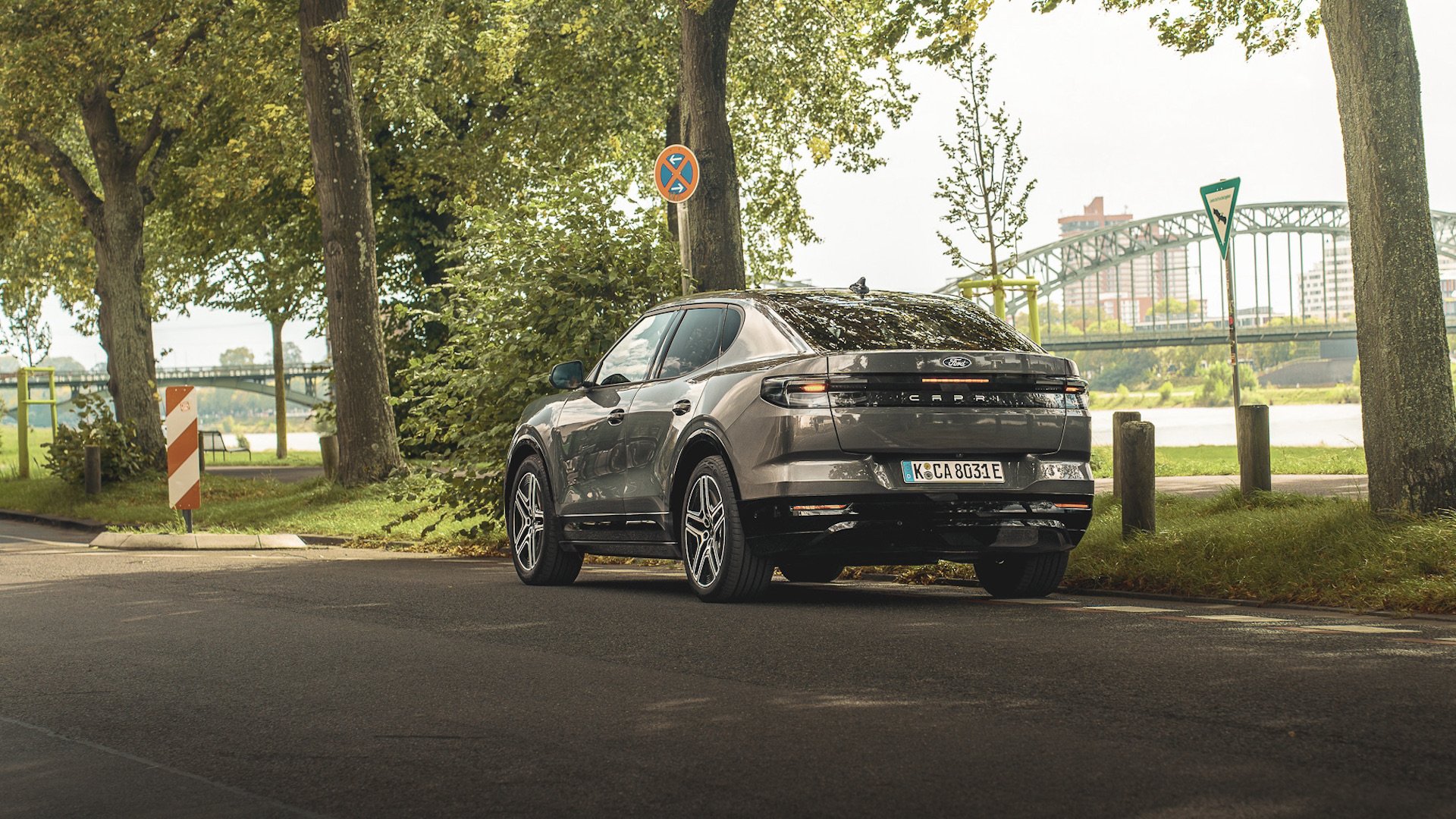
 2026 Ford Capri EV Premium RWD (Picture by Alain Kuhn Von Kuhnenfeld)
Comfort Takes the Lead
Ride quality is one of the Capri’s stronger attributes. Suspension tuning favours compliance, absorbing surface imperfections effectively without excessive float. At highway speeds, the cabin remains quiet, with wind noise well controlled. Road noise becomes more noticeable on coarse surfaces, a trait shared with many EVs on large wheels. Drive modes make subtle but noticeable changes. Eco softens throttle response for efficiency, while Sport sharpens inputs slightly without transforming the vehicle’s character.
Forbidden Fruit Review: Renault 5 E-Tech Electric – An Icon Reimagined, “Le Car” in the Electric Era
Energy Management
Regenerative braking is present but restrained. The system does not offer strong one-pedal driving, instead favouring a more conventional braking feel. This reinforces the Capri’s easygoing, predictable behaviour but may disappoint drivers seeking stronger regen control.
DC fast-charging peaks at around 123 kW. It is functional rather than competitive within the segment. Level 2 charging flexibility stands out, allowing adjustable charge rates and effective integration with solar charging setups. Bidirectional charging is also supported with compatible equipment.
Cabin Built for Real-World Use
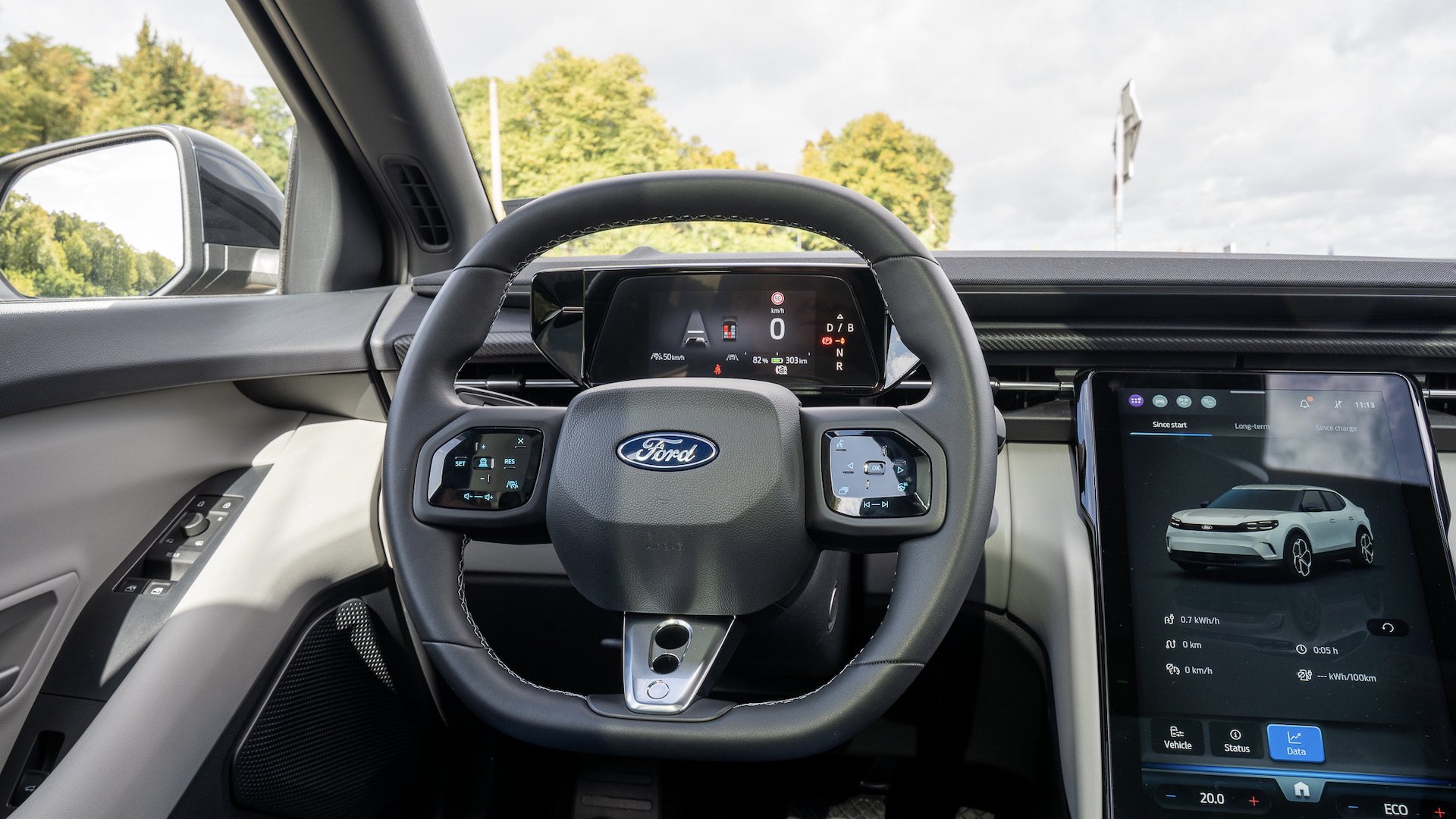
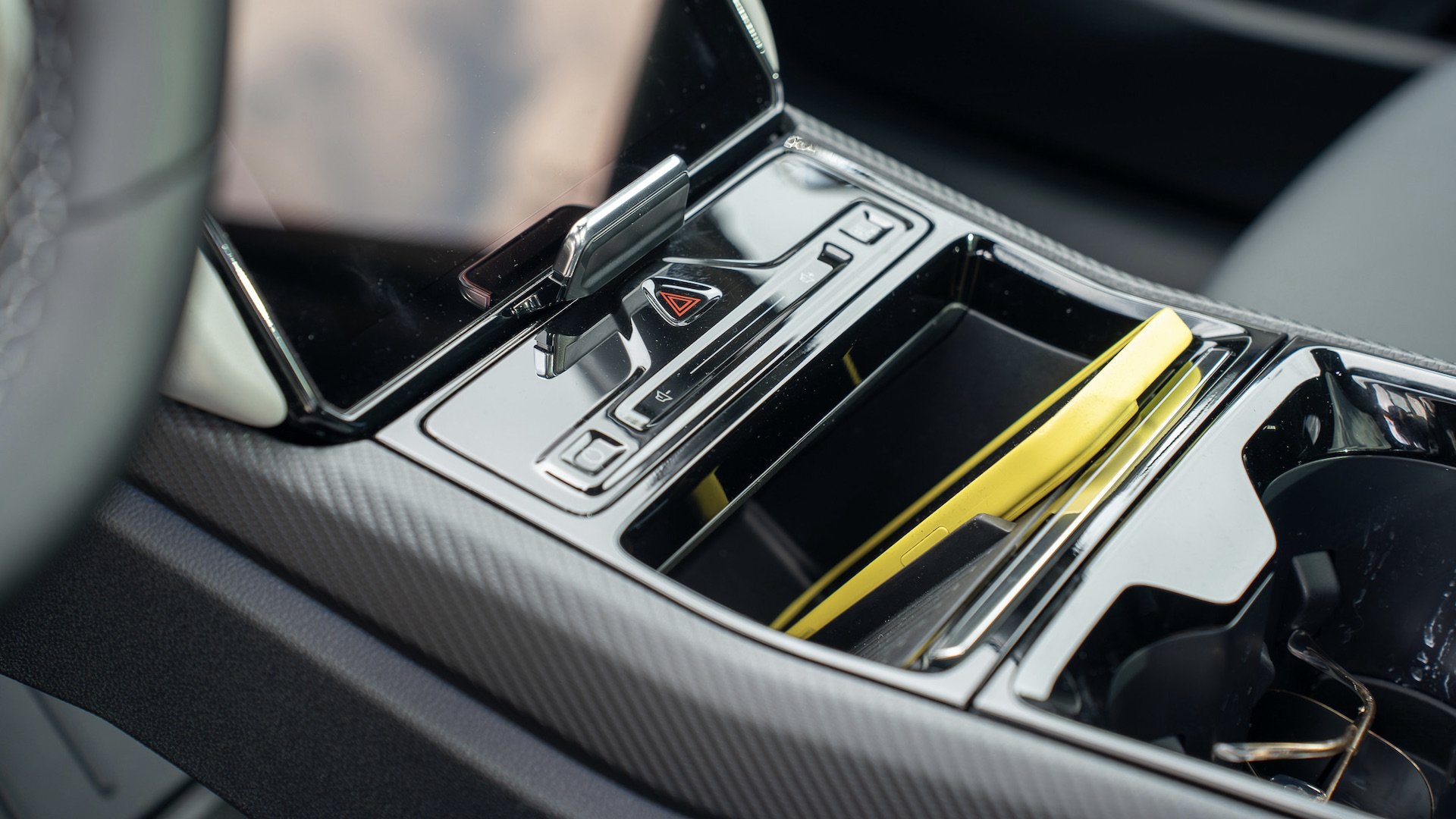
Inside, the Capri has a modern and practical interior. There’s plenty of space, the materials feel right for the price, and the infotainment system responds quickly. The central screen tilts, which might seem odd at first, but it’s actually handy day-to-day. It’s comfortable for long trips, thanks to good driver-assistance features and a well-designed driving position. The only downside is the awkward placement of the massaging and memory seat controls, which seem to come straight from VW.
 2026 Ford Capri EV Premium RWD (Picture by Ford Europe)
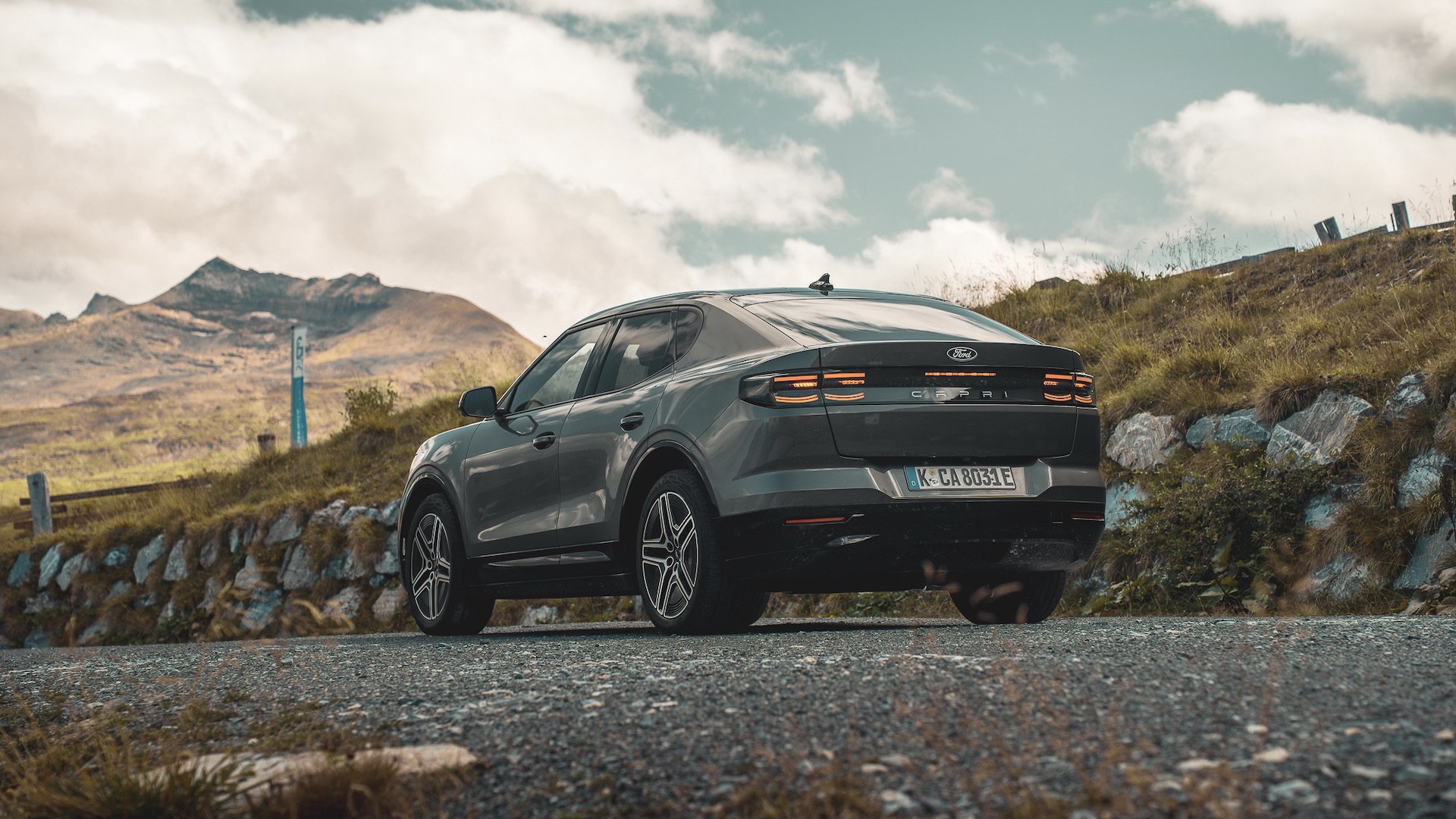
On our drive from Cologne to Graz, including the Grossglockner High Alpine Road, the Capri showed what it’s made for. It stayed stable on steep climbs, felt predictable in tight corners, and kept its composure at higher speeds. You can feel the car’s weight when you push it, but it never feels out of control.
Pricing and Market Position
The Capri starts at €42,400. The Premium RWD model we tested was €59,350, while AWD versions begin at €59,400. This puts the Capri above several key alternatives. The larger, more spacious Ford Explorer EV starts at €39,000; well-equipped AWD versions begin at €56,900.
The Capri enters a market where the Volkswagen ID.4, the platform’s reference point, continues to sell well across Europe. In contrast, Ford’s own Explorer EV has not yet reached the same level of traction. The Capri, therefore, positions itself as a more niche, design-led option.
Well-Executed Reinterpretation, Not a Revolution
The Ford Capri EV RWD is really a polished, capable electric crossover. It’s easy to drive, comfortable on long trips, and set up well for daily use. The steering, ride, and brakes are all tuned for predictability, not excitement. It does its job well, but it doesn’t bring back the old Capri’s driving spirit.
As a modern EV, it works. As a Capri, it is a reinterpretation in name rather than behaviour. The result is a vehicle that succeeds on practical terms, even if it leaves the historic badge doing more of the emotional work than the driving experience itself.