

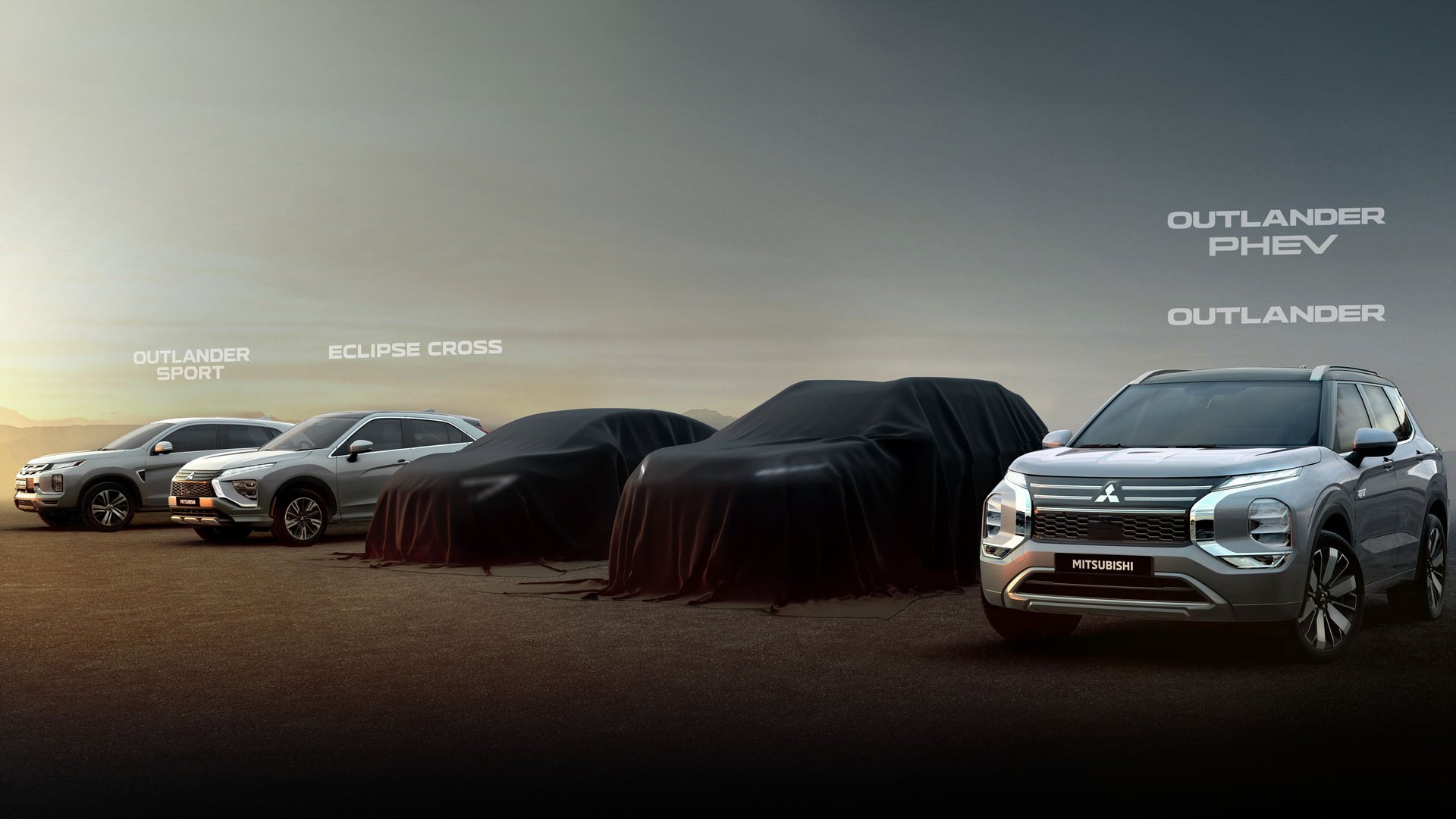
The automaker is planning to double the size of its lineup by the end of the decade.
Electrified crossovers and a larger SUV are planned, with a sedan possibly coming back later.
New models will be based on a flexible architecture that will allow EVs and hybrids.
Mitsubishi is one of the automakers that’s the most affected by U.S. tariffs as it hasn’t assembled vehicles in North America since it sold its Illinois factory, now owned by Rivian, in 2016.
As a result, its sales in the United States have dropped 38% in the third quarter of 2025 and 11% year-over-year in the first nine months.
To make up for this and reassure American dealers, Mark Chaffin, CEO of Mitsubishi Motors North America sent a letter to the company’s retailers that says the continent is a priority for Mitsubishi, and that a “strategic shift” would greatly improve the brand’s appeal to U.S. buyers.
The company had already announced a few months ago an ambitious plan to double its lineup in the United States and Canada by the end of the decade, which means it needs to add at least four models in the next four years.
One of these upcoming products is a small electric crossover based on the new Nissan Leaf, which is expected to arrive next summer.
After that, a more rugged version of the Outlander SUV, the brand’s volume leader, is set to join the lineup, allowing the company to enter a fast-growing segment.
Later on, the company plans to launch another electrified crossover and a passenger van.
Few details are known about these two future models, but a van would make Mitsubishi one of only a few automakers to offer such a vehicle in North America.
 Mitsubishi Elevance Concept | Photo: Mitsubishi
We can speculate that this van would be closer to the ones that are popular in Asia rather than to traditional North American minivans, but we will have to wait and see.
The other future product is a mid-size crossover that would sit above the Outlander in terms of price and market position, but not necessarily in terms of size.
Indeed, this model could be inspired by the recently unveiled Elevance concept, which appears to be a sportier and more stylish Outlander.
While the concept features a seven-seater configuration, this doesn’t appear to have been confirmed for the production version, with one of the brand’s dealers who got a peek at future products earlier this month saying that it could have a third row.
This model could reportedly be developed jointly with Nissan, like the current Outlander, and be built in one of Nissan’s factories starting in 2028.
This same dealer chairman also said he would like Mitsubishi to offer a pickup truck in North America, which could happen thanks again to the automaker’s partnership with Nissan.
Indeed, both companies said they are exploring the possibility of developing a new truck together, with hybrid and electric options being considered.
Mitsubishi Keeps Lancer Evolution Revival on the Table with Electrified Power
While the plan called for this new truck to be built in Mexico when details first surfaced early last year, the U.S. trade war and the threat of tariffs could put this project on hold, or encourage Nissan to move the production of this model to the United States.
Tariffs are also the reason why Mitsubishi can’t bring the Triton, a pickup it sells on multiple global markets, to North America, as trucks manufactured outside of the continent have been subject to significant duties for decades.
Another potential way in which Mitsubishi could attract more customers is with the return of sedans, which has been hinted at only a few days ago by one of the company’s engineers who says the automaker still dreams of bringing back the Lancer Evolution nameplate.
A key point of Mitsubishi’s product roadmap remains that the company will develop its next vehicles with a flexible architecture that will allow it to offer hybrid and electric powertrains to better suit market demands and regulations.
Source: Automotive News
