Tesla’s estimated Canadian deliveries increased 28.1% during the second quarter of 2026.
Model Y deliveries nearly doubled after supply and pricing changes.
Cybertruck grew strongly while Model 3, Model S and Model X declined.
Tesla recorded estimated sales gains in Canada during the second quarter of 2026, outperforming the other brands as demand for the Model Y accelerated. Industry estimates show Tesla delivered approximately 5,765 vehicles between April and June, or a 28.1% increase from the same period in 2025. The automaker ranked 20th among individual brands and 13th when grouped by parent company.
Tesla does not publish country-specific delivery figures, making the results estimates.
2026 Tesla Model Y Dual Motor Review Self-Driving is Wild, and I Would Happily Get Used to It
The improvement extended beyond the quarter. Estimated Canadian deliveries reached 11,895 vehicles during the first six months of 2026, an increase of 19% compared with the first half of last year.
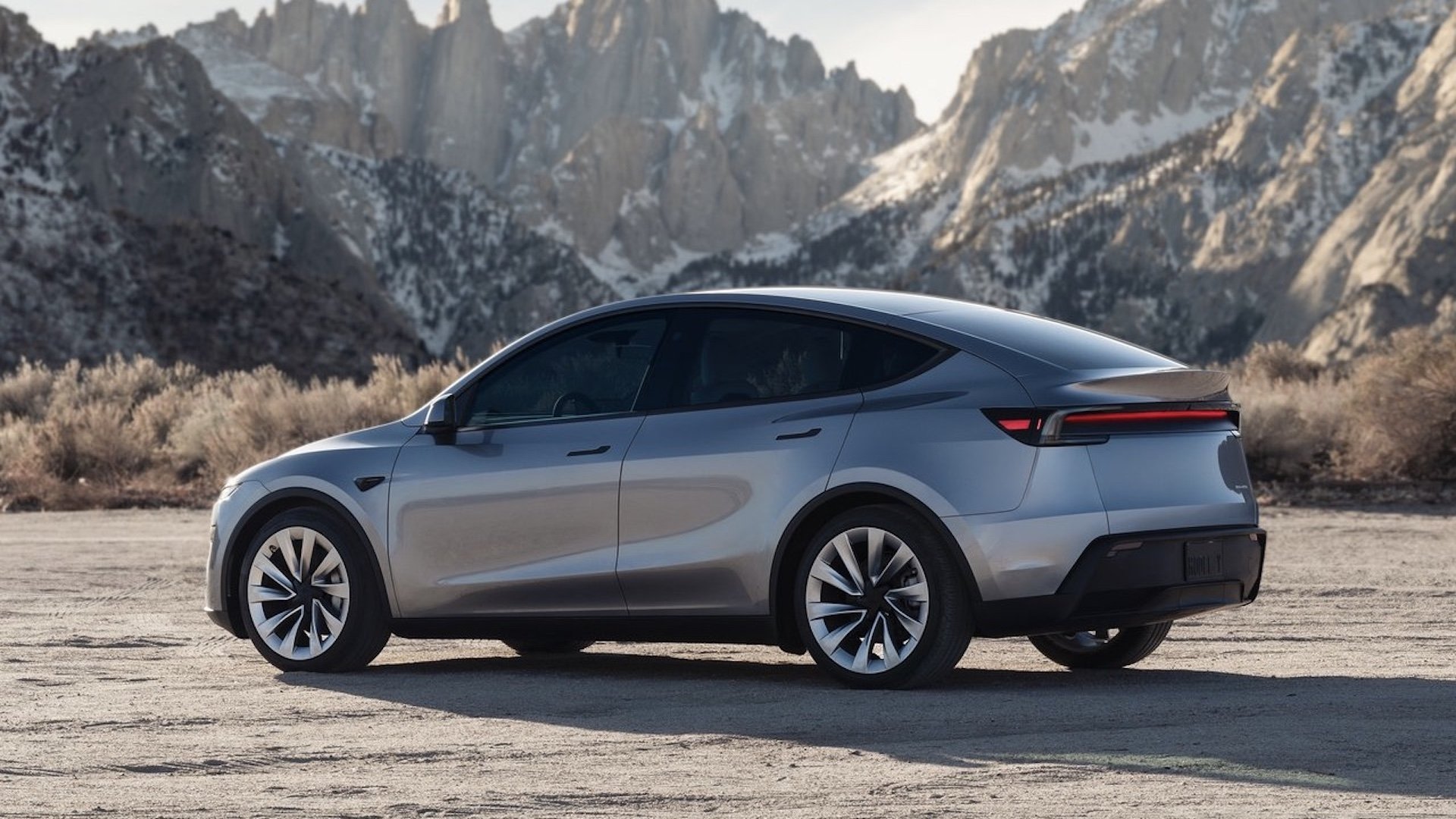
The Model Y continues as Tesla’s dominant product and generated most of the company’s growth. Estimated second-quarter deliveries climbed to 4,155 units, nearly doubling from a year earlier with a 98% increase. First-half deliveries reached 8,390 vehicles, up 79.8% year over year.
Pricing and sourcing changes contributed to the model’s momentum. After switching Canadian Model Y supply from Gigafactory Berlin in September 2025, Tesla reduced its exposure to U.S. import tariffs and lowered retail pricing by as much as $20,000. The company also introduced a rear-wheel-drive variant priced below $50,000, making it eligible for Canada’s EVAP incentive.
Elsewhere in the lineup, the Cybertruck posted the strongest percentage gain. Estimated second-quarter deliveries increased 116.4% to 725 units, while first-half sales rose 92.9% to 1,435 vehicles. The growth came despite Canadian pricing that starts at $139,990 before fees and taxes.
The Model 3 moved in the opposite direction. Estimated quarterly deliveries declined 59.1% to 730 units, while first-half sales dropped 61.5% to 1,530. Higher Canadian prices resulting from U.S. tariffs reduced the model’s competitiveness during much of the period. Tesla has since begun supplying the Canadian market with China-built Model 3 vehicles, allowing the reintroduction of a rear-wheel-drive version priced below $40,000.
Meanwhile, in the U.S., used Tesla prices climbed sharply in June 2026. All four Tesla models, including the discontinued Model S and Model X, ranked among the 10 used vehicles with the largest price increases.
 Tesla Model S | Photo: Tesla
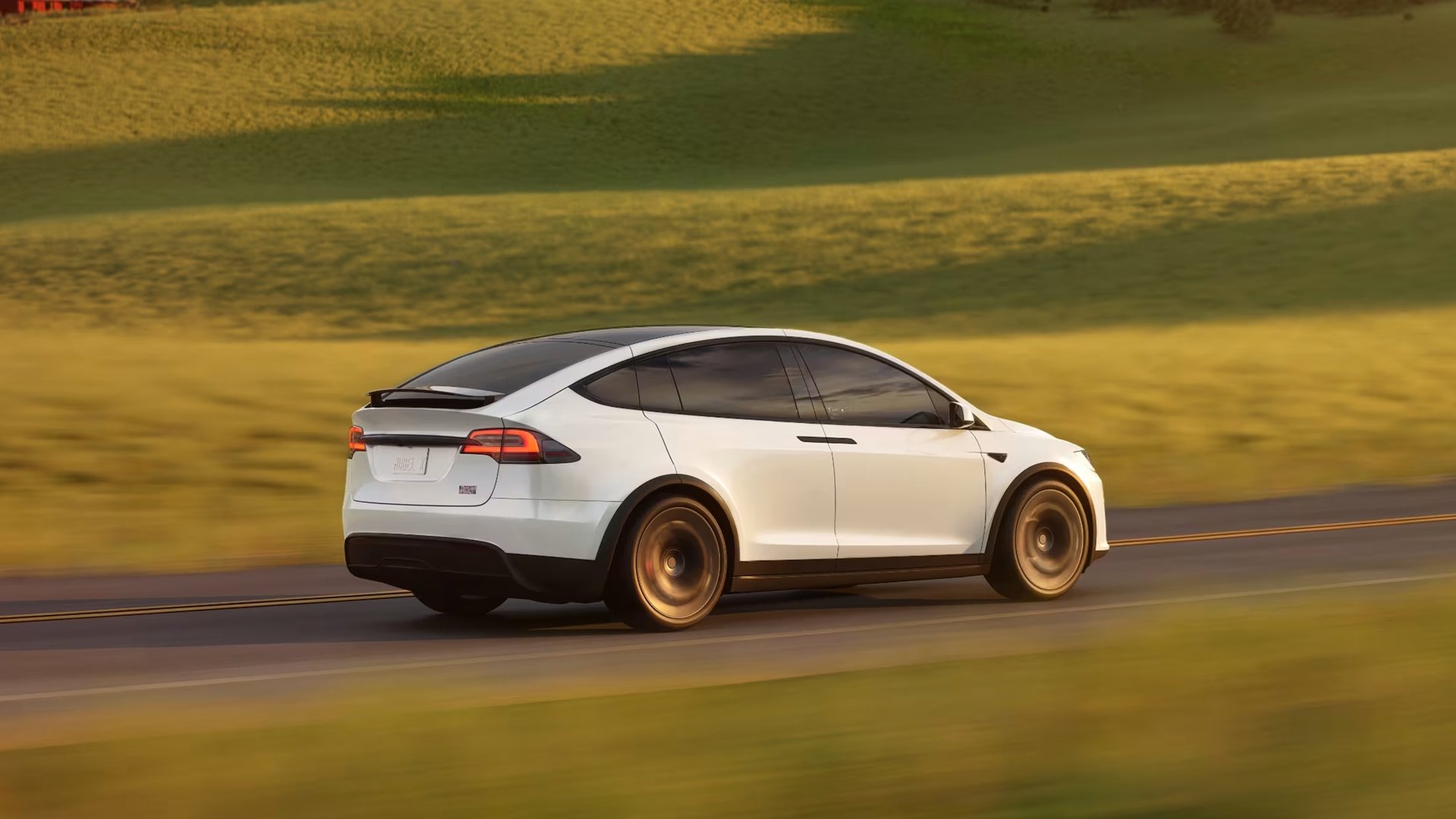
The Model X recorded the biggest gain, rising 17.5% to an average of $60,950. The Model 3 increased 13.5% to $28,520, while the Model S climbed 13.1% to $52,787. Used Model Y prices rose 12% to an average of $32,916.
Canadian data for pre-owned Tesla vehicle values is not known; correlations between markets, however, are typical.
Source: driveteslacanada