Of course, when a manufacturer introduces us to an innovation, they make it look like the eighth wonder of the world. It’s somewhat normal, just as any parent always sees their child as the most wonderful in the world.
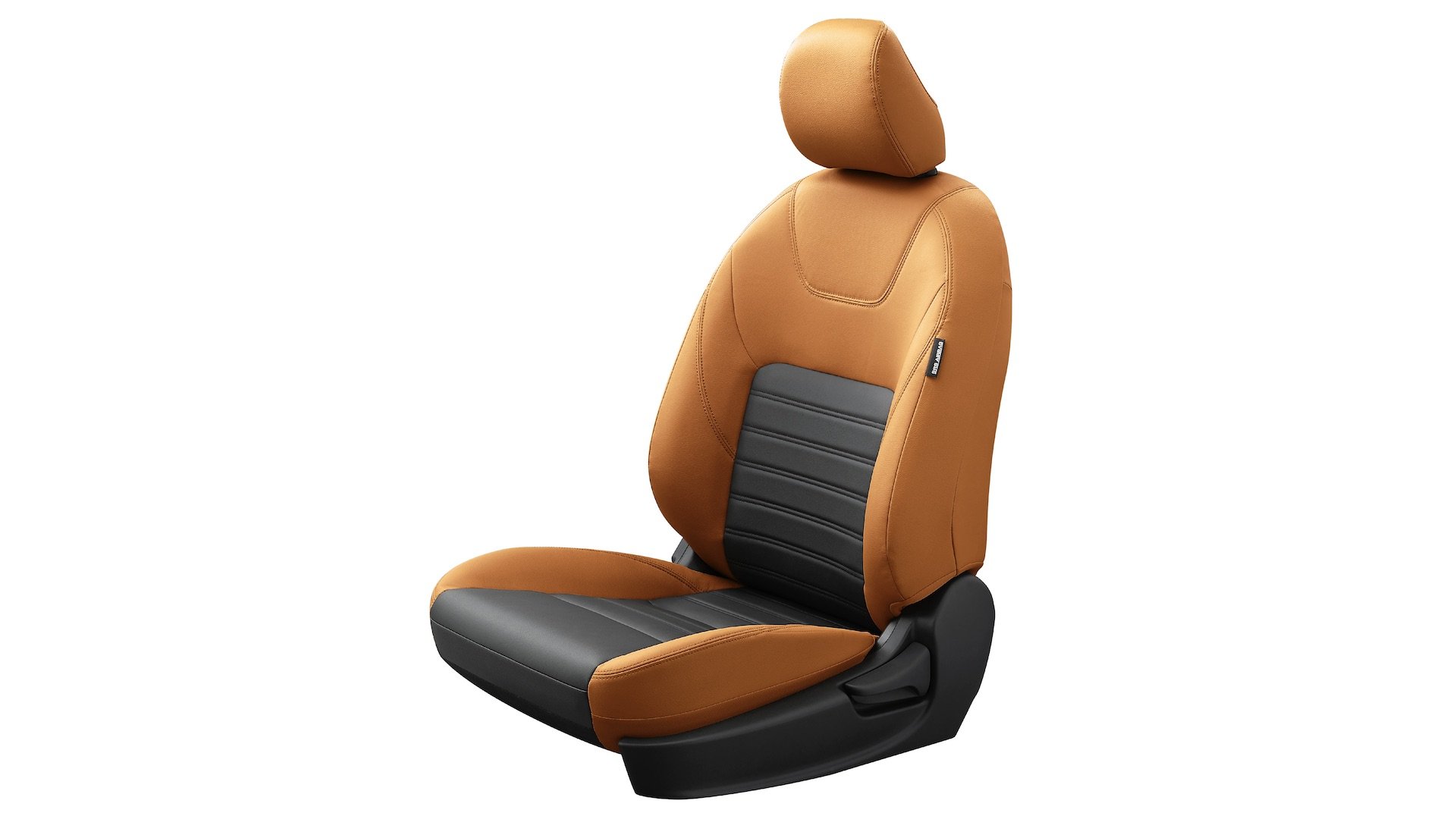
At Nissan, one of the things introduced in recent years has been “zero-gravity” seats that can practically reinvigorate you after a long drive.
But what is it really? Are Nissan’s “zero gravity” seats really effective? Do they make a difference? Is this just a marketing tool used by the company, or are these seats truly extraordinary?
Let’s shed some light on the matter.
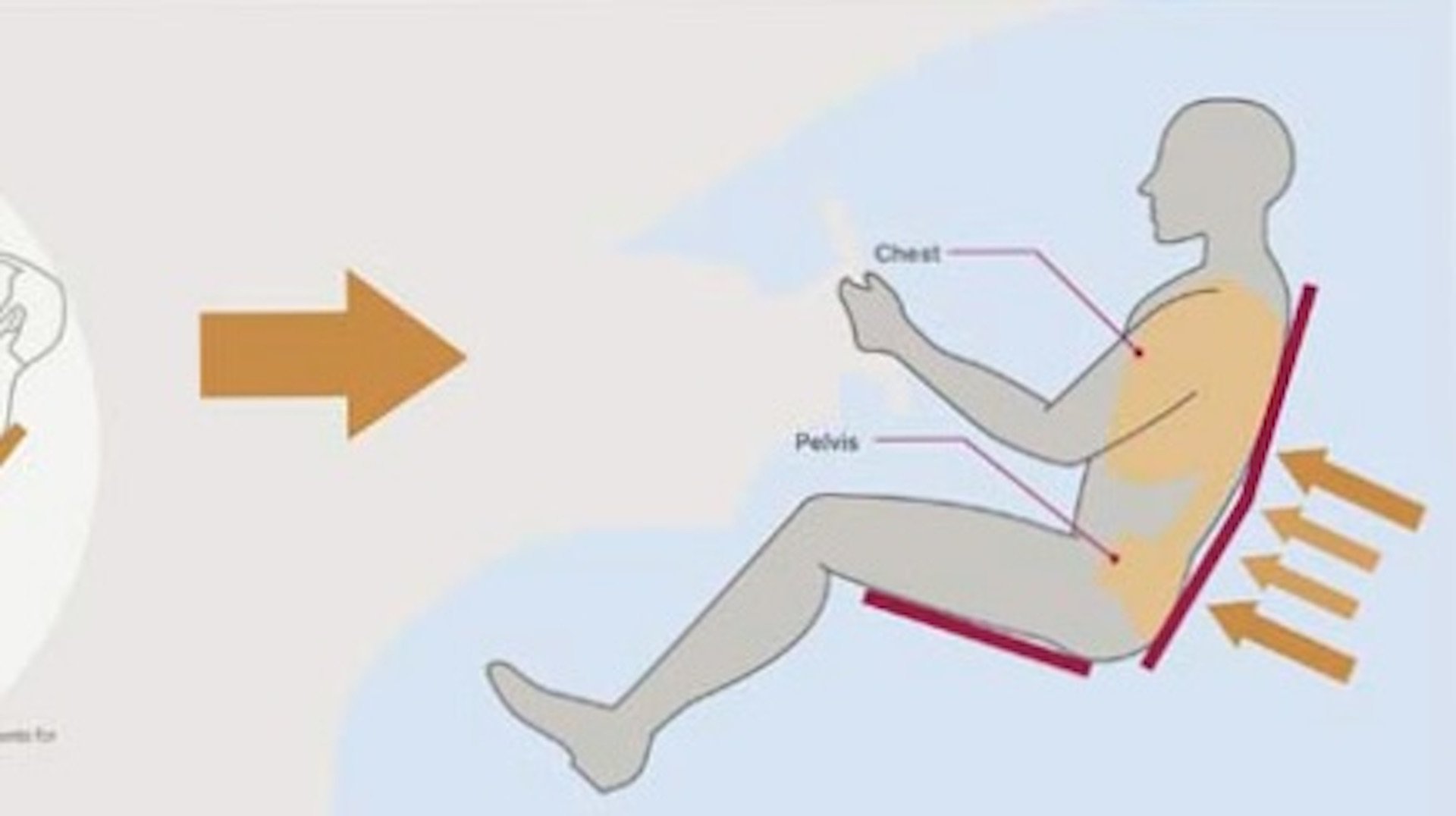
Nissan’s “zero gravity” seats were born out of a straightforward idea: to replicate, in a seating position, the neutral and unrestricted posture of the human body, as observed in a state of weightlessness or in a microgravity environment.
At NASA, yes, the US aerospace agency, this is known as Neutral Body Posture (NBP). That’s why it’s often said that “NASA” inspired the zero-gravity seats. In fact, Nissan studied the agency’s work to develop, in collaboration with university laboratories and its own design teams, a seat that distributes pressure on the body, improves circulation, and reduces fatigue during long trips.
So there is a very real scientific inspiration behind the design of these seats.
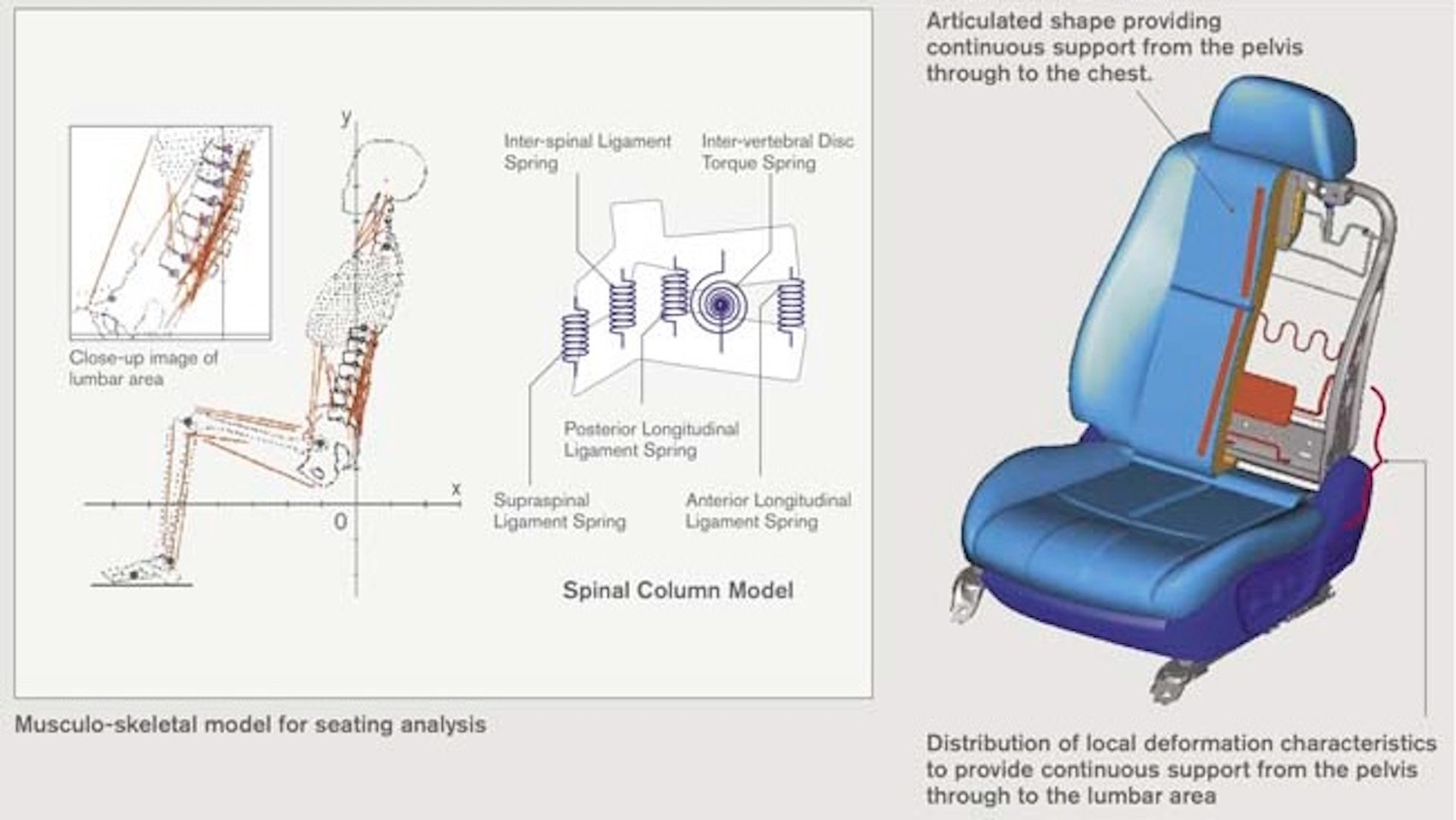
Technically speaking, zero-gravity seats combine several elements. First, a backrest whose design has been calculated and thought out to support the spine in a posture that is close to neutral. Secondly, the seats feature multi-density padding that absorbs pressure points. Finally, the seat’s structure supports the thighs and lower back without putting pressure on the muscles.
To achieve conclusive results, Nissan developed positioning simulators and digitized human models to precisely adjust the seat geometry and test its effectiveness before production.
The result is clear: a seat that reduces muscle tension and promotes better blood circulation while driving.
Once the model was well established and tested, it was time to move from concept to reality. The company carefully selected the materials and components it wanted for these seats, including dual-density foam, adjustable lumbar supports, and appropriate fabrics, all to make the solution viable in terms of an unavoidable economic reality: production volume. To make it profitable, the technology had to be extended to several models, adapting the shape and padding to different body types and the various vehicles offered (sports cars, sedans, SUVs, etc.).
The idea for the seats came about in the early 2010s. It took a few years before they appeared in a vehicle, first in the Altima in 2013, then in several other models thereafter, both at Nissan and Infiniti.
So what about the promise of optimal comfort and, above all, reduced fatigue and stress on longer trips?
It is obviously difficult to fully evaluate a seat when you are driving for periods of time that are often less than 30 or 45 minutes. You may feel a certain level of comfort due to good design, but for really long distances or long periods spent on the road, such as being stuck in traffic, do these seats really offer an advantage?
Well, I can only speak for myself here, because everyone’s body is different, with its own little aches and pains, size, peculiarities, etc. However, in 2019, when I participated in a Route 66, a seven-day road trip with Nissan, from Chicago to Los Angeles, I had the opportunity to see if the promise was real.
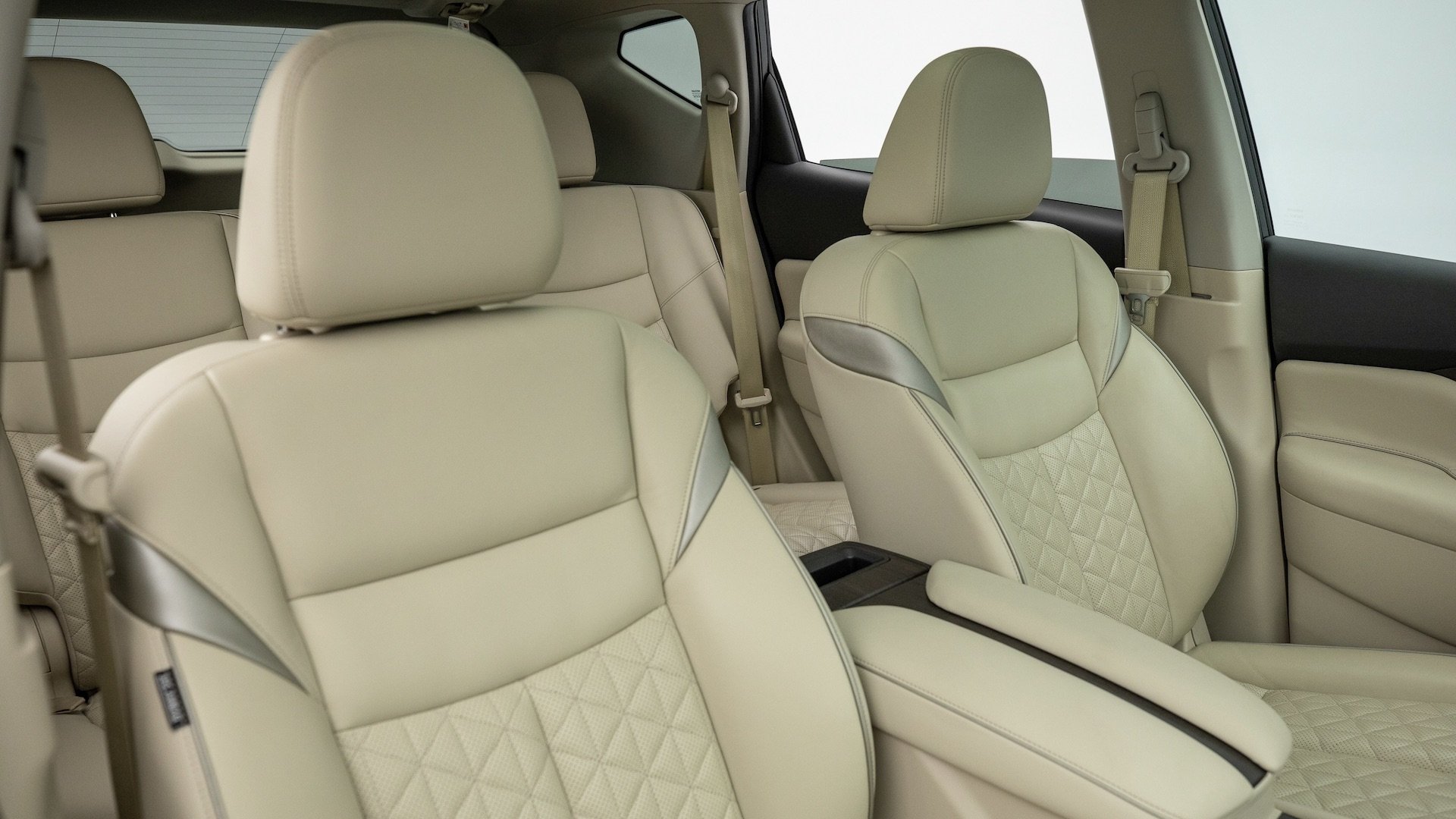
The answer is a resounding yes. We drove three models on this trip: the Altima sedan, the Murano, and the Kicks SUV. With the first two vehicles, which offer more convincing levels of comfort than the Kicks, I wasn’t worried. With the Kicks, which we used for three full days of driving, covering approximately 2,000 kilometers, I was concerned that my back would give out or that my sciatic nerve would become aggravated.
But to my surprise, nothing. No pain. The same was true for some of my colleagues who mentioned how, after seven or eight hours in a vehicle, they felt less tired than they had expected. It’s not something you think about while driving. You don’t praise seats every ten minutes. It’s only after a long trip that you realize you’re less tired.
Consequently, this leads us to believe and conclude that Nissan’s zero-gravity seats are the real deal.
Eleven pickups and a converted ProMaster gathered in Uxbridge offered a look at how many…
Every year, Wards Auto publishes its list of the 10 best powertrains available in a…
In a segment as competitive as the compact crossover one, in which there’s an abundance…
This SUV is based on the platform and powertrain of the AMG GT 4-door coupe.…
Volvo is reportedly producing about 200 EX60s weekly against a 2,000-unit target. Megacasting and cell-to-body…
Stellantis is exploring Canadian exports of two electrified Jeeps built in Wuhan. Brampton sale talks…