


Ontario premier Doug Ford announced a project to ban speed cameras in the province.
He claims this technology only serves to generate money for municipalities and doesn’t improve safety.
Toronto’s Mayor and police chief disagree, citing studies.
Ontario Premier Doug Ford announced yesterday that he would introduce a bill that would discontinue the use of speed cameras in the province.
According to him, this technology which was introduced to school zones and other similar areas back in 2019, doesn’t actually make streets safer.
Indeed, Ford claims that speed cameras are only used to generate revenue for municipalities by giving out fines for offences which actual police officers would let slide, such as drivers going 5-6 km/h over the speed limit.
The premier also cited the case of one speed camera in Toronto which gave out 65,000 citations amounting to $7 million in fines.
This high number of infractions is proof that speed cameras don’t make drivers slow down, he says.
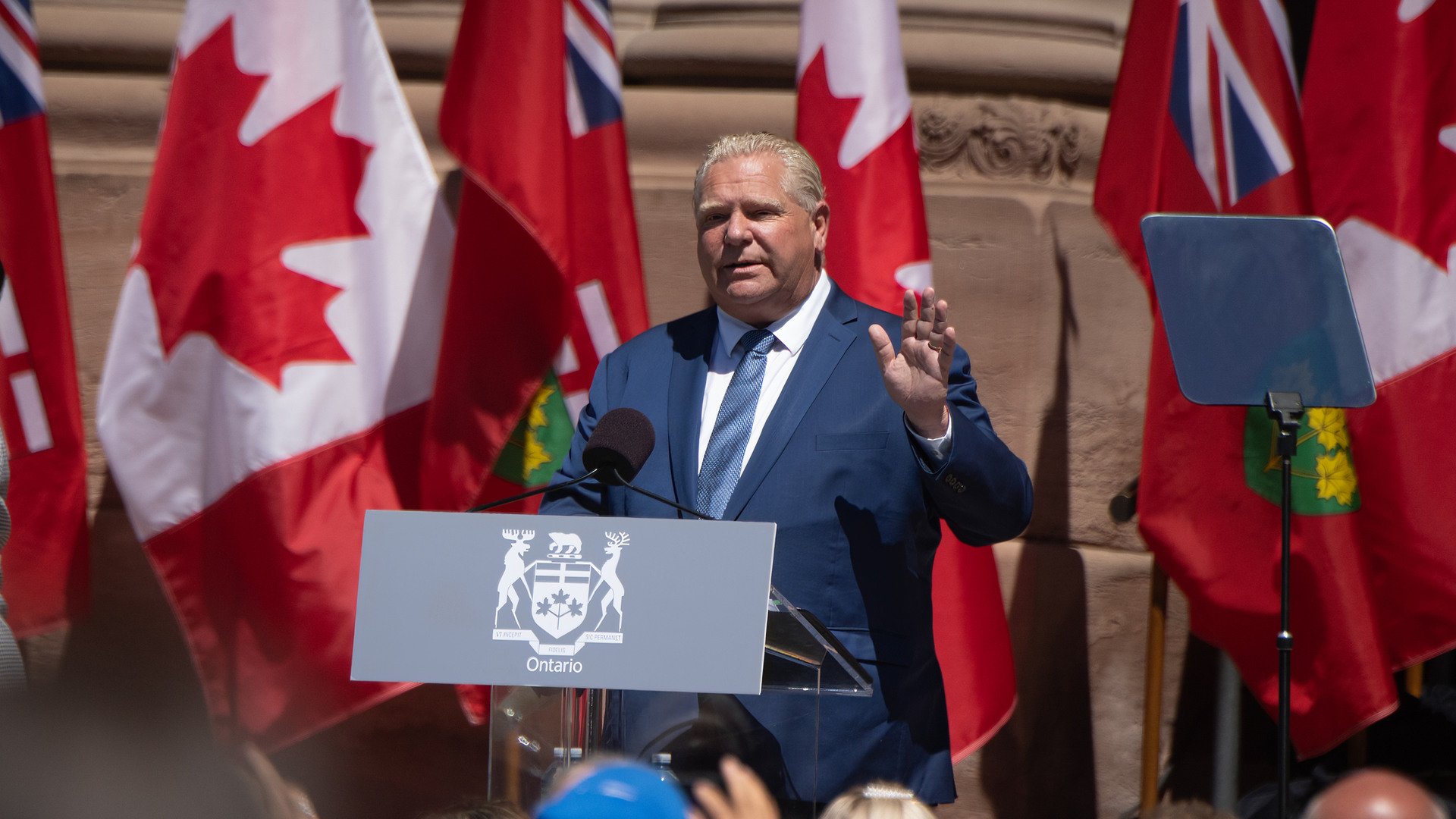 Ontario Premier Doug Ford | Photo: Dreamstime
Instead of speed cameras, Ford wants municipalities to install speed bumps, raised pedestrian crossings, and pavement “pinch points” in areas where a slower traffic speed is desired. He said his government could provide financial support to cities which would have to replace their speed cameras with these traffic calming measures, but no specific amount was mentioned.
Ahead of the potential ban, municipalities that currently have speed cameras in school zones will be required to install larger signs warning drivers by mid-November of this year, as well as flashing lights by September 2026.
Premier Ford defends himself from allegations that he is bending the knee to popular pressure after a number of speed cameras in Toronto were vandalized over the past few months.
A few mayors across the province also want to see speed cameras removed, such as Vaughan mayor Steven Del Luca, who cites as an example senior citizens who have never been stopped by police before and now “get a speeding fine while going to the Bingo at 11 pm”. His city has already stopped using photo radars.
Strong opposition
 Toronto City Hall | Photo: Dreamstime
Not everyone agrees with Doug Ford, however, most notably Toronto’s mayor, Olivia Chow, who argues that speed cameras do indeed make streets safer.
She cites a study published last year by the SickKids children’s hospital that shows a 45% reduction in speeding cars in urban school zones since the introduction of automated speed enforcement devices.
She further claims that in Toronto, Speed cameras are only installed in school zones, near retirement homes, and in the vicinity of parks, all areas where drivers and vulnerable pedestrians are likely to share the road. The mayor also says that the money generated through speeding fines goes toward helping traffic collision victims and the police.
The mayor does however agree with the premier’s demand to install larger traffic signs to warn drivers about photo radars and she proposes limiting the number of fines a driver can receive before having been notified of their first offense by mail.
 Ontario speed camera sign | Photo: Dreamstime
Mayor Chow is not alone in supporting speed cameras, as the Association of Ontario Police Chiefs claimed earlier this month that automated speed enforcement devices make drivers slow down and make it possible for police forces to spend their resources on other public safety issues.
The Toronto police chief also believes speed cameras have helped reduce deaths and injuries related to traffic accidents in the city.
In addition, Marie-Soleil Cloutier, Road Safety Professor at the Institut National de la Recherche Scientifique (INRS) in Montreal points out that studies on the matter performed over the last 20 years are “almost unanimous” that speed cameras contribute to reduce speeding, collisions, and injuries.
This isn’t the first time that Ontario has tried to ban speed cameras on its roads, as the use of radar vans was successfully discontinued by then premier Mike Harris back in 1995, before being reintroduced in their current form by the Ford administration itself in 2019.
Source: Radio-Canada
