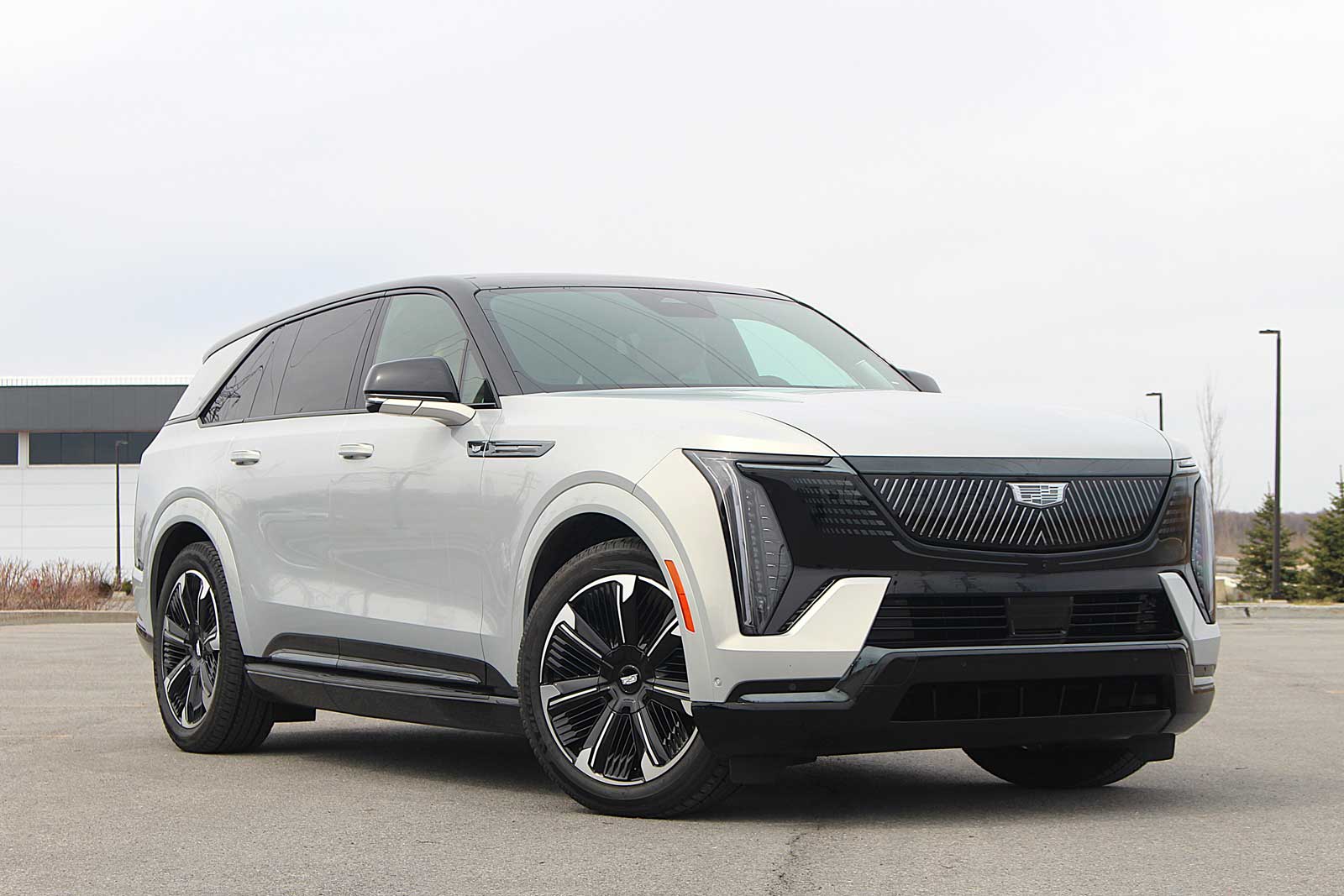
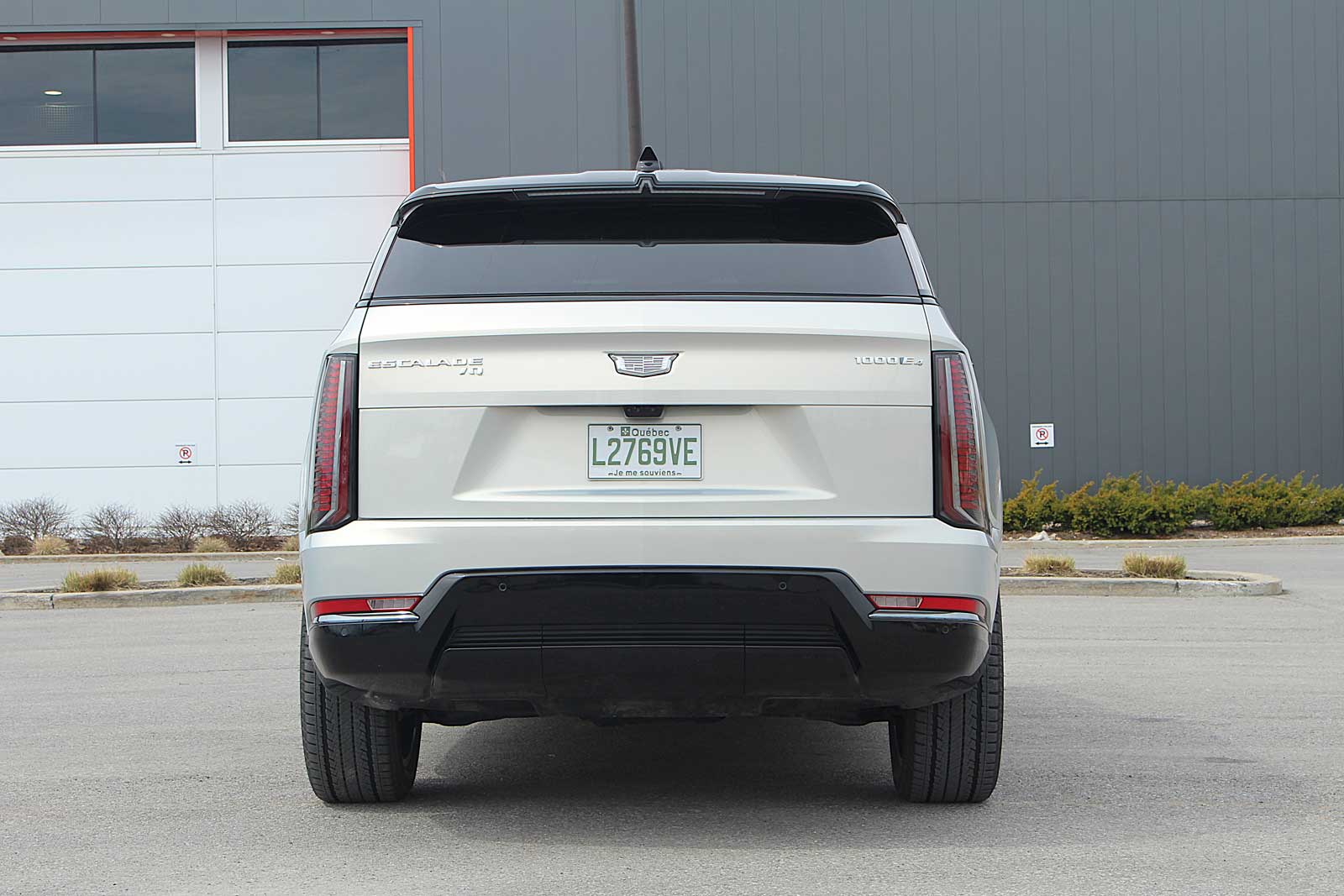
The 2025 Cadillac Escalade IQ starts at $159,999, freight and delivery charges included.
Excellent driving range, supreme ride comfort, utter luxury and presence.
Cargo ship curb weight and size, complex climate control interface, executive rear-seat package compromises versatility.
9,298 pounds. 4,217 kilograms. That’s the curb weight of the 2025 Cadillac Escalade IQ. It’s about 500 pounds heavier than a GMC Sierra 3500 HD 4WD with dual rear wheels and a Duramax diesel engine. Let that sink in for a moment.
The Escalade IQ is marketed as an emissions-free, environmentally friendly variant of the iconic Escalade nameplate. True, it doesn’t have a tailpipe, but that doesn’t mean it’s a treehugger’s delight. On its own, its massive 205 kWh battery back weighs roughly 3,000 pounds, or about the same as a Nissan Sentra with a full tank of gas. Its capacity matches the sum of 2,322 Toyota Prius hybrid batteries. All that so seven people, or as few as one, can travel without the bone-chilling effect of range anxiety.
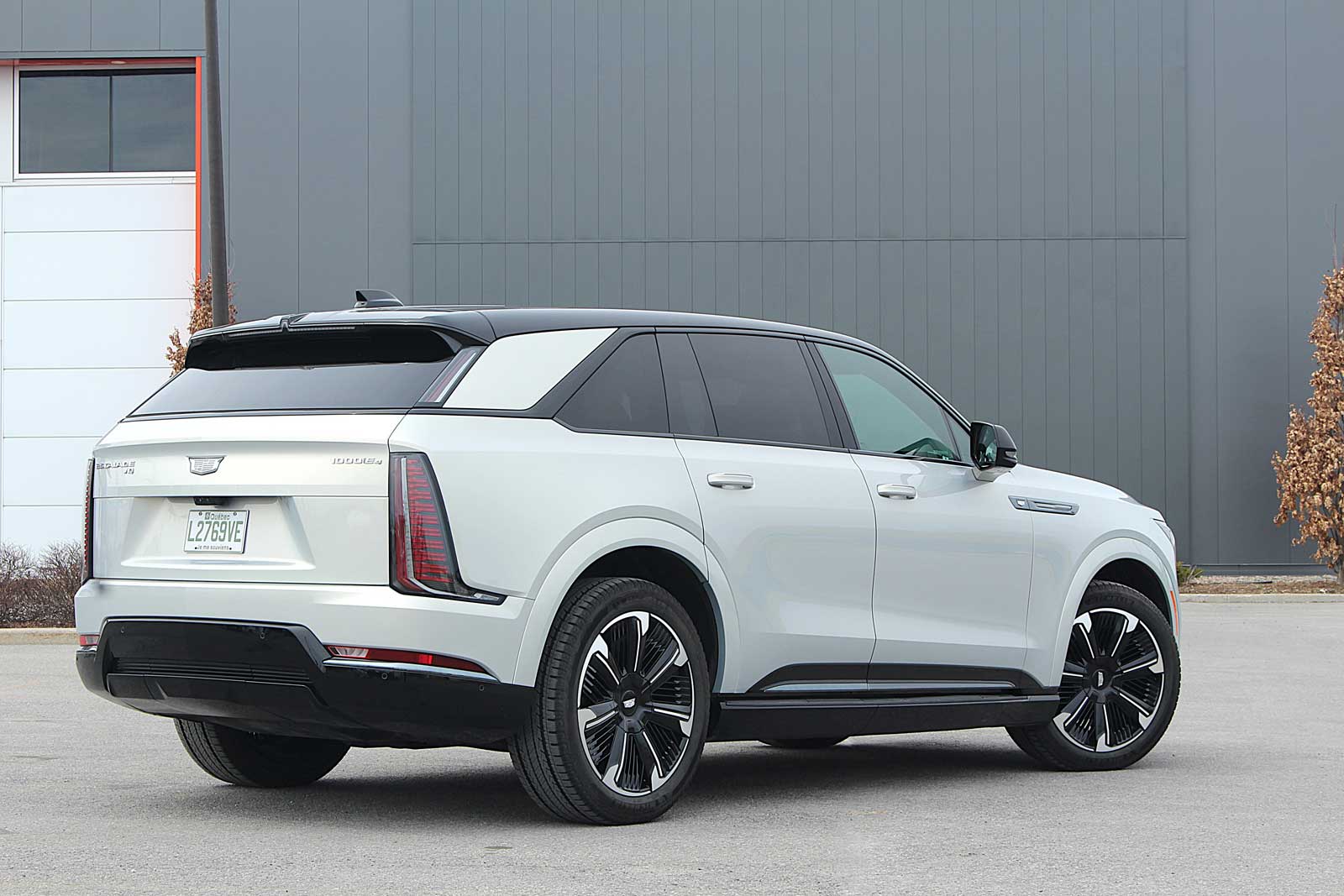
Clearly, the 2025 Cadillac Escalade IQ could be considered as an imposter in the world of green vehicles. There’s worse: the new 2026 Cadillac Escalade IQL is even bigger and heavier.
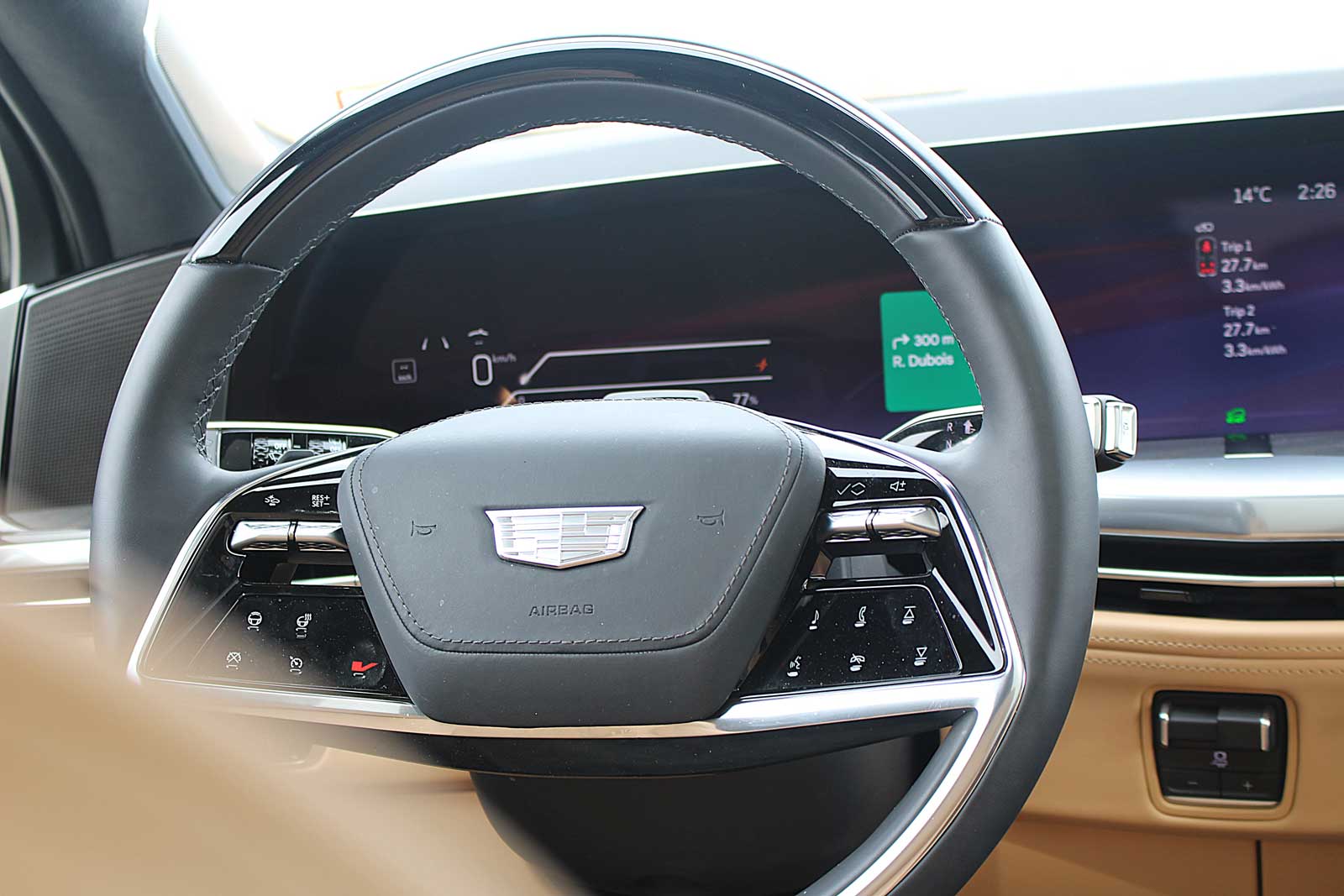
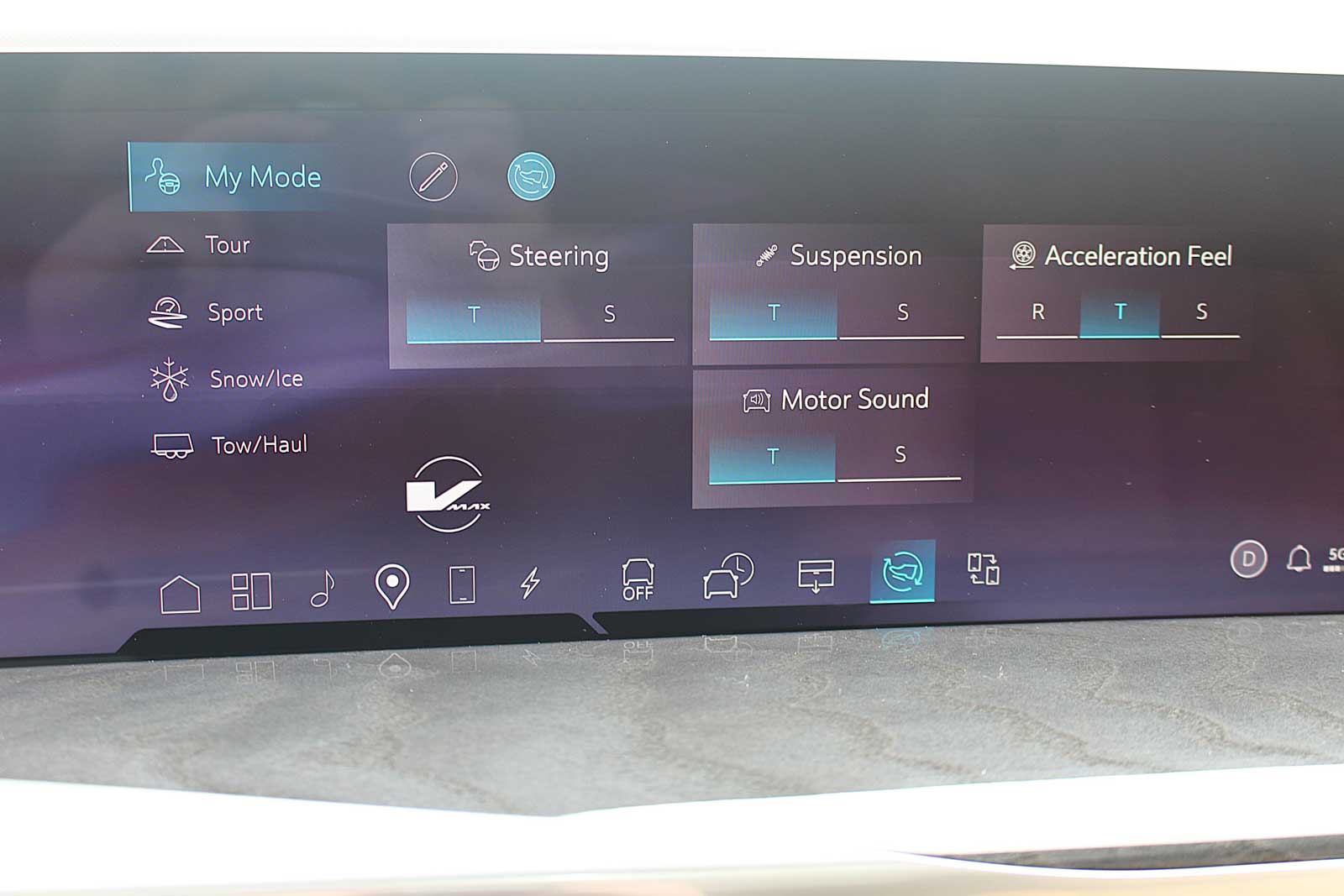
The Escalade IQ is equipped with two electric motors that combine to generate 680 horsepower and 615 pound-feet of torque—in Normal Mode. Press the V button on the steering wheel that triggers the Velocity Max Mode, and the powertrain saddles up an extra herd of ponies for a total of 750 horsepower, along with 785 pound-feet. Performance is brisk, but not neck-snapping nor violent, because of its weight, obviously. Stopping power is truly impressive as well, and towing capacity is rated at 8,000 pounds or 3,629 kg.
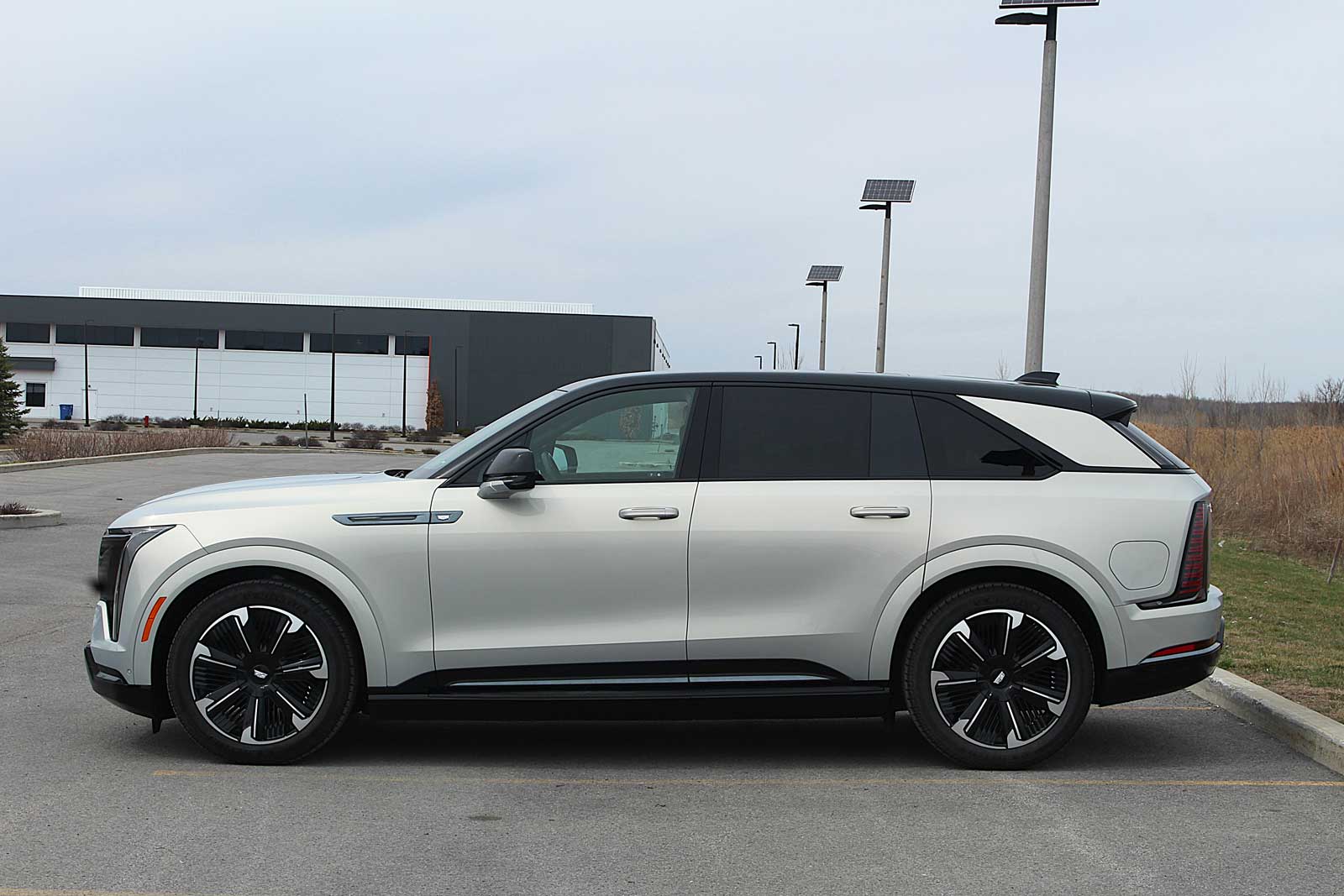
As to be expected, this isn’t a V-Series Cadillac, and we’d be astonished if the brand would ever release an Escalade-V IQ. The SUV is more about ride comfort than handling. No surprise there. What is surprising, though, is the 12.1-metre turning diameter, which is quite narrow due to the standard four-wheel steering system. This rig can turn on a dime. More like a toonie. It’s damn impressive.
That’s not all. By pressing a few buttons on the lower center console touchscreen, we can activate the Arrival Mode, which turns all four wheels in the same direction at crawl speeds. We’re assuming this gadget could be used for arriving in an unusual manner to amaze the crowd at an event. From a practical standpoint, we can’t figure out what Arrival Mode really could be used for. And after testing the feature with four people on board in an empty parking lot, every passenger unanimously asked to stop because they were getting carsick. Oh well.

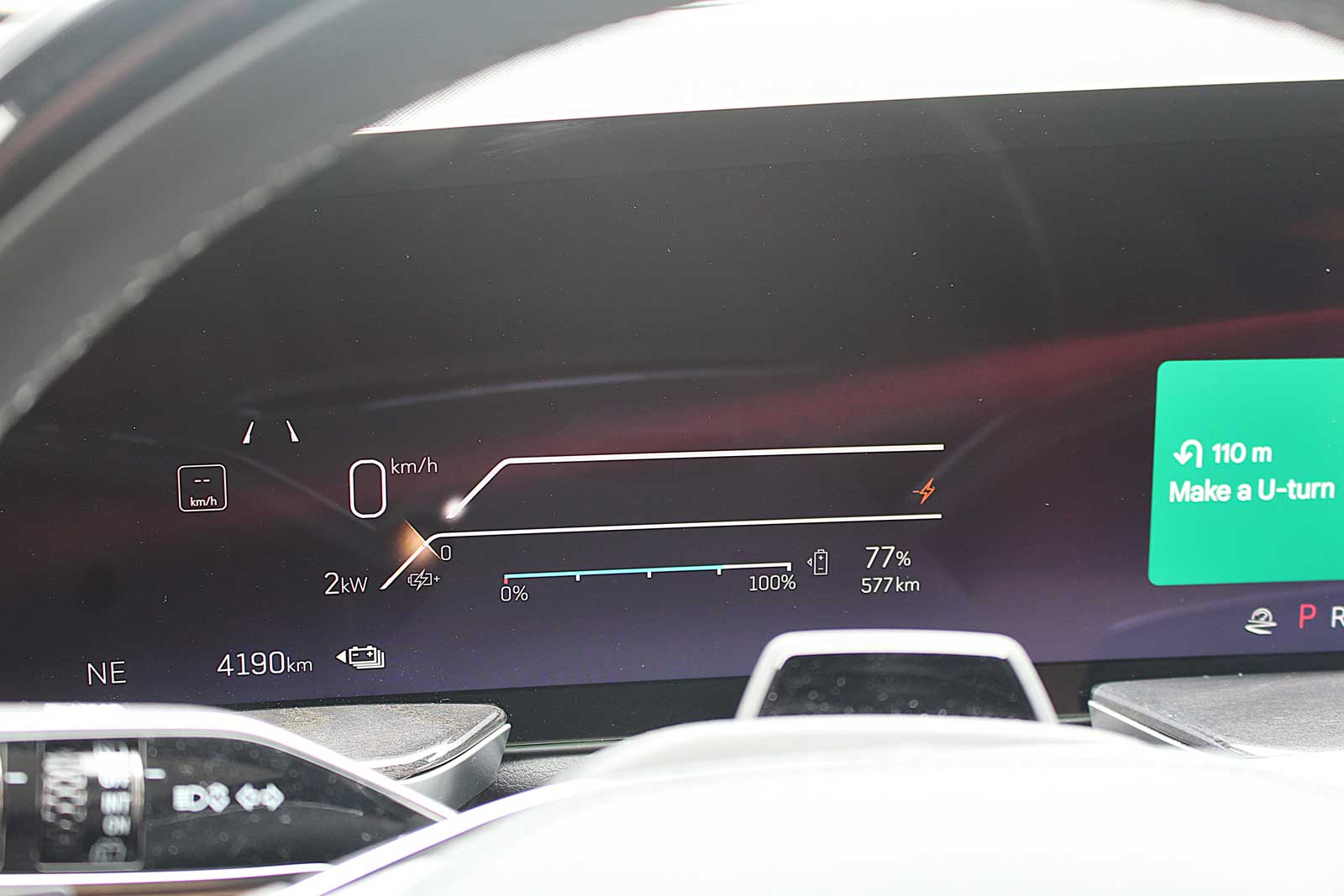
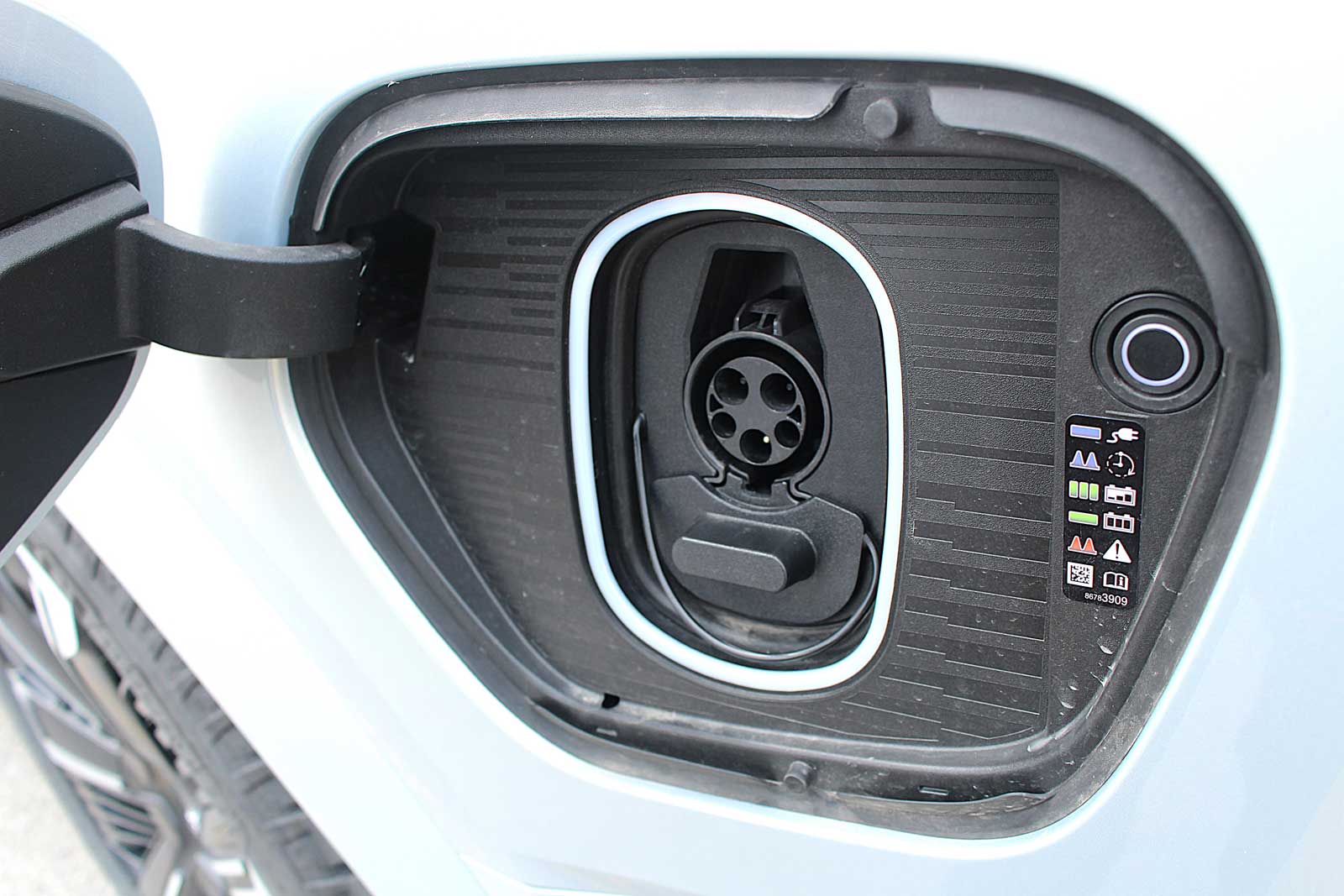
The 2025 Cadillac Escalade IQ’s driving range is estimated at 460 miles or 724 km on a full charge. That’s a lot. Owners could go a few days without having to plug the vehicle in. The max speed on DC fast charger is 350 kW, if we can find a compatible station. We punched a 180 kW charging station destination in the navigation system, and GM says doing so pre-conditions the battery pack for a quicker charge, but the highest transfer speed we got was 148 kW. During our test, we managed an average energy consumption of 2.9 km/kWh or 34.4 kWh/100 km. Not terrible, but definitely not an eco-friendly EV from an efficiency standpoint.
Four trim levels are offered for the 2025 model year, including Luxury 1, Sport, Luxury 2 and Sport 2. Base price is $159,999, which includes the $2,600 freight and delivery charges. The Escalade IQ Sport 2 we drove carried a base MSRP of $177,499 and was equipped with the Executive Second Row Seating Package ($9,000), the rear-seat entertainment system ($2,395), the Flare Metallic paint ($900) and the black-painted roof ($1,395). With the freight charge, A/C tax and $699 dealer fees, the final tally amounted to an eye-bleeding $194,519.
And let’s not forget that the Canadian luxury tax is slapped onto vehicles costing more than $100,000, gas-powered or EV—which would normally add another $19K or so to the invoice. But here’s the catch: the tax doesn’t apply to vehicles with a Gross Vehicle Weight Rating of 8,501 pounds and up, or 3,856 kg and up. Our Escalade’s GVWR is 10,600 pounds or 4,808 kg. Luxury tax: $0.
What does the Escalade IQ competes against? For the moment, there’s the Mercedes-Benz EQS SUV that starts at $140,995 and the Mercedes-Benz G 580 with EQ Technology that starts at $210,995. The Tesla Model X is smaller and starts at $124,490. The Lucid Gravity currently starts at $136,800, but a more affordable variant will be introduced later this year. All prices include freight and delivery charges.
Why You Should Buy a 2025 Cadillac Escalade IQ
- One would think that this SUV drives like a cargo vessel, but it’s absolutely not the case. It accelerates, brakes and turns like a gas-powered full-size utility. In short, it doesn’t feel as heavy as it really is. That’s good.
- Ride comfort is excellent, even while wearing its massive 24-inch wheels wrapped in LT275/50R24 tires.
- With a driving range of 724 km or 460 miles, the Escalade IQ is one of the best EVs for road tripping and returning home without having to stop at a public charger. Only the Lucid Air sedan has greater range on a single charge.

- It has a big appetite for electrons, but it’s still an electric vehicle that doesn’t pollute on the road. From a greenness standpoint, it’s still better than buying a gas-powered Cadillac Escalade-V that guzzles 17.7 litres of premium fuel for every 100 km traveled.
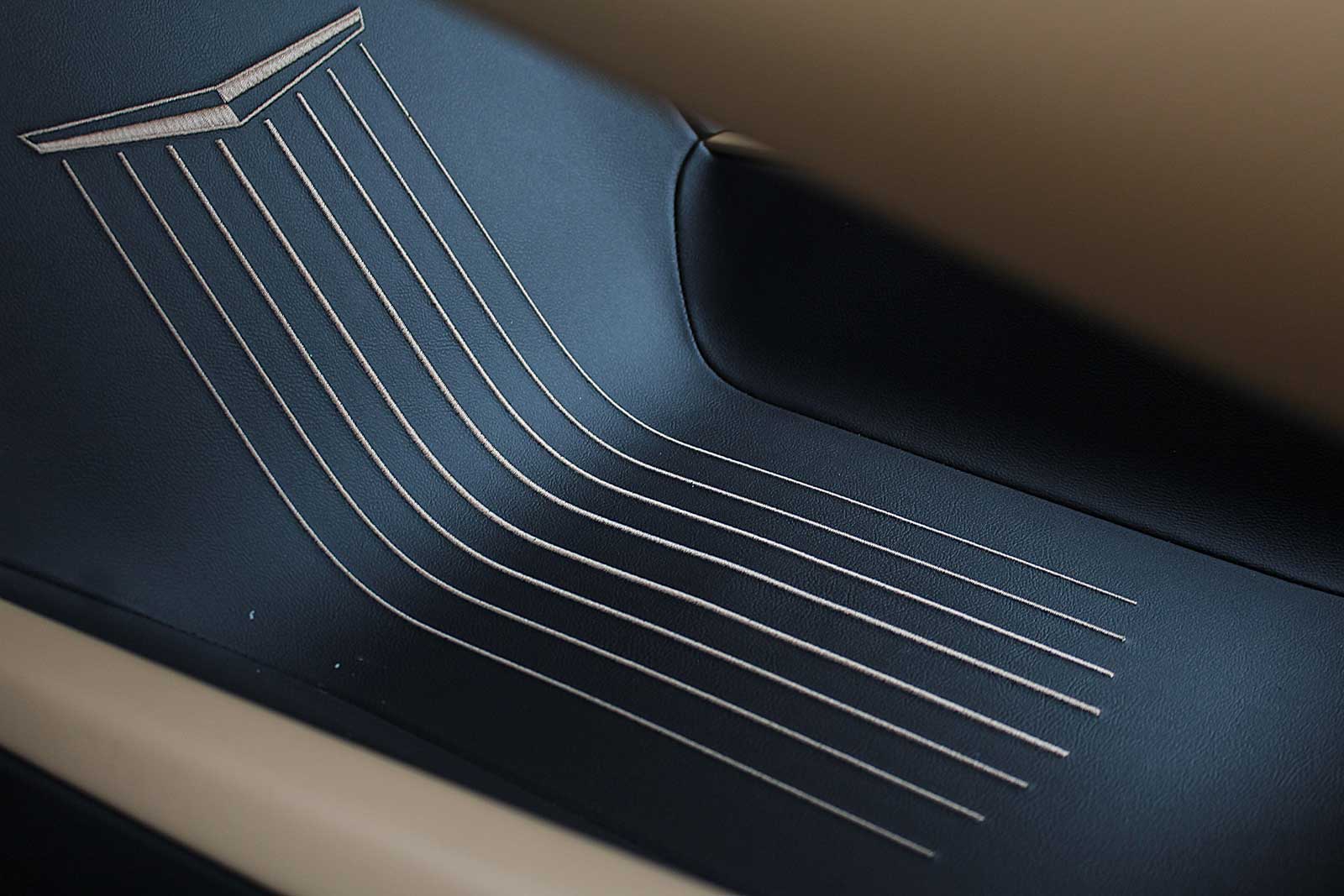
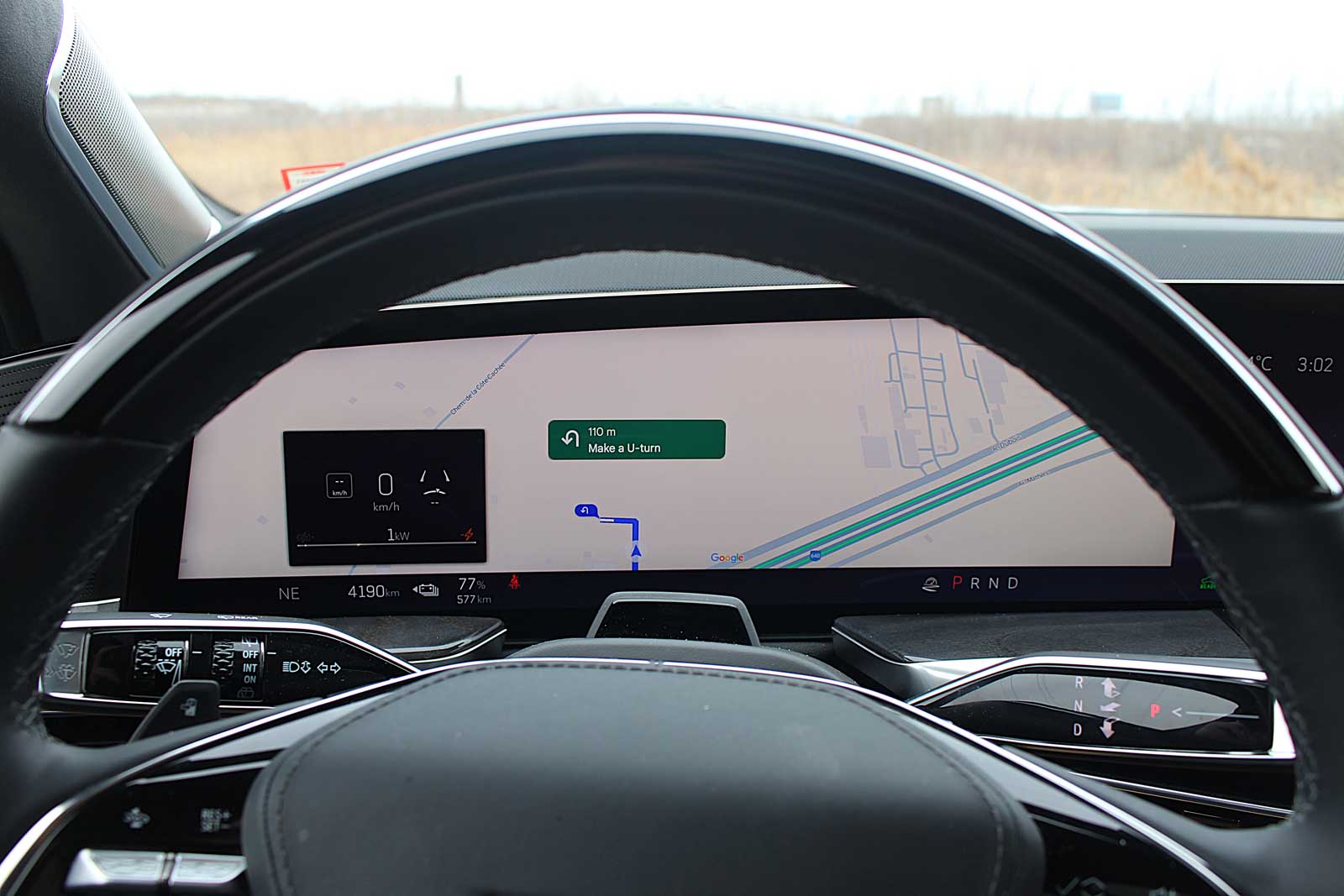
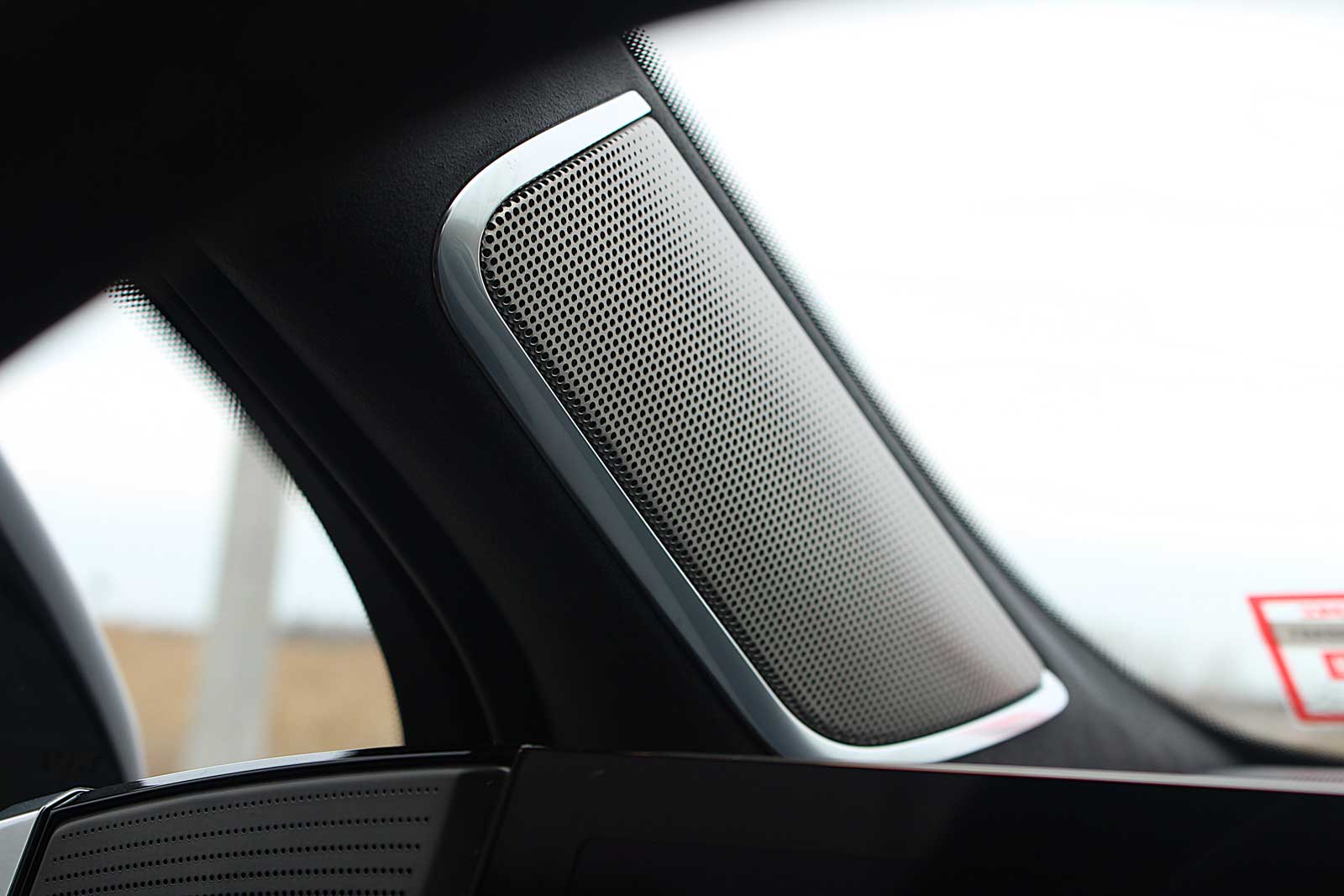
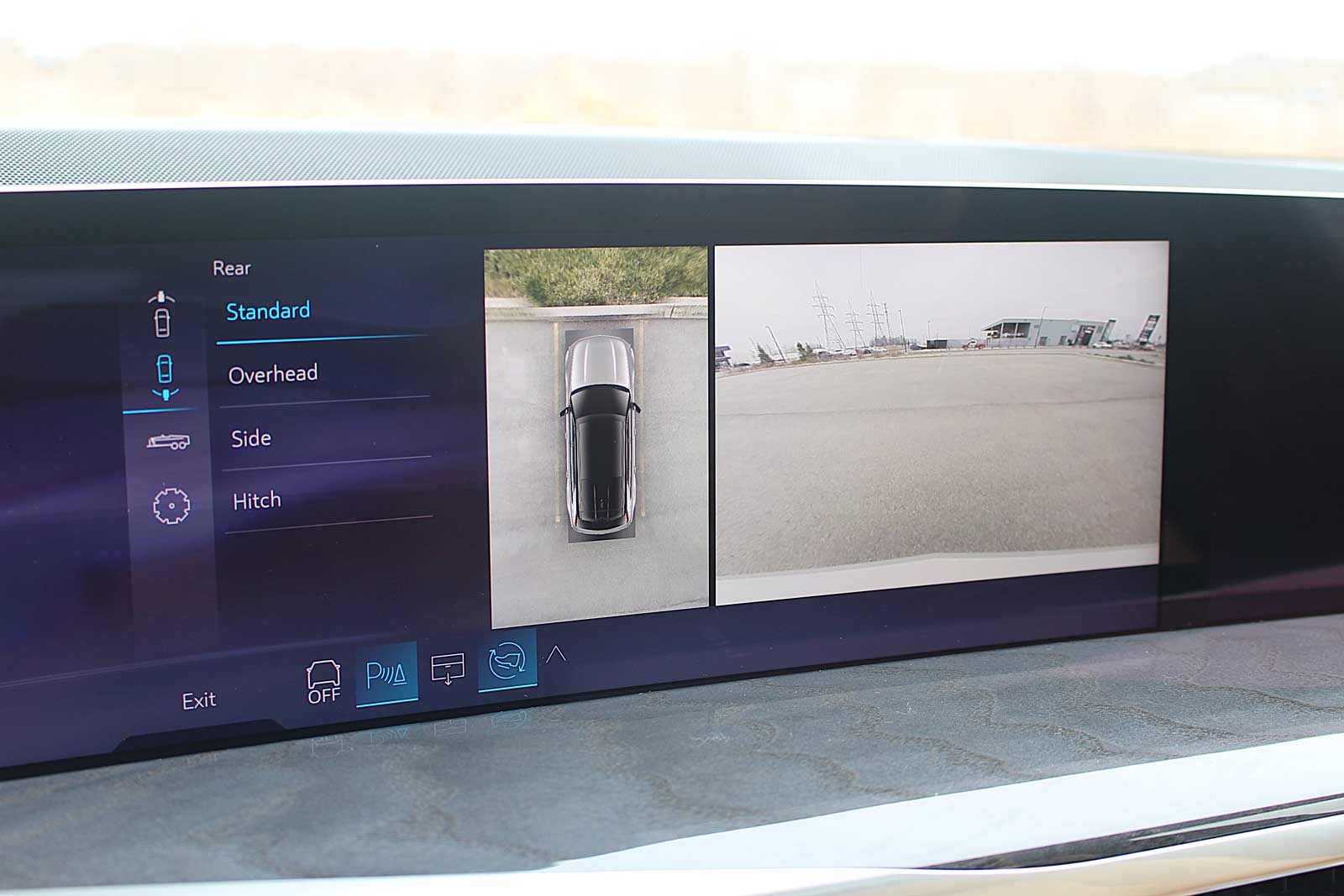
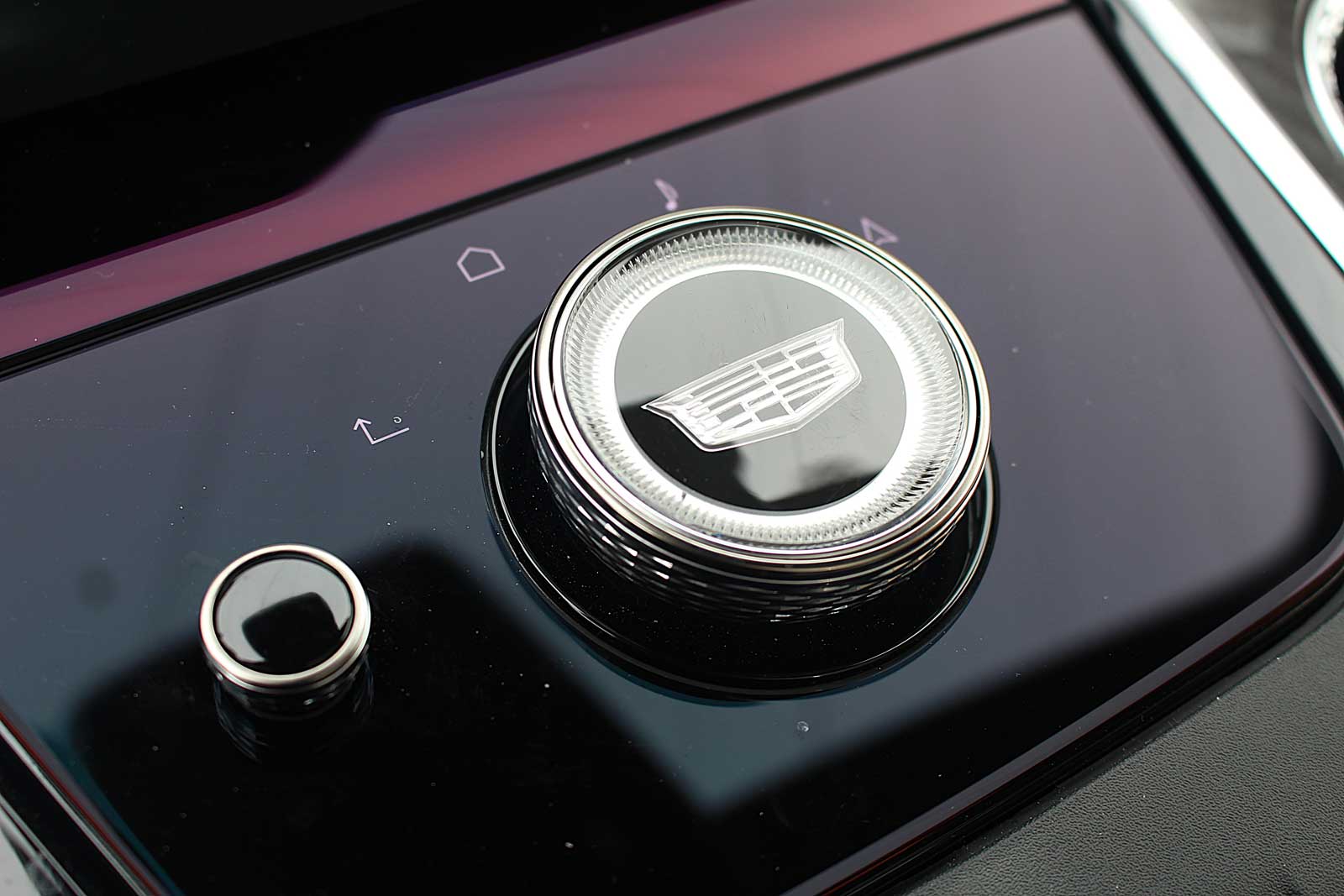
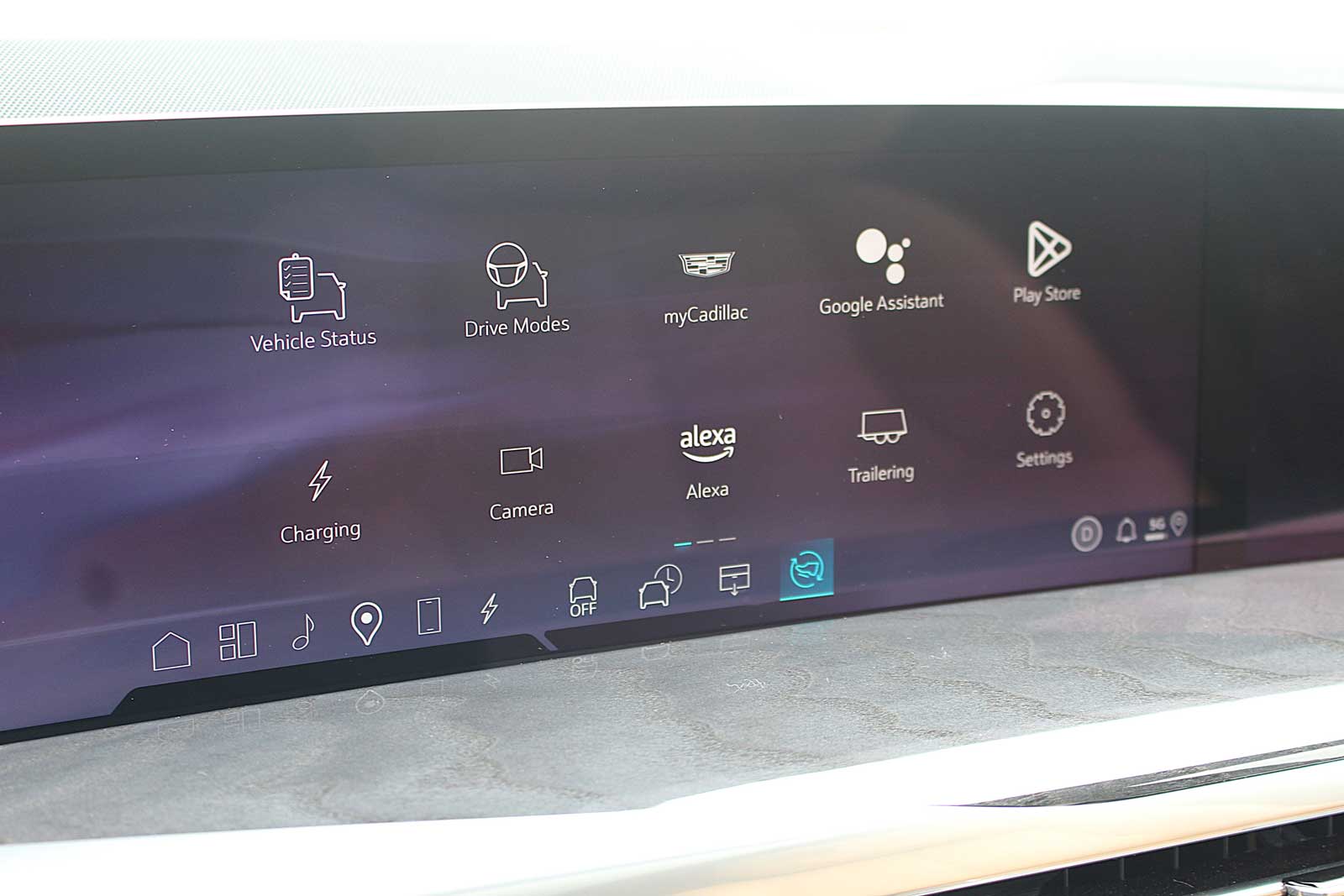
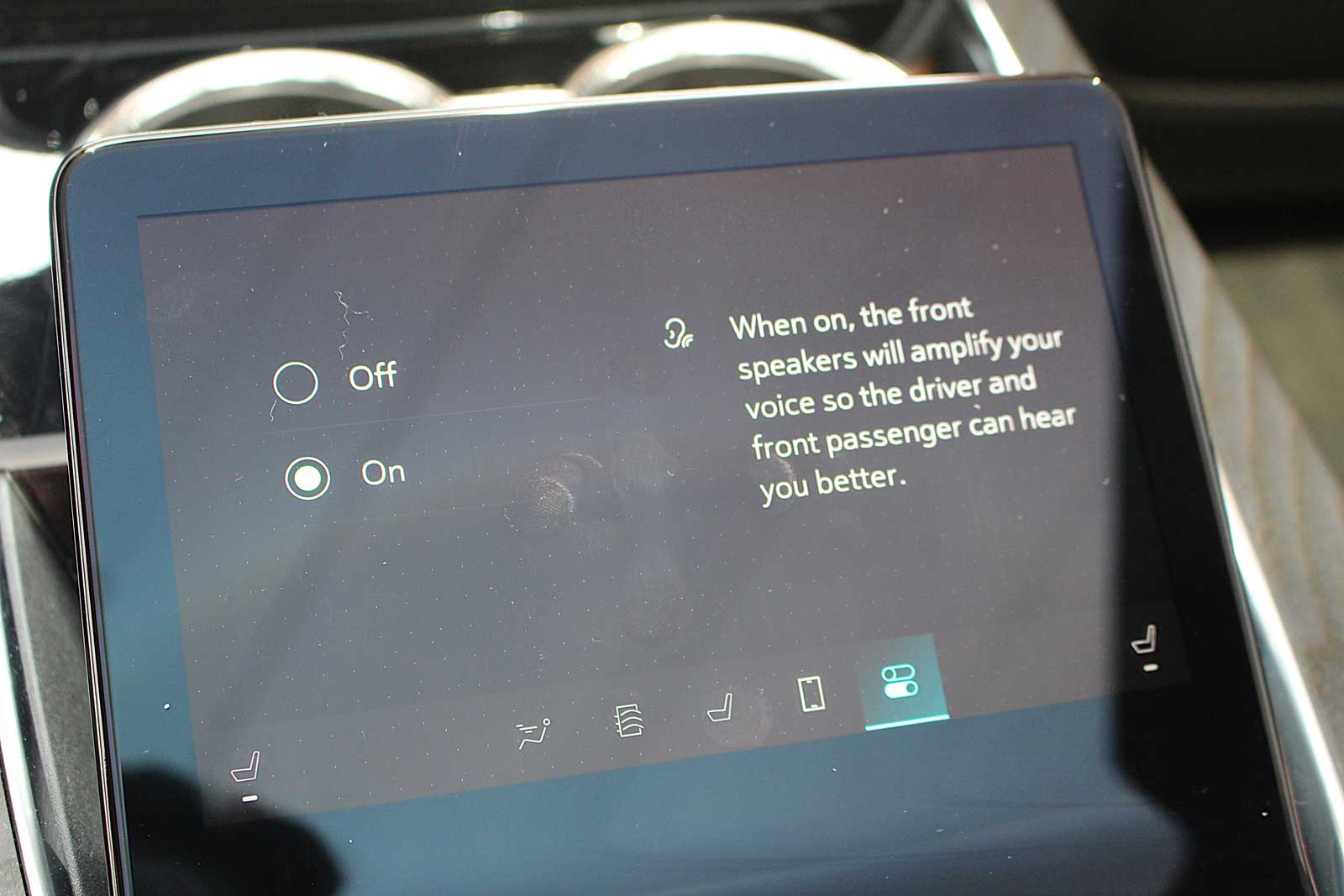
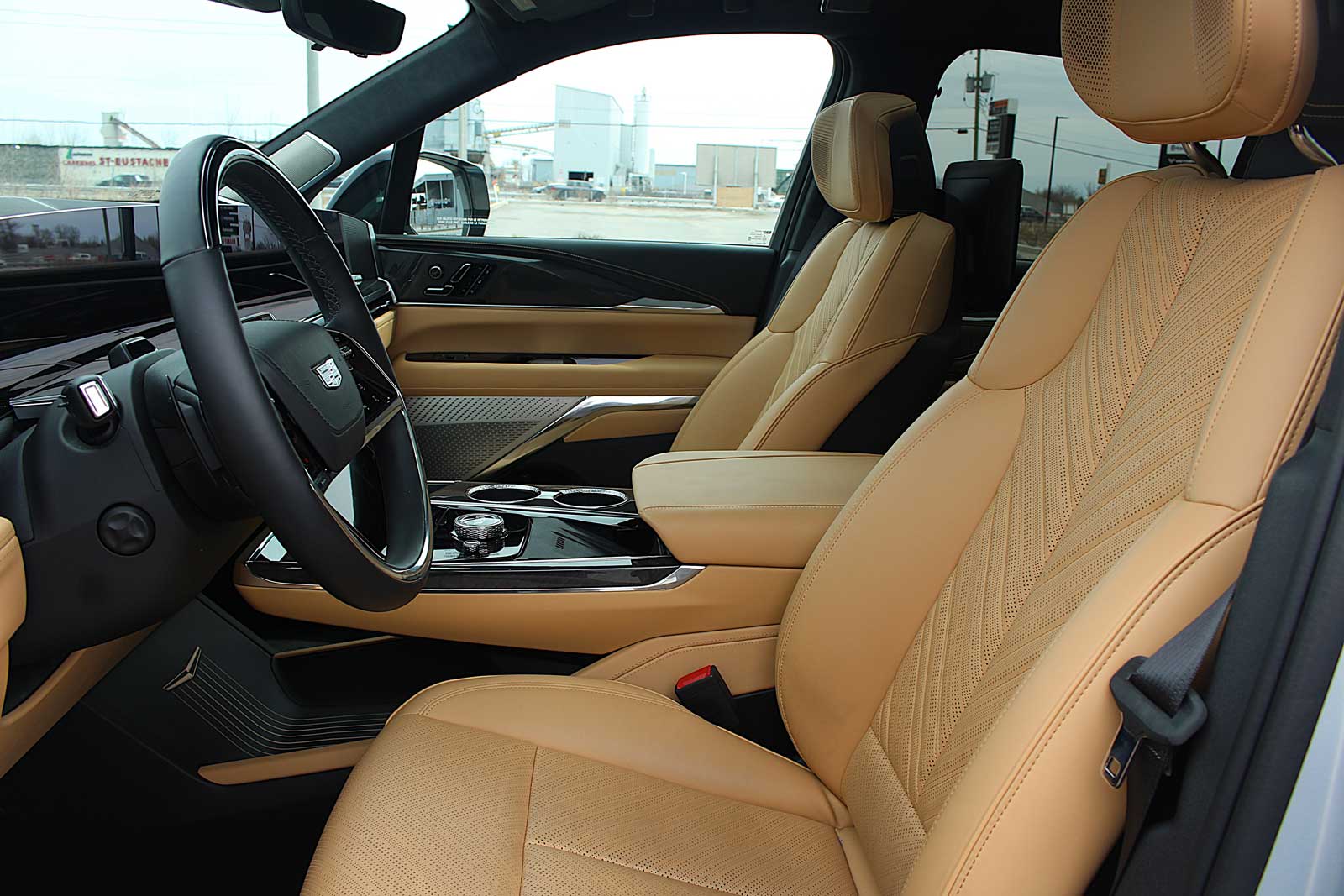
- The Escalade IQ’s interior finish is superb, while the 55-inch pillar-to-pillar display is equally impressive. The front passenger can watch videos on his or her own screen via an HDMI port connected to an external streaming device, and Cadillac’s infotainment system running Google built-in is user friendly. The AKG Studio sound systems with 21, 38 or 42 speakers are brilliant.
Why You Shouldn’t Buy a 2025 Cadillac Escalade IQ
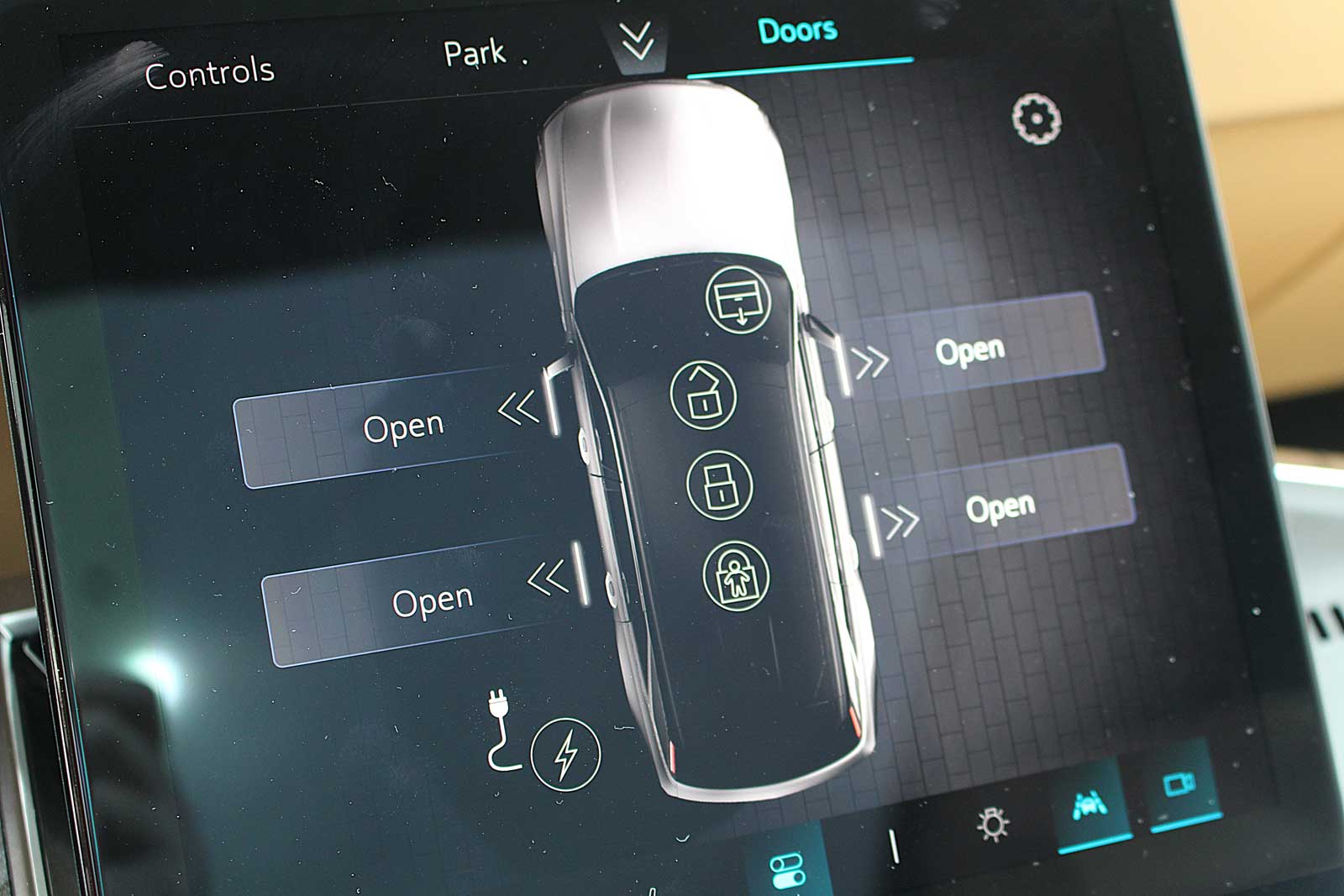
- It may be an EV, it’s still an energy-consuming behemoth. It barely fits into shopping mall parking spaces, and it’s always a small challenge of getting in and out of the vehicle in such crowded areas. The power-assisted opening and closing doors, though equipped with radar to prevent them from hitting people or objects in their way, are not always cooperative.
- The infotainment system interface is slick and stuffed with features, but Apple CarPlay and Android Auto aren’t available at all. GM’s decision to eliminate phone projection in all its new EVs drew a lot of criticism, and yet, Tesla doesn’t offer AC/AA either and we’re not hearing many complaints.
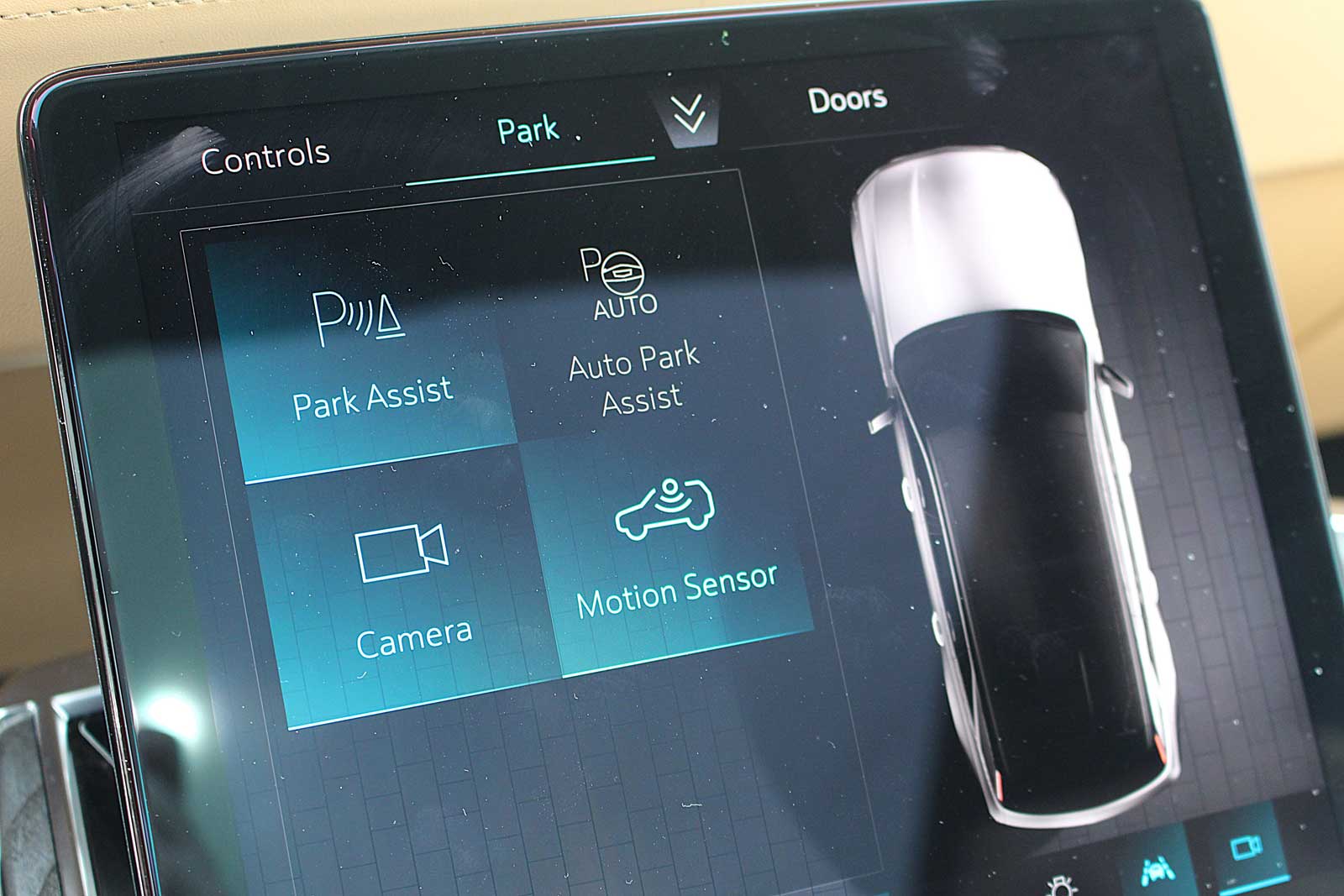
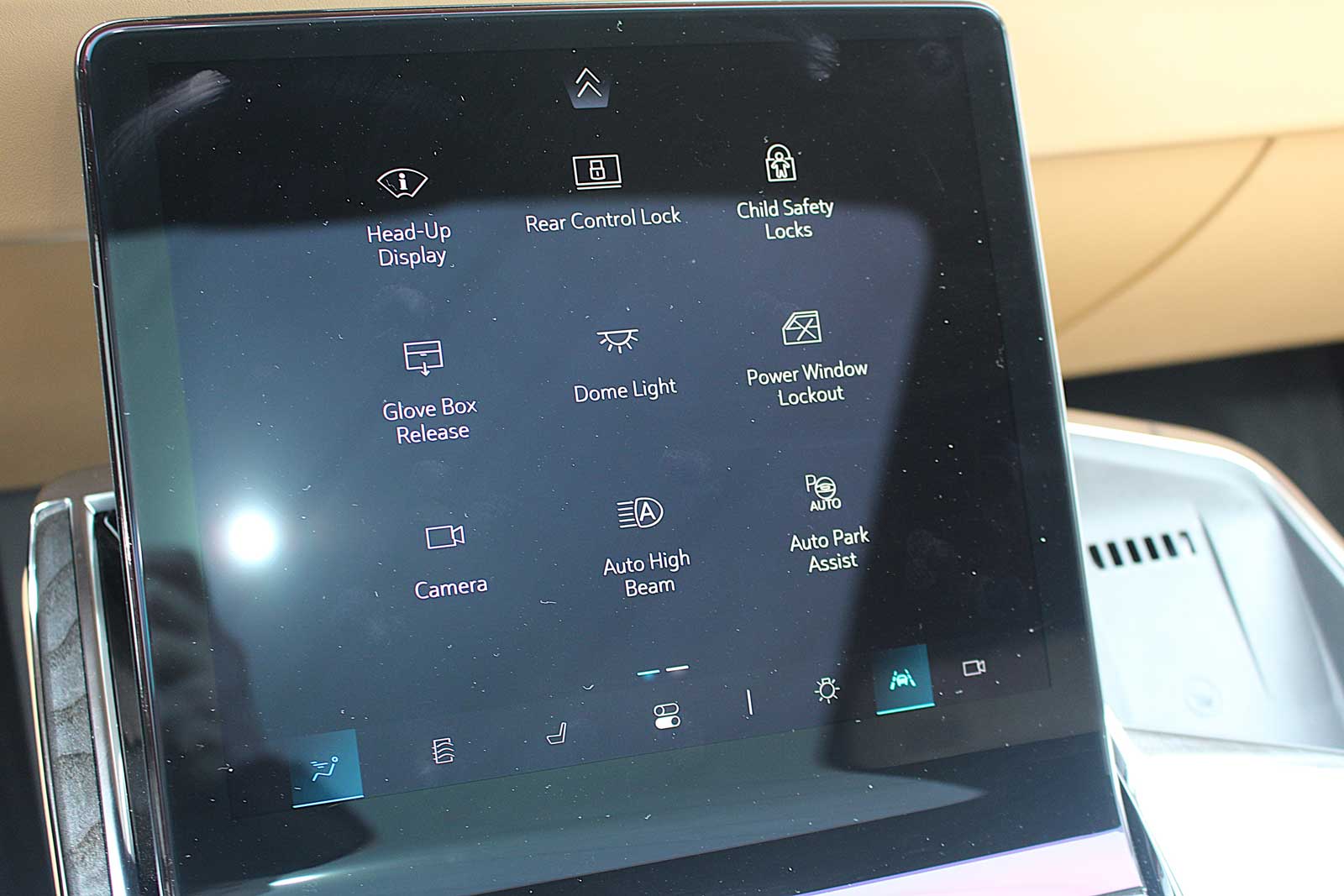
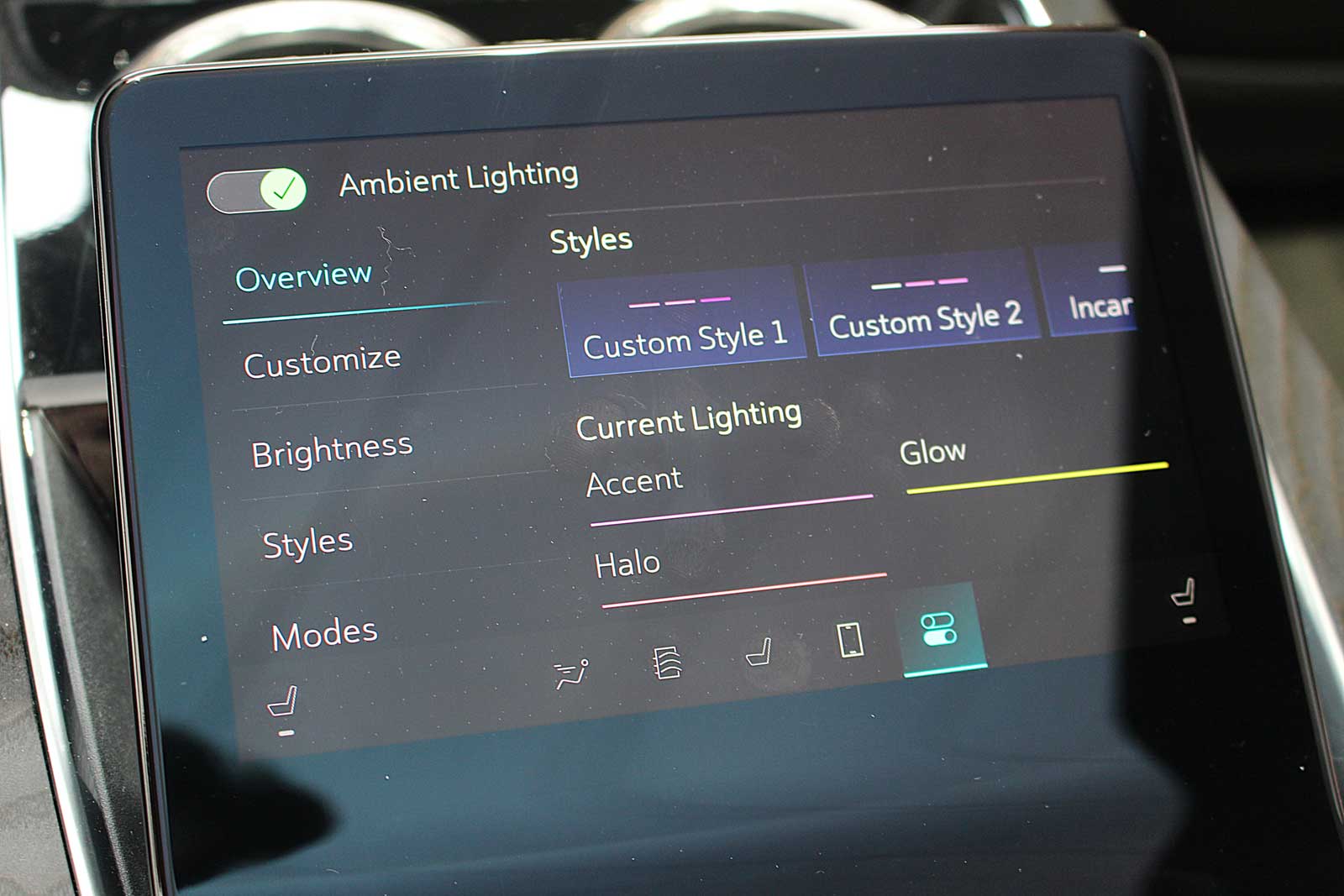
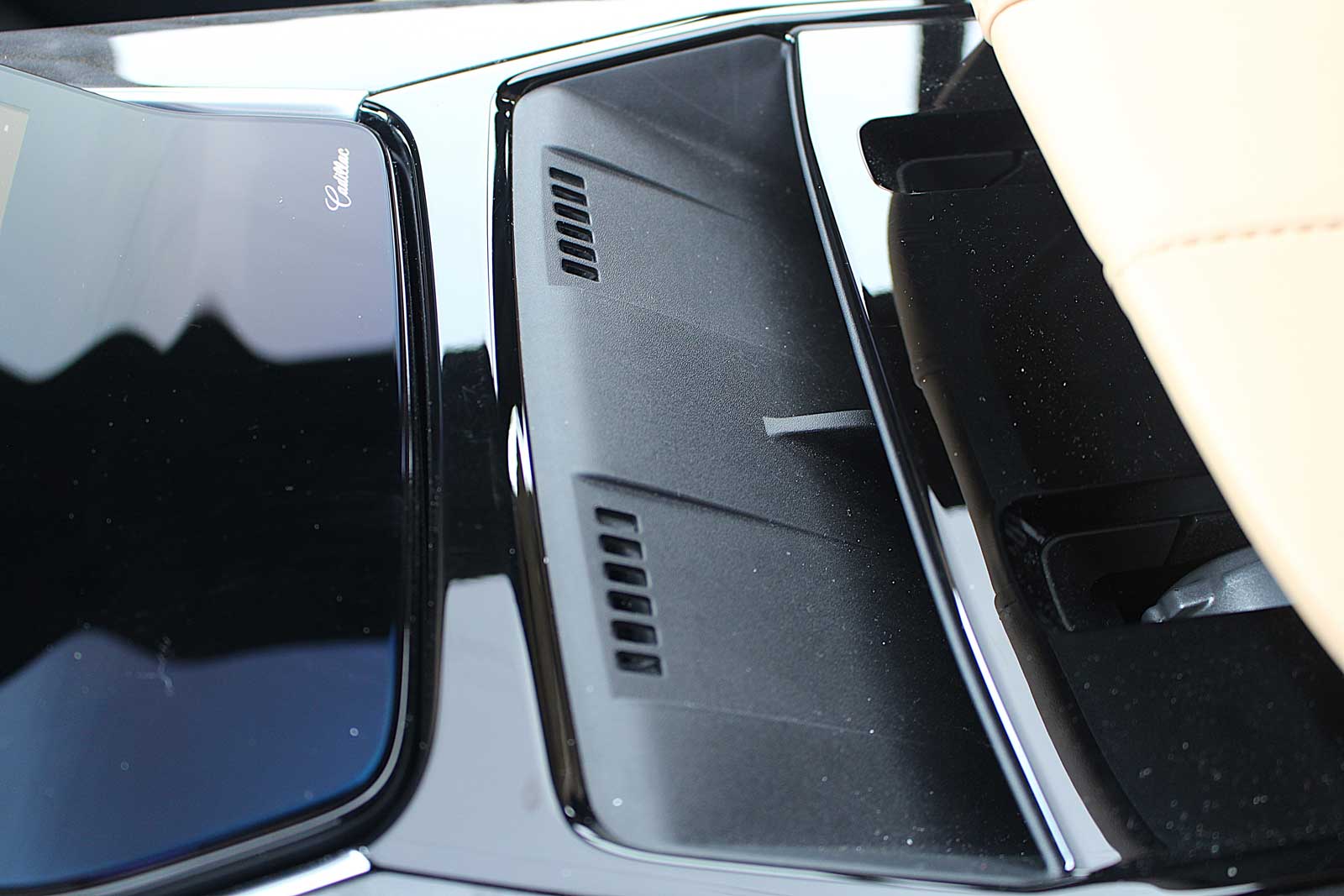
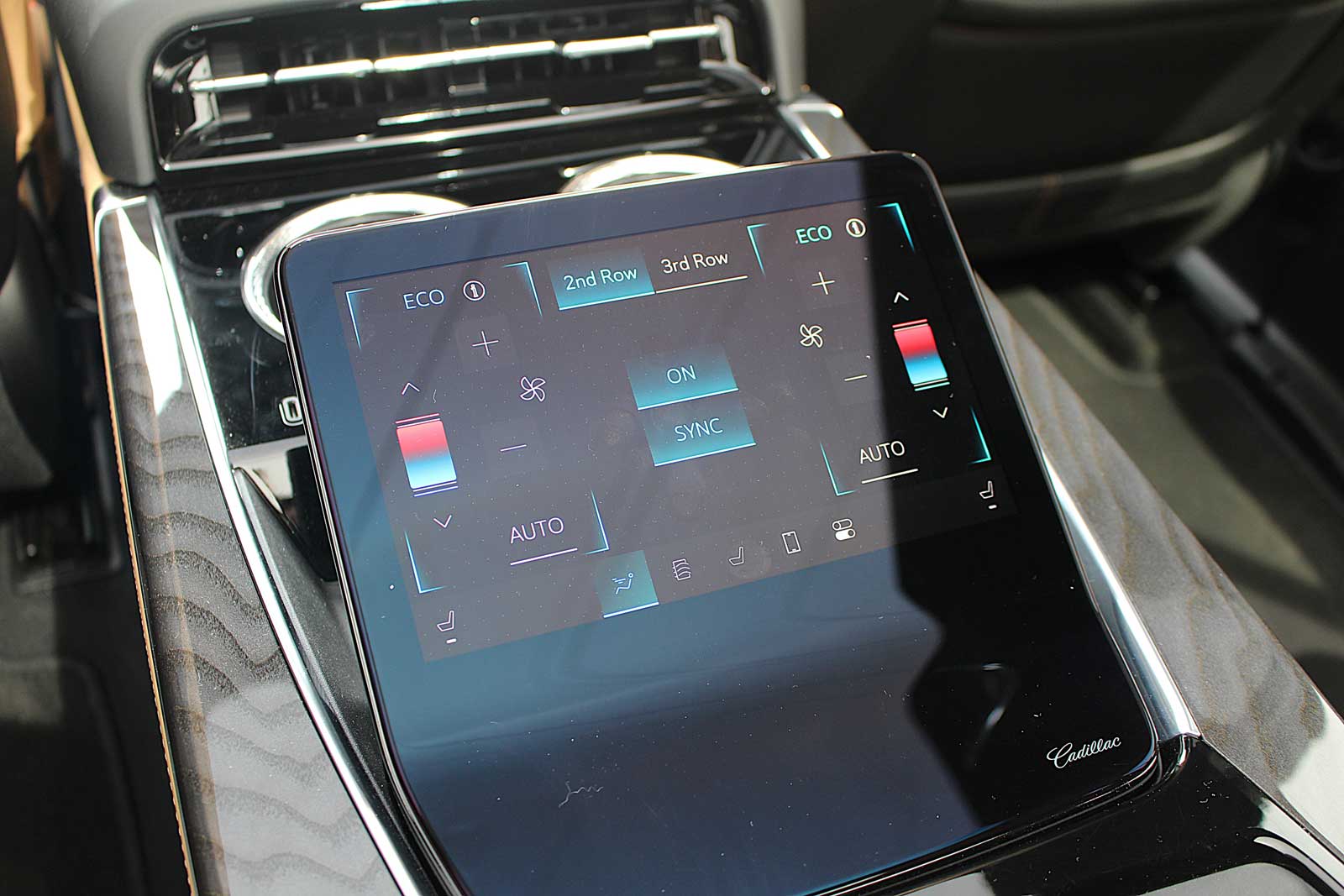
- The climate control touchscreen, which also houses other functions buried in contextual menus, is located too low on the center stack. Trying to adjust the temperature settings and change the airflow in the cabin is an extremely distracting operation while we’re trying to navigation the Escalade IQ in its lane on the highway. Good old rotary dials may not be all that stylish, but they’re a lot more intuitive to use.
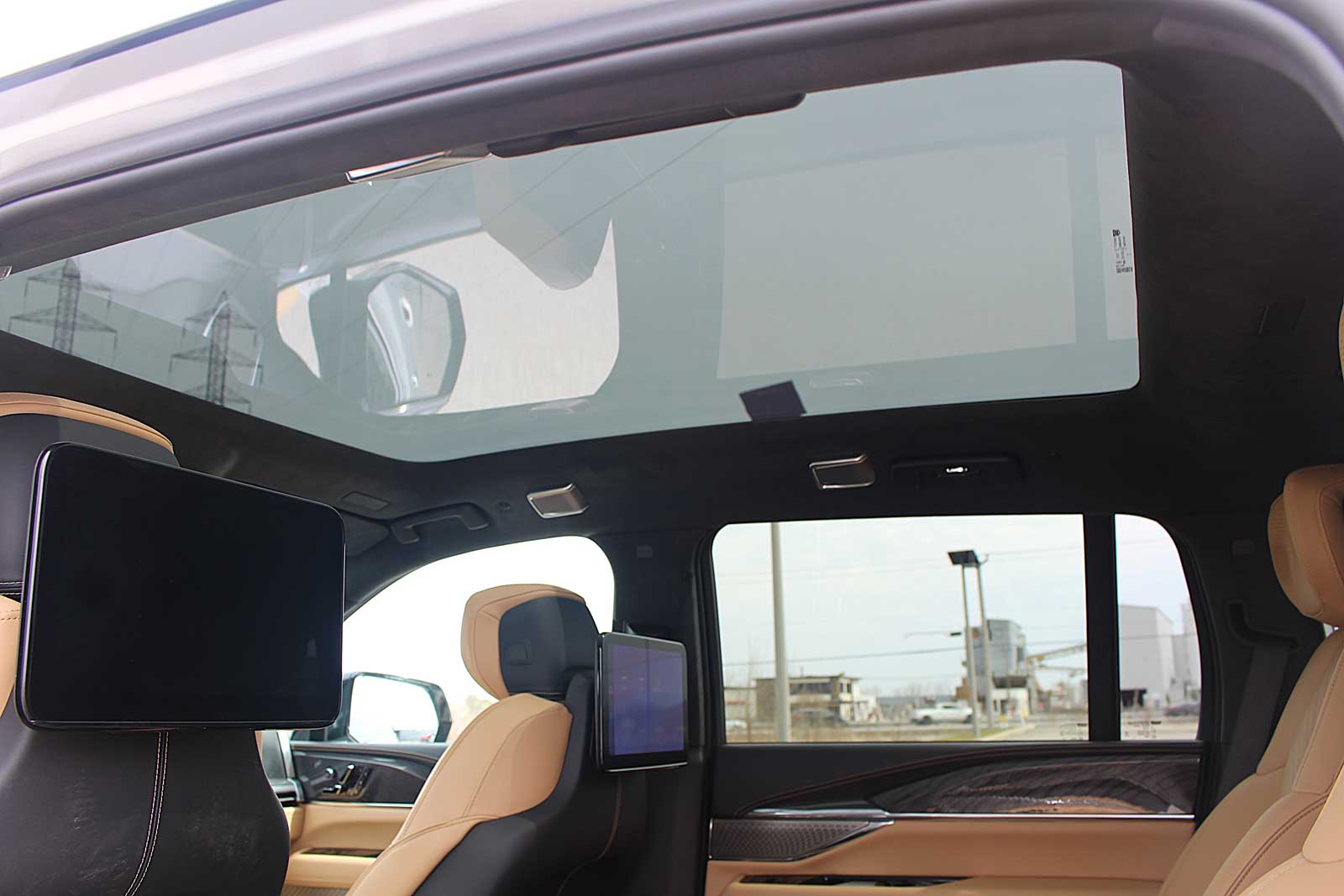
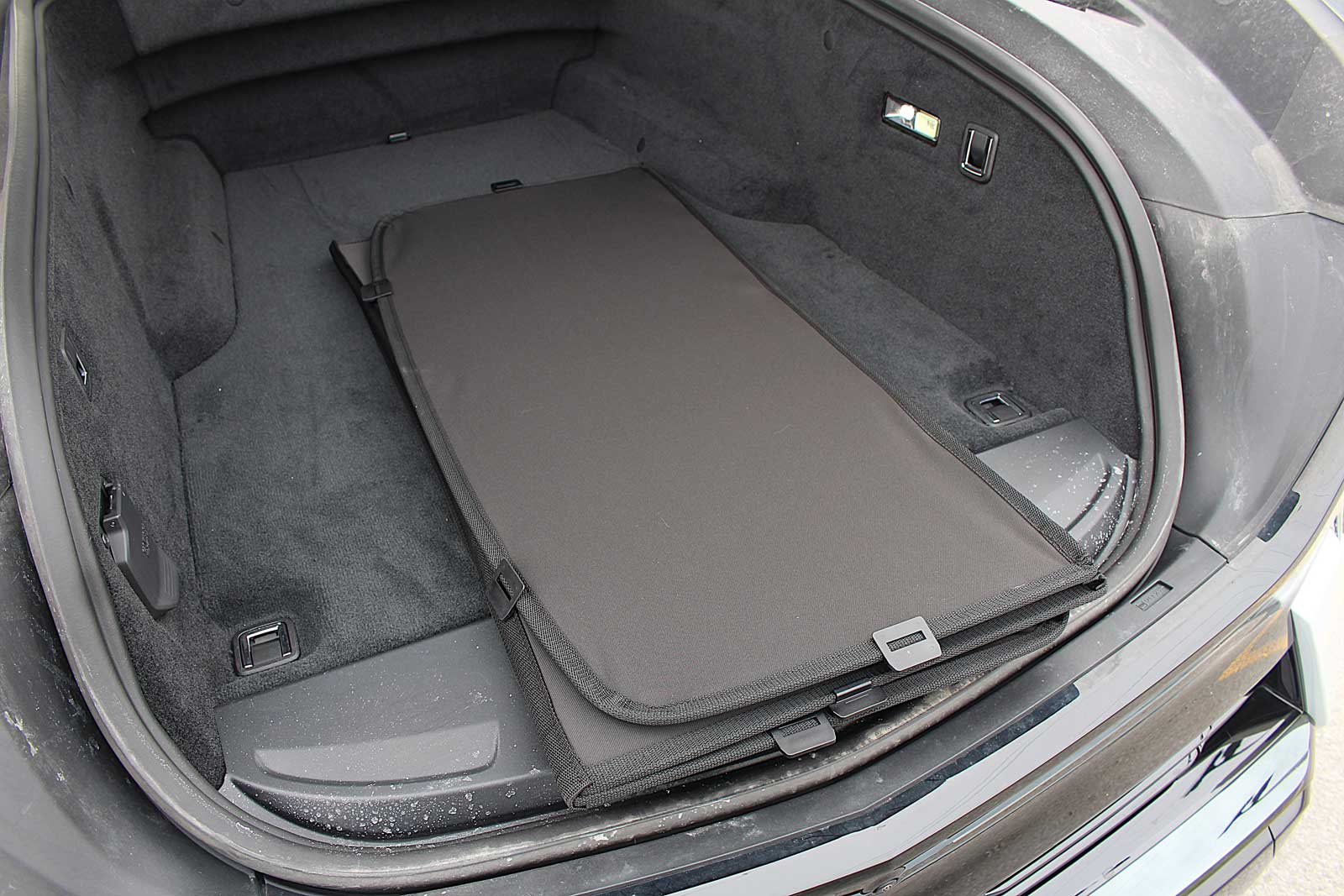
- There’s no power-retractable sunshade for the massive glass roof. What we do get is a foldable sunshade that’s quite a hassle to install, with plastic clips attached around the screen that easily fall off while we’re trying to fit this contraption in the roof opening. And the only place to store this sunshade is in the e-Trunk. This seems like an embarrassing afterthought in a vehicle that costs almost $200K.
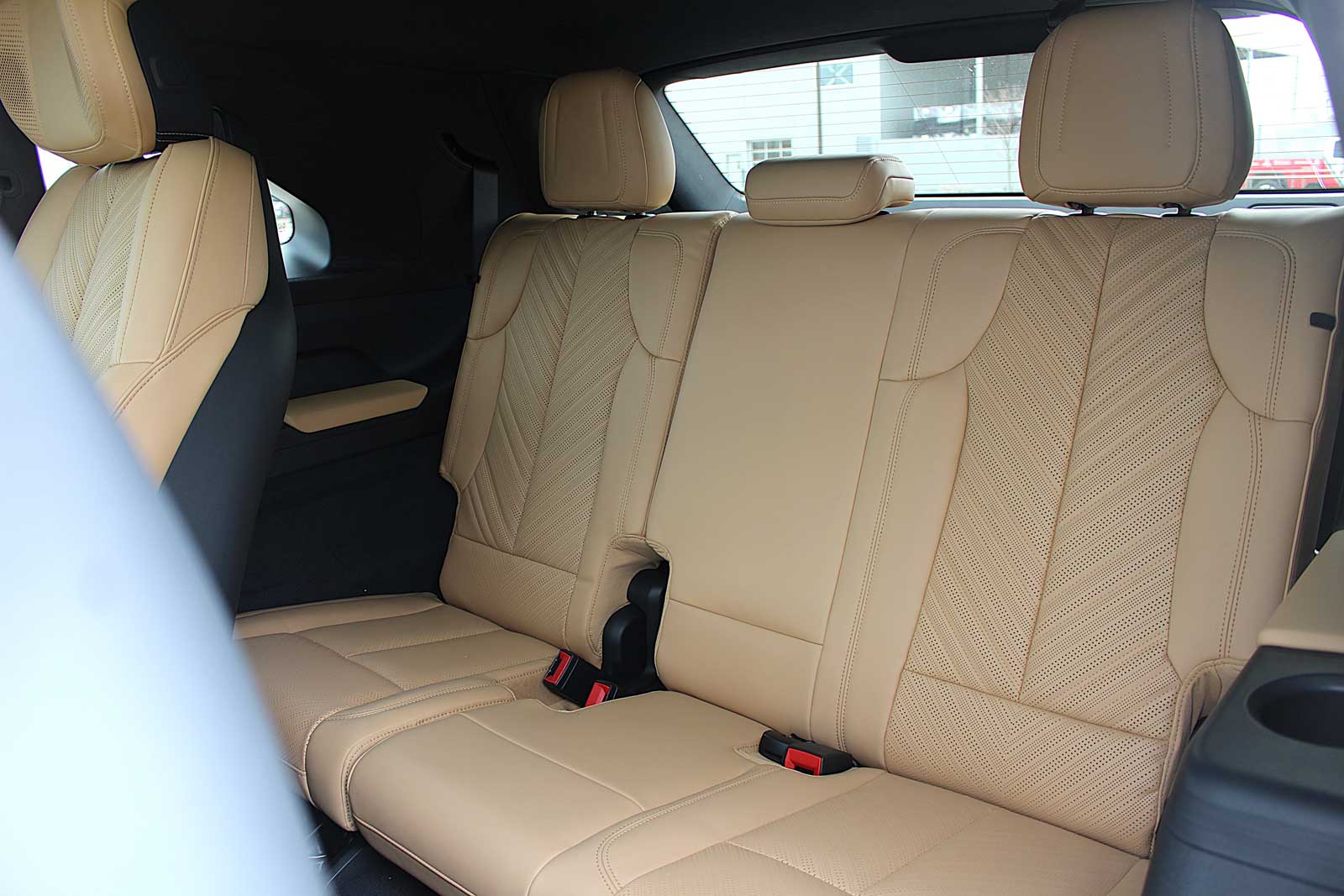
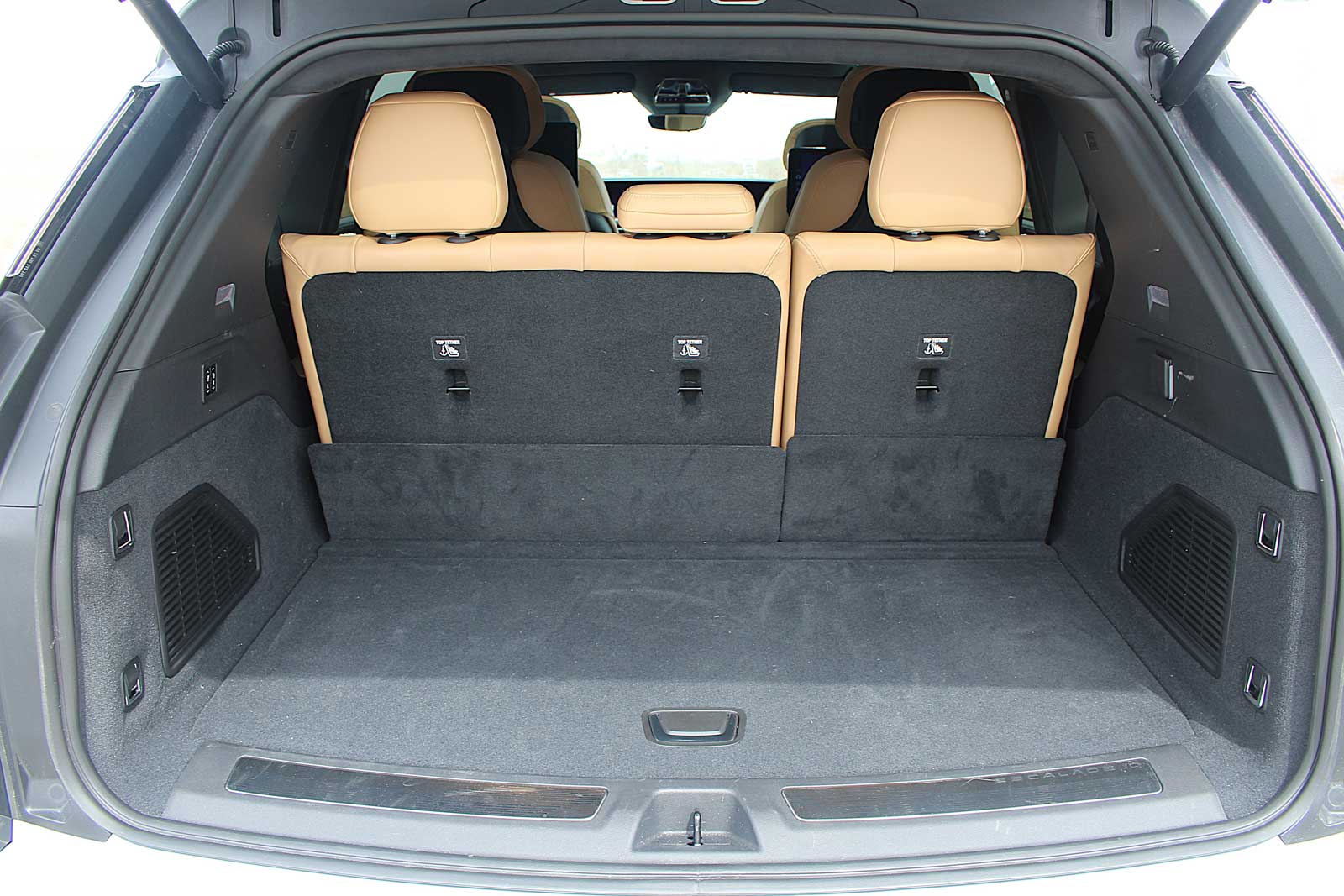
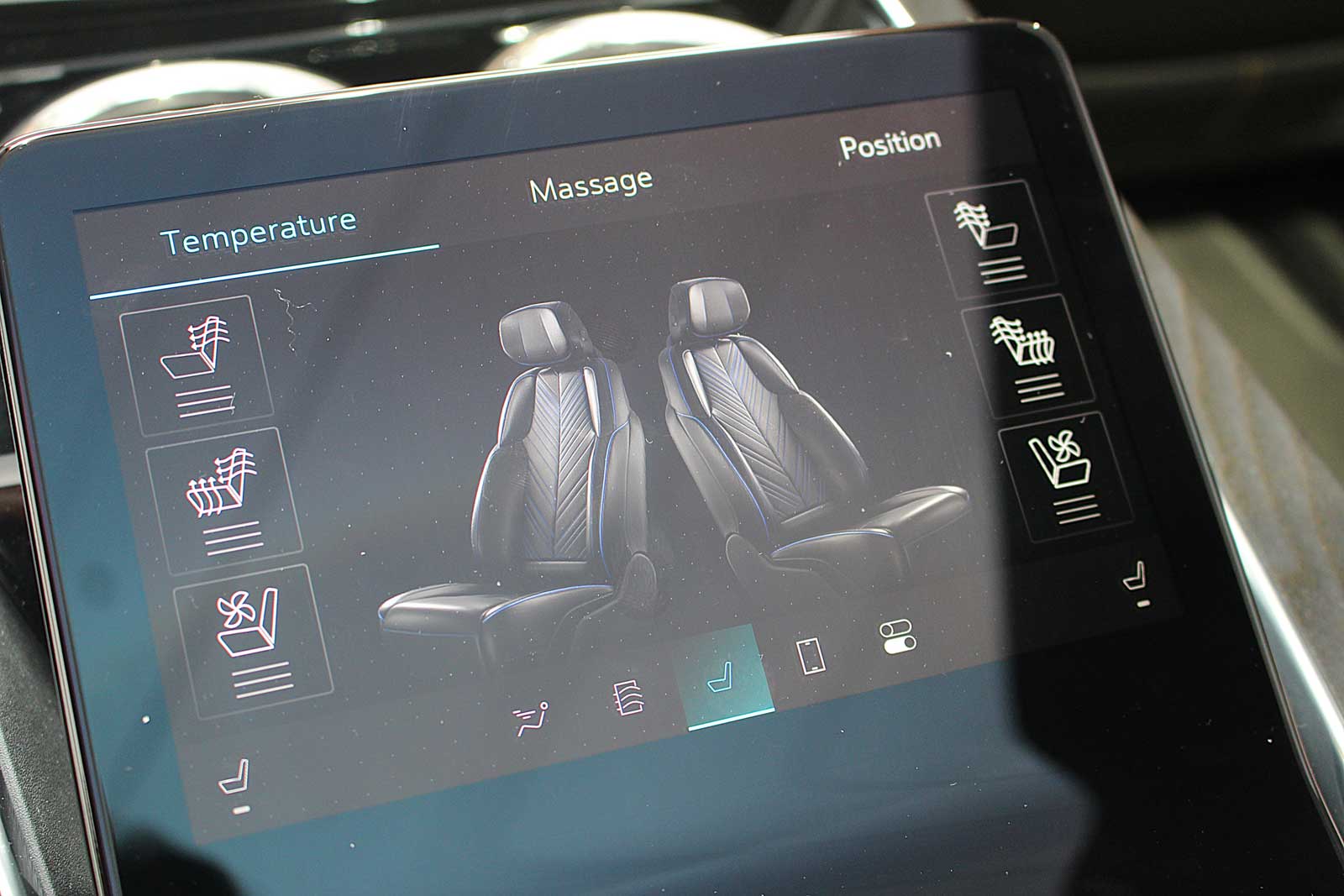
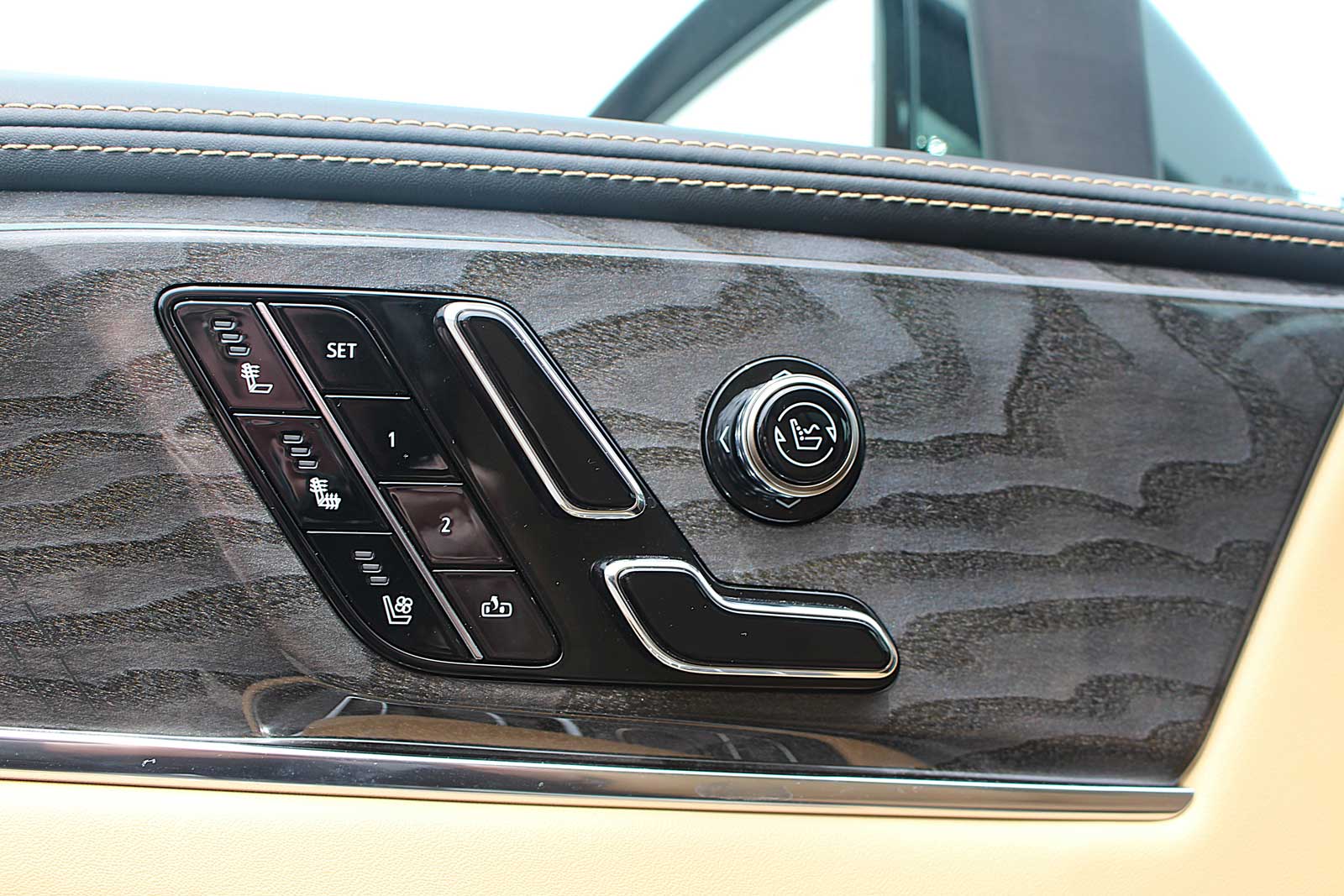
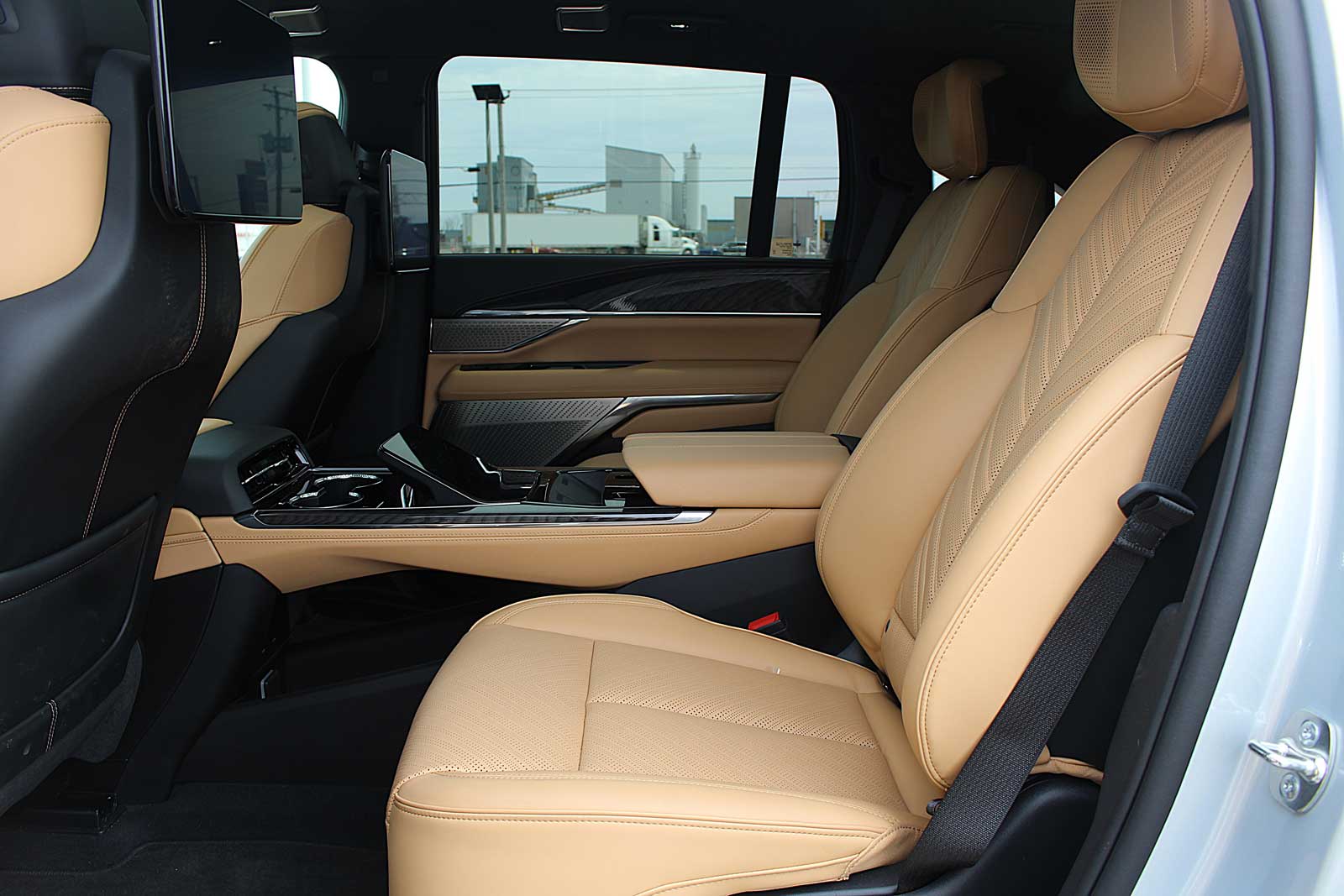
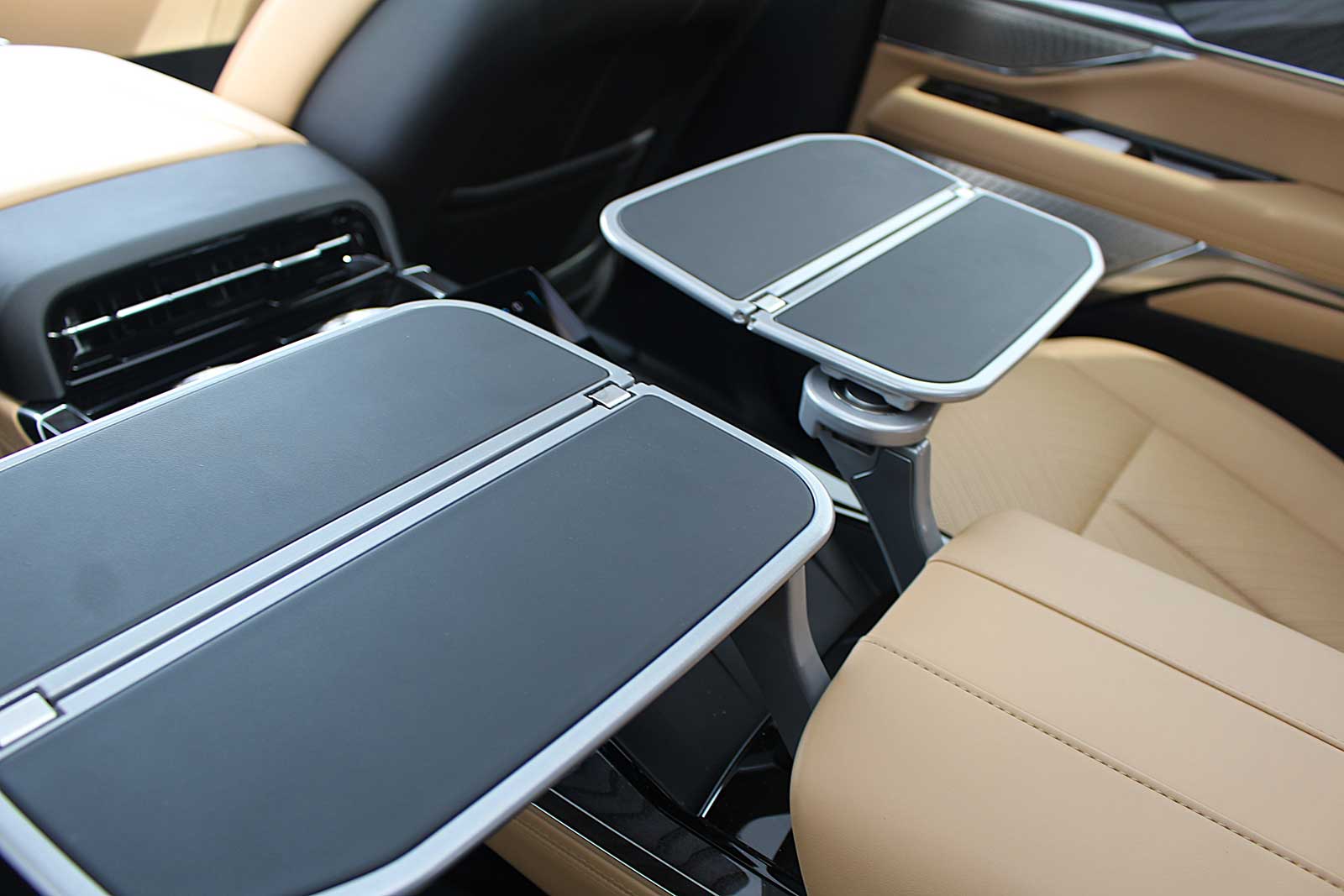
- Our Escalade IQ tester was equipped with the Executive Second Row Seating Package, which adds multi-adjustable, vented and massaging middle-row seats as well as swing-out tray tables, provides plenty of extra comfort for occupants in that area. However, adjusting the position of these seats is a slow, multi-step process accomplished on the centre touchscreen panel. The executive package’s seatbacks don’t fold flat, which reduces cargo space, and those seats don’t slide forward all that much, leaving only a few inches of foot space to crawl our way into the third-row bench. The latter is pretty small for such a big vehicle. Being chauffeured in this SUV while we get our backs massaged involves a few sacrifices from a versatility standpoint.
Final Word
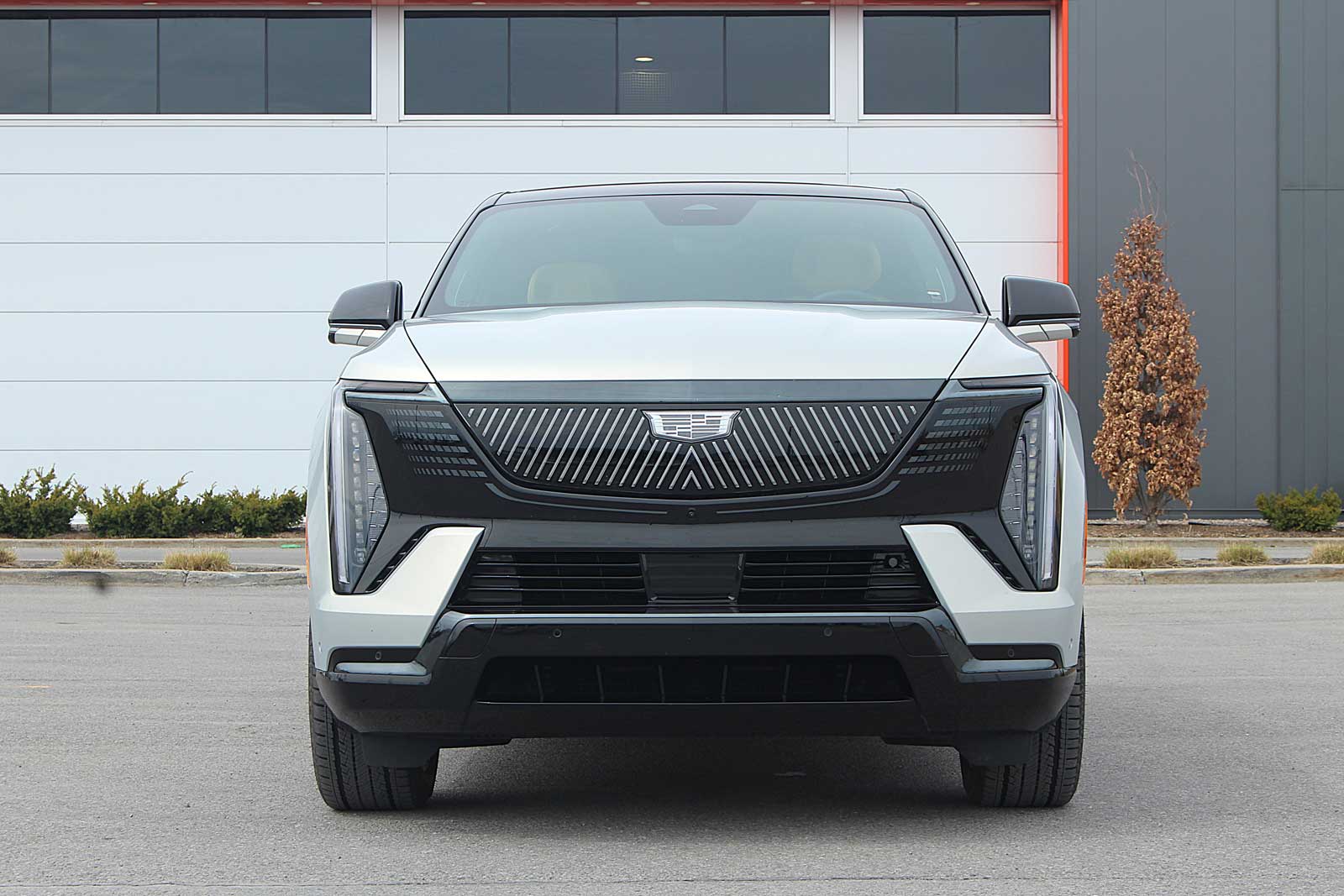
The 2025 Cadillac Escalade IQ is tangible proof that the development of a vehicle can bring out the best and the worst of mankind. It’s utterly sophisticated, smooth and powerful and draws attention everywhere it goes by design and sheer size.
On the other hand, it’s built with a ton of resources, it’s way heavier than a passenger vehicle should ever be, especially being comfortable for only four passengers when fitted with the Executive Second Row Seating Package. Not being subject to the luxury tax, which in itself can be considered excessive by luxury-vehicle buyers, takes advantage of a loophole in the regulations simply because it’s as ponderous as a heavy-duty work truck.