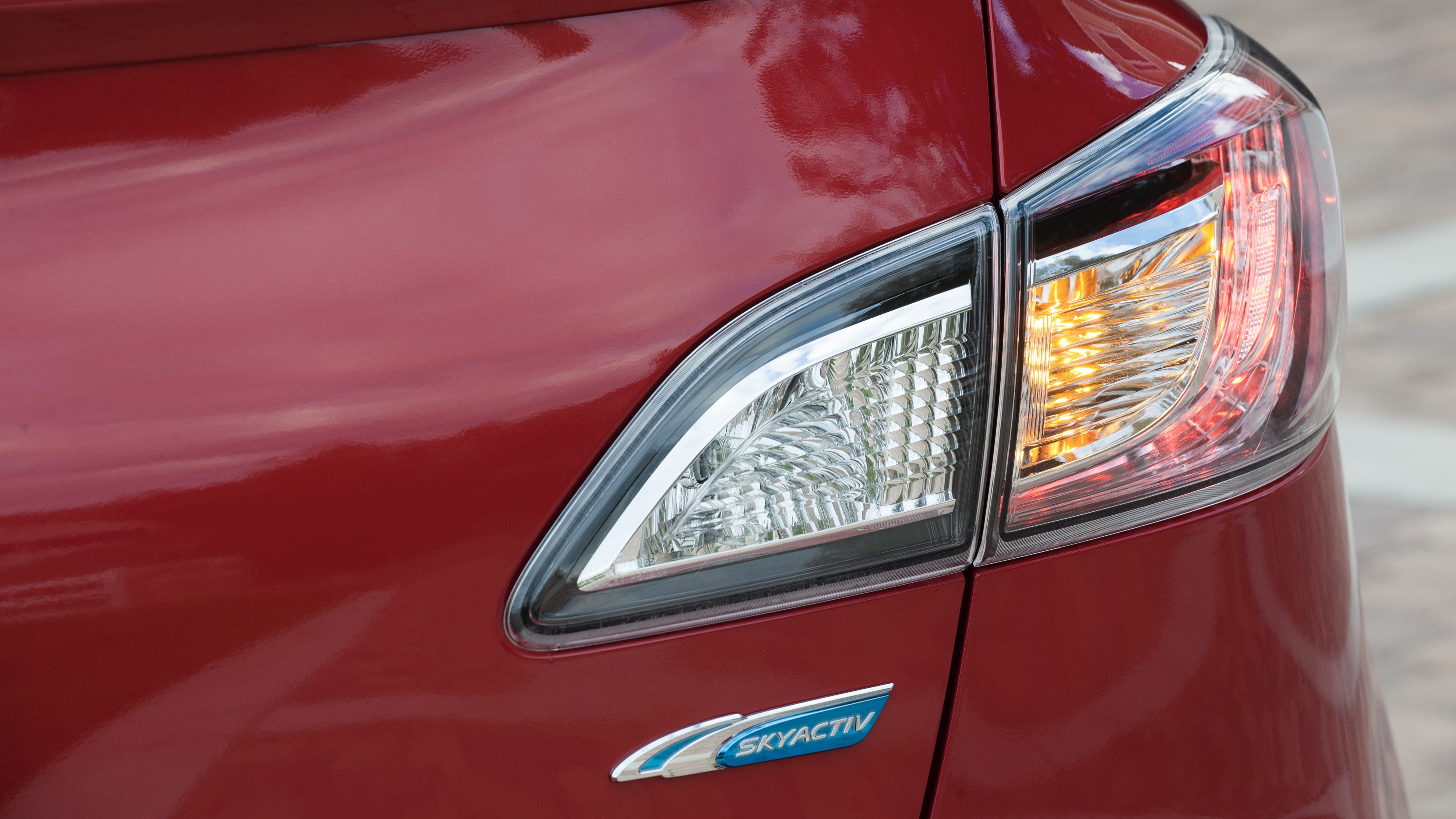
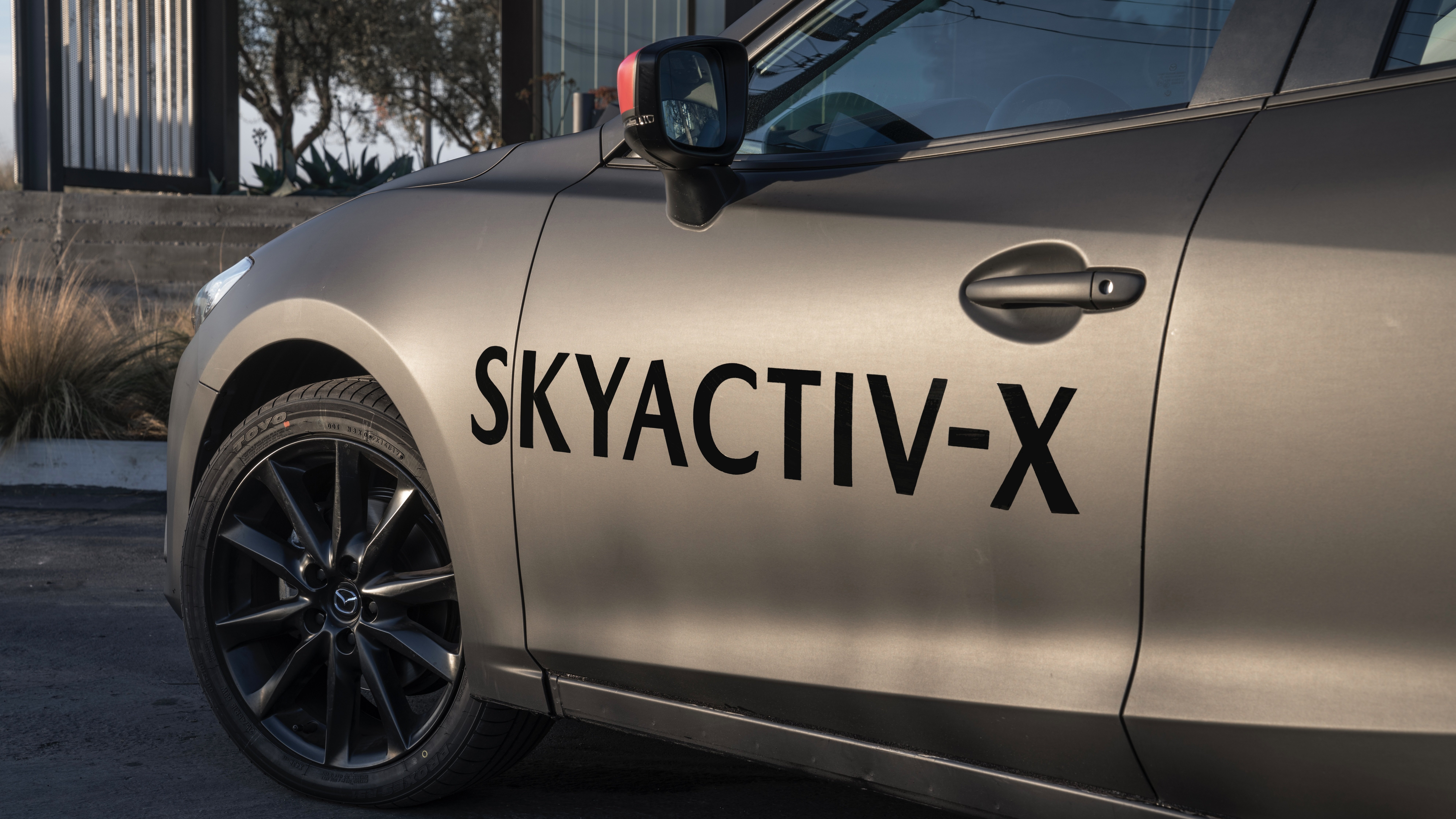
Every time a Mazda vehicle comes up, you’ve surely noticed that the word SkyActiv appears somewhere. A SkyActiv engine, chassis, or transmission, for example. Have you ever wondered what it was?
SkyActiv technology is now a little bit more than 15 years old
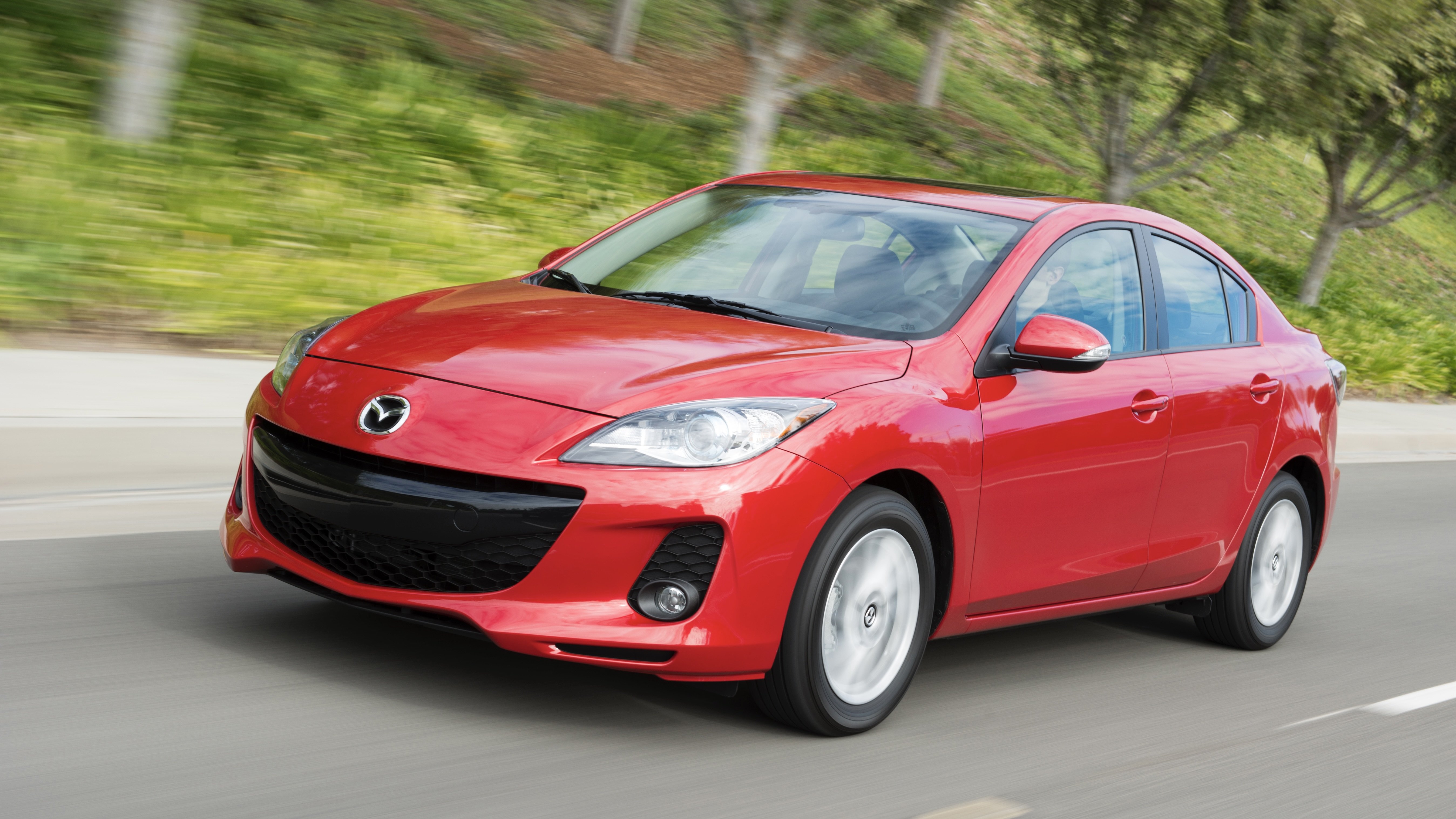
The first SkyActiv engine powered the 2012 Mazda3
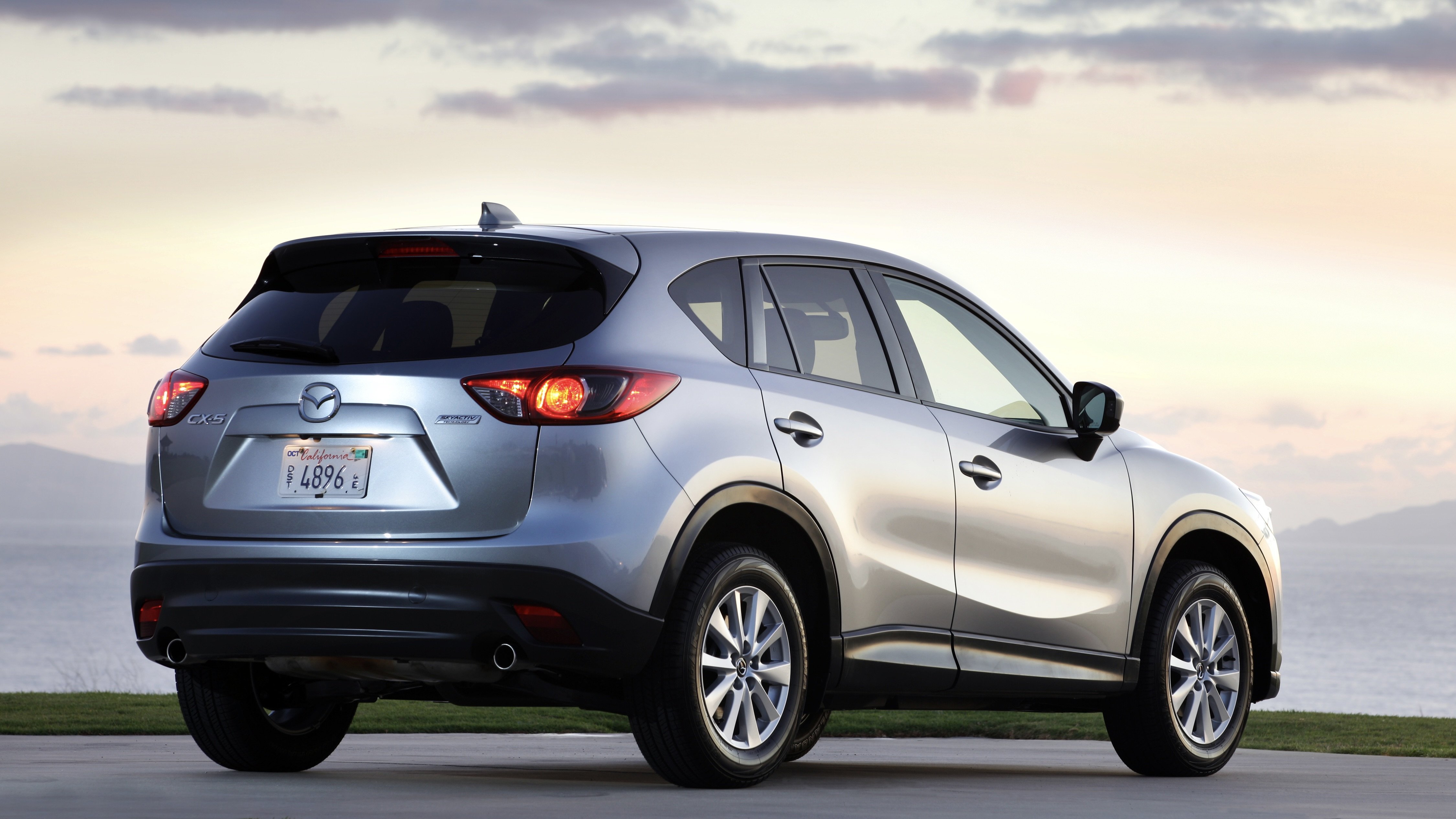
The 2013 CX-5 was the first vehicle to be SkyActiv from A to Z
SkyActiv is an array of technologies, but it’s actually a word that conceals a philosophical approach at Mazda. Based on the old Japanese principle “Jinba Ittai,” which means that a rider and horse are one, its objective is to foster a natural, intuitive relationship between a vehicle and its driver. How to achieve this? By rethinking how to conceive a car, that is, by reconsidering how to design engines, chassis, transmissions, and so on.
Already 15 Years
The SkyActiv approach is not new. Mazda presented its concept at the 2009 Tokyo Auto Show. Your humble servant had the chance, in 2010, to drive Japanese Mazda 6s (right-hand drive) in the Vancouver area to test new engines: a 2.0-litre four-cylinder and a 2.2-litre diesel four-cylinder.
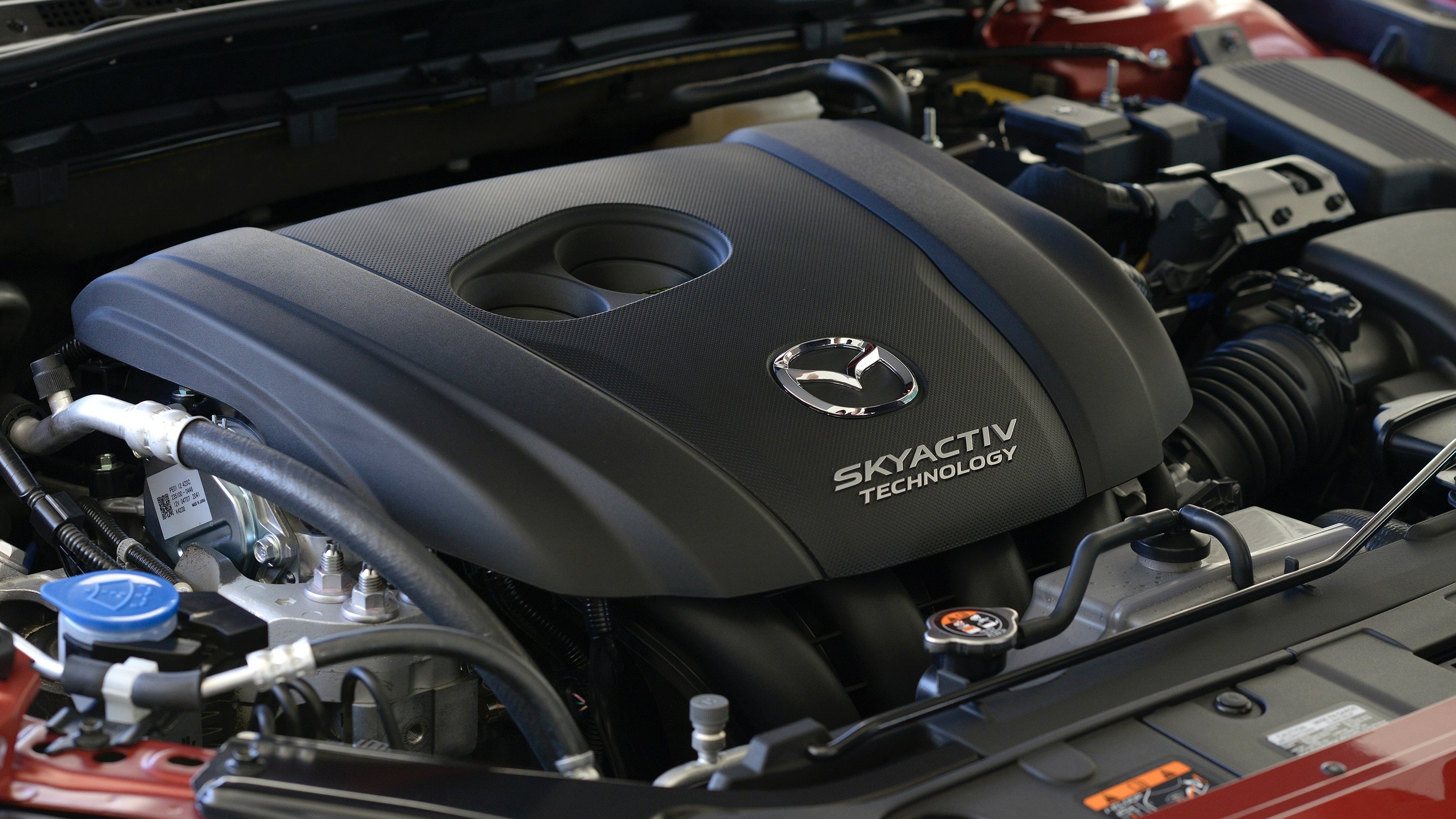
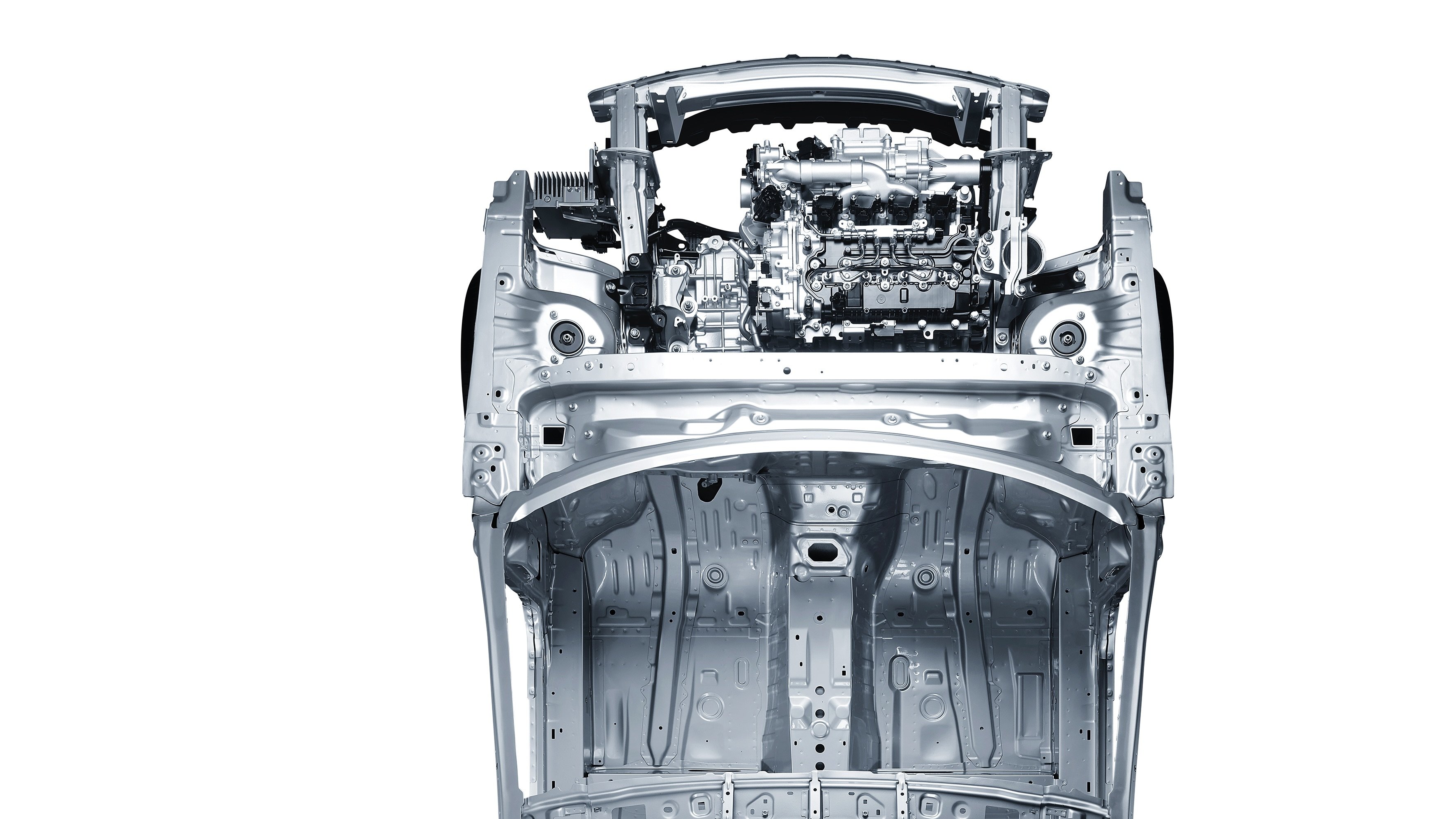
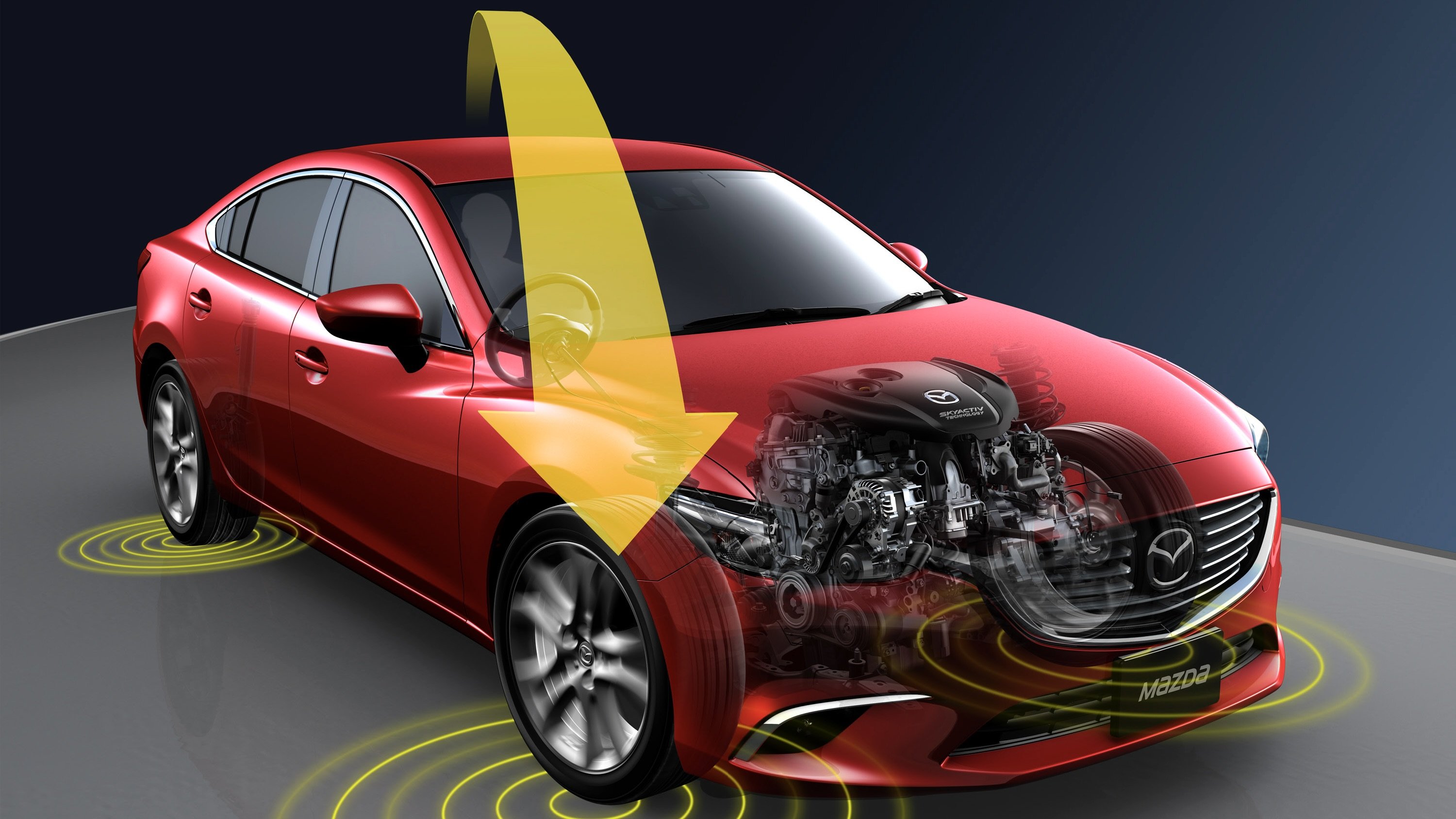
What the company explained to us then was that it had asked its engineers to rethink engine design, for example, the way to design a piston. The designers sculpted an uneven surface (instead of flat) to optimize fuel injection. The compression ratio was increased in gasoline engines and lowered in diesel ones.
In short, engineers did everything to make engines more efficient, more powerful, and more frugal.

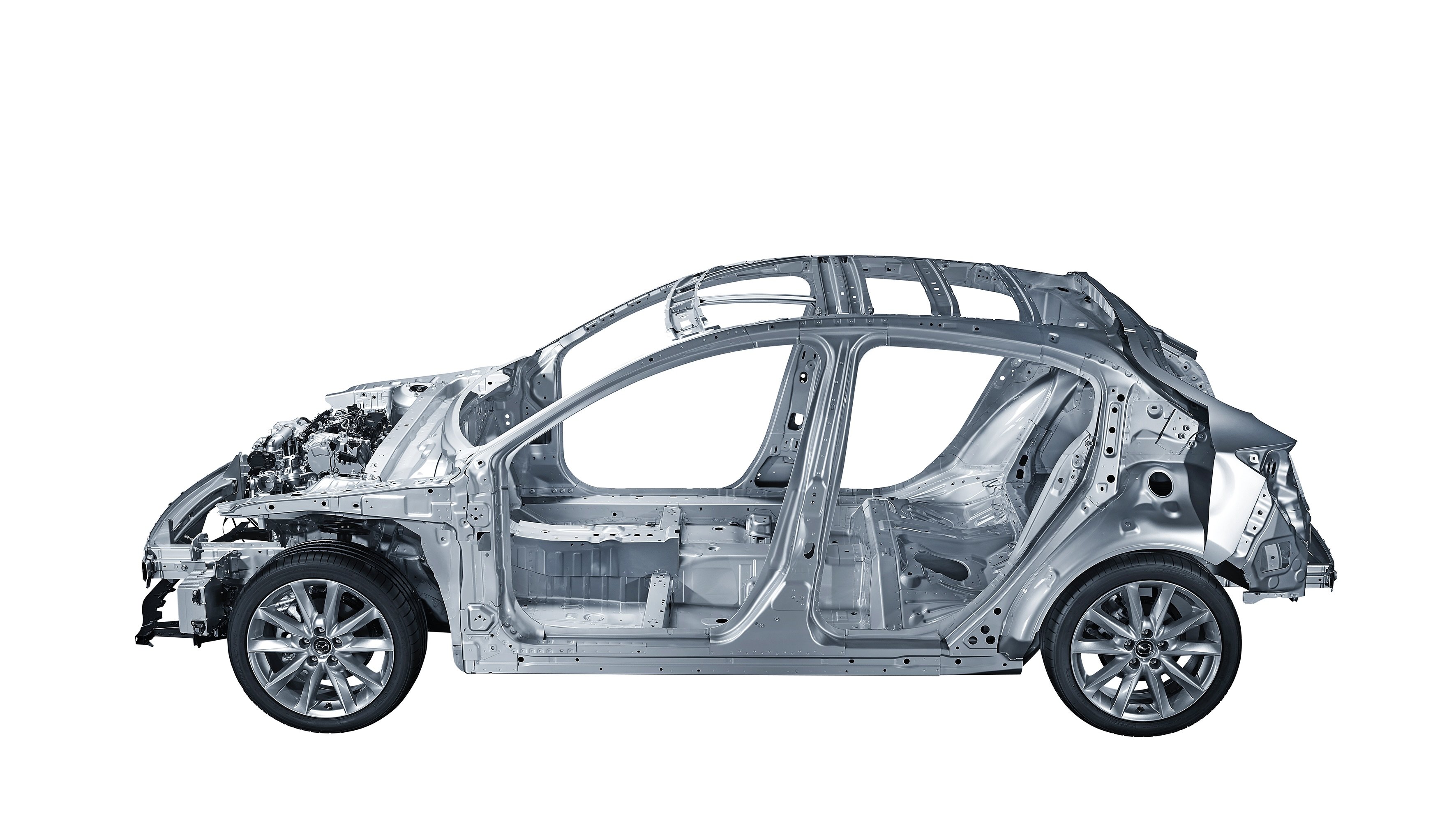
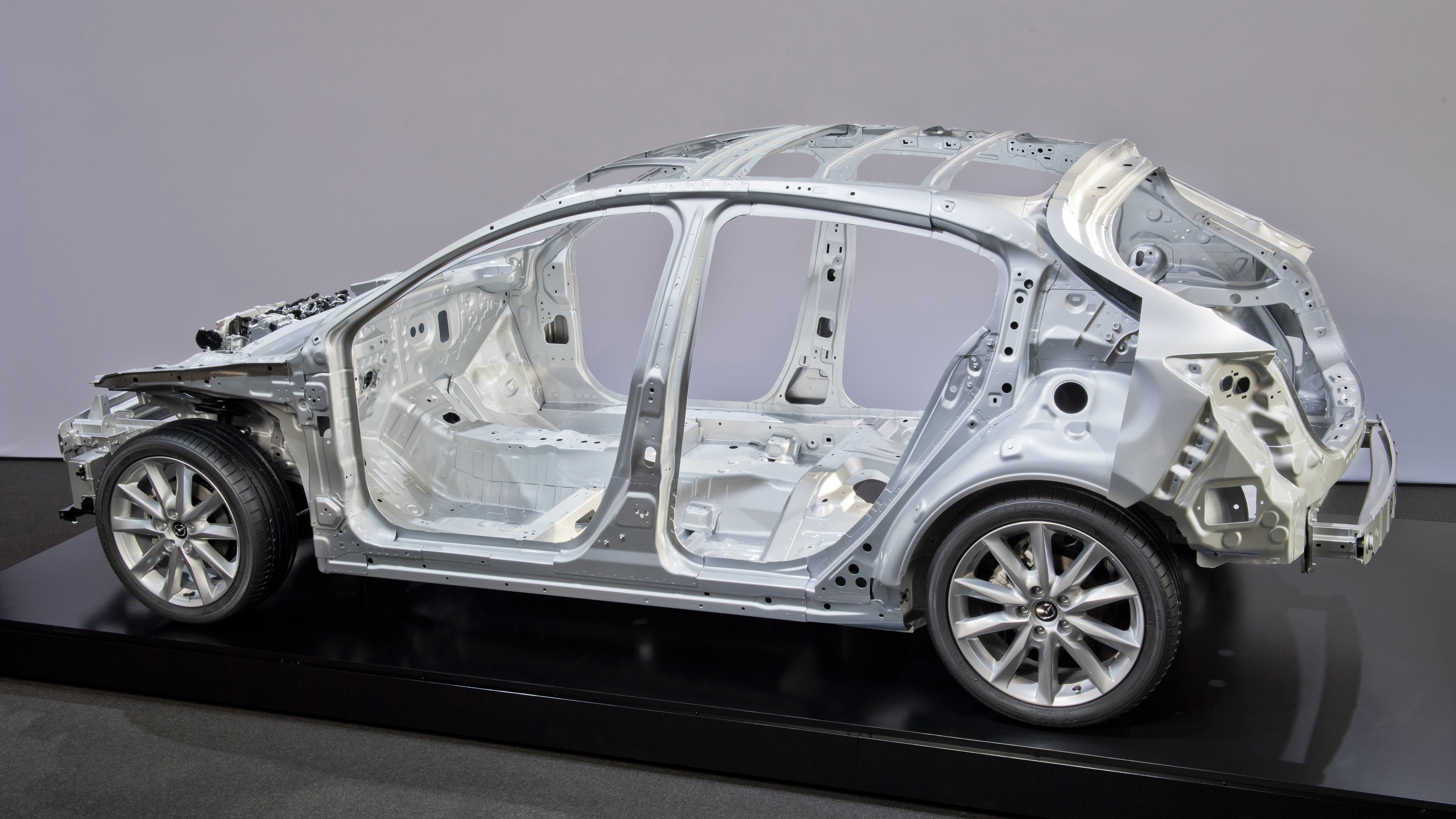
Same story with the chassis: in addition to reducing weight, they came up with a new way to position the shock absorbers to deliver a more solid vehicle response and a more engaging driving experience.
And behind it all, a mission: to ensure that a vehicle’s fuel efficiency does not come at the expense of performance. On that front, it’s “mission accomplished,” because if there’s one thing that comes up often in our product reviews, it’s that driving pleasure is present.
Mazda’s Skyactiv-X Engine Technology Proving To Be A Popular Option
And for Mazda, this turnaround was essential. Let’s remember that before the arrival of the first SkyActiv engines, the company’s engine fuel consumption ratings were among the worst, if not the worst, in the industry.
The 2013 CX-5… and Beyond
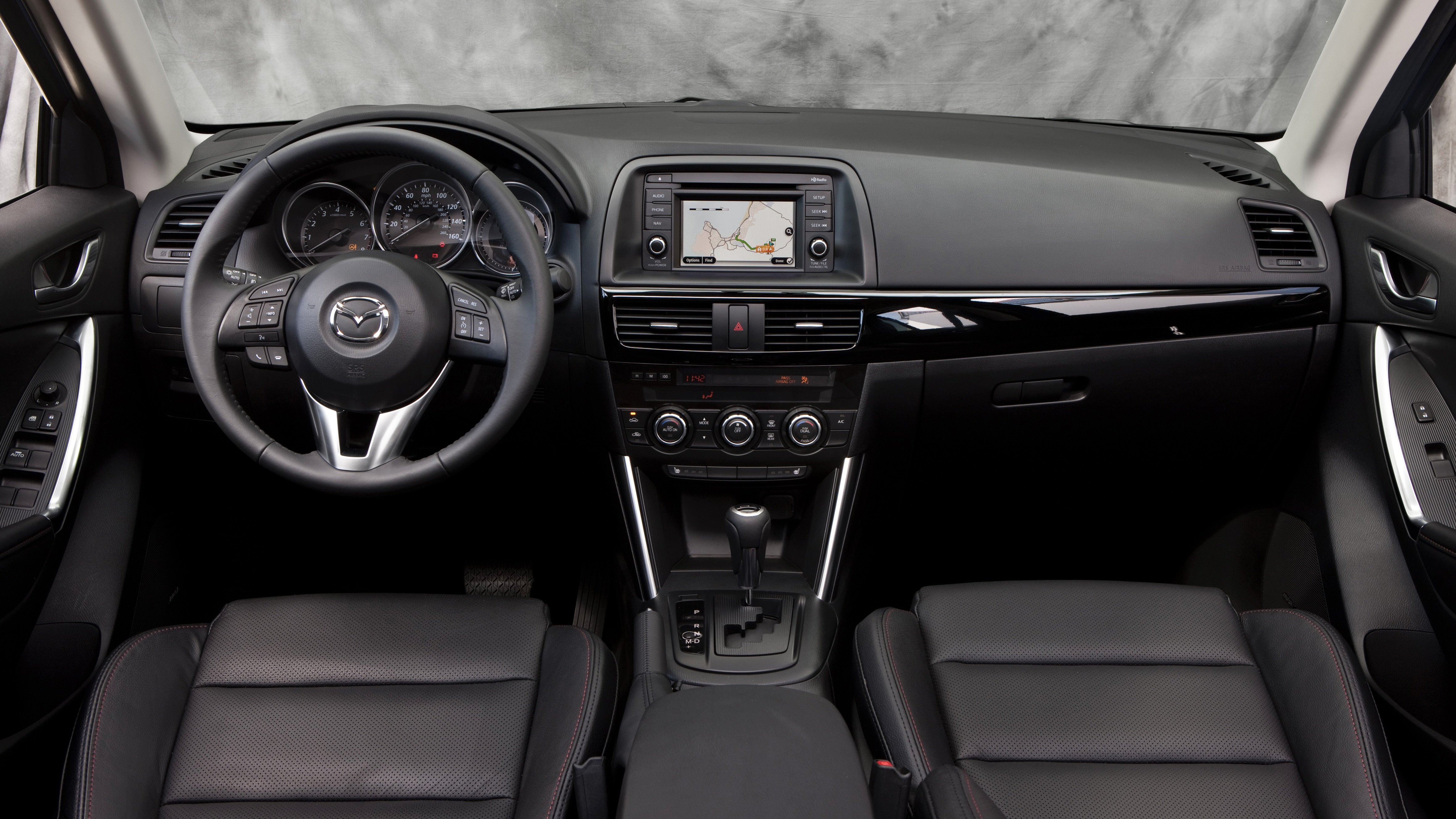
The 2012 Mazda3 was the first to benefit from a SkyActiv engine, but it was with the CX-5 that Mazda launched its first model entirely designed around the SkyActiv philosophy. The impact was enormous. The model’s base engine, a 2.0-litre four-cylinder (now discontinued), offered excellent fuel consumption ratings for a non-hybrid SUV. During a week-long test, the author of these lines averaged 6.6L/100 km.
 2013 Mazda CX-5
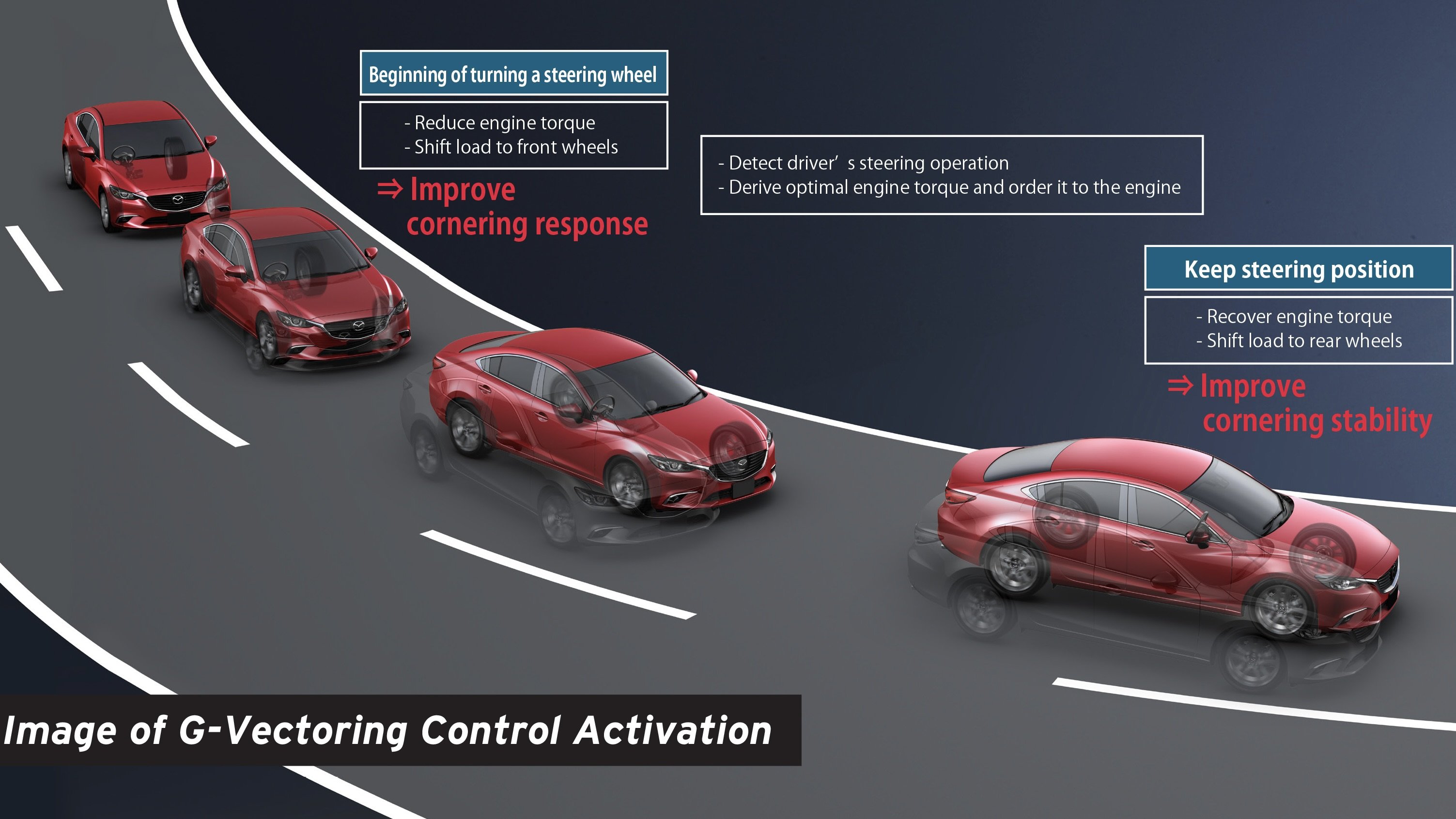
Things continued to evolve, including transmissions, the design of an all-wheel-drive system (i-Activ AWD), and the deployment of safety features (i-Activsense). Mechanically, Mazda continues to push the limits with new approaches that improve efficiency and frugality.
As you’ve just seen, SkyActiv is more than a name. It’s a way of seeing and designing things, a working philosophy that guides each employee’s daily work, an approach that benefits everyone, starting with the consumer who gets, in return, vehicles conceived differently.