


Current EU rules will prevent the sale of new gasoline-powered vehicles in Europe starting in 2035.
Increased competition from China and stagnating EV sales have led automakers to lobby for relaxed emissions rules.
The proposed Auto Package would target an 87.5% reduction in CO2 over 2021 levels rather than a complete ban on gas-powered vehicles.
The European Union is about to vote on an Auto Package that could relax some of its vehicle emissions rules in order to help European automakers compete with their Chinese rivals.
Indeed, the success enjoyed by Chinese automakers in Europe, as well as significantly reduced sales for European brands in China, have led some automakers to lobby the European Union for changes to its emissions rules.
The objective of these desired modifications is to reduce development costs associated with new technologies and allow European automakers to sell what customers want.
While sales of electric vehicles are picking back up due to the high cost of fuel, the sharp drop-off experienced in 2025 has shown that EV sales are still fairly volatile, and therefore, automakers are worried about having to abandon combustion-powered vehicles within a decade.
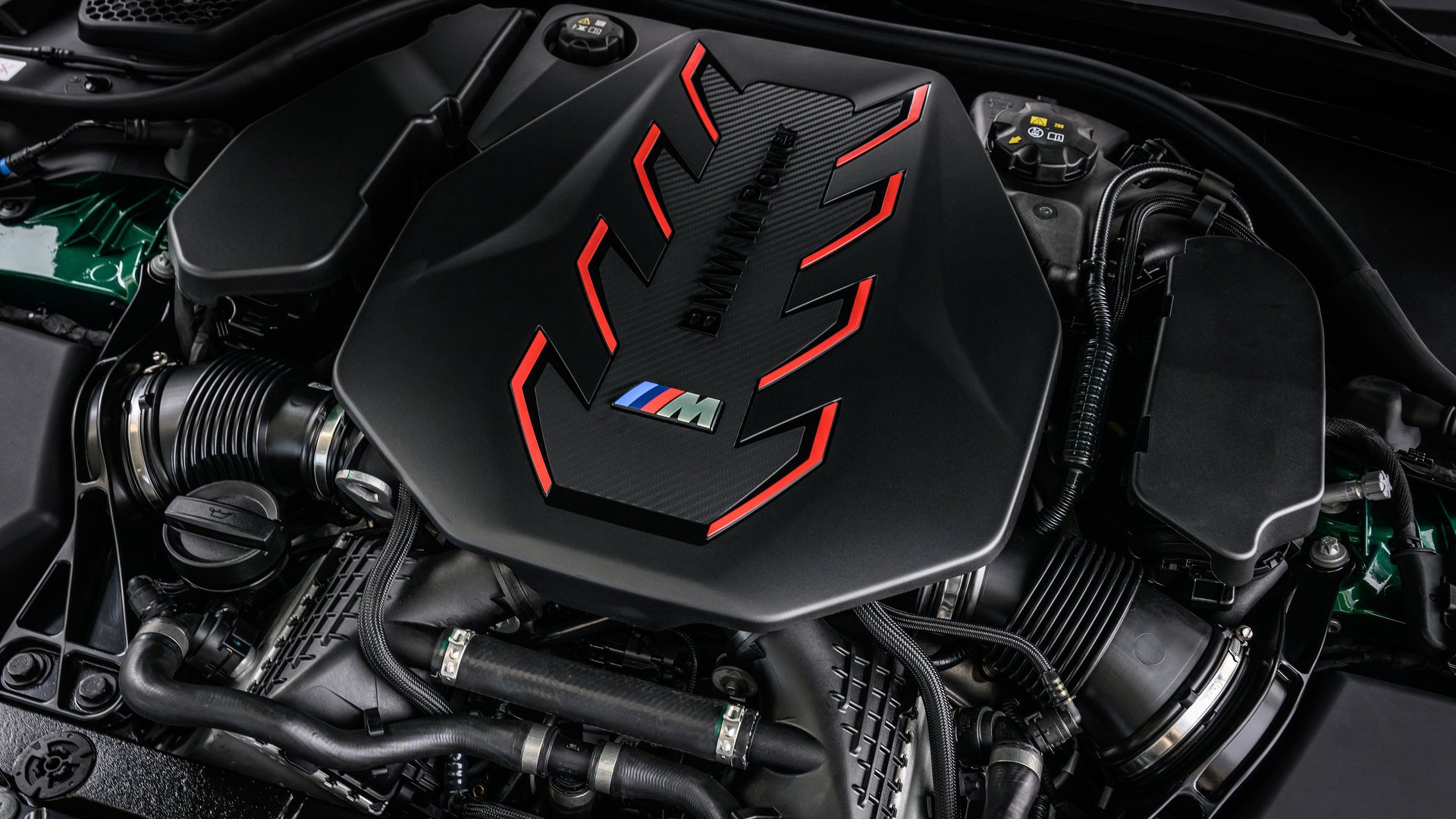 BMW M5 Touring Plug-in Hybrid | Photo: BMW
Currently, EU rules call for a 100% reduction in CO2 emissions from new vehicles in 2035 over 2021 levels, which would make it impossible to sell vehicles powered solely by gasoline or diesel engines past that point. Plug-in hybrids and range extenders were excluded from the ban.
The Auto Package that could be adopted by the European Parliament in the coming days would instead reduce this target to an 87.5% reduction in 2035 over 2021 levels, which would leave a small space for combustion-powered vehicles in the new car market post-2035.
However, automakers would be required to compensate these sales of higher-emission vehicles by using green steel and eco-friendly fuels.
While both green steel (steel manufactured in Europe following strict environmental rules) and e-fuels (synthetic fuels that generate much fewer emissions when burned than gasoline or diesel) are promising ways to make new cars less damaging to the environment during their manufacturing and use phases, it remains to be seen if their availability in 2035 will be able to match automakers’ and drivers’ needs.
 2027 Audi Q7 | Photo: Audi
Another point of the proposed Auto Package is to favour small electric vehicles over larger hybrids and combustion-powered models through super credits.
These credits would mean smaller EVs would carry a greater weight in the calculation used to determine an automaker’s fleet average emissions, making them more valuable to offset the emissions generated by an automaker’s larger models.
For example, each small EV measuring less than 4.20 meters in length that an automaker sells could account for 1.3 cars sold, while larger models would still count as only one sale. This is meant to encourage the addition of smaller, and hopefully more affordable, electric vehicles, which typically carry smaller profit margins.
 2027 Volkswagen ID. Polo | Photo: Volkswagen
Regulations around large semi-trailer-type trucks are also expected to be amended to provide additional flexibility for truck makers and transport companies, although the full details have yet to be announced.
While a vote on the Auto Package could come as soon as Thursday, changes to the proposal could still take place, as the main parties have reached a consensus around the aforementioned measures, others are still lobbying for different rules.
For example, Germany and France advocated for a larger 90% reduction in CO2 emissions by 2035, but without having to compensate the emissions generated by the remaining gasoline- and diesel-powered new vehicles.
