The fallout from the Trump administration’s tariffs continues to wreak havoc across the global automotive industry. It was predictable. Subaru is the latest known casualty, and the figures released by the automaker lay bare the scale of the damage caused by the American president’s whims.
U.S. tariffs cost Subaru $1.42 billion USD.
The Japanese automaker saw its net income drop 73 percent.
70 percent of Subaru’s sales take place on American soil.
A 90 Percent Profit Collapse
The Japanese automaker recorded a 90 percent drop in operating profit for the fiscal year ended March 31, 2026. In concrete terms, that means falling from 405.3 billion yen to just 40.1 billion. The primary cause? U.S. tariffs, which alone swallowed 226.9 billion yen (approximately $1.42 billion USD) from the company’s results.
Net income, for its part, fell 73 percent.
The impact of the tariffs is particularly brutal for Subaru, given that more than 70 percent of its global sales come from the American market. Half of that volume is exported directly from Japan, leaving the brand fully exposed to the 15 percent surcharge imposed by Washington on goods originating there.
An Electric Model Pushed Back
Against this backdrop, Subaru has announced a decision that is both unfortunate and consequential: the production of its first independently developed electric vehicle, planned for the new Oizumi plant, whose construction is nearing completion, has been postponed indefinitely. The new facility will open as planned around 2028 and initially produce gasoline and hybrid vehicles.
The eventual production of in-house electric vehicles will be determined “according to how demand evolves.”
Review of the 2026 Subaru Crosstrek Hybrid : Very pleasant, but not as efficient as expected
“The pace of EV adoption in the U.S. has slowed, partly due to the easing of environmental policies,” said Subaru CEO Atsushi Osaki. The company also intends to “significantly reduce the resources allocated to EV development,” while continuing work on core components.
A Problem That Goes Beyond Subaru
Subaru is not the only automaker finding itself in this position. Honda, General Motors, and Stellantis have all, to varying degrees, scaled back their electric plans in recent months. The end of U.S. federal tax credits for EV purchases, combined with tariff uncertainty, has profoundly upended the profitability calculations of the entire industry.
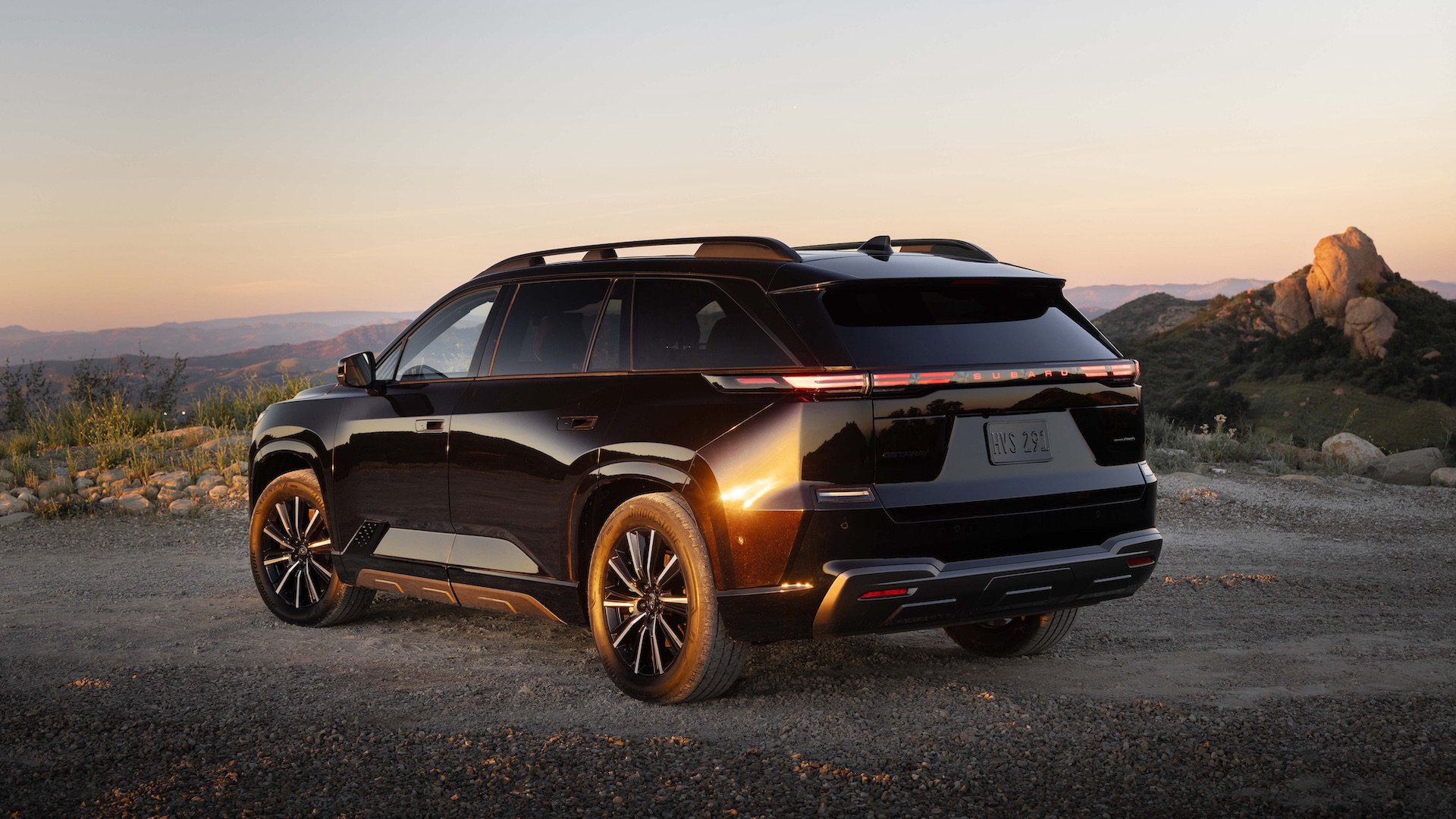
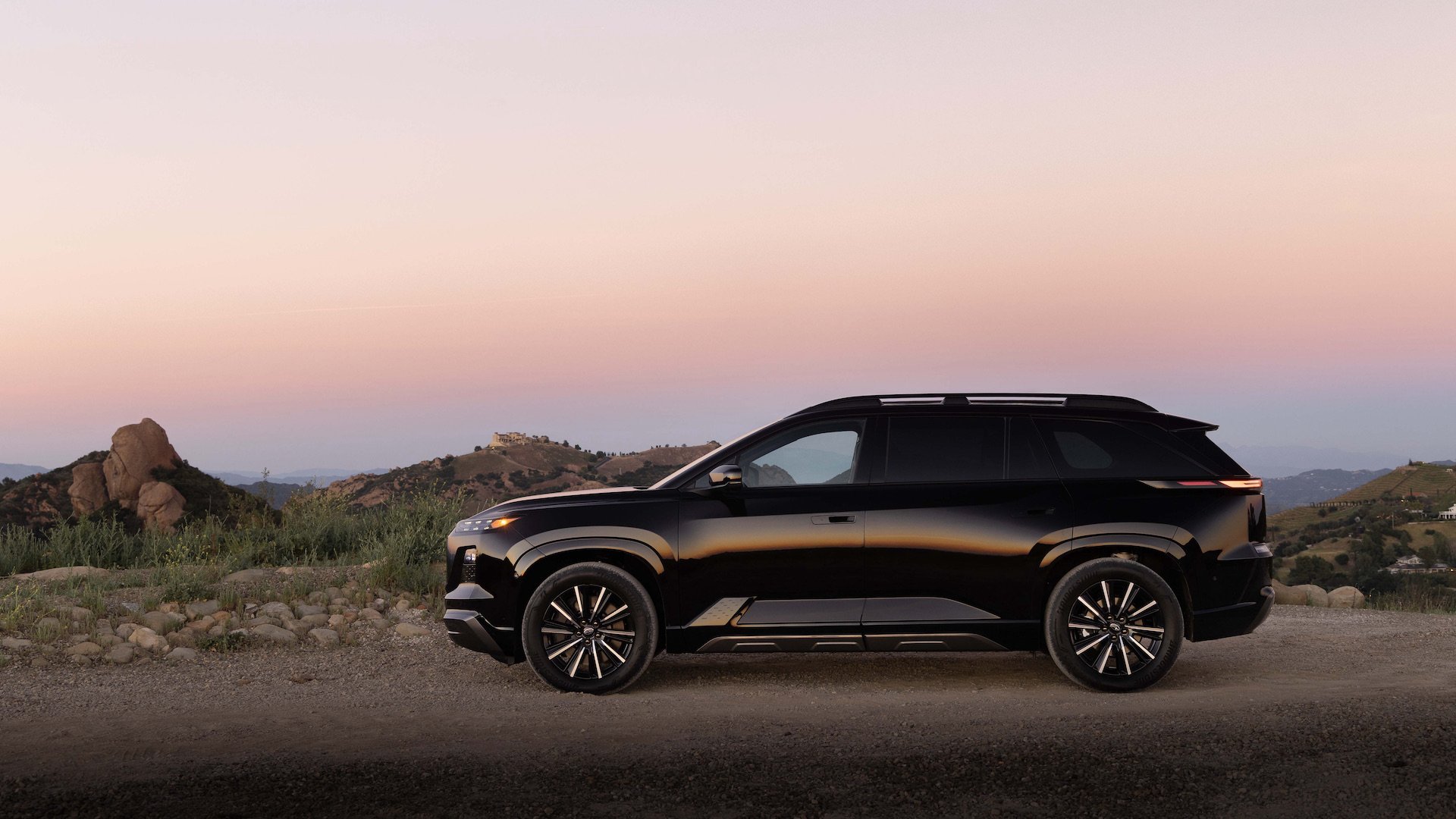
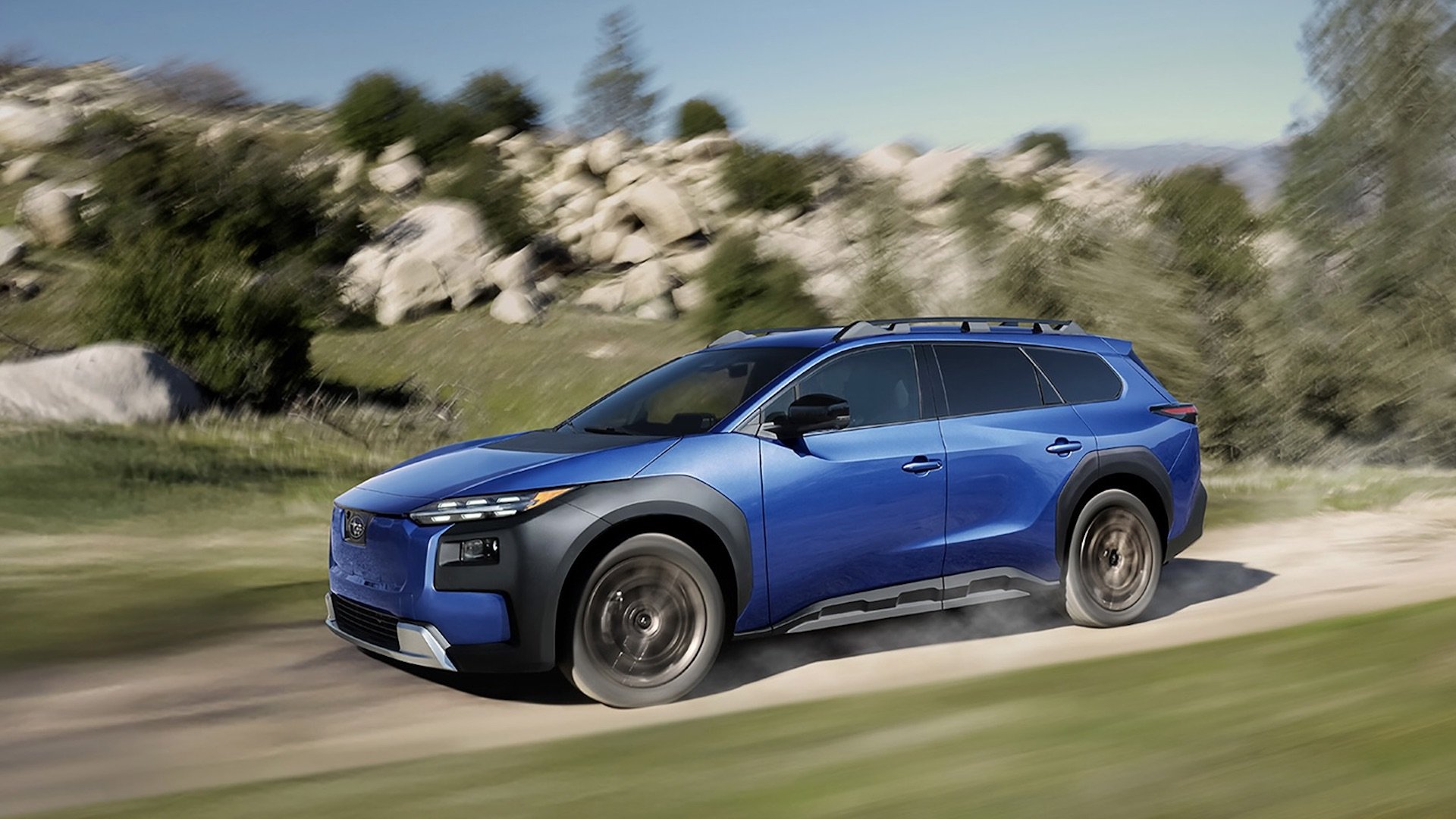
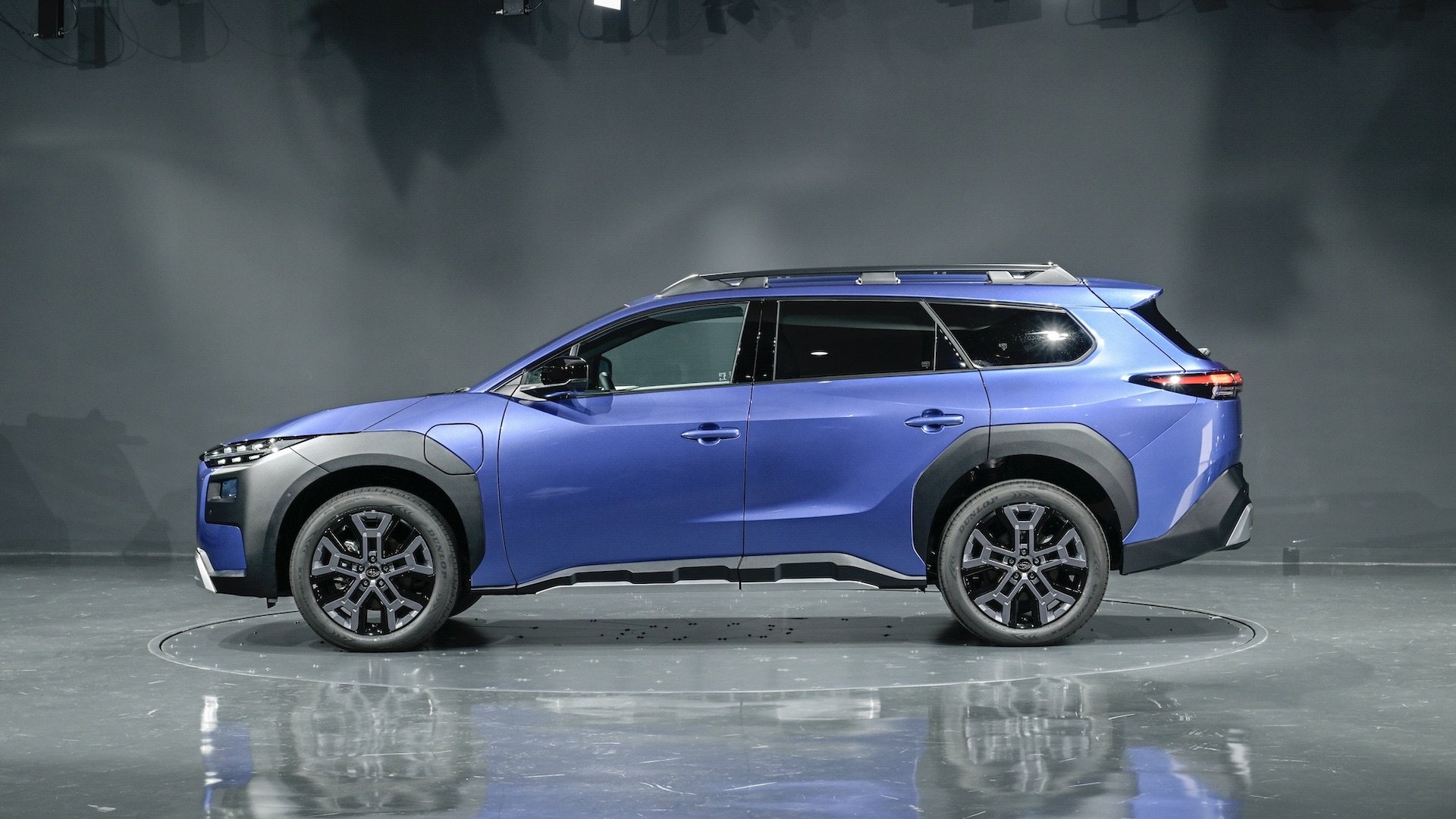
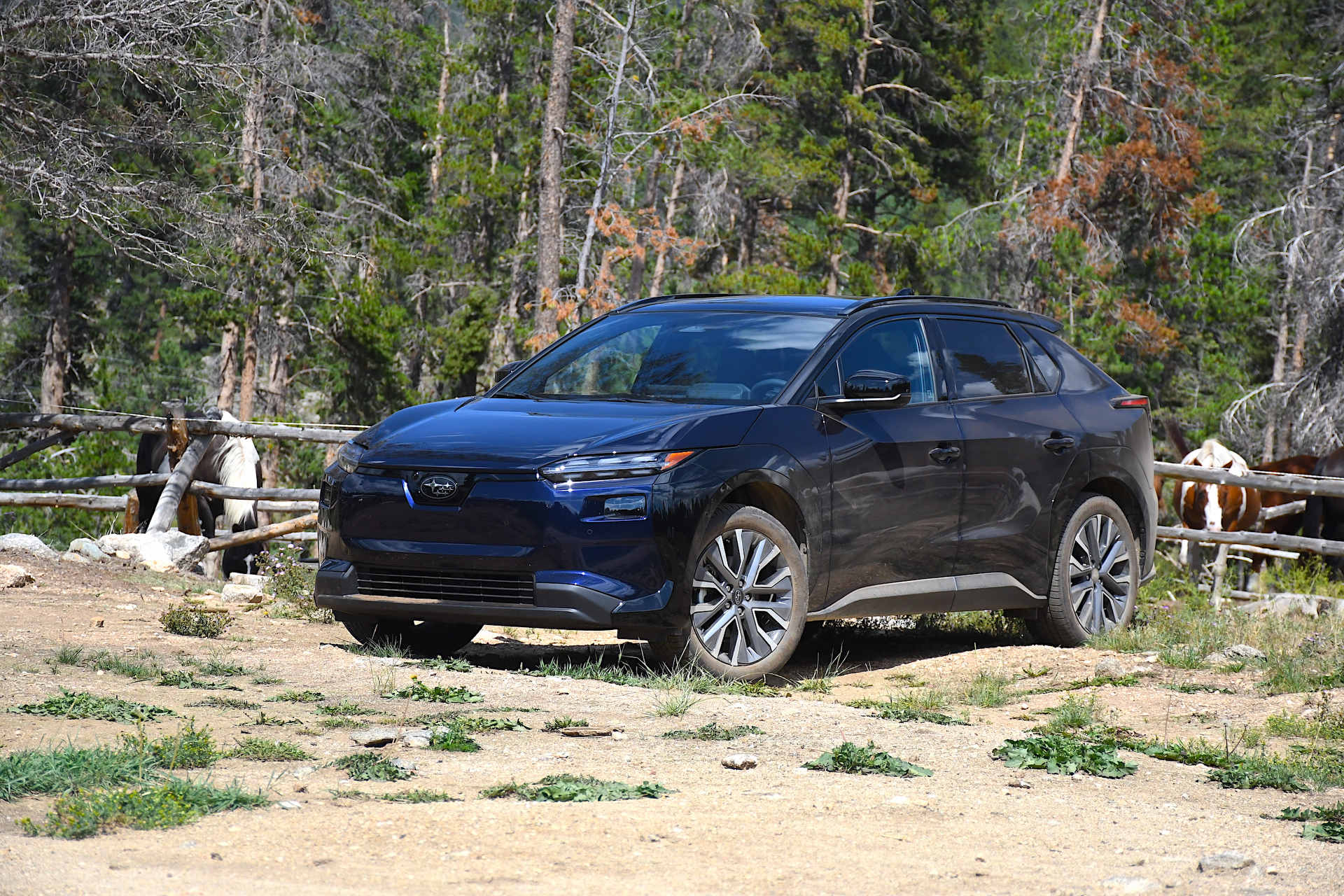
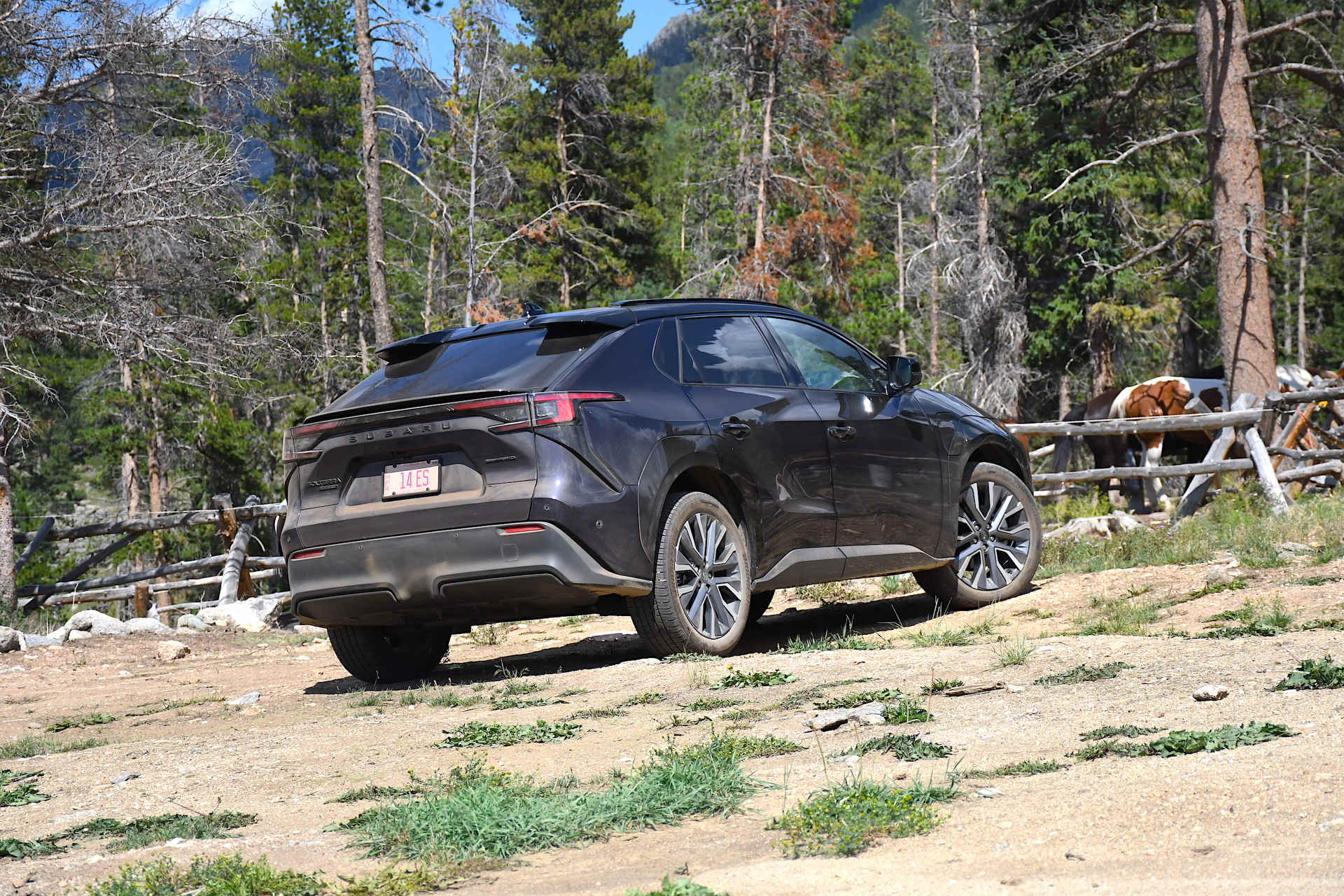
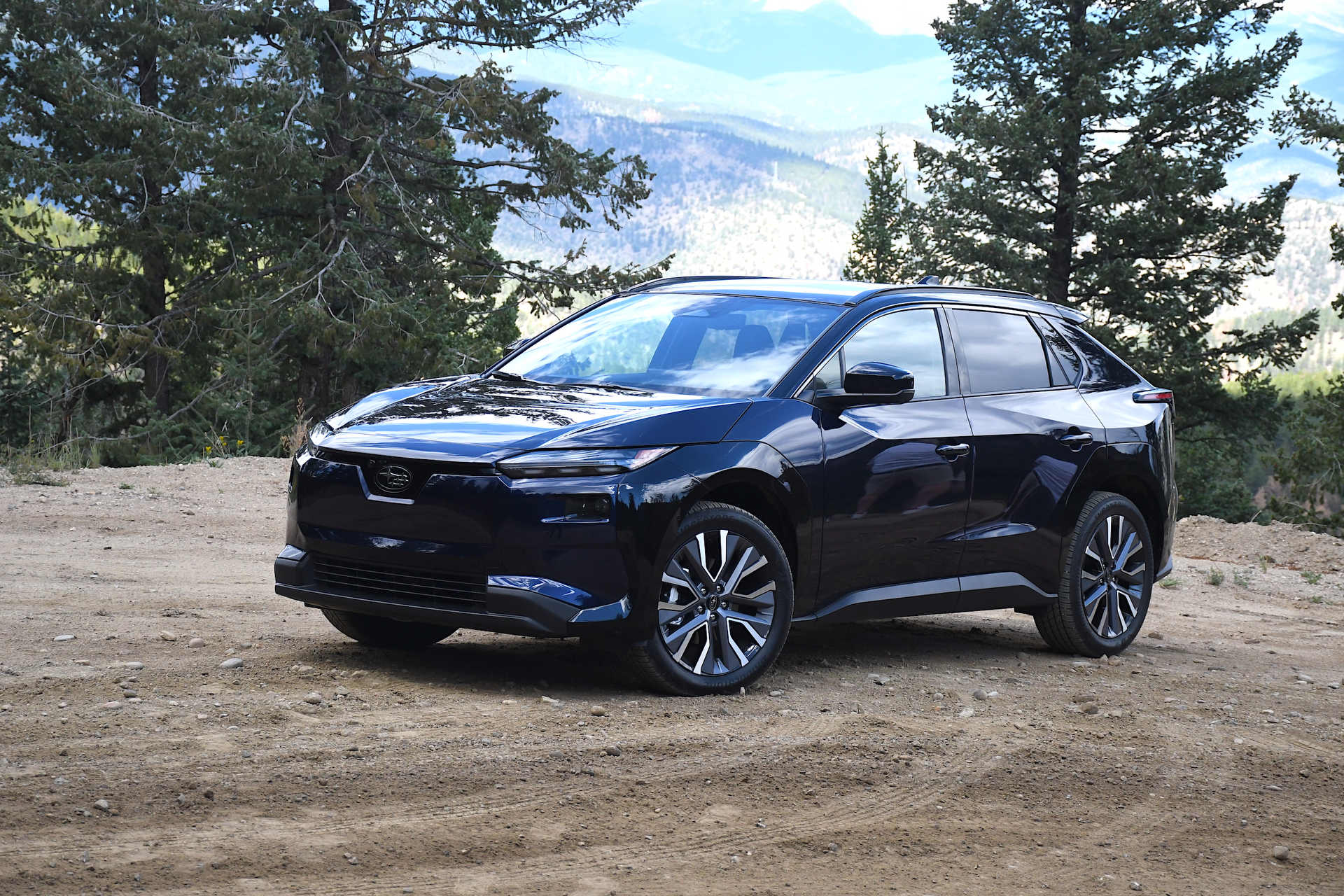
For Canadian consumers, the models developed in partnership with Toyota (Solterra, Uncharted, and Trailseeker SUVs) remain available. For models developed independently by the brand, the wait goes on.
The electric transition is moving forward, but at a pace that U.S. trade policies are actively working to slow.