

Volvo plans 13 new vehicles by 2030, divided between seven for Western markets and six for China.
Western models will use SPA2 and SPA3 architectures while China receives locally developed products.
Volvo plans additional electric vehicles, third-generation hybrids and new sedan, wagon and SUV body styles.
Volvo Cars is preparing to launch 13 new vehicles by the end of 2030, combining electric and hybrid powertrains with a more region-specific product strategy for Europe, North America and China.
Seven of the new models are planned for Western markets, while six will be developed specifically for China. Volvo says regulatory differences, tariffs, technology requirements and varying customer preferences are driving the regional approach.
2028 Volvo XC60 T8: 126 KM of Electric Range and a Deeper Transformation Than It Appears
The Western-market vehicles will use Volvo’s SPA2 and SPA3 architectures and HuginCore computing platform. The SPA2 currently serves vehicles including the EX90 SUV and ES90 sedan, while SPA3 underpins the EX60.
Europe is expected to have a complete battery-electric Volvo range by 2030. However, the company also intends to accommodate markets taking longer to embrace full electrification. Volvo technology chief Alexander Petrofski said individual vehicles could consequently be offered with battery-electric, plug-in hybrid and hybrid powertrains.
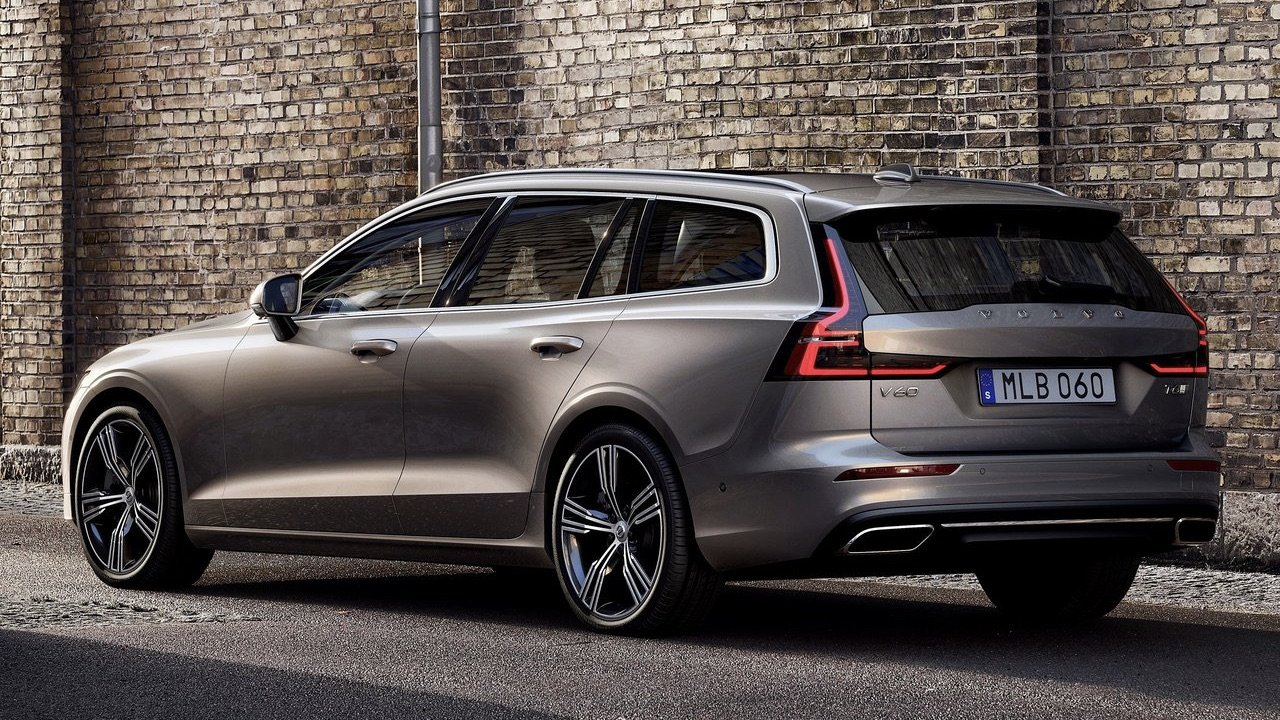
The product program could also bring greater body-style variety. Volvo has confirmed plans for new “low” and “high” body types, terminology that potentially points to sedans and wagons alongside SUVs. The company is also considering vehicles larger than its XC90 and EX90 flagships.
2028 Volvo XC90 T8: 117 KM of Electric Range Thanks to a Much Larger Battery
China will follow a separate development path. Volvo plans to work with parent company Geely on shared architectures and a dedicated technology stack intended for Chinese-market products. Volvo already sells the EM90 MPV specifically in China – a product that should eventually be considered for North America. If wagons are returning, so then could minivans.
Greater component sharing across all models will form another part of the program. Volvo is targeting 30% parts commonality, compared with roughly 10% currently, as it seeks to reduce development costs and make greater use of existing architectures.
Electrification remains central to the strategy, although Volvo is maintaining multiple powertrain options. The automaker plans to double its share of the EV market while developing a third-generation hybrid system for customers not quite ready to give up on Black Gold.
Recent PHEV updates provide an indication of what the approach will look like. Volvo has increased battery capacity in the XC60 and XC90 PHEVs, extending their available all-electric range.
Design changes are also coming. Thomas Ingenlath has returned to lead Volvo’s design activities following his tenure at Polestar. A concept scheduled for 2027, Volvo’s 100th anniversary year, is expected to preview the company’s next design direction.
Volvo CEO Håkan Samuelsson said the company’s “showrooms will look very different in 2030.” The automaker is also preparing a simplified commercial model featuring transparent pricing, streamlined offers and vehicle configurations intended to support faster deliveries.
Source: Autocar
