

This morning, the US government imposed a 25% tariff on Canada and the United States after weeks of threats. Our editorial team conducted an internal survey to determine the current repercussions for automotive consumers.
Global Automakers issued a press release only a few hours after the tariffs were enacted. The organisation is unequivocal. It expressed its ‘deep concern at yesterday’s announcement by US President Donald Trump that he was going ahead with his threats of tariffs against Canada and Canadian industry, to be implemented today at 00:01.’
David Adams, the organisation’s president and CEO, stated that ‘tariffs are taxes that hurt consumers by increasing costs, fueling inflation, and having an unfair impact on workers on both sides of the border.’
In an article published in La Presse on 4 March, Dan Hearsch, head of the automotive sector for the Americas at AlixPartners, said he ‘expects the tariffs to be in place for a few months’. Nevertheless, Mr Adams stipulates that ‘these tariffs must be removed as quickly as possible if we are to avoid permanent and significant damage to the North American automotive sector’.
Honda to Shift Civic Production to Indiana Following U.S. Tariff Announcement
Brian Kingston, president of the Canadian Vehicle Manufacturers’ Association, agrees. When the tariffs came into effect, he said,’ the tariffs implemented today will cause significant damage to the highly integrated North American automotive industry. This will undo more than 60 years of integration that has fostered a globally competitive automotive industrial base. […] We call for an immediate lifting of tariffs.’
We contacted the public relations departments of several car manufacturers. General Motors and Stellantis referred us directly to the press release published by the Canadian Vehicle Manufacturers’ Association.
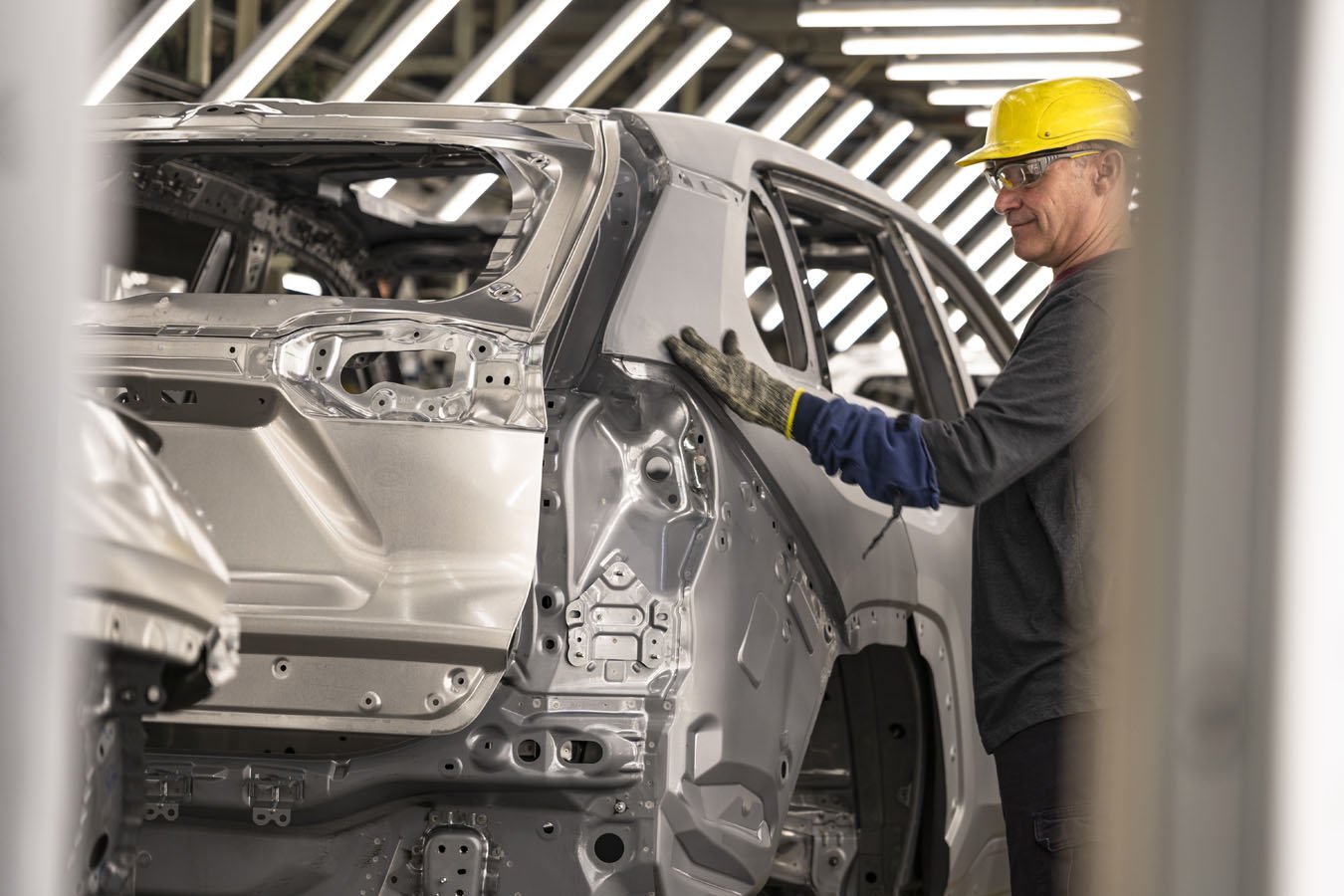
For his part, Philippe Crowe, head of corporate communications for Toyota Canada, said that ’we do not plan to change our production in the foreseeable future. Our vehicles are in high demand, and we are continuing production as planned. At the same time, we continue to work with the federal and provincial governments to find a lasting solution.’
 Photo: Toyota
The price of a litre of petrol could fall
While the anticipated consequences for consumers are generally negative, an article by Éric Martel published by La Presse revealed that the price of a litre of petrol could fall. Jean-Thomas Bernard, a professor of economics at the University of Ottawa, predicts that the cost of a litre of fuel will increase in the United States, increasing supply in Canada. As a result, we may see a drop in the price of a litre of petrol at local retailers. This would be welcome news for all consumers.

Our predictions
Given the complexity of the situation and the resulting instability, our editorial team remains cautious in its predictions regarding the repercussions of customs tariffs for consumers in the automotive sector.
Nevertheless, we would be inclined to recommend that consumers wishing to purchase a new vehicle in the coming months perhaps speed up the process. This is because vehicles currently in stock at dealerships have not been subject to customs tariffs.
In the short and medium term, we foresee an increase in the price of new vehicles, which will inevitably impact the finances of the average Canadian household. In this regard, La Presse reported the results of a study conducted by Anderson Economic Group, an automotive consulting firm based in East Lansing (Michigan), according to which the manufacturing cost of a crossover vehicle could increase by $4,000. In the case of an electric vehicle, the price would skyrocket by $12,000.
For their part, Canadian car manufacturers may be forced to explore new sources of vehicle supply, such as Mexico, Japan, South Korea, or Europe.
If the rumours suggesting that the imposition of customs tariffs is only a temporary measure are true, we would be tempted to believe that car manufacturers could absorb the cost, either in full or in part.
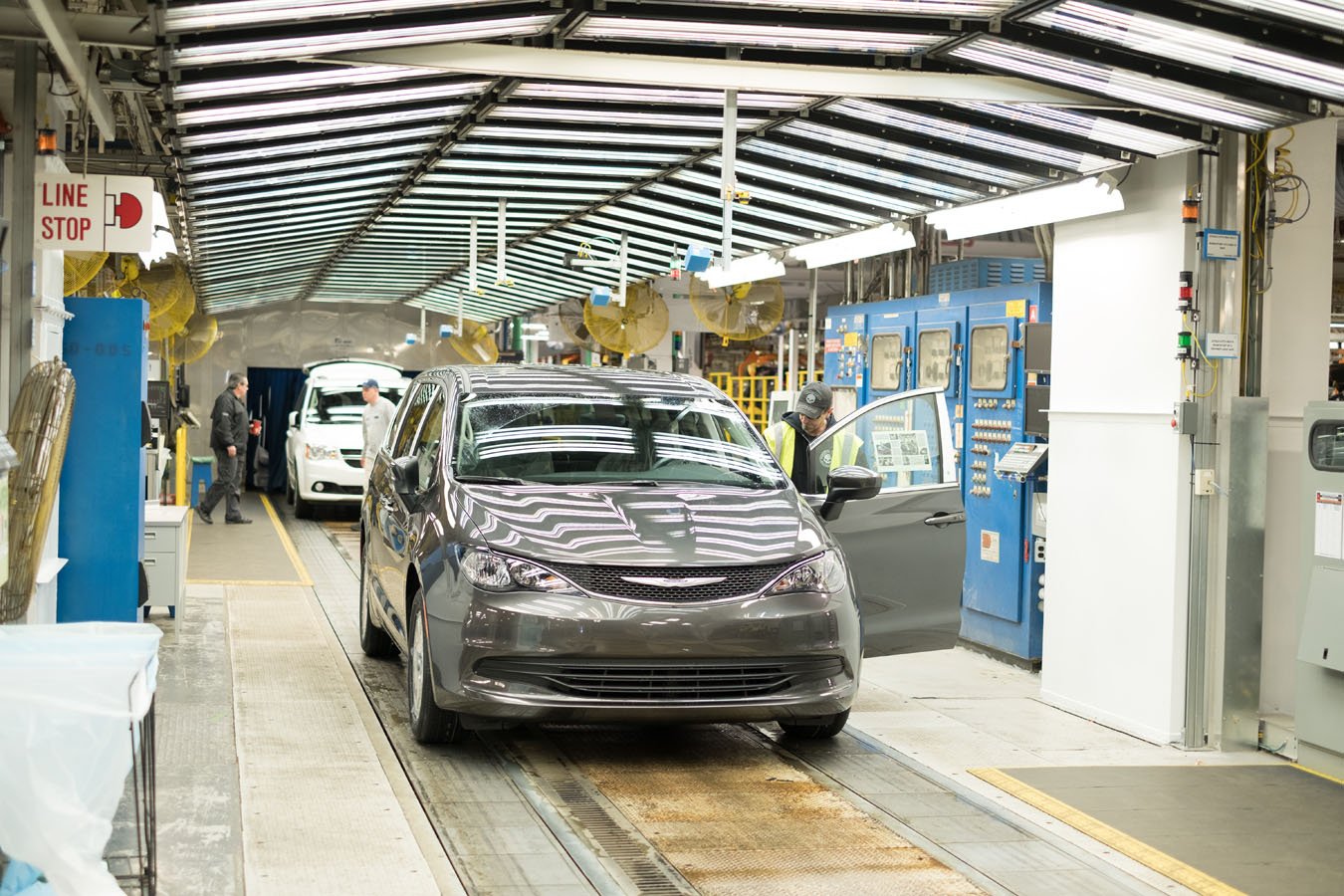 Photo: Stellantis
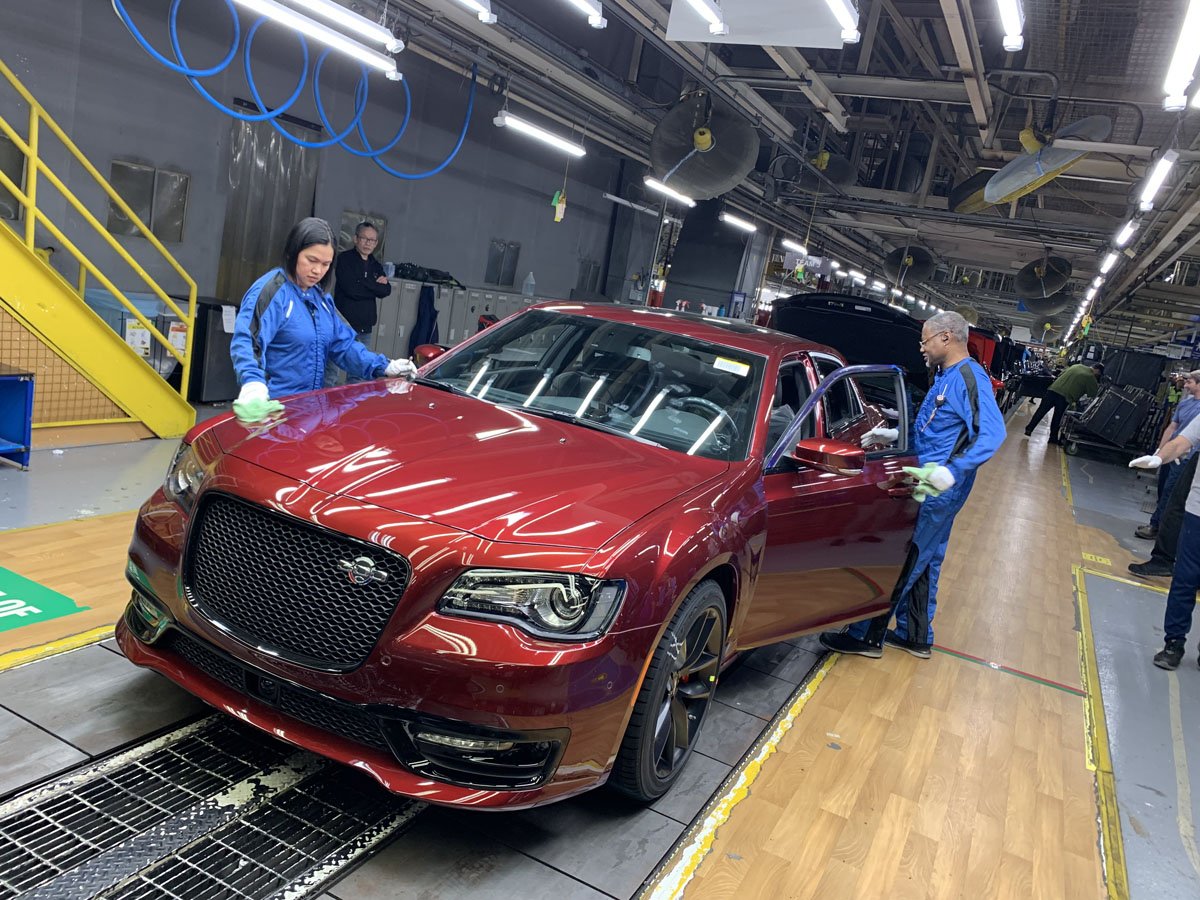 Photo: Stellantis
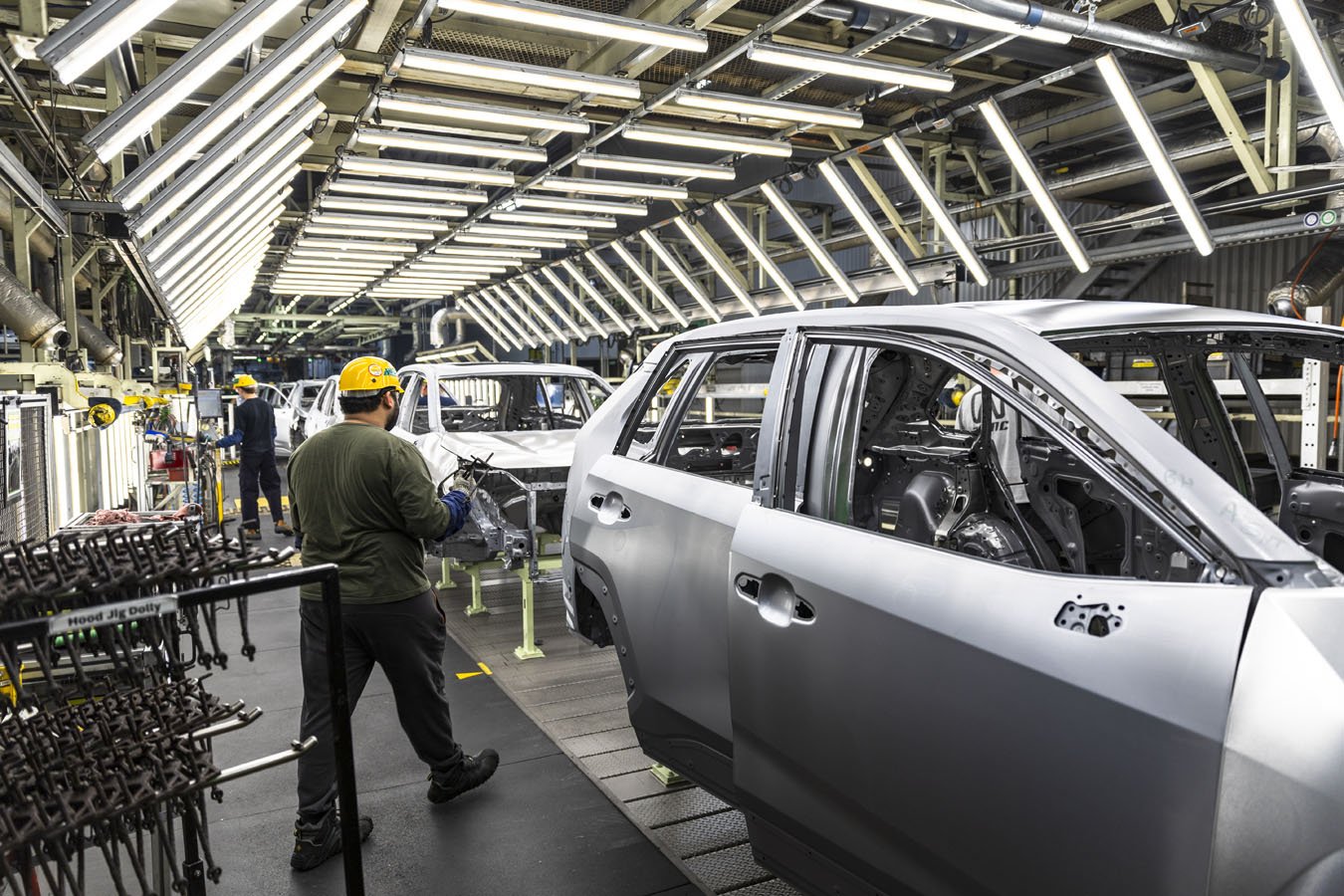 Photo: Toyota
