

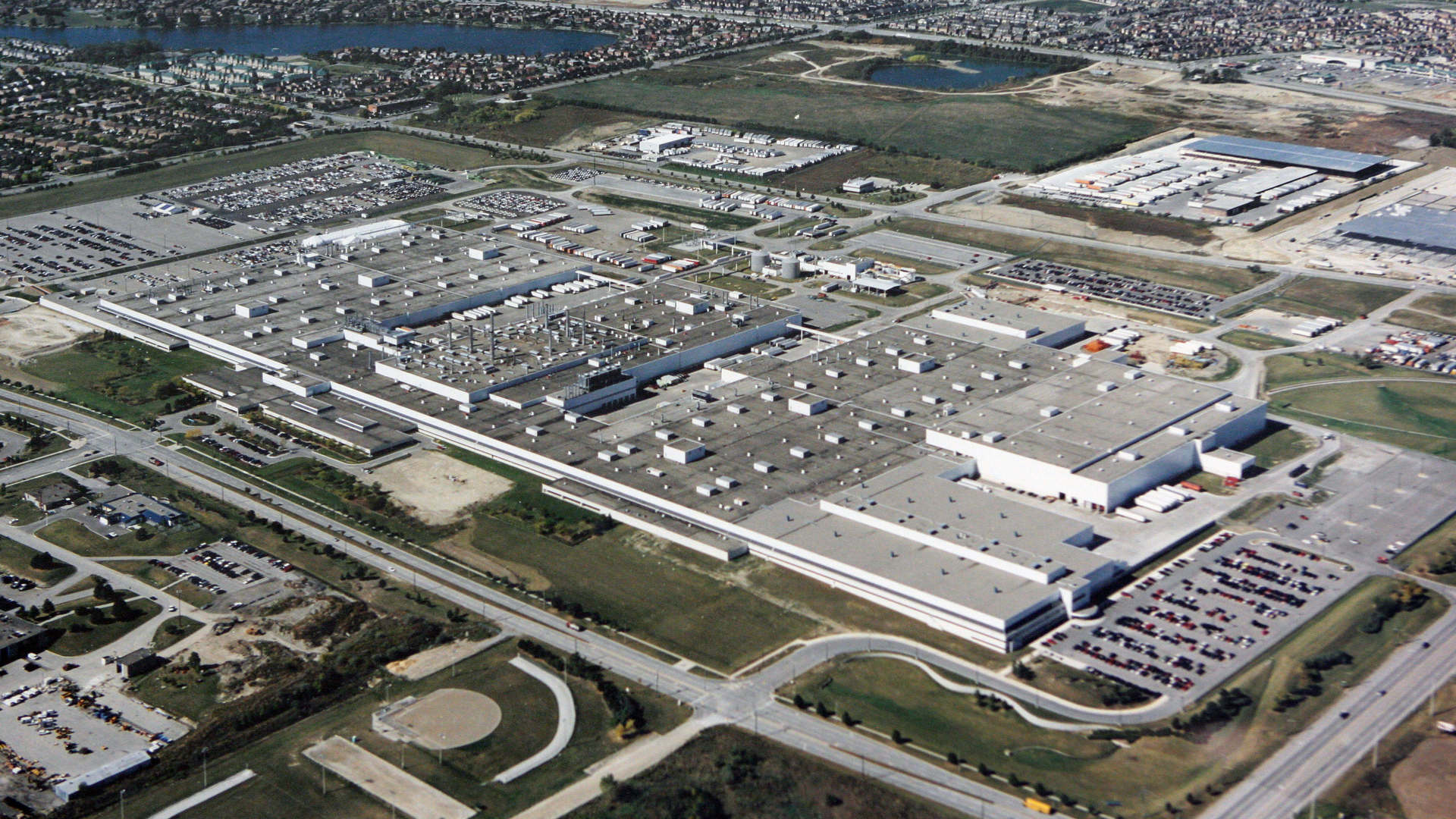
Stellantis is considering Leapmotor-backed EV production at its idled Brampton, Ontario, assembly plant.
Ottawa says new auto investments must include Canadian labour and domestic parts suppliers.
Brampton’s future changed after Jeep Compass production was moved from Canada to Illinois.
Stellantis is exploring a new future for its idled Brampton, Ont., assembly plant, including the possibility of building EVs with Zhejiang Leapmotor Technology, the Chinese automaker in which it holds an equity stake.
The discussions remain preliminary, according to the information provided, and no production decision has been announced. The Brampton site is the focus of the talks as Stellantis works with government officials and other stakeholders on conditions that could support renewed investment in Canada.
Canada launches dispute process with Stellantis over Jeep production shift from Brampton to U.S.
The plant has been offline for retooling since 2024. It had been scheduled to reopen in 2025 to build the Jeep Compass, but Stellantis later paused the plan and moved Compass production to Illinois after U.S. tariff action altered the Canadian assembly viability. That decision triggered a sharp response from Ottawa, which warned it could seek to recover public support tied to the company’s Canadian footprint.
The dispute escalated into formal settlement proceedings in November, highlighting the political and industrial importance of Brampton. Thousands of workers connected to the nearly 40-year-old operation have been affected by the uncertainty surrounding the plant’s future.
A Leapmotor-linked program would give Stellantis another route to restart activity at the site. In 2023, Stellantis acquired roughly a one-fifth stake in Leapmotor for US$1.6 billion. The companies later formed Leapmotor International, a joint venture focused on overseas production and sales, with Stellantis holding a majority 51% stake.
Stellantis Announces $13 Billion U.S. Investment, Shifts Jeep Compass from Canada
Any Canadian manufacturing arrangement would face clear policy expectations. Federal Industry Minister Melanie Joly said future auto investments must prioritize Canada’s supply chain, Canadian labour, and domestic parts suppliers. That signals Ottawa is prepared to consider new vehicle programs, but only under terms that protect local industrial benefits.
For Stellantis, the immediate issue is whether Brampton can be repositioned with a viable product plan, and at what cost. For Canada, the question is whether a restart can happen while preserving domestic jobs, supplier content, and political support for the country’s auto manufacturing strategy.
Source: Bloomberg
