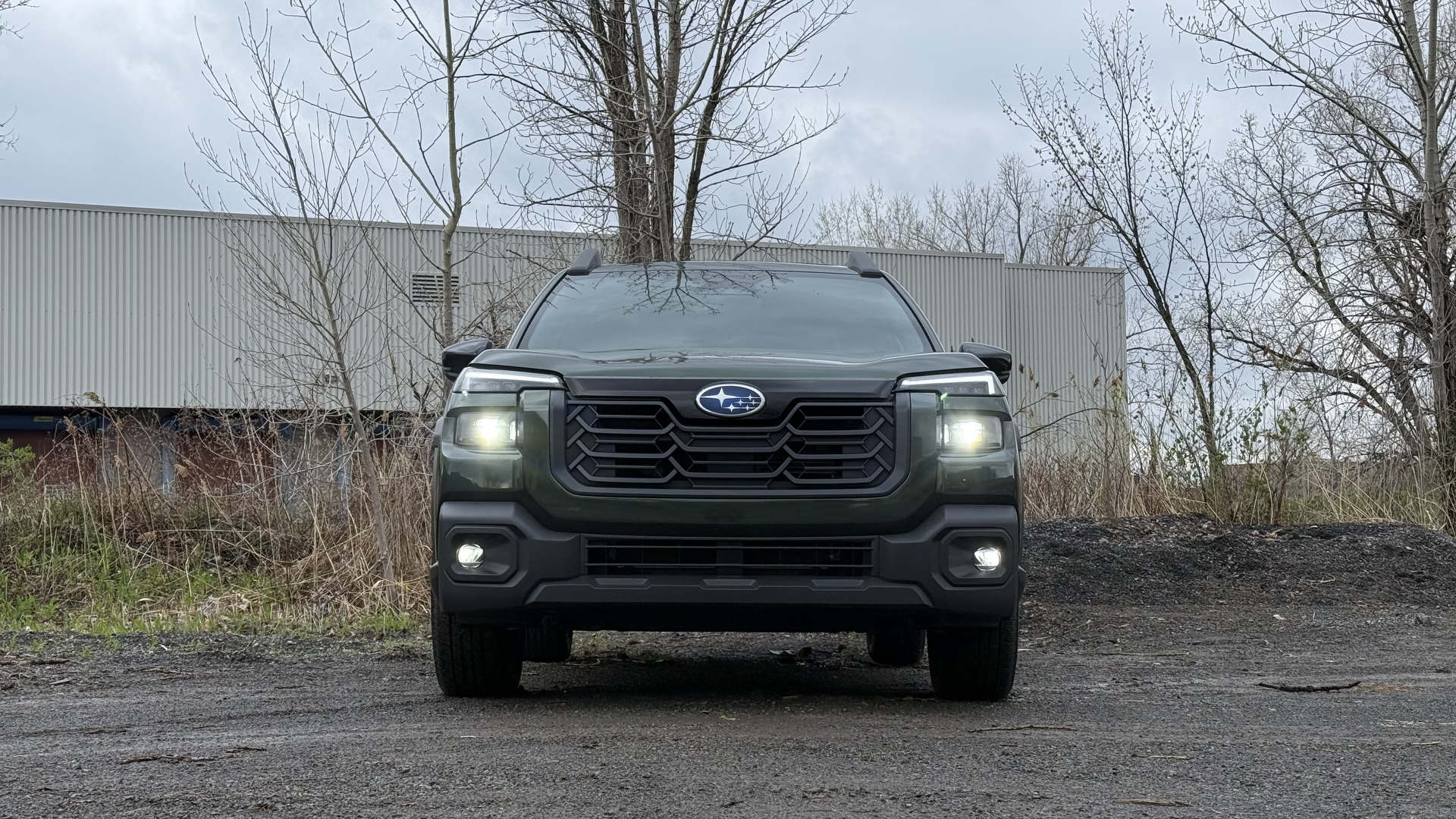
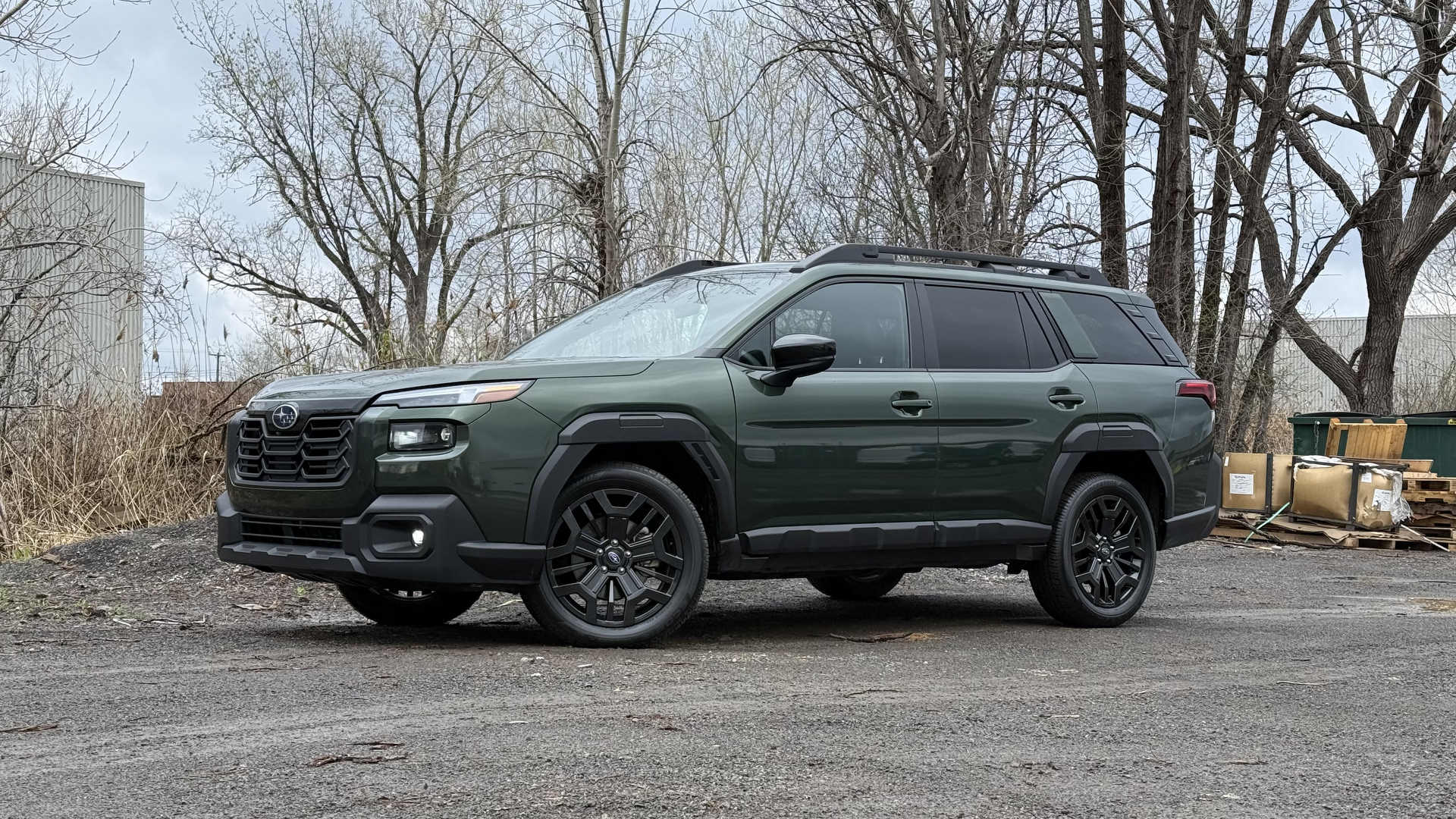
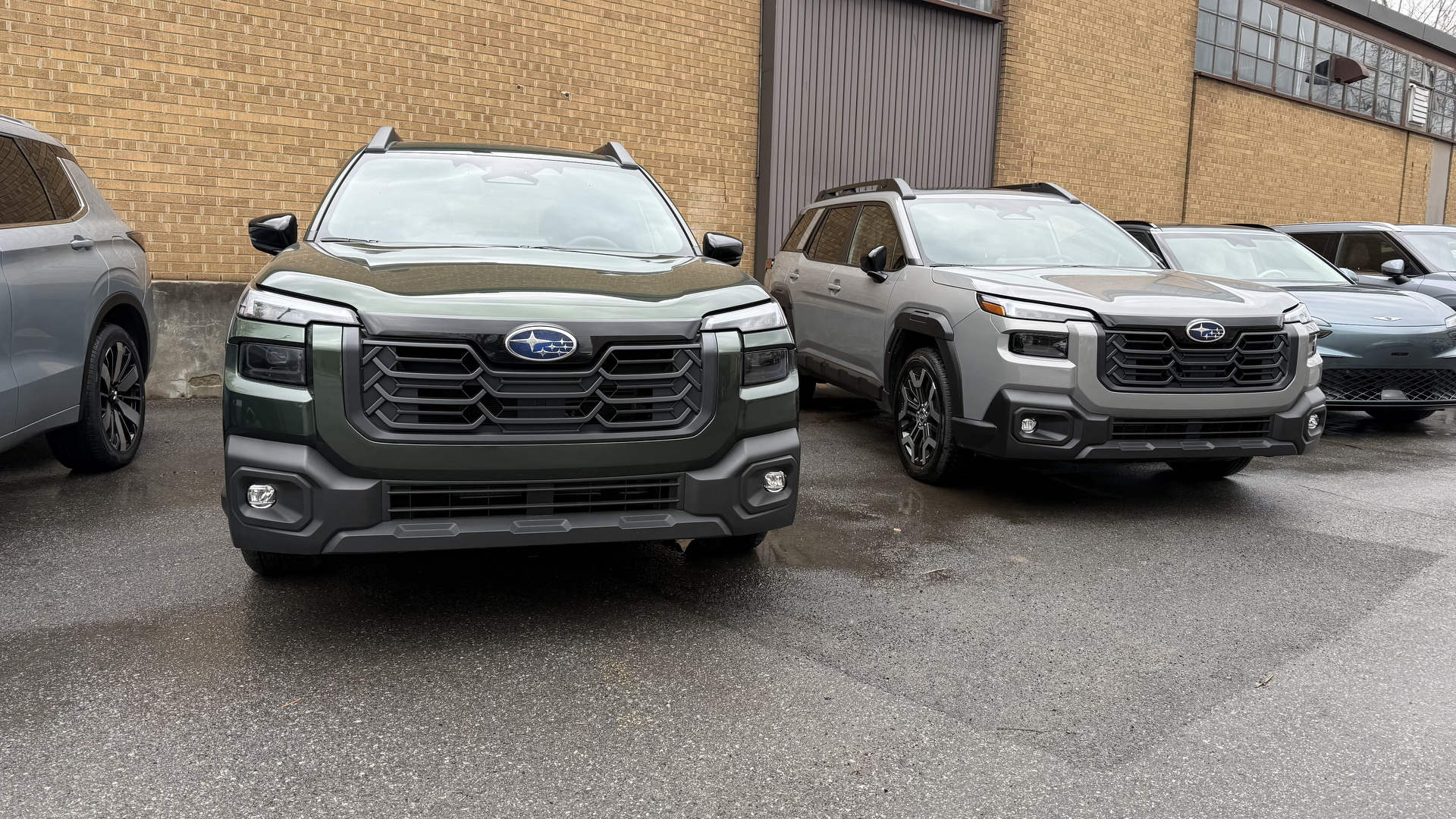
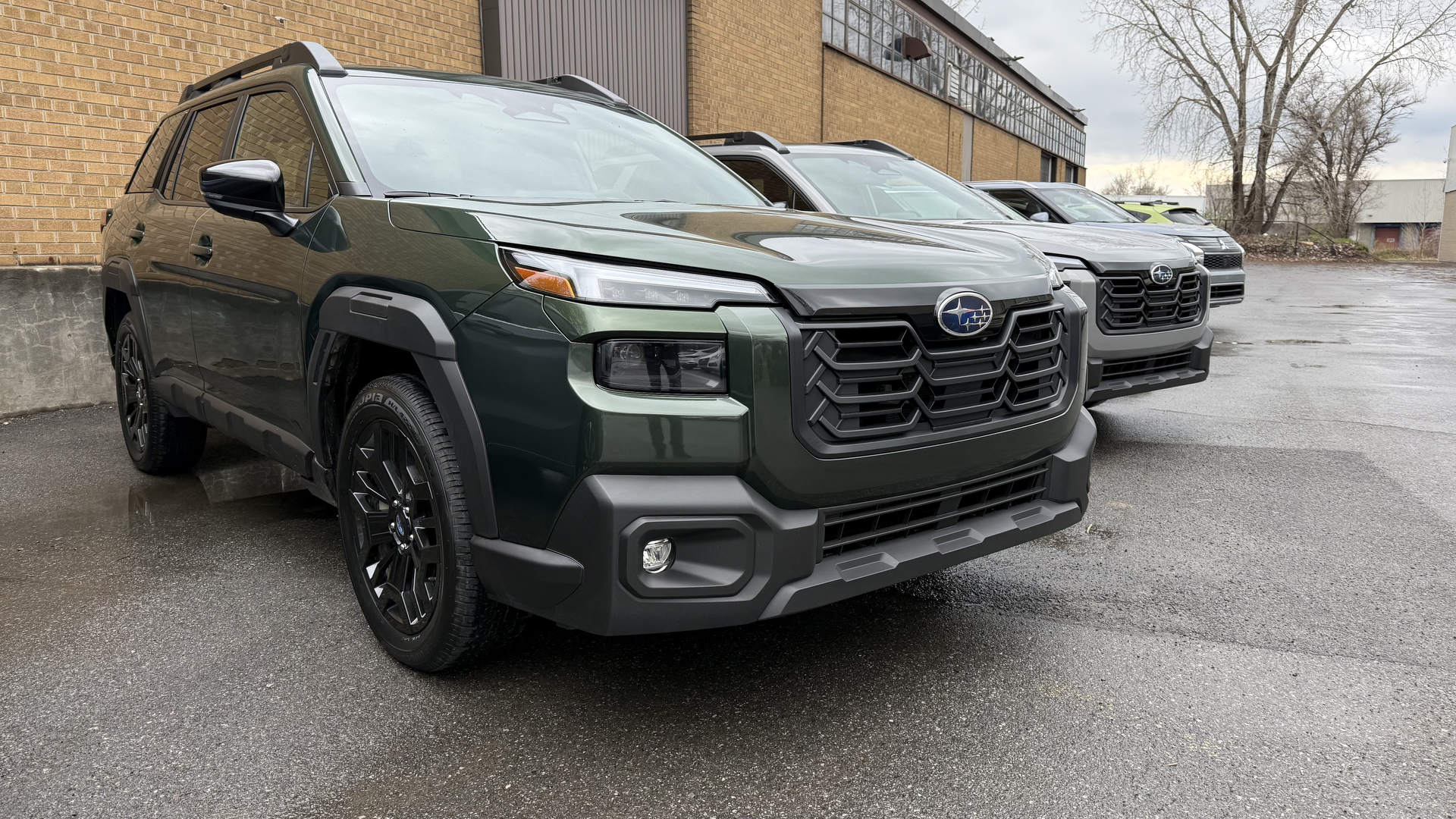
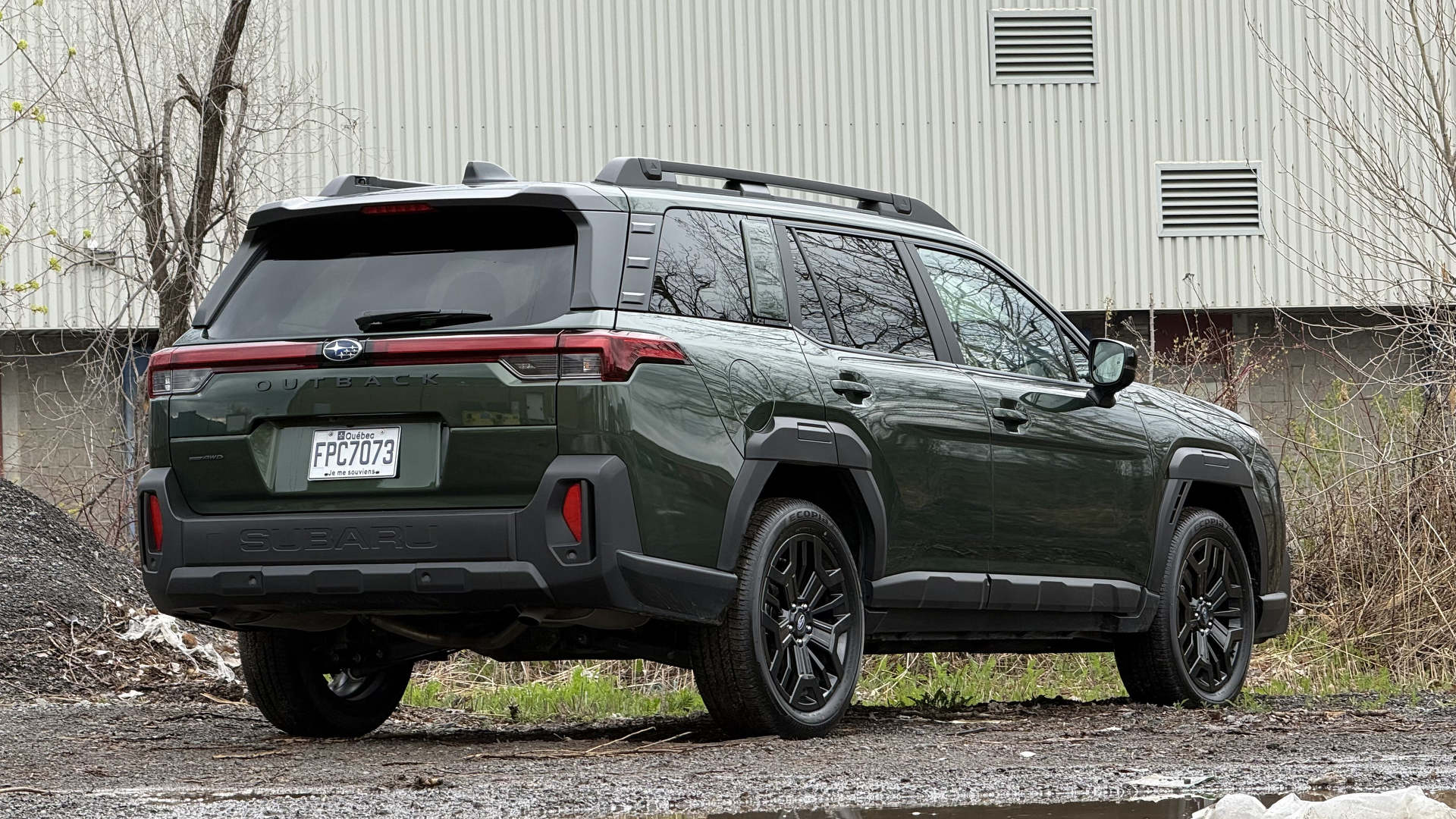
The 2026 Outback looks dramatically different, abandoning its wagon charm for chunky SUV awkwardness outside.
Behind the wheel, the turbocharged Outback remains familiar, quick, comfortable, and unmistakably Subaru in character.
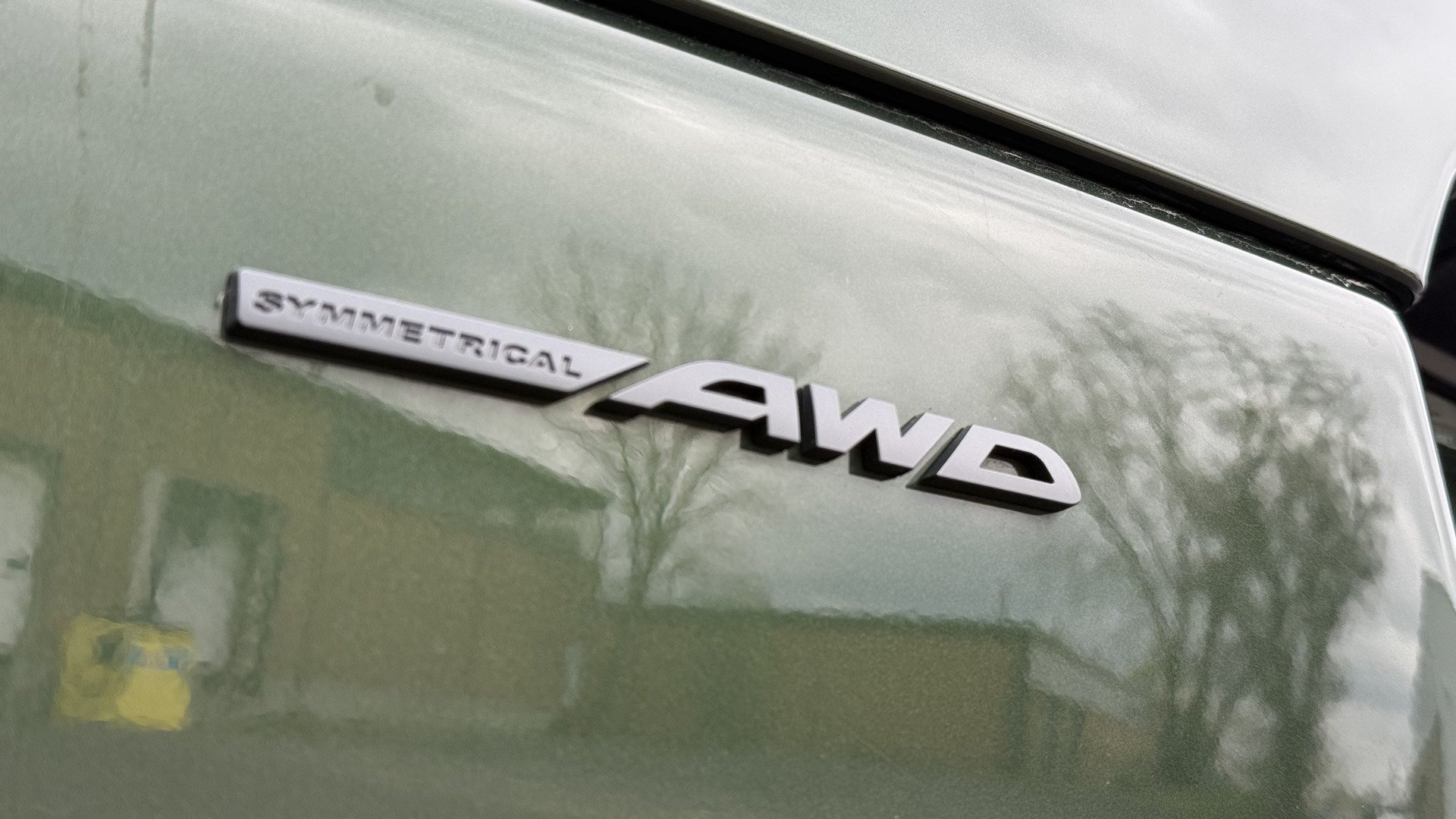
Subaru loyalists may struggle with the design, though the core Outback formula survives.
I had many ideas brewing for my review of the all-new 2026 Subaru Outback, and most of them were probably inappropriate. I was going to compare what Subaru has done here to what certain celebrities have done to themselves physically, where the facelift technically leaves the person identical underneath, not to say unrecognizably ugly, but completely changes how we perceive them.
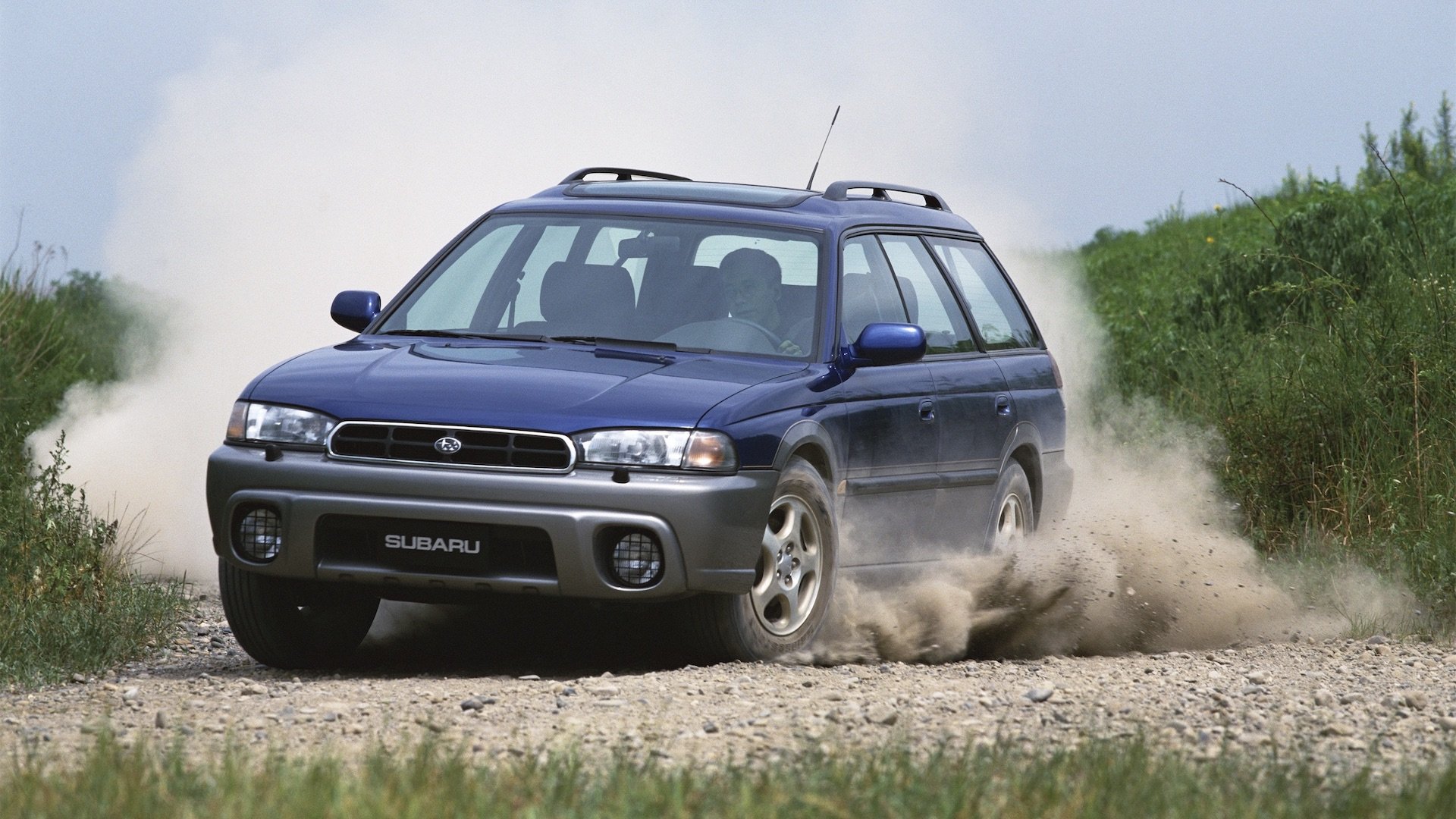
The Outback, launched in 1995, did more than create a successful Subaru model. It helped launch a segment, build a trend, and establish a cult following. Subaru buyers are famously loyal, and the Outback is a huge reason why. Whether they bought a Legacy Outback, an Outback, or eventually wandered into a Forester, Ascent (ex…), or Crosstrek, these were people who understood the appeal of something unique, useful, outdoorsy, different, and proudly Subaru.
Why Mess with a Good Thing?
Which is why I think this new one might be a colossal mistake.
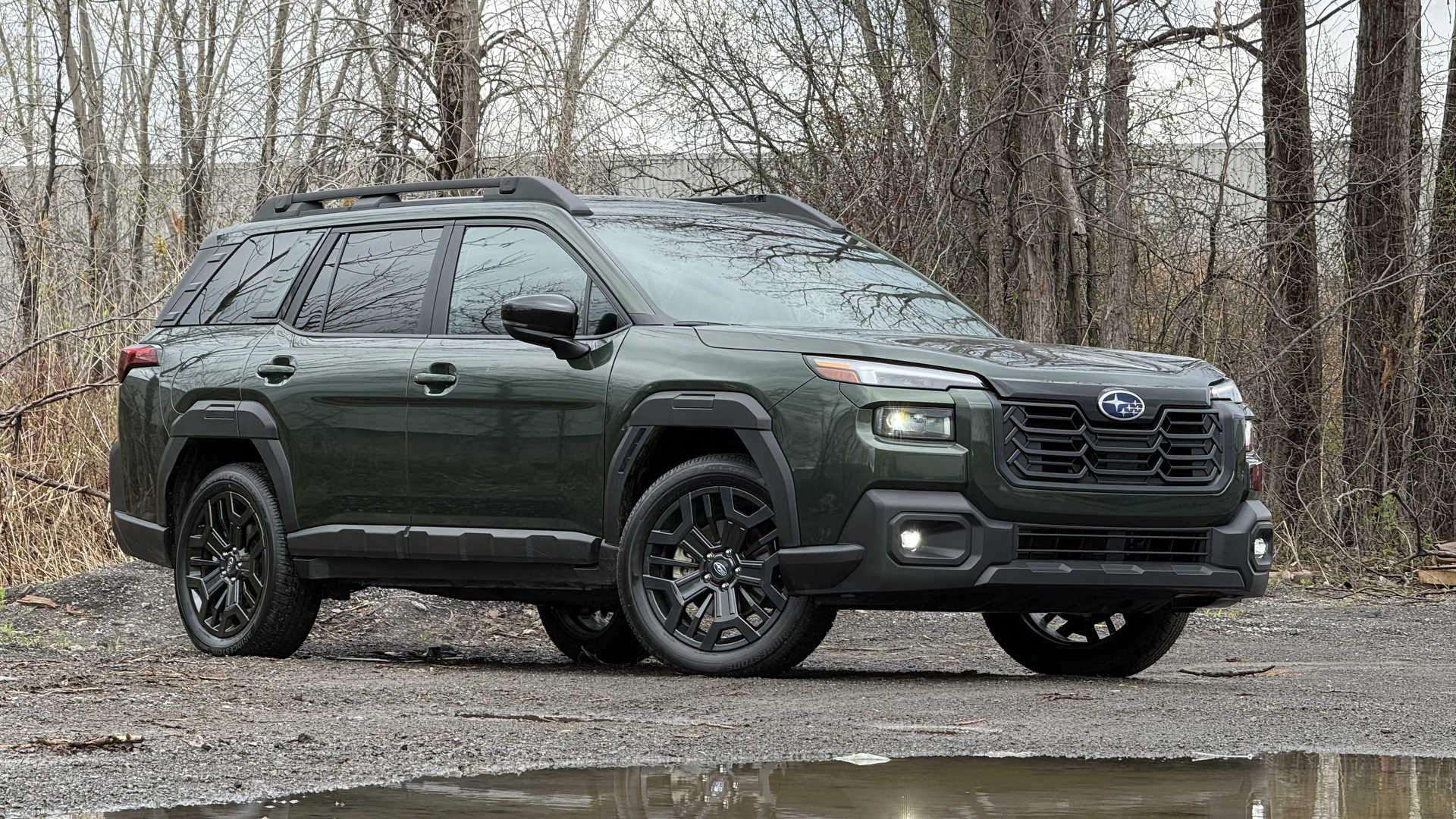 2026 Subaru Outback Limited XT | Photo: Matt St-Pierre
I won’t draw hard conclusions from early sales numbers, but there are potential hints that some buyers are not entirely thrilled. In the U.S., Outback sales were reportedly down sharply early in the year, while sales in Canada were down, however, far less. New-vehicle production, timing, availability, buyer hesitation — take your pick. Still, I would not be shocked if Subaru loyalists are a little ruffled, as am I, by what the company has done to one of its most inimitable modern vehicles.
The easiest way to summarize it is this: the skin is completely different, but the soul is identical, or nearly. So, are you superficial or not? Because that may decide whether you can live with the 2026 Subaru Outback.
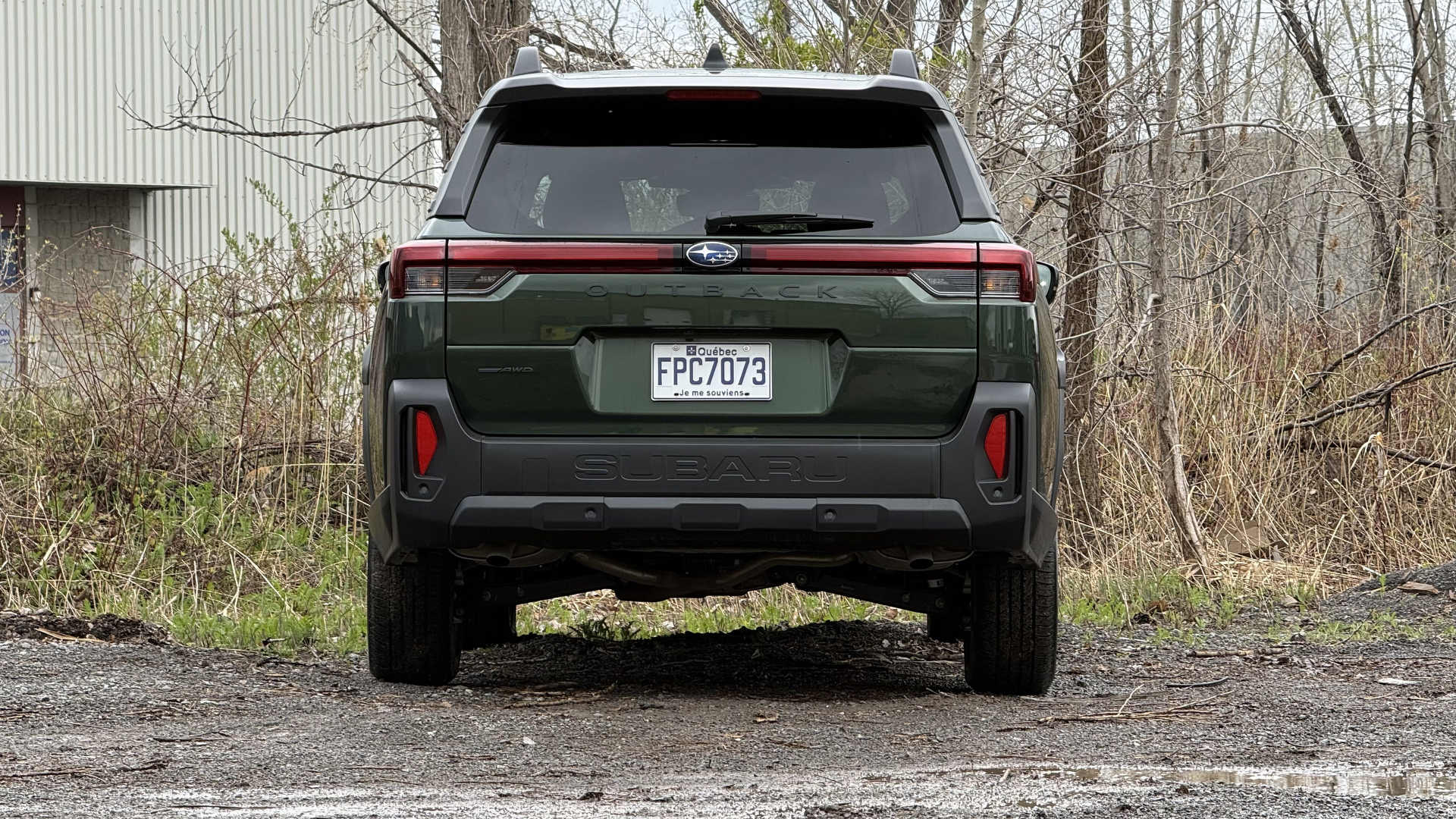
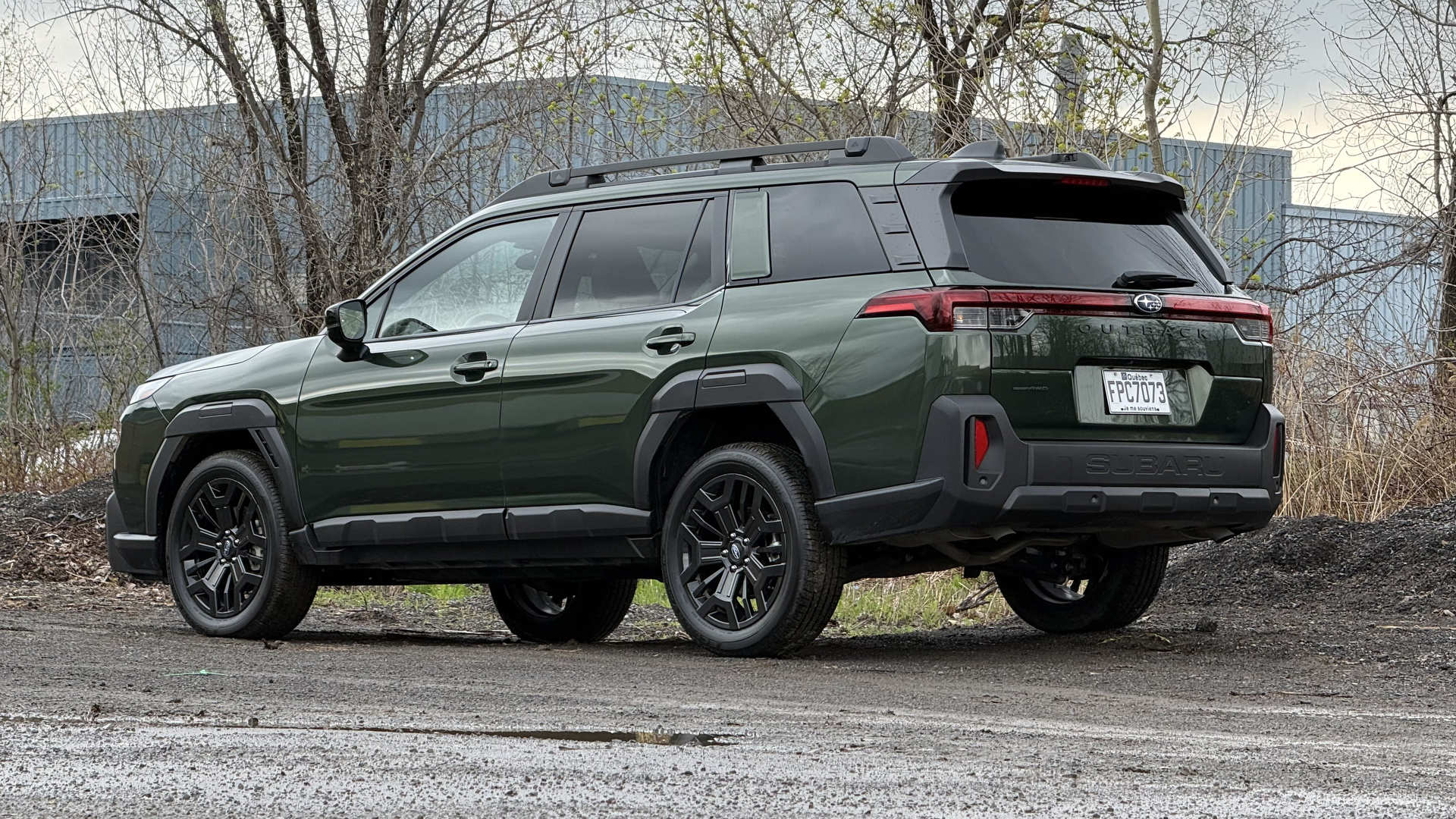 2026 Subaru Outback Limited XT | Photo: Matt St-Pierre
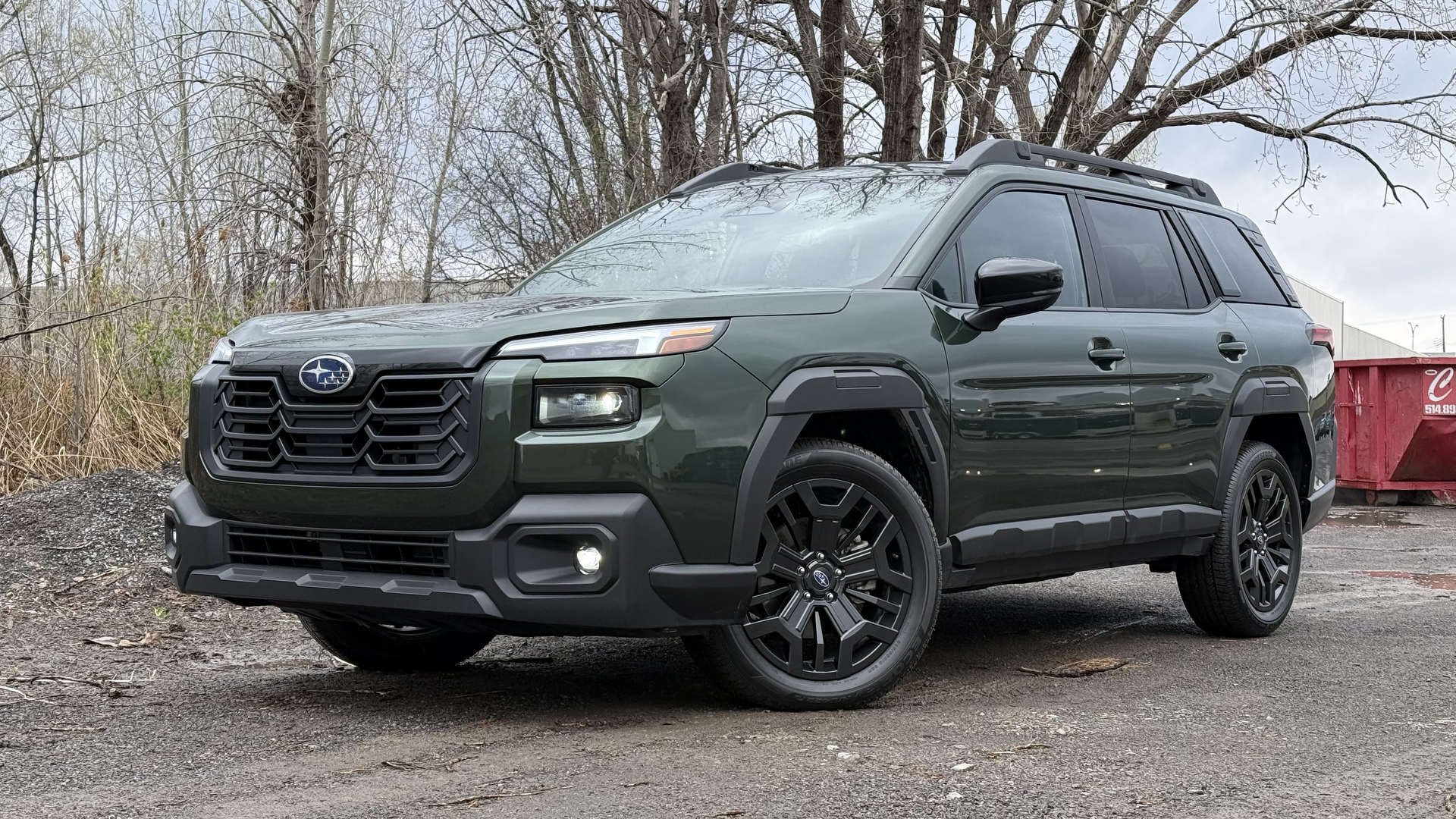
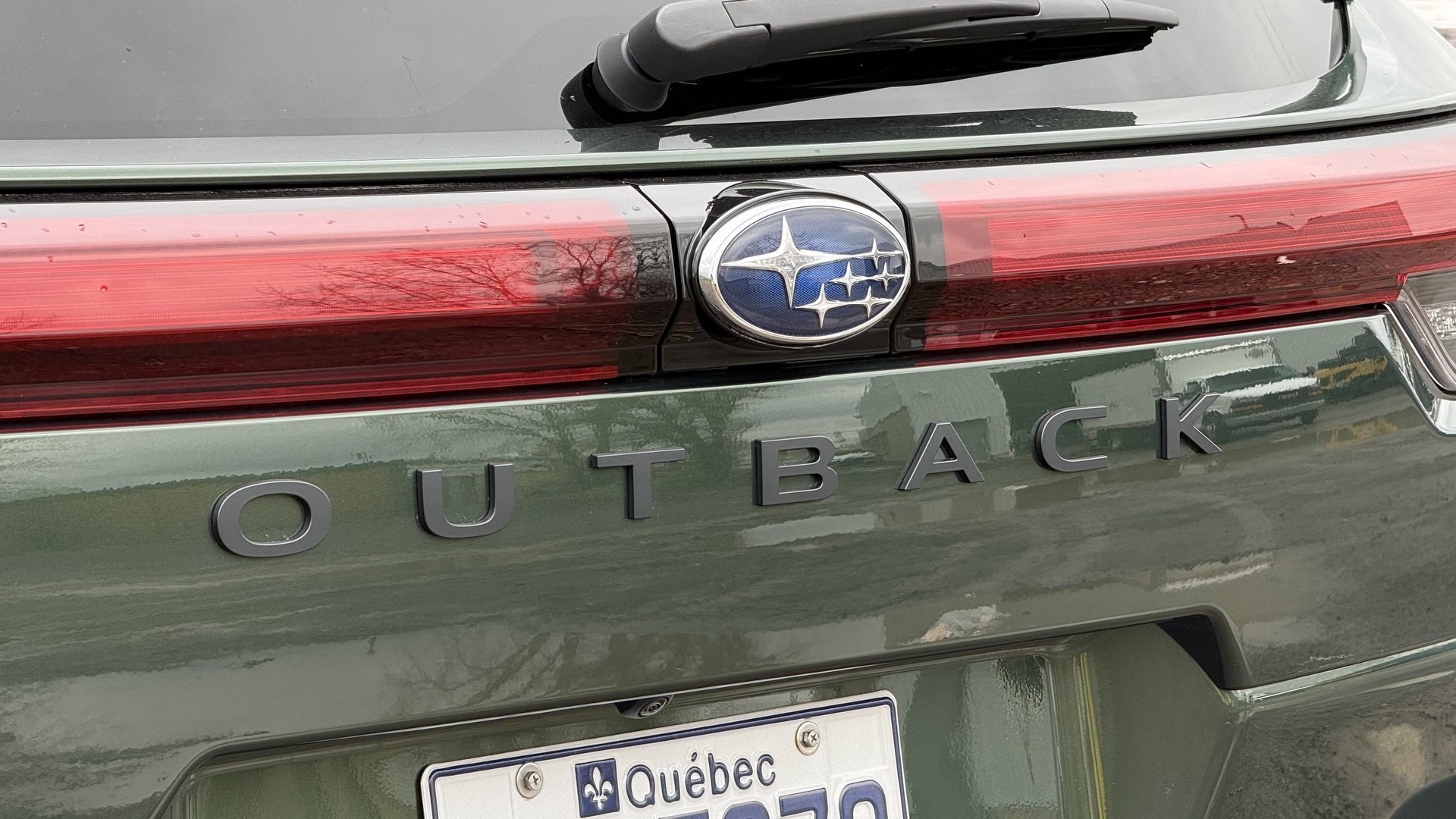
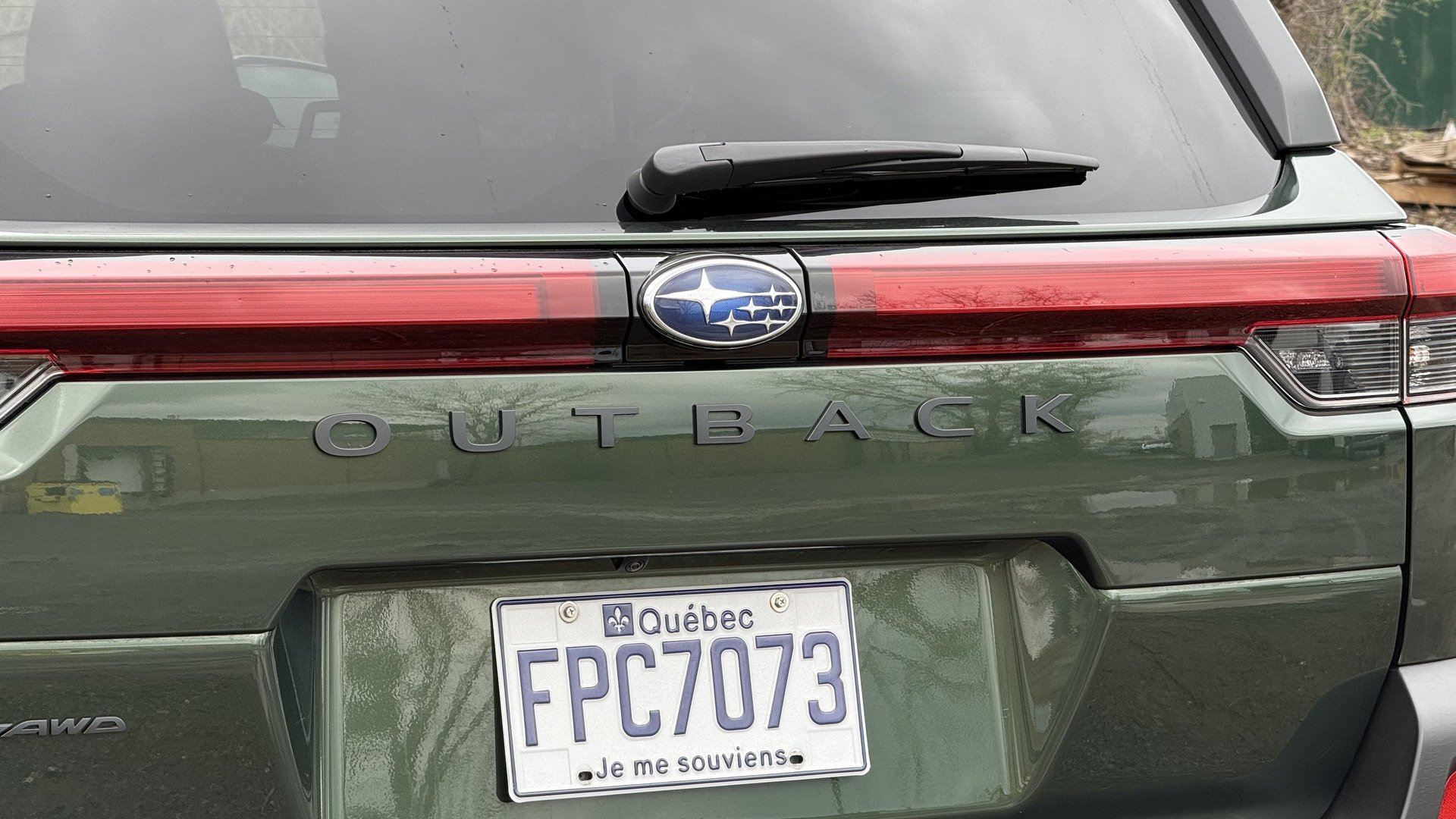
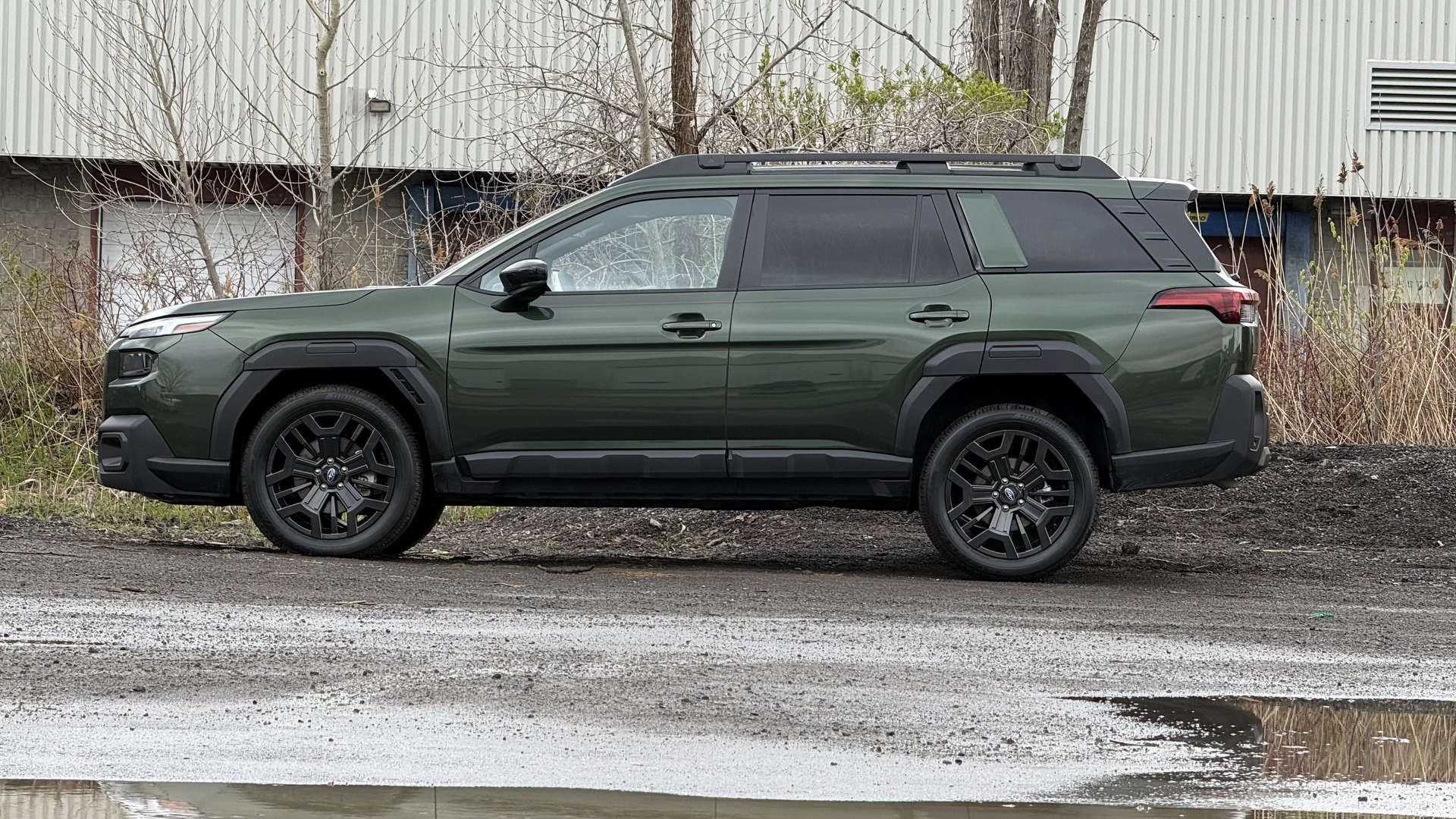
From the outside, there is no getting around it. This is no longer remotely car-like. The front end is flat, upright, and blunt. Any association with a slightly sleeker wagon profile is gone. From the side, it now screams SUV. From the rear, same thing. Wagons usually have a more angled tailgate. This one is far more vertical. Everything is beefier and chunkier. At least the cladding is back, right?
Less Affordable, Too
Pricing starts at $43,765 for the new base Touring model, though that is way more expensive than before because Subaru has essentially removed the old Convenience entry point. The Touring is the only one with the naturally aspirated 2.5L engine. Step into the Limited XT and you get the turbocharged 2.4L flat-four, with pricing just over $51,000. That, to me, is the better version. The Wilderness sits at about $52,000, and I would consider it mostly because its visual attitude works better with this boxier body. The top trim lands around $54,000 and change, complete with real but wholly unnecessary Nappa leather-covered seats, cooled up front, and that’s about it.
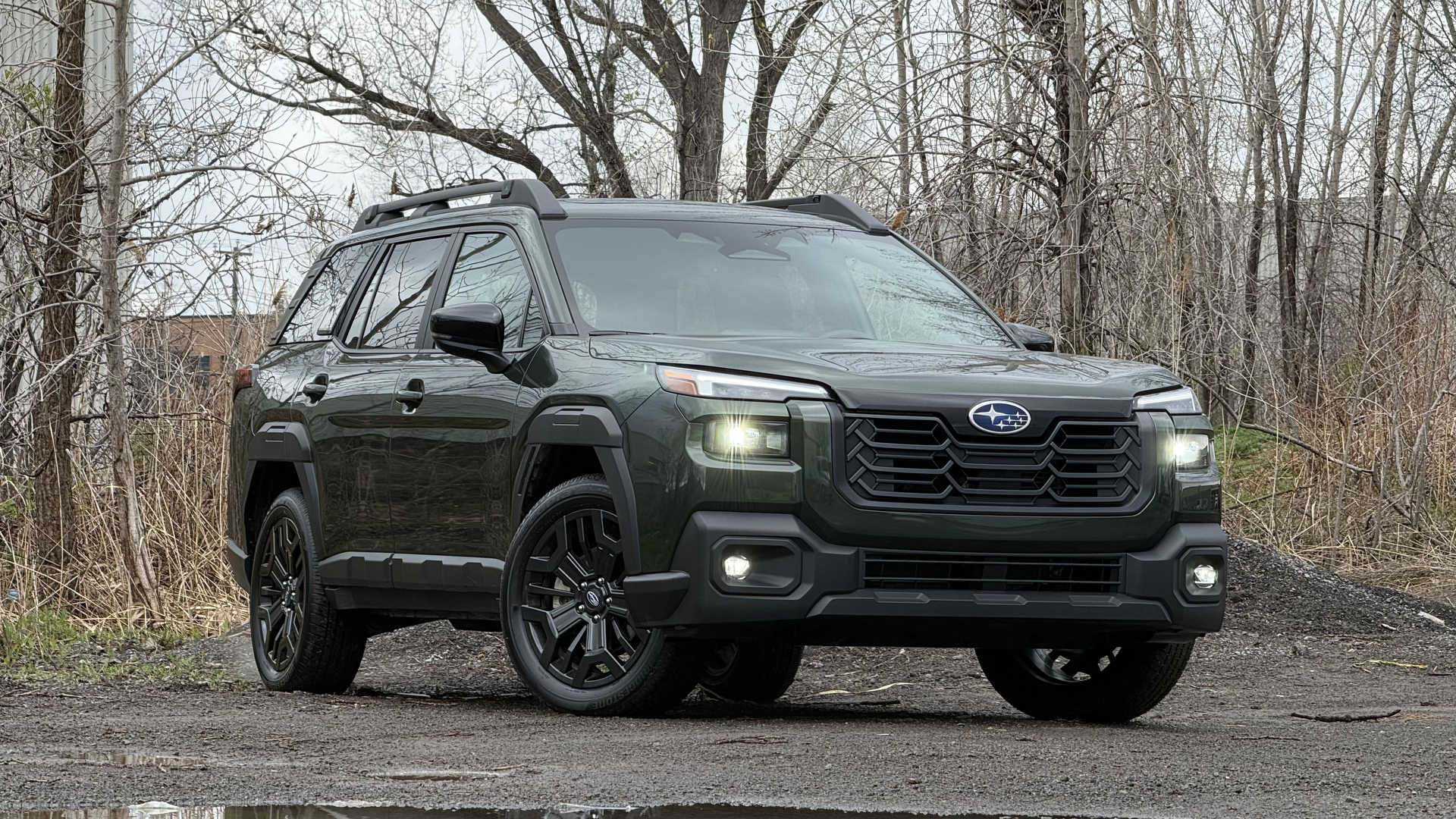
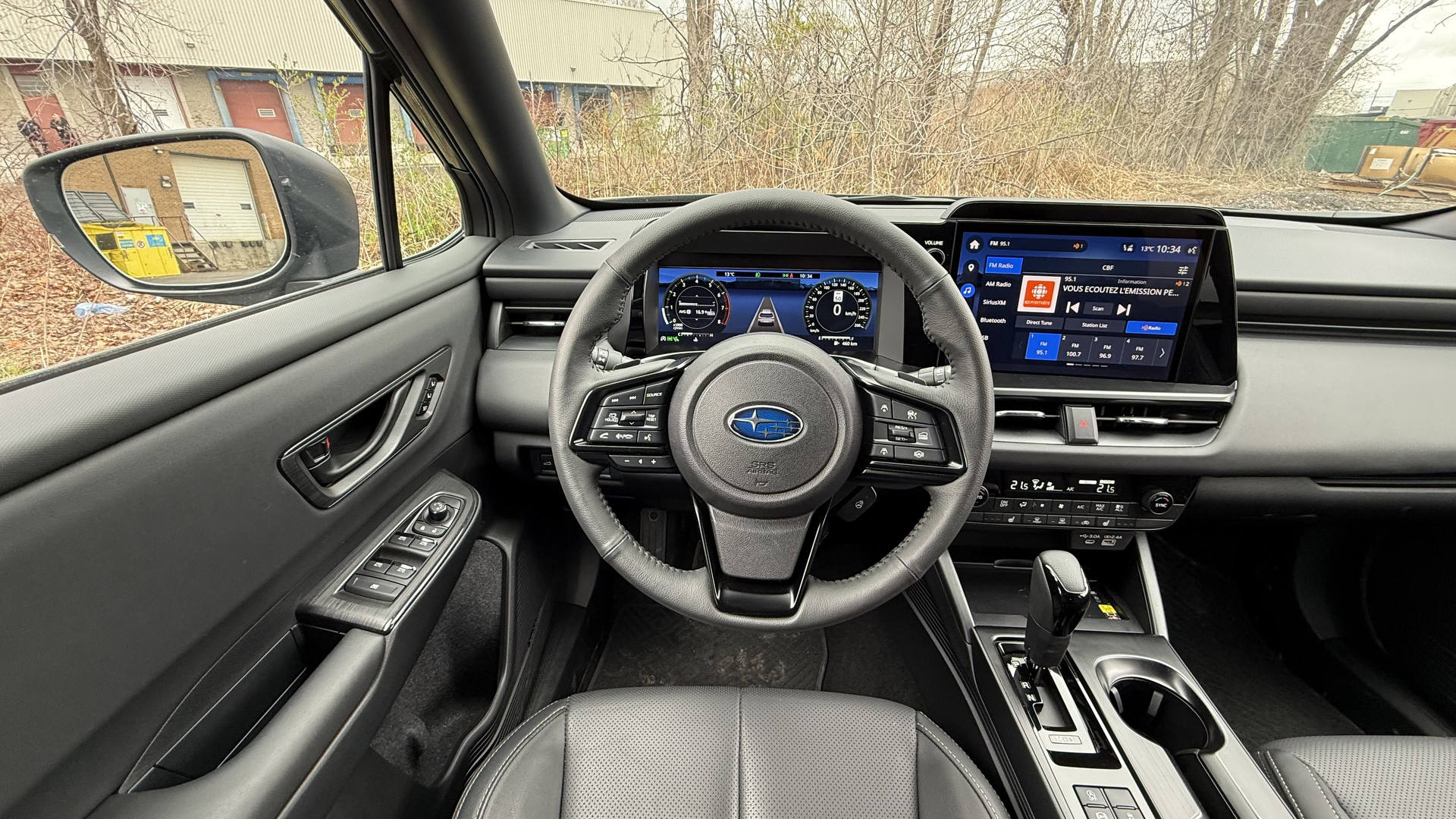 2026 Subaru Outback Limited XT | Photo: Matt St-Pierre
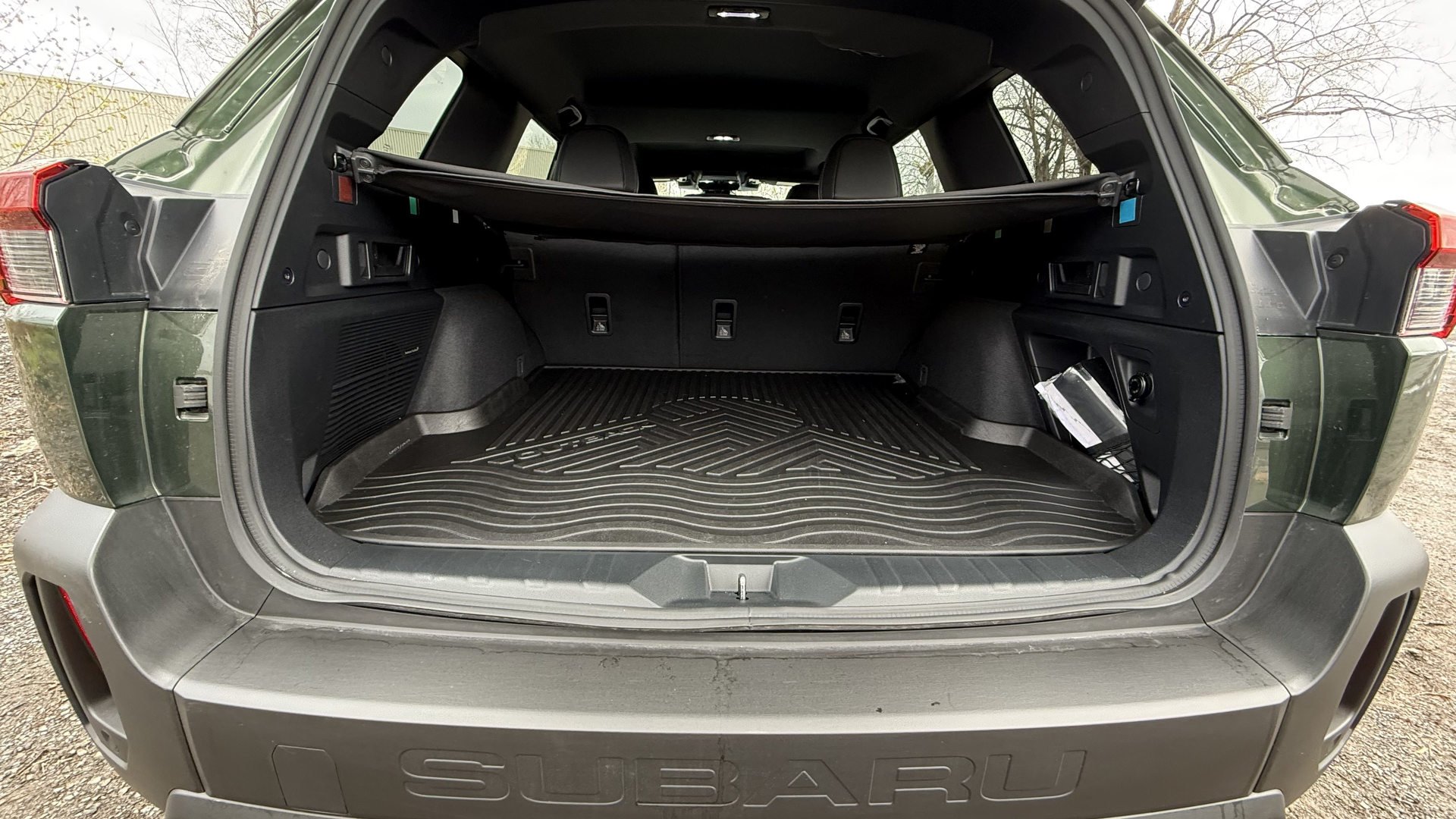
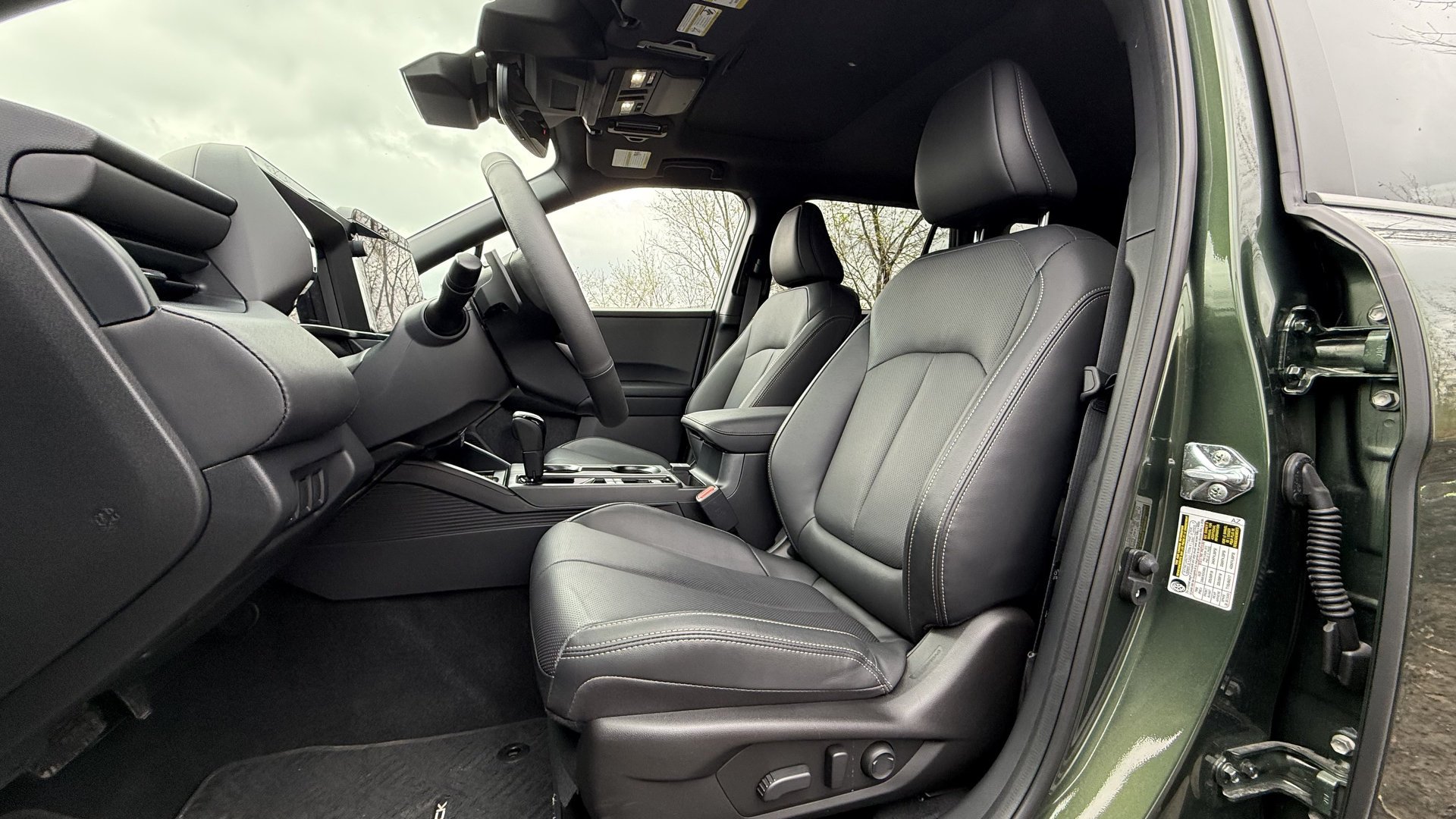
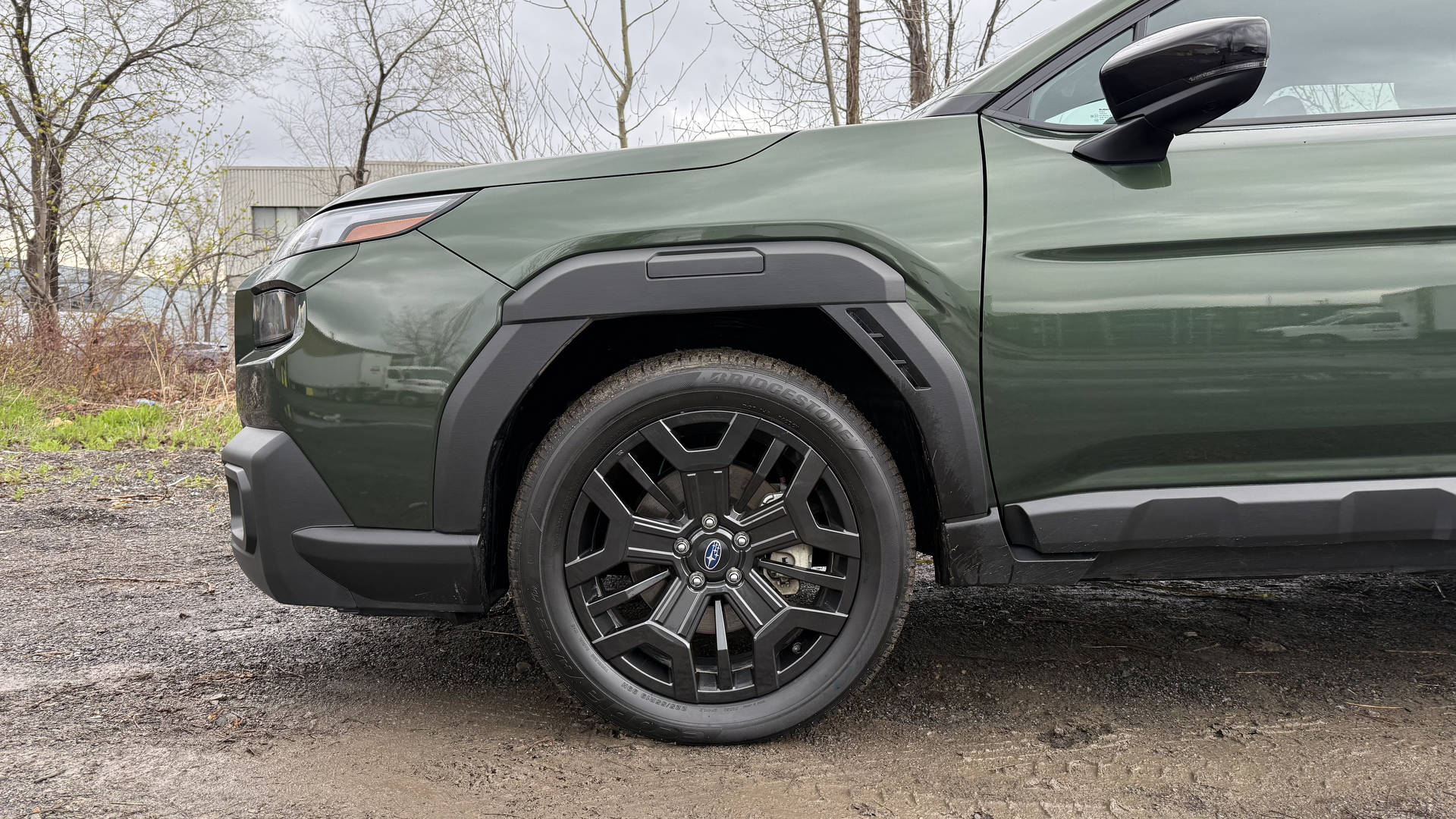
My tester, a Limited XT in Deep Emerald Pearl, does look better in this colour. The 19-inch wheels are handsome, and the equipment list is strong: 13-speaker Harman Kardon audio, power passenger seat, leather, power tailgate, and 980 litres of cargo room behind the second row. That is generous, and the second row is roomy enough that three adults could sit across without anyone complaining too much.
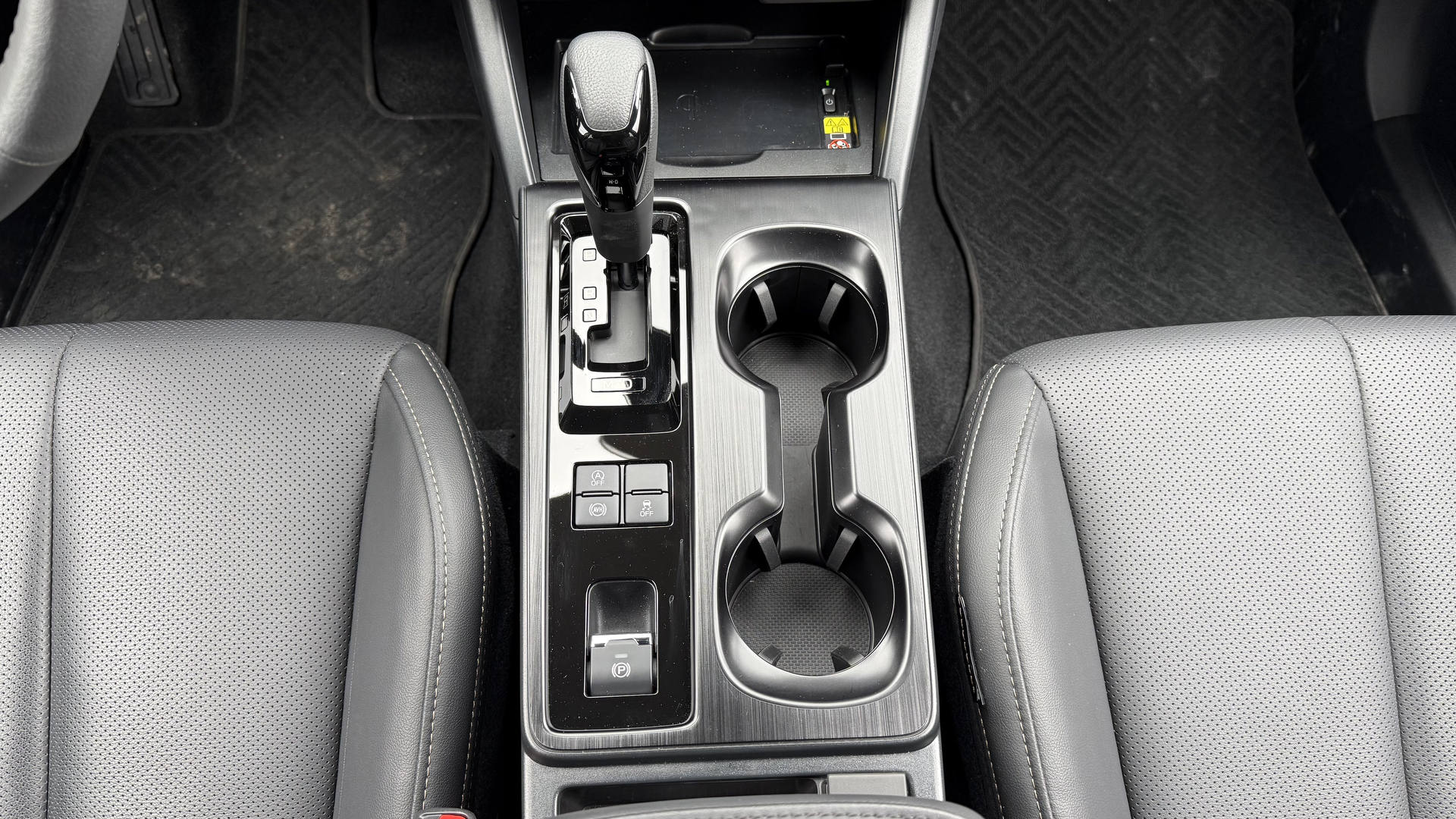
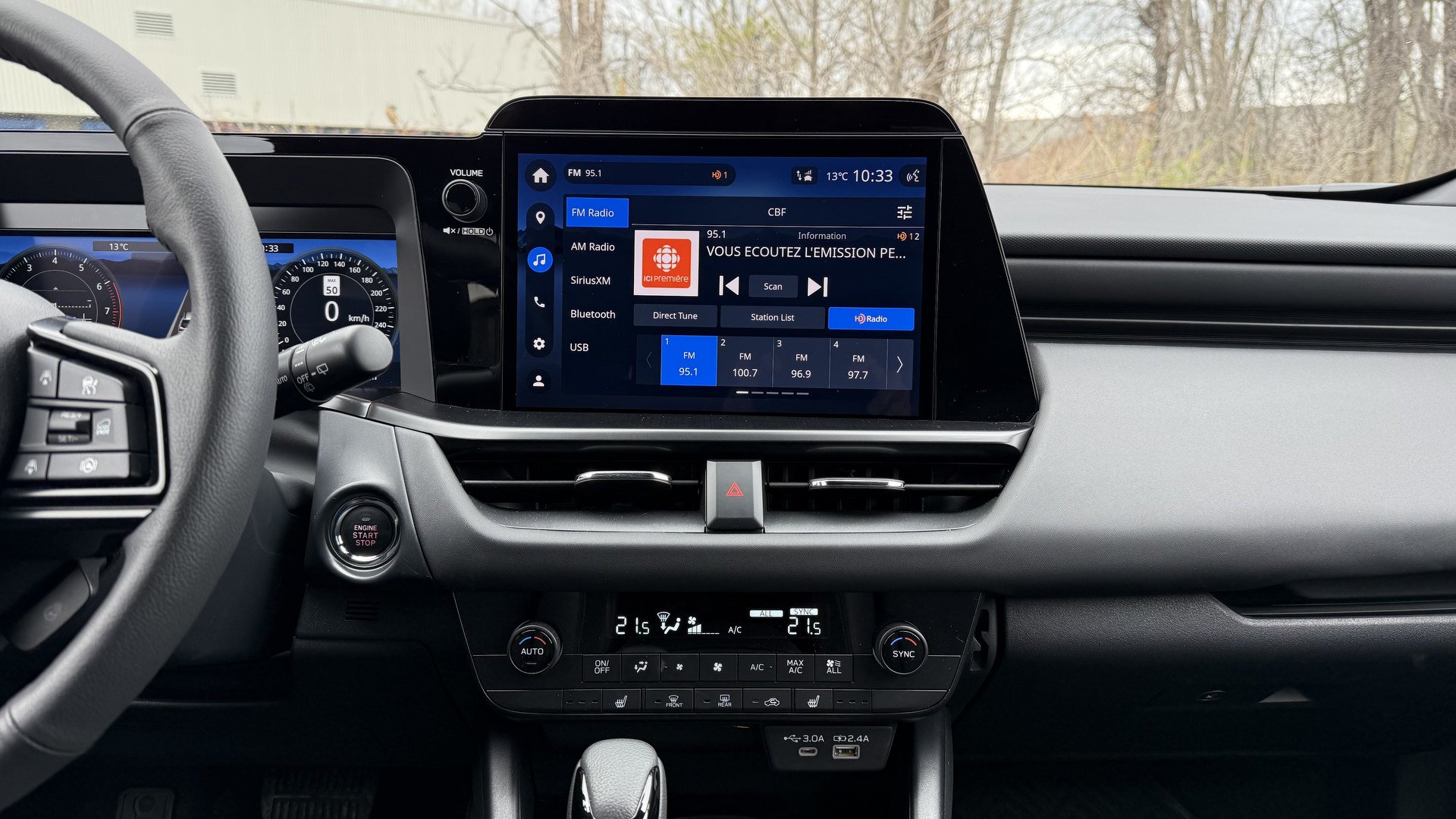
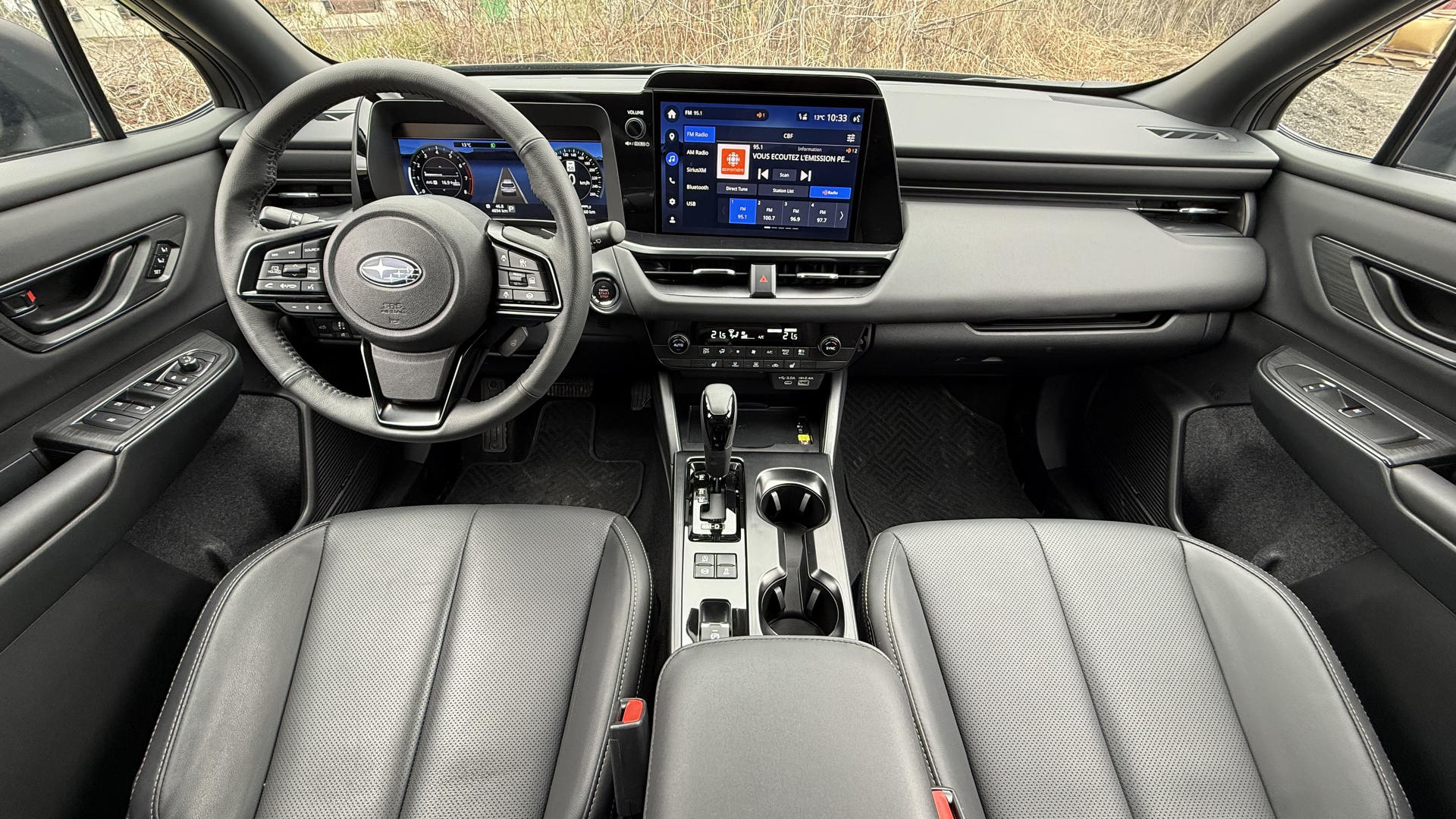
Inside, though, I kept noticing all the extra steel and real estate outside means more plastic inside. The 12.1-inch touchscreen occasionally takes a really long time to load. Luckily, Subaru had preserved many hard buttons.
 2026 Subaru Outback Limited XT | Photo: Matt St-Pierre
Outback on the Road
Then you drive it, and the strange part begins.
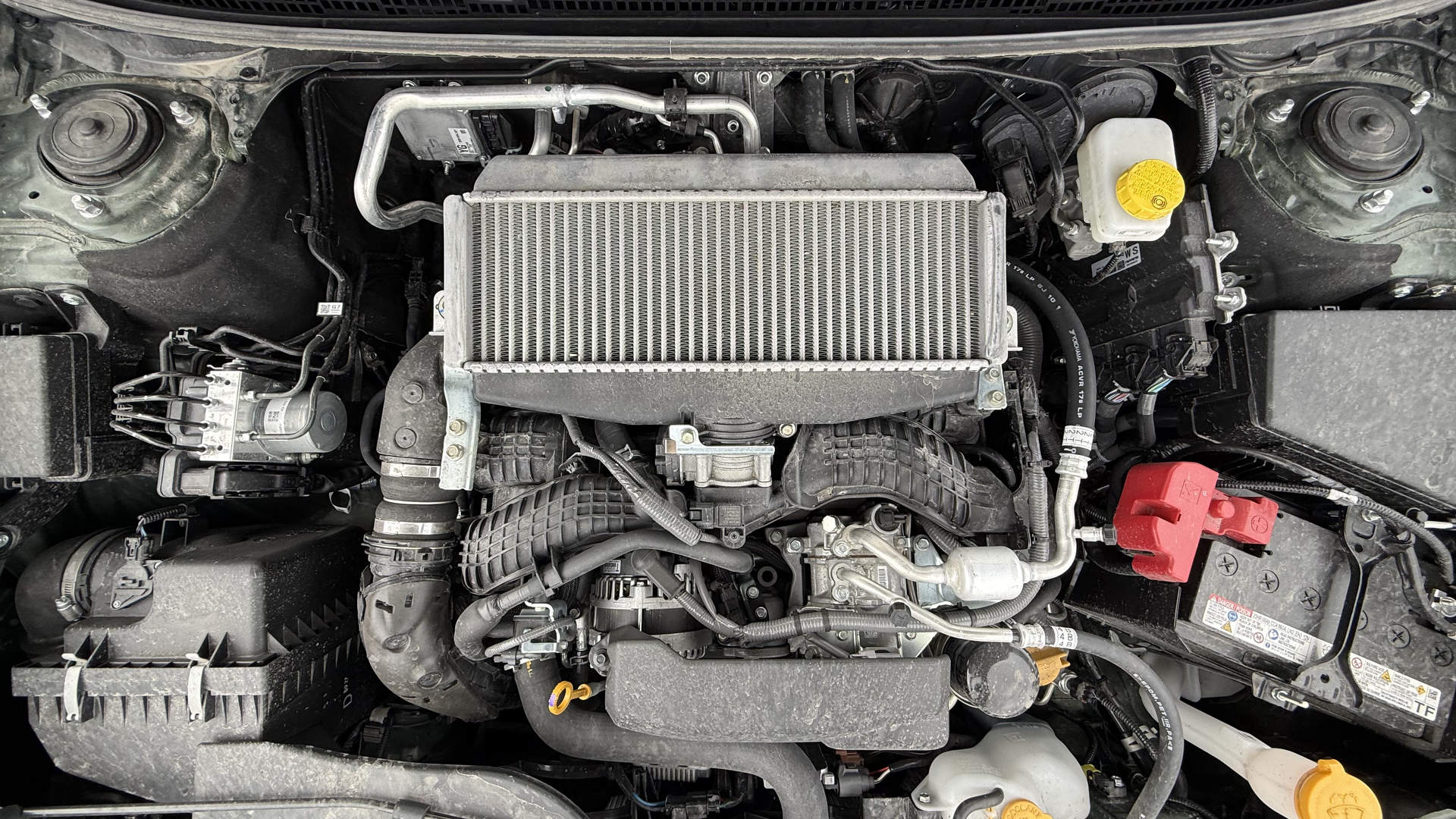
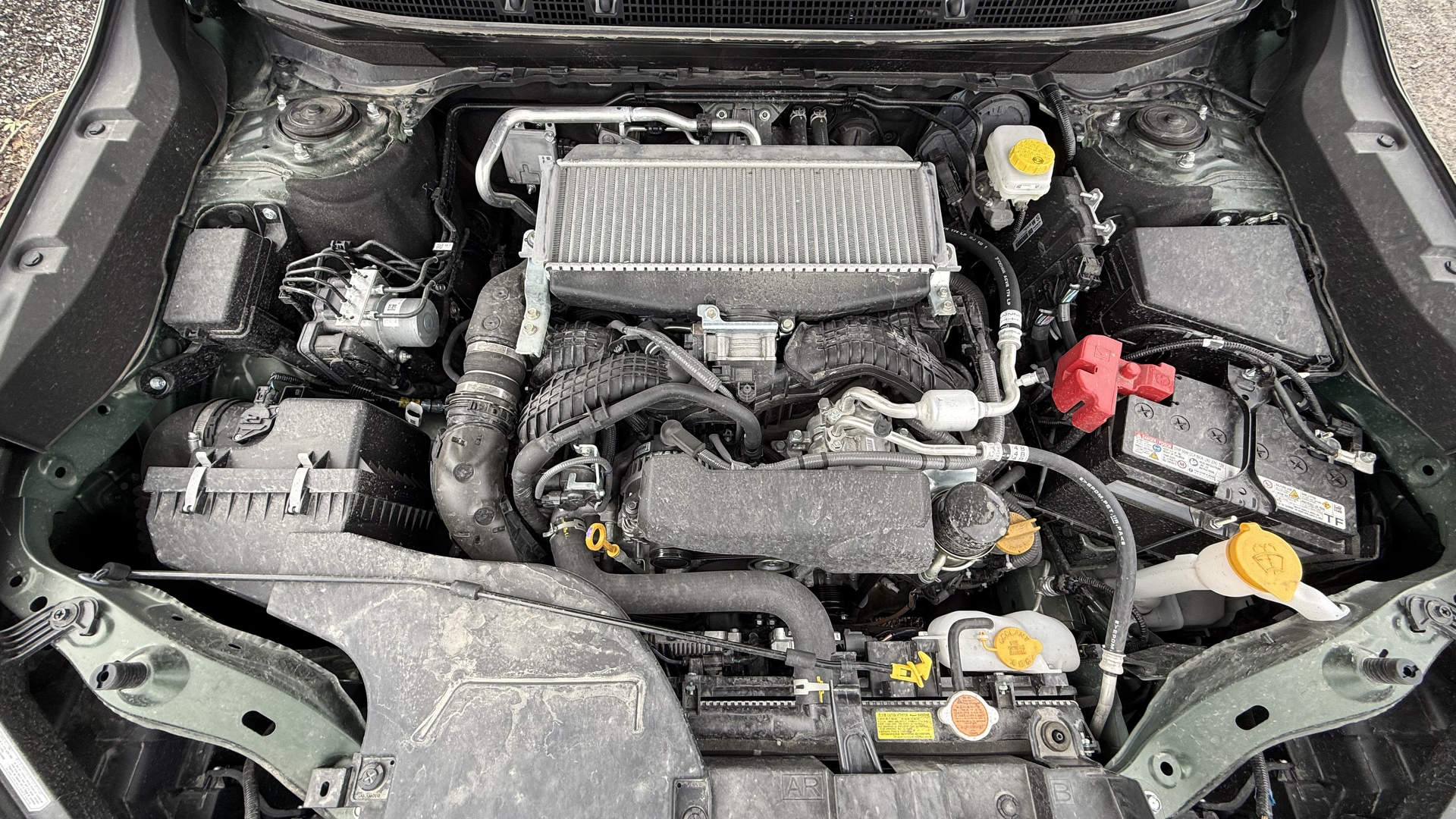
Once you are behind the wheel, the Outback is almost identical to the model it replaces. I am not sure if that is a good thing or a bad thing, but it is probably a good thing. Cold start gives you that familiar Subaru starter sound, the flat-four rumble, the same overall mechanical character. The 2.4L turbo produces 260 hp and 277 lb-ft of torque from 2,000 rpm, so this remains properly quick.
 2026 Subaru Outback Limited XT | Photo: Matt St-Pierre
The Lineartronic CVT is adapted for the extra power and behaves like a CVT with pretend eight-speed logic. No need to beat on that dead horse. It is what it is.
Steering is still wonky Subaru-style: not especially precise, a little lazy, never perfectly locked on centre, but it does what is expected. The ride quality is good, with decent wheel travel, compliance, and a solid platform holding everything together.
That is what makes this whole thing so weird. From the driver’s seat, it is deeply familiar. From the outside, I keep walking toward it and shaking my head.
 2026 Subaru Outback Limited XT | Photo: Matt St-Pierre
Fuel consumption is another familiar Subaru trait, meaning not amazing. Subaru Canada and NRCan quote about 9.5 L/100 km for the turbo, but in the real world, expect about 20-25% higher, depending on how and where you drive.
What to Watch For
Despite being “new,” the Outback should turn out to be fairly reliable. The turbocharged 2.4L engine is familiar, but real-world fuel consumption remains a concern. The large touchscreen can be slow to load, which may become annoying in daily use. Ownership costs will depend heavily on trim choice, tire size, and whether buyers really need the turbo. The CVT is still a CVT, so long-term maintenance habits and fluid service should not be ignored.
 2026 Subaru Outback Limited XT | Photo: Matt St-Pierre
Verdict
Now that the Outback has gone full SUV, it also faces stiffer competition, including from its own sibling, the Forester. That racks my brain a little because, for about 30 years, the Outback occupied this clever niche between wagon, crossover, and SUV. Now that is gone. It is just another SUV-shaped thing in a sea of SUV-shaped things.
The bottom line is that the 2026 Subaru Outback remains an Outback, as long as you do not stare at it too much. Subaru has killed one of my all-time favourite midsize vehicles, at least visually.
But underneath, somehow, annoyingly, it is still okay.
| Specifications | 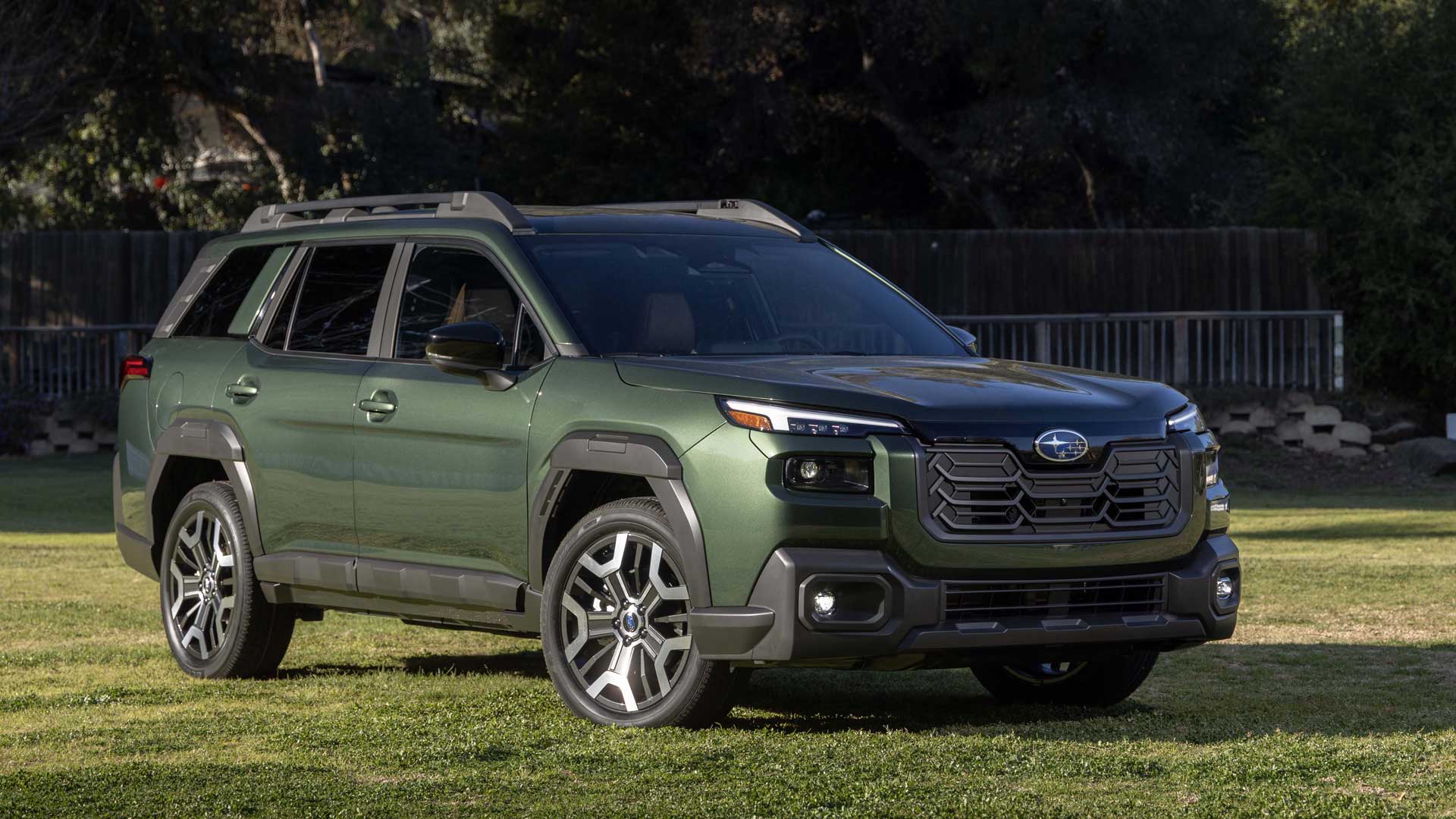 | 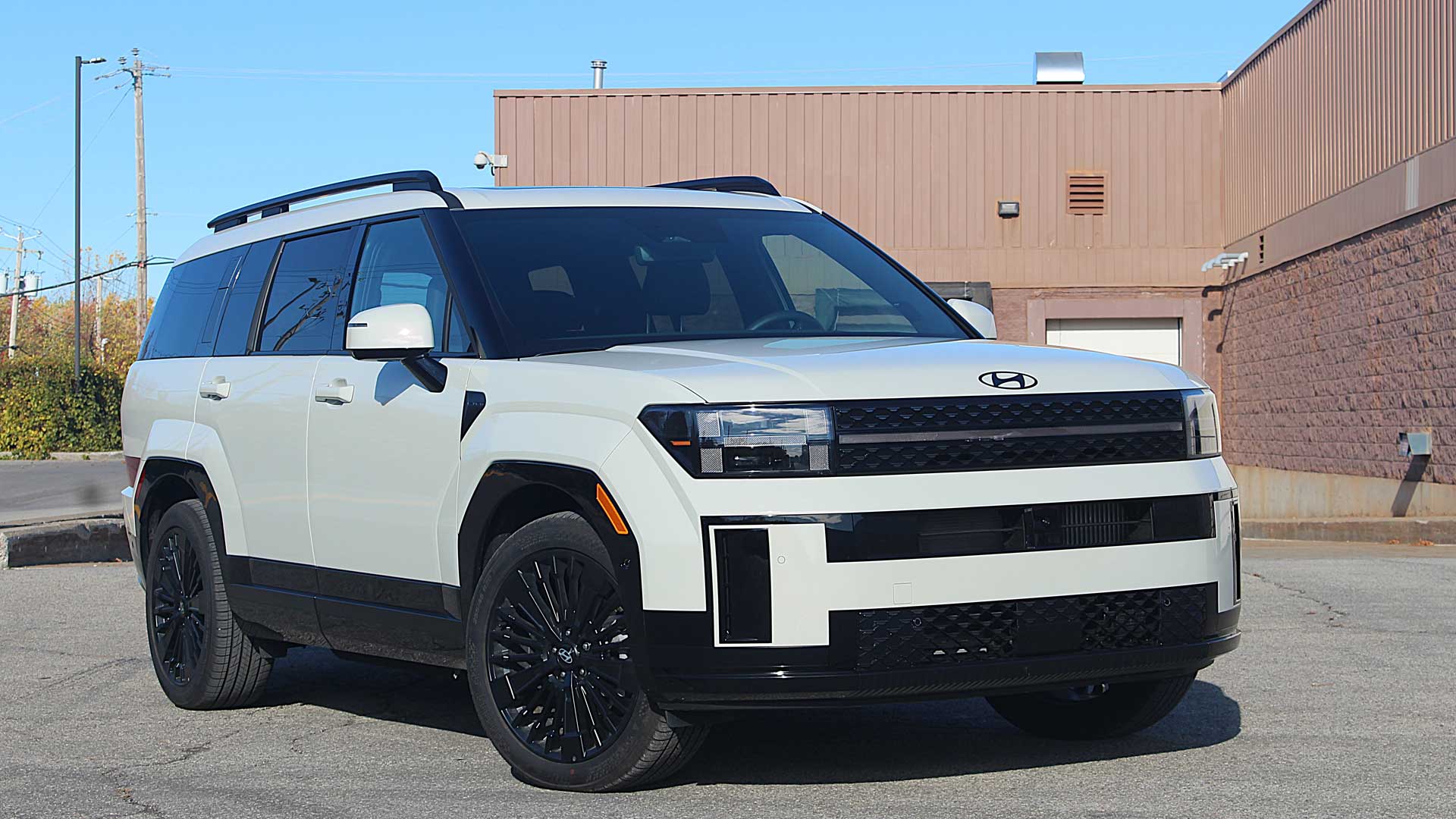 | 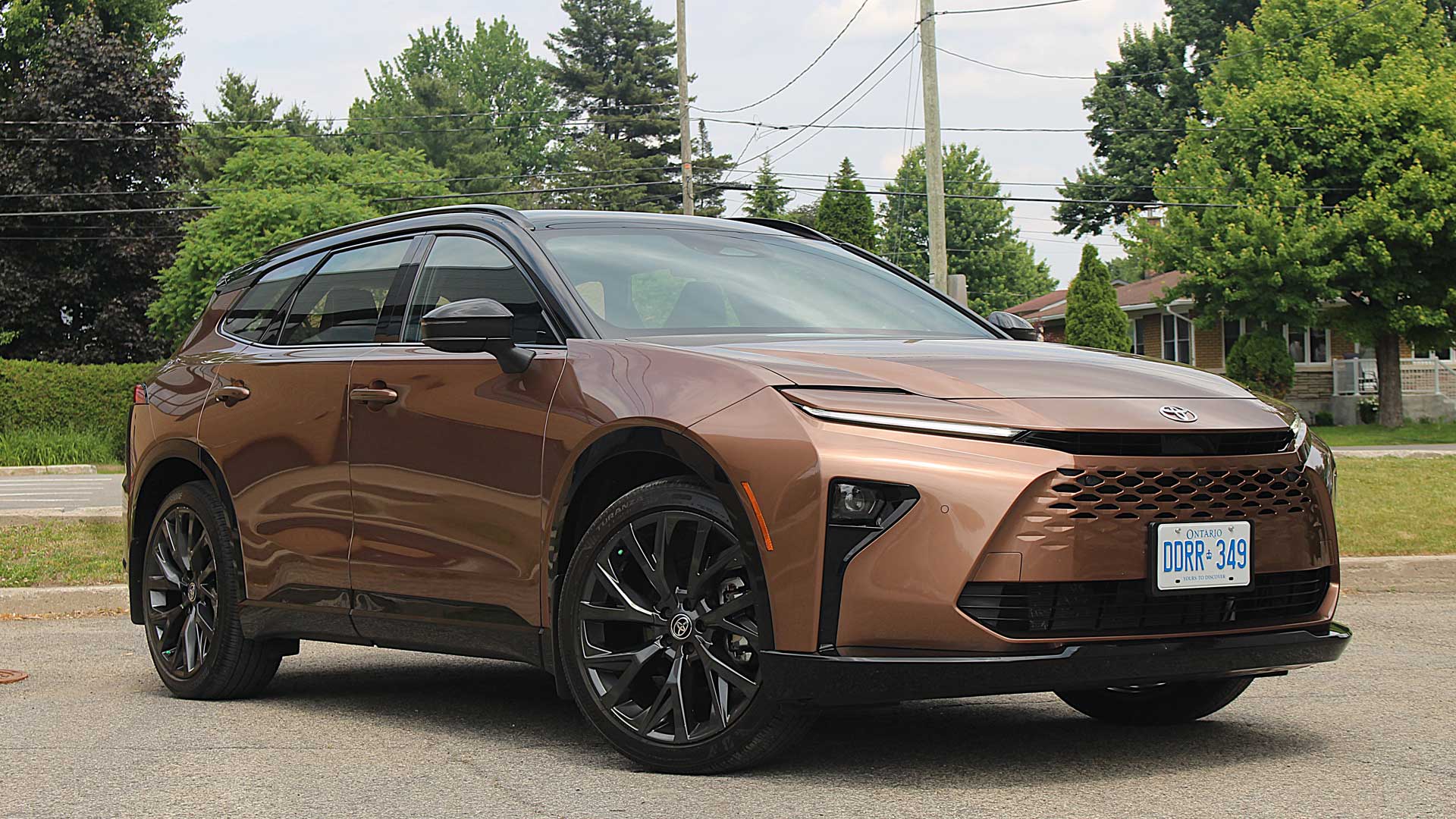 |
|---|---|---|---|
| Model | 2026 Subaru Outback Limited XT | 2026 Hyundai Santa Fe w/ Trend Package | 2026 Toyota Crown Signia |
| Price Range ($CAD) | 51,065 | 51,066 | 61,559 |
| Engines | Turbo 2.4L F4 | Turbo 1.6L I4 HEV | 2.5L I4 HEV |
| Output (hp) | 260 | 231 | 240 |
| Torque (lb-ft) | 277 | 271 | 178 (engine only) |
| Combined Fuel Economy (L/100 km) | 9.6 | 6.9 | 6.2 |
| Wheelbase (mm) | 2,745 | 2,815 | 2,850 |
| Length (mm) | 4,870 | 4,830 | 4,930 |
| Width (mm) | 1,880 | 1,900 | 1,880 |
| Height (mm) | 1,715 | 1,770 | 1,625 |
| Ground clearance (in) | 8.7 | 7.0 | 6.3 |
| Cargo Volume Behind 3rd/2nd/1st Row (L) | - / 980 / 2,280 | 413 / 1,148 / 2,267 | - / 702 / 1,872 |
| Max Towing Capacity (kg) | 1,588 | 907 | 1,225 |