

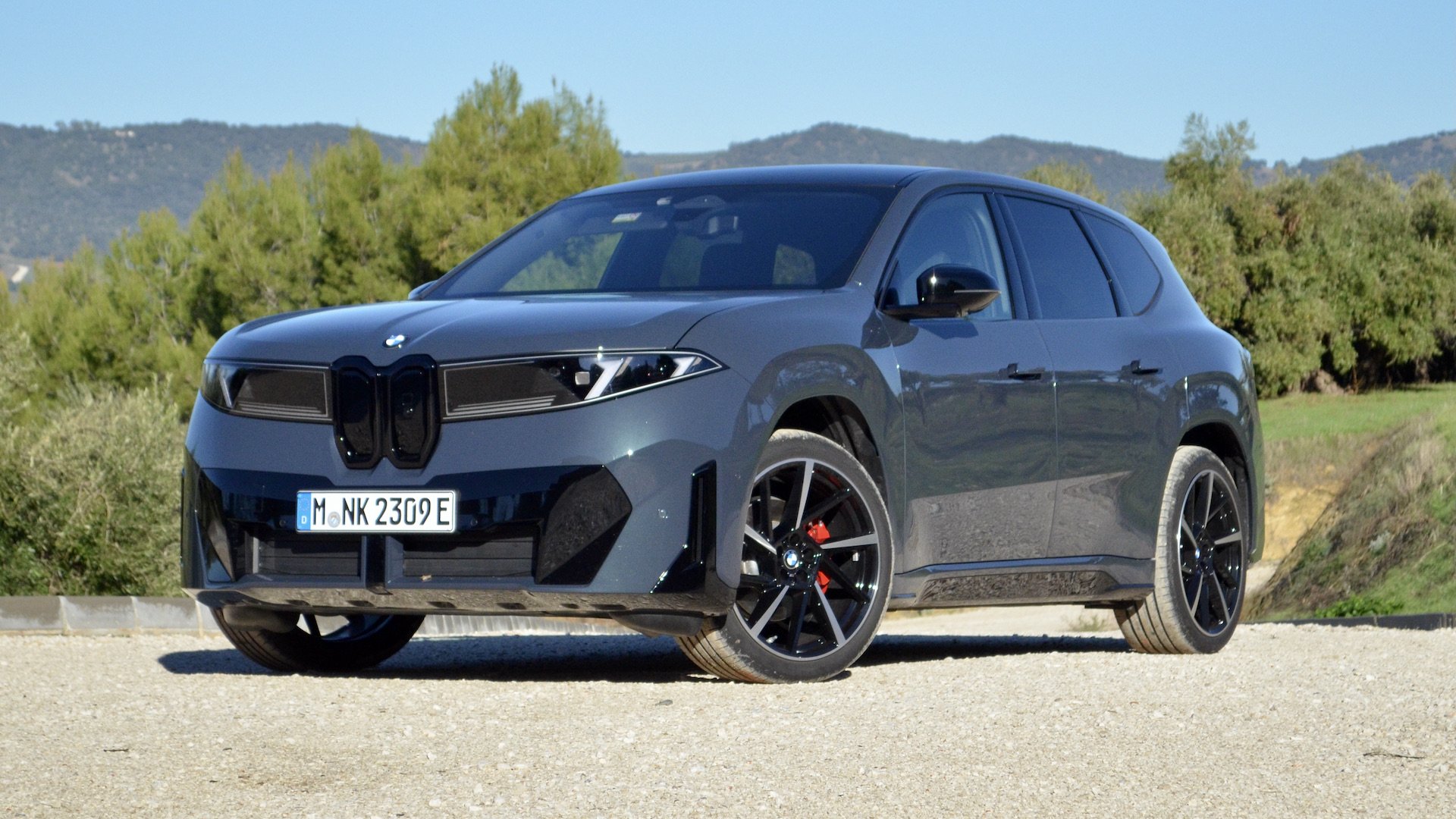
This made the new BMW iX3 the best-selling electric model in its segment.
The automaker claims to have received over 50,000 firm orders for its first Neue Klasse EV.
The Mercedes-Benz GLC EV and Volvo EX60, the iX3’s main competitors, are also proving popular.
In April, its first full month on the market, the BMW iX3 electric SUV has sold more than 10,000 units in Europe.
While the popularity of electric vehicles receded somewhat in 2025, the arrival of next-generation products such as BMW’s Neue Klasse could bring customers back to this segment.
This shift already seems to be happening, with BMW claiming it has already received over 50,000 firm orders for its brand new iX3, prompting it to add a shift at the Debrecen factory where it is manufactured.
To put things in perspective, 10,299 sales in April has made this newcomer the best-selling electric vehicle in its segment, and places it ahead of better-established gas-powered models, such as the Audi Q5 Sportback and the Porsche Macan.
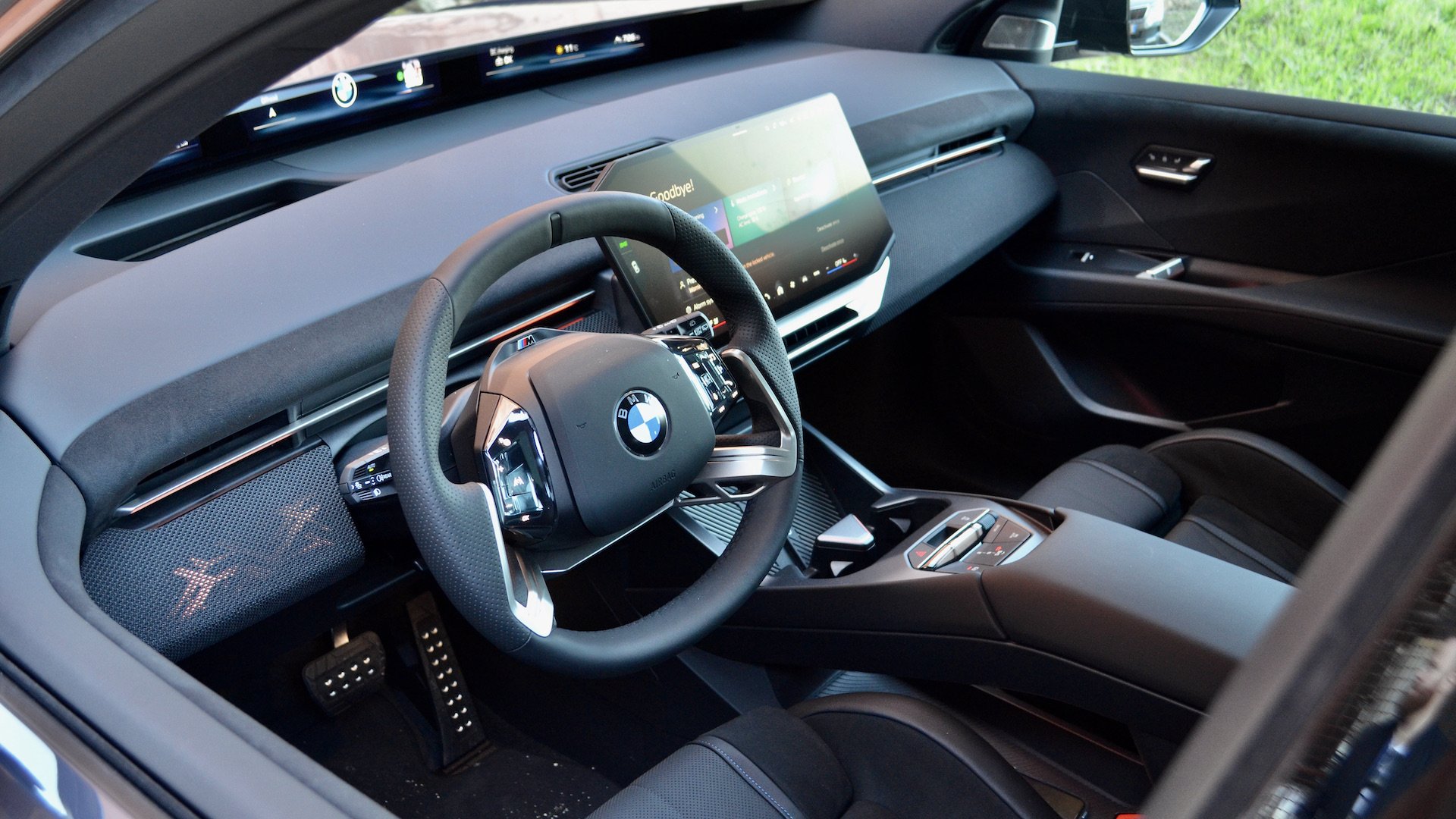 2027 BMW iX3 M50 xDrive
By comparison, the gas-powered BMW X3, the closest relative to the iX3 in the BMW lineup in terms of size, saw 38,389 new buyers in Europe within the same period, enough to occupy second place in the segment.
Reasons that explain the iX3’s strong initial sales undoubtedly include its punchy design and “new” factor, but the technologically advanced powertrain is likely the main deciding factor for most buyers.
Indeed, BMW’s Neue Klasse, of which the iX3 is the first representative on the market, is part of the latest generation of electric vehicles to hit the road.
What this means is that this EV benefits from a brand-new 800-volt electrical architecture that allows impressive 400 kW peak charging rates (21 minutes to go from 10 to 80%) and an estimated range of up to 698 kilometres on a full charge, significantly more than what most EVs could manage until now.
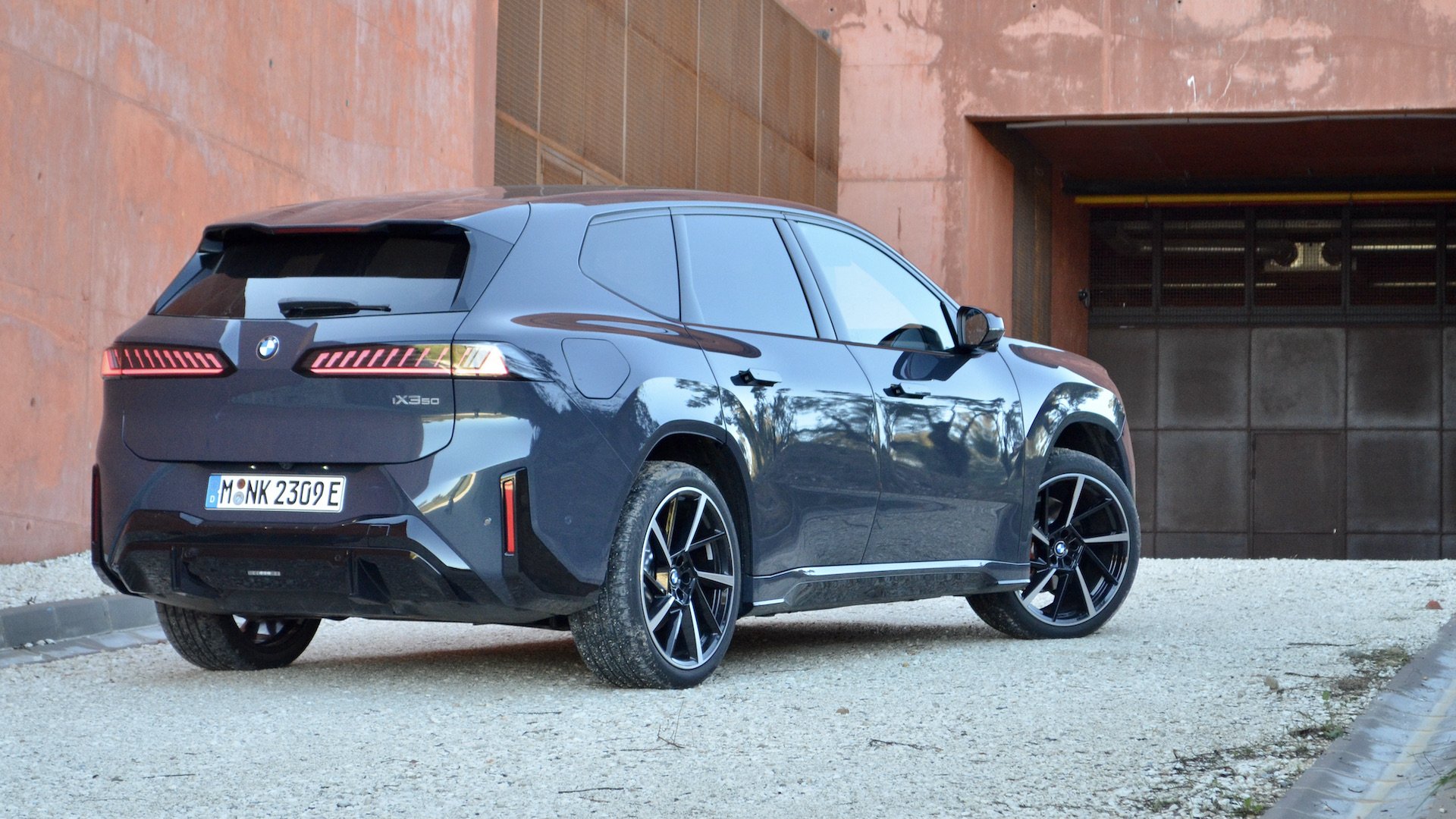 2027 BMW iX3 M50 xDrive
In addition, the BMW iX3 benefits from a strong dual-motor powertrain that can generate up to 463 horsepower and 476 lb-ft of torque, which is significantly more than the gas-powered X3 M50 can offer.
Pricing also plays in the iX3’s favour, as the iX3 M50 currently starts at €70,900 in Germany, where the X3 M50 starts at €85,200.
The situation will be similar in Canada, where the iX3 will be about $2,000 cheaper than the X3 M50 once it arrives in the coming weeks.
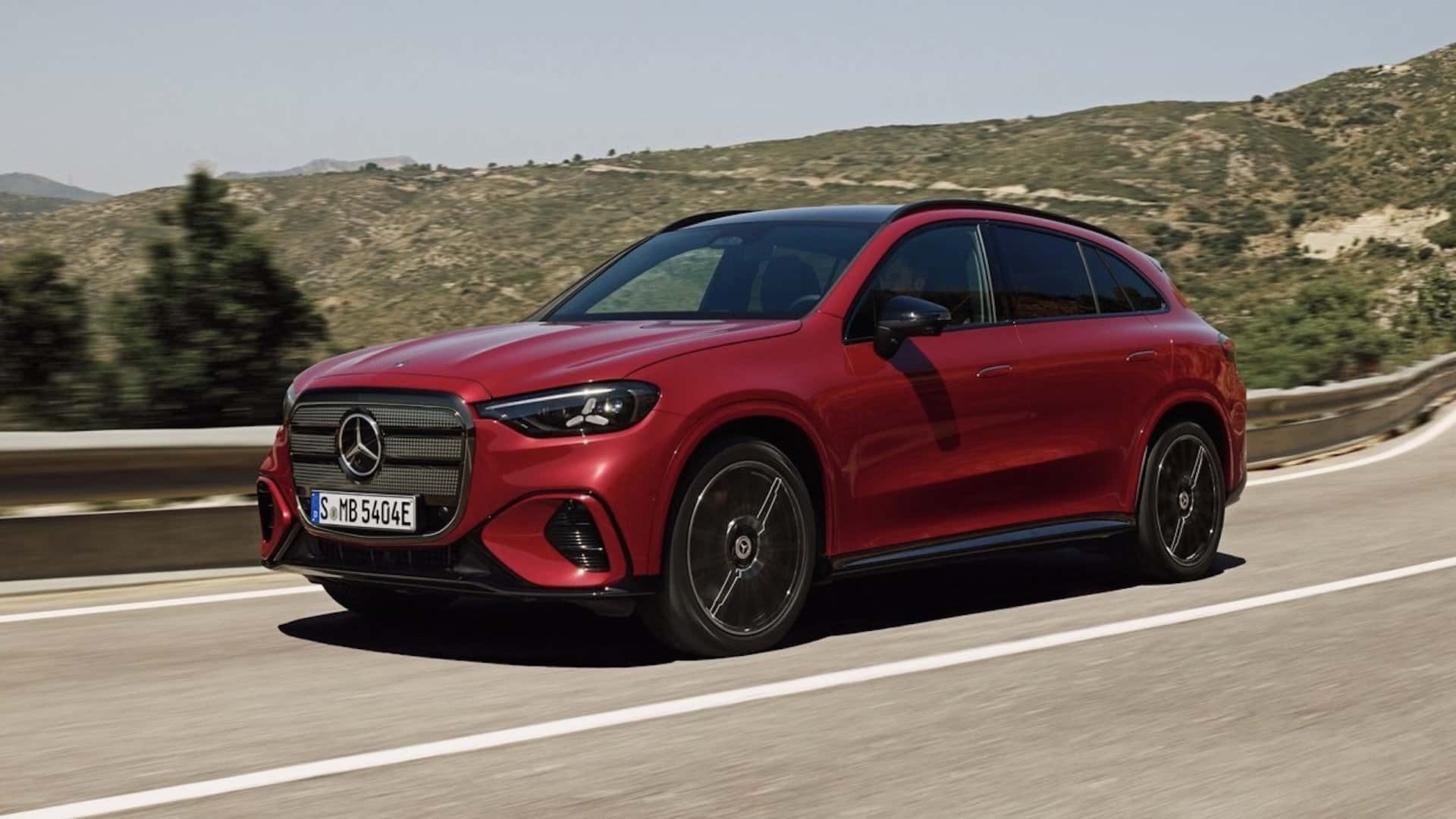 2027 Mercedes-Benz GLC with EQ Technology | Photo: Mercedes-Benz
This strategy of offering next-gen electric SUVs with long ranges and fast charging speeds at price parity with existing gas-powered SUVs is not unique to BMW, however.
Indeed, Mercedes-Benz and Volvo have both decided to price their own new electric SUVs, the GLC EV and EX60, respectively, under their comparable existing gas-powered models.
Like the iX3, the GLC EV and EX60 feature an 800-volt architecture, more than 500 kilometres of range, and 400-kW peak charging rates.
 2027 Volvo EX60 | Photo: Volvo
Also like the iX3, early sales figures from Europe are looking quite encouraging, with the GLC EV having its order book already filled “well into the second half of 2026”, according to the automaker, and Volvo aiming to produce 40,000 units of the EX60 by year’s end.
All three of these new electric SUVs are expected to land in North America later this summer, where they are likely to also be met with significant success.
Source: Inside EVs
