

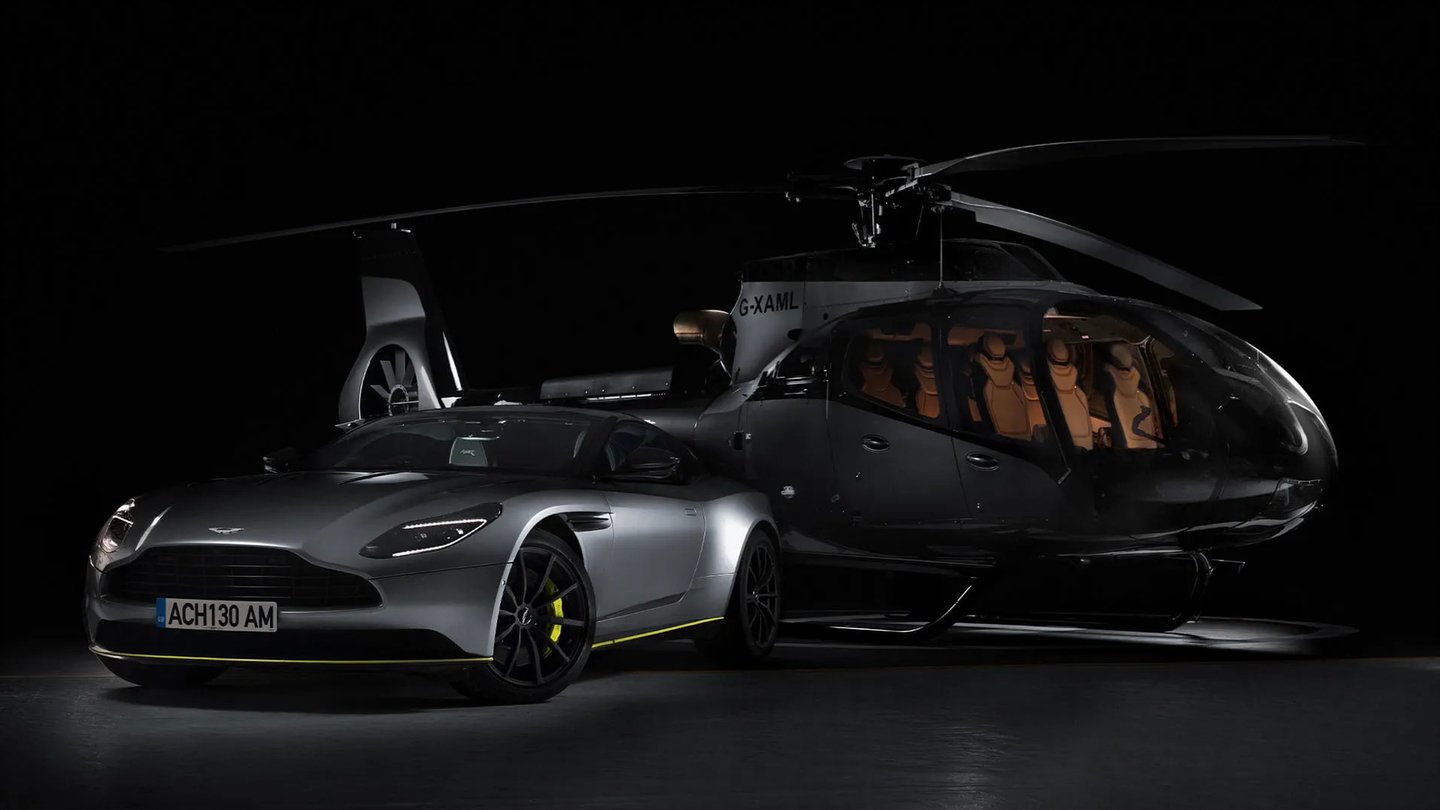
Automotive design and aeronautical engineering share fundamental goals: the pursuit of aerodynamic efficiency and the development of a distinctive visual appeal. In both fields, managing airflow and shaping surfaces respond to technical constraints while defining the aircraft’s visual identity. Since the 1970s, this shared interest has led several helicopter manufacturers to call upon styling studios and coachbuilders from the automotive industry.
These collaborations primarily revolve around two key areas. On one hand, exterior styling optimizes airflow penetration while modernizing the aircraft’s silhouette. On the other hand, cabin design integrates high-end automotive standards for ergonomics, acoustic insulation, and craftsmanship into the constraints of a helicopter cabin.
Here is a photo gallery highlighting these collaborations, where car designers and design firms primarily known for their automobiles applied their talent to helicopters.
ACH130 (Aston Martin)
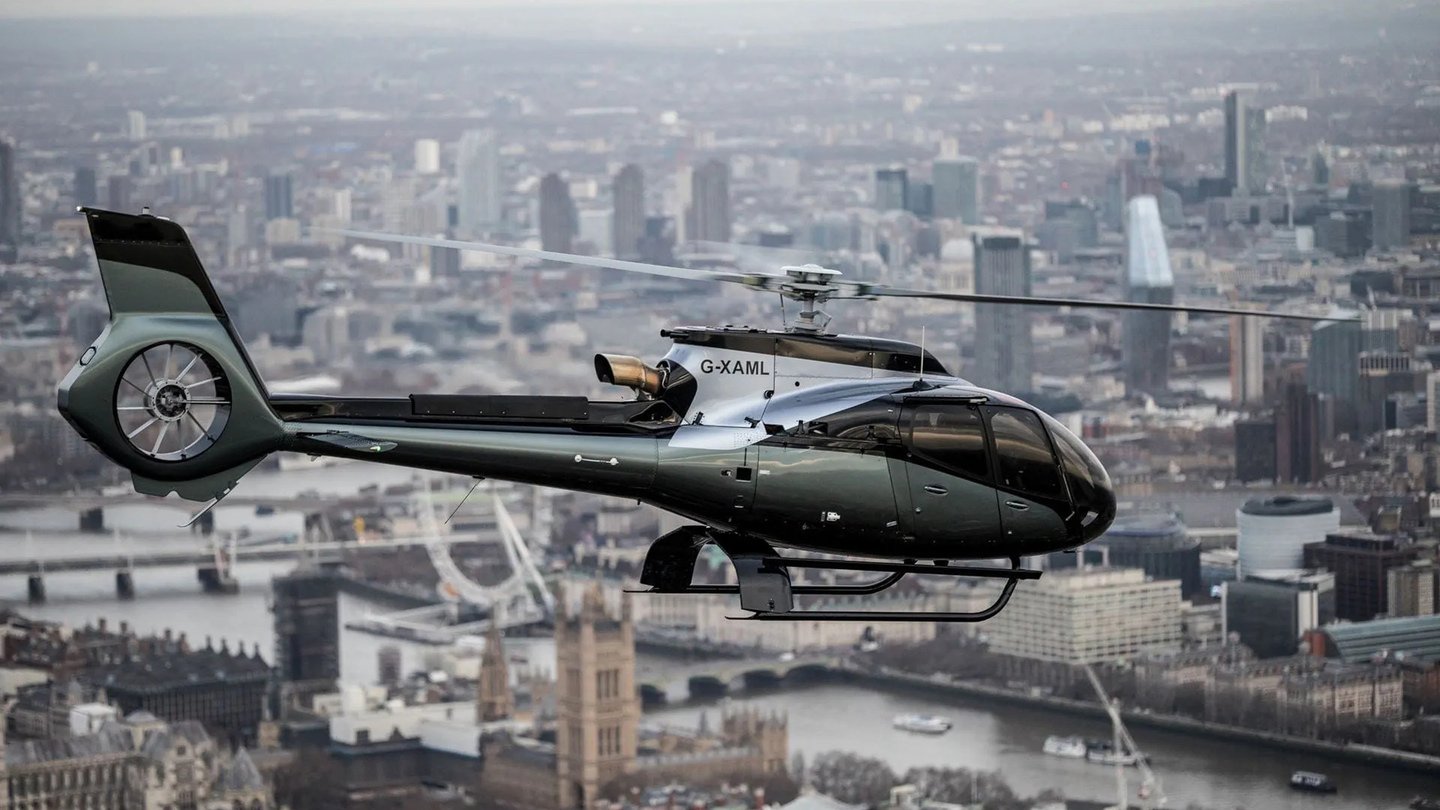
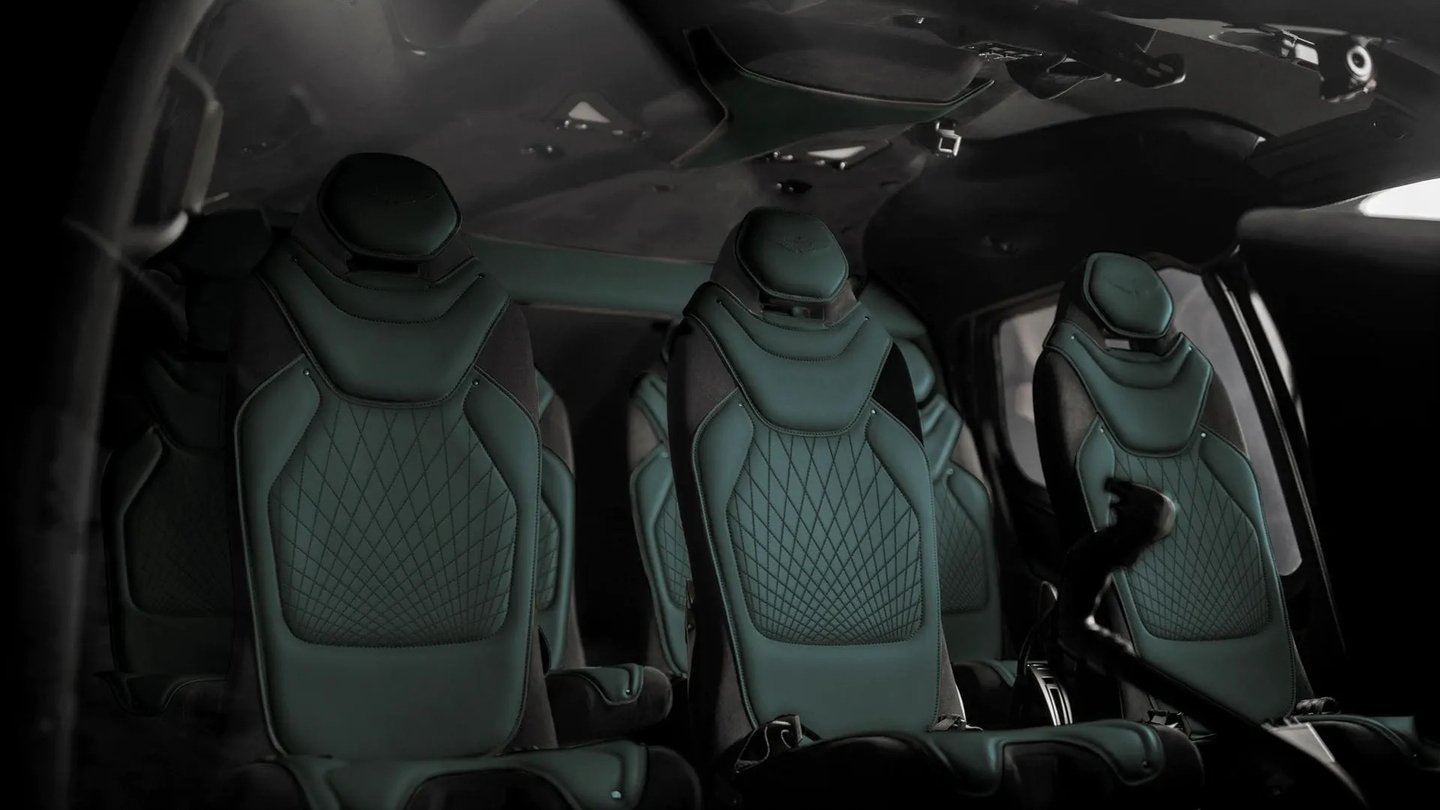
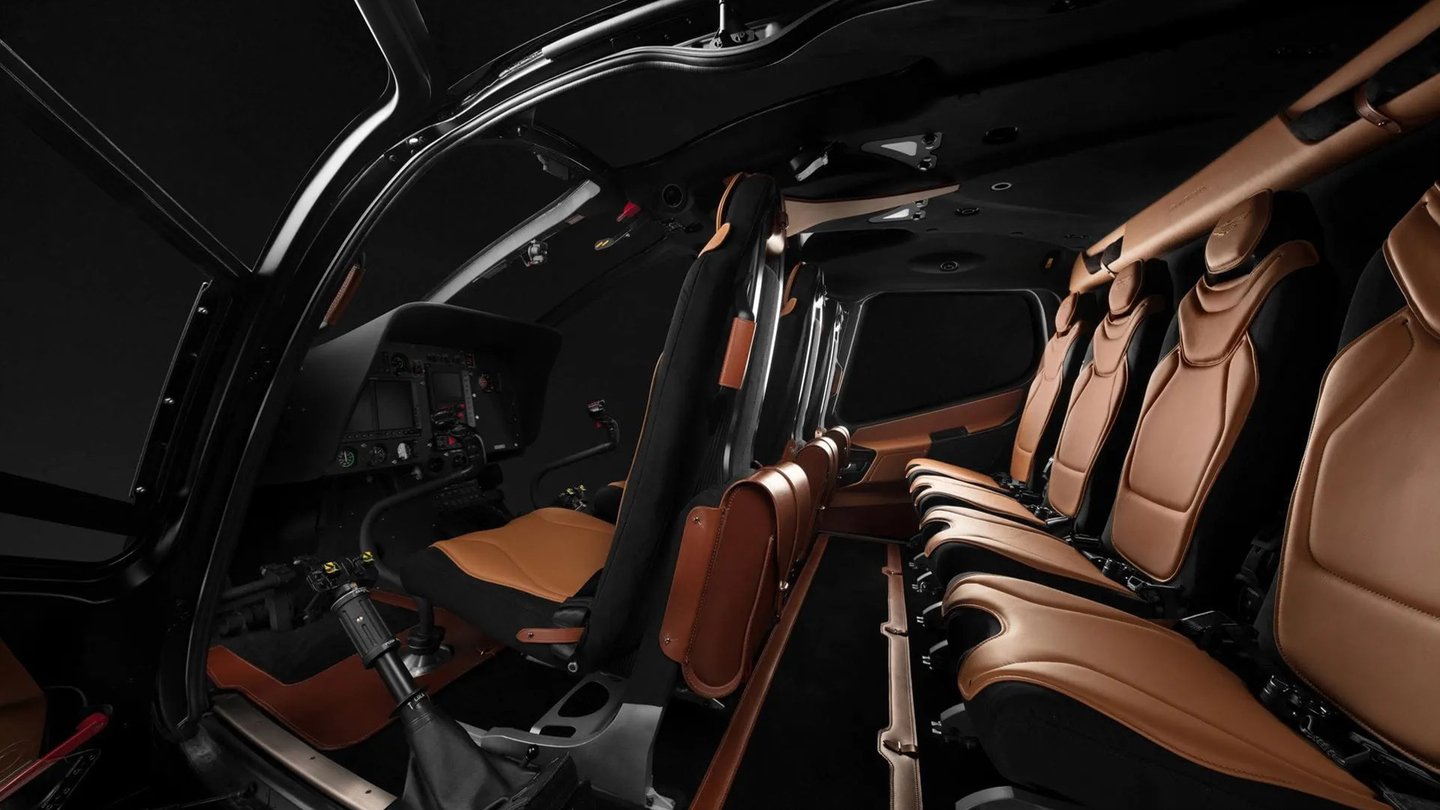
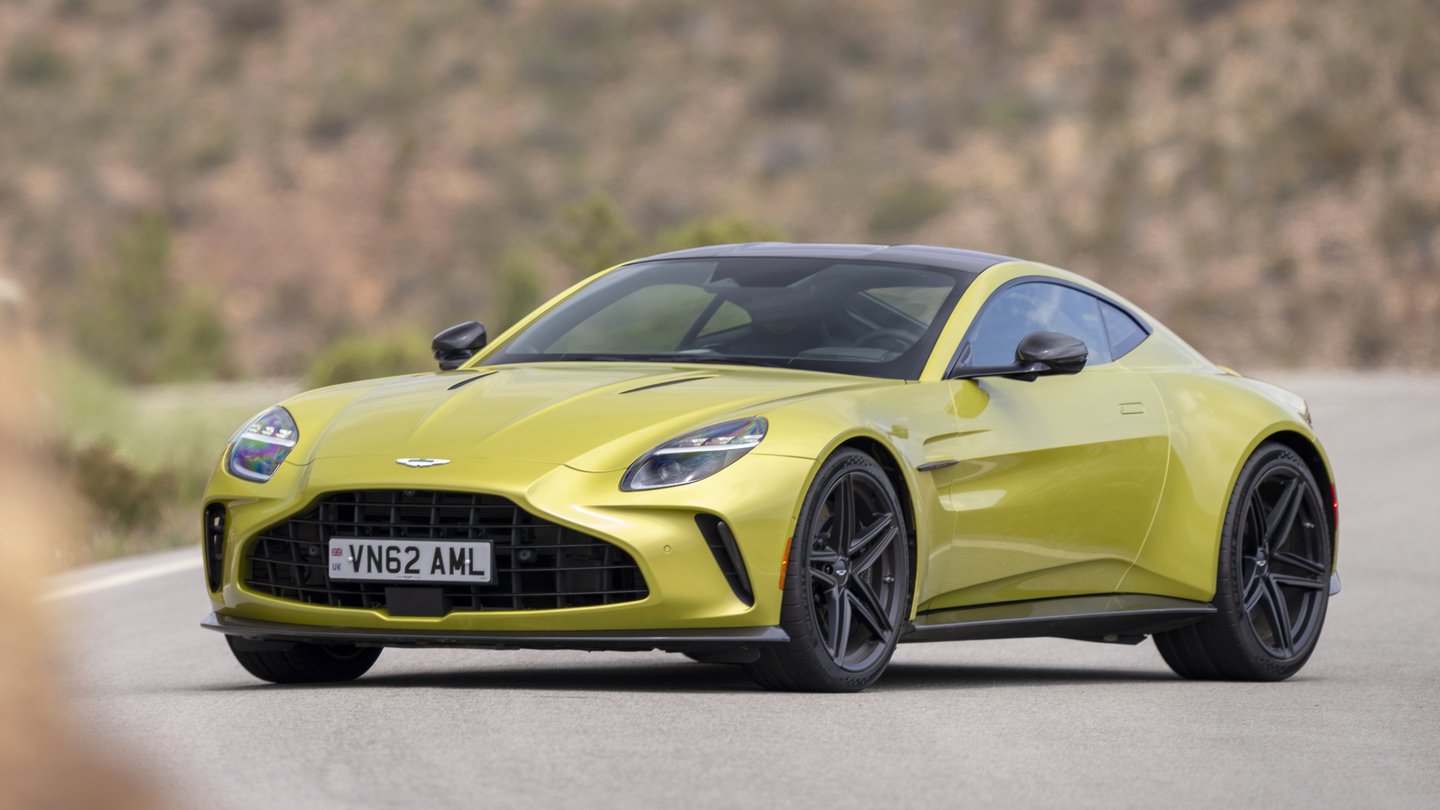
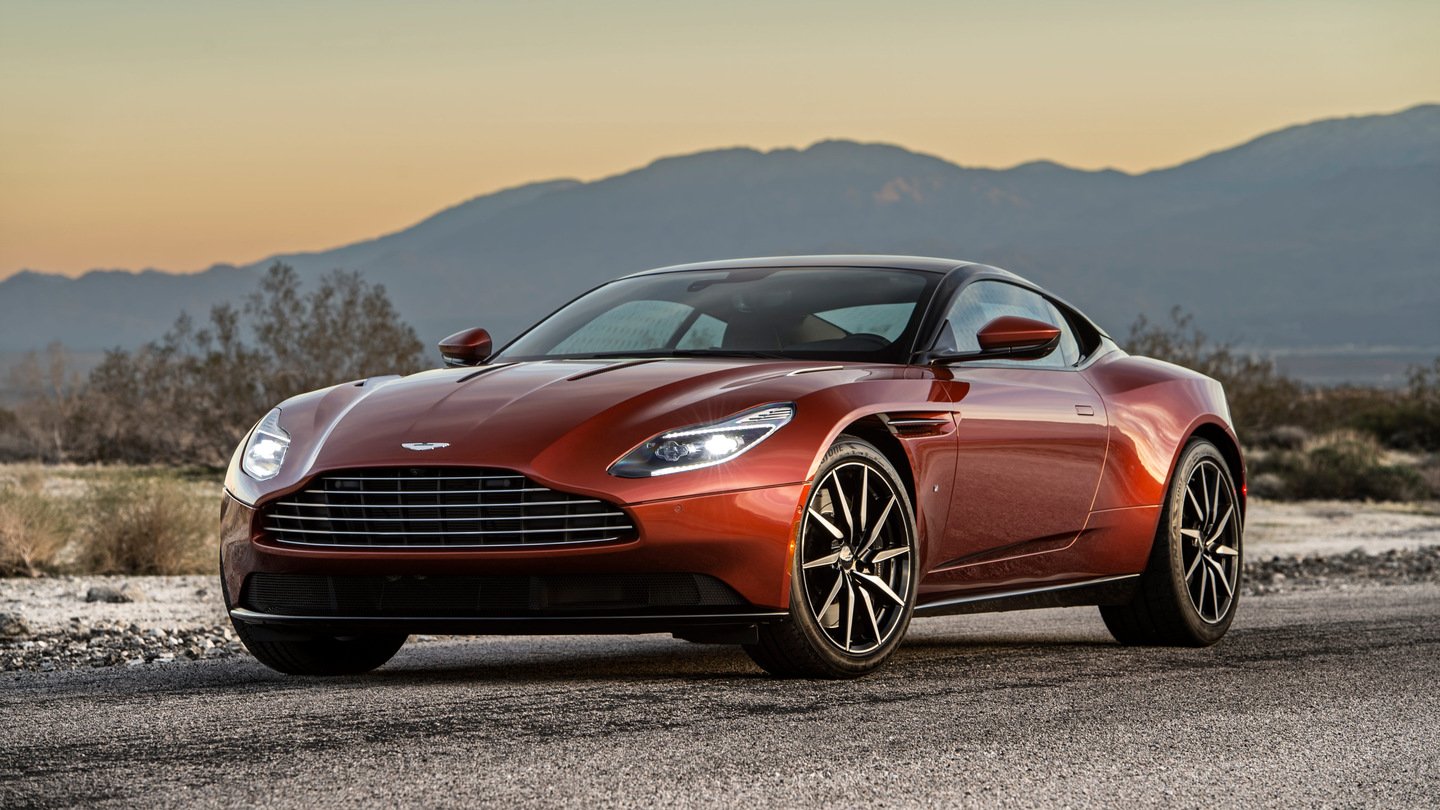
The ACH130 Aston Martin Edition is the result of a collaboration between Airbus Corporate Helicopters (ACH) and the Aston Martin design team, led by Marek Reichman. Renowned for grand tourer coupes like the DB11, Vantage, and DBS, the British brand brought automotive luxury cues to this light helicopter. The design team created four bespoke exterior liveries, including a signature finish featuring a gradient from Stirling Green to Jet Black under the fuselage. Inside, the studio crafted a seven-seat cabin styled in ultra-suede and handcrafted leather upholstery (Oxford Tan, Cormorant, Ivory). The Aston Martin winged logo is embossed directly onto the leather seatbacks, and a personalized numbered plaque is integrated into the instrument panel.
Aeroplani Caproni Vortice (CAMAL Studio)

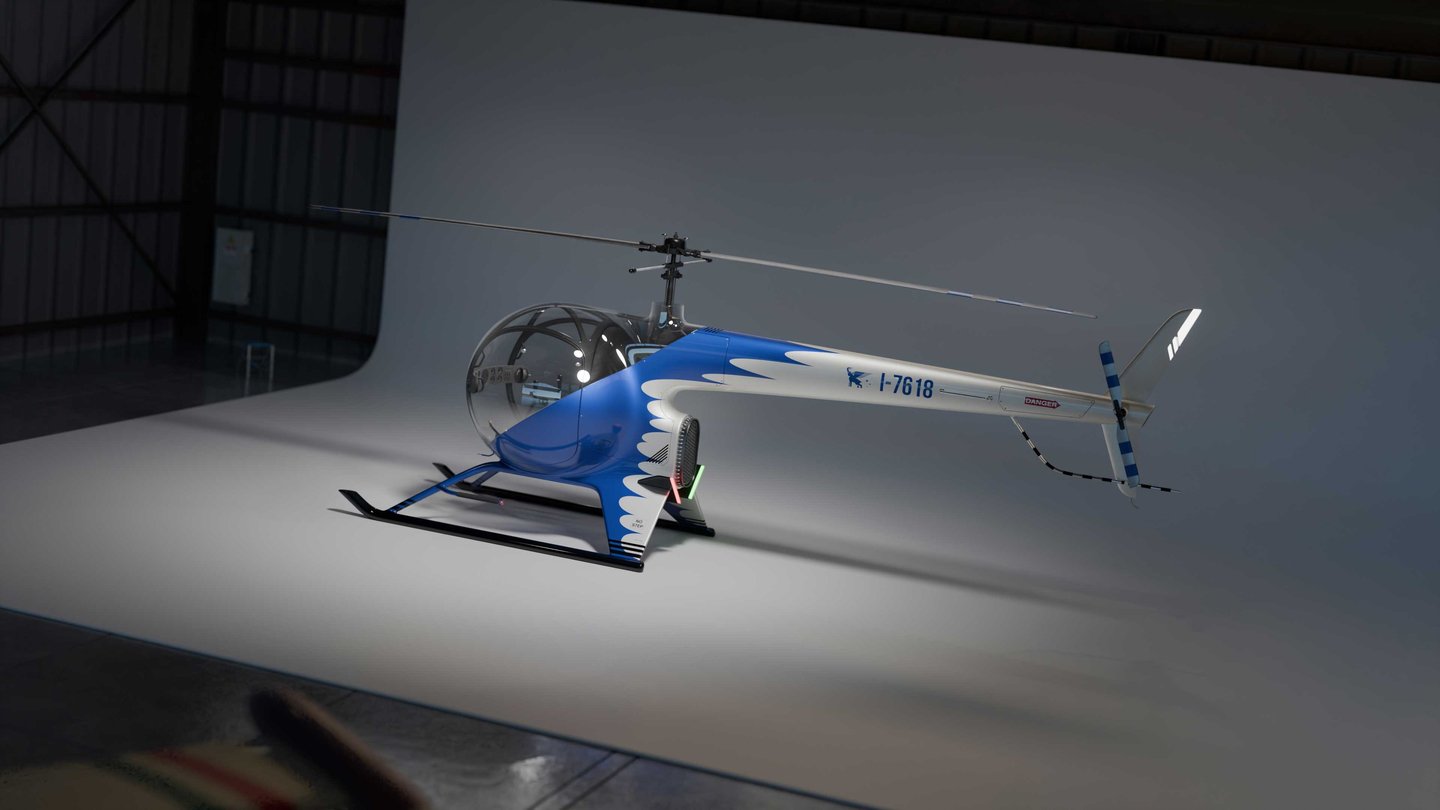
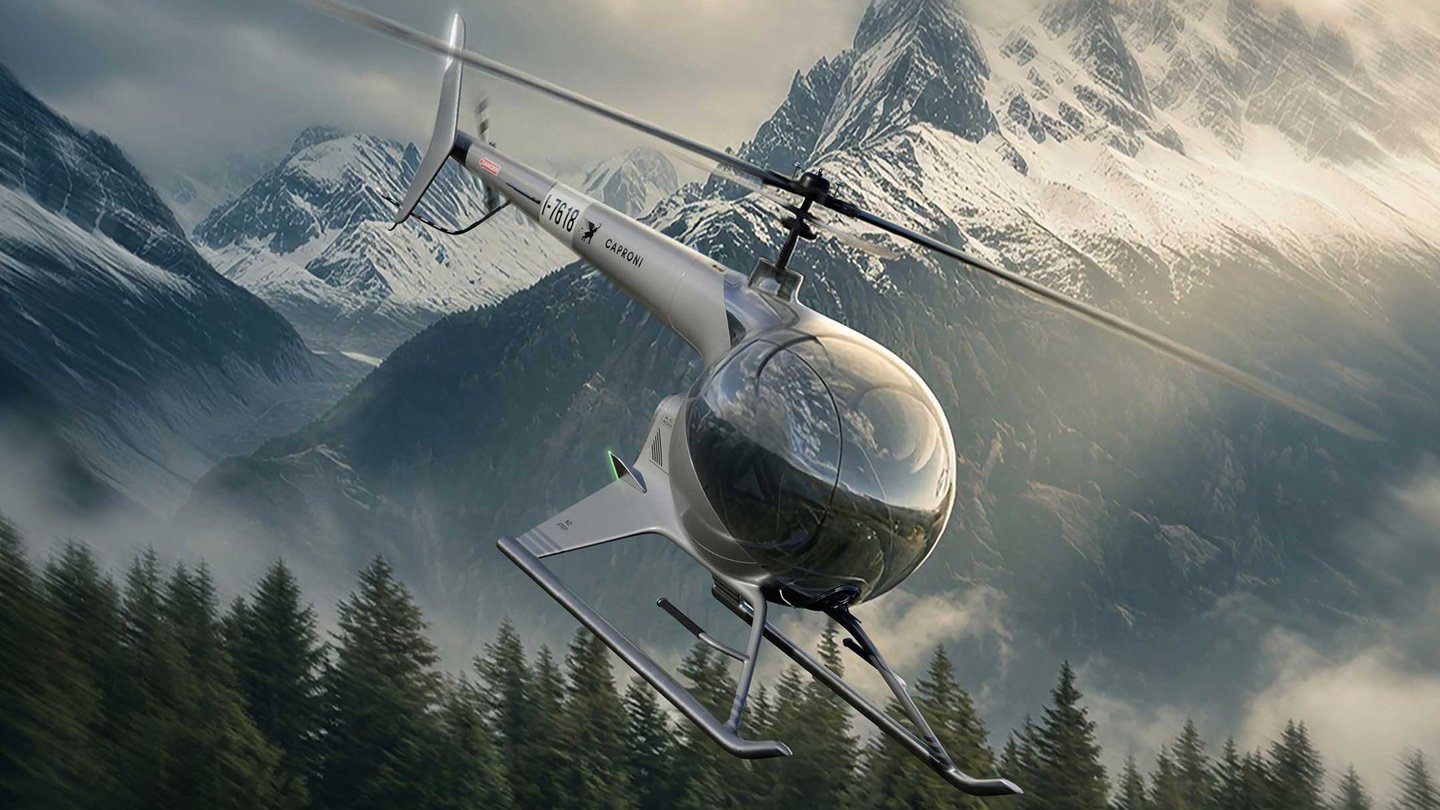
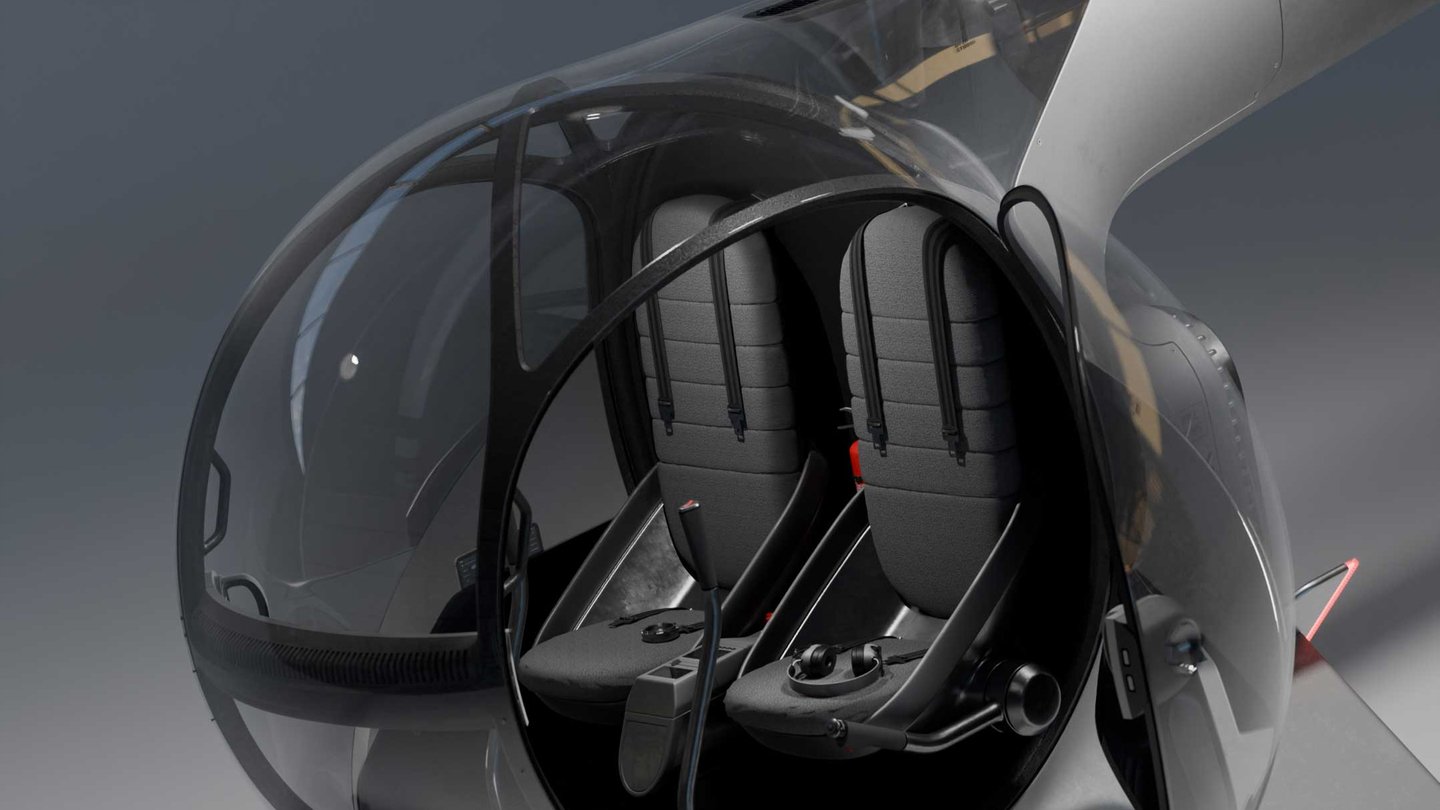
The Aeroplani Caproni Vortice is a futuristic concept helicopter created for the historic Italian aviation brand Aeroplani Caproni by Turin-based CAMAL Studio. Founded by Alessandro Camorali—a veteran designer with history at Pininfarina, Stile Bertone, and Ferrari, and creator of custom automotive builds like the Aznom Palladium and Camal Tributo—the studio completely envisioned the aircraft’s aesthetic architecture. Moving away from traditional aeronautical conventions, the design relies on the geometric intersection of a sphere for the glass cabin and a half-torus forming the tail and rotor fairing. CAMAL Studio shaped a smooth, continuous fuselage featuring a diagonal cutout on the canopy that intentionally exposes the engine mechanics, while designing a minimalist cockpit focused on readability and ergonomics.
AgustaWestland AW139 VIP (Pininfarina)
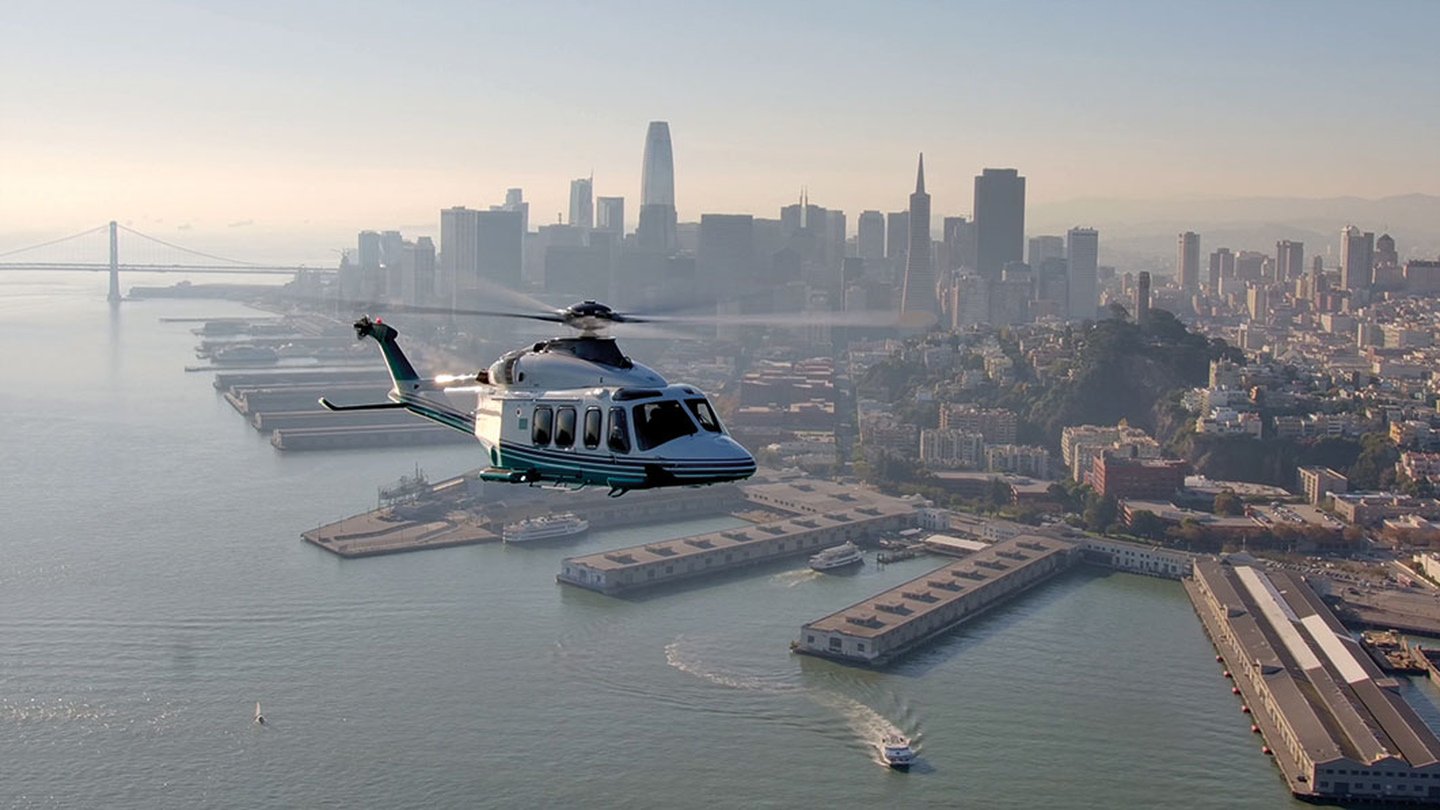
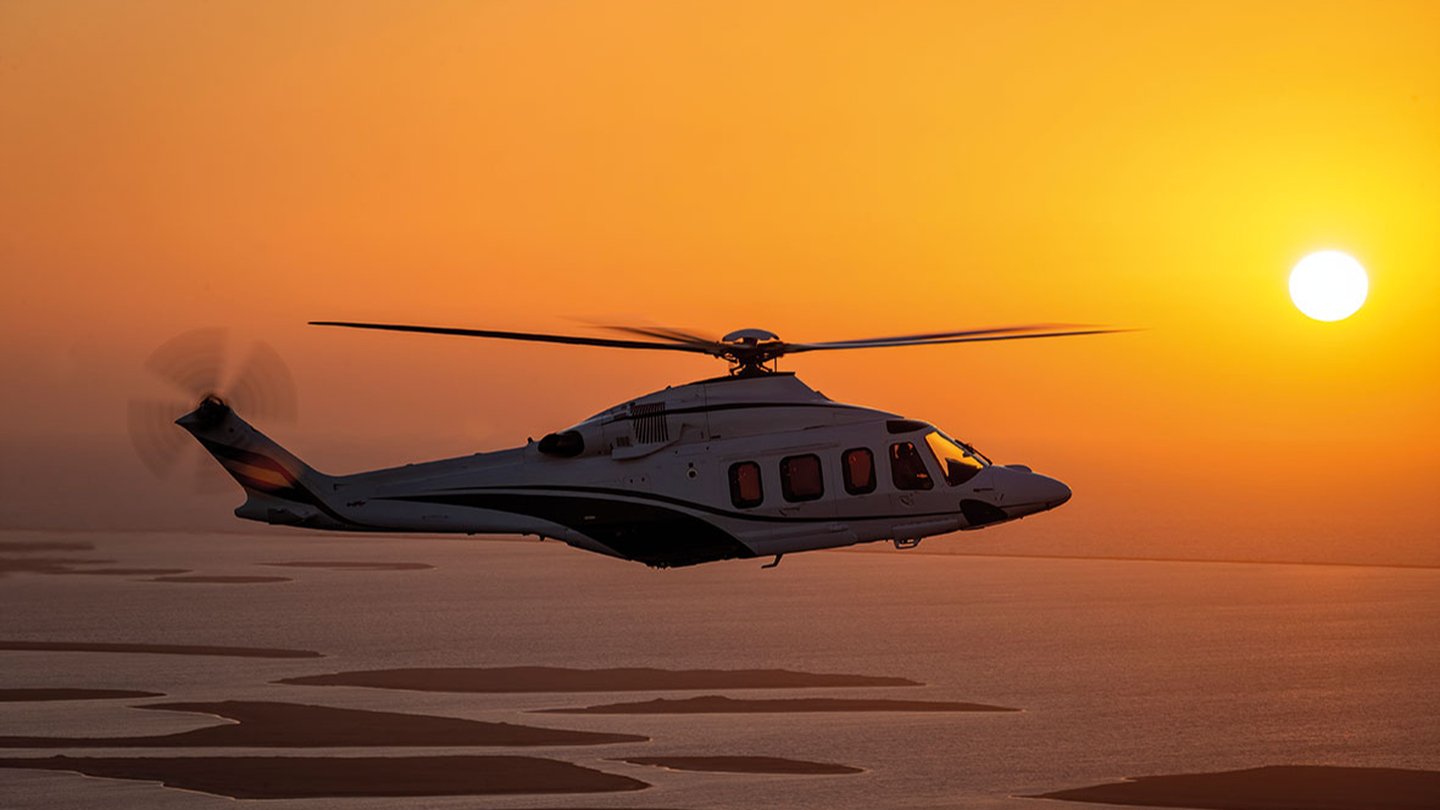
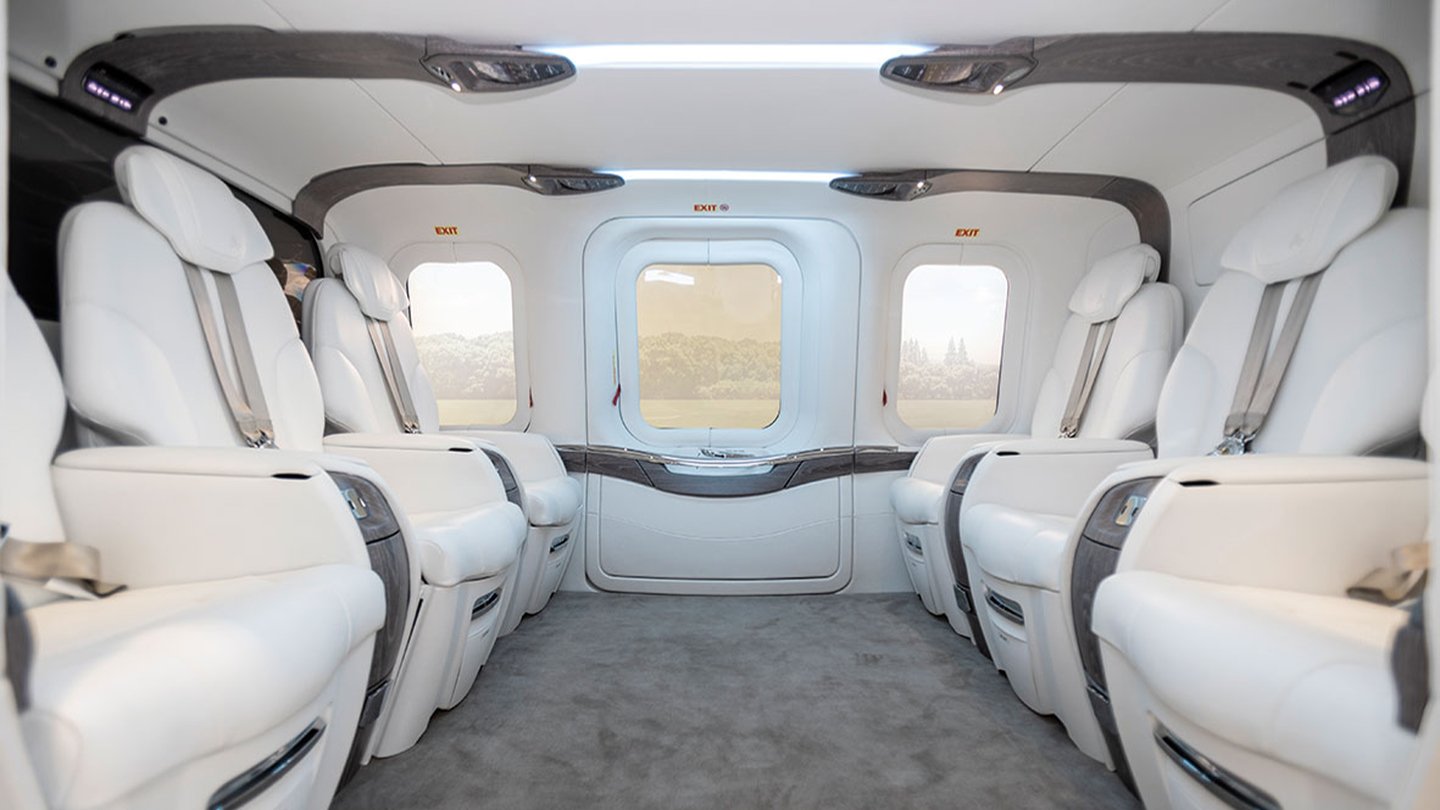
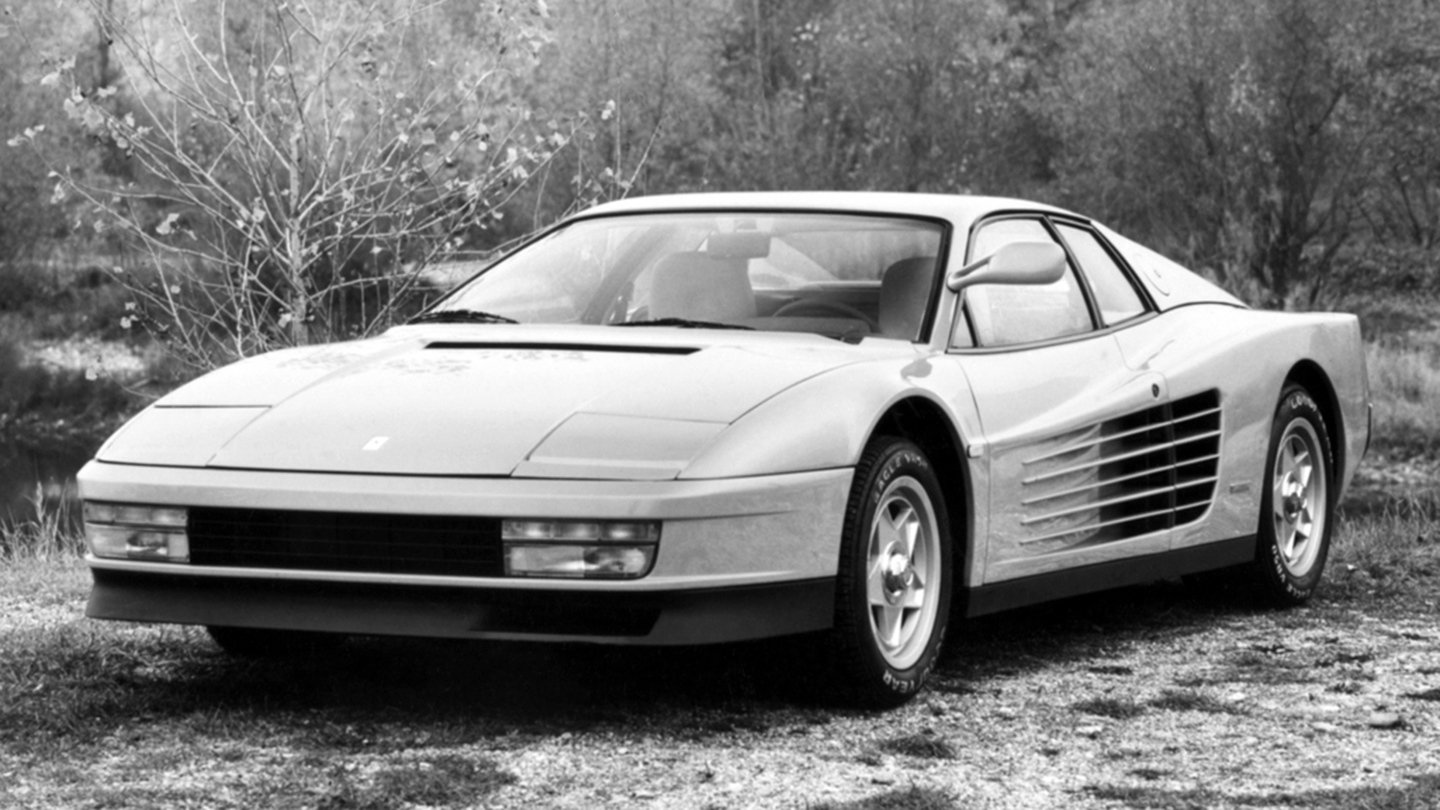
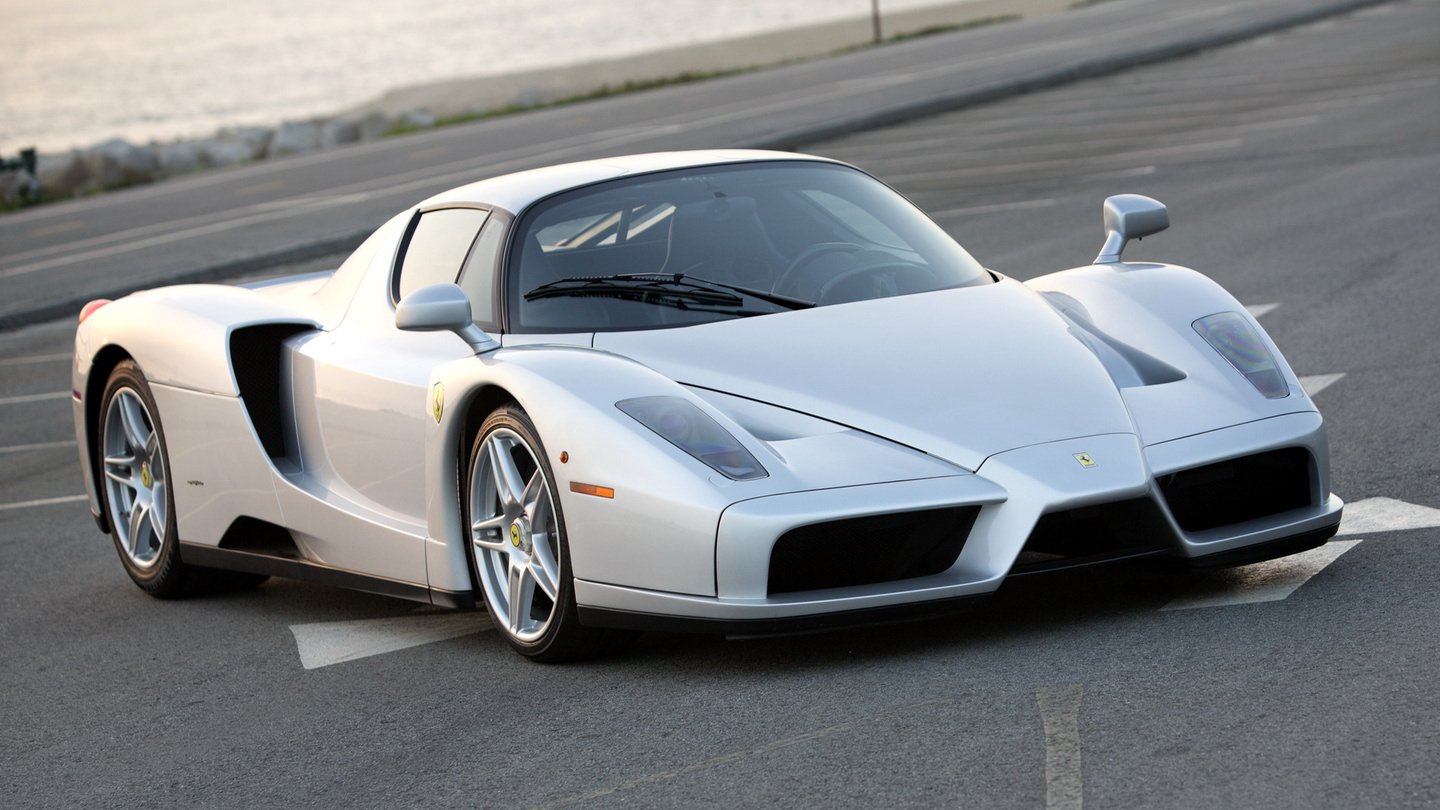
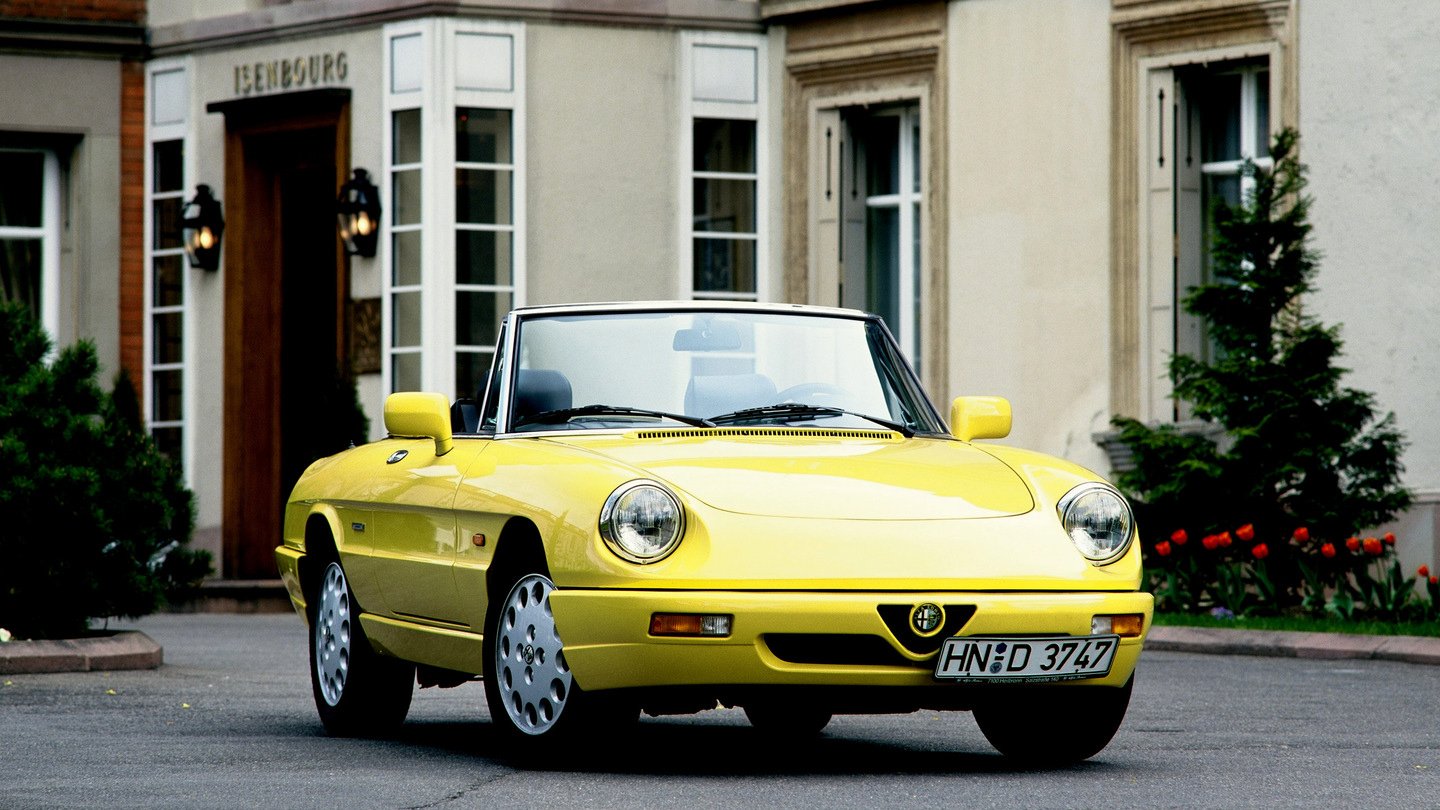
The AgustaWestland AW139 VIP is an executive edition developed by manufacturer AgustaWestland (now Leonardo) in partnership with Italian studio Pininfarina. Renowned for designing legendary cars such as the Ferrari Testarossa, Enzo, and 250 GT, as well as the Alfa Romeo Spider, the Turinese coachbuilder brought its expertise to this twin-engine aircraft. Pininfarina designed a fully custom interior layout focused on acoustic comfort and ergonomics. The cabin features individual seats upholstered in hand-stitched leather, enhanced soundproofing, ambient dimmable lighting, and a plush cabin partition. The studio also created an exterior livery with fluid lines that highlight the dynamic profile of the aircraft.
AgustaWestland Project Zero (Stile Bertone)
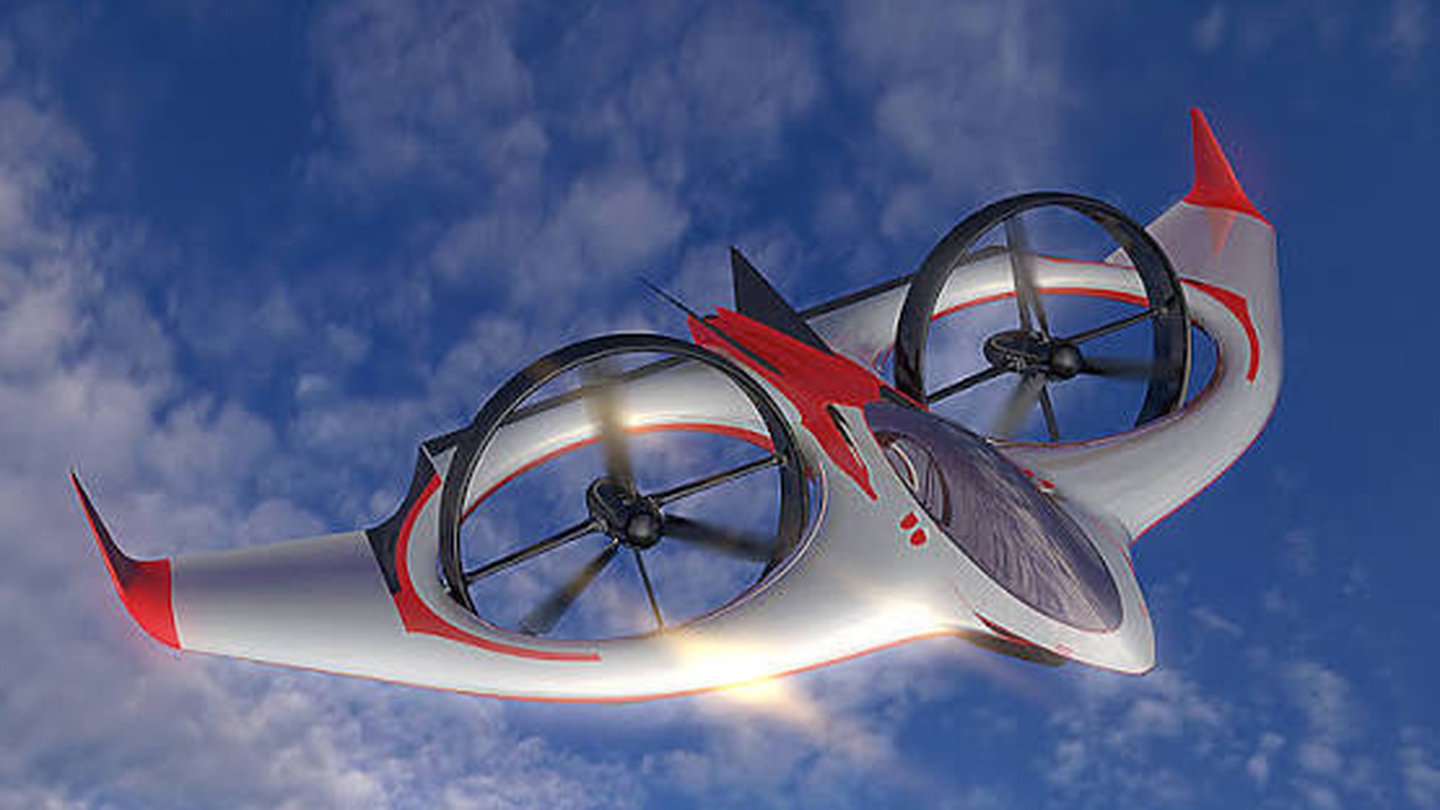
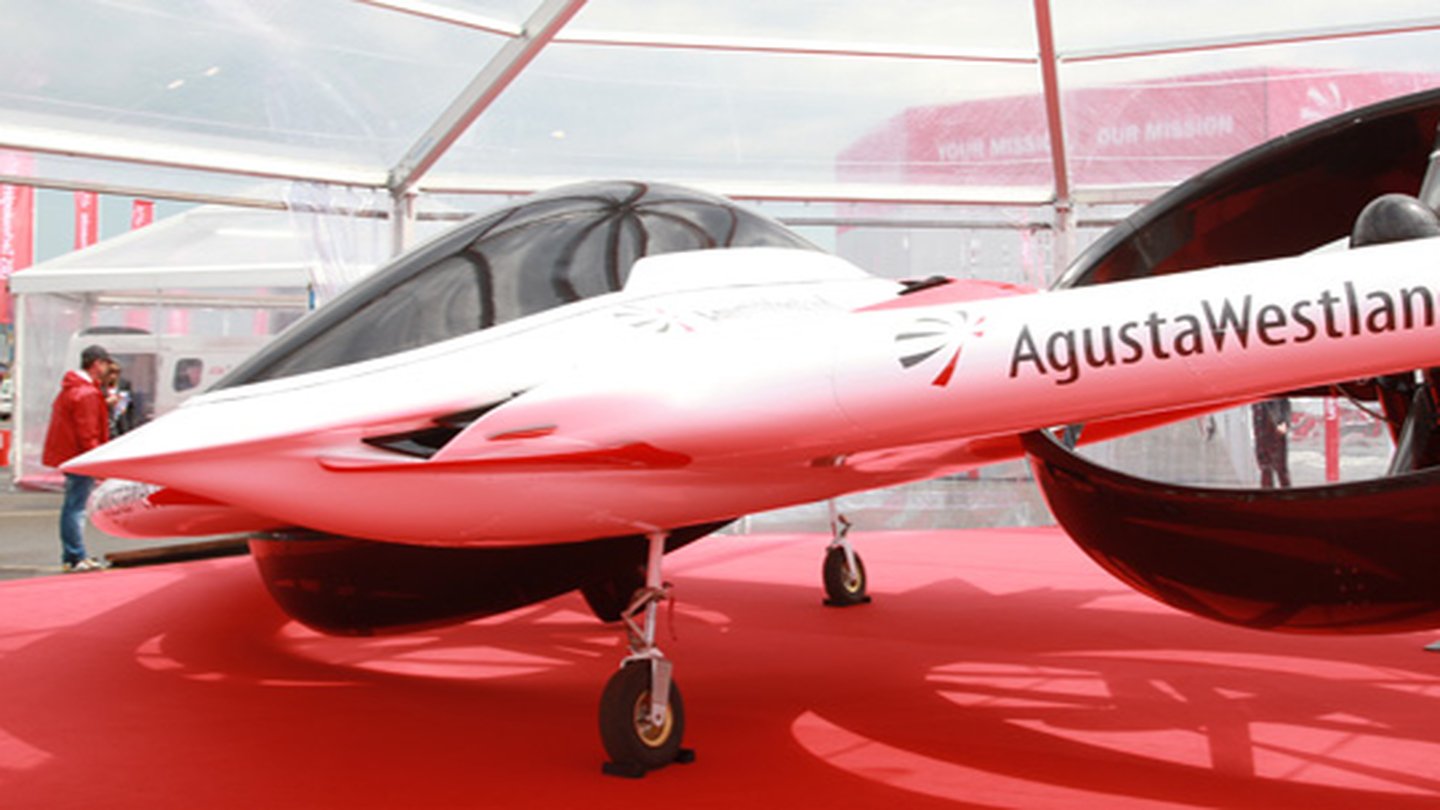


The AgustaWestland Project Zero is an all-electric VTOL tiltrotor technology demonstrator developed by AgustaWestland in partnership with Stile Bertone, under the creative direction of Michael Robinson. Famous for iconic silhouettes in automotive history designed by renowned designers working under its umbrella—such as the Lancia Stratos, Lamborghini Miura, and the Alfa Romeo Pandion concept—Bertone brought a futuristic aesthetic to aeronautics. For this tiltrotor aircraft, the studio designed a monolithic carbon-fiber structure forming a flying wing. Bertone freed the design from conventional constraints by eliminating the tail rotor and embedding the swiveling propellers directly into the wing structure. The aircraft features sharp, fluid lines inherited from the Italian coachbuilder’s iconic wedge style, notably demonstrated by the Lamborghini Countach.
Airbus Helicopters H160 (Peugeot Design Lab)
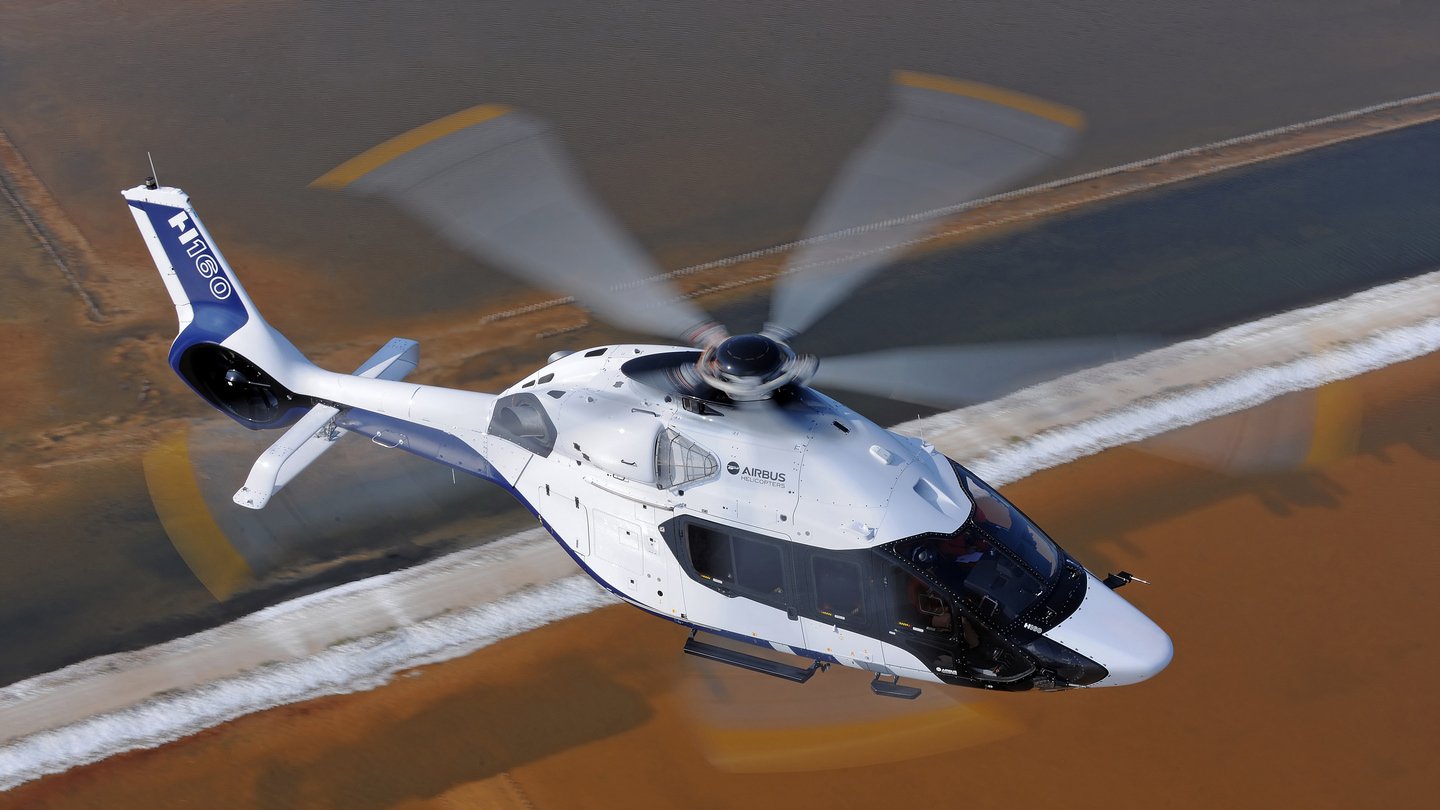
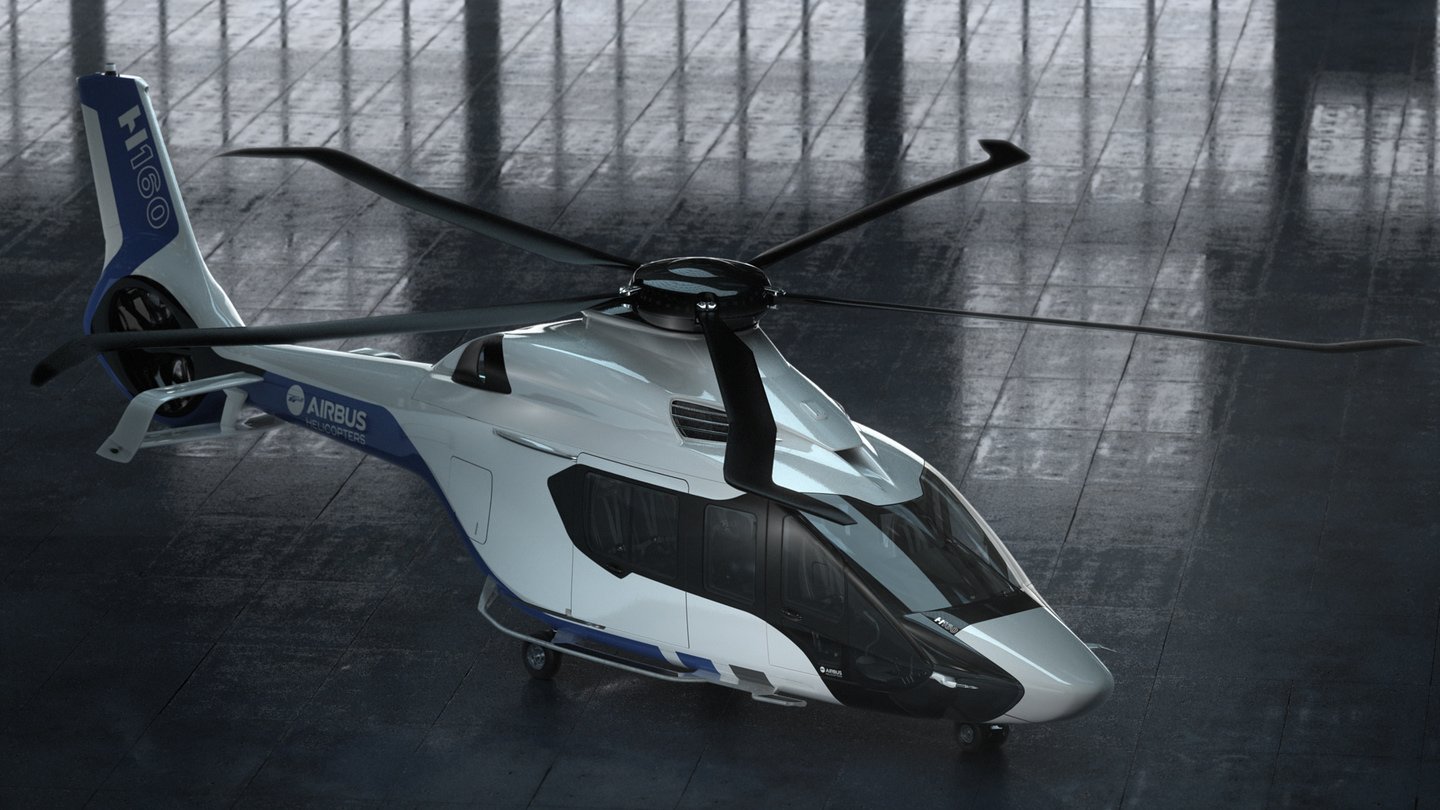
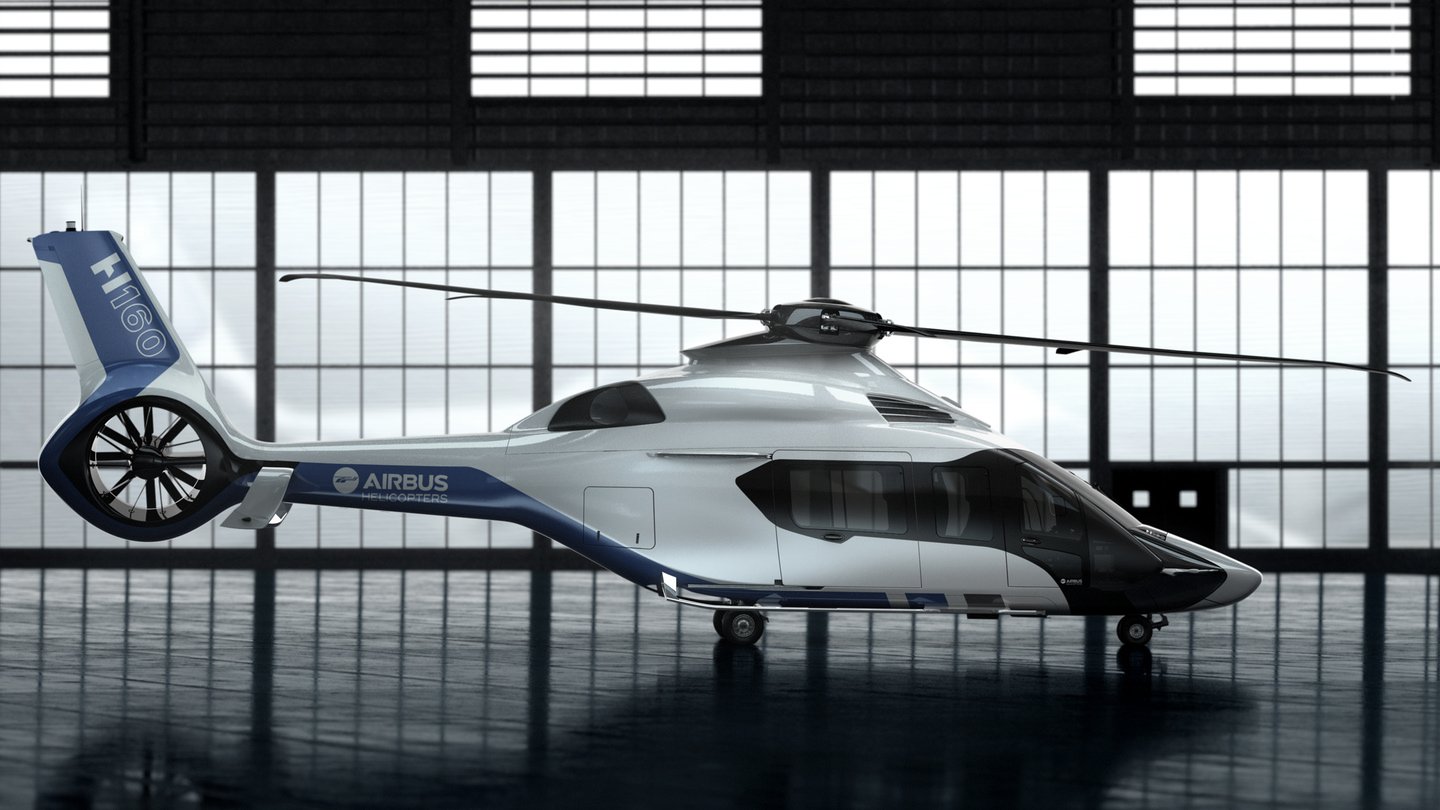
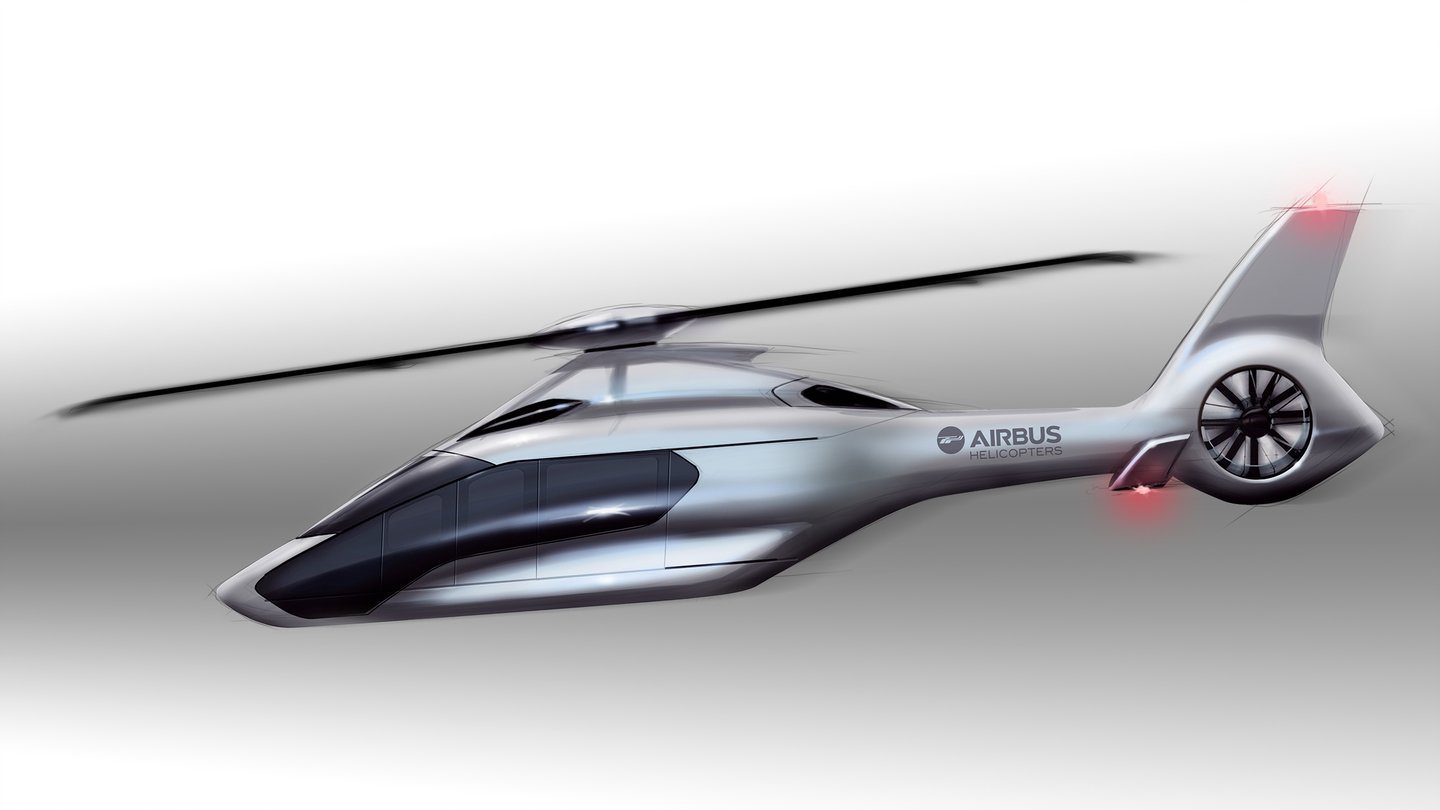
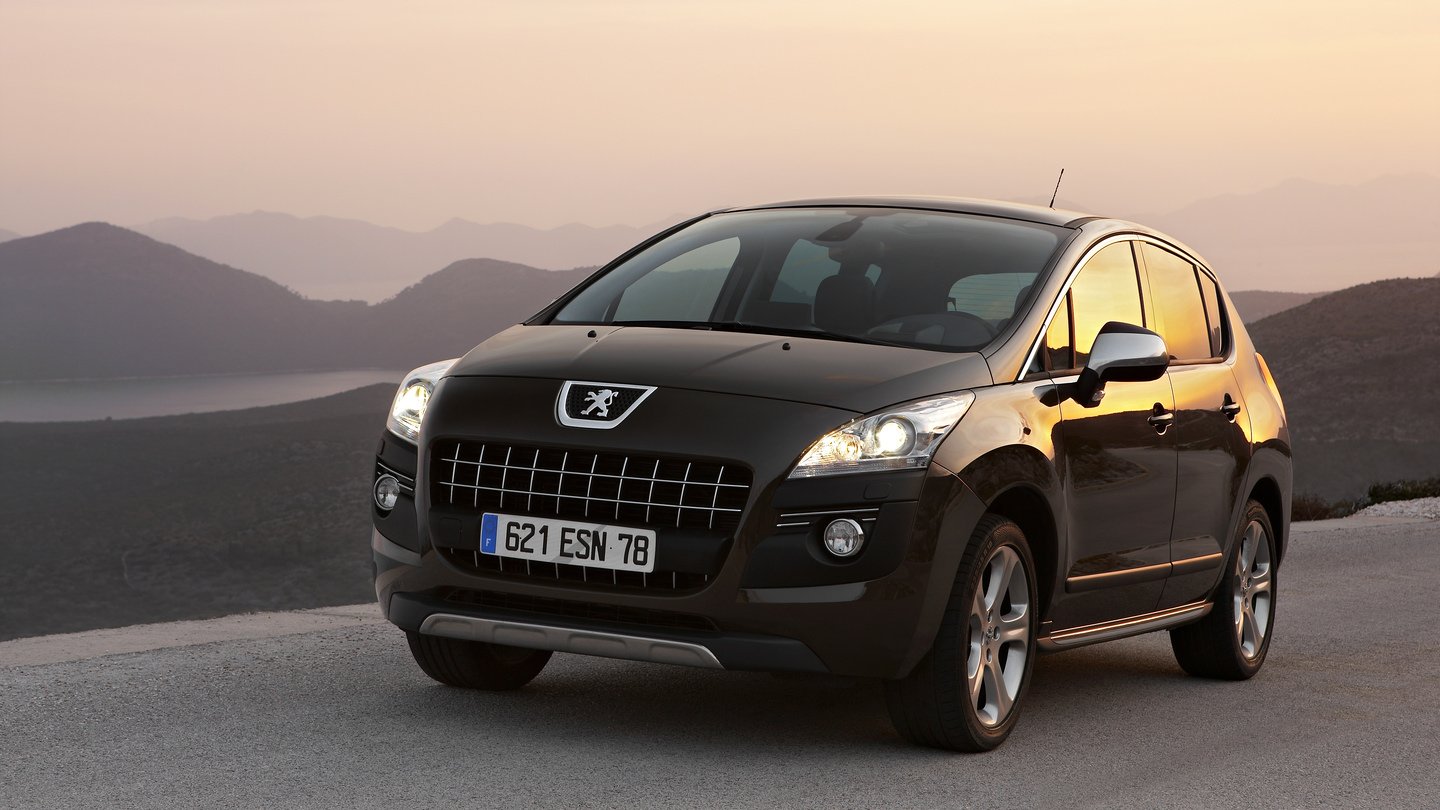
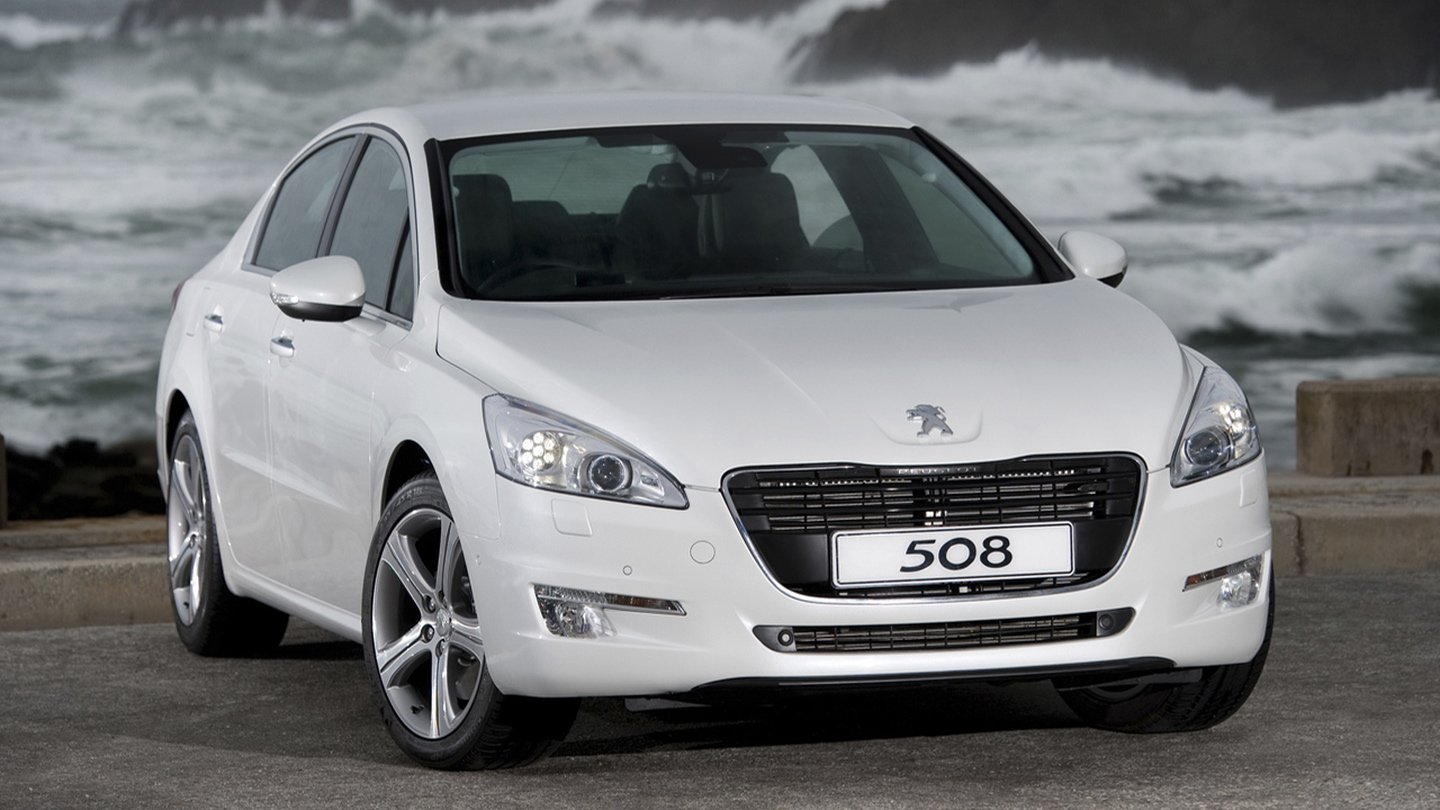
The Airbus Helicopters H160 is a medium twin-engine helicopter developed by Airbus Helicopters in 2015 in collaboration with Peugeot Design Lab. Famous for shaping the identity of automobiles such as the Peugeot 208, 3008, and 508, as well as visionary concepts like the Onyx, the creative studio won an international styling competition to define the look of the aircraft. The automotive designers created all the exterior surface lines of the model. Their work is characterized by fluid contours and a dynamic profile that modernizes the nose inherited from the Dauphin, complemented by a tapered cutout of the side windows. This exterior design houses the aircraft’s advanced technology, including its composite fuselage and biplane stabilizer.
Heli-Sport CH-7 Angel (Marcello Gandini)
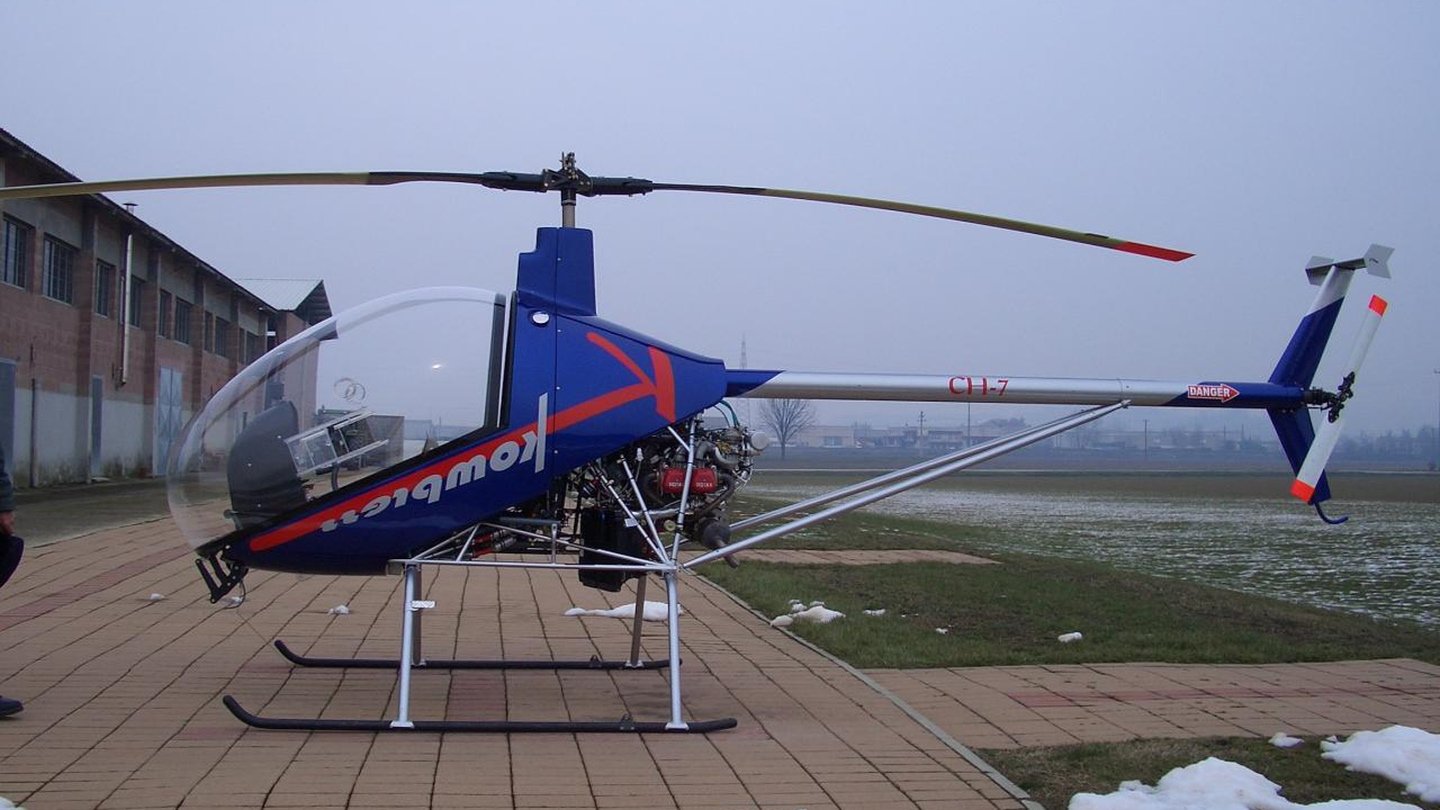
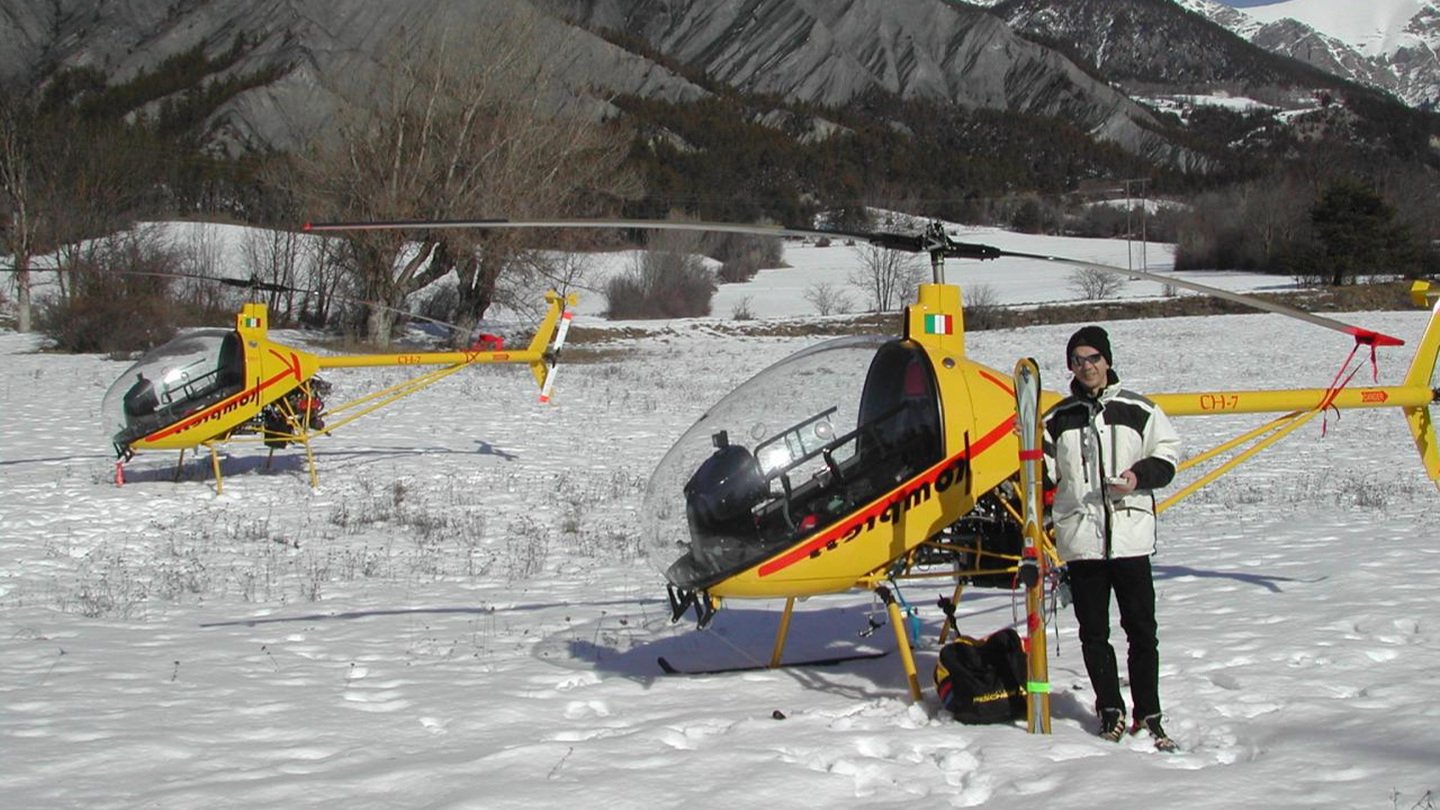
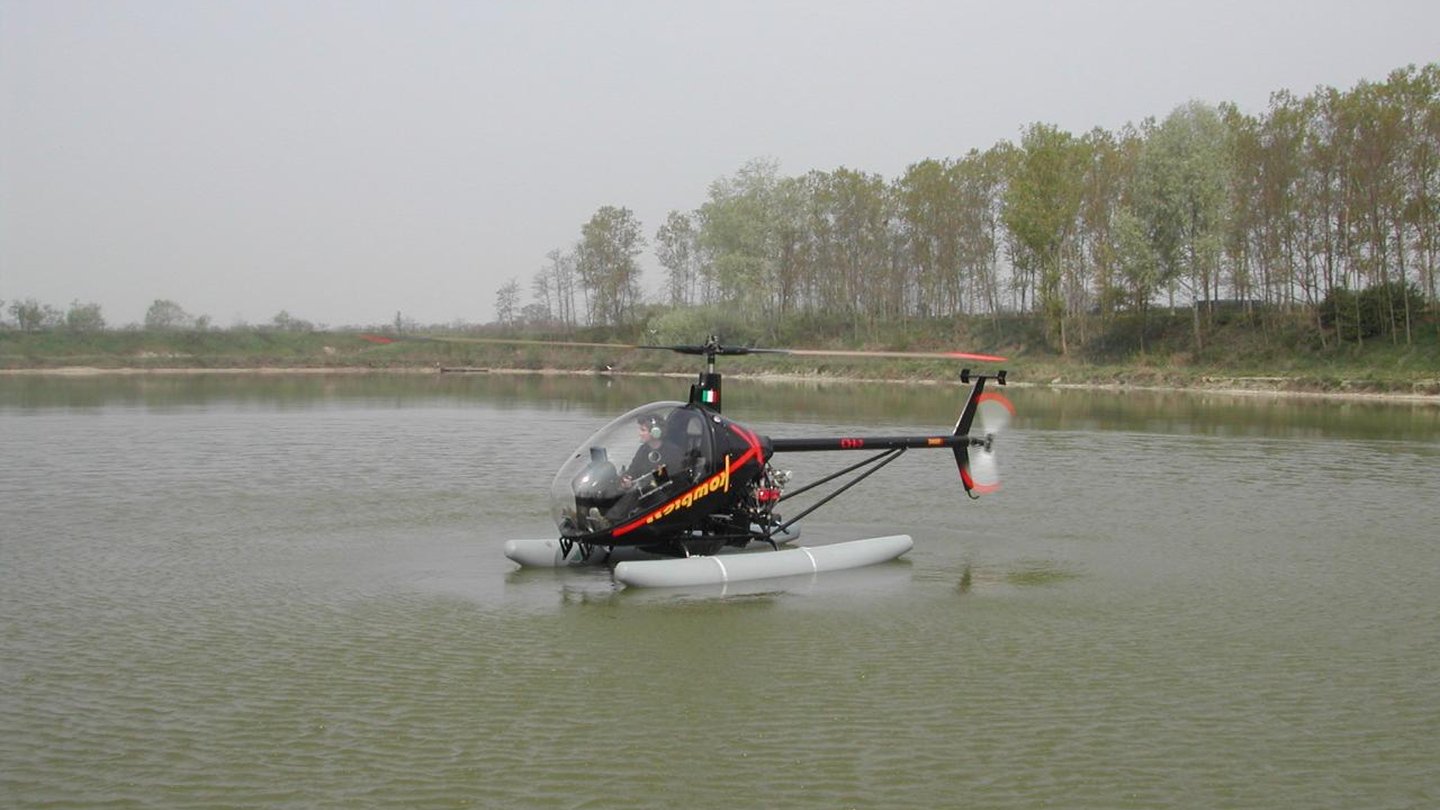
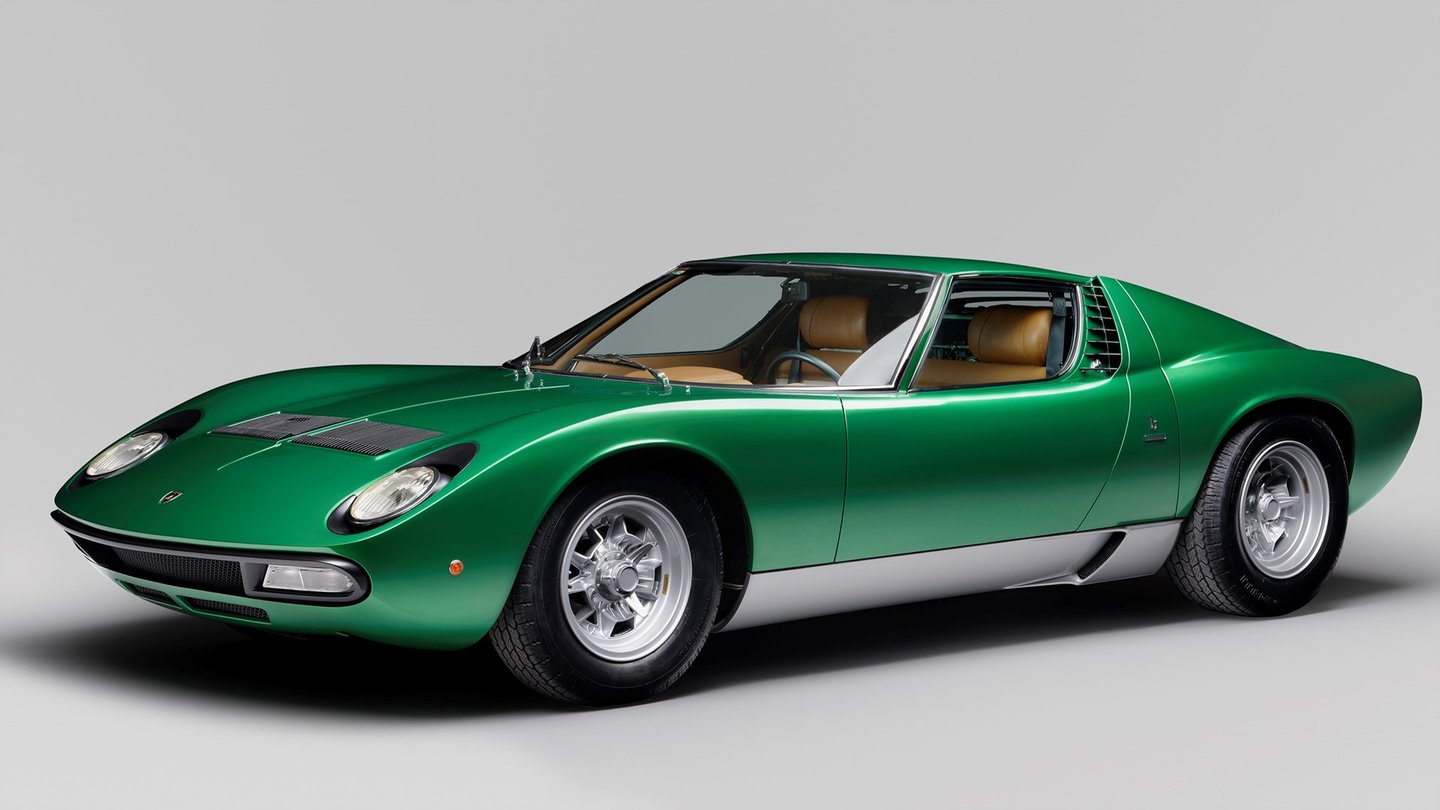
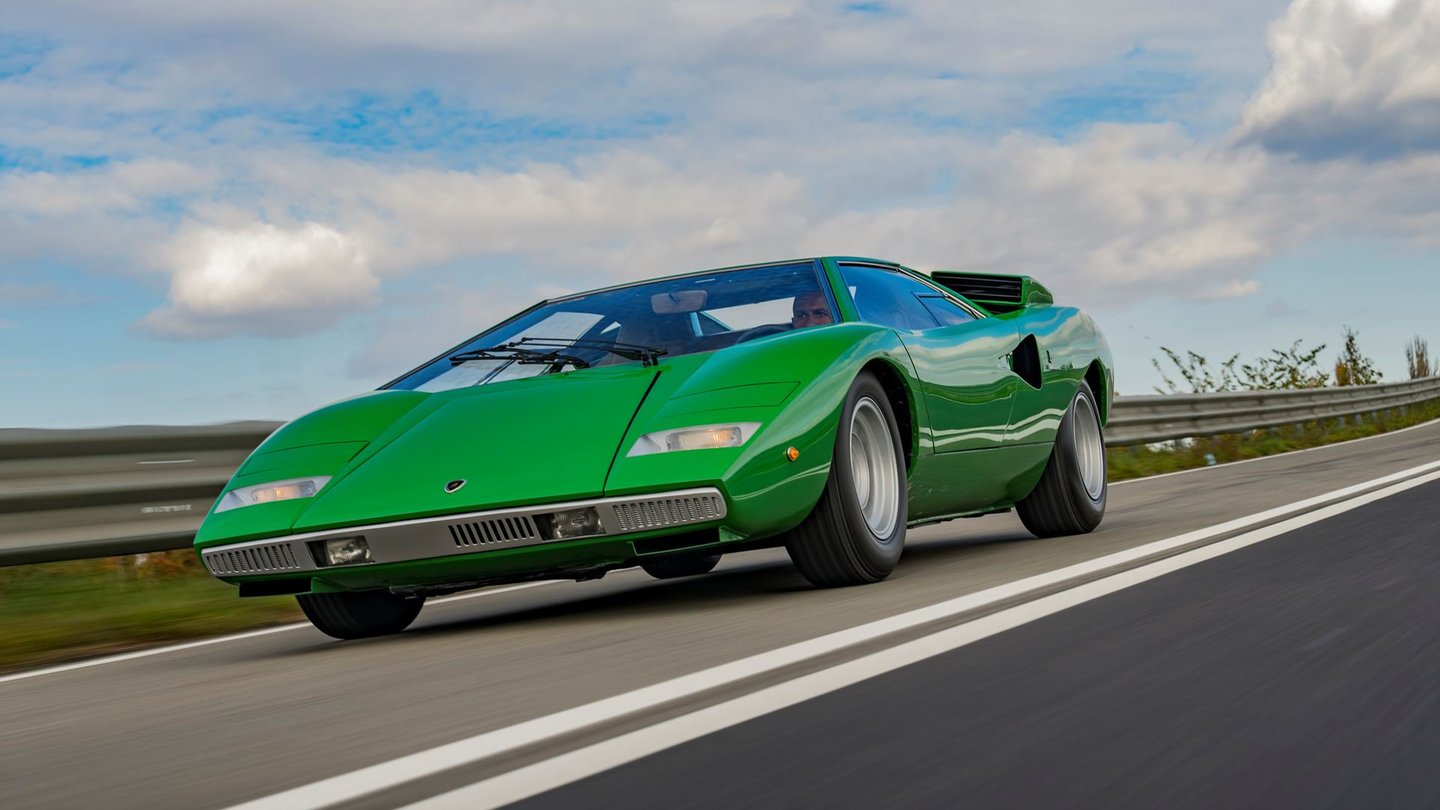
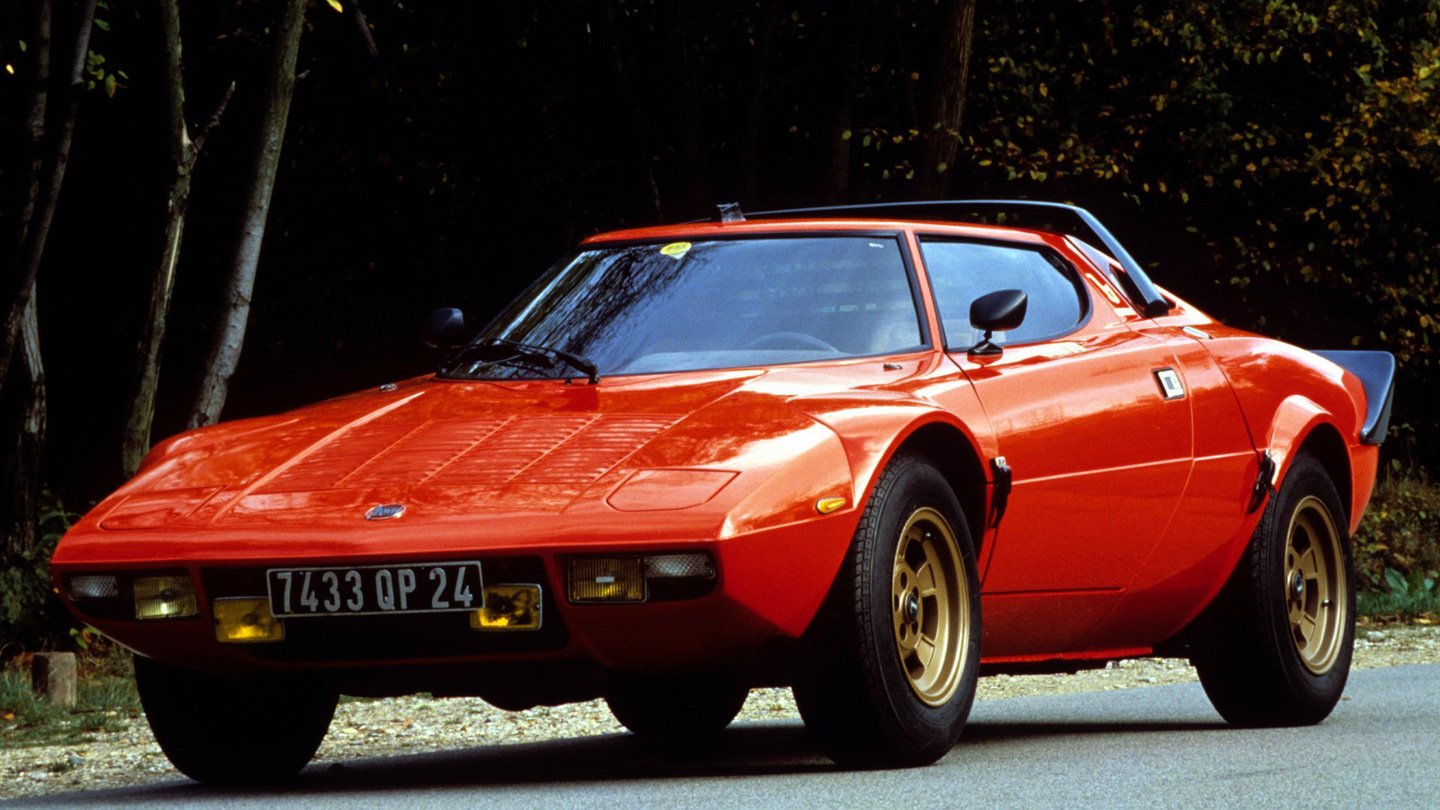
The Heli-Sport CH-7 Angel is an ultralight helicopter produced by Italian manufacturer Heli-Sport. To transform the bare tubular frame of the Argentine Cicaré CH-6 prototype into an attractive commercial aircraft, the company called on car designer Marcello Gandini. Known for styling legendary cars like the Lamborghini Miura and Countach, as well as the Lancia Stratos during his time at Bertone, Gandini designed the bodywork and cabin of the aircraft. The stylist envisioned a closed composite-material cabin with highly aerodynamic lines, characterized by a teardrop bubble shape and an articulated glass canopy. The sleekness of this silhouette inspired the name “Angel,” a poetic nod chosen in direct contrast to the Lamborghini Diablo—whose initial concept had been designed by Gandini at the exact same time before being reworked by Chrysler designers.
Hill HX50 (Henry Moorshead)
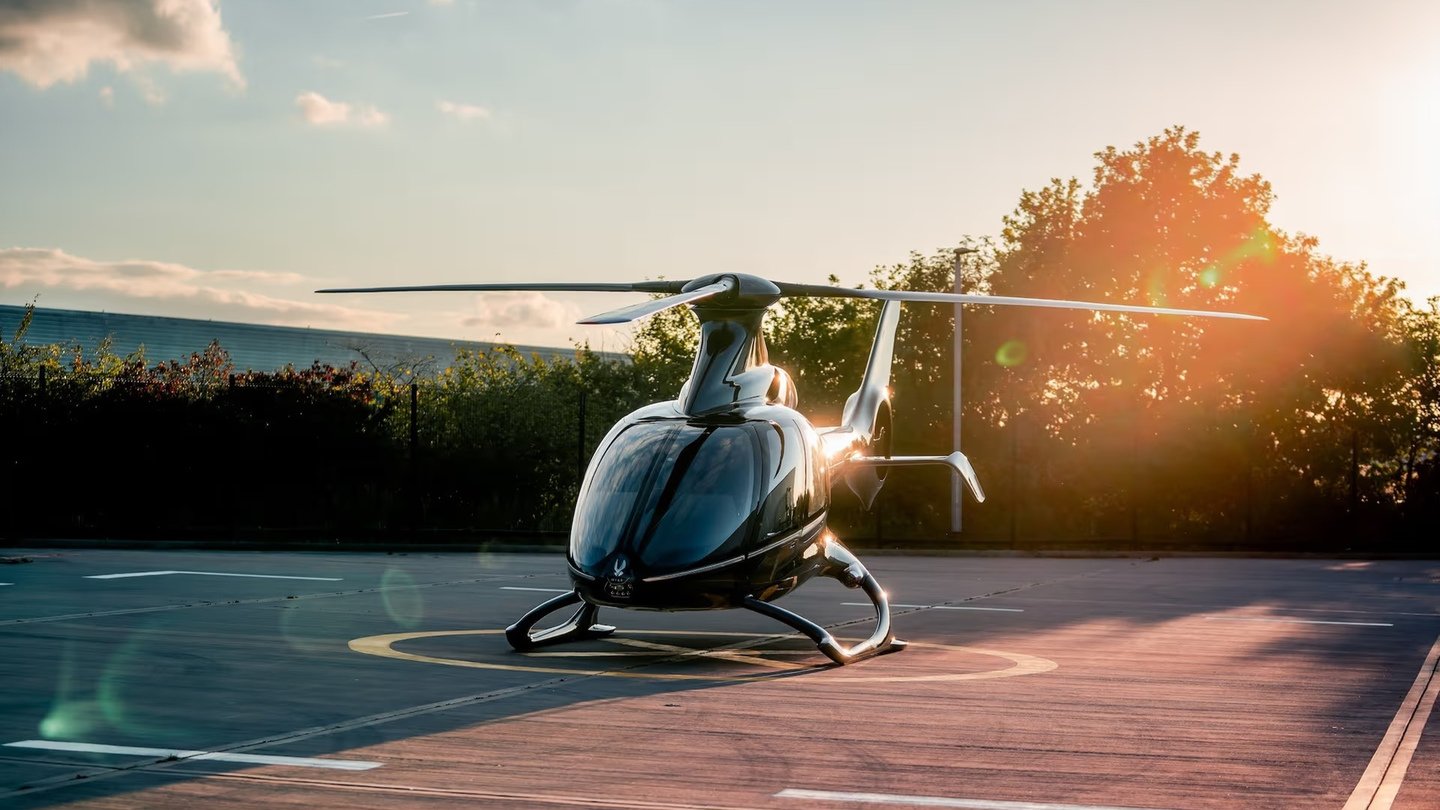
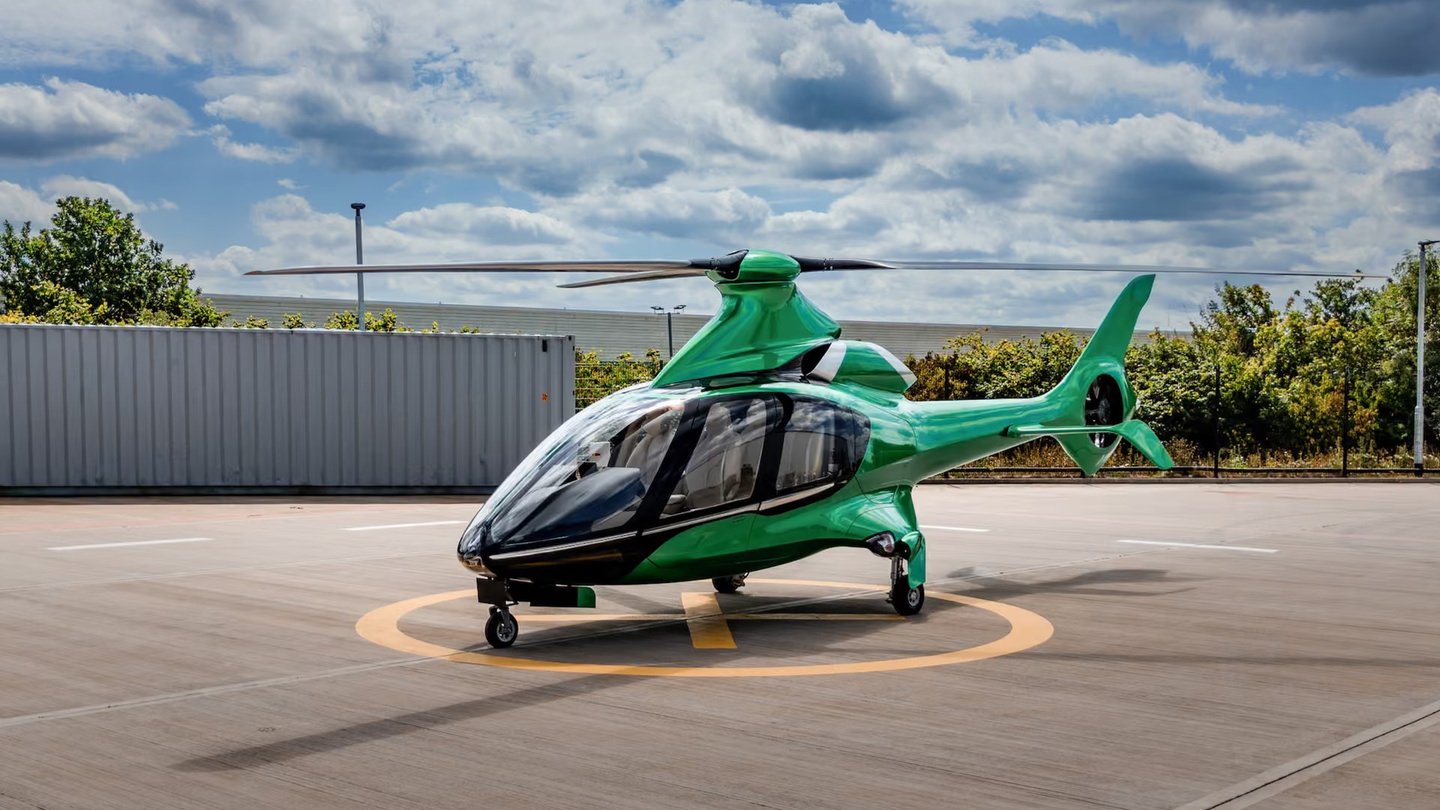
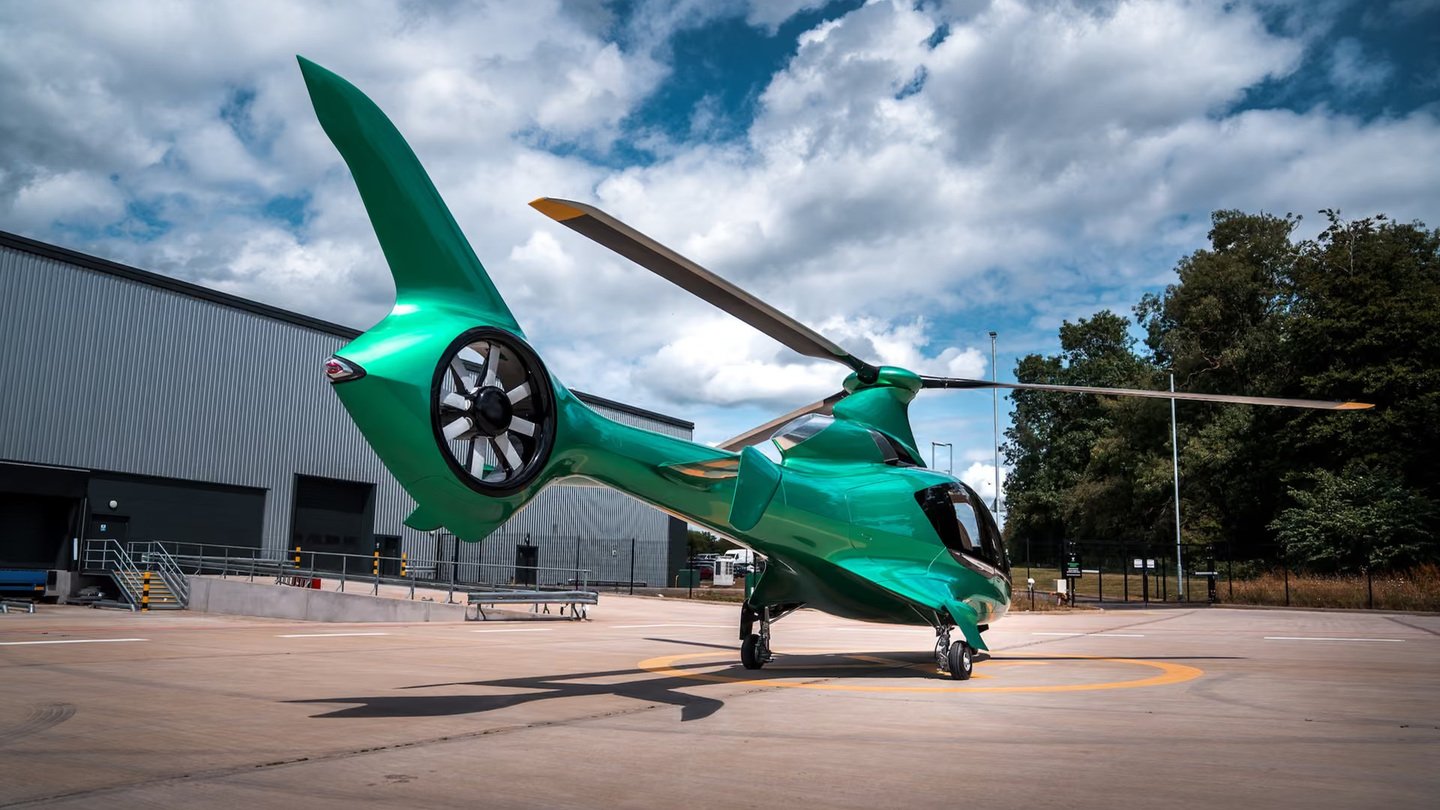


The Hill HX50 is a five-seat light helicopter developed by British manufacturer Hill Helicopters. Designed under the leadership of designer Henry Moorshead and engineer Jason Hill, this aircraft takes direct inspiration from the aesthetics and engineering methods of modern supercars, particularly the BAC Mono. Utilizing surface modeling software from the automotive industry (such as Autodesk Alias), the designers sculpted a monolithic carbon-fiber aerodynamic fuselage. Inside, the team created a luxurious cabin featuring handcrafted leather seats tailored like those of grand tourer coupes, panoramic visibility, and a clean cockpit with large touchscreens, bringing the ergonomics and comfort of luxury automobiles to a private rotorcraft.
Kawasaki MBB “Tombo”
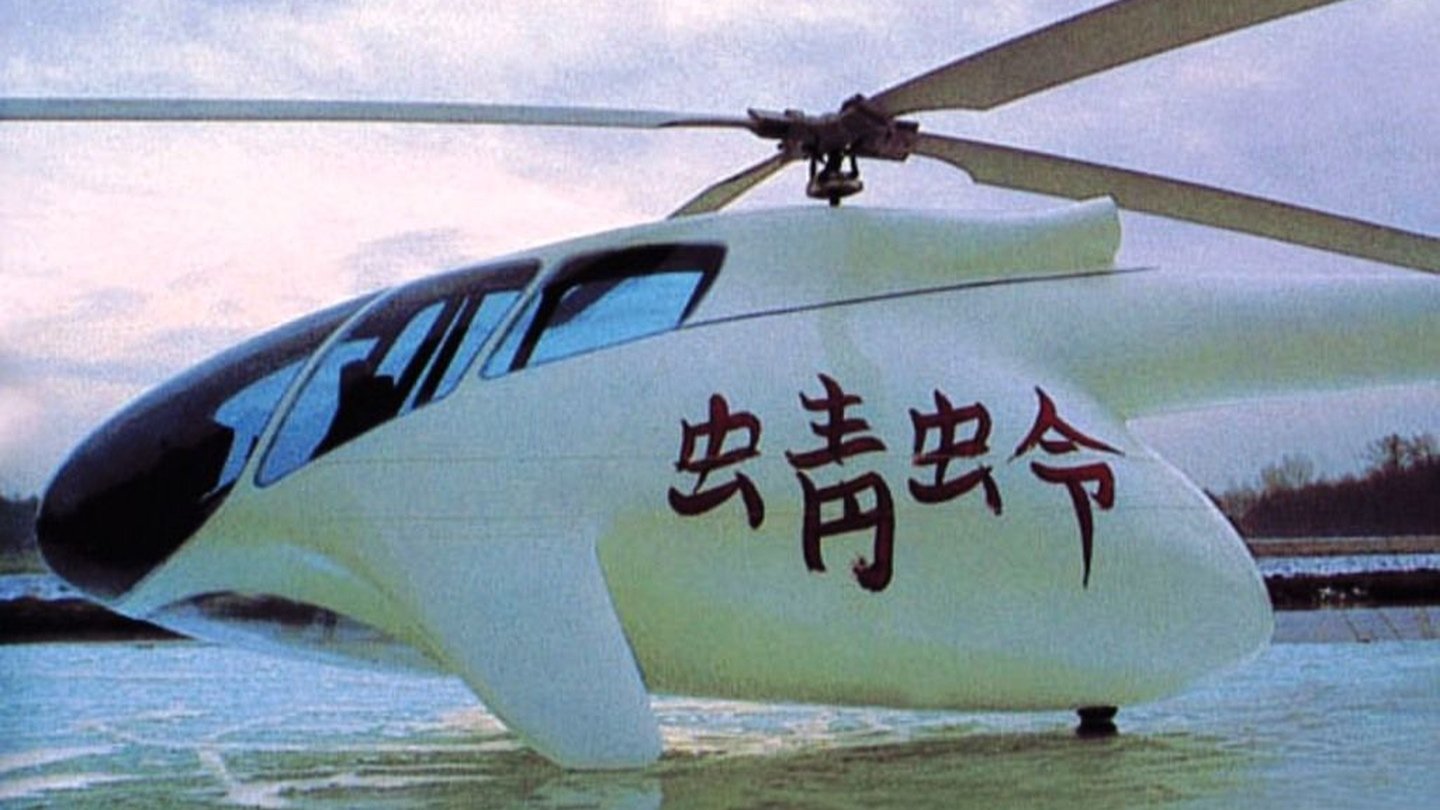
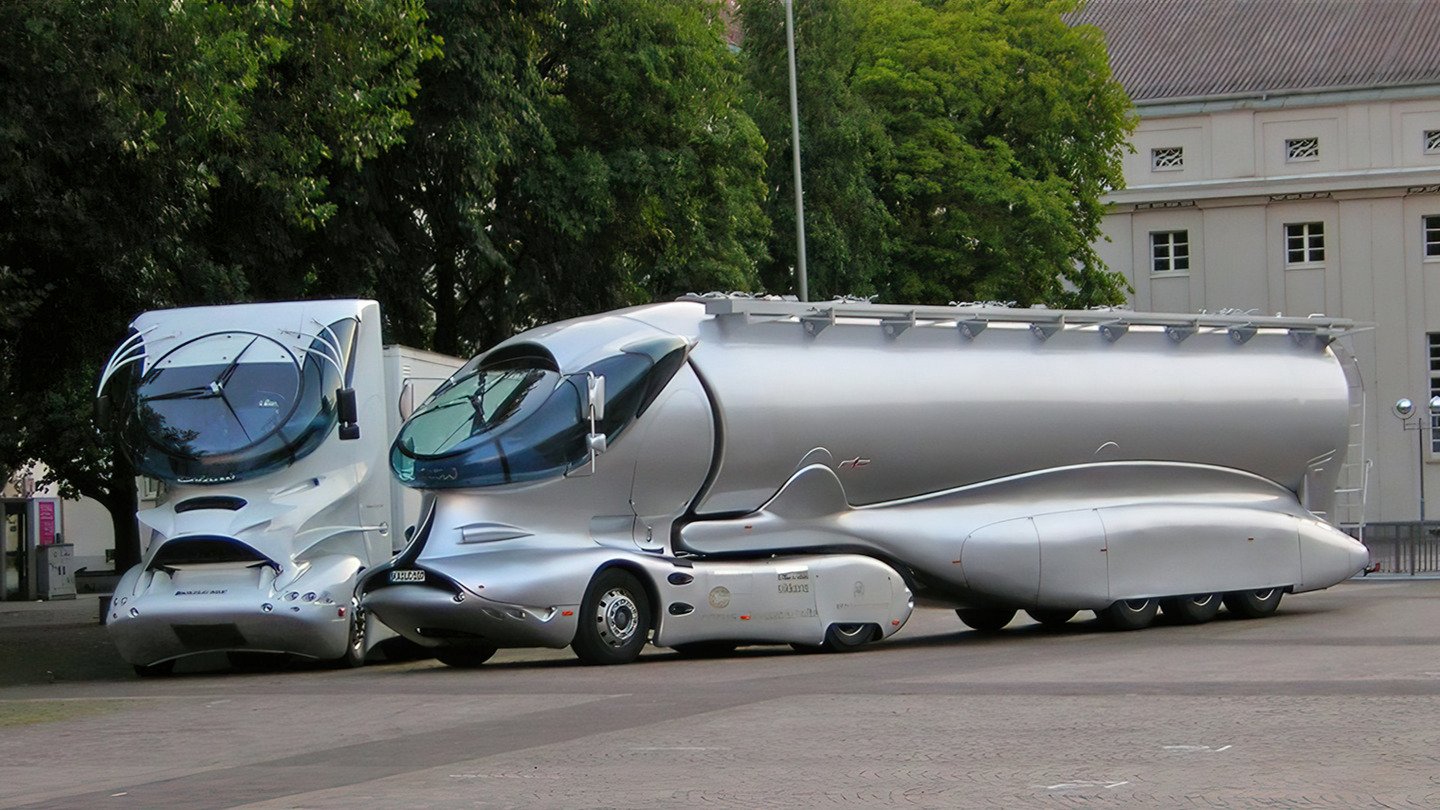
The Kawasaki MBB “Tombo” brings together aerodynamic studies conducted by German-Swiss designer Luigi Colani on light helicopters. Famous for his “biodesign” approach applied to vanguard automotive prototypes for Alfa Romeo, BMW, Ferrari, and Fiat, Colani transposed his organic shapes to aeronautics. As early as 1978, he presented the “Tombo” concept (Japanese for dragonfly) built on a Kawasaki and Messerschmitt-Bölkow-Blohm (MBB) base, designing an ultra-streamlined fuselage free of visual breaks. In 1984, this research led to the creation of an exclusive livery and surfacing titled “Space Design by Luigi Colani,” applied directly to the twin-engine airframe of an MBB Bo 105 to optimize the aircraft’s visual continuity and airflow penetration.
