


The Canadian government has tied its upcoming submarine contract to automotive investment.
Germany and South Korea are in the running to get the submarine deal, which puts pressure on Volkswagen and Hyundai.
The German automaker doesn’t want to couple its decisions to other business deals, but doesn’t rule out investment in Canada.
The Canadian government is currently in the process of acquiring a fleet of new submarines for its military, but it wants to tie auto manufacturing into the deal.
Indeed, the Canadian auto industry has been hit hard over the last year by the difficult trade situation with the United States, and this has been envisioned as a solution.
Industry Minister Mélanie Joly said last month, “Fundamentally, what we want is a car plant. […] We think we can attract more investments in the auto sector through leveraging defence investments”.
The two companies that have been shortlisted to build and maintain the next Canadian submarines are Hanwha Ocean Co. from South Korea and Thyssen Krupp Marine Systems from Germany.
This means that pressure is being put on the Hyundai Motor Group and the Volkswagen Group, the two largest auto manufacturers from each respective country, to open a new assembly plant on Canadian soil.
 Volkswagen logo| Photo: Lucas Scarfone
While Hyundai has remained non-committal on the issue, the Volkswagen Group has now come out against this idea, saying it doesn’t want to couple its activities to other business deals.
The company’s CEO, Oliver Blume, further said that they “[…] look at what makes sense for us, for Volkswagen.”
The German automaker already owns a new $7 billion battery plant in St. Thomas, Ontario, through its PowerCo subsidiary, which should start production in 2027.
PowerCo also signed a $69 million deal with Quebec-based PMET Resources for a 100,000-tonne annual supply of lithium-rich spodumene concentrate, but this doesn’t count toward Germany being awarded the $60 billion submarine deal since the government is specifically looking for additional auto assembly jobs, especially from non-American companies.
Due to its precarious financial state and declining sales worldwide, it doesn’t make much sense for Volkswagen to open a new manufacturing plant in Canada, especially since export of Canadian-made vehicles to the United States is not guaranteed over the coming months and years due to the Trump Administration.
Nevertheless, the automaker doesn’t rule out additional investment in Canada, perhaps in collaboration with other European automakers, which could create economies of scale and therefore make the prospect of Canadian assembly more financially viable.
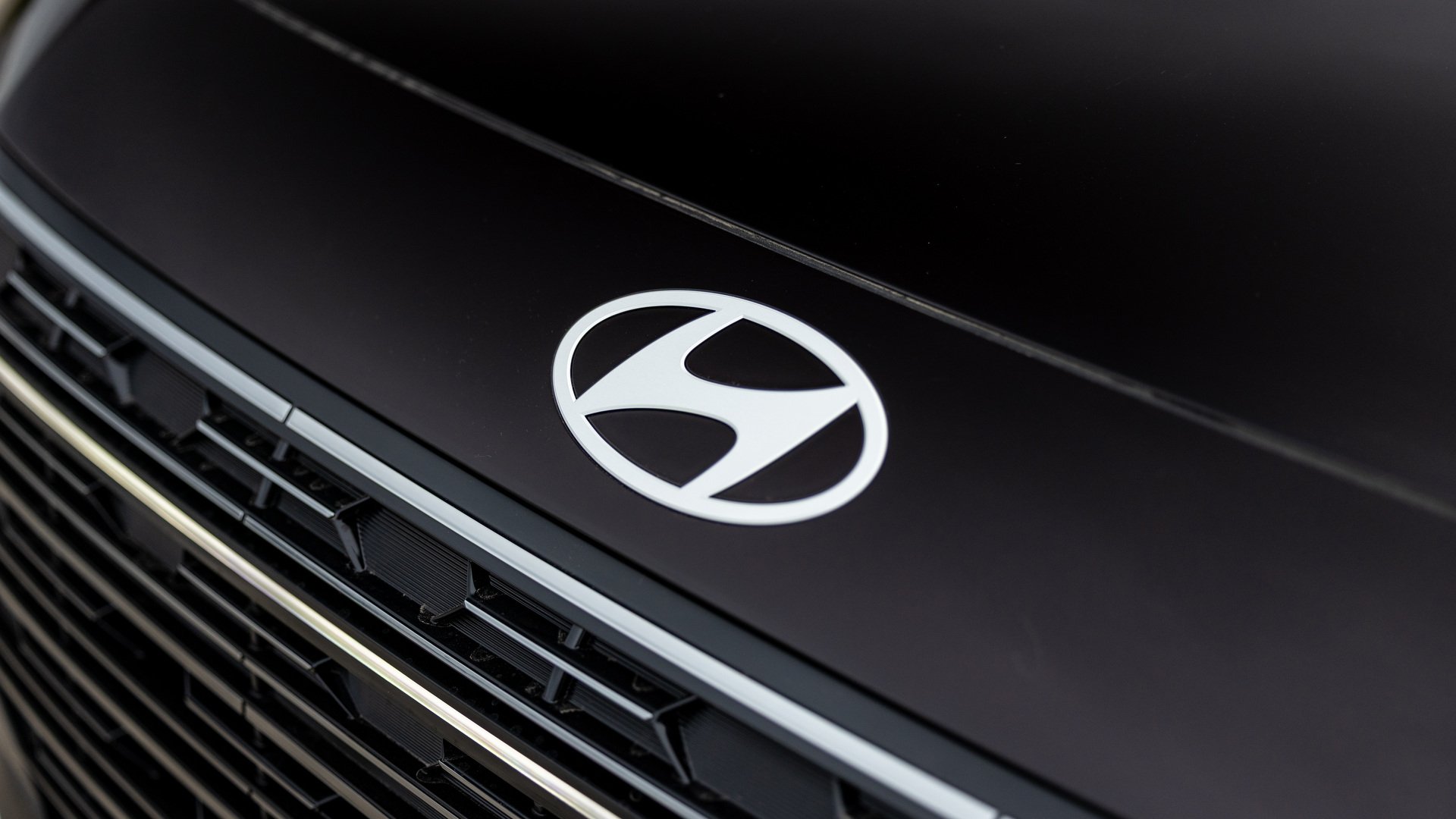 2026 Hyundai Palisade Ultimate Calligraphy Hybrid AWD | Photo: Olivier Delorme
This development in the dealings around the pending submarine deal is not surprising, as South Korea and Hanwha Ocean Co seem better placed to meet the government’s demand, but this still depends on Hyundai’s decision to regain or not a manufacturing presence in the country, more than thirty years after it closed down its short-lived assembly plant in Bromont, Quebec.
For what it’s worth, Hyundai Motor Group is currently the best-selling automaker in Canada that doesn’t have a local assembly plant, with 249,027 sales in 2025 spread out across the Hyundai, Kia and Genesis brands, representing an increase of 10.5% over 2024.
By comparison, the Volkswagen Group delivered 122,794 vehicles in the same market last year across all of its locally-available brands (Volkswagen, Audi, Porsche, Lamborghini, and Bentley), an increase of 7.4% over 2024.
While this has been a record-breaking sales year for Volkswagen, its volume is still only about half that of the Korean automakers, which would make it significantly more difficult to sustain a new assembly plant.
Source: Automotive News Canada
