


European automakers have been hit particularly hard by American tariffs and falling Chinese sales.
These companies have therefore laid off employees, cancelled current and future models, and closed factories.
More than 111,000 jobs have been or will be cut globally.
The last year and a half has been quite tough on automakers, particularly those from Europe, who have had to make significant cuts to their work force in the face of dropping sales and difficult market conditions.
Indeed, as a result of strong Chinese competition in Europe and China, as well as American tariffs on imported vehicles and a slow down of EV sales in North America, European automakers have been left with excess production capacity and worsening prospects for profits.
Since it is somewhat difficult to follow all of the job cut and model discontinuation announcements, here is an overview of what European automakers that sell in North America have cut since the start of 2025.
BMW
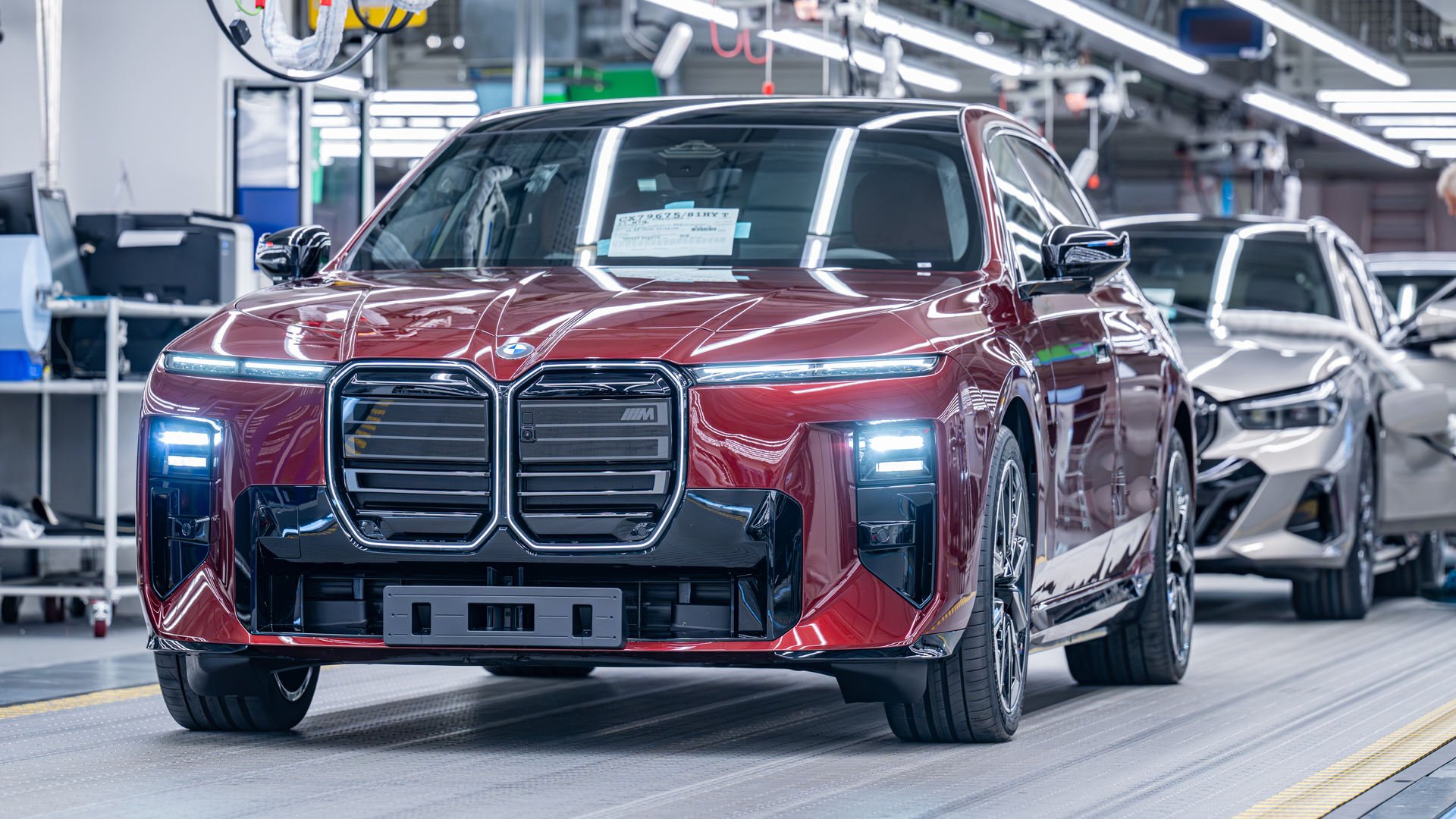 BMW Dingolfing factory | Photo: BMW
Despite being in the midst of launching the promising Neue Klasse family of electric and gasoline-powered models, BMW is having to cut about 8,000 jobs across its global work force by the end of 2027. The company says most of these cuts will take place at its German corporate offices, with factory floor jobs seemingly safe for the time being. These cuts follow a 2.3% reduction in the global workforce between 2024 and 2025. As with its rivals, disappointing sales in China due to increased local competition and U.S. tariffs on imported cars are having a large impact on BMW’s business, forcing this restructuration in order to remain profitable.
Mercedes-Benz
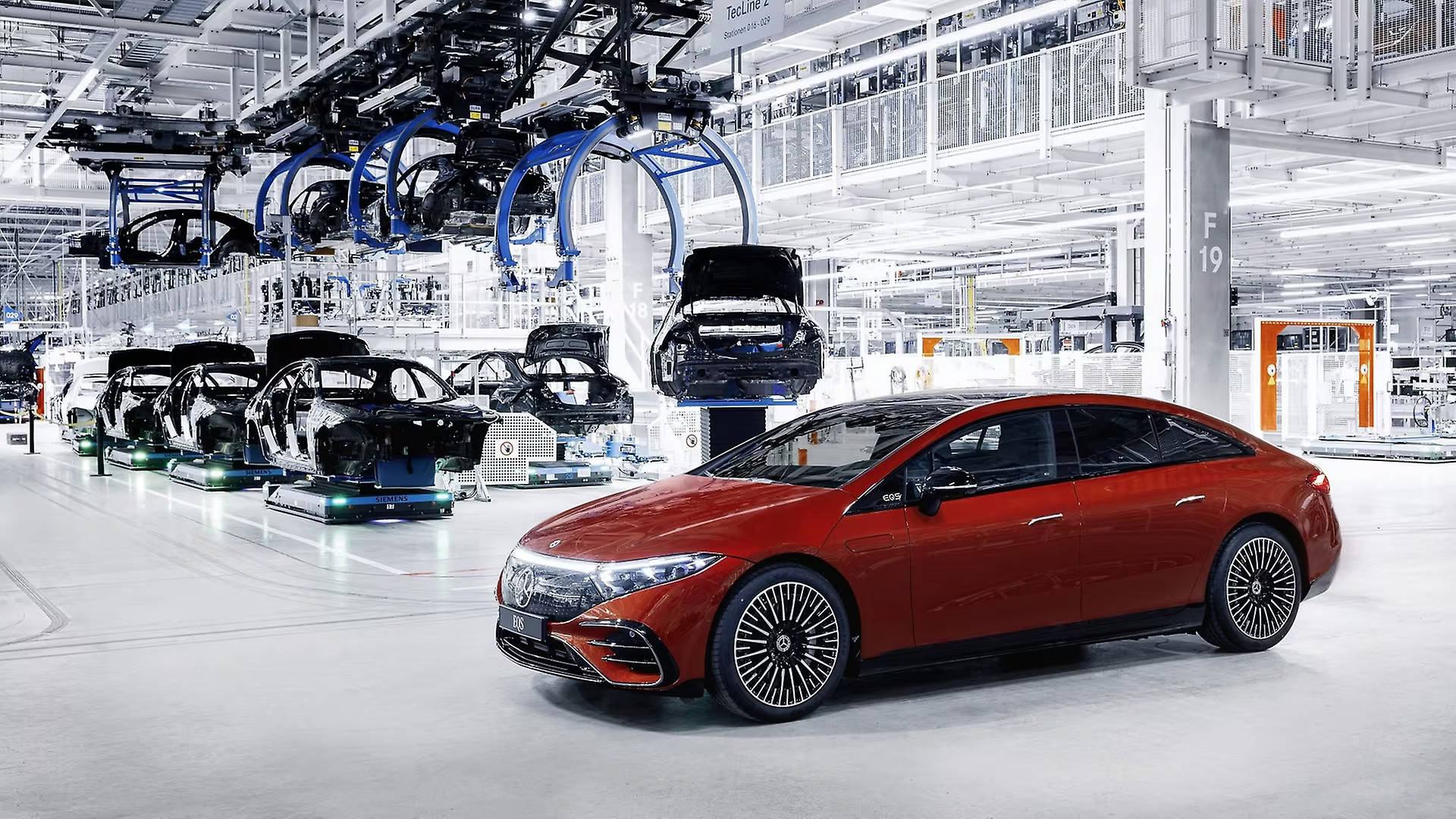 Mercedes-Benz Sindelfingen factory | Photo: Mercedes-Benz
Mercedes-Benz faces many of the same issues as BMW does, but the automaker is not looking at job cuts for the time being. Indeed, Mercedes-Benz hasn’t made significant cuts to its workforce over the last year and a half, and it hasn’t announced cuts for the coming years. Nevertheless, the company is currently in the process of negotiating new contracts with its employees and finding ways to increase profitability, which means cuts are still possible. A few ways in which Mercedes-Benz expects to reduce its costs without having to make significant layoffs are an increasing use of artificial intelligence and a reduction in R&D spending. The company also expects a boost in sales and revenue from a large number of new and updated products that should reach the market in 2027 and 2028, such as the new CLA, GLA, GLB, GLC and VLE, as well as the refreshed GLE, GLS, and S-Class.
Stellantis
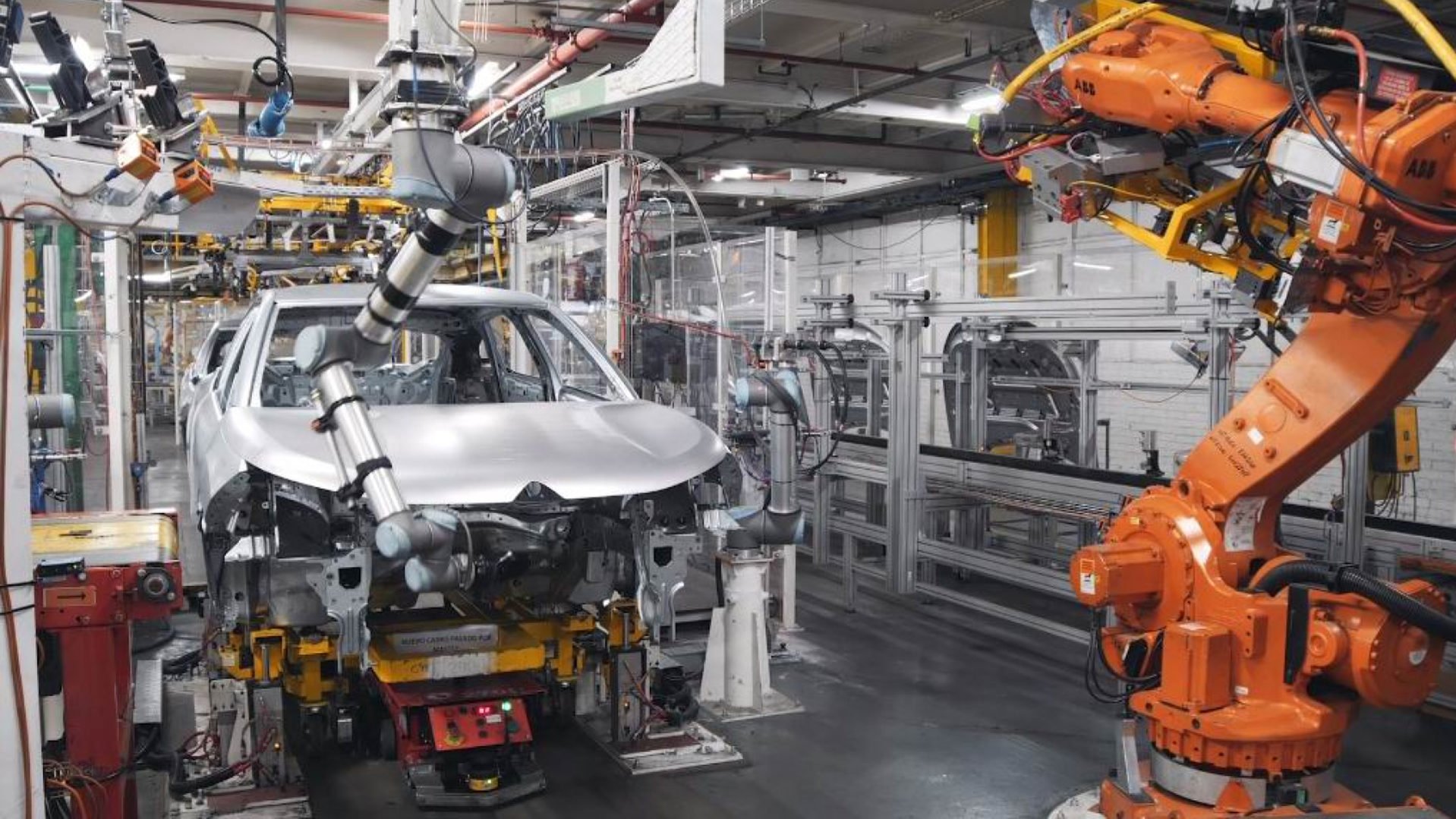 Stellantis Madrid Villaverde factory | Photo: Stellantis
The European arm of Stellantis has had to make some job cuts recently due to falling sales and massive excess production capacity. Indeed, the Franco-Italian company has announced it will terminate 650 engineering jobs at its Germany R&D center, along with numerous more manufacturing job cuts. For example, the company’s Poissy plant, in France, will shift from vehicle production to parts manufacturing in 2028, dropping about 400 jobs in the process. The former Vauxhall van assembly plant in Luton, United Kingdom, was closed at the start of 2025, shedding around 1,100 workers. The Italian side of the business hasn’t been spared either, with Stellantis reducing the number of Italian employees by about 17,000 since the company was formed by the merger of the French PSA Group and the Italo-American FCA Group in 2021. It should be noted that most of these cuts in Italy were made via voluntary lay off packages. At the moment, the company is also looking to sell or share with other automakers, including Chinese partners, four of its European assembly plants in order to reduce its production capacity. This is important, since the company currently uses only about 46% of its factory’s maximum capacity, meaning it could manufacture about 1 million vehicles more than it expects to sell.
Volkswagen Group
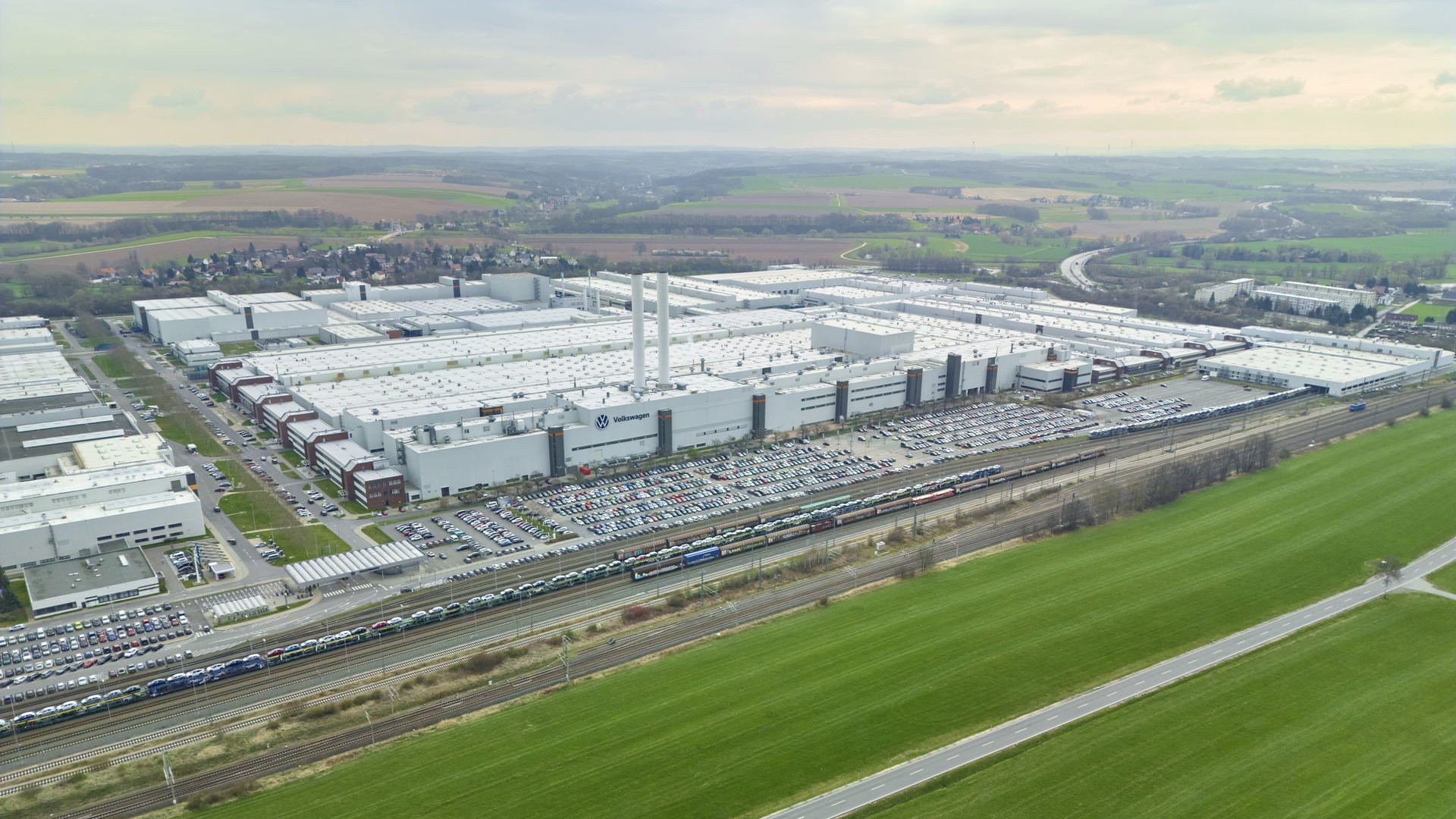 Volkswagen Zwickau factory | Photo: Volkswagen
The most job cuts are coming from the Volkswagen Group, by far. Indeed, the German automaker, which runs the Volkswagen, Skoda, Seat, Audi, Porsche, Lamborghini, Bentley, and Bugatti brands, has announced it will layoff up to 100,000 workers globally, with half of these in Germany. This is the largest staff reduction the automaker has ever undertook, and includes the first time it closed a plant in Germany in its 88-year history. The Group’s Audi brand could also make cuts of its own, with the Neckarsulm factory being one of the four VW plants that could close in the coming years. This factory currently assembles the Audi A5, A6, A8, and e-Tron GT and employs just over 15,500 people. The other three threatened facilities include the Zwickau, Hannover, and Emden assembly plants, accounting for a further 30,000 potential job losses. Porsche is also looking to eliminate one in five jobs by 2035, which could result in a further 9,000 positions being lost. Paired with this reduction in workers and production facilities, the Volkswagen Group is reportedly looking to cuts its vehicle lineup in half and reduce powertrain options to lower costs.
Volvo
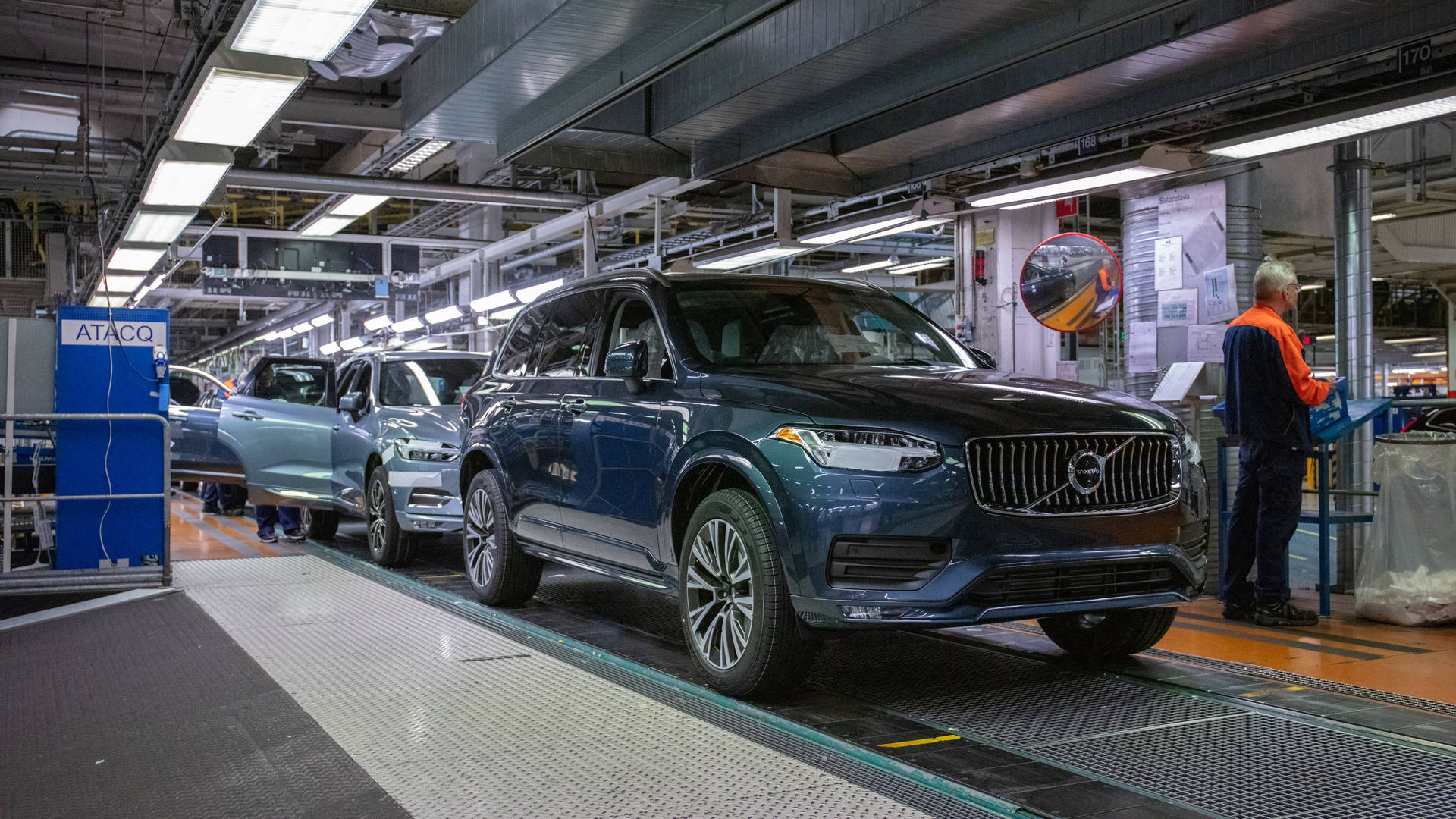 Volvo Torslanda factory | Photo: Volvo
Volvo hasn’t been spared either, despite its Chinese ownership that should have made for strong sales in the world’s largest automotive market. In order to reduce costs in the face of American tariffs and a 60% plunge in income over the first quarter of 2026, the Swedish automaker will cut 15% of its white-collar workforce. This will account for about 3,000 jobs, mostly at the headquarters in Goteborg and among consultants. This adds to about 60 jobs which were cut at the company’s American offices last year. Like BMW, Volvo’s factory floor jobs should be safe for now.
What about American automakers?
 Chrysler Brampton Assembly Plant
While European automakers are the most impacted by U.S. tariffs and Chinese competition, American automakers have also had to make changes to their workforce and facilities due to increasing competition and rapidly changing regulatory framework, which turned against electric vehicles after favouring them for a few years. As such, both General Motors and Stellantis have idled a factory in Canada each, and combined with Ford, the three largest American automakers have laid off about 19,000 workers over the last few years.
