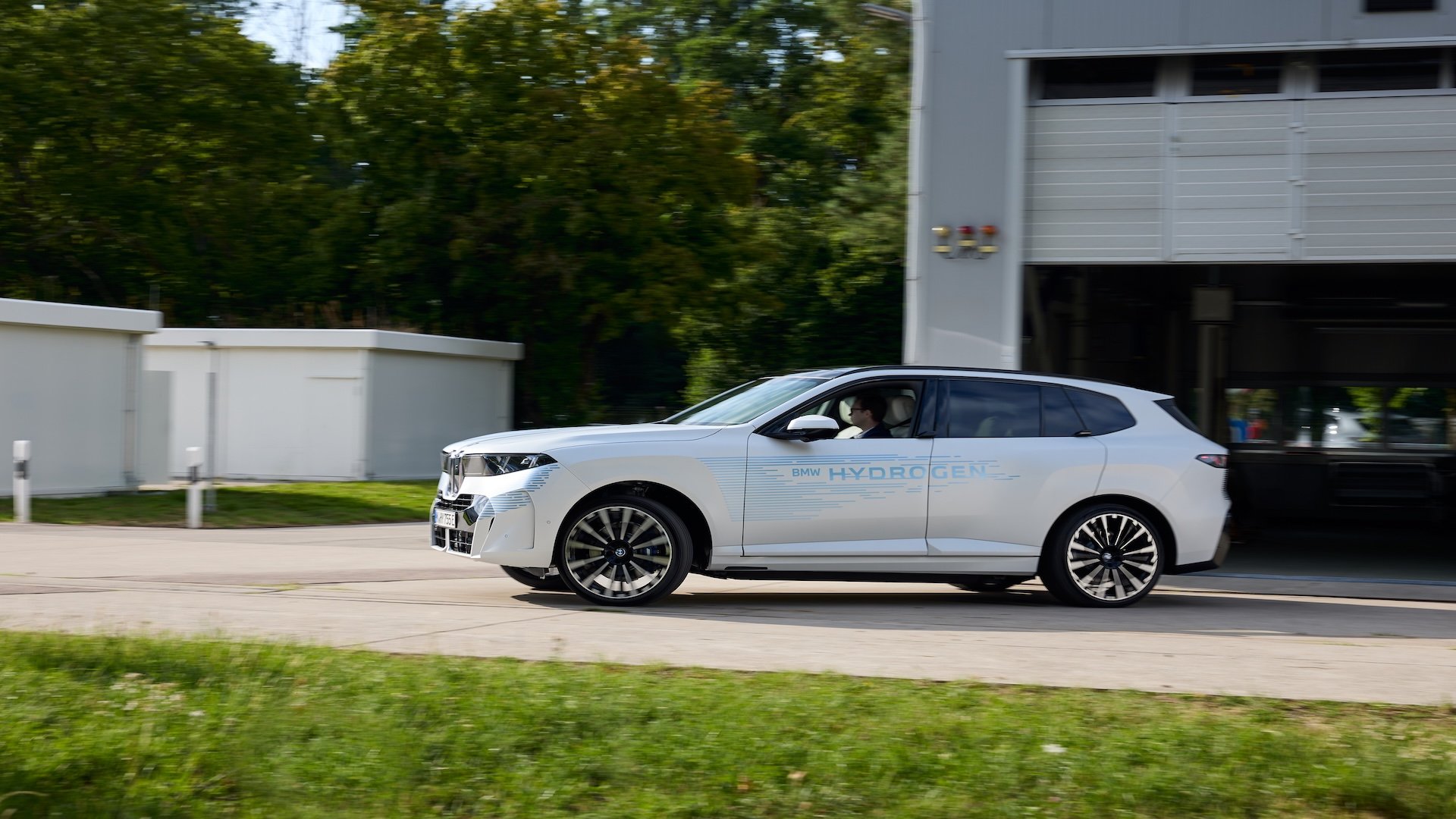
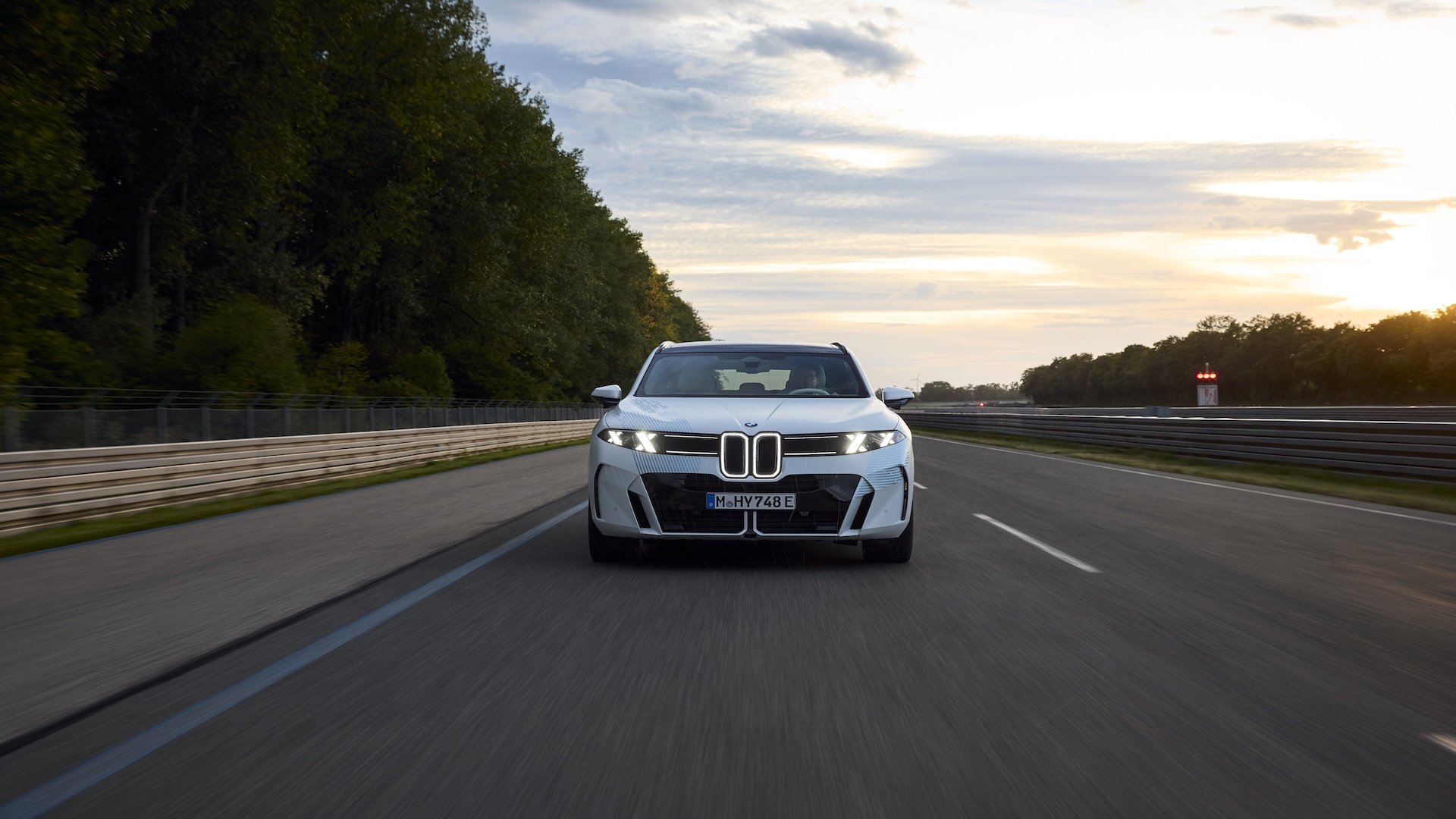
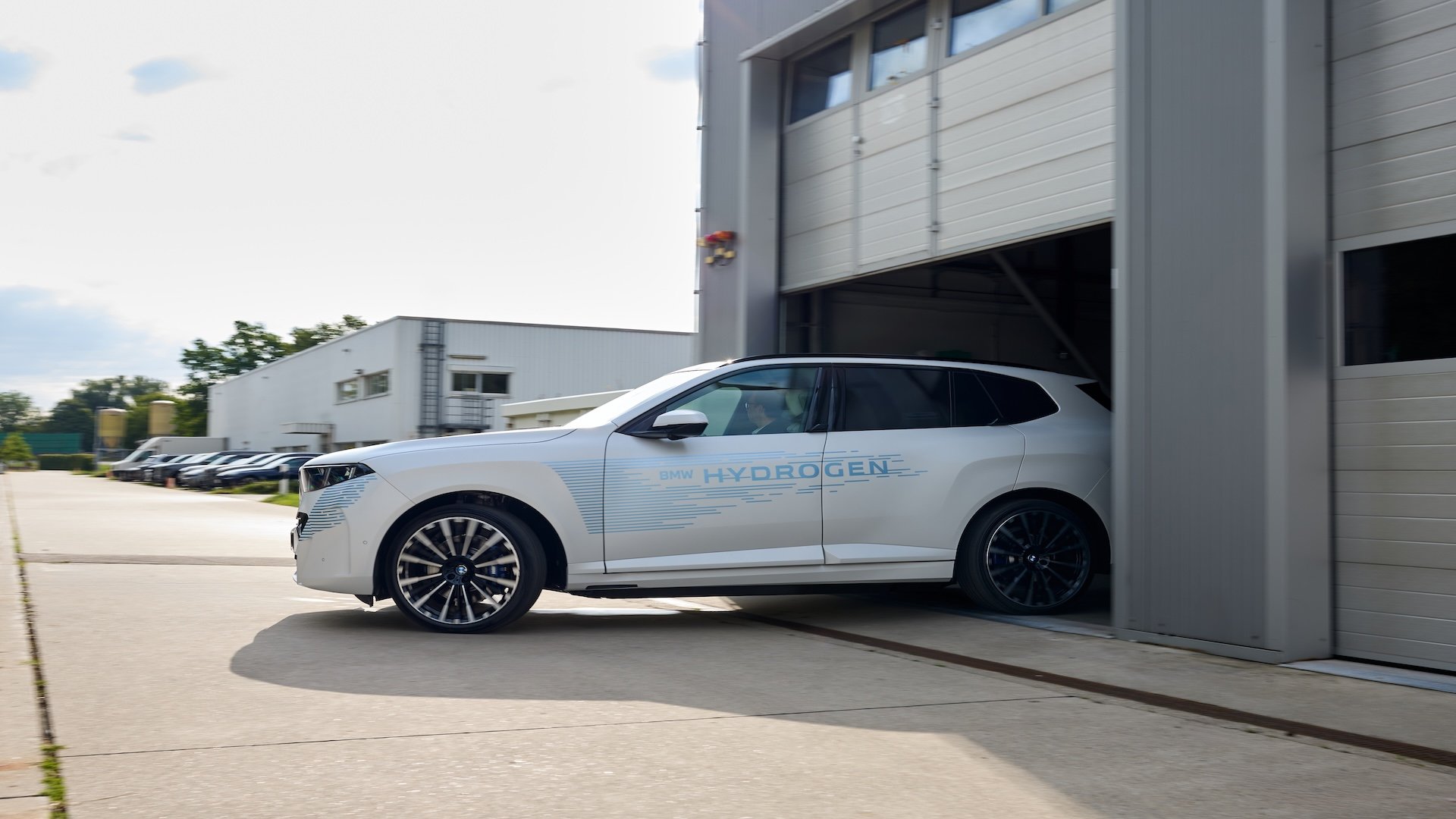
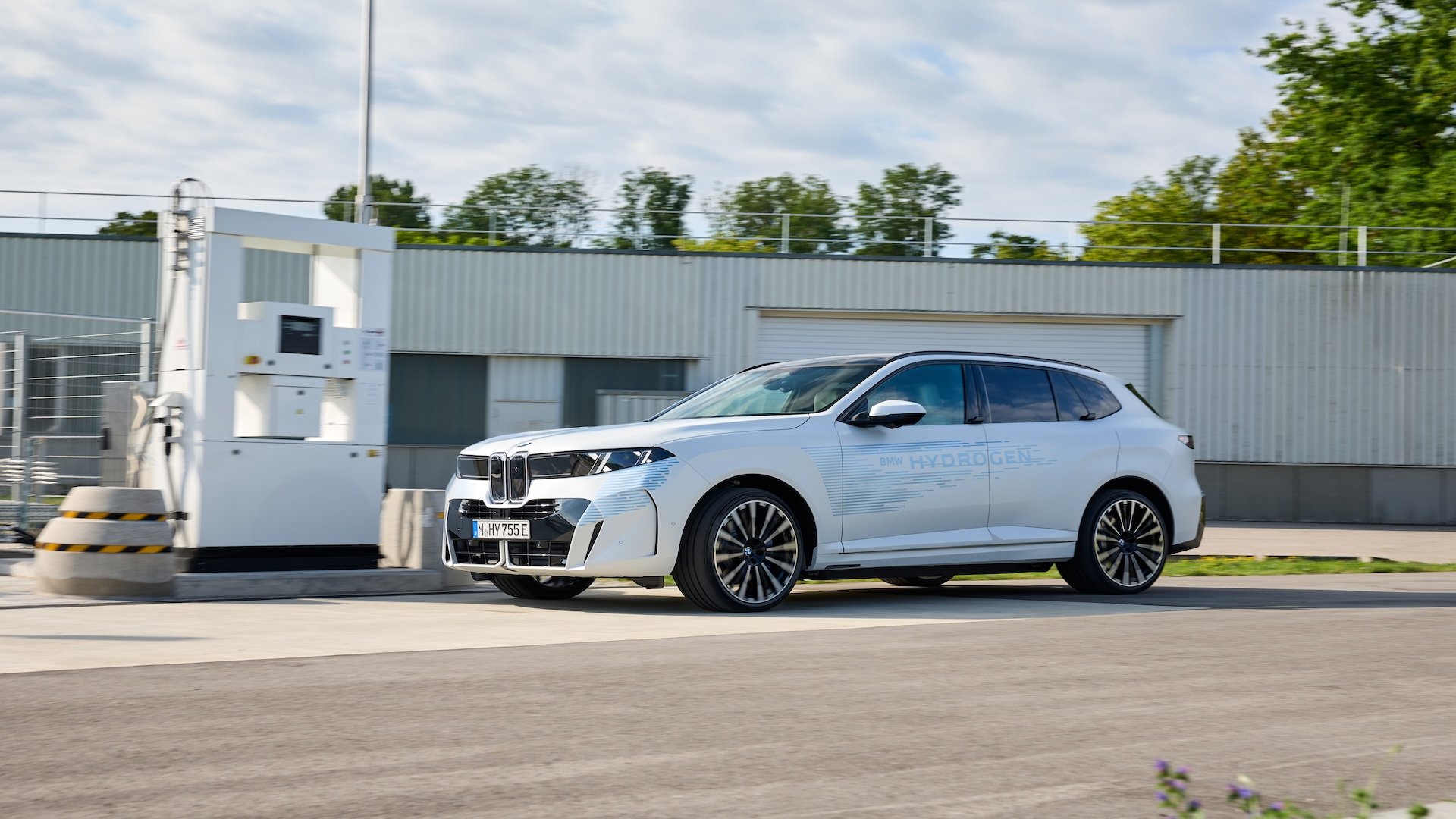
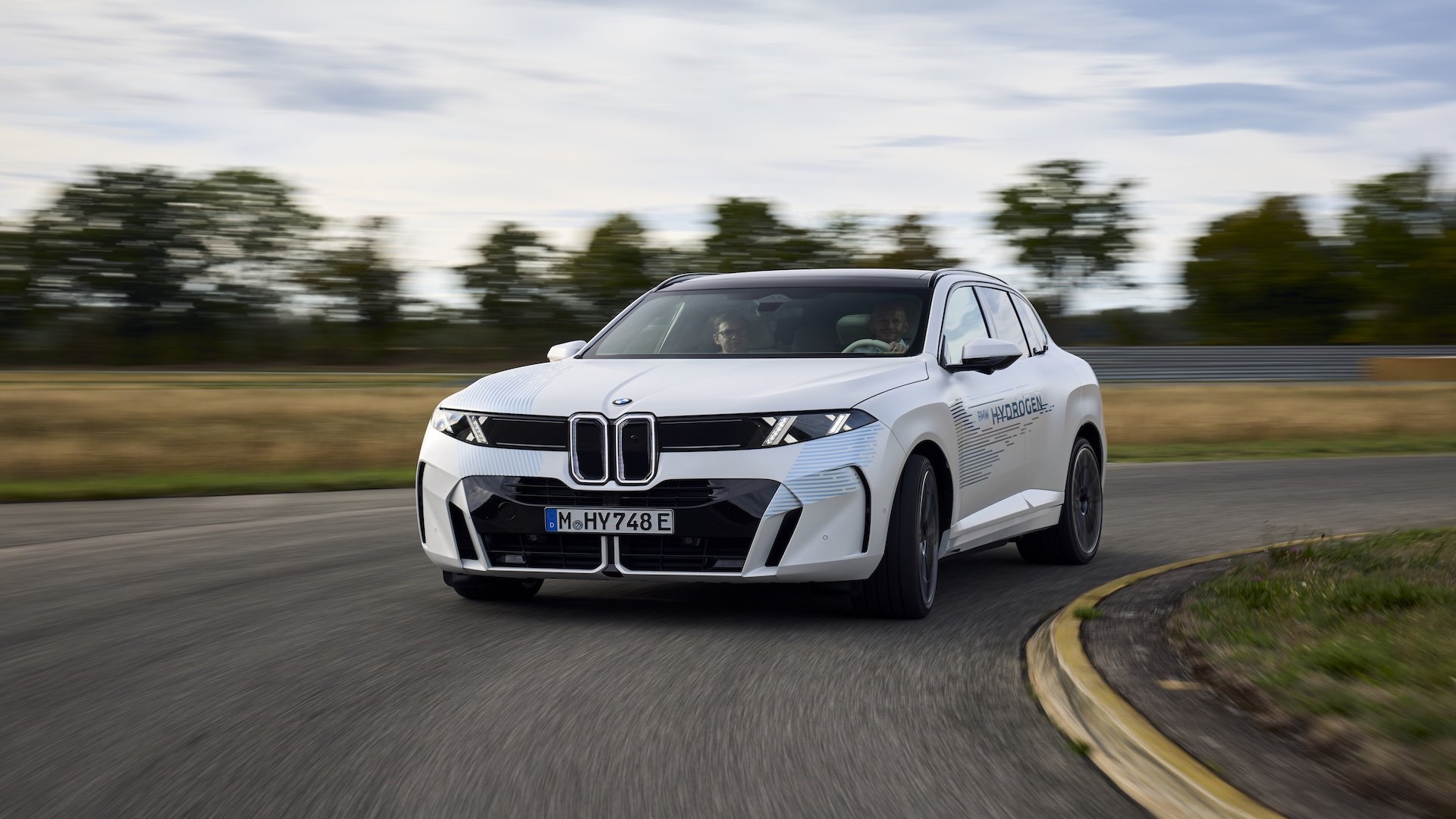
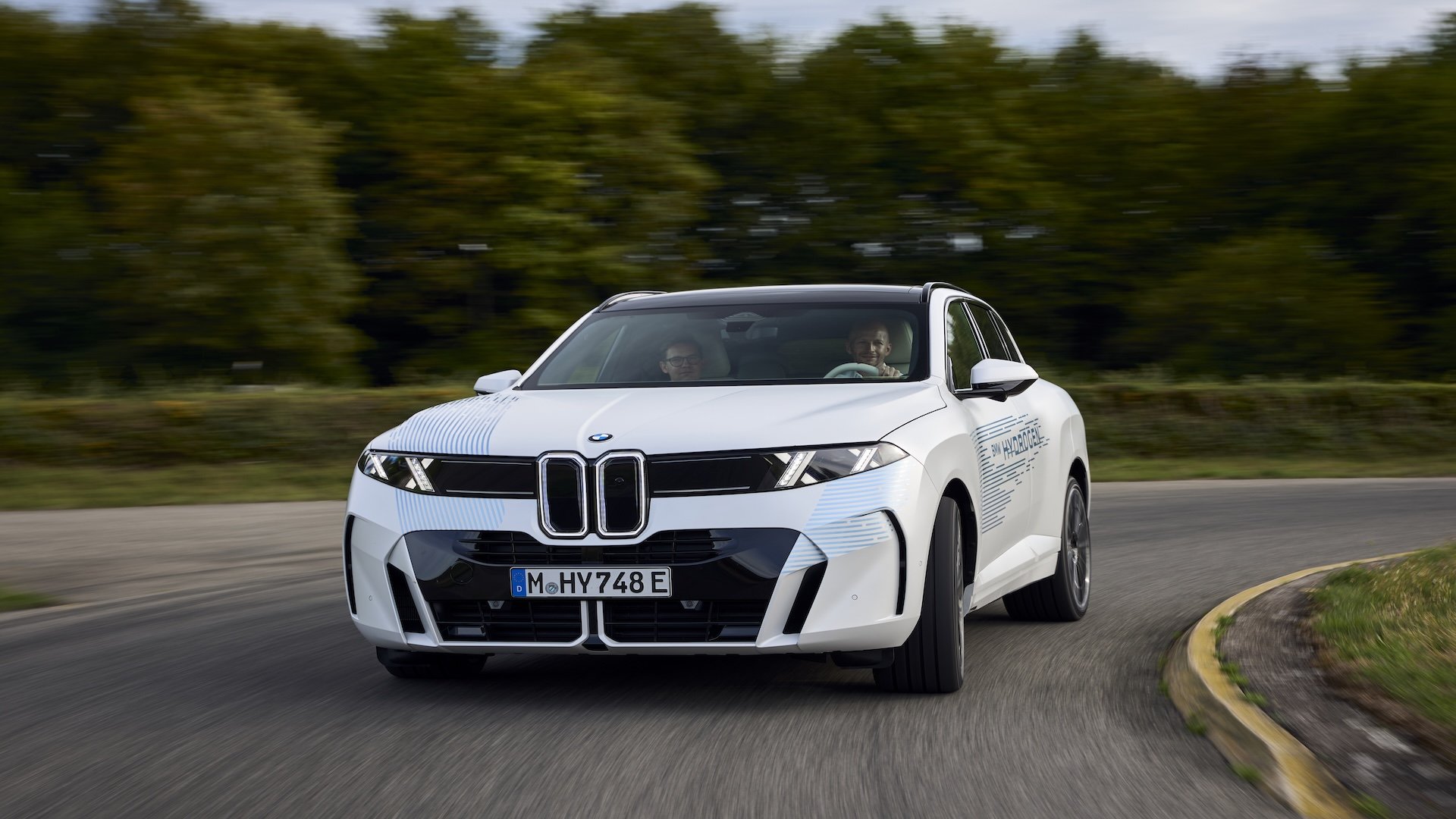
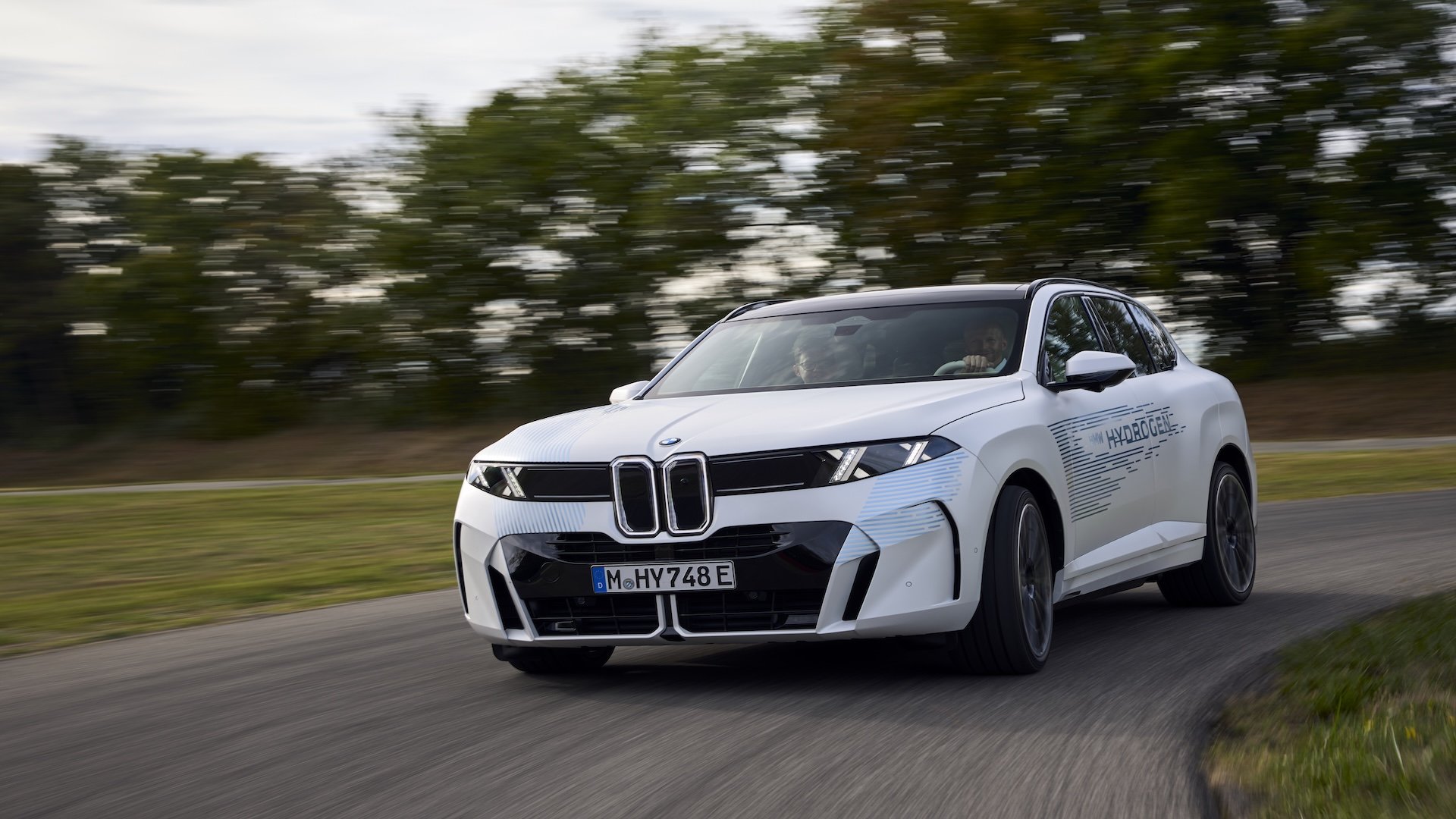
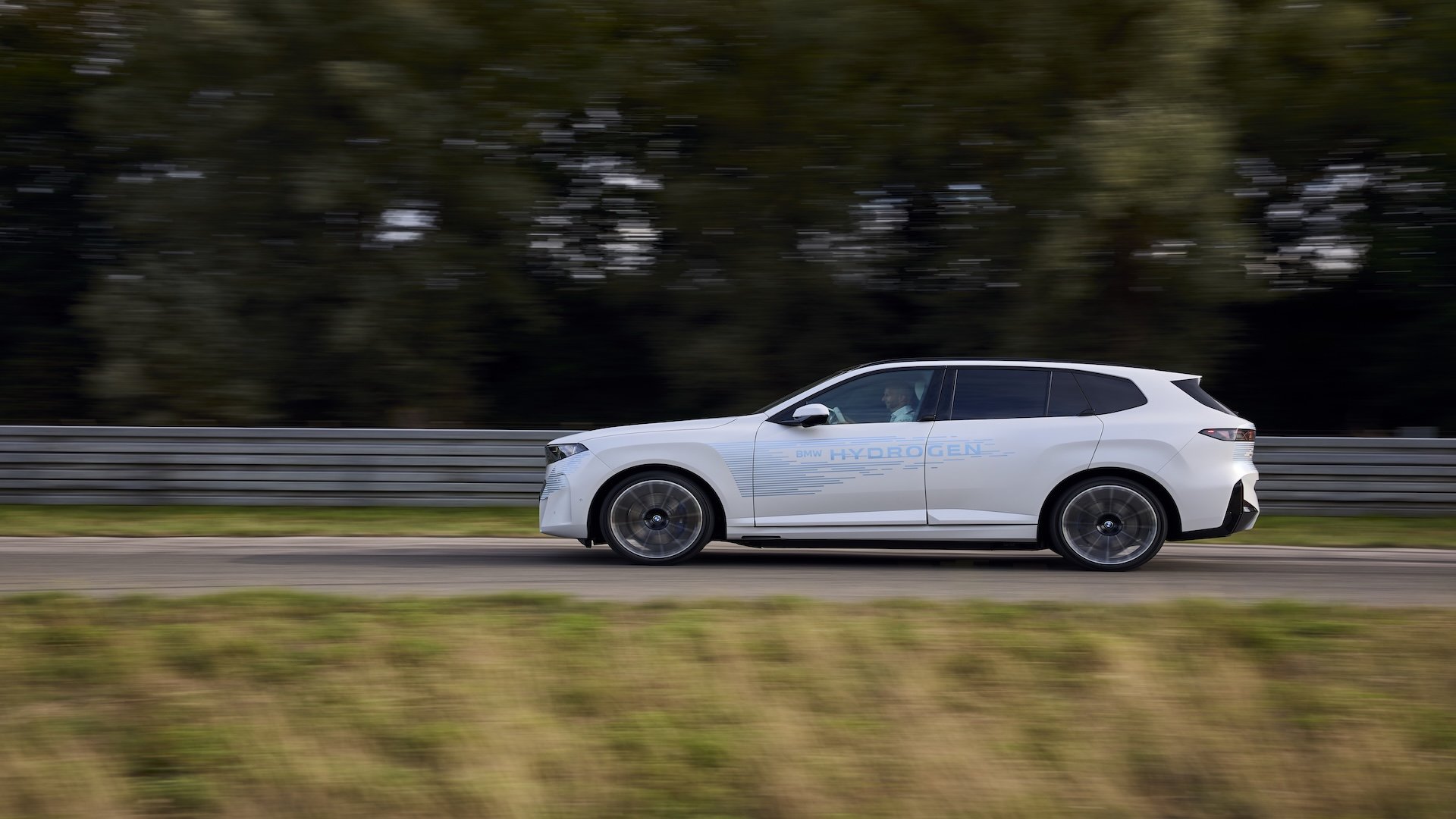
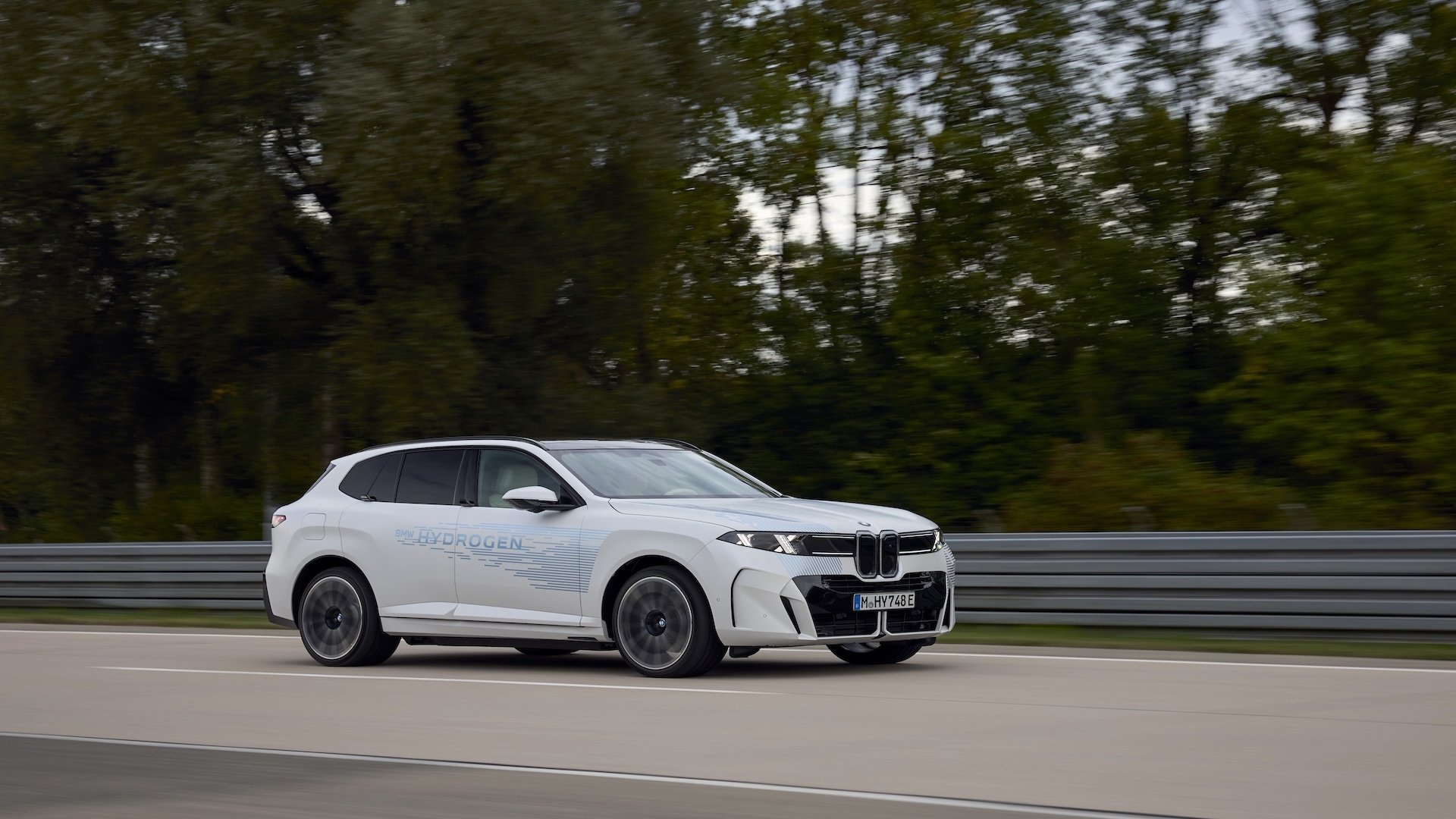
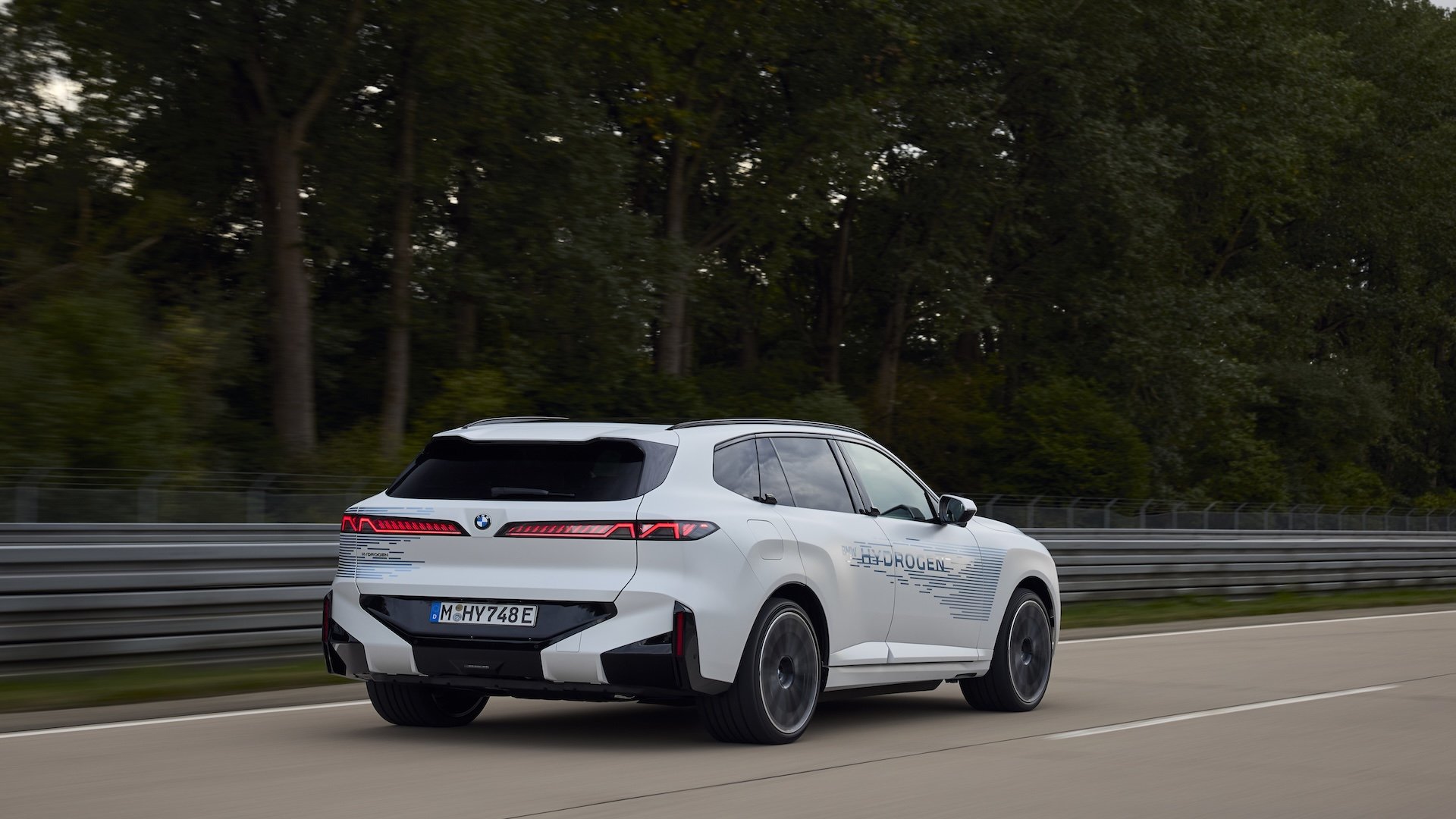
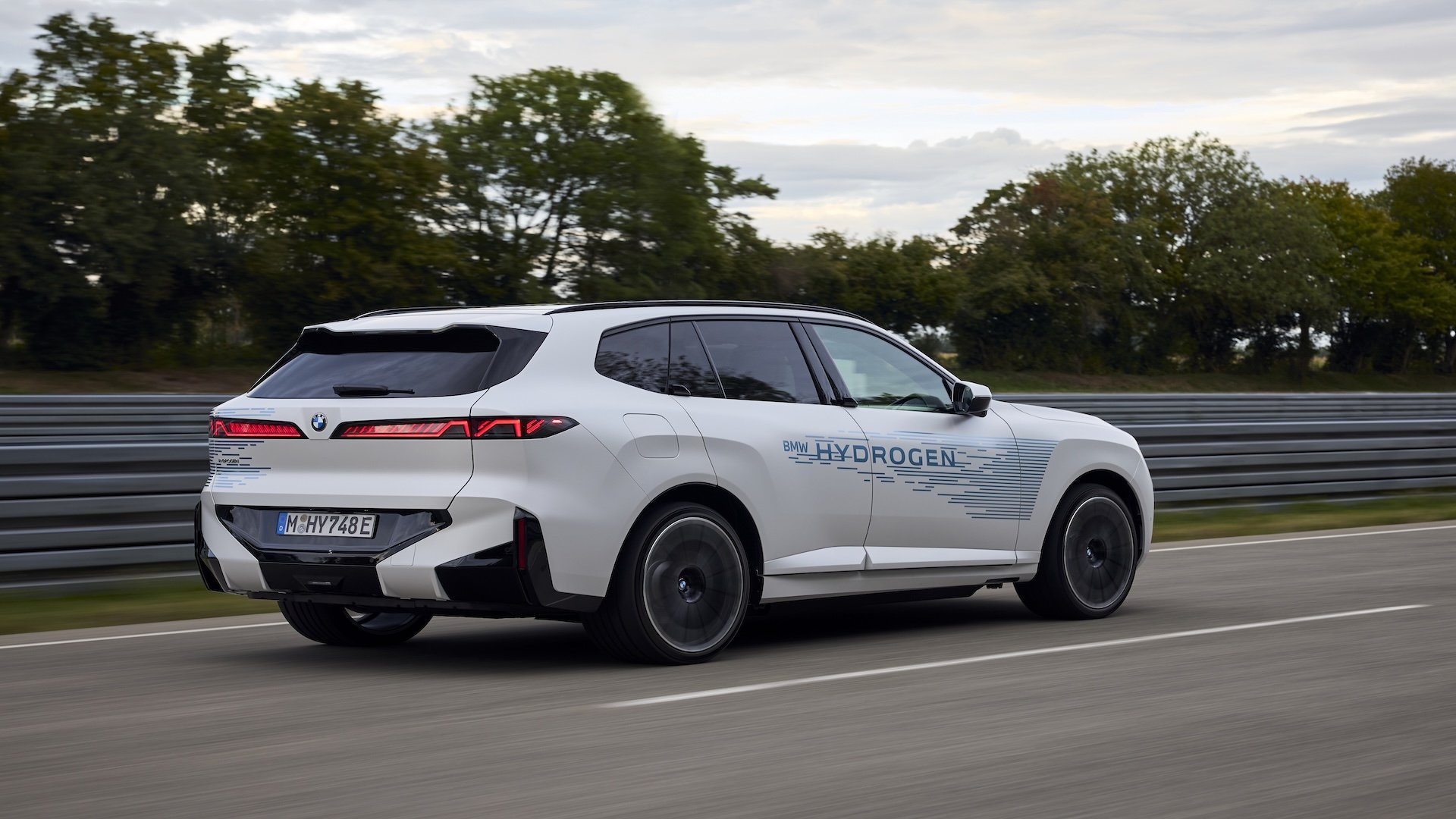
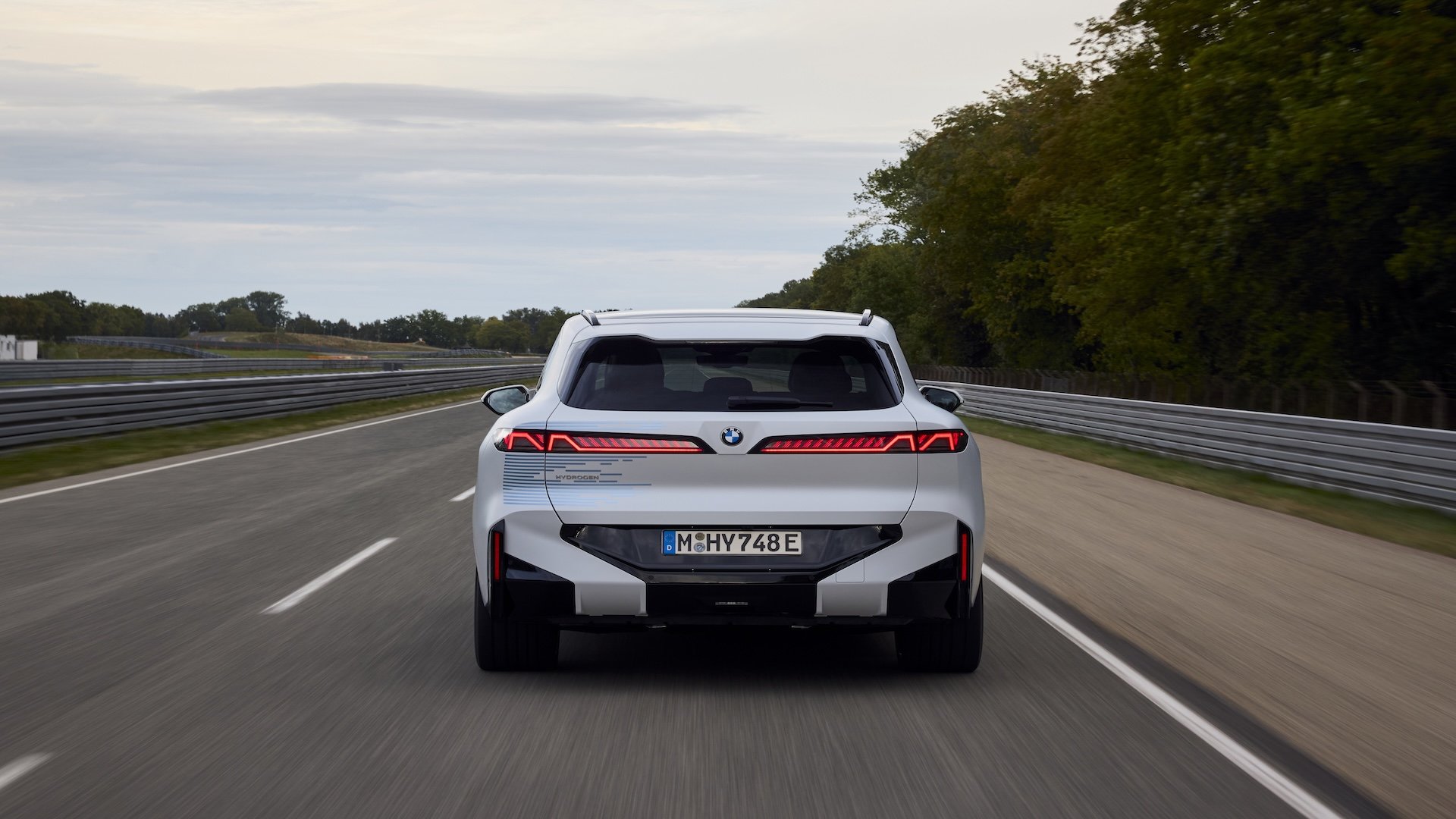
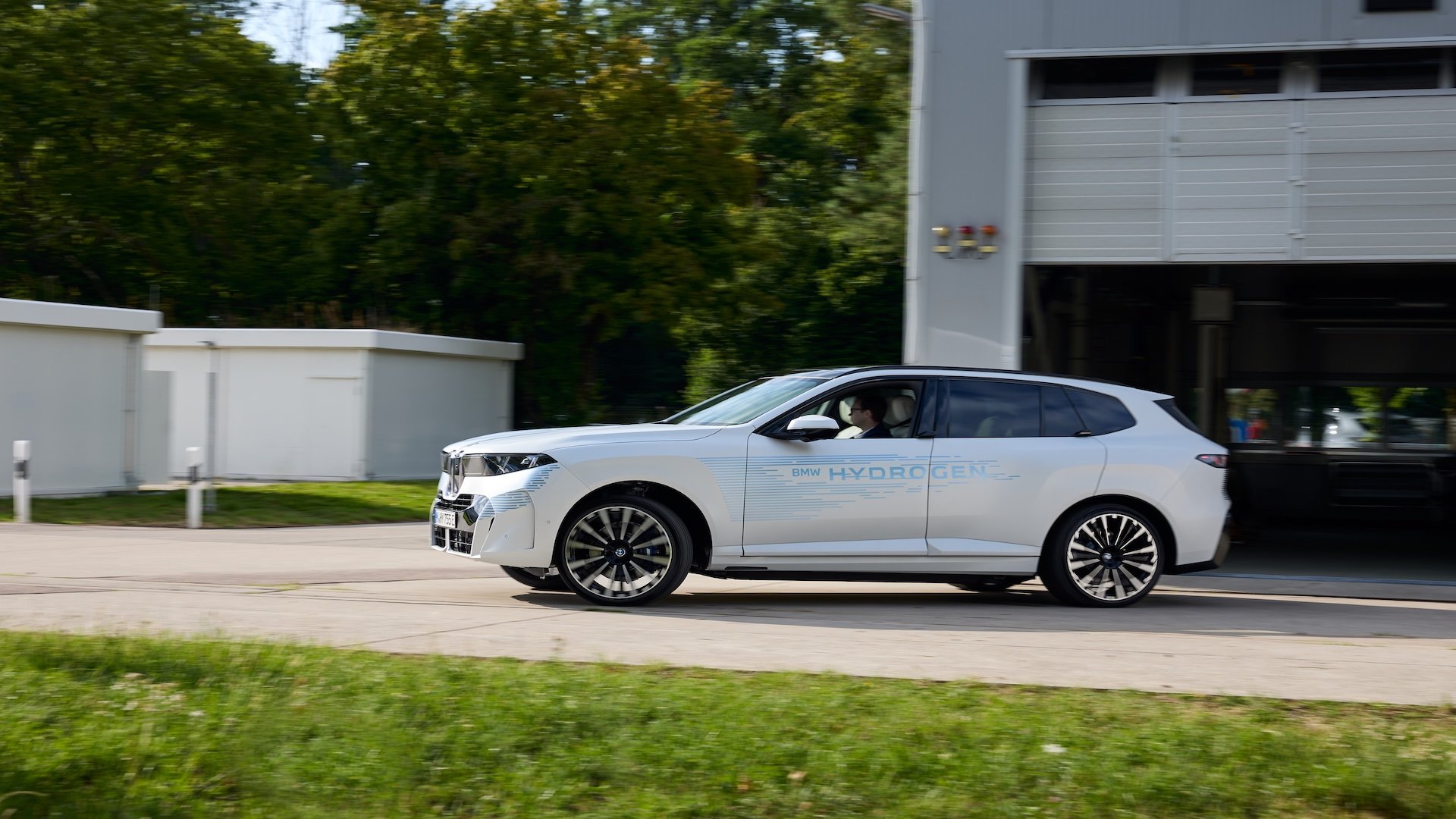
2027 BMW iX5 Hydrogen | Photo: BMW
Hydrogen-powered cars have largely disappeared from the conversation as automakers invest heavily in battery-electric vehicles. BMW, however, is not ready to give up on the technology.
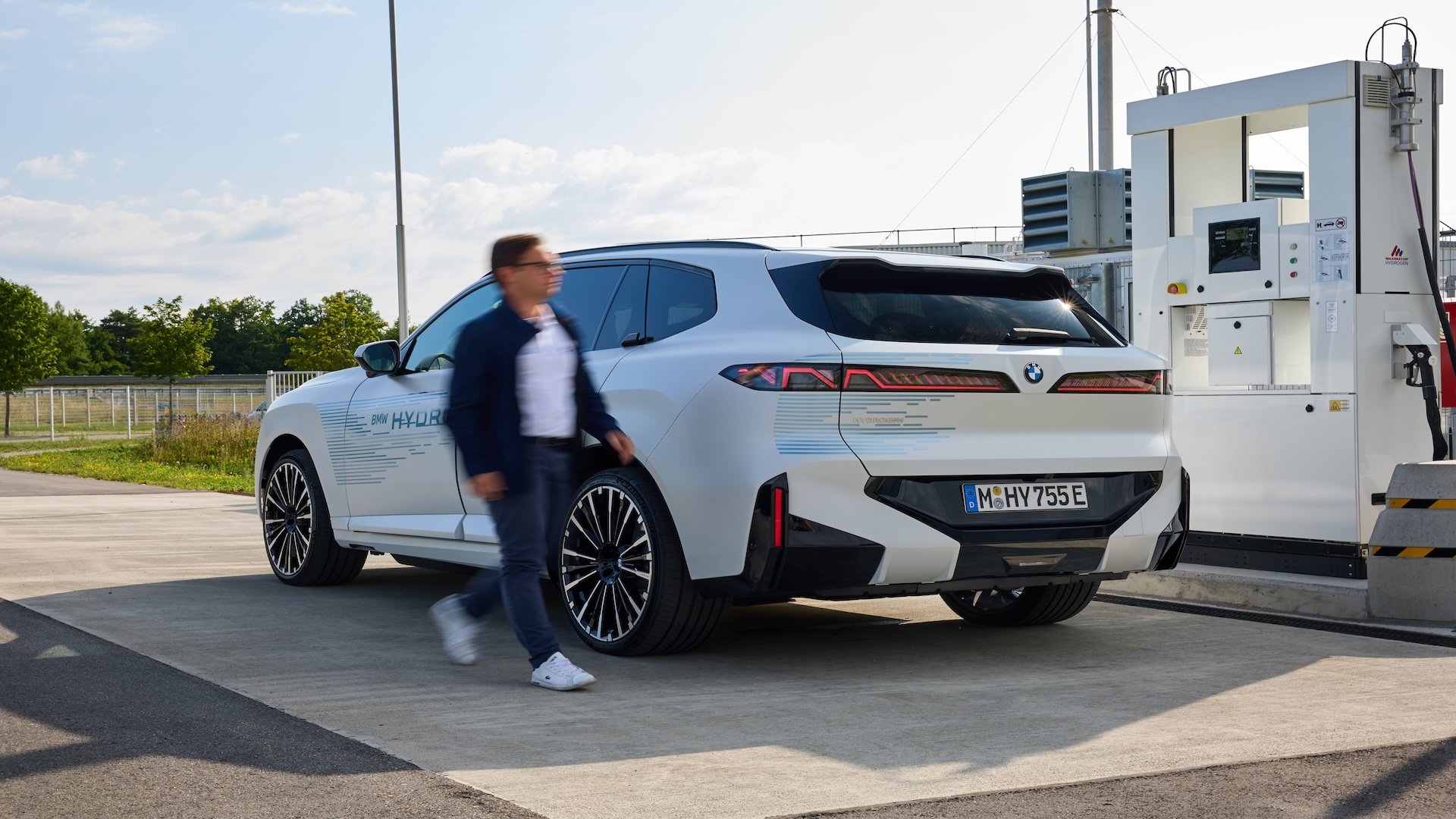
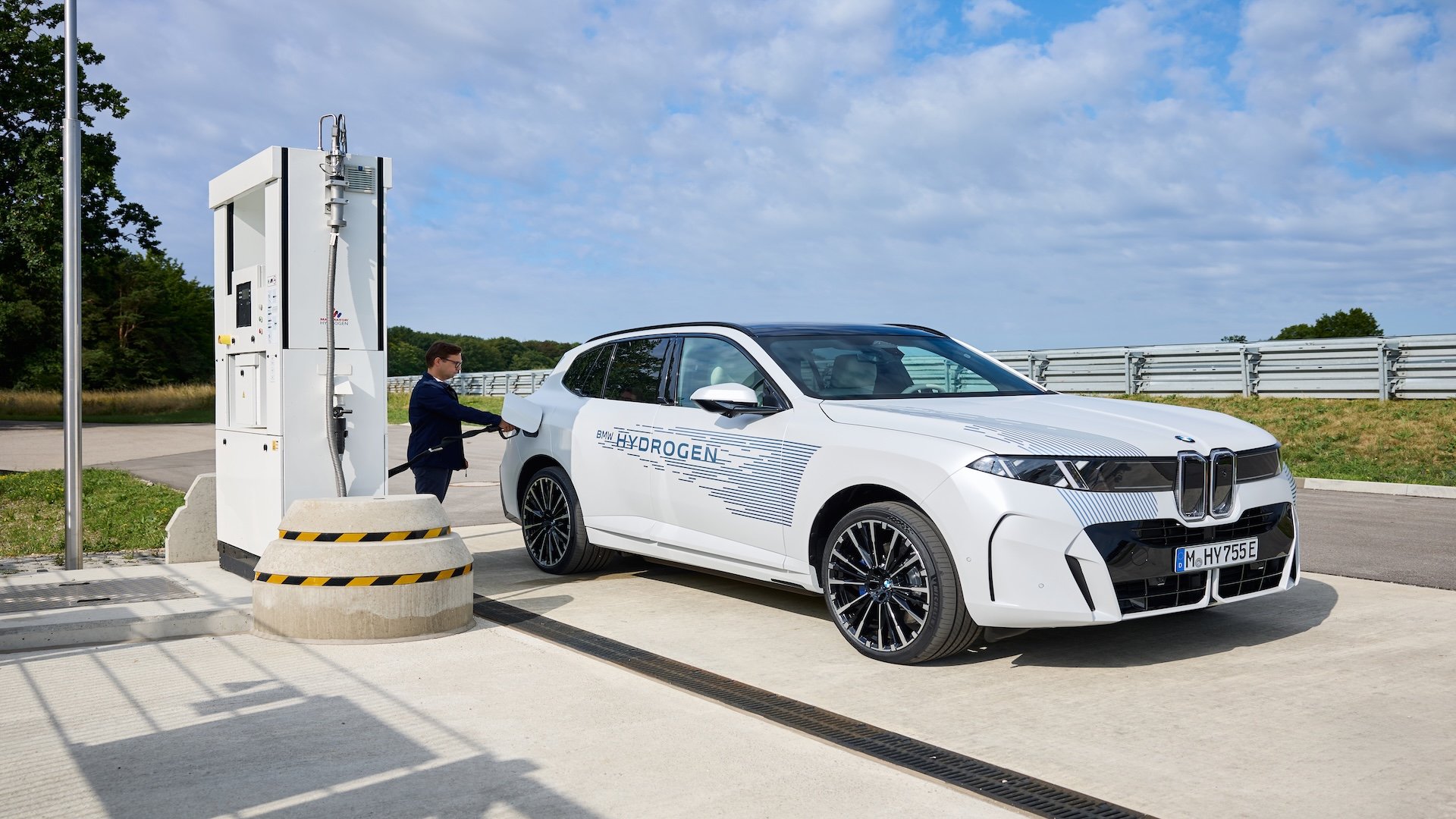
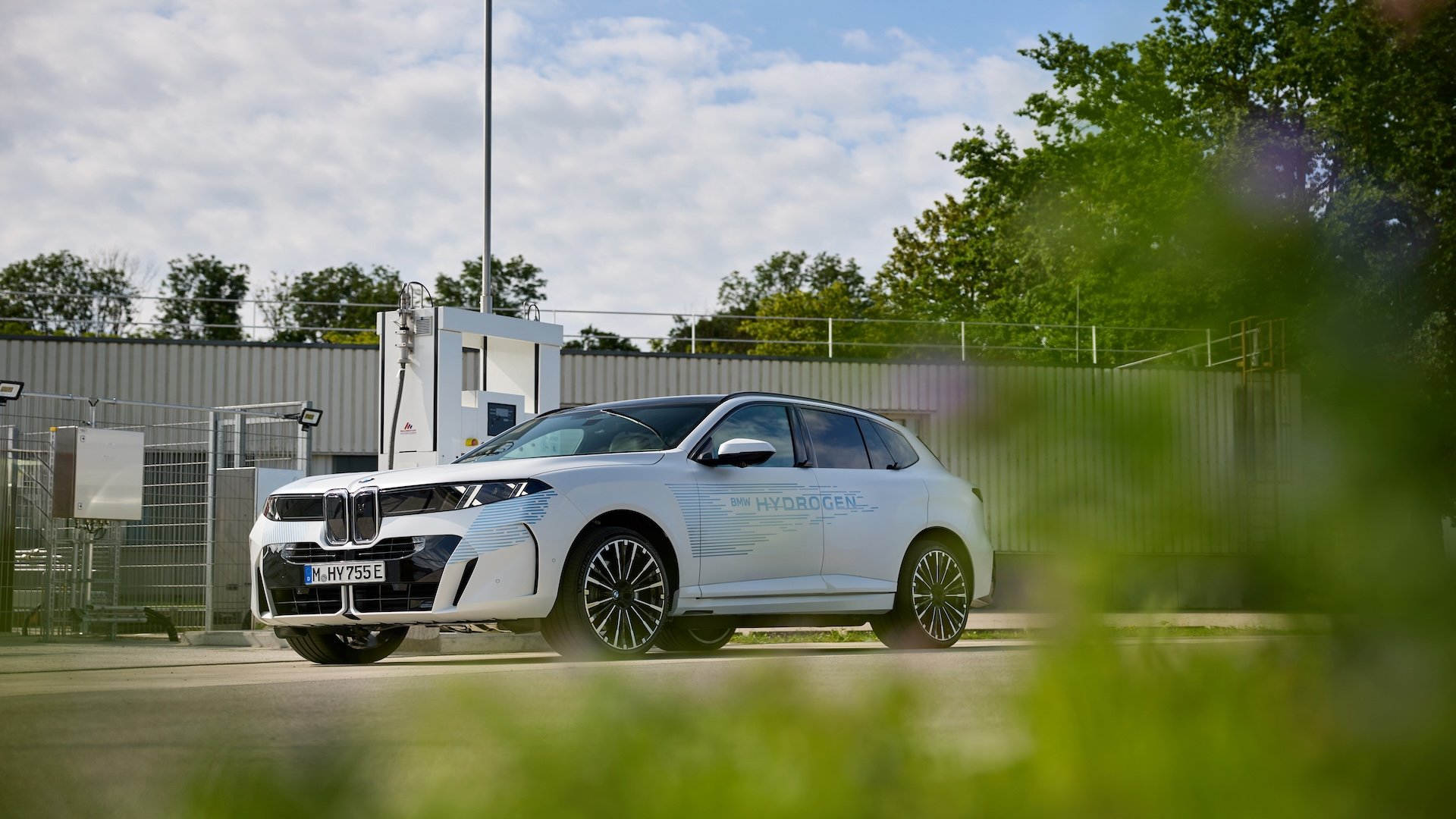
The BMW iX5 Hydrogen has now entered another stage of development, with prototypes undergoing real-world testing while the automaker prepares to build its third-generation fuel-cell system.
Testing is focused on how the complete powertrain behaves under different conditions. That includes the fuel-cell system, electric motor, small high-voltage battery, hydrogen tanks and the electronic controls managing everything.
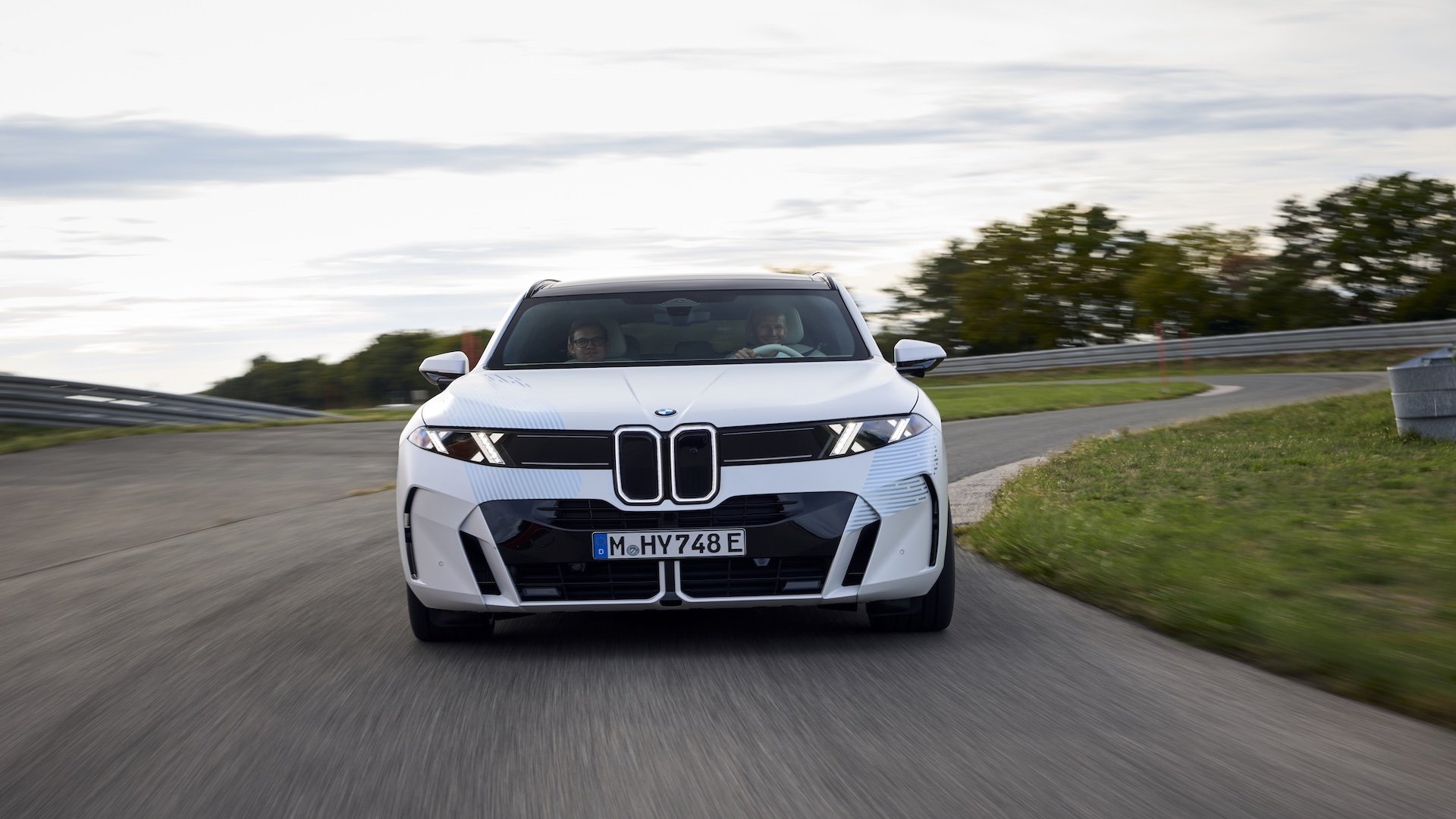
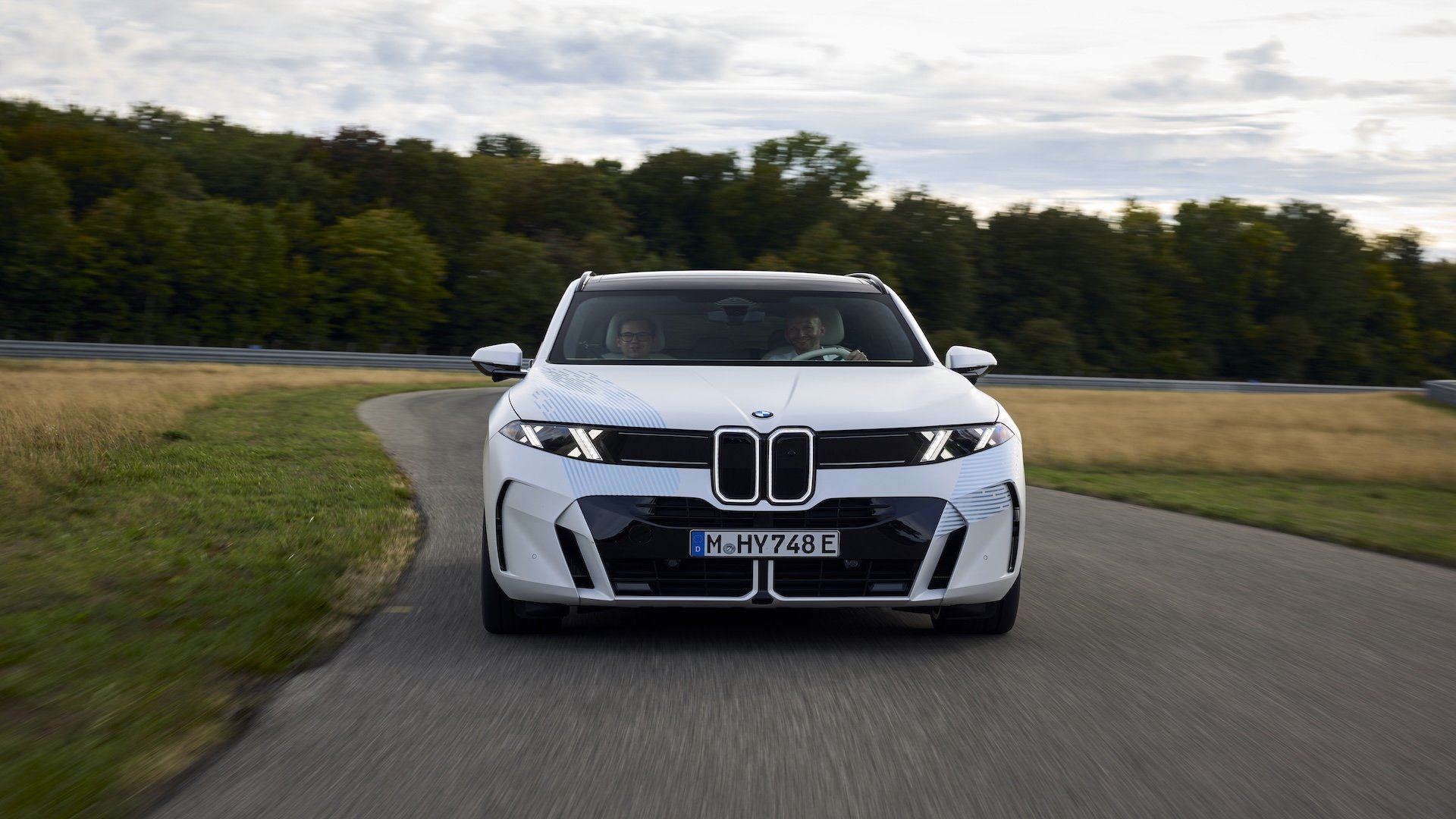
BMW also wants to make sure the iX5 Hydrogen still drives like an X5. The automaker is targeting acceleration from zero to 100 km/h in less than five seconds, which would make it significantly quicker than most hydrogen vehicles currently available.
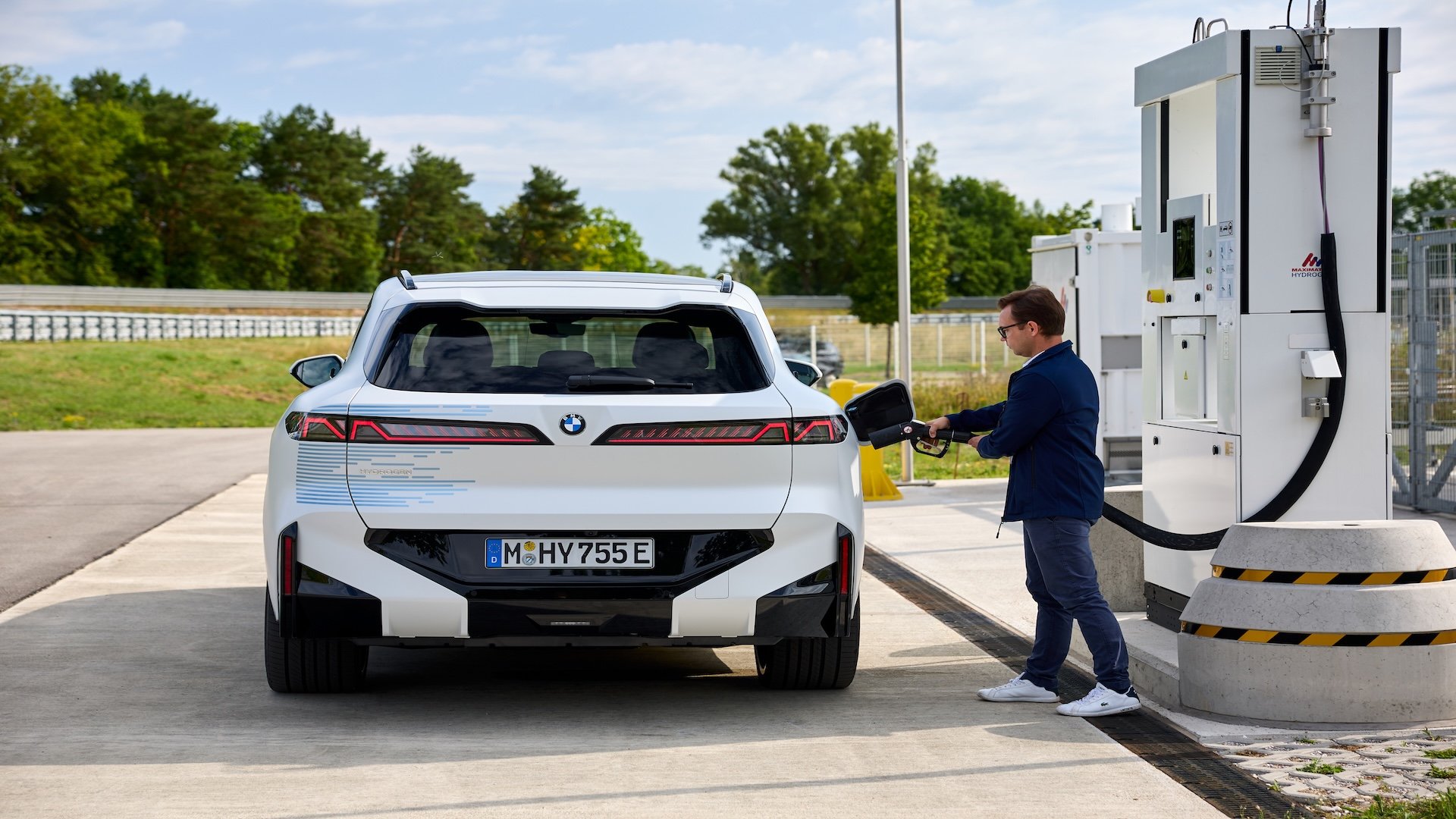
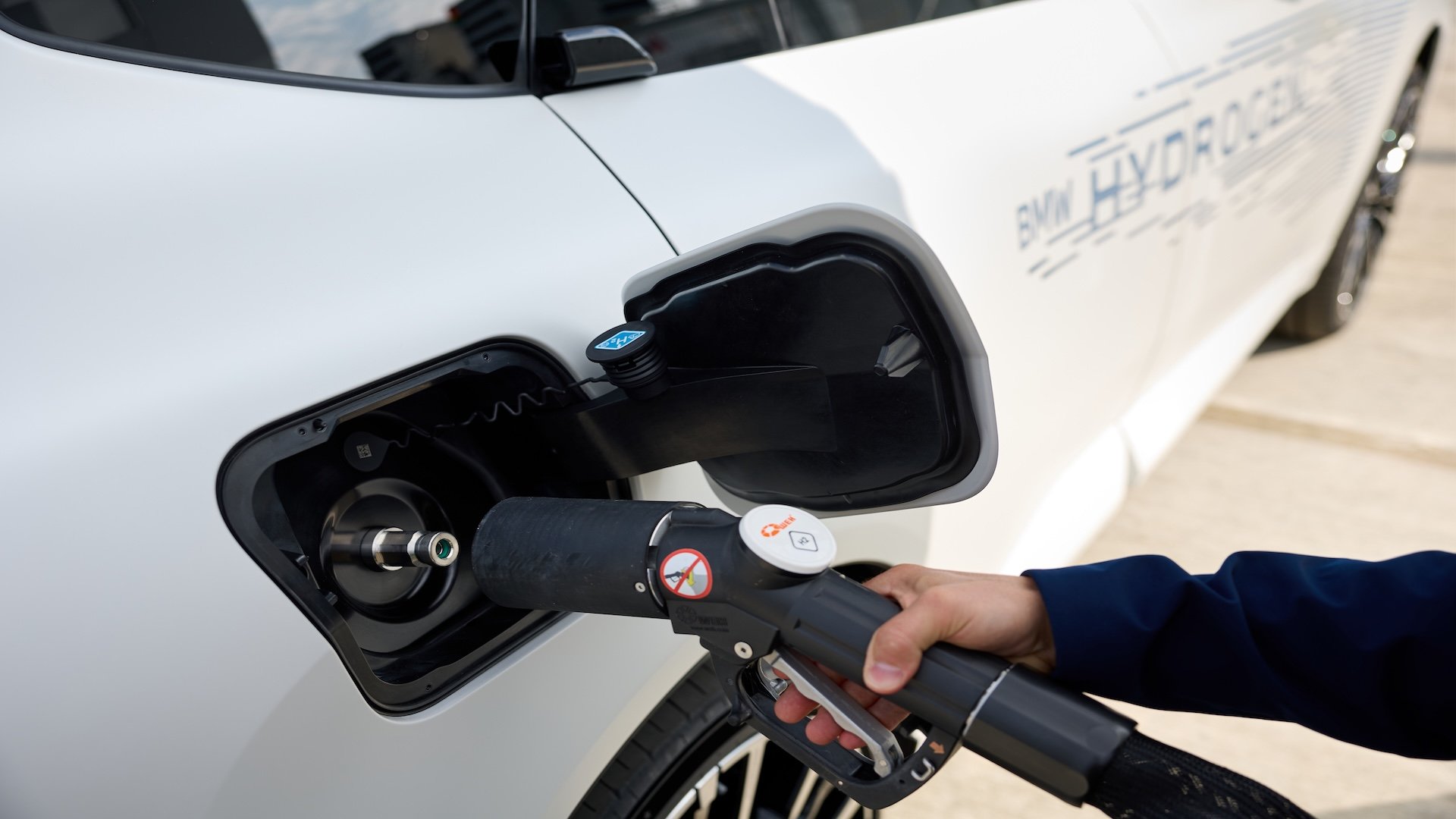
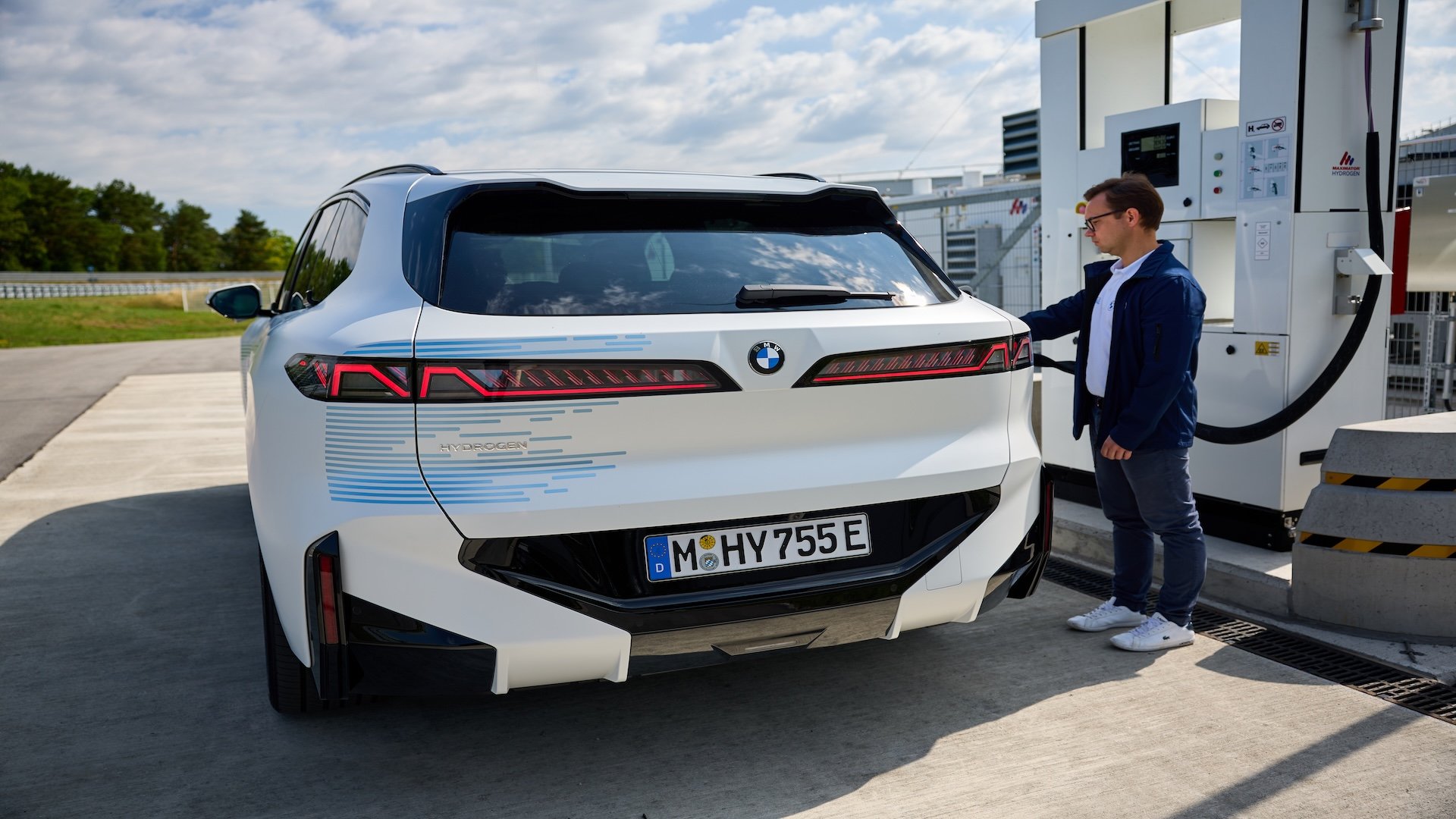
The projected range sounds impressive until it is compared with the battery-electric iX5. BMW is targeting up to 750 kilometres on the WLTP cycle for the hydrogen model, while the electric iX5 offers approximately 645 to 845 kilometres, depending on the version. Hydrogen’s main advantage is therefore not range, but a refuelling stop of less than five minutes. Even then, the gap is not as dramatic as it might appear.
BMW says the electric iX5 can charge from 10 to 80 per cent in 22 minutes or recover roughly 274 kilometres of range in 10 minutes when connected to a sufficiently powerful charger. Chargers capable of delivering its 460-kW peak remain rare, but they are still considerably easier to find than a hydrogen station. Saving around 15 minutes at a stop becomes far less compelling if reaching that station requires a major detour.
The iX5 Hydrogen remains an electric vehicle, but it generates electricity onboard by combining hydrogen and oxygen inside a fuel cell. A small battery stores recovered braking energy and provides additional power during acceleration. BMW developed the third-generation fuel-cell system with Toyota.
Prototype systems are being assembled in Munich as BMW prepares its Steyr plant in Austria for production in 2028. The iX5 Hydrogen will become BMW’s first production fuel-cell vehicle, joining X5 models powered by gasoline, diesel, plug-in hybrid and battery-electric systems. Pricing, production numbers and Canadian availability remain unconfirmed.
BMW will enter a very small market. Only a handful of hydrogen fuel-cell passenger vehicles are currently offered, and most have extremely limited availability.
The Toyota Mirai remains the most recognizable. The rear-wheel-drive sedan continues for 2026 and is available in Canada by special order, although the country’s limited hydrogen-refuelling network makes ownership difficult outside a few specific areas. Toyota also offers a hydrogen-powered Crown sedan in Japan.
Hyundai remains committed as well. Its second-generation Nexo is a hydrogen-powered SUV offering considerably more range and power than the previous model. In Canada, however, it is limited to fleet sales.
Hydrogen still faces some major obstacles. Refuelling stations remain rare, producing clean hydrogen is expensive and much of today’s supply comes from natural gas.
Still, BMW believes the technology can complement battery-electric vehicles where long range, short refuelling times and greater flexibility are priorities. By preparing factories alongside its road-testing program, the company is showing that the iX5 Hydrogen is moving beyond the experimental stage.
Building it may be the easy part. Making hydrogen convenient enough for regular drivers remains the much bigger challenge.
Eleven pickups and a converted ProMaster gathered in Uxbridge offered a look at how many…
Every year, Wards Auto publishes its list of the 10 best powertrains available in a…
In a segment as competitive as the compact crossover one, in which there’s an abundance…
This SUV is based on the platform and powertrain of the AMG GT 4-door coupe.…
Volvo is reportedly producing about 200 EX60s weekly against a 2,000-unit target. Megacasting and cell-to-body…
Stellantis is exploring Canadian exports of two electrified Jeeps built in Wuhan. Brampton sale talks…