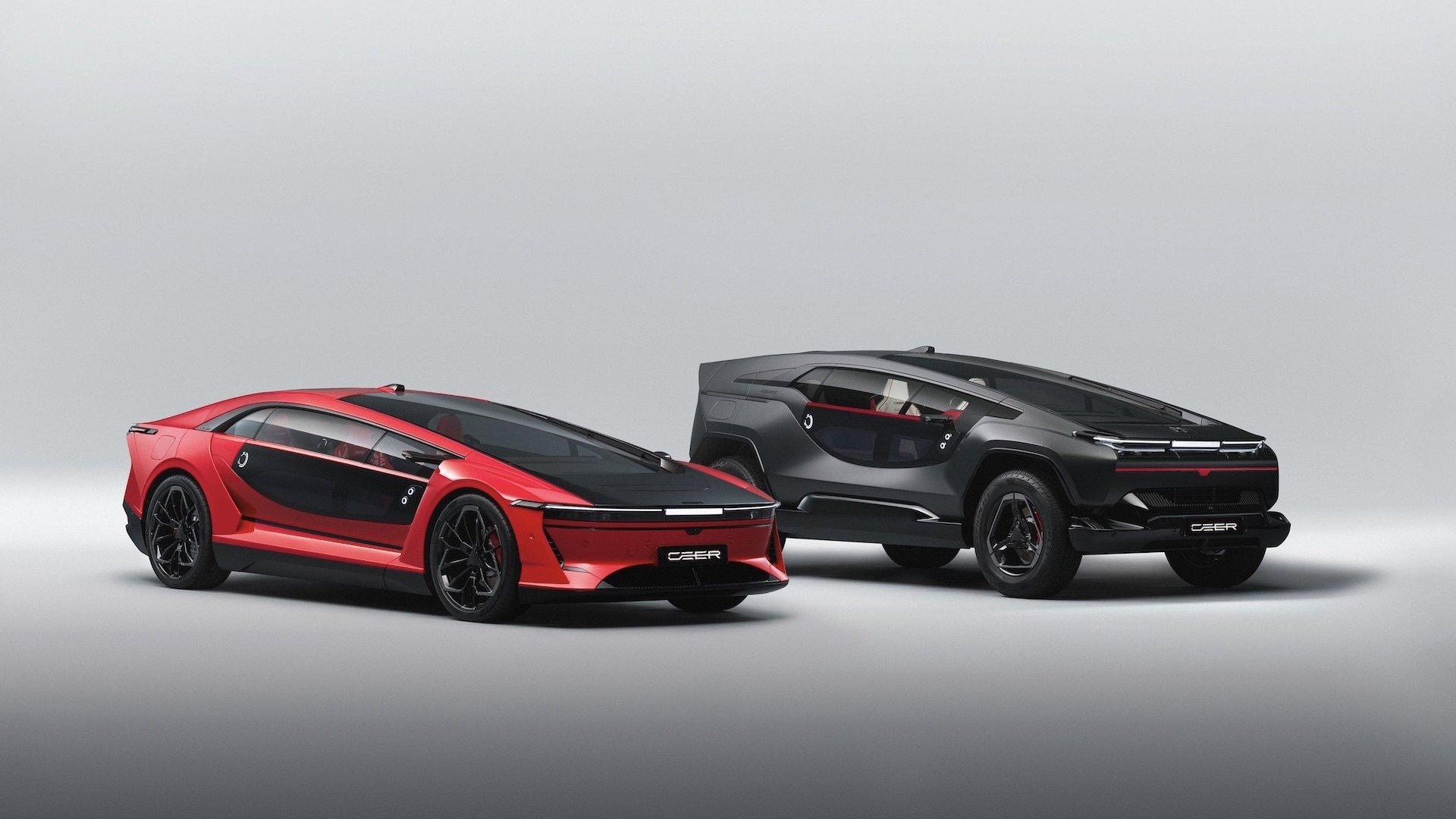
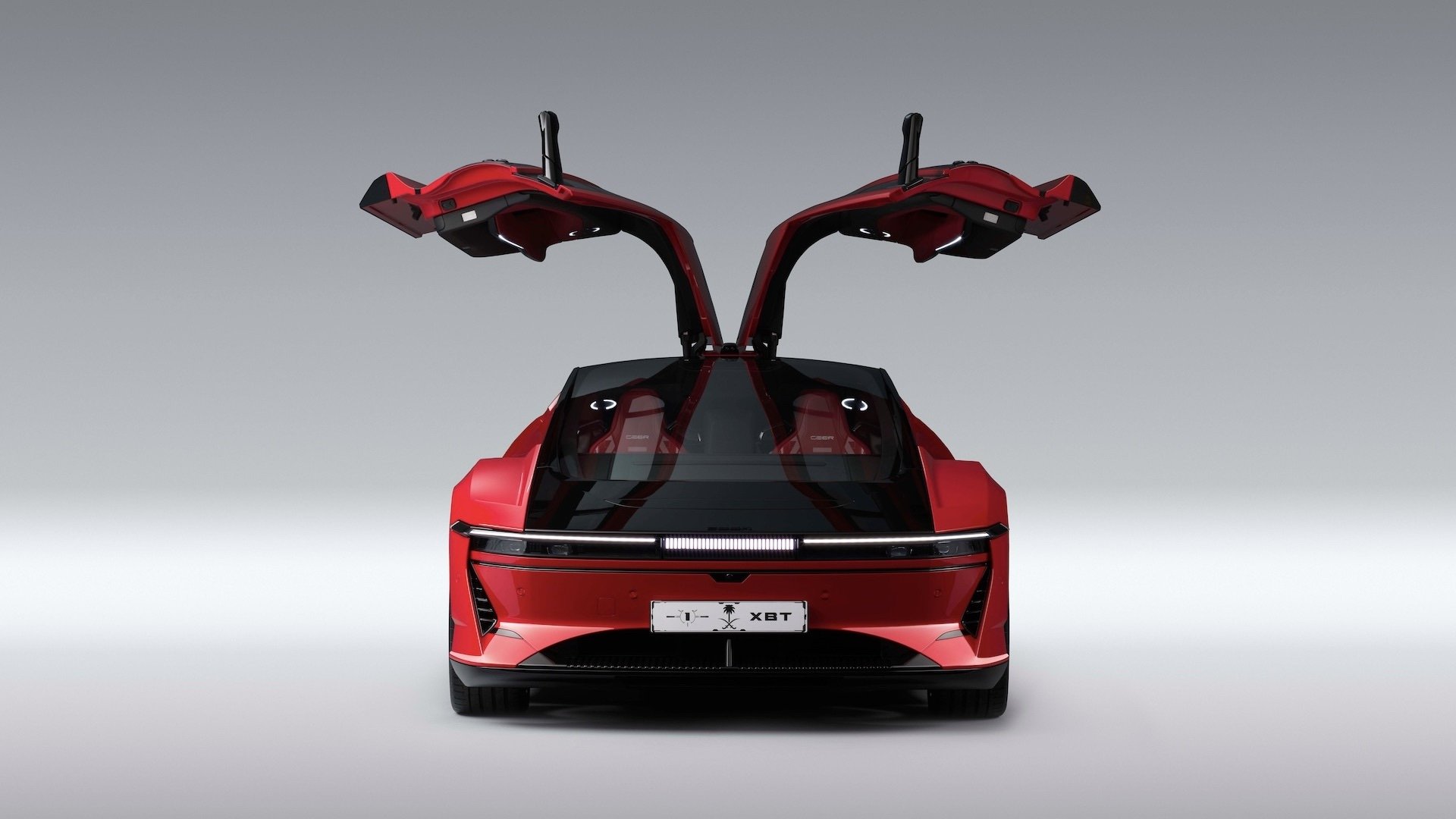
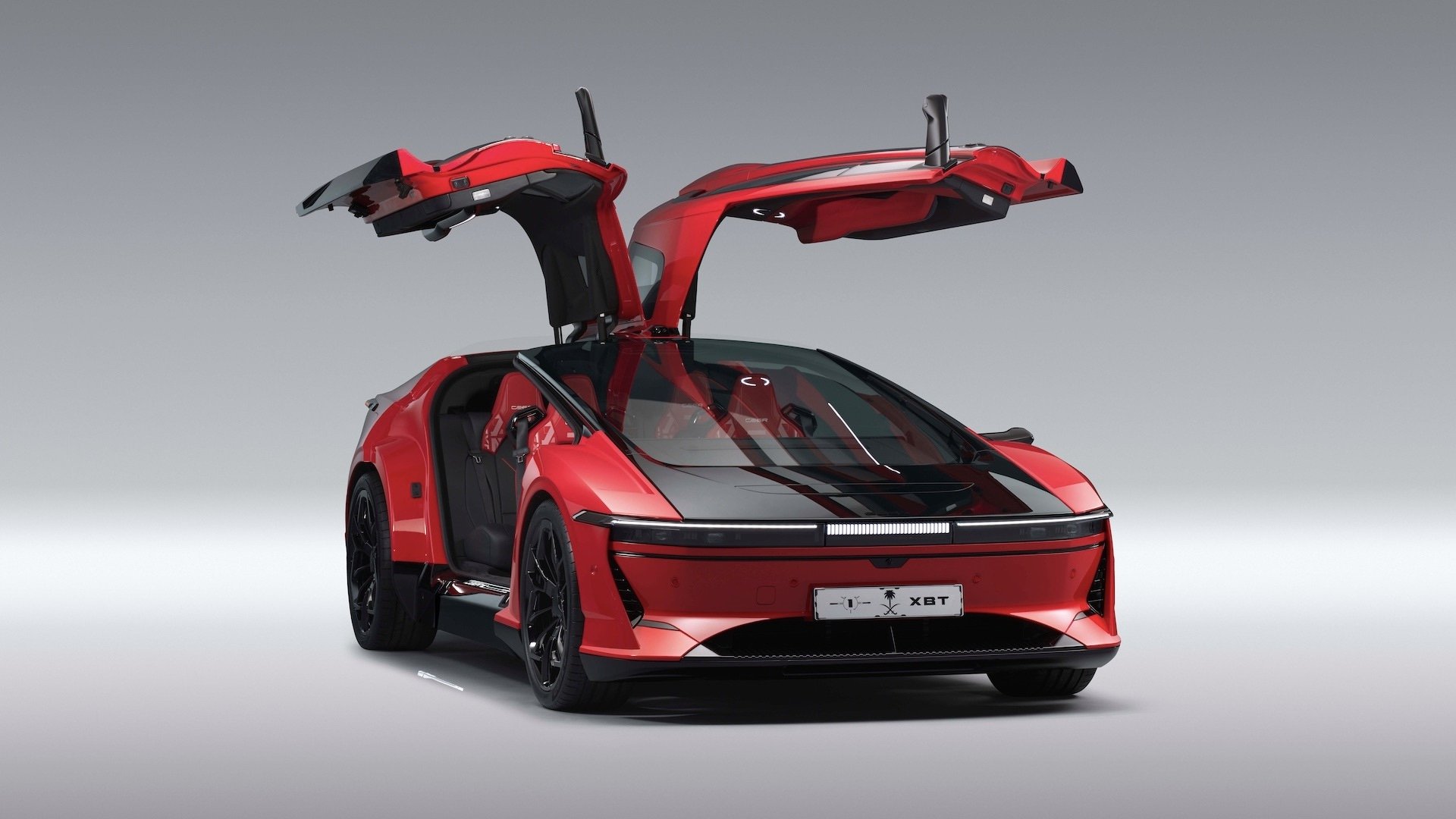
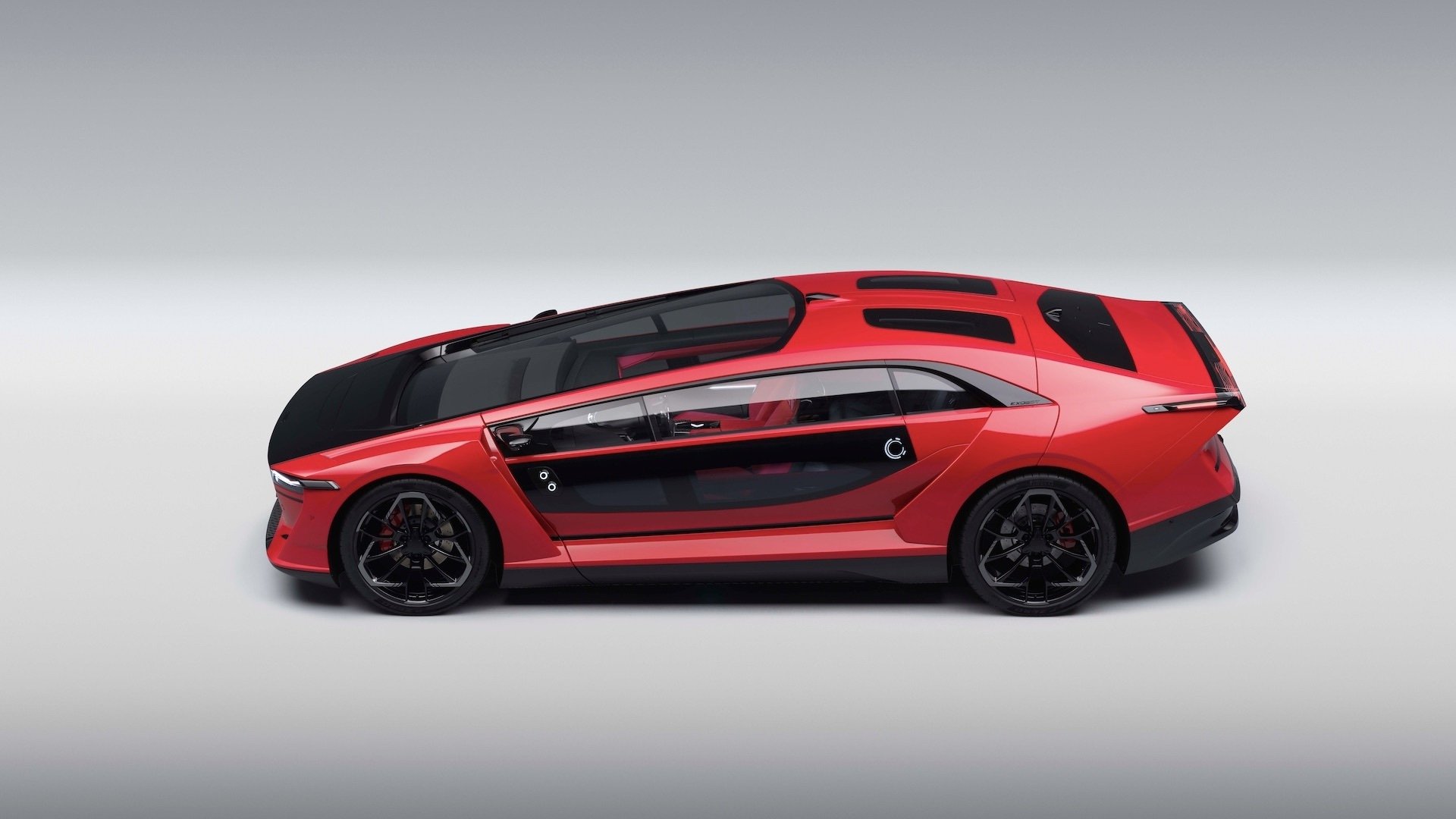
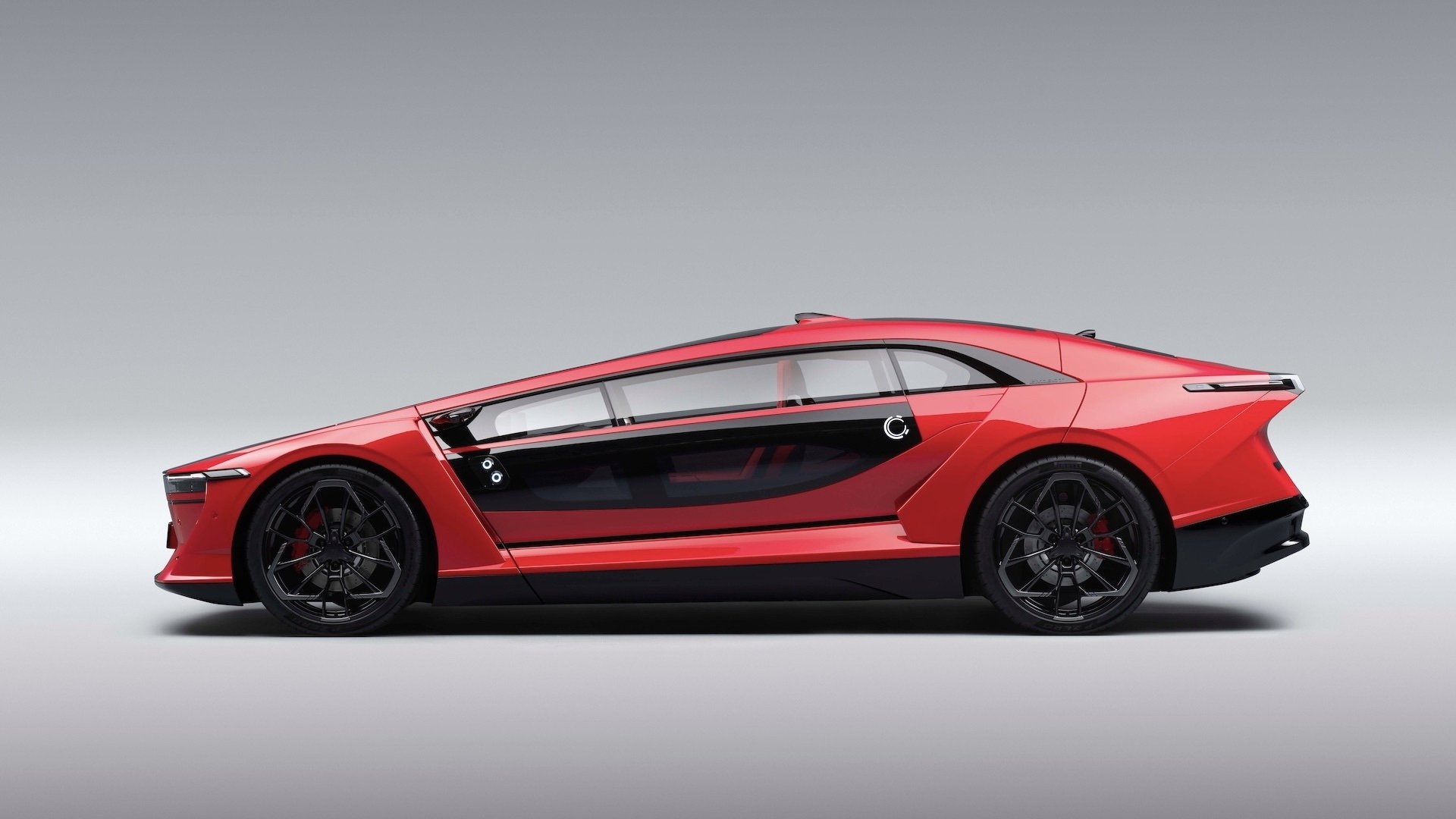
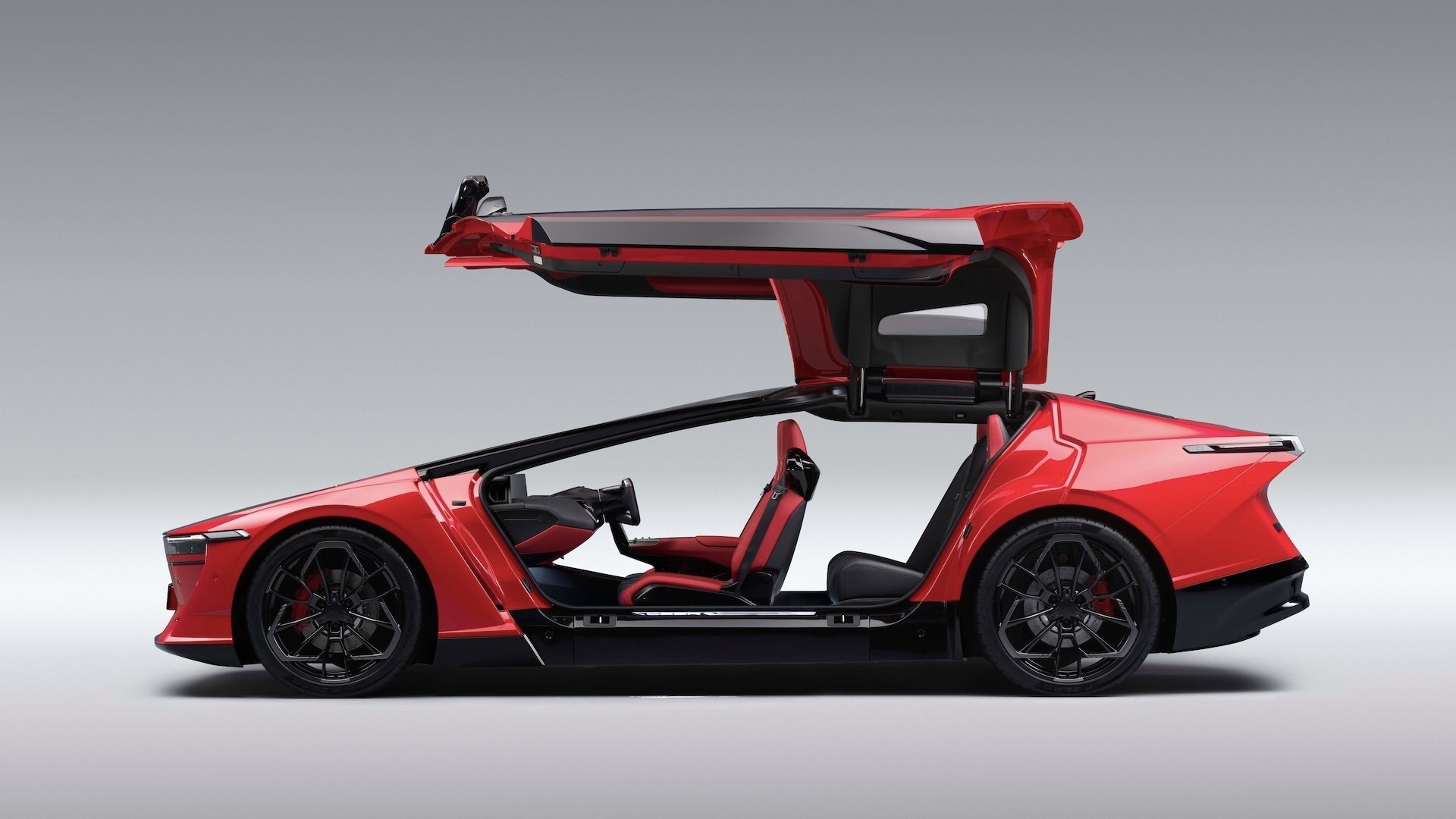
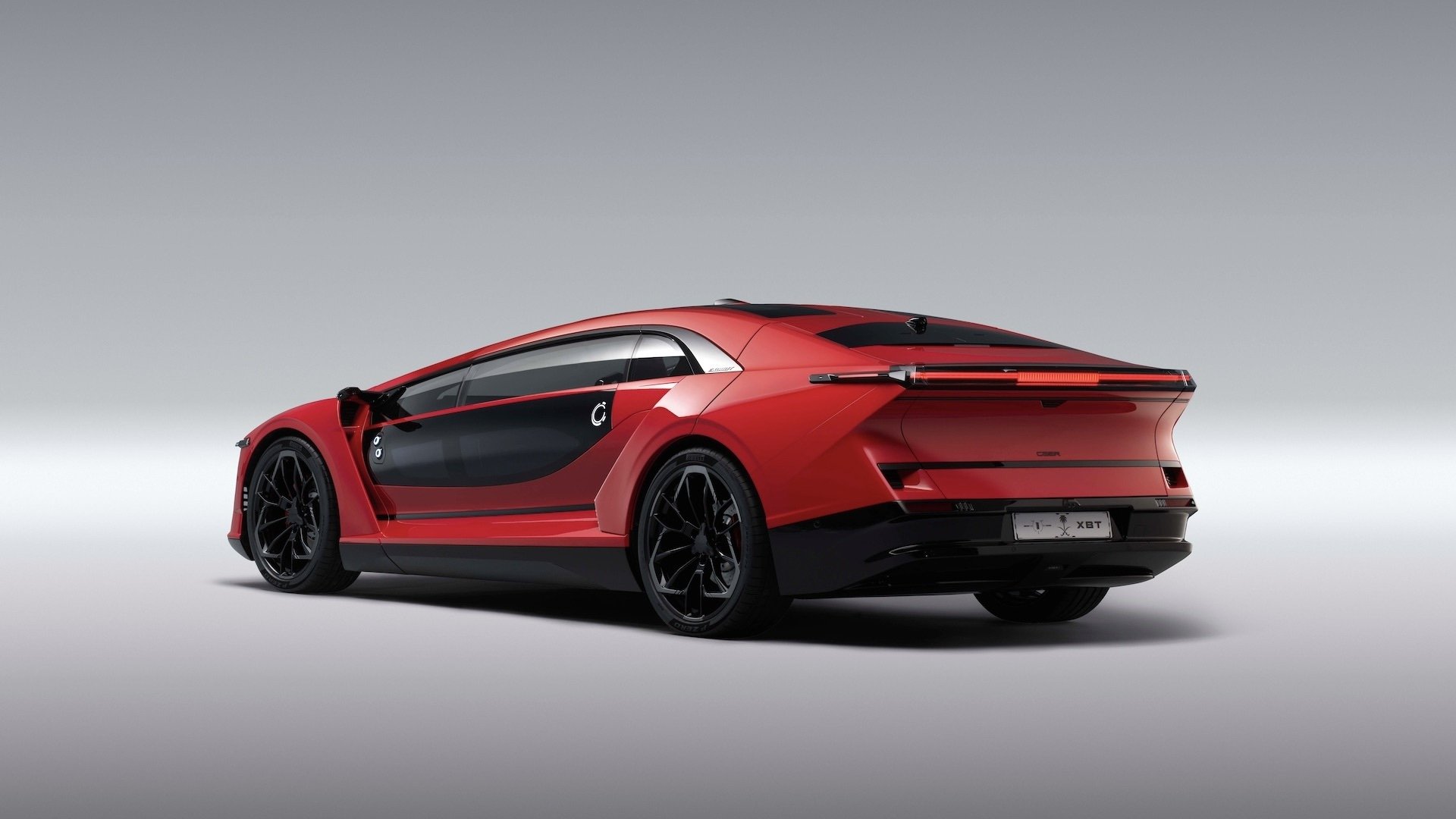
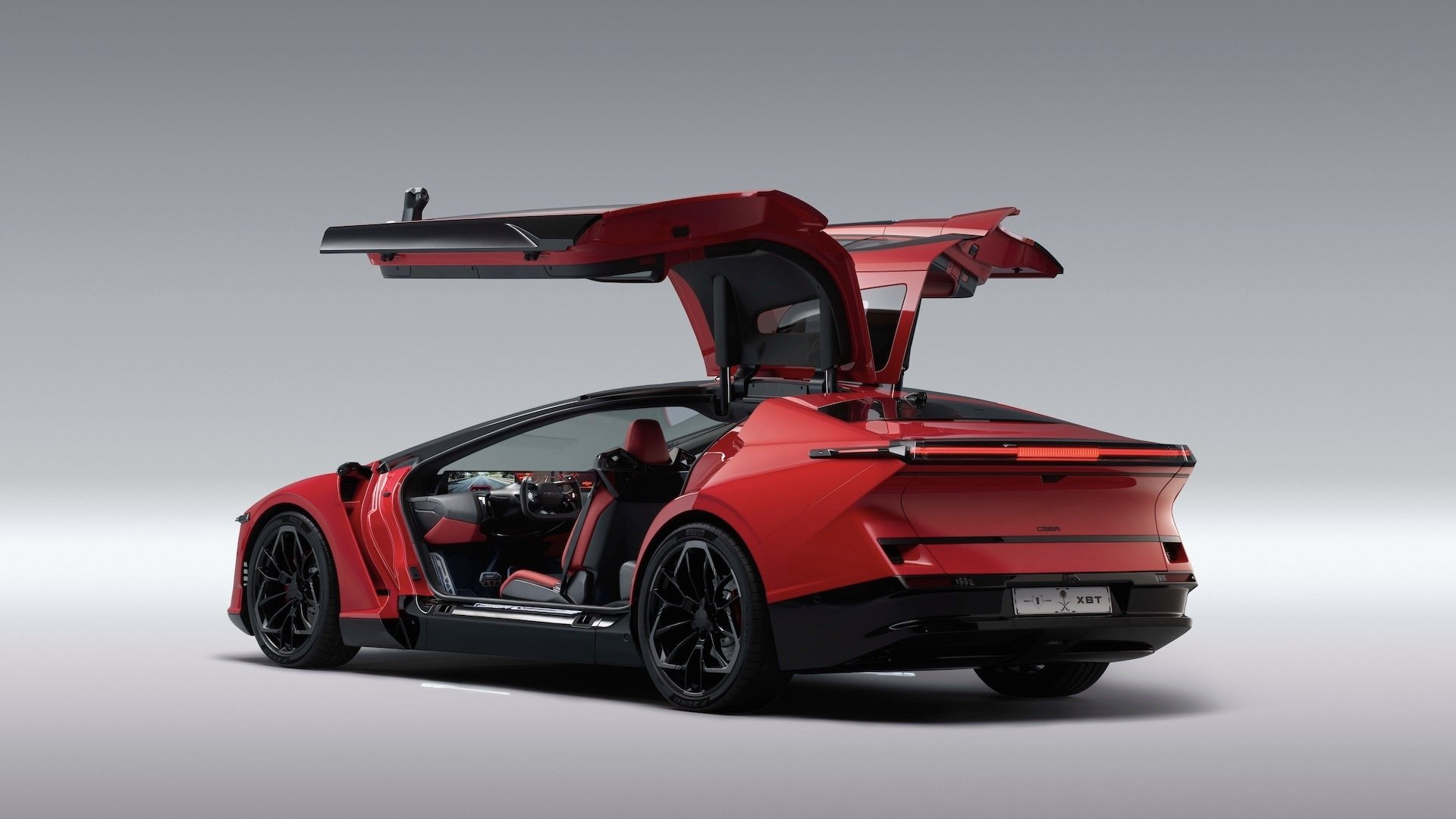
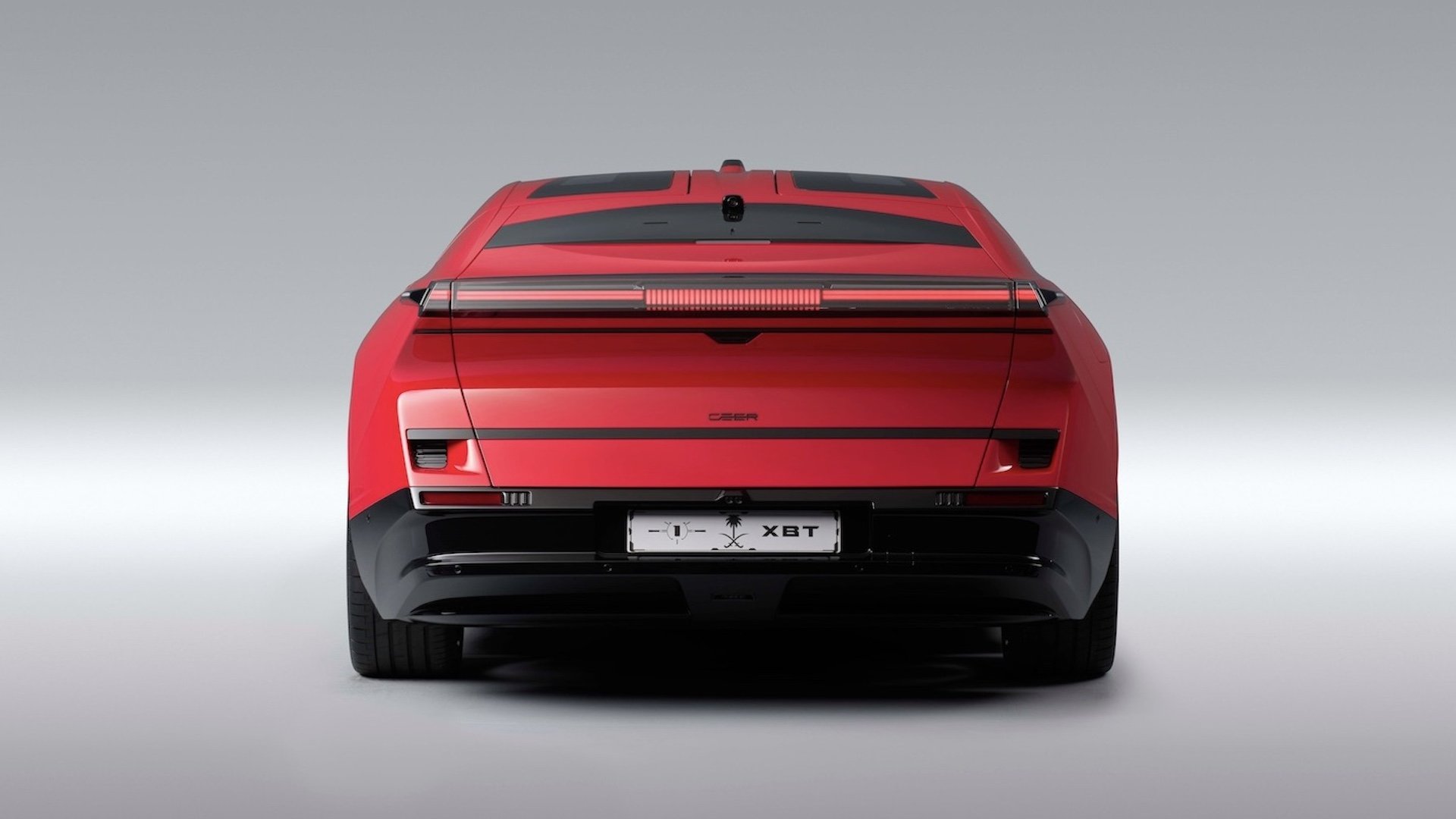
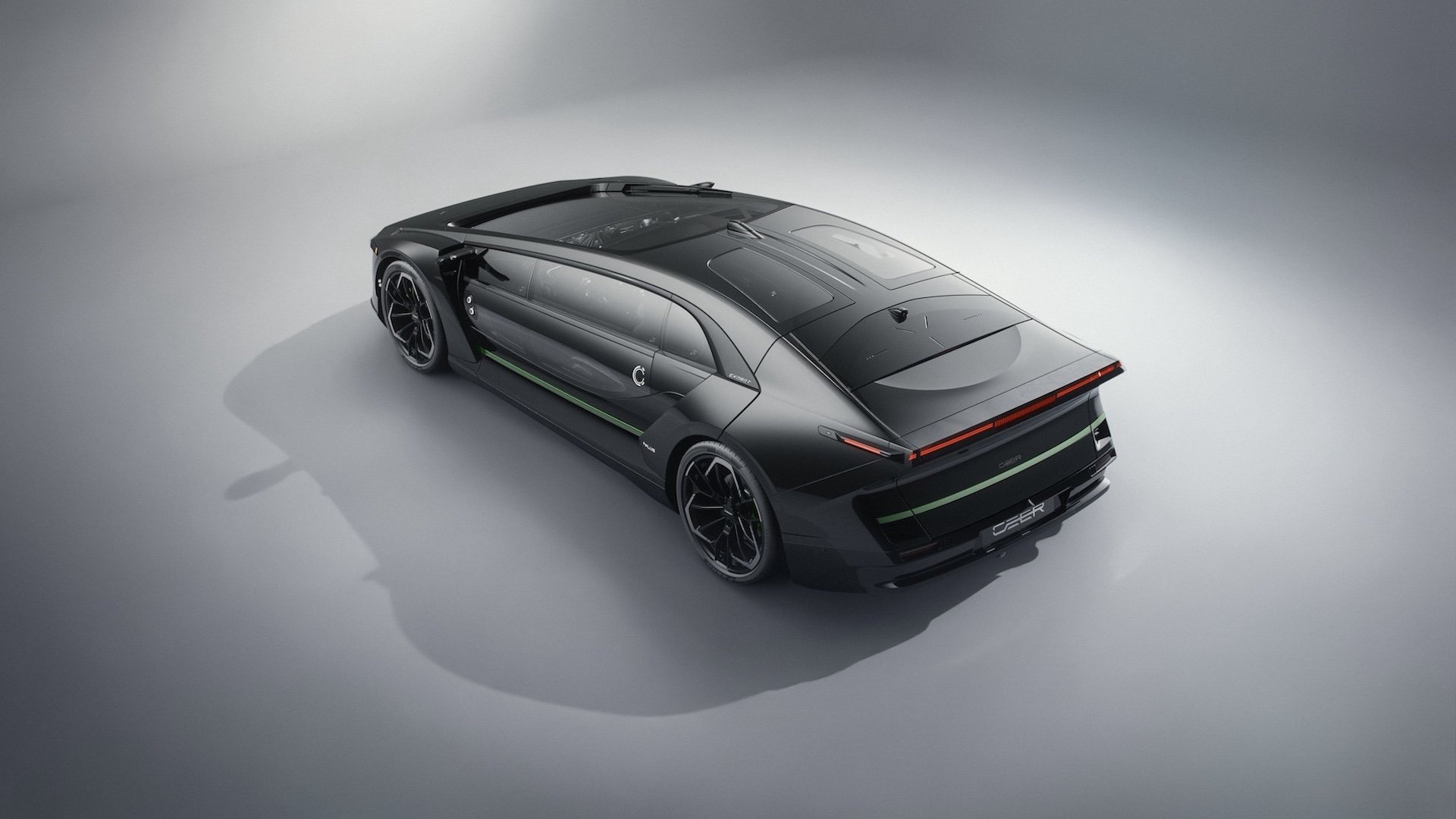
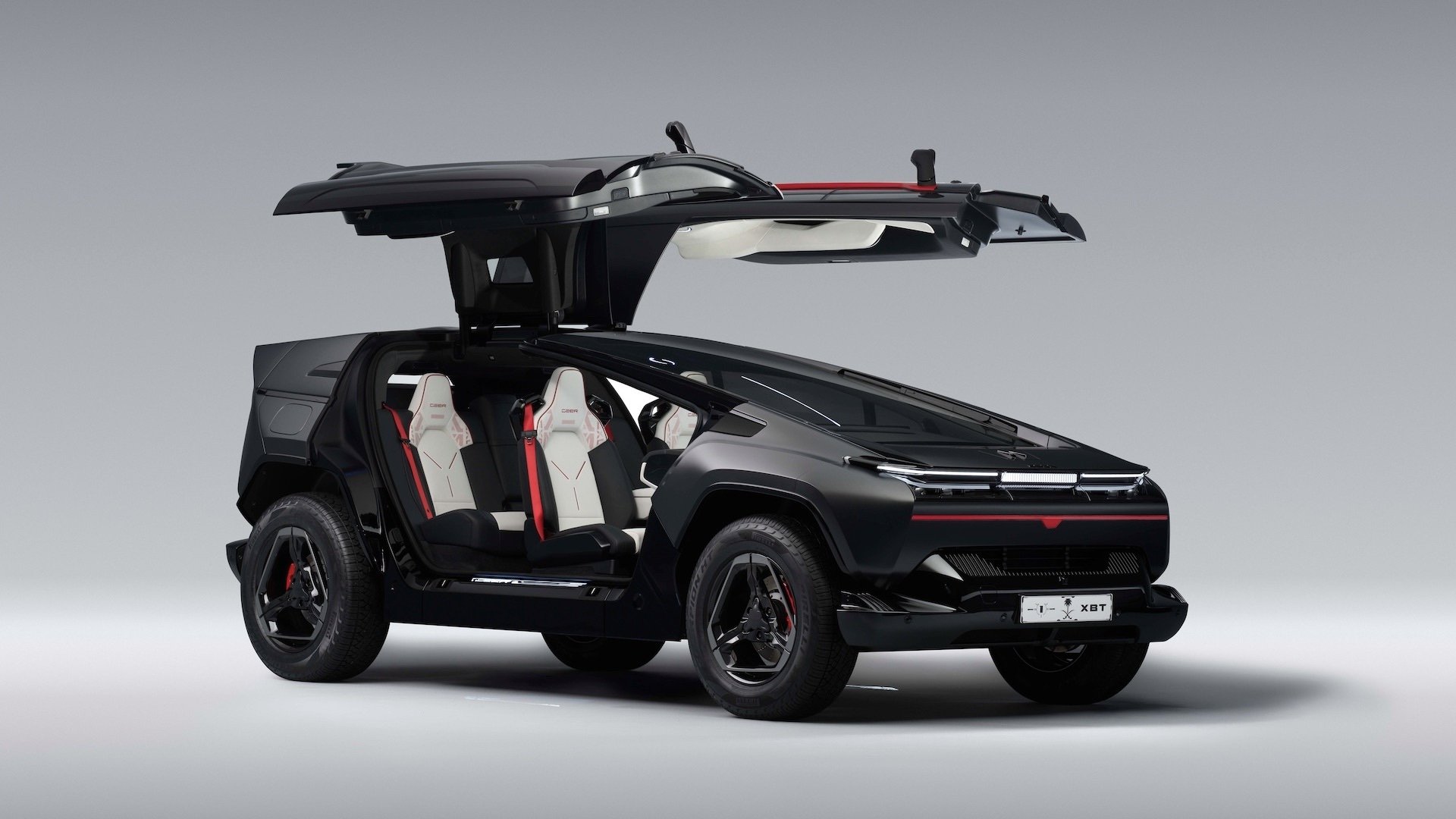
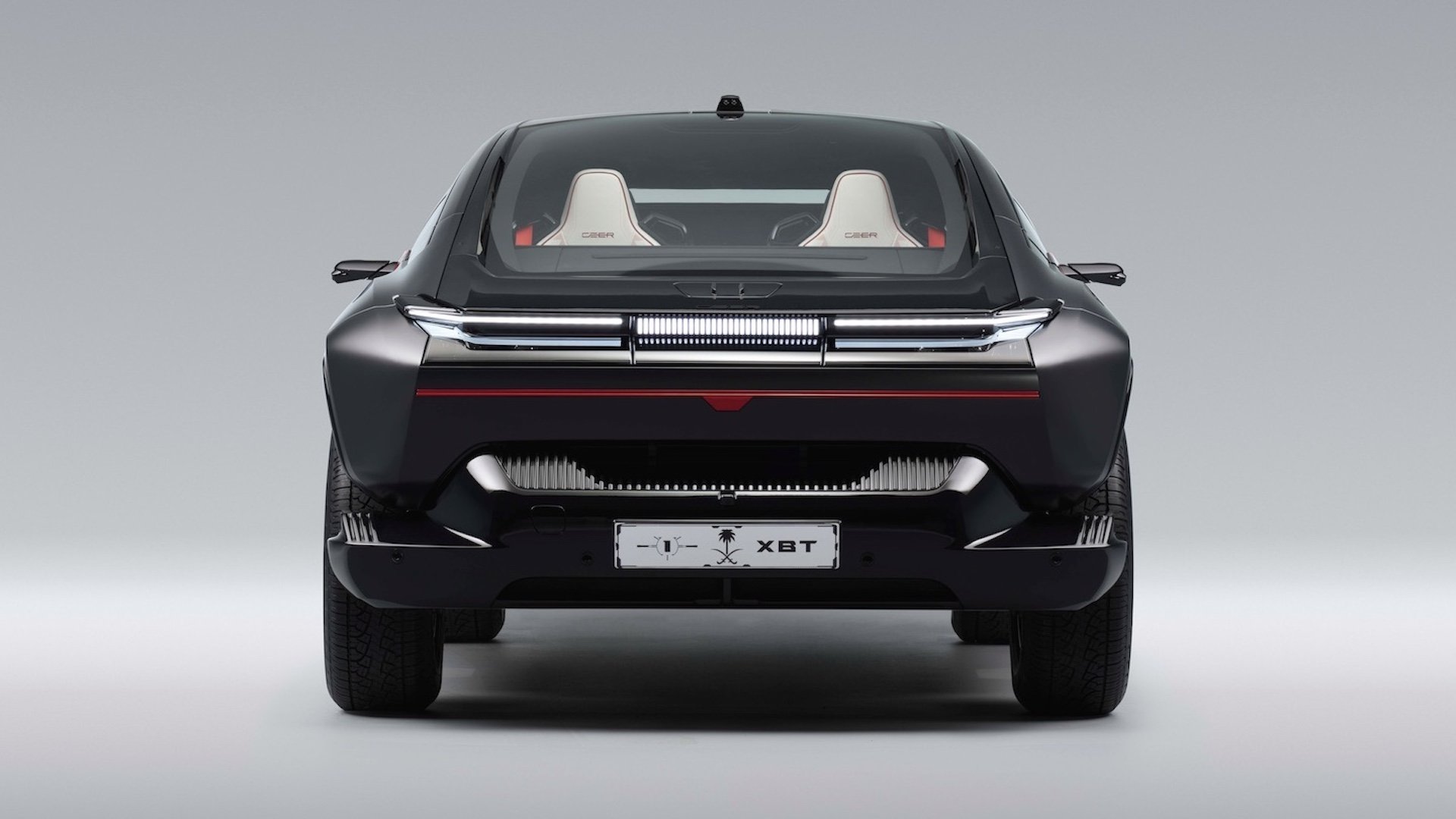
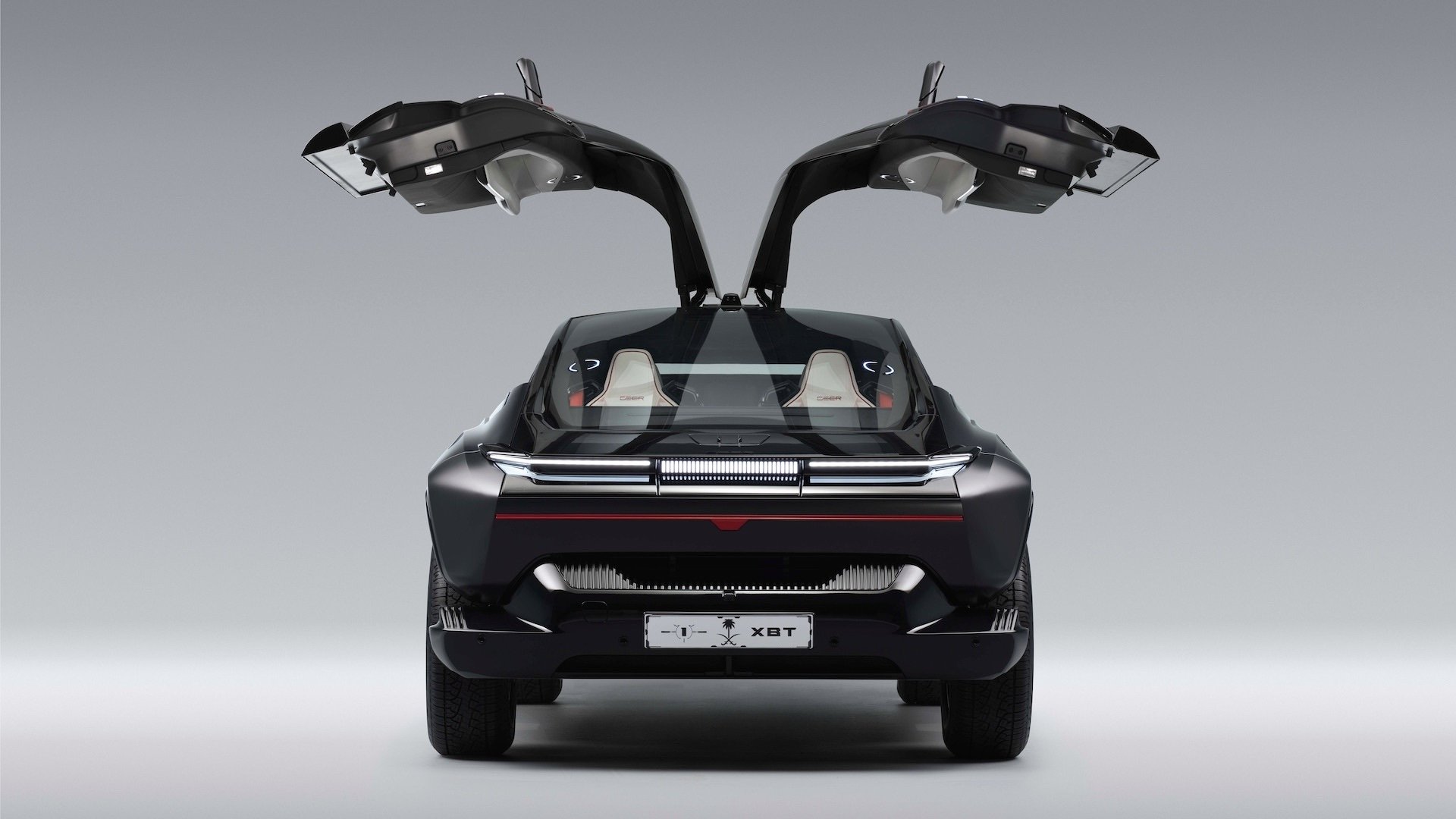
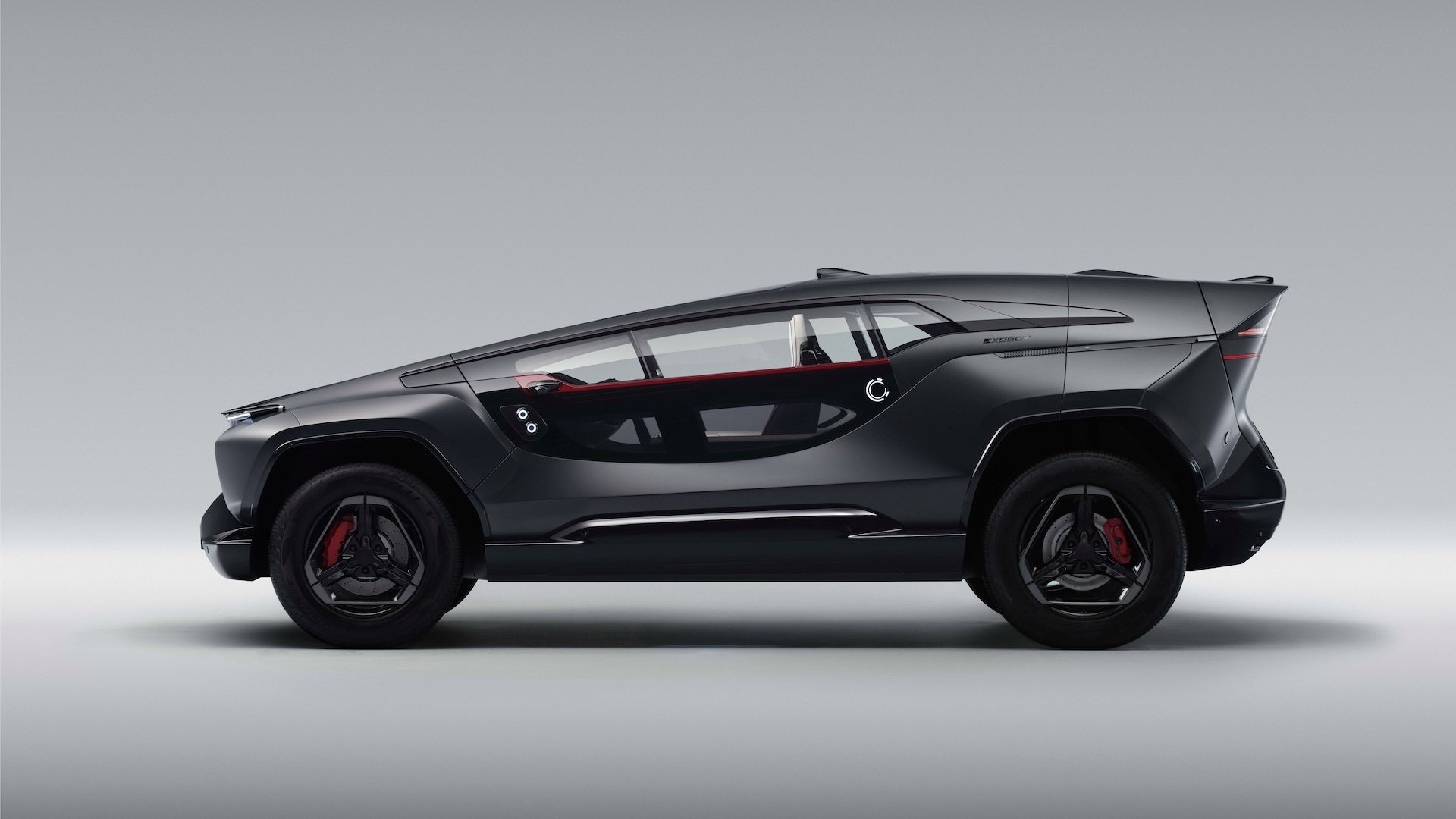
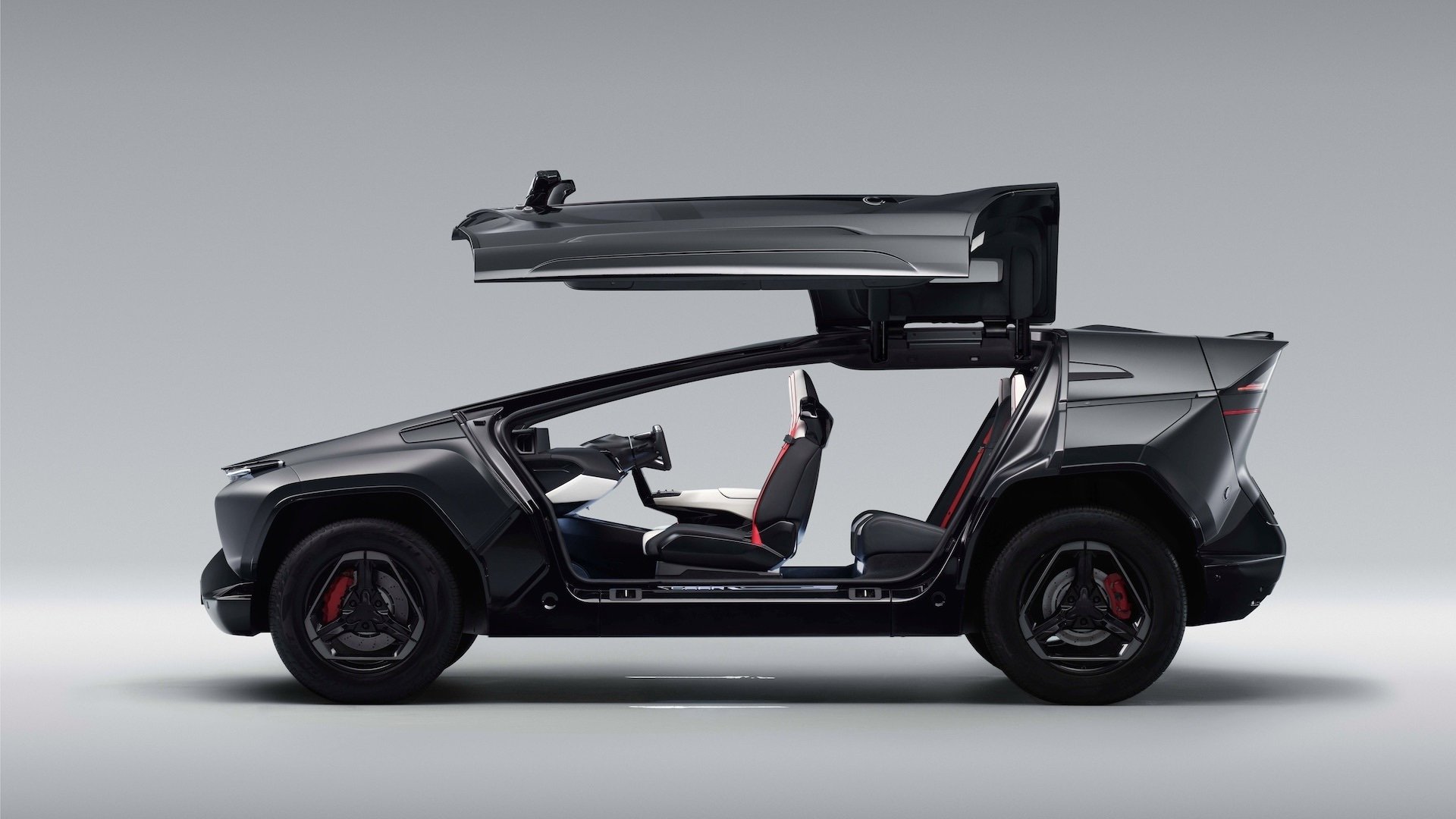
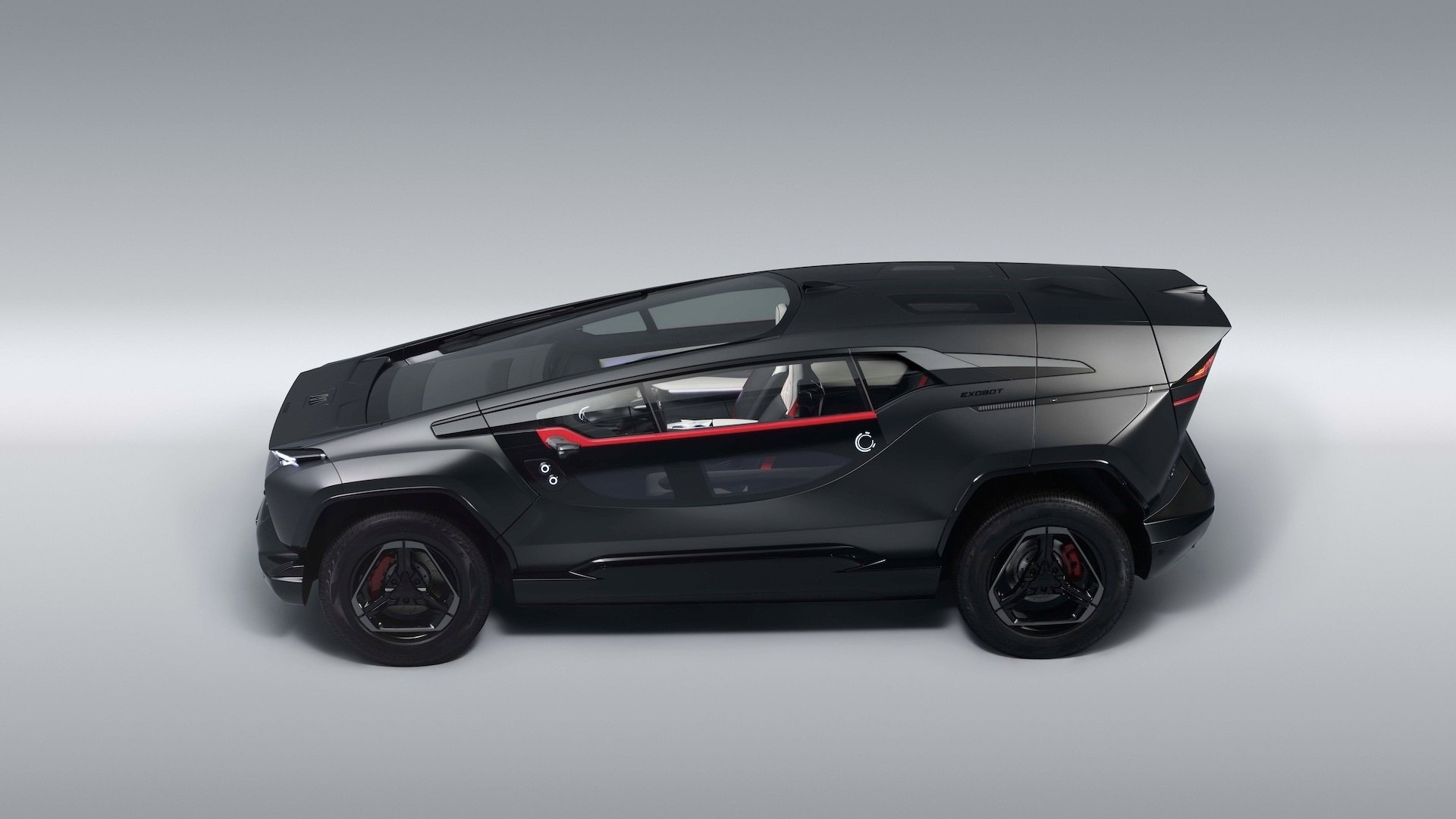
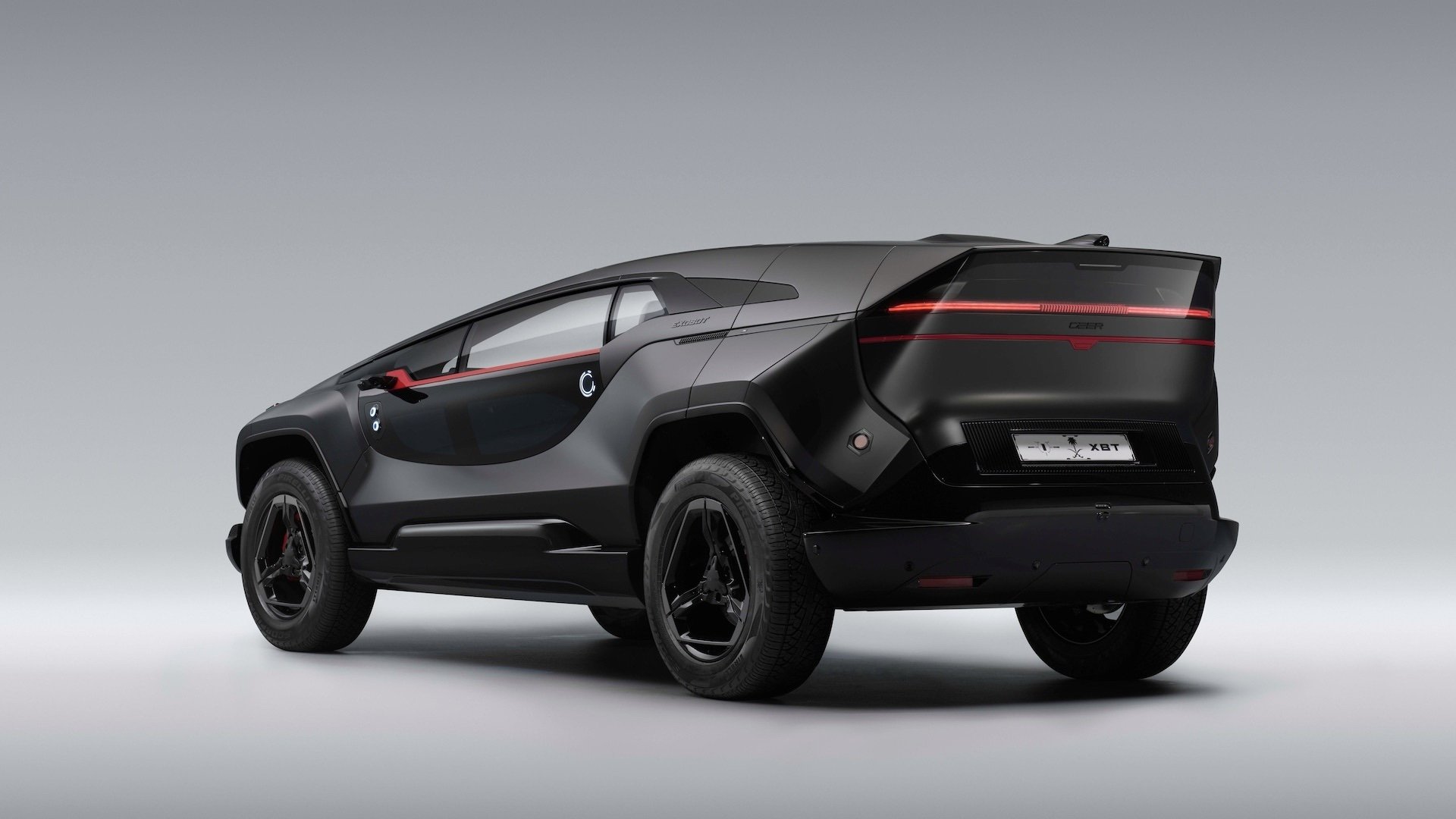
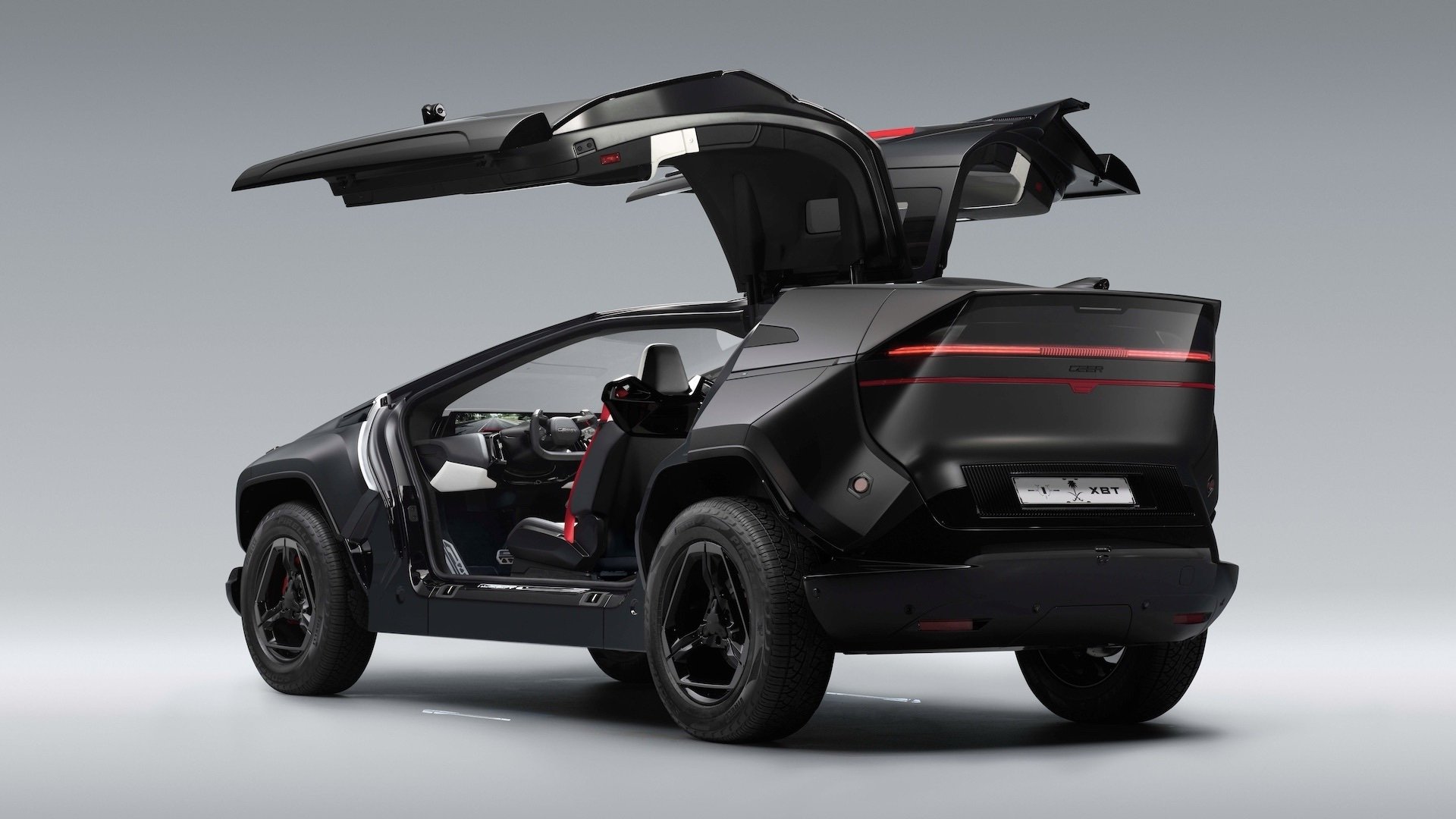
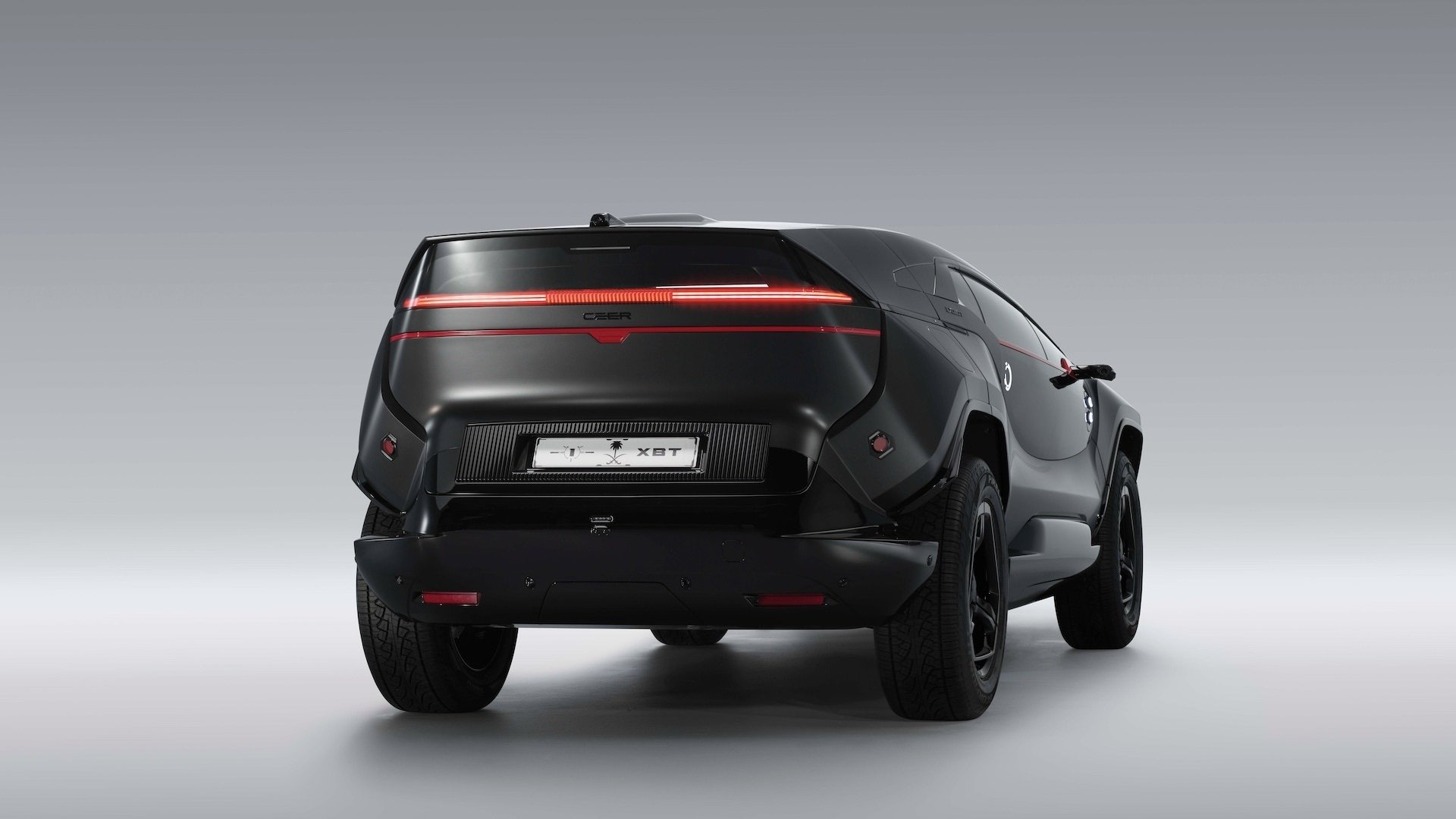
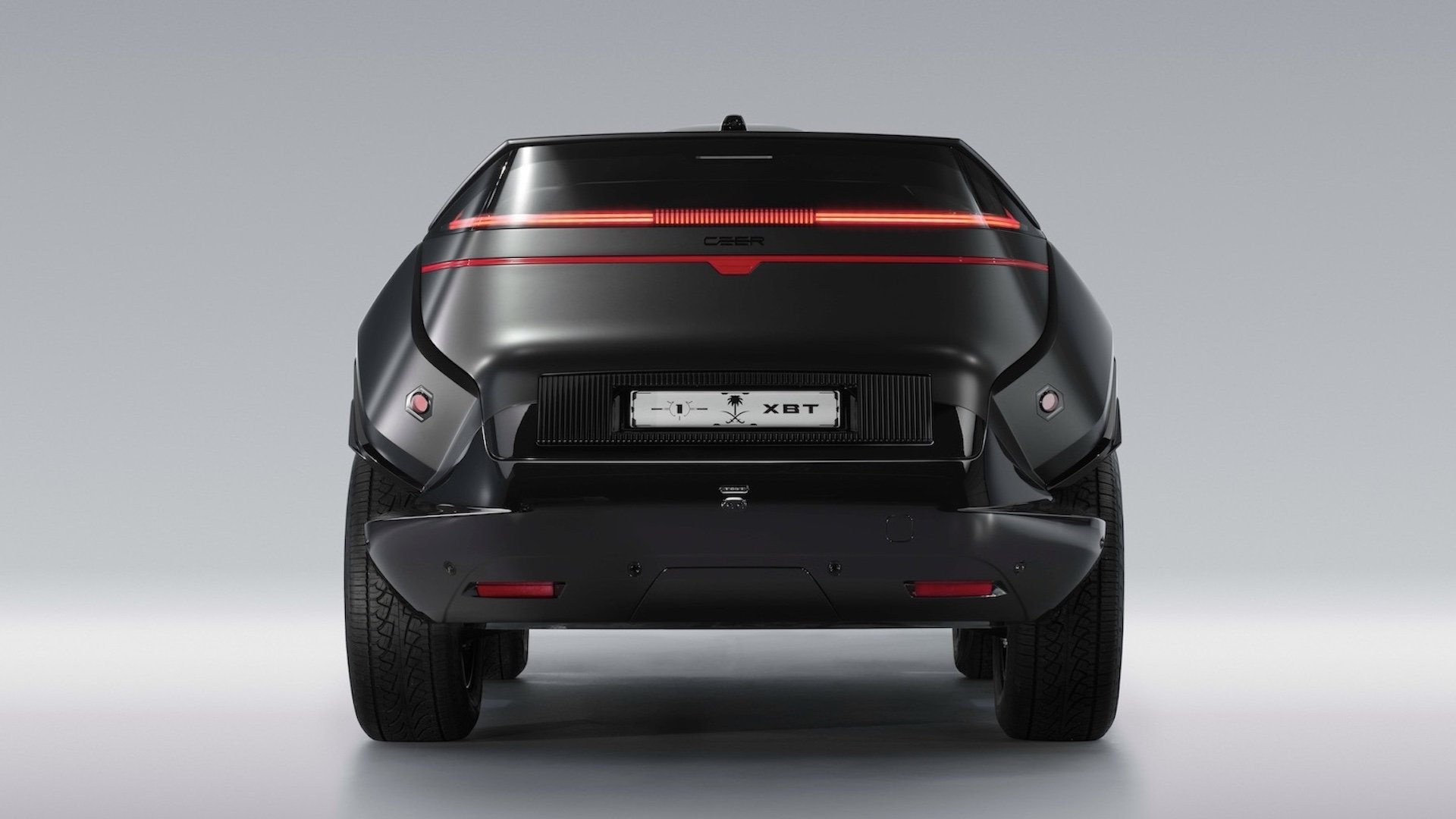
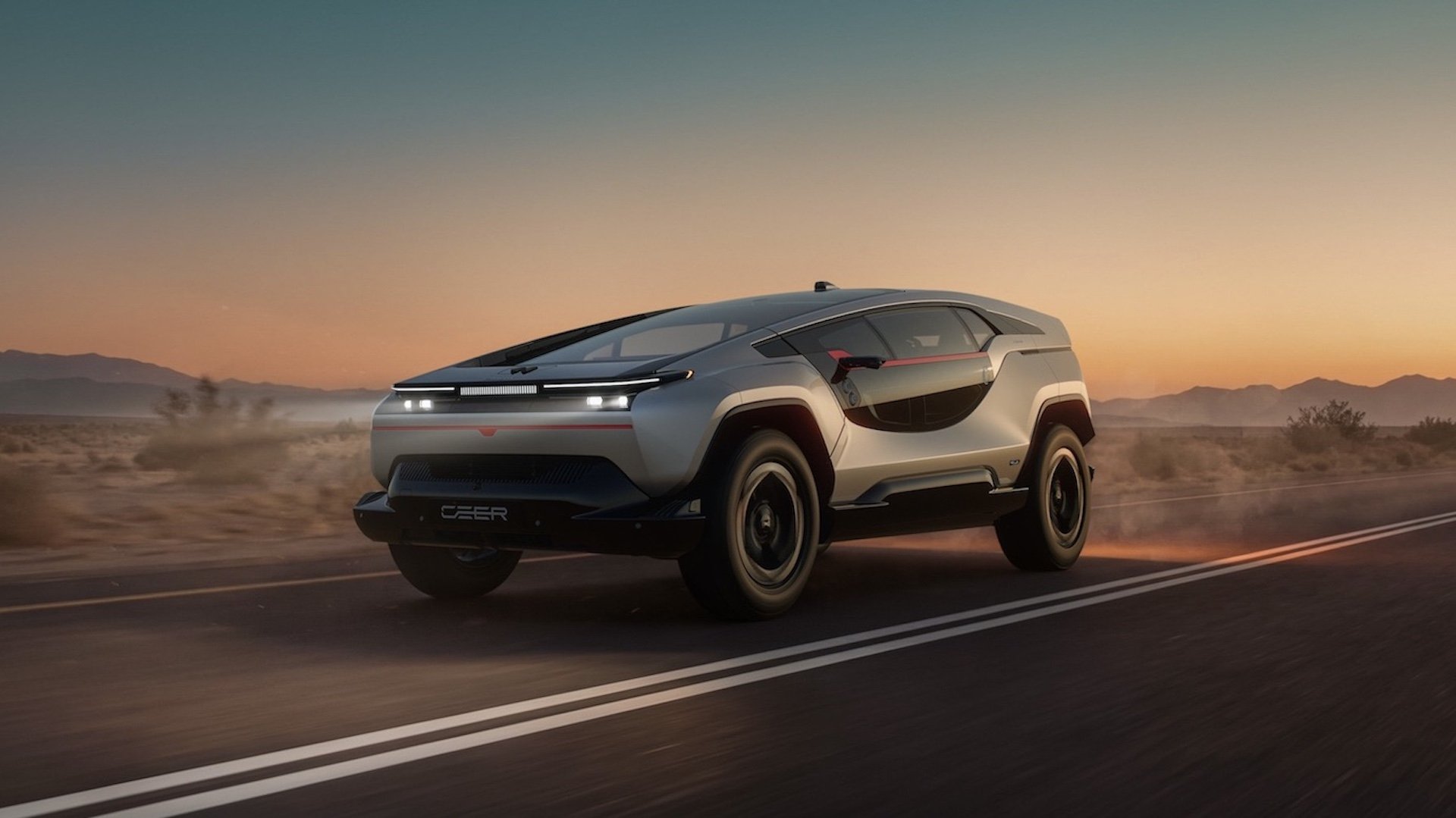
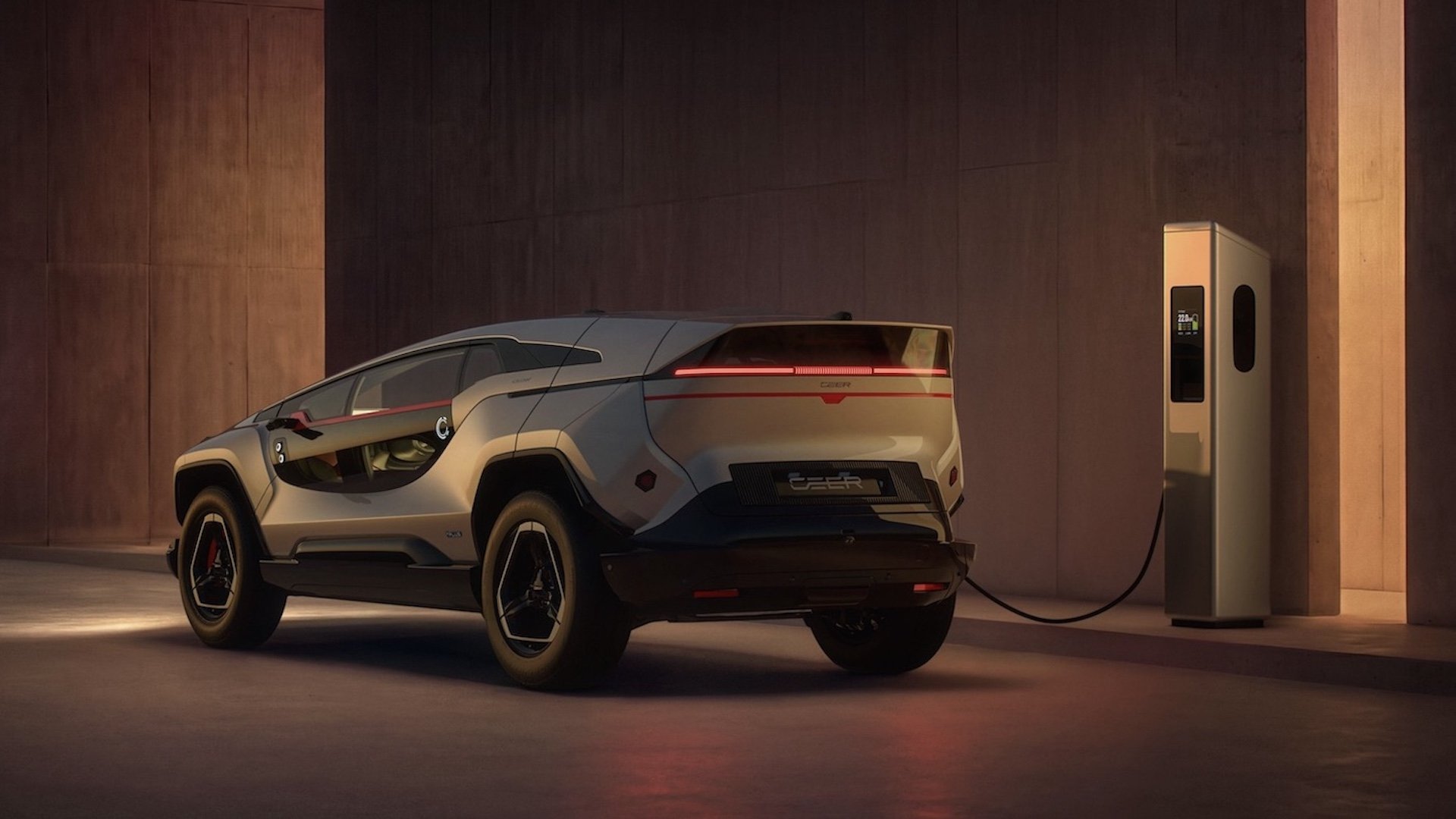
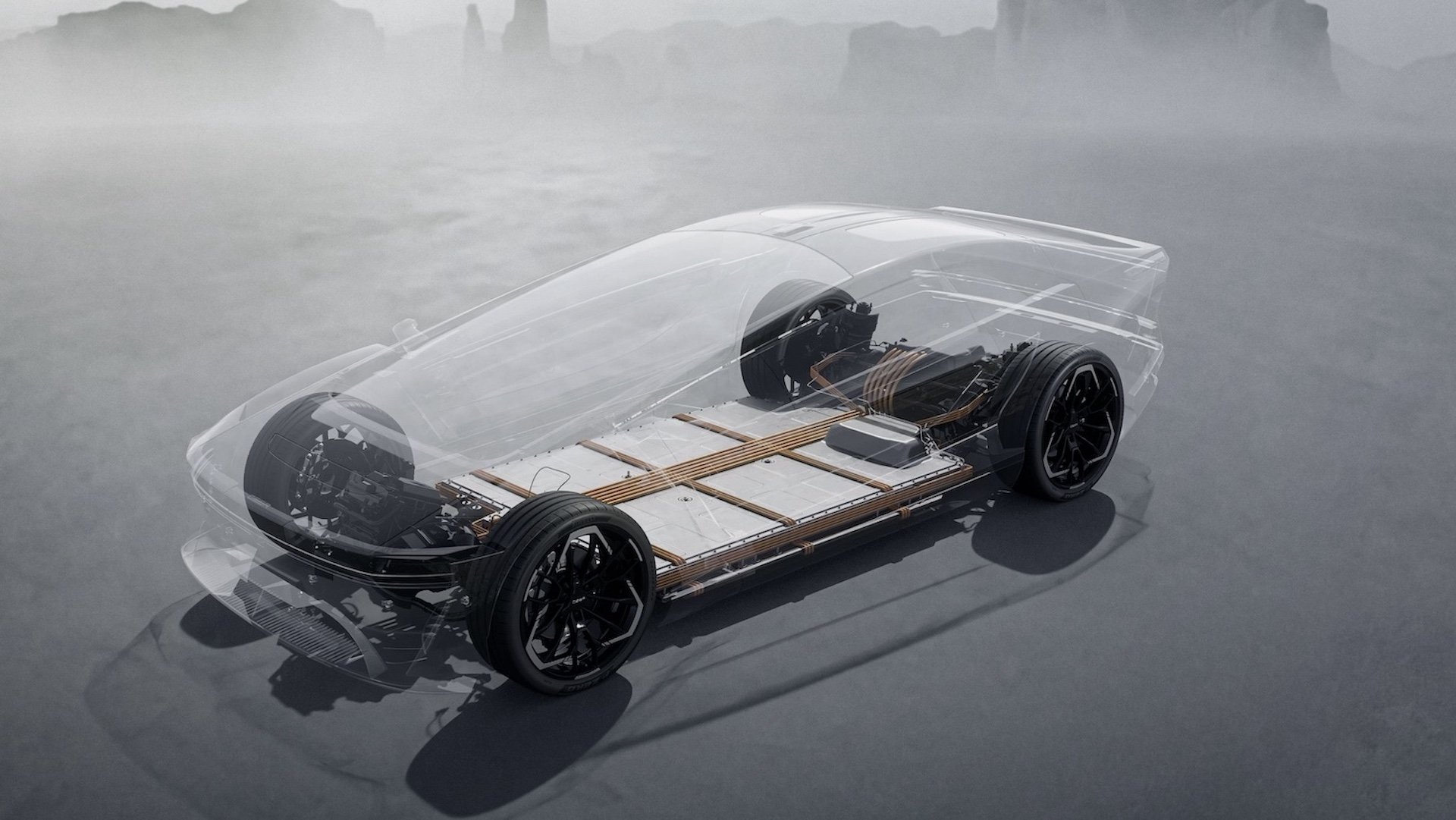
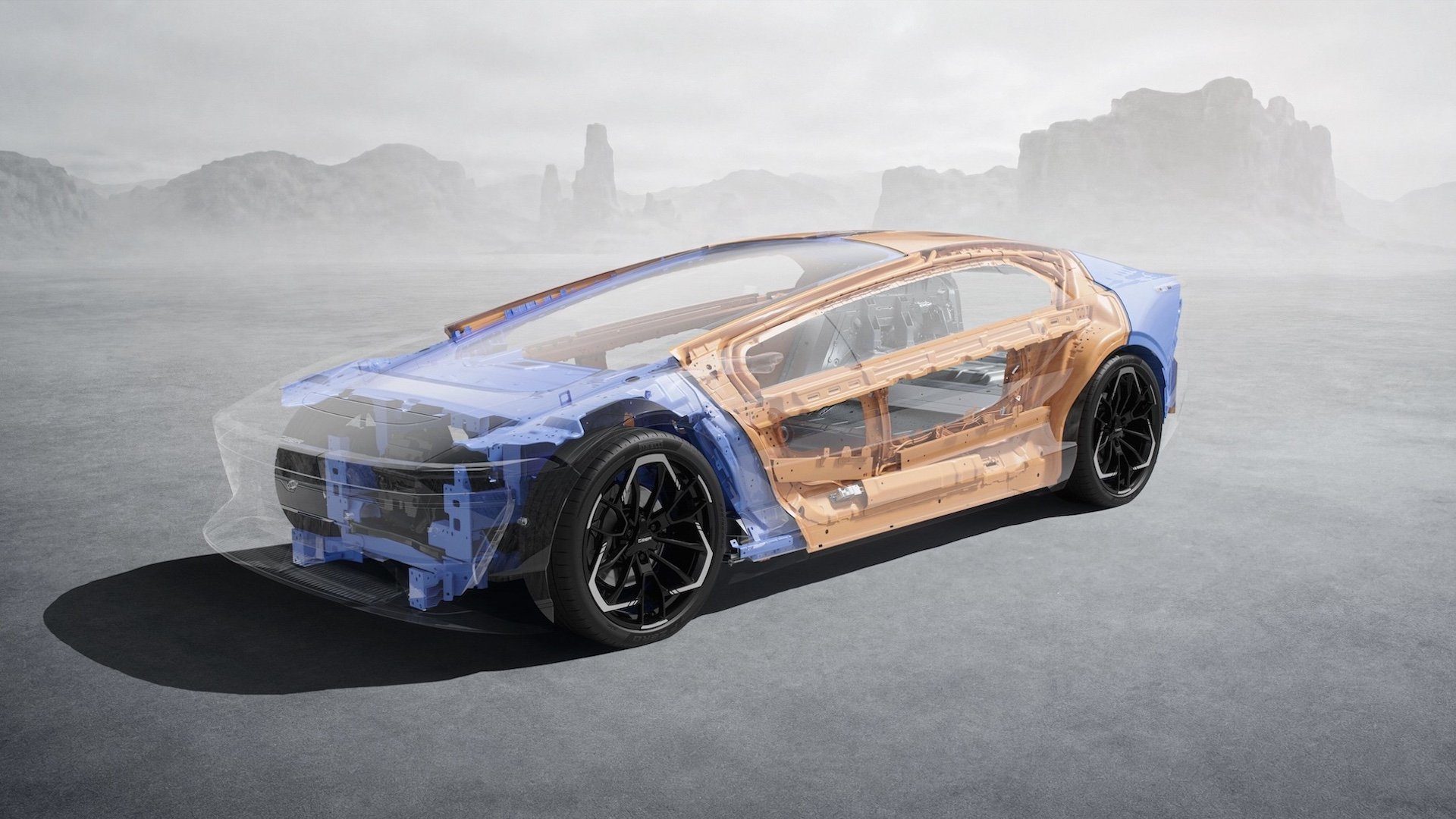
2027 CEER EXOBOT SEDAN and SUV (Picture by Ceer Motors)
Saudi Arabia’s automotive industry is entering a new phase with the introduction of the EXOBOT, CEER’s first flagship vehicle. The young domestic automaker is clearly aiming high, entering the premium electric vehicle market with two models: a large sedan and an SUV.
Officially unveiled on September 21, 2026, the two vehicles mark the beginning of a lineup that is expected to expand quickly. CEER plans to introduce seven models by 2030, eventually including midsize and compact vehicles as well as different powertrain solutions.
The EXOBOT models will be assembled at the CEER Manufacturing Complex in King Abdullah Economic City, Saudi Arabia. CEER also says the vehicles have been specifically developed to cope with the region’s climate and road conditions.
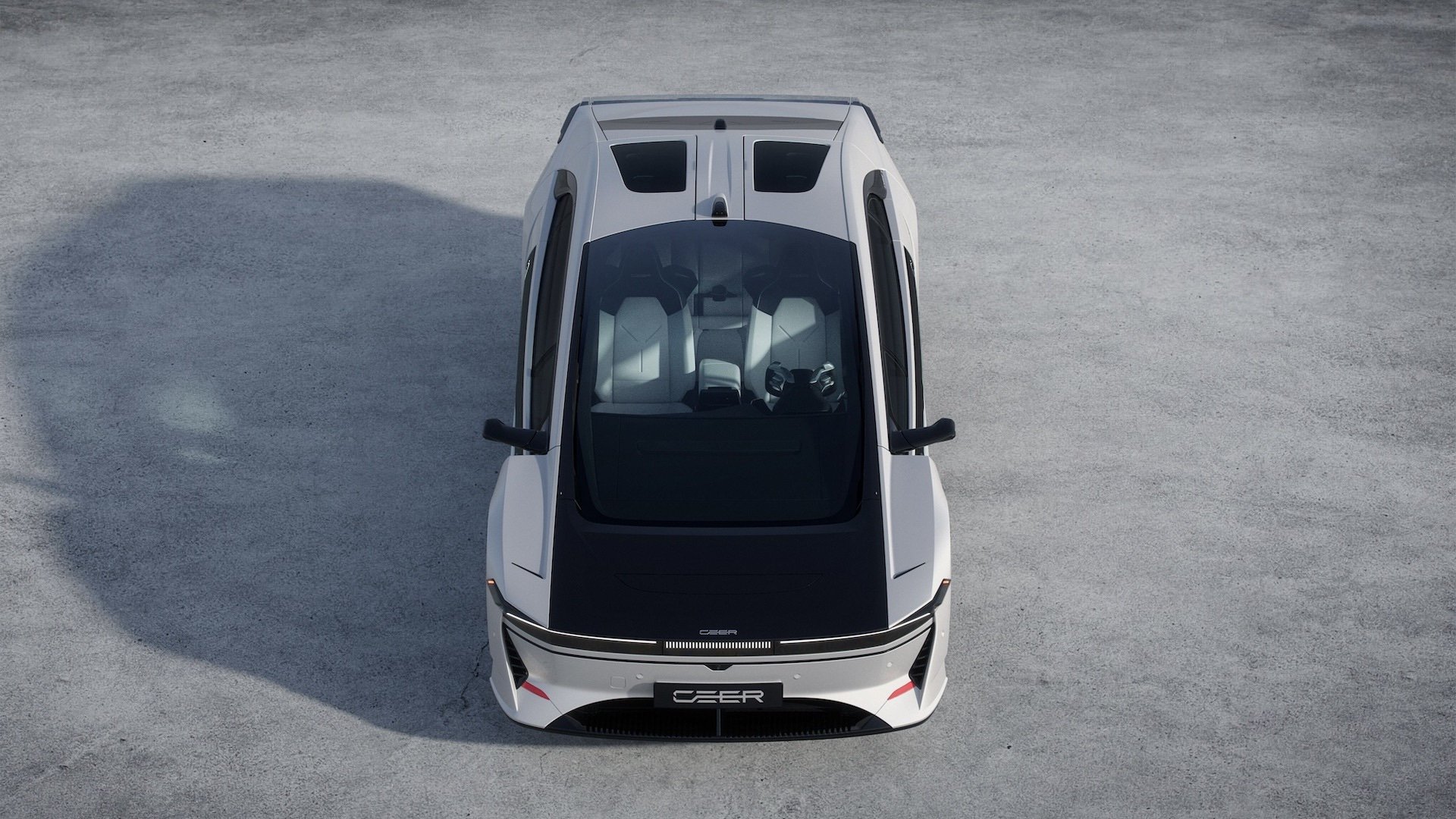
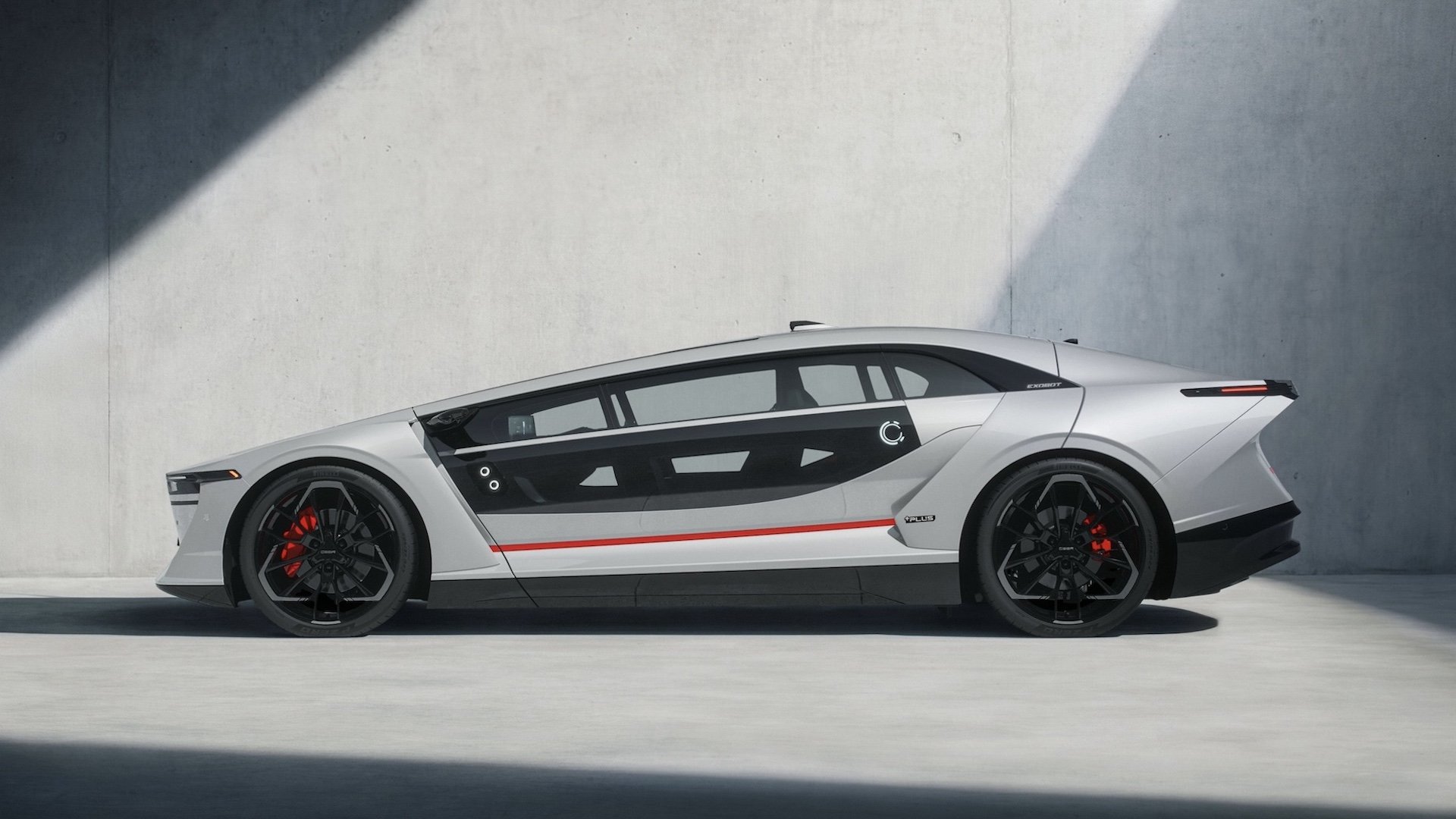
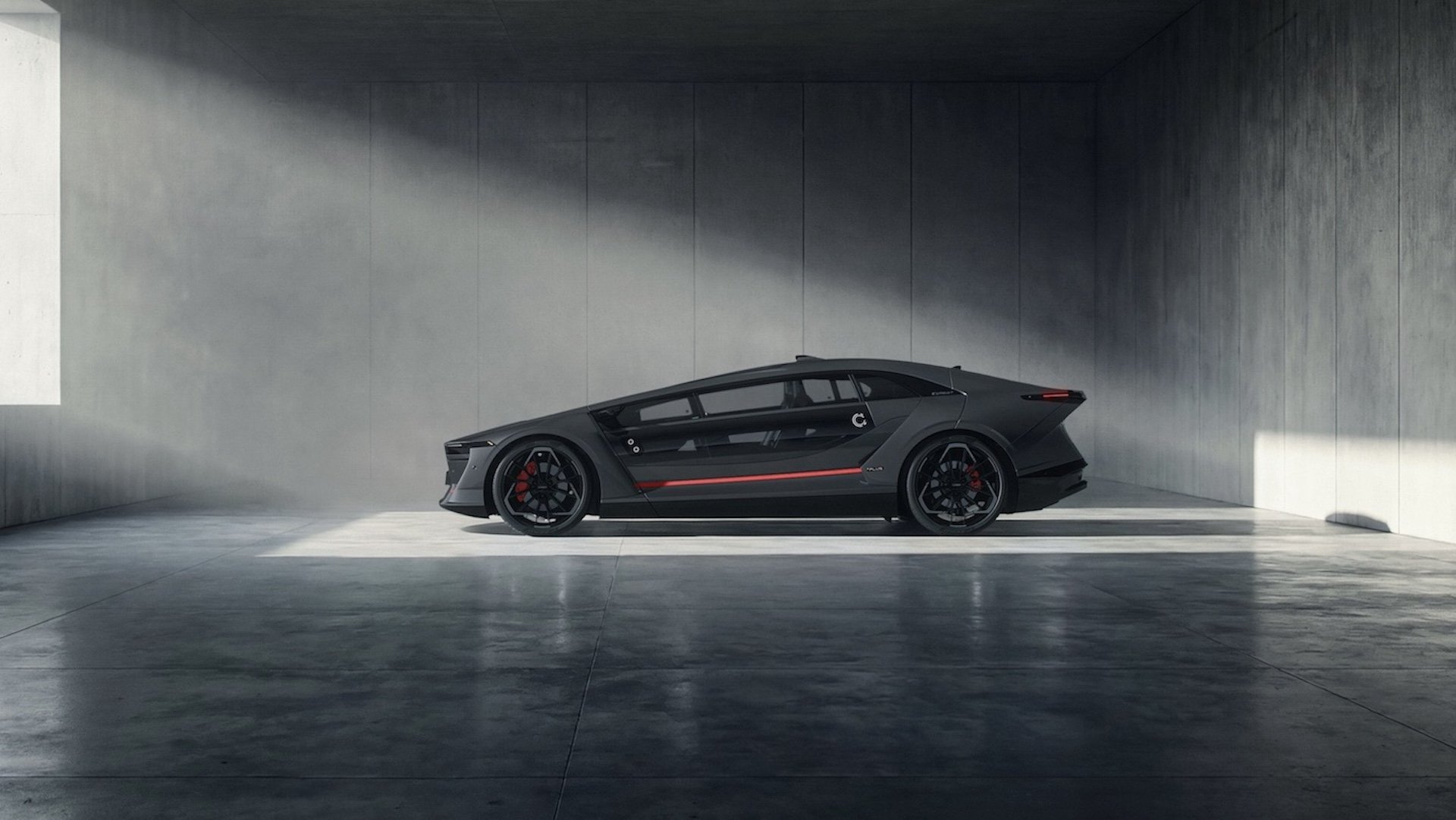
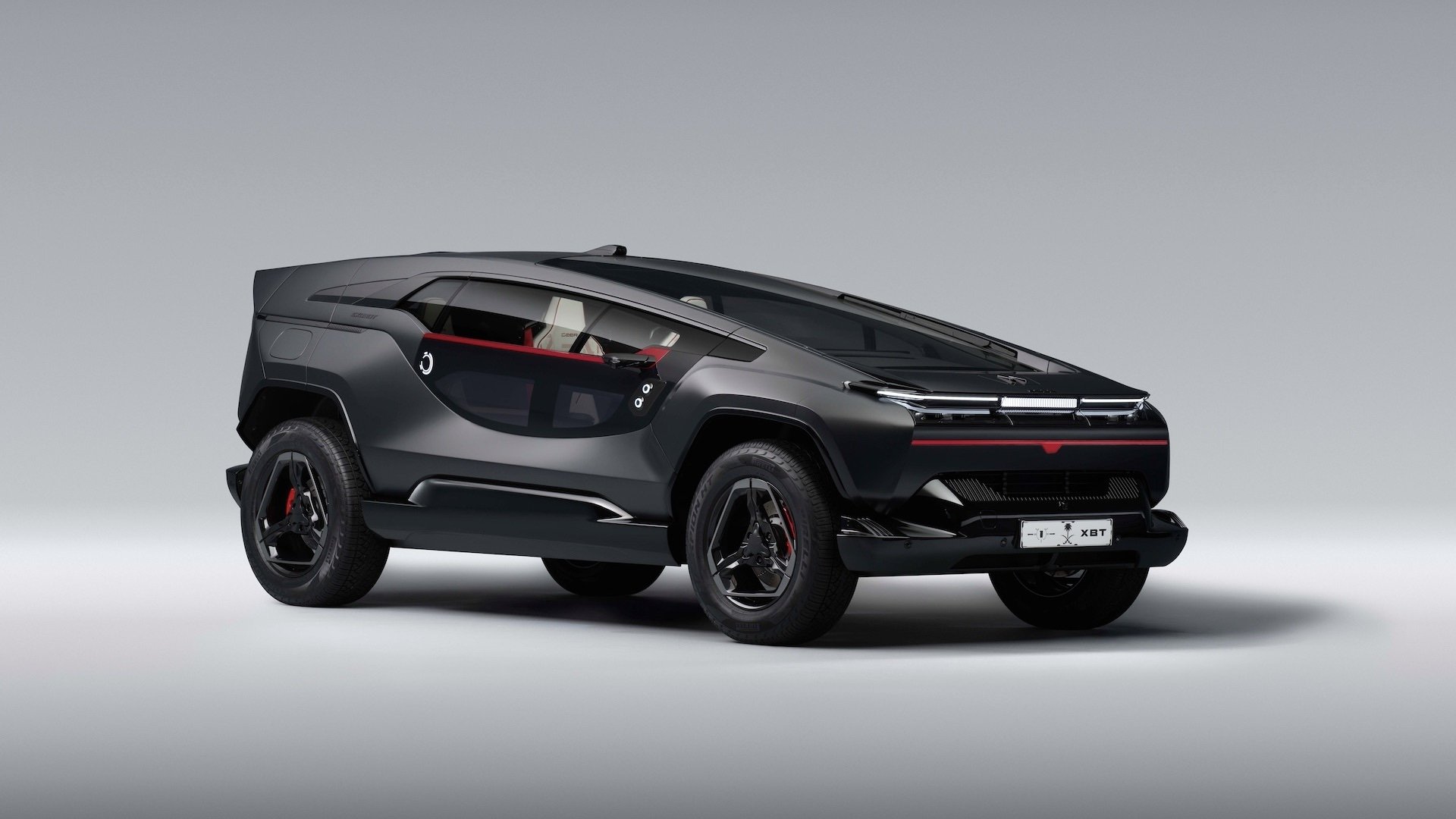
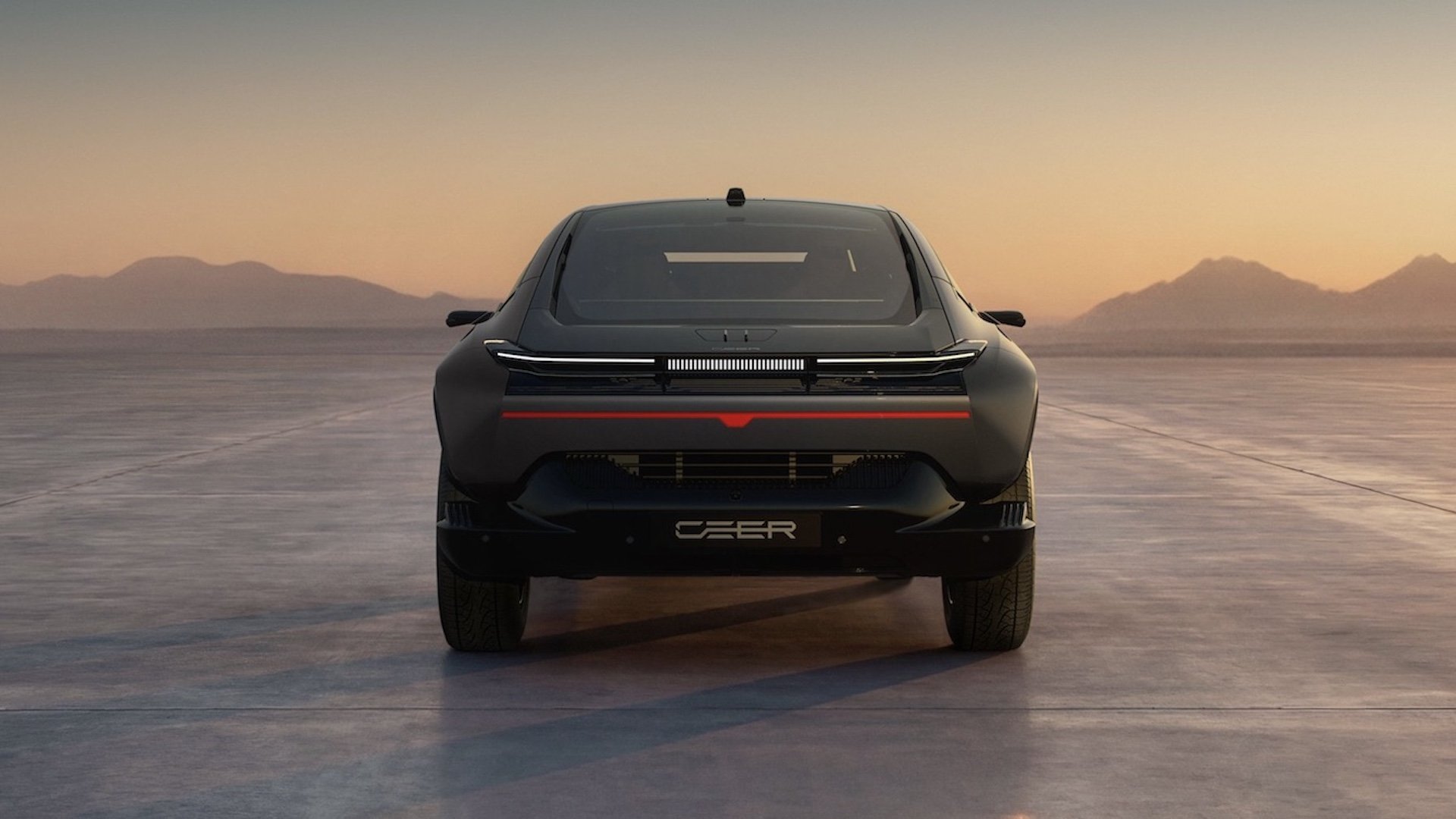
The EXOBOT’s dimensions immediately reveal its positioning. The sedan measures 5.26 metres long and 2.10 metres wide, while standing just 1.43 metres tall. The SUV is slightly shorter at 5.02 metres but retains the same 2.10-metre width and stands 1.69 metres tall. Both are imposing vehicles by any standard.
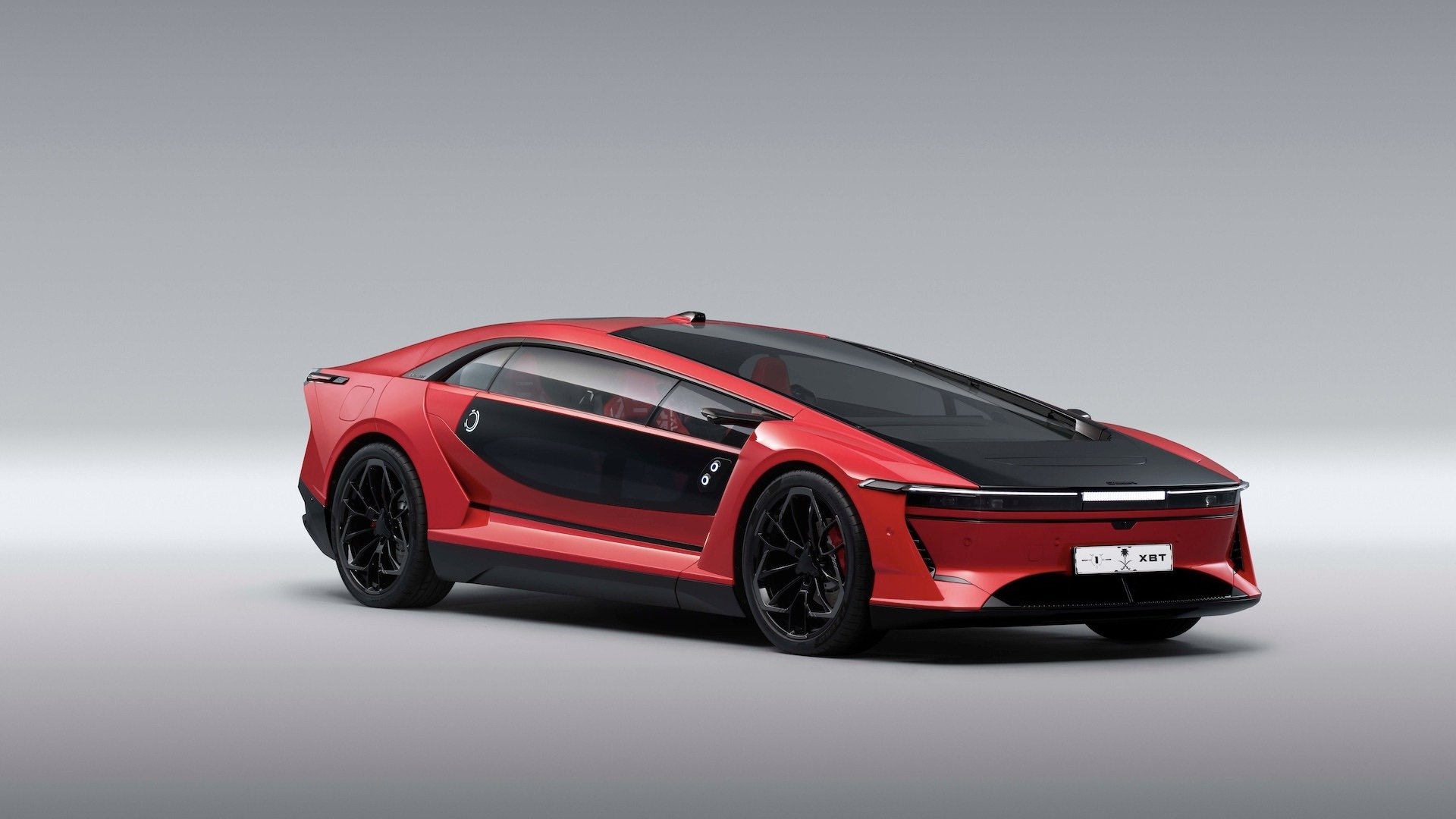
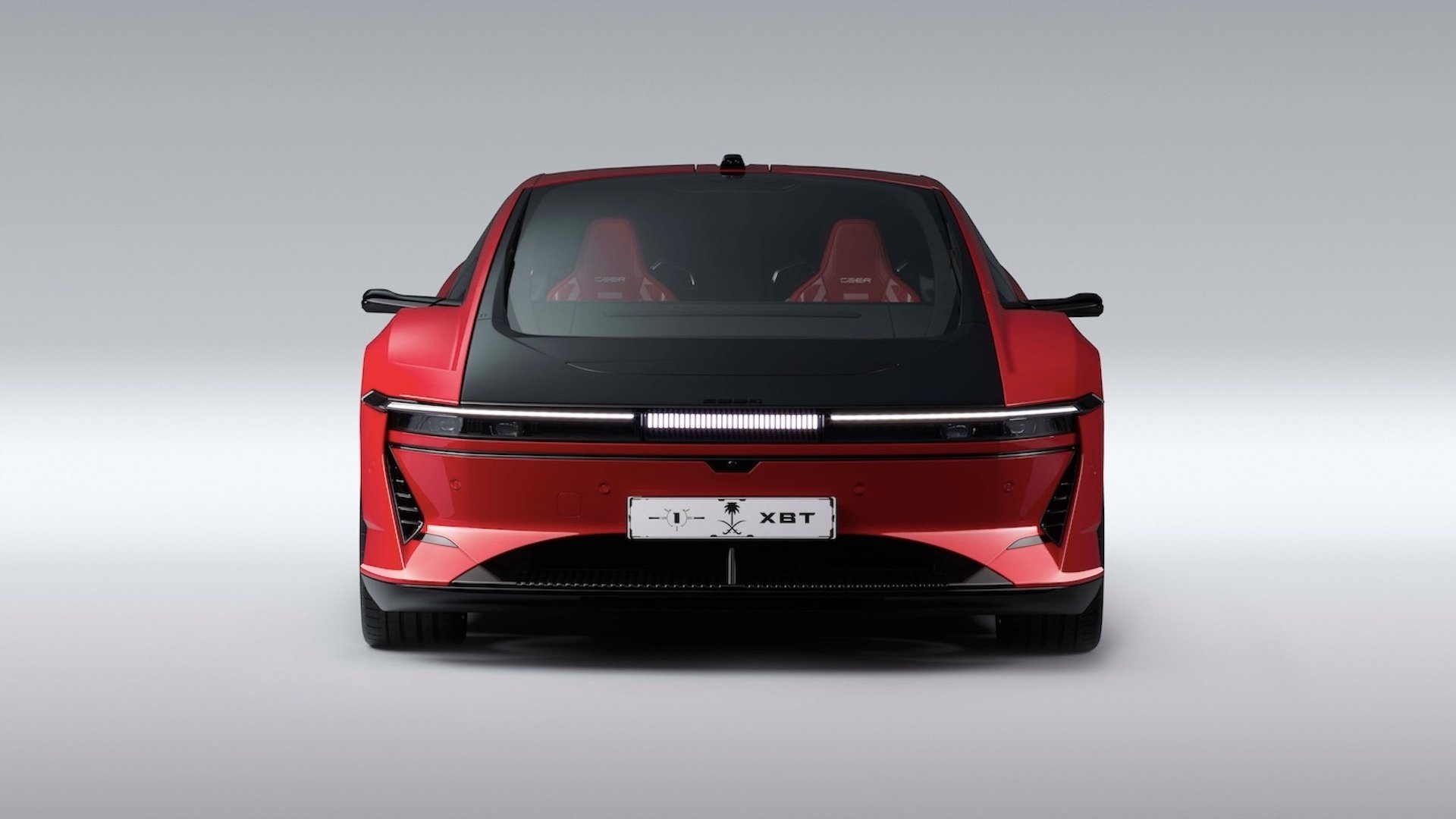
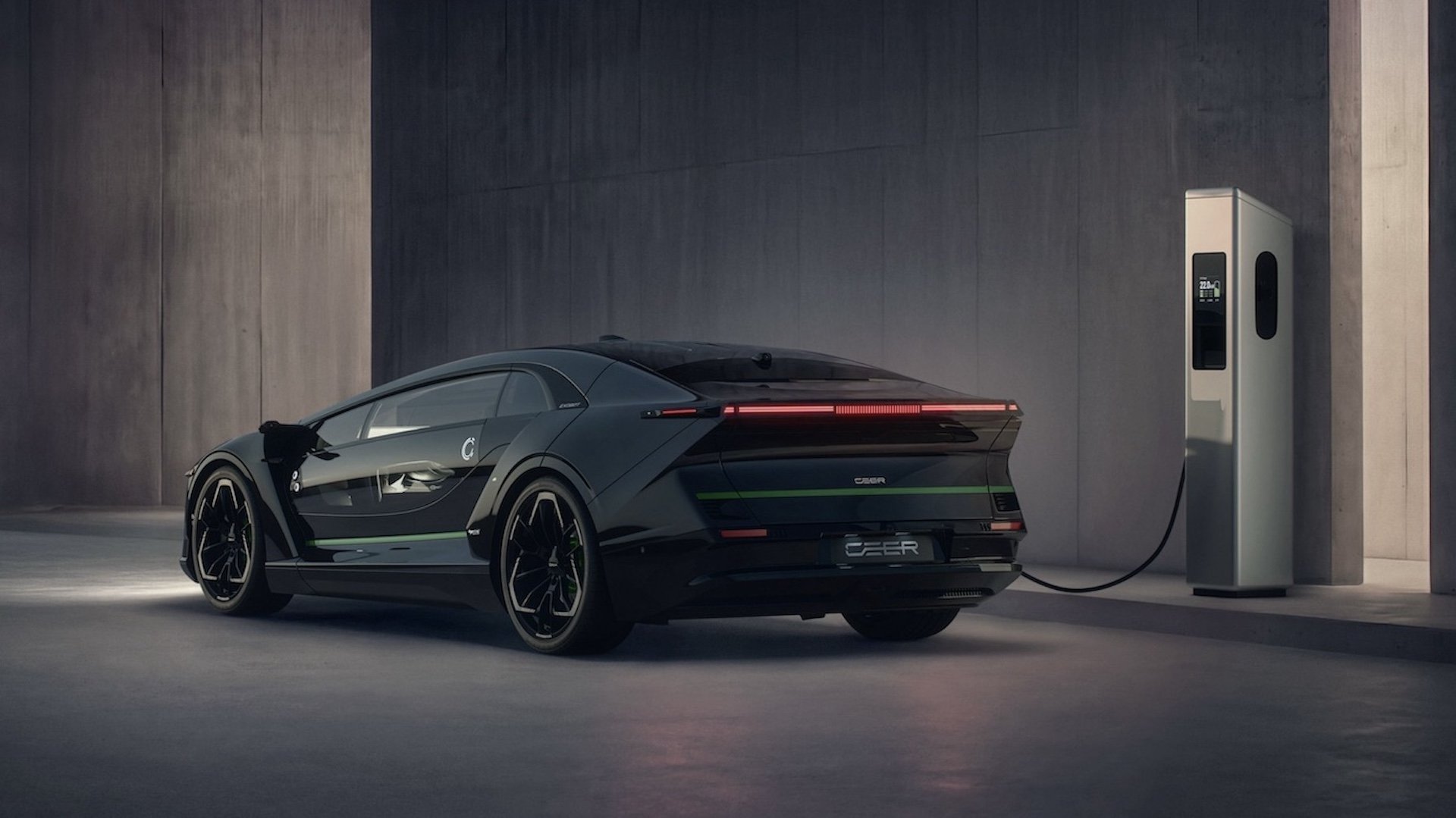
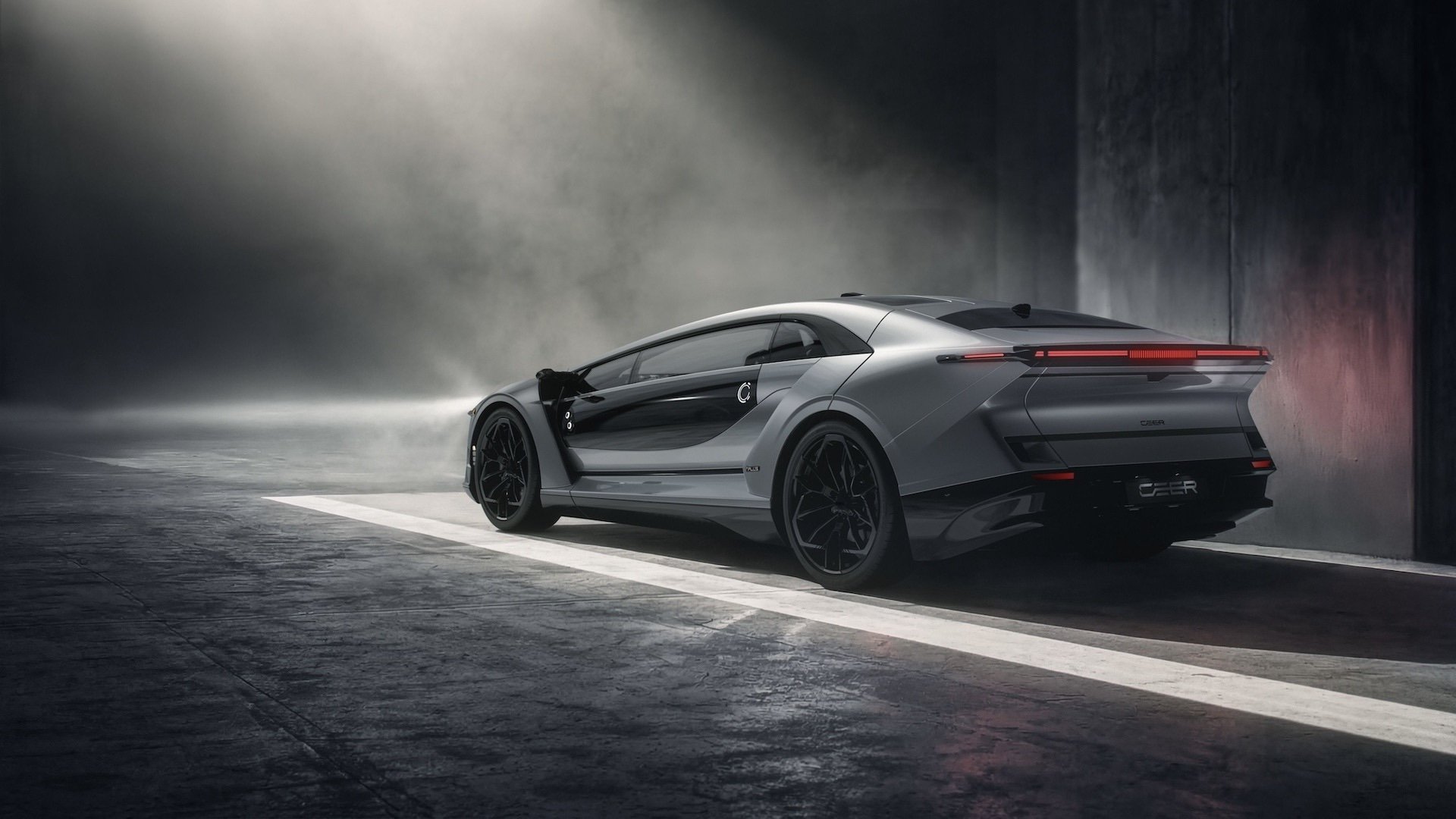
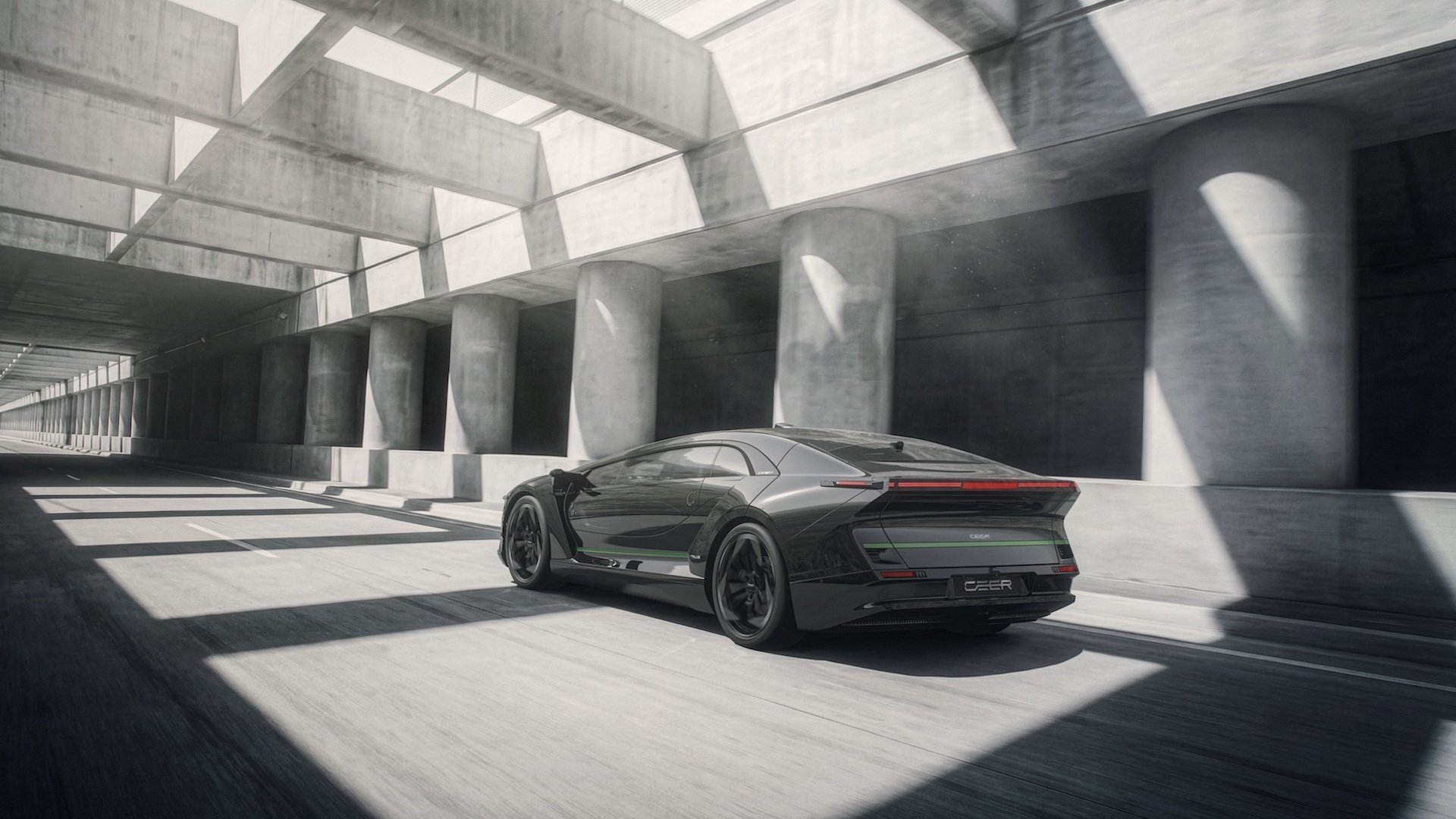
The design is characterized by a dramatic wedge-shaped silhouette, almost reminiscent of Bertone’s “Birdcage” approach, with relatively fluid surfaces through the centre of the body contrasting with much sharper shapes at either end. CEER says some of the design inspiration came from the ancient architecture of Hegra as well as various elements of Saudi culture.
That influence extends to the lighting signature, which consists of 32 individual elements, a reference to 1932, the year the Kingdom of Saudi Arabia was unified. The forged aluminum wheels feature a triangular pattern also inspired by local architecture.
One of the most dramatic elements, however, is the windshield. Measuring 2.4 metres long and positioned at an angle of just 15 degrees, it contributes significantly to the EXOBOT’s low and streamlined profile. The laminated glass also receives a reflective treatment designed to reduce heat buildup inside the cabin.
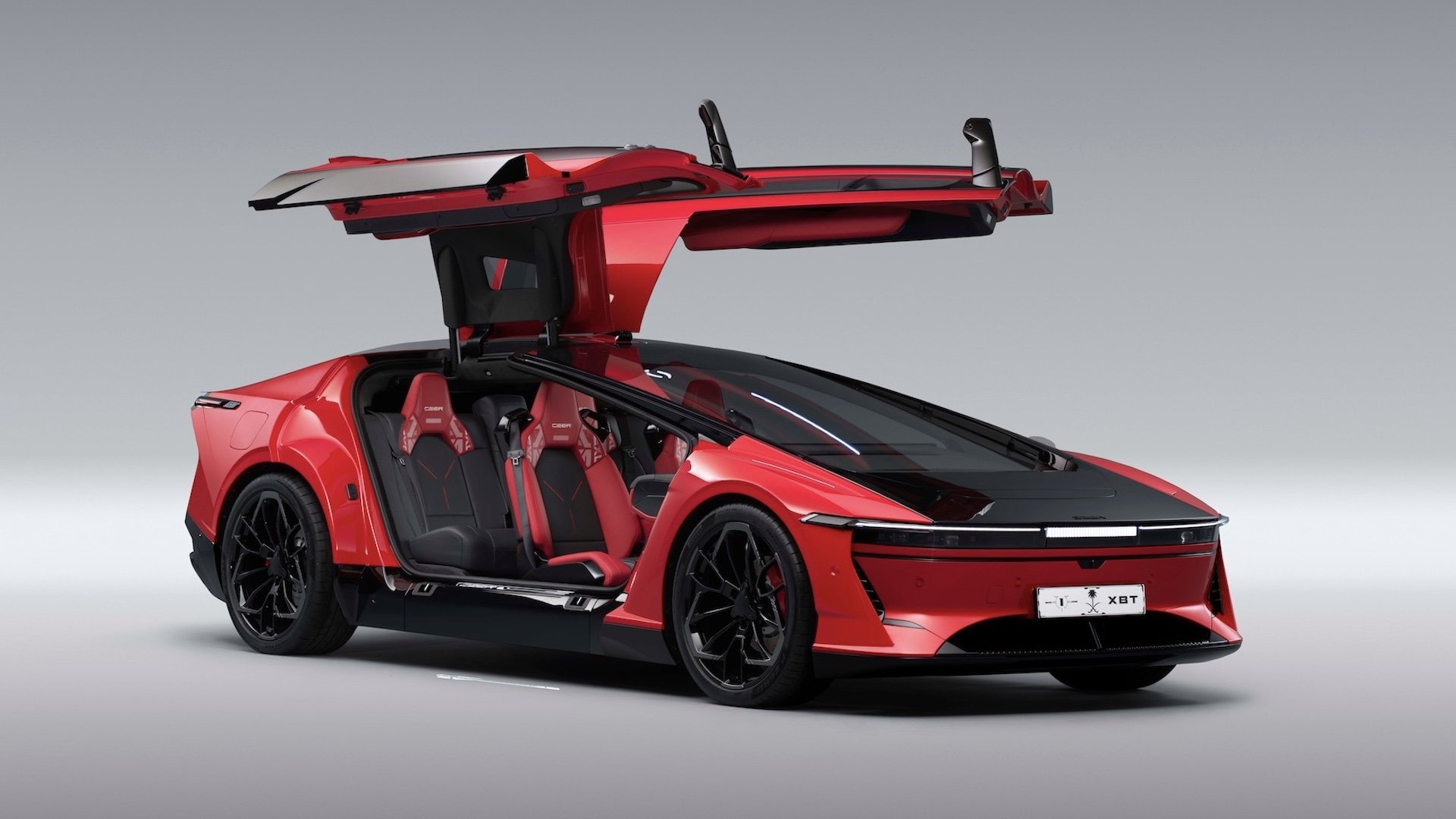
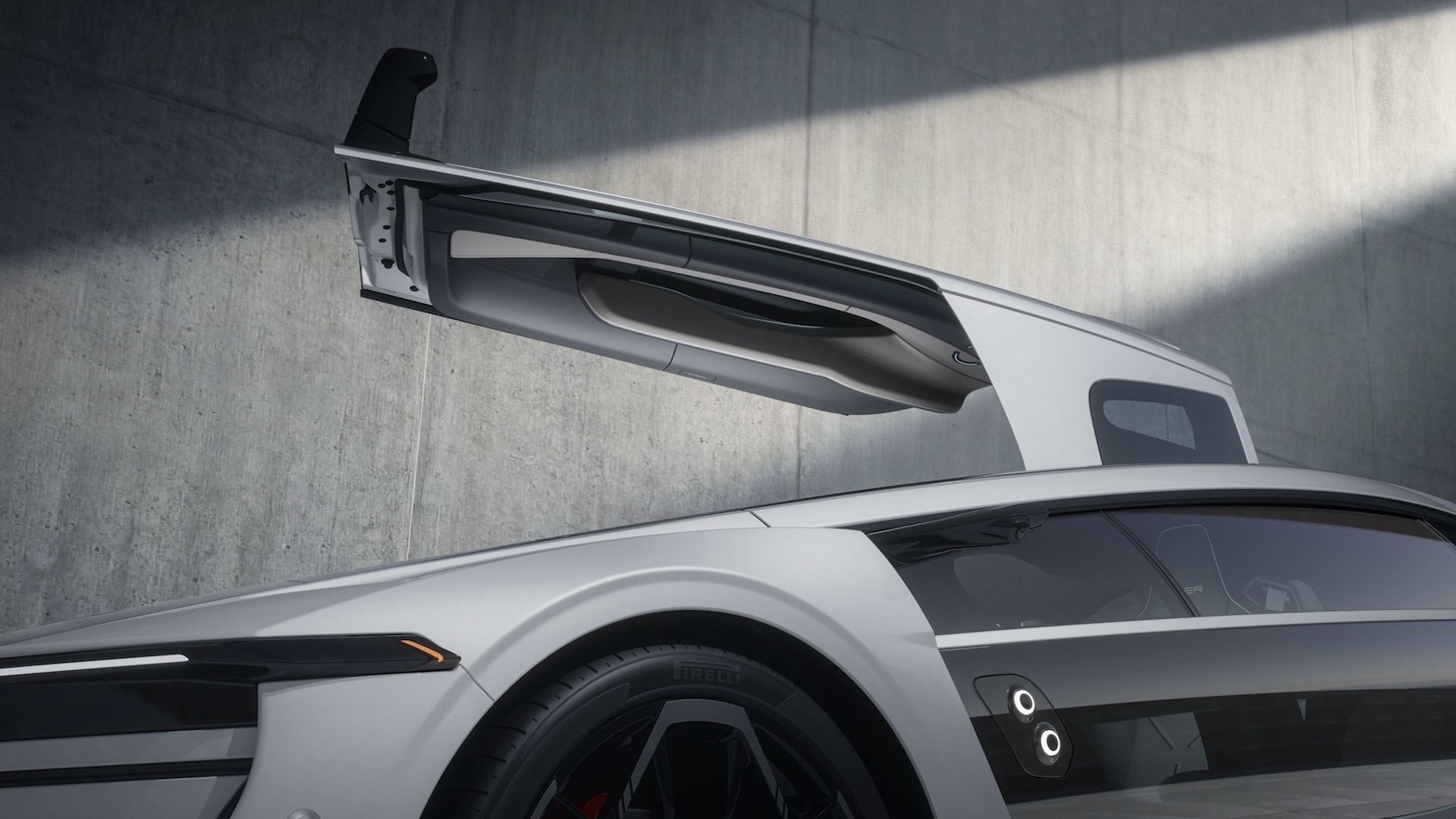
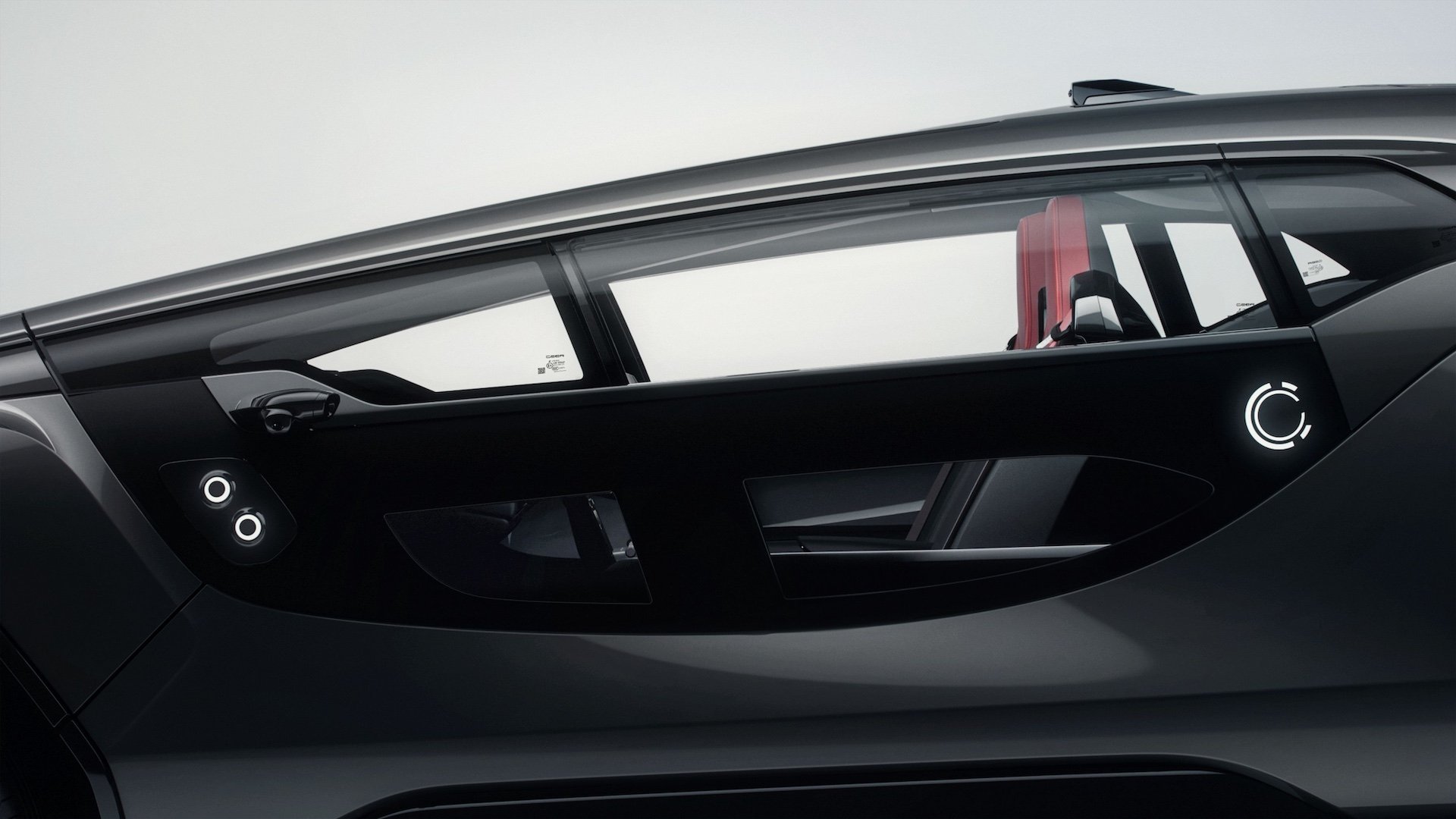
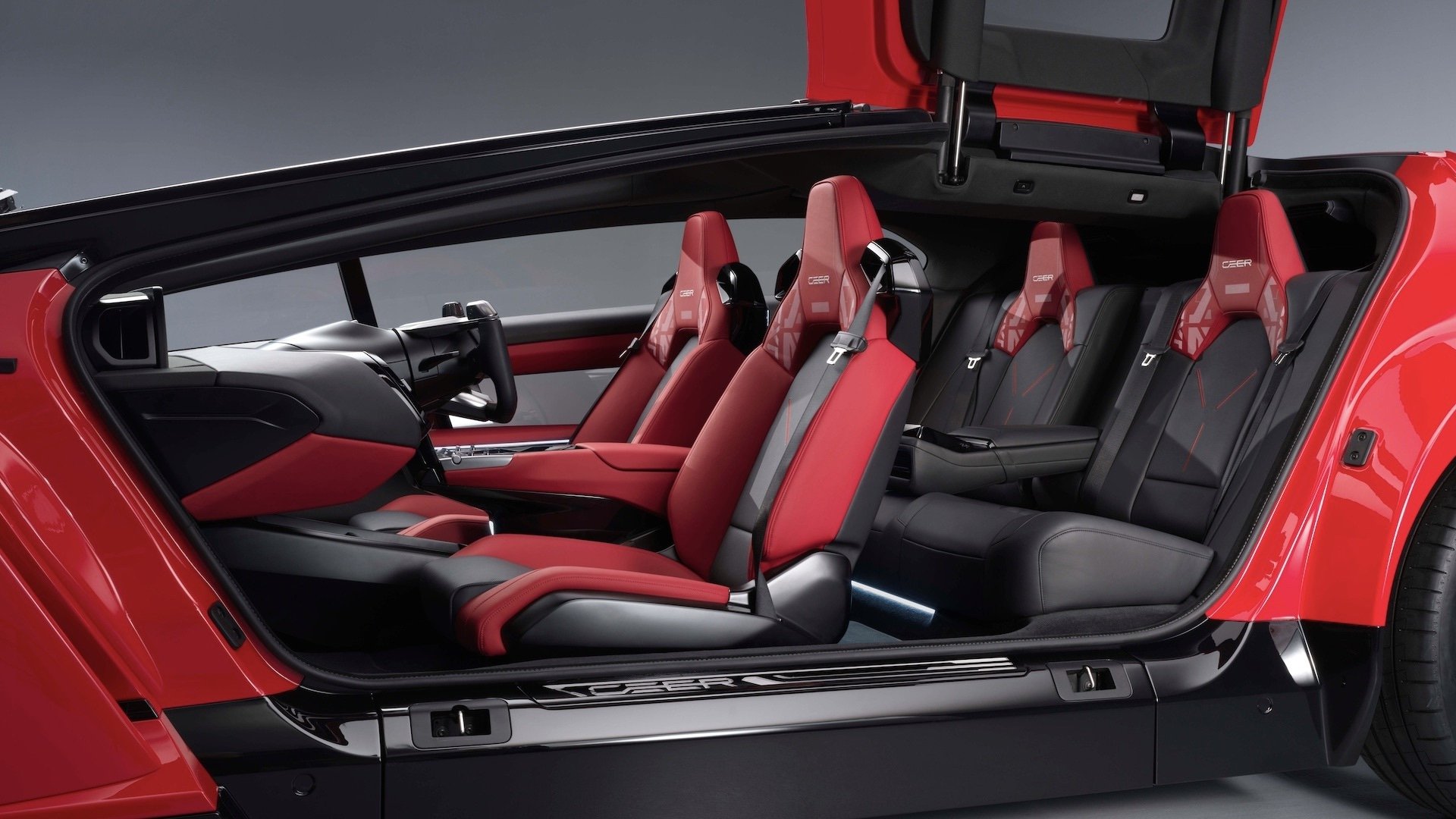
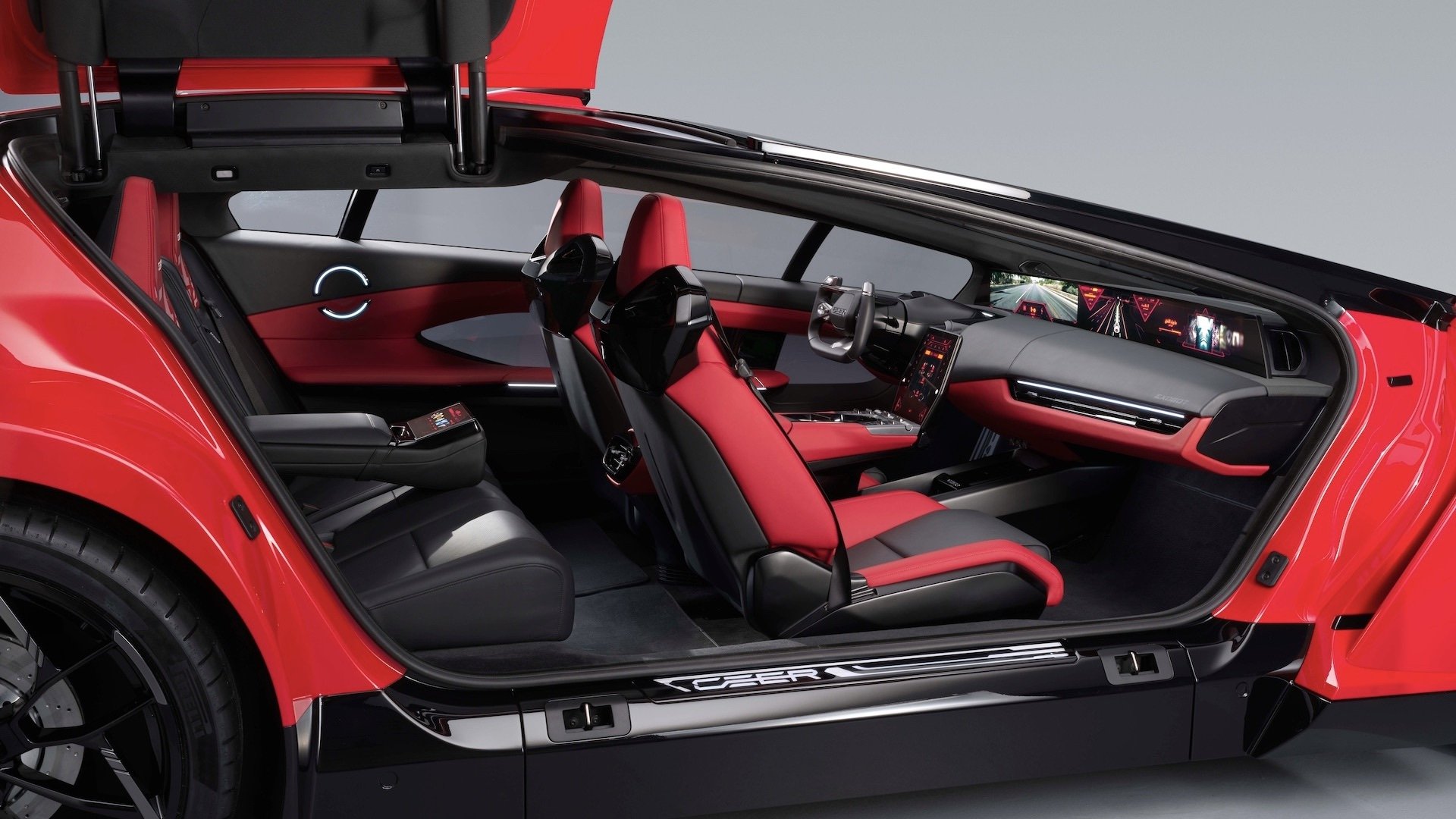
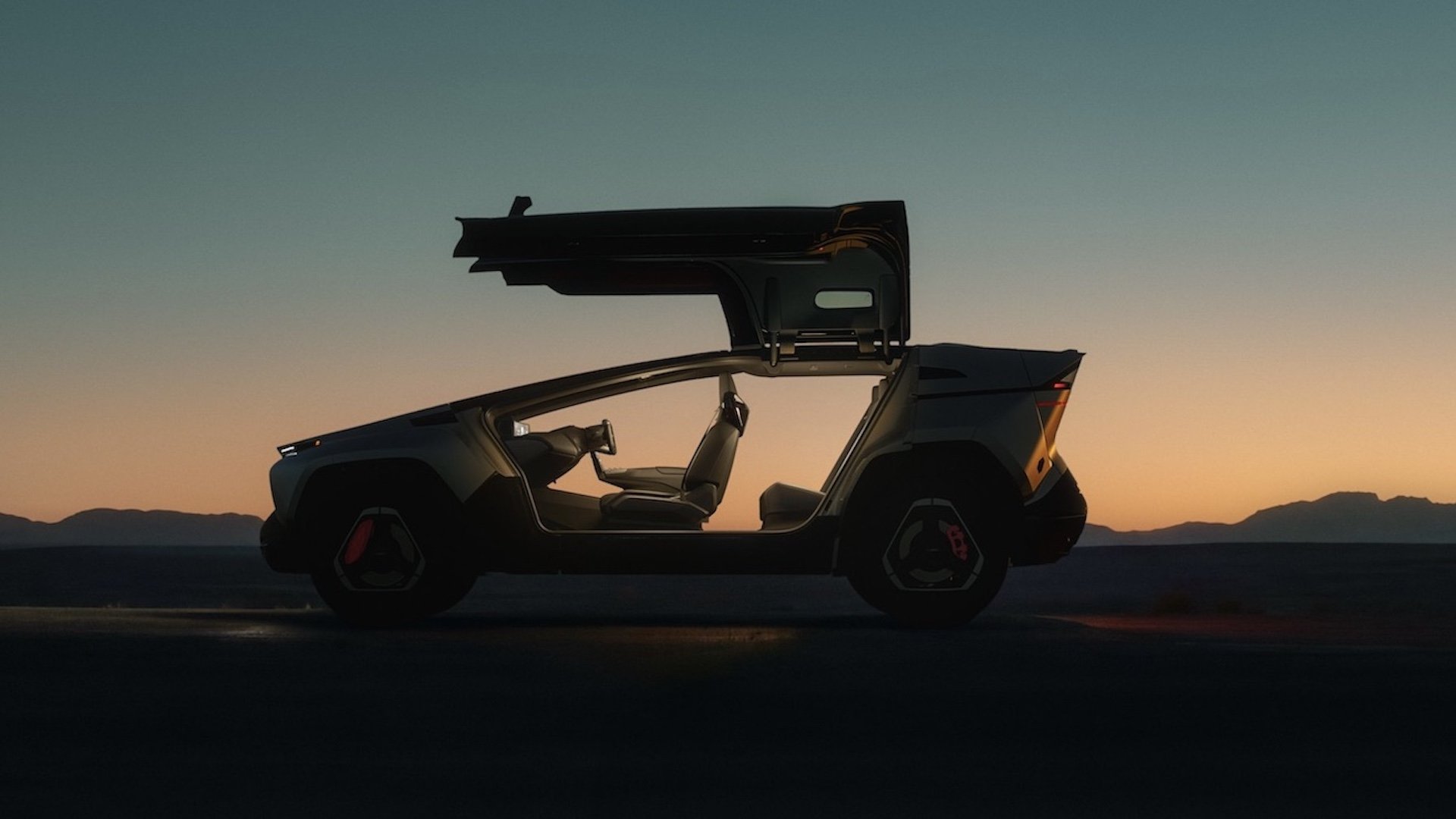
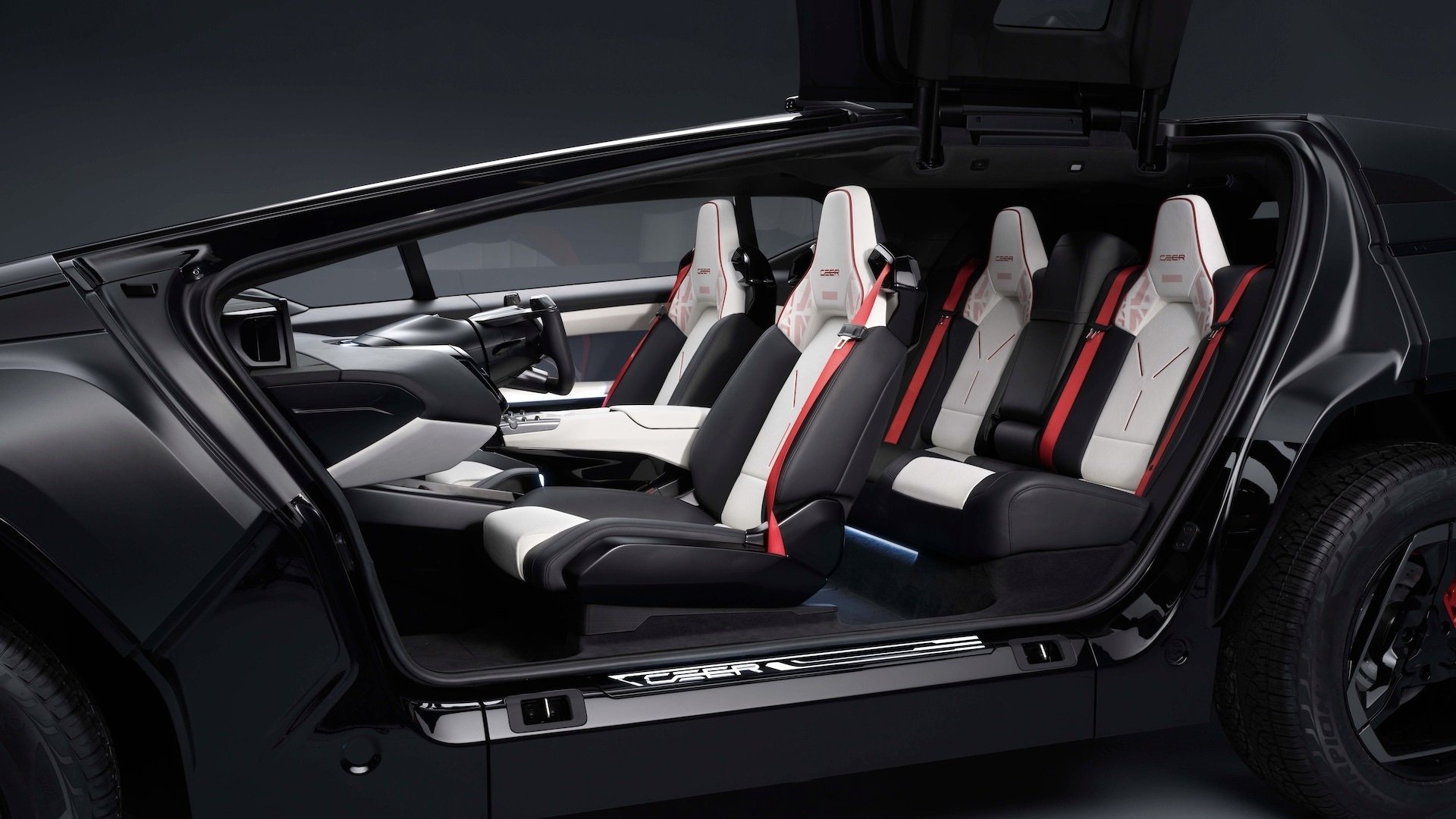
CEER takes the visual drama even further with what it calls Shahin Wing Doors. These enormous doors, measuring nearly three metres in length, draw their inspiration from the Shahin falcon.
They can be operated remotely or through controls integrated into the vehicle and move outward by approximately 60 centimetres when opening. Their design provides simultaneous access to both the front and rear seats.
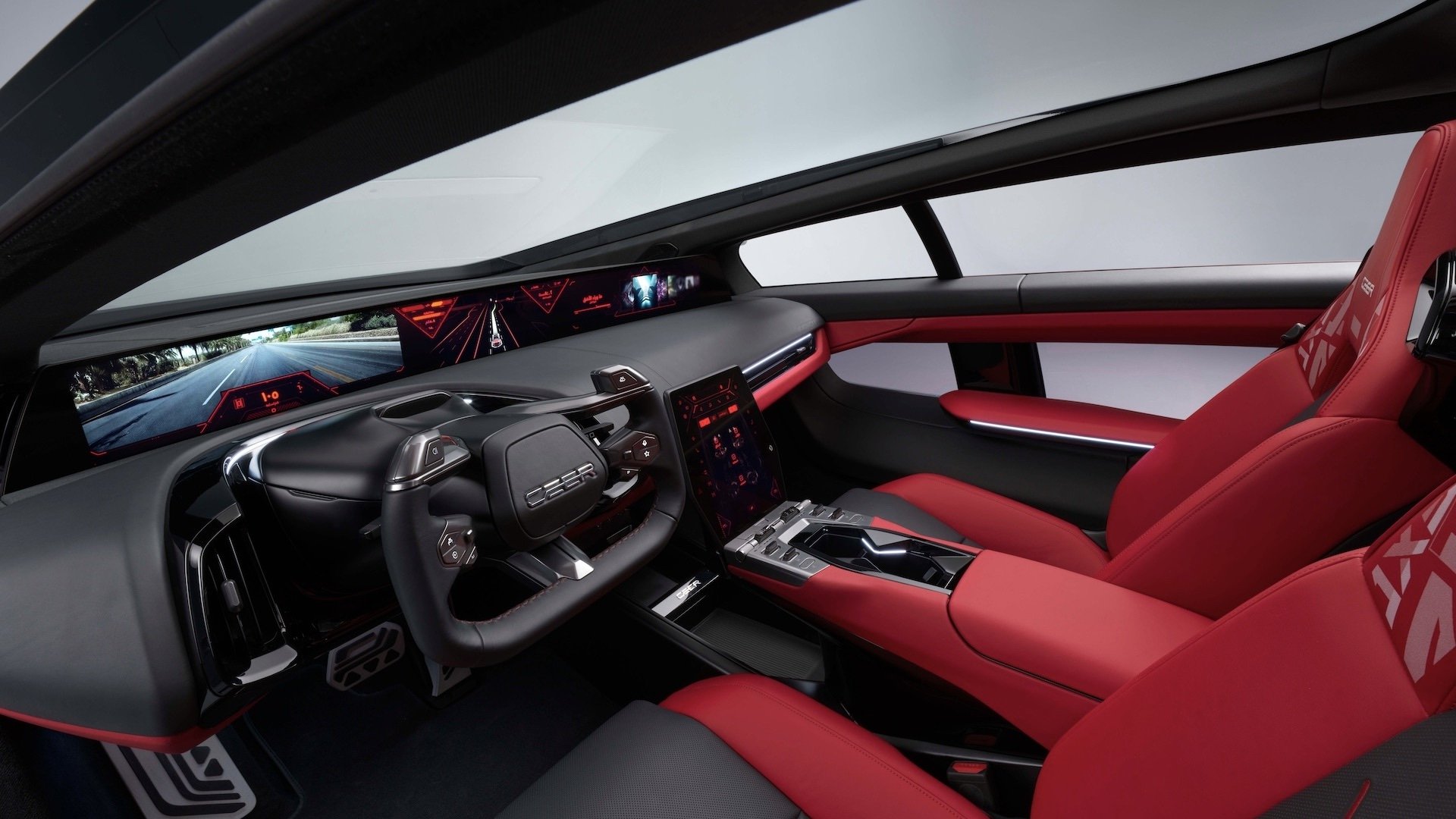
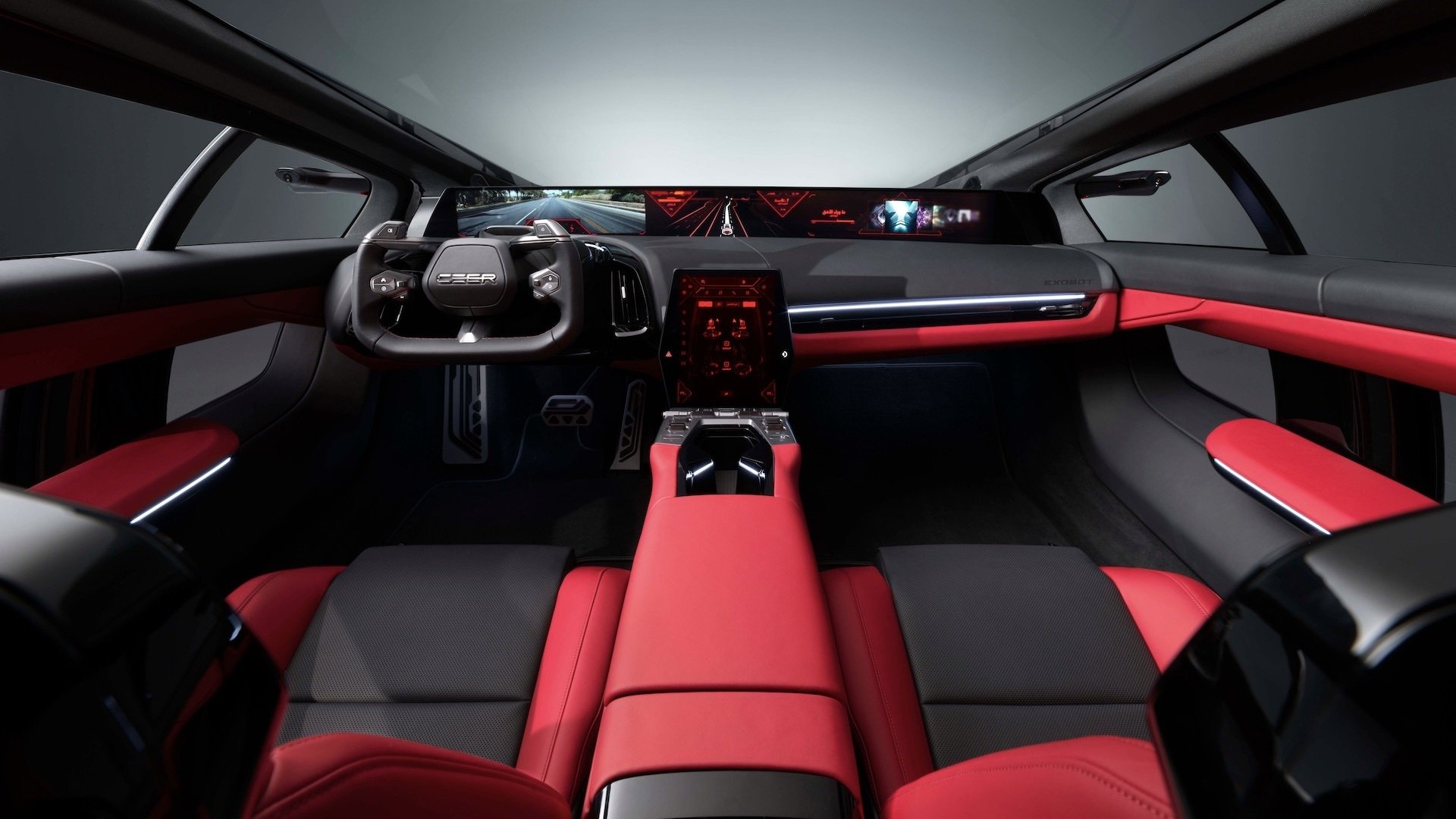
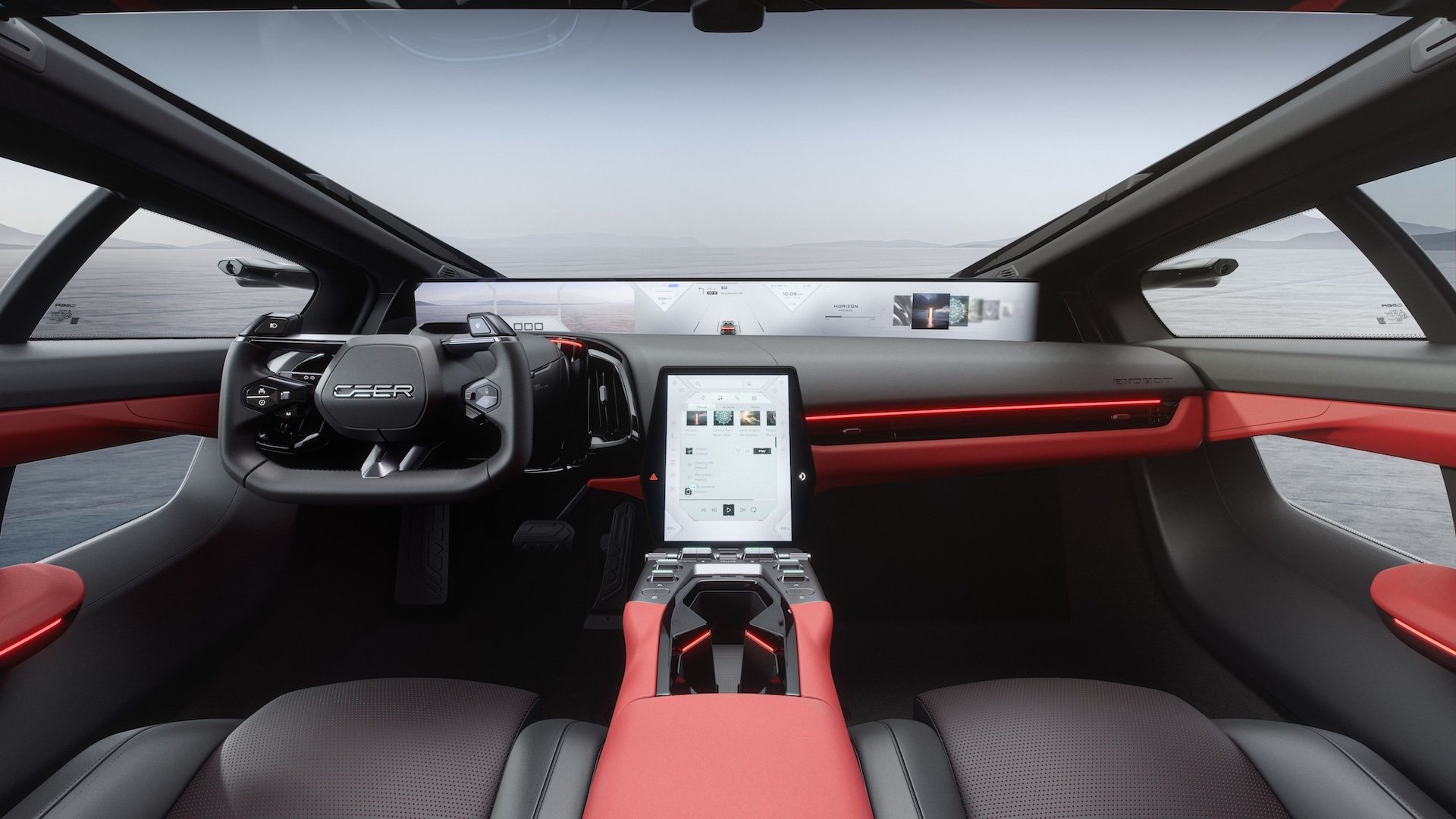
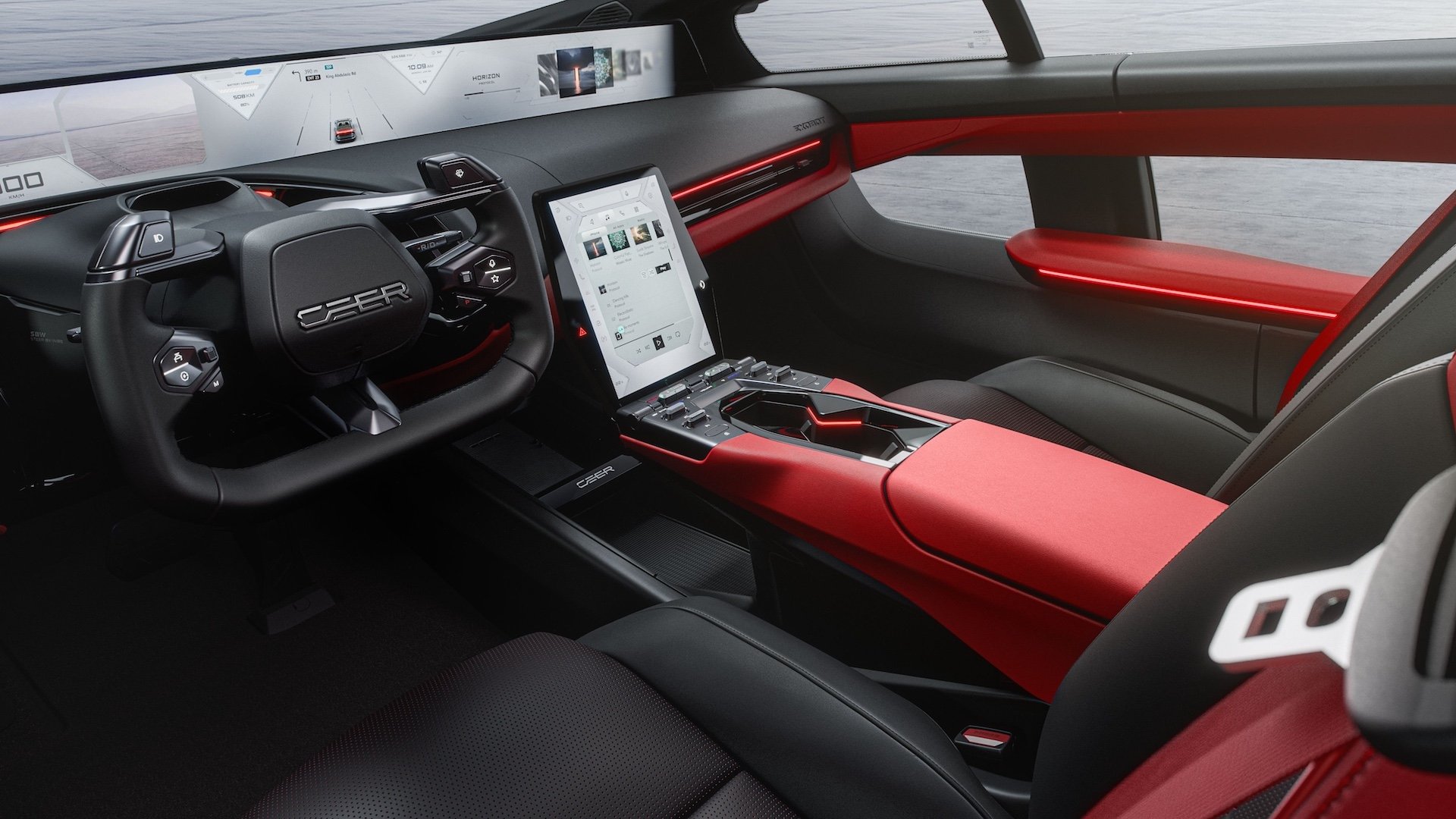
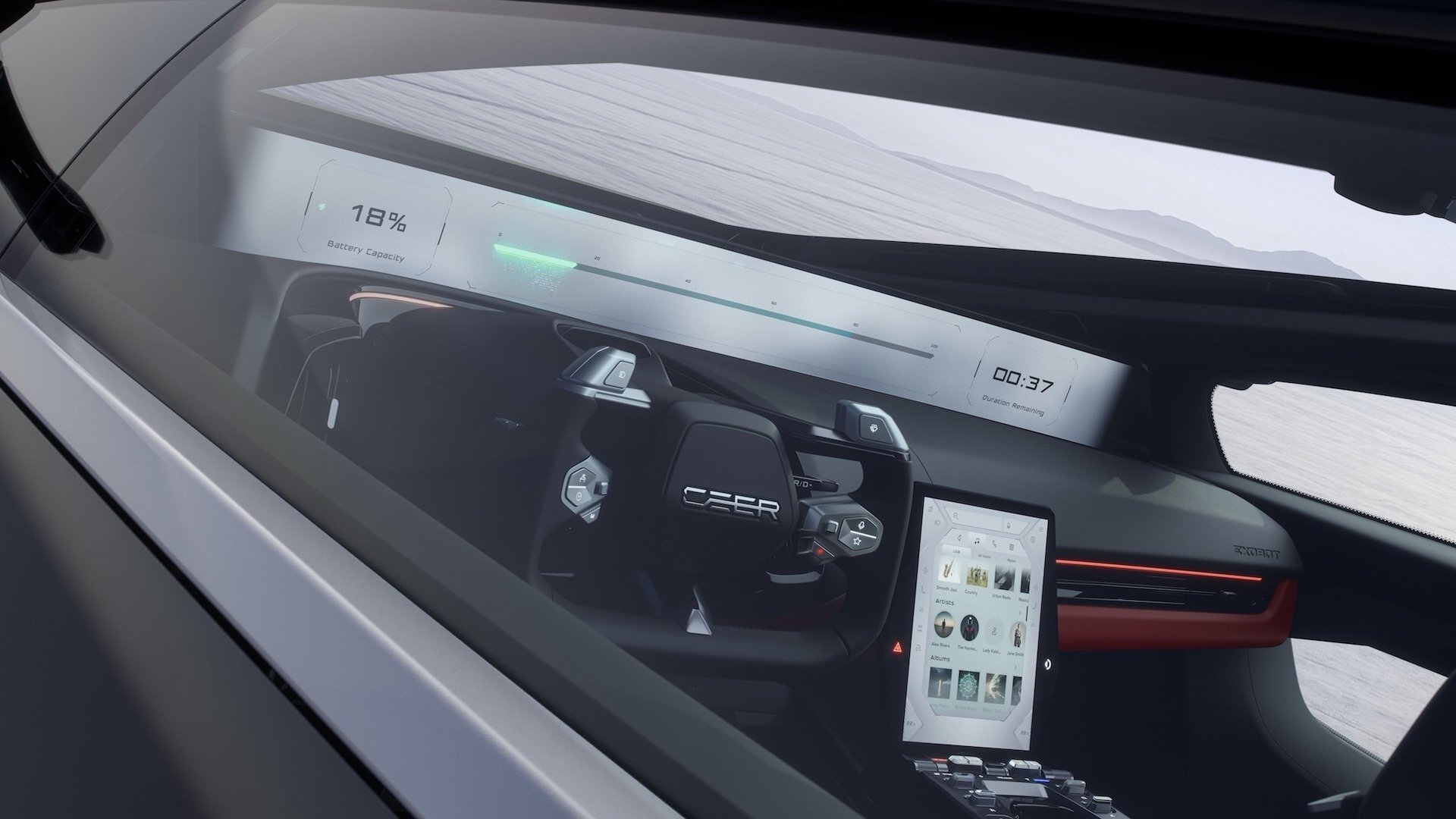
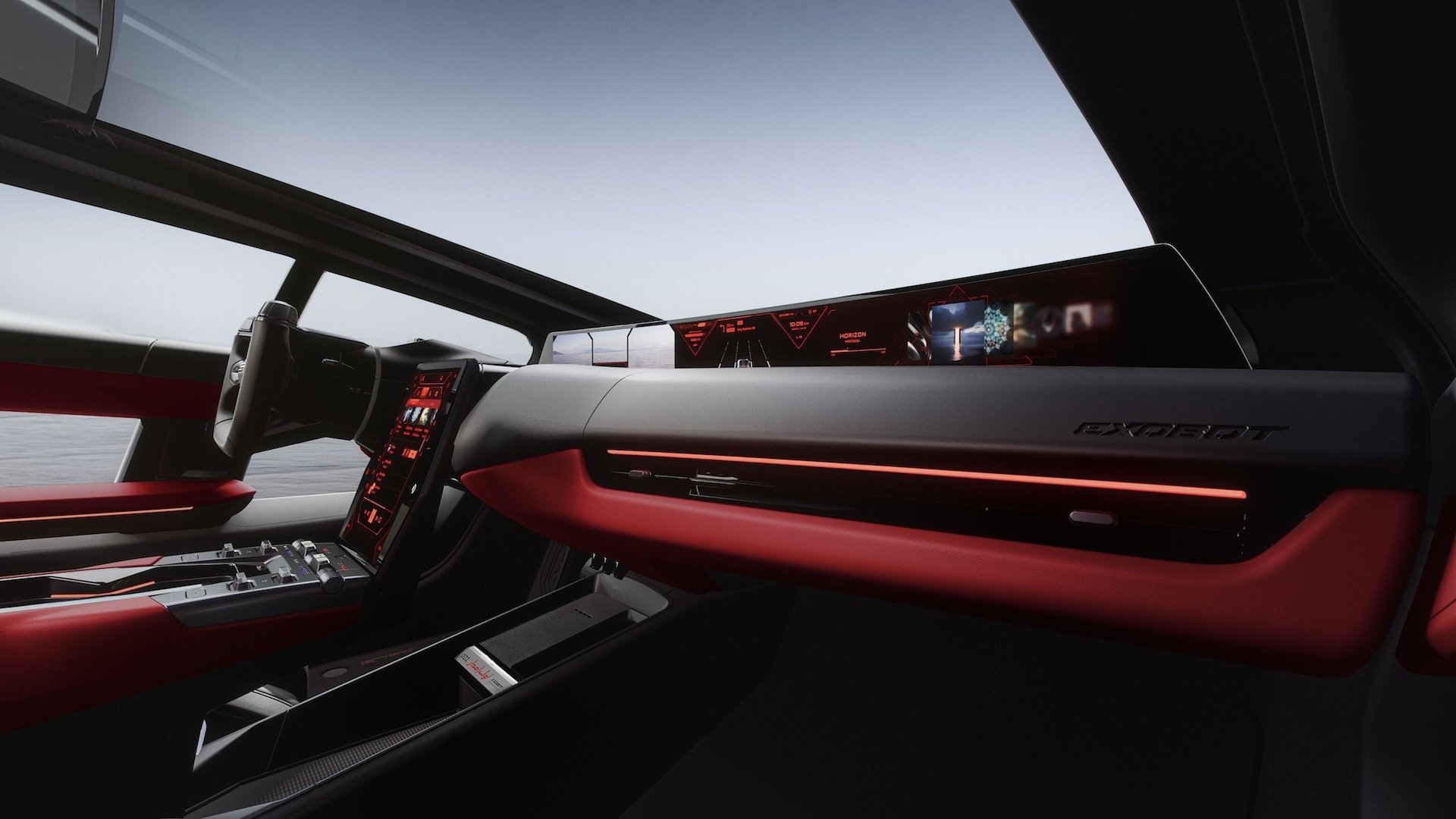
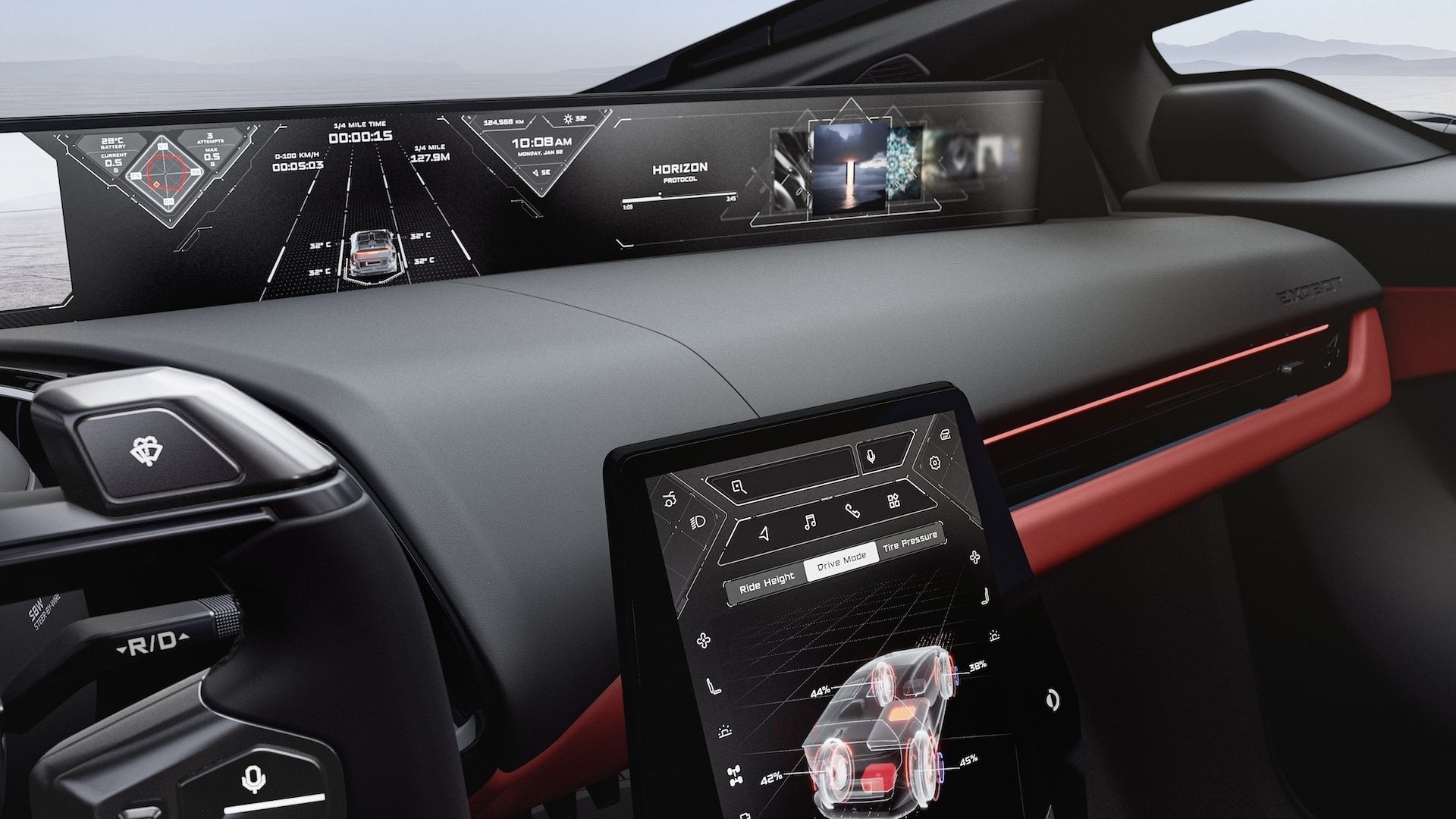
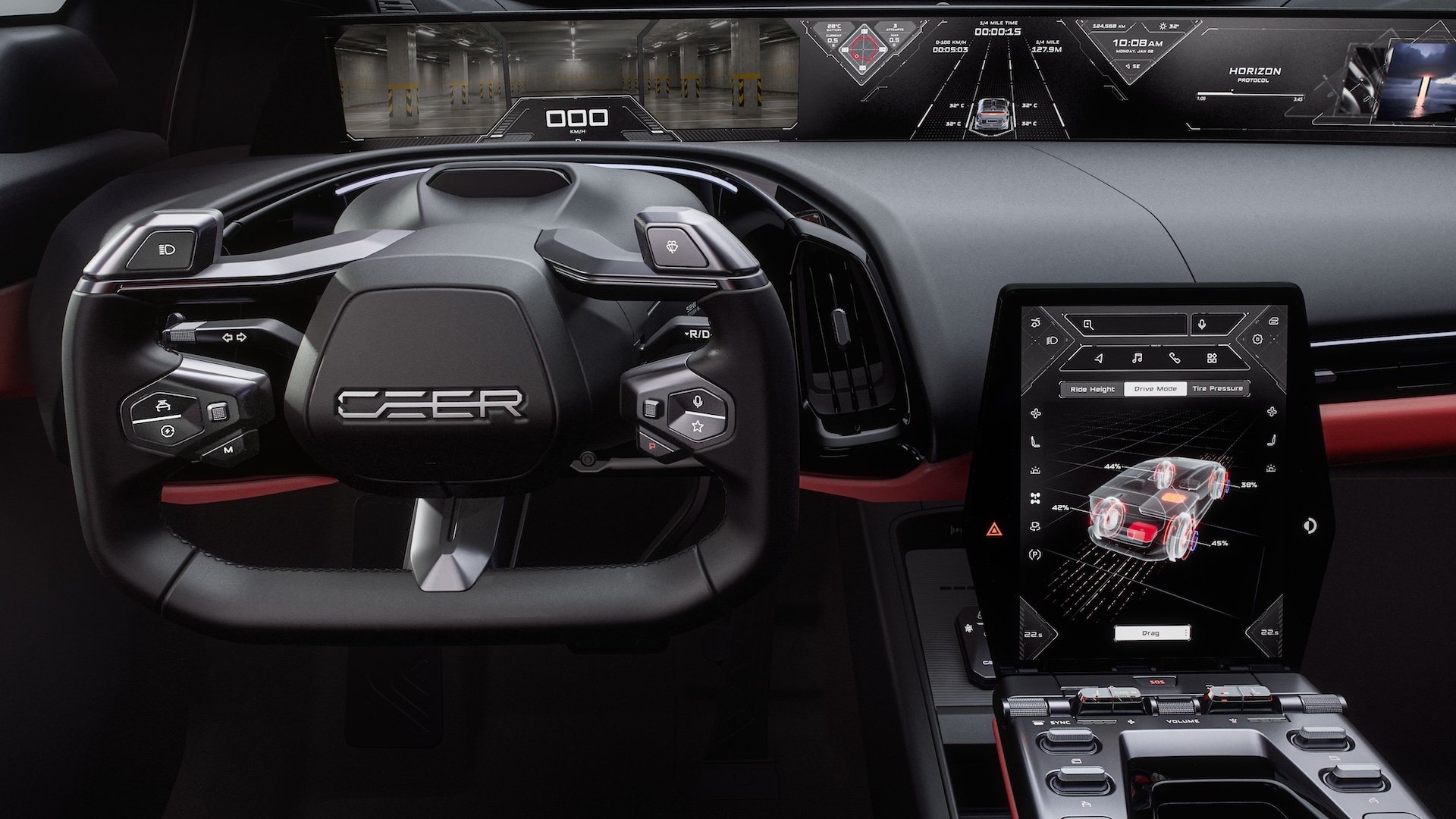
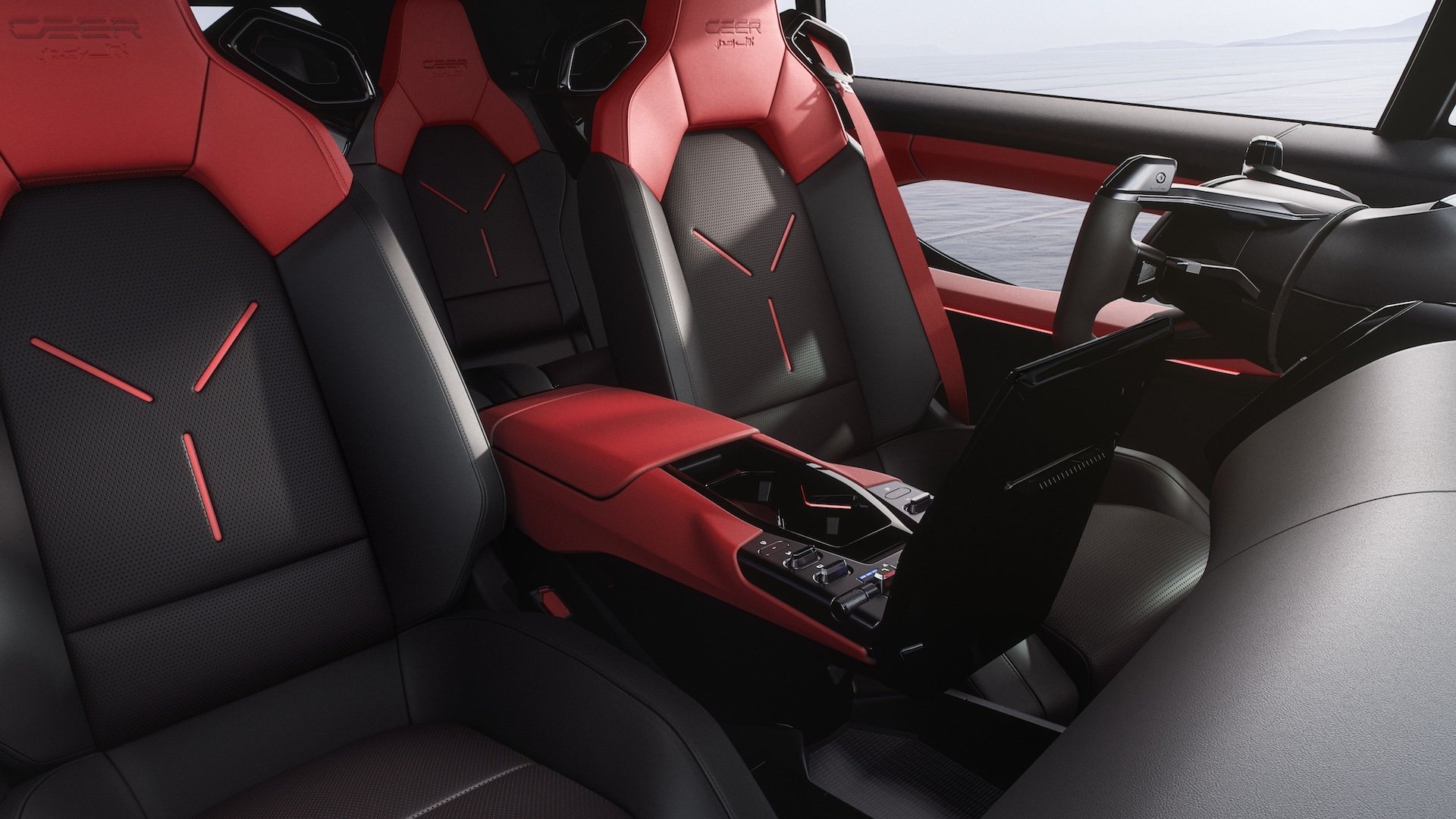
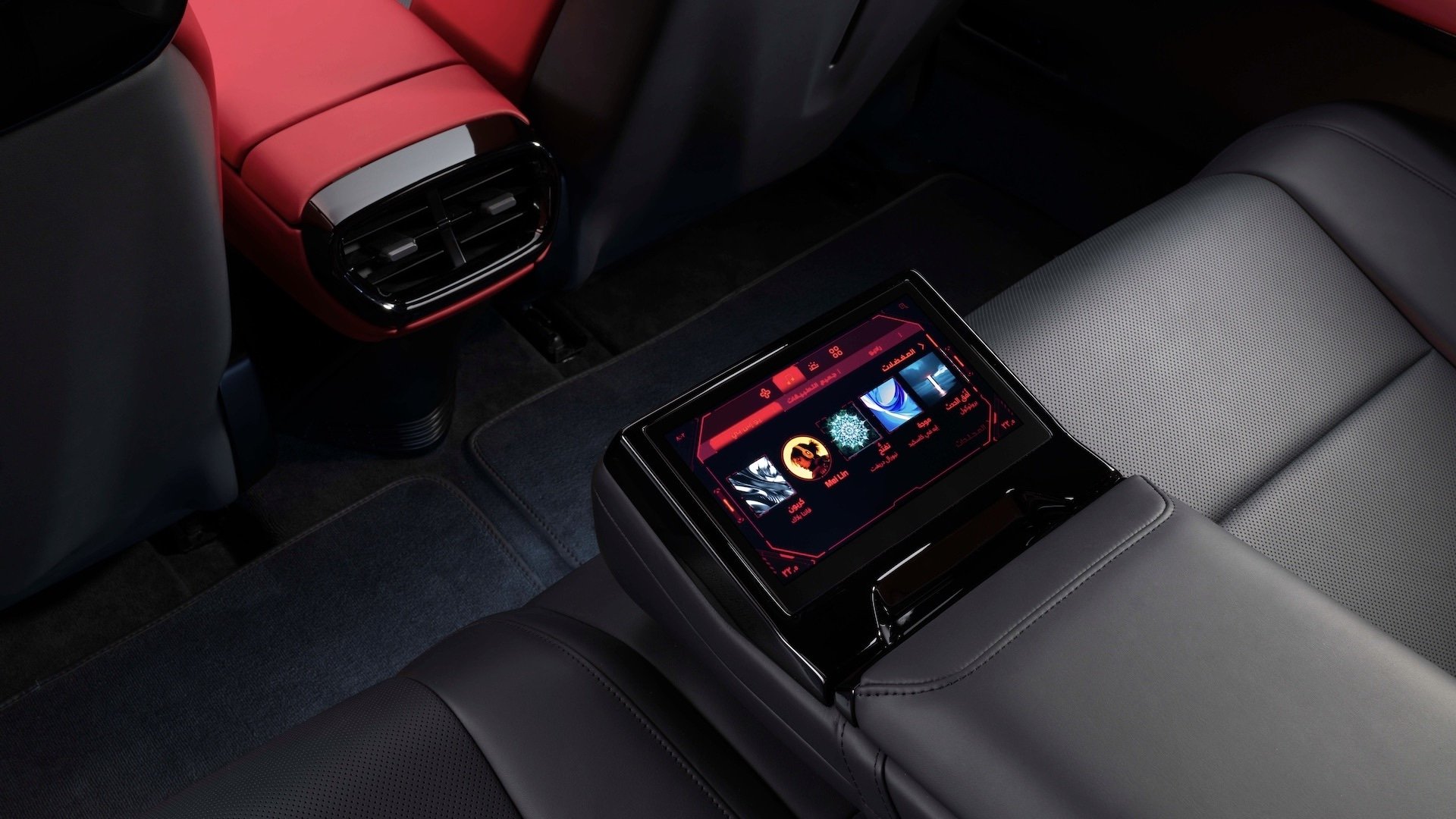
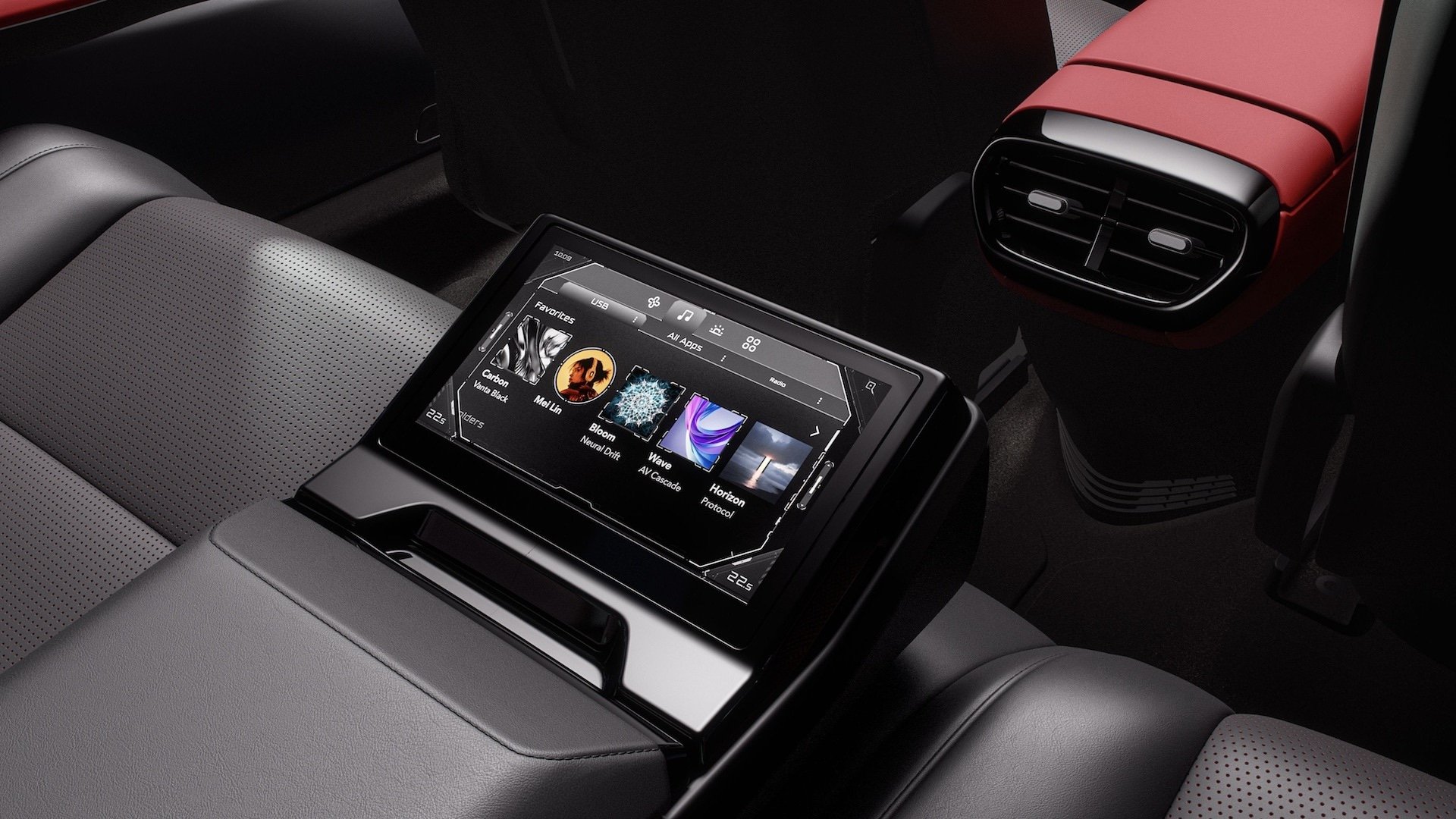
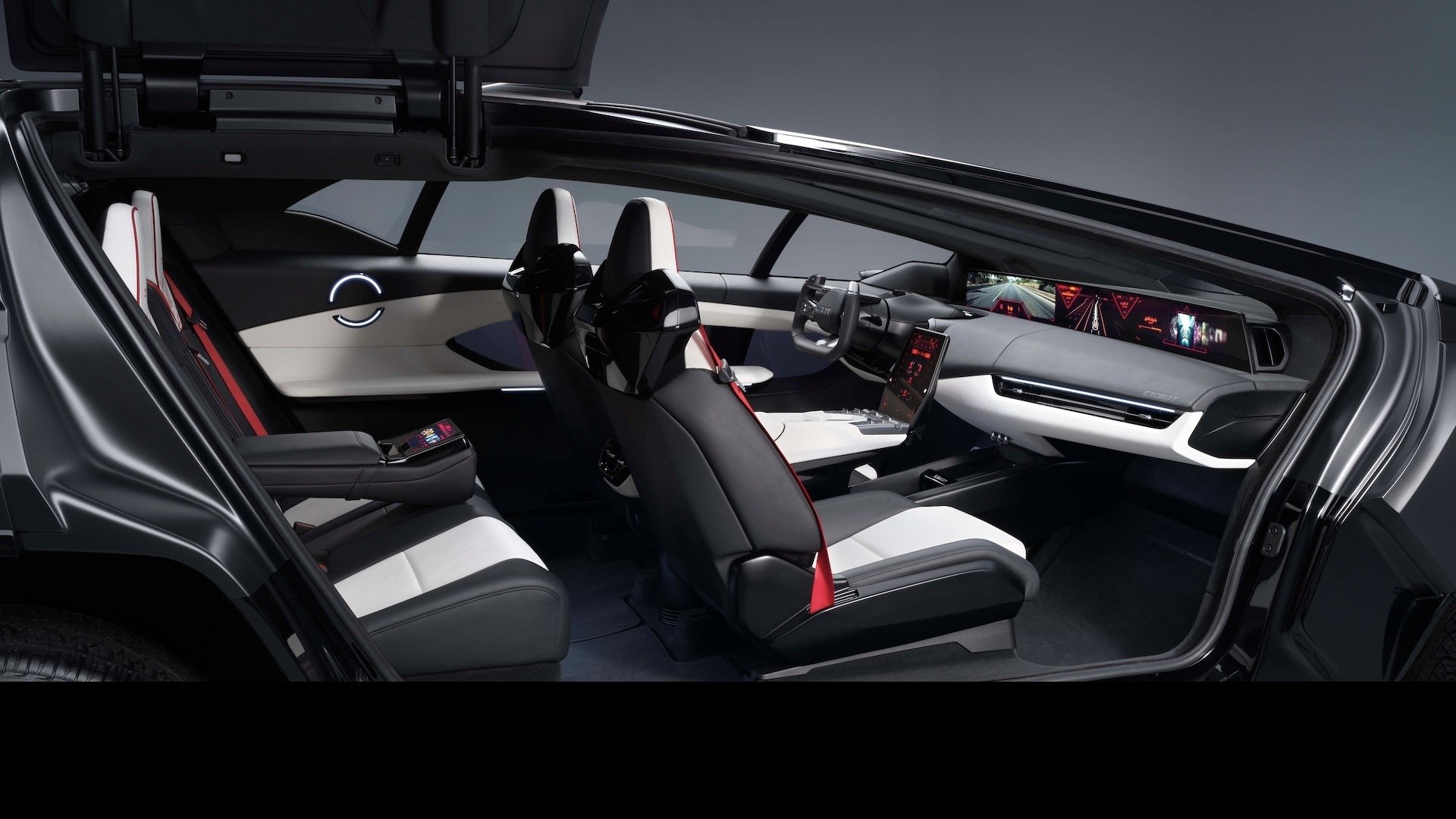
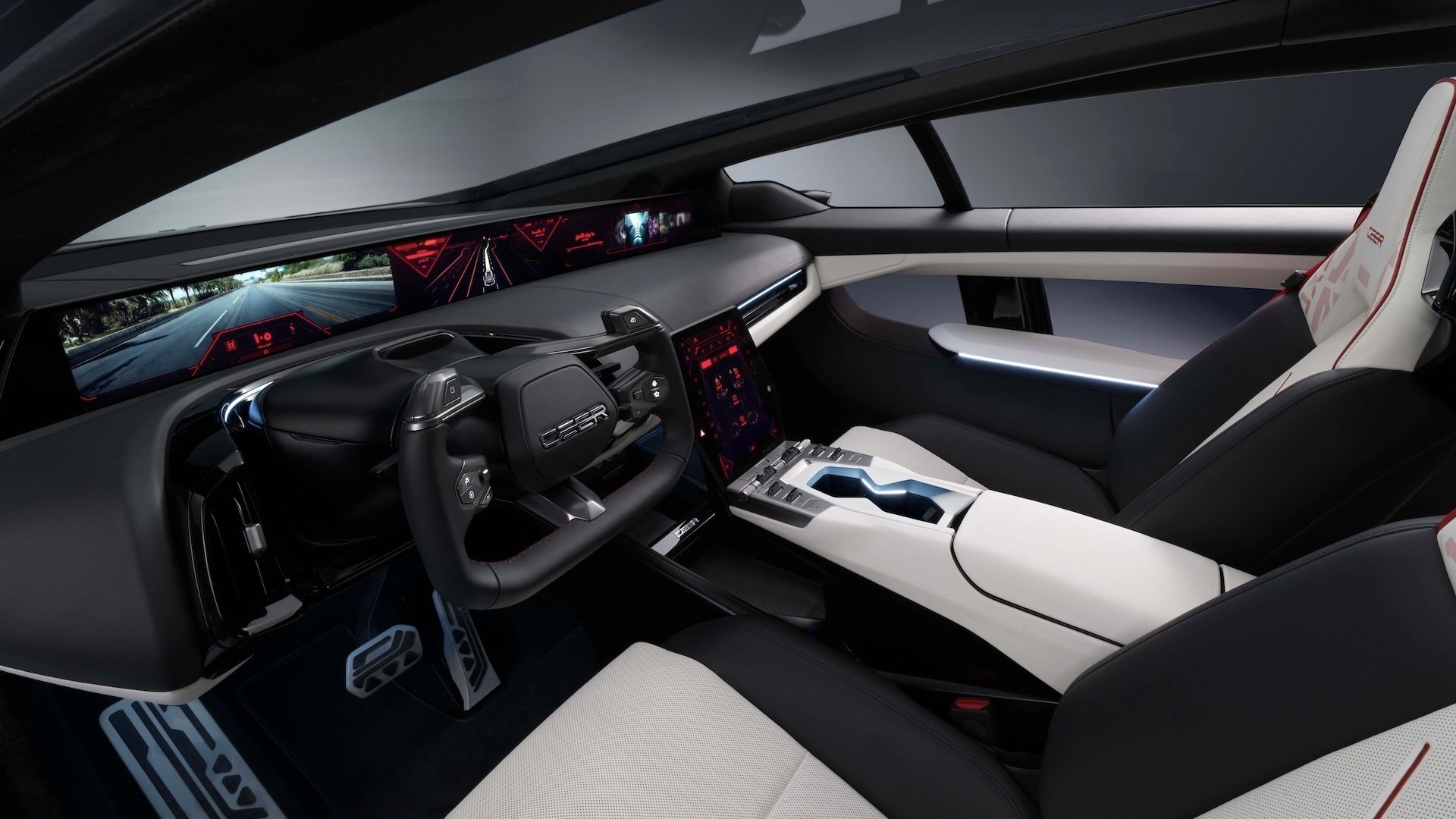
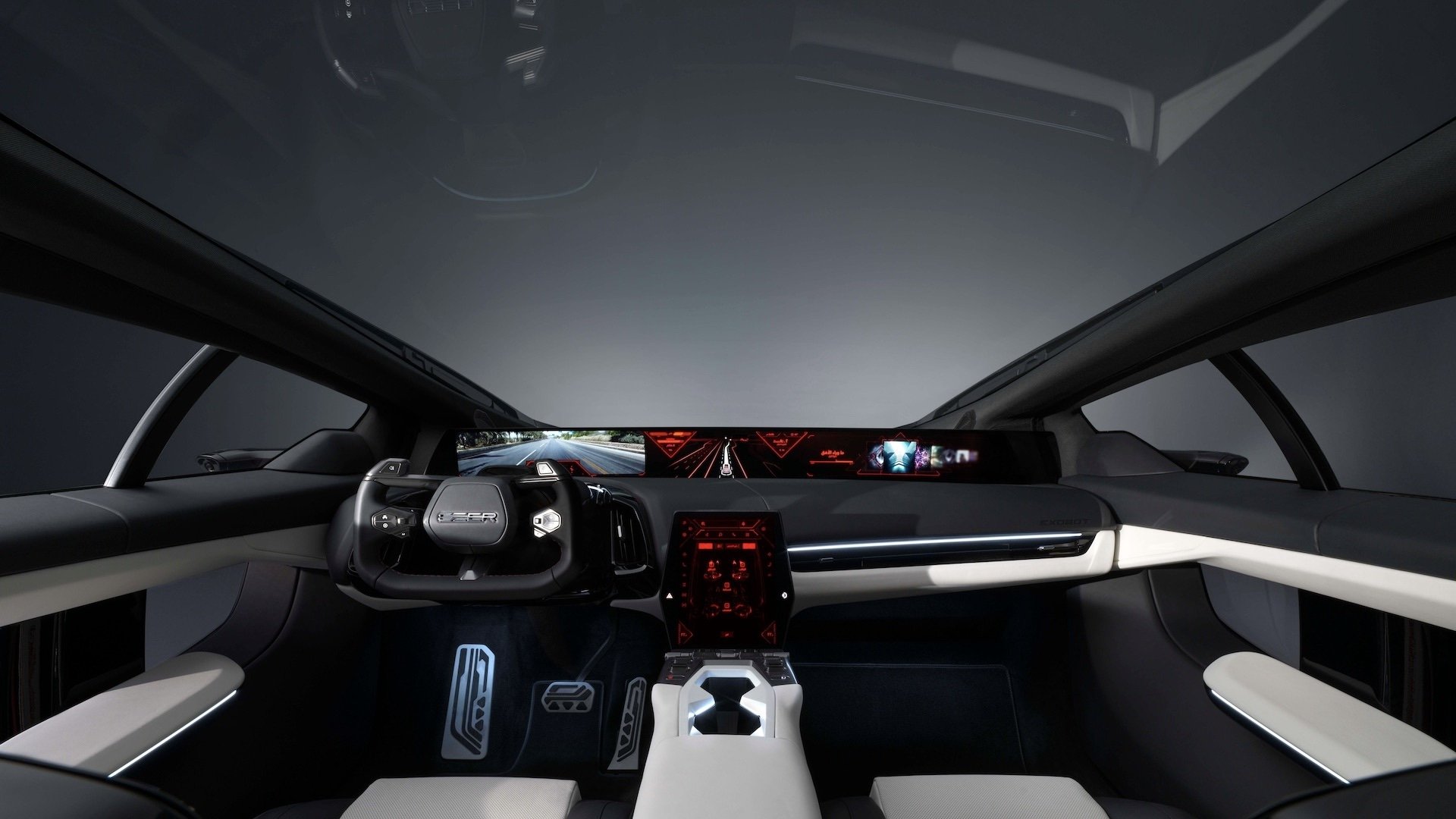
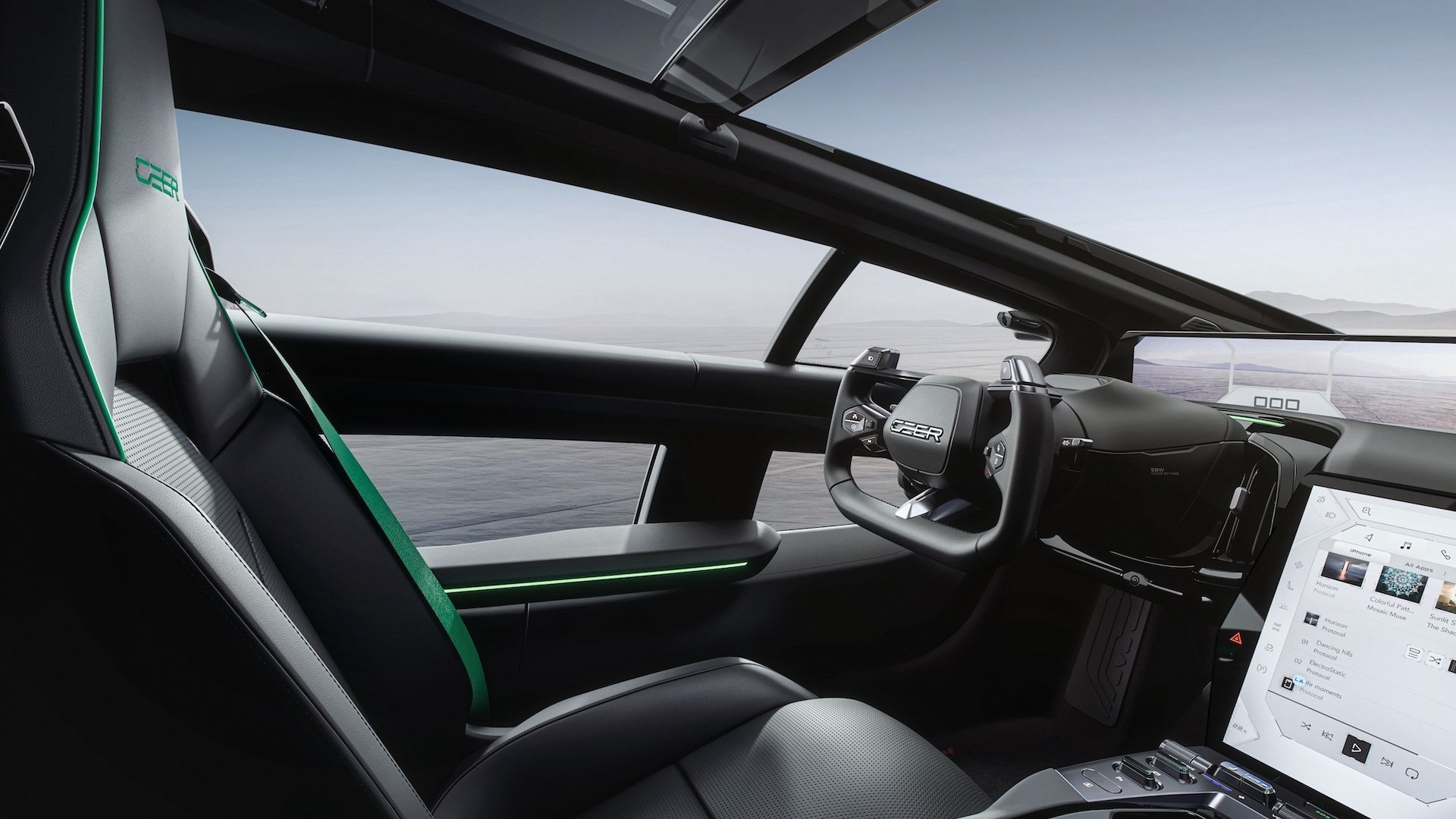
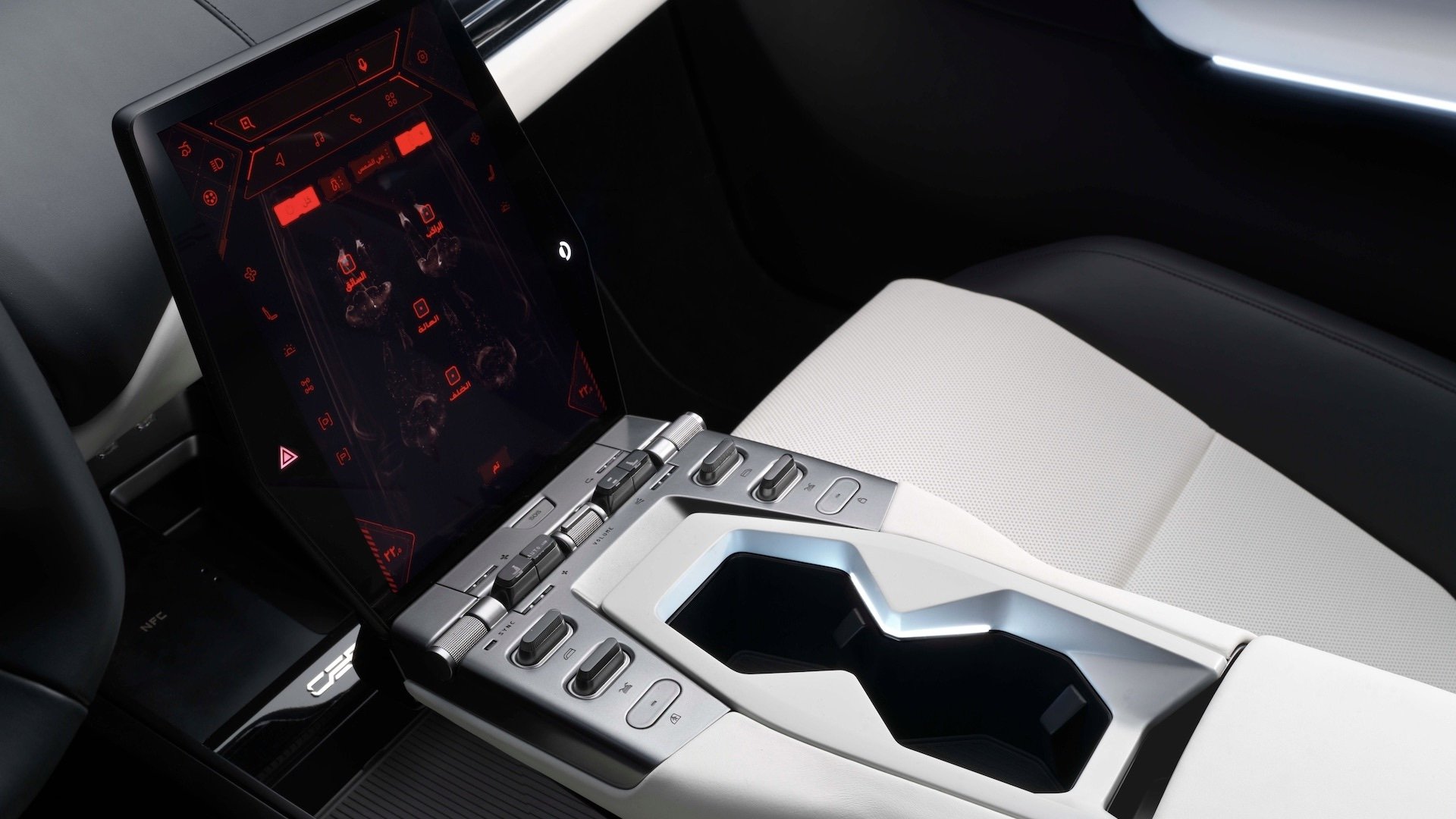
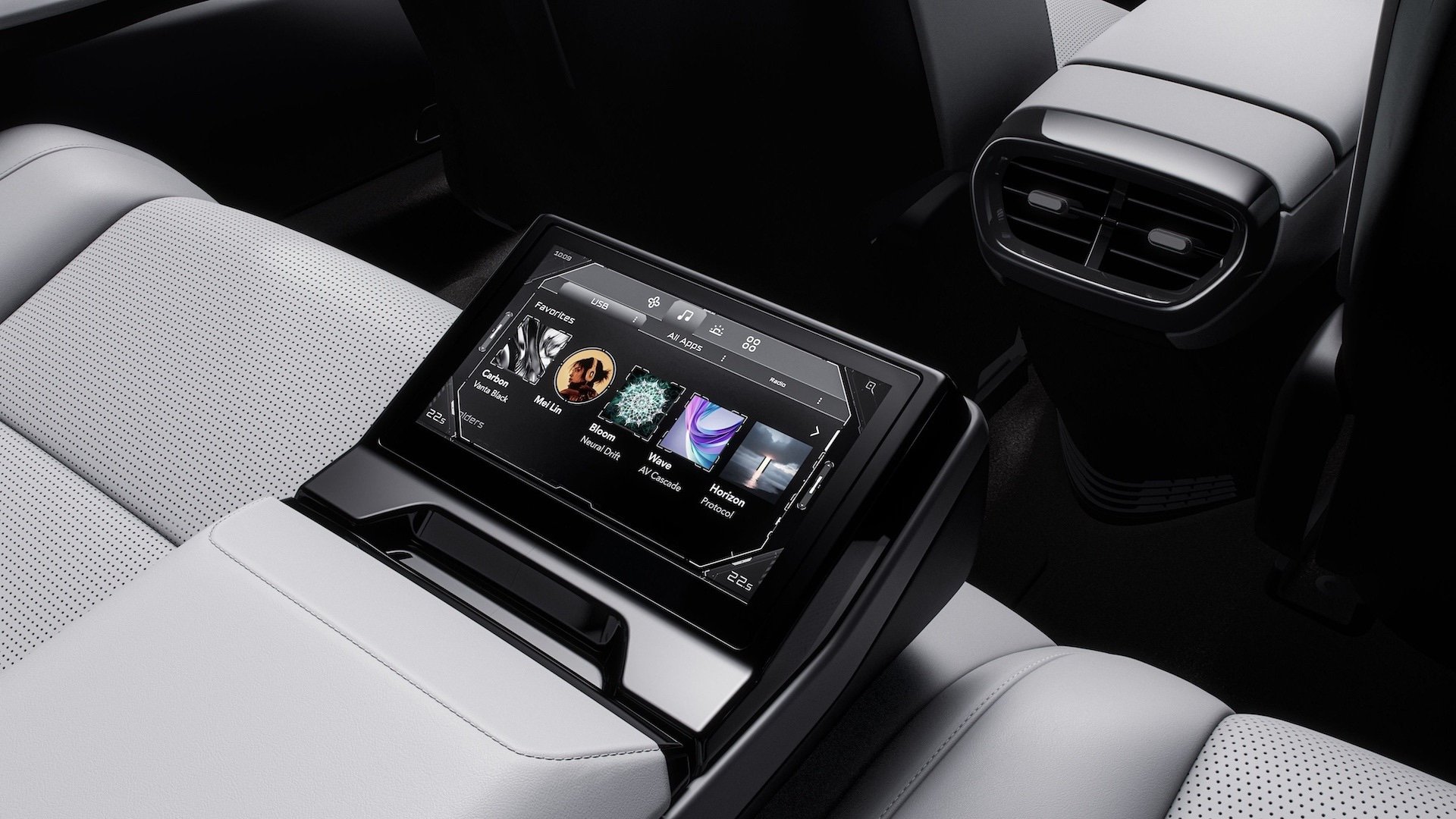
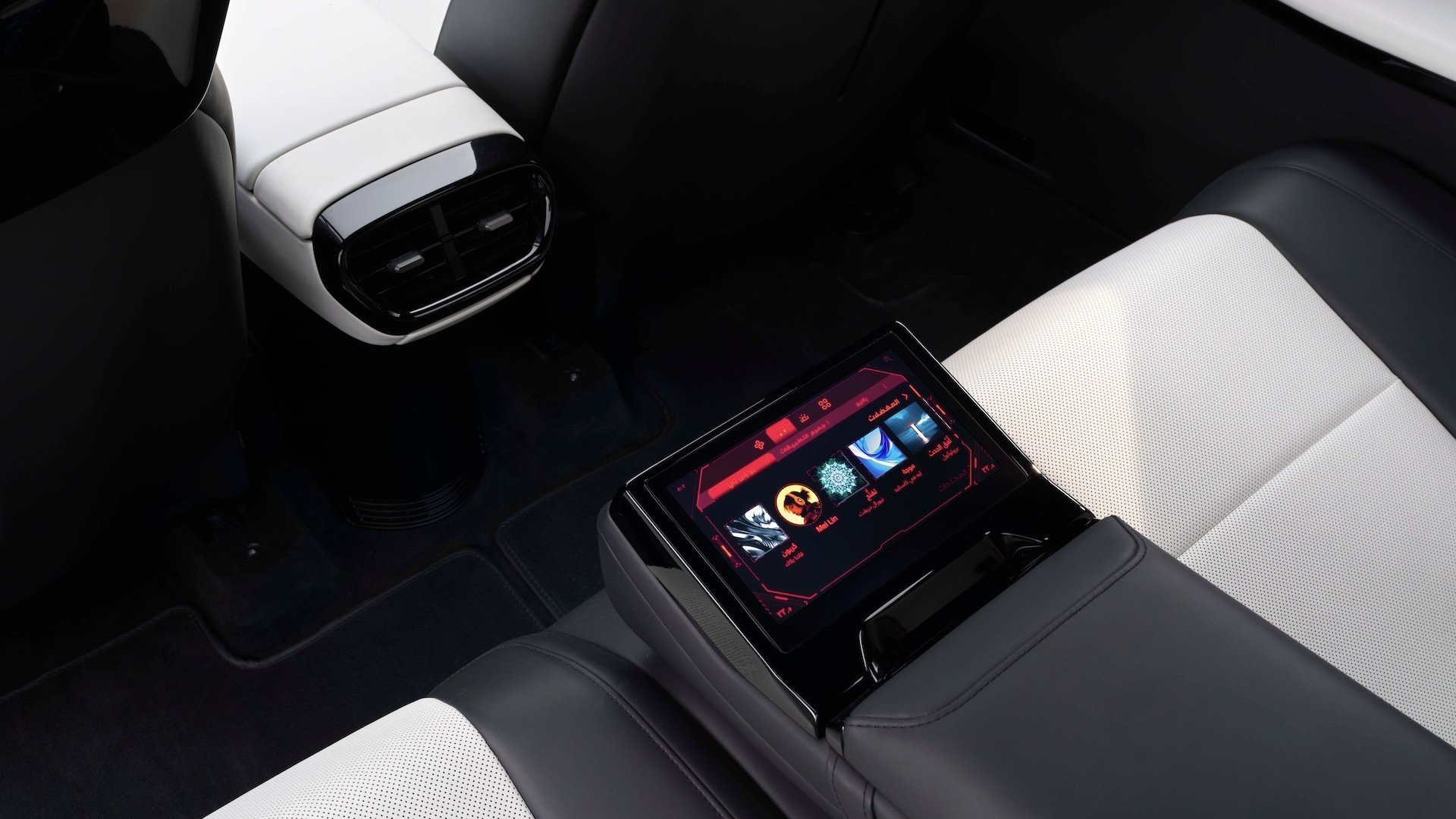
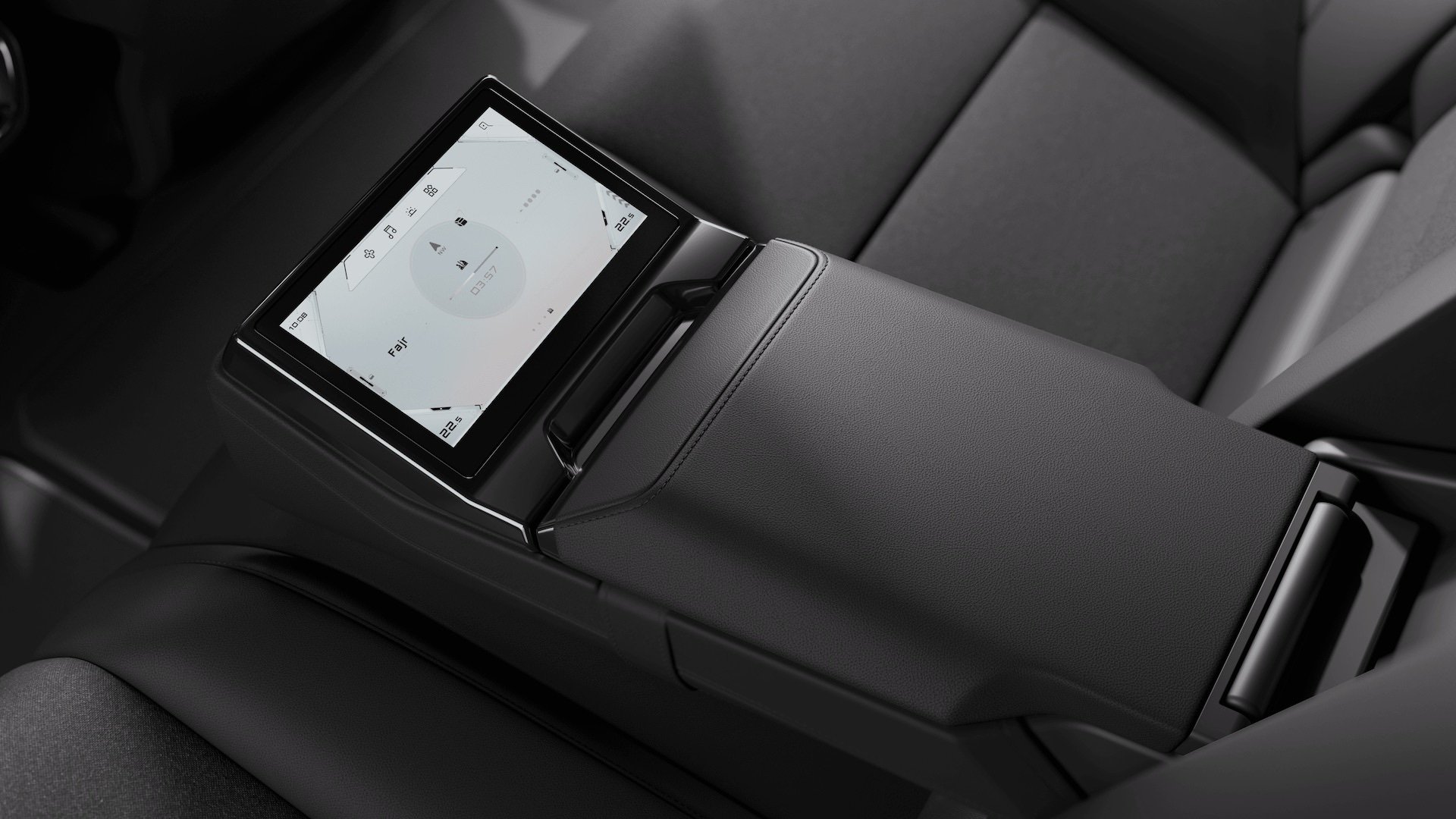
The cabin continues the futuristic theme. The driver faces a compact yoke-style steering wheel, while a massive 48-inch curved display with 8K resolution stretches almost from pillar to pillar. A 10.4-inch central interface and an additional 8-inch screen for rear passengers complete the digital environment.
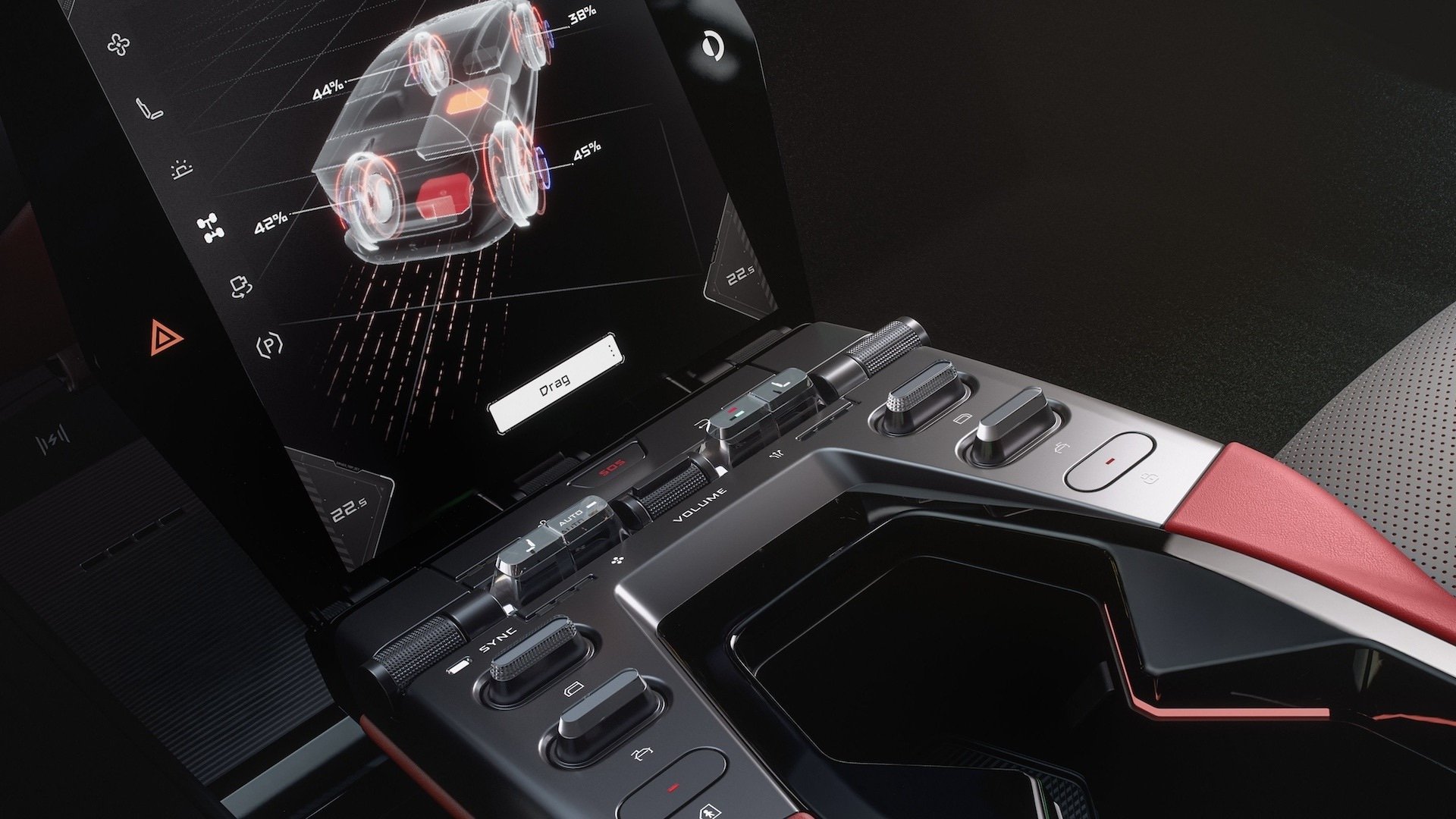
CEER has nevertheless retained several physical controls, including those for gear selection, climate control and audio volume. The EXOBOT also features a voice assistant capable of operating in Arabic and English, along with connectivity to CEER’s mobile application, which can control functions such as charging, climate settings and certain remote parking features.
The EXOBOT’s specifications are every bit as dramatic as its design. In its most powerful configuration, the vehicle uses three electric motors and all-wheel drive.
CEER claims a maximum output of 1,111 horsepower and 1,106 lb-ft (1,500 Nm) of torque. Continuous torque vectoring and various active chassis management technologies are designed to help put that power to the road.
The sedan is said to accelerate from 0 to 100 km/h in just 2.1 seconds before reaching a top speed of 250 km/h. The SUV requires 2.4 seconds to reach 100 km/h, while its top speed is limited to 210 km/h.
Those numbers clearly position the EXOBOT within the high-performance EV category.
The EXOBOT also adopts a fully electronic steer-by-wire system, eliminating the traditional mechanical connection between the steering wheel and the front wheels.
According to CEER, one of the advantages of this technology is a significant reduction in the amount of steering input required. While a conventional steering system can require roughly 400 degrees of steering-wheel movement, the EXOBOT reduces that range to 160 degrees.
Rear-wheel steering is also part of the package. The system is designed to improve low-speed manoeuvrability despite the EXOBOT’s substantial dimensions while enhancing stability at higher speeds.
One of the more interesting aspects of the EXOBOT’s development is how CEER has adapted the vehicle to extreme temperatures.
The automaker says its Halo Cooling system can lower the cabin temperature from 65°C to 32°C in 10 minutes. The vehicle uses two climate-control systems, one at the front and another at the rear, while the glass incorporates multiple treatments intended to reduce solar radiation entering the cabin.
This approach illustrates CEER’s intention to develop its first vehicle around the realities of the Middle East rather than simply adapting an architecture originally engineered for other markets.
The EXOBOT will initially launch as a First Edition, available in both sedan and SUV configurations.
This version also uses three electric motors, but output is set at 850 horsepower and 738 lb-ft (1,000 Nm) of torque. The sedan accelerates from 0 to 100 km/h in 2.6 seconds, while the SUV completes the same sprint in 2.9 seconds.
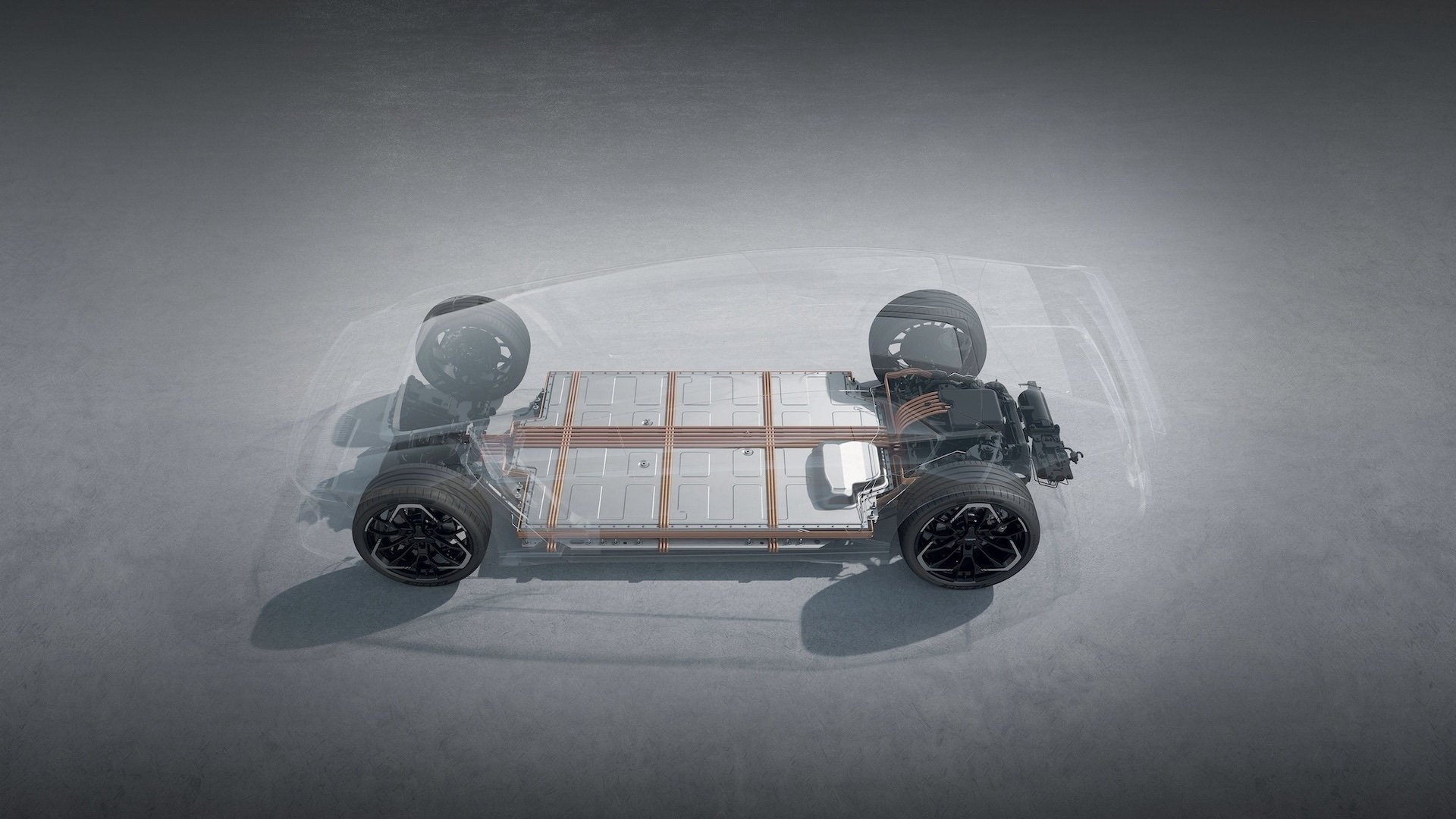
Battery capacity is listed at 112 kWh. CEER claims up to 670 km of range for the sedan and 560 km for the SUV, although the company has not provided an EPA-equivalent figure that would allow for a direct comparison with electric vehicles sold in North America.
An 800-volt electrical architecture allows the battery to charge from 10 to 80 percent in less than 30 minutes. CEER has not yet disclosed the vehicle’s maximum DC fast-charging rate in kilowatts.
Beyond its performance figures, the EXOBOT serves as a showcase for Saudi Arabia’s broader automotive ambitions.
CEER aims to source 45 percent of its vehicle materials locally by 2034, while developing a domestic supplier network capable of supporting both vehicle production and after-sales operations.
The EXOBOT will also support over-the-air software updates, an audio system that uses certain interior surfaces as acoustic elements, a digital key compatible with smartwatches and a range of advanced driver-assistance technologies. CEER mentions features including hands-free driving, automated lane changes and automated highway navigation.
With 1,111 horsepower, a massive 48-inch display, spectacular doors and supercar-level acceleration, the EXOBOT is clearly designed to attract attention. Behind that technological showcase, however, lies a much broader industrial objective: establishing CEER as a legitimate automaker while helping create a new electric vehicle manufacturing industry in Saudi Arabia.
The First Edition will eventually be followed by an EXOBOT Plus, while six additional models are expected to gradually expand CEER’s lineup by the end of the decade.
MotorIllustrated has contacted CEER Motors to inquire about the availability of the EXOBOT lineup in Canada but is still awaiting a response.
Eleven pickups and a converted ProMaster gathered in Uxbridge offered a look at how many…
Every year, Wards Auto publishes its list of the 10 best powertrains available in a…
In a segment as competitive as the compact crossover one, in which there’s an abundance…
This SUV is based on the platform and powertrain of the AMG GT 4-door coupe.…
Volvo is reportedly producing about 200 EX60s weekly against a 2,000-unit target. Megacasting and cell-to-body…
Stellantis is exploring Canadian exports of two electrified Jeeps built in Wuhan. Brampton sale talks…