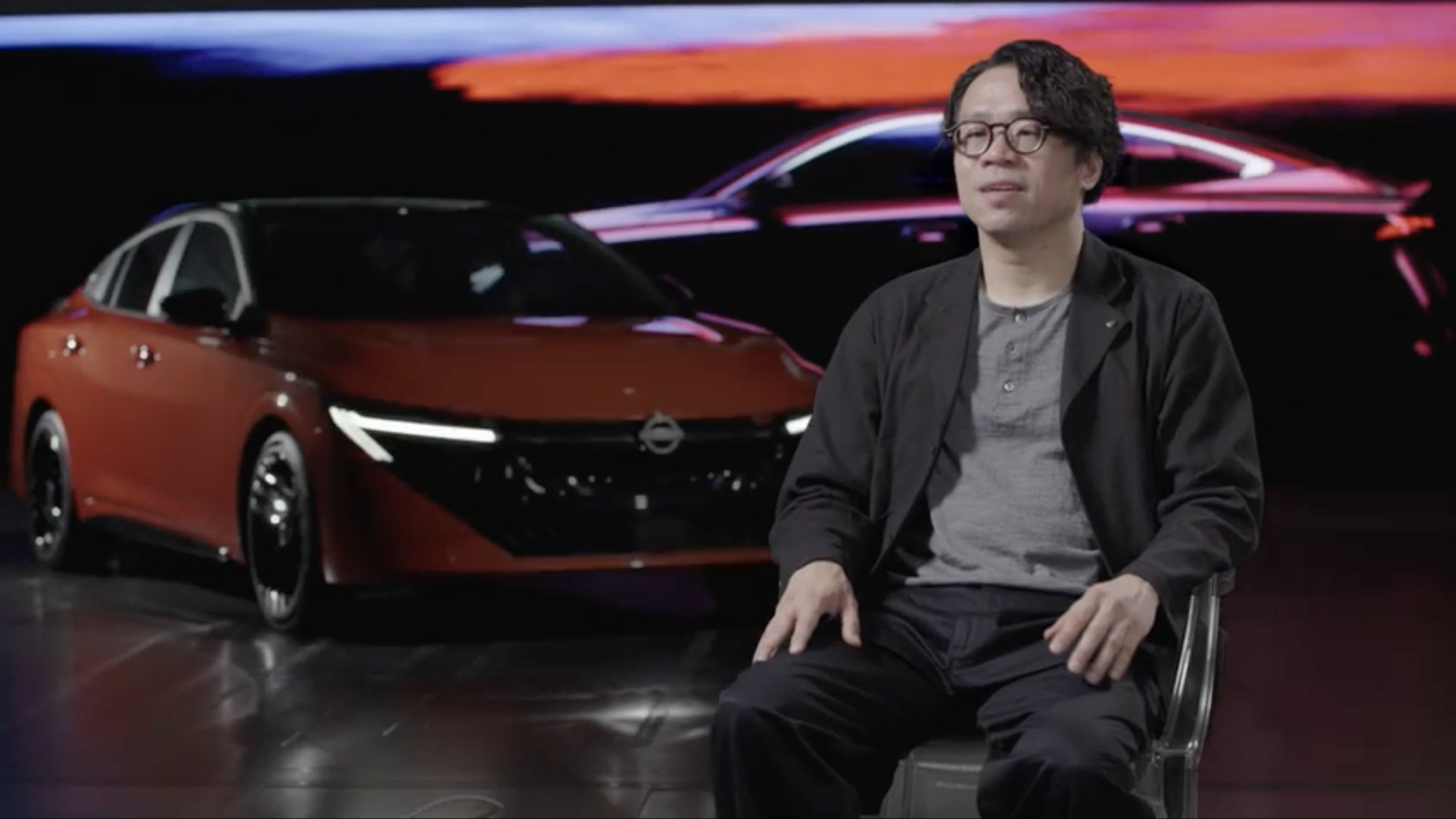
Lihao Yu
In just a few weeks, Nissan will launch in the Canadian market what is officially recognized as the ninth generation of the compact Nissan Sentra sedan. While it may look brand new, that’s not entirely the case — the car retains the same technical foundation introduced with the eighth generation that debuted in 2019 as a 2020 model.
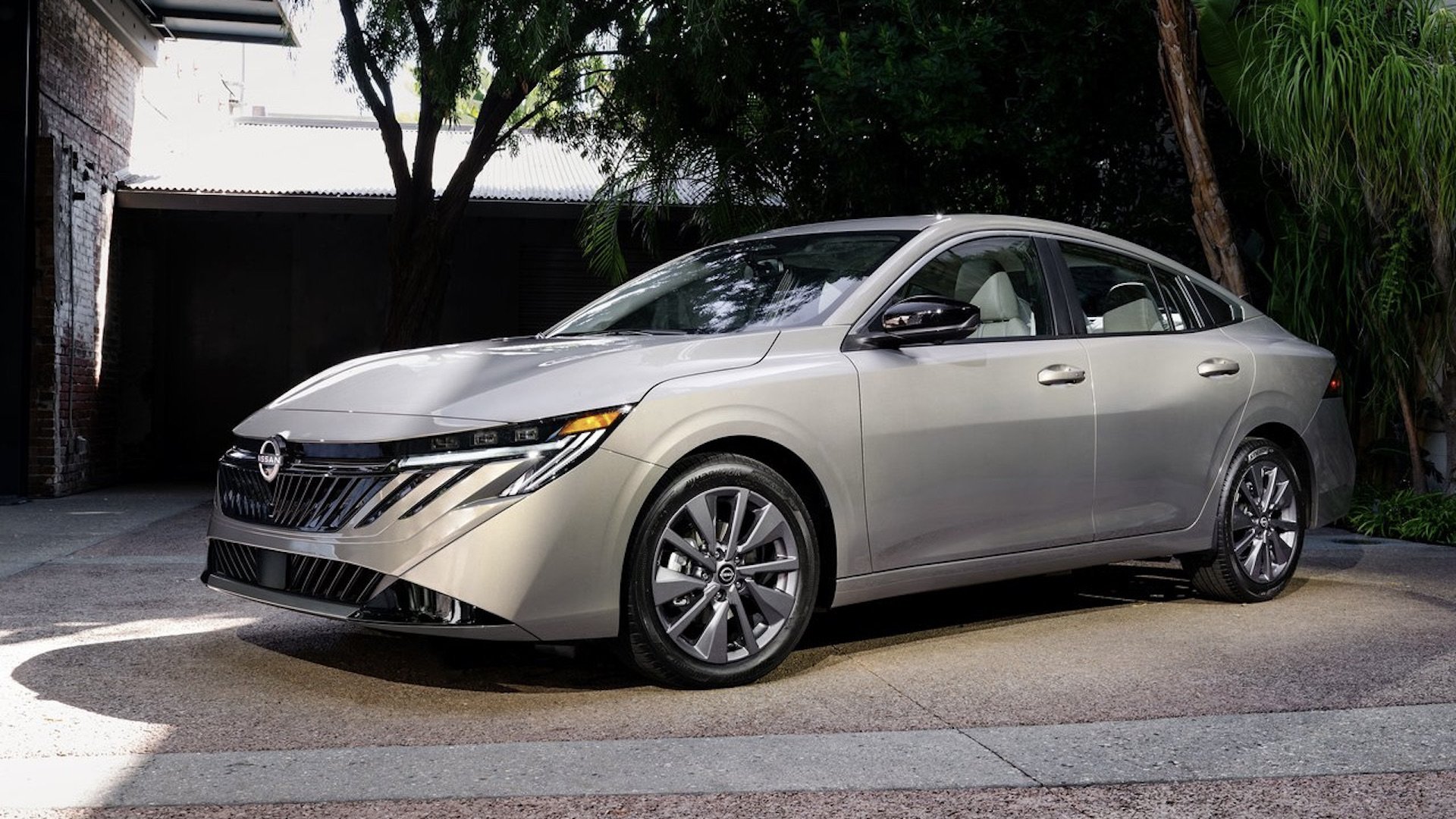
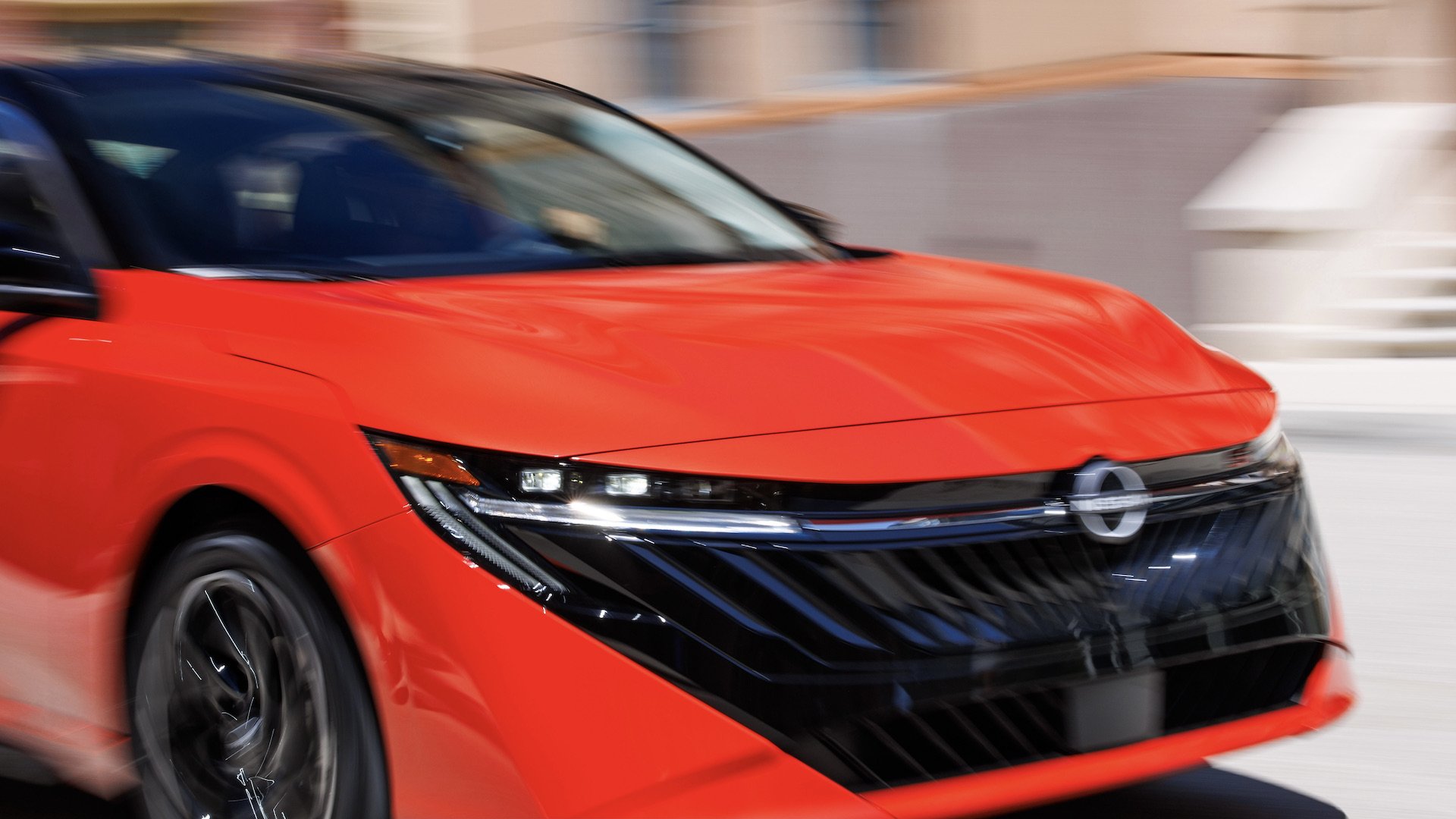
With the same technical base, styling plays a central role in making the new generation feel fresh. That’s where designer Lihao Yu’s work proved crucial in the renewal process of the 2026 Sentra.
For Yu, design is naturally a major focus, particularly in North America, and even more so in the United States. “American customers tend to prefer sportier looks,” he explained, “which is why we put emphasis on the SR trim at the top of the lineup.”
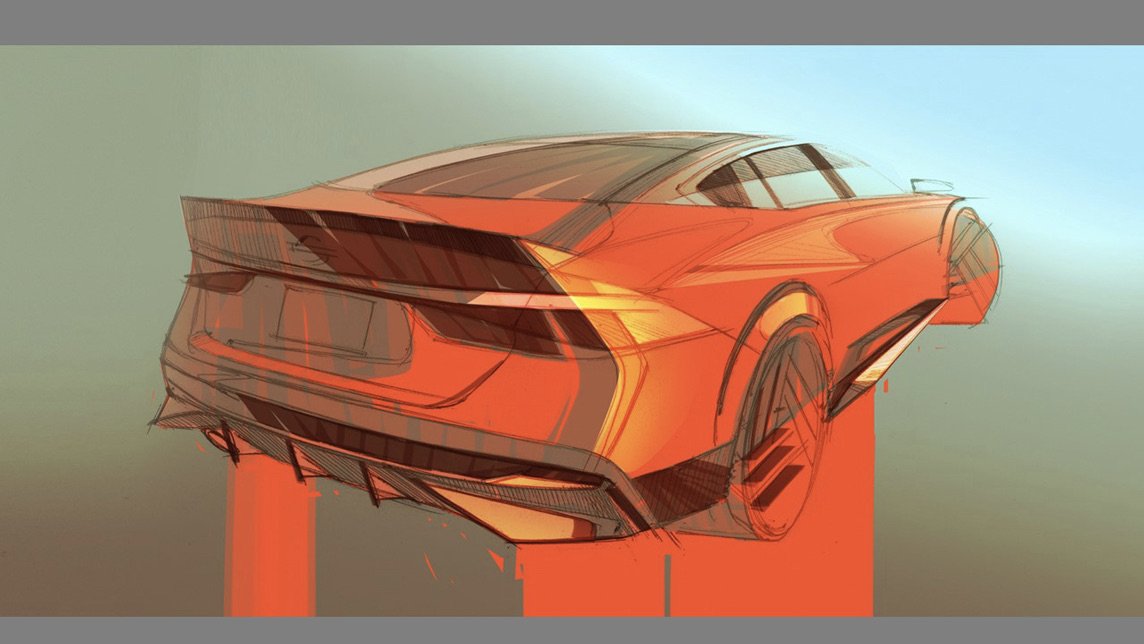
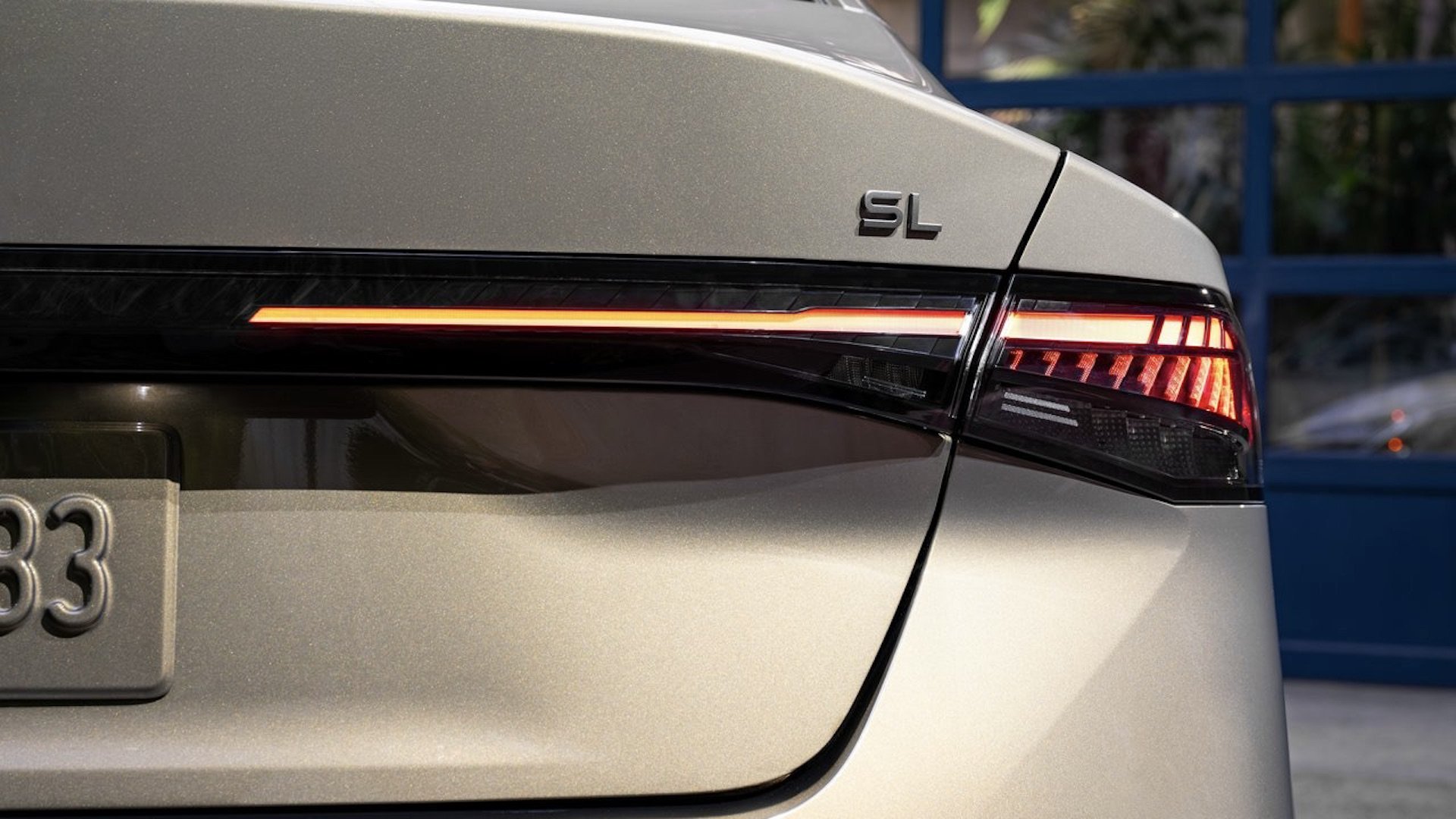
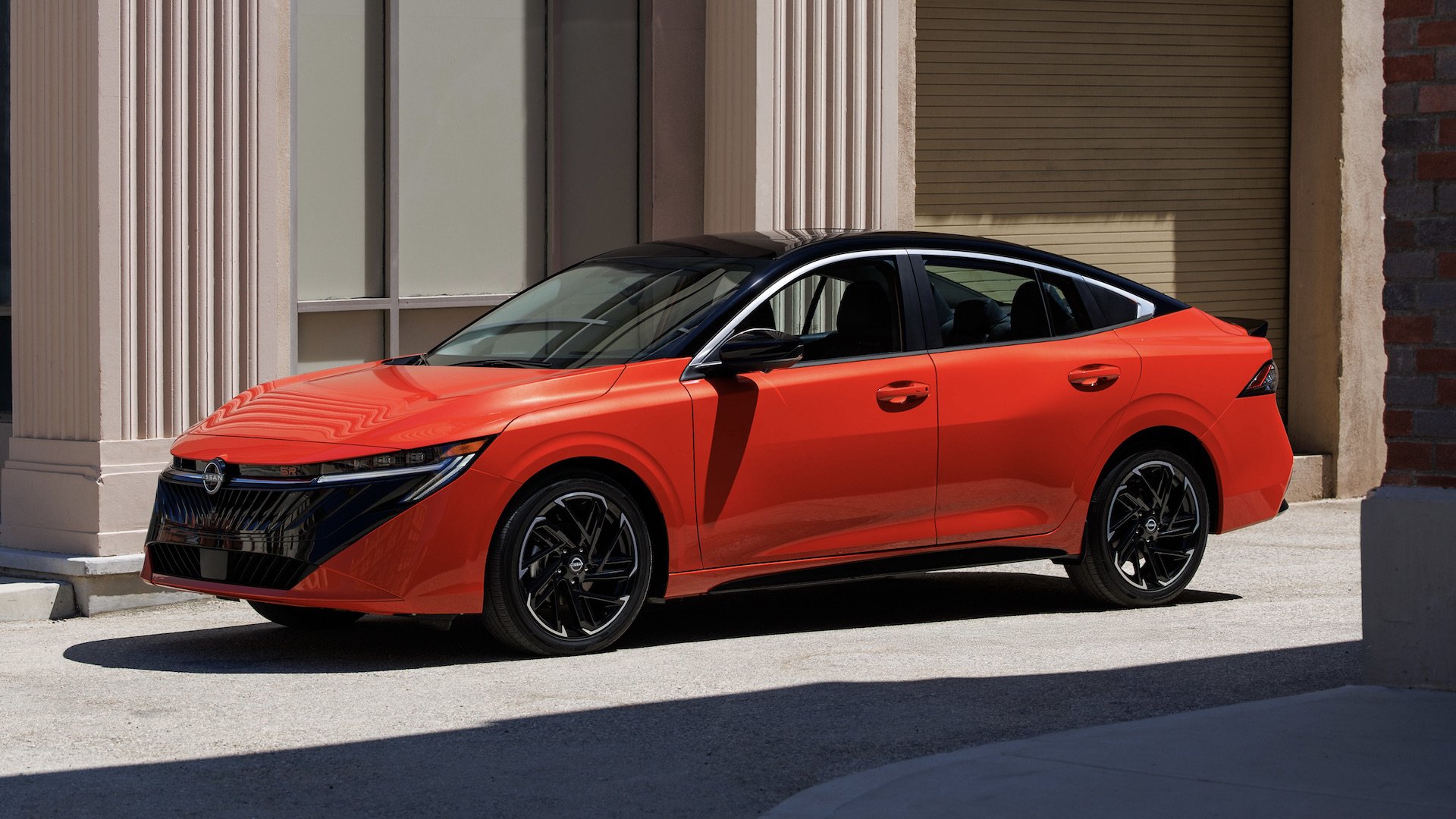
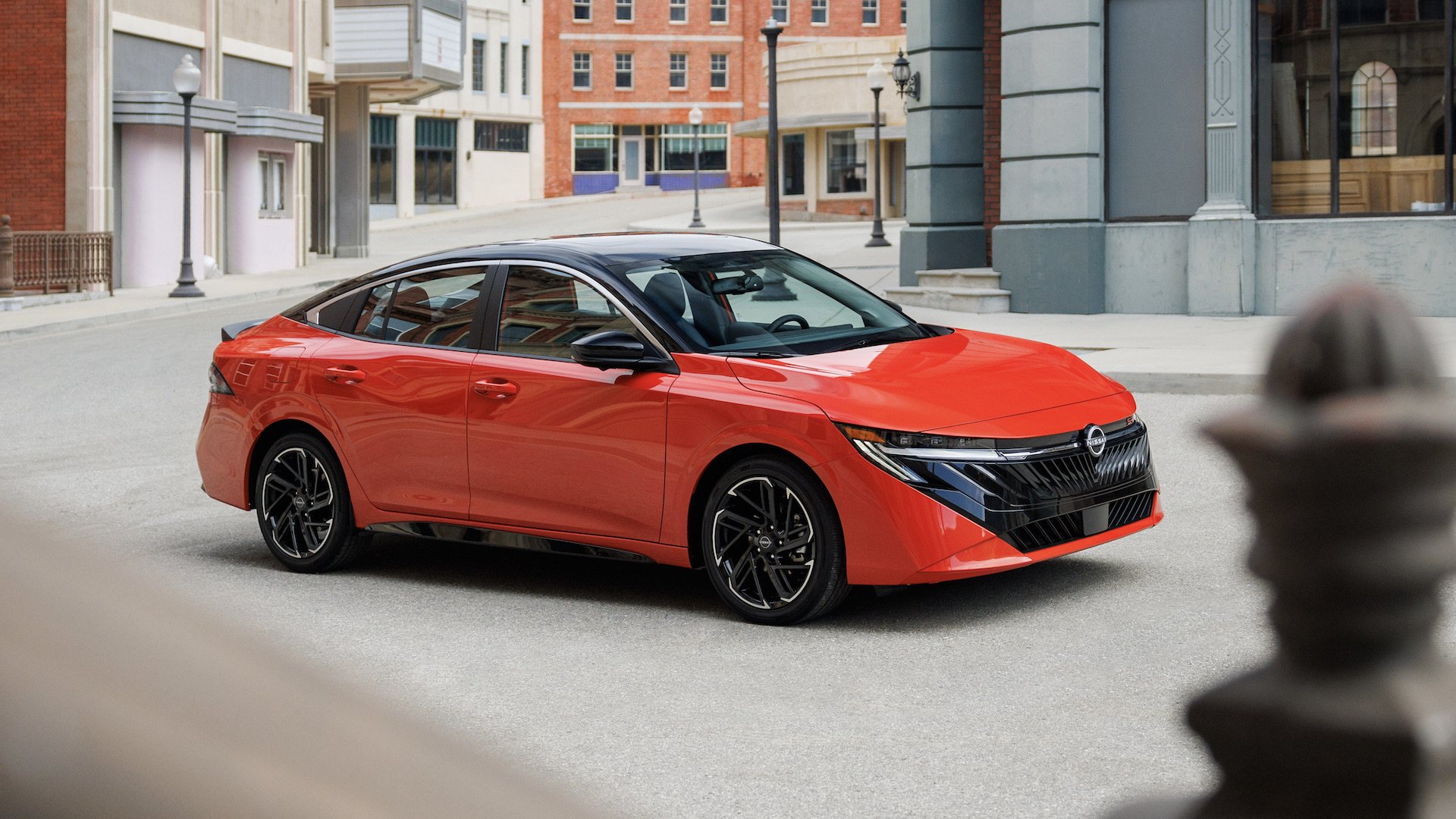
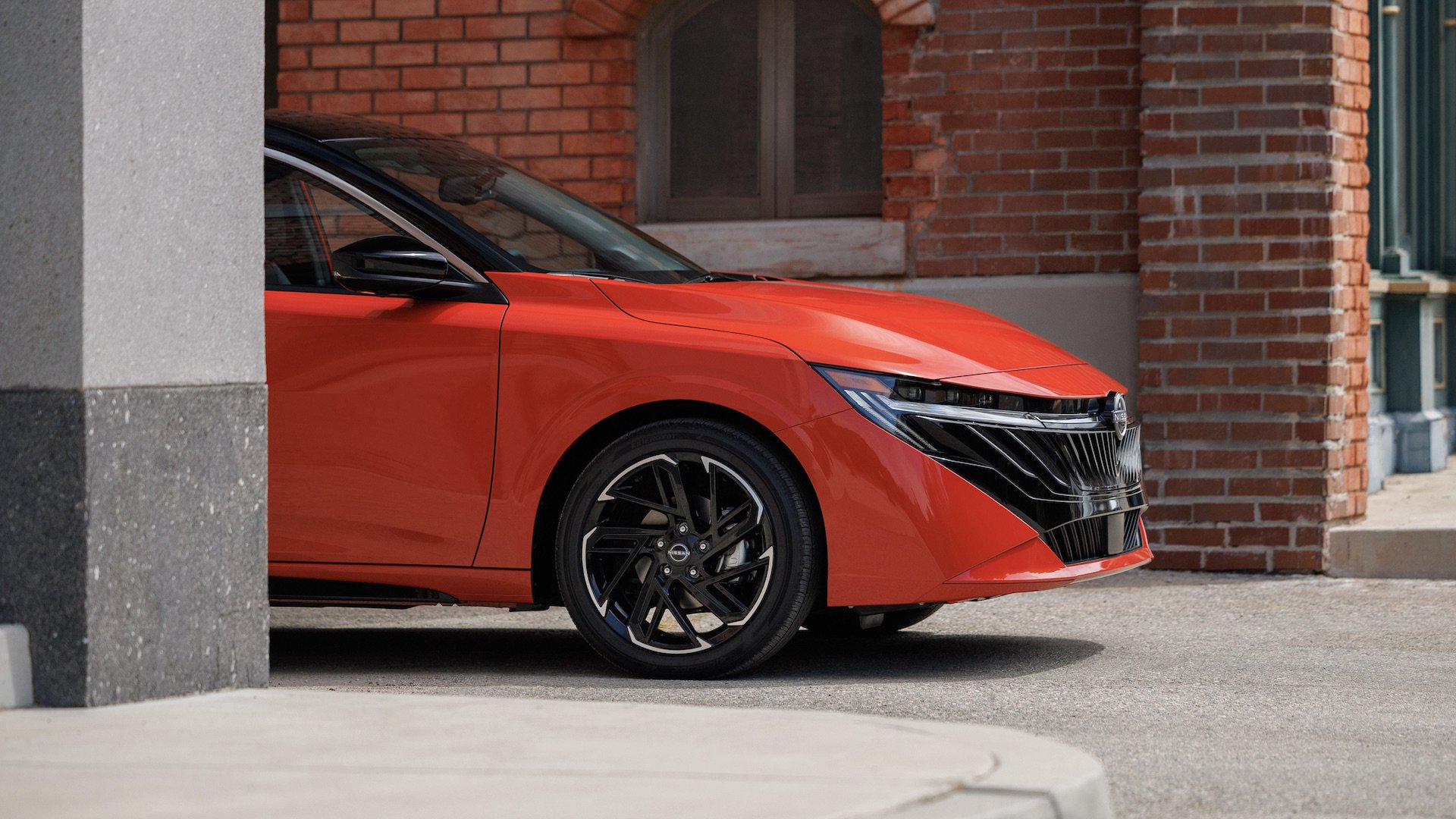
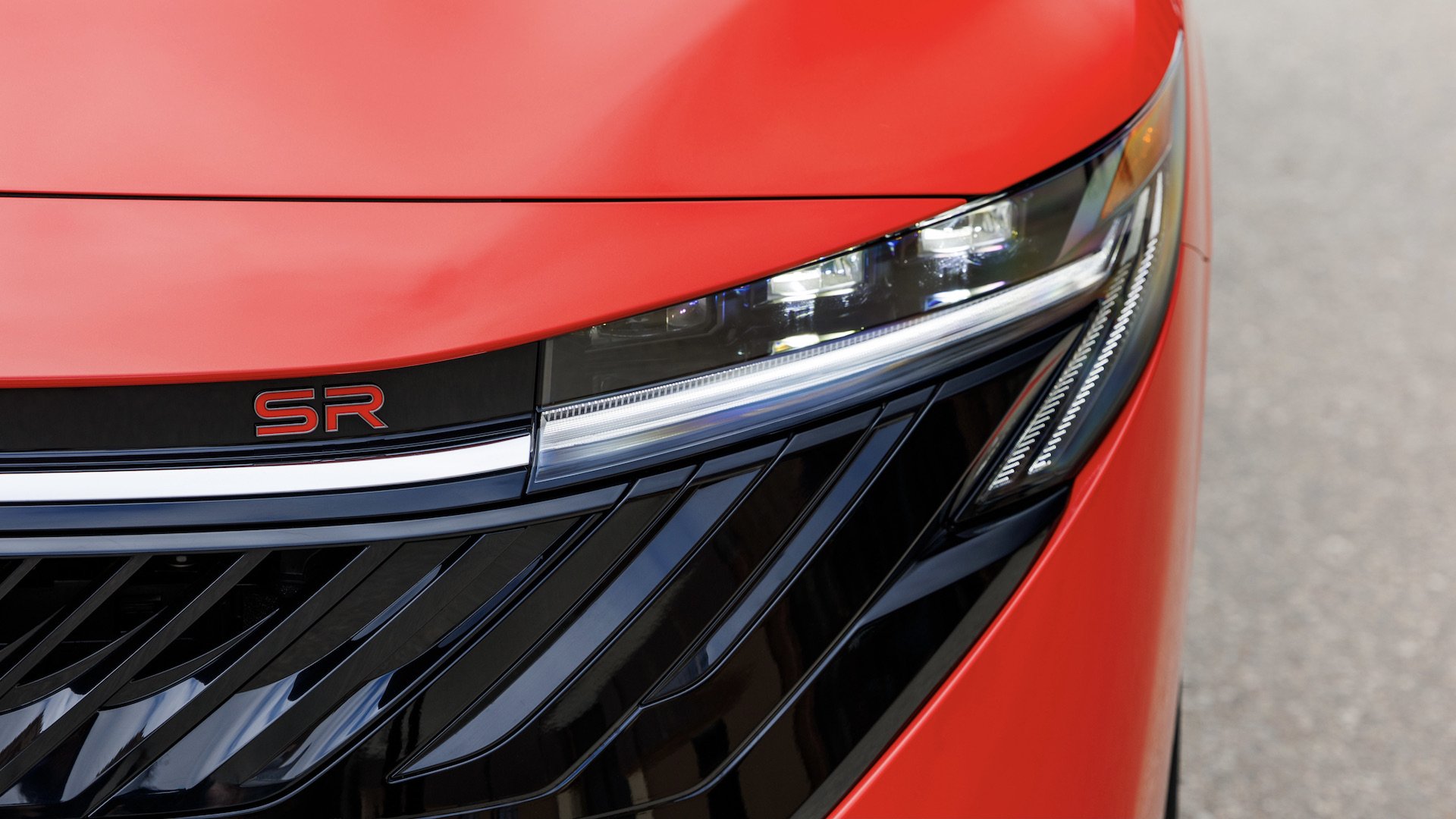
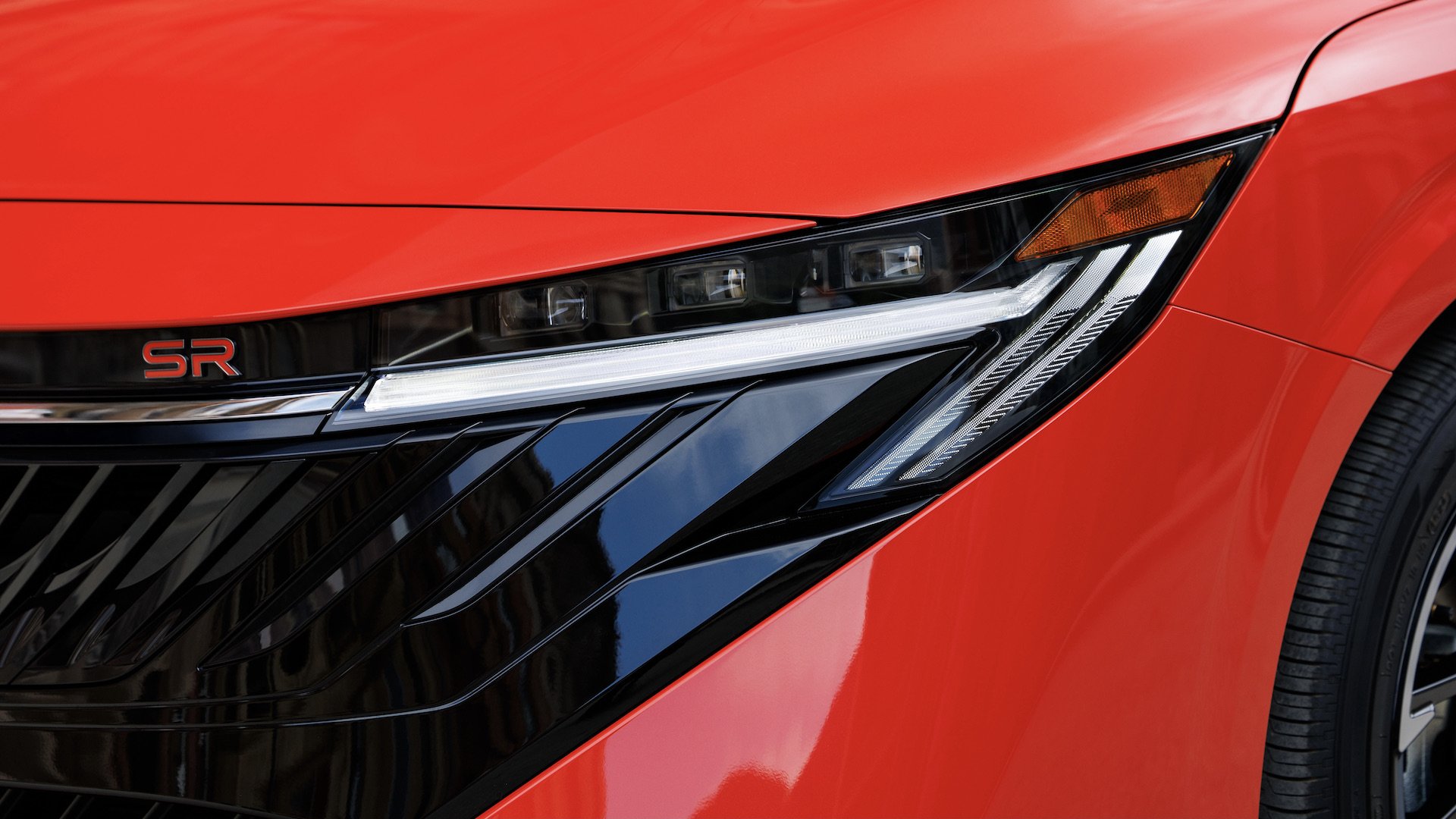
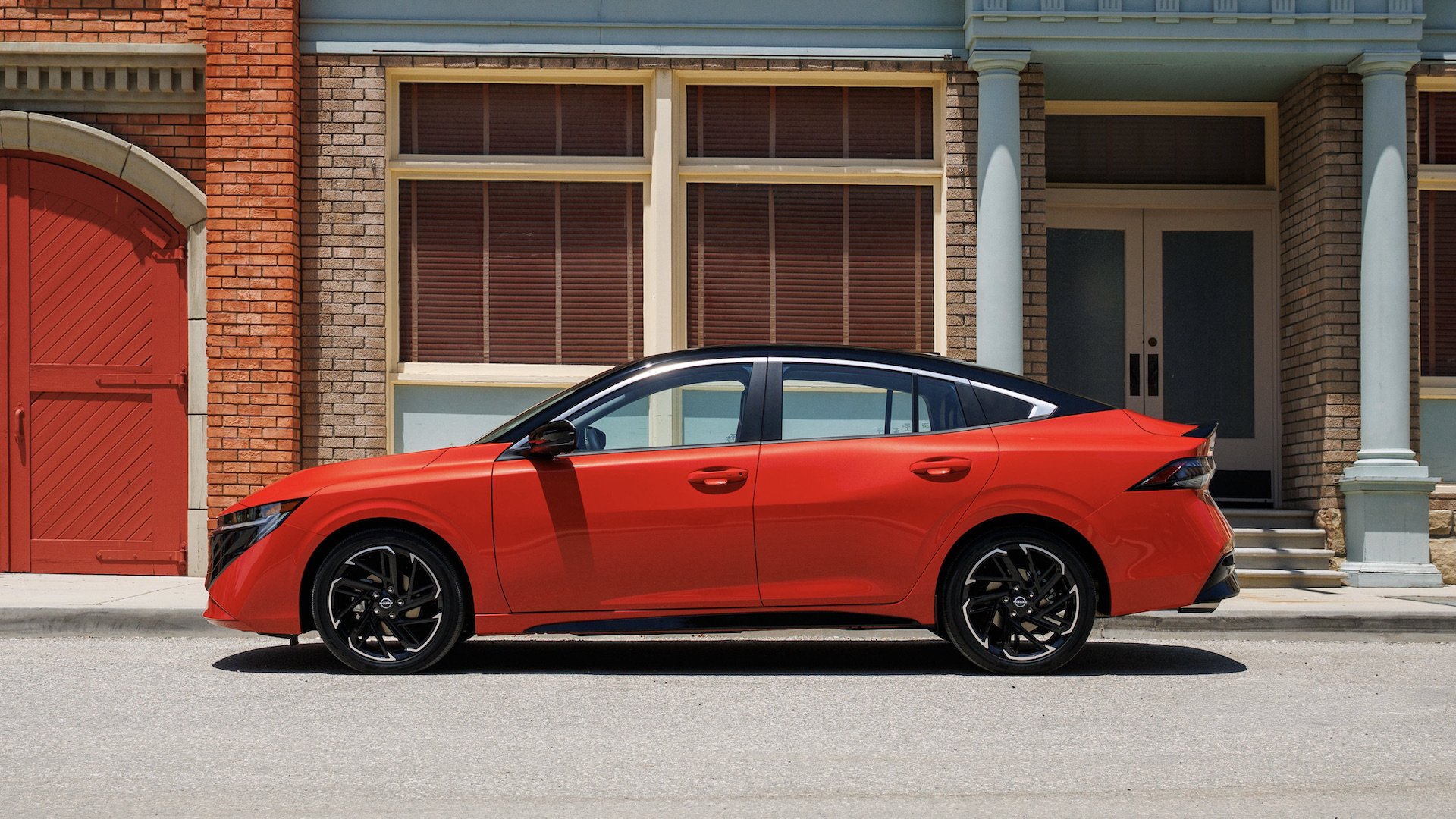
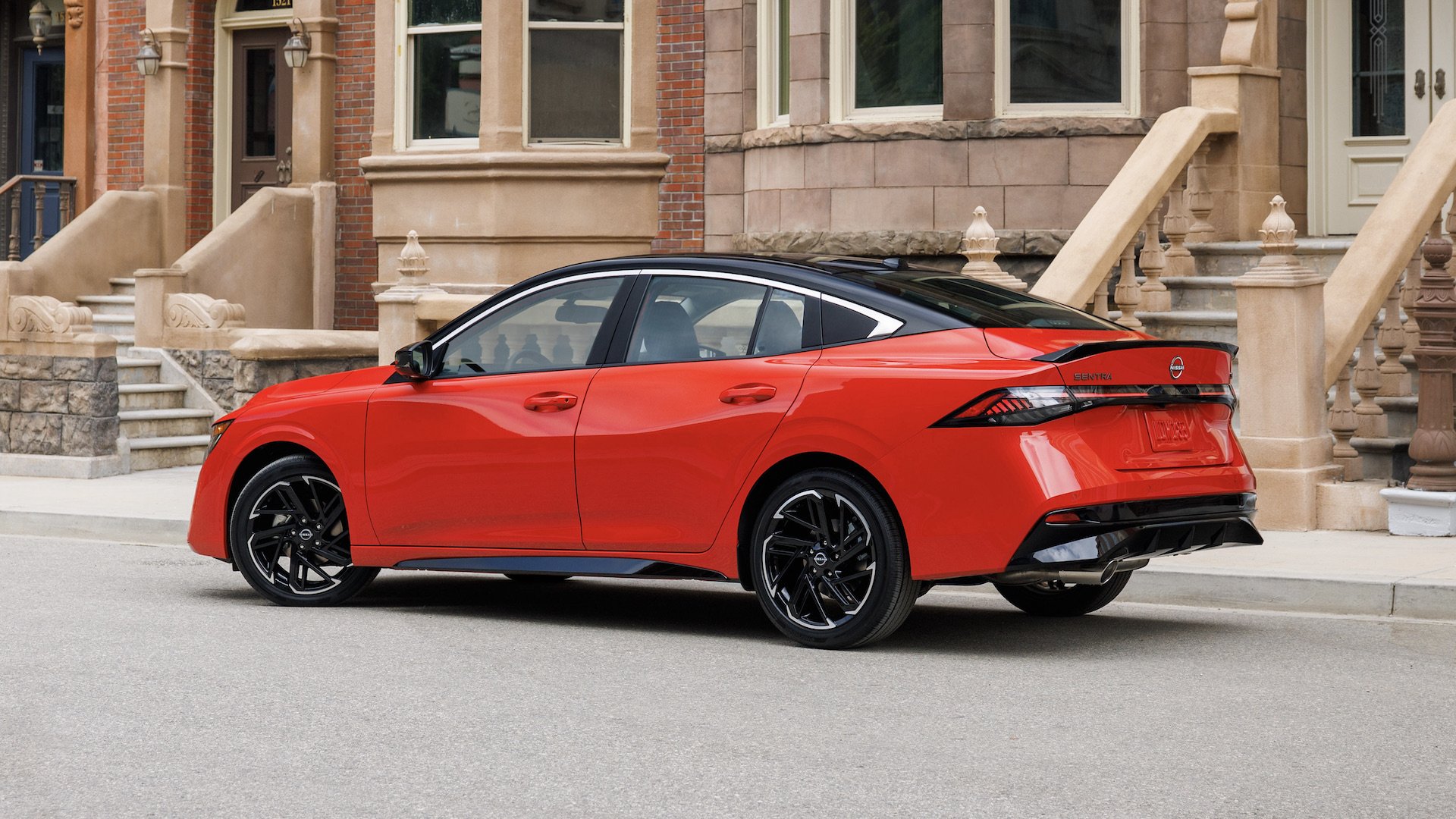
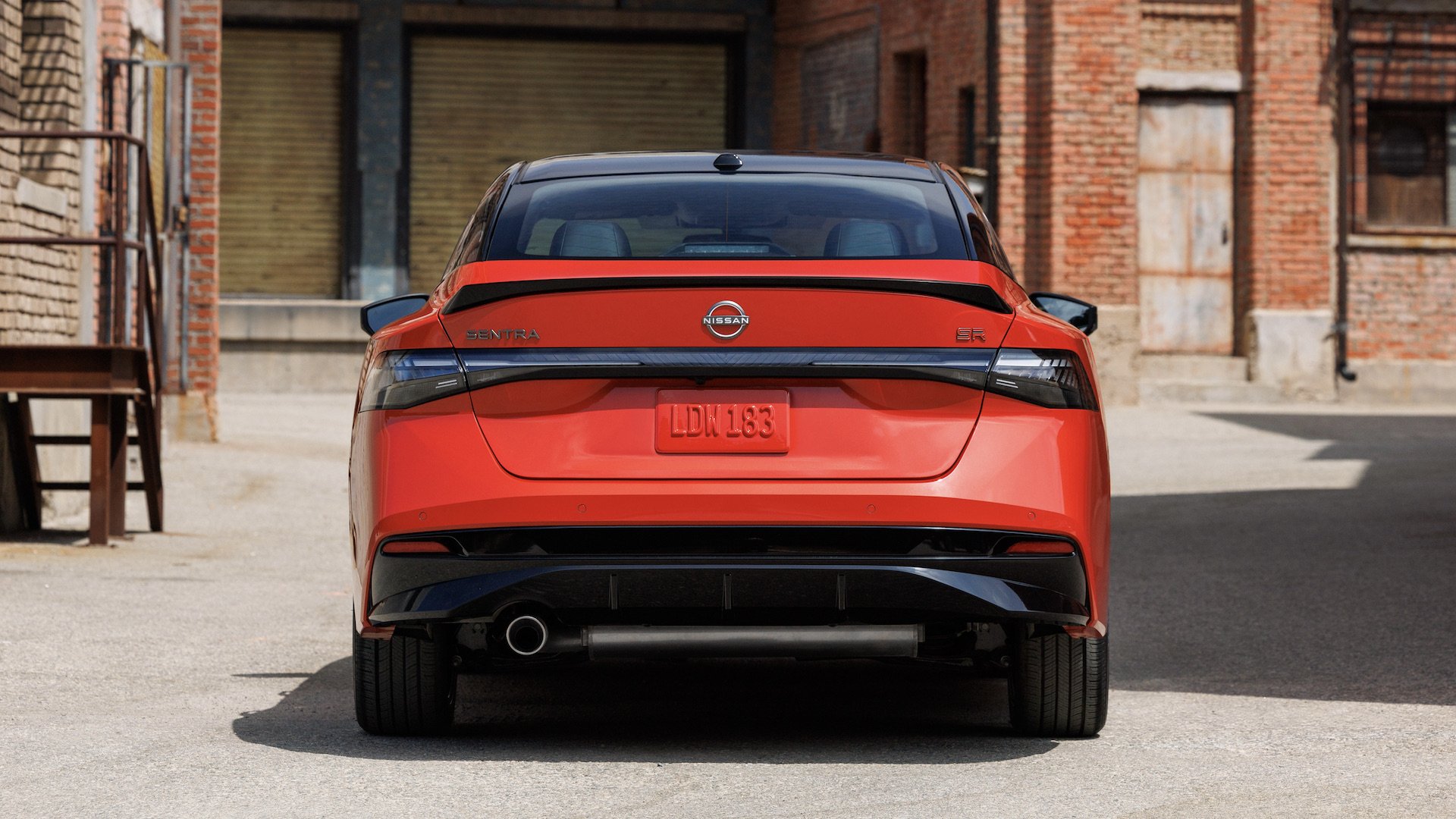
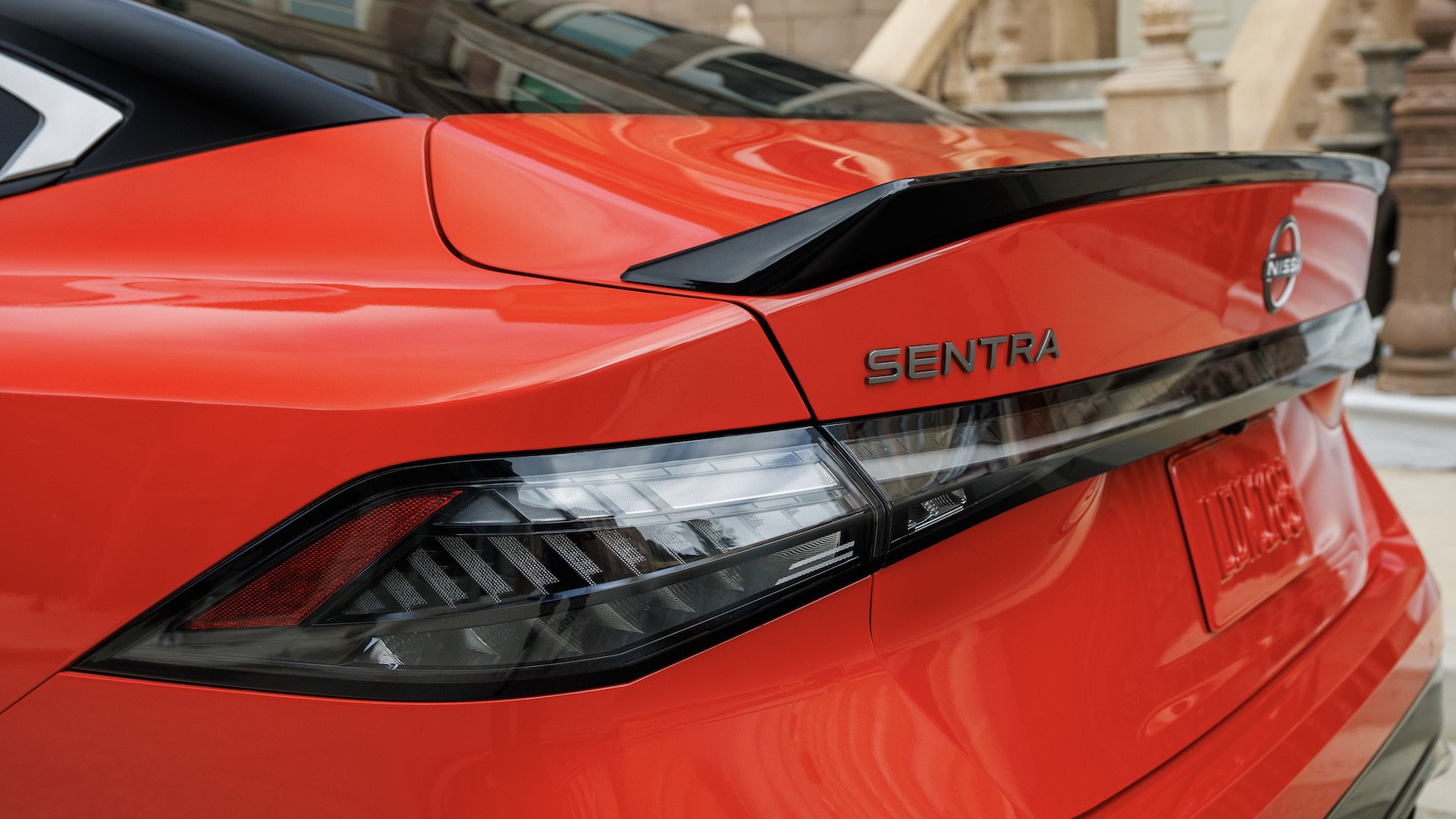
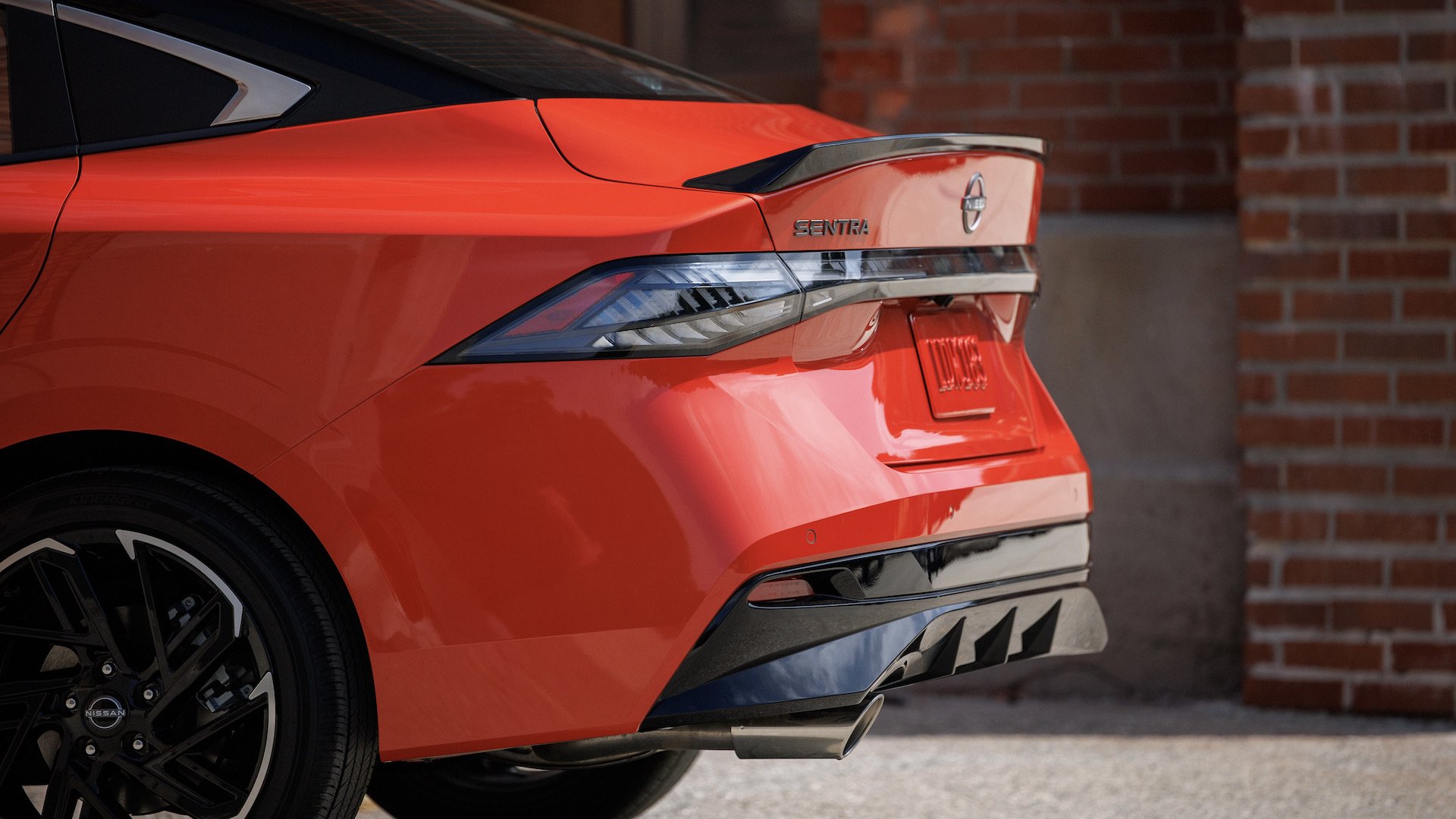
This version showcases bolder and more dynamic colours, complemented by two-tone 18-inch wheels, a black grille, and a small contrast rear spoiler. Together, these elements give the Sentra SR a sportier, more confident stance.
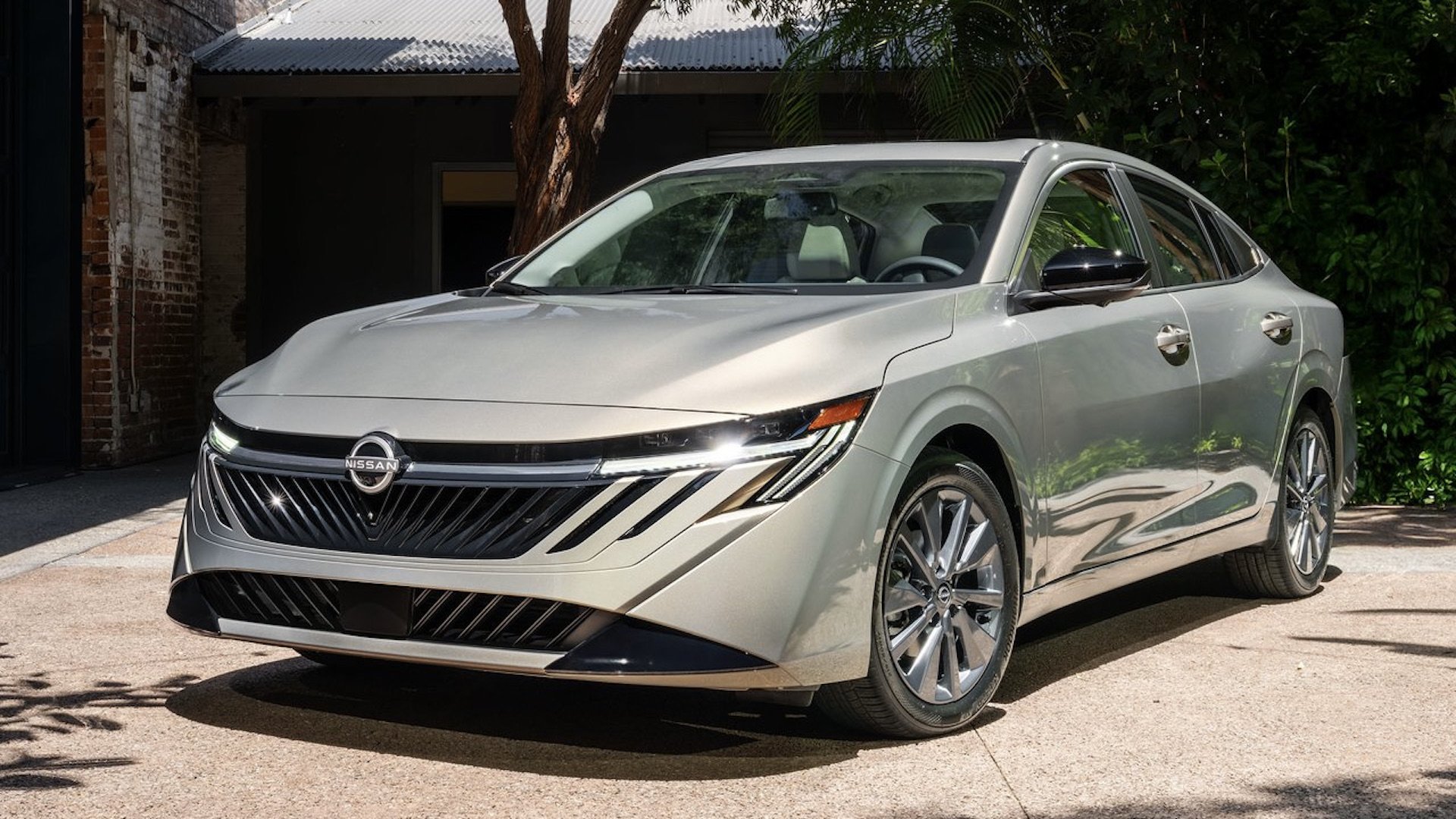
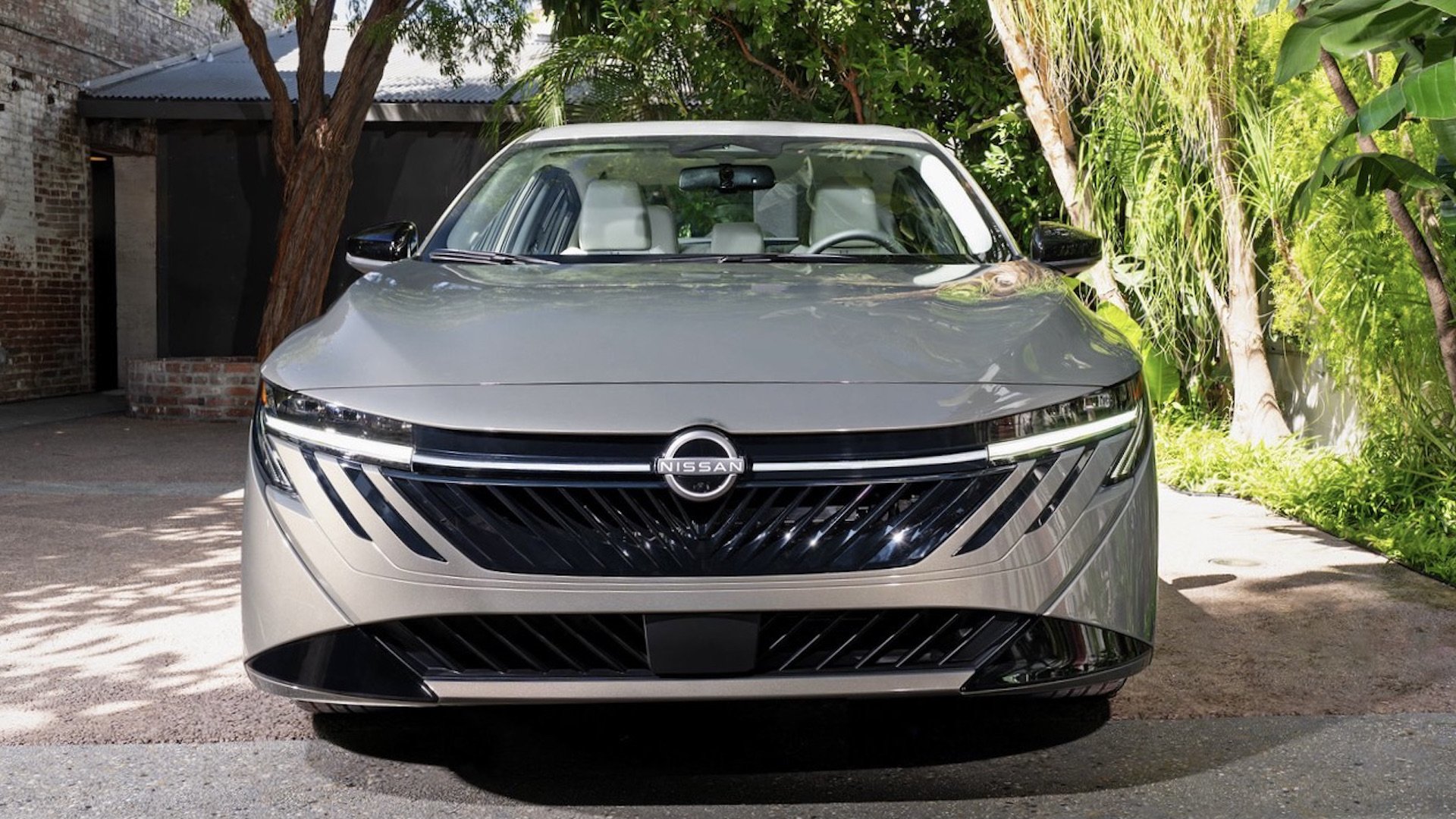
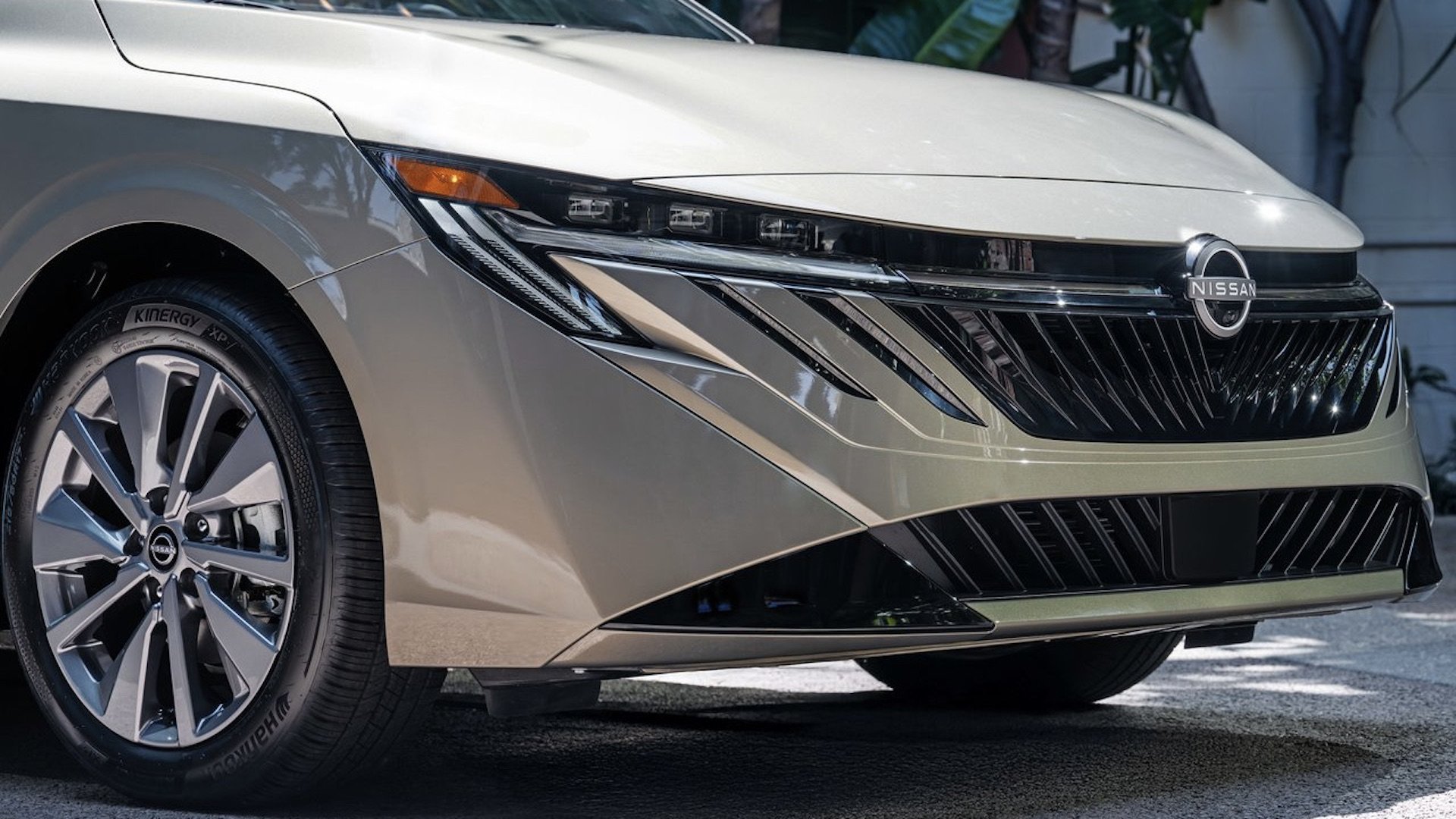
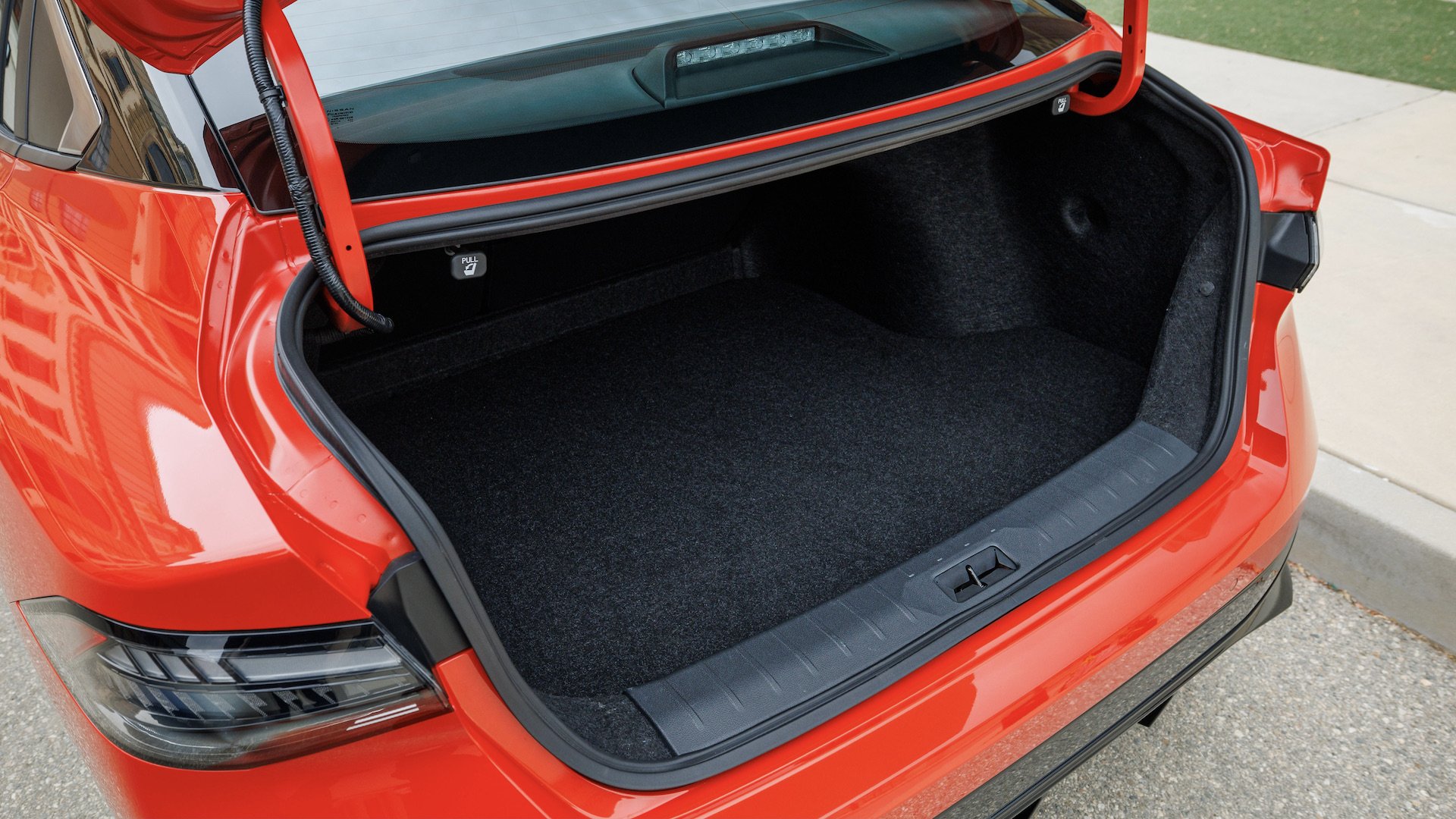
According to Yu, “Designing a sedan is more complex than an SUV.” The creation of the three-box layout (hood, cabin, trunk) adds difficulty. “On top of that,” he said, “you need to integrate the brand’s stylistic DNA, such as the ongoing evolution of the V-Motion grille design.”
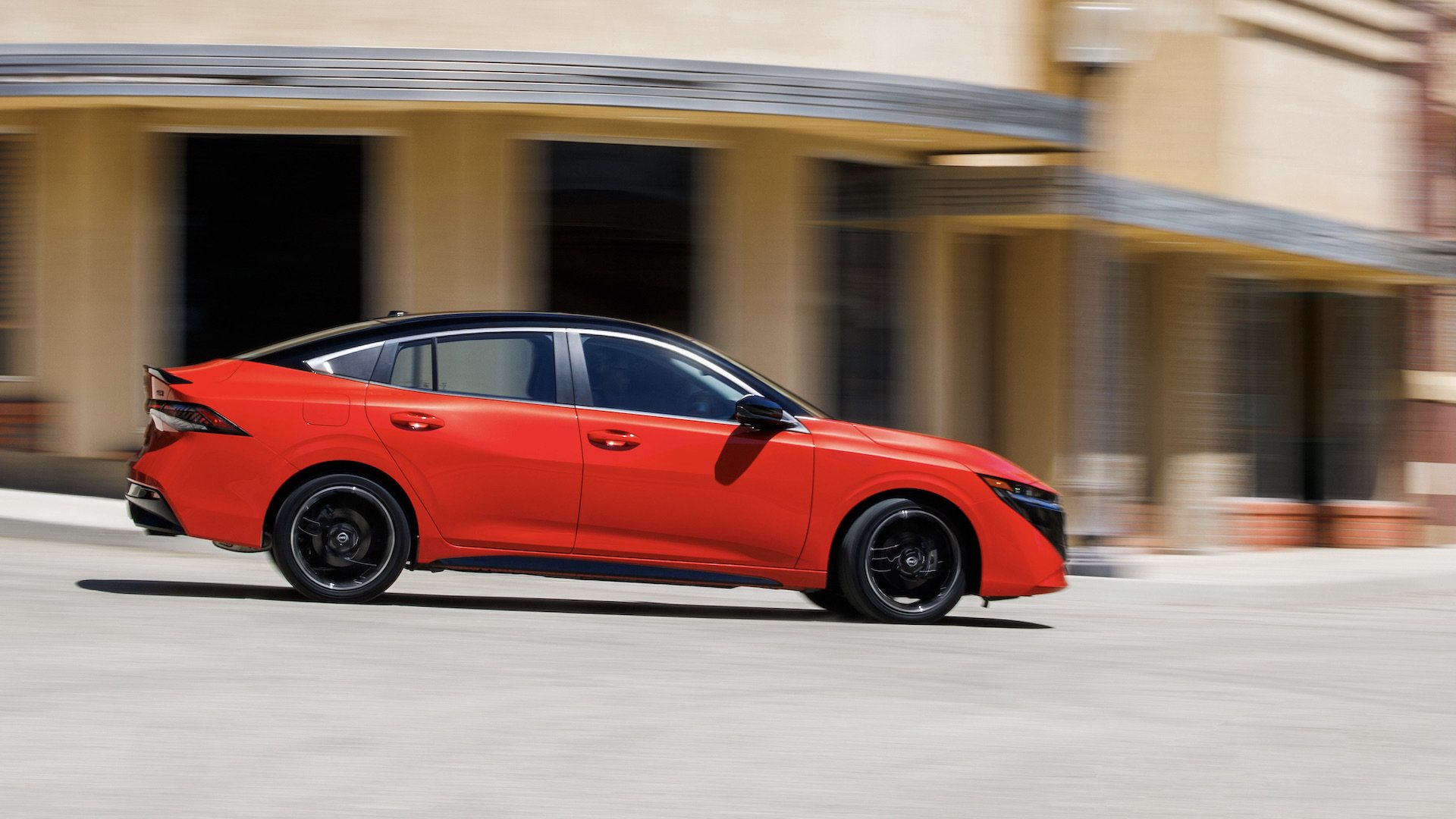
Yu describes his design philosophy as “modernity that is useful, simple, and powerful, in other words, timeless futurism.” Throughout the design process, the team was inspired by the Japanese principle of shun: a sense of agile, effortless speed.
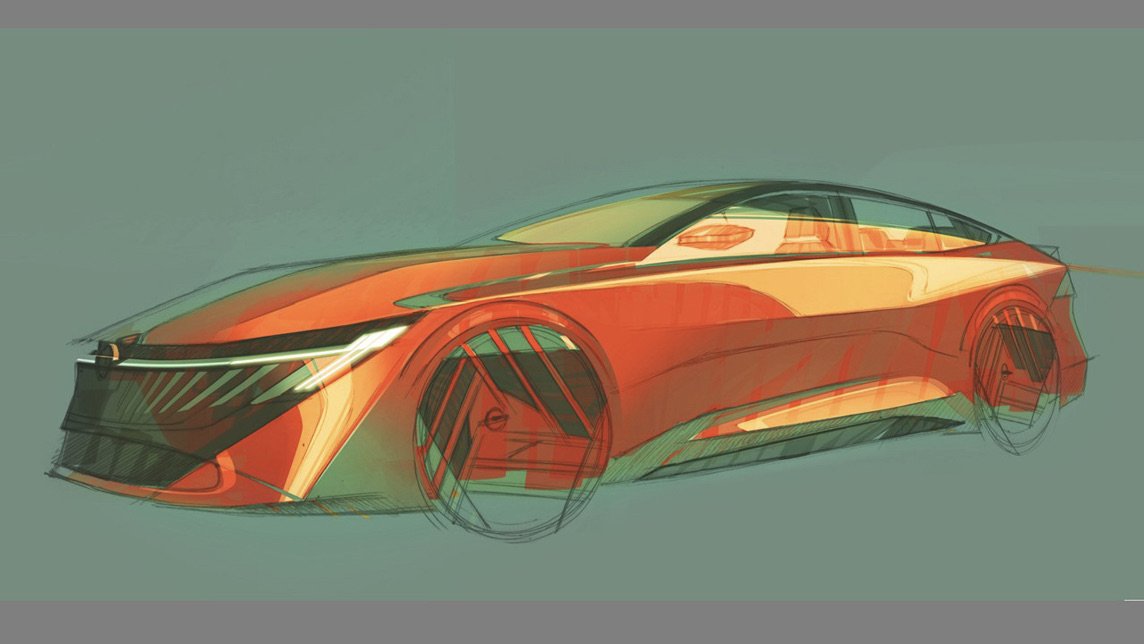
“During the initial sketch phase, we incorporated stretched lines that give the Sentra a wider, bolder, and more dynamic.”
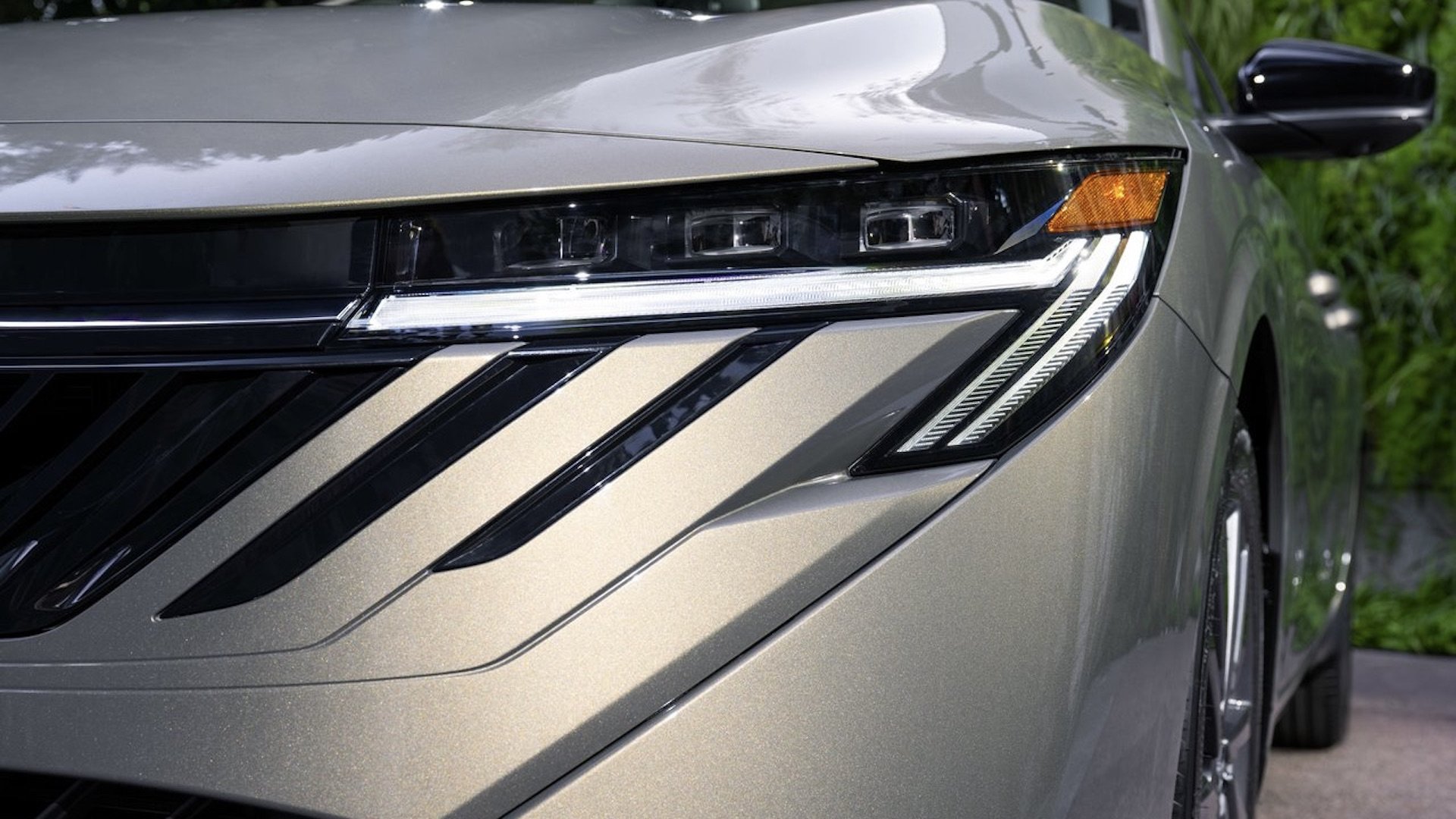
This is particularly noticeable at the front, where the LED headlights are integrated directly into the grille design. “The horizontal lines extend from corner to corner on the front end, enhancing Sentra’s wide appearance.” he added.
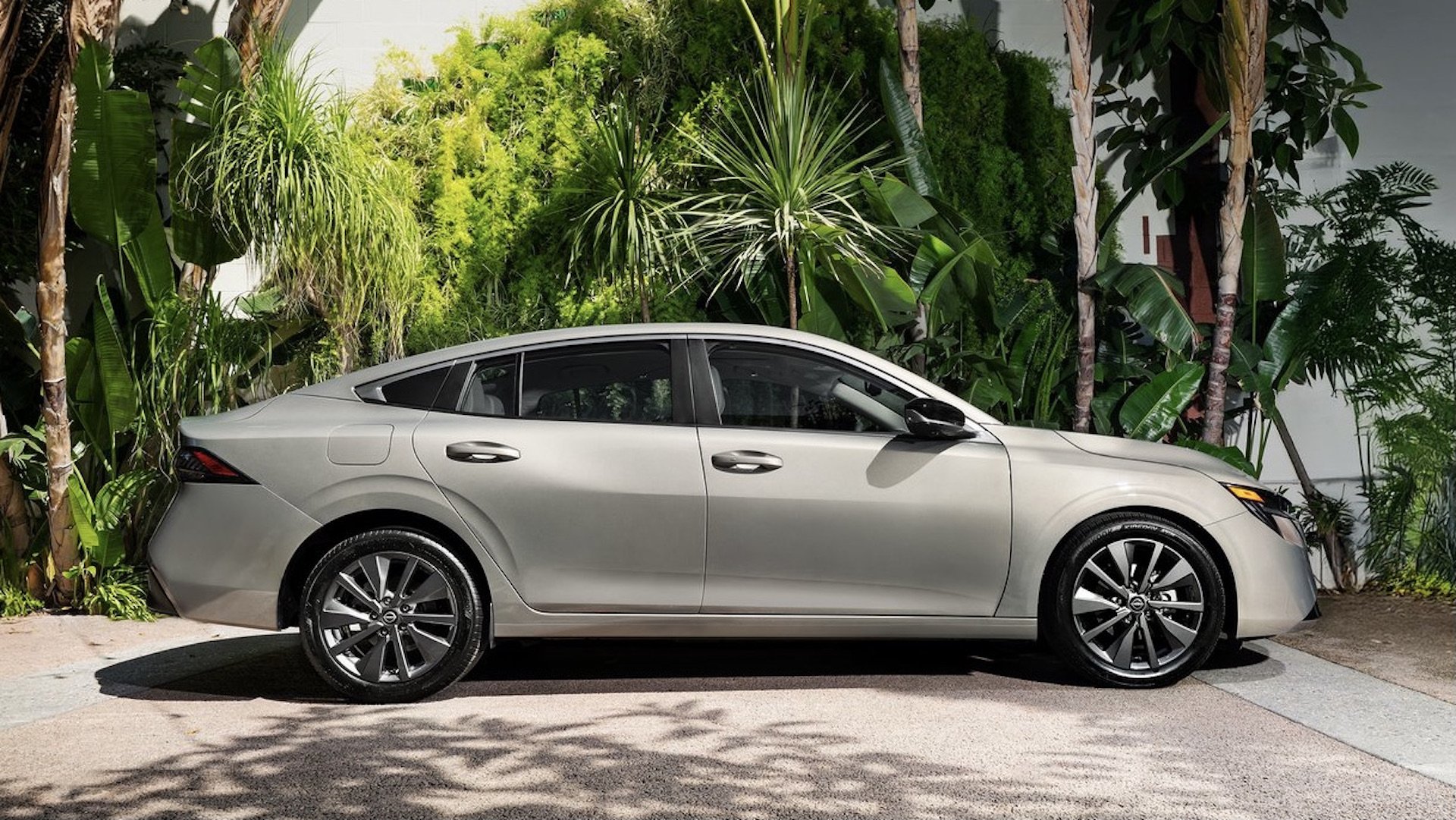
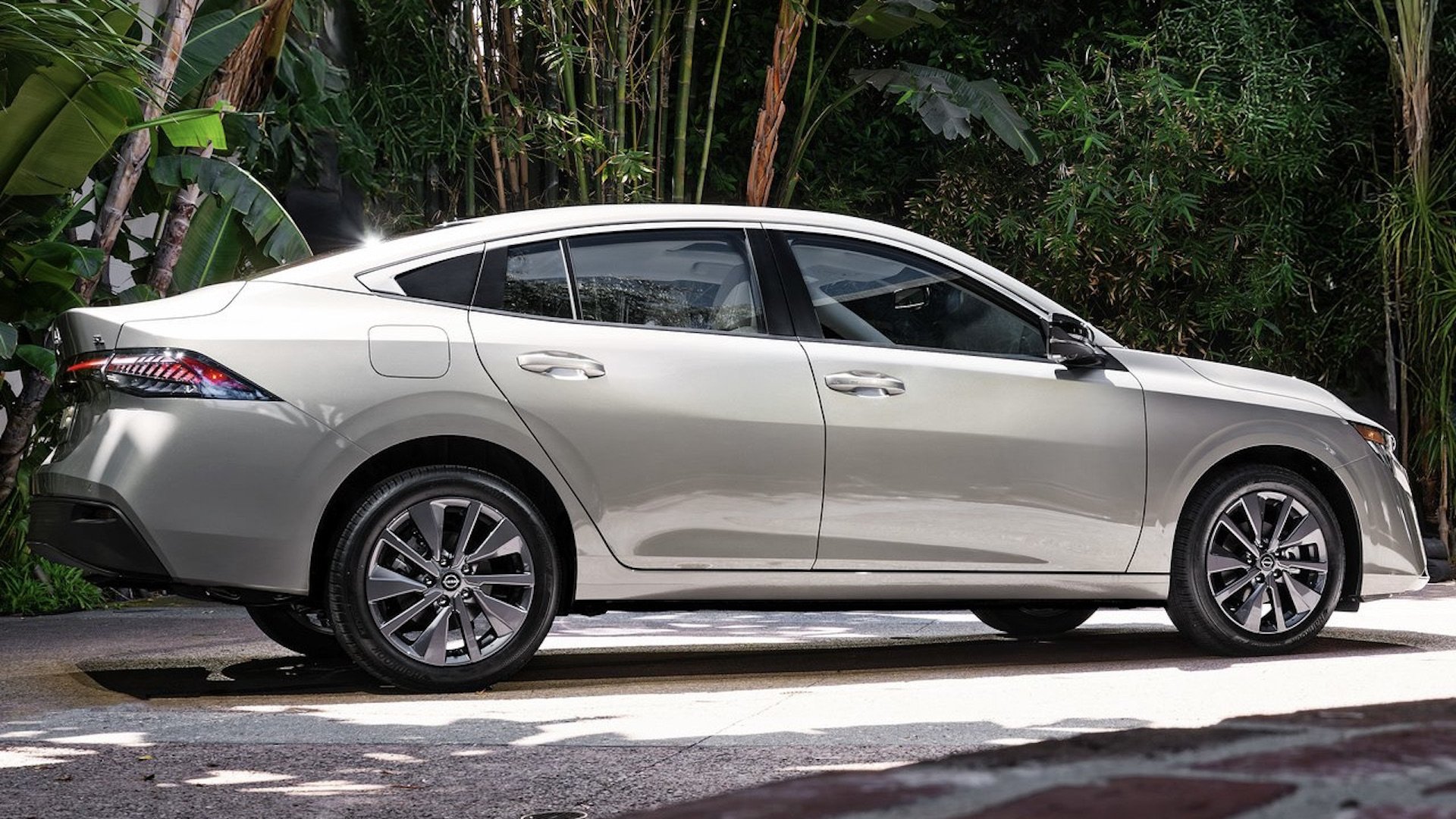
When referring to the “fastback-inspired” roofline, Yu explained: “The roofline is highlighted by a sleek, arching satin finisher, which enhances its proportions and gives it a more premium, confident look than ever before.”
In the same spirit: “The character lines are sharp yet fluid. They draw the eye downward, highlighting Sentra’s stability and presence,”
There’s also the balance between engineering and design ambitions. Since the platform and powertrain remain unchanged, the design team worked within strict parameters. Even so, aerodynamic efficiency has been improved. Yu noted that with the integration of new technologies, the car is slightly heavier, but the use of digital design tools has optimized the process. On average, developing a new model takes about five years.
Unsurprisingly, computers now play a vital role in the efficiency of vehicle design and modernization. Yu pointed out that “China is putting enormous pressure on the automotive world with ultra-fast concept development. The rest of the world has to keep up or at least try to.”
Artificial intelligence also helps solve many potential issues early in the process. Yu mentioned that it allows designers to run numerous tests and simulations before reaching the physical prototype stage. In short, AI accelerates creation at lower cost while fostering fresh ideas more quickly, saving both time and money.
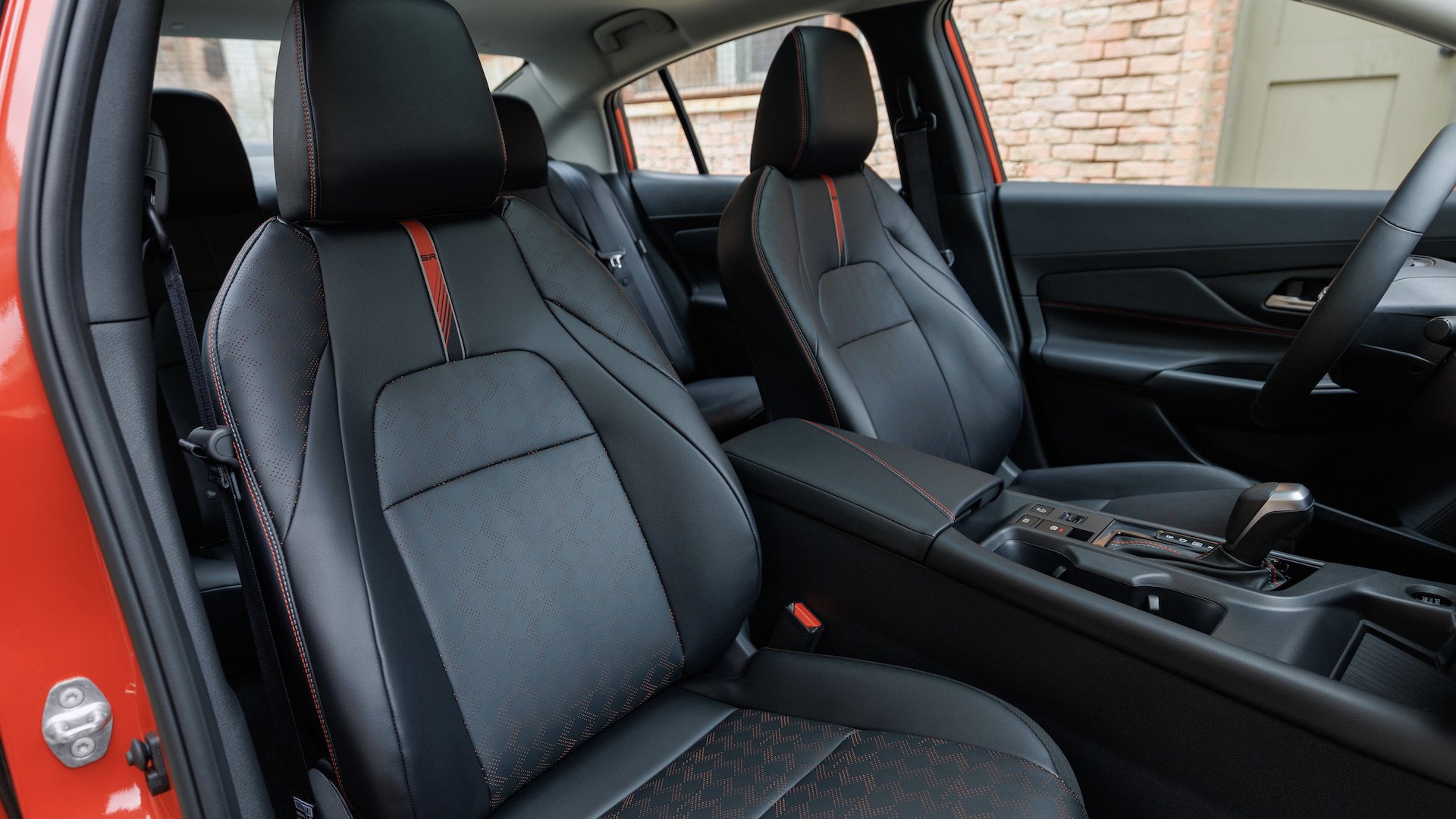
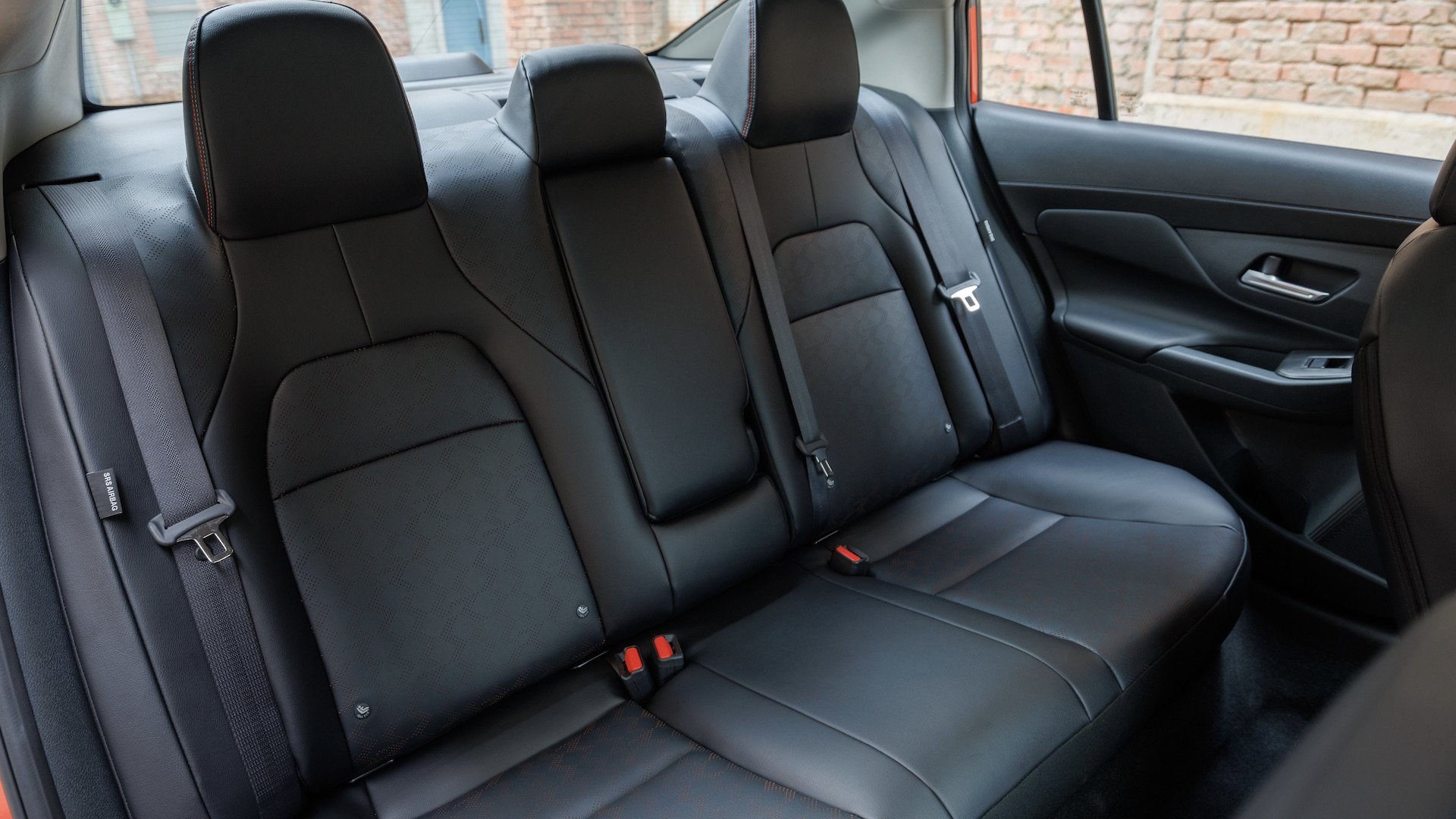
Nissan takes great pride in the Sentra’s interior, which was named one of Ward’s 10 Best Interiors in 2020. The goal for 2026 was to build upon that success.
“The interior was a strong point in the previous Sentra, so we wanted to elevate that reputation even further,” Yu emphasized.
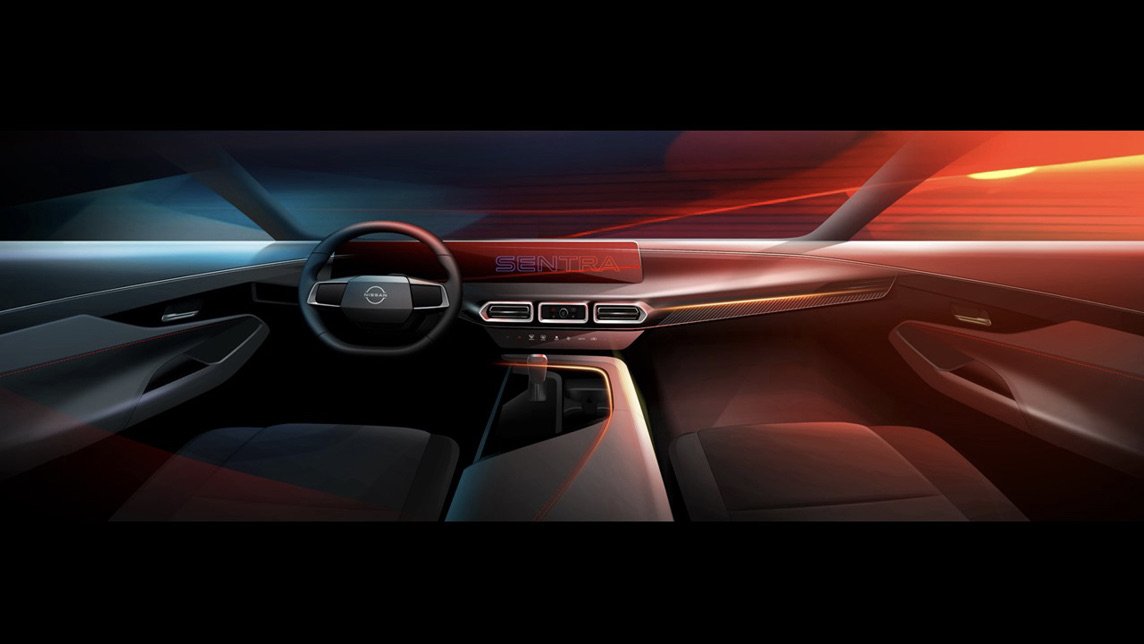
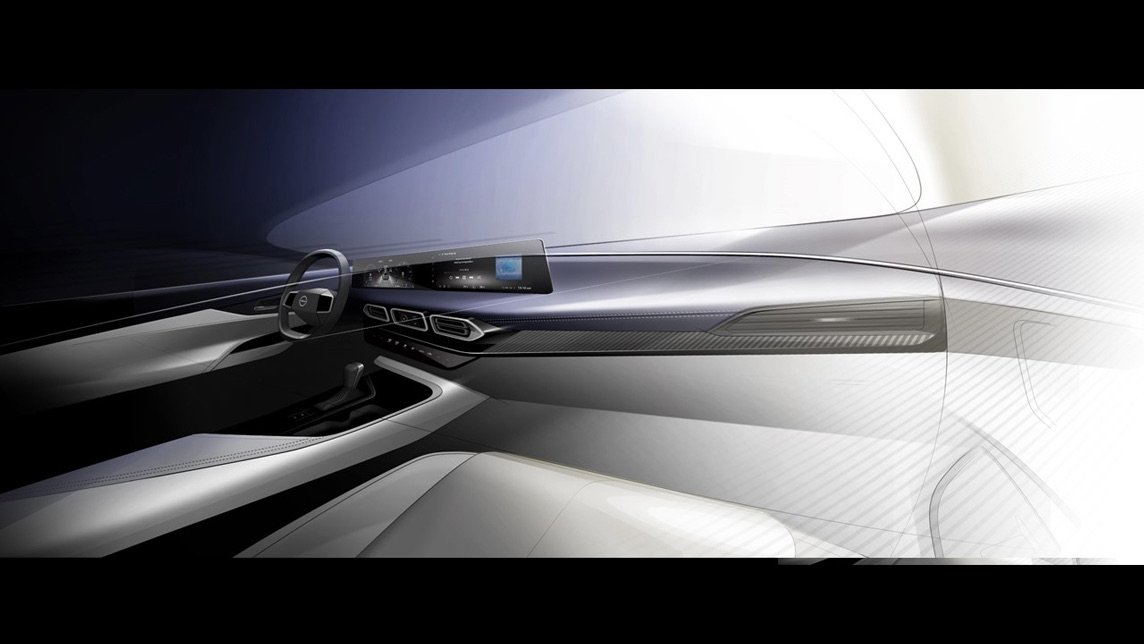
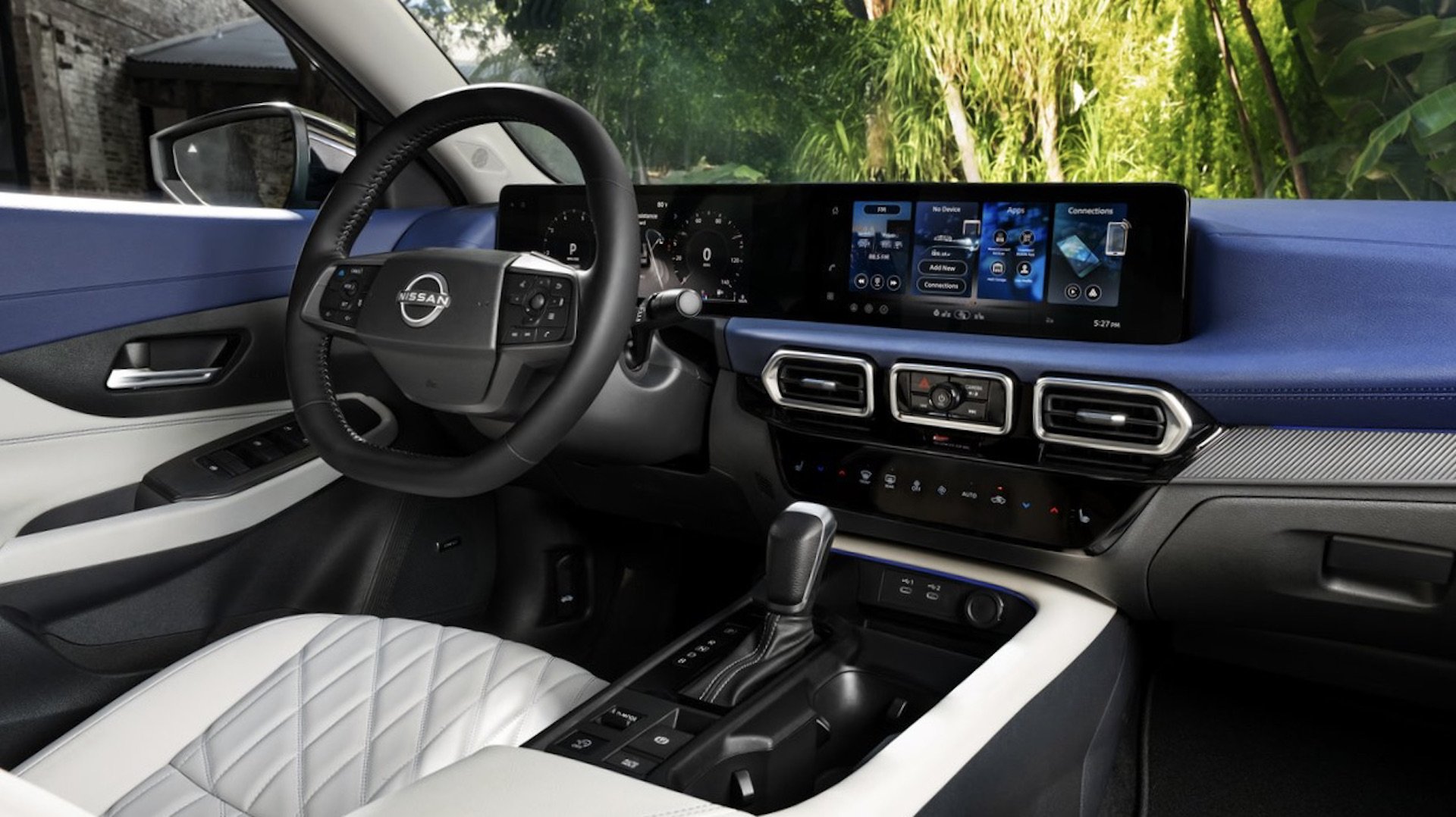
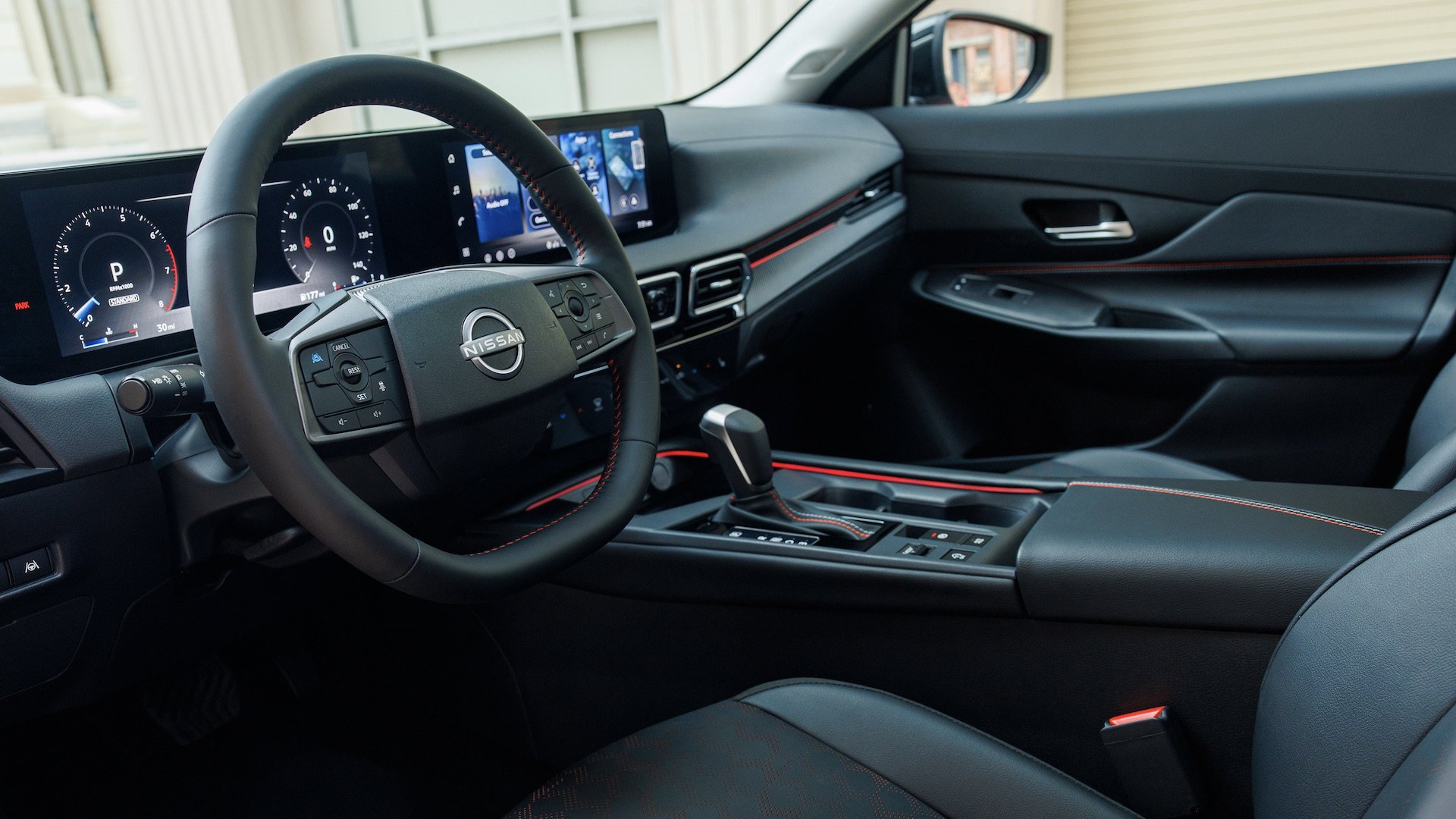
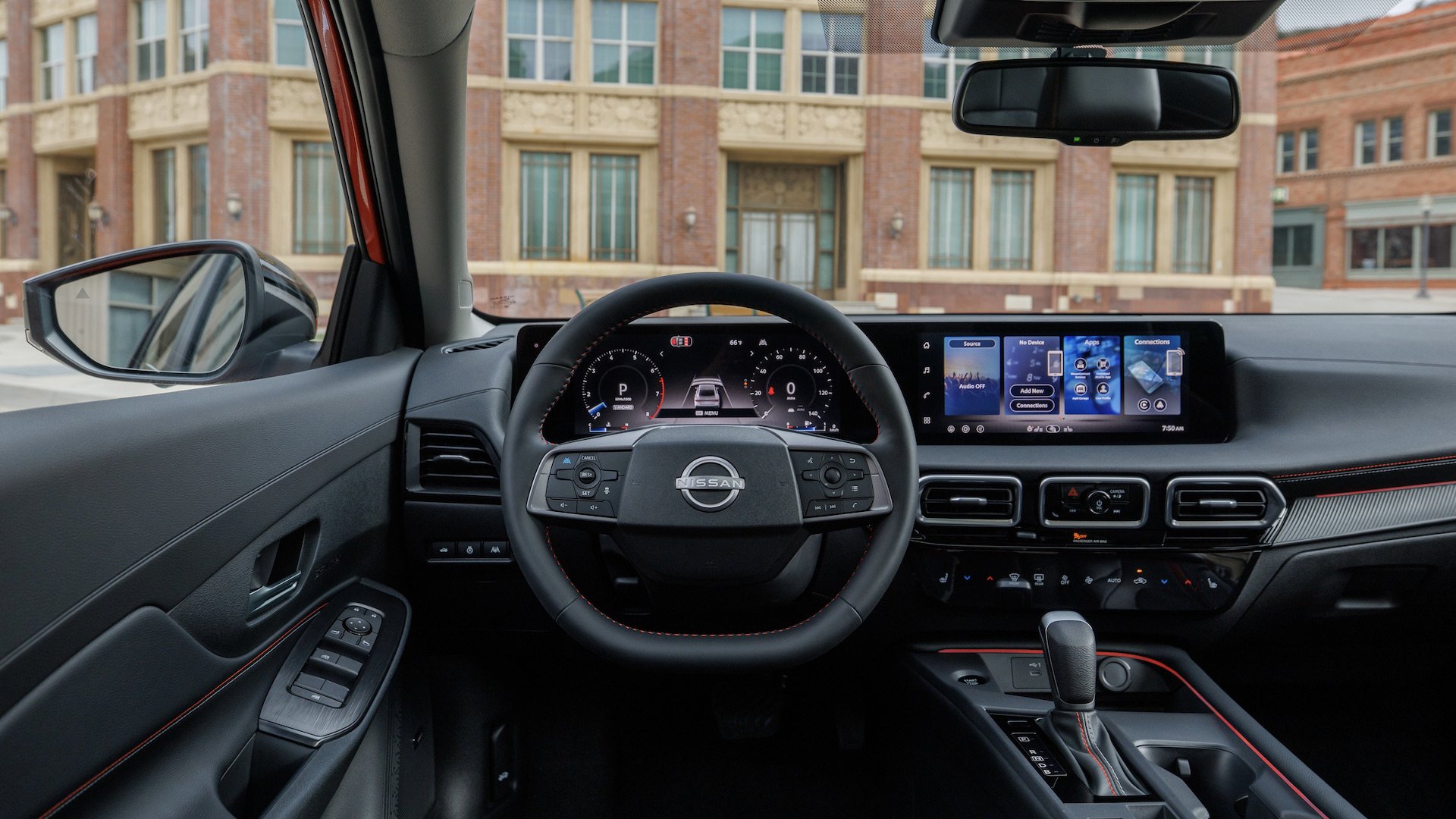
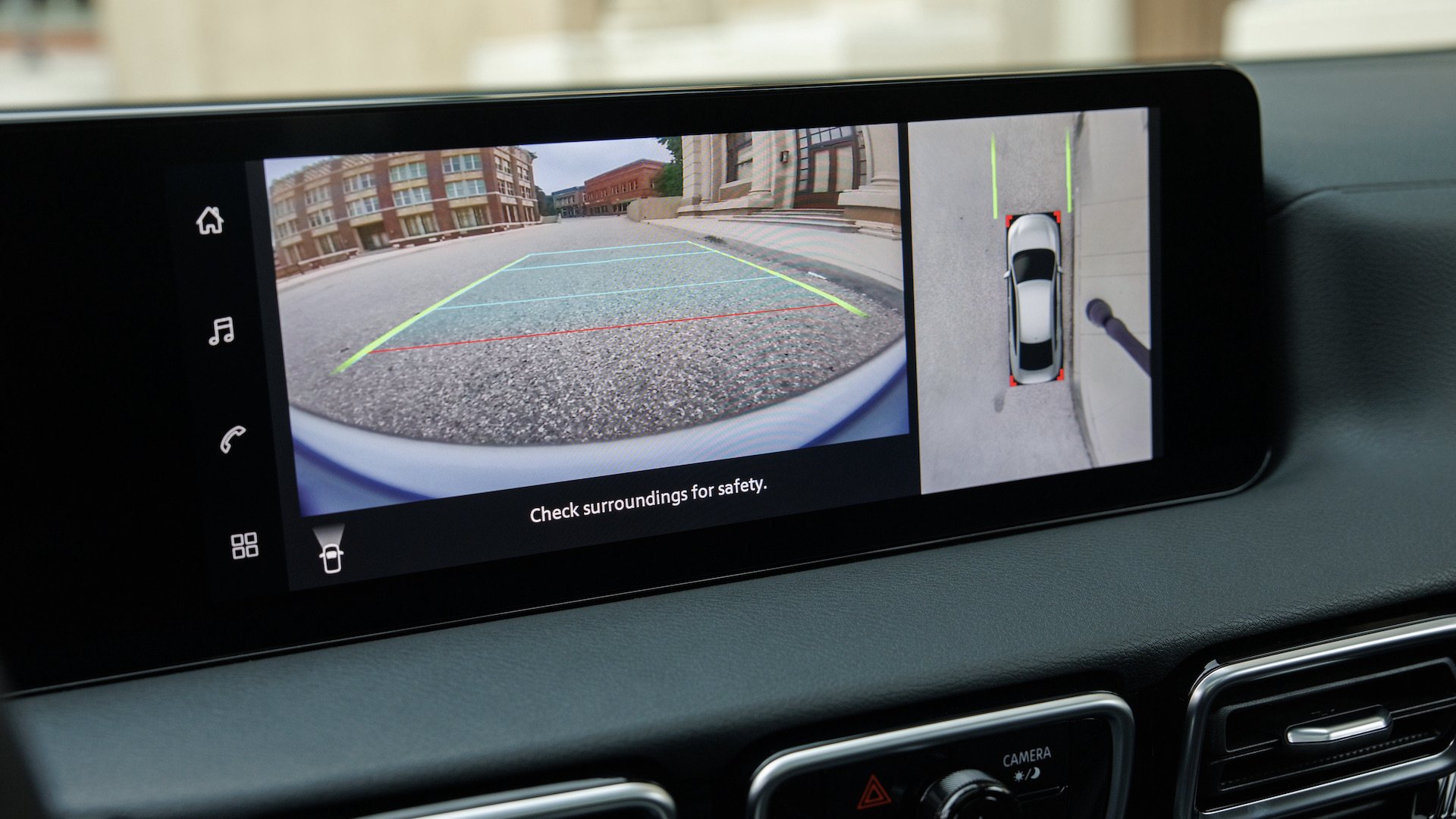
Rather than a revolution, the 2026 cabin represents an evolution of the 2020 design. The traditional instrument hood disappears, replaced by a single horizontal panel housing two 12.3-inch displays. “The displays are precisely positioned for ease of use, and they blend cleanly into the dash,” said Yu.
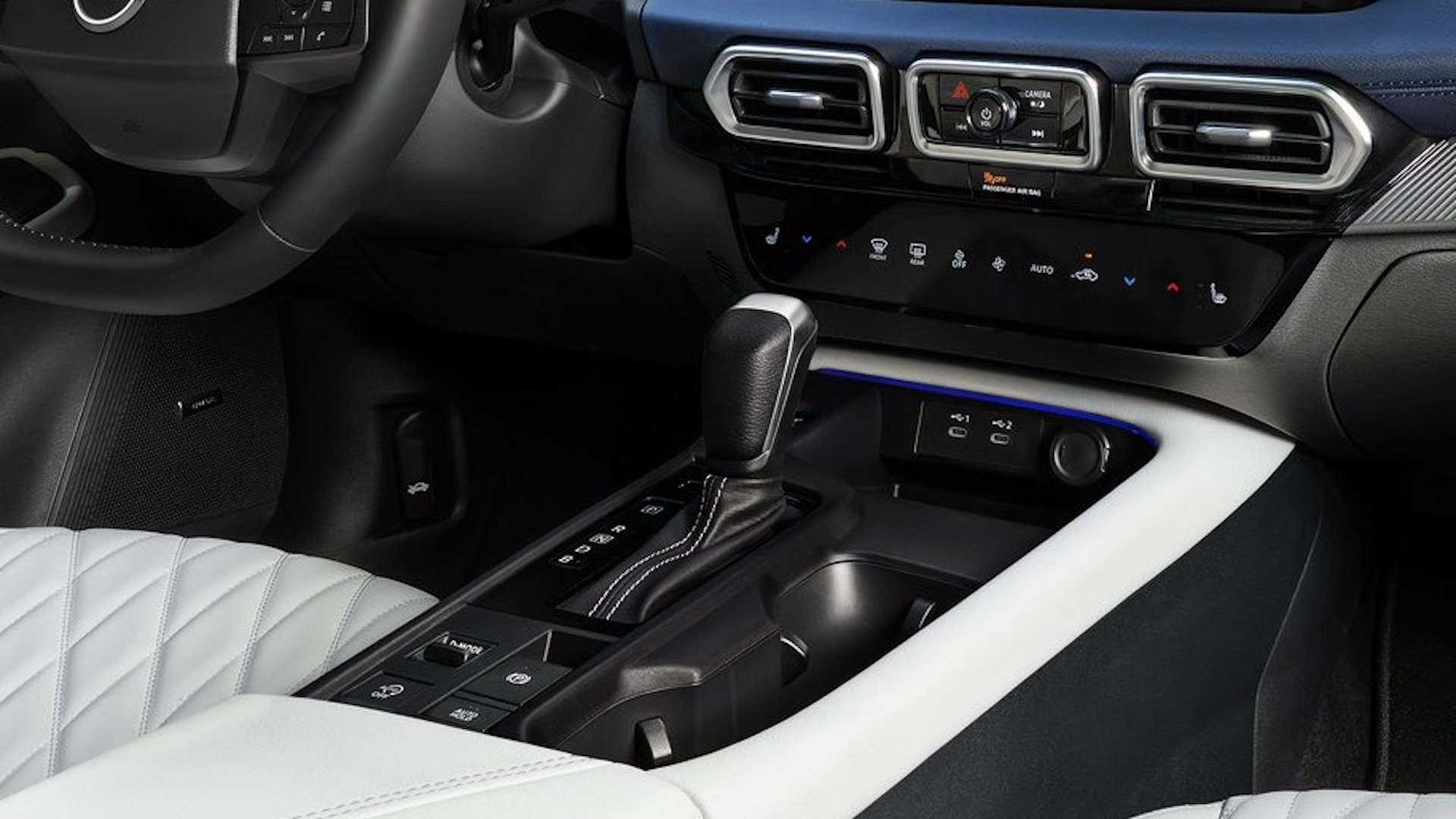
Below the central display, the three circular air vents have been redesigned into modern rectangular shapes, with new physical radio controls positioned at the center.
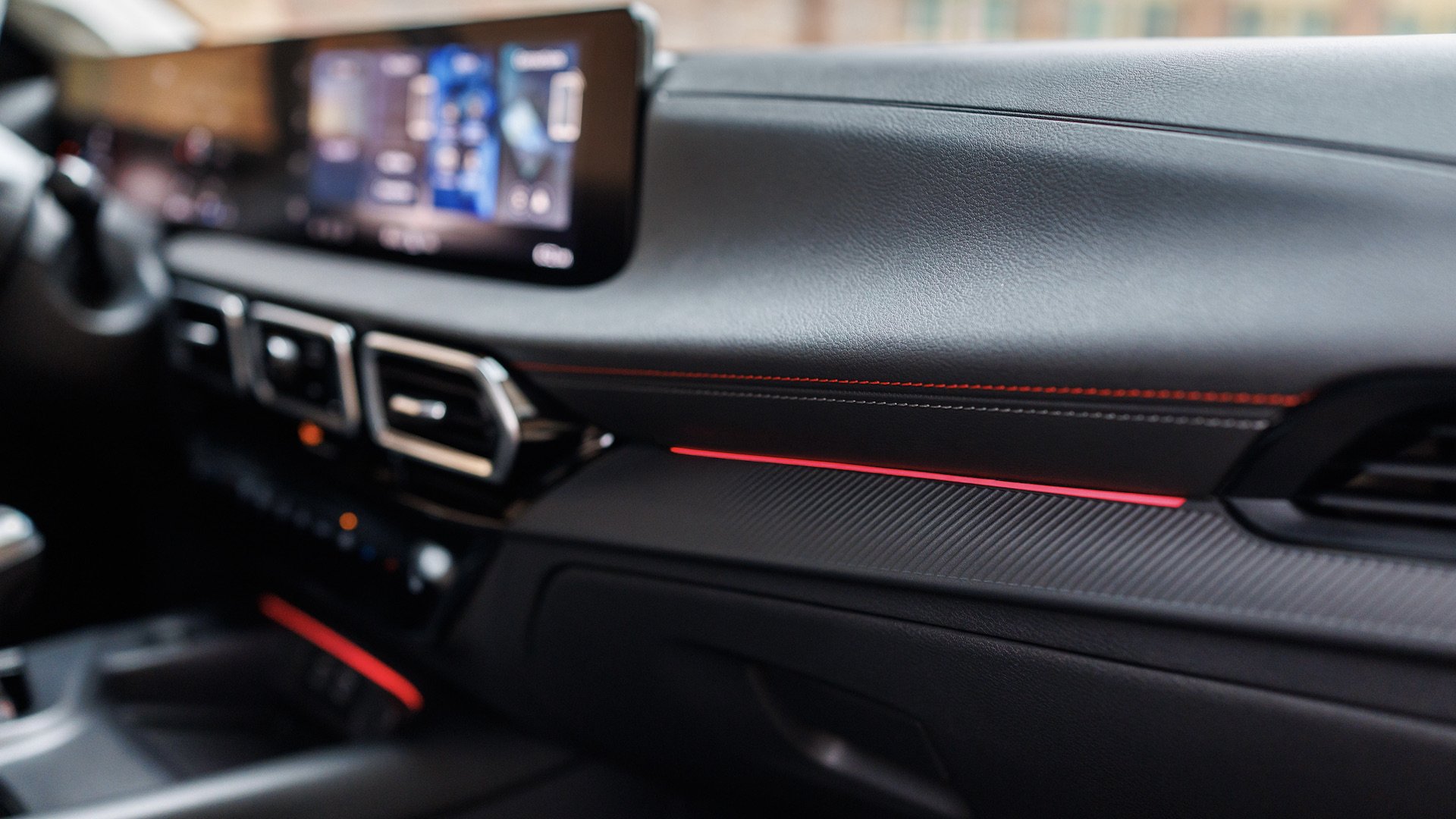
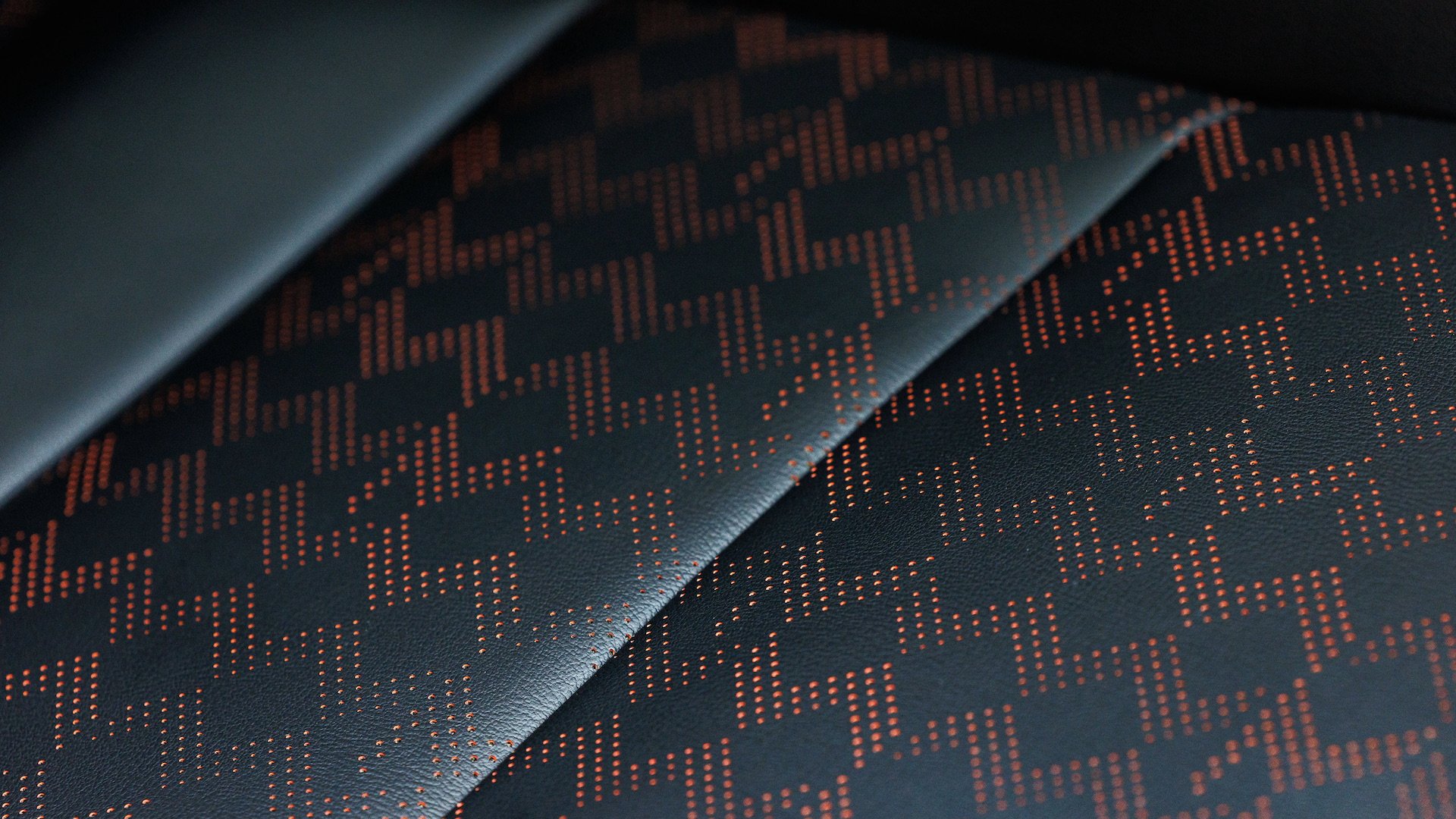
Beyond design, materials have been carefully chosen to enhance perceived quality and capture attention through refined detailing.
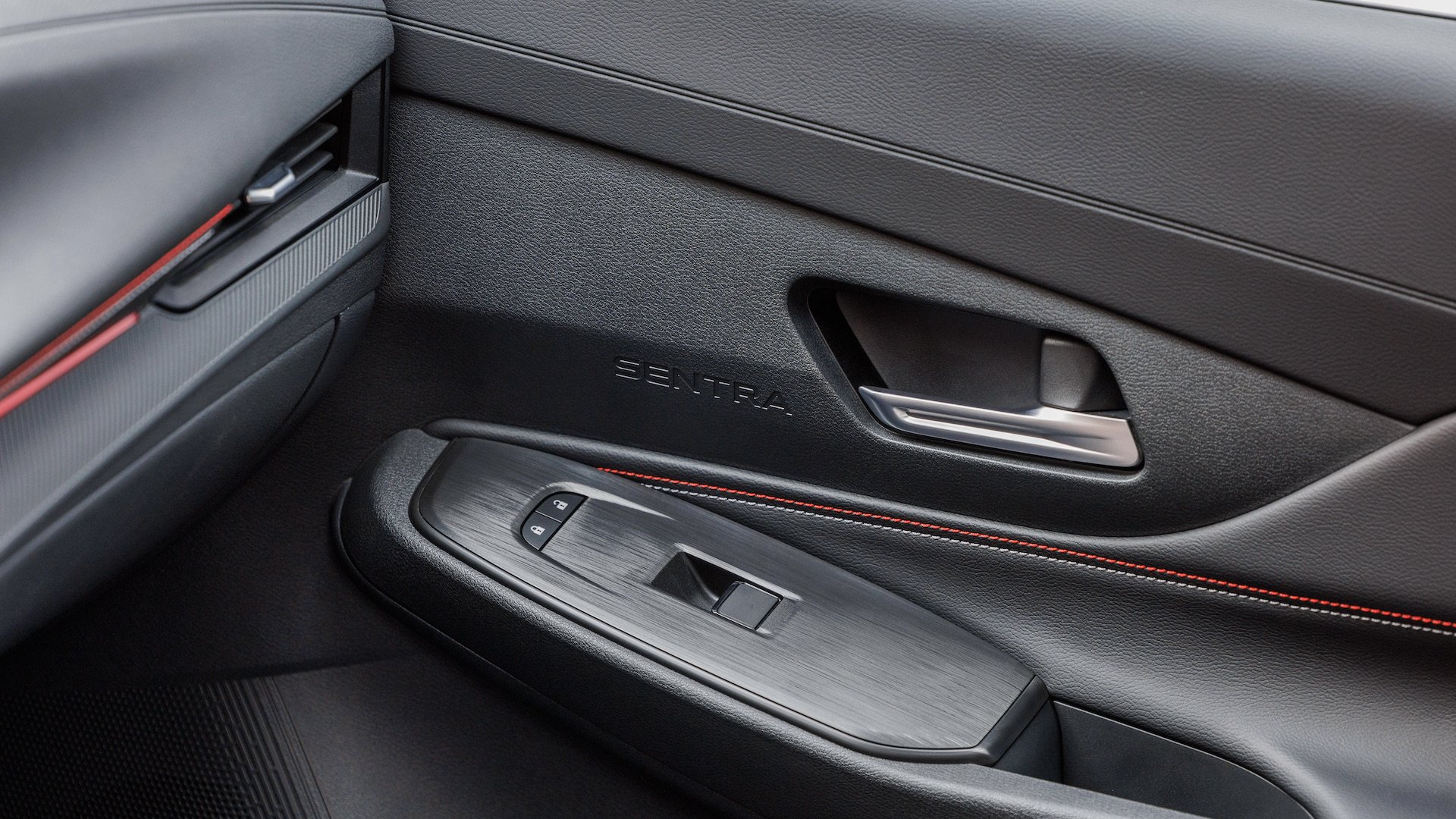
Yu explained: “We paid attention not only to how materials look but also to how they feel. They underwent rigorous durability testing. (…) Carefully stitched piping and sewn details give the entire cabin a premium, crafted feel.”
Lihao Yu serves as Design Director at Nissan’s Global Design Center in Atsugi, Japan, where he has worked for 19 years. Over his career, he has contributed to major projects such as the Nissan Pathfinder, Nissan Murano, the Nissan Hyper Force concept, and the Infiniti QX30.
Eleven pickups and a converted ProMaster gathered in Uxbridge offered a look at how many…
Every year, Wards Auto publishes its list of the 10 best powertrains available in a…
In a segment as competitive as the compact crossover one, in which there’s an abundance…
This SUV is based on the platform and powertrain of the AMG GT 4-door coupe.…
Volvo is reportedly producing about 200 EX60s weekly against a 2,000-unit target. Megacasting and cell-to-body…
Stellantis is exploring Canadian exports of two electrified Jeeps built in Wuhan. Brampton sale talks…