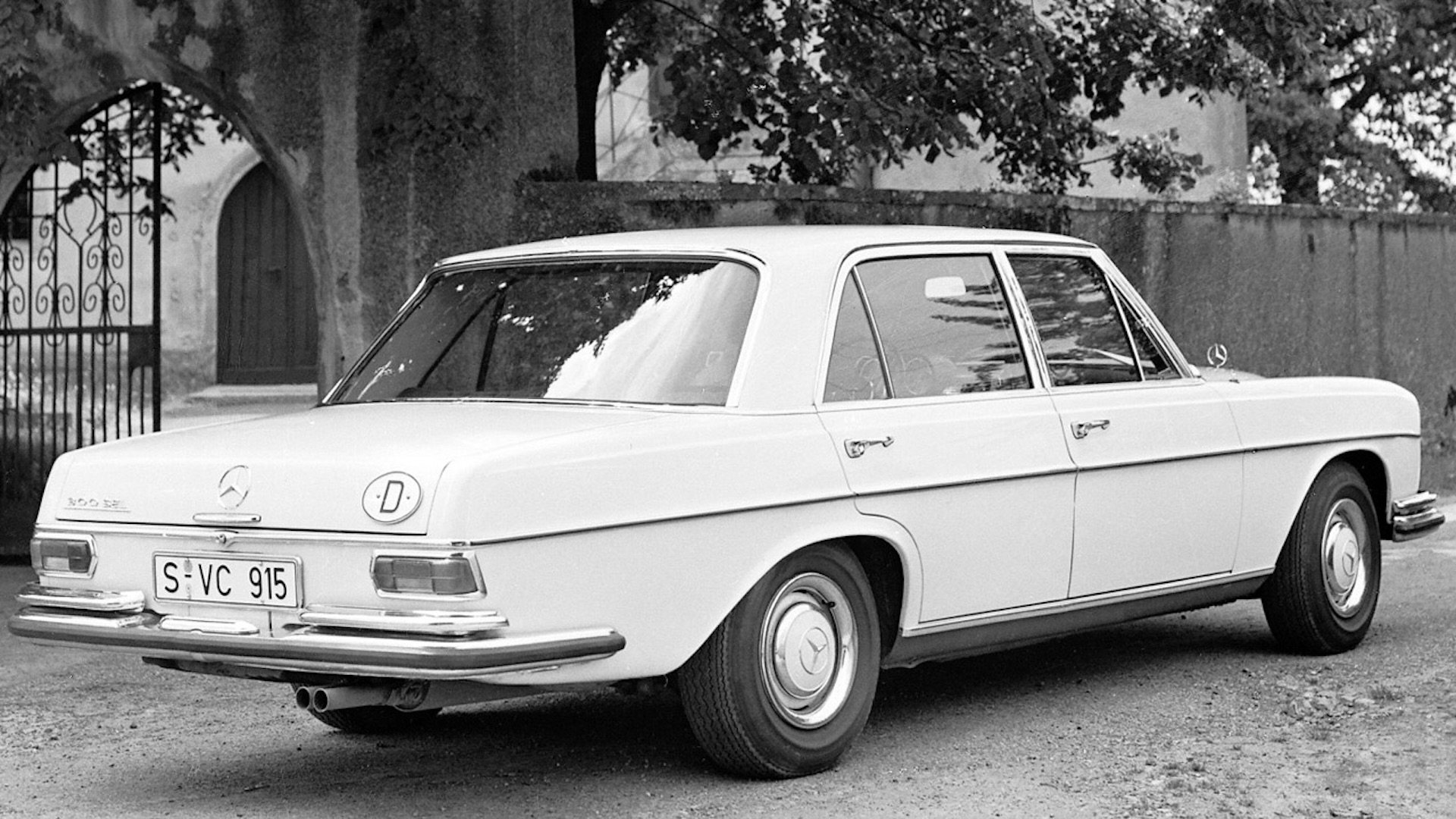
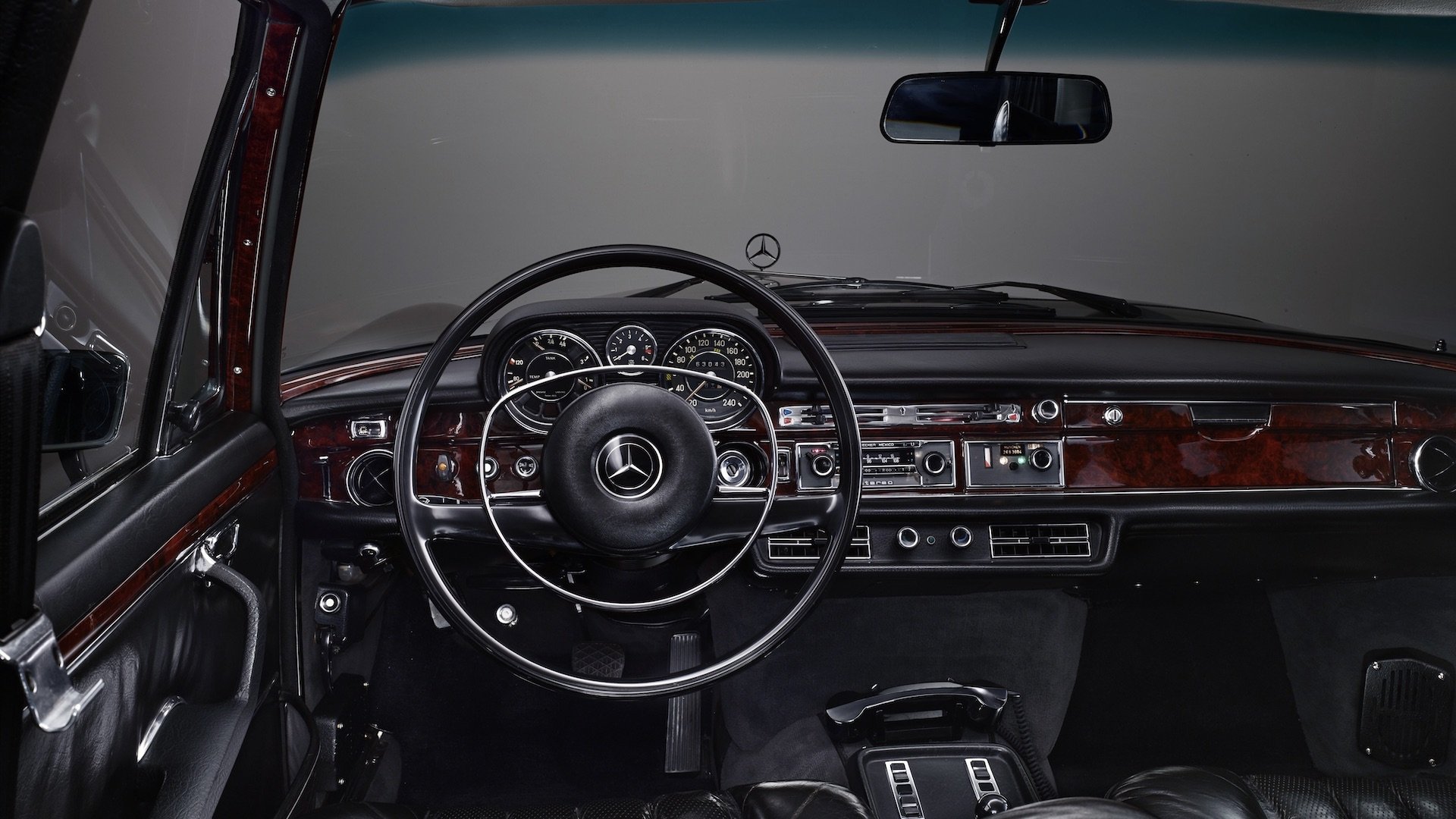
Mercedes-Benz 300 SEL (W 109, 1966 bis 1967). Mercedes-Benz 300 SEL (W 109, 1966 to 1967).
The exercise represents a significant challenge, however. Indeed, how can we concisely trace back 70 years of history without forgetting some important details? Since this is practically impossible, we decided to adopt a more straightforward strategy: identifying 10 key models in this vehicle’s history.
It should be understood that the S-Class‘s journey began in 1951, even though the “S-Class” designation was introduced in 1972.
In the early 1950s, Mercedes-Benz was in a period of reconstruction, working to get back on its feet following the damage left by World War II. In 1951, it launched the 300, a model that would eventually lead to the production of the car considered the spiritual ancestor of the S-Class, the famous Ponton. The 300, which offered the era’s desired luxury, symbolized the company’s rebirth after the great conflict.
This model, known as the Ponton in reference to its monocoque structure (a first for the company), is considered the direct ancestor of the S-Class. We would see several evolutions over the years, including a version (W111) with a modernized style featuring small fins on the rear fenders starting in 1959. Another revised variant (W108) would emerge in 1965.
Mercedes-Benz would gradually add performance and innovation to the luxury market. In the late 1960s, the sedan that would soon become the S-Class was powered by the 6.3-liter, 250-horsepower V8 from the 600 Pullman, a powerplant that enabled it to complete the 0-100 km/h sprint in just 6.5 seconds, a time that remains respectable today. The top speed was 221 km/h, another impressive figure for the era.
This car is of major importance, as it’s the first S-Class to offer such a level of performance, opening the door for others. It could be considered the ancestor of AMG series models.
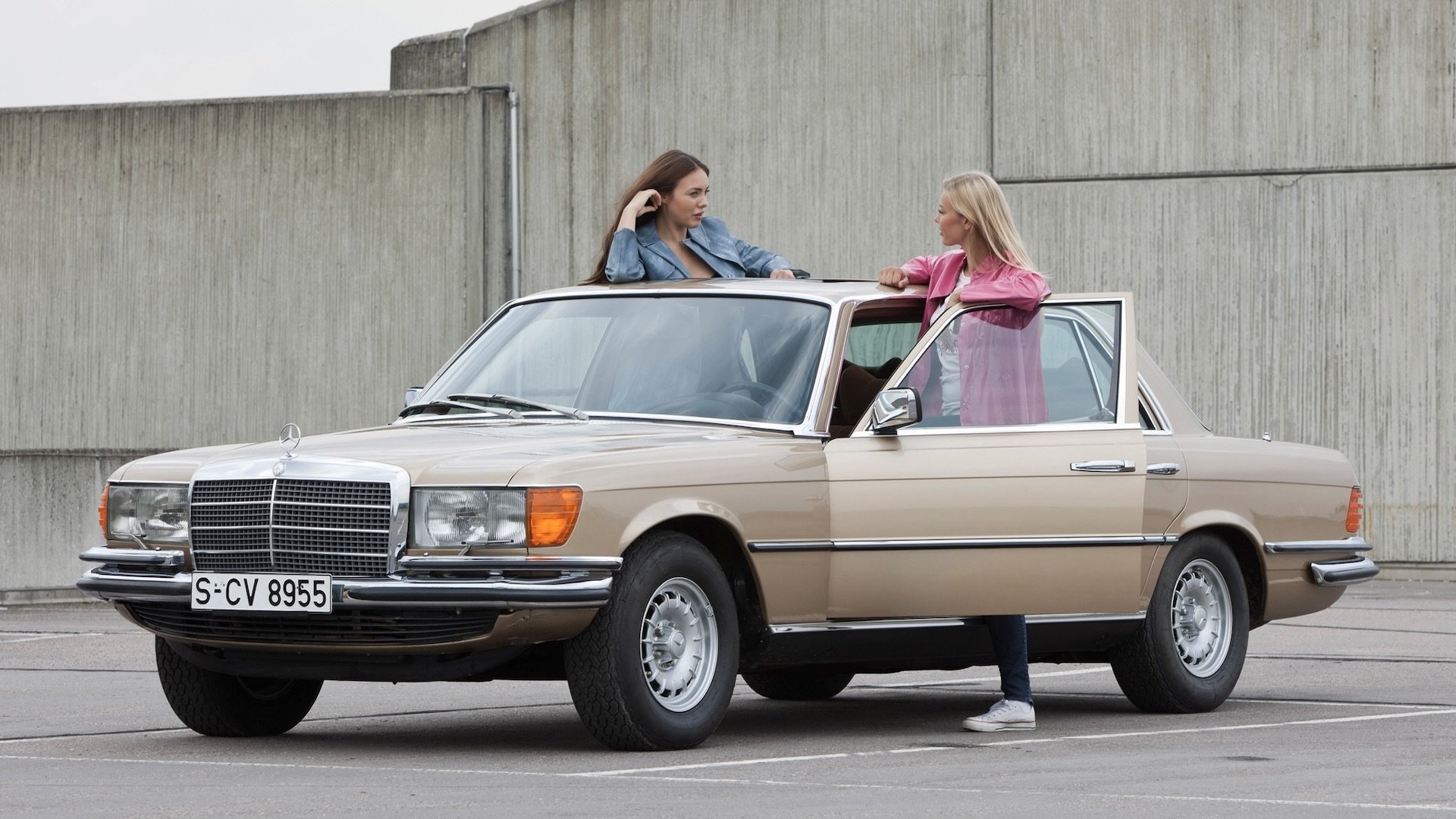
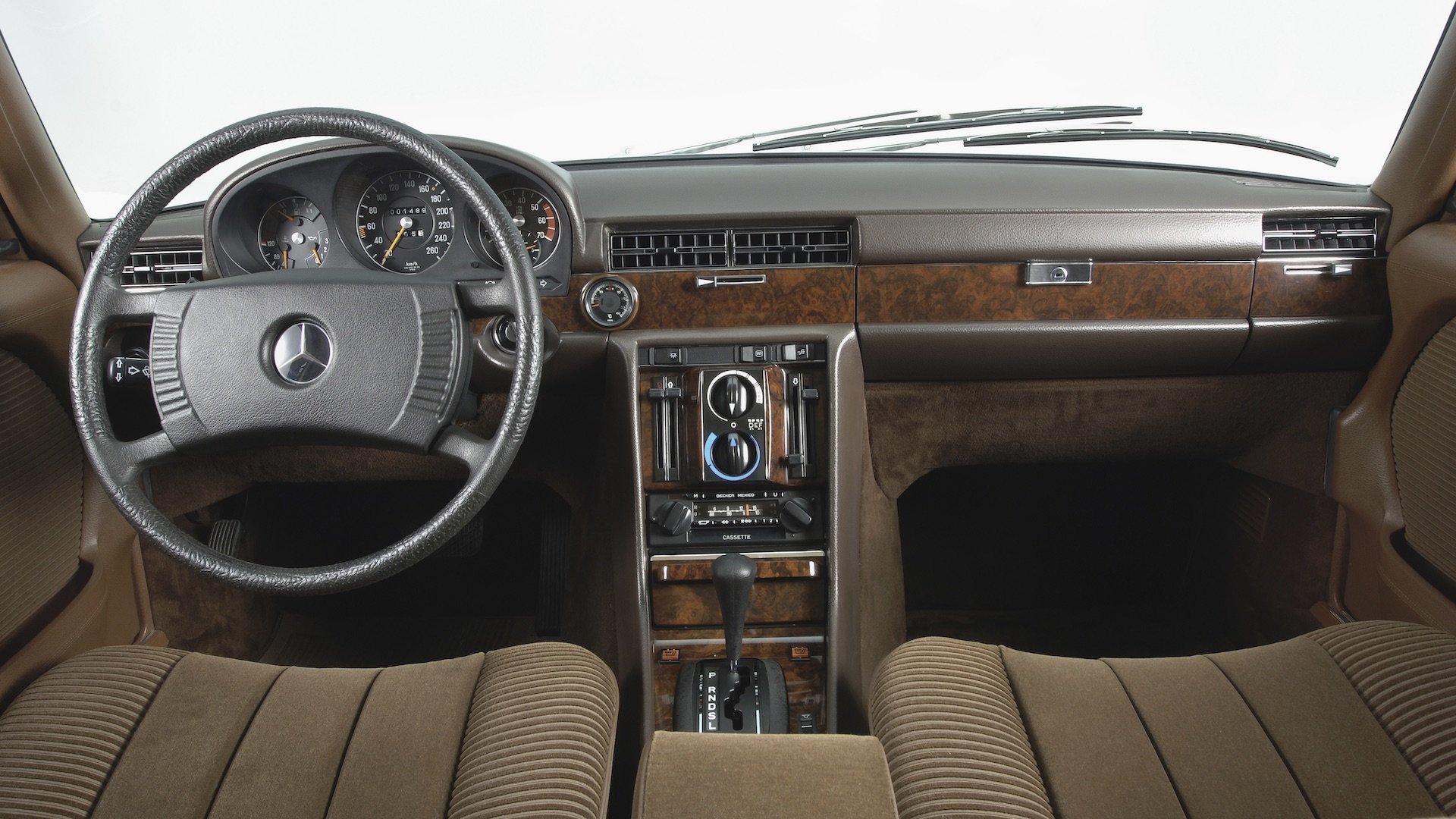
As mentioned, the model officially adopted the S-Class designation in 1972. As for the meaning, it refers to the German expression Sonderklasse, which means “special class.” The car’s design was penned by Bruno Sacco, who was exploring rectangular yet thoroughly modern lines at this point in his career. The break from models of the 1960s was clean, which added to the importance of the name change.
The design signature that appeared with this S-Class would moreover set a trend and establish itself throughout the range. This S-Class generation would also innovate in safety with the first ABS (Antilock Braking System) offered on a production car. This vintage would also mark the first time a luxury car featured a turbodiesel engine.
In total, 473,035 examples of this S-Class would find buyers, thus consolidating the name as one of the luxury benchmarks throughout the industry.
This S-Class generation also gave us a legendary version, equipped with the 6.9-liter V12 engine from the magnificent 600 sedan. This powerplant offered 286 horsepower, which guaranteed stunning performance for the era, but above all, the model featured a self-leveling hydropneumatic suspension that delivered unmatched princely comfort. In fact, Mercedes-Benz was rivaling Rolls-Royce with this variant that pushed the boundaries of grand luxury.
Since then, there has always been a version of the S-Class that offers more and redefines the standards of grand luxury.
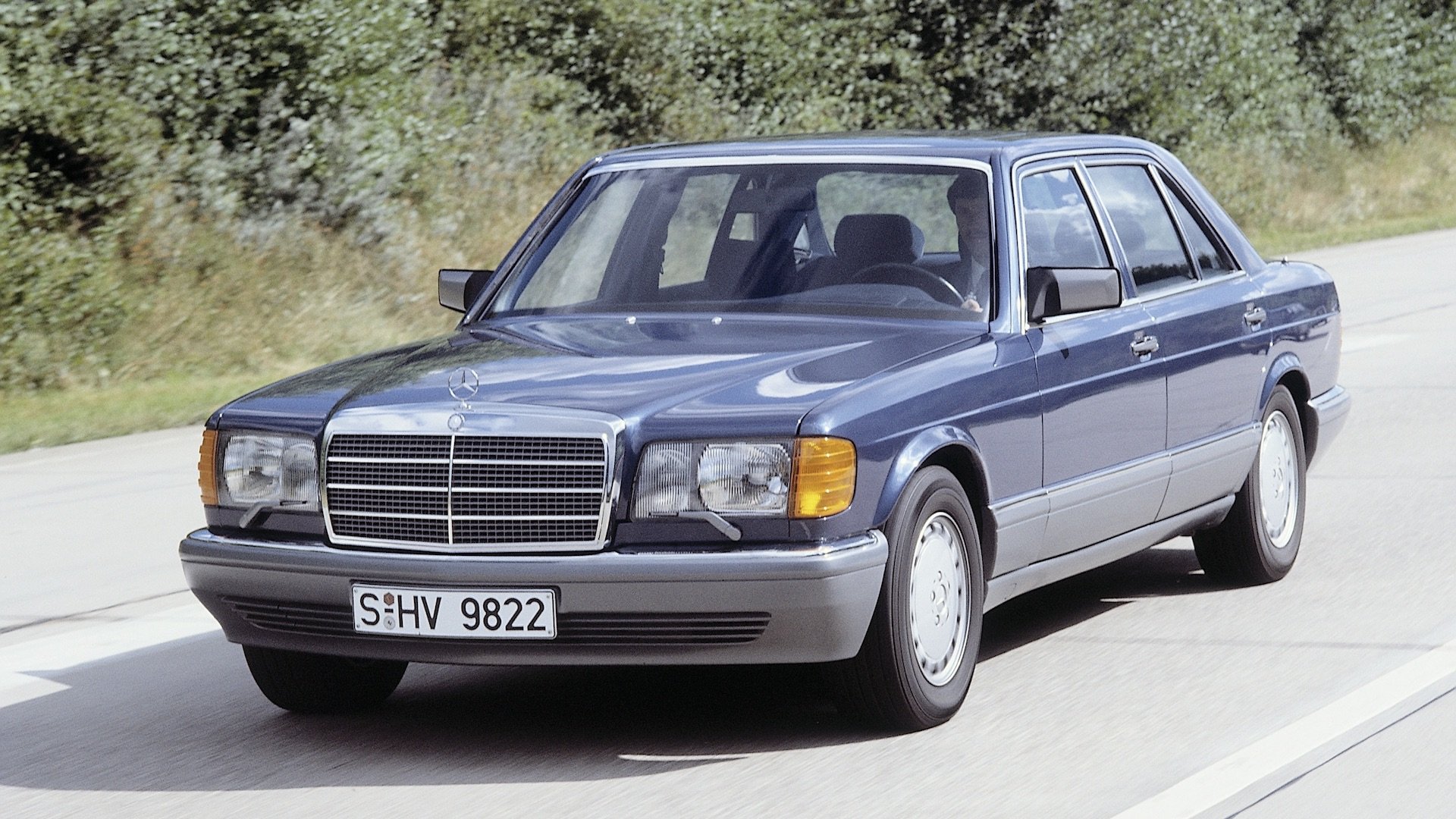
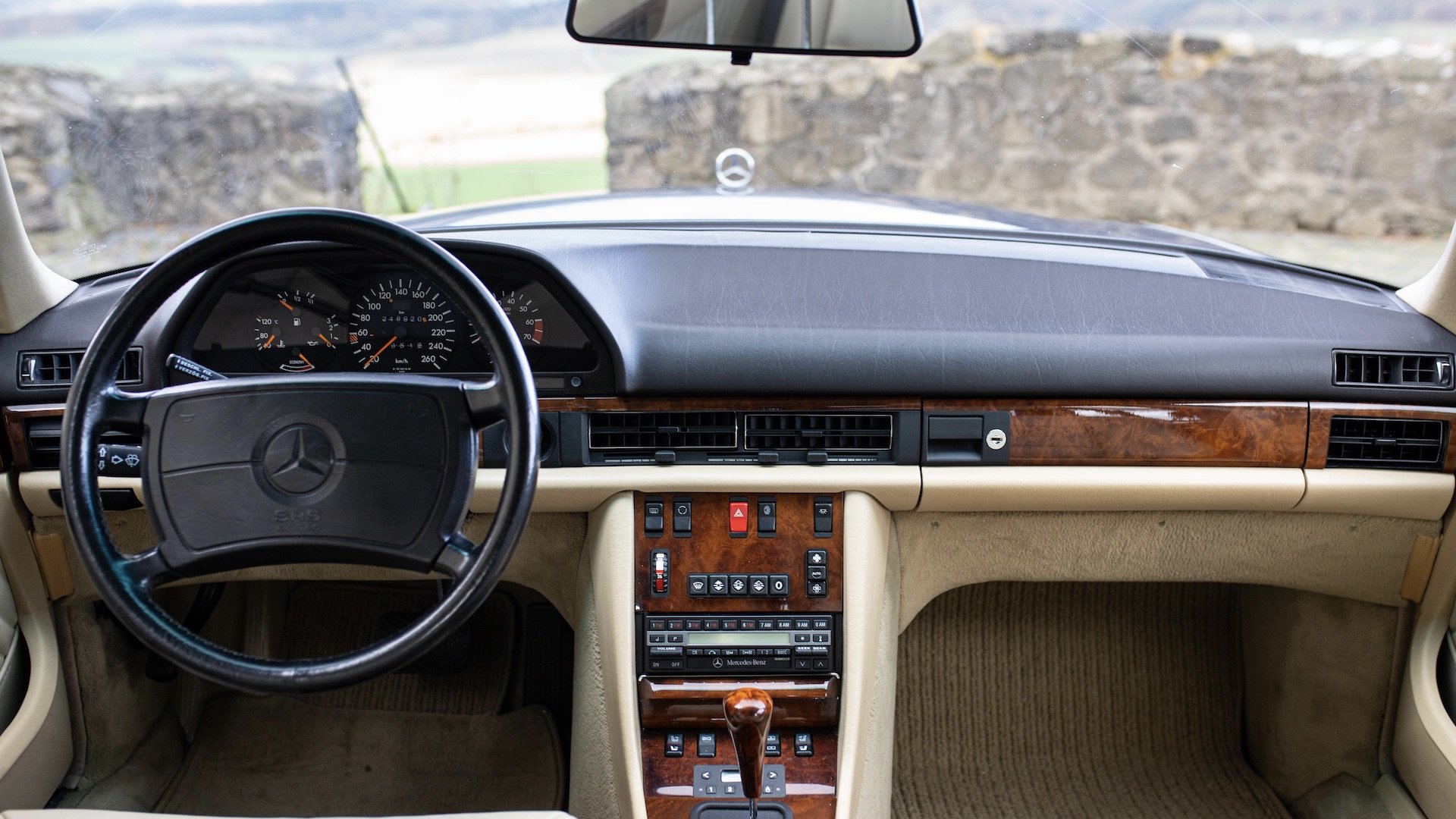
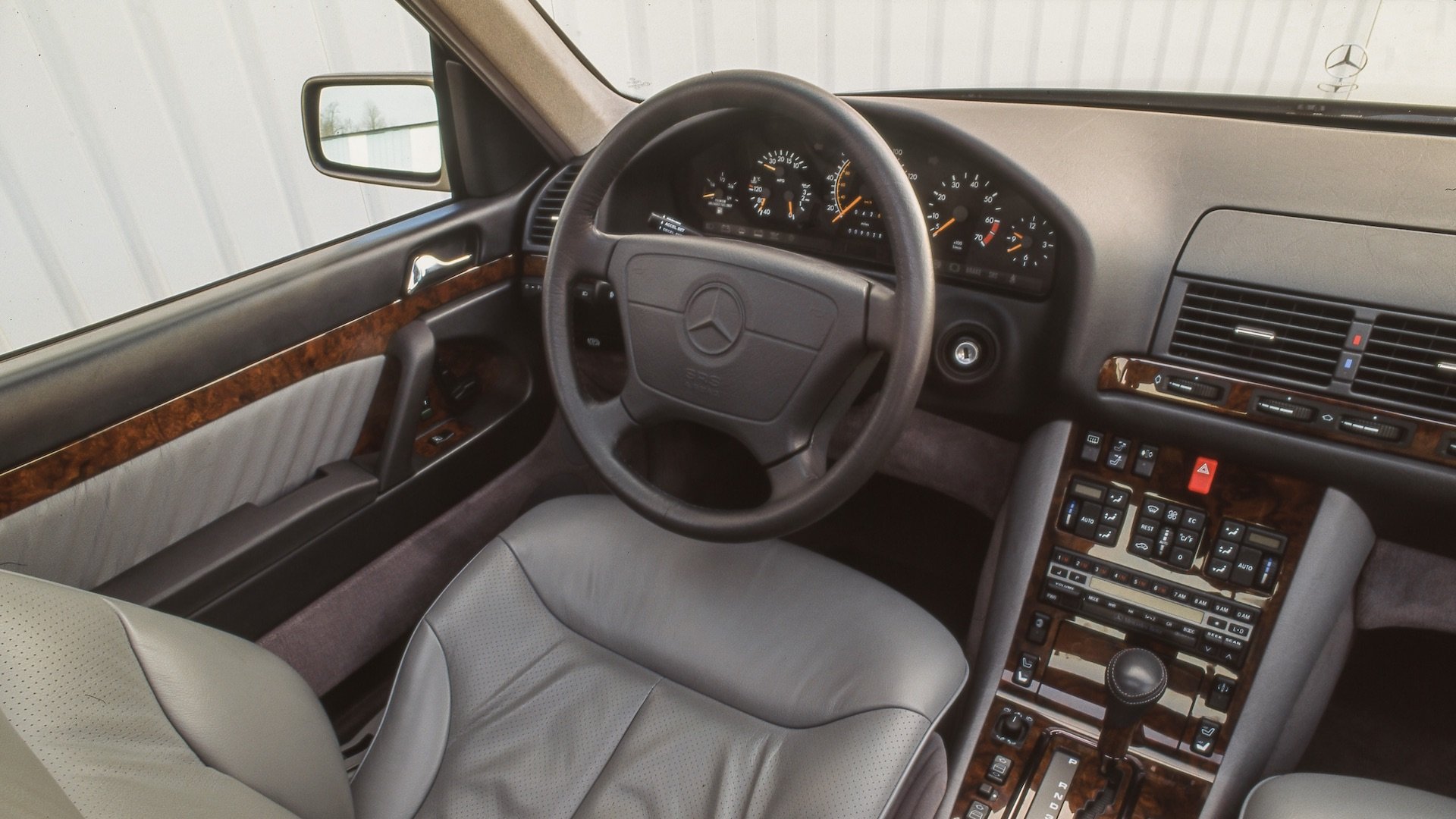
The next S-Class worthy of a place in our rankings is the one that might have introduced you to this model. Between 1979 and 1991, Mercedes-Benz sold 818,063 examples of this model, which was the choice of all those who wanted to show off behind the wheel of a luxury vehicle offering ultimate prestige. On screen, it was systematic; you always saw one in a movie or a television series.
Technologically, it did its part to advance things, with driver-side airbags, a pretensioner seatbelt system, and bumpers made of deformable plastic.
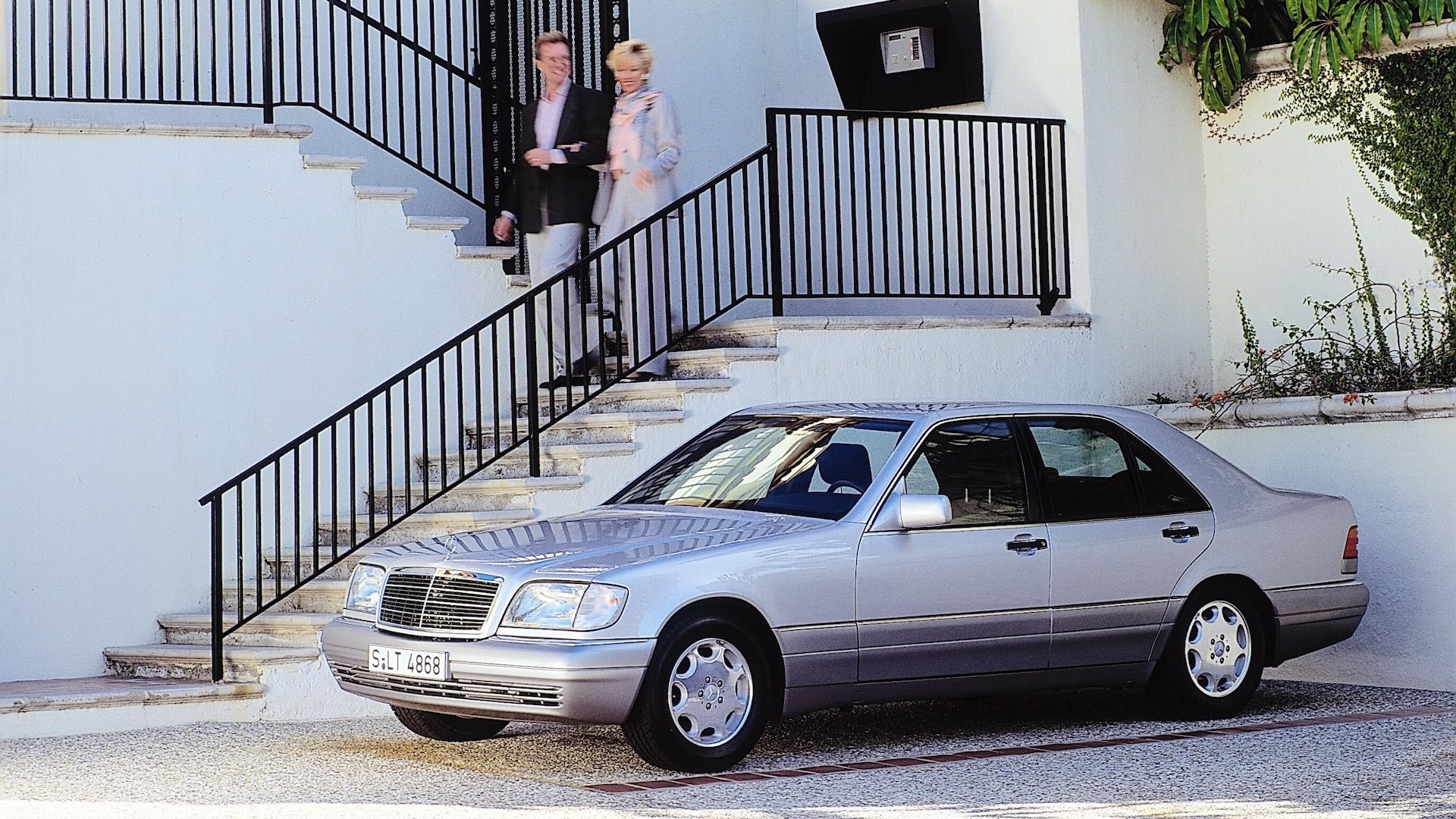
The iteration that followed benefited from an unprecedented development phase that required a billion dollars in investment. The goal was to push everything to another level, and it was achieved through a massive investment and a long testing period that covered approximately 3 million kilometers.
This S-Class would also be the first to offer us a V12 engine, once again borrowed from the 600 sedan. With 402 horsepower, it too pushed the limits. The car was equipped with electronic stability control, side airbags, and brake assist.
It is considered by model specialists to be the last S-Class built the old-fashioned way, without regard for development costs. It is also seen as a tank that excels in every category.
Amusing fact: it bears the nickname “The Bear,” due to its size.
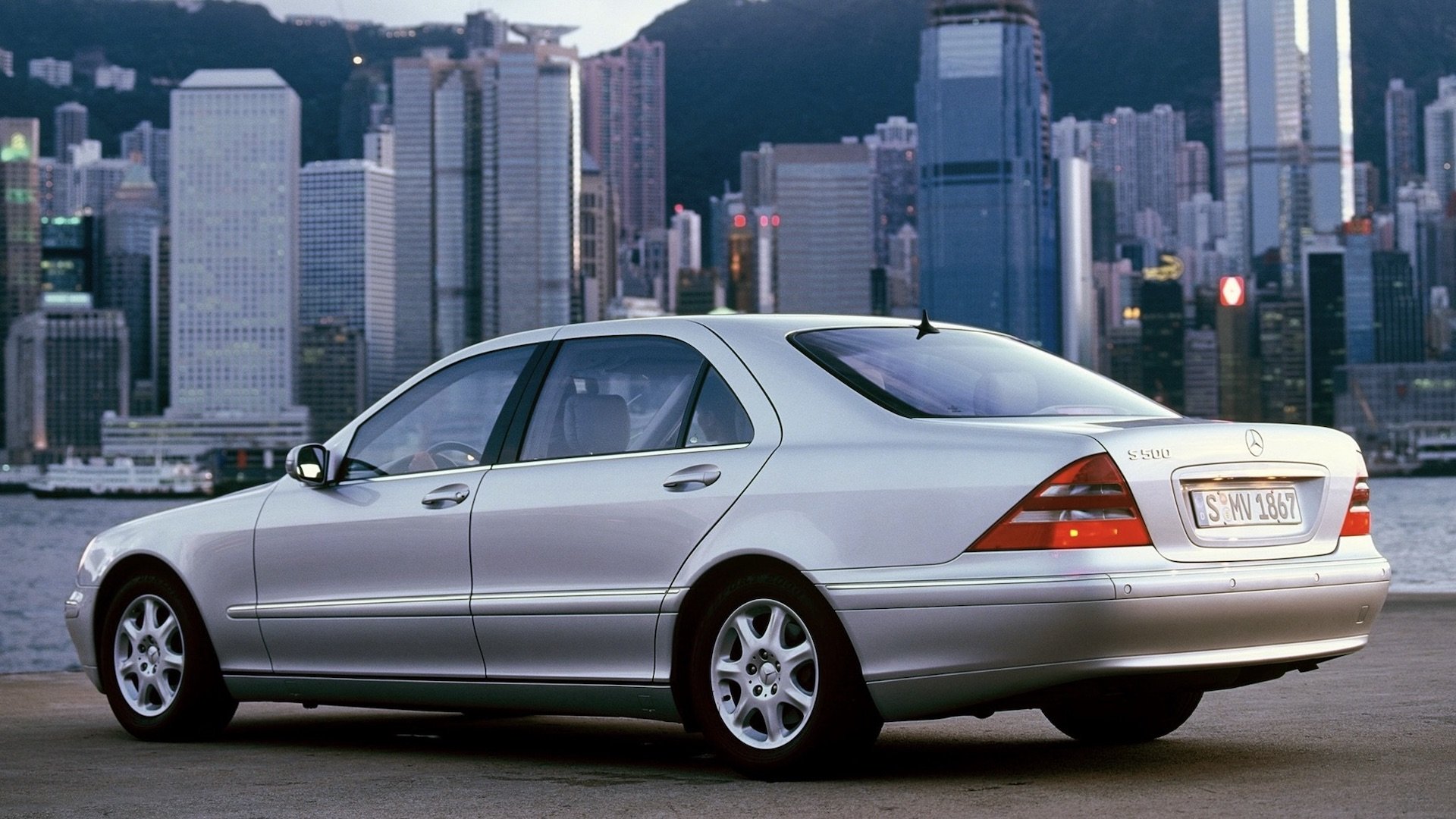
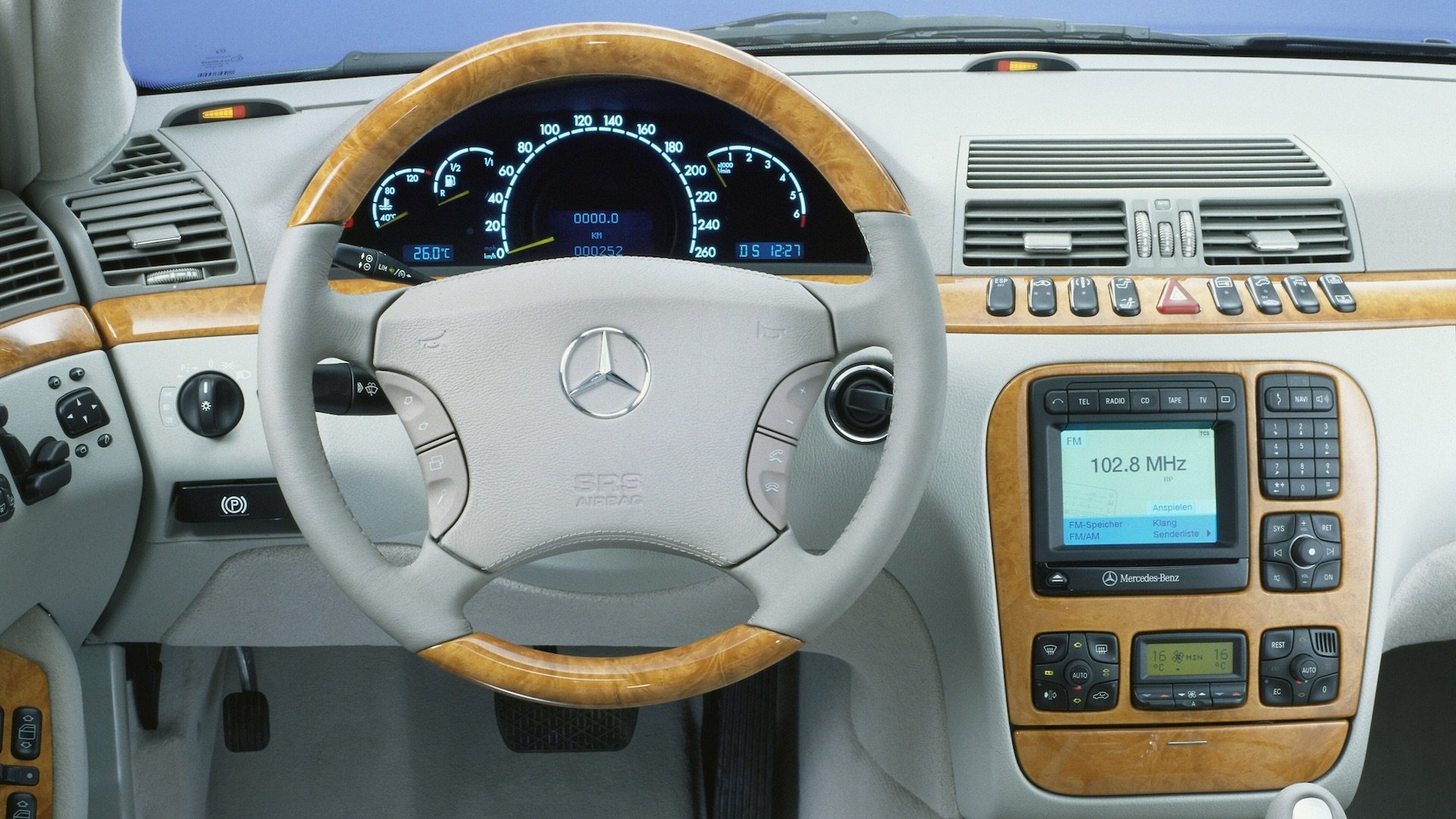
As the 2000s approached, Mercedes-Benz adopted a completely different approach. The S-Class inherited much rounder, more fluid lines, breaking a tradition that had endured forever. Another “sacrilege”—the circular headlights gave way to elongated and highly streamlined units.
Technologically, the car used aluminum to shed 300 kg, offered adaptive cruise control before we knew what it was, and featured a host of new Mercedes-Benz technologies, such as the Command system and Pre-Safe.
Also, the first AMG version of the S-Class would be produced starting with this generation. However, something occurred that tarnished the model’s image: disappointing reliability compared to older generation models.
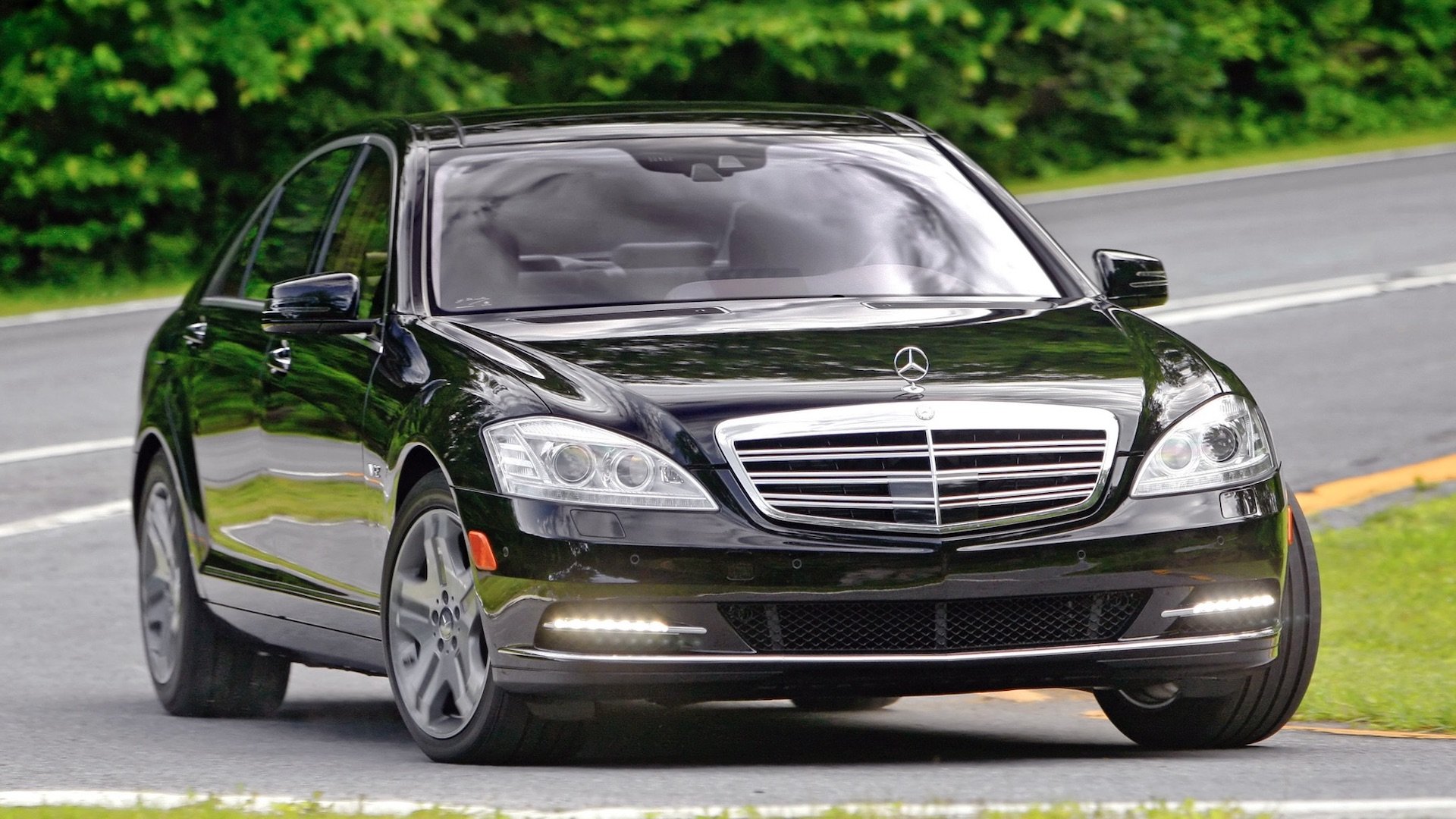
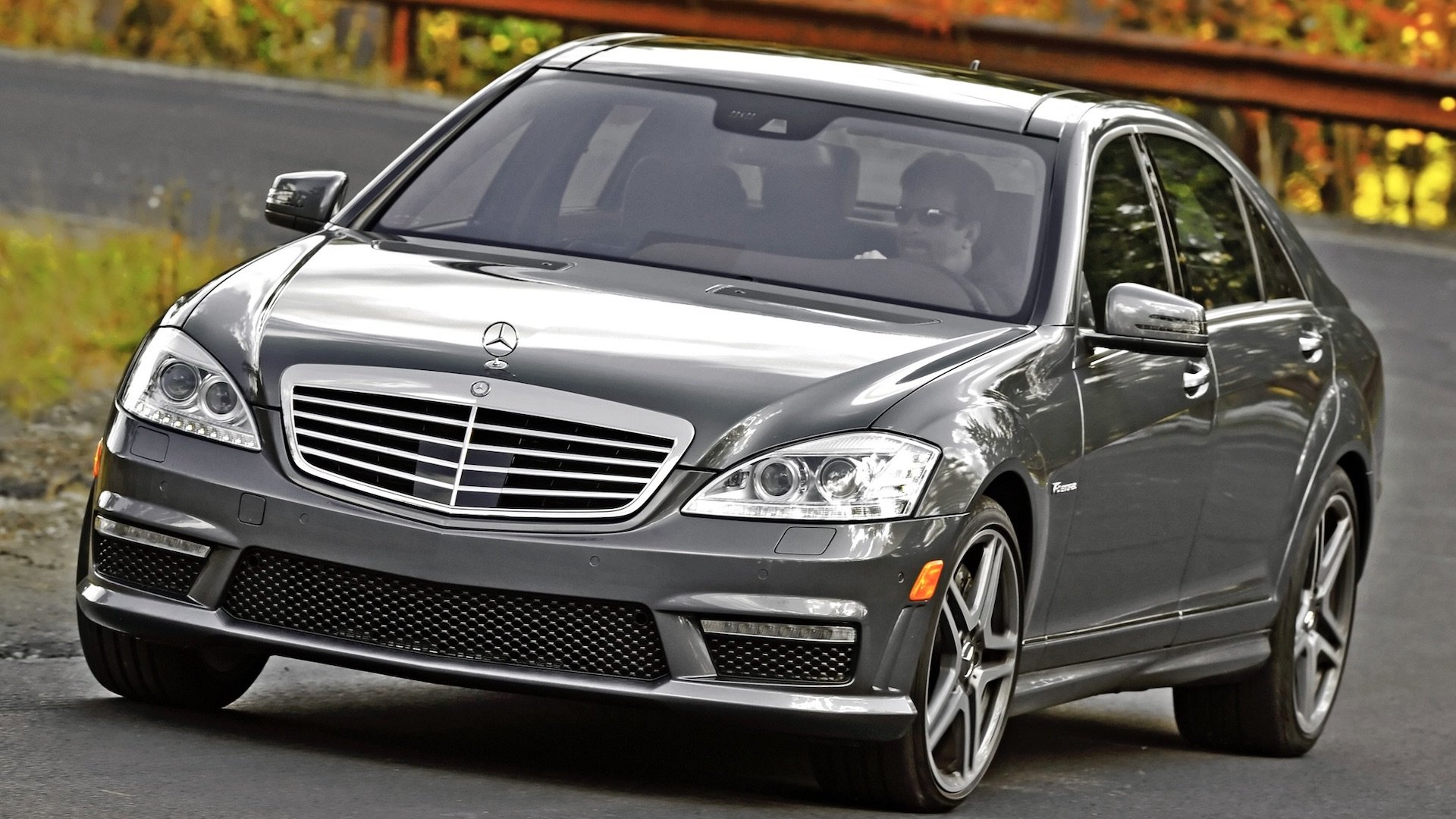
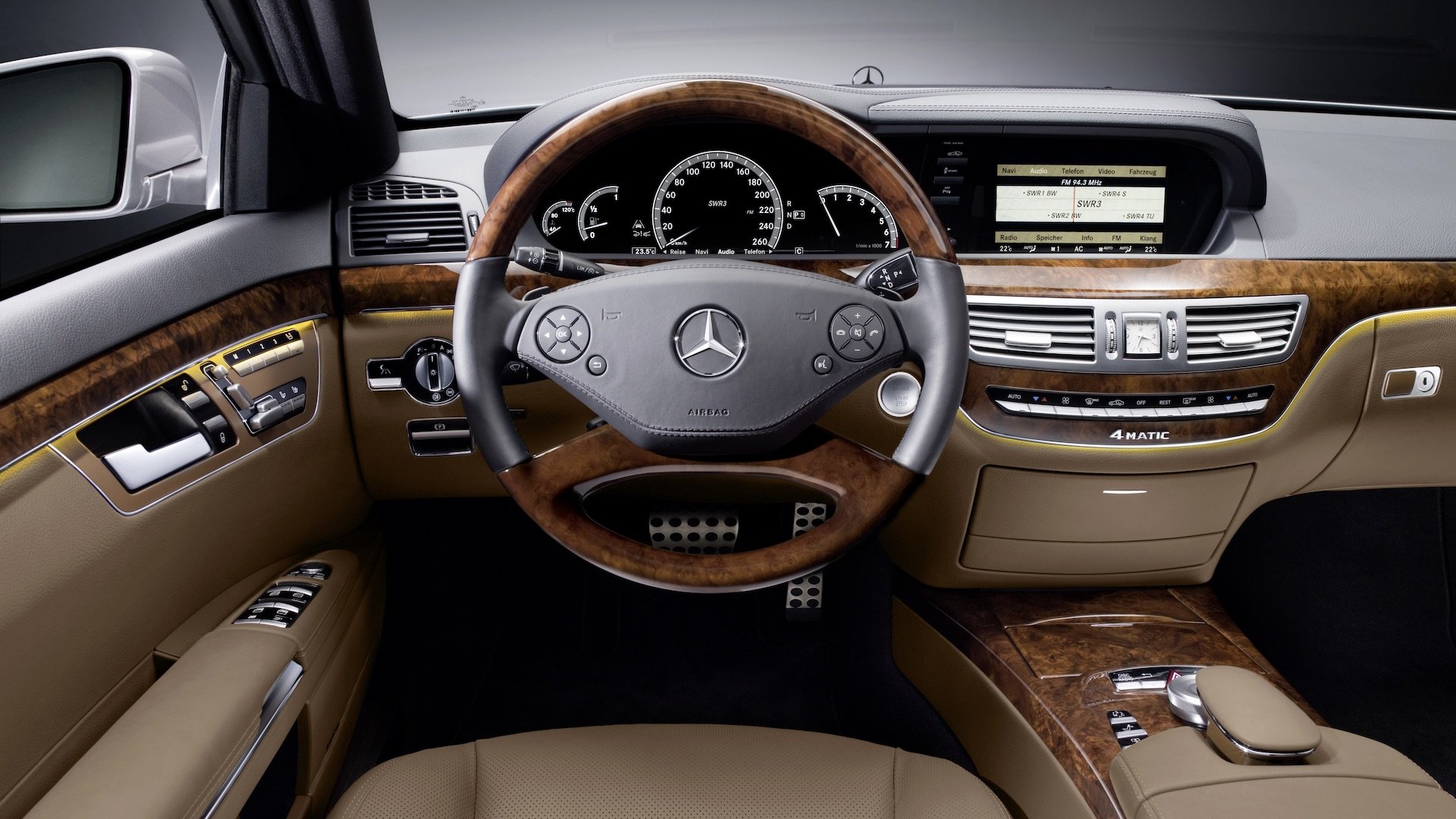
The company would respond spectacularly with the next vintage, which regained volume and saw its build quality return to its former glory. The model retained a classic line and an equally recognizable front grille, though modernized. The bulging wheel arches, both front and rear, make this generation easy to recognize from afar.
With this iteration, other technologies made their appearance, such as the Pre-Safe autonomous emergency braking system, Active Body Control, and night vision that could detect pedestrians. As we often see with this type of flagship model, innovations eventually spread across the industry; for example, pedestrian detection is now widespread.
This generation would be the last to offer a naturally aspirated V12 engine, not to mention what the Maybach luxury division did with the S-Class models it modified.
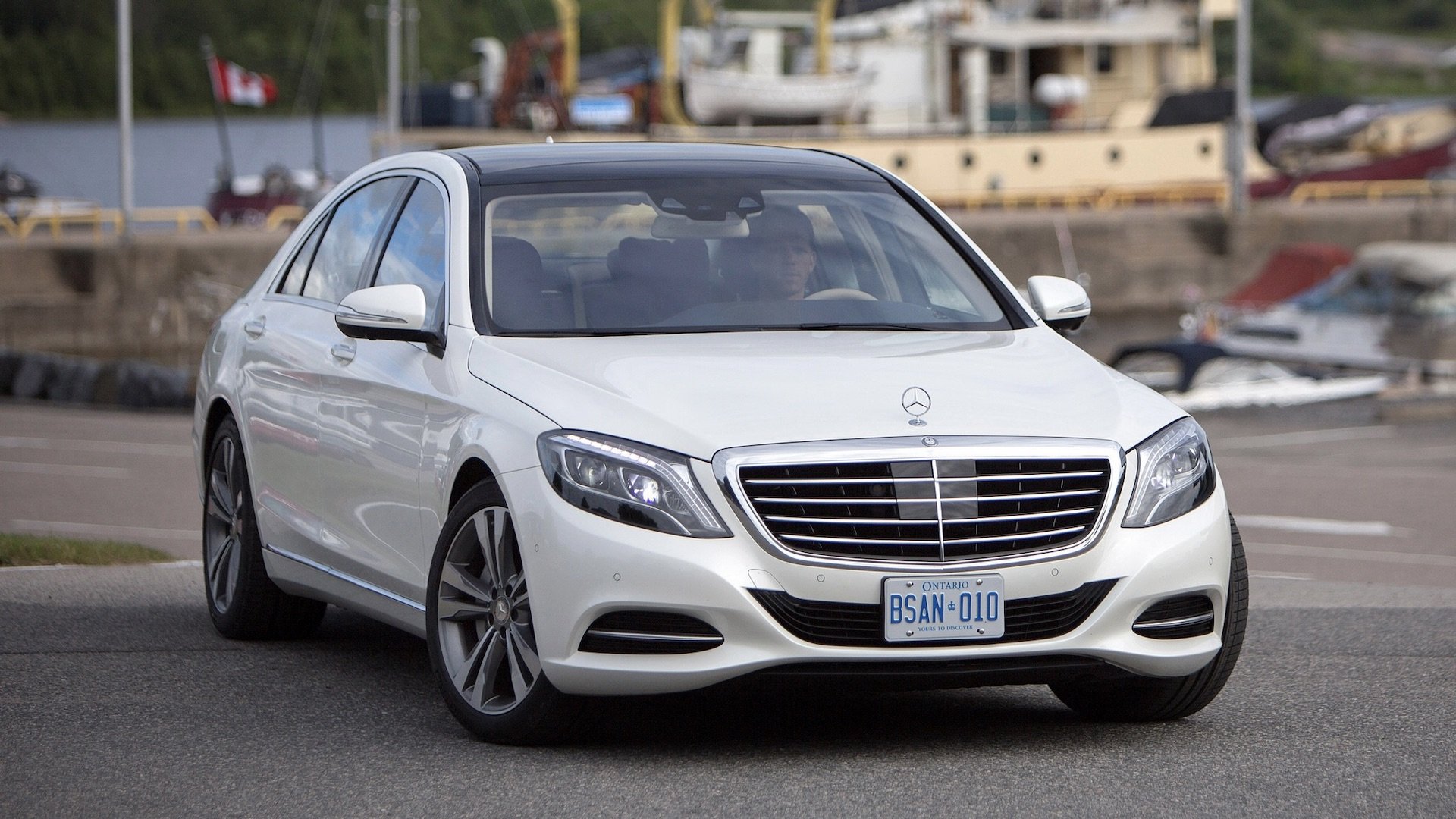
The launch of the W222 generation was marked by great fanfare in Germany, where Mercedes-Benz put everything in place to impress the public. Interestingly, the global launch for the model’s first test drives was held in Toronto, in our own backyard, due to Mercedes-Benz and the S-Class’s excellent performance in Canada.
This model, unsurprisingly, continued to surprise us technologically. The feature that impressed us most, even though the option wasn’t offered in Canada, was the device that analyzed the road ahead to adjust the suspension’s behavior over bumps, so that nothing was felt inside the car. It was possible to go over a speed bump without moving a hair inside. This S-Class also uses about 500 LEDs, eliminating the need for traditional bulbs.
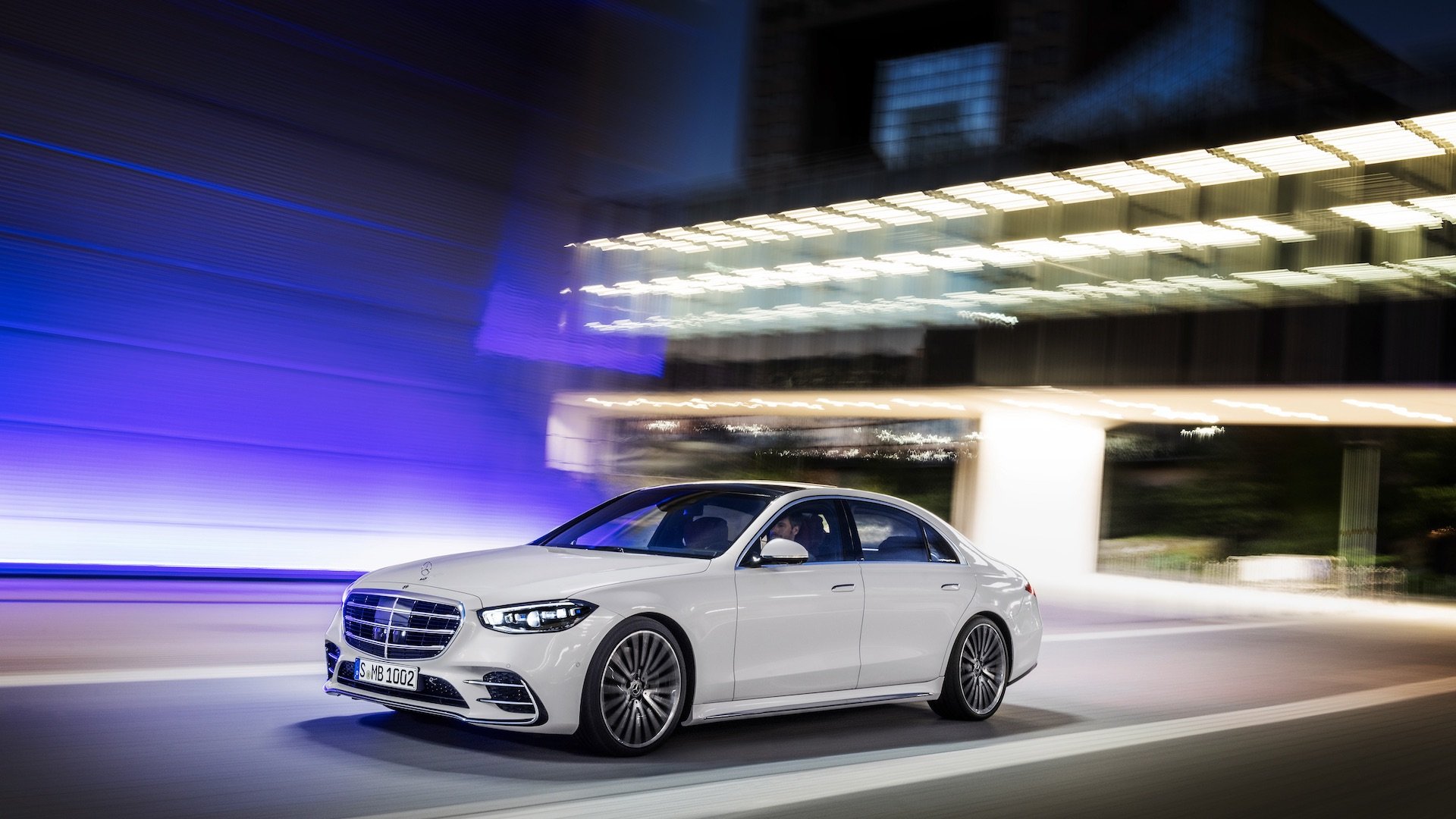
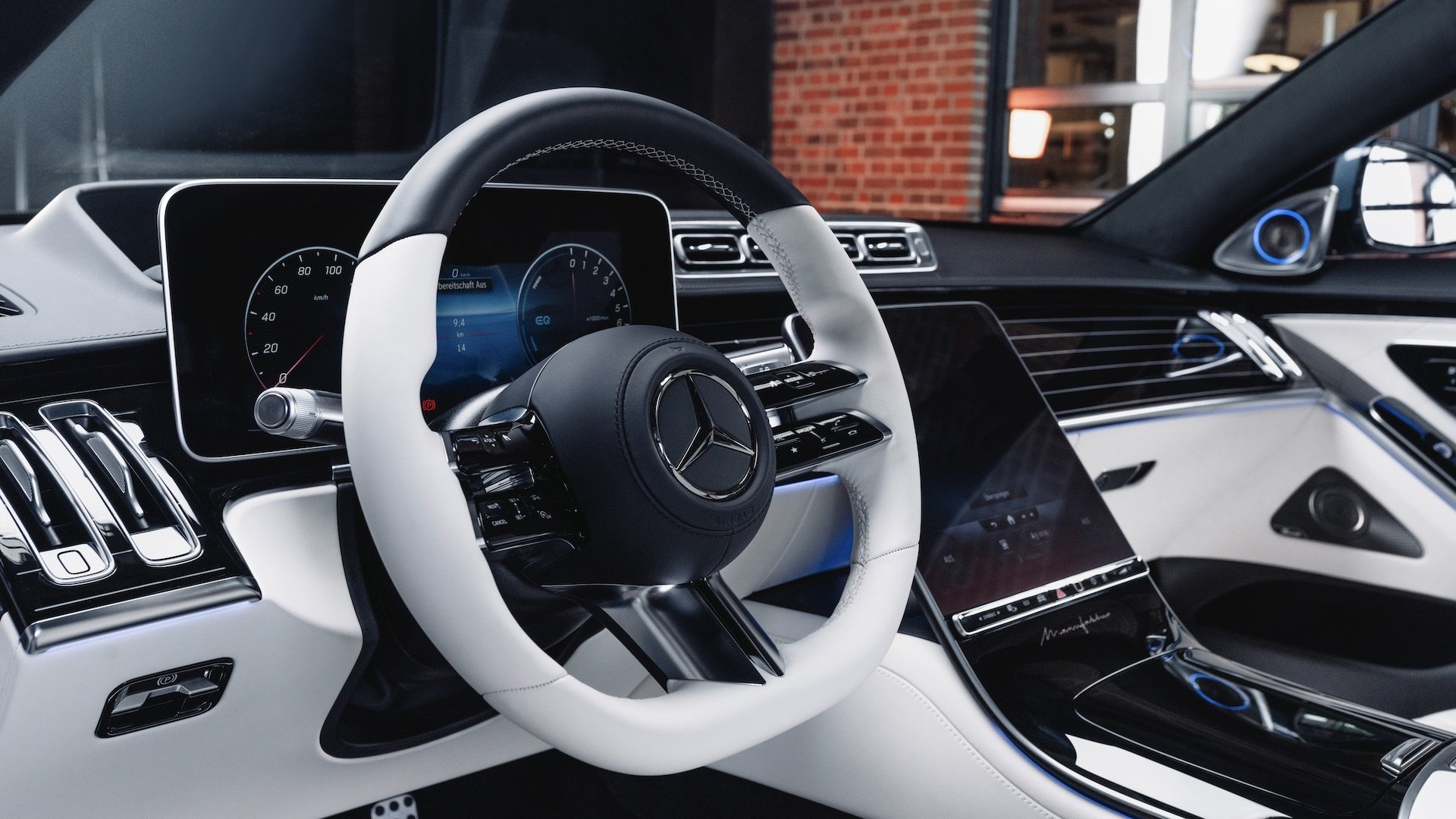
Finally, how could we forget the current model in the conclusion of our tour of the S-Class’s history? The model respects the product’s spirit by offering the most onboard technologies, including its five screens, MBUX (Mercedes-Benz User Experience) multimedia system, and a system that allows the vehicle to free itself by rocking back and forth if you’re stuck in the snow.
We can only imagine what comes next, as Mercedes-Benz will continue to push the limits with its flagship model. Moreover, we invite you to read our colleague’s article, in which he discovered the 2026 version and shares it with you.
Eleven pickups and a converted ProMaster gathered in Uxbridge offered a look at how many…
Every year, Wards Auto publishes its list of the 10 best powertrains available in a…
In a segment as competitive as the compact crossover one, in which there’s an abundance…
This SUV is based on the platform and powertrain of the AMG GT 4-door coupe.…
Volvo is reportedly producing about 200 EX60s weekly against a 2,000-unit target. Megacasting and cell-to-body…
Stellantis is exploring Canadian exports of two electrified Jeeps built in Wuhan. Brampton sale talks…