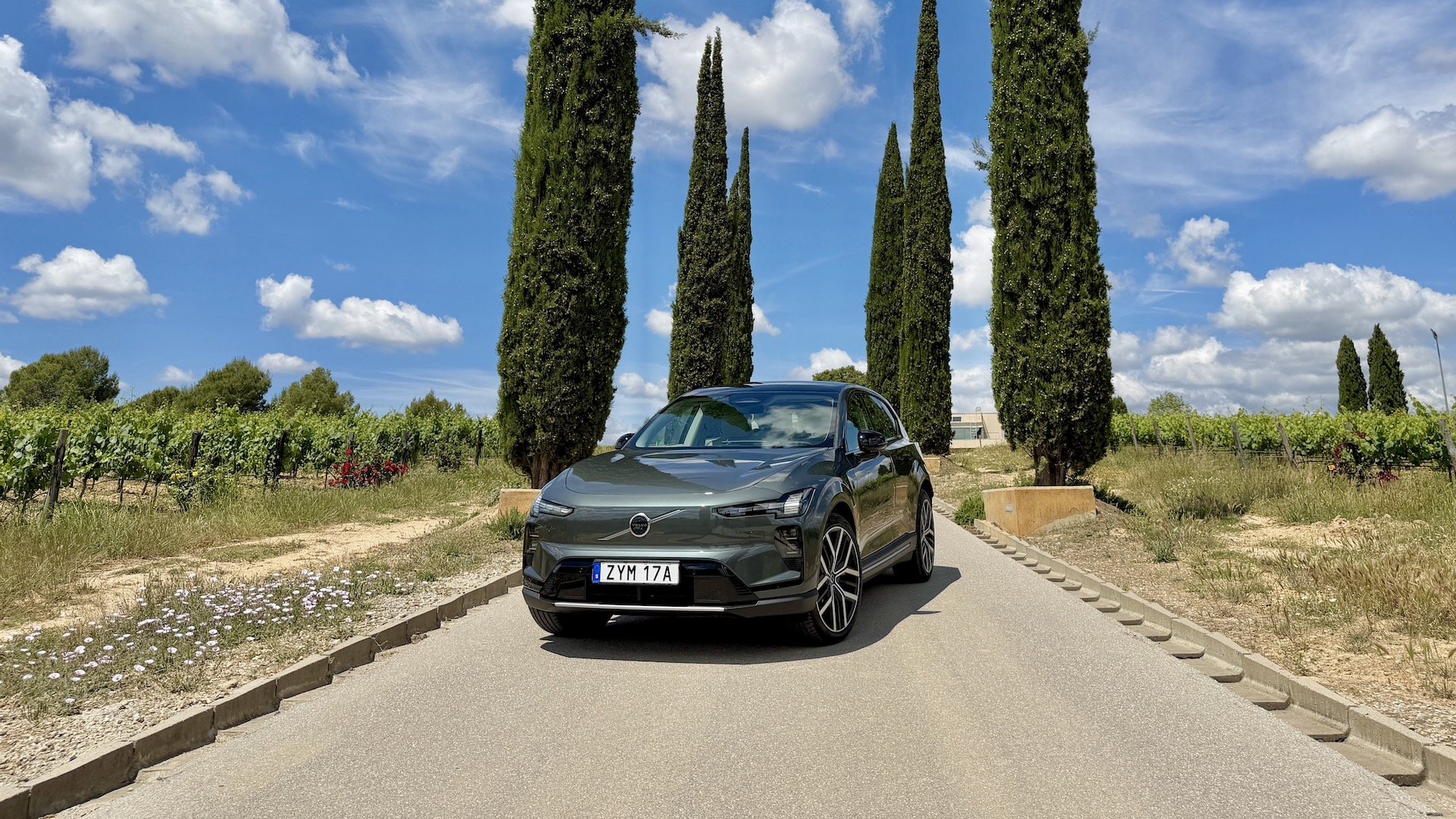
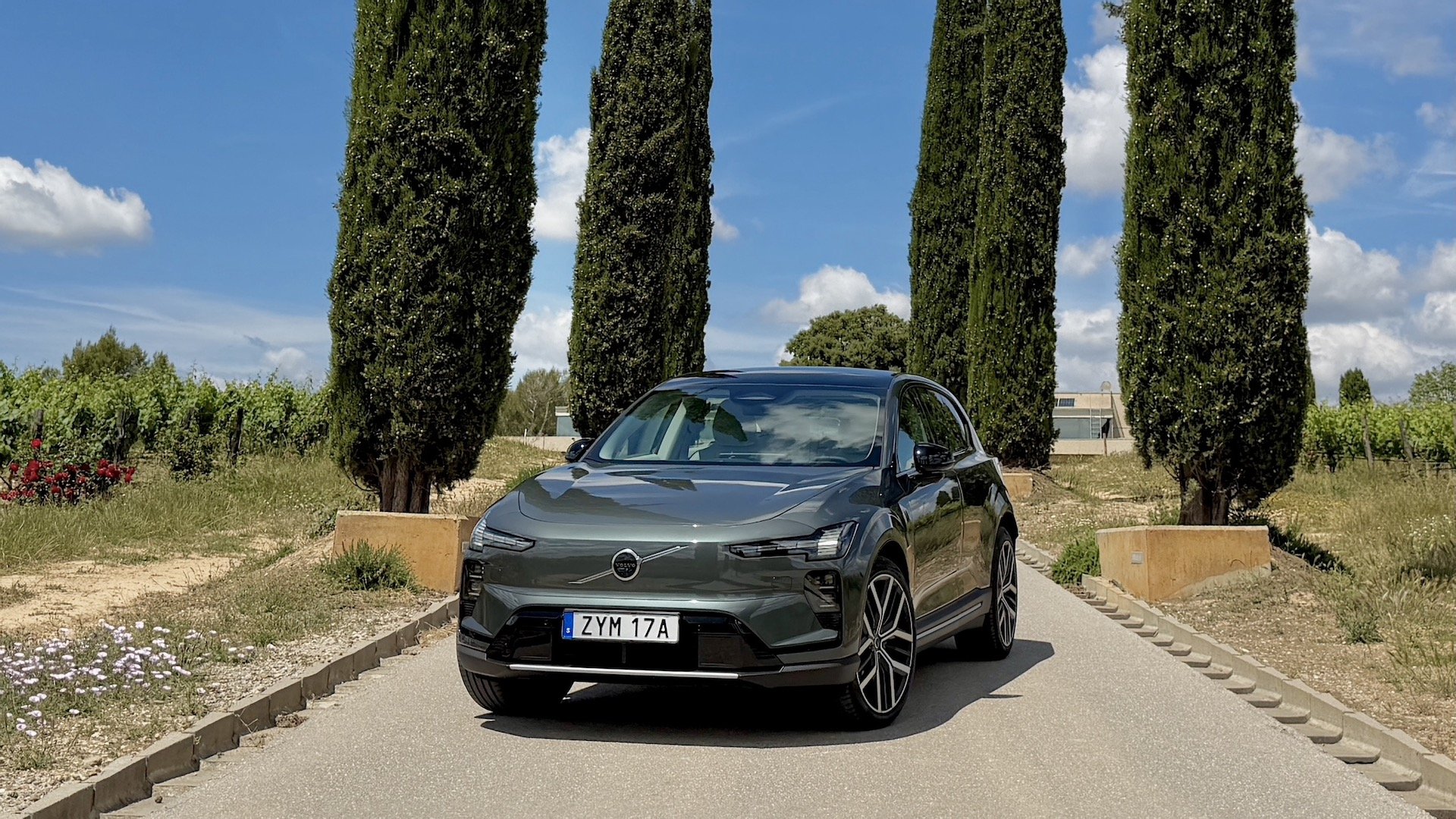
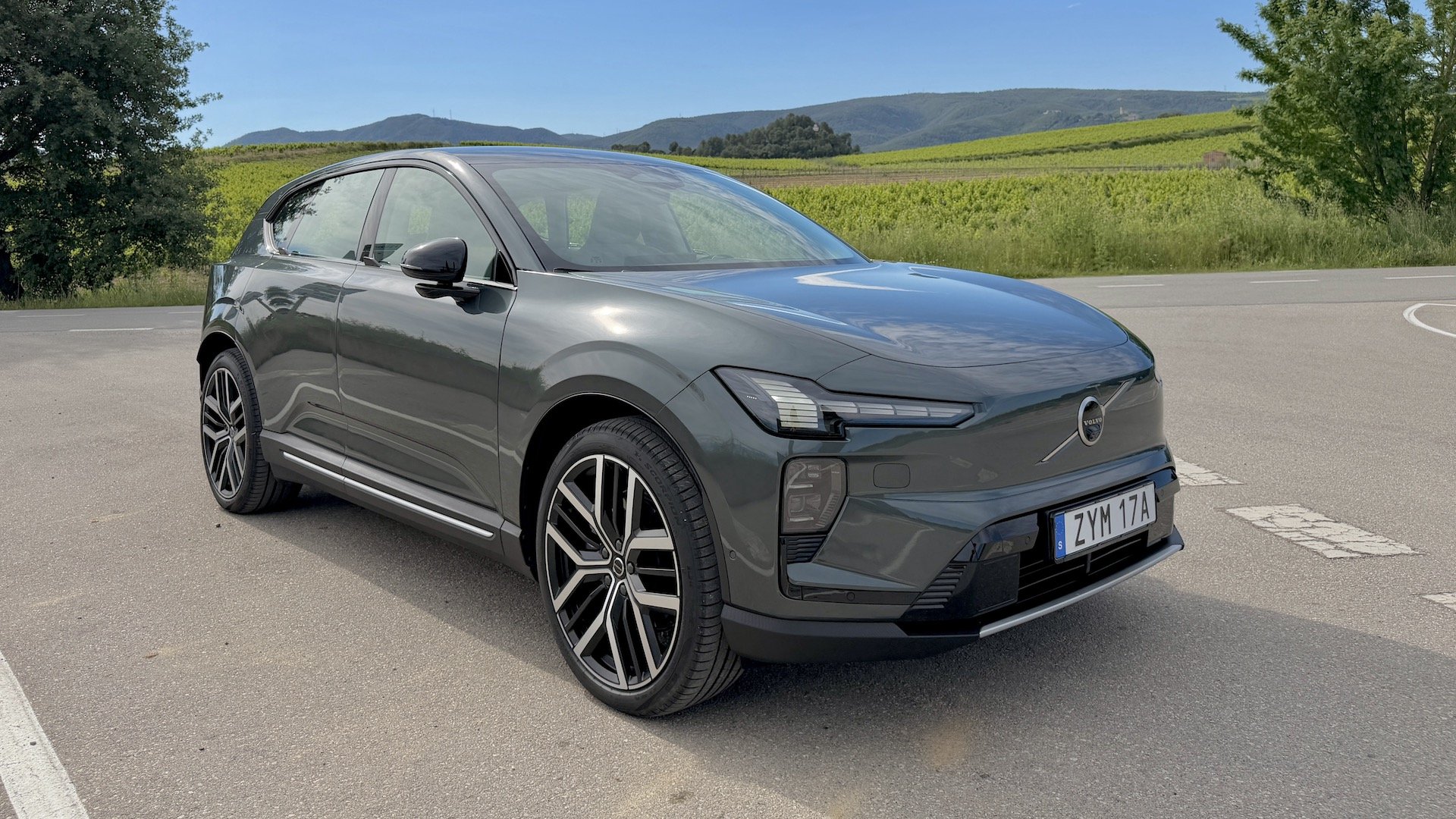
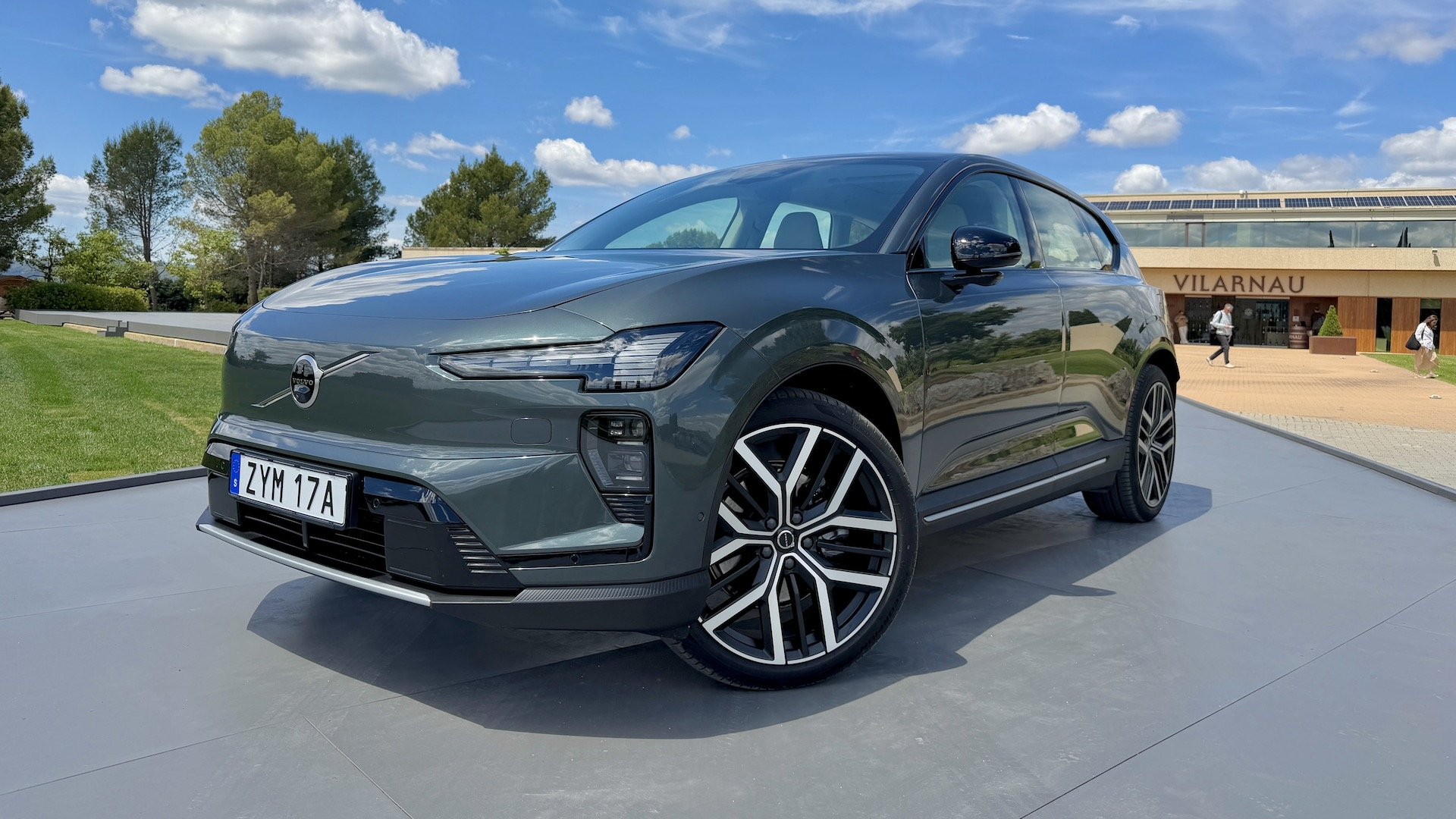
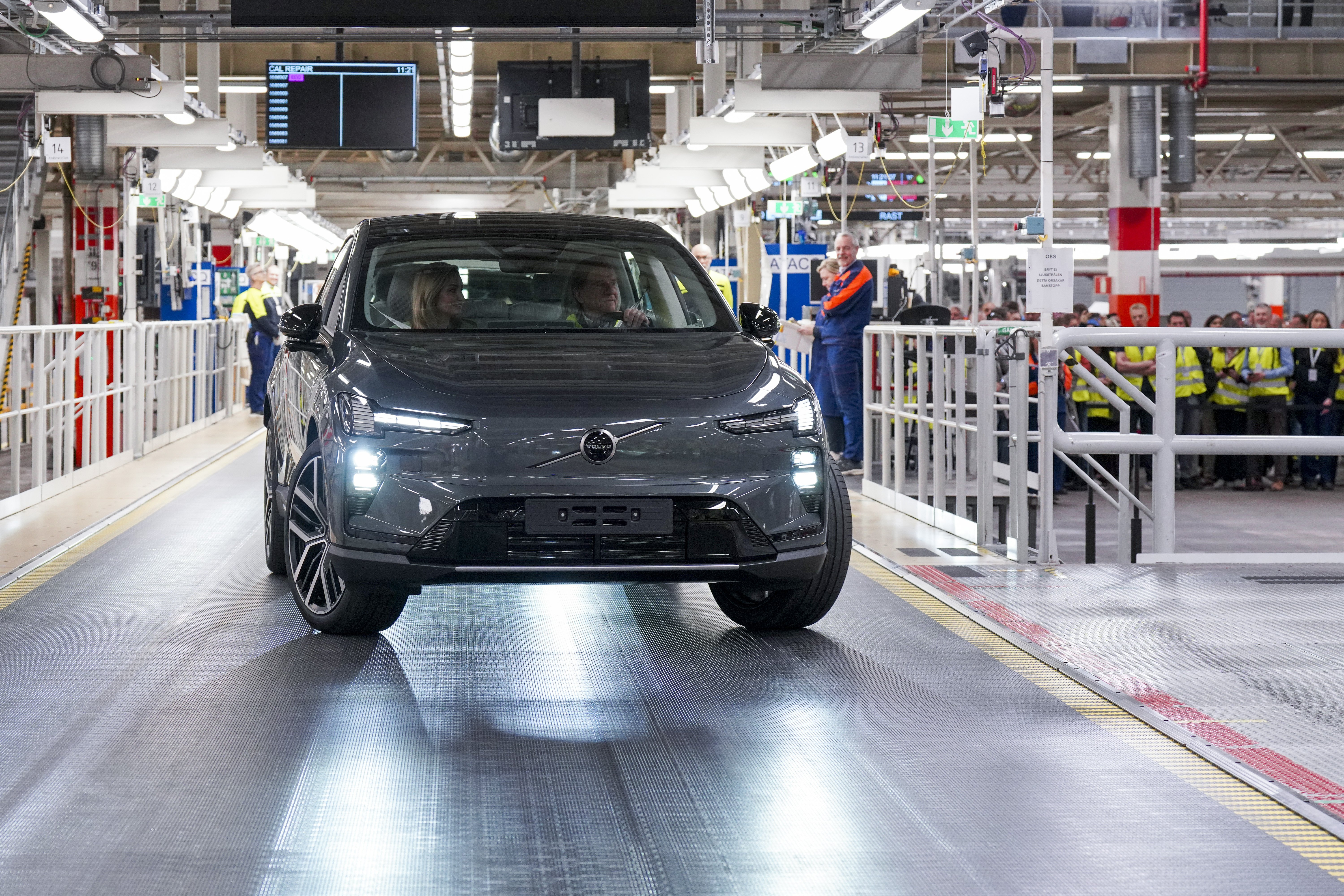
2027 Volvo EX60 (Picture by Connie Peters)
Pros:
Cons:
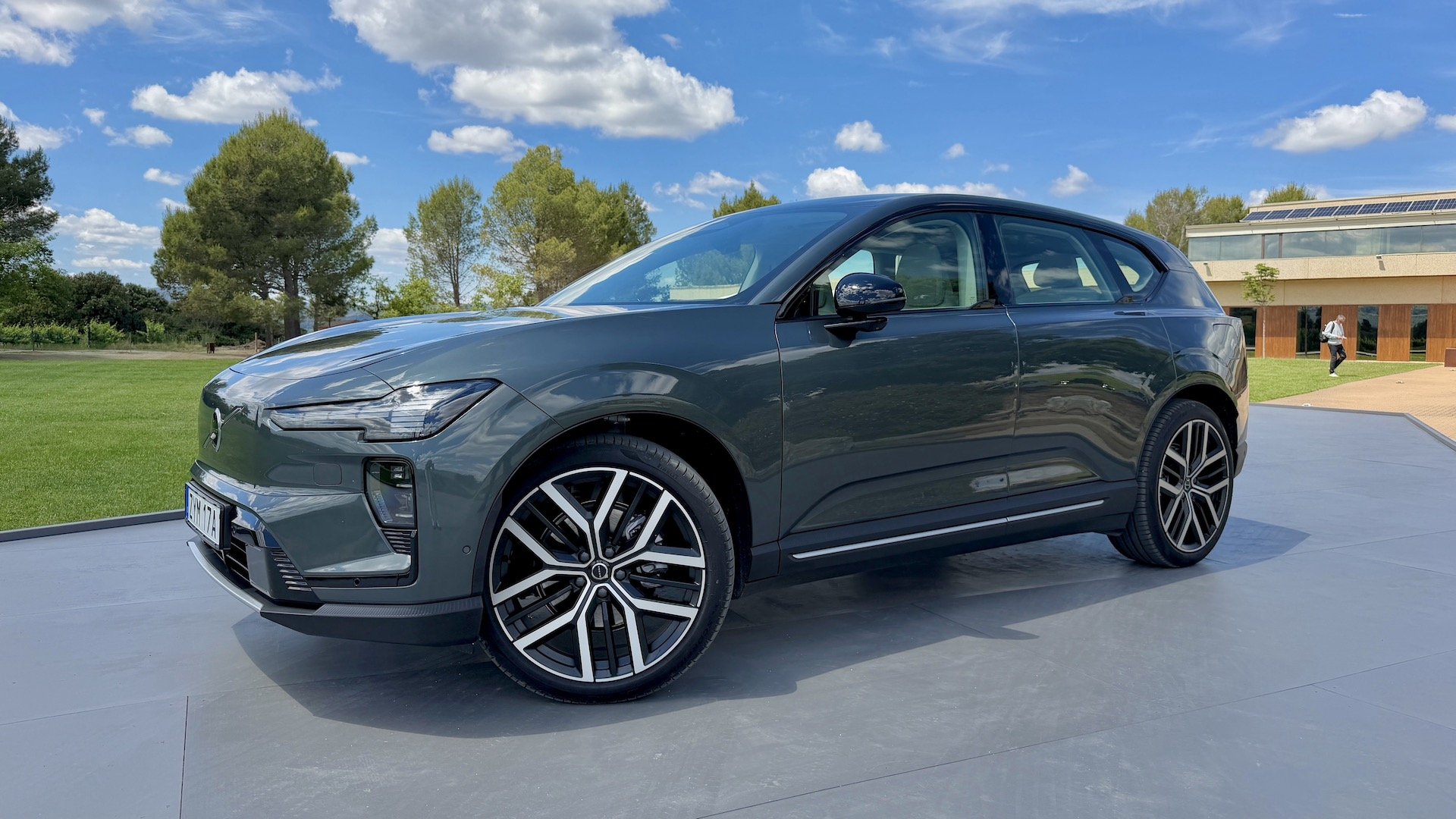
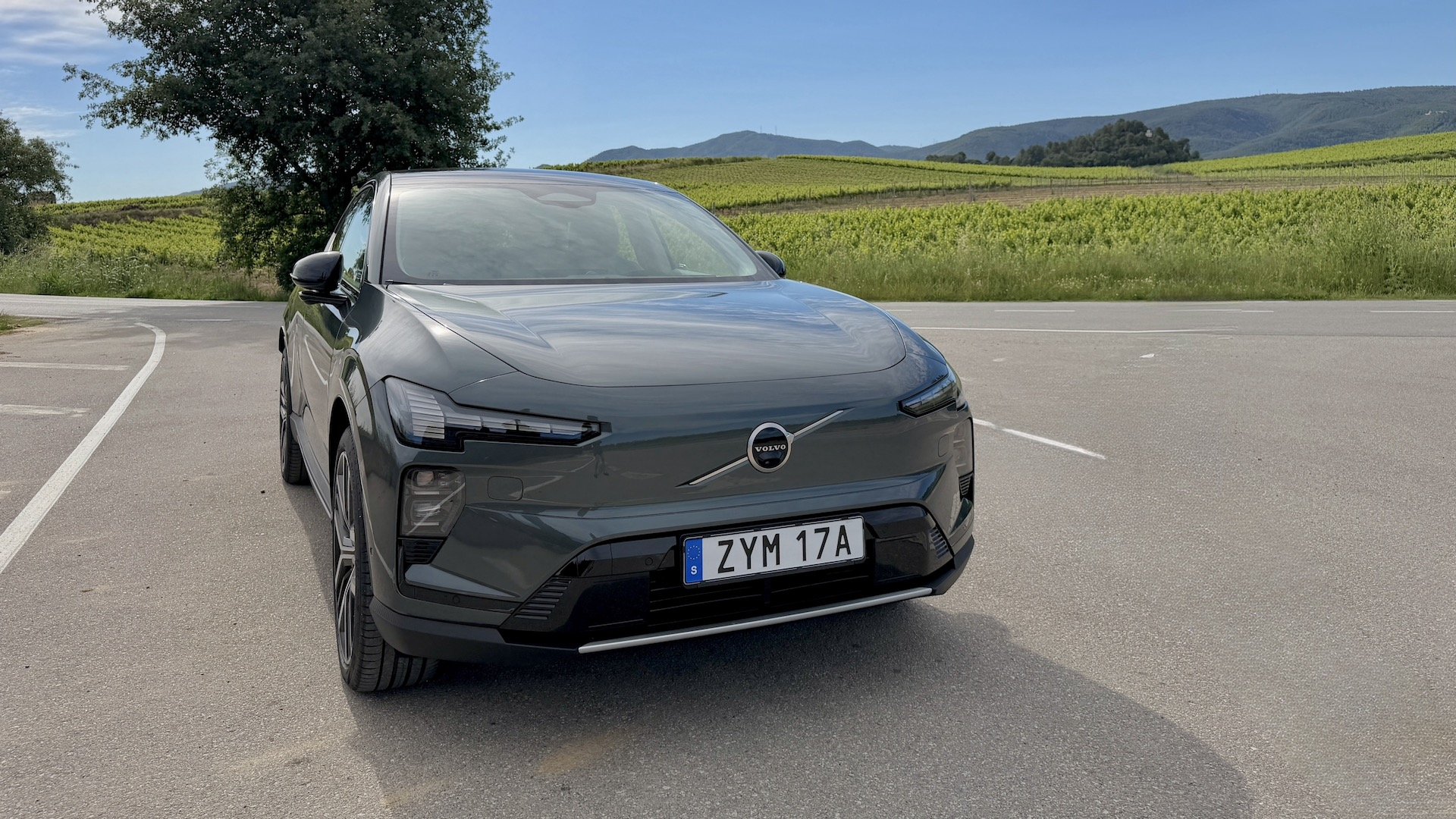
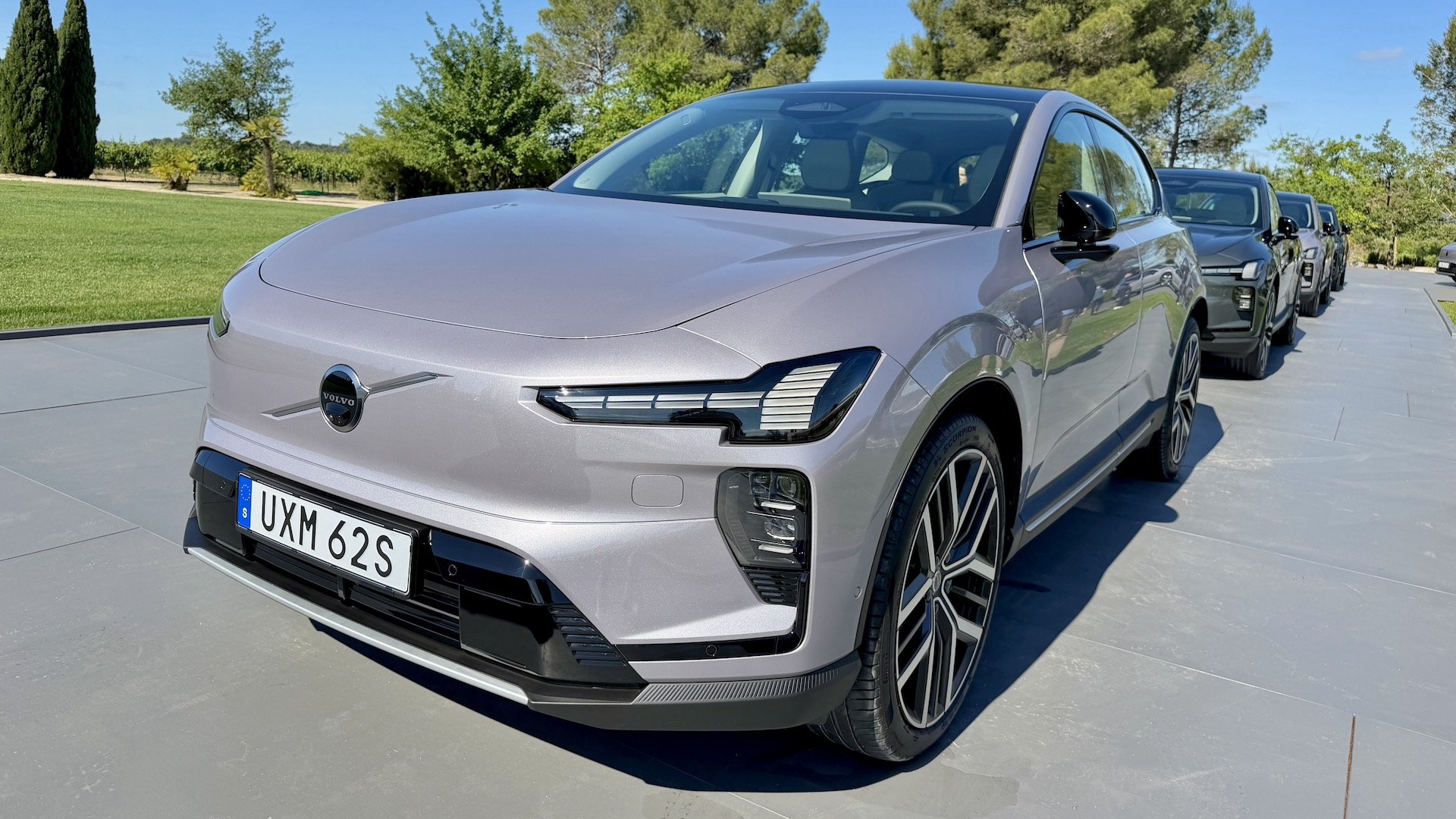
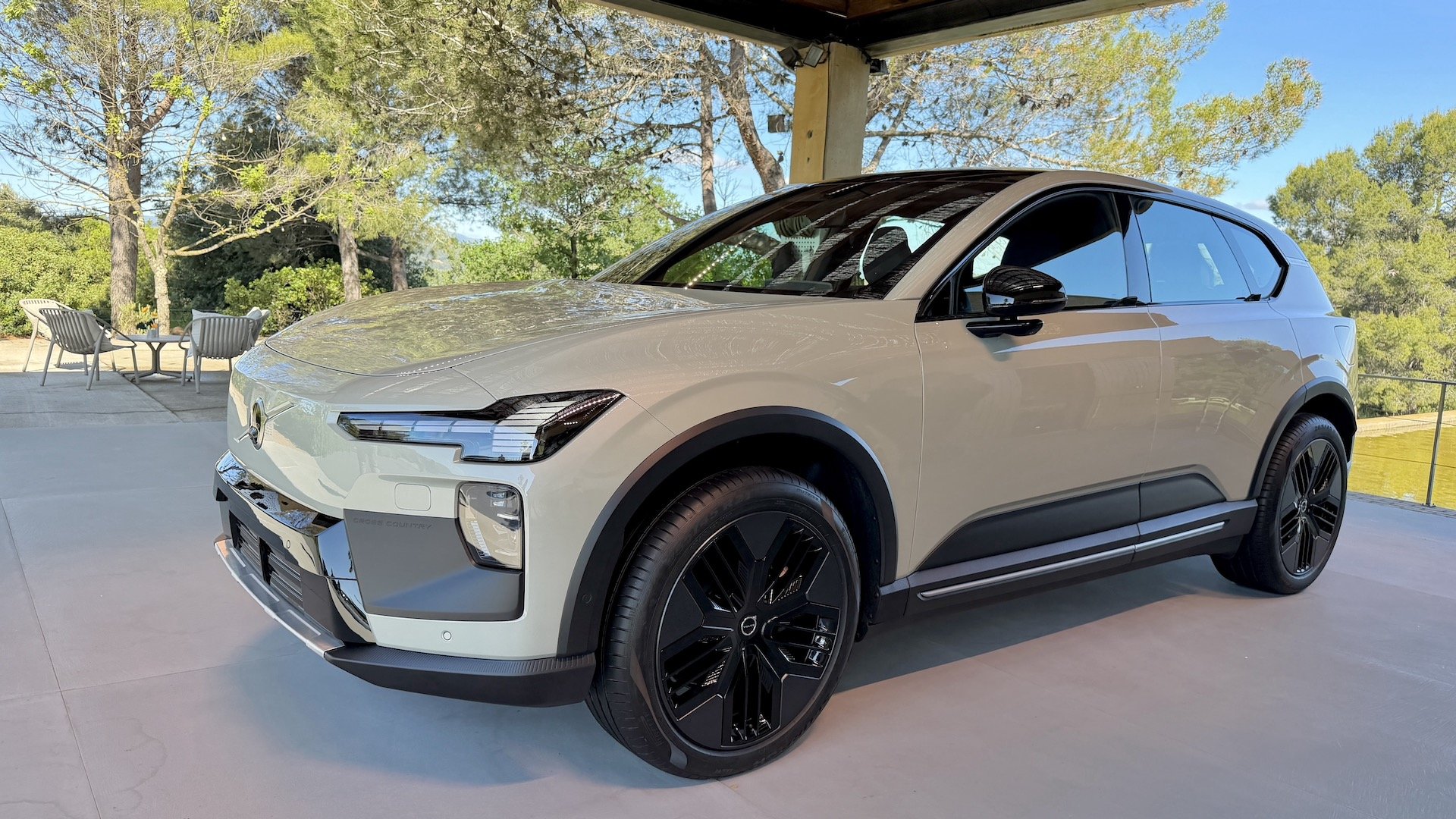
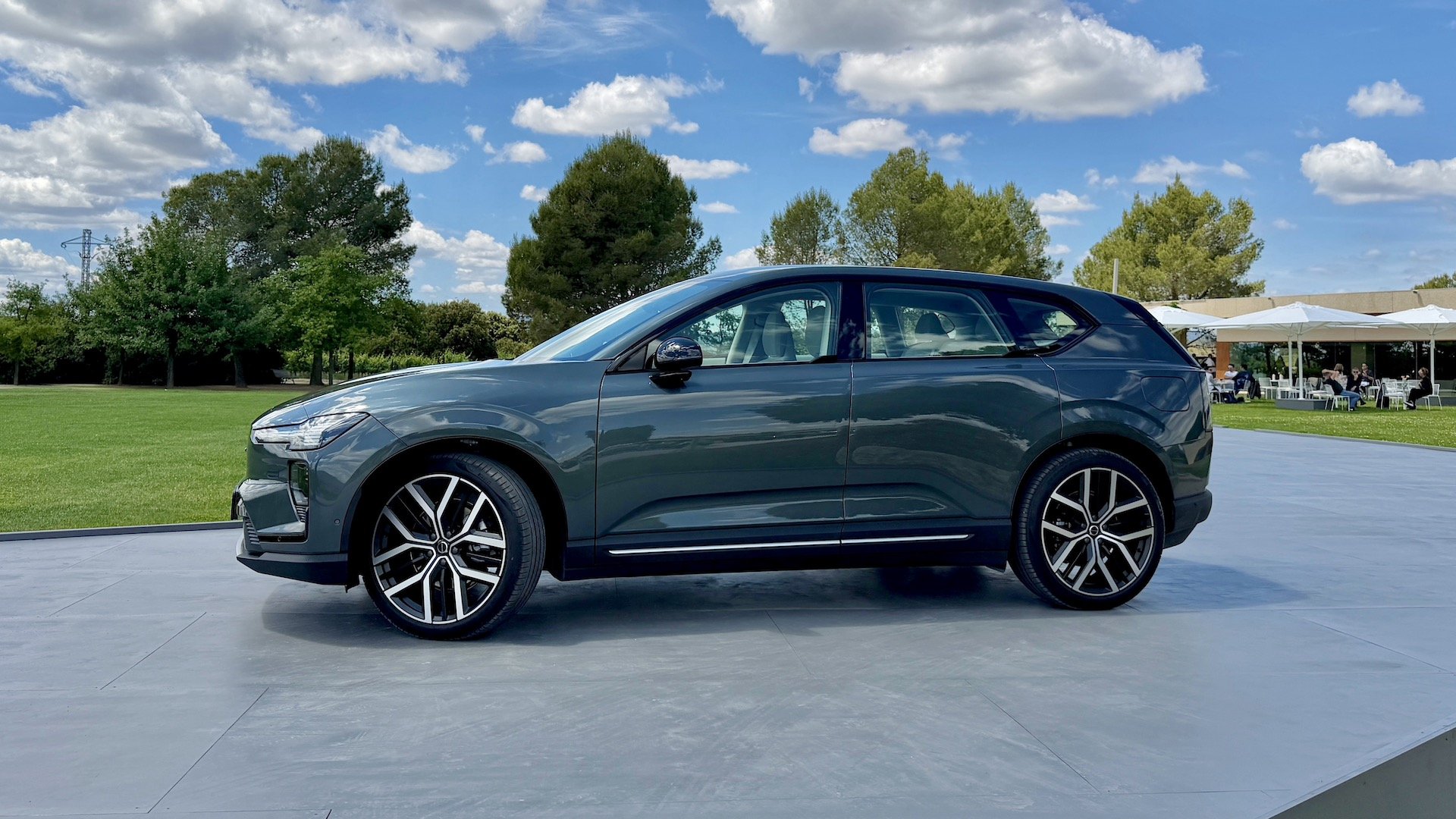
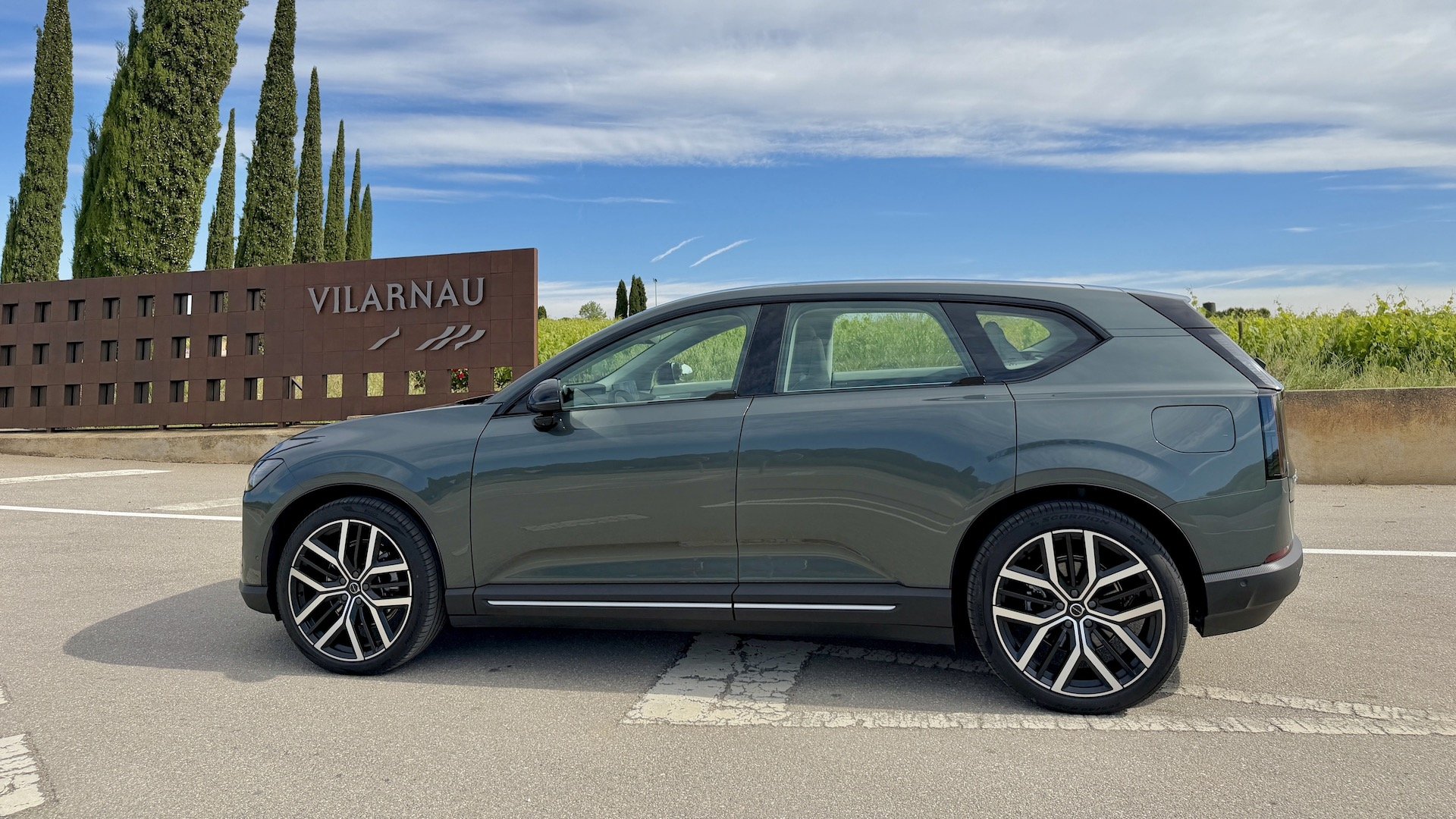
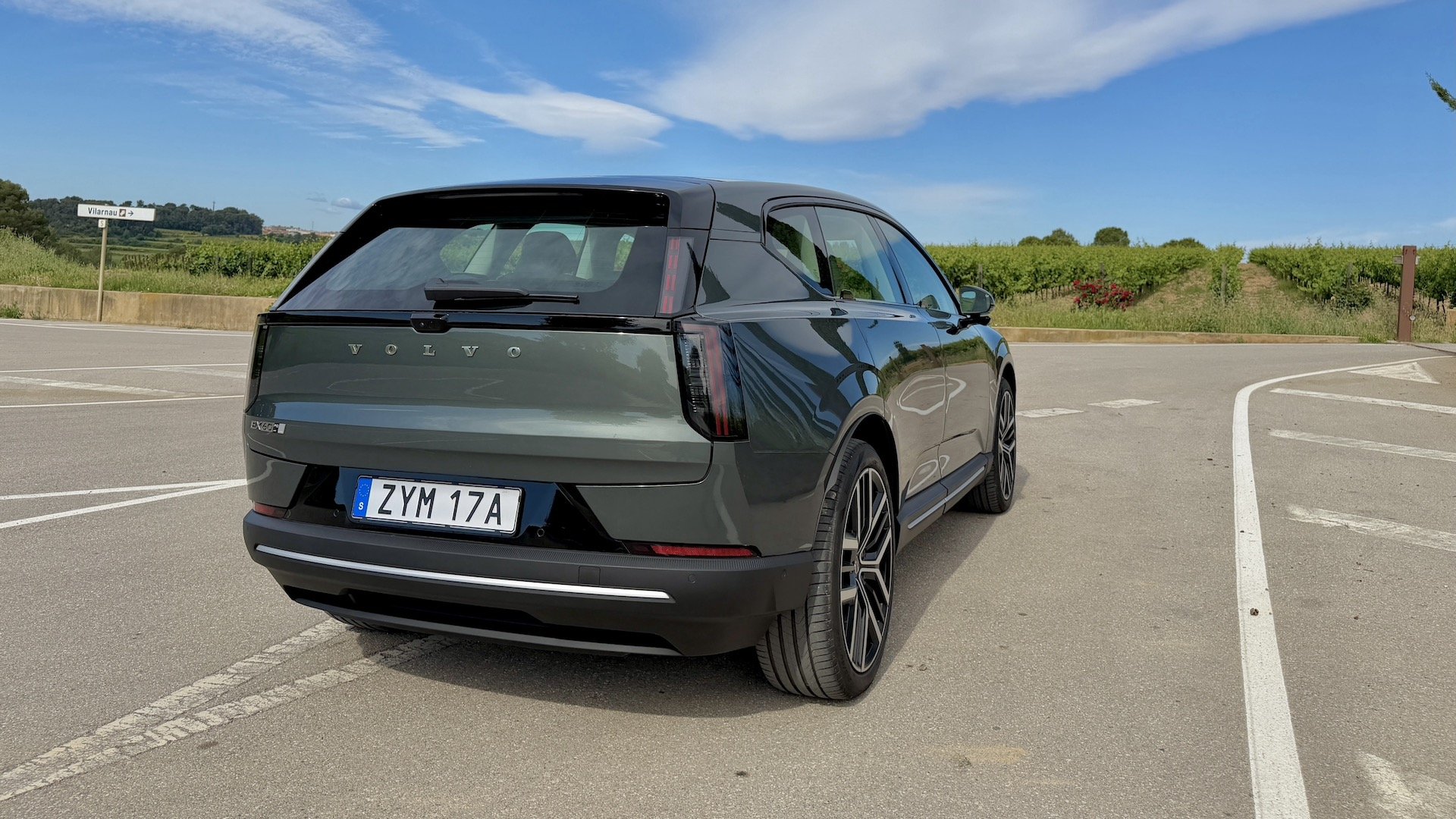
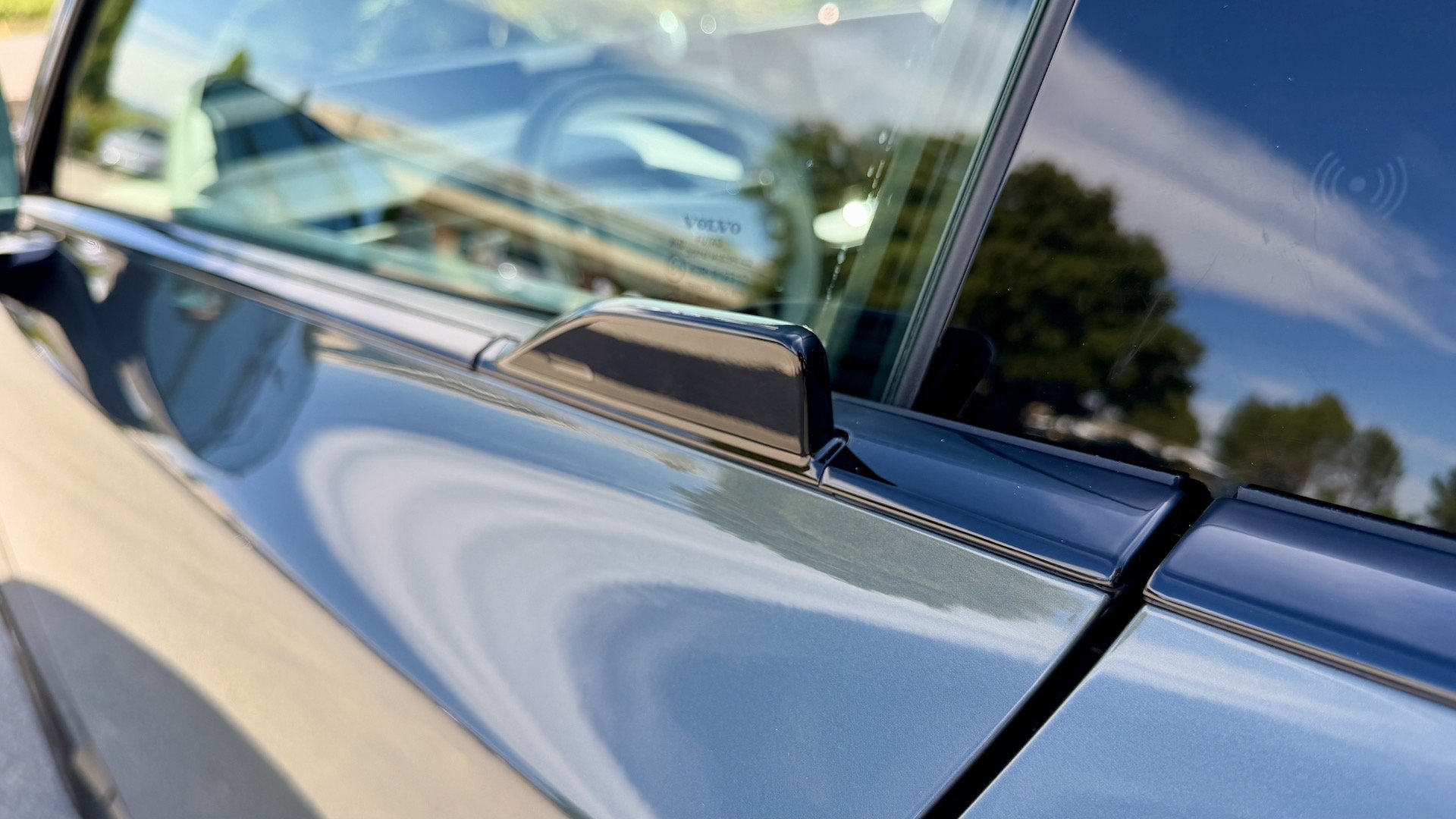
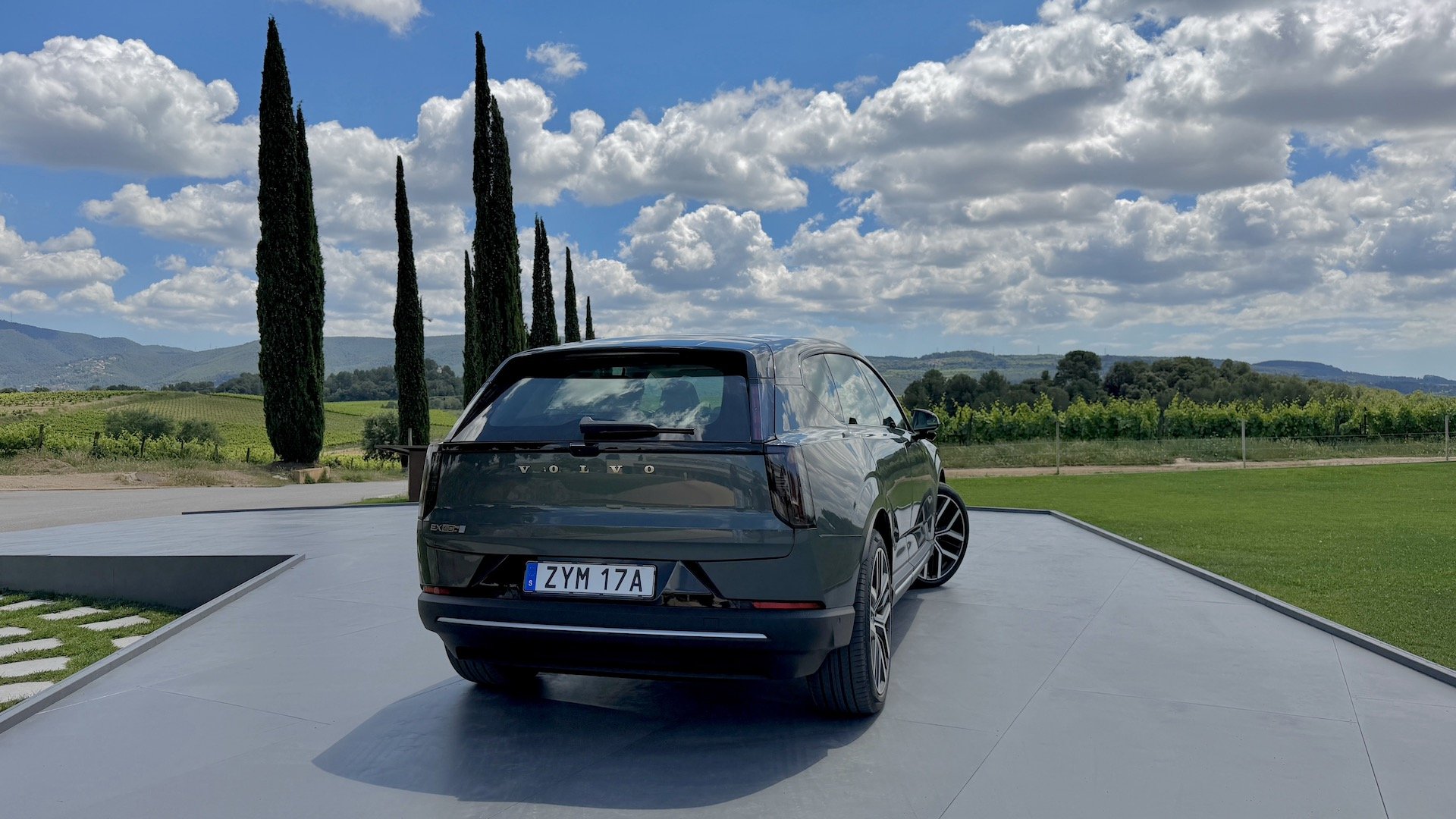
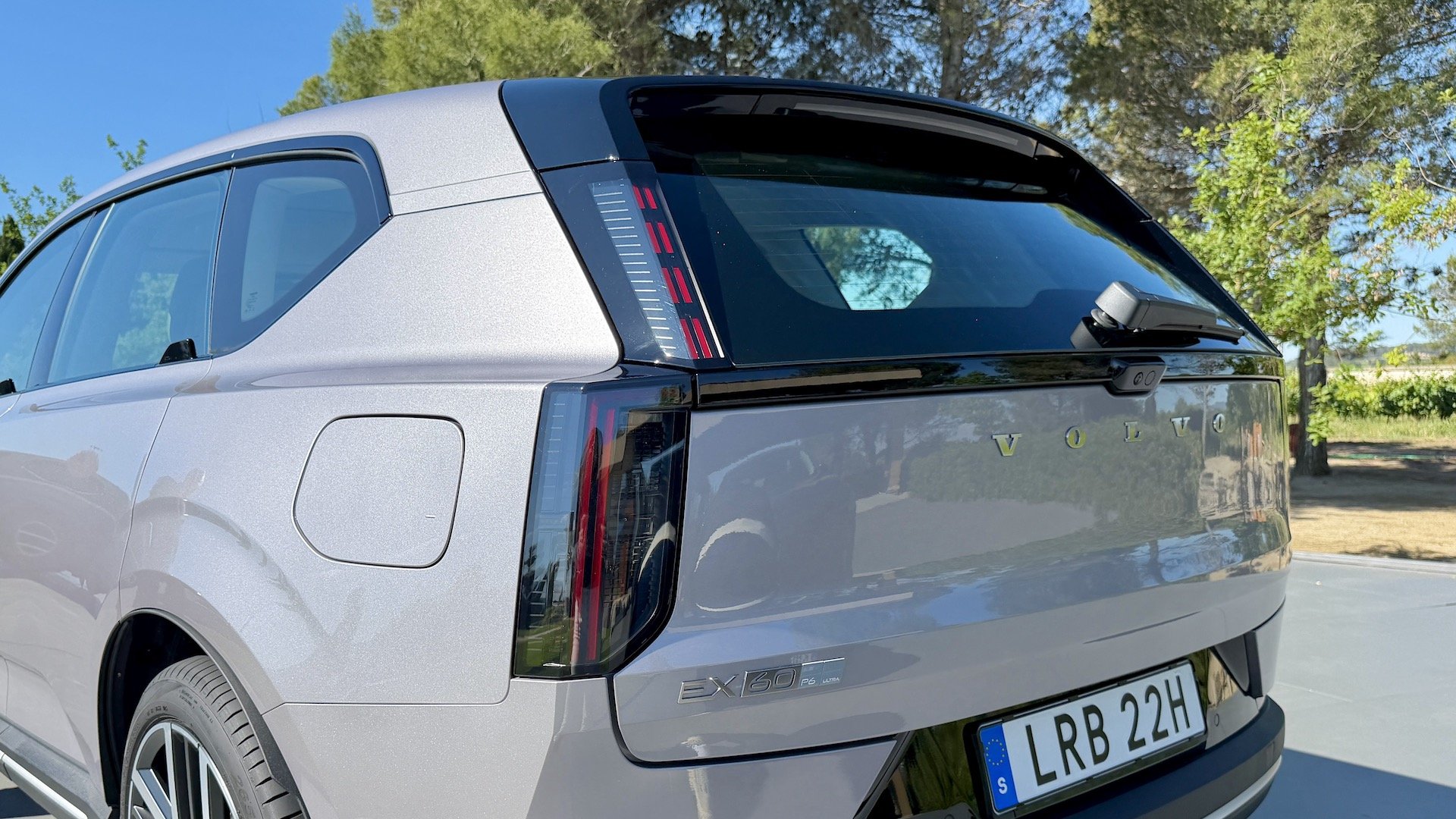
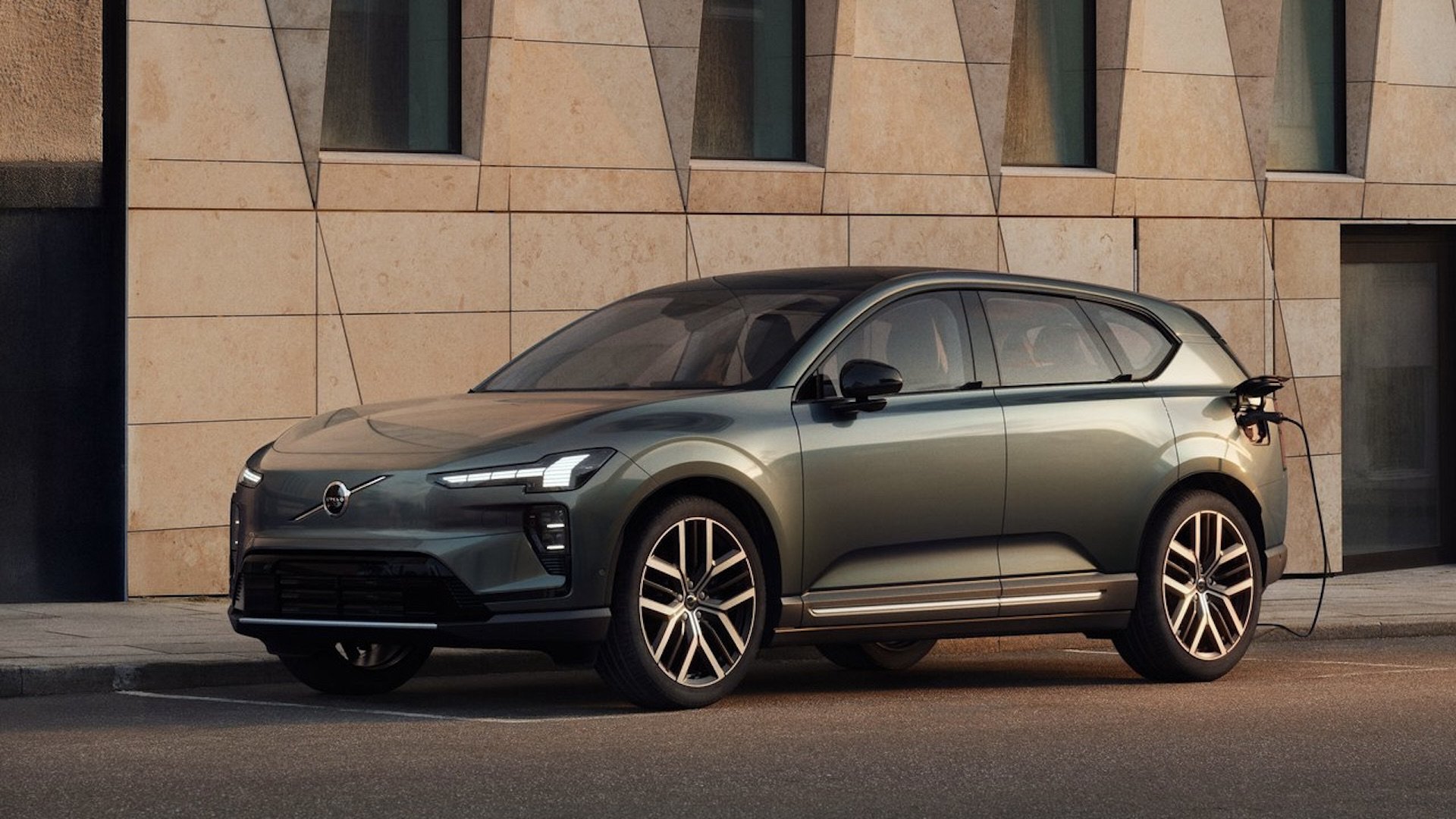
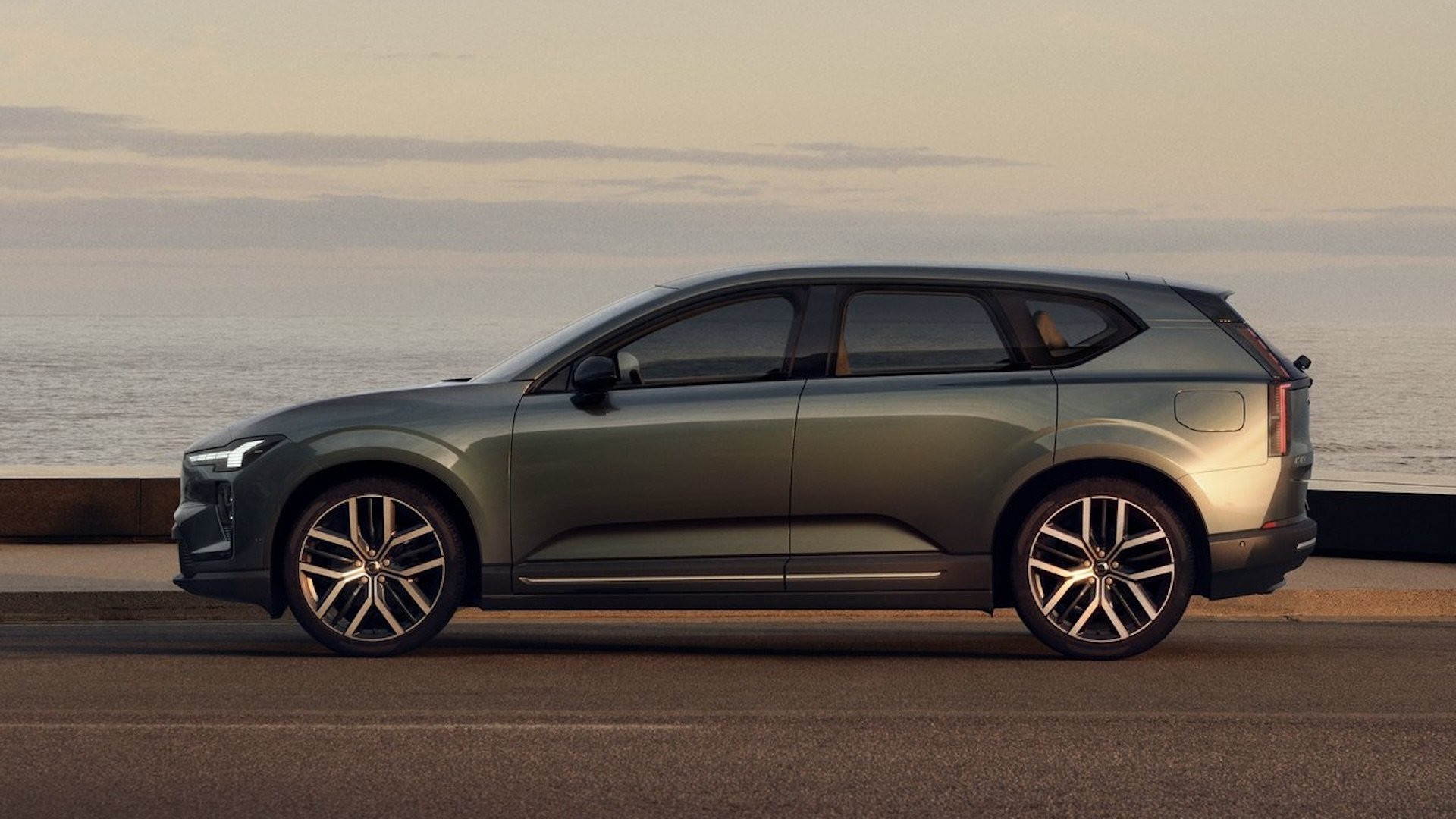
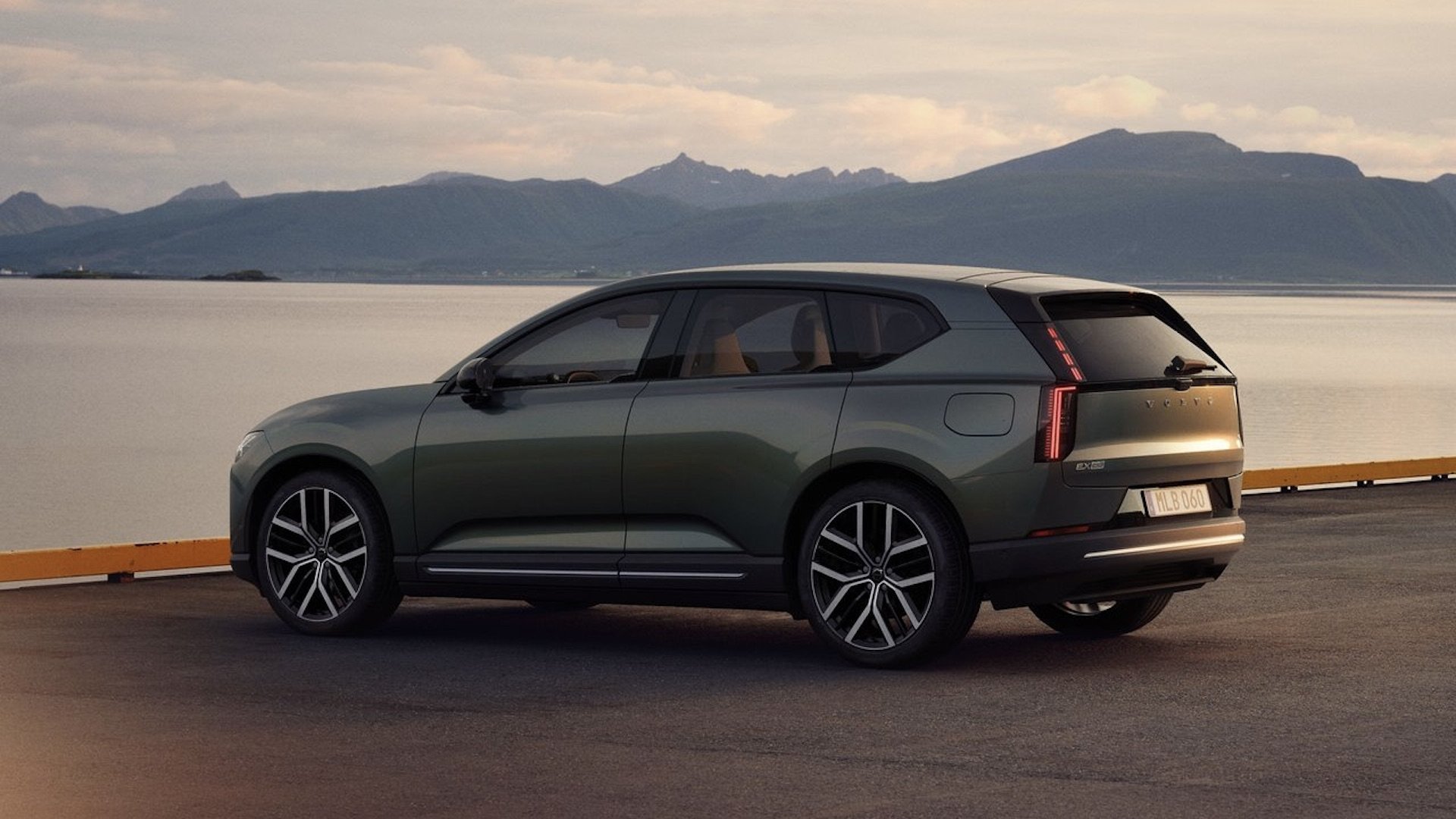
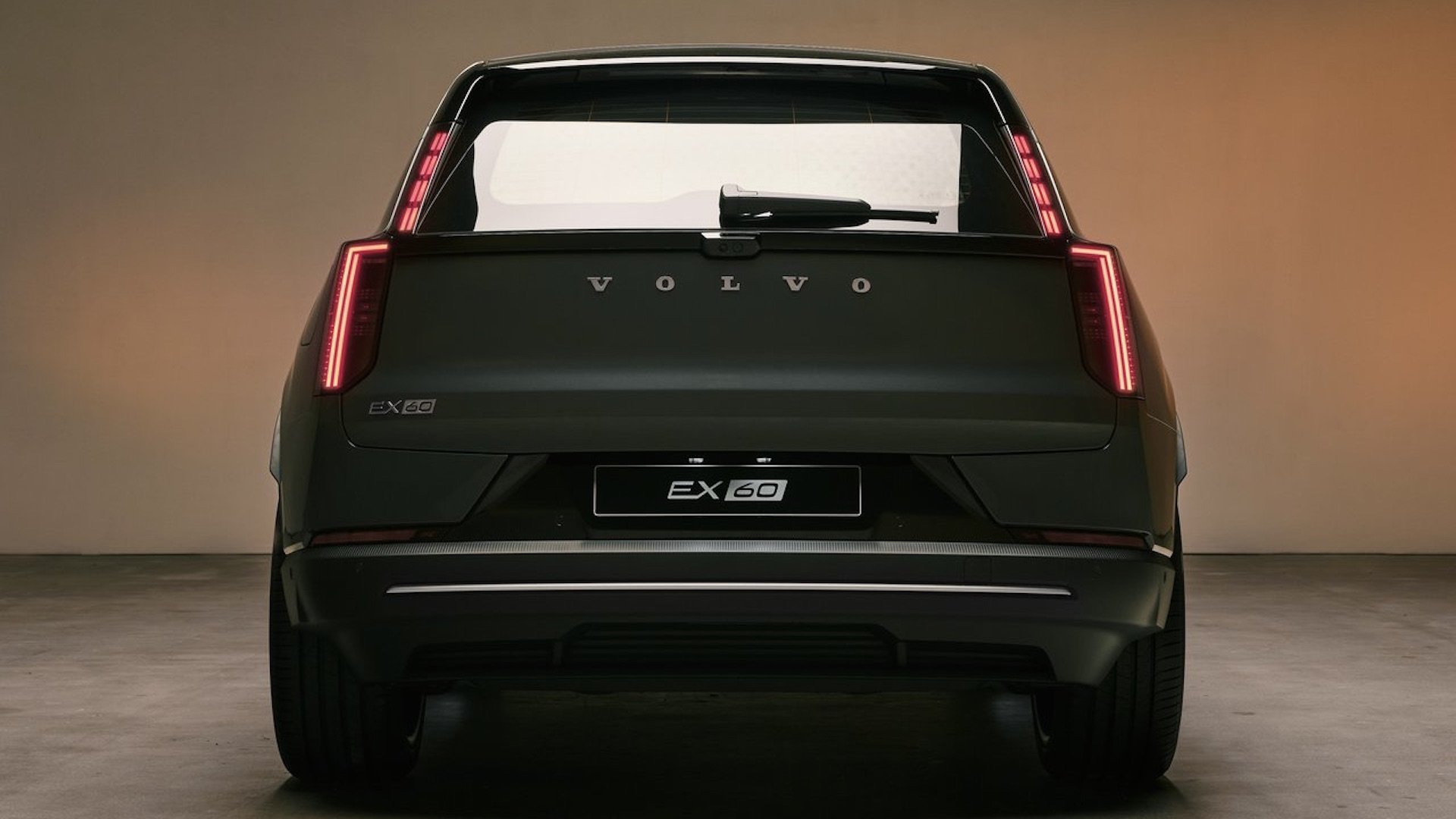
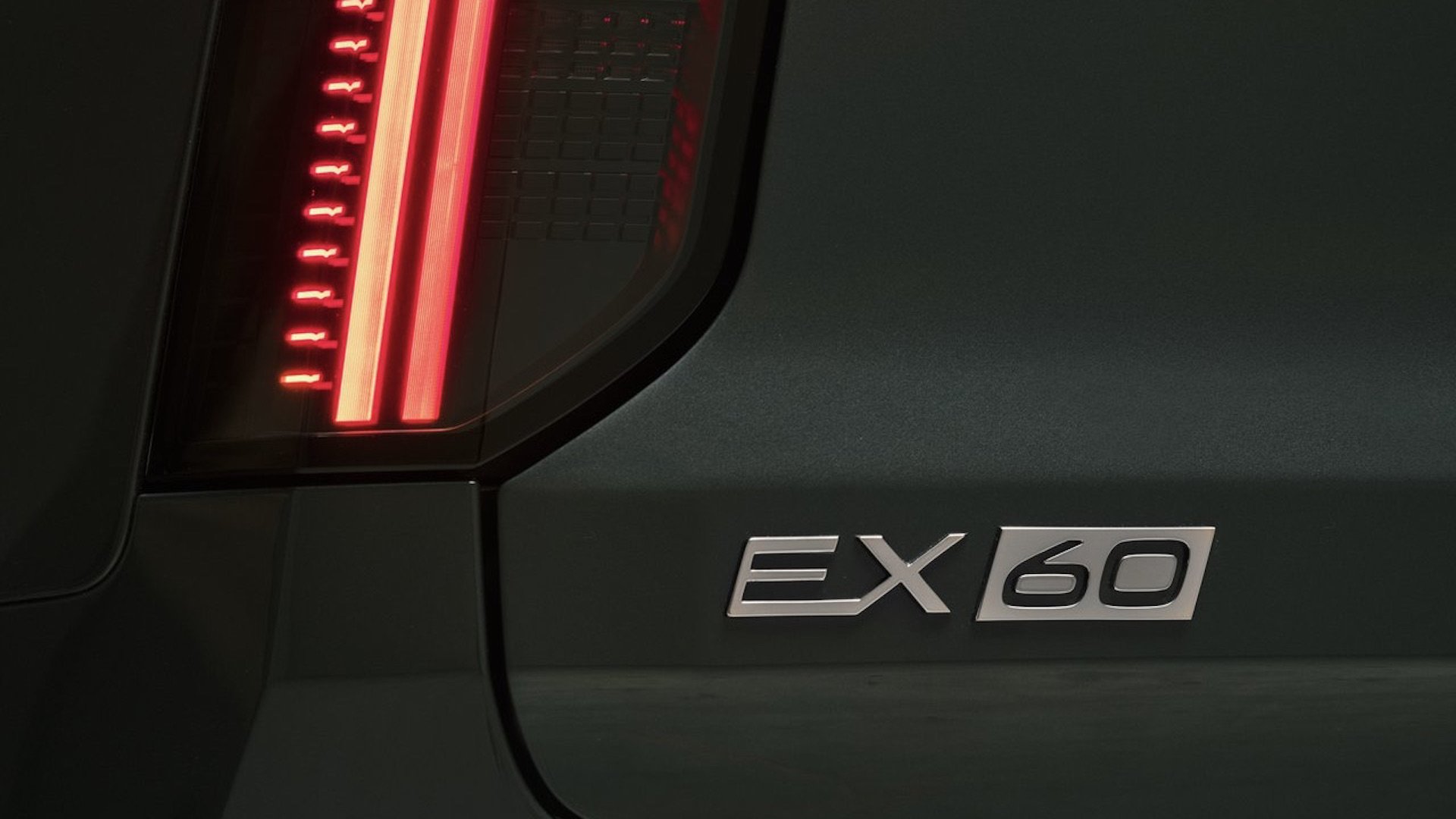
The EX60 doesn’t abandon Volvo’s design language—it evolves it. The overall shape still carries the confidence and familiarity of the XC60, but with cleaner surfacing, improved aerodynamics and proportions designed specifically for an EV platform.
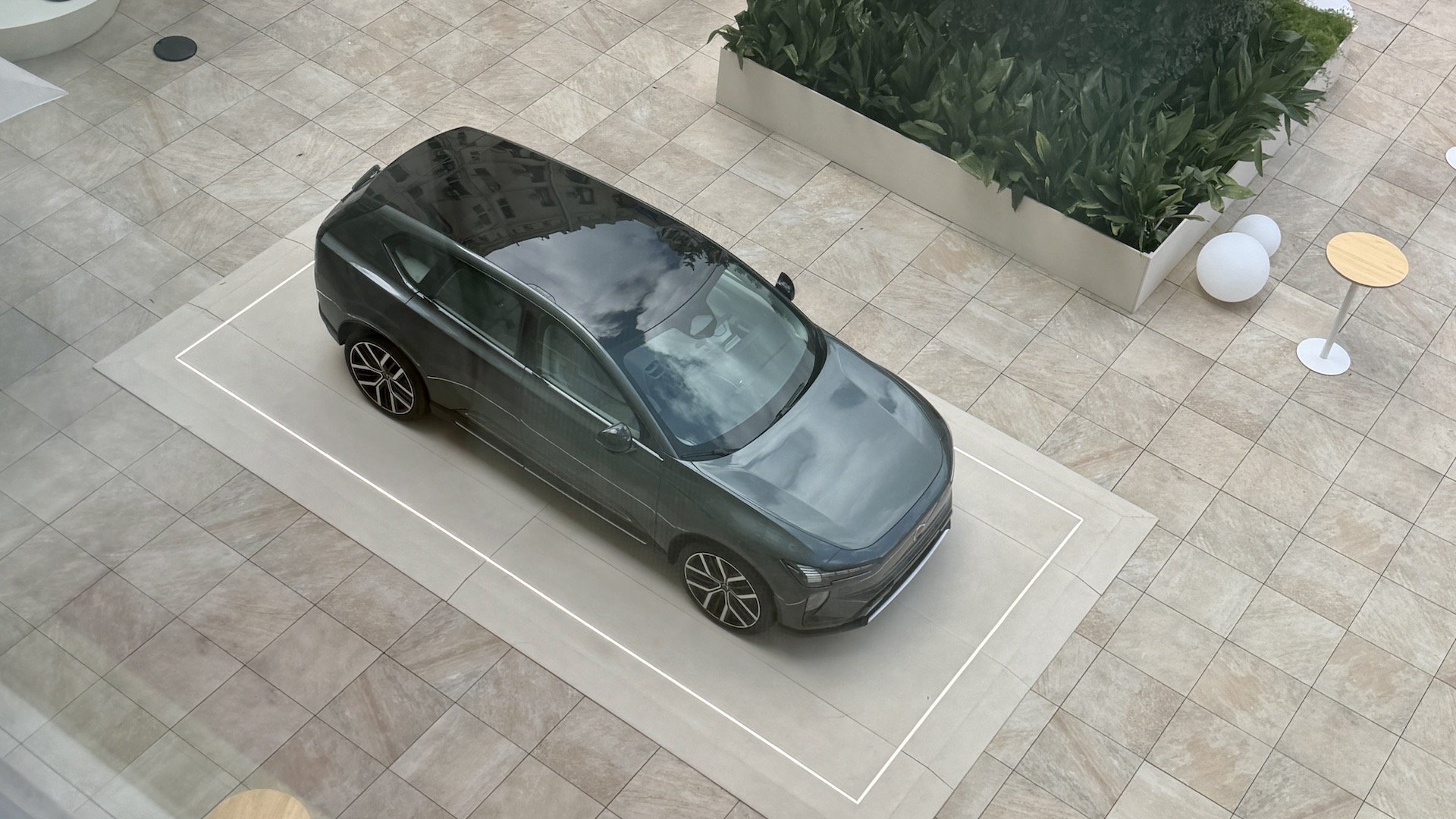
The gently sloping roofline and tapered rear body help improve efficiency without sacrificing practicality. Volvo says aerodynamics played a major role in shaping the EX60, and you can see it from every angle.
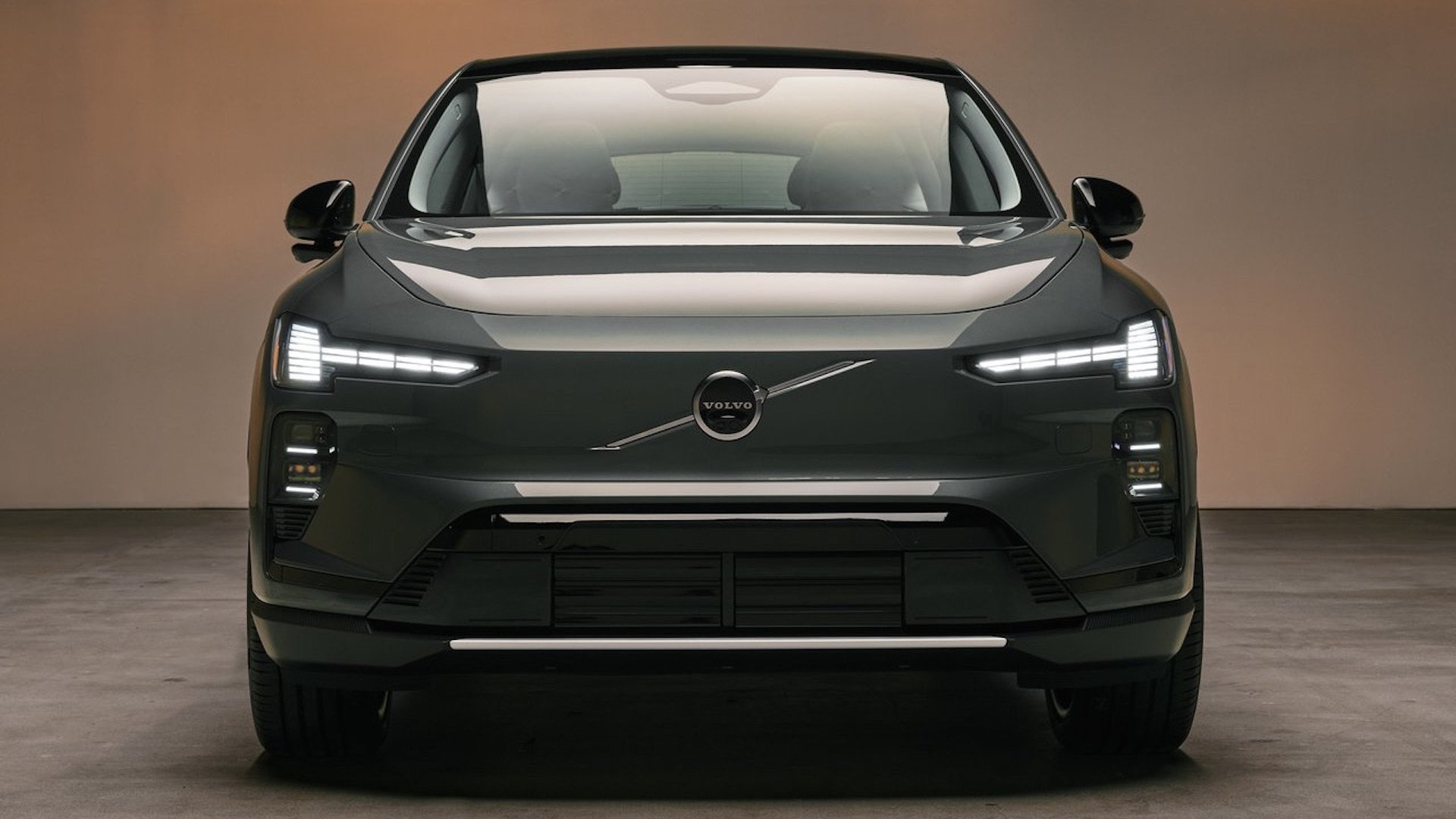
Up front, the familiar Thor’s Hammer lighting signature remains, grounding the EX60 in Volvo heritage while giving it a more futuristic presence. It looks modern without trying too hard, which feels very Volvo.
The optional Cross Country variant, coming in 2028, adds a more rugged personality with increased ride height, unique cladding and a tougher overall appearance. It’s essentially the adventurous version of the EX60 for buyers who want a little more personality and capability for slightly less range.
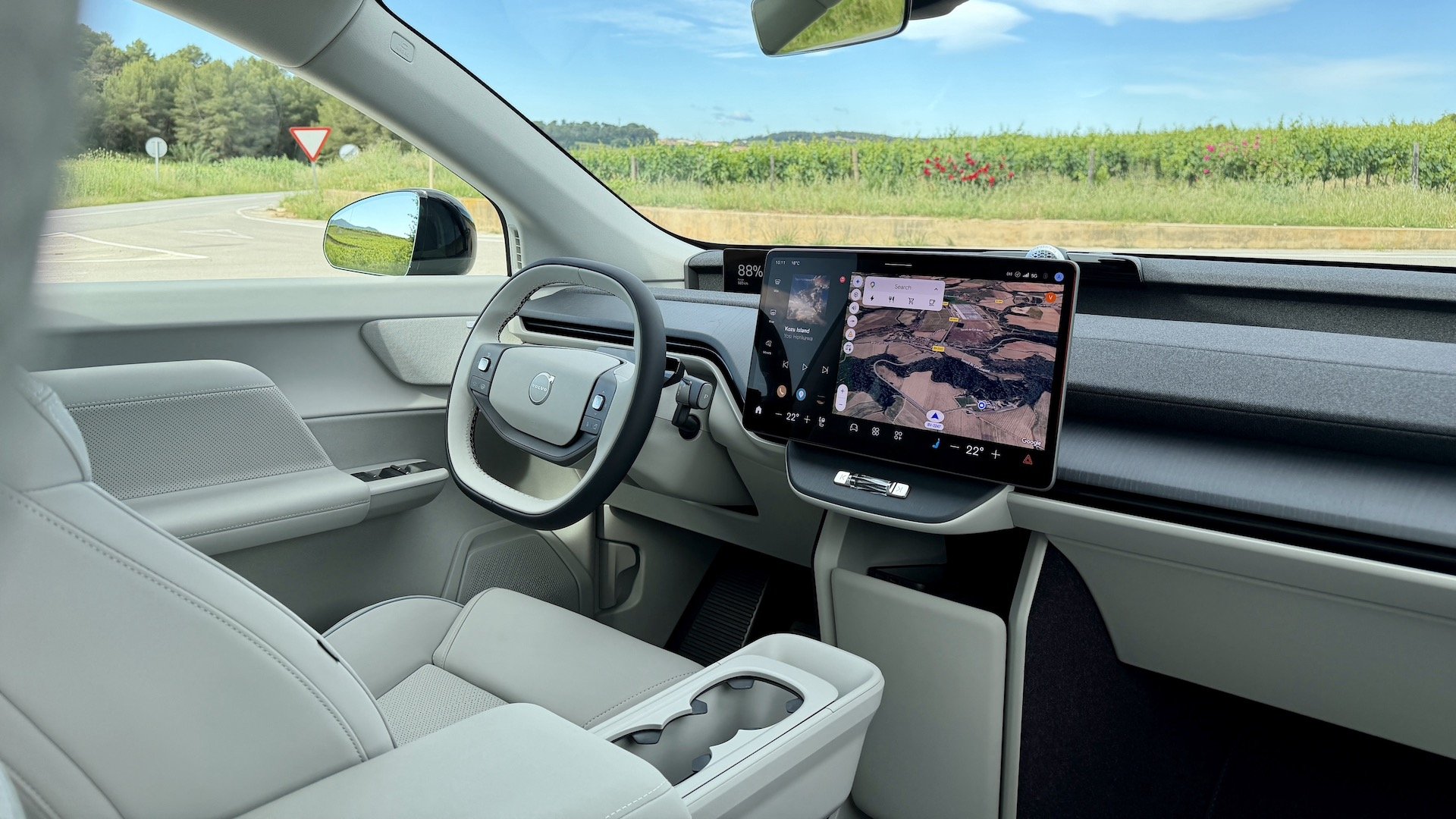
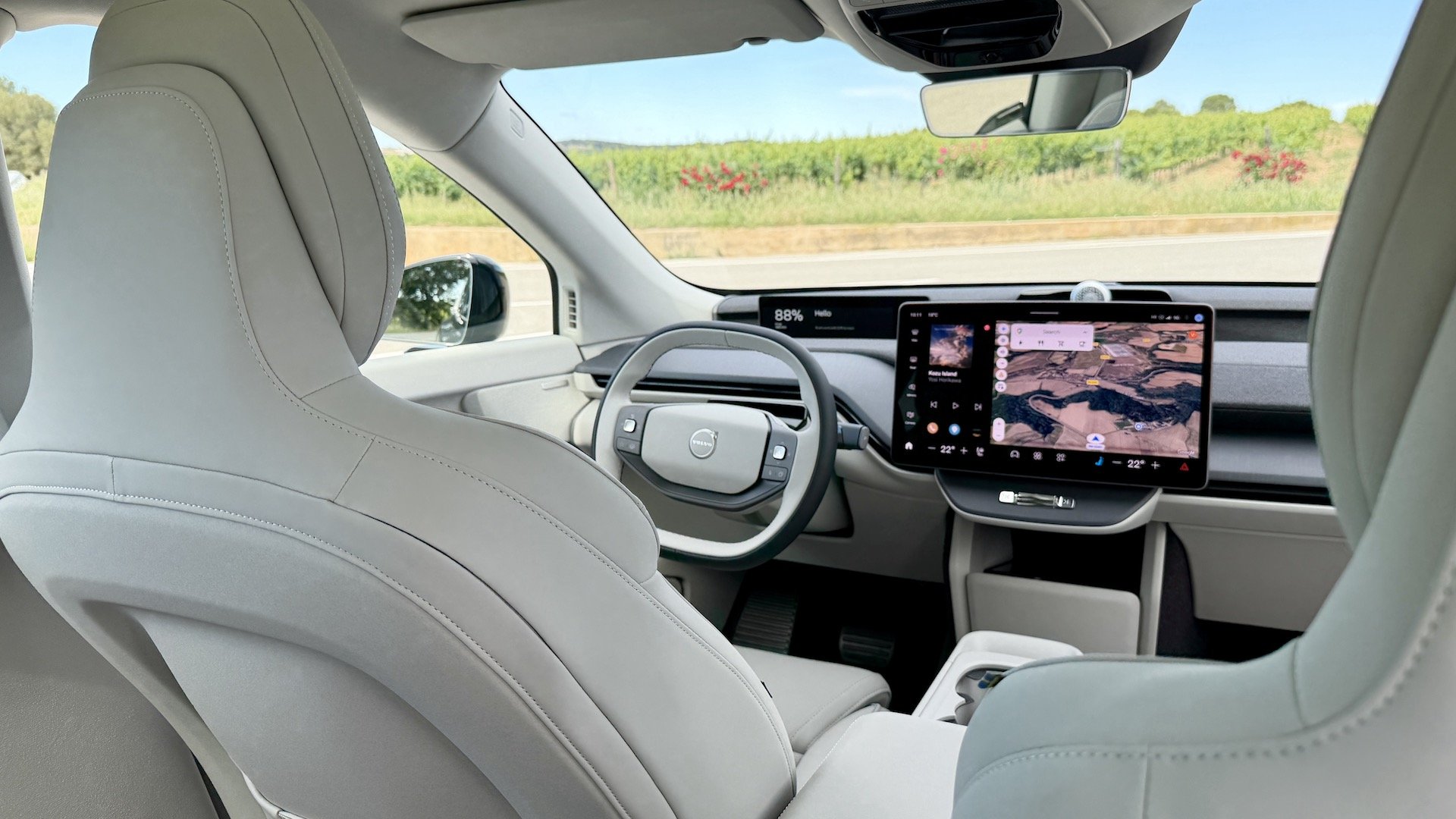
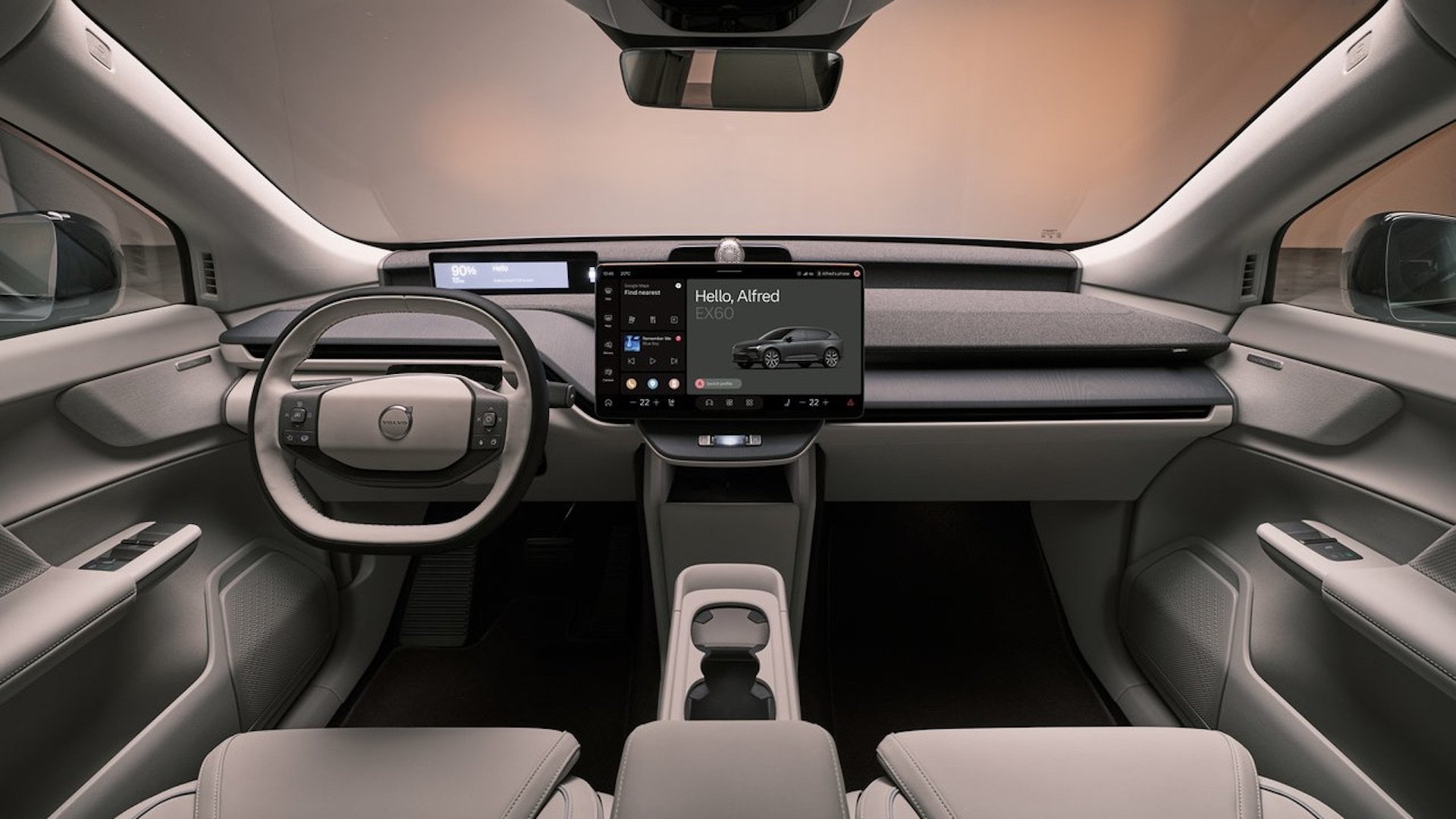
Getting into the EX60 immediately gives you a sense of calm. Like other modern Volvos, the cabin feels more like a Scandinavian-designed lounge than a traditional vehicle interior.
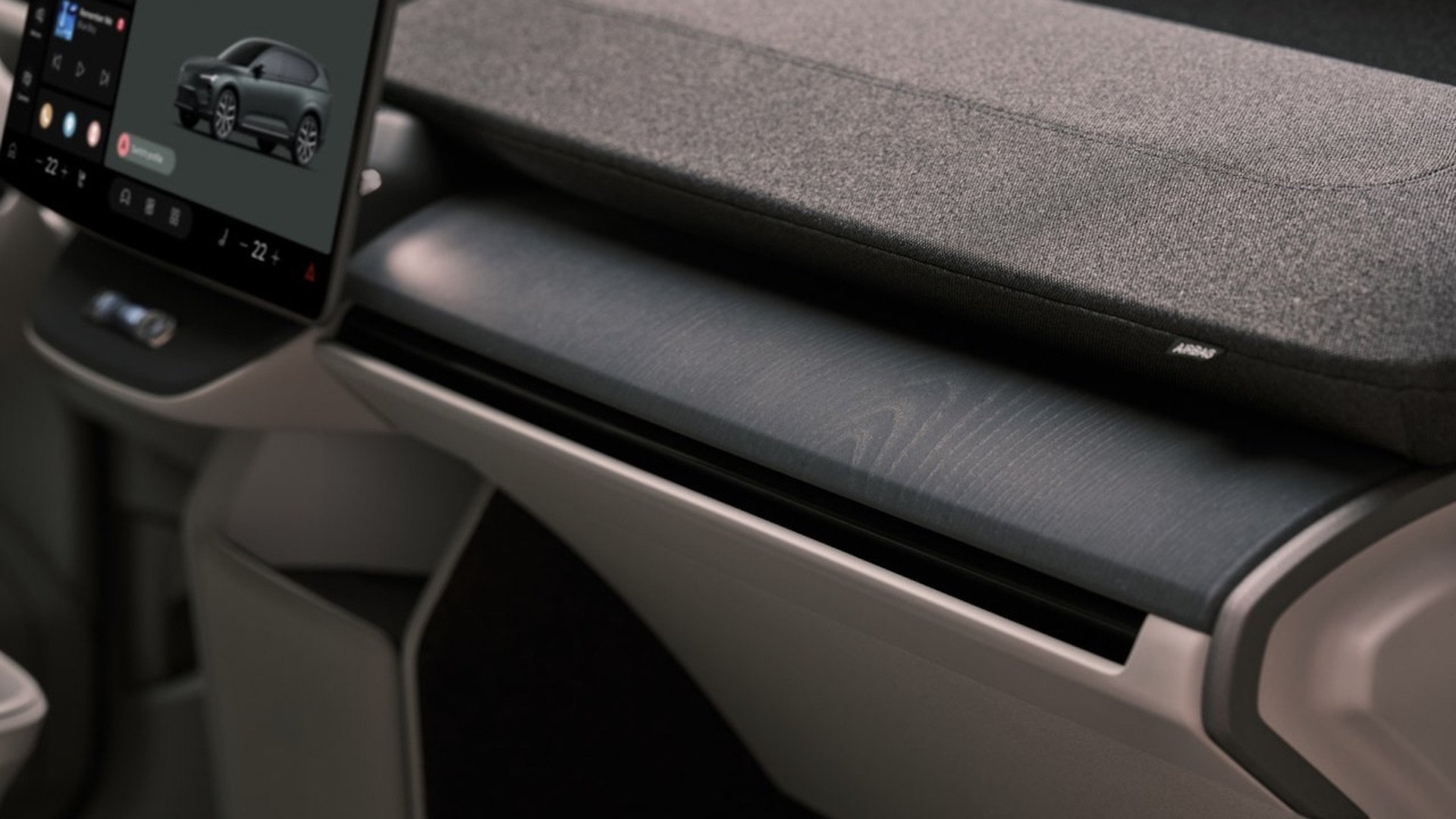
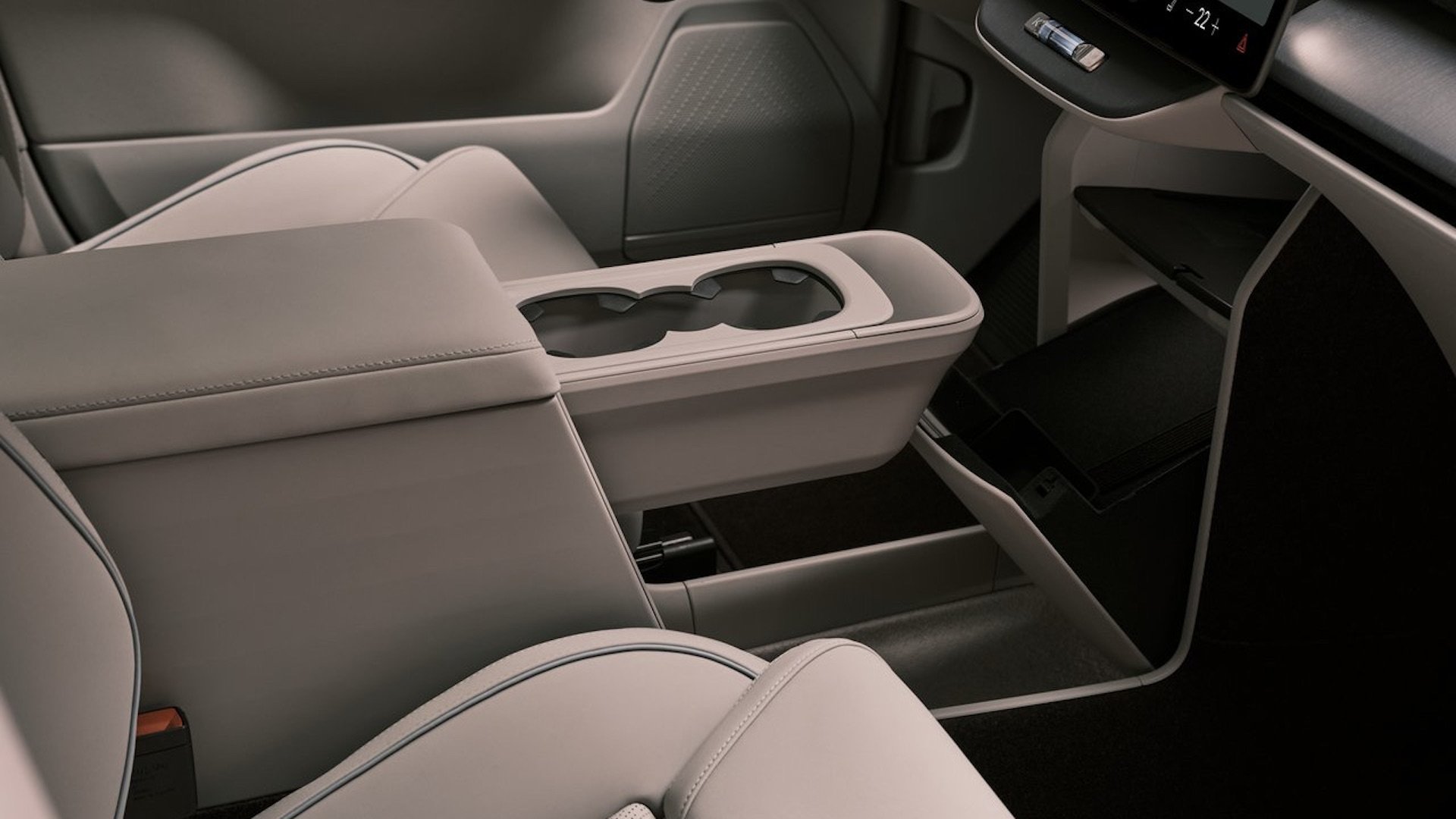
There’s very little visual clutter. Soft ambient lighting, natural materials and a clean dashboard layout create an atmosphere that feels relaxing instead of overwhelming.
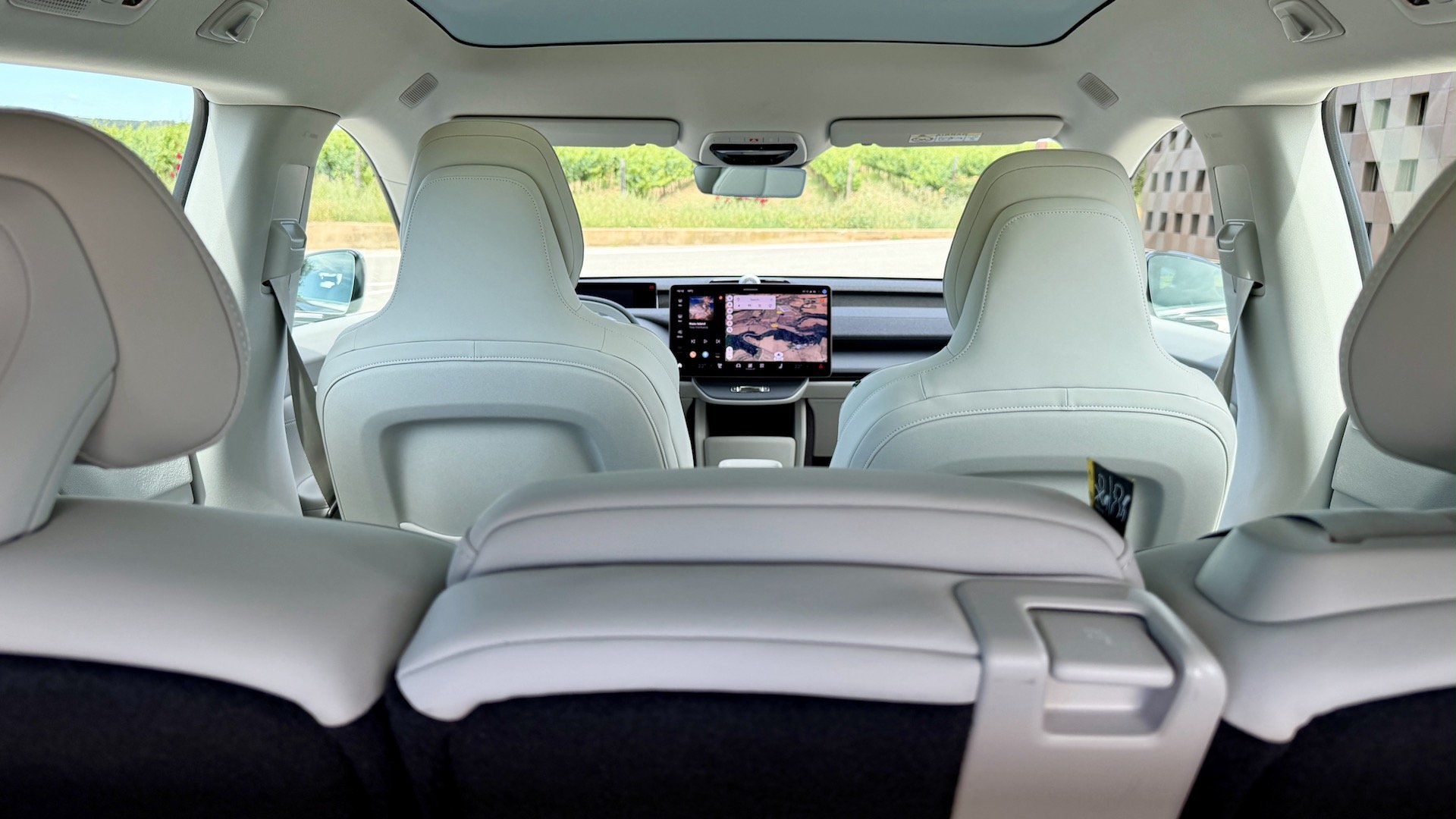
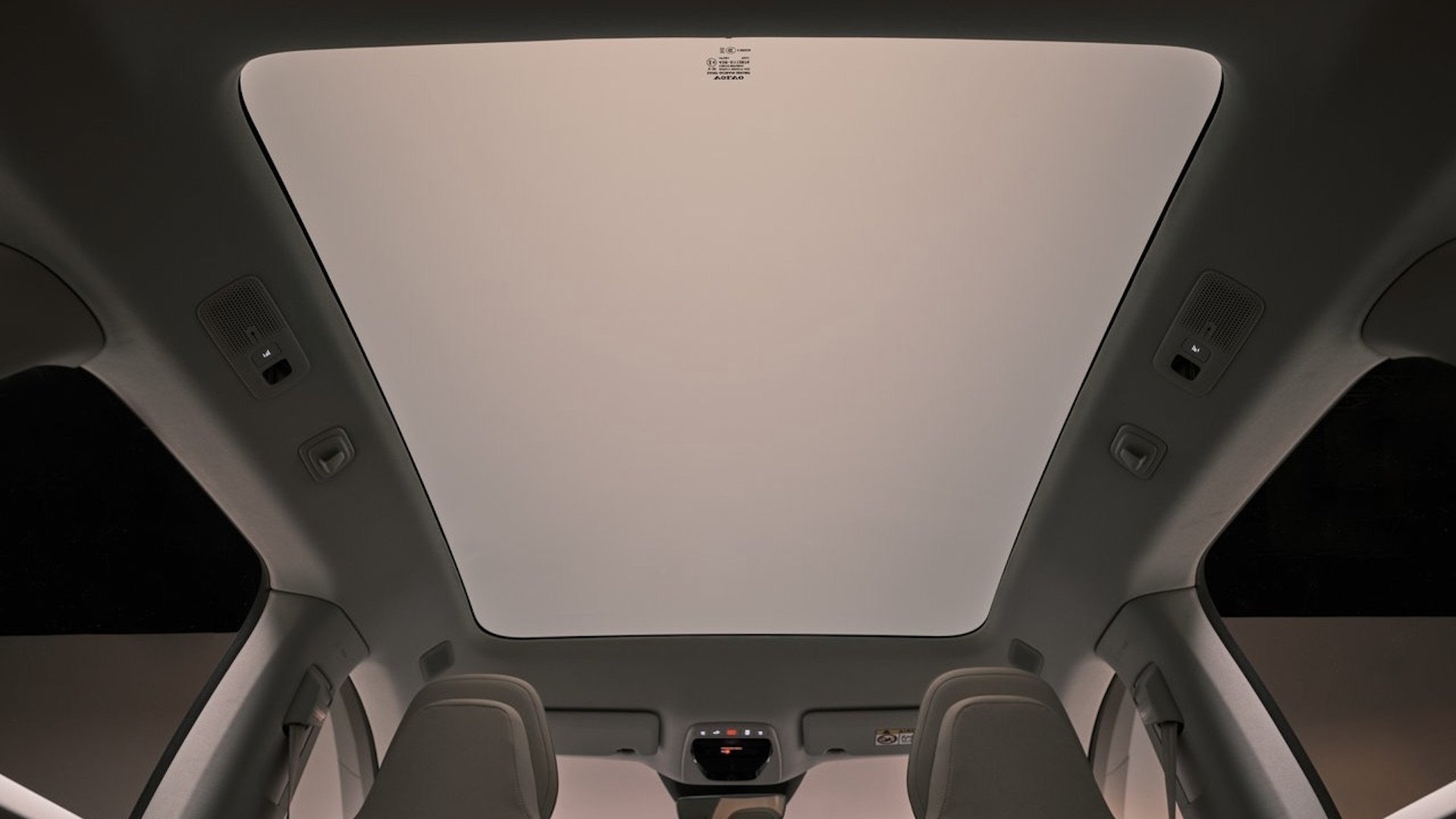
The large panoramic roof helps the cabin feel airy and spacious, while clever storage solutions make the interior feel functional for everyday life. Volvo continues to understand that luxury isn’t always about excess—it’s about thoughtful design.
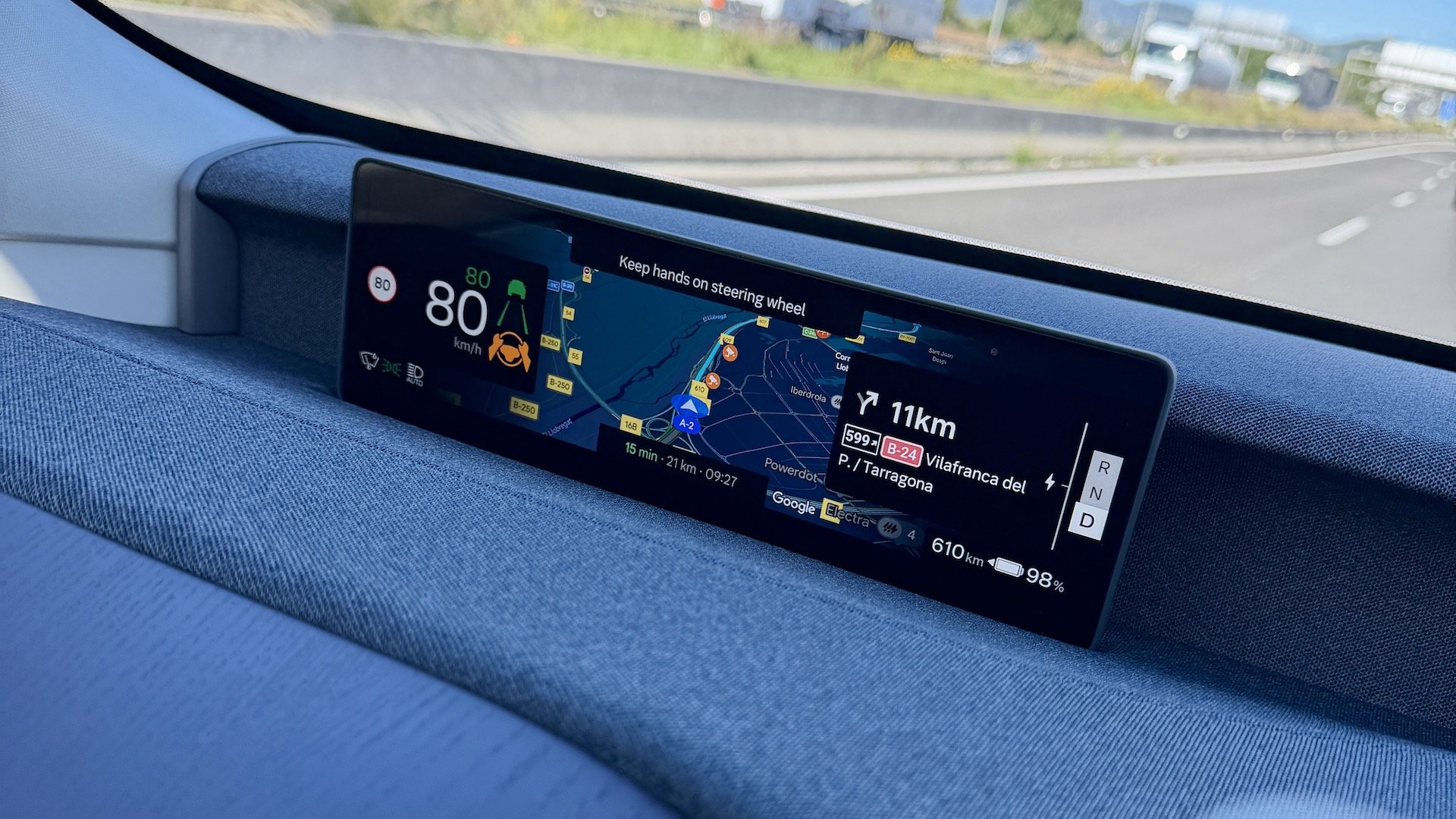
Inside, the EX60 is dominated by a large 15-inch curved OLED centre display with Google built-in. Graphics are crisp, processing is incredibly fast thanks to Qualcomm’s latest hardware, and Volvo’s integration of Google Gemini AI aims to make voice interaction feel more conversational and intuitive.
The EX60 is also powered by NVIDIA DRIVE AGX Orin computing technology, allowing the SUV to continuously improve through software updates over time.
That said, like many modern EVs, there’s still a heavy reliance on touchscreen controls. Some drivers may find that adjusting climate settings or navigating menus while driving can occasionally feel distracting.
I personally didn’t enjoy the use of the touchscreen to move the direction of the air conditioning vents while driving, so I used Google voice commands to do so and it was still a touch frustrating.
Material quality is excellent throughout. Volvo continues its push toward sustainable luxury and over 27% of the EX60 are recycled materials and the EX60 is Volvo’s lowest carbon footprint vehicle yet.
Everything feels intentionally designed. Nothing feels excessive.
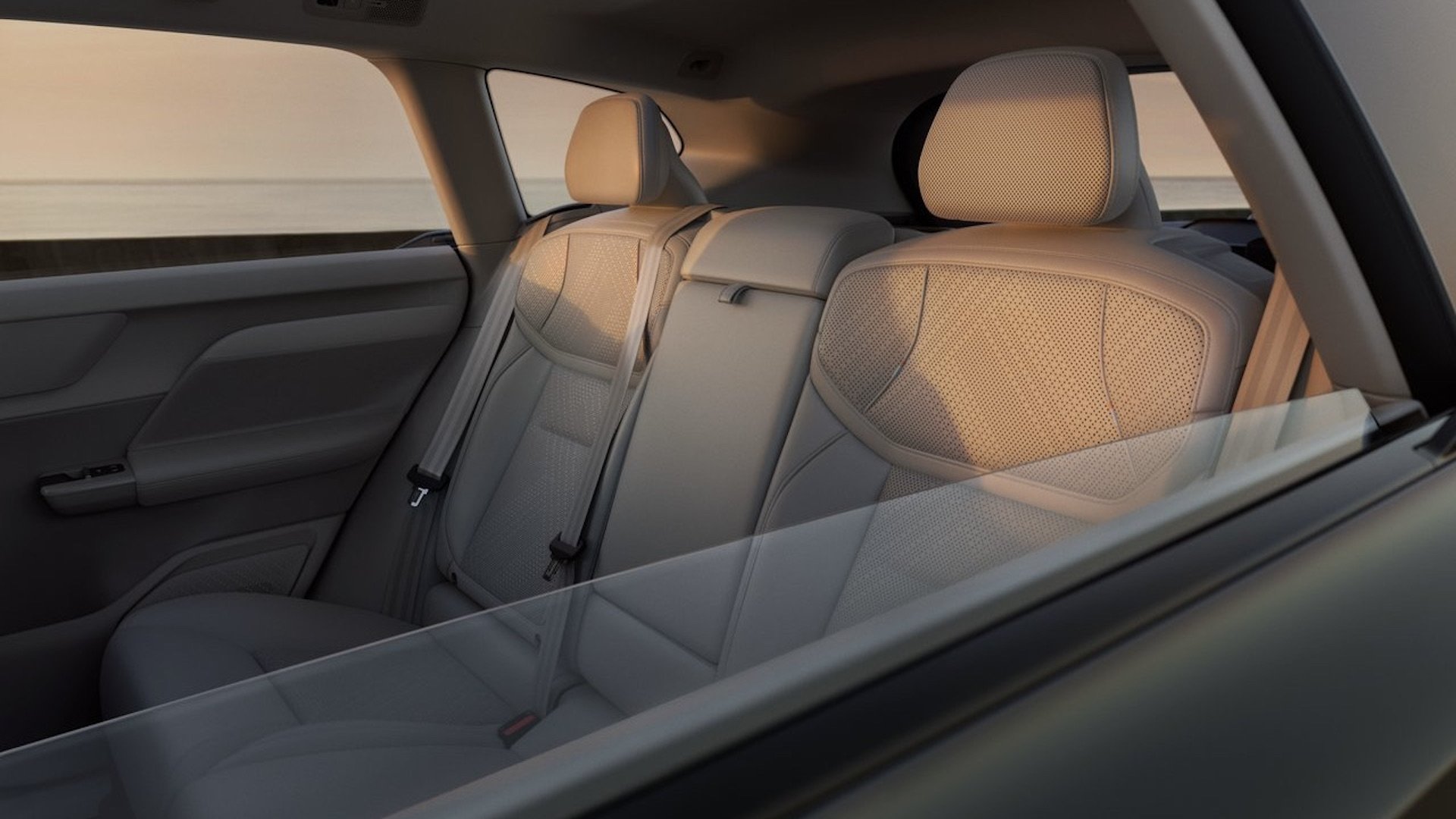
The EX60 is 4” longer than the XC60 ensuring rear-seat passengers are treated especially well. Legroom is generous, the seating position is comfortable and the cabin remains impressively quiet even at highway speeds.
What stood out most was how relaxing the space feels. Volvo has always prioritized comfort, and the EX60 continues that tradition beautifully.
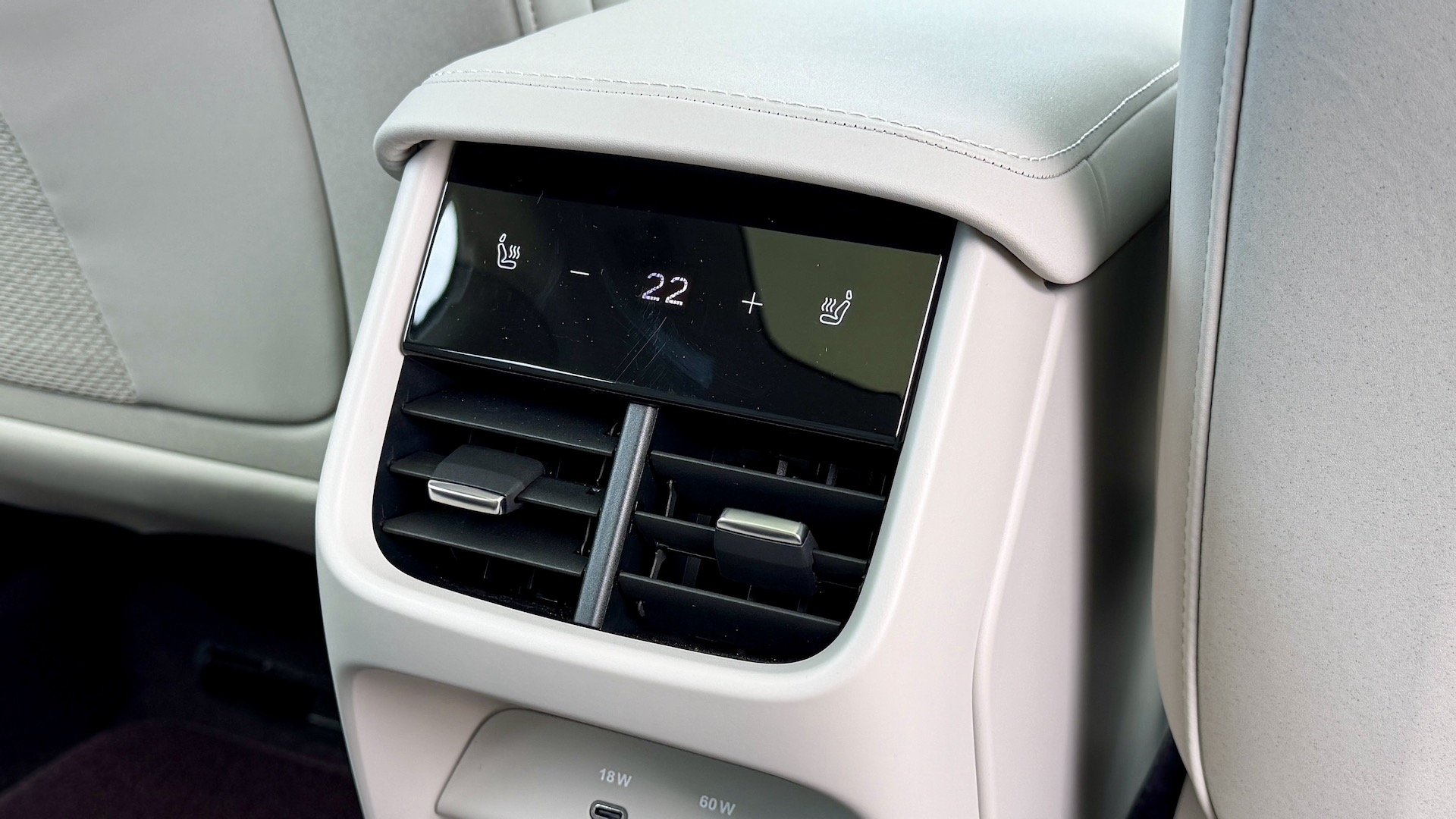
The panoramic roof helps keep the second row feeling open and bright, while three-zone climate control ensures passengers can tailor comfort to their liking.
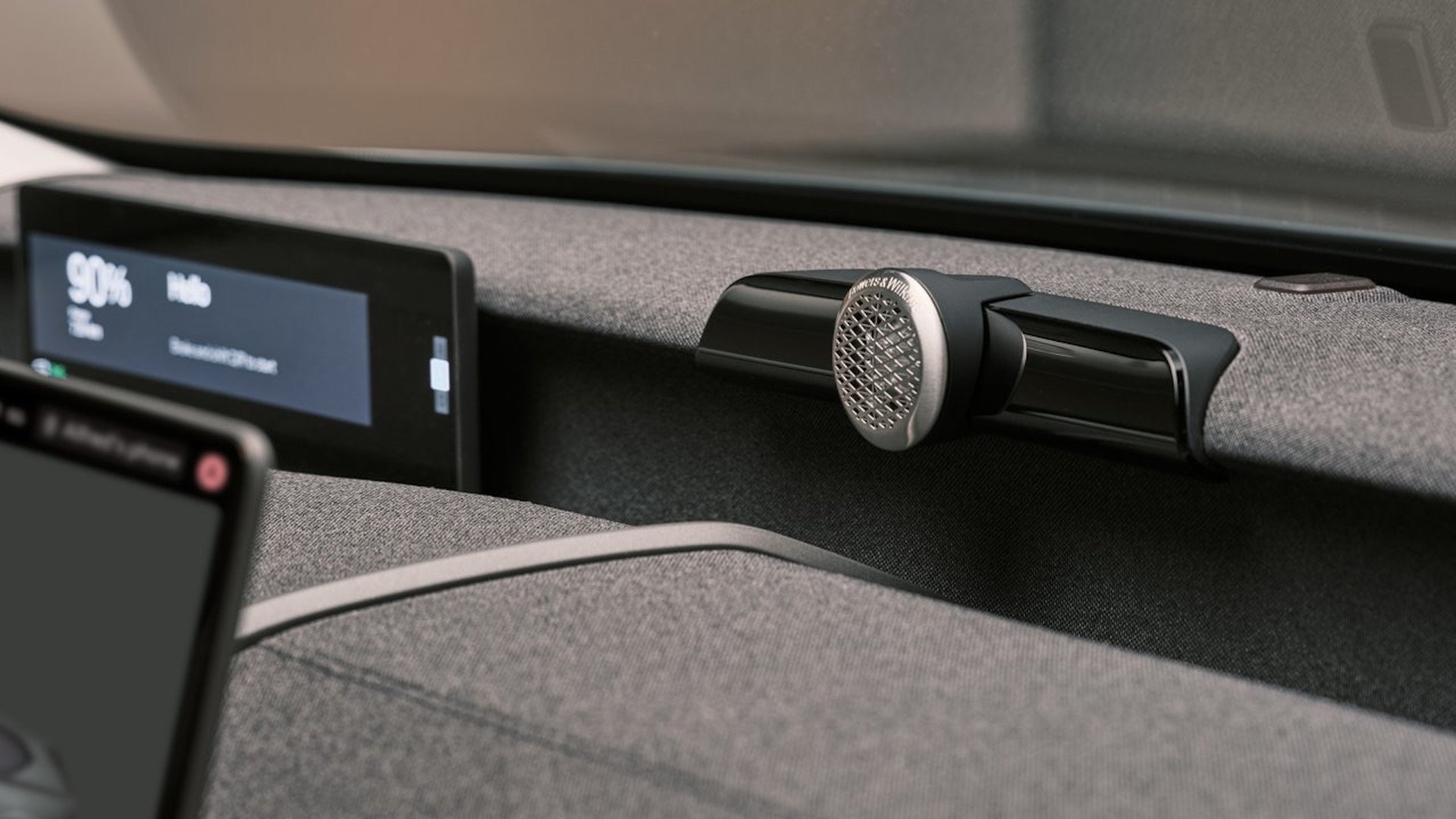
Bowers & Wilkins is my all-time favourite sound system and the EX60 comes standard with it in both the Pure and Ultra trims. The Ultra boasts 28 speakers, including in the driver and passenger headrests.
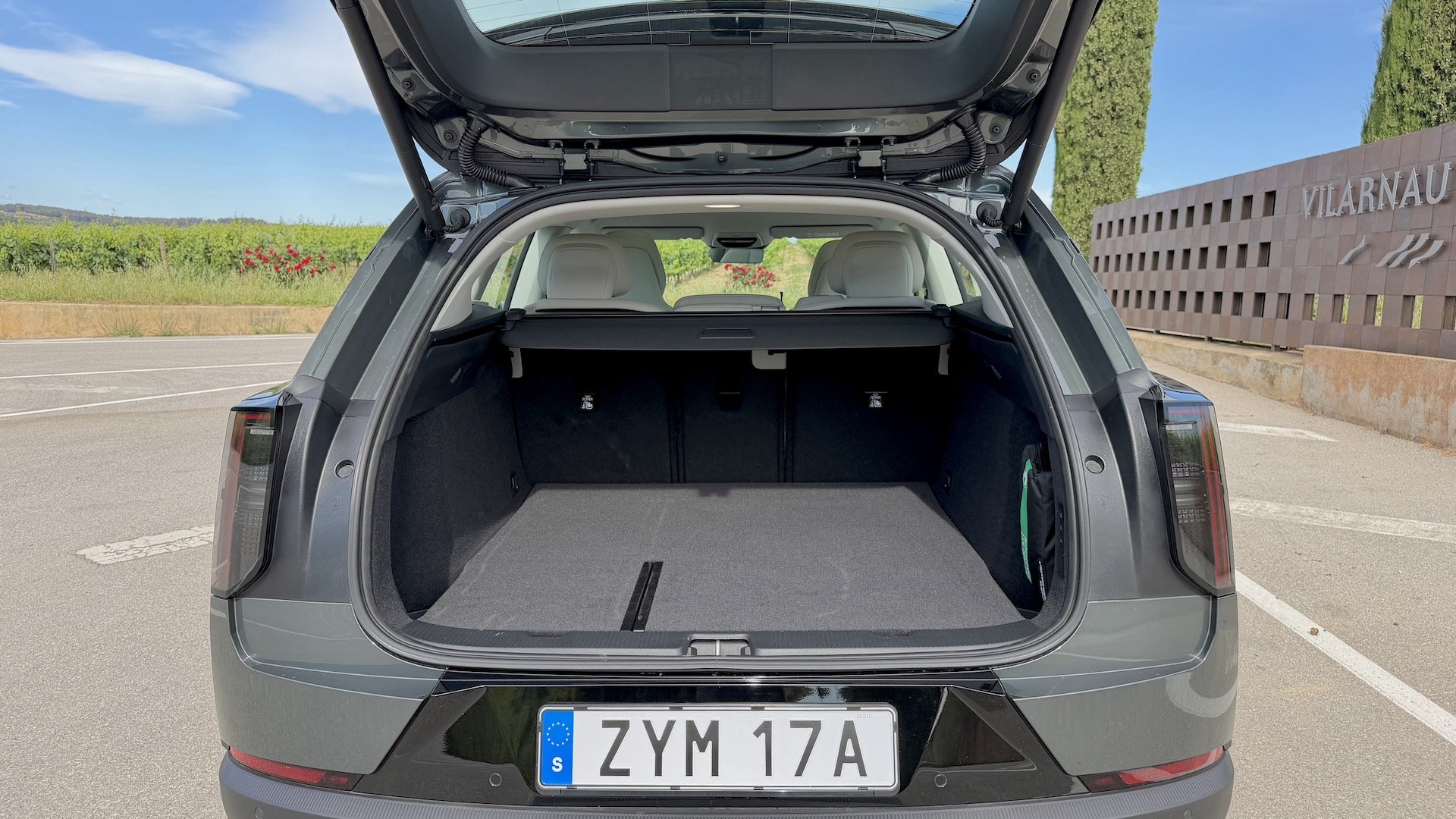
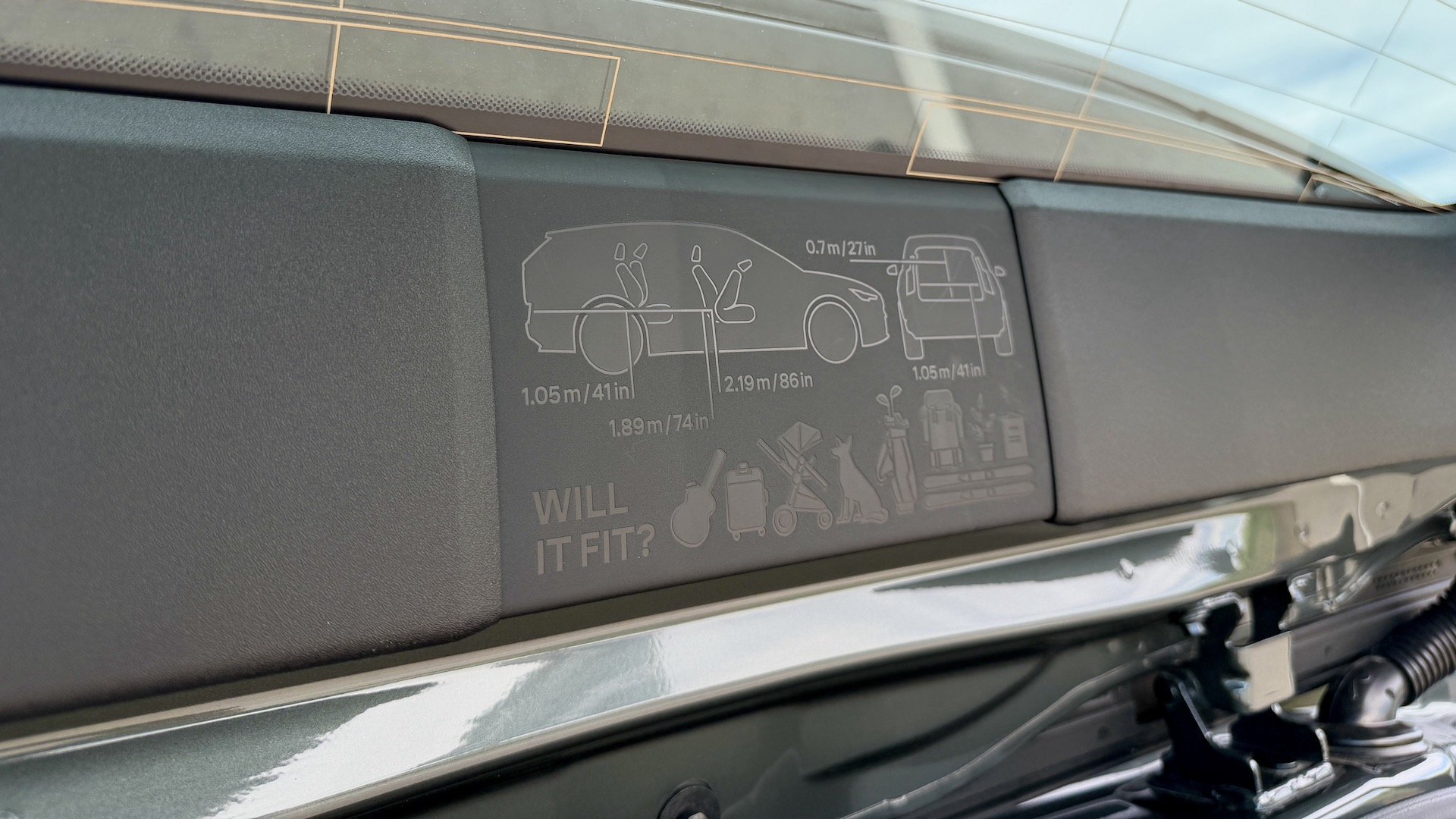
Despite its sleek proportions, the EX60 remains highly practical.
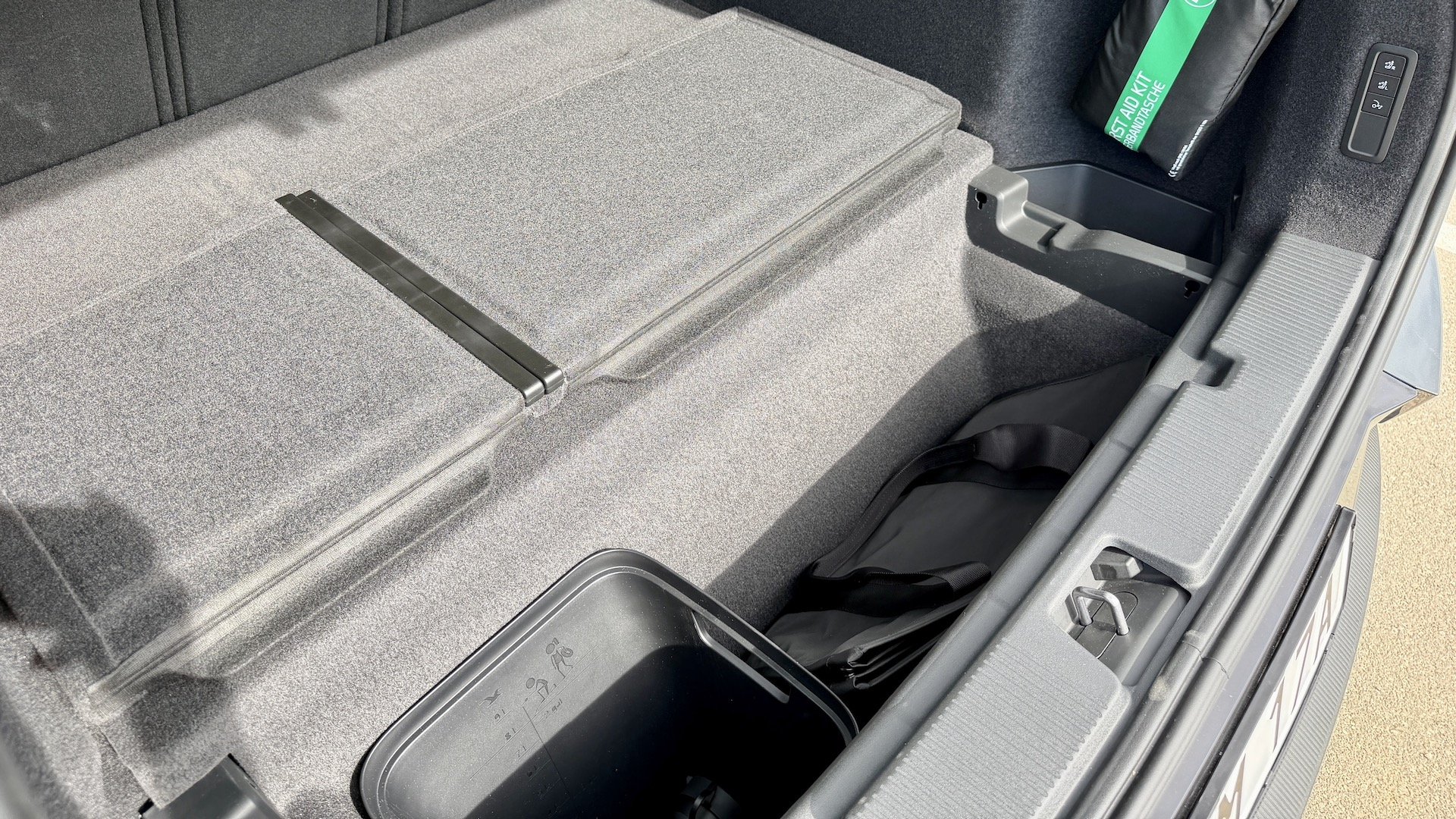
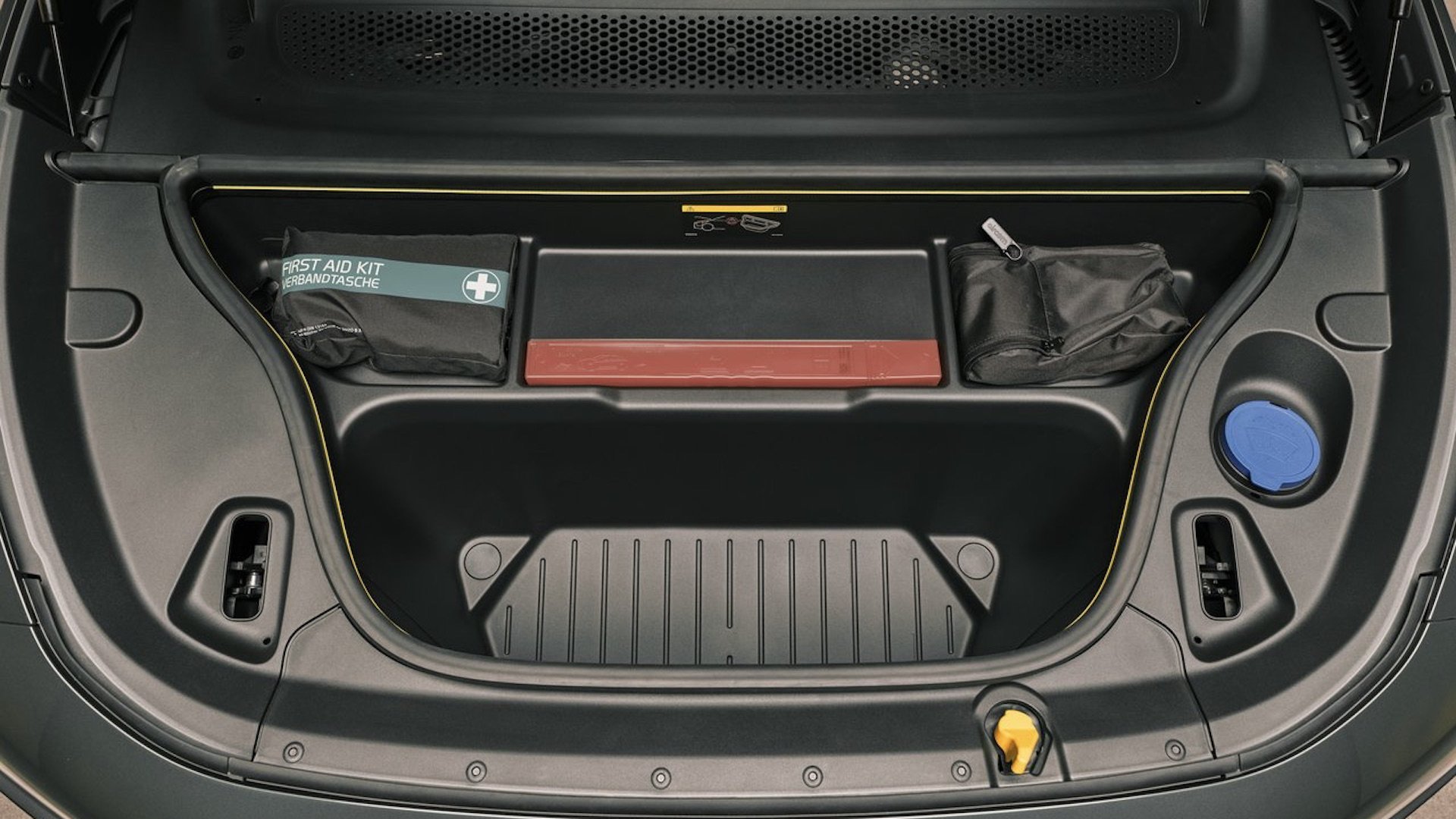
The rear cargo area offers enough room for luggage, groceries or weekend gear without issue, and the flat-floor EV layout helps maximize usable space throughout the cabin. I especially love the way Volvo treats the rear cargo area with a unique sub-trunk in a 60-40 split area and built in bin for families needing storage of a myriad of different items in their car.
Volvo specifically designed the EX60 to maintain the everyday versatility people love about the XC60 while improving efficiency and refinement.
In real-world use, that translates into a luxury SUV that feels genuinely usable for families, commuting and road trips alike.
The EX60 will be offered in multiple propulsion variants, including P10 AWD and P12 AWD models. We drove the P10 and the P12 is coming to Canada at a later date. The P10 is a dual motor all-wheel drive and makes 503 horsepower and 524 lb-foot torque.
Both distribute torque intelligently between the front and rear motors for confident traction and smooth power delivery.
The U.S. is also getting a P6 single motor rear-wheel drive variant making 369 horsepower and 354 lb-foot torque.
Acceleration feels immediate, as you’d expect from a modern EV, but what stands out most is how refined the power delivery feels. It’s fast without feeling aggressive or chaotic.
Volvo has clearly prioritized smoothness and confidence over outright theatrics.
The EX60 is equipped with a 95 kWh battery and is built on Volvo’s new SPA3 architecture and features an advanced 800-volt electrical system designed for both efficiency and ultra-fast charging.
The headline figure is impressive: up to 640 kilometres of range in the P12 AWD configuration, making it the longest-range electric Volvo ever produced. The P10 we drove expects up to 514KM in range.
Charging performance is equally impressive. Volvo says the EX60 can add up to 270 kilometres of range in just 10 minutes using a 400-kW DC fast charger, while a 10-to-80 percent charge can take as little as 18 minutes depending on configuration. We averaged 16.9 kWh/100 km. That said, I would have achieved a total range of 562 km in real-world driving, beating Volvo’s number.
North American models will also feature a native NACS charging port, giving drivers direct access to Tesla’s Supercharger network without needing an adapter.
Volvo says the EX60 was engineered specifically to eliminate range anxiety, and based on the numbers alone, it’s hard to argue otherwise.
The EX60 prioritizes comfort first, but it still feels composed and controlled through corners.
The suspension absorbs rough pavement extremely well, giving the SUV a refined and relaxed personality that fits perfectly with the cabin experience. Active suspension comes standard on higher trims and helps balance comfort with stability.
Steering is precise, although not especially sporty, and regenerative braking is tuned smoothly enough that daily driving feels natural almost immediately, plus there are several different levels of one-pedal drive you can easily scroll through on the touch screen.
This isn’t trying to be a performance SUV. It’s trying to make you feel relaxed, confident and comfortable, and it succeeds.
In mixed driving conditions, including highway cruising, city traffic and rougher pavement, the EX60 feels exceptionally composed.
Road noise is minimal, visibility is excellent, and the cabin isolation makes long-distance driving genuinely relaxing.
Volvo’s focus on stress-free driving is obvious the moment you settle into the driver’s seat.
The EX60 isn’t without flaws. Like many modern EVs, the reliance on touchscreen controls can occasionally feel distracting while driving, especially for climate adjustments and secondary functions.
Pricing also climbs quickly as you move into higher trims and option packages, placing the EX60 firmly into premium luxury territory.
And while the driving dynamics are smooth and refined, drivers looking for sharp, sporty handling may find competitors from BMW or Porsche more engaging behind the wheel.
Because the EX60 is an all-new model built on Volvo’s next-generation SPA3 architecture, long-term reliability remains unknown.
That said, Volvo’s software-defined approach means many improvements and fixes can be delivered through over-the-air updates. The brand is clearly investing heavily in future-proof technology, including advanced AI systems and continuous hardware evolution.
Volvo also backs the EX60 battery with a 10-year warranty, helping provide additional peace of mind for EV buyers.
For buyers who value calm luxury, intelligent design and effortless usability over flashy gimmicks, the EX60 looks poised to become one of the most compelling premium electric SUVs on the market. And perhaps most importantly, it feels like an EV designed for real life.
The P10 AWD starts at CAD $81,419 and USD $62,145 and goes to CAD $87,919 / USD $68,745 for the top trim Ultra.
The EX60 P6 RWD variant is not available in Canada but will be priced at USD $59,795 for the Pure and $66,395 for the Ultra which makes it less expensive than the plug-in hybrid XC60.
The more powerful, with even more range, P12 is coming in 2027.
Eleven pickups and a converted ProMaster gathered in Uxbridge offered a look at how many…
Every year, Wards Auto publishes its list of the 10 best powertrains available in a…
In a segment as competitive as the compact crossover one, in which there’s an abundance…
This SUV is based on the platform and powertrain of the AMG GT 4-door coupe.…
Volvo is reportedly producing about 200 EX60s weekly against a 2,000-unit target. Megacasting and cell-to-body…
Stellantis is exploring Canadian exports of two electrified Jeeps built in Wuhan. Brampton sale talks…