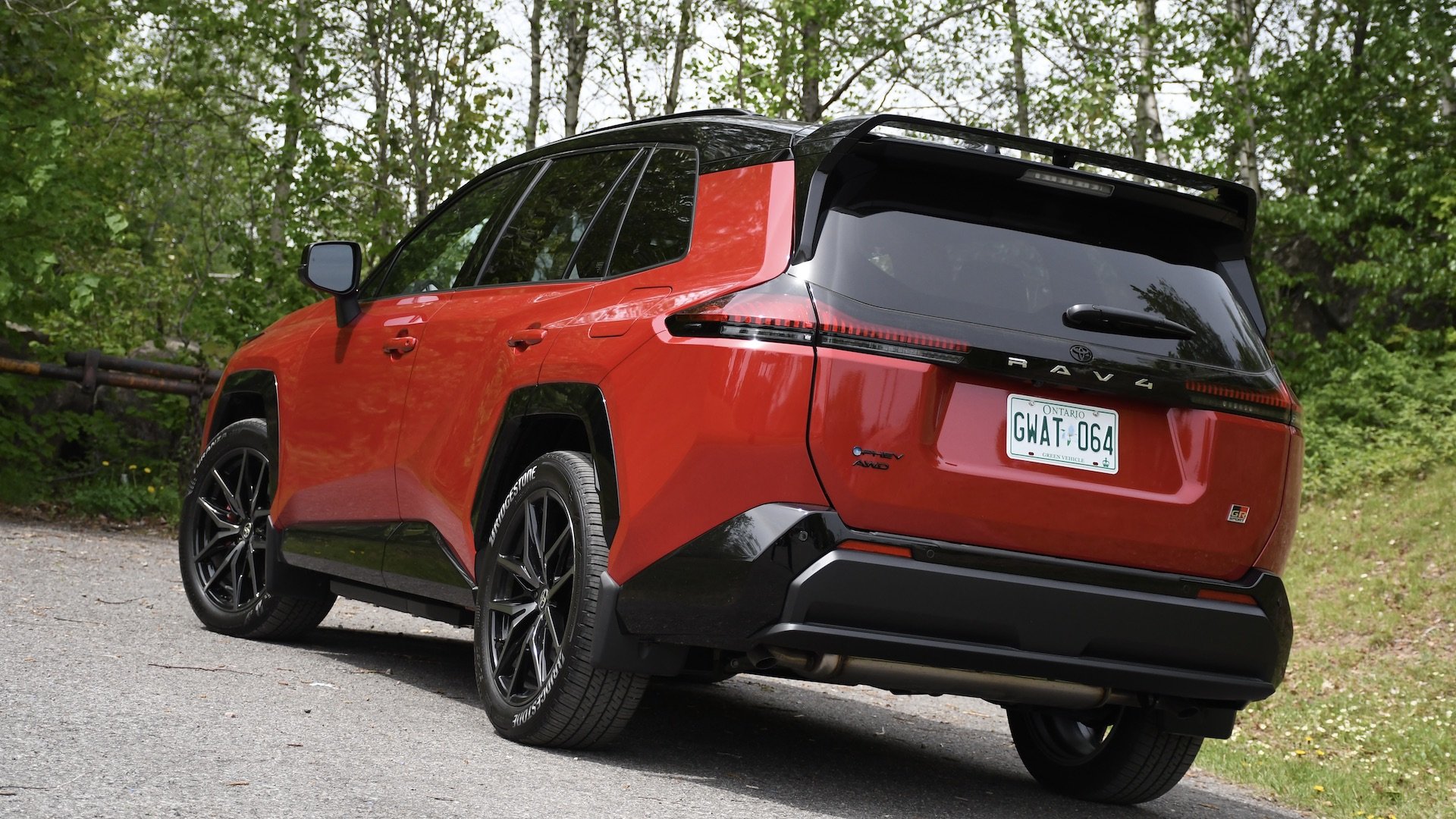
The Toyota RAV4 gets a full makeover for 2026. We had the chance to introduce it at launch last fall, but the lineup wasn’t complete yet. What was missing was one of the most sought-after variants of the family, the one that comes with a charging cable and all-electric range. It has arrived. We put it through its paces as the model hits dealerships.
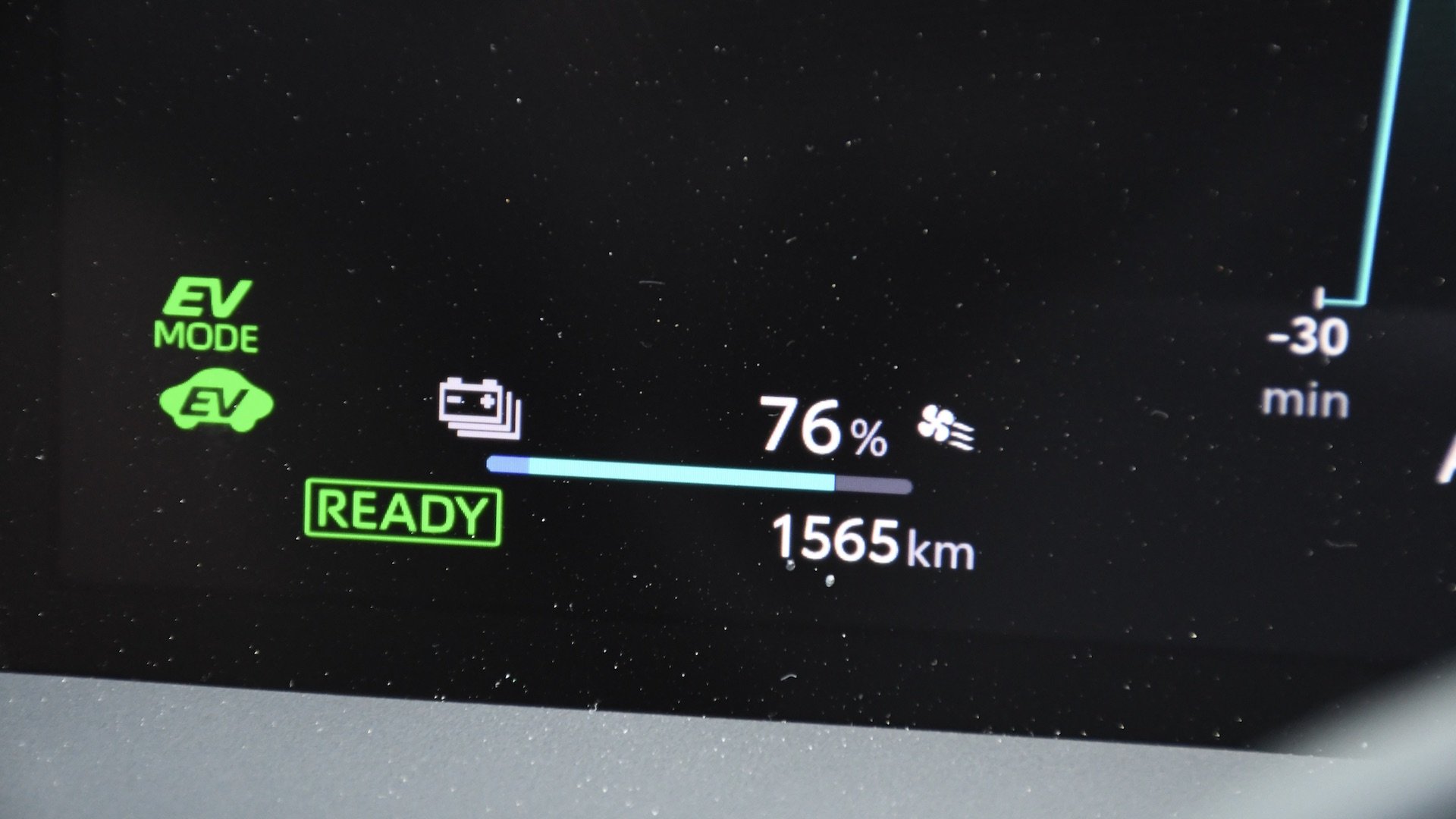
The GR Sport offers up to 79 km of electric range.
The SE and XSE variants offer 89 and 85 kilometres, respectively.
The new GR Sport adds the edge the RAV4 has always been missing.
Strengths
- Eye-catching styling
- Sharper road manners
- Respectable power output
Weaknesses
- Not exactly a bargain
- The model’s recent reliability history raises questions : we’ll be watching
- Level 3 charging available on the XSE Tech only
The Lineup
The 2026 Toyota RAV4 PHEV comes in four versions, all with standard all-wheel drive. The SE starts at $48,750 and is the only one eligible for the federal rebate under the EVAP (Electric Vehicle Affordability Program). It includes 18-inch wheels, a 10.5-inch multimedia touchscreen, heated front seats, dual-zone automatic climate control, an 8-way power driver’s seat with lumbar support, and LED headlights.
RAV4 Hybrid Platform Could Underpin New Compact Toyota Pickup
The XSE follows at $56,400, adding 20-inch black wheels, a 12.9-inch screen, a 9-speaker JBL audio system, SofTex seats with blue stitching, ventilated front seats, an 8-way power passenger seat, driver’s seat memory, a panoramic view monitor, and a sliding moonroof.
Next is the XSE Tech at $59,350, bringing Shift by Wire steering (no mechanical link to the wheels), a panoramic roof, a digital display rearview mirror with integrated garage door opener, a hands-free power liftgate, and a full suite of additional driver assistance features, including advanced parking assist, traffic jam assist, front cross traffic alert with automatic braking, and lane change assist.
As for the GR Sport, based on the SE trim and priced at $57,500, it represents a new direction for Toyota.
A Sporty RAV4?
You’d have to go back 20 years to find a sportier RAV4. Some will remember the V6-powered variants, which weren’t unpleasant to drive. But as a general rule, sportiness and the RAV4 have never been particularly compatible.
That changes with the new generation, though the GR letters deserve some context. There’s an important distinction to draw compared to the GR Corolla, GR86, and GR Supra.
What Toyota is launching here is a sportier interpretation of the RAV4, which is why it’s called GR Sport rather than GR. Think of it as Toyota’s answer to the N Line at Hyundai, R-Line at Volkswagen, or RS/Sport-tech at Subaru.
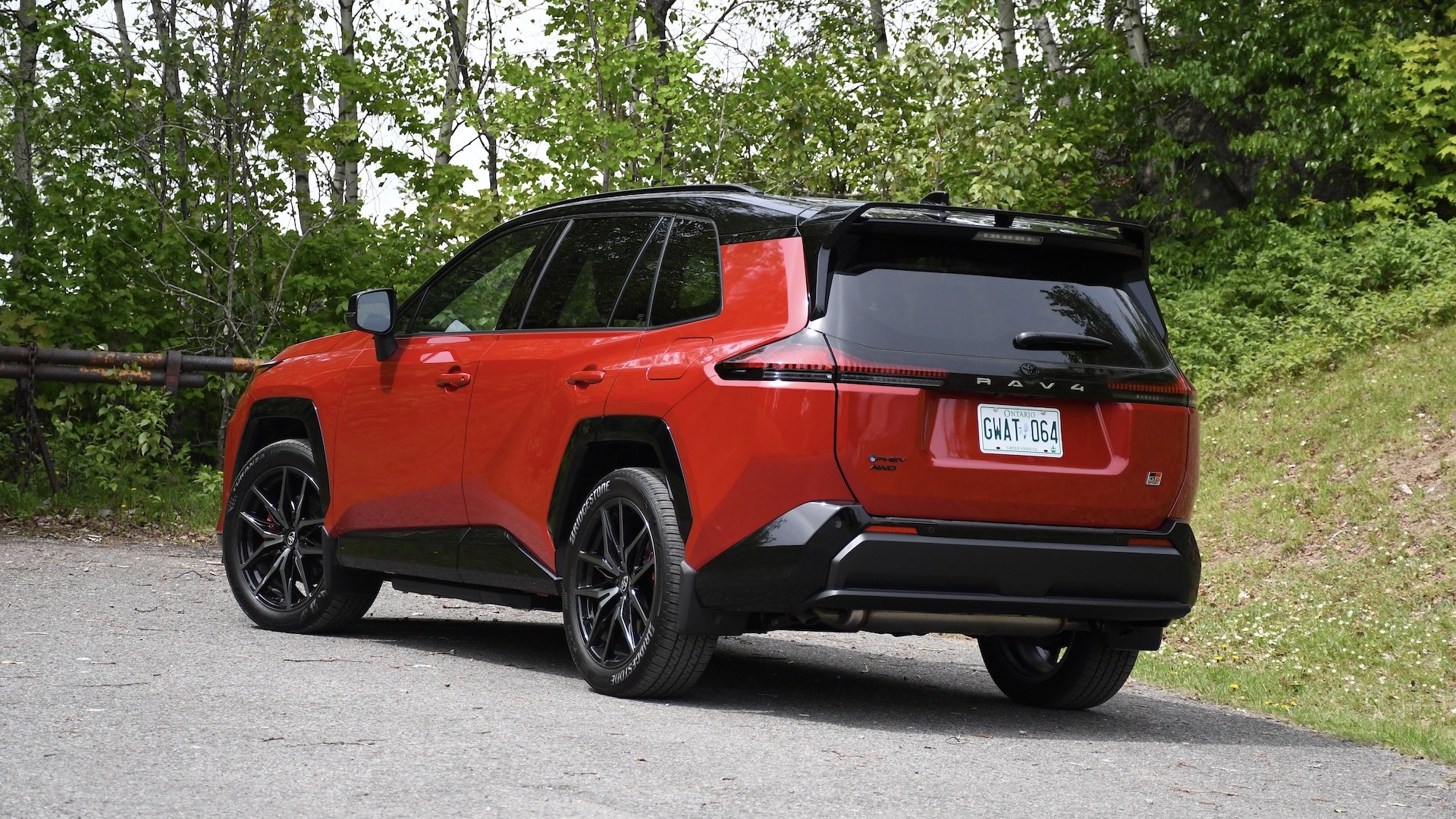
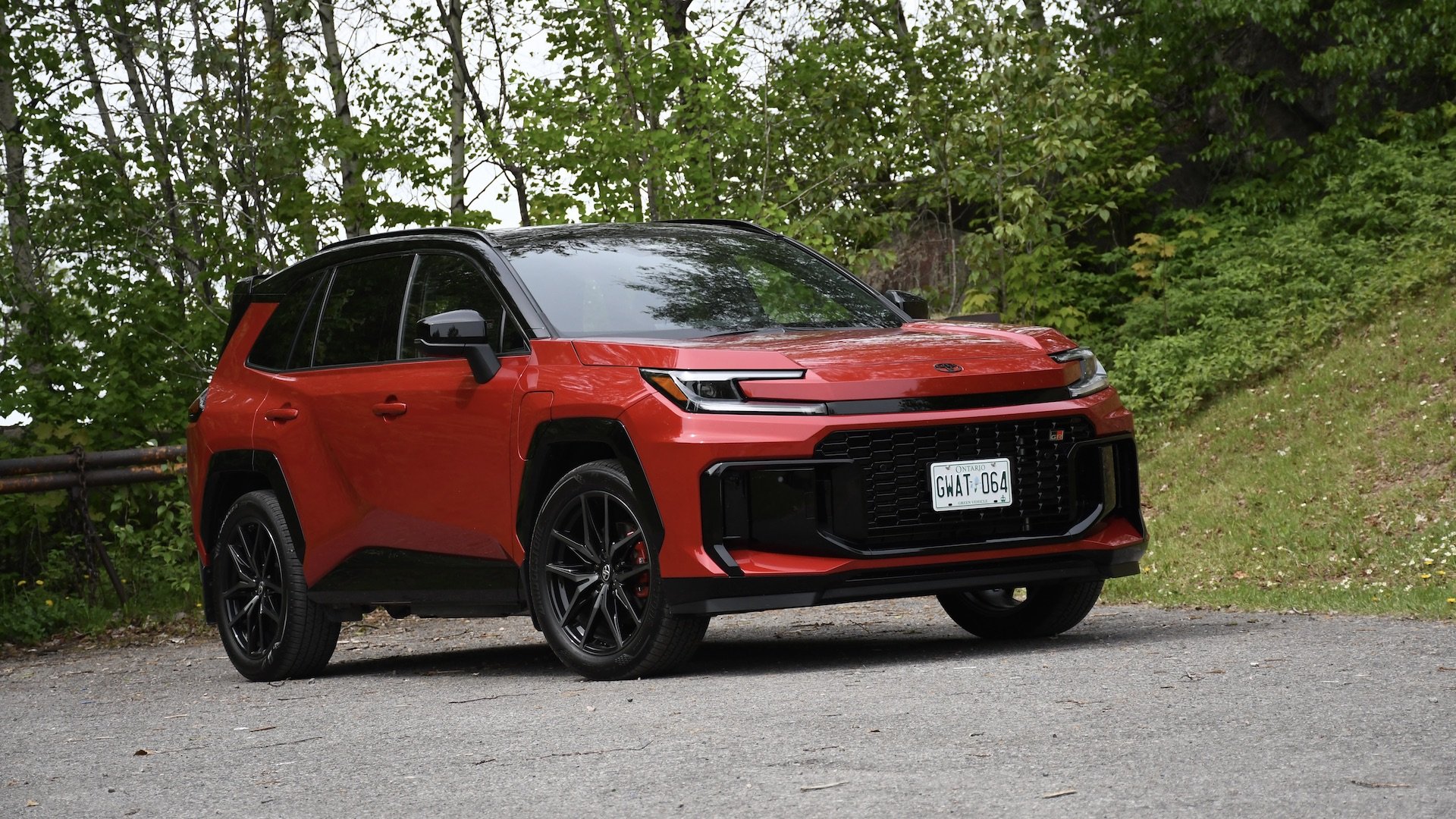
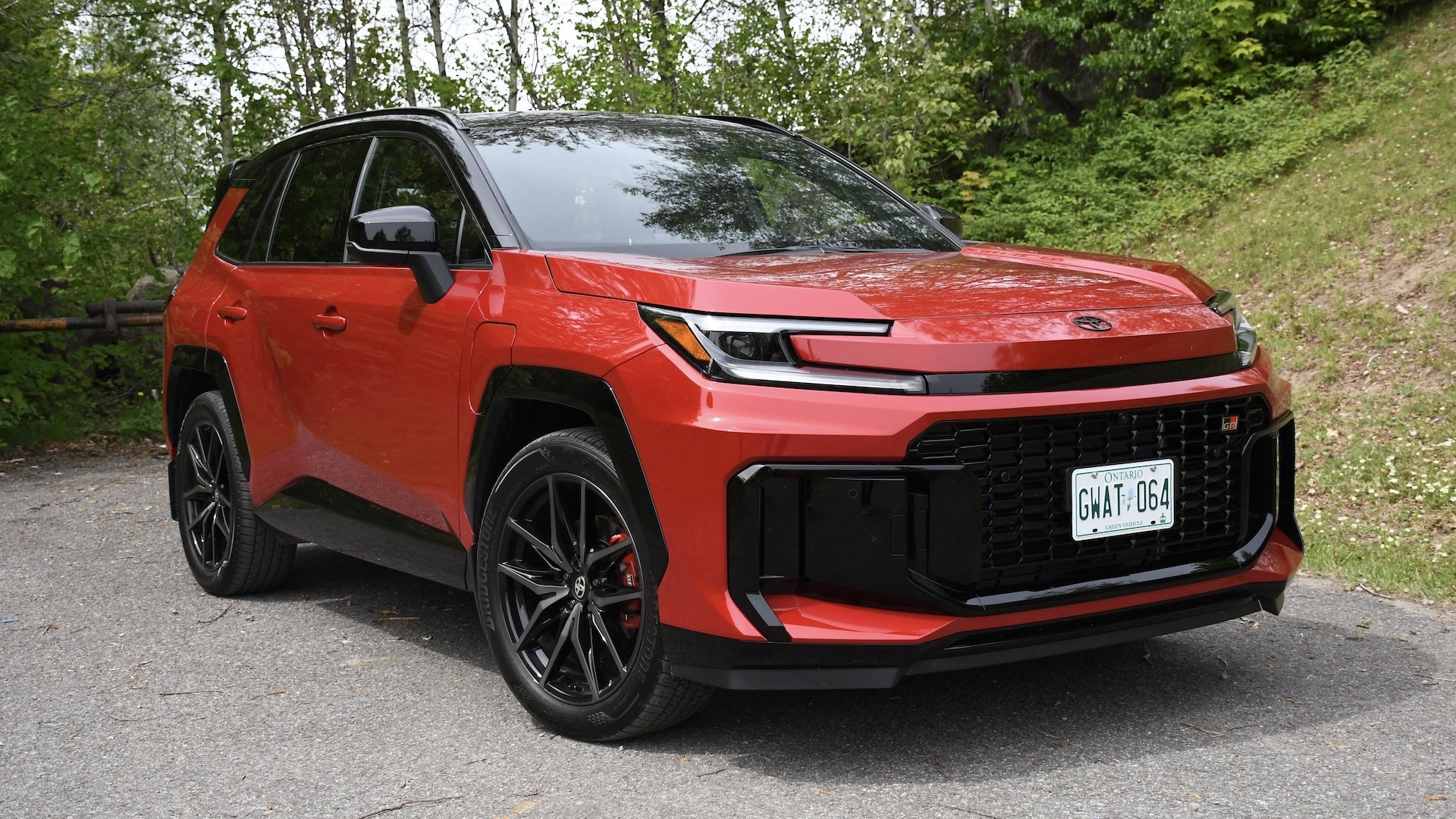
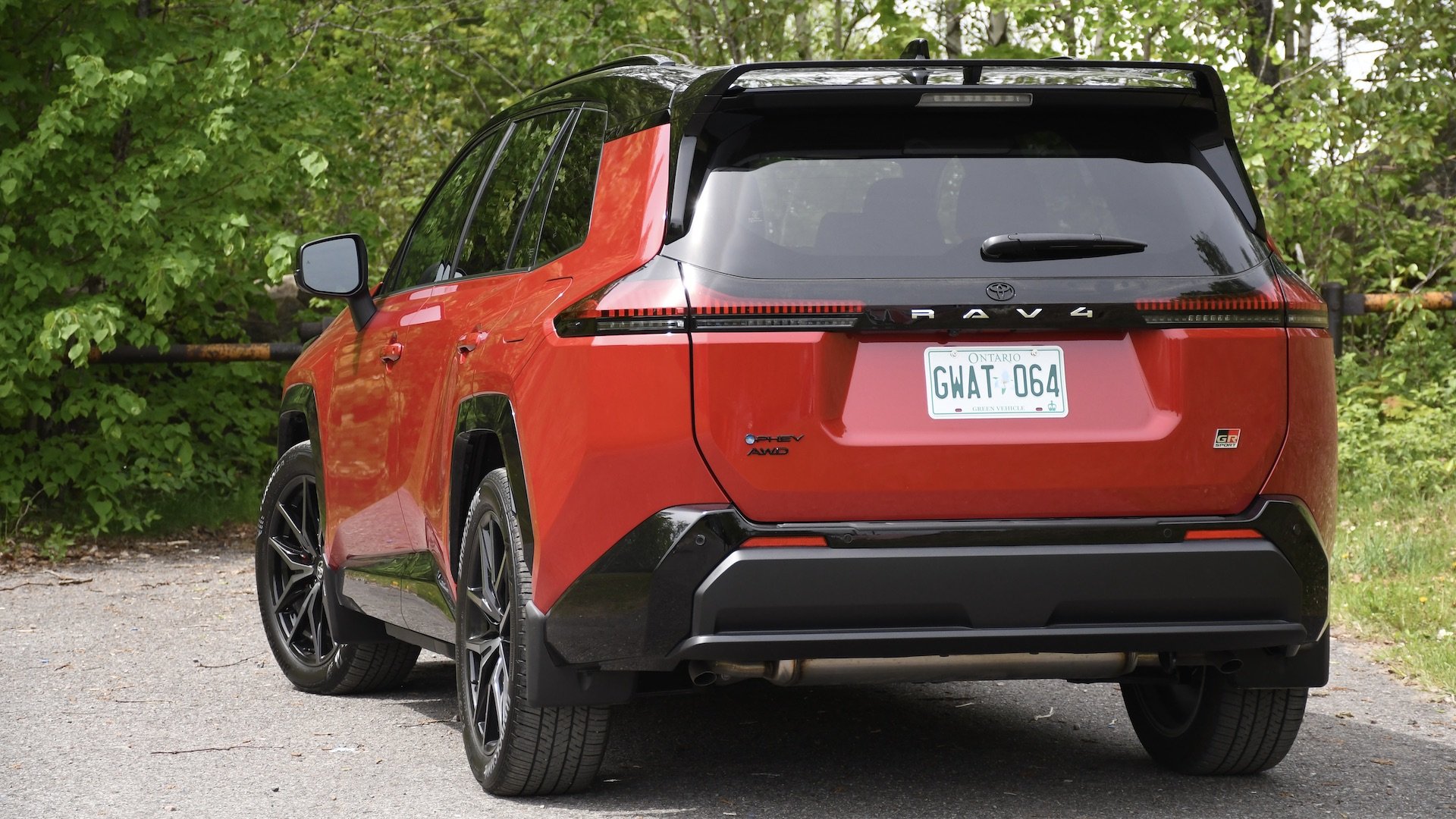
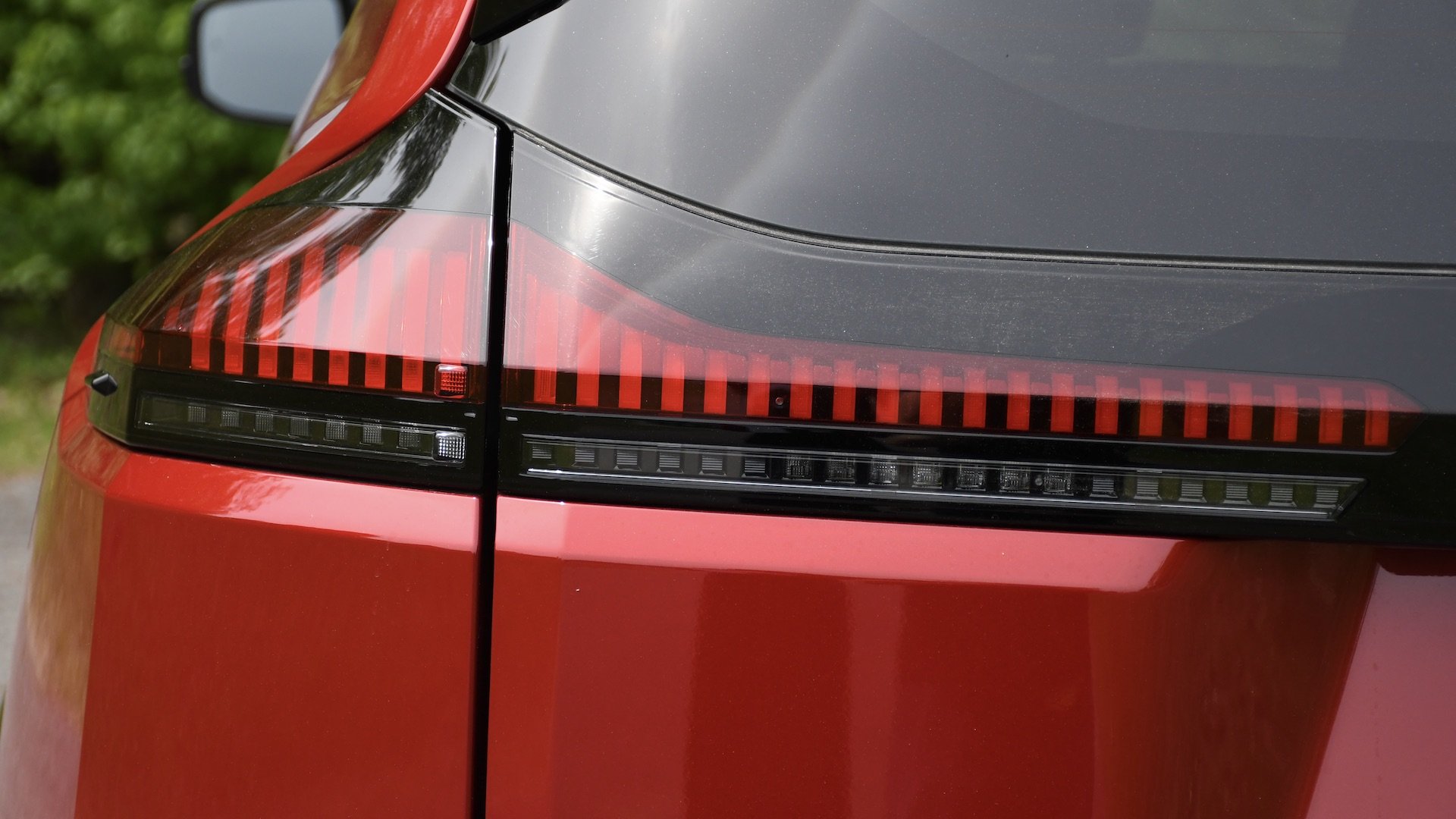
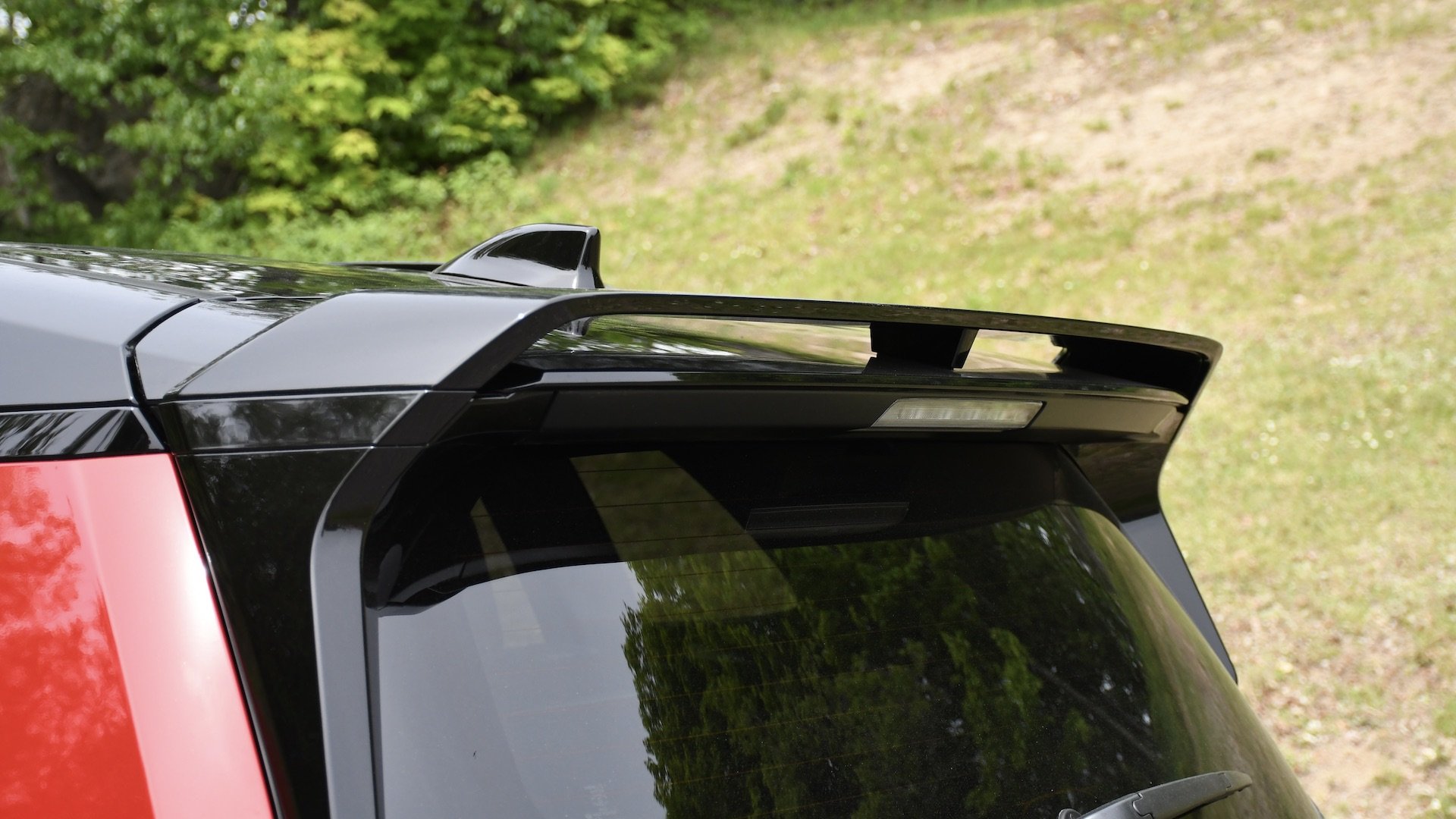
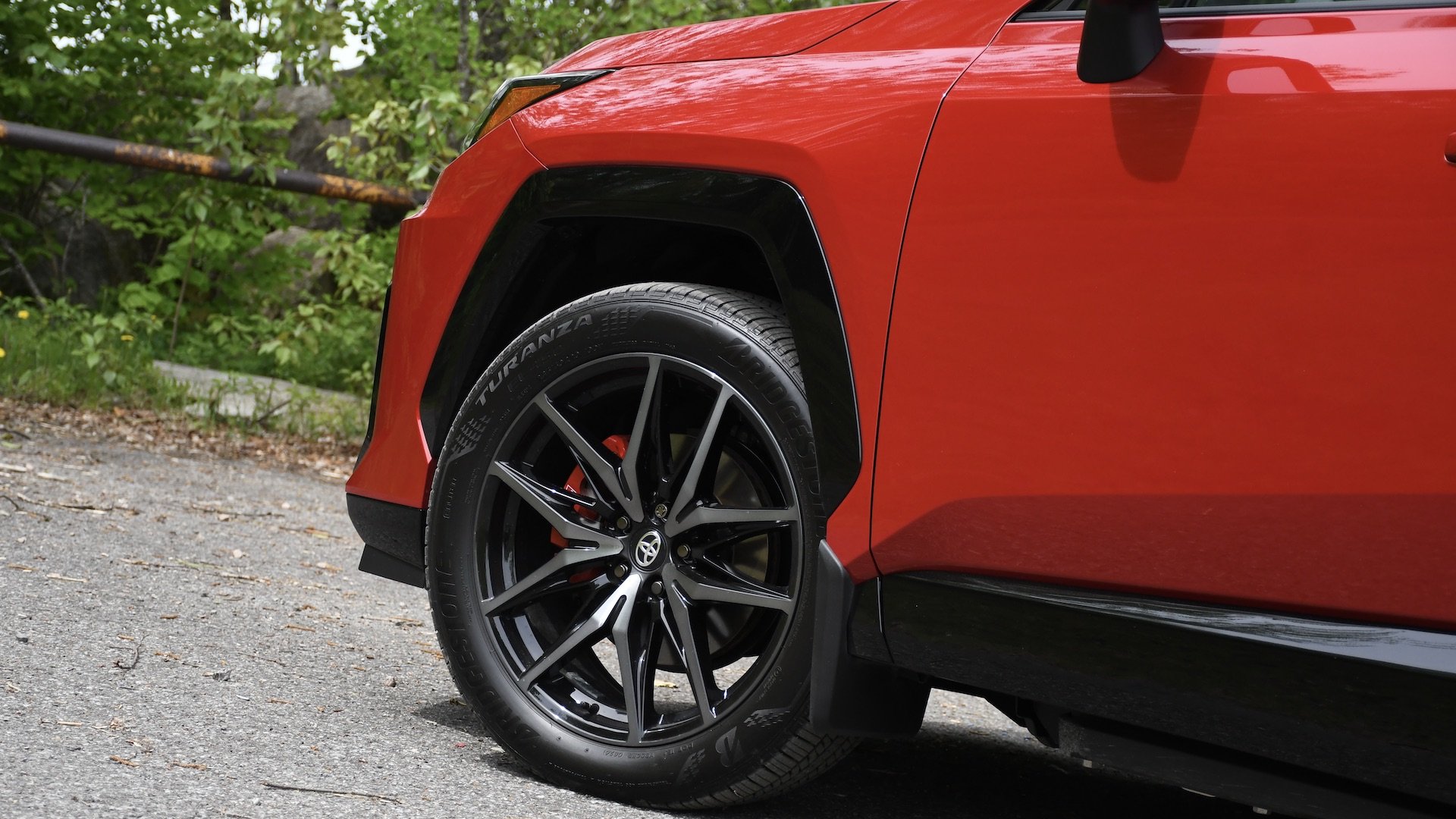
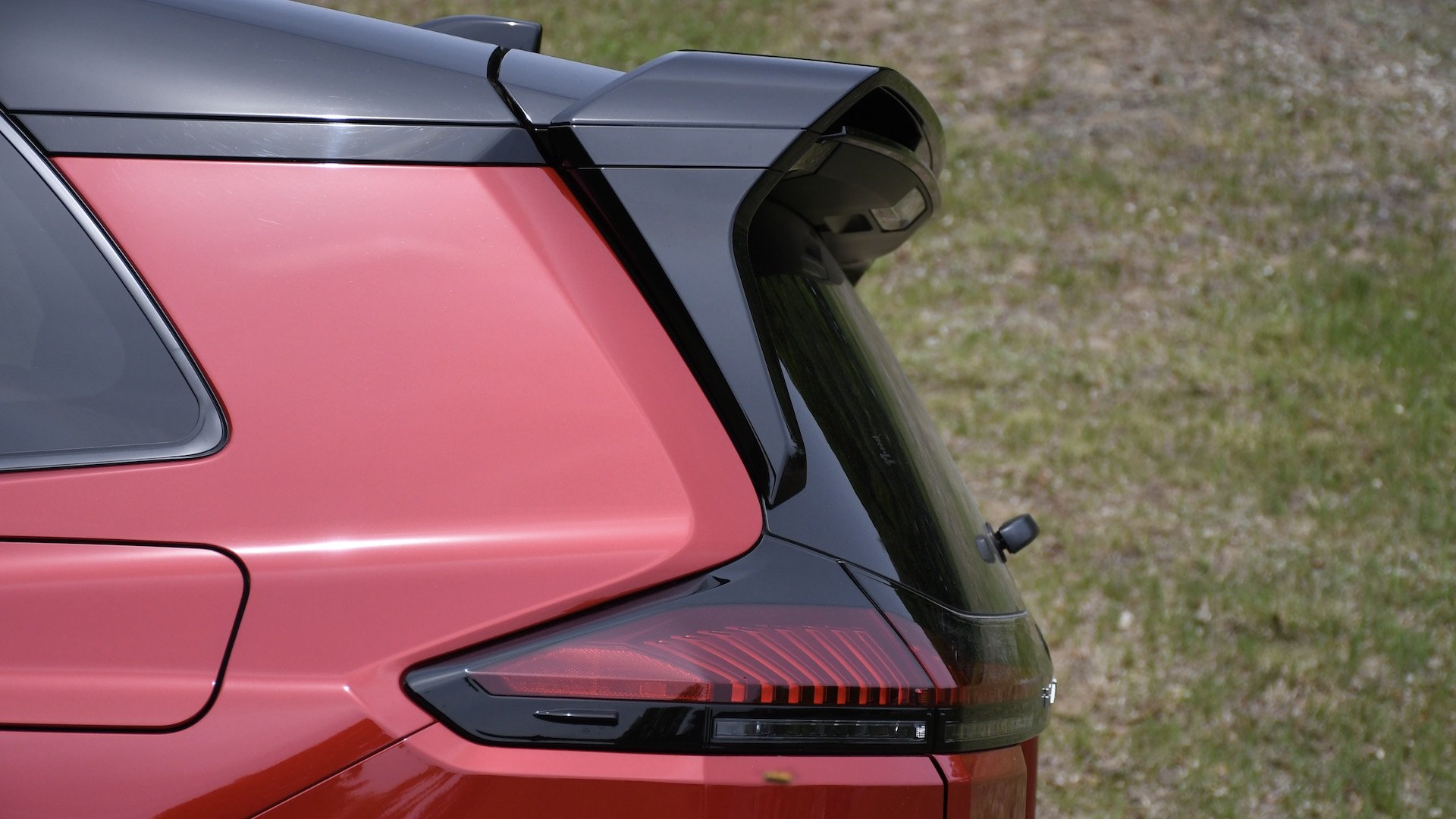
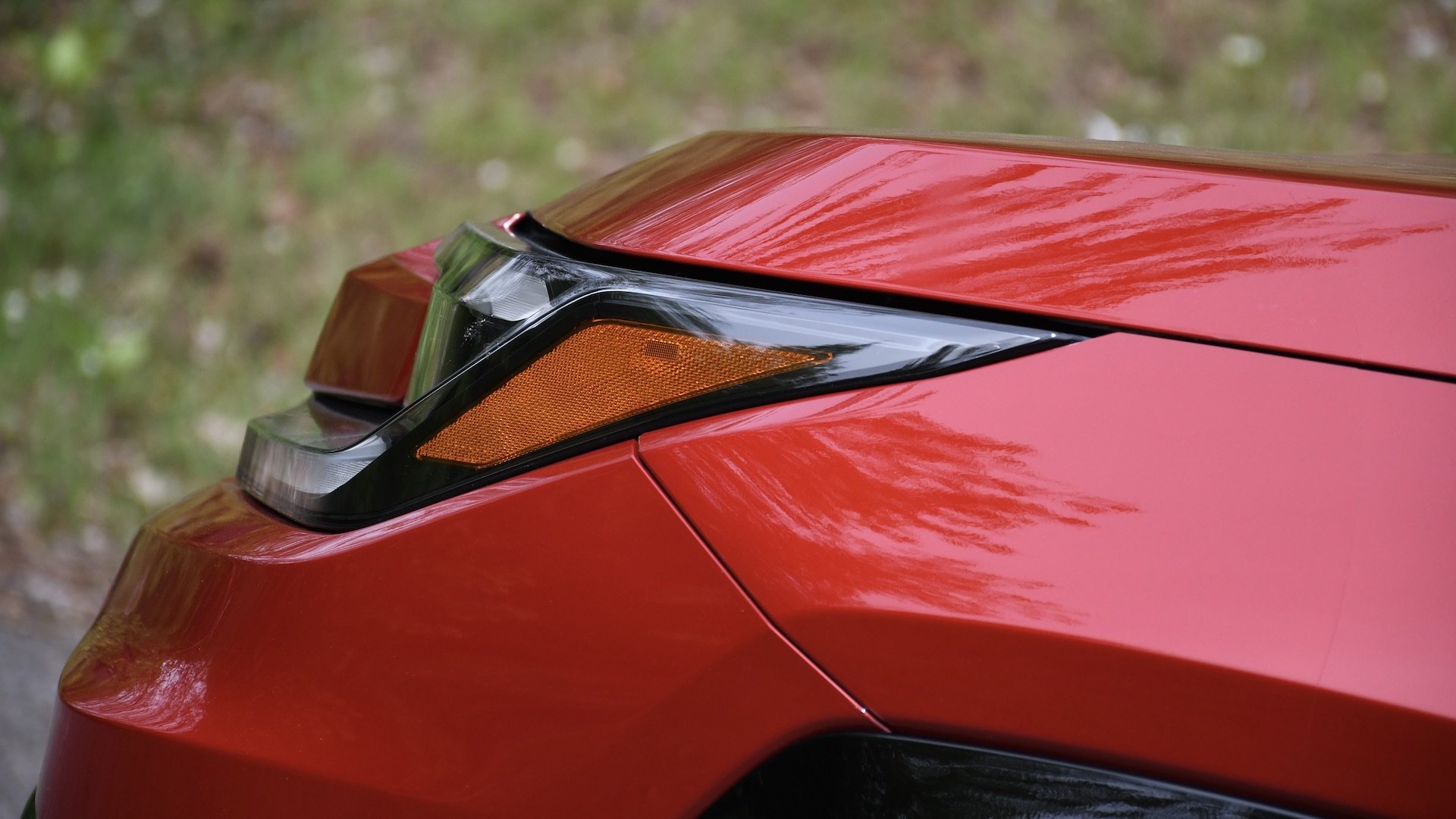
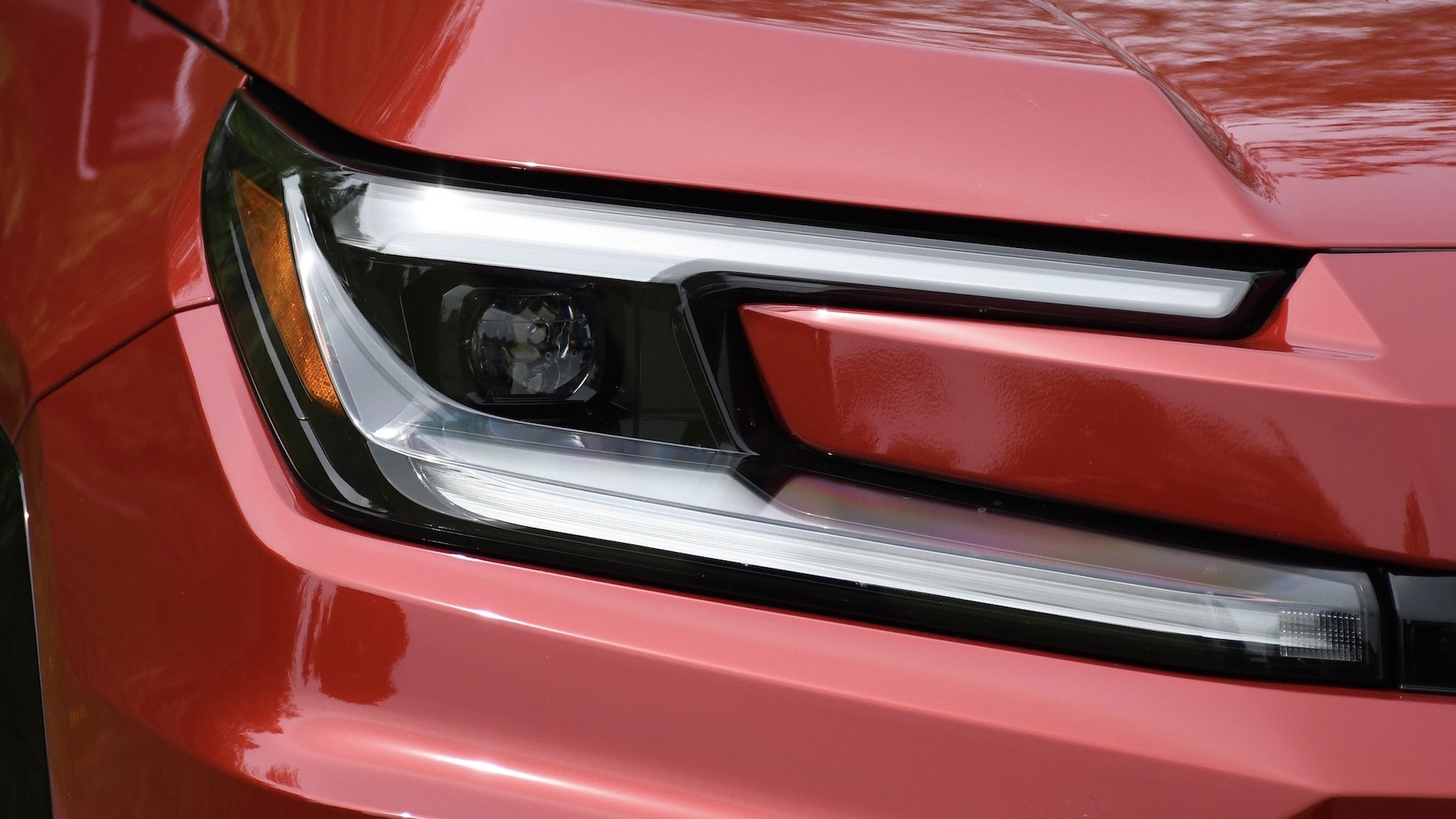
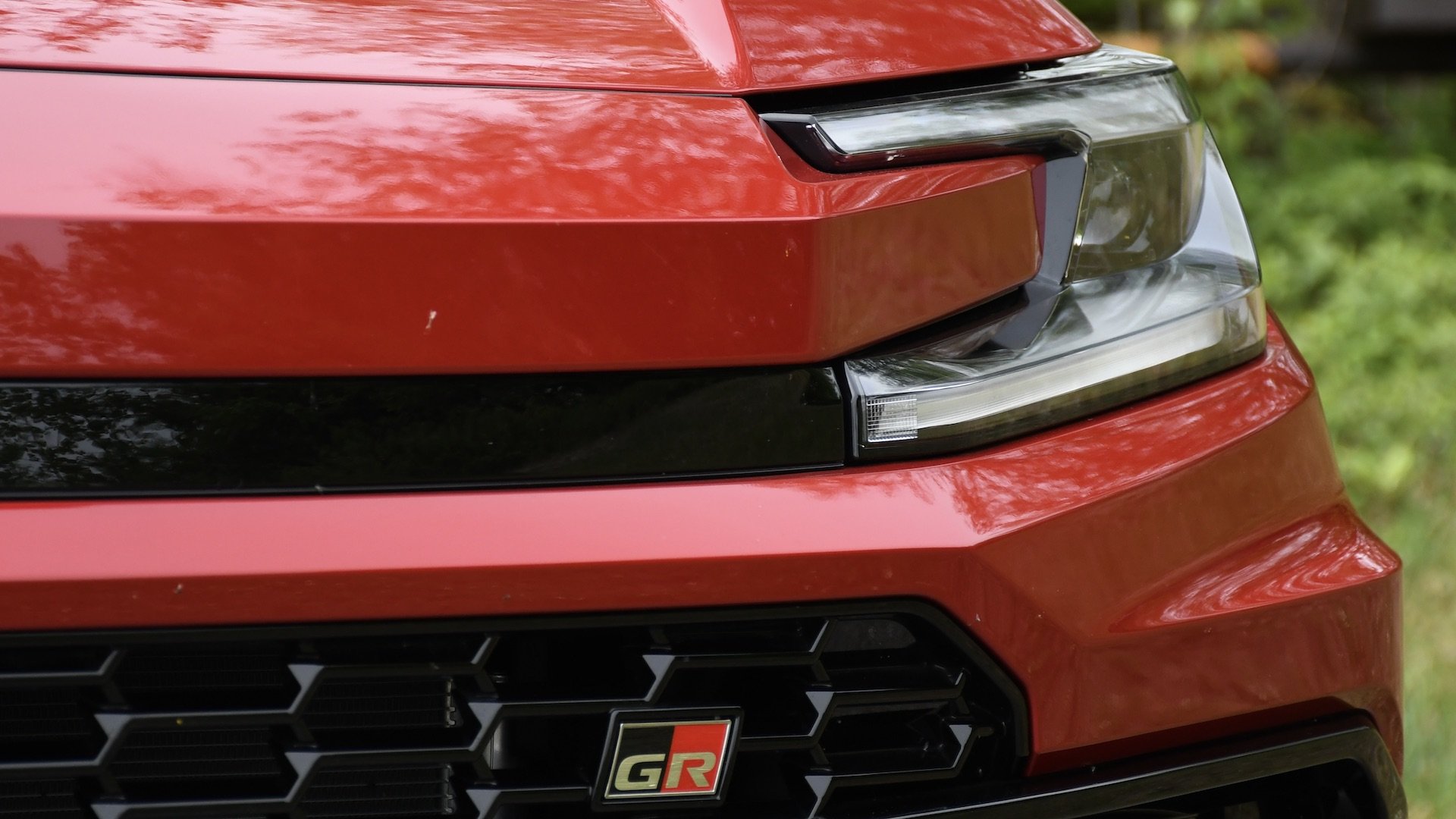
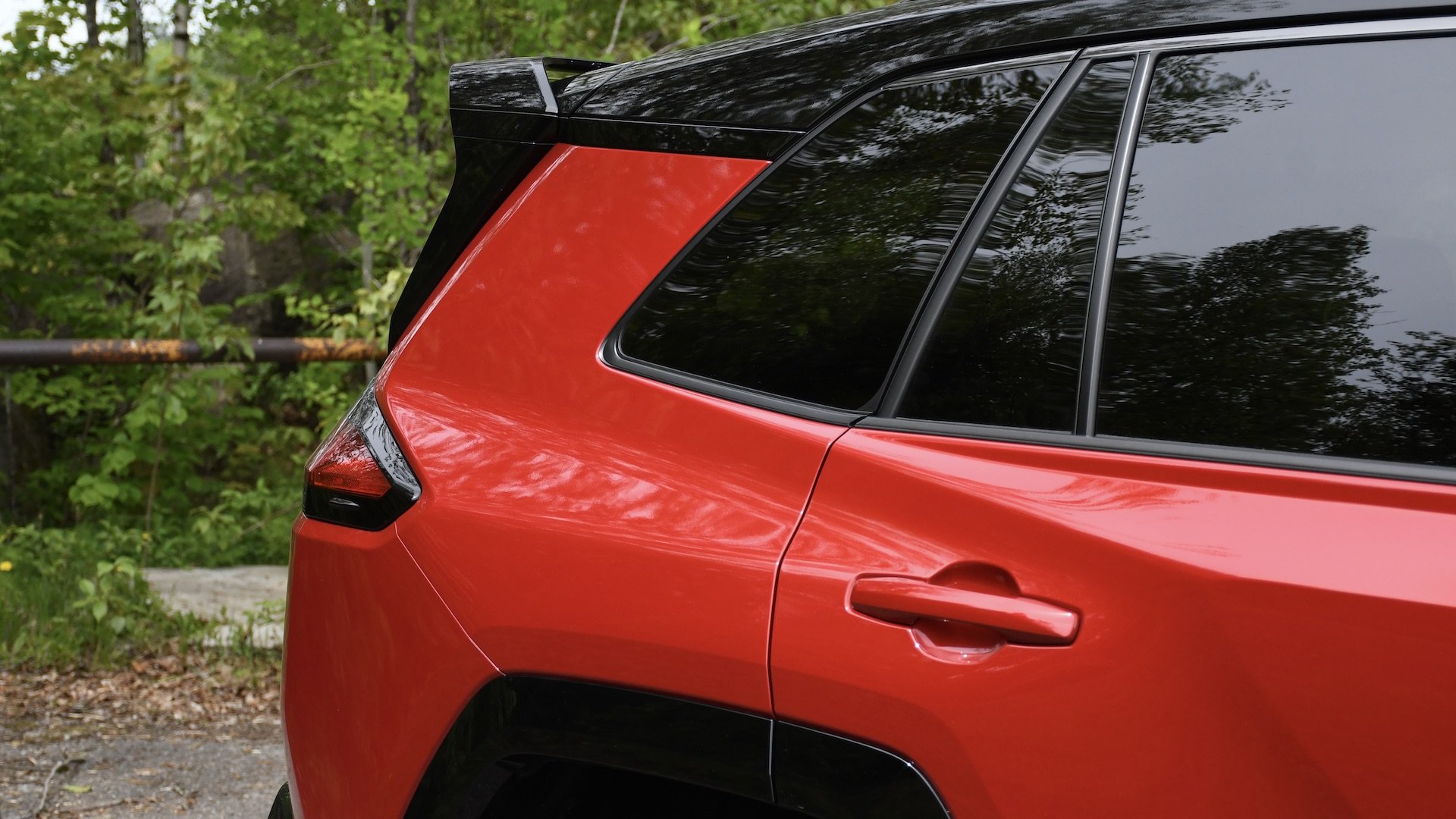
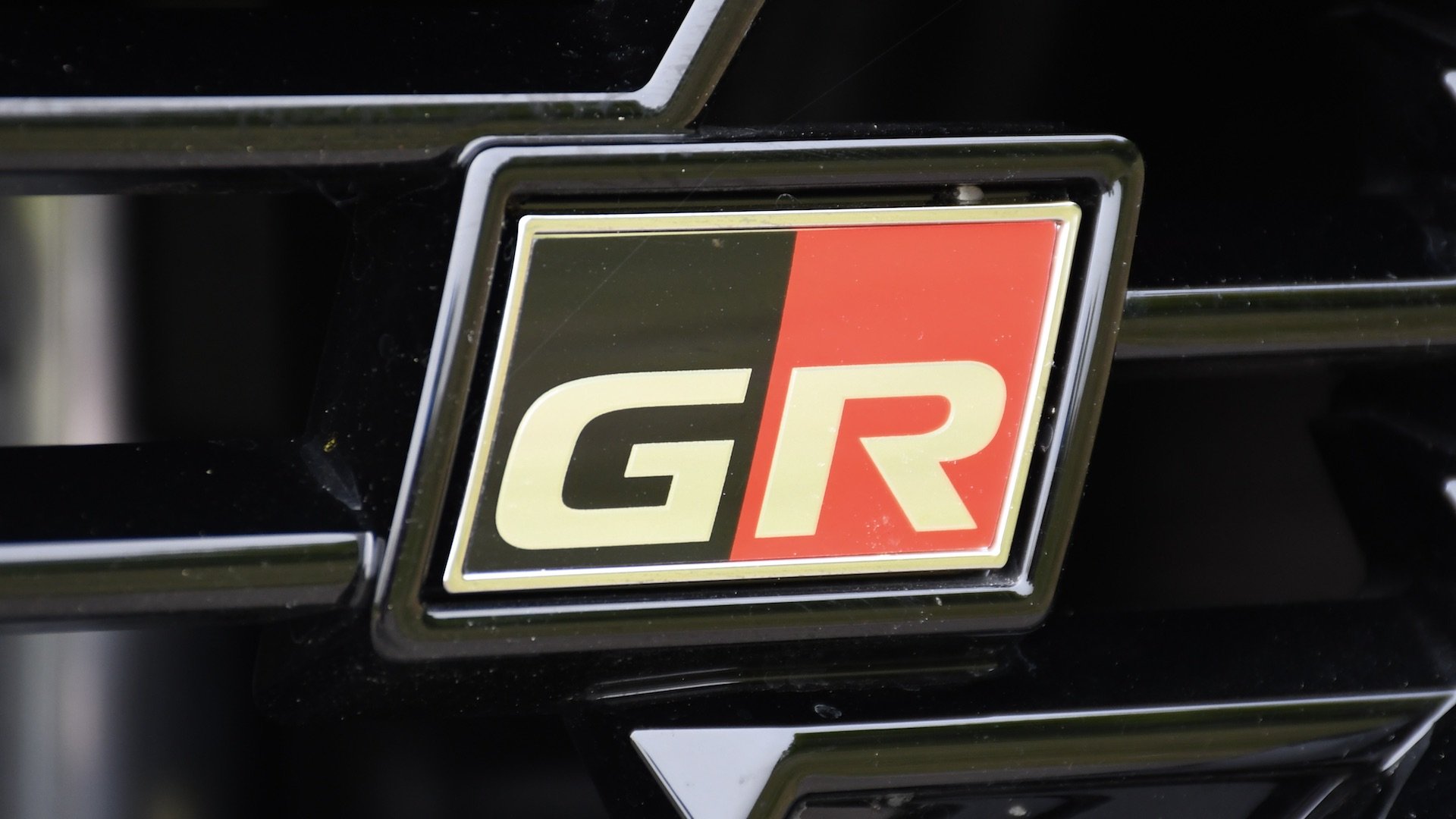
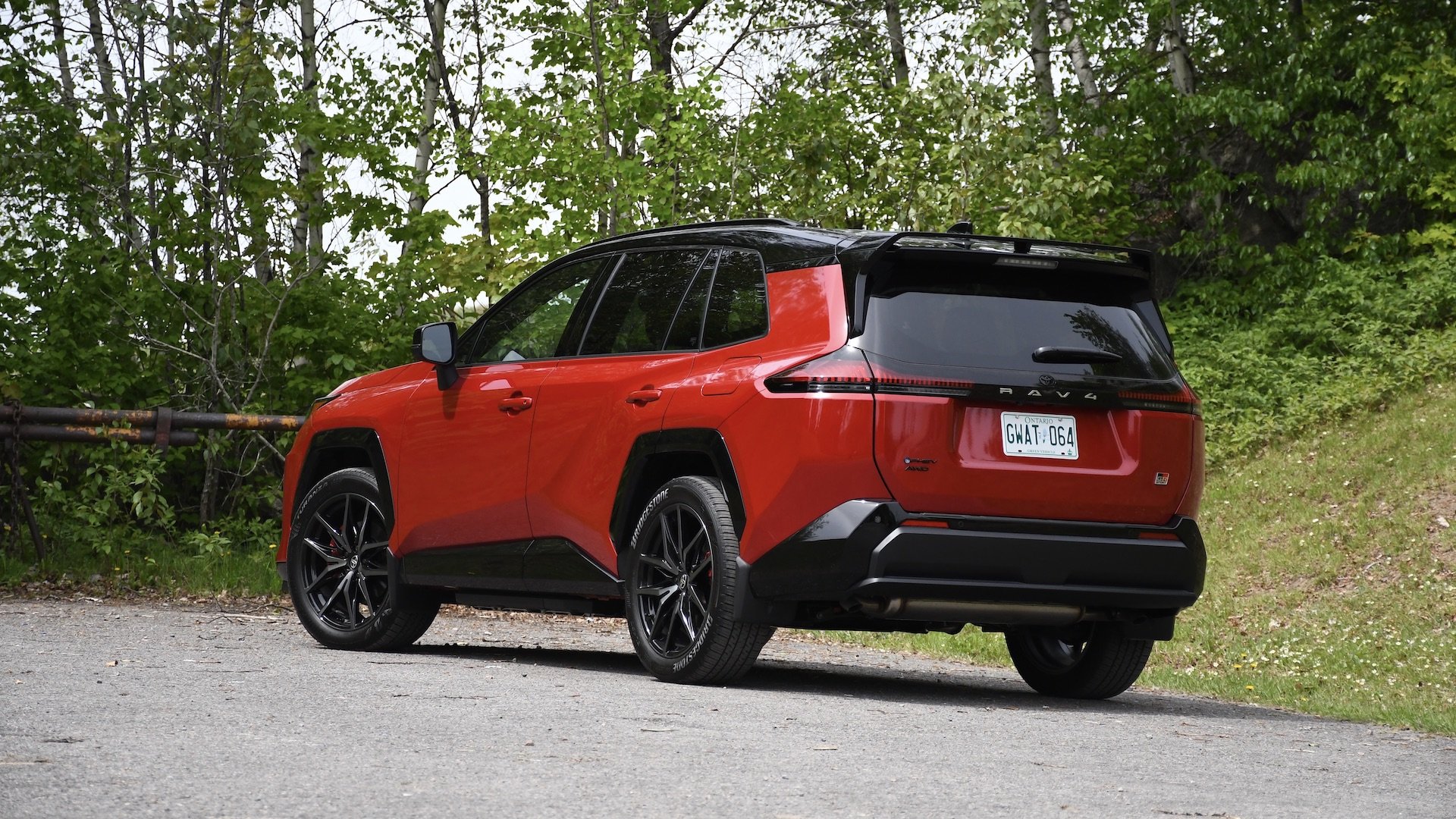
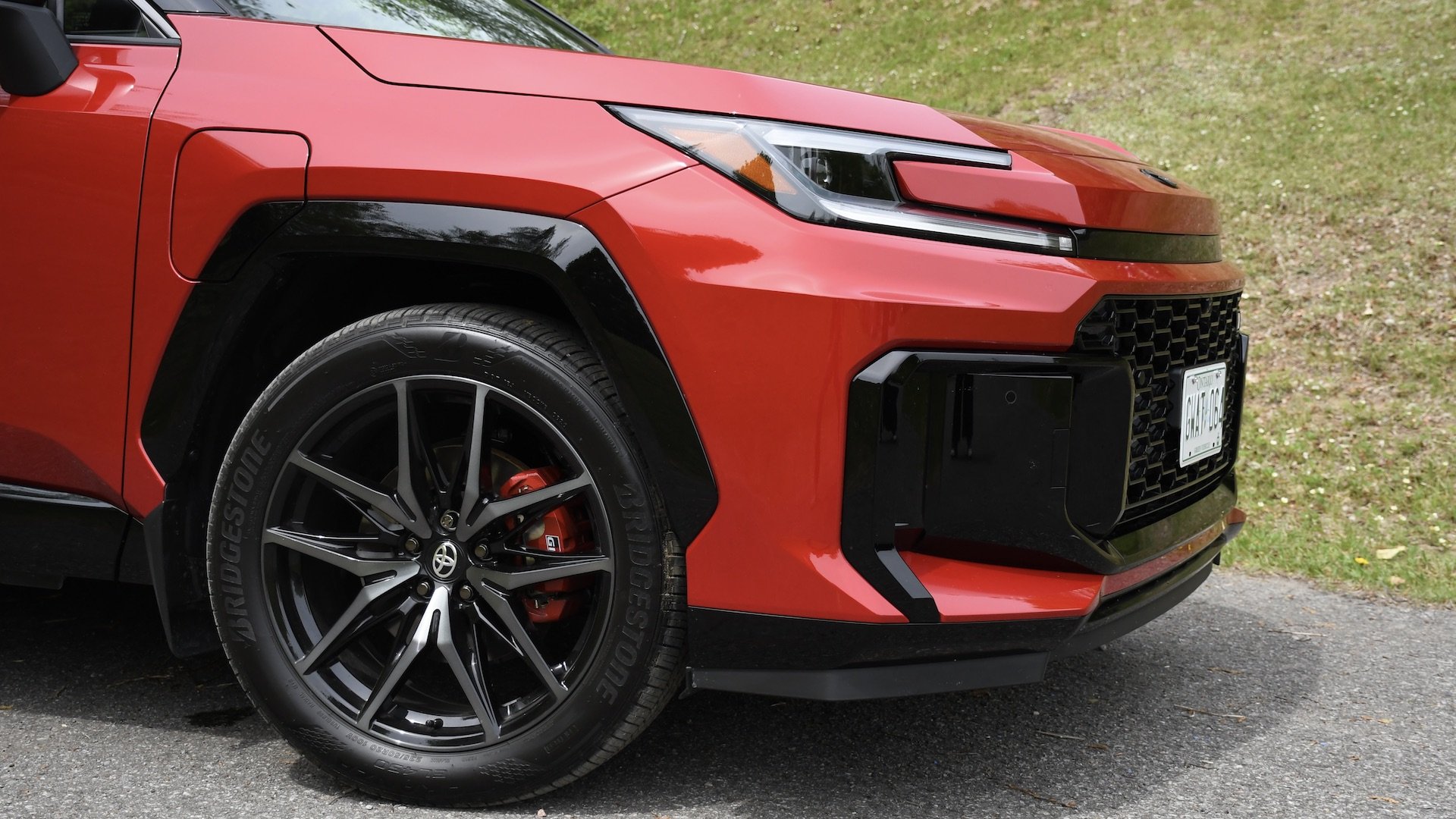
Visually, the treatment is distinct front and rear: a GR mesh grille, exclusive front and rear bumpers, a piano black wing-type rear spoiler, and a lower lip spoiler. The 20-inch black wheels are each 5 lbs lighter than those on the XSE versions. Red brake calipers round out the look. The GR Sport is slightly wider than the other versions and sits 15 mm lower, giving it a planted, purposeful presence.
Under the bodywork, the suspension has been completely reworked with sportier spring and damper tuning, a stiffer rear anti-roll bar, and a recalibrated electric steering setup. You feel it on the road. More on that in a moment.
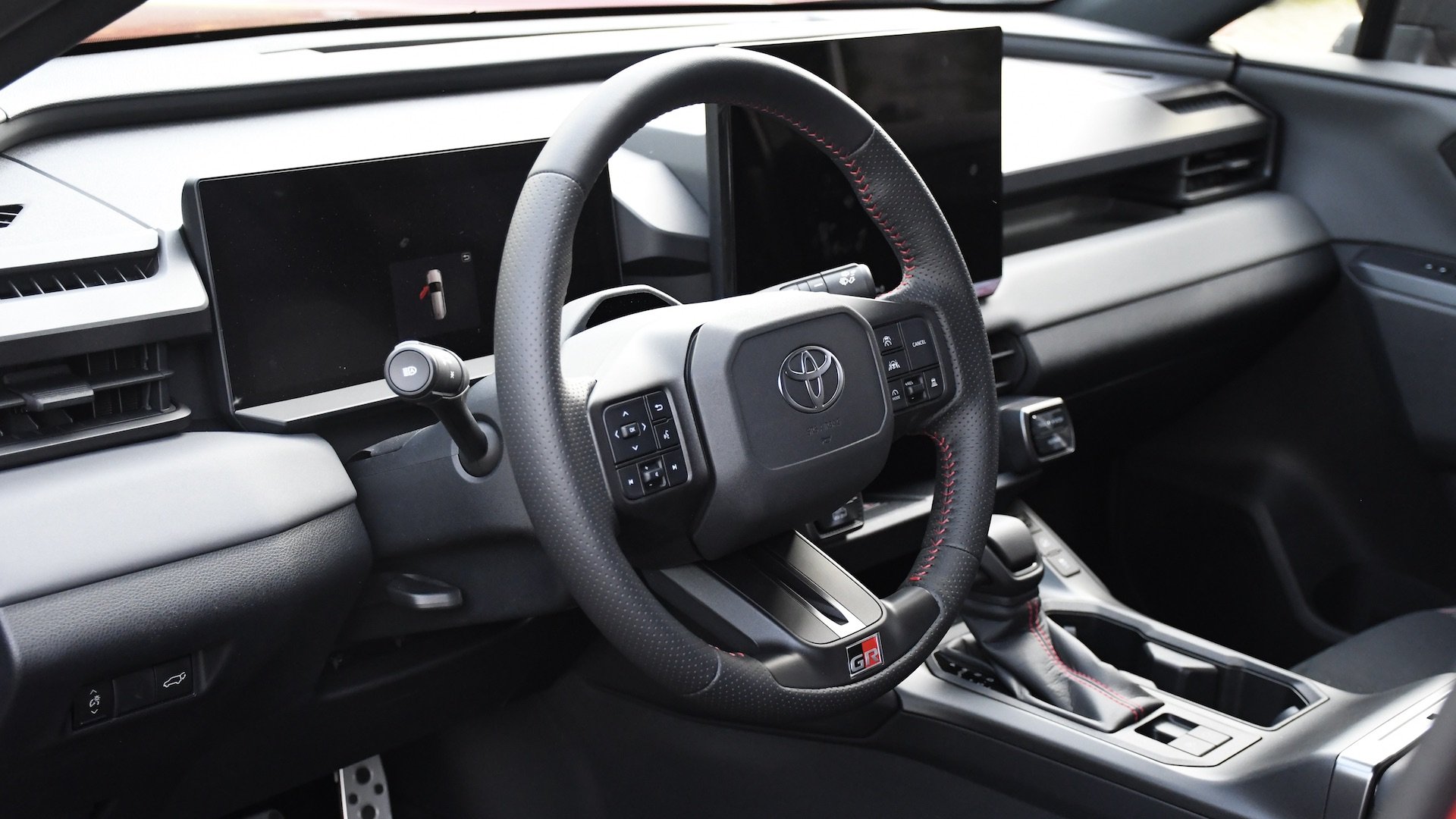
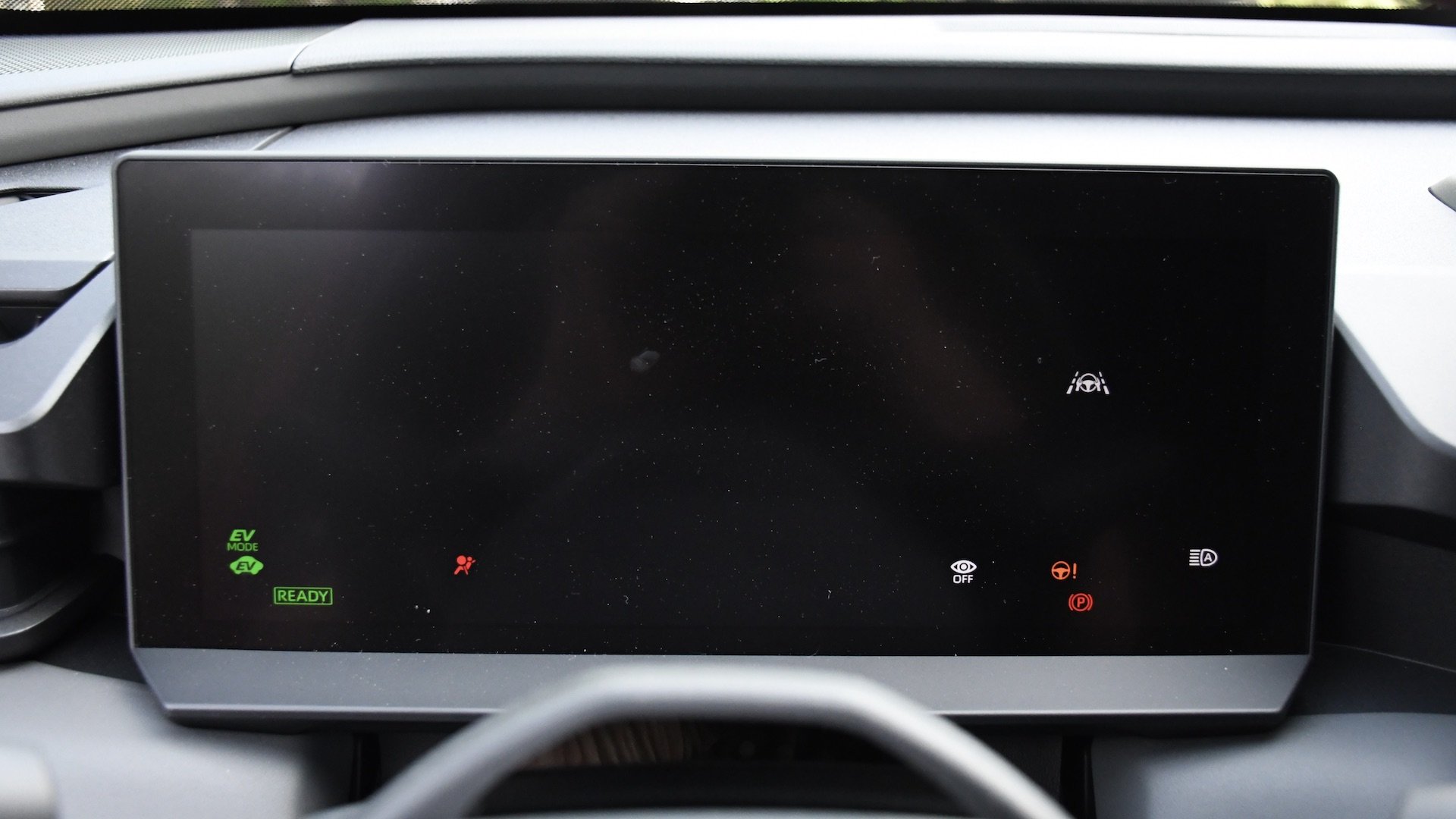
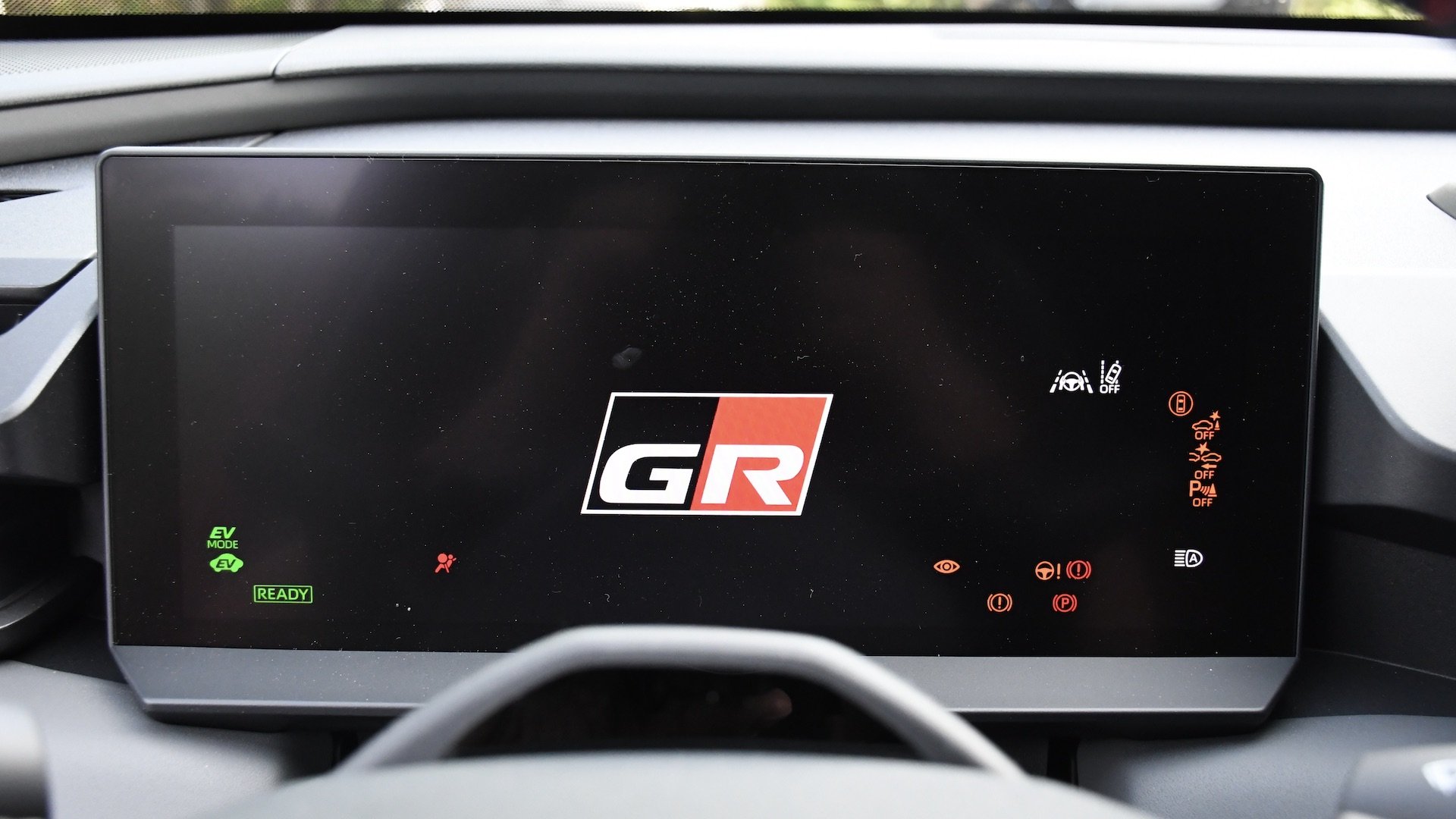
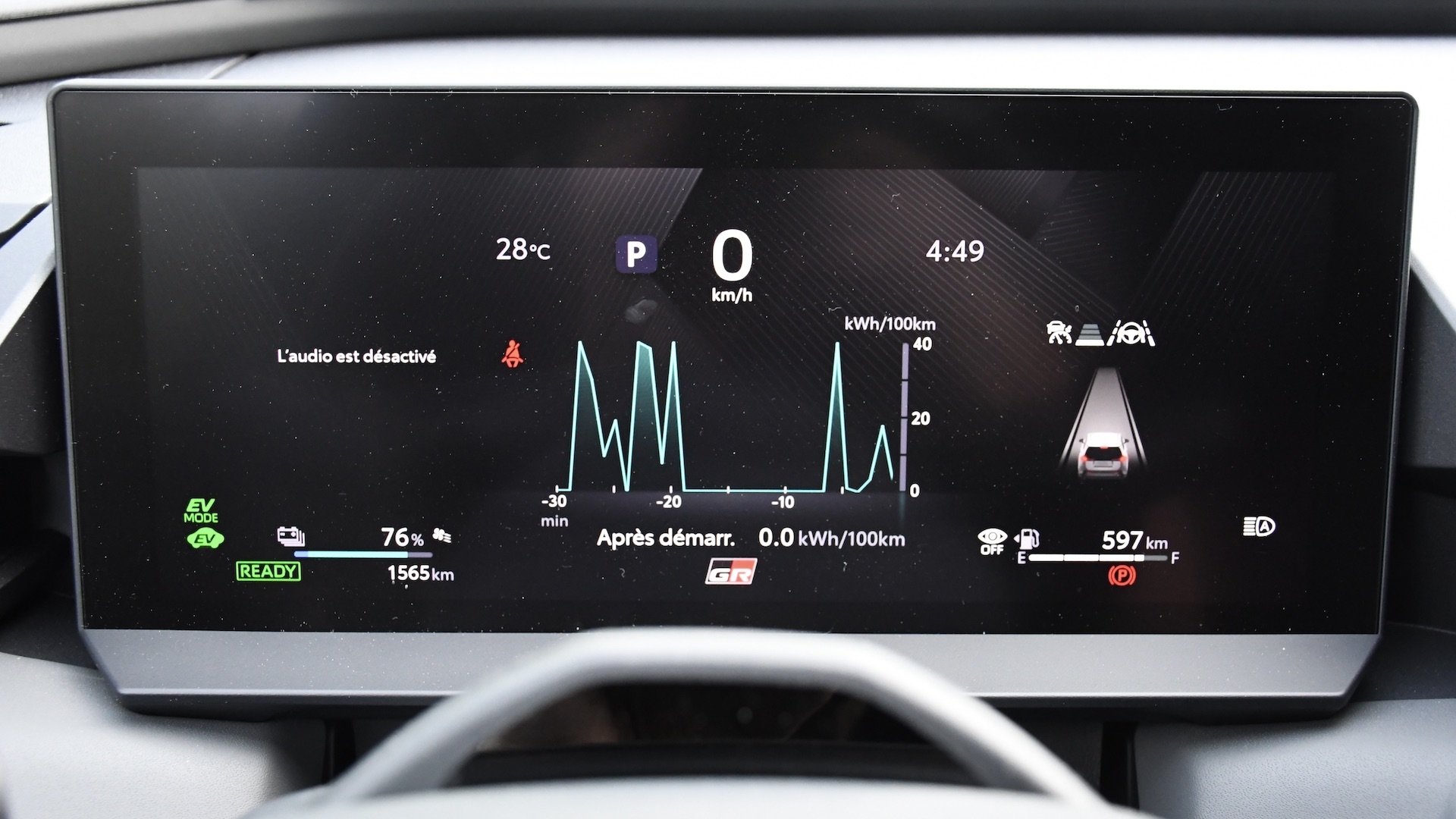
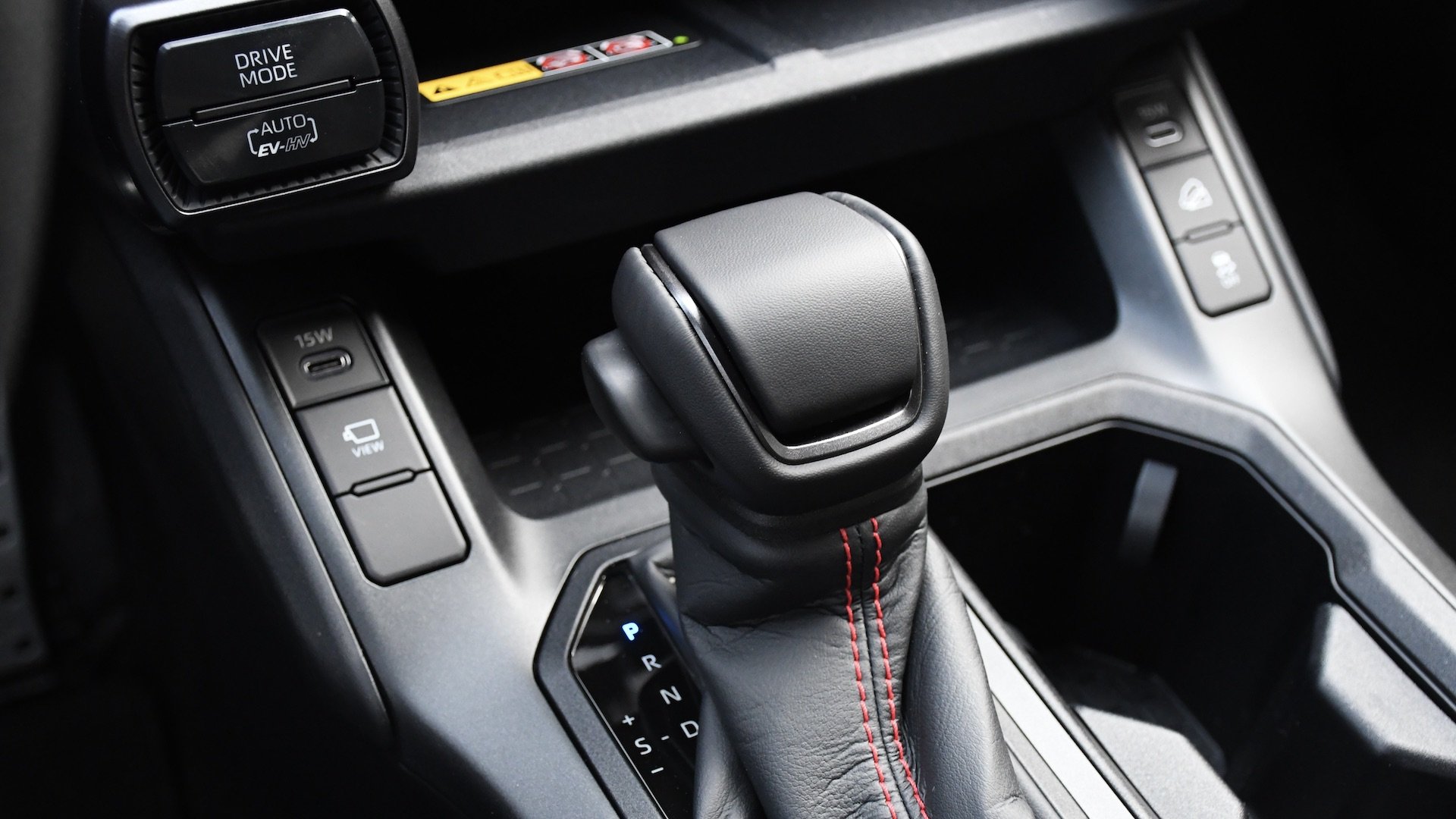
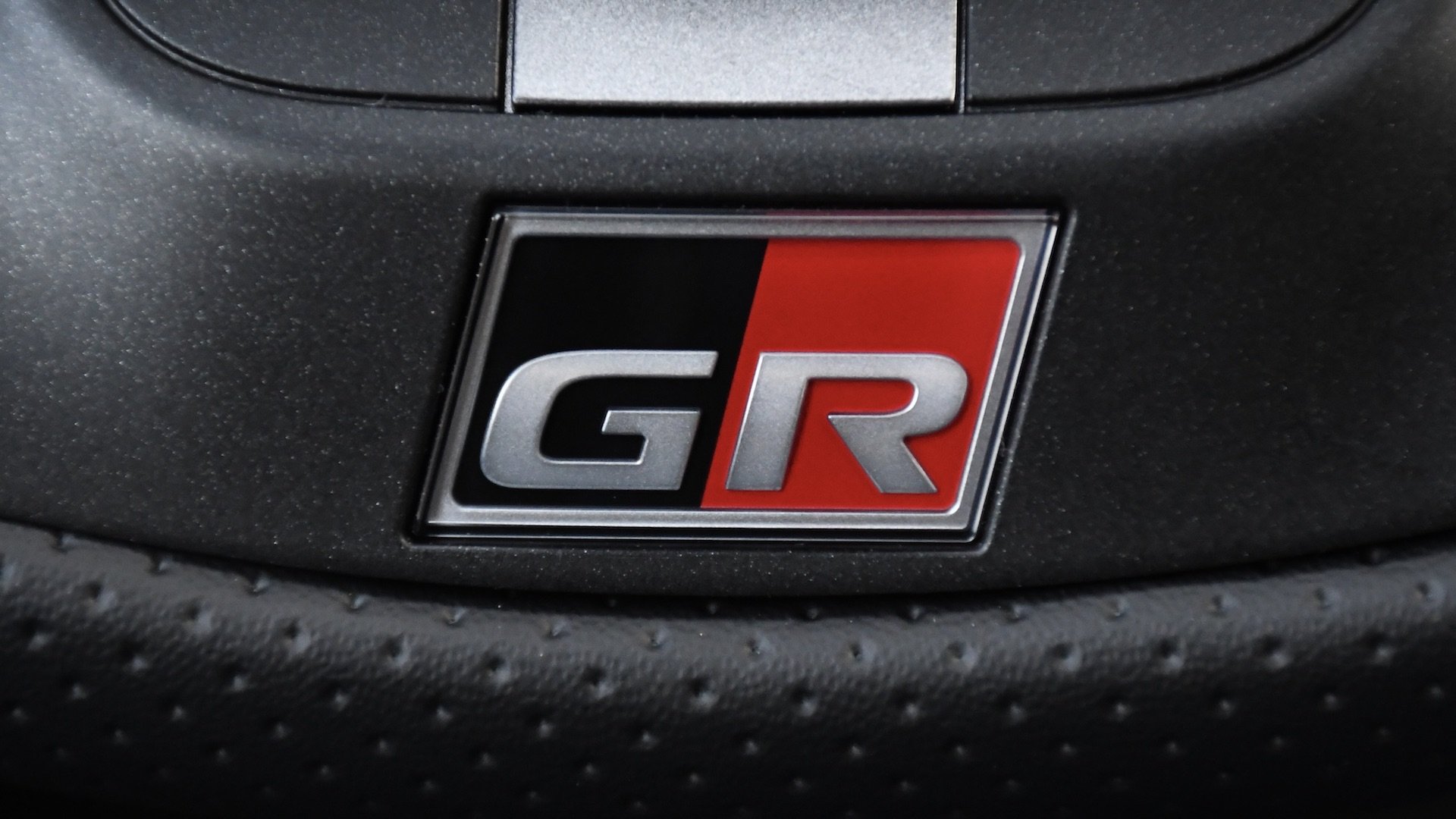
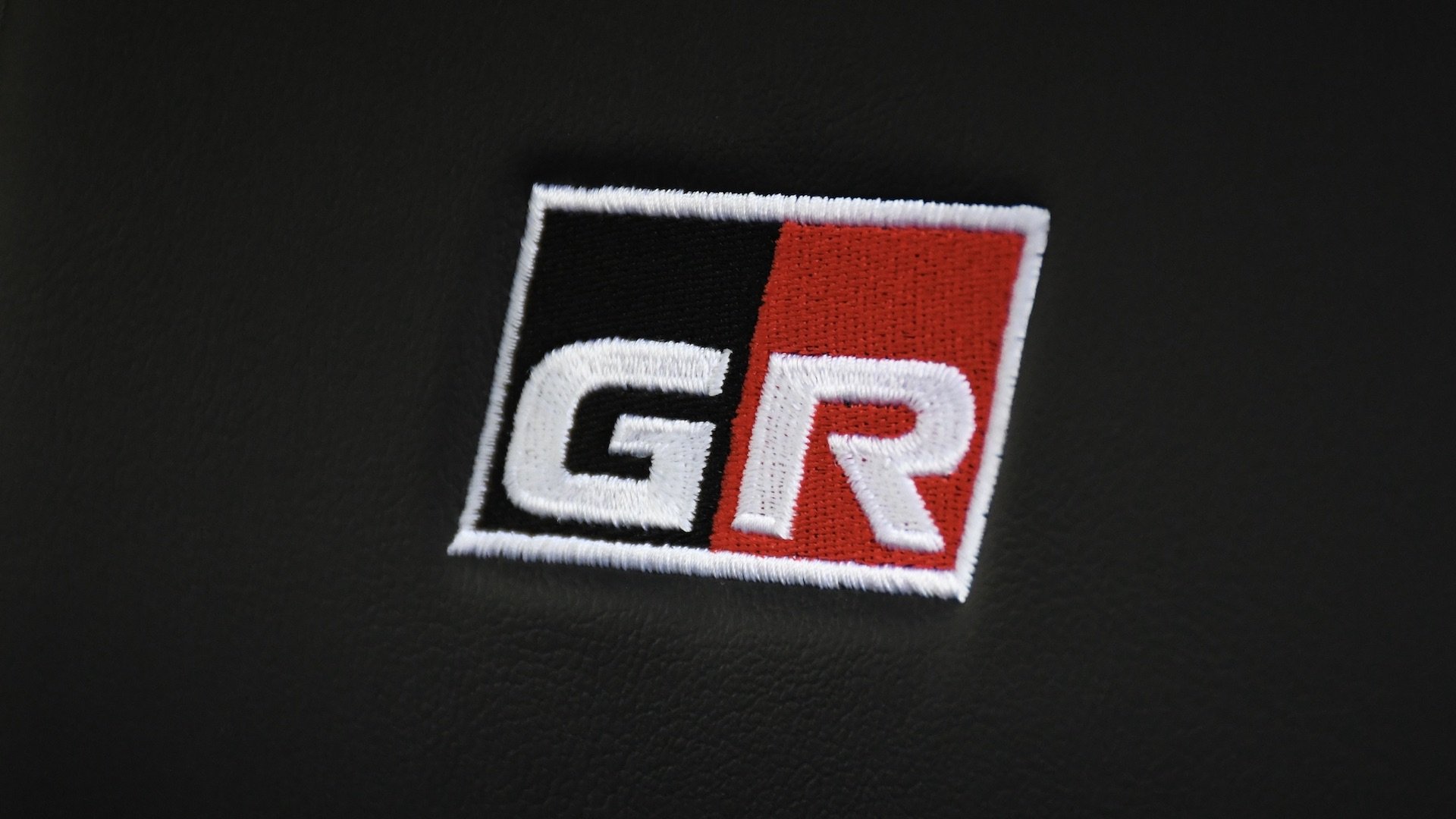
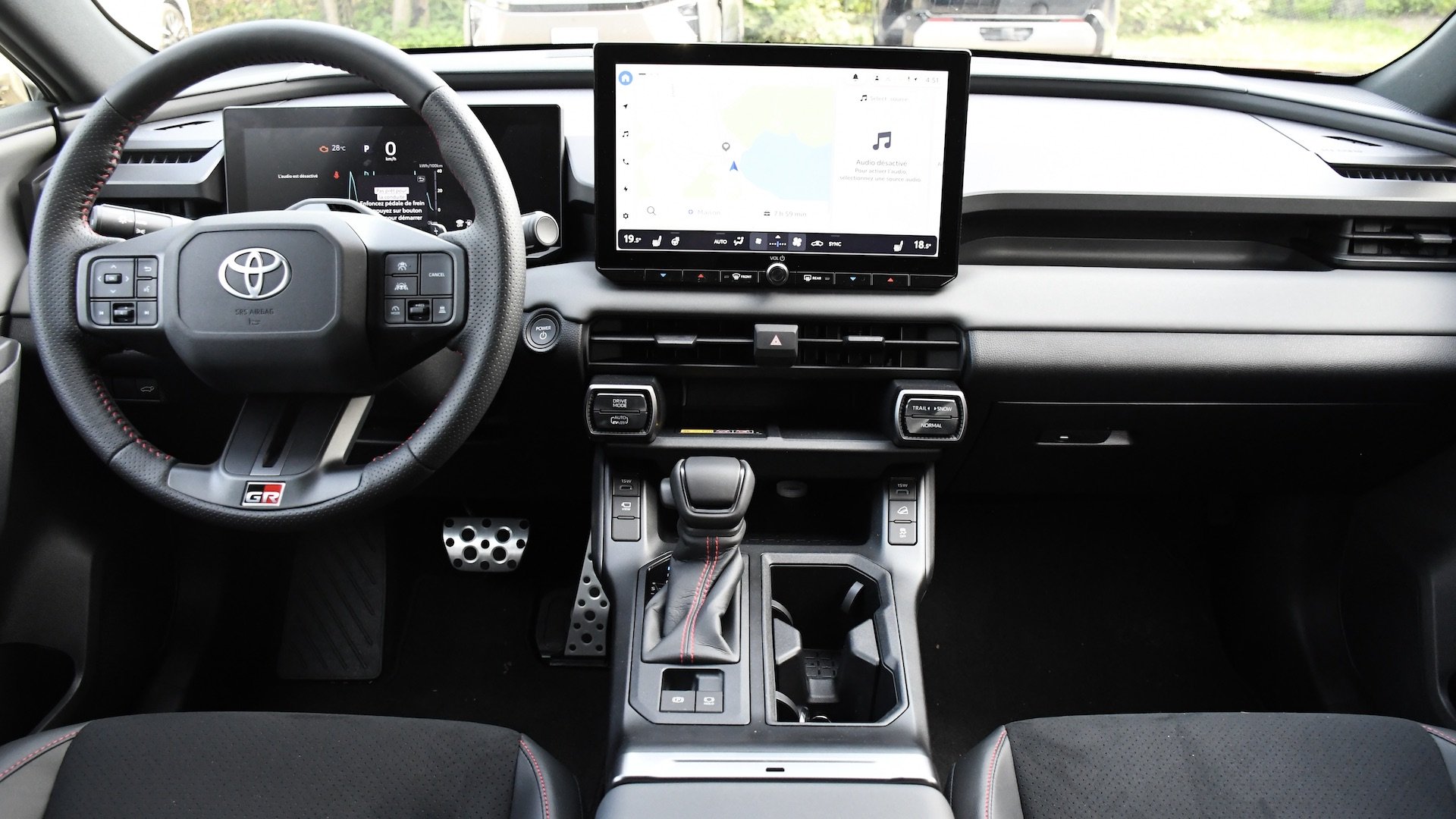
Inside, the GR atmosphere is everywhere: synthetic suede and SofTex seating, red stitching, GR logos on the front headrests, steering wheel, and door sills. Aluminum sport pedals drive the message home. Even the instrument cluster displays the GR Sport logo on startup.
The only compromise is a slightly reduced electric range. The audio system is also limited to a 6-speaker setup, since the GR Sport is based on the SE.
| Version | City | Hwy | Combined | EV Range |
| RAV4 PHEV SE | 5.2 L/100 km | 6.3 L/100 km | 5.7 L/100 km | 89 km |
| RAV4 PHEV XSE | 5.4 L/100 km | 6.6 L/100 km | 5.9 L/100 km | 85 km |
| RAV4 PHEV XSE Tech | 5.4 L/100 km | 6.5 L/100 km | 5.9 L/100 km | 85 km |
| RAV4 PHEV GR Sport | 5.7 L/100 km | 7.2 L/100 km | 6.4 L/100 km | 79 km |
Note that Toyota does not publish a towing capacity for the GR Sport, because that’s not its purpose, unlike the SE and XSE versions, which can each tow up to 1,587 kg (3,500 lb).
Battery and Charging
Regardless of which version you choose, all 2026 RAV4 PHEVs share the same fundamental electric architecture, with one exception. The powertrain pairs a 2.5-litre four-cylinder engine with electric motors for a combined output of 324 horsepower, enough to cover the 0-100 km/h sprint in just 5.7 seconds.
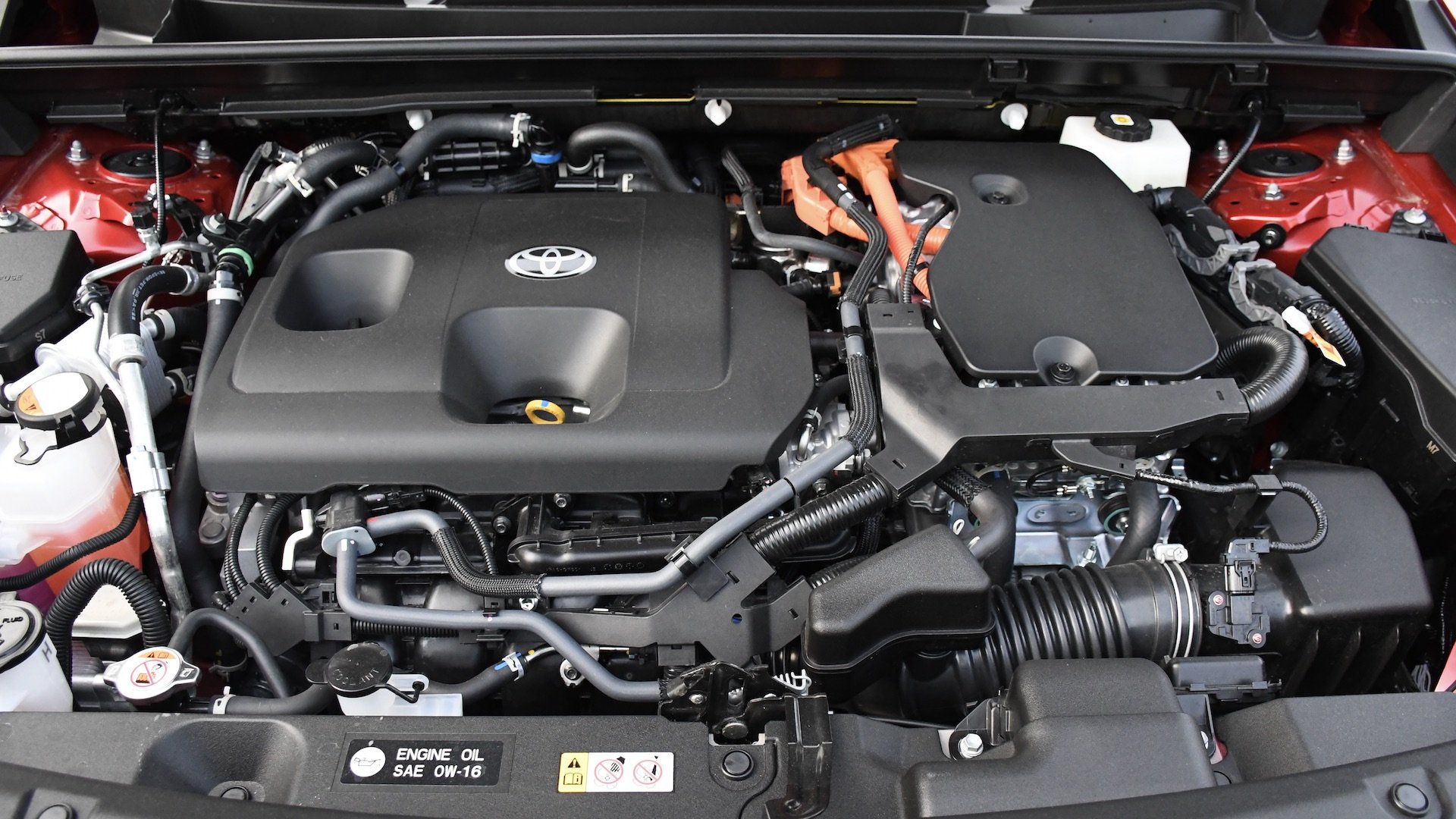
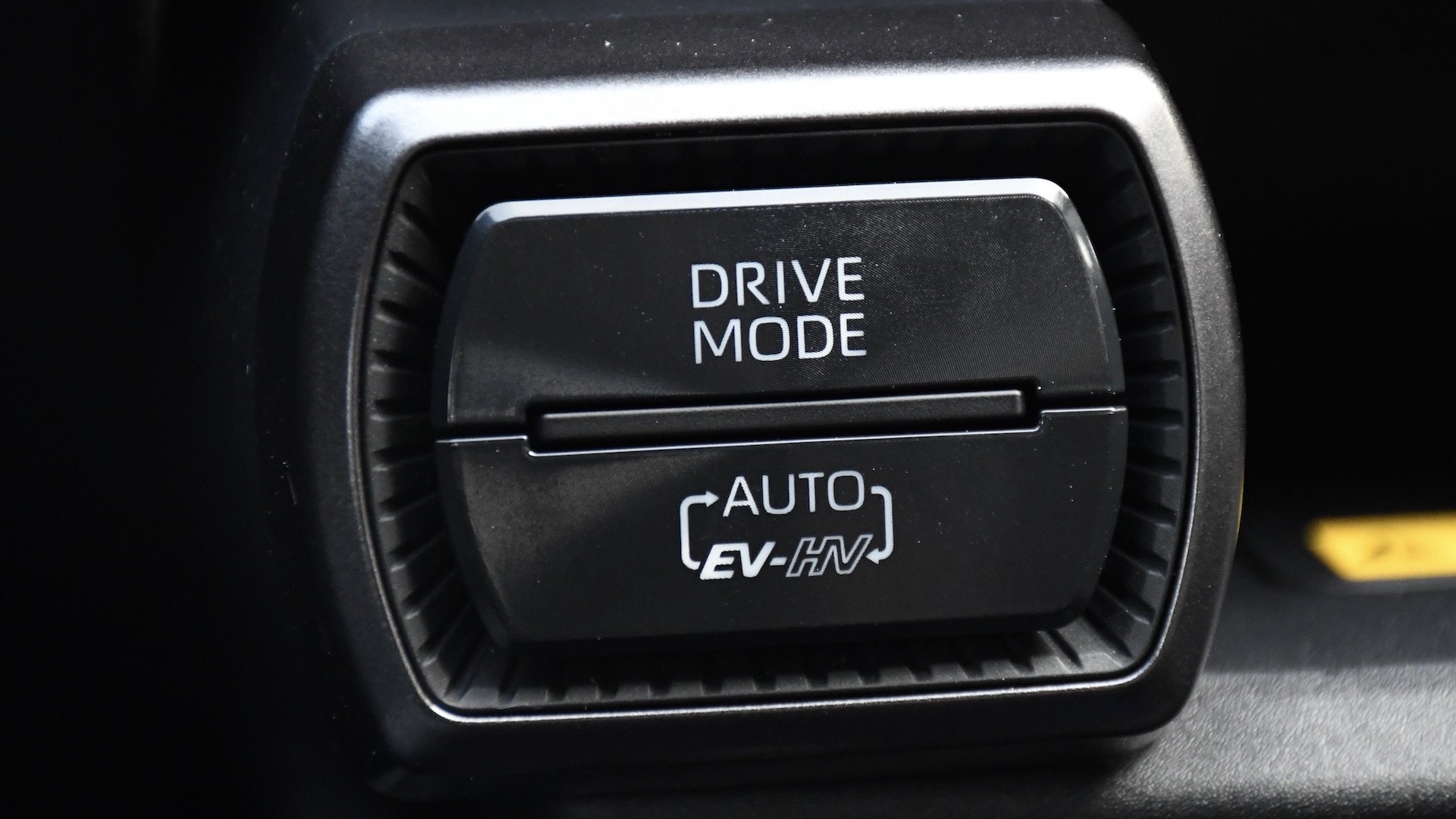
And even in full electric mode, hard acceleration won’t trigger the gasoline engine. According to Toyota, it holds all the way up to 140 km/h.
The high-voltage battery grows to 22.7 kWh, up from 17.4 kWh in the previous generation, with 104 cells instead of 96. The thermal management system has been completely redesigned. In cold weather, heat from the combustion engine is recovered through a water-to-water heat exchanger to pre-warm the battery, which helps protect the electric range in winter conditions.
The standard on-board charger is rated at 7 kW and is compatible with a J1772 port. A full Level 2 charge from 10% to 100% takes 3 hours.
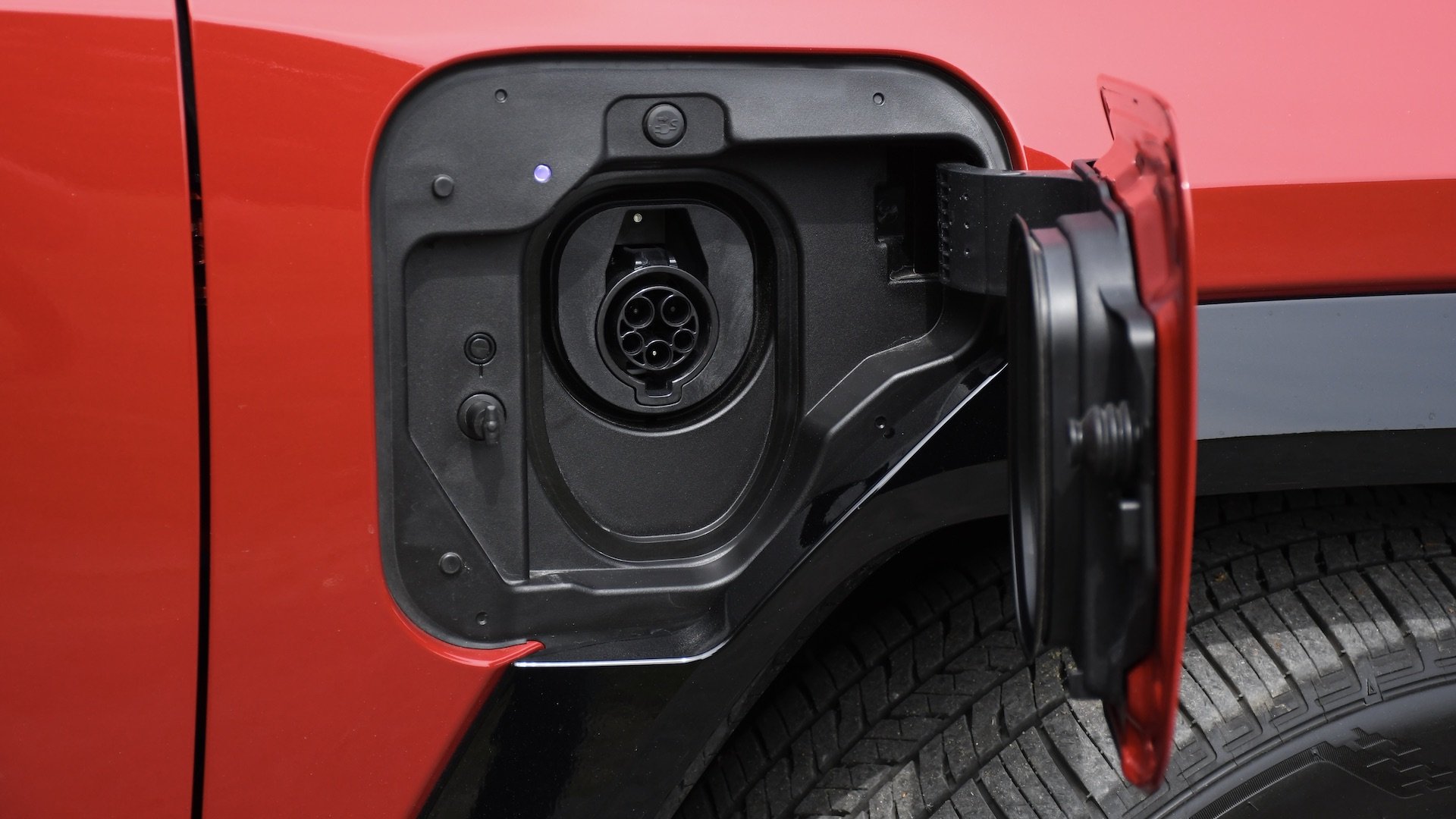
The exception is the XSE Tech, which gets an 11 kW on-board charger that cuts that Level 2 time from 3 to 2 hours. It is also the only version to support Level 3 DC fast charging at 50 kW, taking the battery from 10% to 80% in 30 minutes (CCS1 port). Worth noting: its charging port is on the driver’s side, not the passenger’s.
Technology, Connectivity, and Safety
The new RAV4 runs on Toyota’s Arene software platform, which underpins all of the vehicle’s safety and connectivity systems. Apple CarPlay and Android Auto are standard across the lineup.
On the safety front, the model gets the latest iteration of Toyota Safety Sense, version 4.0, which includes automatic emergency braking with pedestrian and cyclist detection, adaptive cruise control, lane departure alert, and road sign recognition, among other features.
Behind the Wheel
At the wheel of the RAV4 PHEV GR Sport, you discover a vehicle with a sharper, more direct, and more precise feel. There’s noticeably less float without sacrificing comfort. The new generation was already good, and this variant makes it feel even more planted and reassuring. The steering offers genuine feedback, and so does the braking.
Credit to the engineers. That said, despite its sporting ambitions, the RAV4 PHEV remains a heavy vehicle due to its battery. Agility has its limits.
What’s especially intriguing, even if Toyota hasn’t confirmed anything, is that this approach will almost certainly spread across the lineup. More GR Sport versions seem like a reasonable expectation. It could be very compelling on the Camry, the Prius, or the Corolla Cross.
We’ll keep an eye out.
Final Word
You’ll recall that with the first generation of the RAV4 plug-in hybrid (the Prime models back then), wait times were just ridiculous. This time will be different, as Toyota is better prepared. The company estimates that 25% of its RAV4 sales in Canada in 2026 will come from PHEV variants.
There’s more good news on the range front: at last fall’s launch, the maximum electric range was estimated at 80 km, already a significant step up from the 68 km of the first generation. Now, with 89 km confirmed for the SE, the proposition becomes genuinely compelling.
On the road, the RAV4 PHEV goes up against the Mitsubishi Outlander PHEV, the Hyundai Tucson PHEV, and the Kia Sportage PHEV. None of them offers as much electric range.
On reliability, Toyota has always been an easy recommendation, but a degree of caution is now warranted. The company’s products haven’t been as bulletproof as they once were in recent years. It should be fine, but we’ll be keeping a close eye on it.
If that’s a concern for you, leasing remains a sensible option.