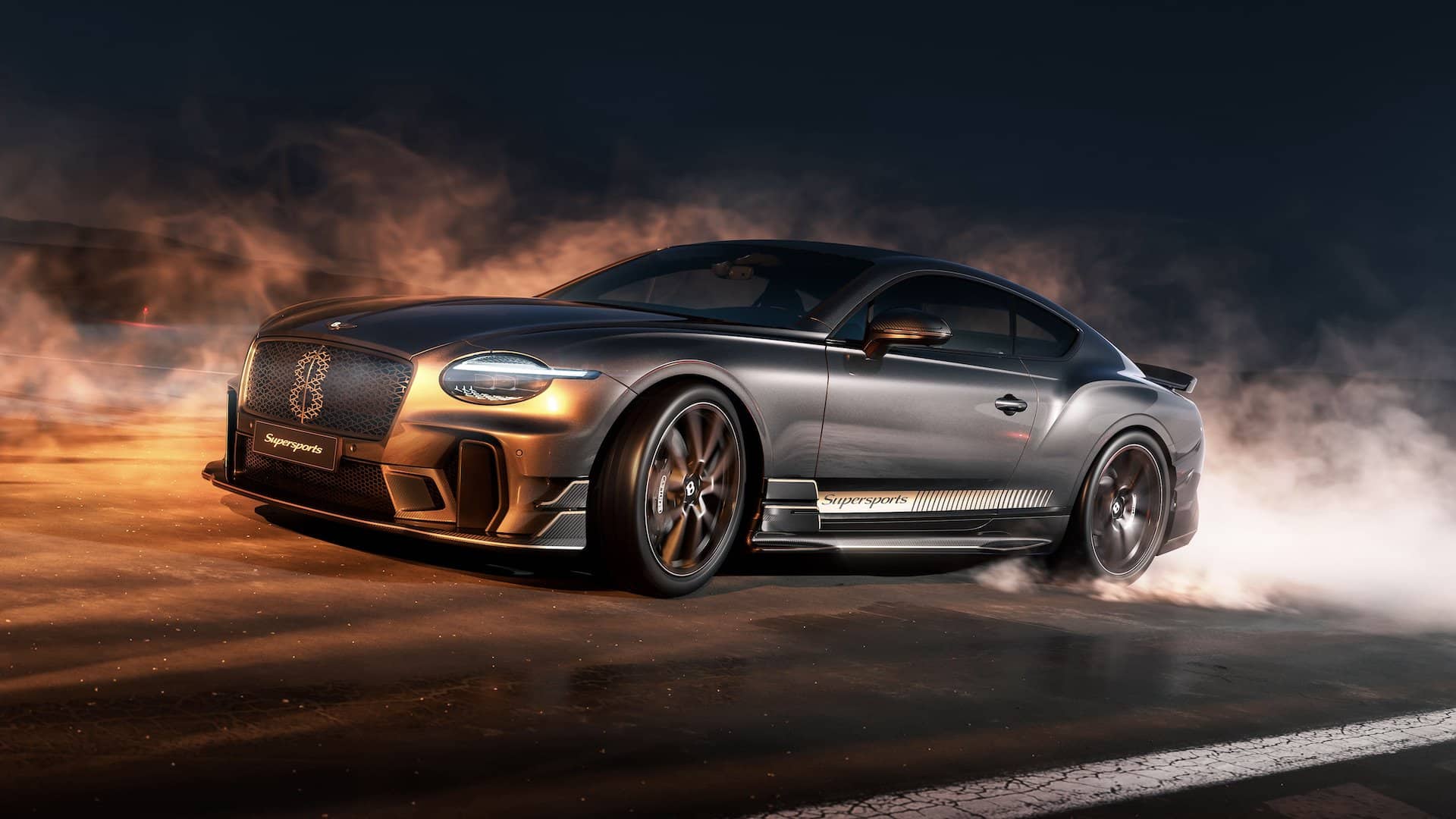
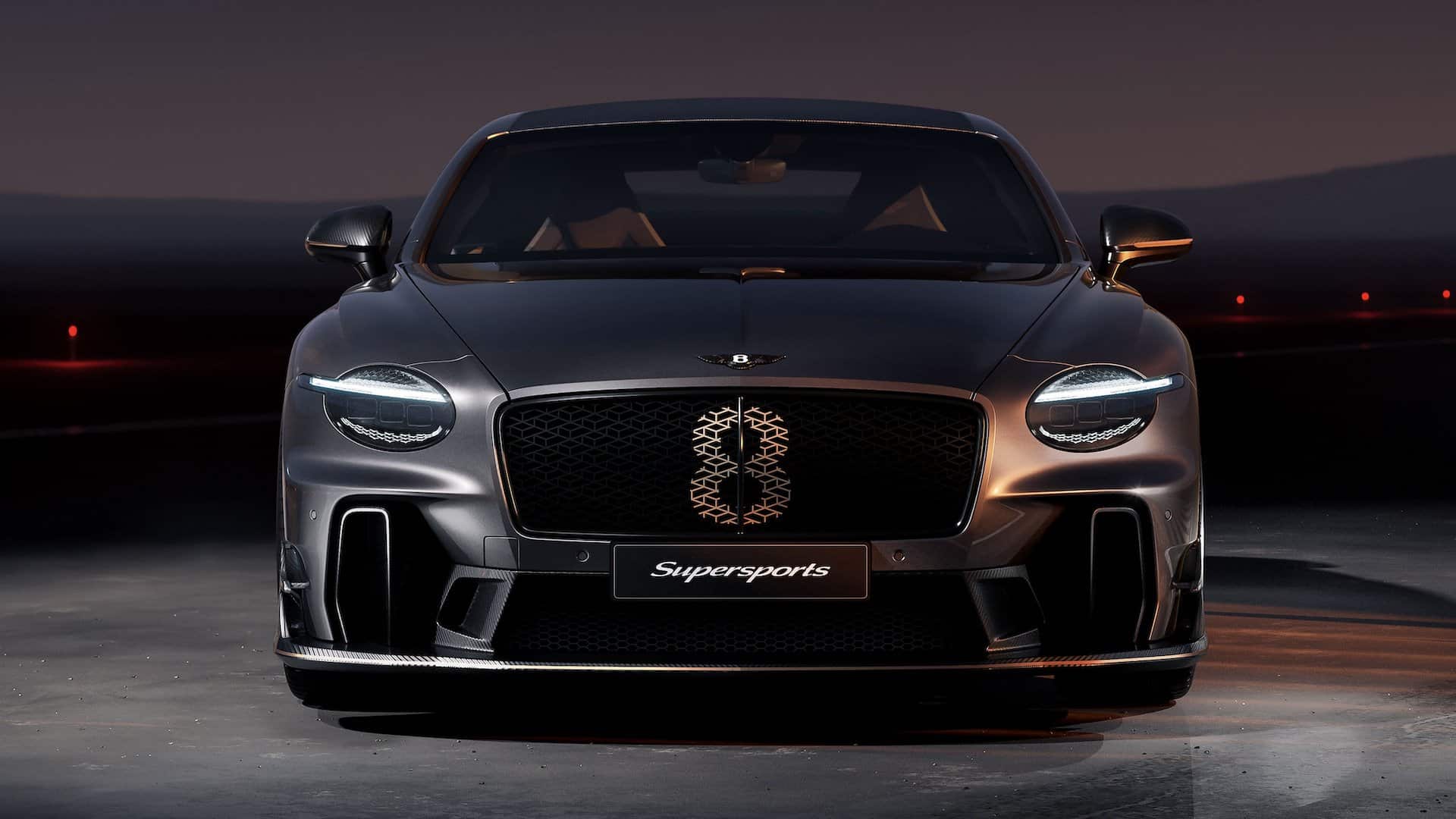
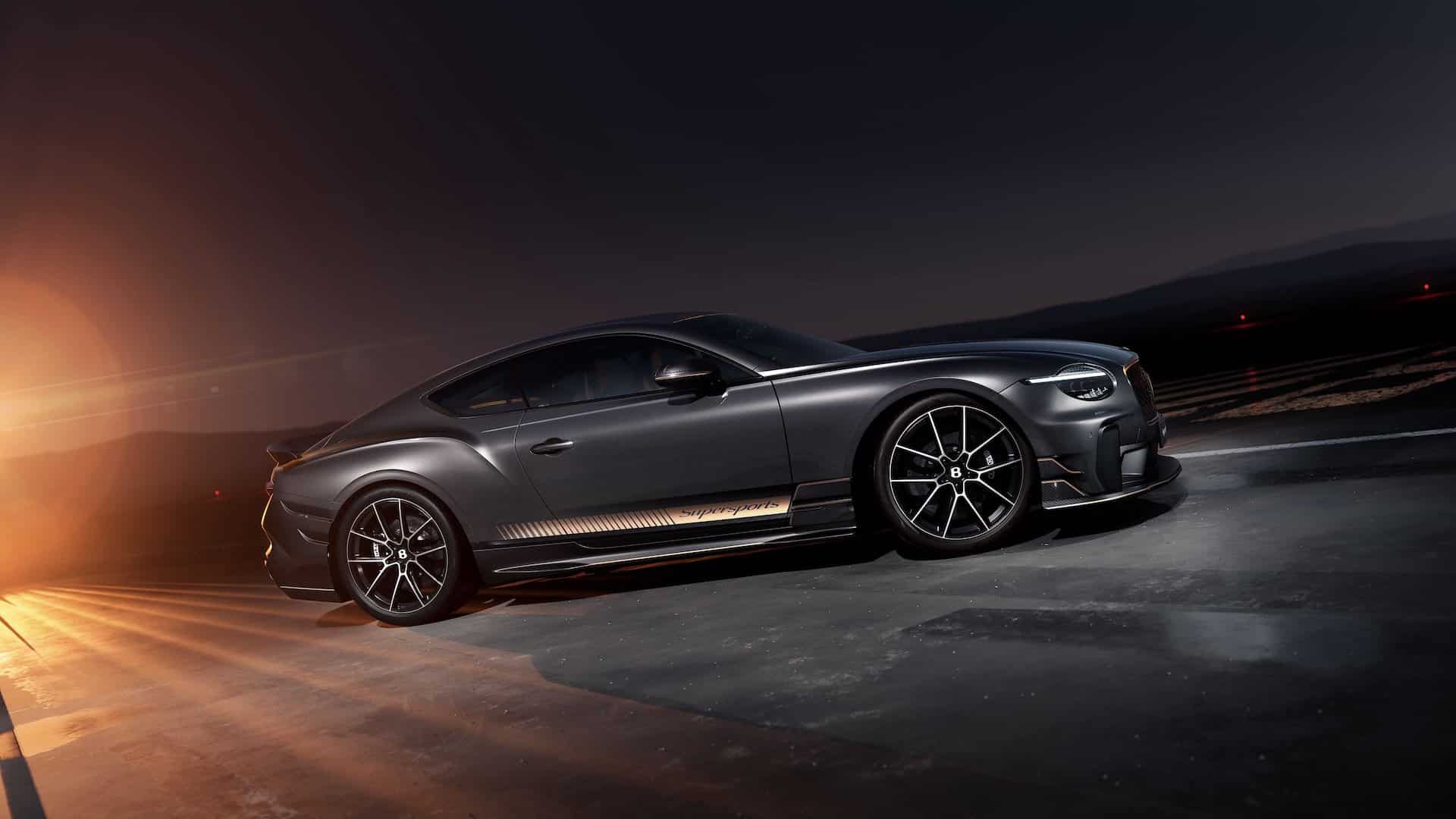
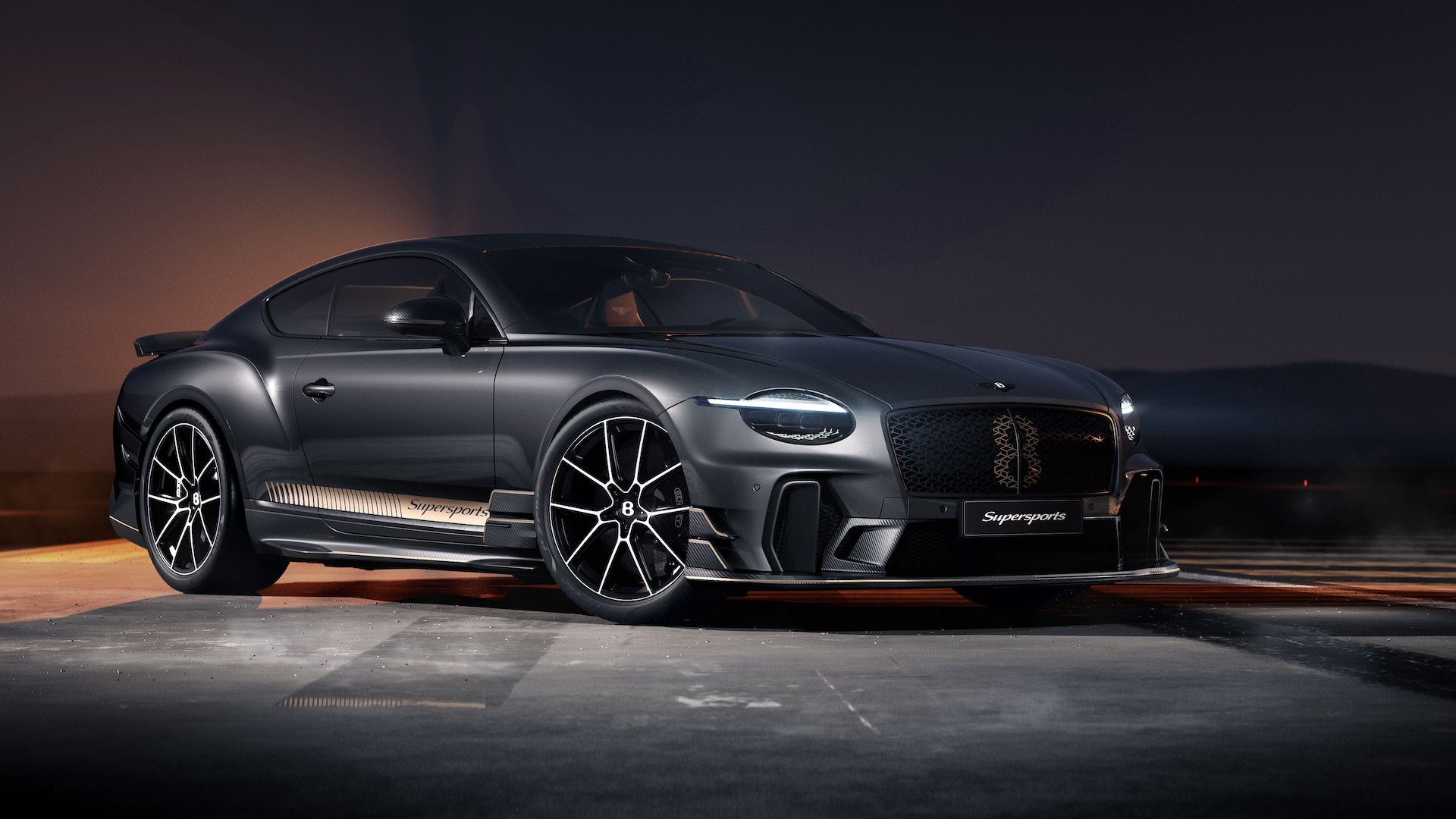
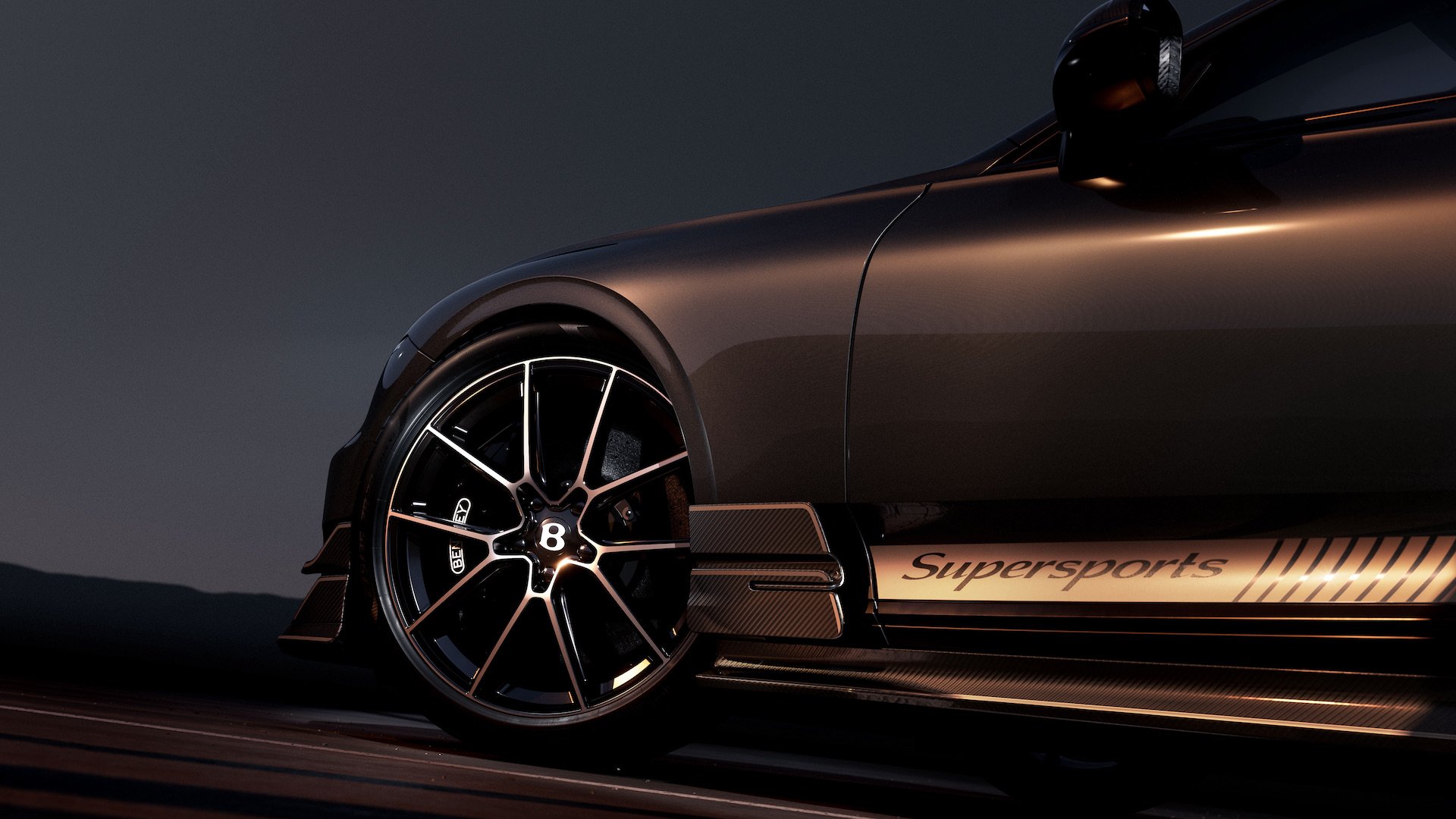
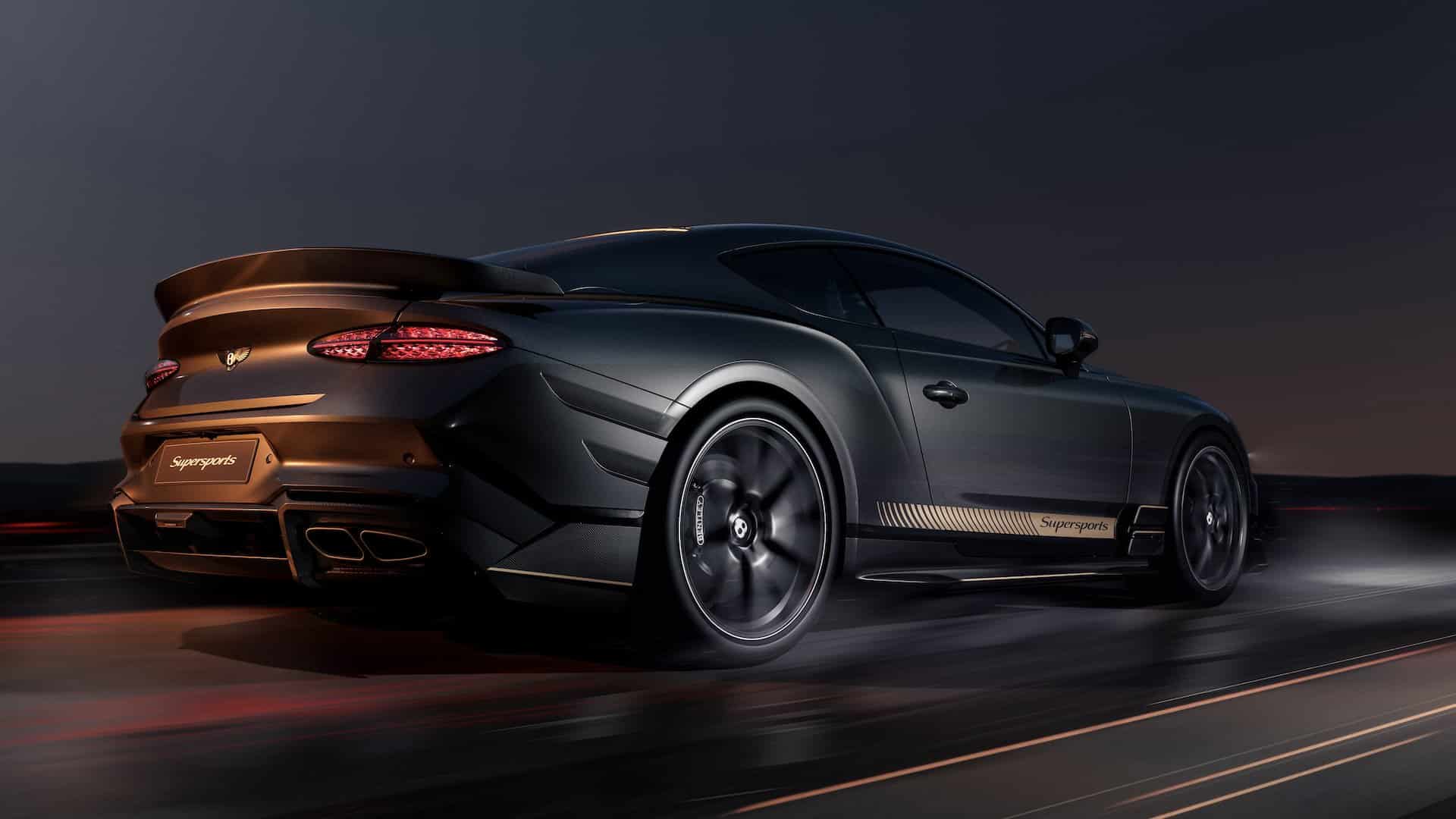
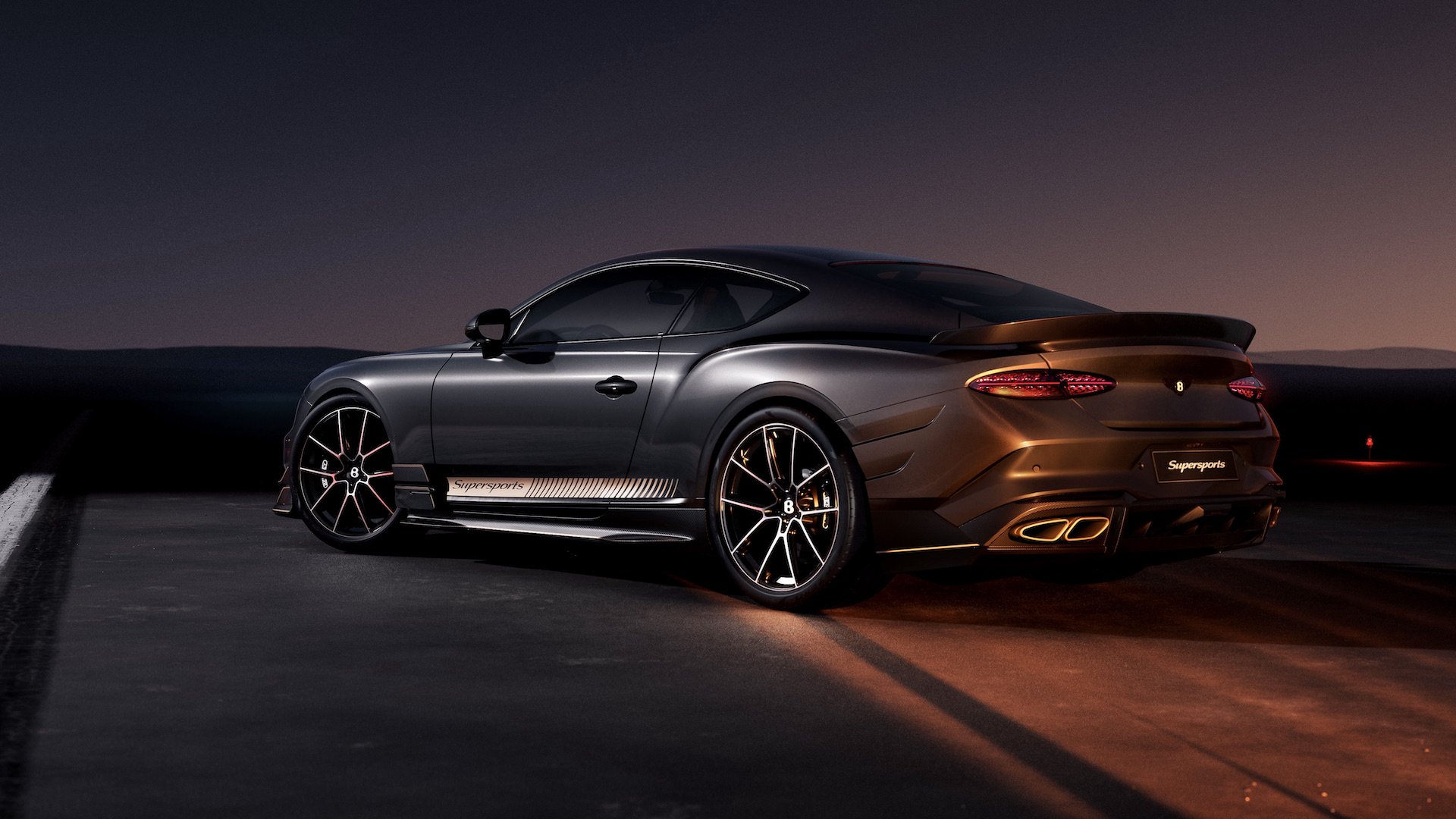
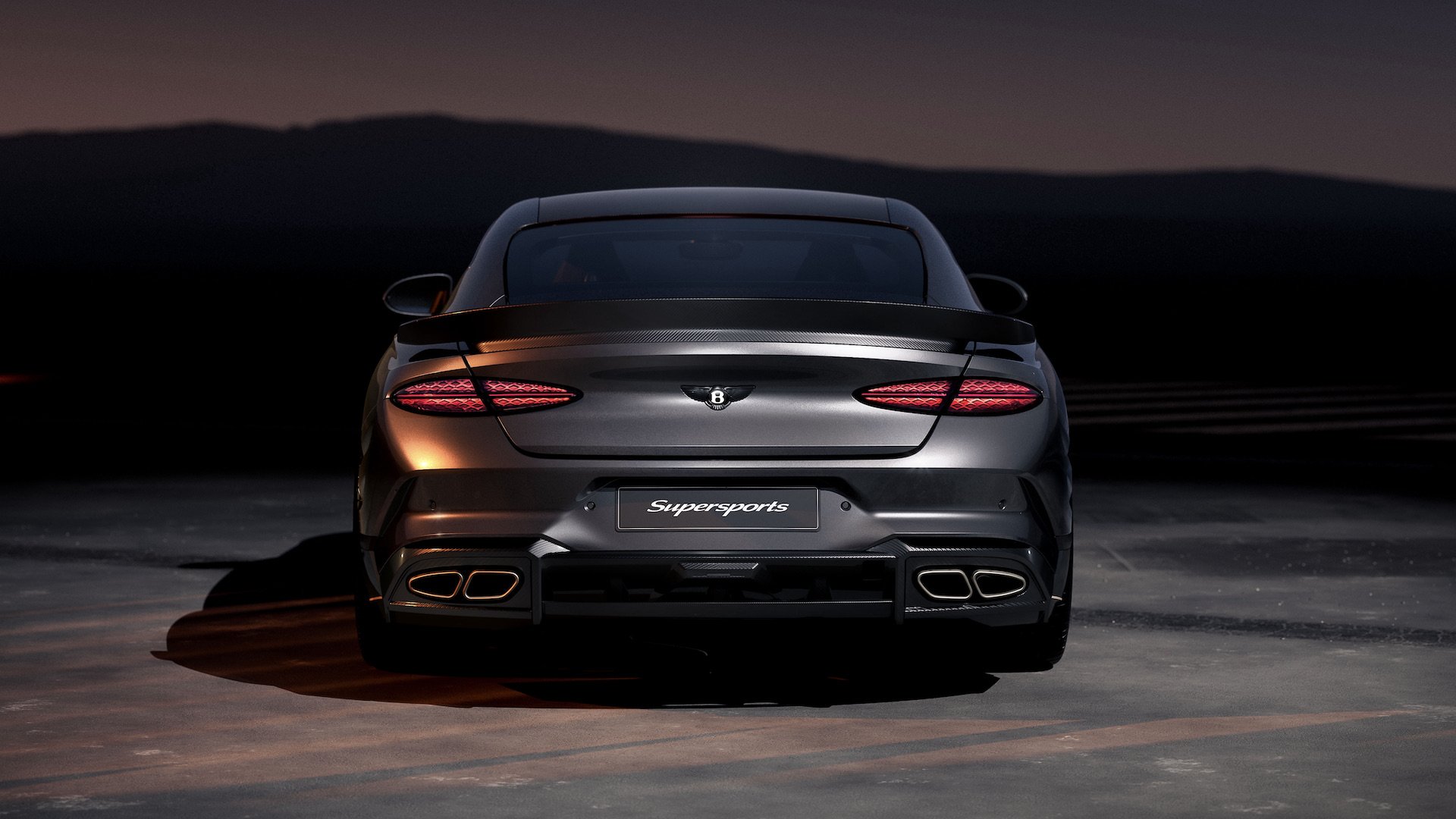
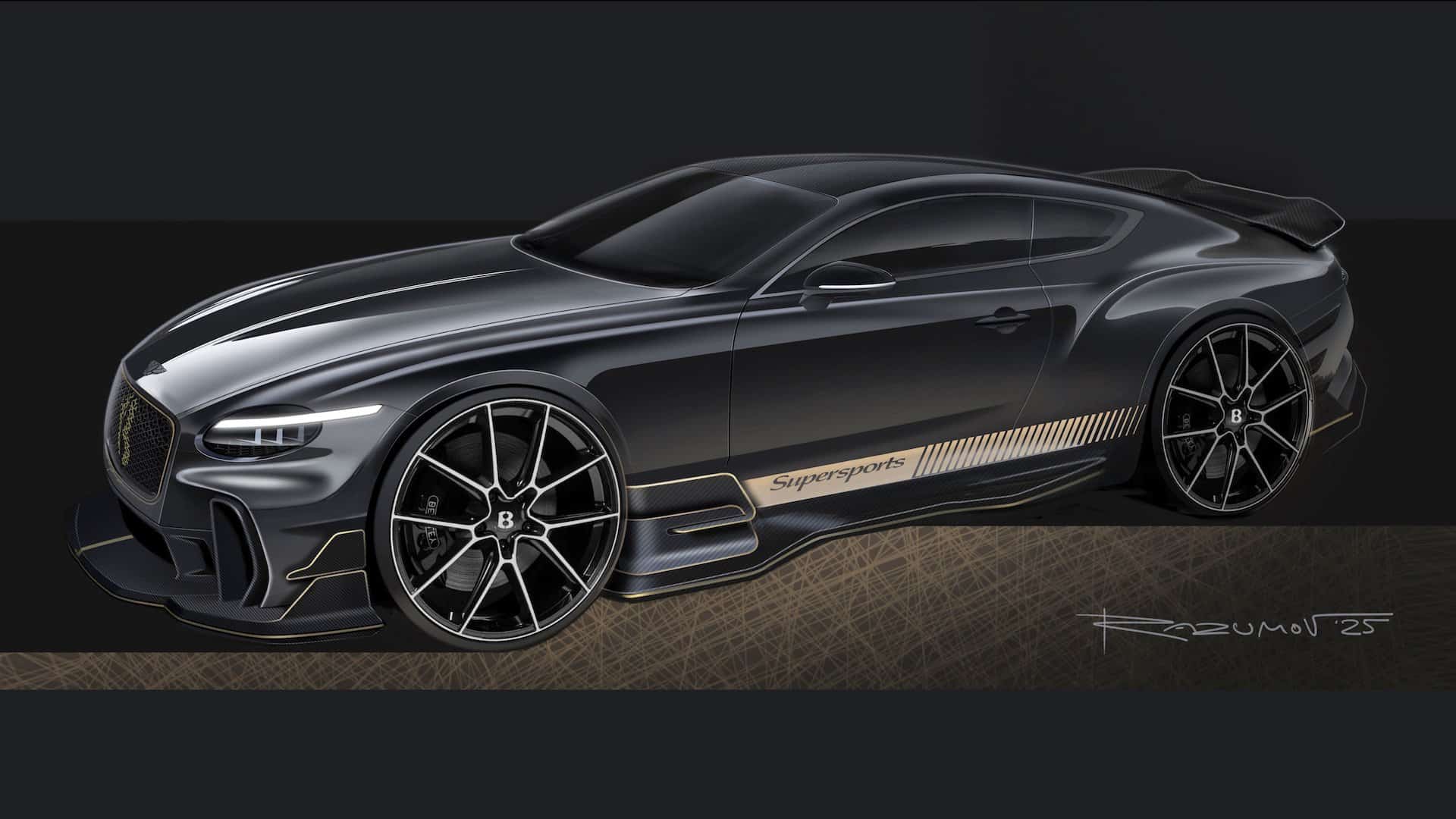
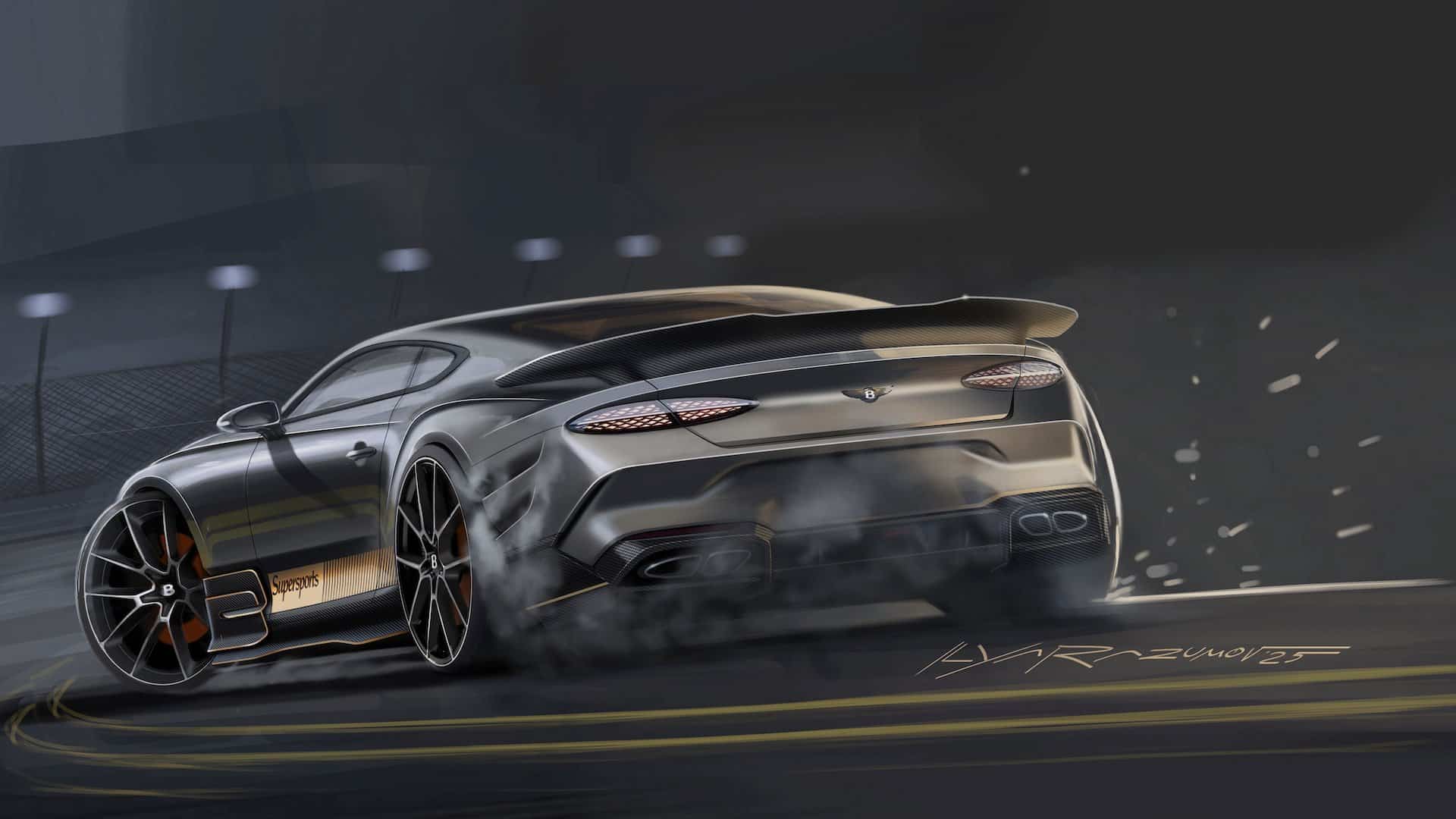
At its core is a strengthened 4.0-litre twin-turbo V8, producing 657 hp and 590 ft-lb, paired exclusively to an eight-speed dual-clutch gearbox and, crucially, sending power only to the rear wheels. The entire engineering mission centred on reducing mass, sharpening dynamics and enhancing the emotional connection between car and driver. The new Supersports weighs under two tons, nearly 500 kg lighter than a Continental GT Speed, thanks to a comprehensive weight-reduction program that touched every system of the vehicle.
The project began in 2024 when a small team proposed building a rear-wheel-drive, sub-two-ton Continental GT. A mule was approved and completed in just six weeks. Its impressive early track performance convinced Bentley’s leadership to launch a full program under the codename Project Mildred, honouring Mildred Mary Petre, an early record-setting endurance racer who famously piloted a Bentley 4½ Litre for 24 hours at Montlhéry in 1929. Her fearless, boundary-pushing spirit informed the direction and ambition of the new car.
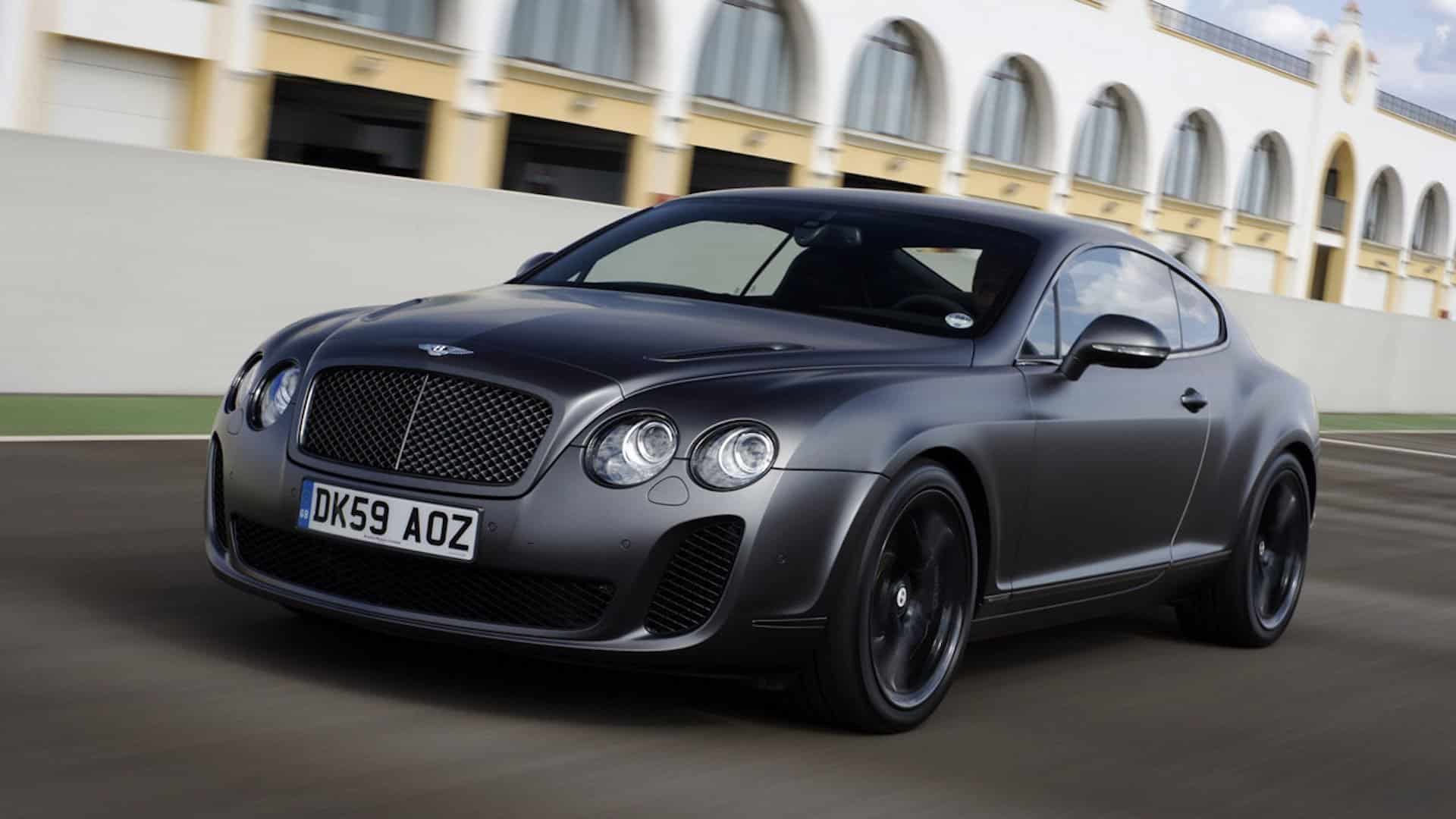
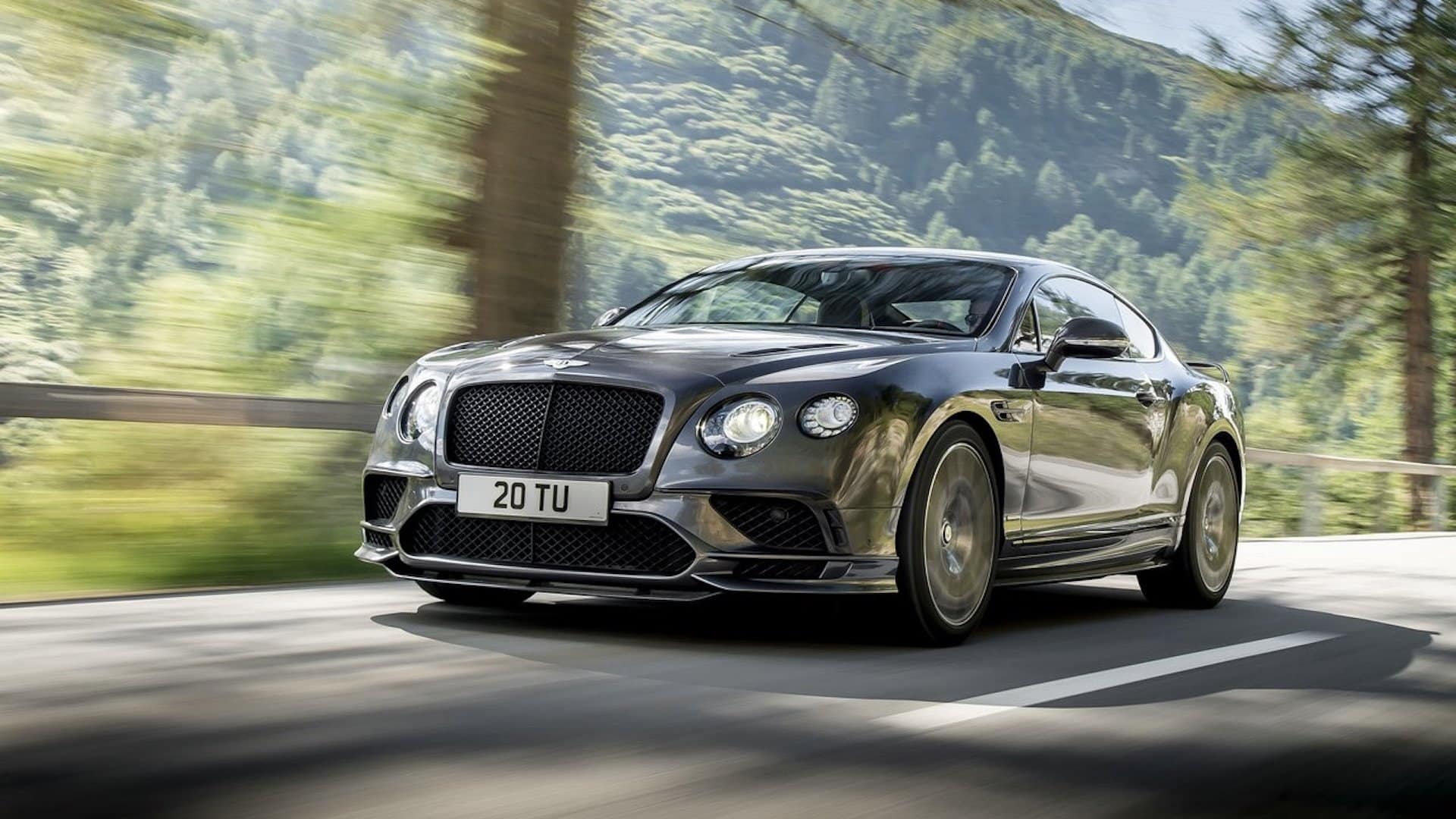
The Supersports lineage began in 1925, with a lighter, more powerful version of the 3 Litre capable of surpassing 100 mph. Only 18 were made. In modern times, the name resurfaced in 2009 and again in 2017, each time representing the pinnacle of performance for the Continental platform. The 2026 Supersports takes a different approach: instead of chasing absolute top speed, it focuses on making the most engaging Bentley ever through aggressive weight saving, aerodynamics and a shift to rear-wheel drive.
The 4.0-litre V8 gains a stronger crankcase, upgraded cylinder heads and larger turbos to achieve Bentley’s highest-ever power density (164.22 hp per litre). A full-titanium Akrapovič exhaust reduces weight and delivers a deeper, more authentic V8 soundtrack with no artificial cabin enhancement.
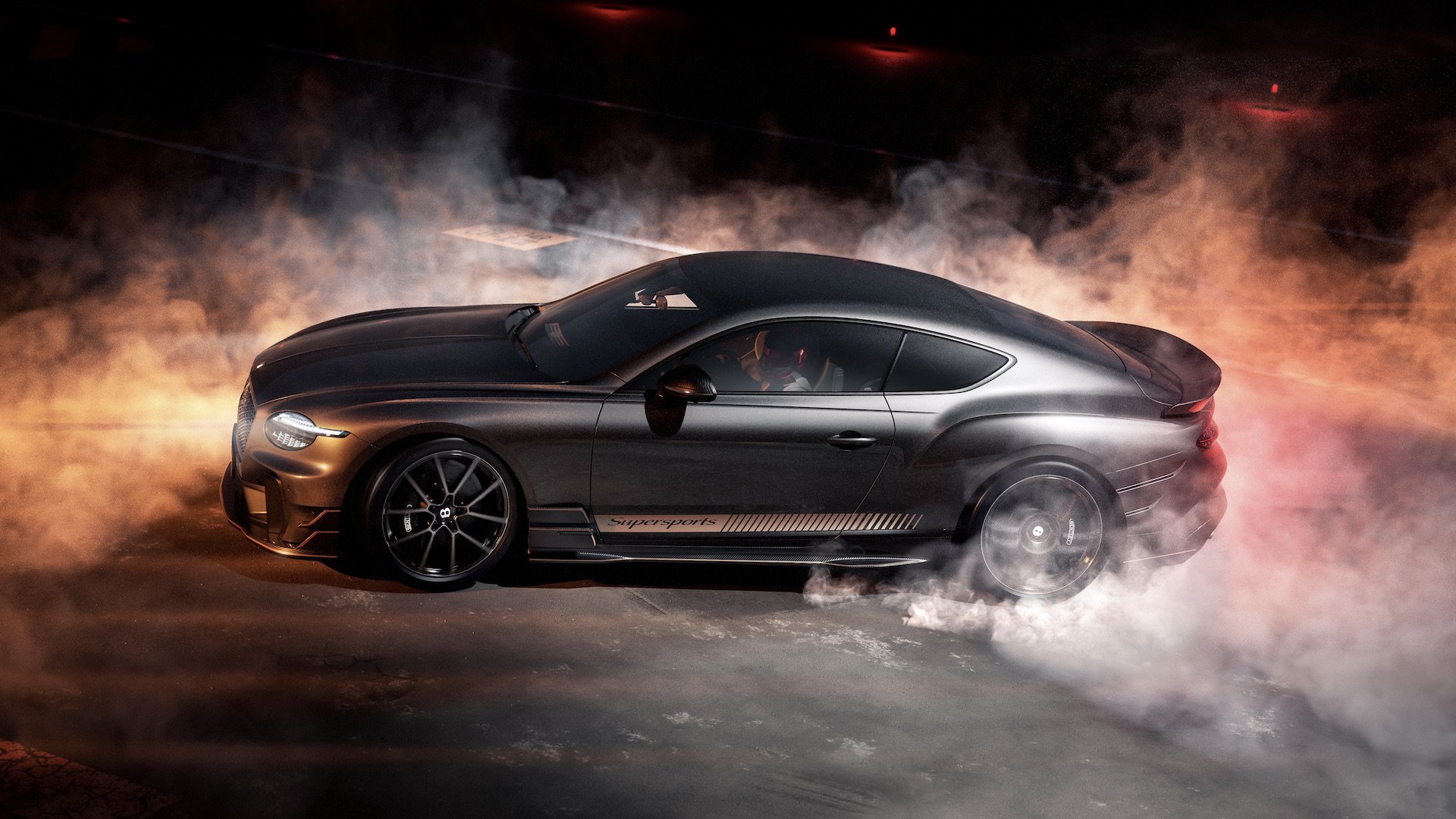
The move to rear-wheel drive, the first for any road-going Continental GT, is the single biggest philosophical shift. A new electronic limited-slip differential, wider rear track (by 16 mm) and torque vectoring by brake sharpen agility and responsiveness. The rear-wheel steering remains for stability. ESC can be configured from fully on, to a dynamic slip-allowing mode, to fully off for controlled oversteer.
Three new drive modes: Touring, Bentley and Sport. These allow the driver to tailor the chassis and powertrain for comfort or maximum engagement.
Weight reduction was approached systematically by focusing on key elements:
The result is Bentley’s lightest car since the late 1930s, yet still engineered to meet modern comfort and refinement expectations.
Suspension uses double wishbones at the front, a multi-link rear axle and new twin-chamber dampers with independent bump/rebound control. The 48-volt Bentley Dynamic Ride system can apply 959 ft-lb of anti-roll torque in 0.3 seconds to keep the car flat and responsive.
With optional Pirelli Trofeo RS tires, the Supersports can corner 30% quicker than a Continental GT Speed and achieve up to 1.3 g of lateral force.
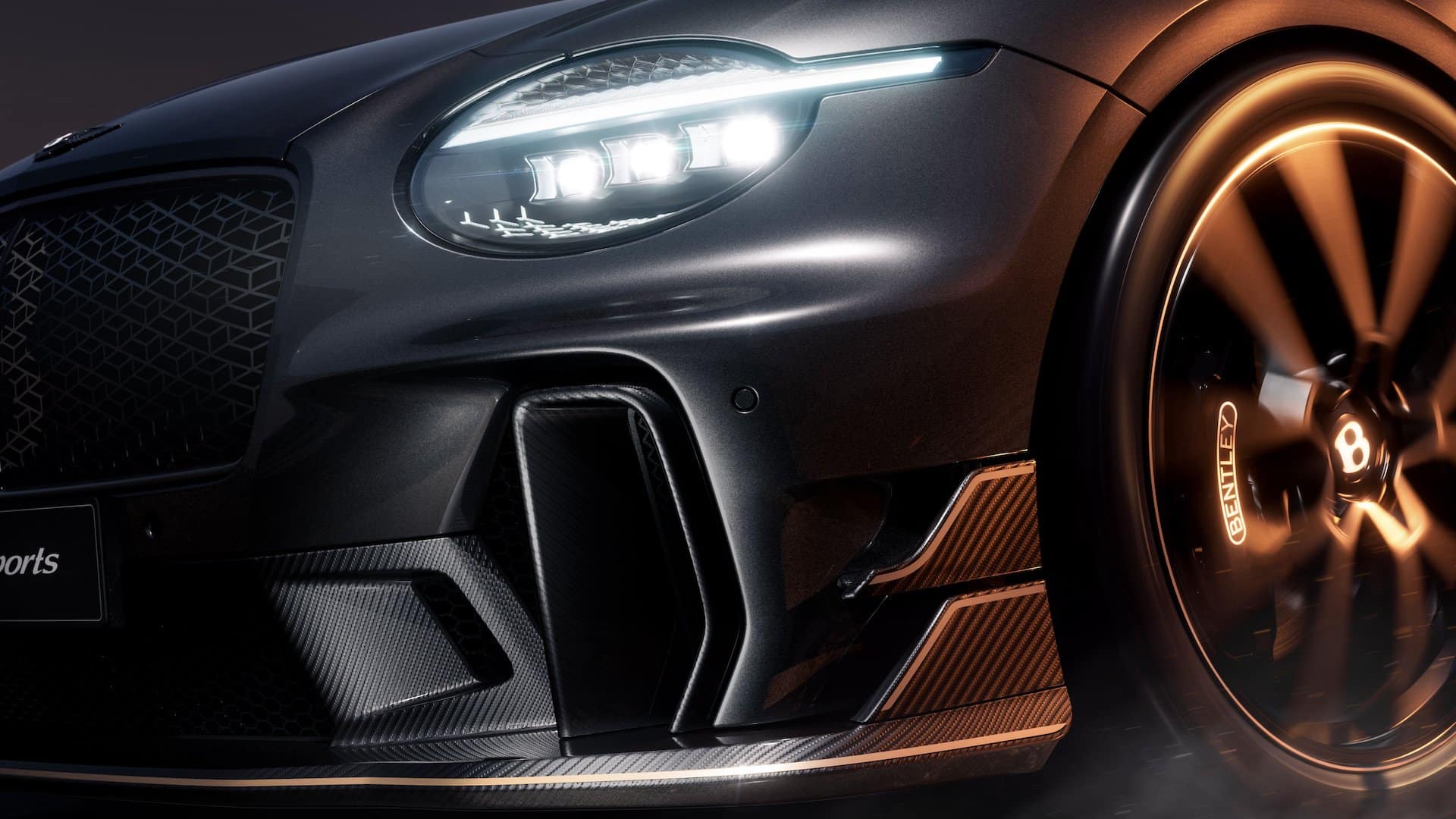
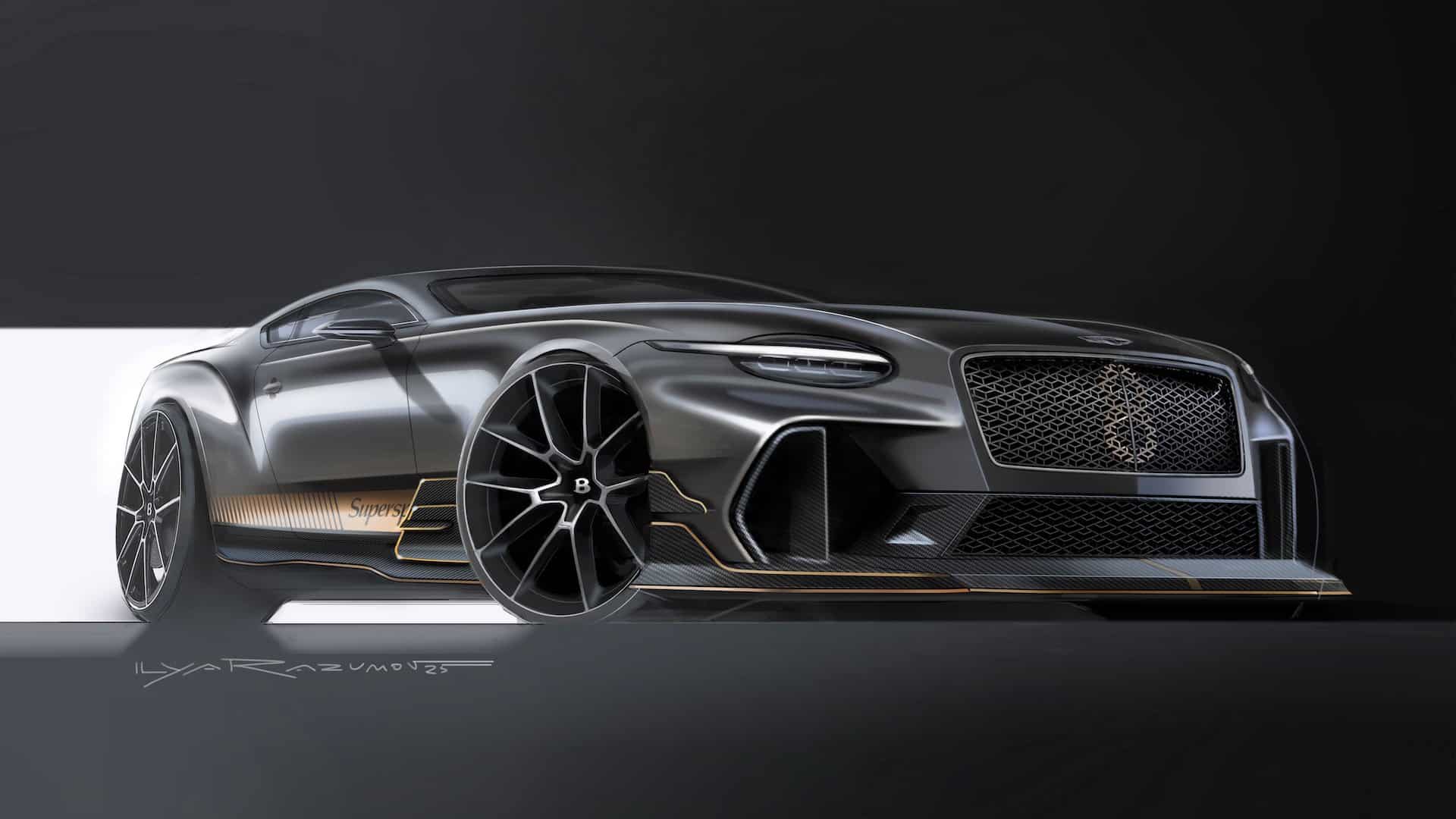
Lightweight carbon-fibre elements play a major aerodynamic role:
These components generate over 300 kg more downforce than a GT Speed while maintaining a balanced lift at high speeds. Every piece was engineered for function, not style.
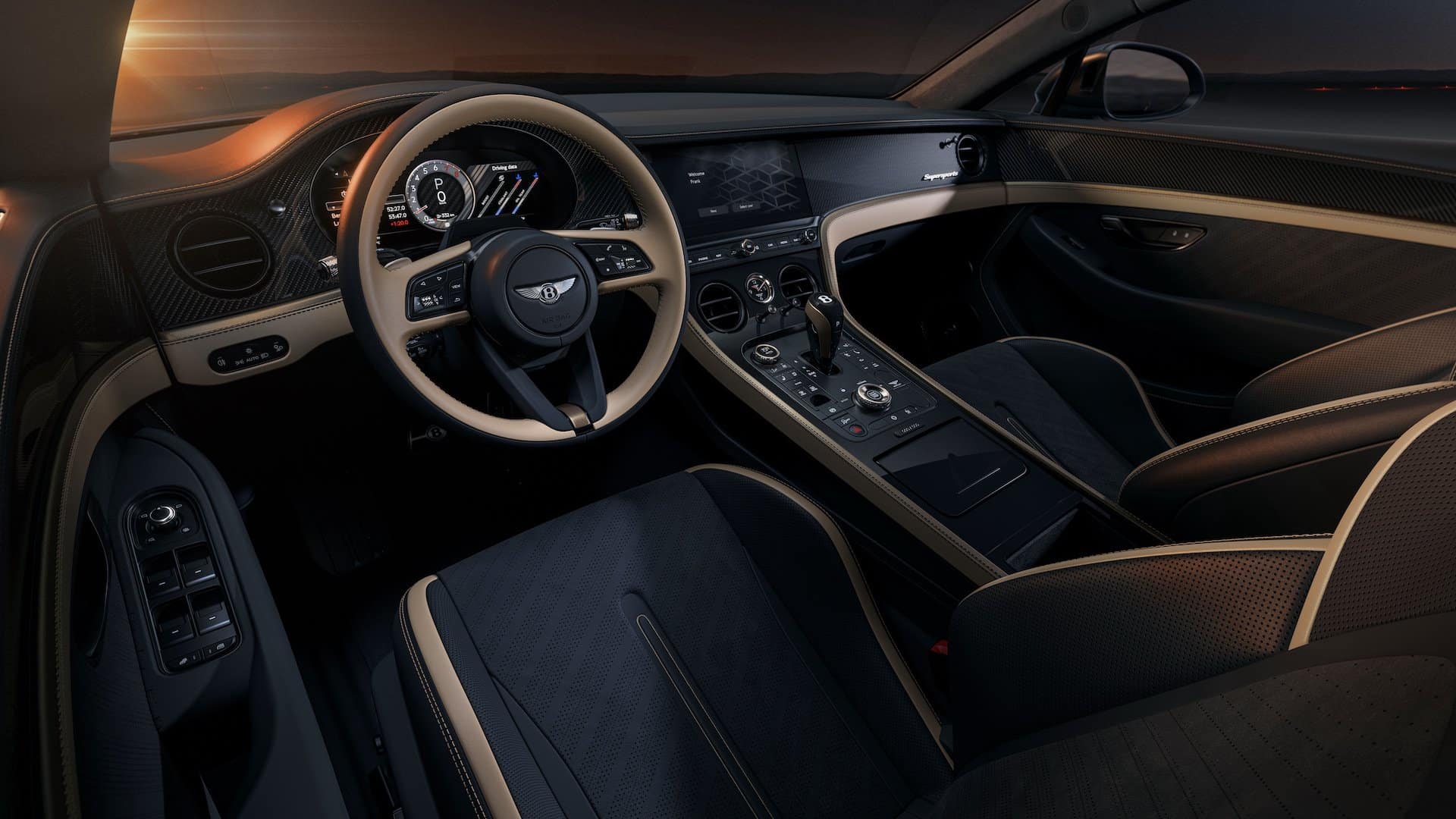
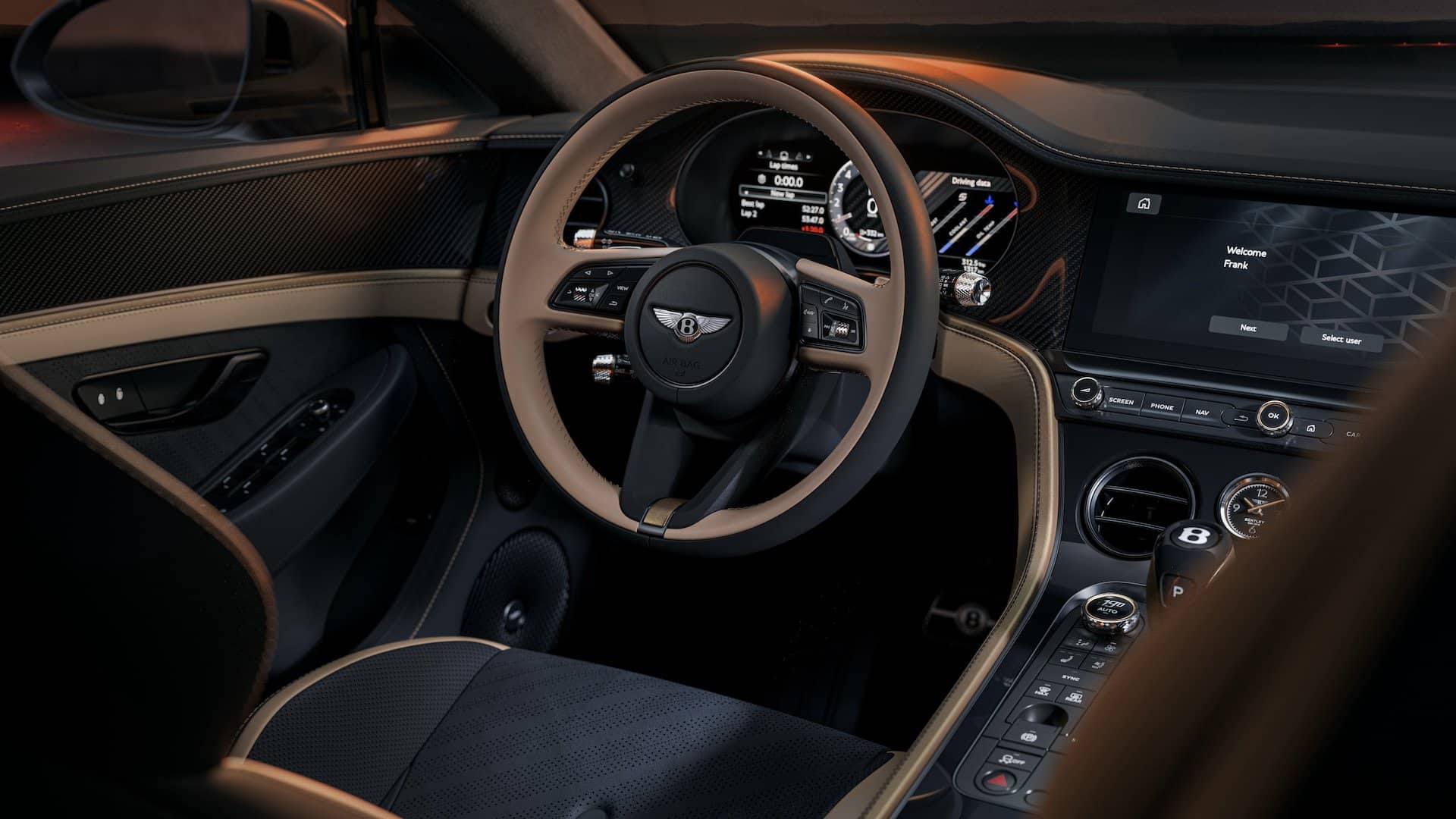
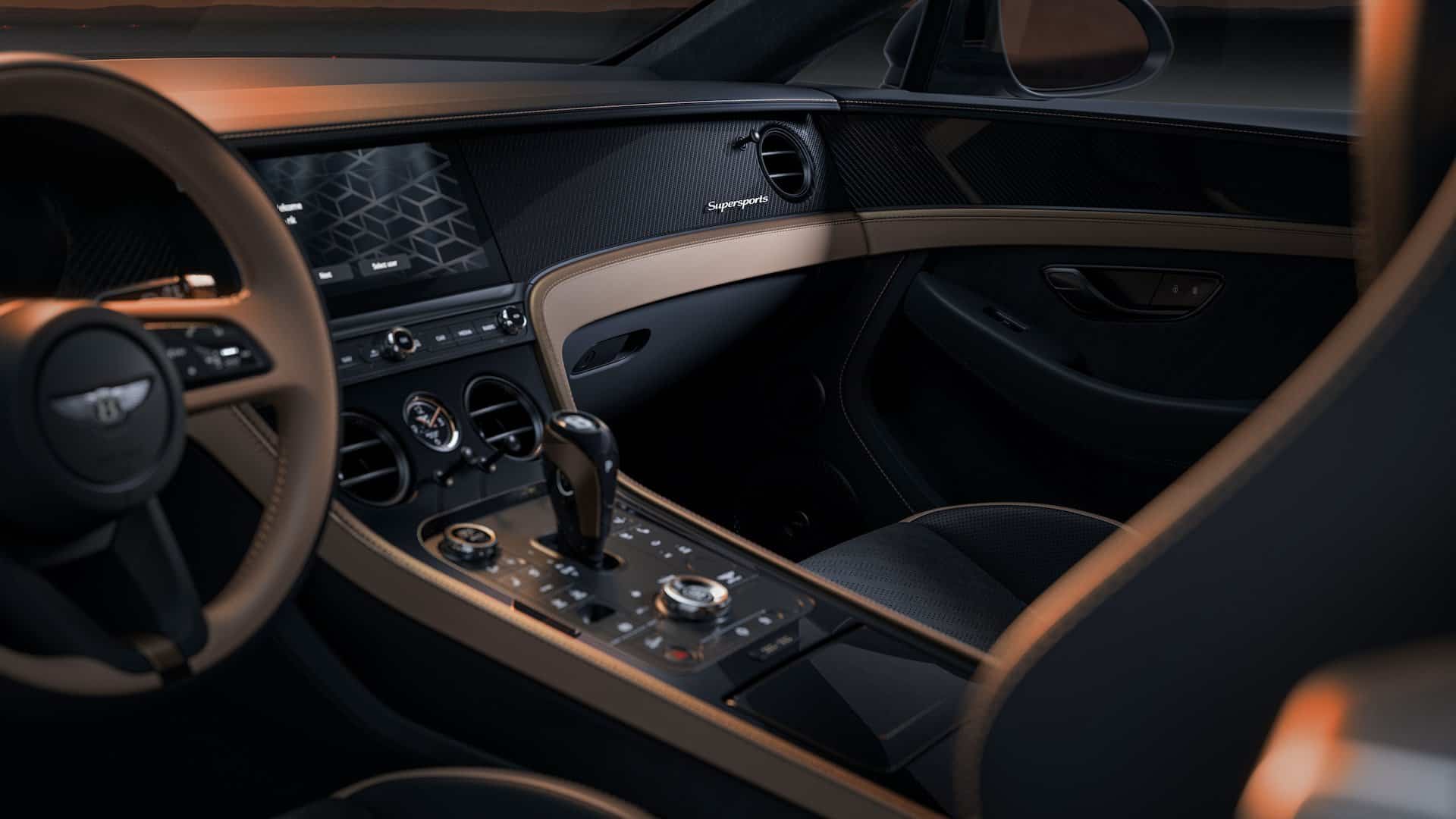
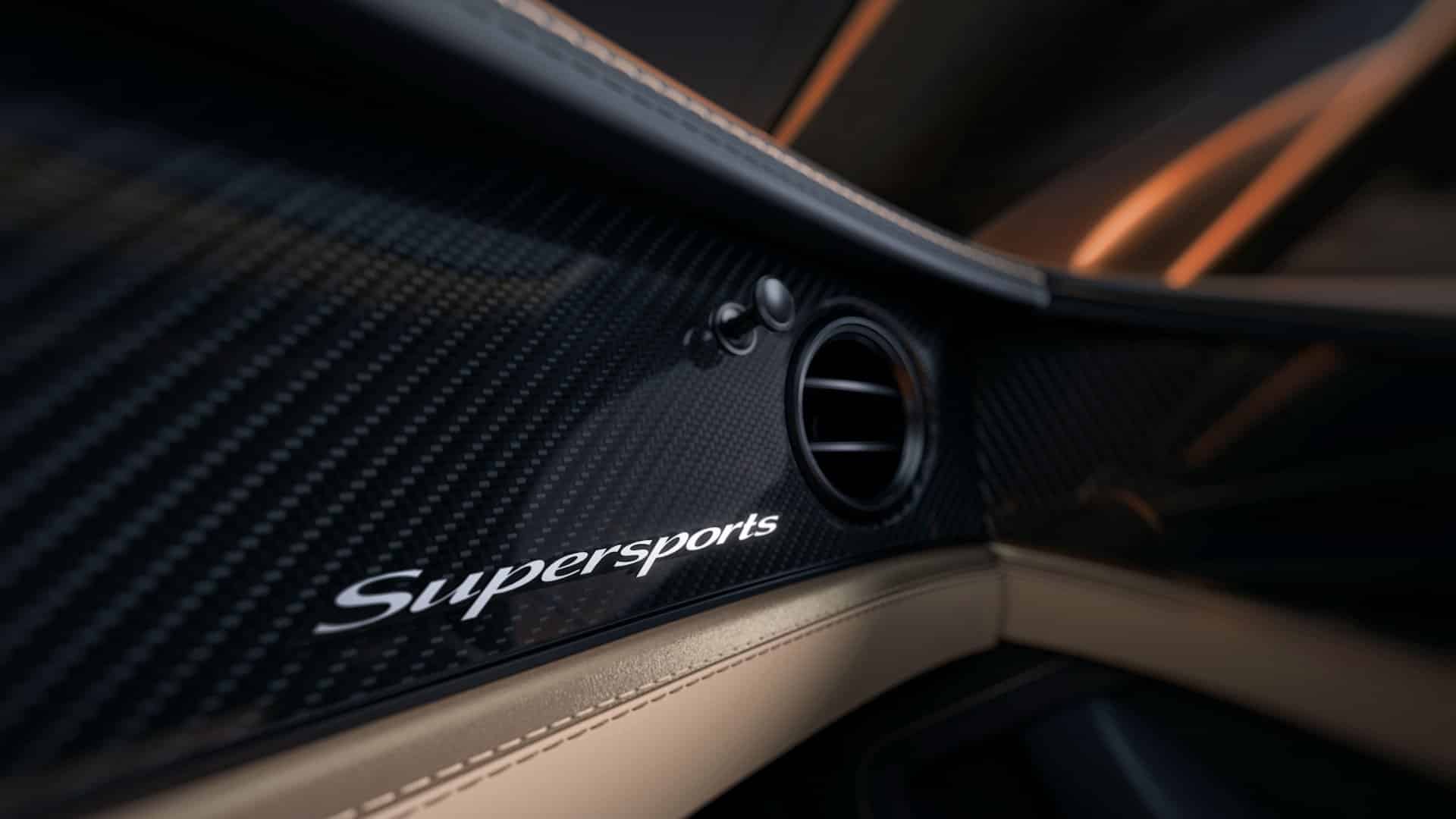
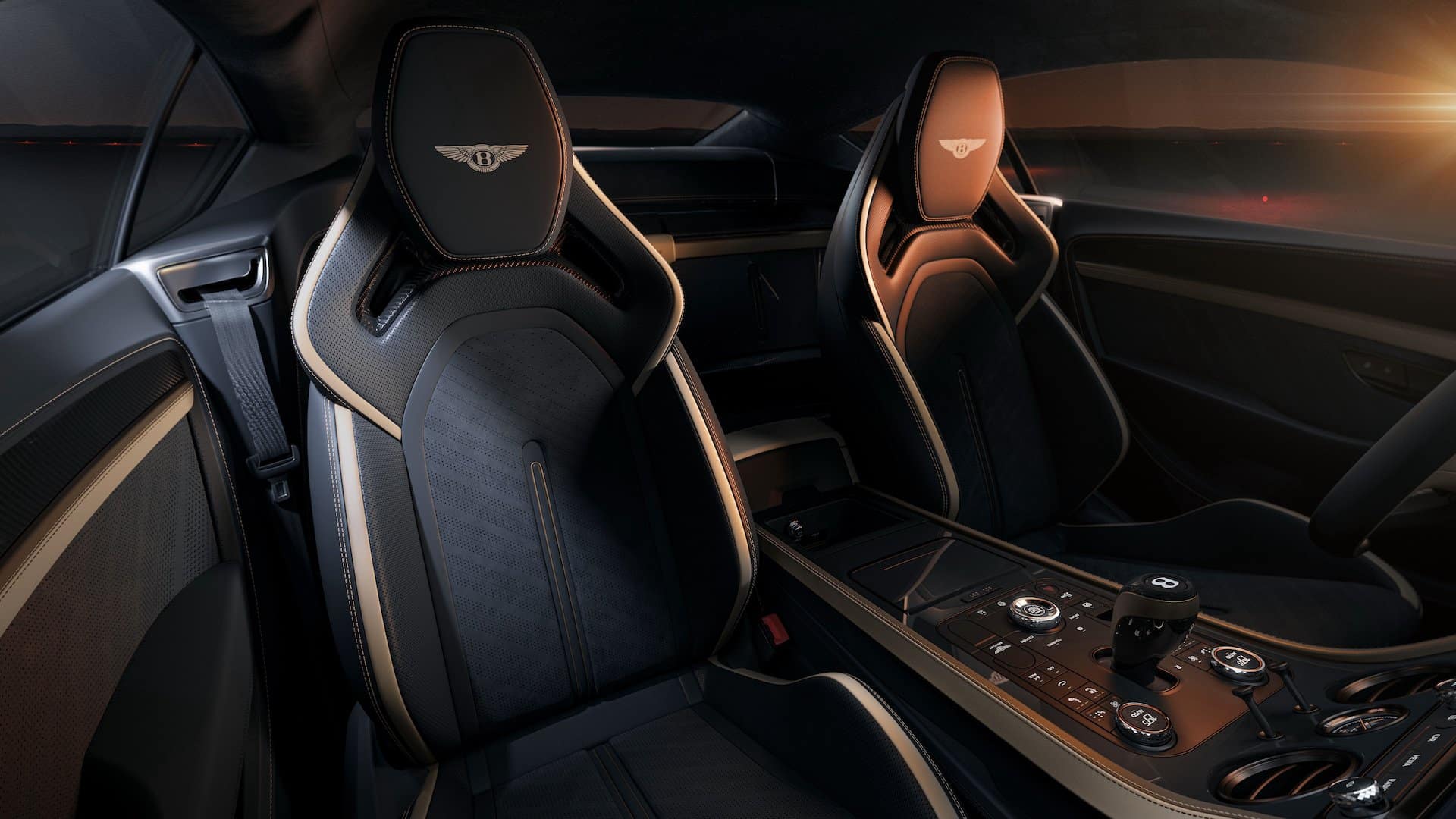
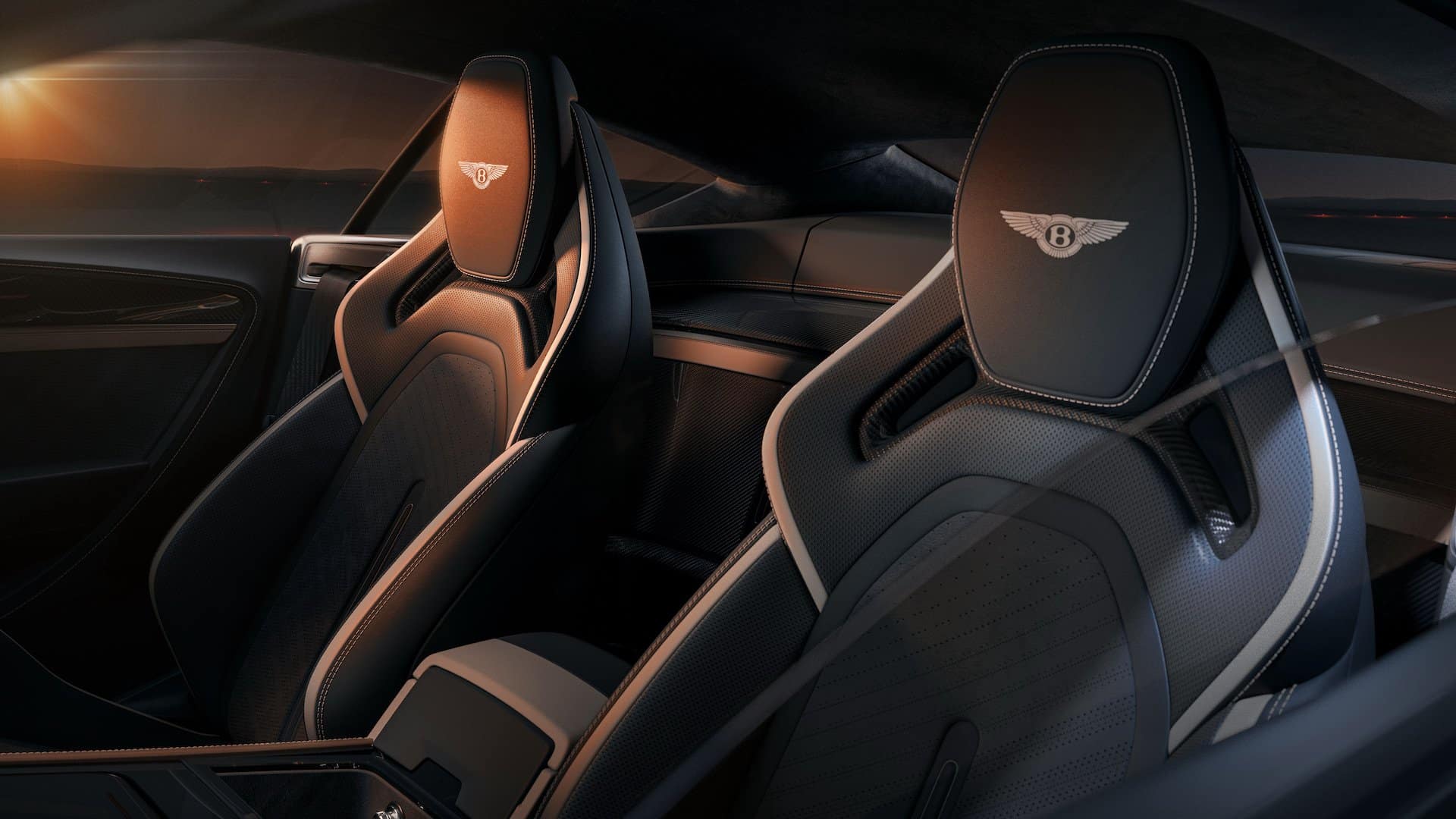
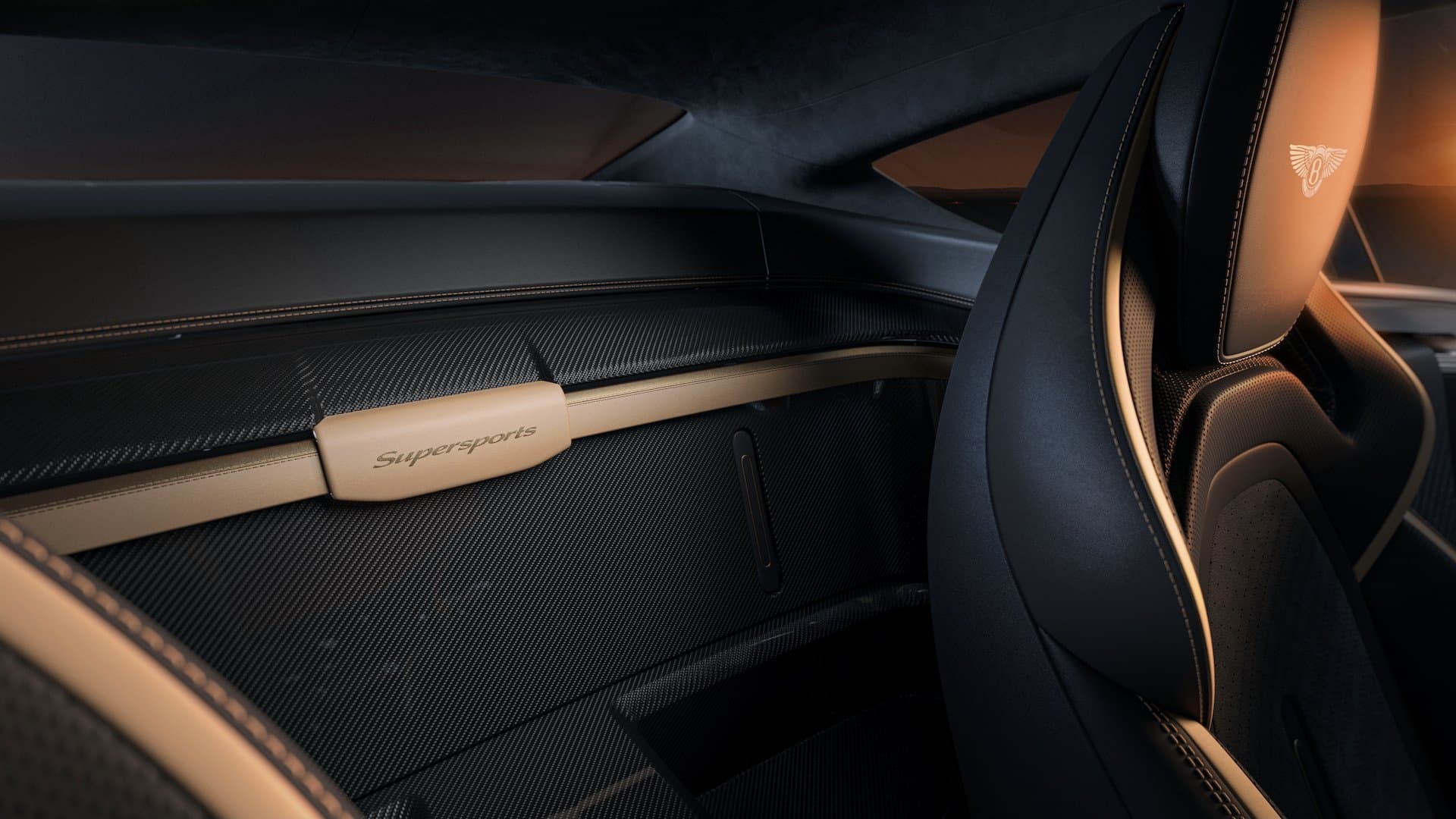
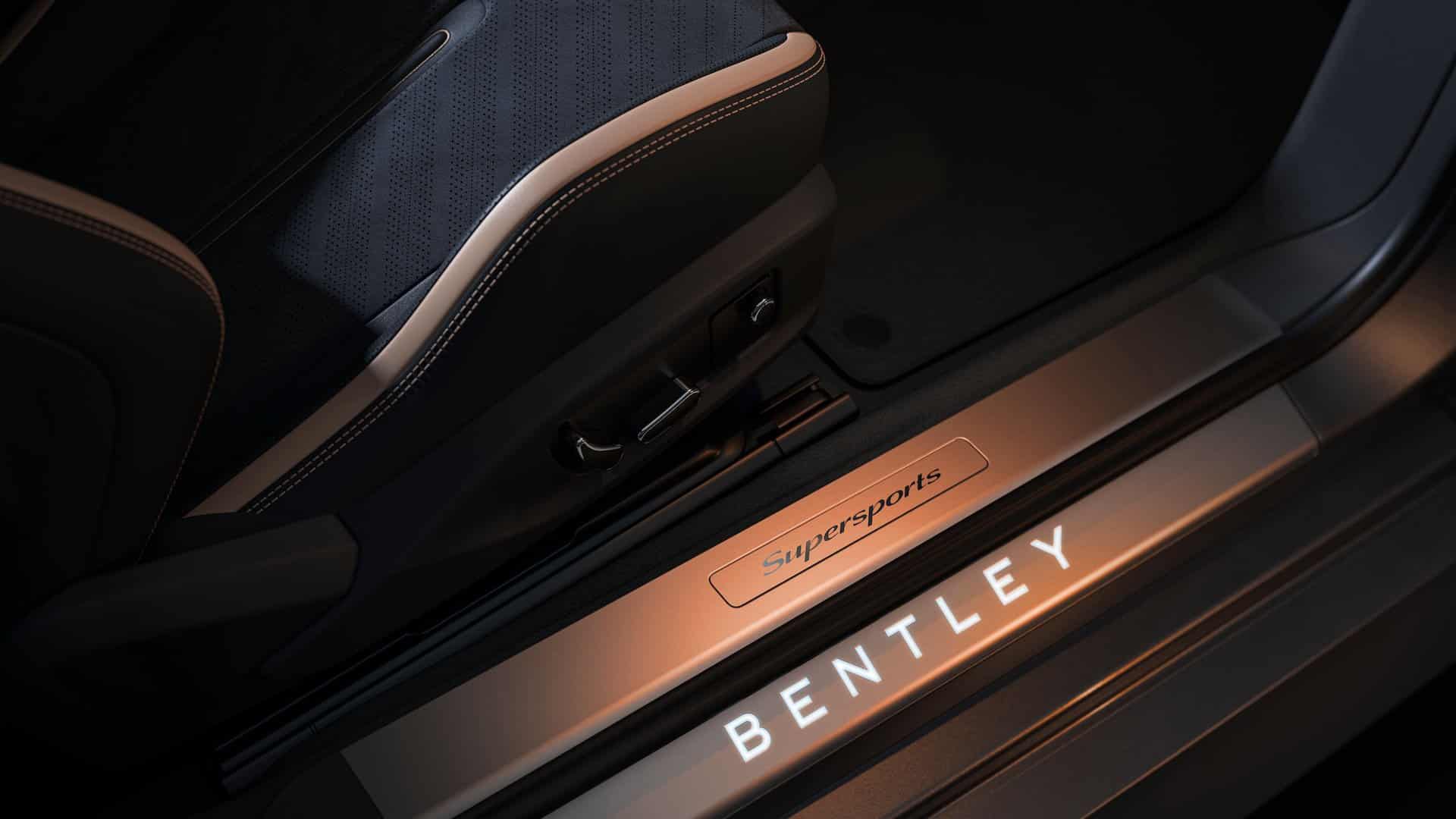
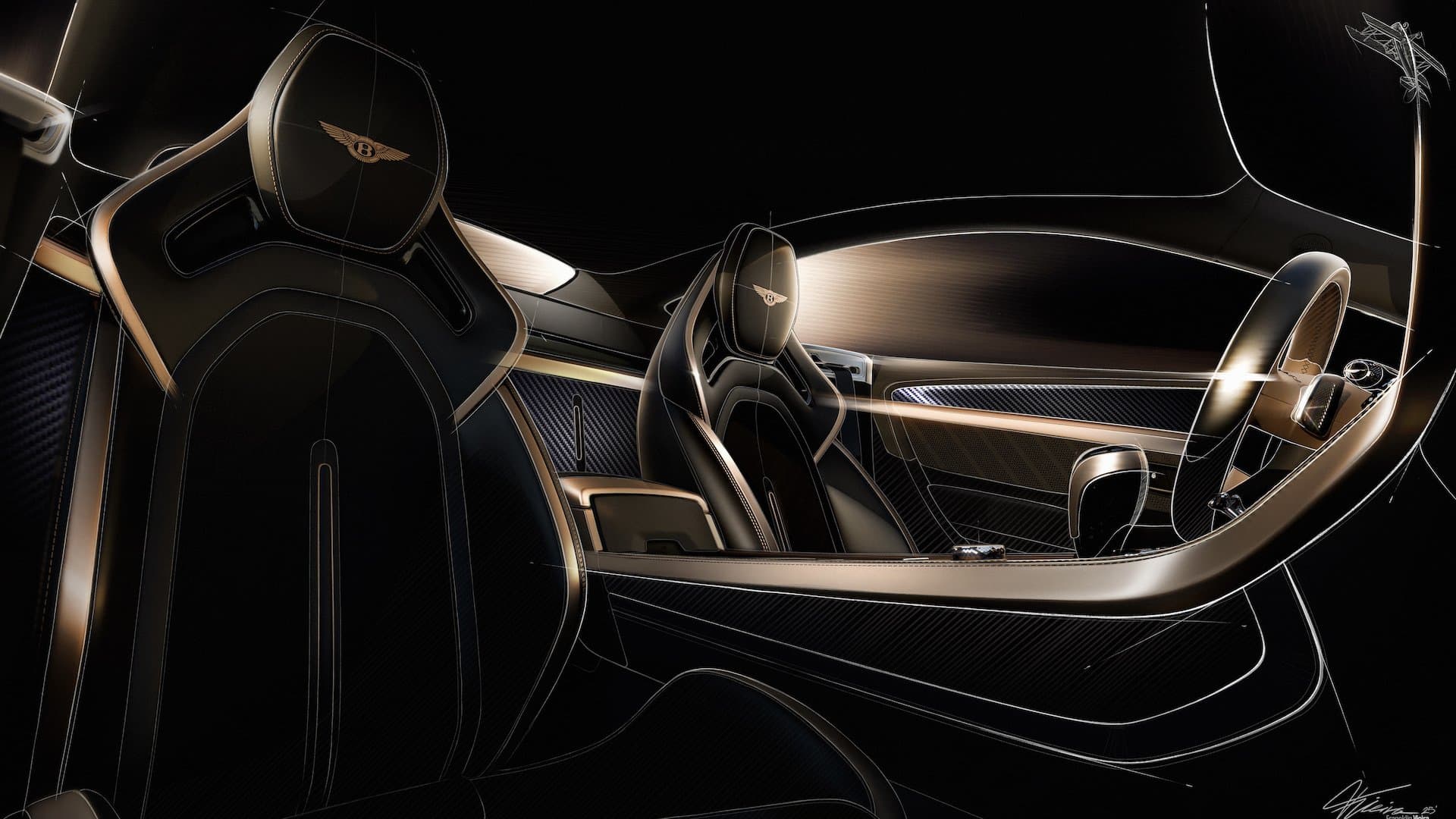
Inside, the Supersports embraces a motorsport-inspired minimalist approach. The rear cabin is removed entirely, replaced with a leather-wrapped, carbon-fibre tub. The new front seats are lightweight, heavily bolstered and mounted lower in the chassis to enhance driving feel. Leather, Dinamica and carbon fibre dominate, with monotone, duotone and tritone options available.
Twenty-two main hide colours, nine accent colours and a variety of trim options, including carbon fibre, diamond-brushed aluminum and engine-turned metal, allow for extensive personalization.
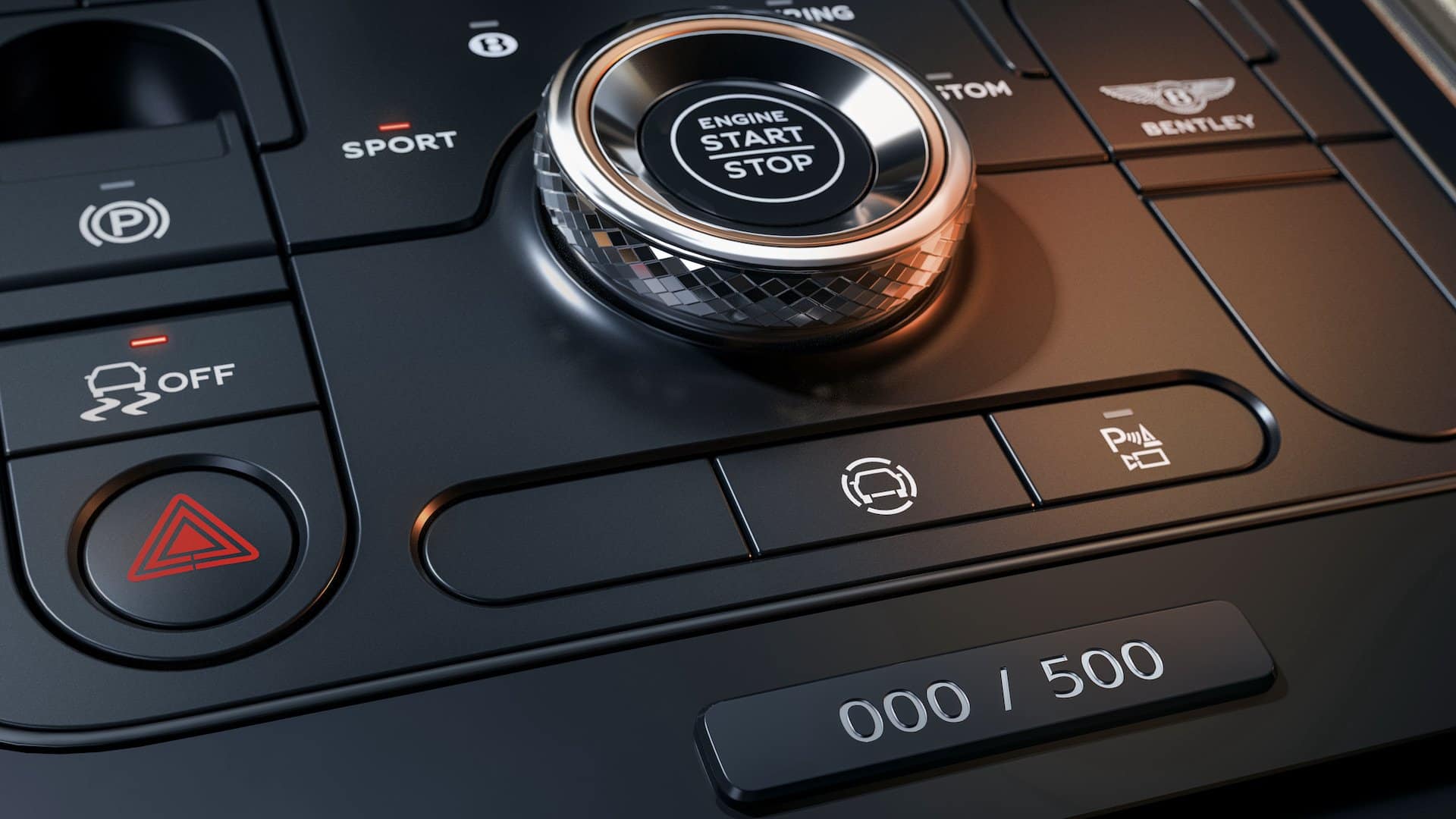
Every car is individually numbered on the centre console.
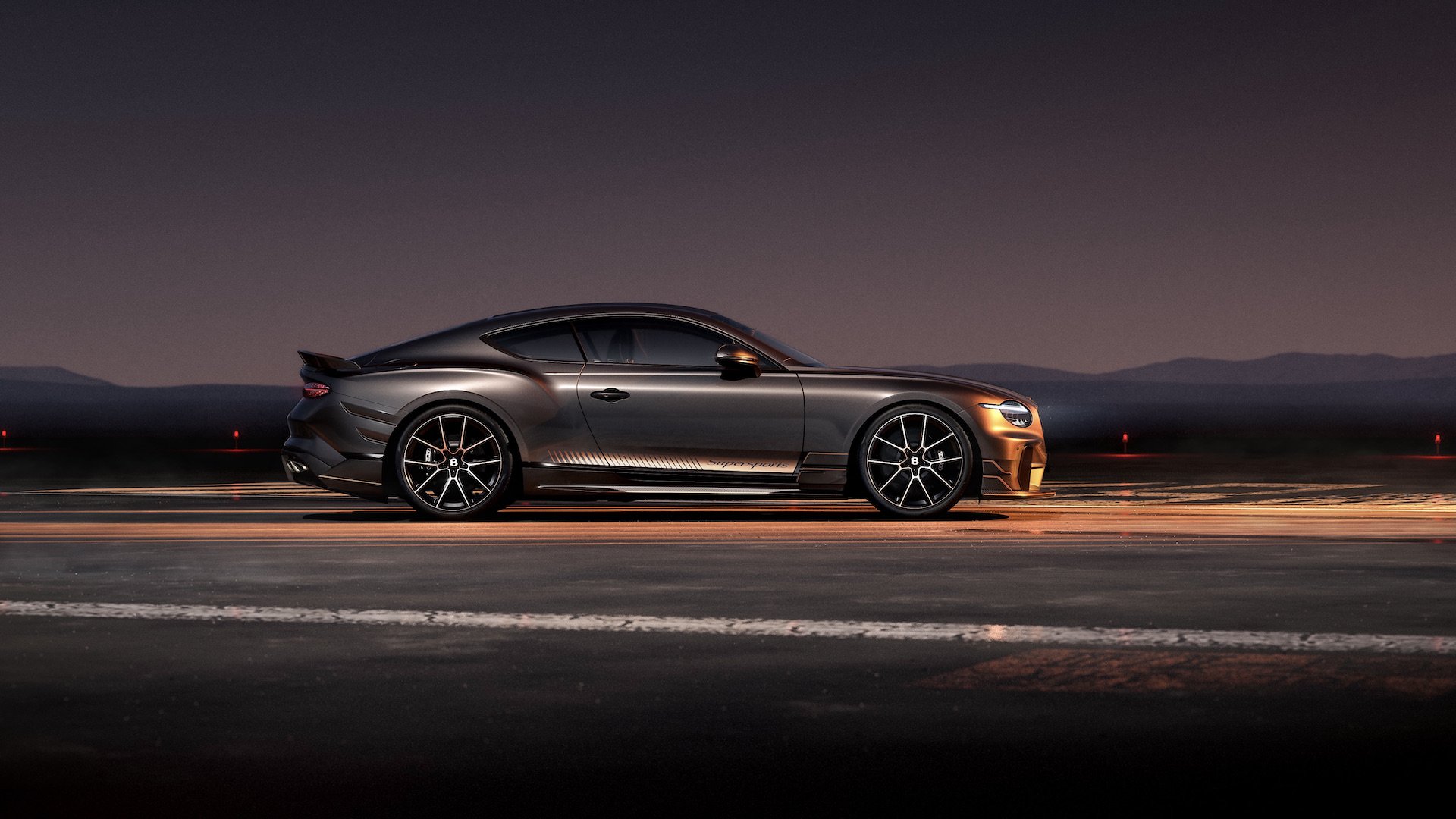
Bentley offers five optional Design Themes featuring contrast striping or colour blocking on the lower body and rear quarters. Exterior carbon fibre can be ordered in high gloss, fully painted or pinstriped finishes. Mulliner expands the palette to 24 core paint colours, matte finishes and custom Supersports logos.
The launch visual spec, Nightfall, combines Anthracite paint with Camel accents. The New York debut car, Daybreak, wears Jetstream Matte with Arctica and Portofino striping.
The Supersports will be limited to 500 units, all handcrafted in Crewe. Orders open in March 2026, production begins in late 2026 and first deliveries start in early 2027. Markets include the UK, Europe, the United States, Canada, Australia, New Zealand and key Middle Eastern countries.
Eleven pickups and a converted ProMaster gathered in Uxbridge offered a look at how many…
Every year, Wards Auto publishes its list of the 10 best powertrains available in a…
In a segment as competitive as the compact crossover one, in which there’s an abundance…
This SUV is based on the platform and powertrain of the AMG GT 4-door coupe.…
Volvo is reportedly producing about 200 EX60s weekly against a 2,000-unit target. Megacasting and cell-to-body…
Stellantis is exploring Canadian exports of two electrified Jeeps built in Wuhan. Brampton sale talks…