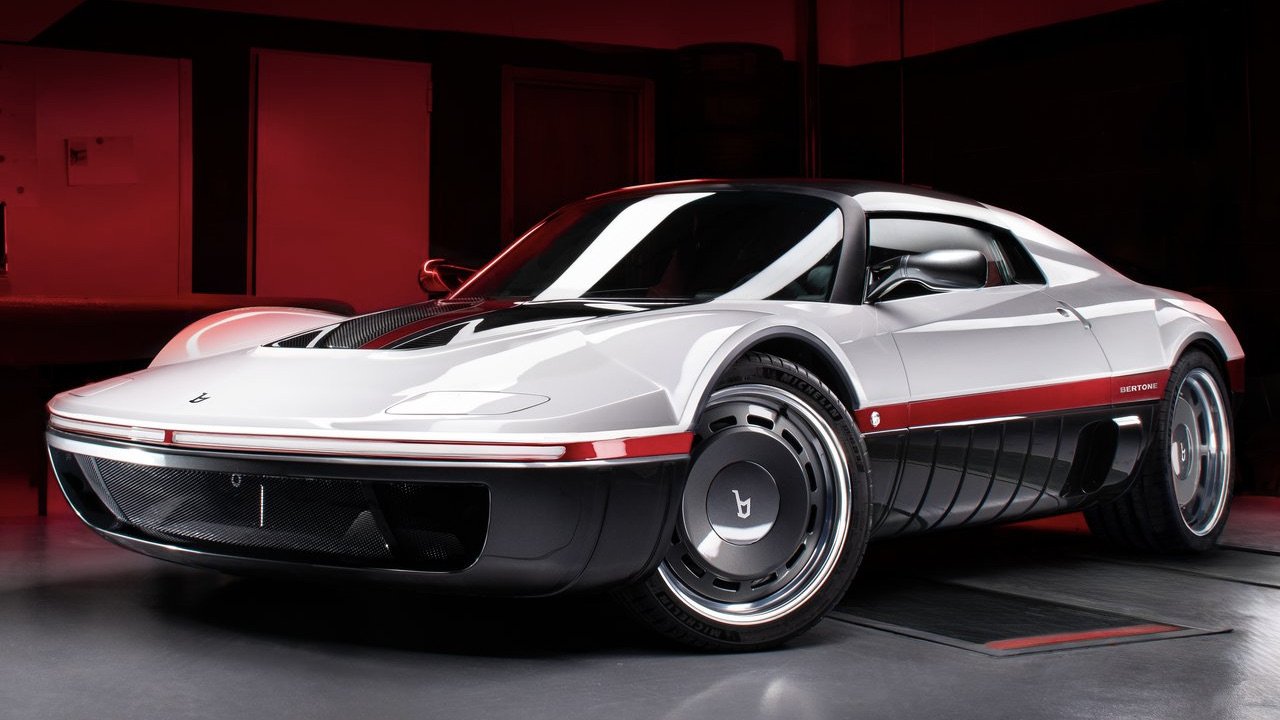
2026 Bertone Runabout
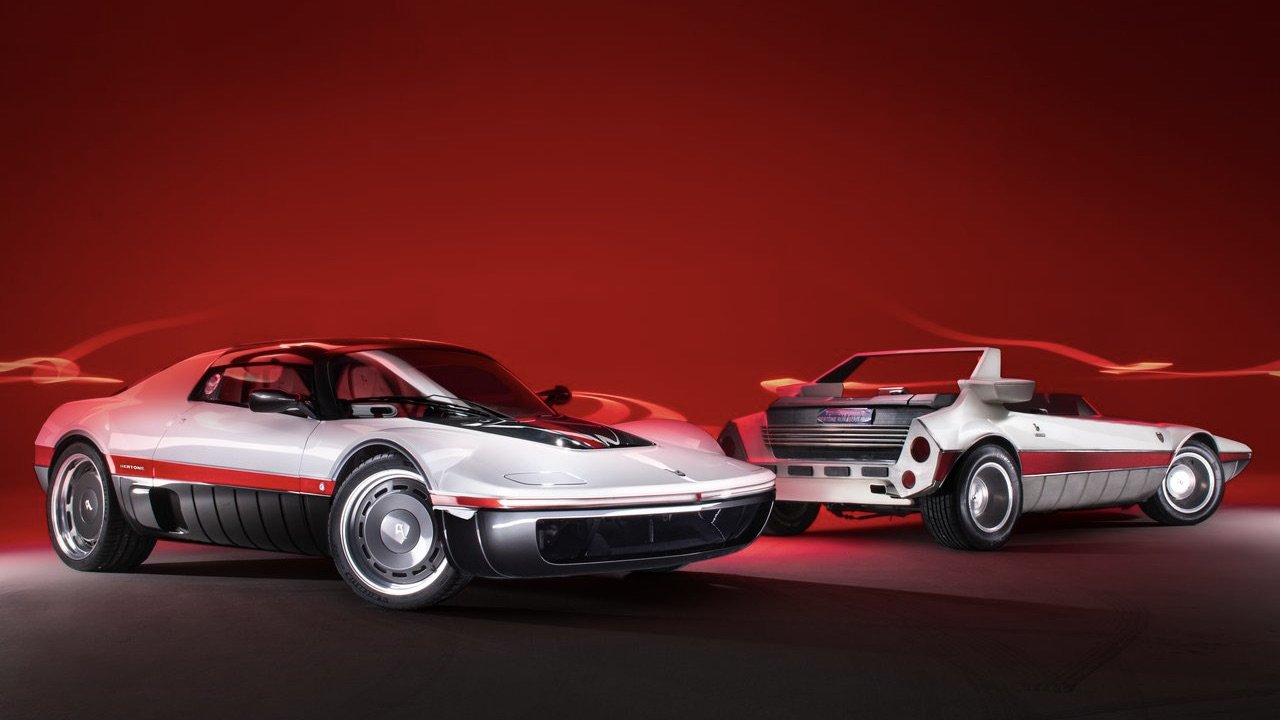
The original Runabout first appeared in 1969, at a time when Italian design studios were pushing boundaries with radical proportions, exposed mechanical elements, and a strong sense of optimism about the future. Developed within Bertone’s Centro Stile, the concept reflected a desire to break free from established automotive norms, favouring sculptural purity, openness, and emotional expression over convention.
That philosophy remains central to the Runabout’s rebirth. Rather than recreating a period piece, Bertone approached the project as a bridge between past and present—retaining the conceptual DNA of the original while reinterpreting it through a contemporary design lens. Every surface, line, and proportion has been carefully rethought to reflect modern expectations without diluting the essence of the original idea.
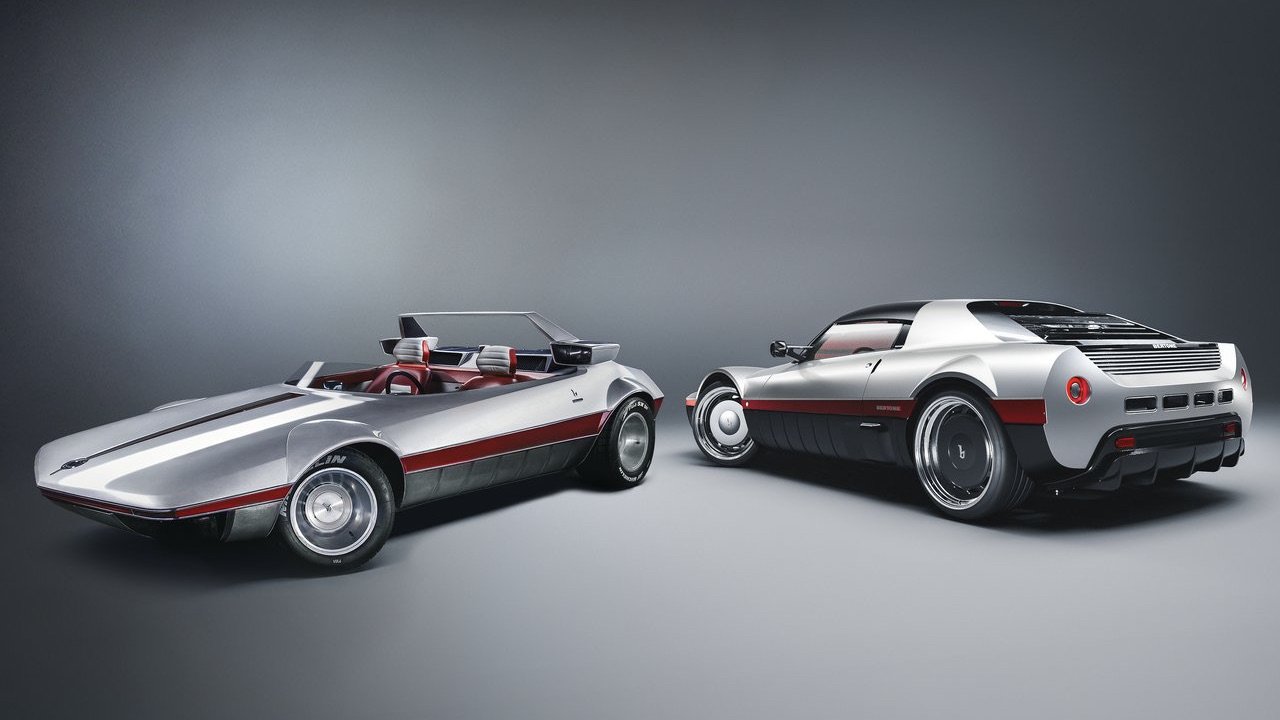
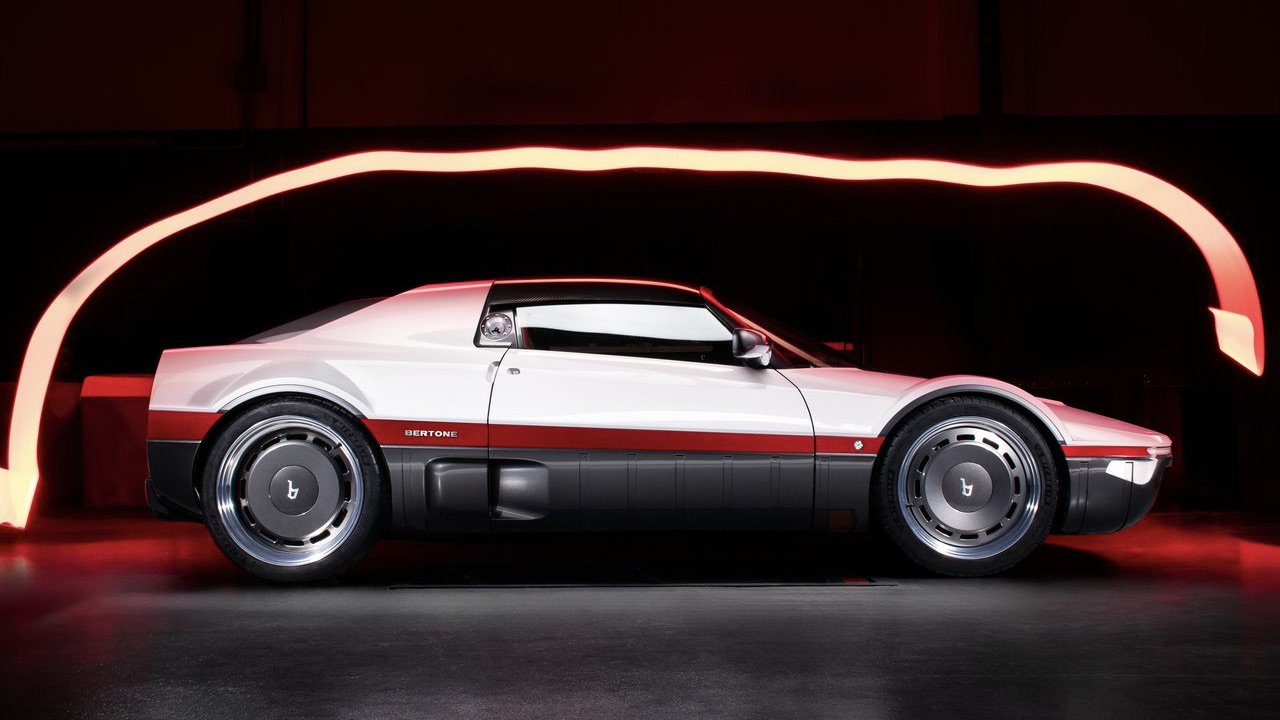
The modern Runabout is offered in two distinct body styles, each expressing the same architectural concept in a different way. The Barchetta configuration is the most elemental, emphasizing lightness, openness, and an uninterrupted wedge profile. With its fully open cockpit, it places the driving experience front and centre, echoing the raw, exposed character of the original concept.
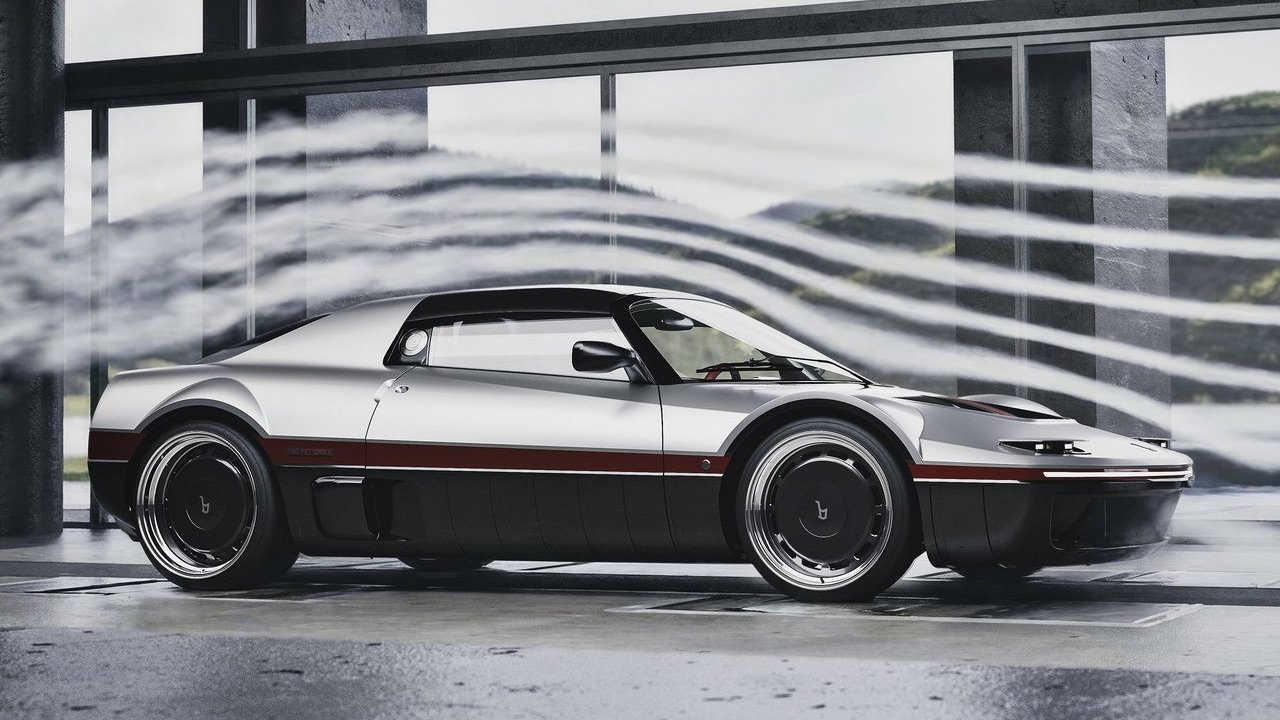
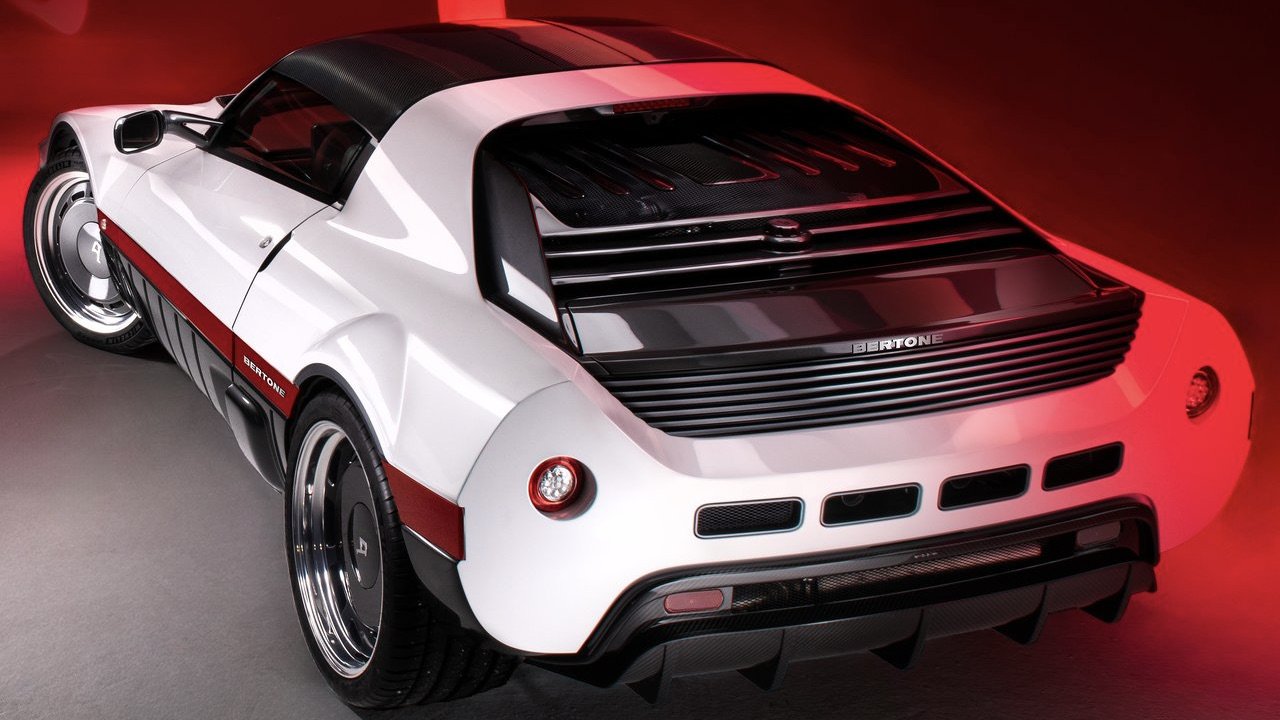
The Targa version introduces a removable carbon-fibre roof, adding versatility while preserving the purity of the silhouette. Rather than altering the design language, this solution enhances functionality without compromising the Runabout’s visual discipline or proportions.
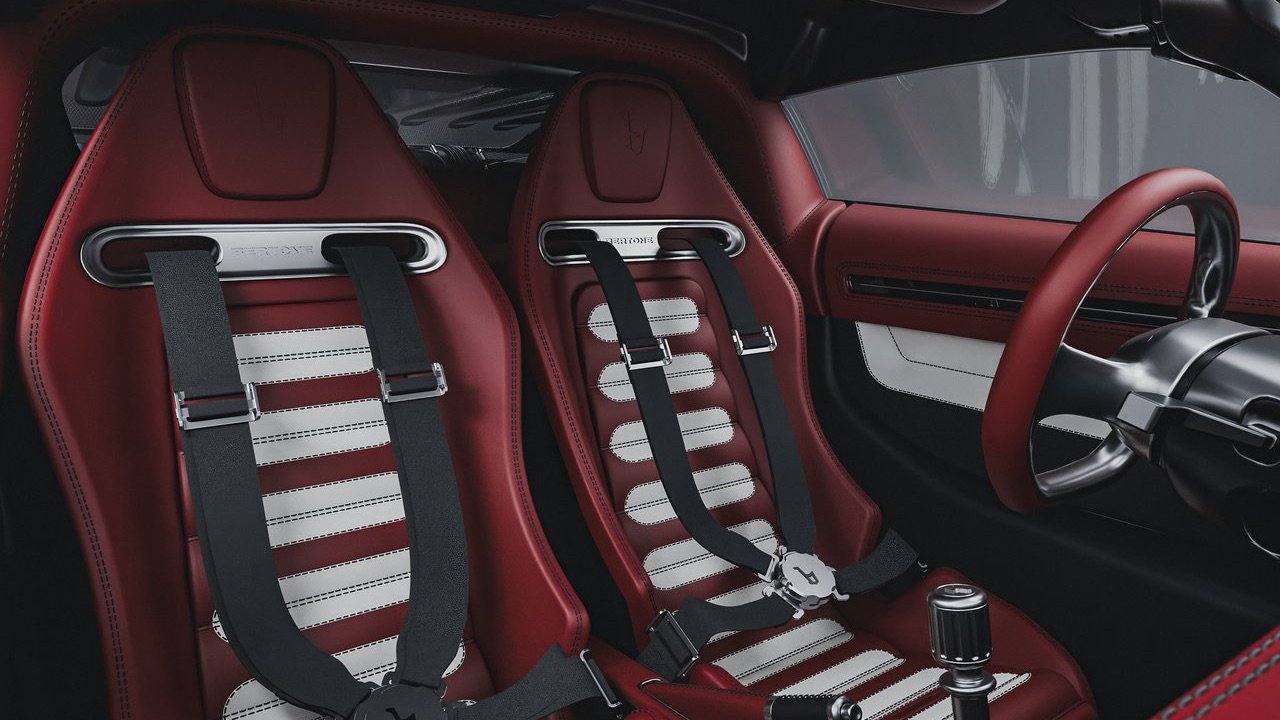
Inside, the Runabout adopts a minimalist, driver-focused philosophy. The cockpit is shaped like a hull, positioning occupants low within the structure to enhance the sense of immersion. Materials are selected for their tactile and functional qualities: carbon-fibre seat shells, machined aluminum components, exposed mechanical switchgear, and hand-finished leather.
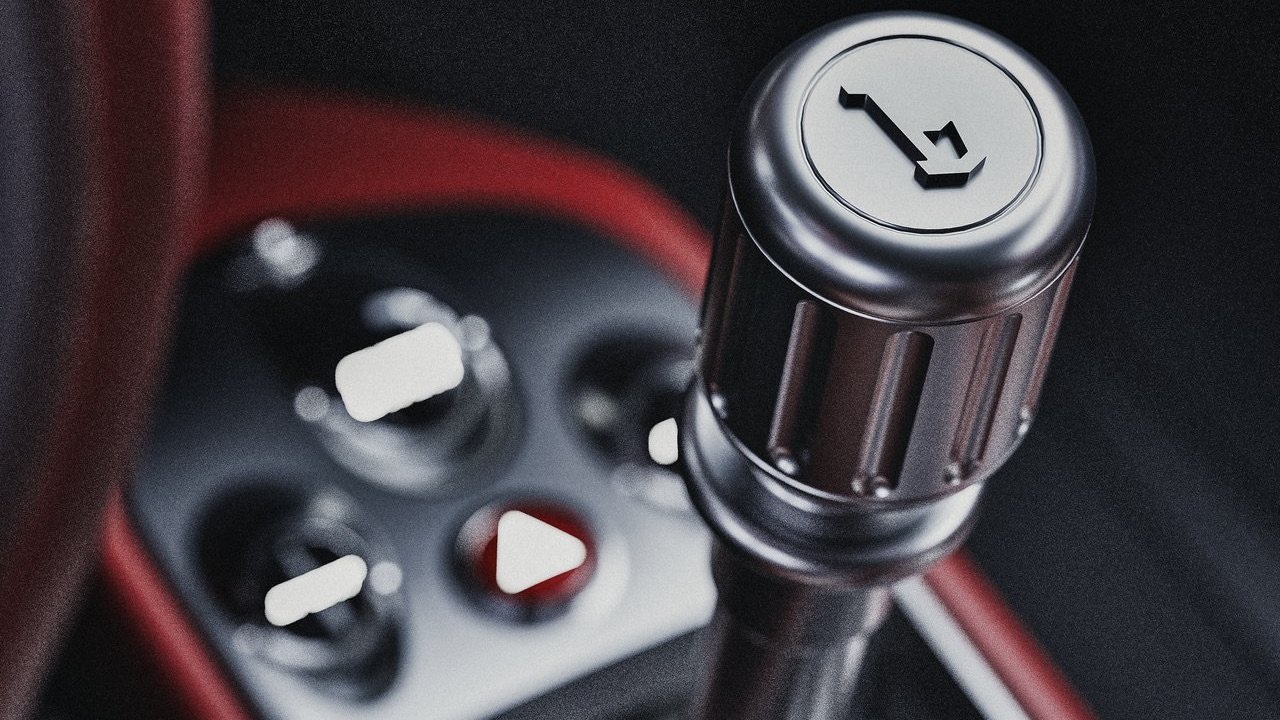
Instrumentation is intentionally reduced. A single digital tachometer sits directly in the driver’s line of sight, while a nautical-inspired compass at the centre of the dashboard reinforces the car’s maritime influence. A gated manual shifter and exposed controls underline the Runabout’s commitment to an authentic, analog driving experience.
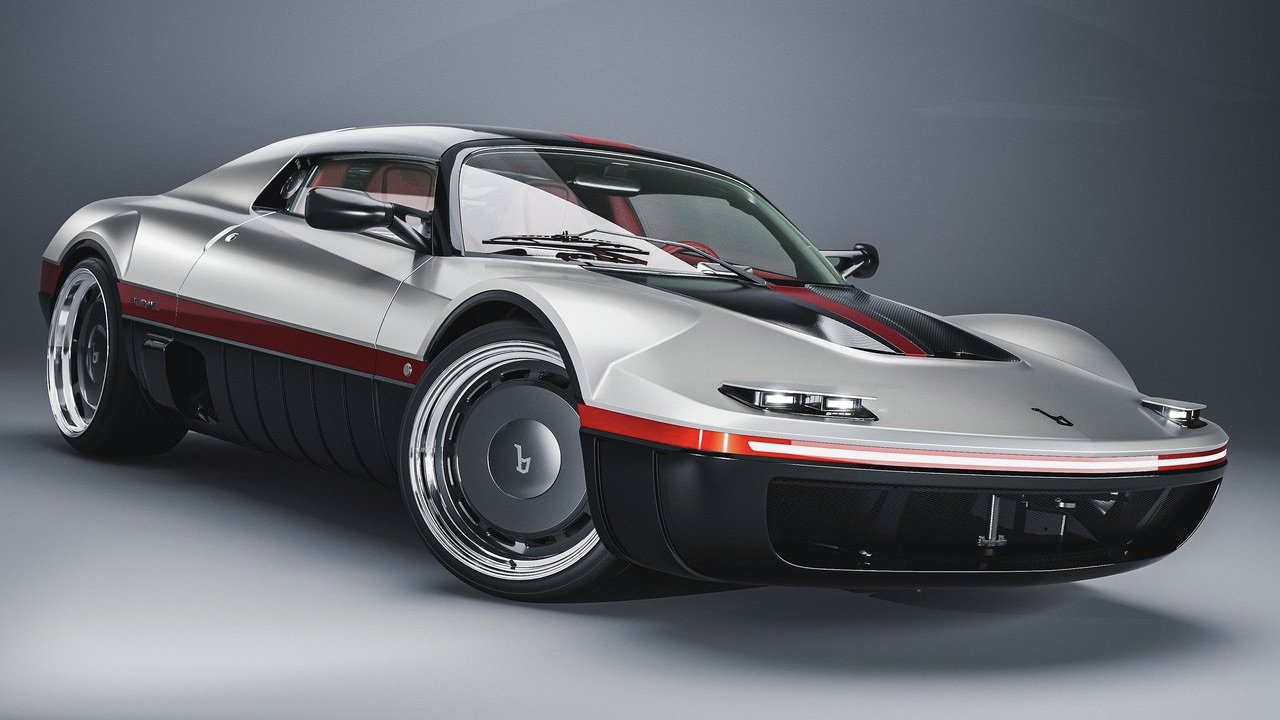
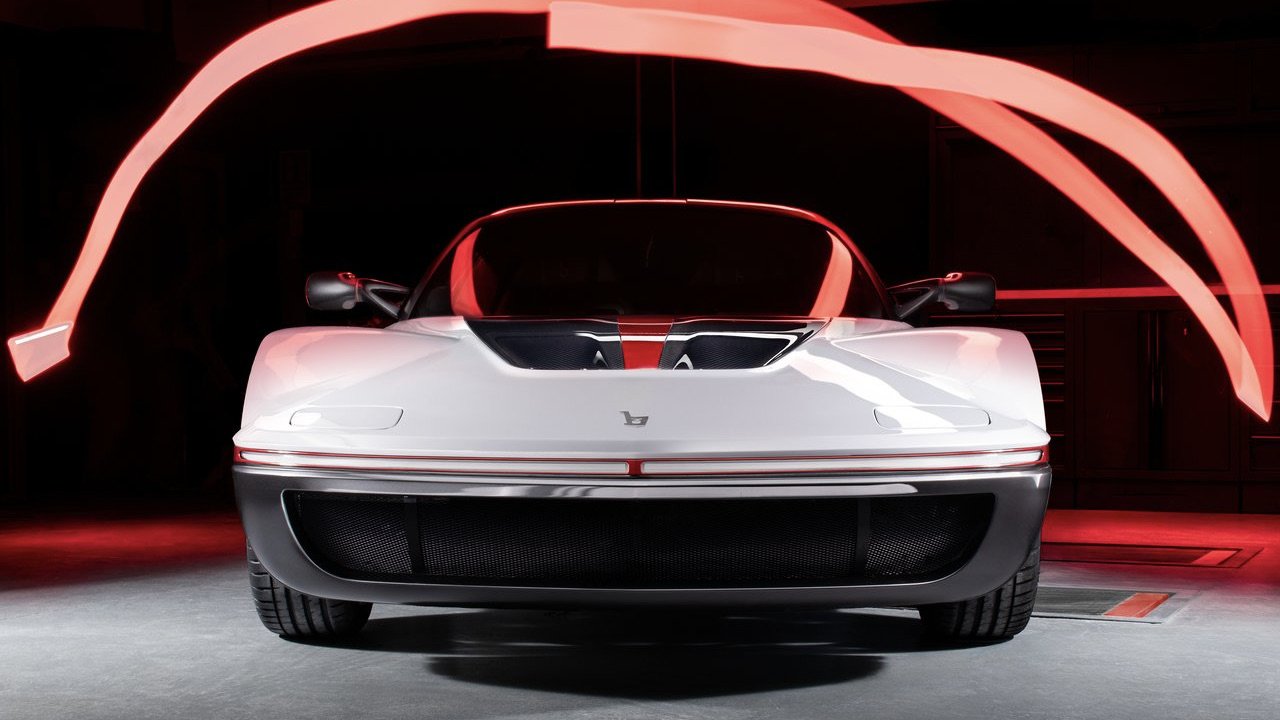
The exterior design reflects Bertone’s mastery of sculptural modernism. At the front, an integrated S-duct channels airflow through the body, improving cooling and aerodynamic balance without visual clutter. Retractable headlights pay subtle tribute to classic automotive design, reinterpreted with modern precision.
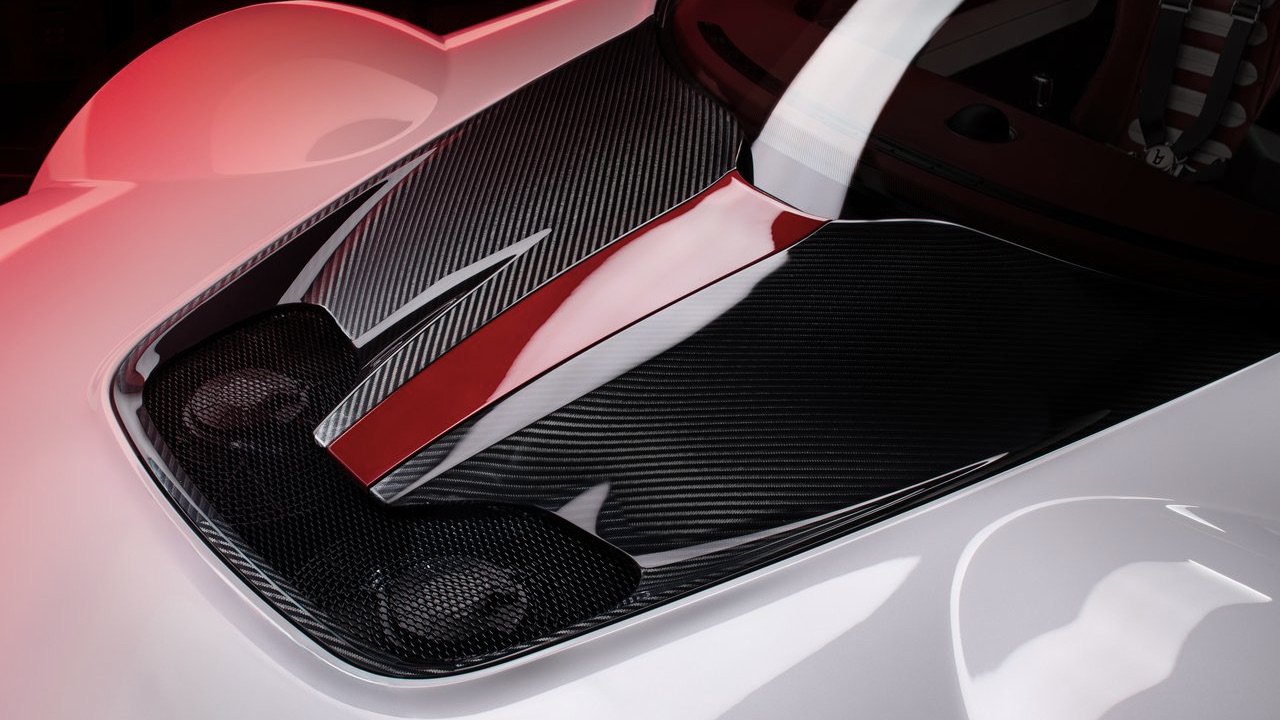
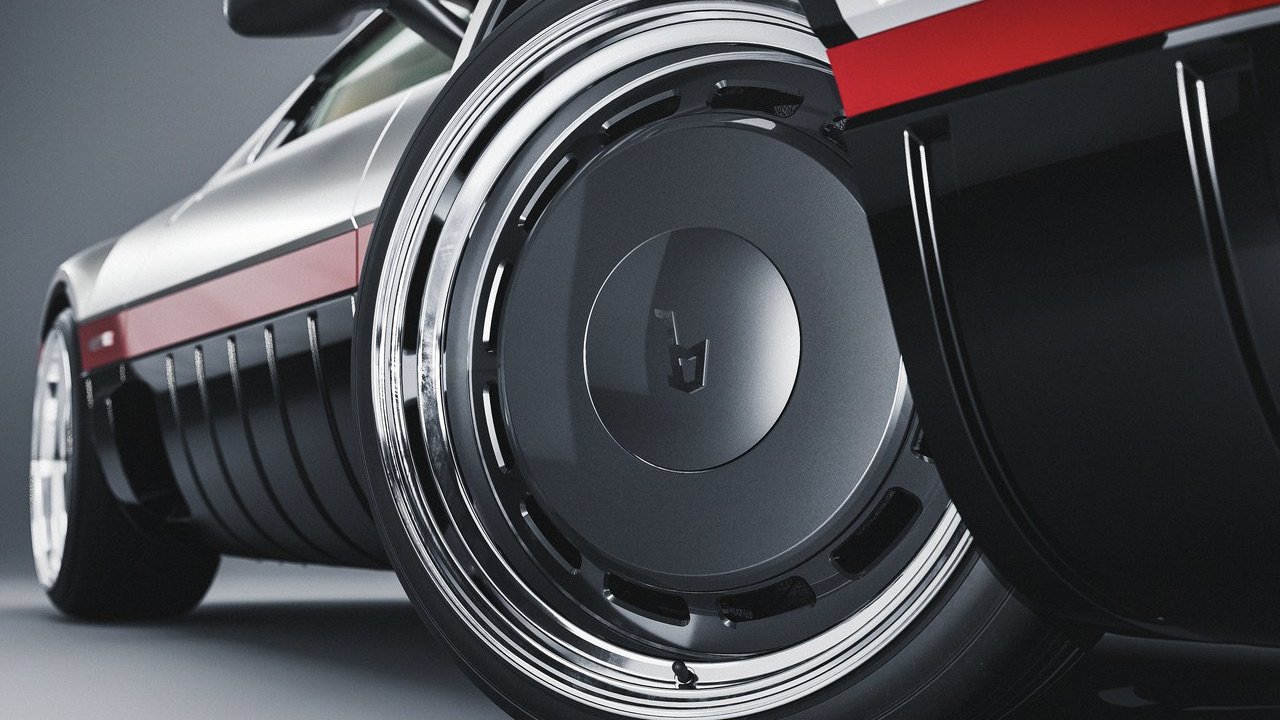
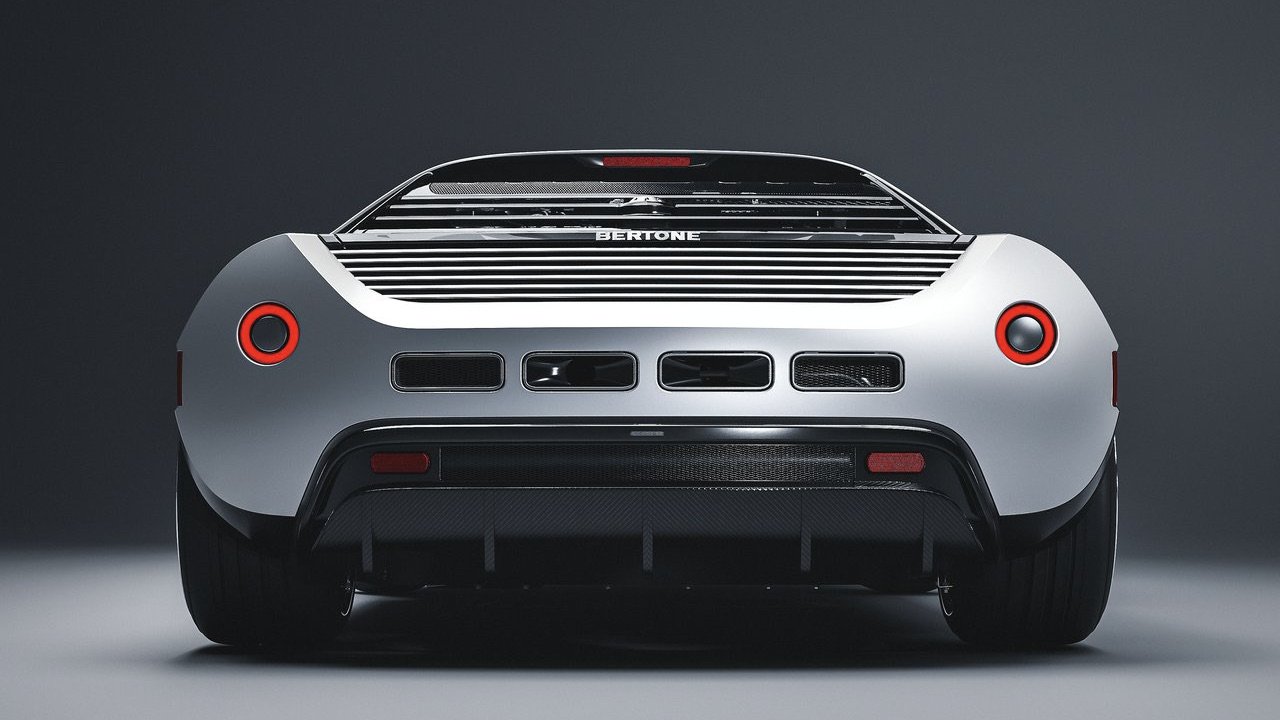
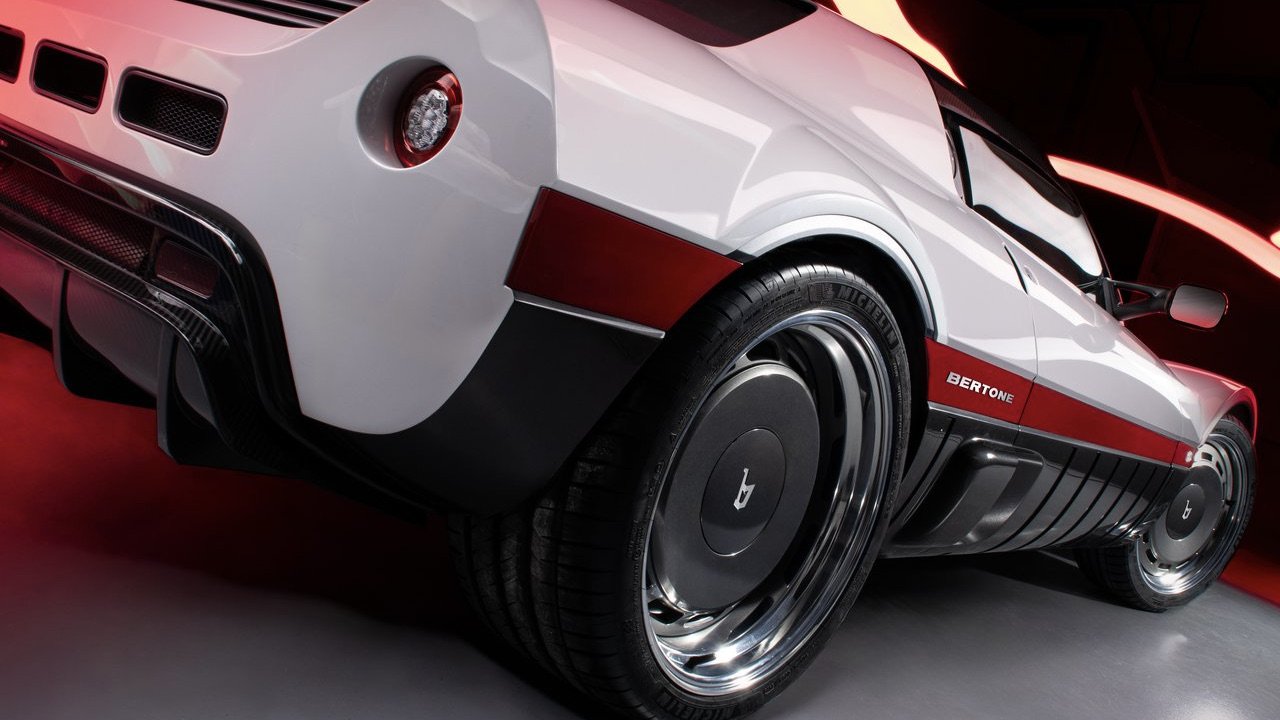
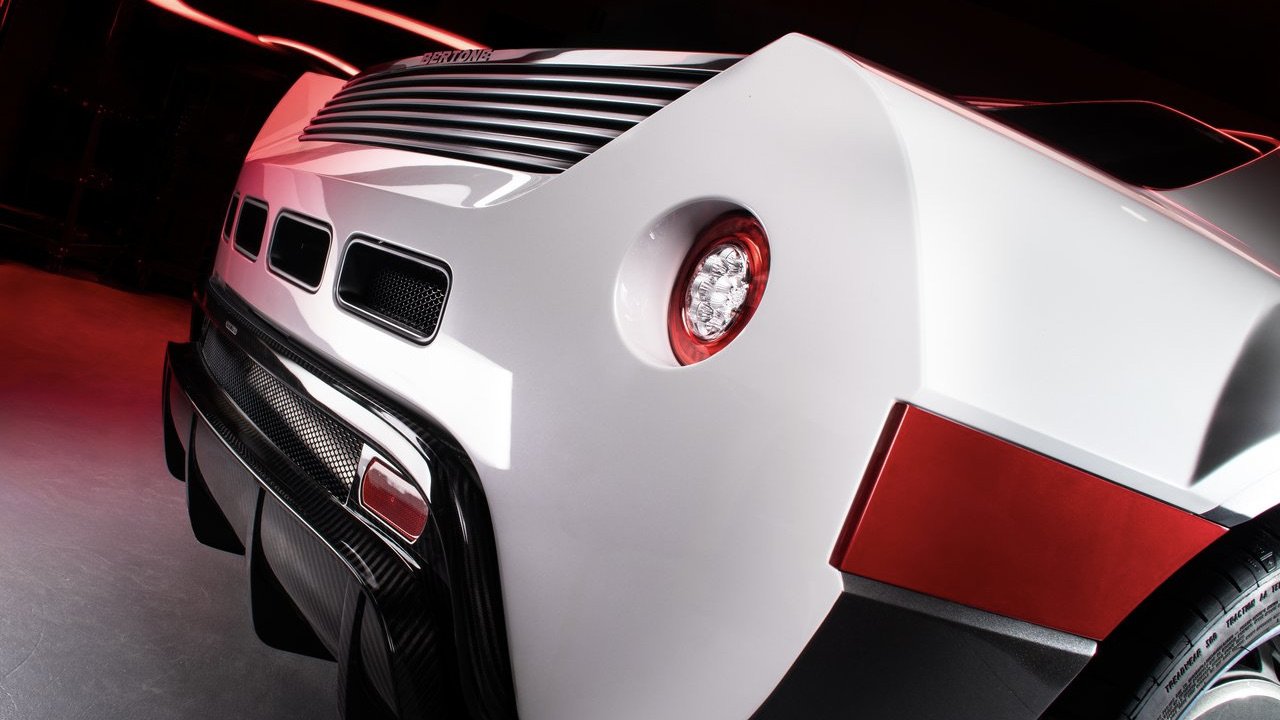
At the rear, a contemporary take on the coda tronca—a truncated tail common in Italian design of the late 1960s—reinforces the Runabout’s nautical character. Four rectangular openings define the rear graphic, two of which integrate the exhaust outlets. Forged aluminum wheels inspired by the original concept and extensive use of carbon fibre over an aluminum chassis help reduce mass while maintaining structural integrity.
Power comes from a mid-mounted 3.5-litre V6 with aluminum construction, dual overhead camshafts, and variable valve timing. The engine is supercharged using an Eaton/Edelbrock TVS unit mounted within the V, delivering approximately 475 horsepower and 490 Nm of torque. Cooling, intake, and exhaust systems have been comprehensively re-engineered to ensure durability and consistent performance under demanding conditions, including track use.
Despite the performance increase, the powertrain maintains conservative safety margins, prioritizing reliability alongside driving engagement—a balance that aligns with the Runabout’s philosophy as a driver-focused machine rather than a numbers-driven showcase.
Production of the Bertone Runabout will be limited to just 25 units, each built on a newly acquired and re-engineered chassis. Buyers will work directly with Bertone’s design team to personalize their vehicle, reinforcing the project’s coachbuilt nature and exclusivity.
Pricing starts at €390,000 before taxes and duties, positioning the Runabout as a collectible expression of Italian design heritage—one that looks firmly toward the future while remaining deeply rooted in its past.
Eleven pickups and a converted ProMaster gathered in Uxbridge offered a look at how many…
Every year, Wards Auto publishes its list of the 10 best powertrains available in a…
In a segment as competitive as the compact crossover one, in which there’s an abundance…
This SUV is based on the platform and powertrain of the AMG GT 4-door coupe.…
Volvo is reportedly producing about 200 EX60s weekly against a 2,000-unit target. Megacasting and cell-to-body…
Stellantis is exploring Canadian exports of two electrified Jeeps built in Wuhan. Brampton sale talks…