2026 Ford Bronco 60th Anniversary | Photo: Ford
As we enter the new year, let’s take a look at the models currently available in Canada that will be celebrating a notable anniversary in 2026—specifically those whose initial introduction dates back 10, 20, 30, 40, 50, or even 60 years. Models whose production was interrupted and subsequently resumed since their debut are also included.
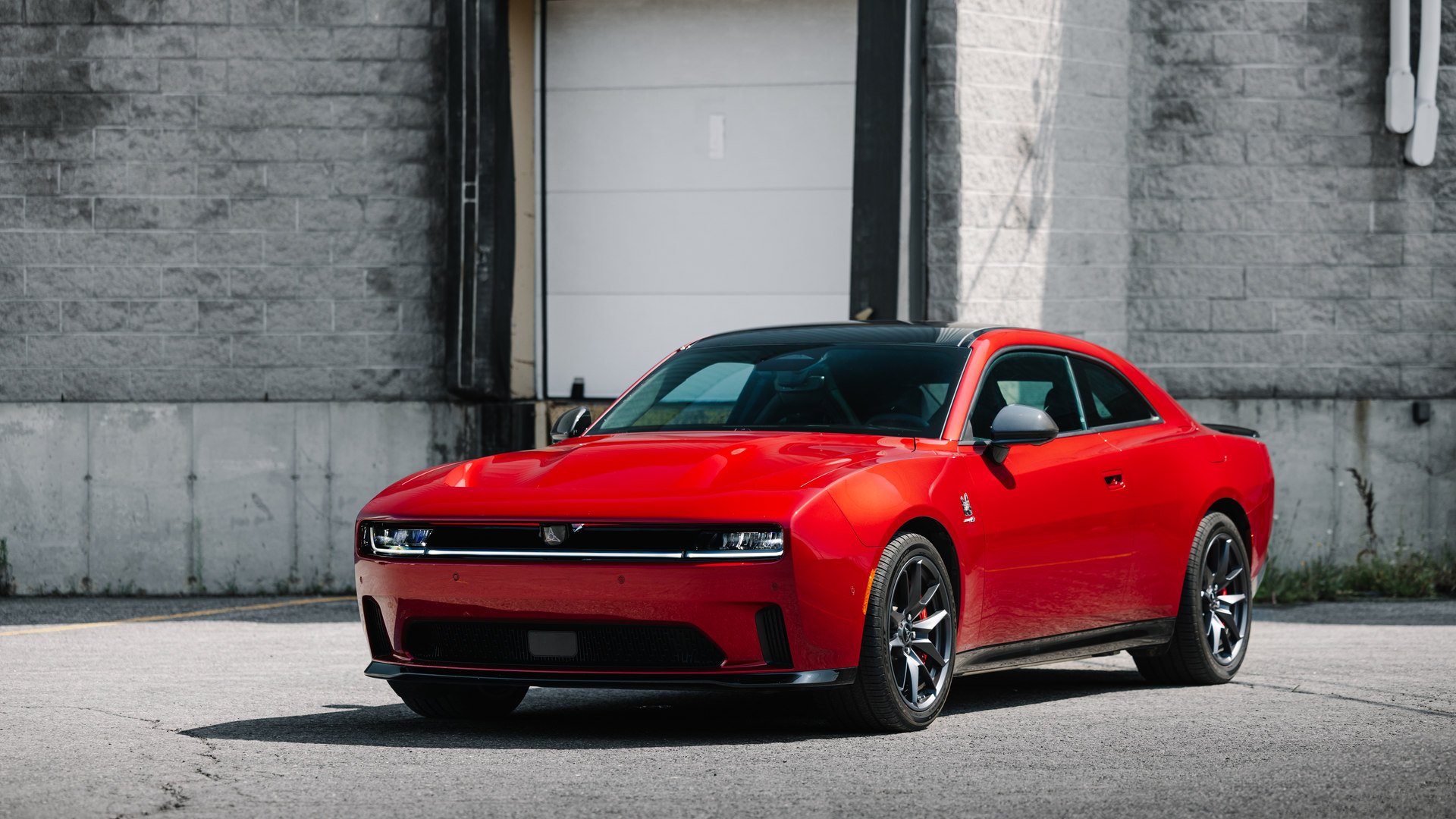
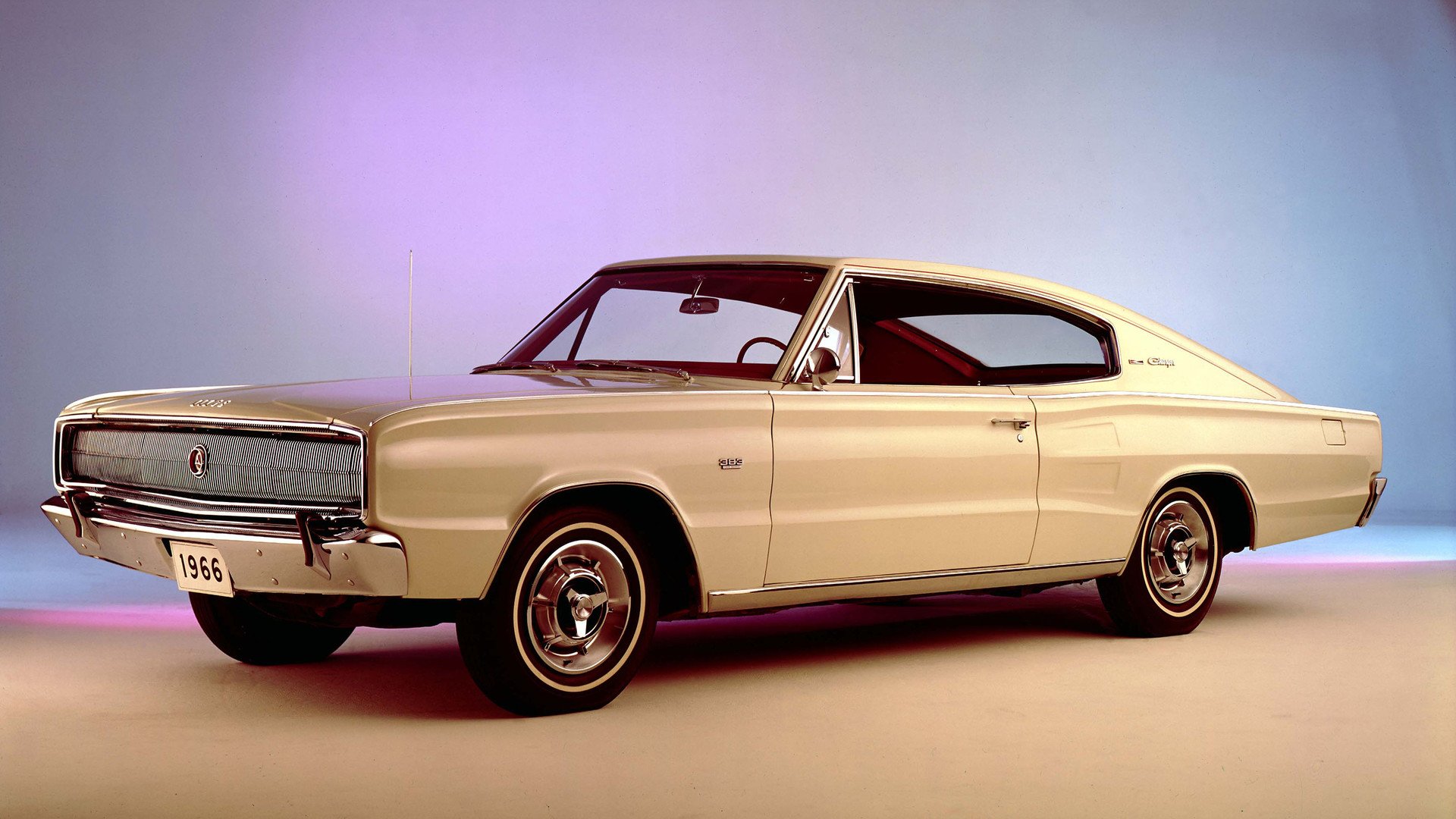
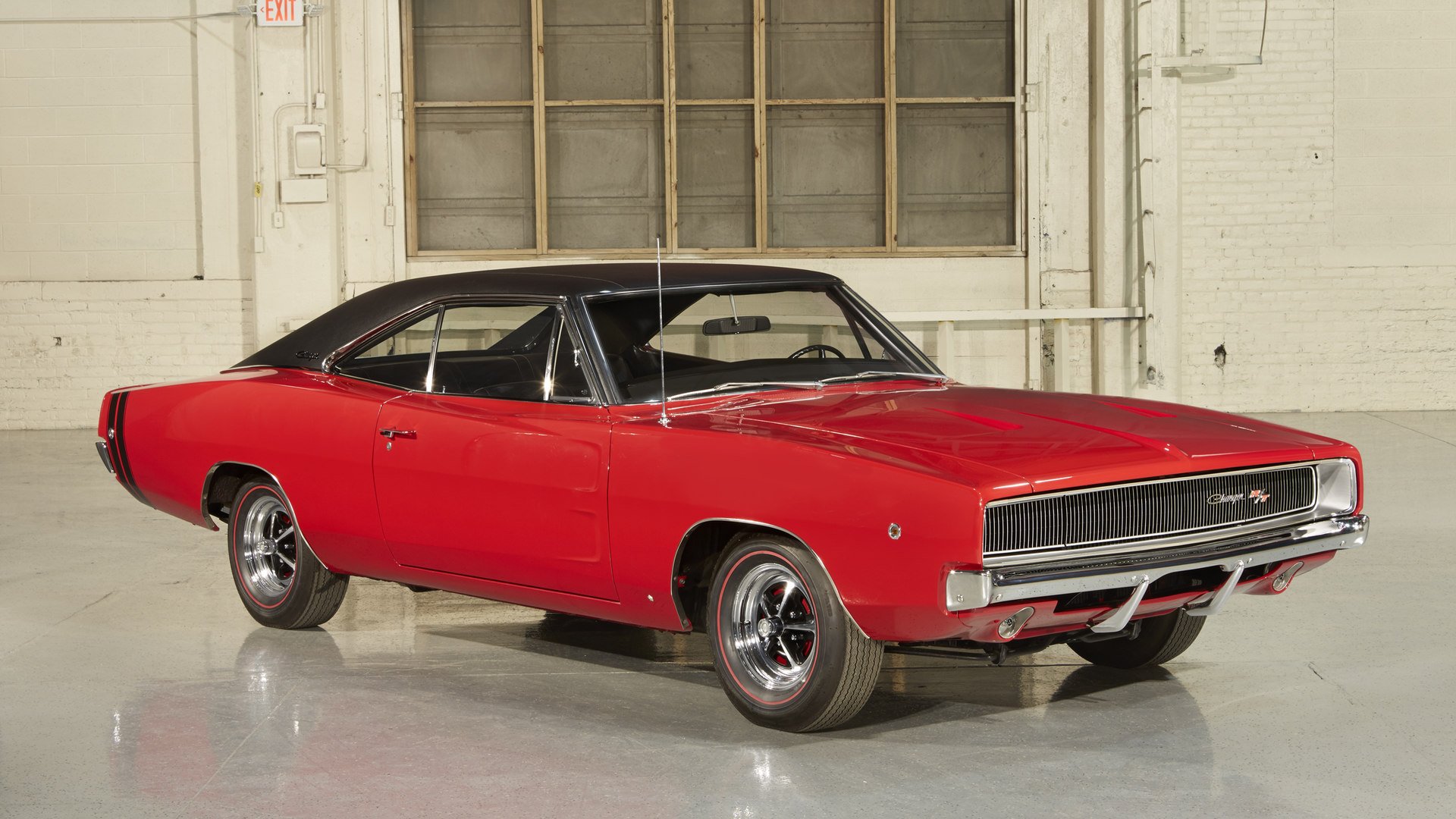
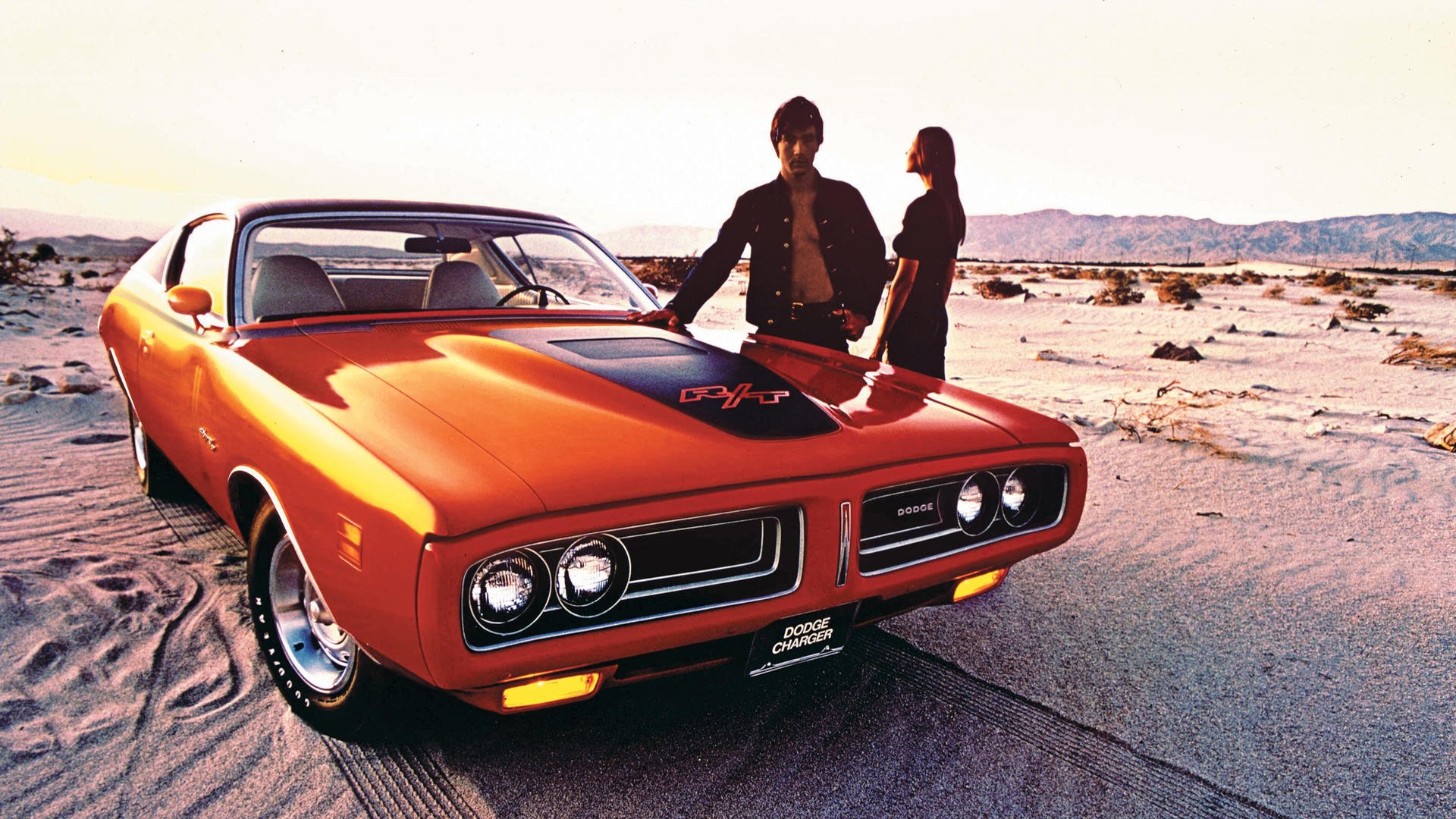
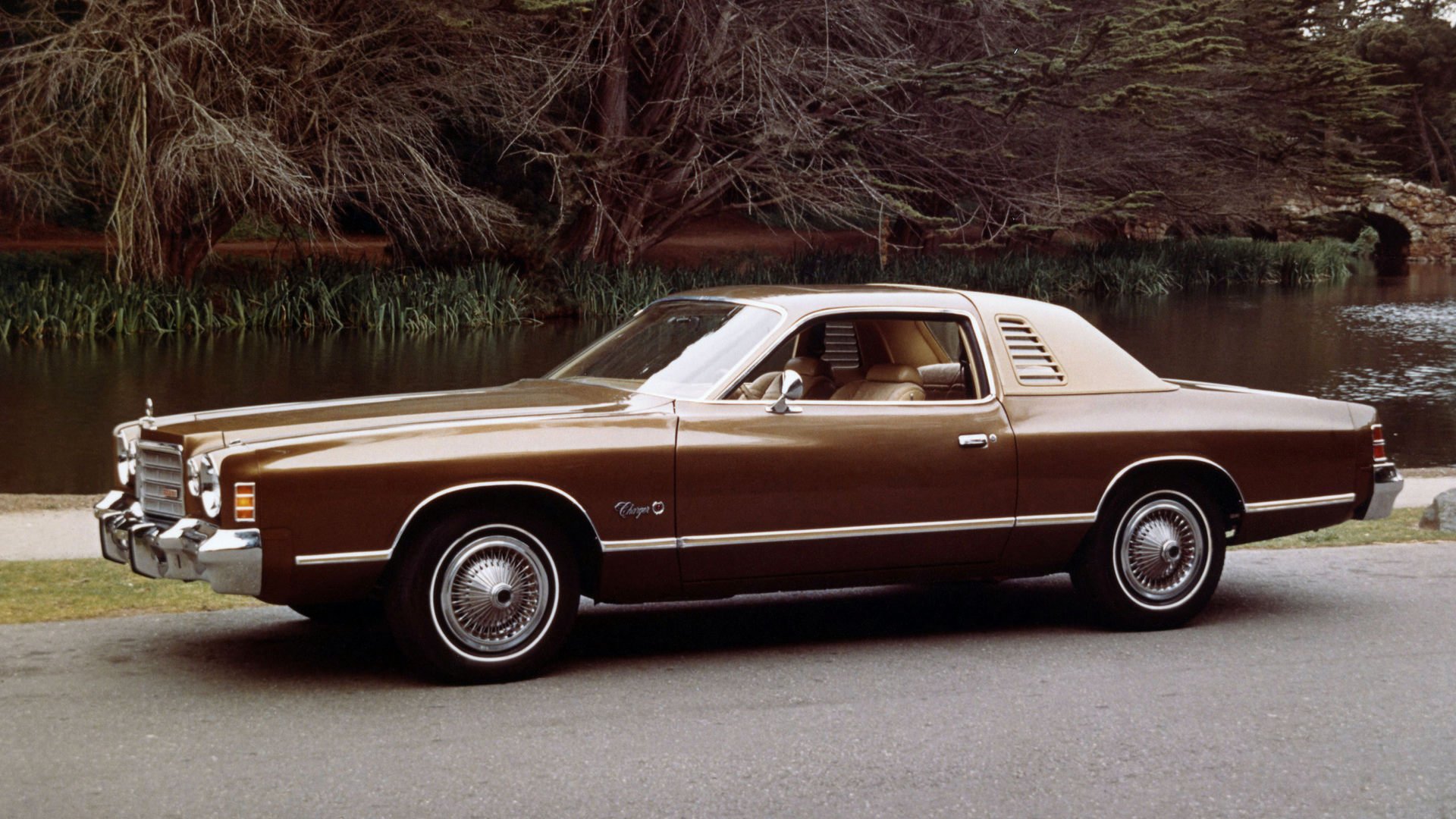
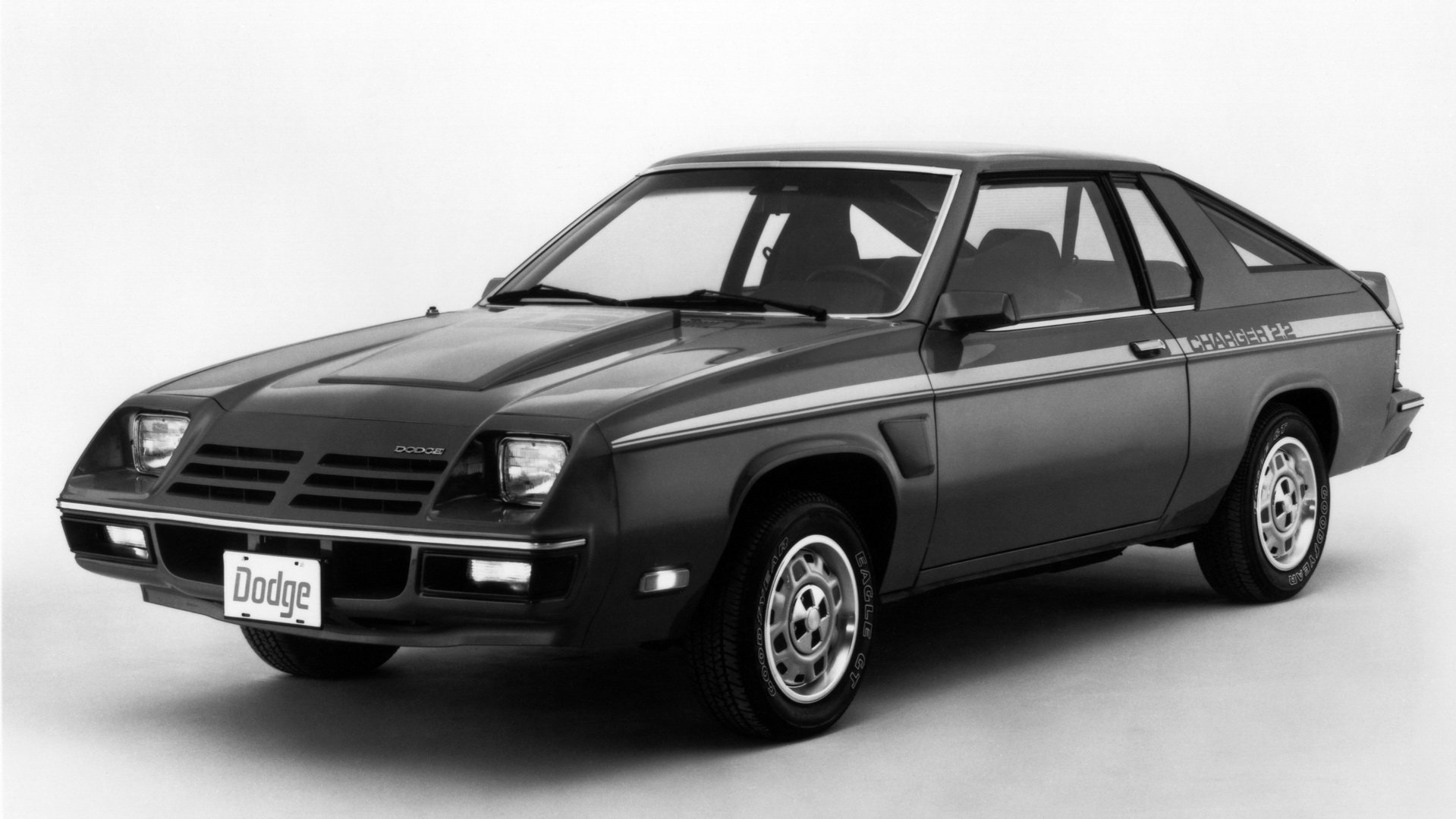
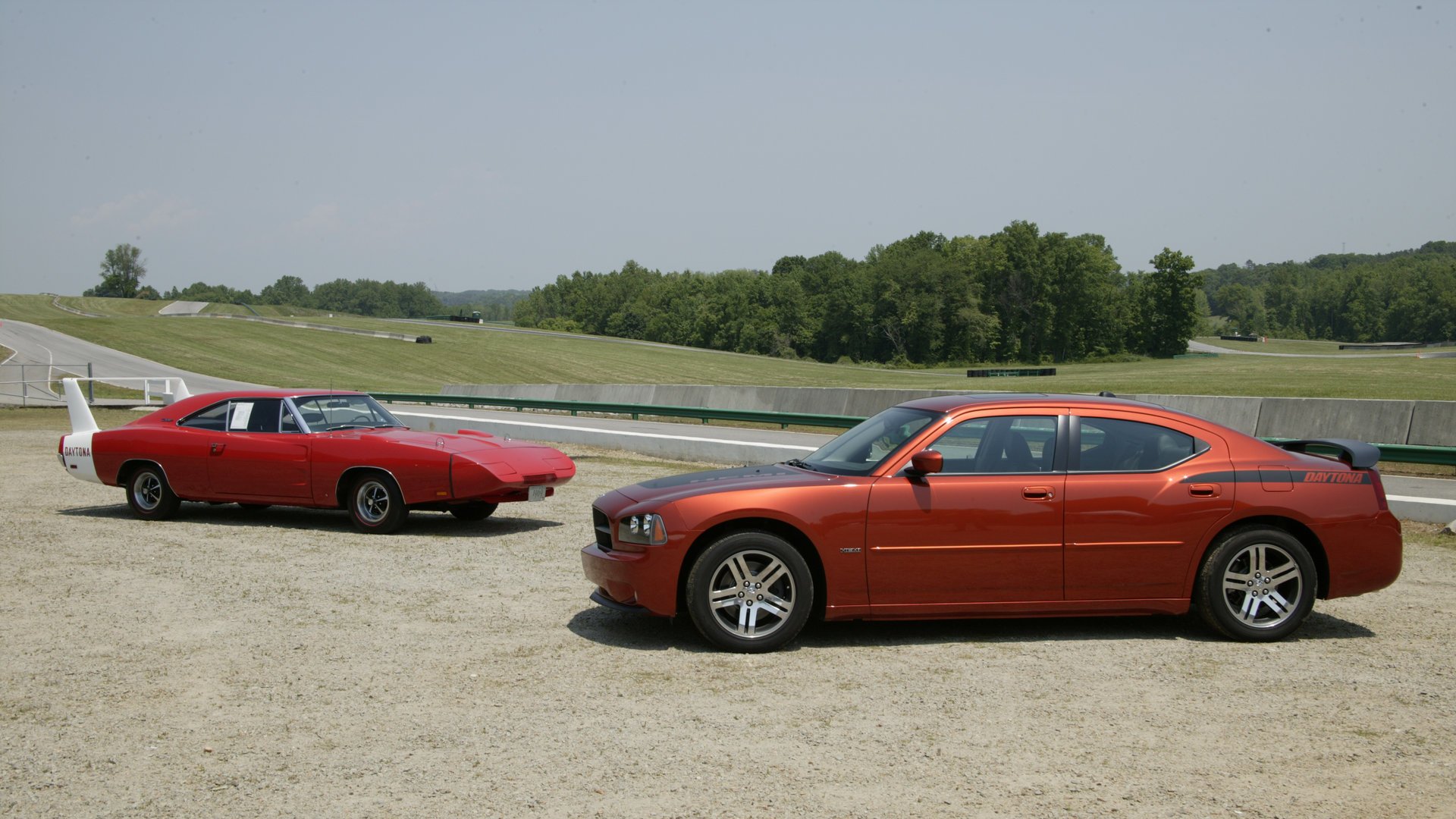
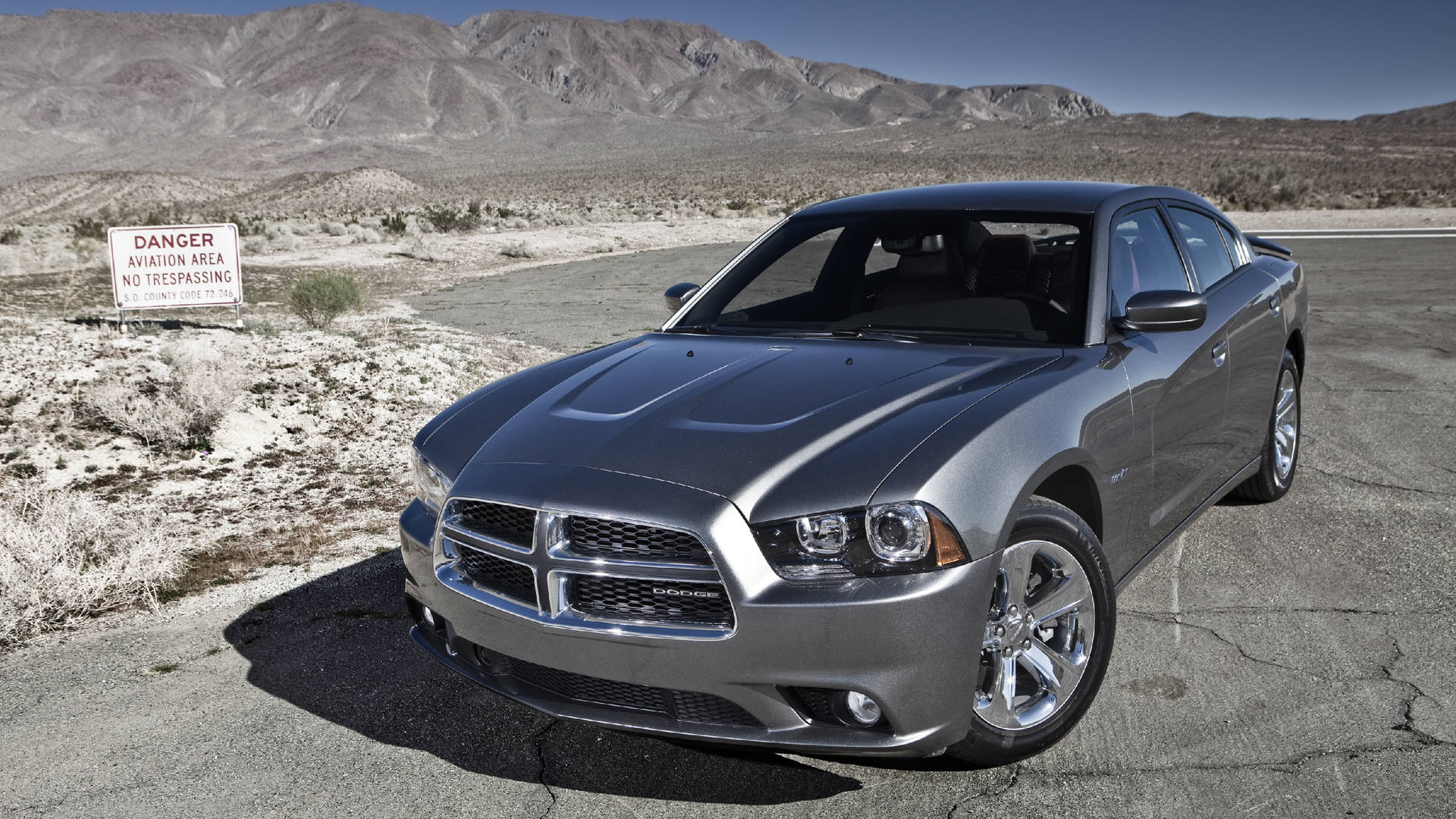
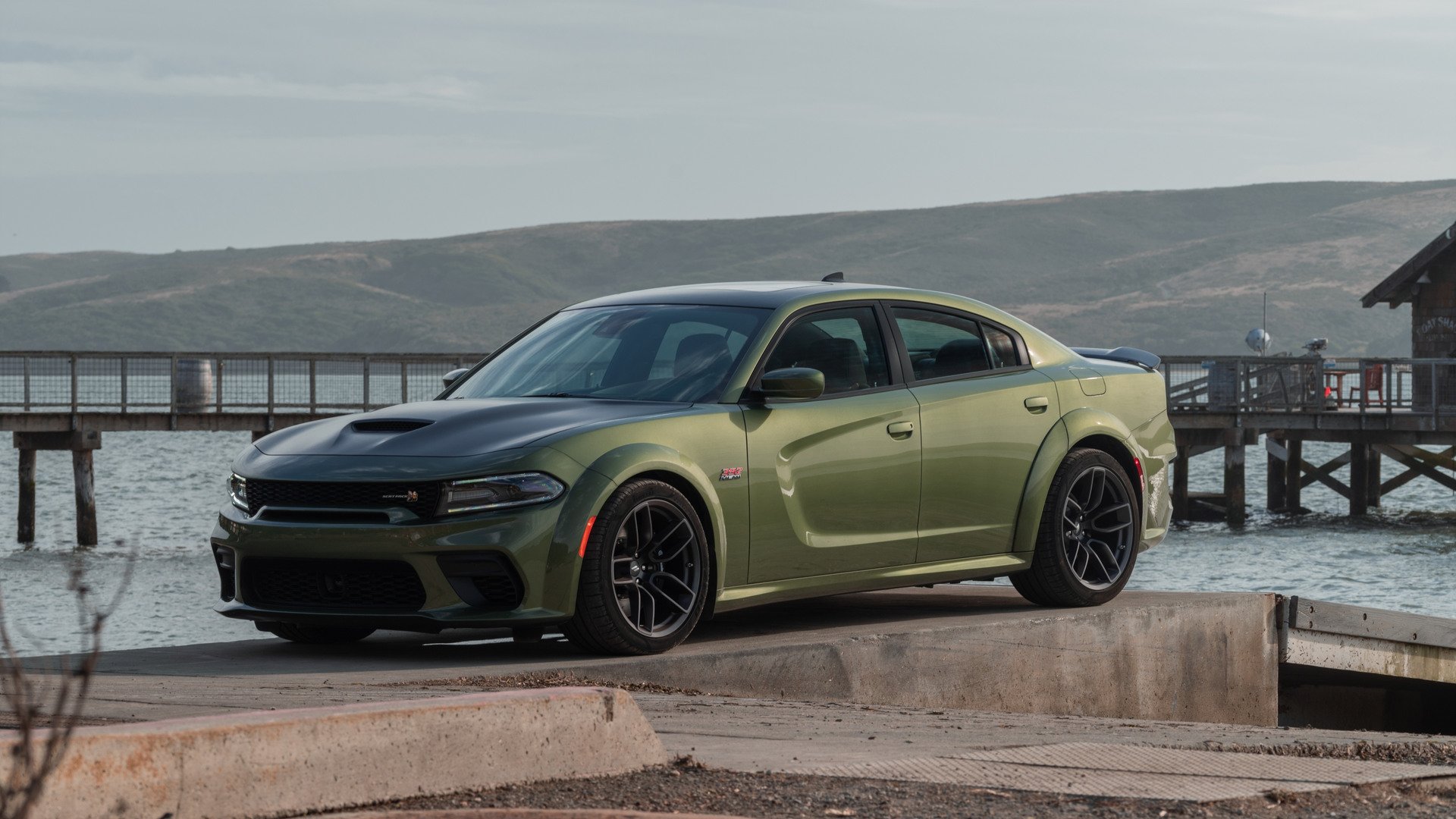
The Dodge Charger marks its sixtieth anniversary by adding versions powered by a 3.0L twin-turbo inline-six engine and a sedan body style, joining the electric coupe launched in 2024. Since its initial launch in 1966, the Charger has taken many forms over eight generations, including a large personal luxury coupe (1975 to 1978) and a small front-wheel-drive sports car (1981 to 1987), before taking a long hiatus from 1988 to 2005. Upon its return in 2006, the Charger transformed into a sedan for the first time in history, supporting the two-door Challenger which also returned in 2008. Since 2024, the Challenger has faded into the shadows, and the Charger is now offered as both a coupe and a sedan. It is likely no coincidence that the roofline of the new coupe model bears a strong resemblance to that of the original model, which was among the first muscle cars on the North American market.
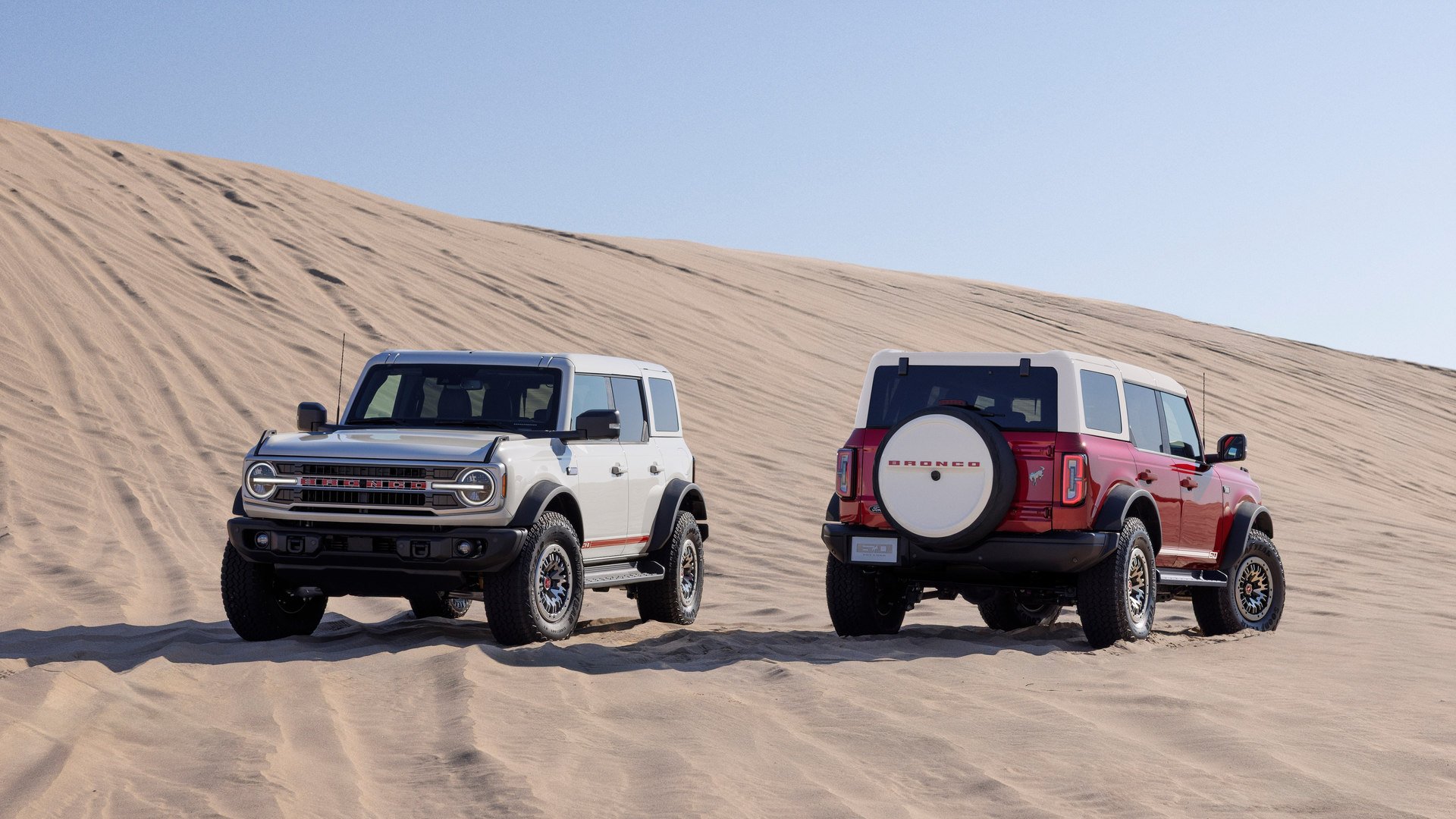
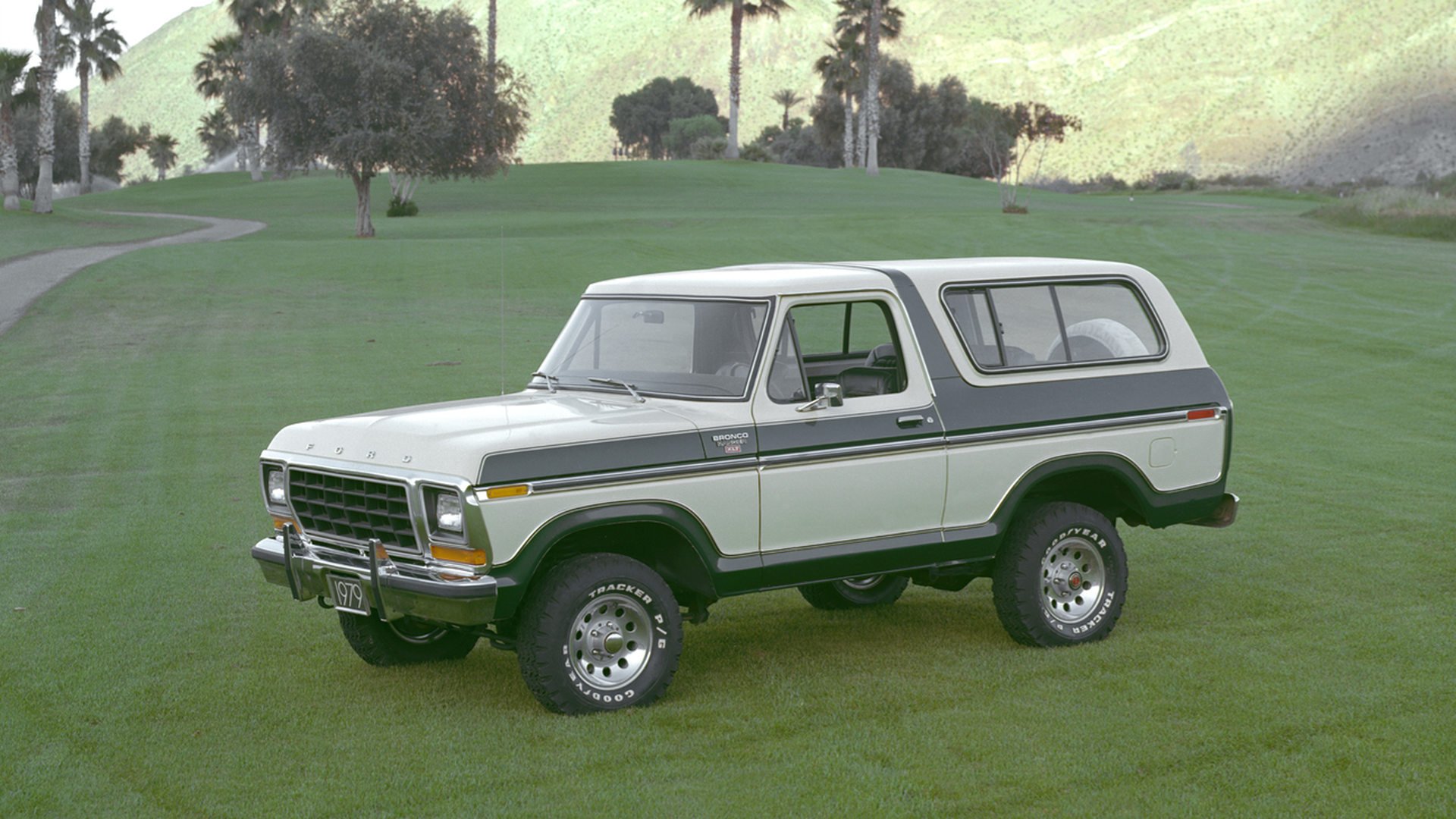
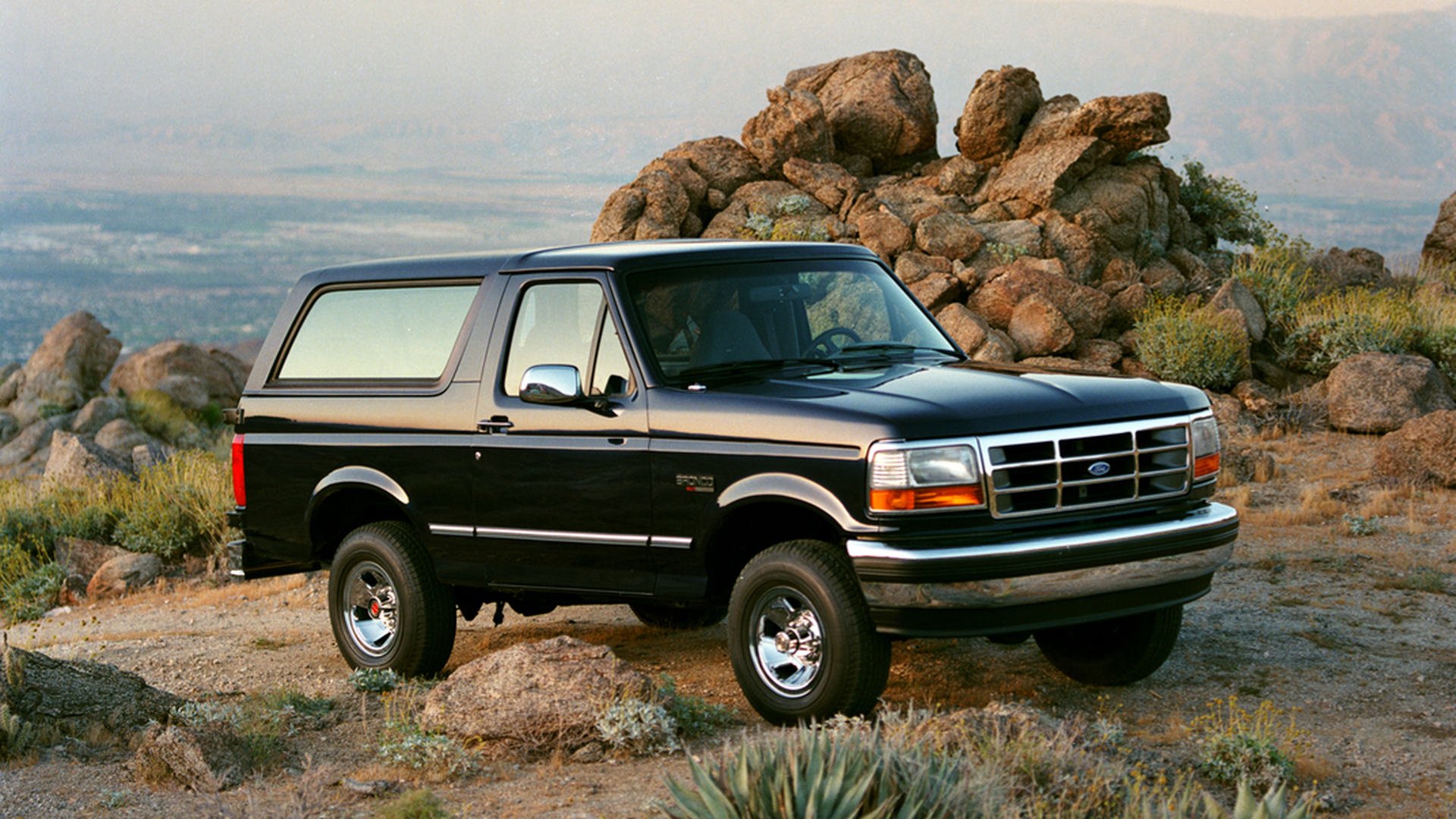
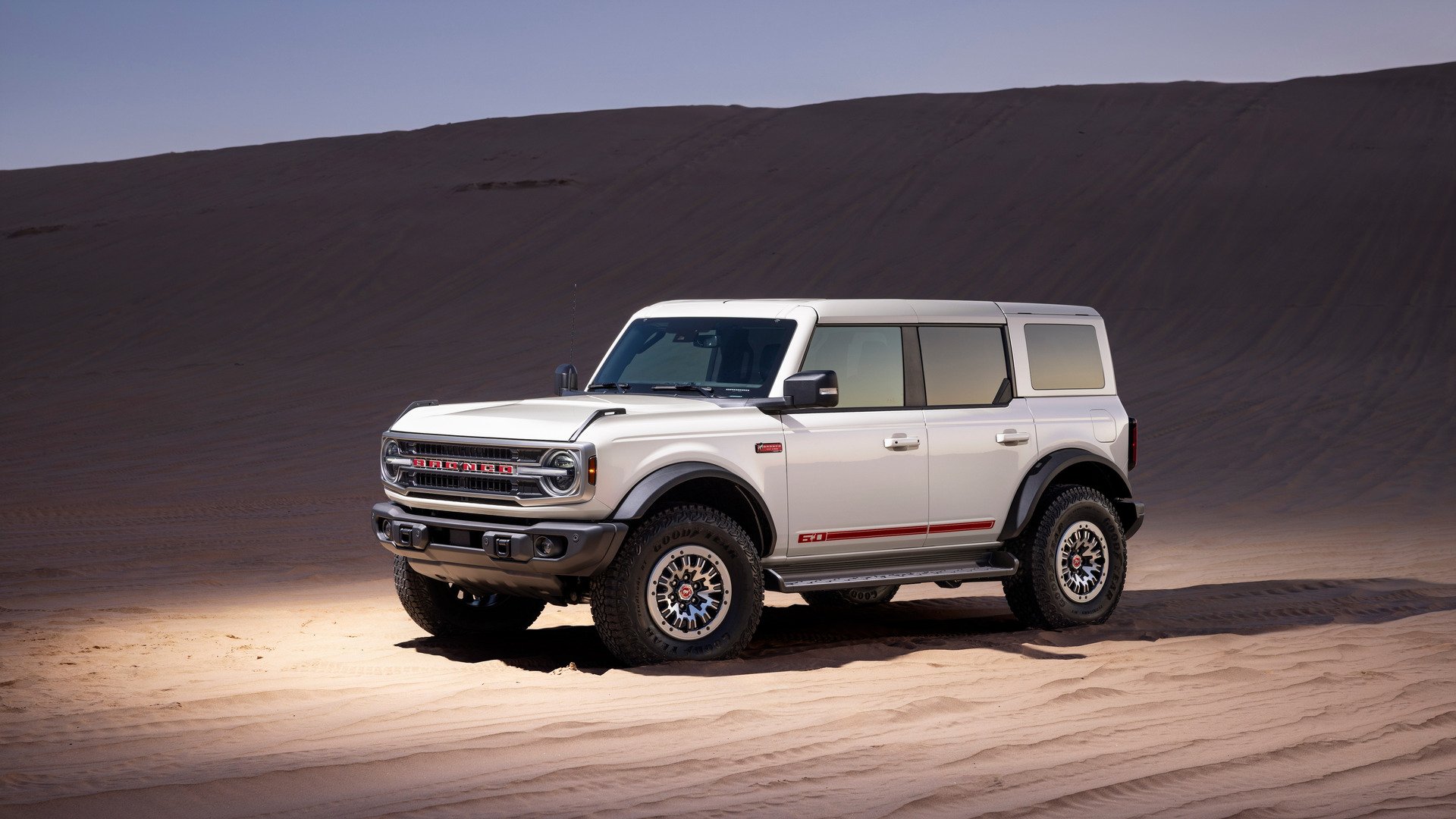
Another American model with a retro flair celebrates sixty years of existence this year, though like the Charger, its production has not been continuous. The Ford Bronco was sold for 30 years before taking a 25-year break, returning in a new form in 2021. Here too, the current model is a clear homage to the 1966 original, echoing its general proportions and the front fascia with large round headlights. This rugged and highly configurable SUV (removable roof, two-door and four-door options) is the most direct competitor to the Jeep Wrangler. To celebrate the Bronco’s sixtieth, Ford has prepared a special edition featuring exclusive graphics and unique alloy wheels, along with a choice of two colors inspired by the 1966 Bronco, including a red option with a white roof.
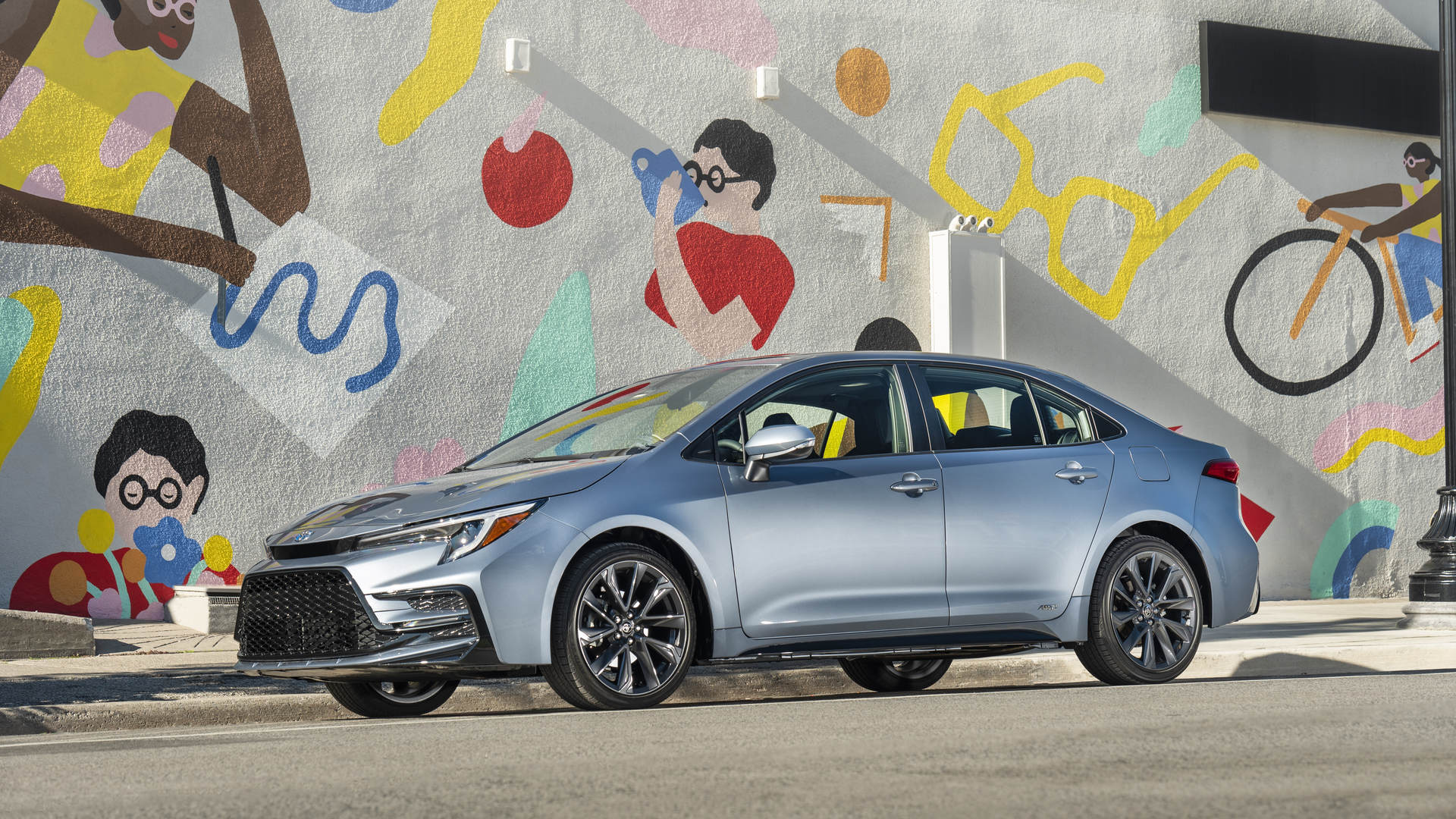
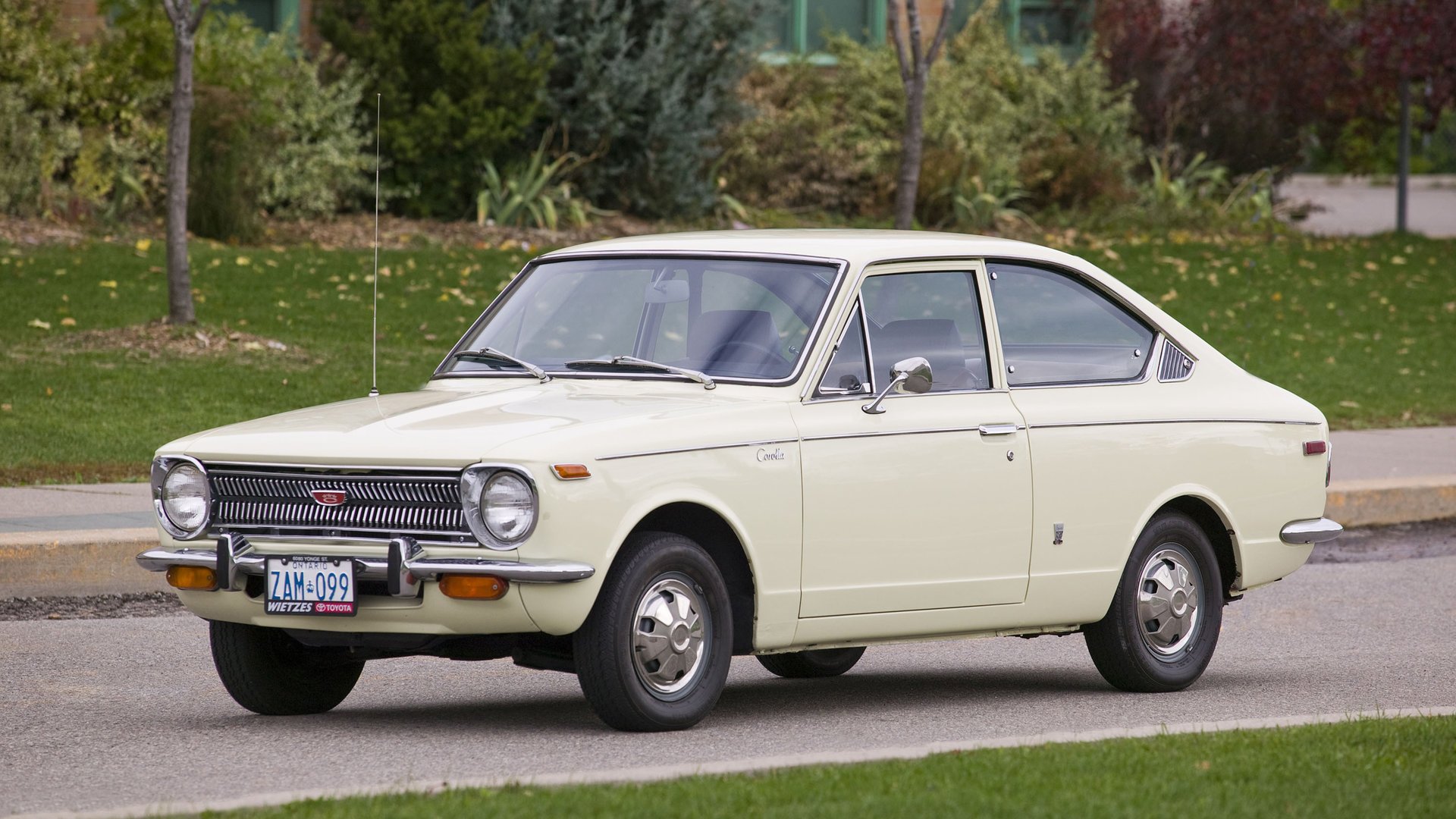
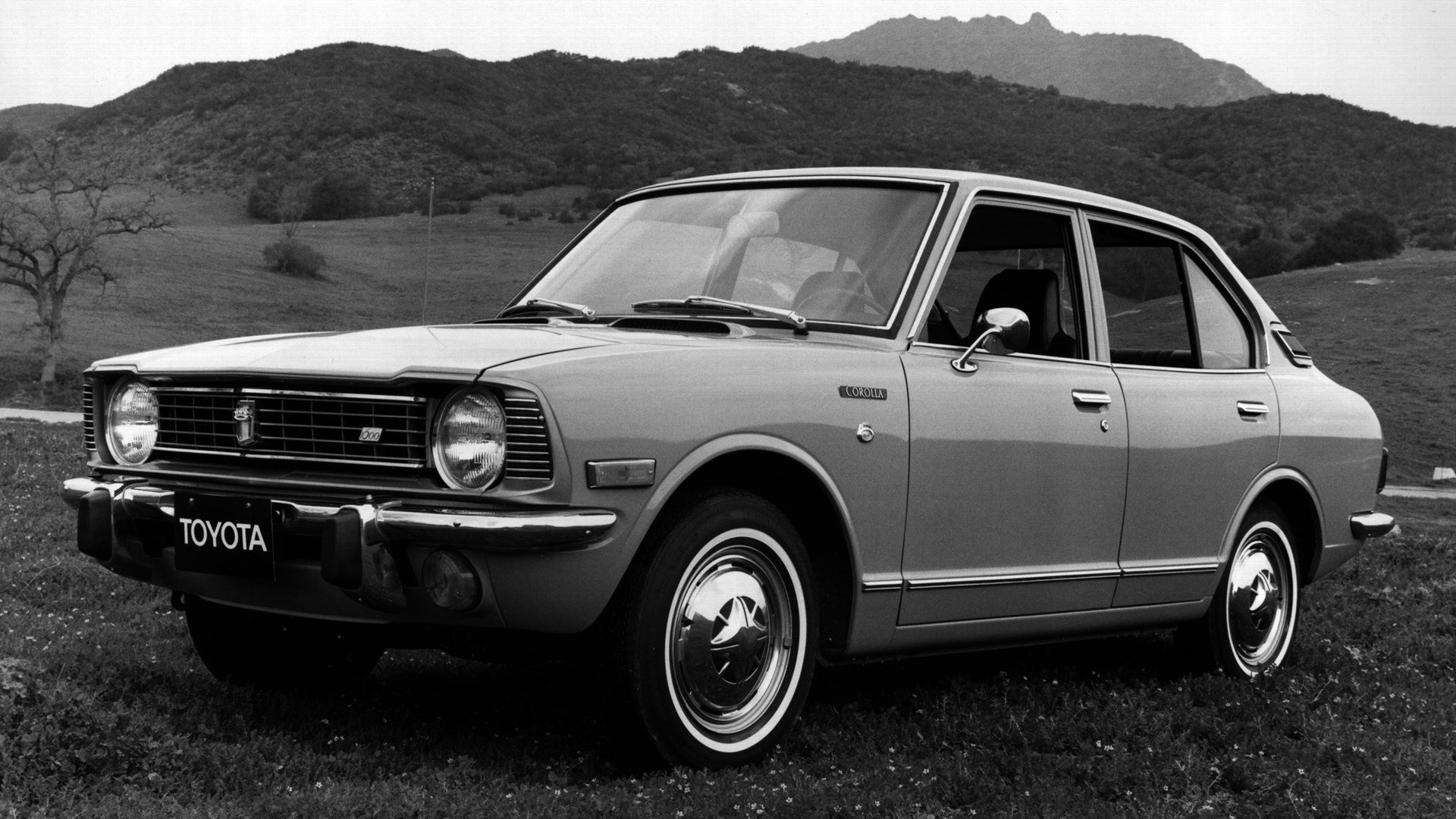
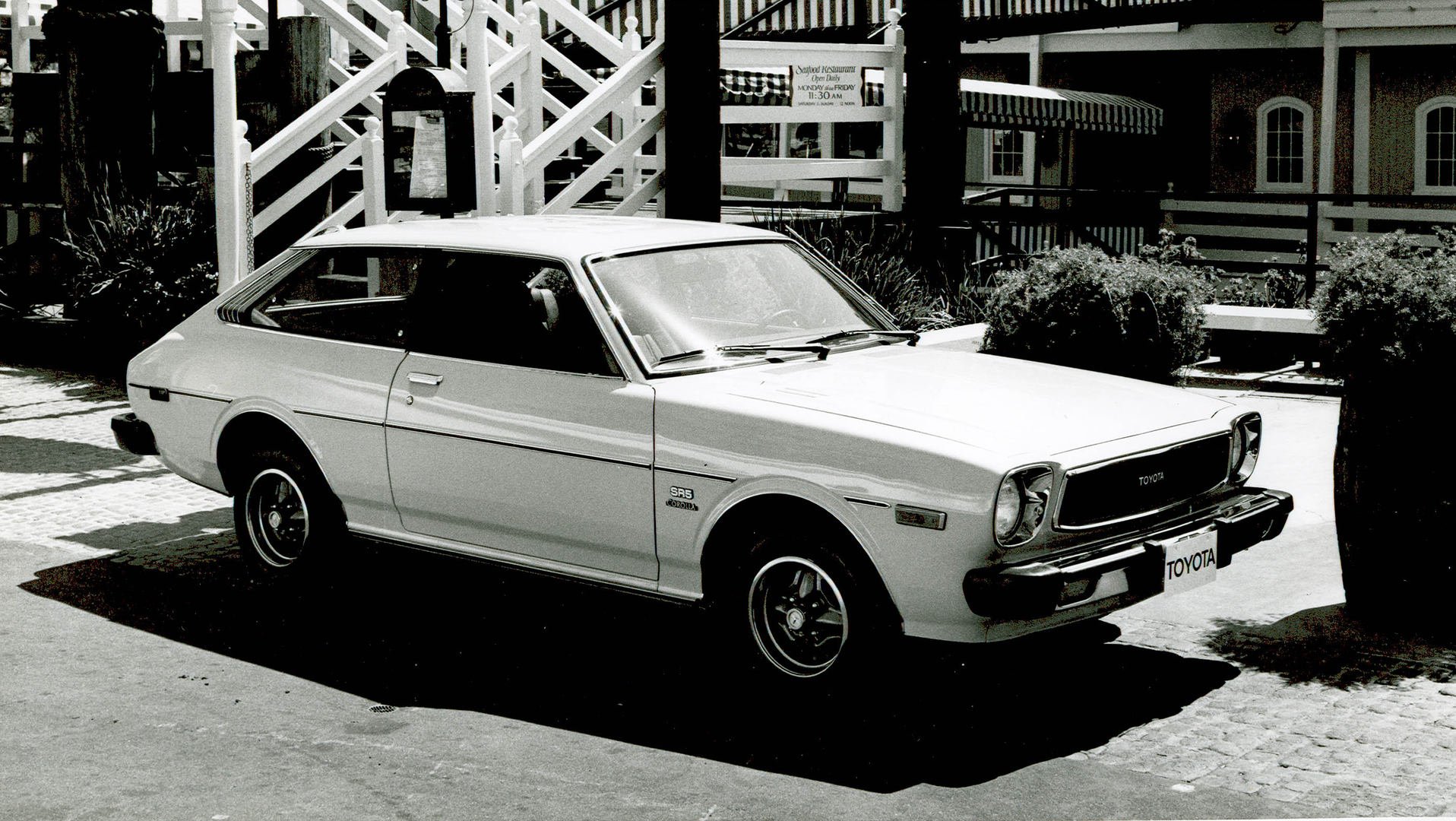
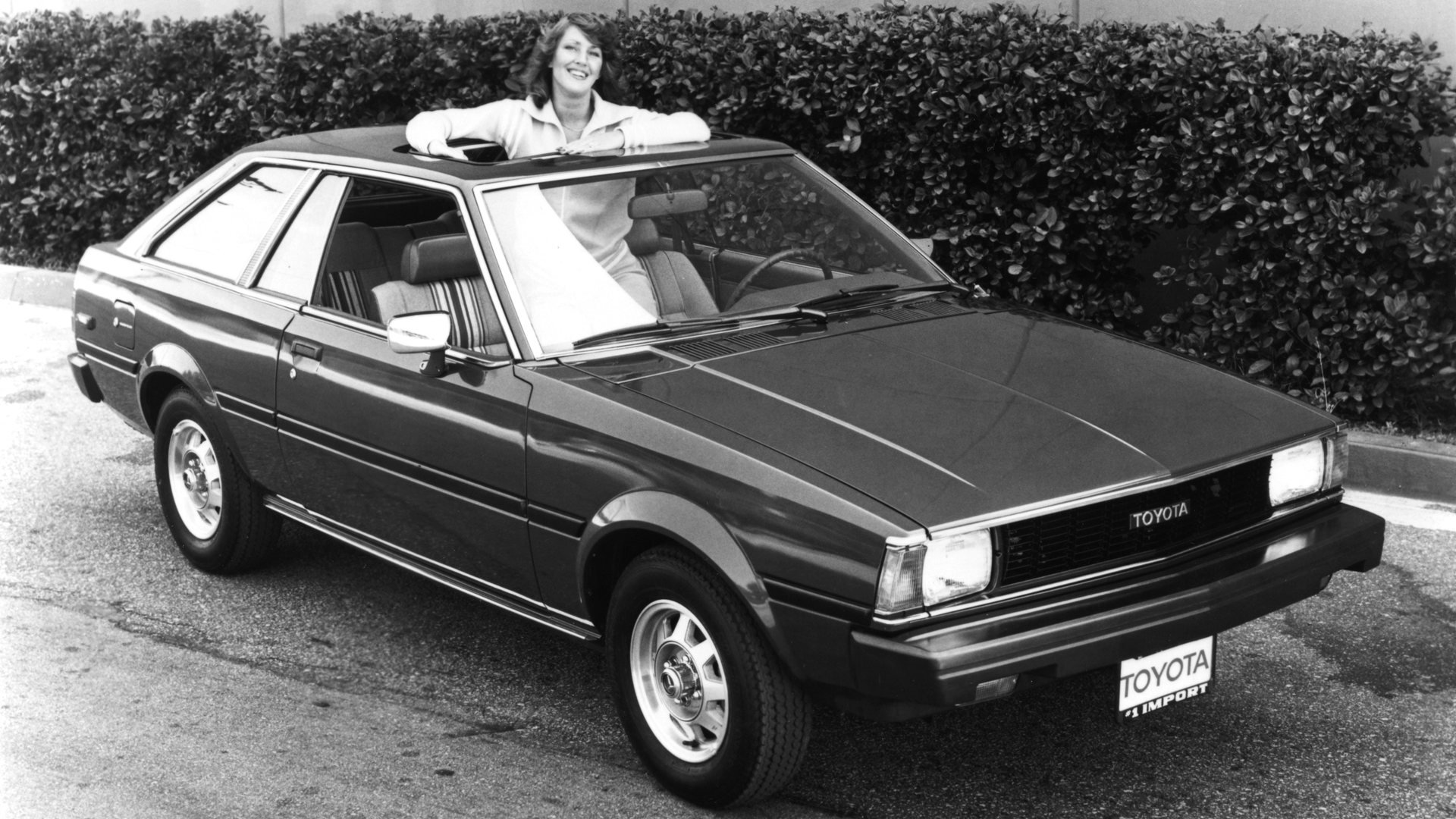
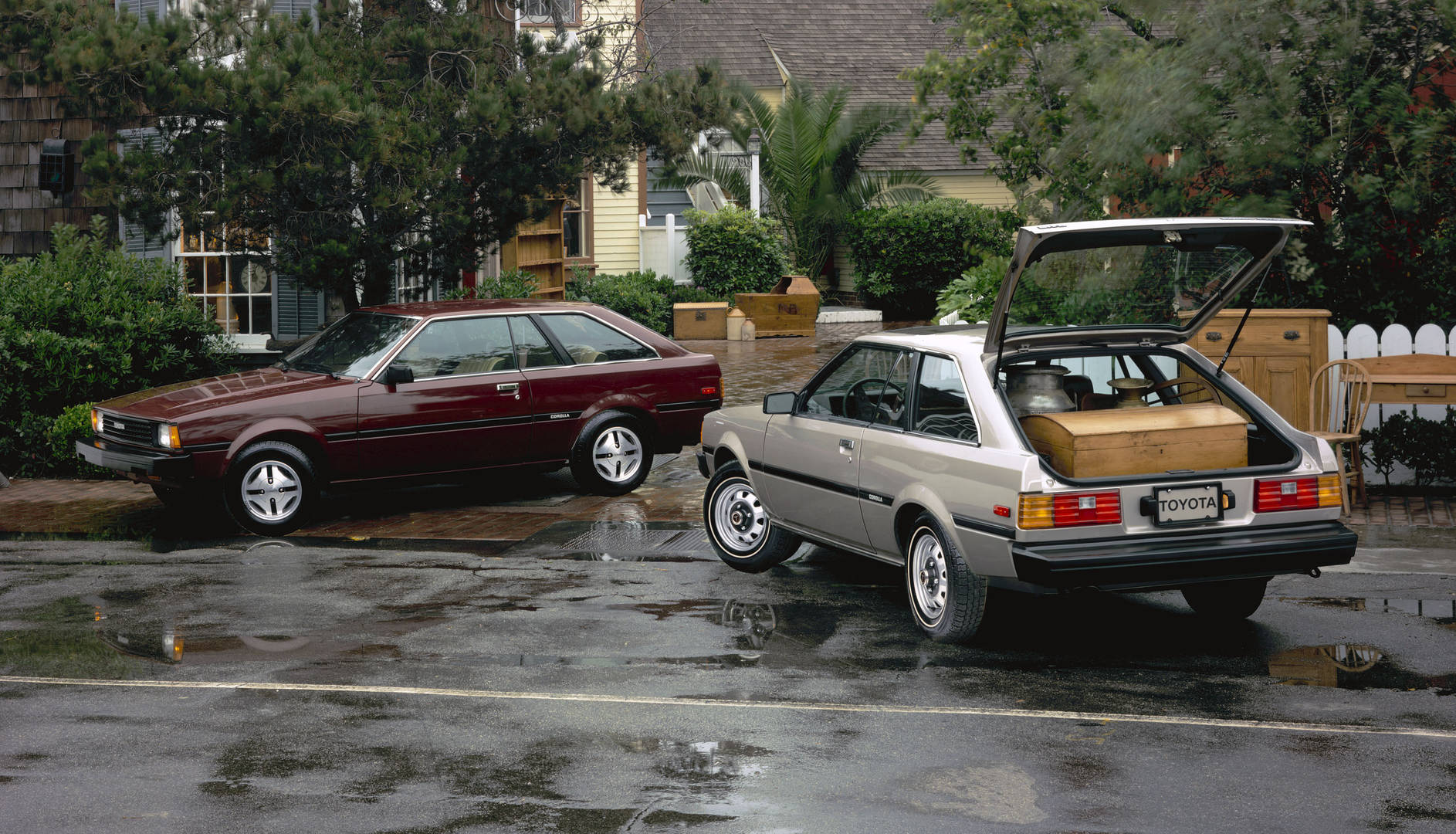
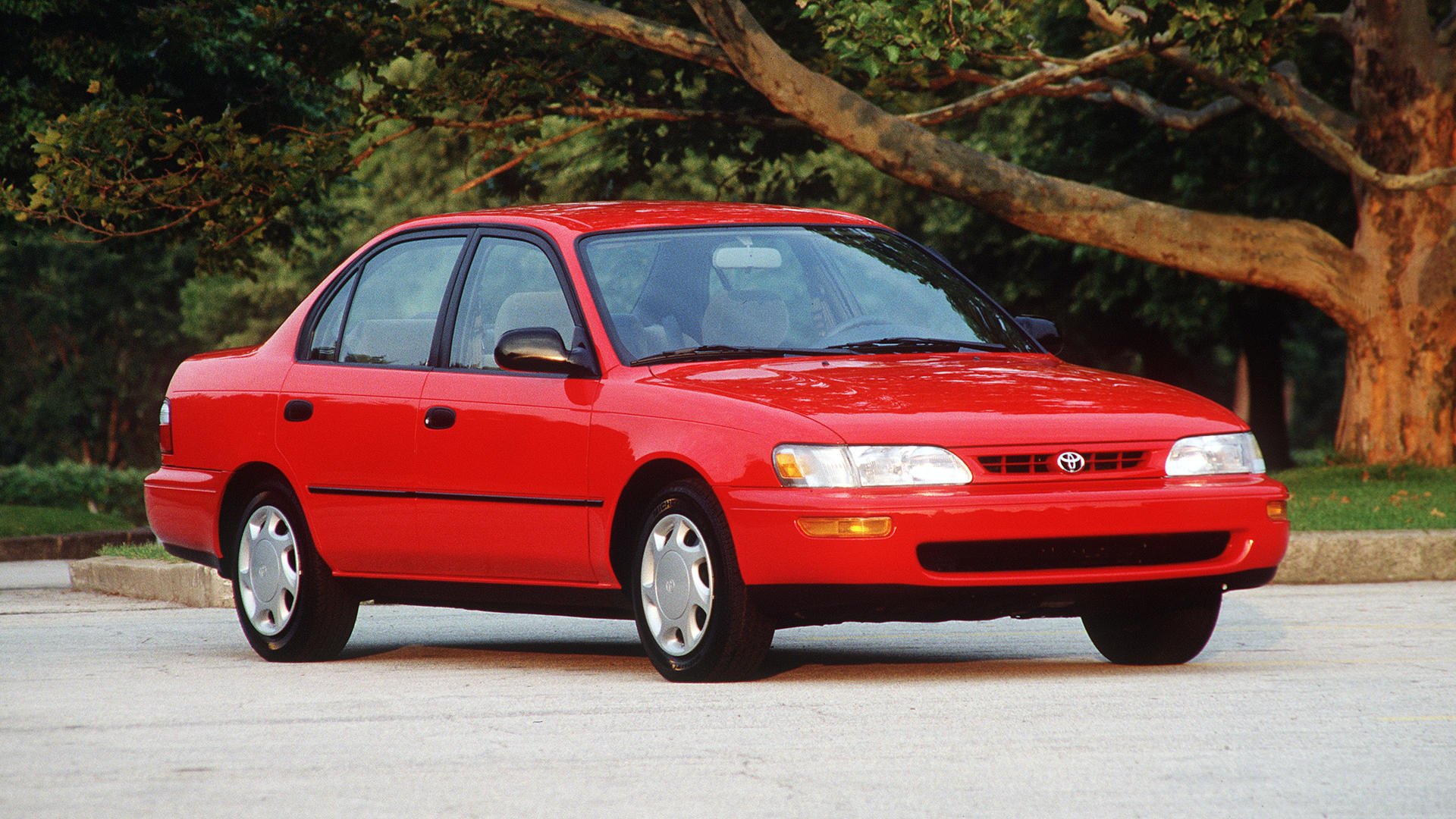
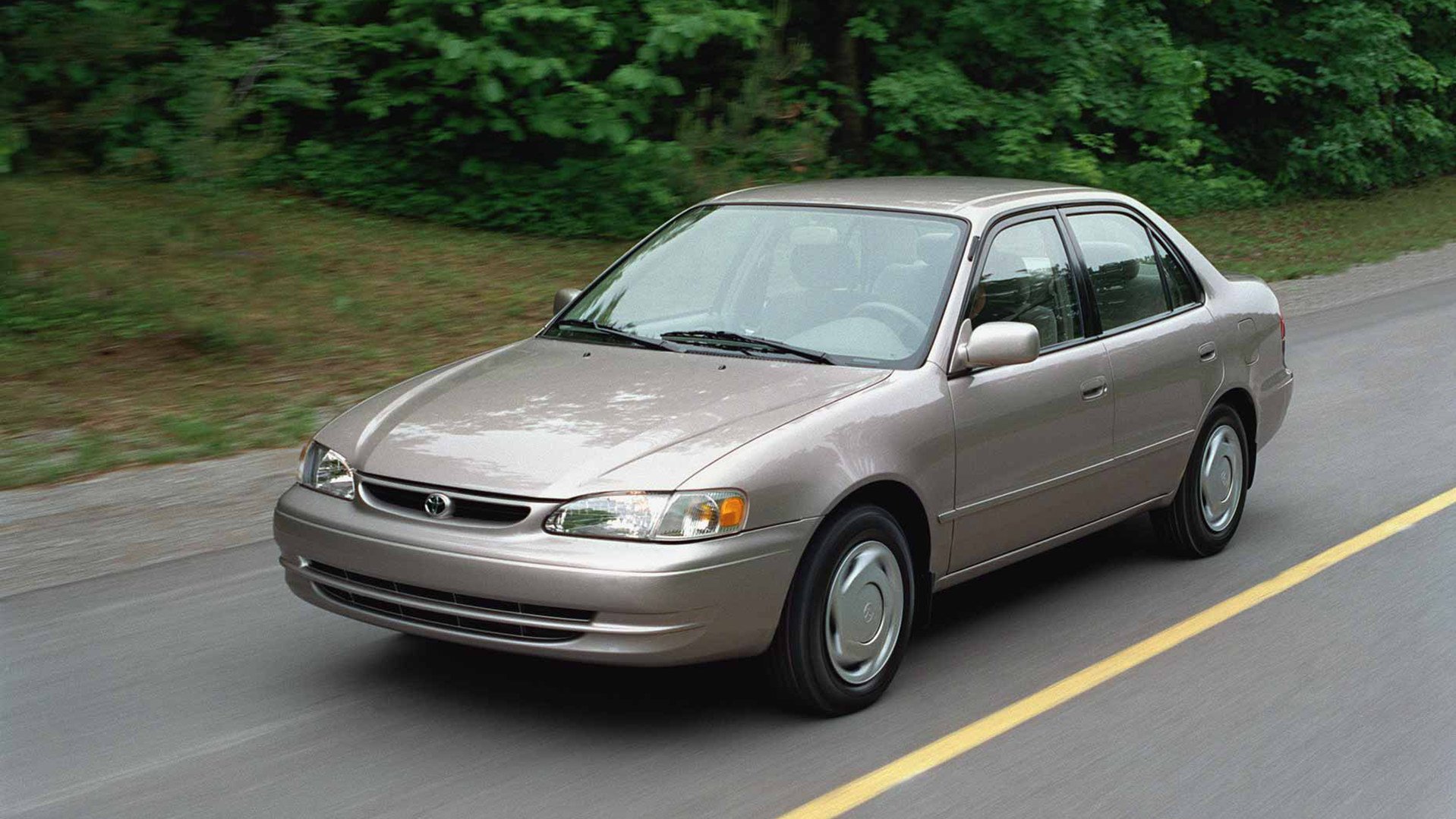
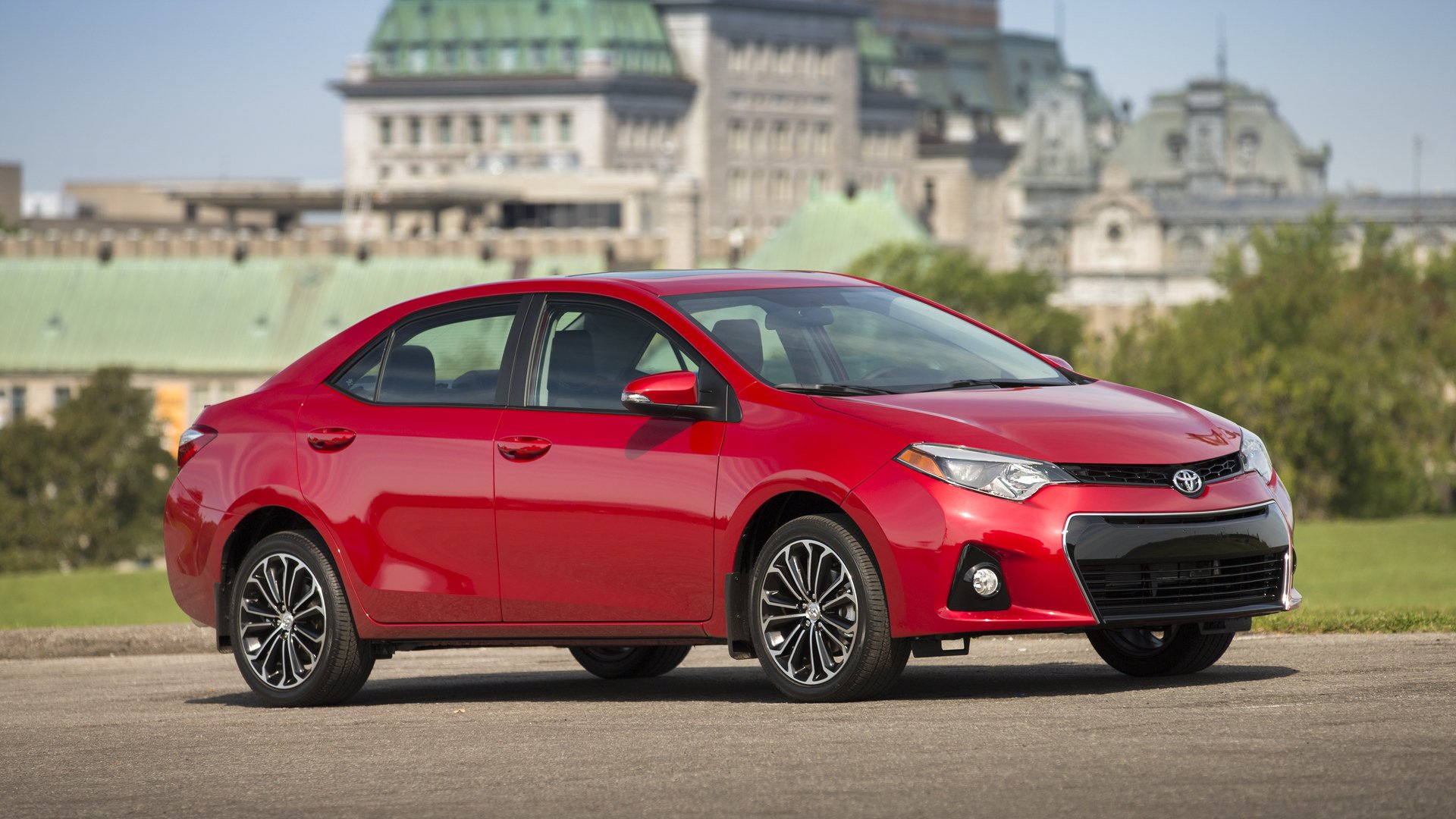
Unlike the other two 2026 sexagenarians, the Toyota Corolla has remained in constant production through 12 distinct generations since 1966. Moreover, the Corolla has stayed faithful to its original recipe, remaining a subcompact sedan. Hatchback and wagon models have been offered at various periods in its history, contributing to its status as the best-selling car in the world since 1997, with over 50 million units sold by 2021. Interestingly, the Takaoka plant in Japan, opened specifically to produce the first Corollas in 1966, still builds the small sedan, alongside the RAV4. Several other factories around the world are required to meet demand.
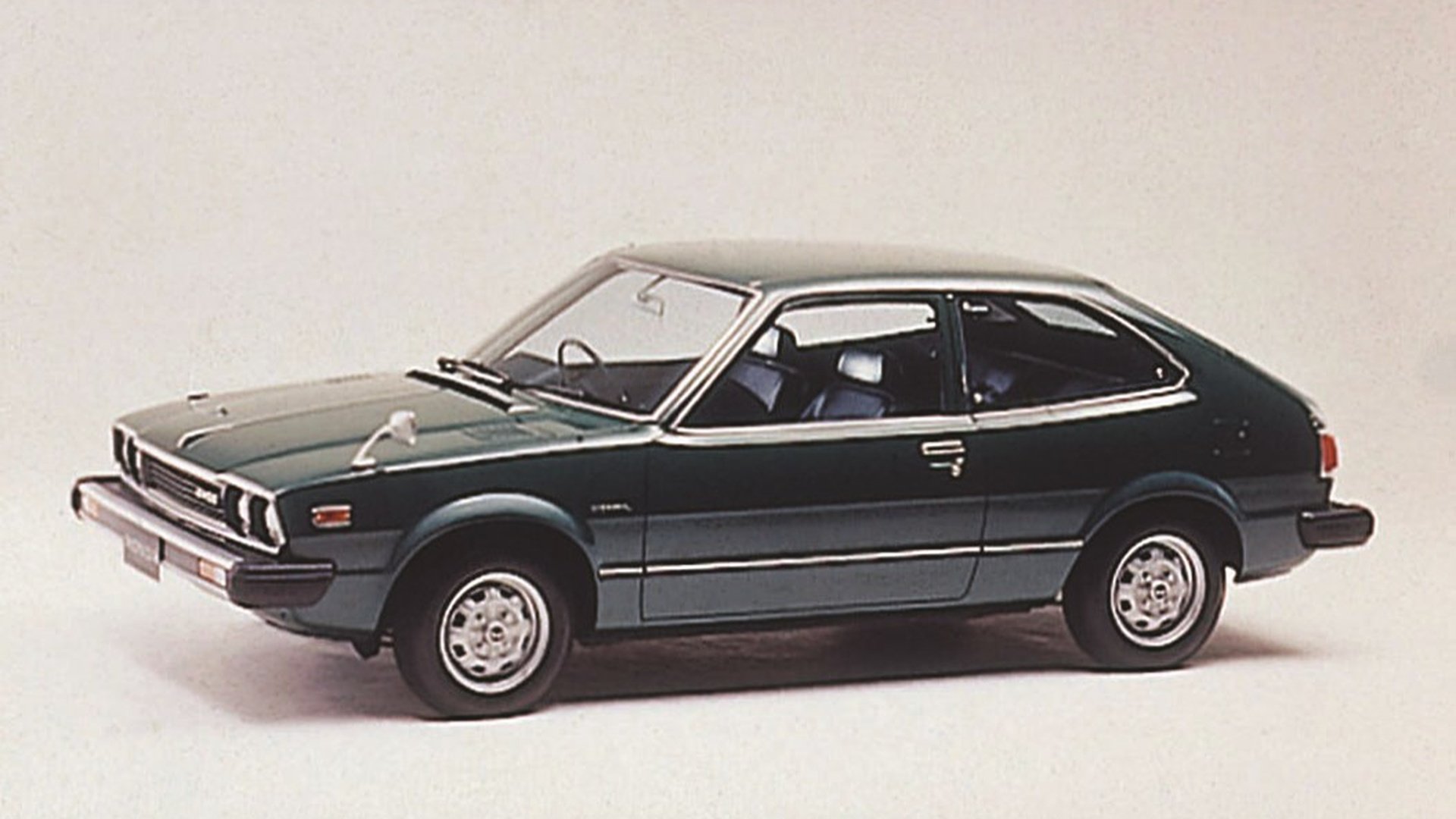
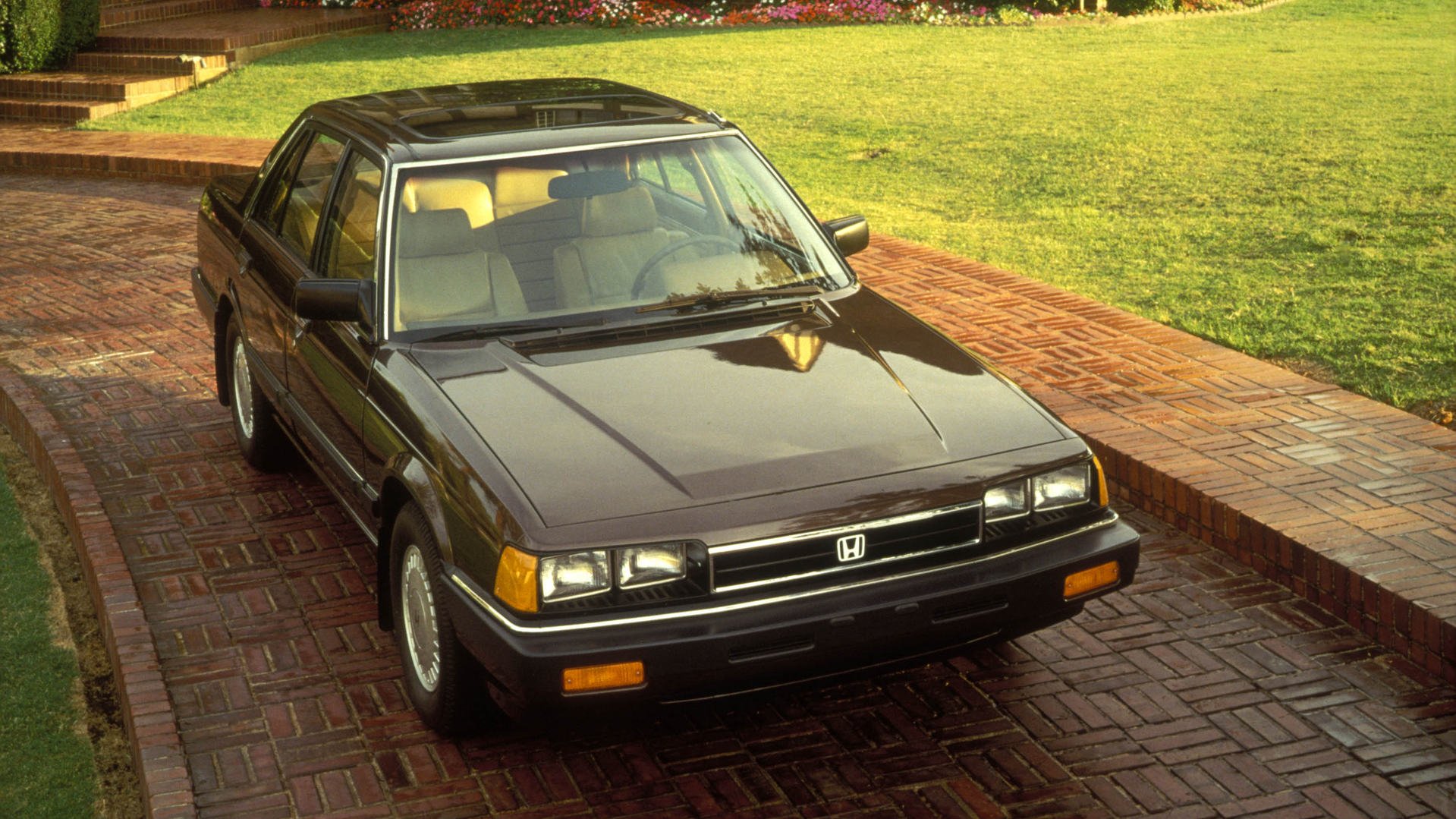
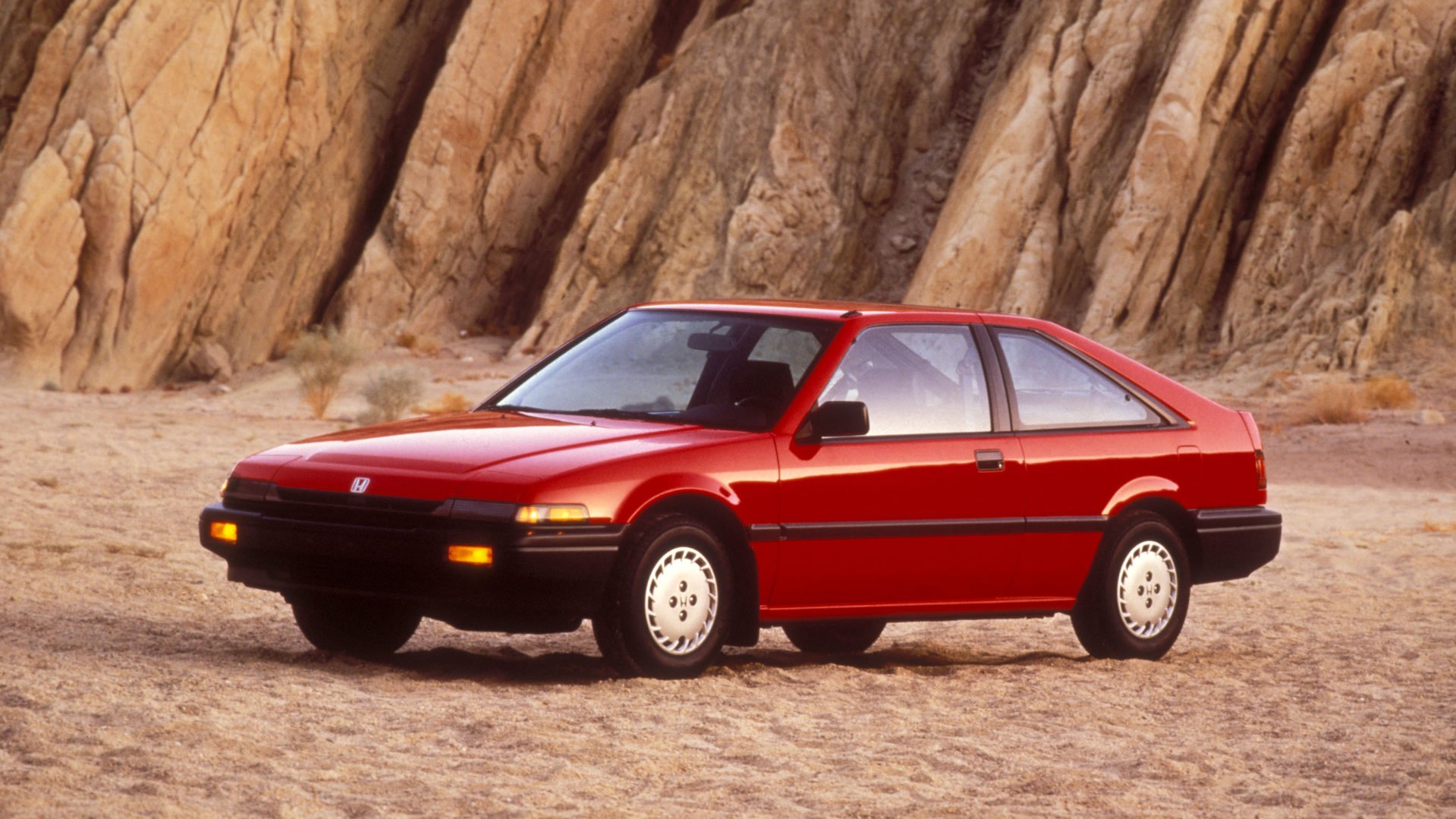
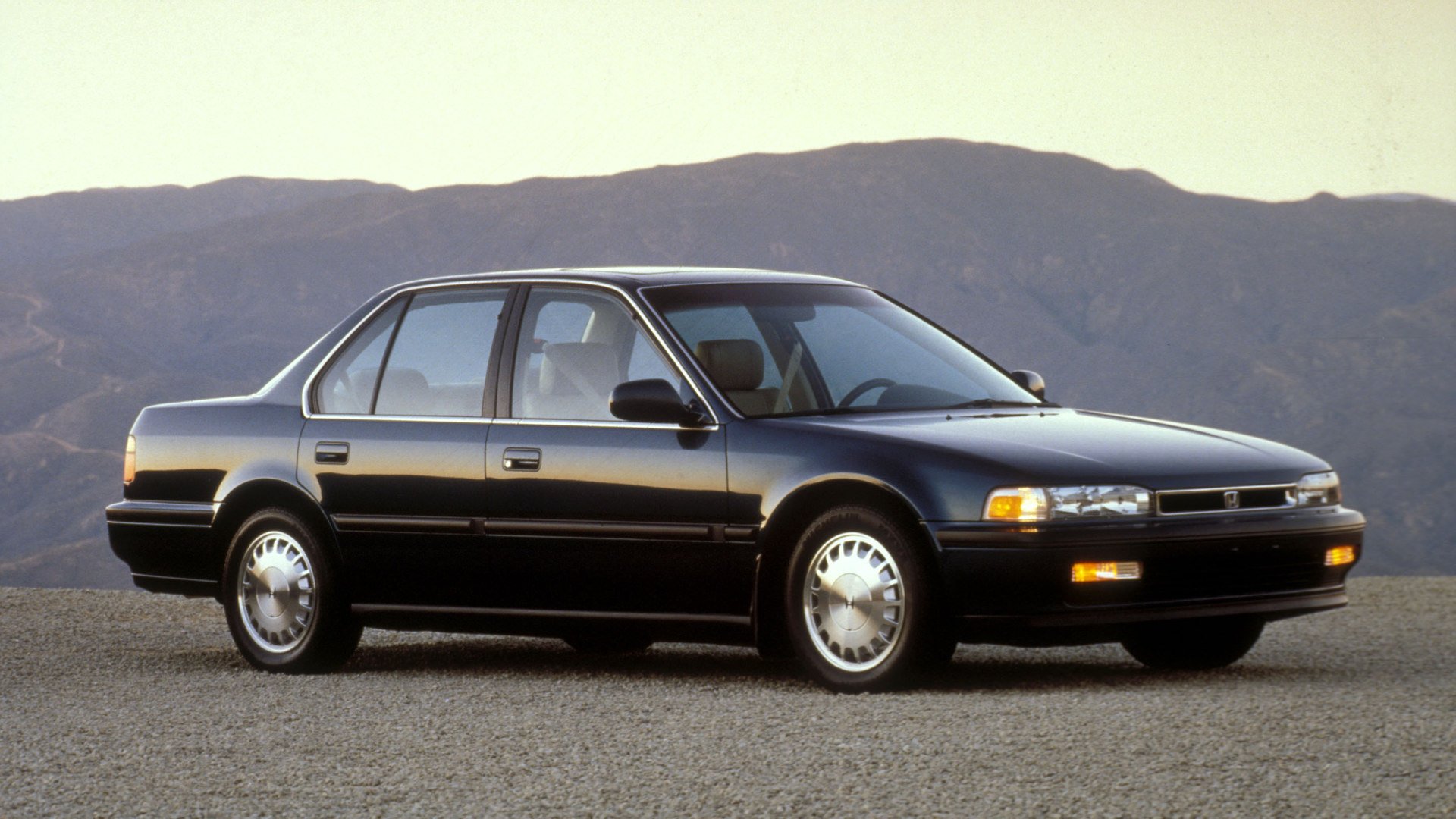
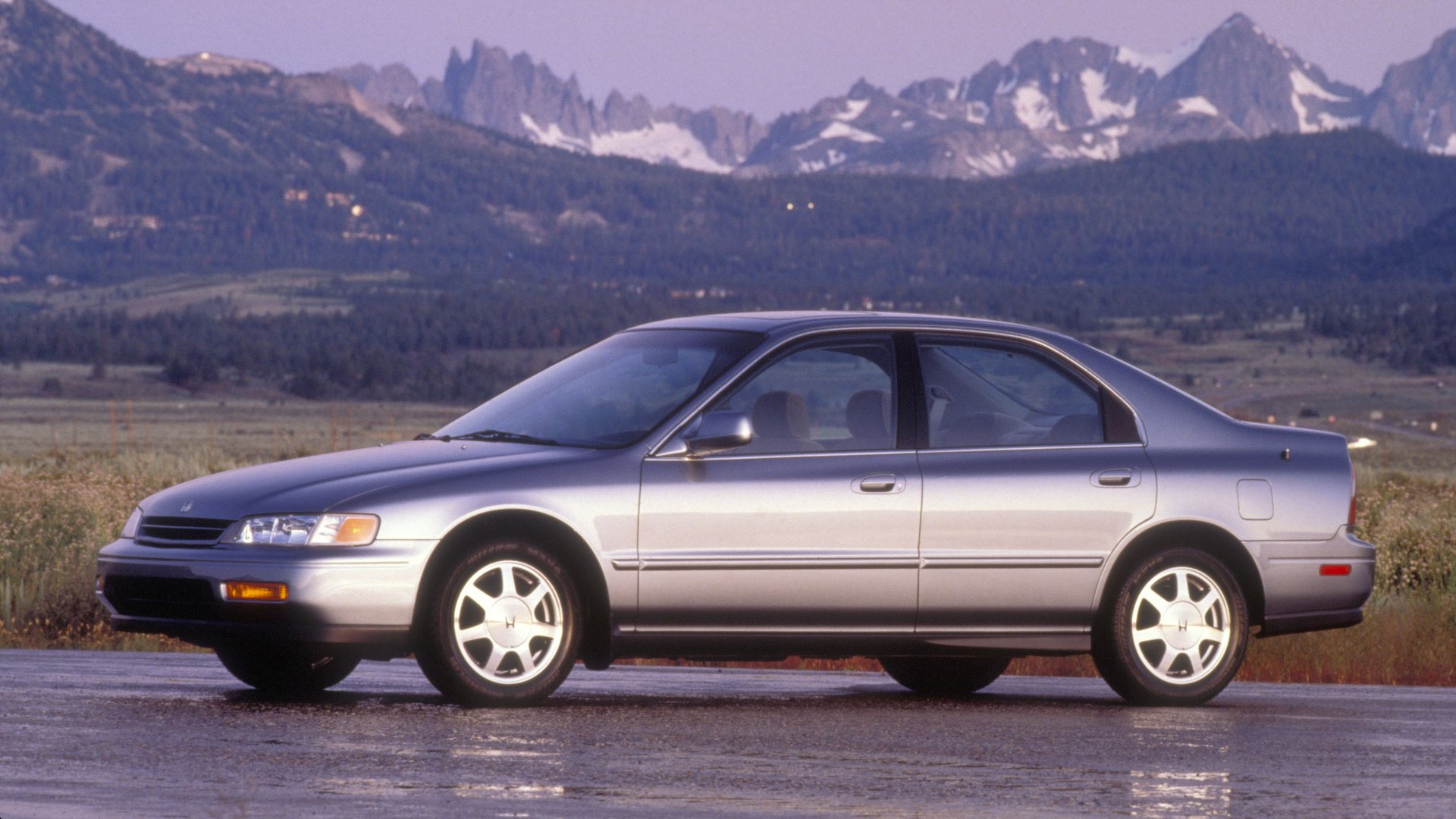
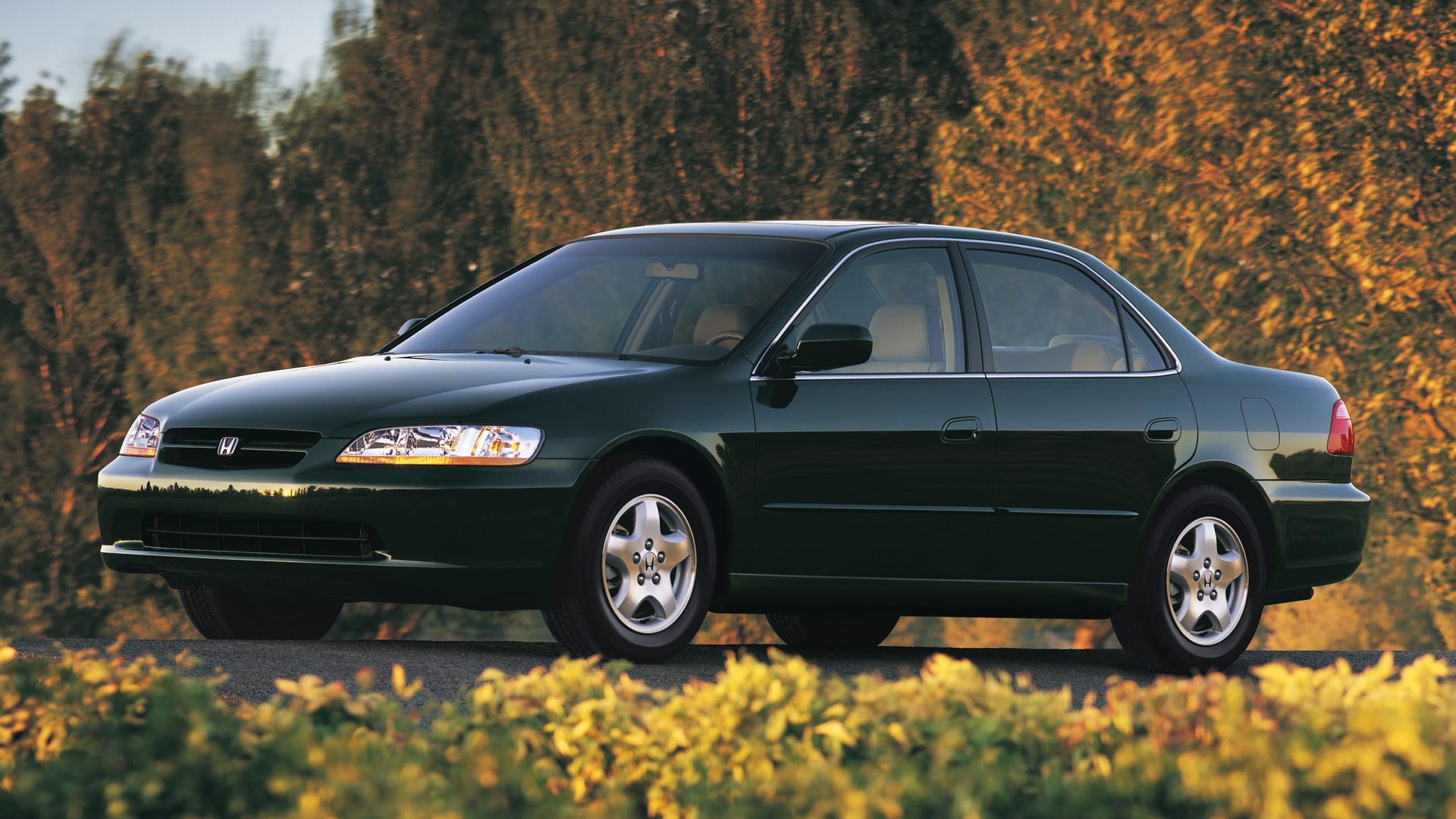
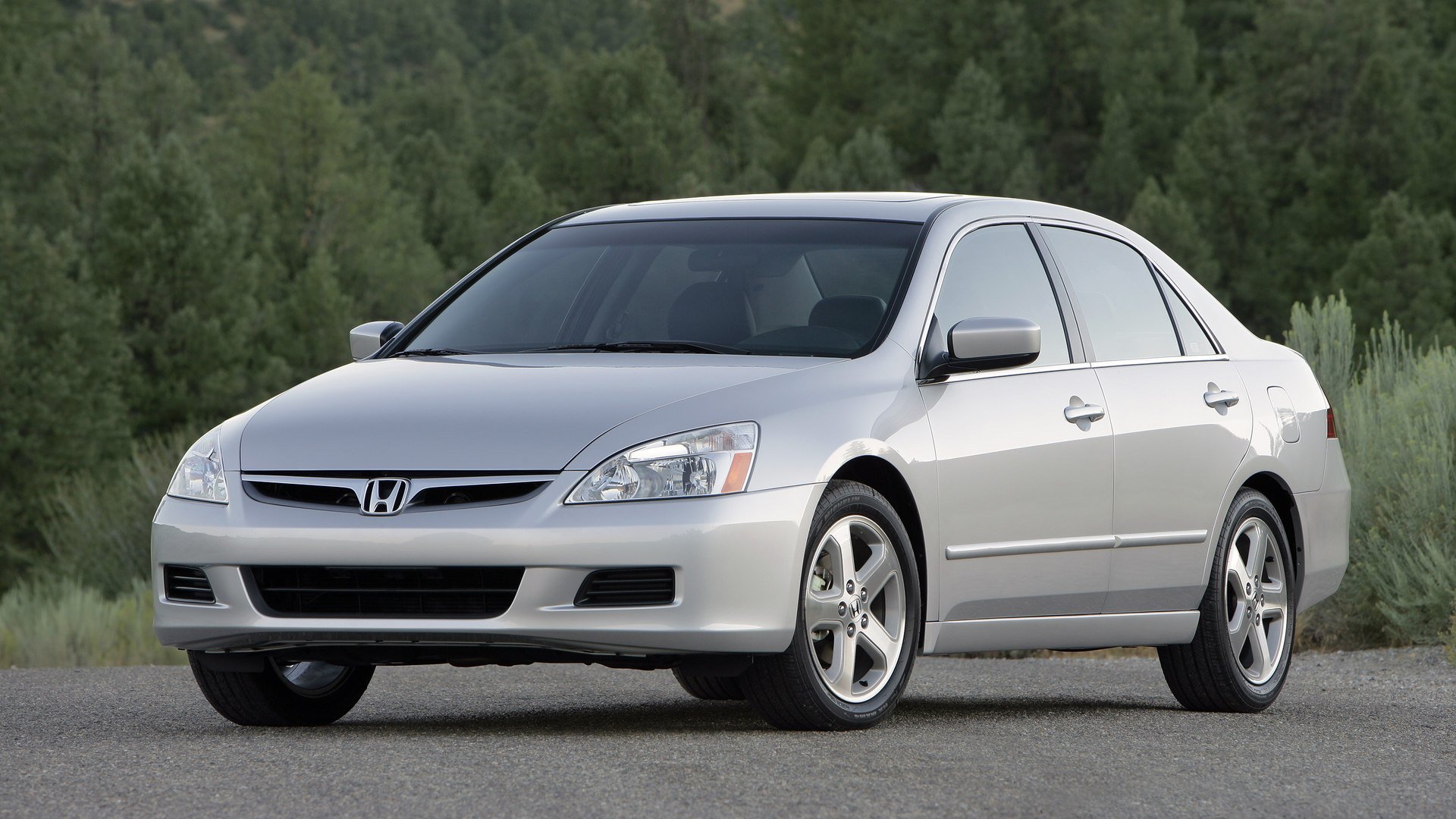
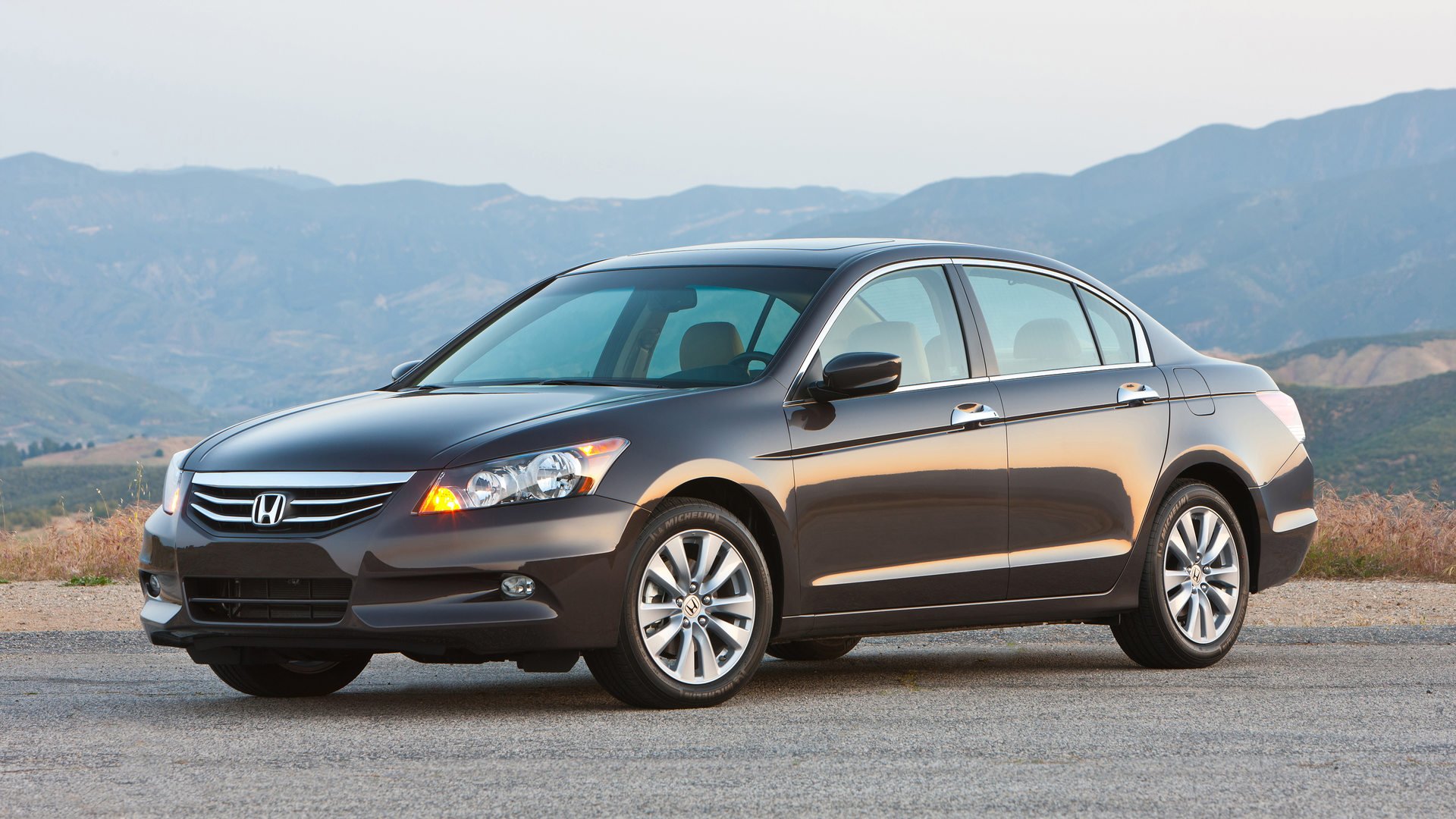
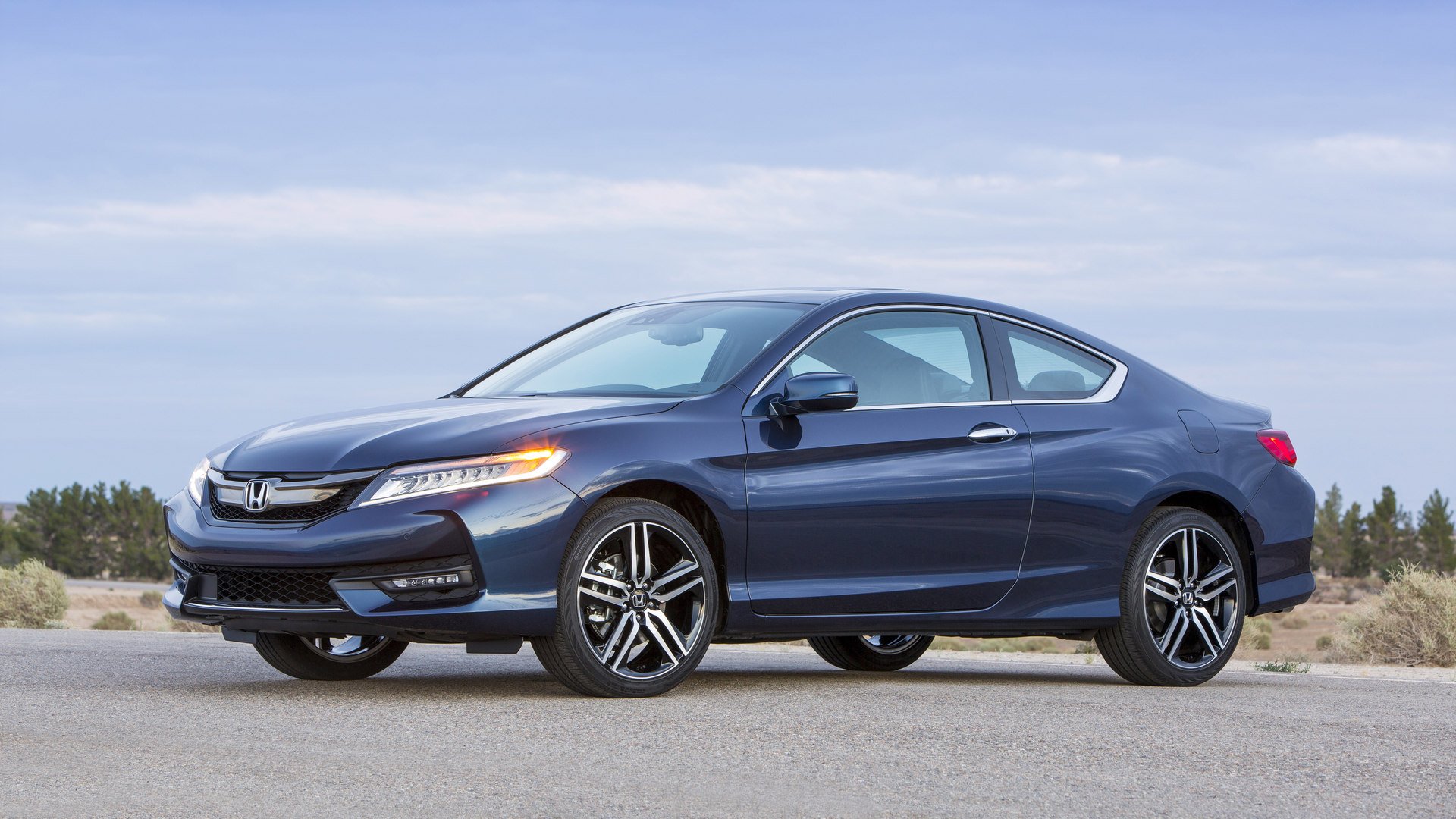
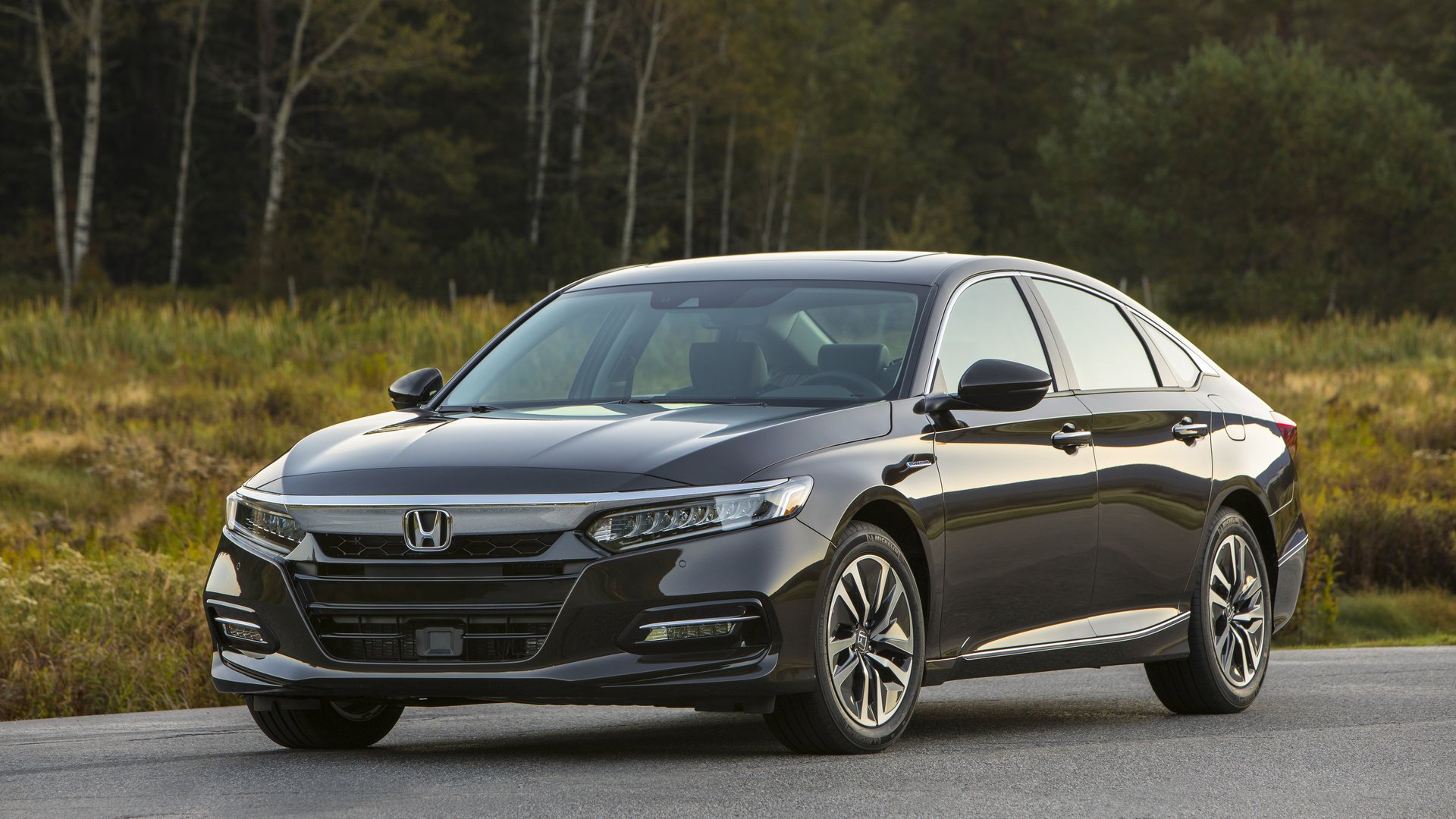
Launched in early 1976, the Honda Accord quickly became one of the most popular vehicles in North America. Even today, it performs relatively well despite the overwhelming popularity of SUVs, which have nearly relegated mid-size sedans to oblivion. Since 1976, the Accord has seen 11 generations, each larger than the last. During the 2000s and 2010s, models sold in Europe were completely different from those offered in North America, where we received the European version under the name Acura TSX.
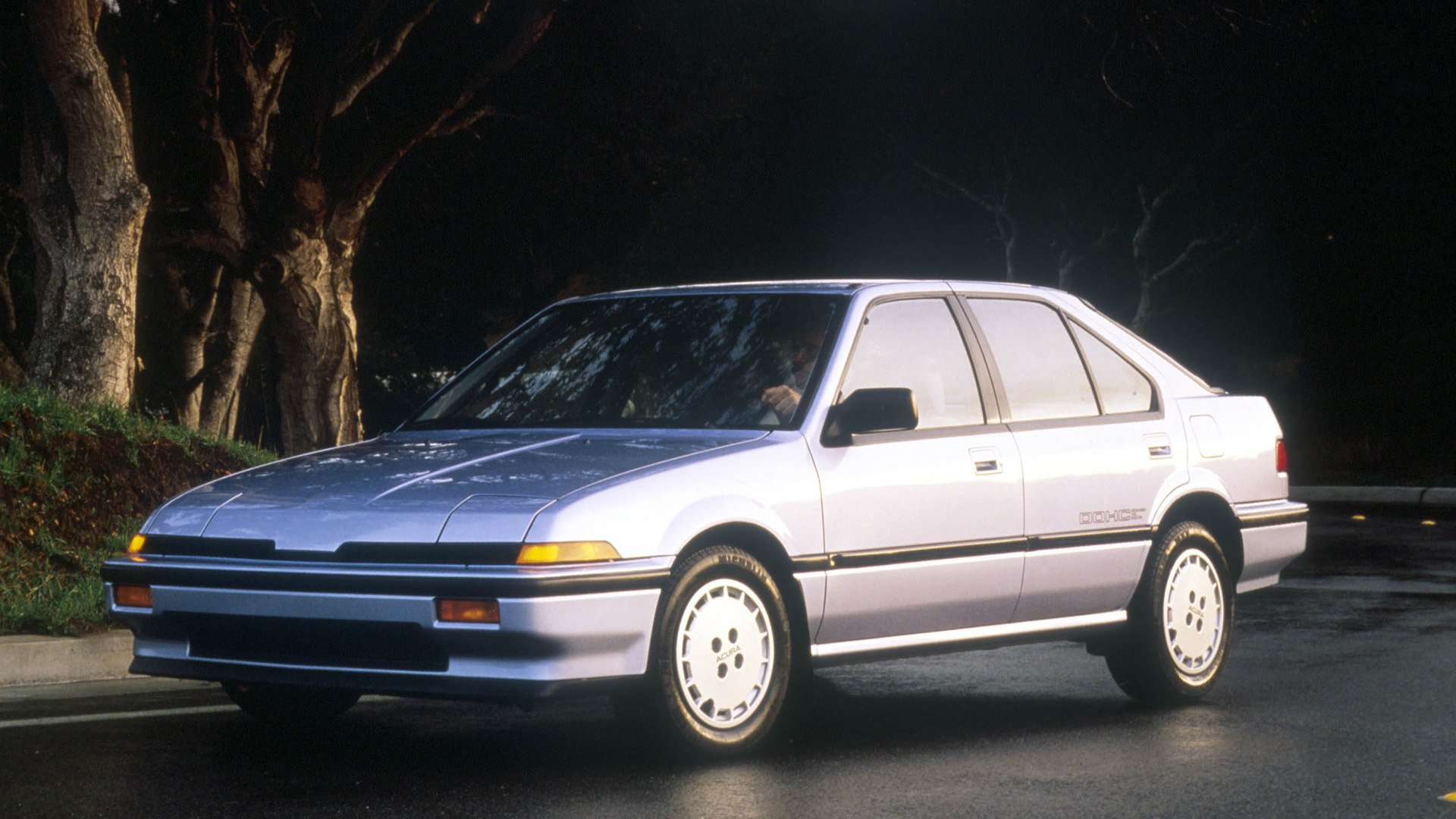
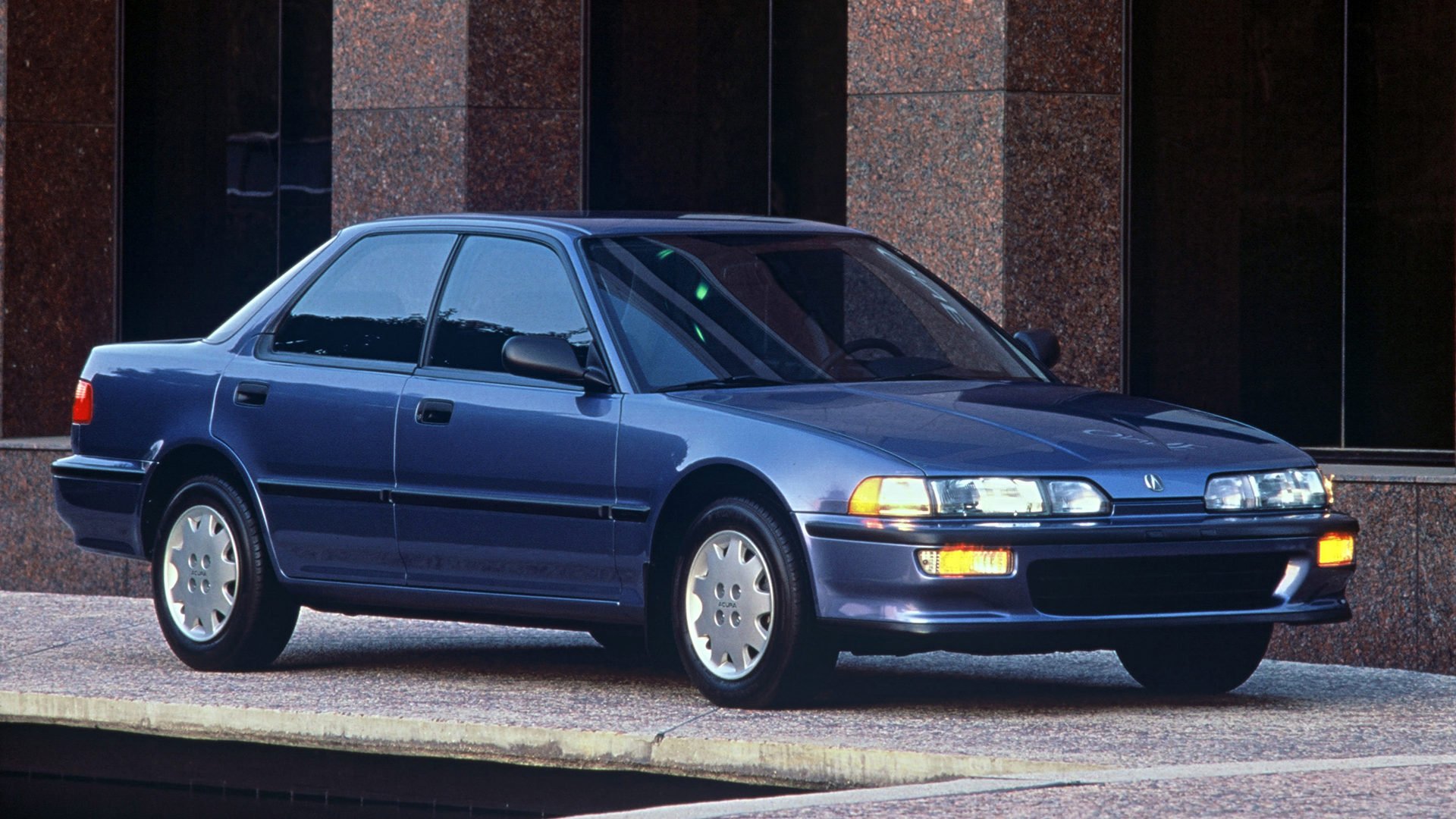
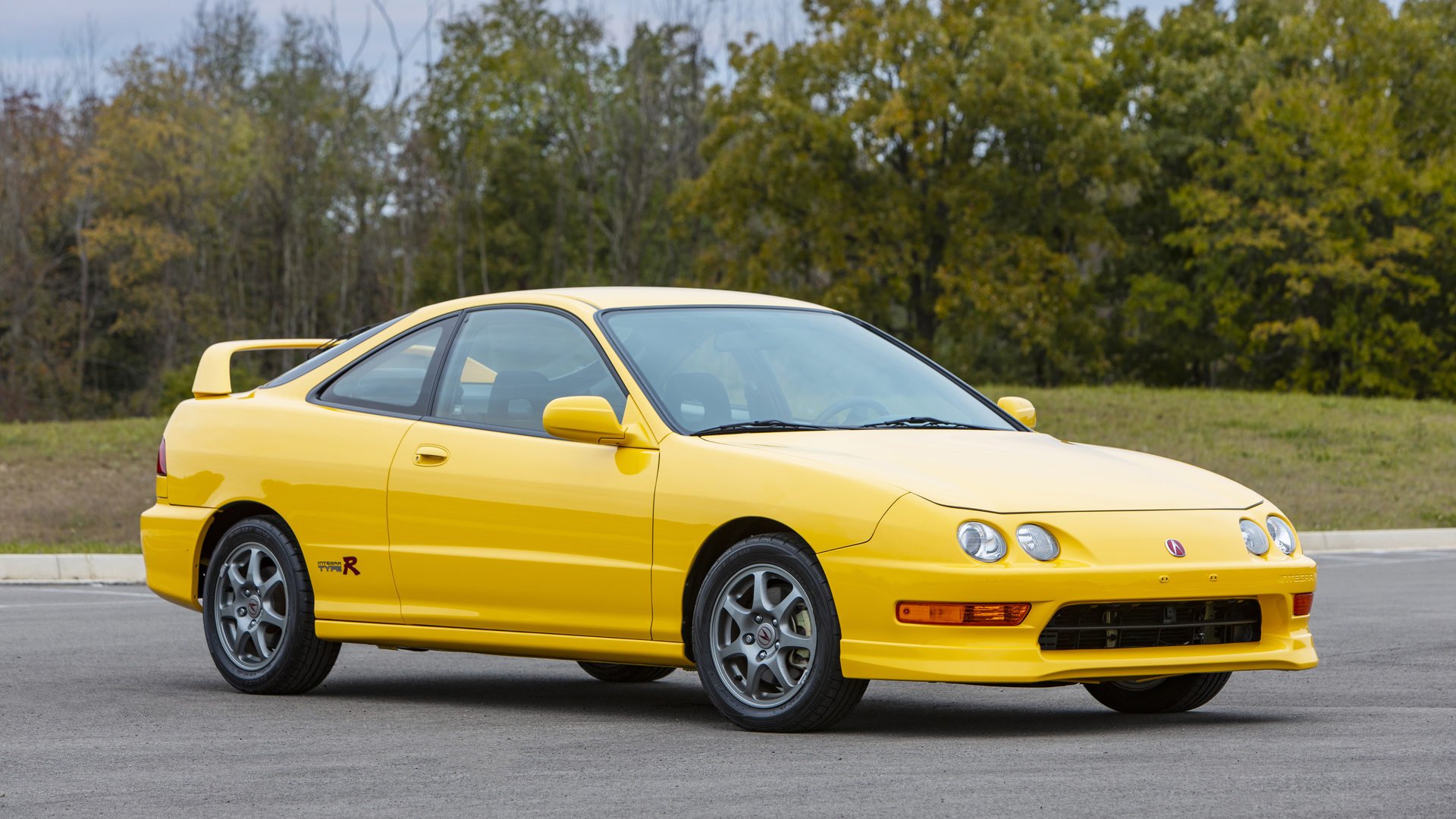
Launched in 1986, the Integra was one of the two founding models of the Acura brand in North America, alongside the Legend. Positioned as a slightly upscale compact sports car sharing certain mechanical elements with the Honda Civic, it was offered in three-door coupe and five-door sedan versions. Discontinued from our market in 2001, it returned in 2023, still as a premium compact sports sedan, though this time benefiting from a hatchback design and a turbocharged engine borrowed from the Accord.
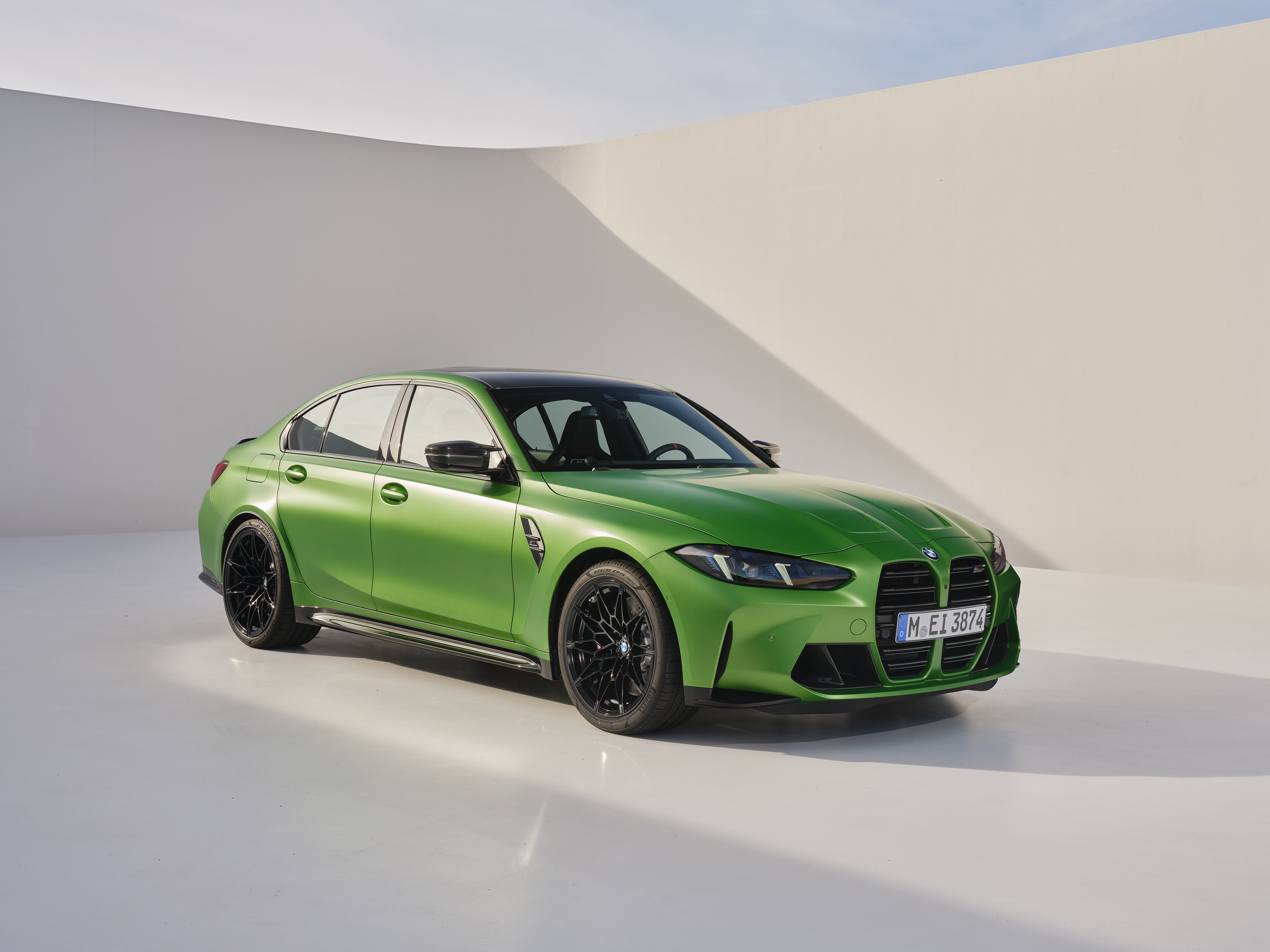
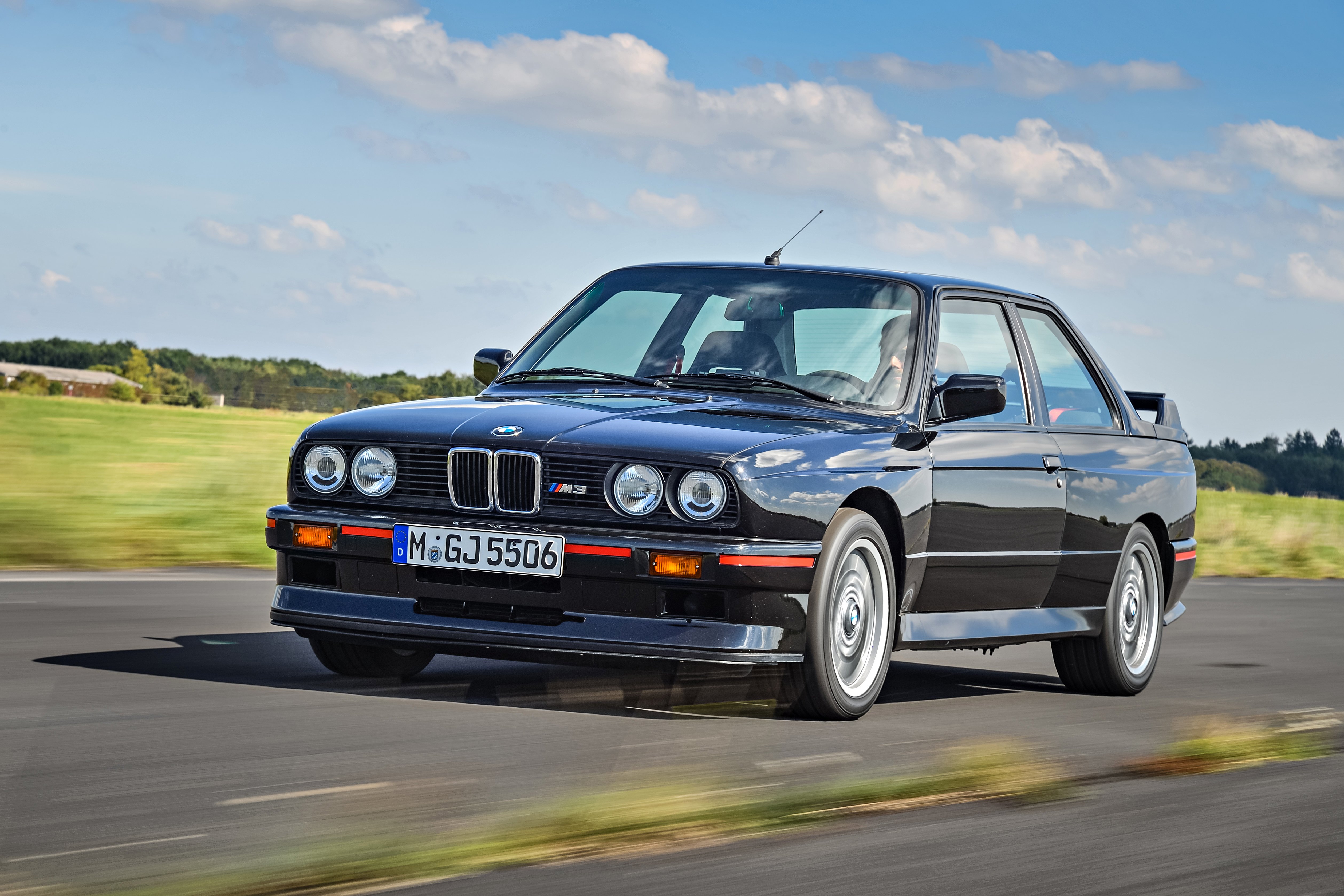
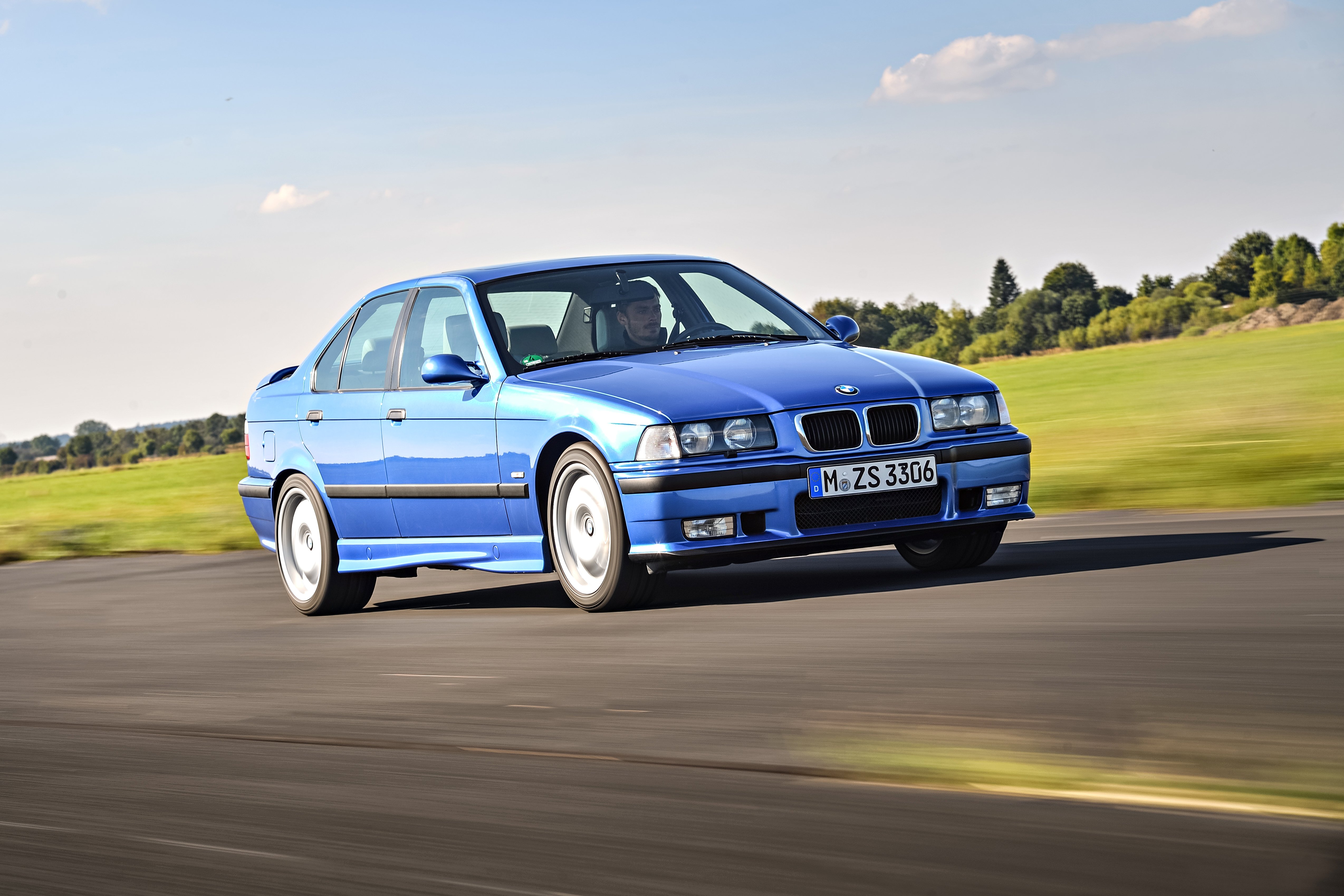
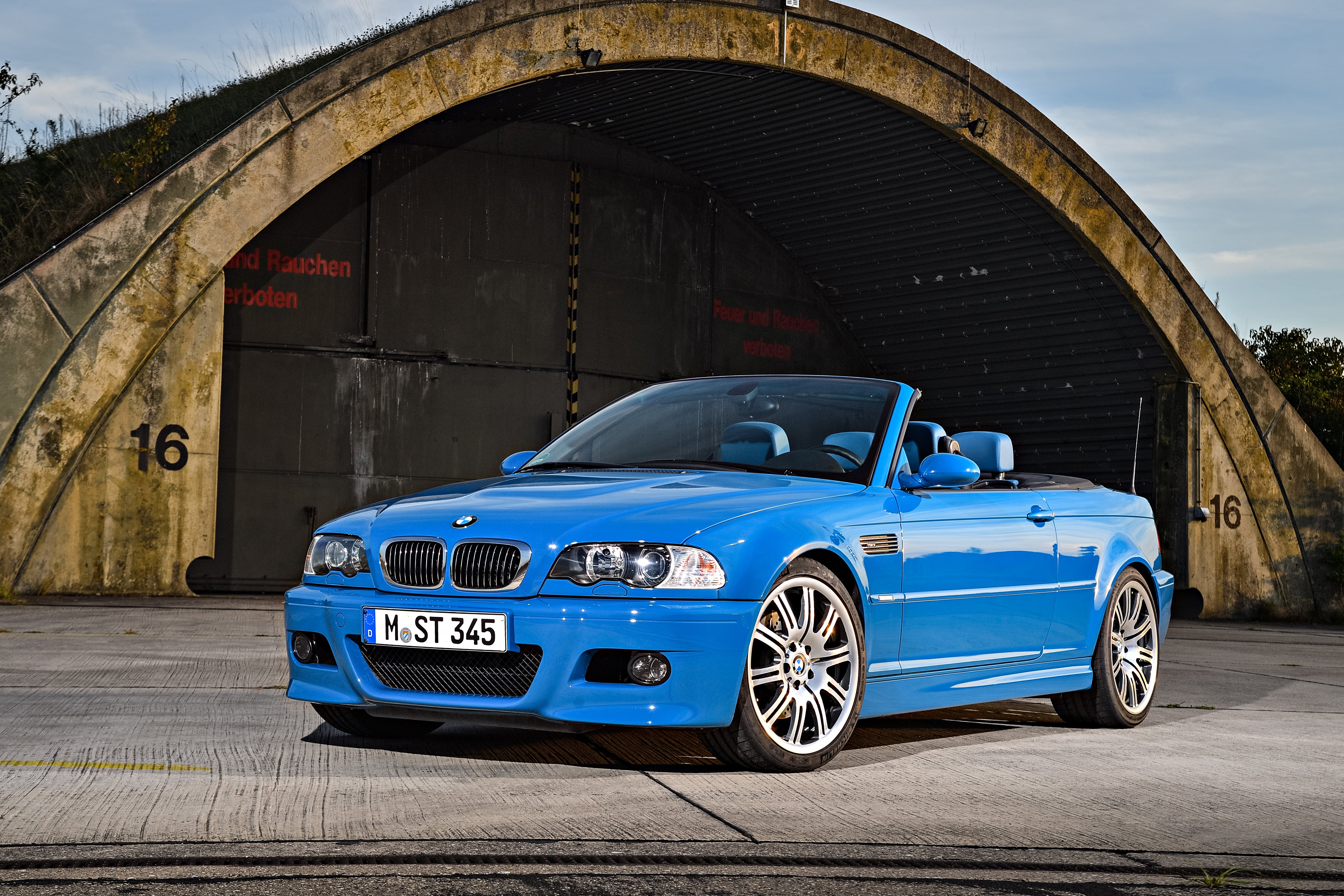
While the BMW 3 Series was introduced in the mid-1970s to replace the old 02 Series, the sporty M3 did not appear until a decade later, in 1986. The first M3 was a more powerful and dynamic version of the German manufacturer’s E30 generation compact sedan. Designed by the Motorsport division for touring car racing homologation, the M3 quickly became a favorite among driving enthusiasts and has remained in the manufacturer’s North American lineup ever since, with a few years of absence between different generations.
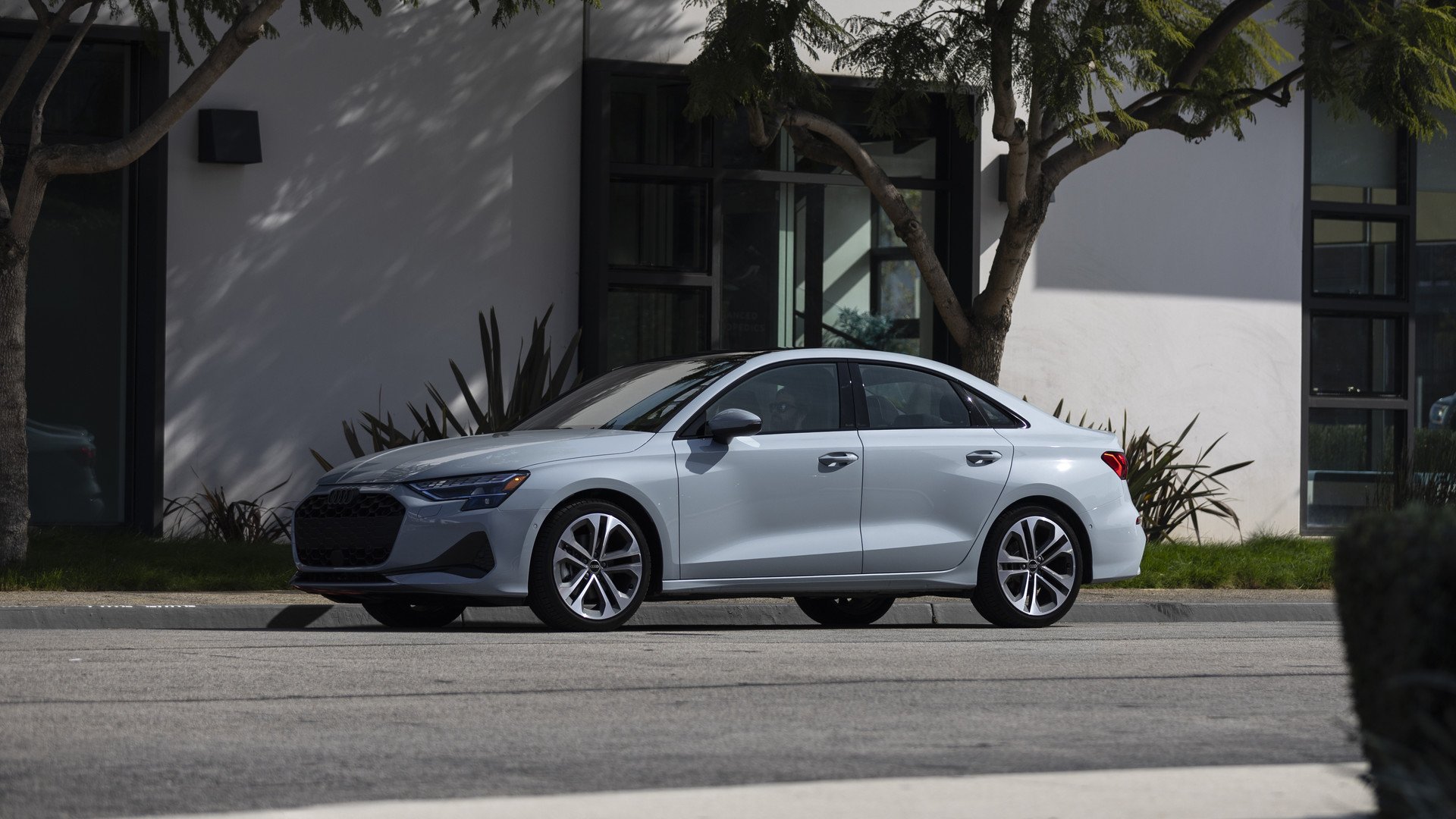
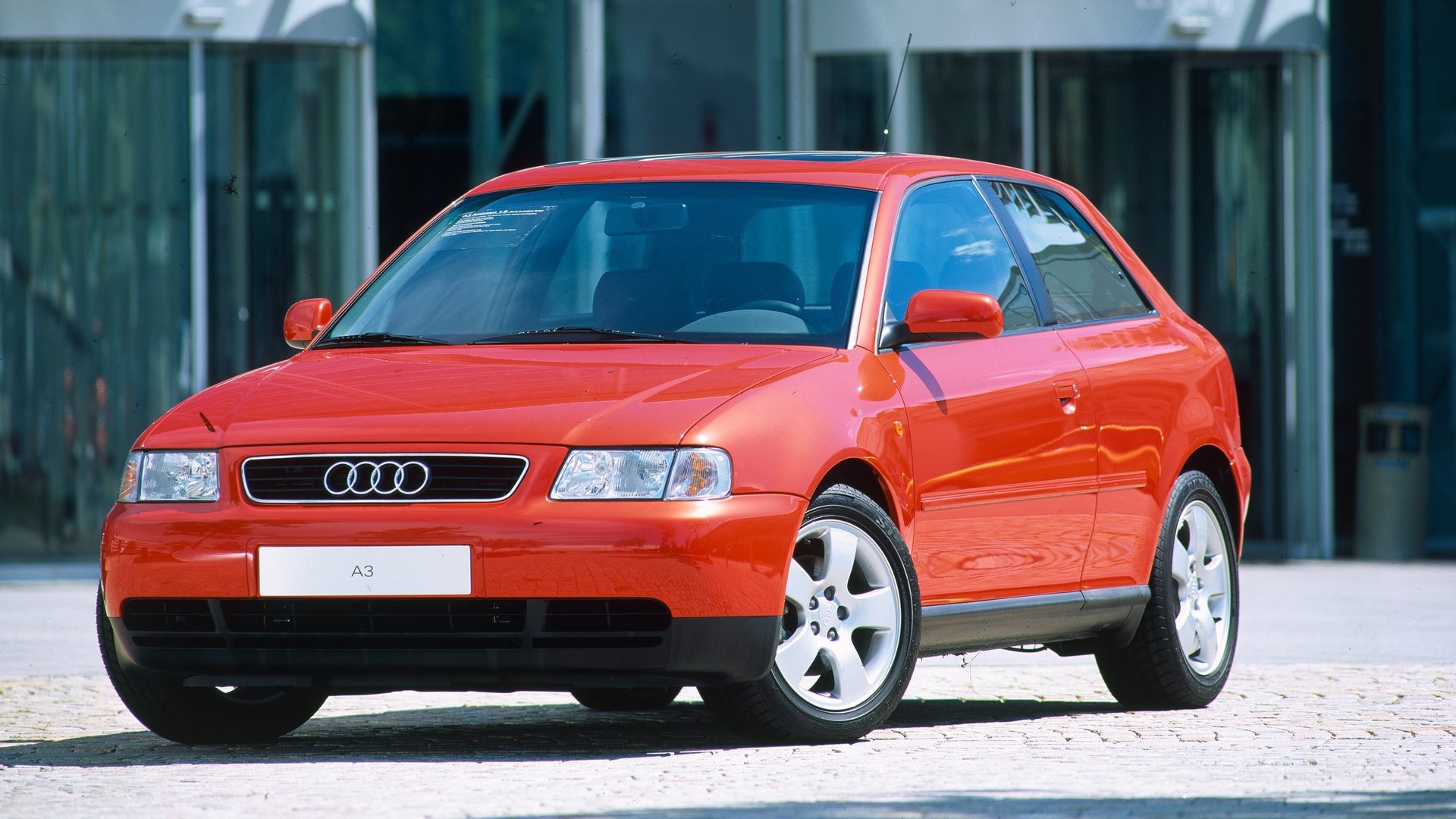
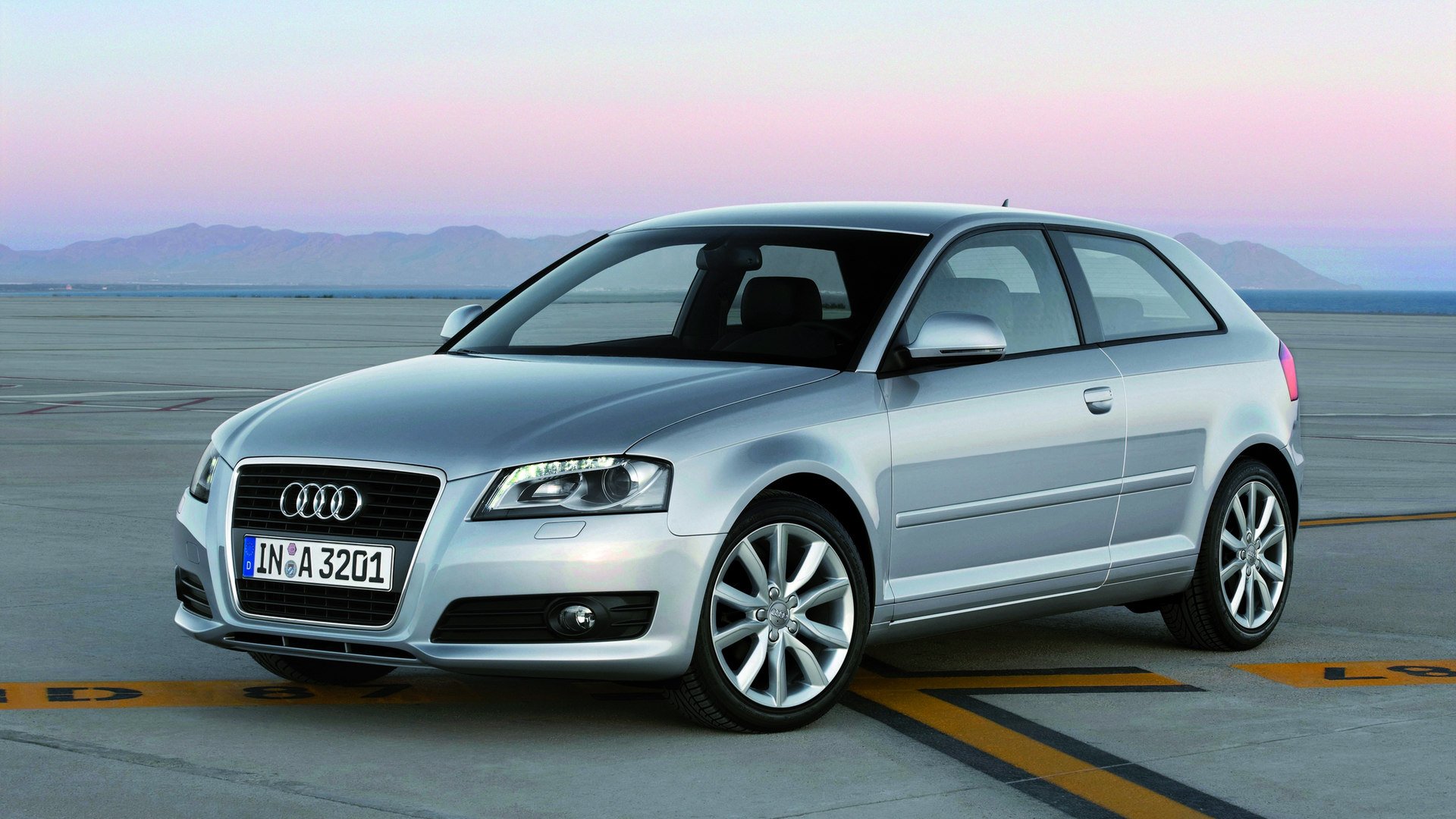
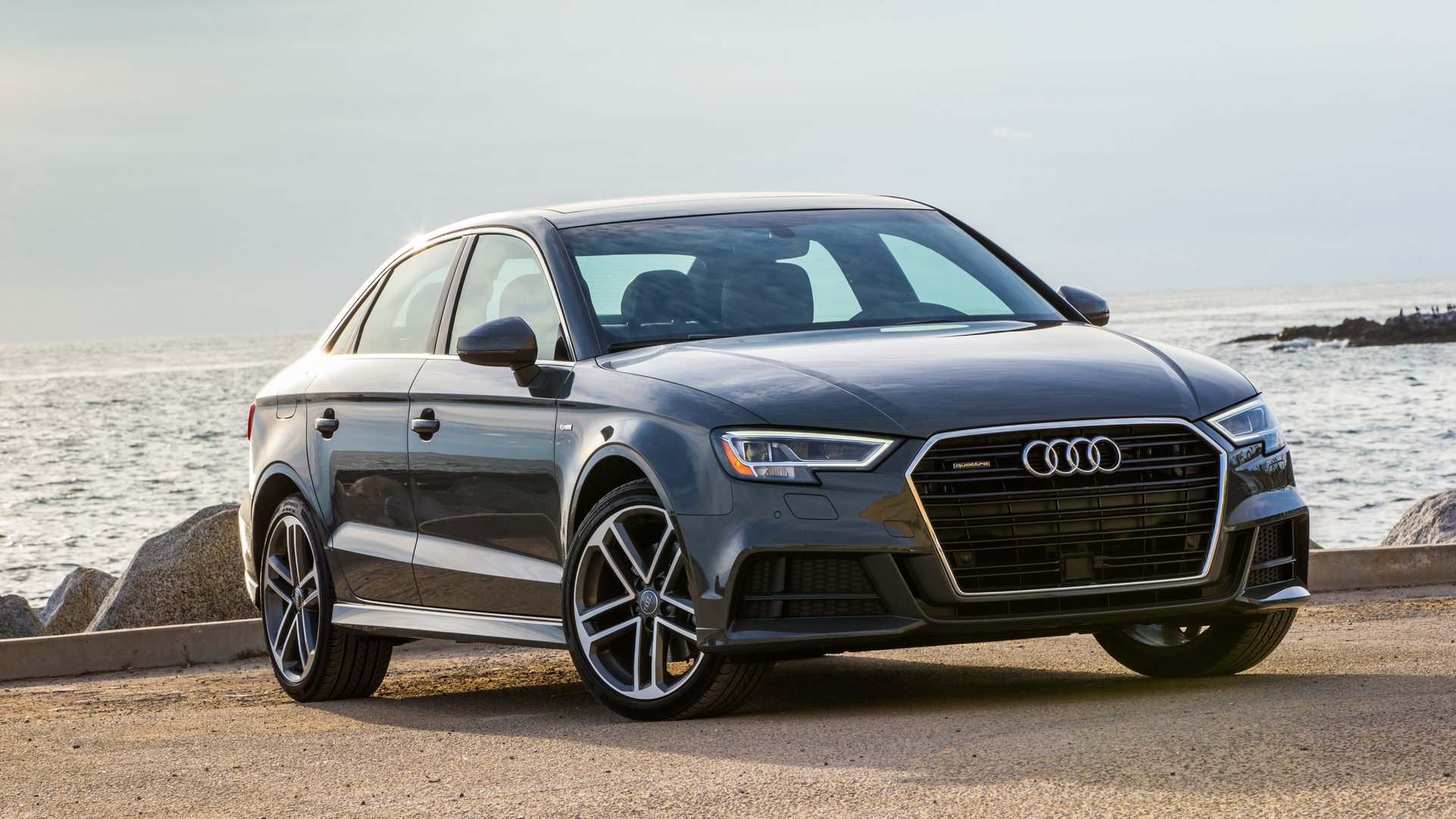
Although the original Audi A3 was launched in Europe in 1996, we had to wait for the following generation to see it on our roads starting in 2006. Built on the Volkswagen Golf platform, this premium subcompact received 4, 5, and 6-cylinder powertrains, as well as a plug-in hybrid option for a few years. Hatchback, convertible, and sedan body styles have been offered, but only the latter remains available. In 2026, Audi offers the A3, the sportier S3, and the even more dynamic RS3 in Canada.
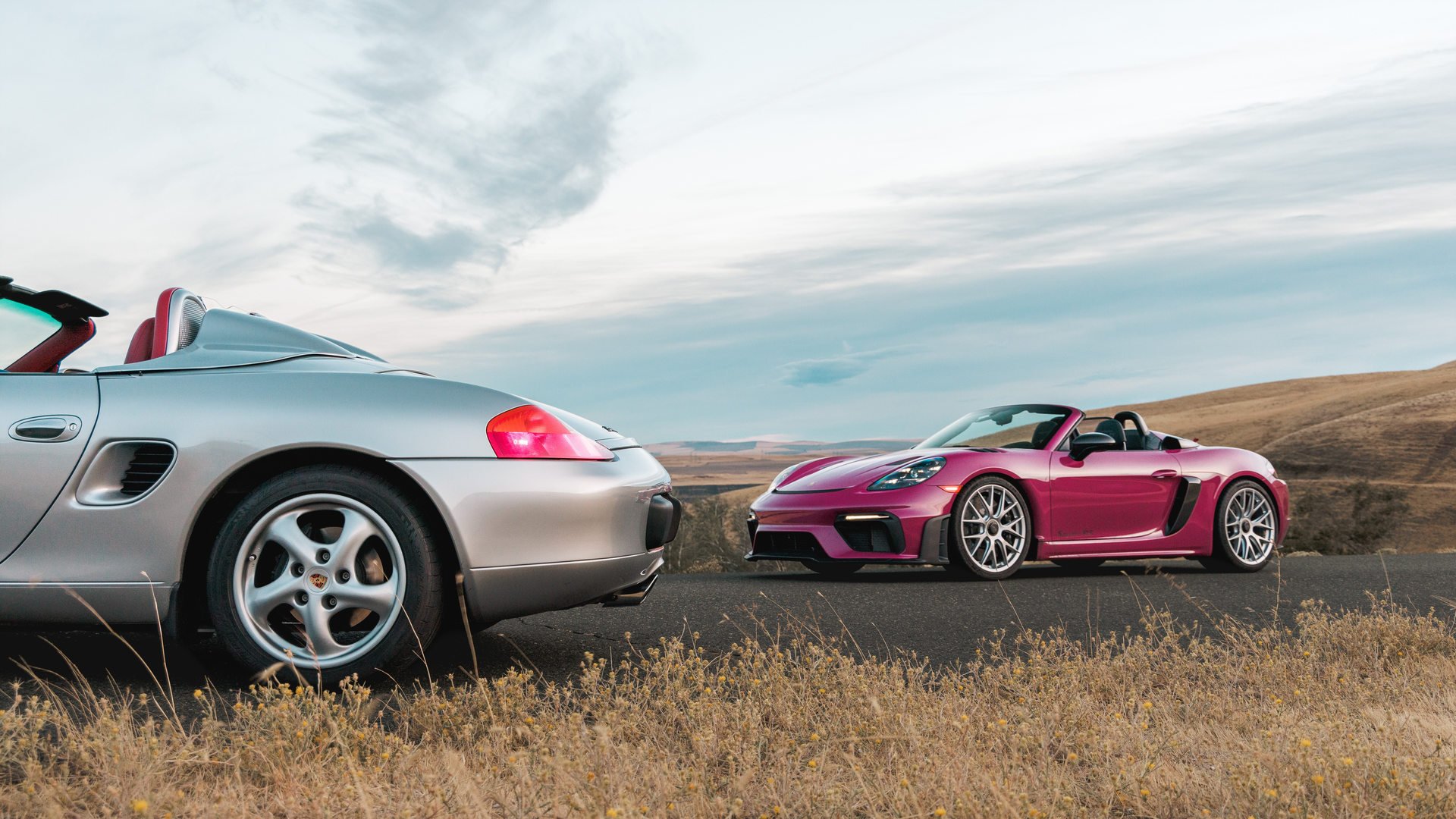
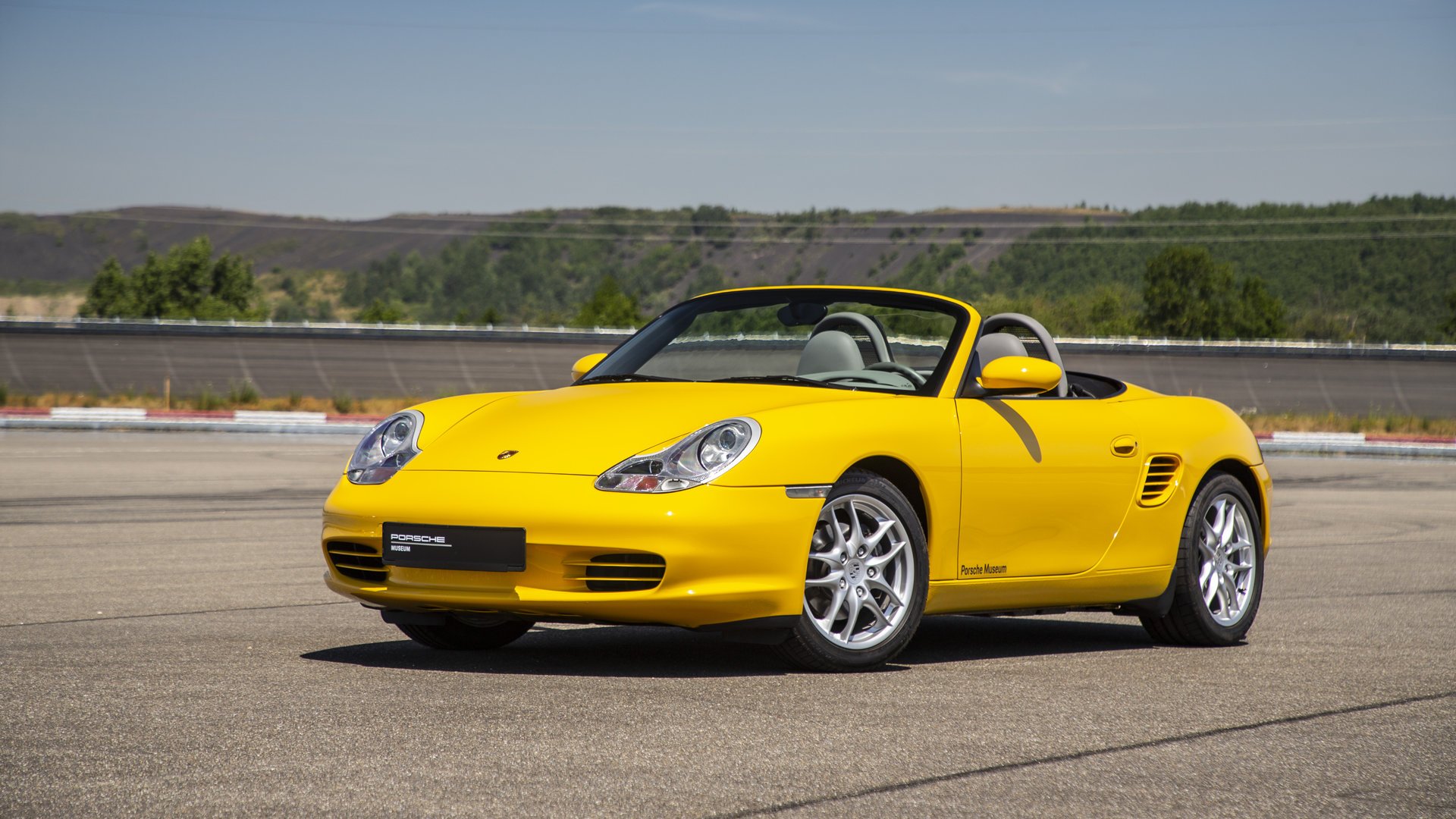
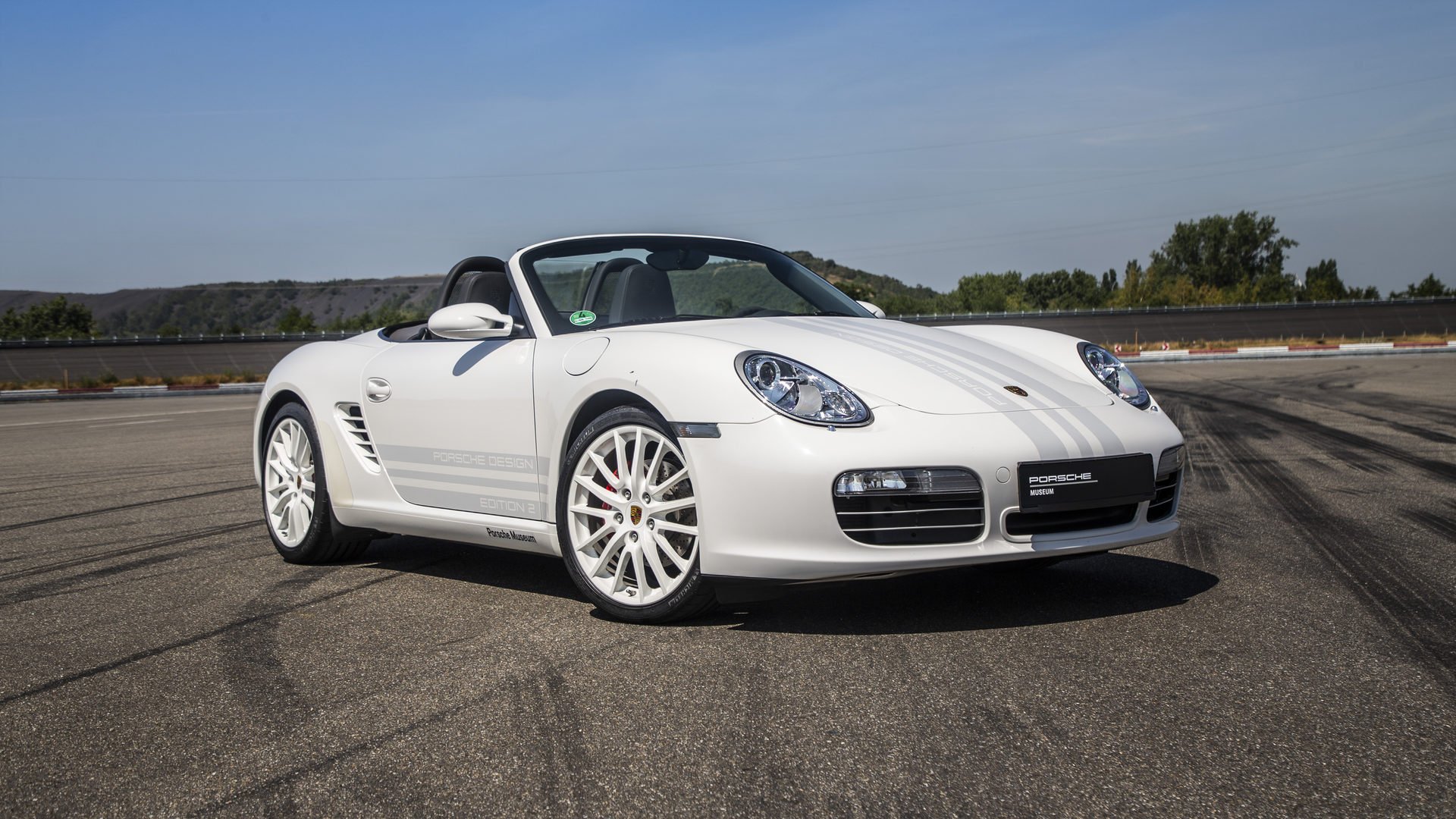
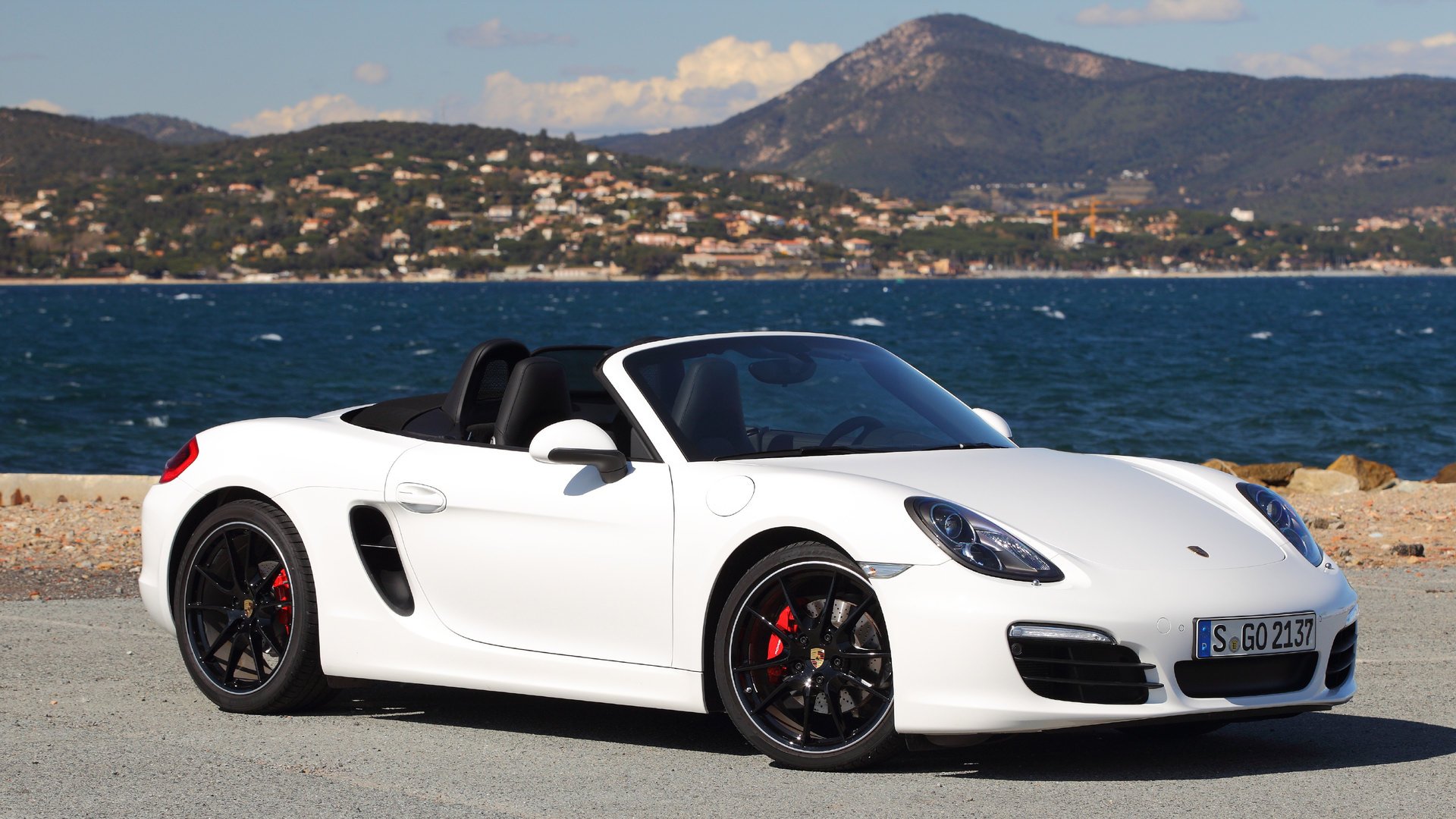
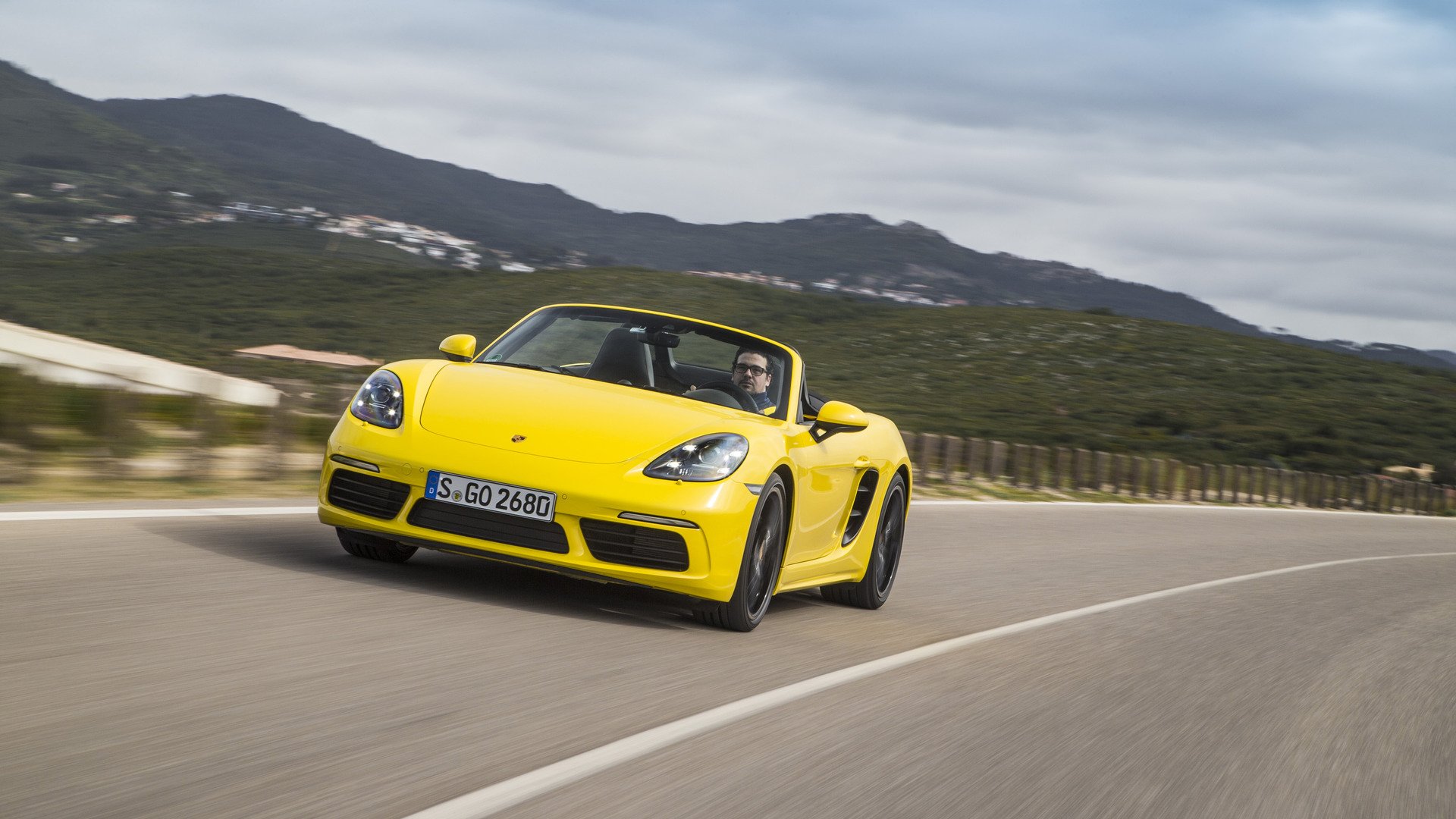
Introduced in 1996, the Porsche Boxster represented a strategic shift for the German manufacturer, introducing its first water-cooled rear engine, which would subsequently be adopted by the 996-generation 911. In North America, the Boxster allowed Porsche to reach a broader clientele by offering a more financially accessible sports vehicle. Even today, the 718 Boxster remains a relatively affordable roadster given its performance and driving dynamics. While the Boxster (and the Cayman) were scheduled to be replaced by an electric model in 2026, disappointing sales of the Taycan have prompted Porsche to alter its plans. Consequently, the next generation will retain a gasoline engine, but only in the sportiest versions.
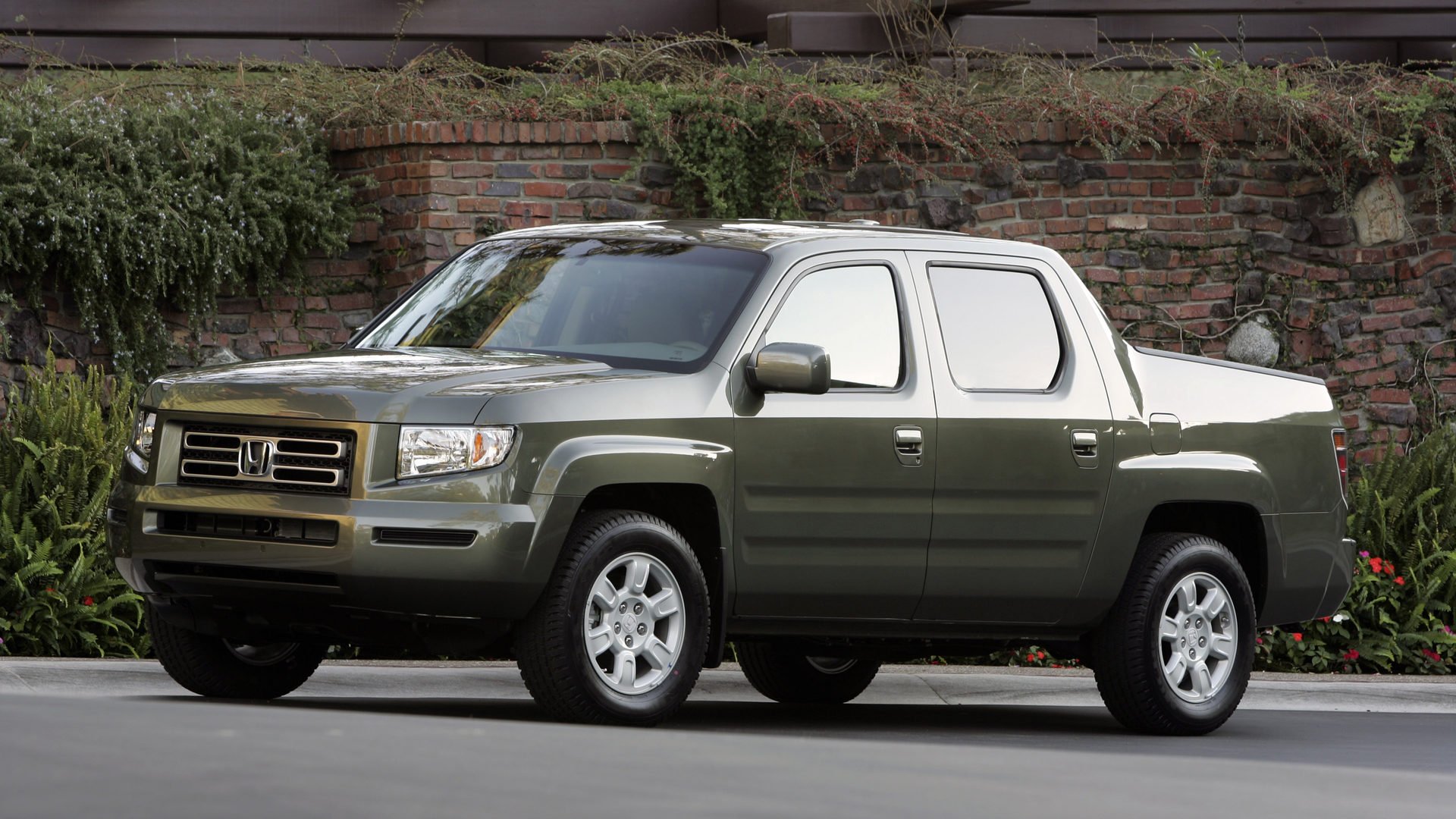
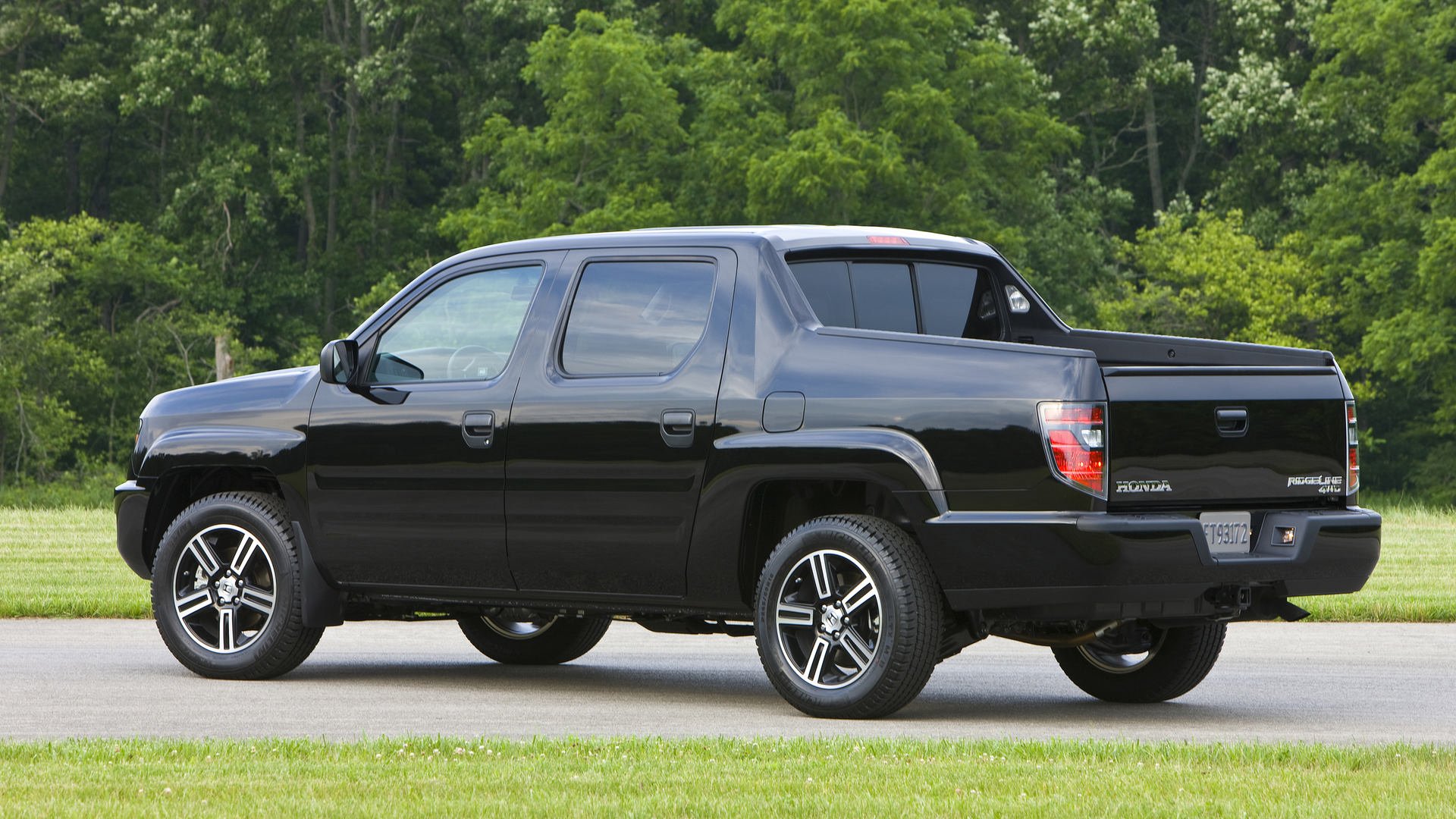
Arriving on the market for the 2006 model year, the Honda Ridgeline defied pickup truck segment conventions in North America with its unibody design derived from the Honda Pilot. Because this construction gave it superior ride quality and comfort compared to traditional trucks but reduced its towing and payload capacities, the Ridgeline became one of the first trucks to directly target recreational buyers. The recipe has remained virtually unchanged since, with the 2026 model still sharing its platform and mechanics with the Pilot.
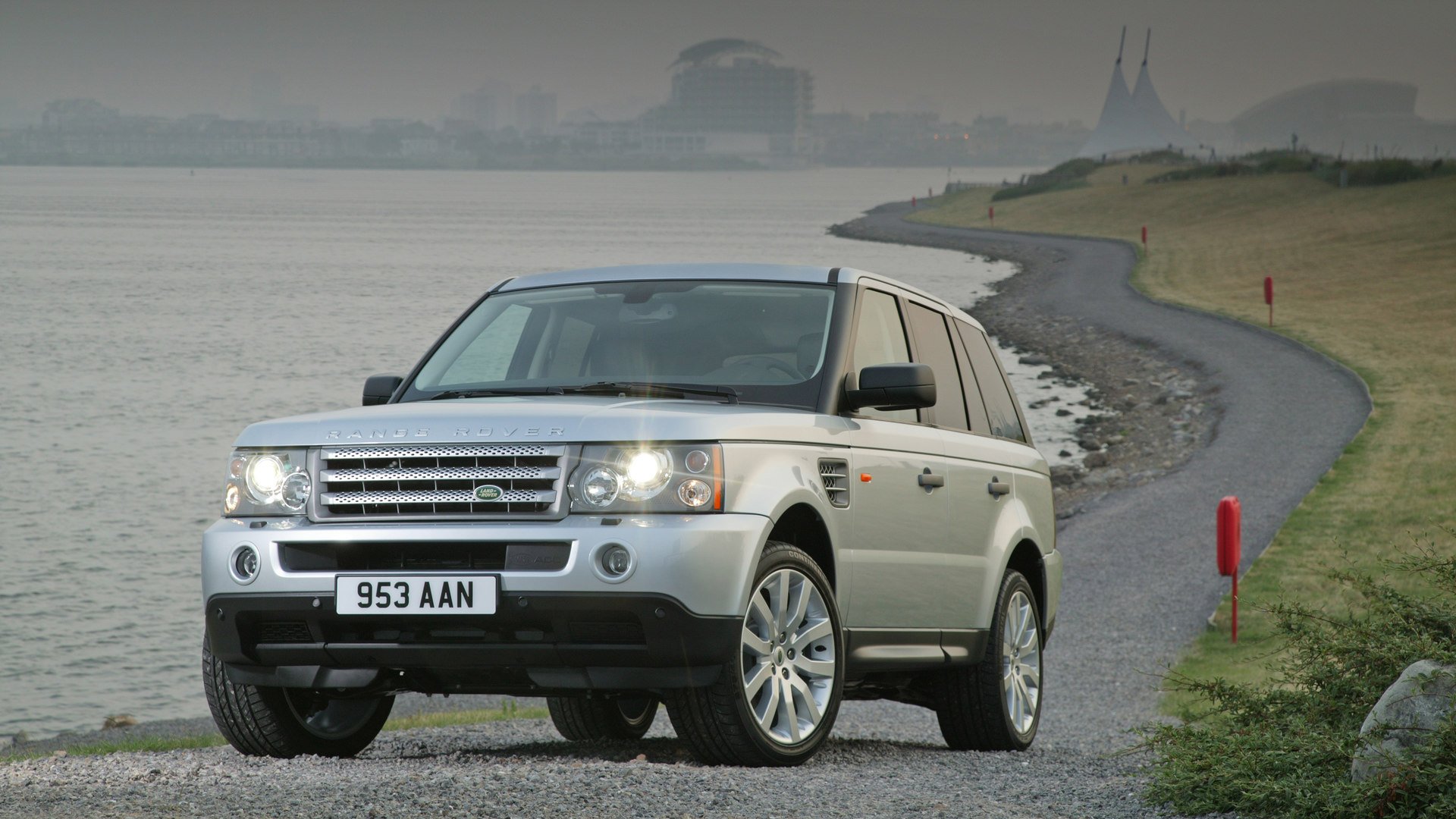
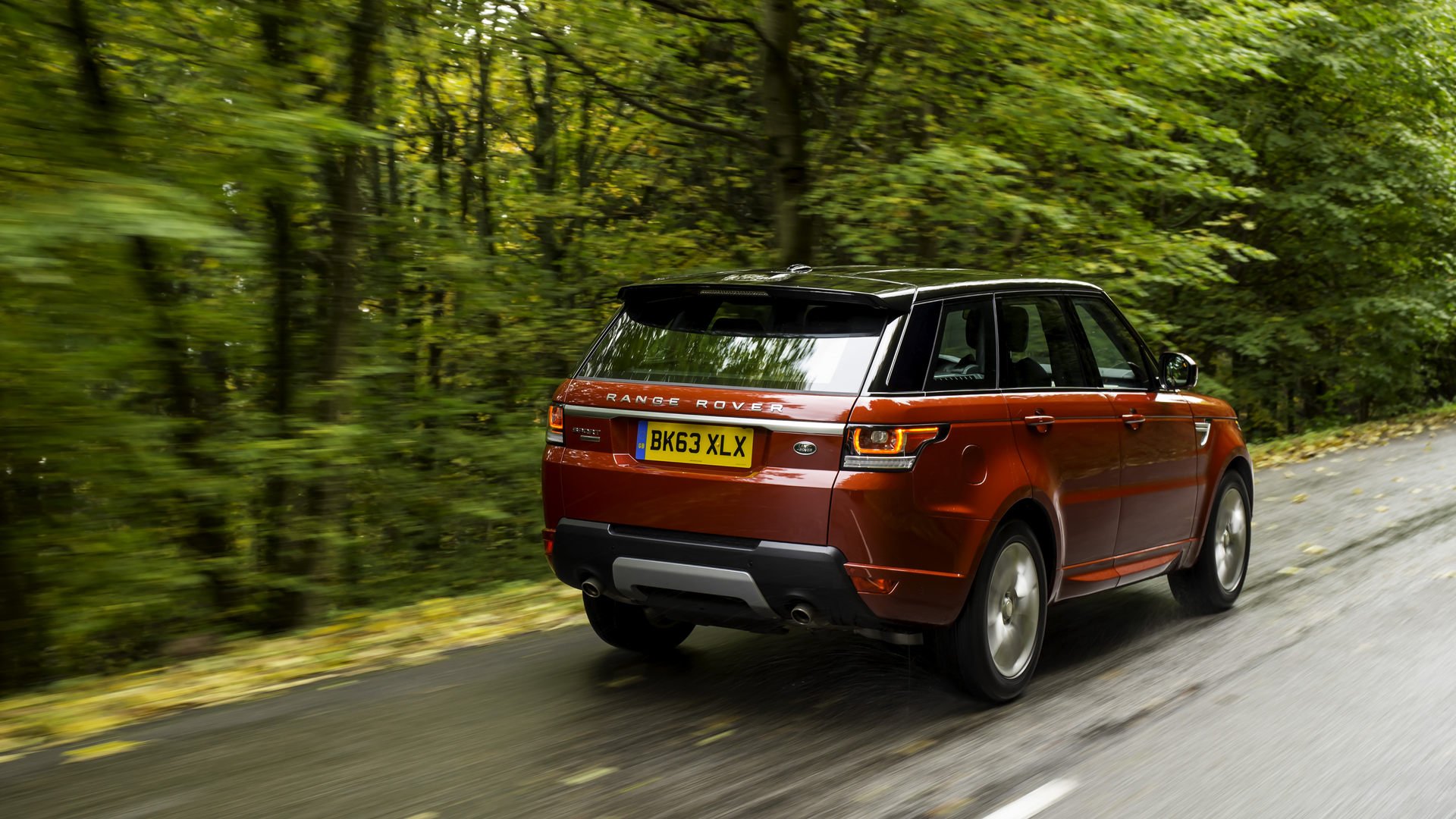
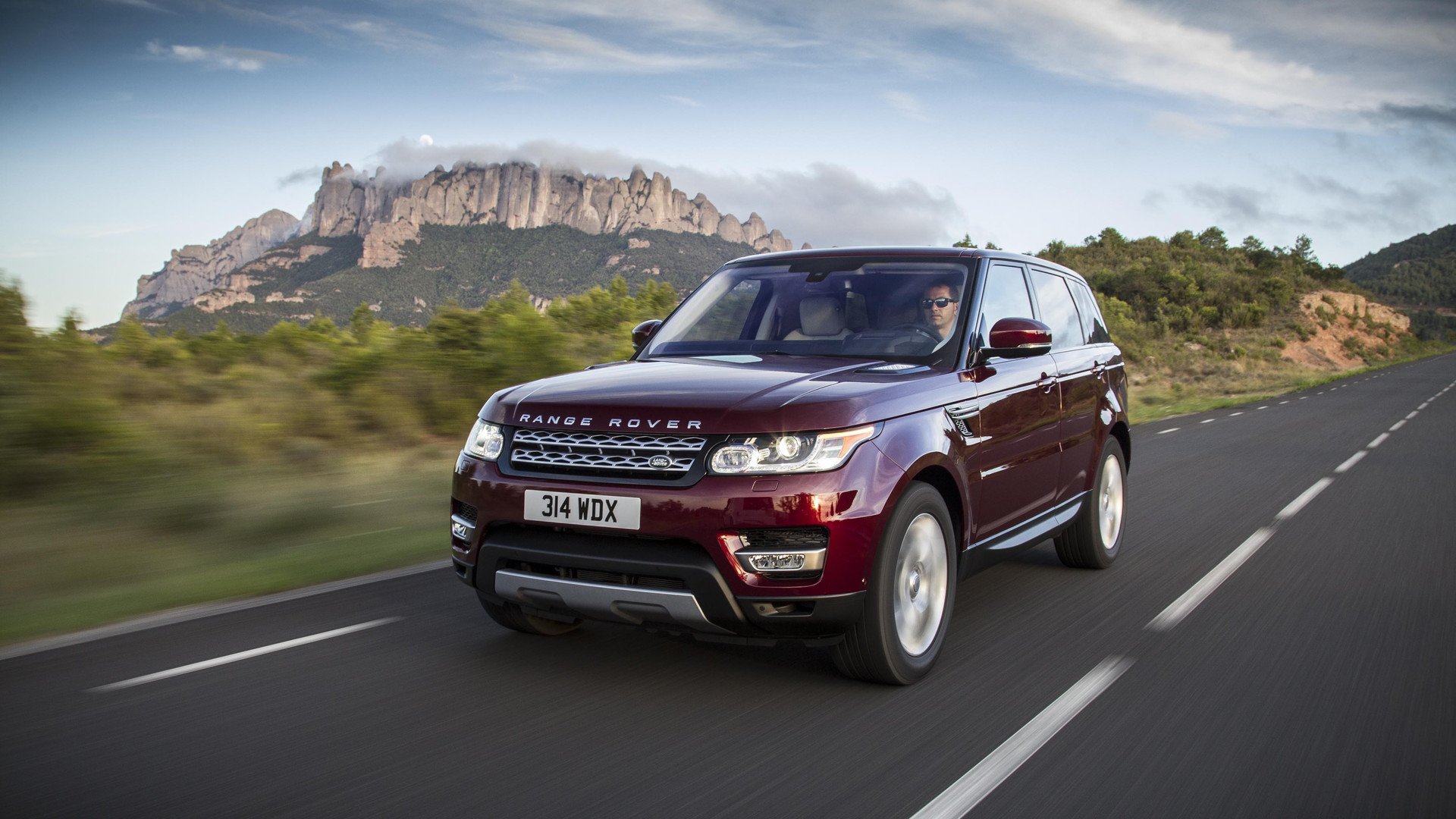
Introduced in North America for the 2006 model year, the Range Rover Sport was designed as a more compact and high-performance alternative to the classic Range Rover. Notably, it did not share its big brother’s platform, but rather sat on the semi-monocoque chassis of the Land Rover Discovery. This design aimed to compete directly with high-performance SUVs like the Porsche Cayenne. Here too, the recipe remains the same, with the 2026 Range Rover Sport still being smaller and more dynamic than the full-size Range Rover, with which it shares several design elements.
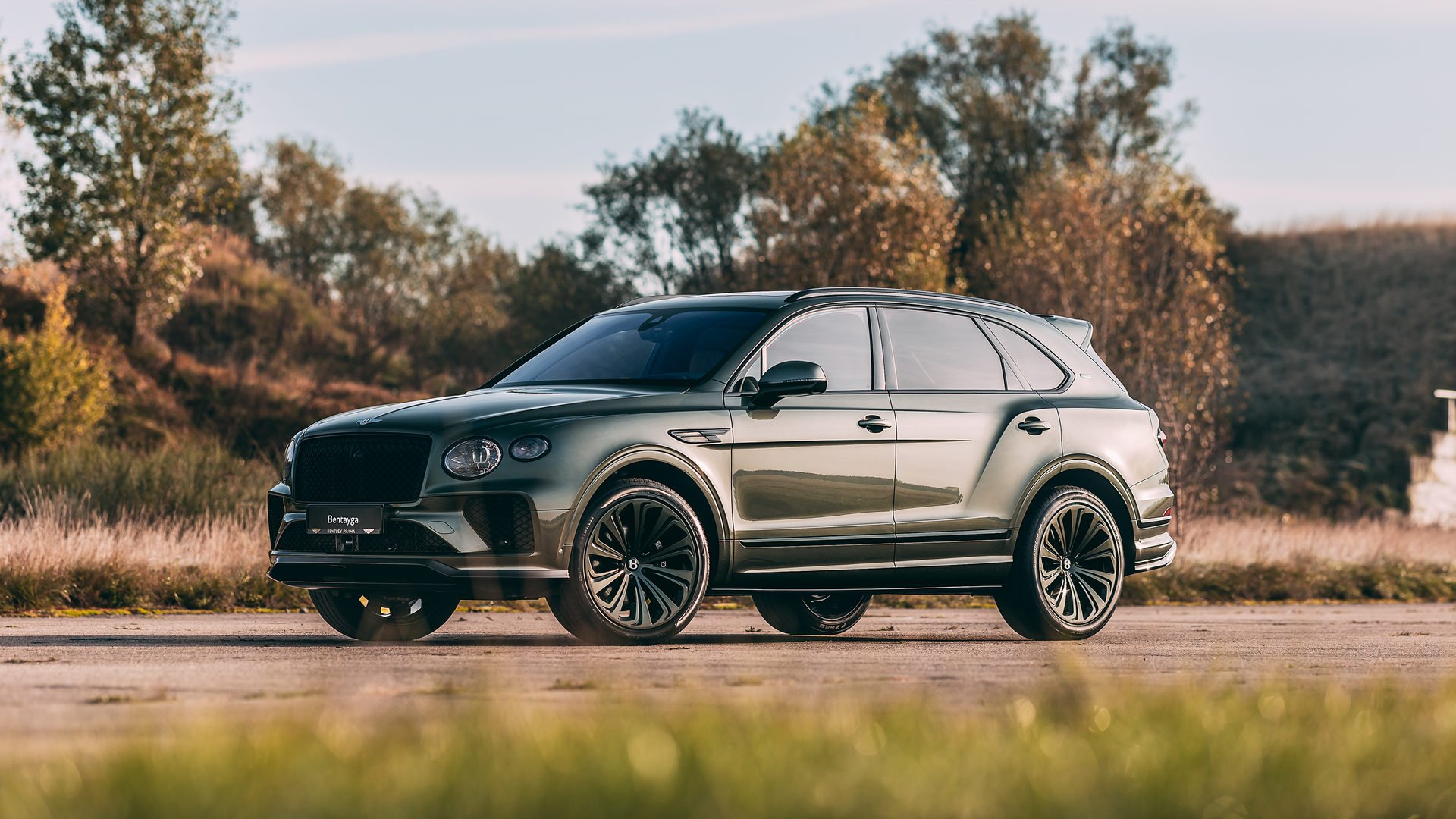
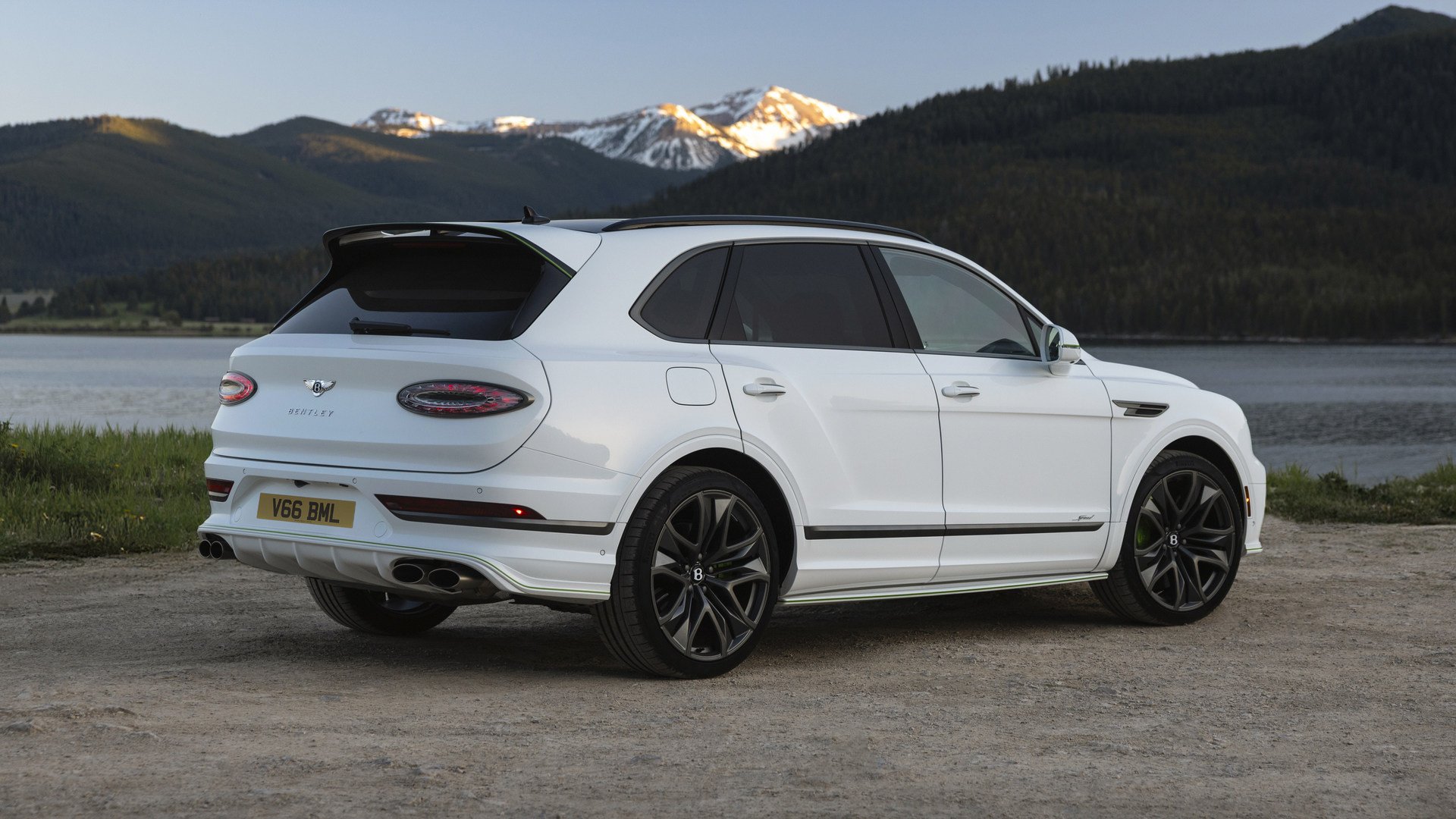
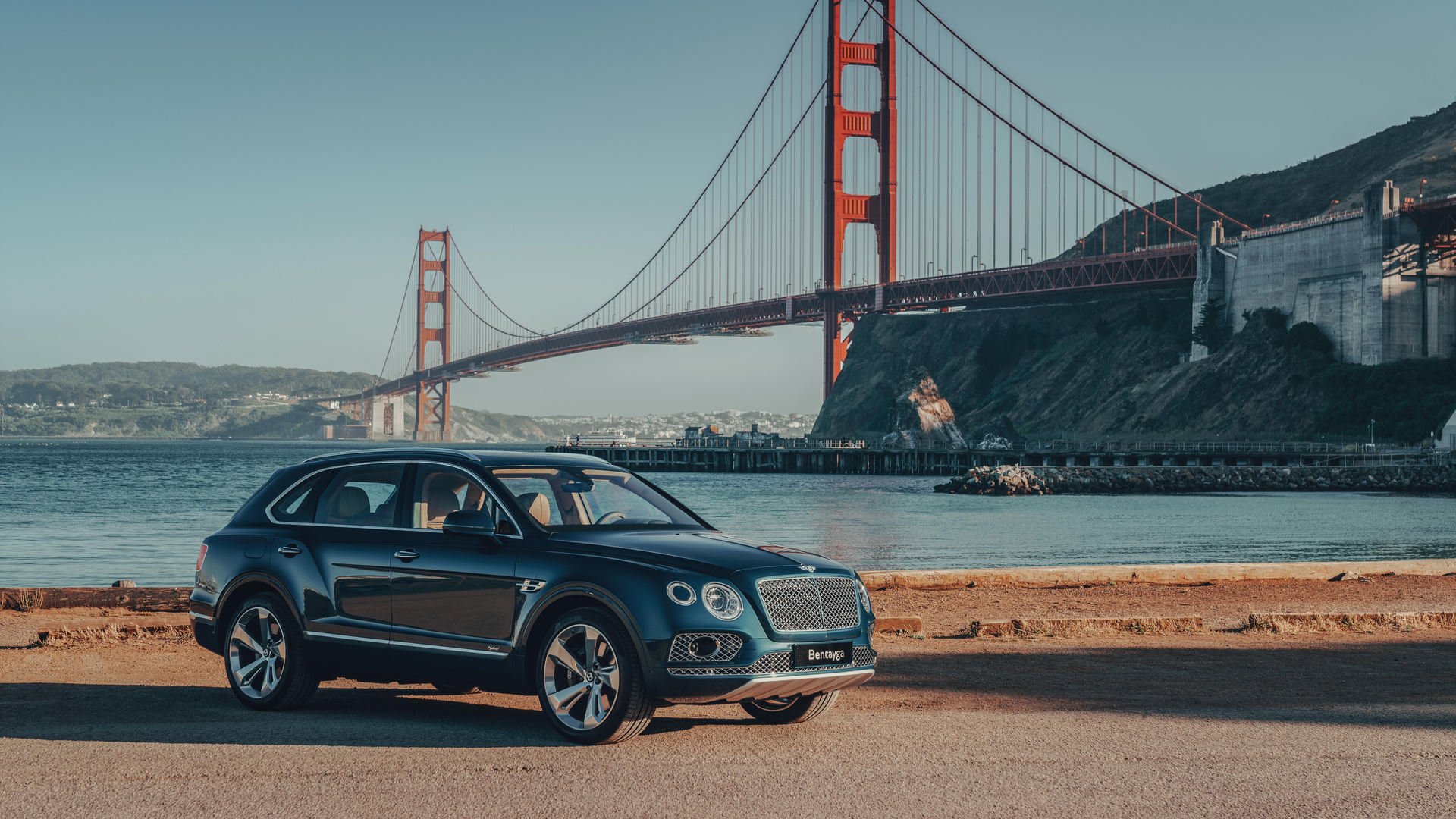
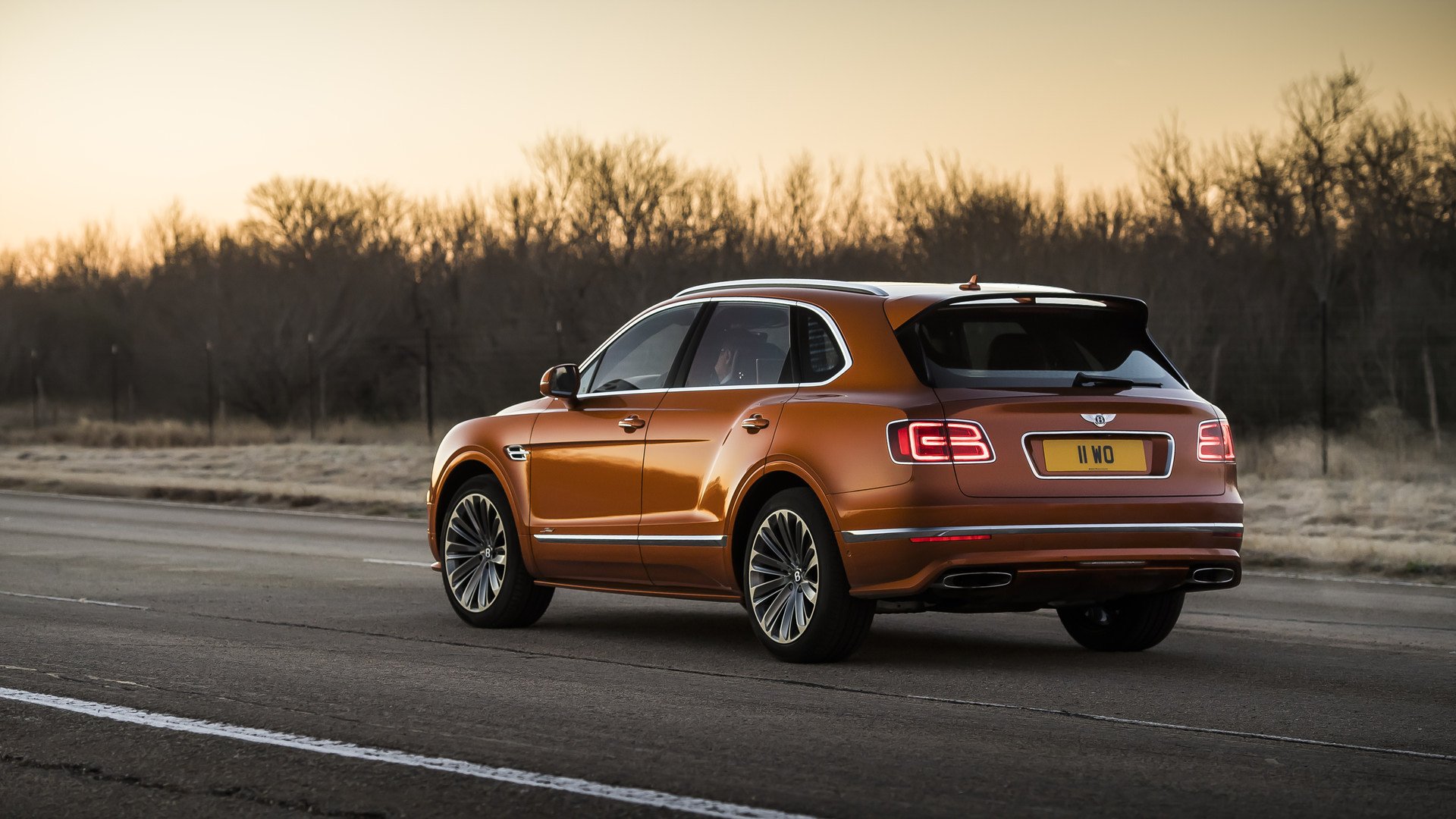
Launched in 2016, the Bentayga represented a major turning point for the British manufacturer, becoming the very first SUV in its history. This vehicle effectively created the ultra-luxury SUV segment, preceding the arrival of competitors like the Rolls-Royce Cullinan. Built on the Volkswagen Group’s MLB Evo platform, shared with the Audi Q7, the Bentayga was initially introduced with a 6.0-liter W12 engine. Its arrival answered the growing North American market demand for utility vehicles combining off-road capabilities with extreme opulence. Aesthetic changes have been made in the 10 years that followed, but the foundation remains the same.
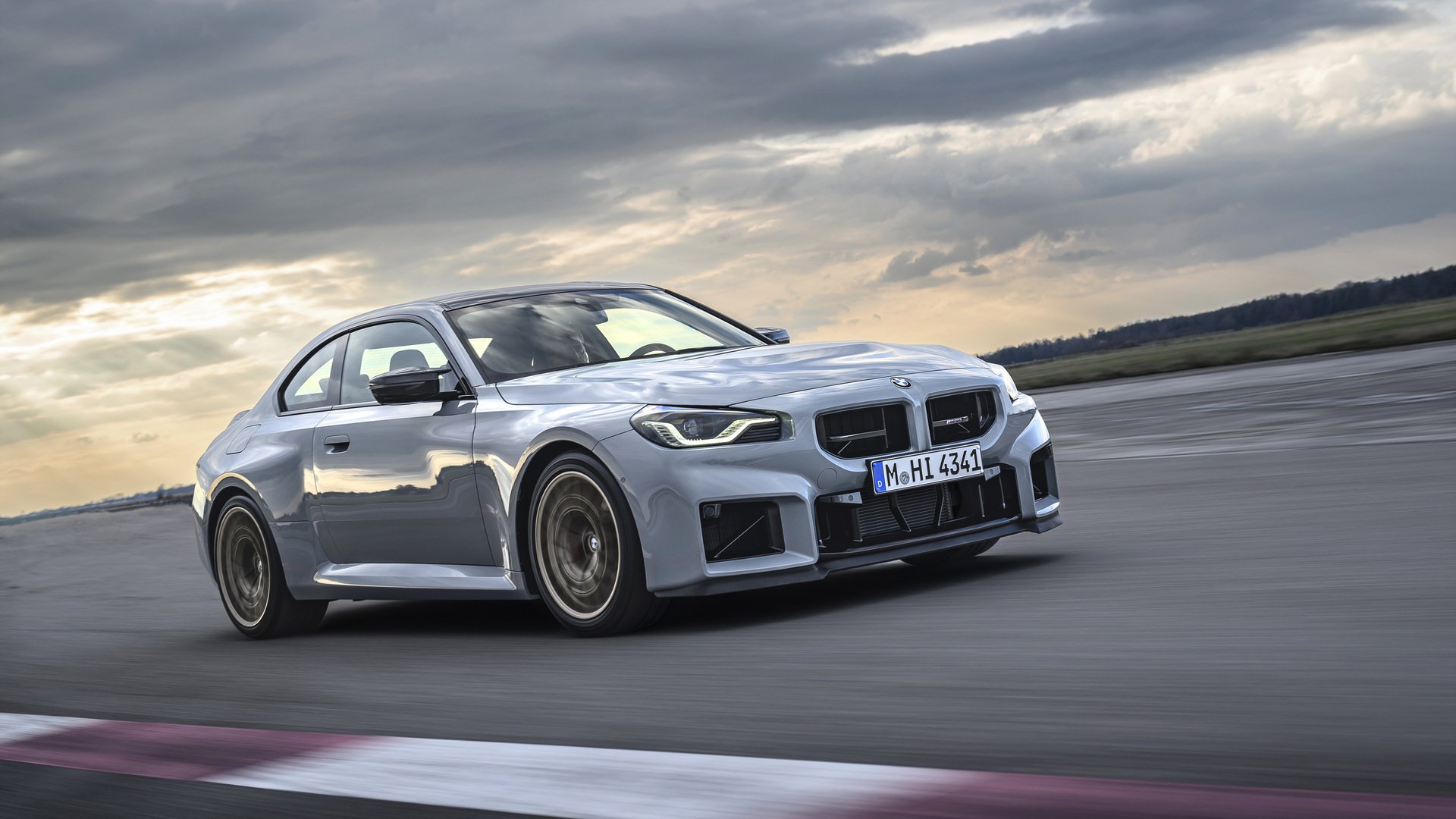
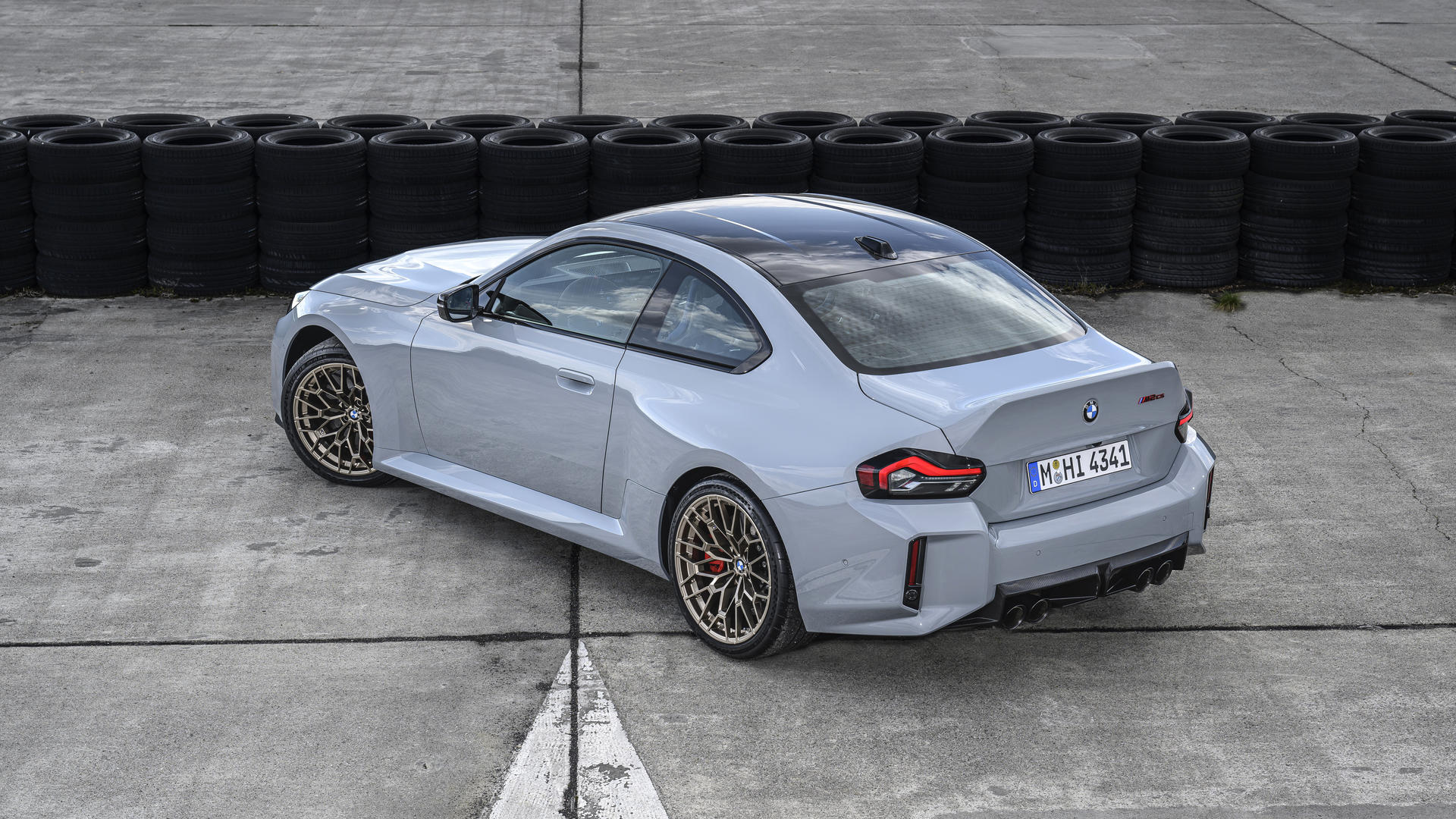
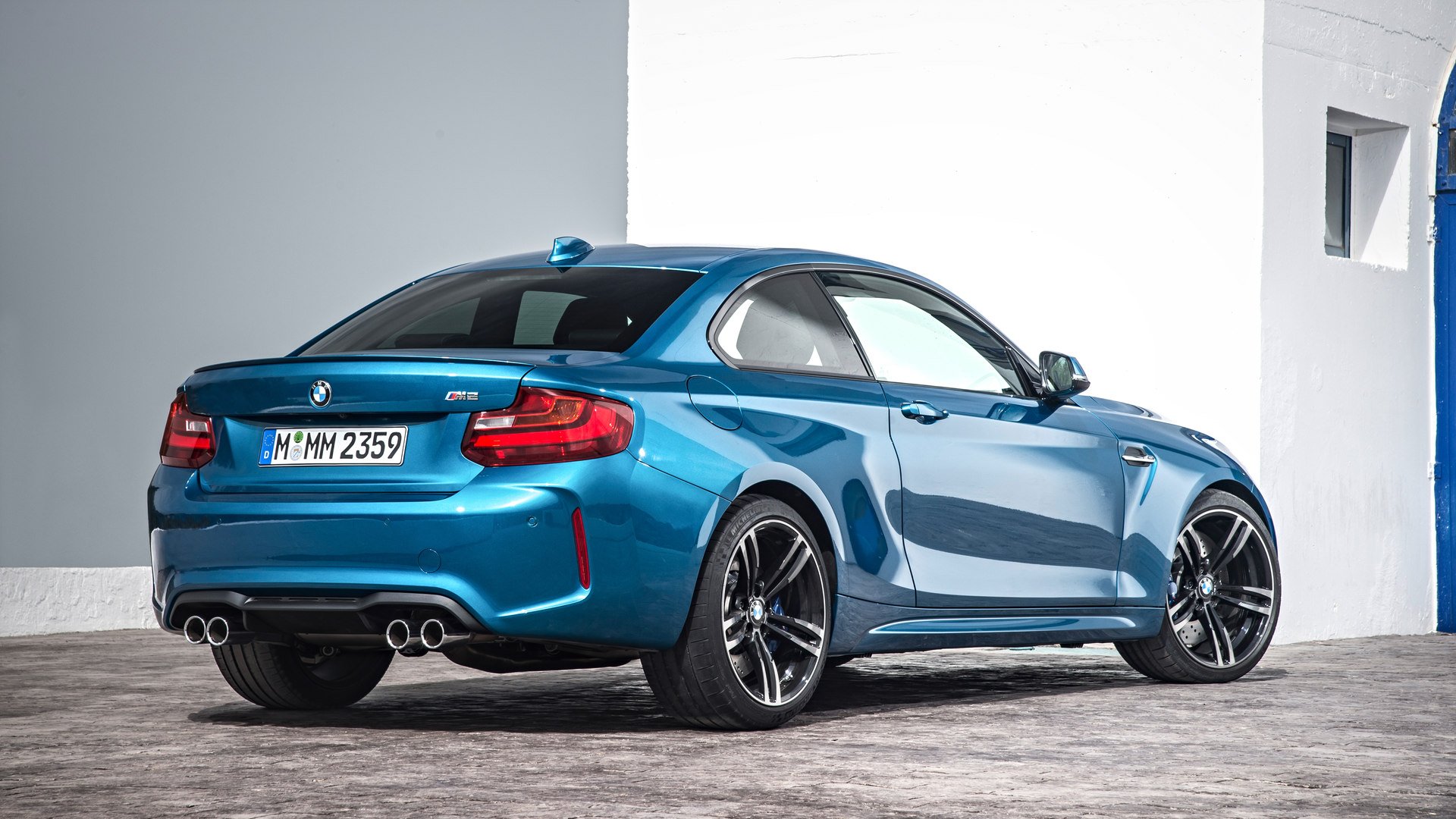
The BMW M2 entered the market in 2016 as the spiritual successor to the 1 Series M Coupé. Positioned as the entry-level model of the M division, it used a 3.0-liter turbocharged inline-six engine (N55) and chassis components borrowed from the M3 and M4. Its size and reduced weight made it a car appreciated by purists. The first generation disappeared from the catalog in 2021, before being replaced by a new model in 2023. While the latter is larger and heavier than its predecessor, it remains a sportier and more engaging car than the average.
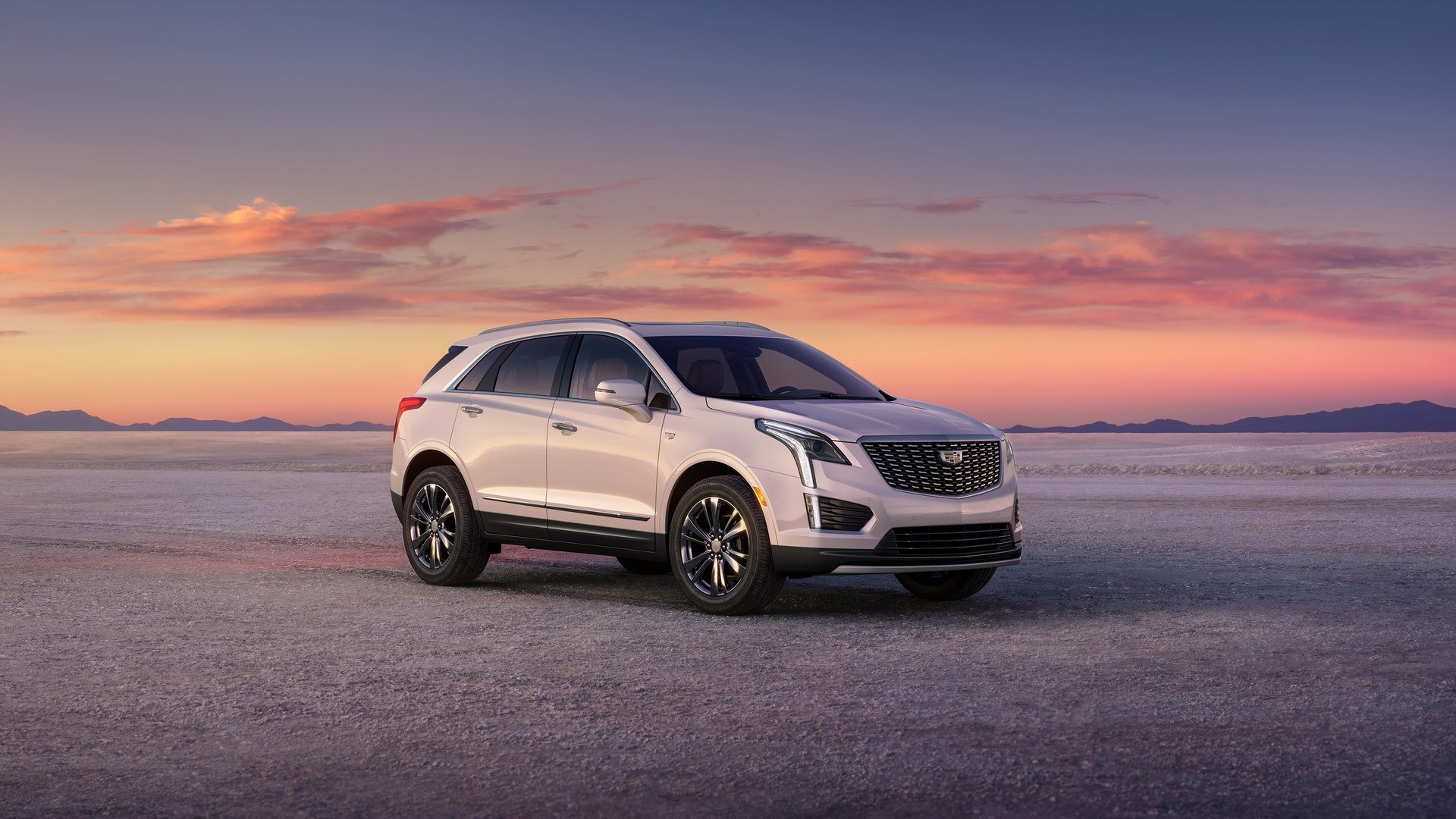
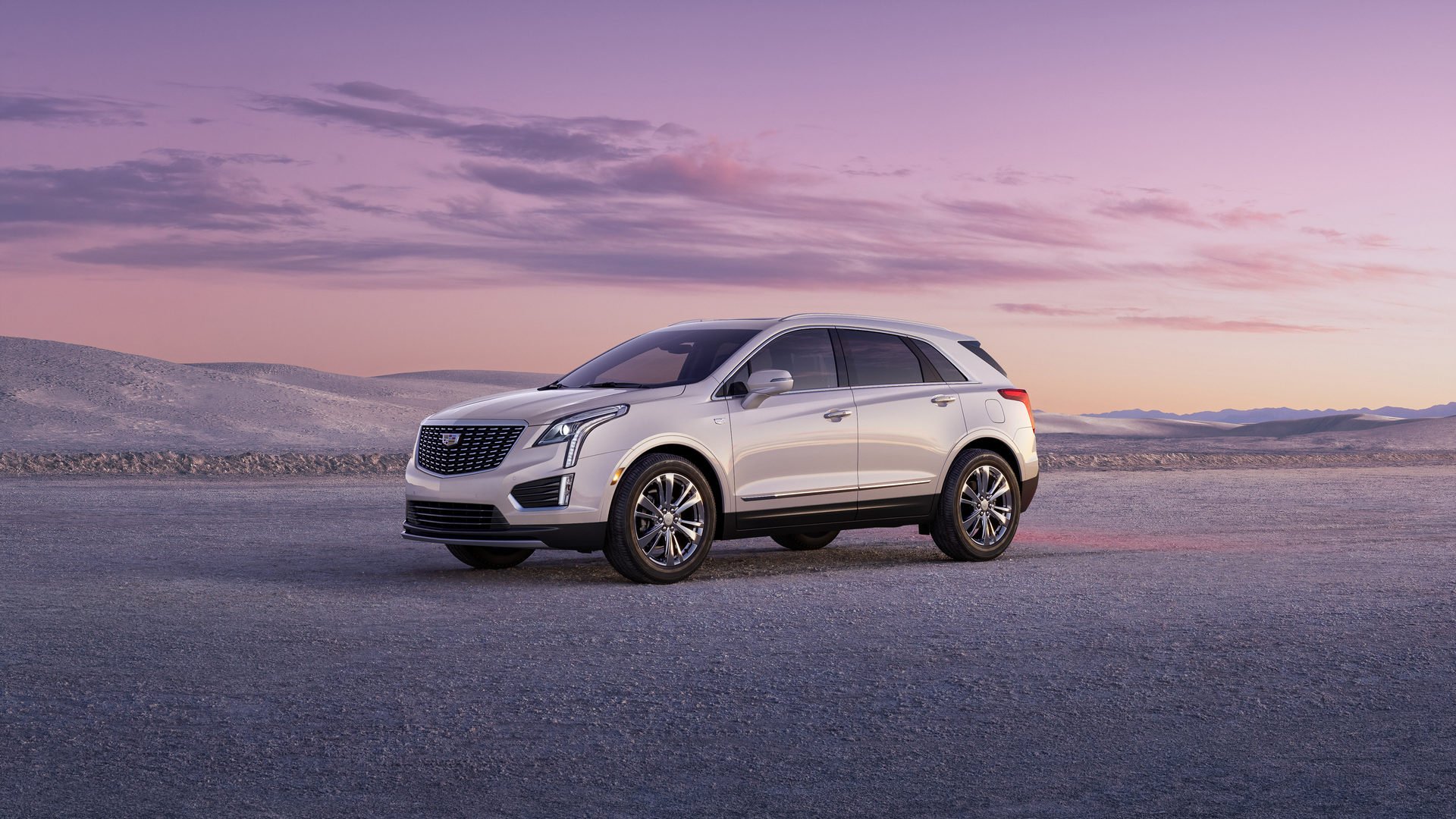
The Cadillac XT5 was introduced in 2016 to replace the SRX, which was then the brand’s best-selling vehicle. This launch inaugurated the new alphanumeric “XT” nomenclature for Cadillac’s SUV lineup. Built on a lighter architecture compared to its predecessor, the XT5 targeted the heart of the luxury mid-size crossover market. It was characterized by the angular exterior design typical of the brand and the integration of new safety and connectivity technologies. No major changes have been made to this model since, and it is expected to bow out soon.
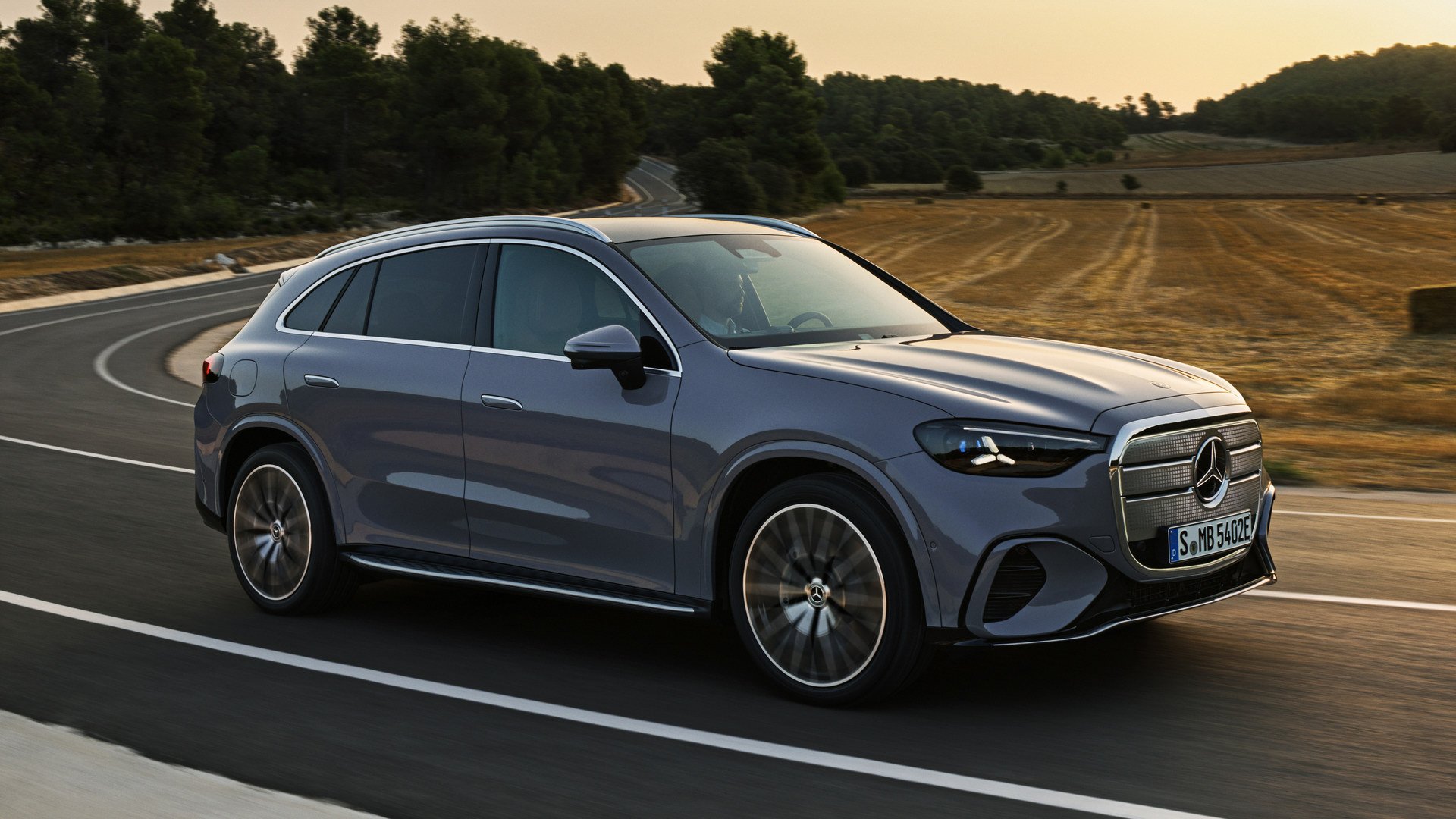
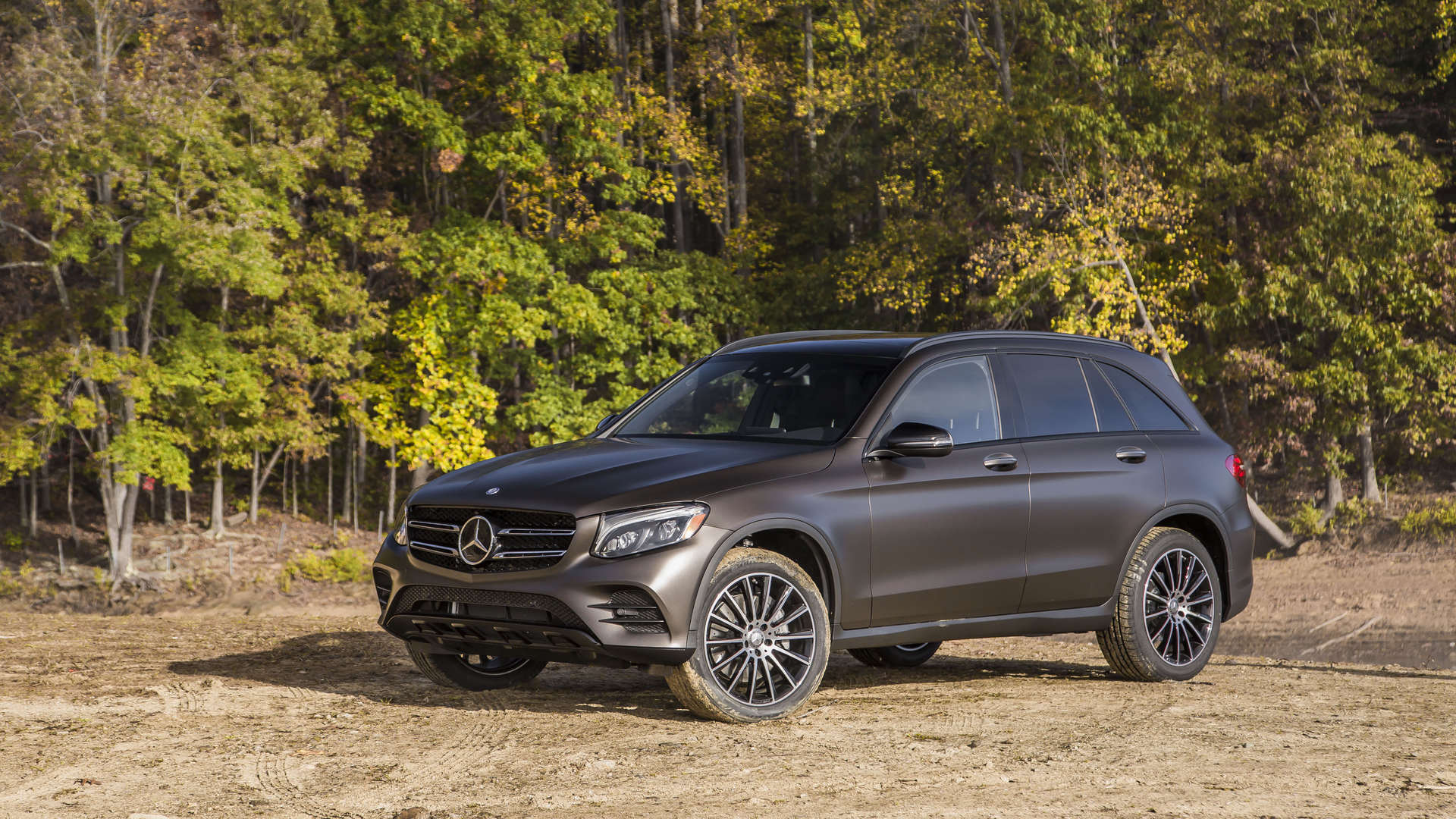
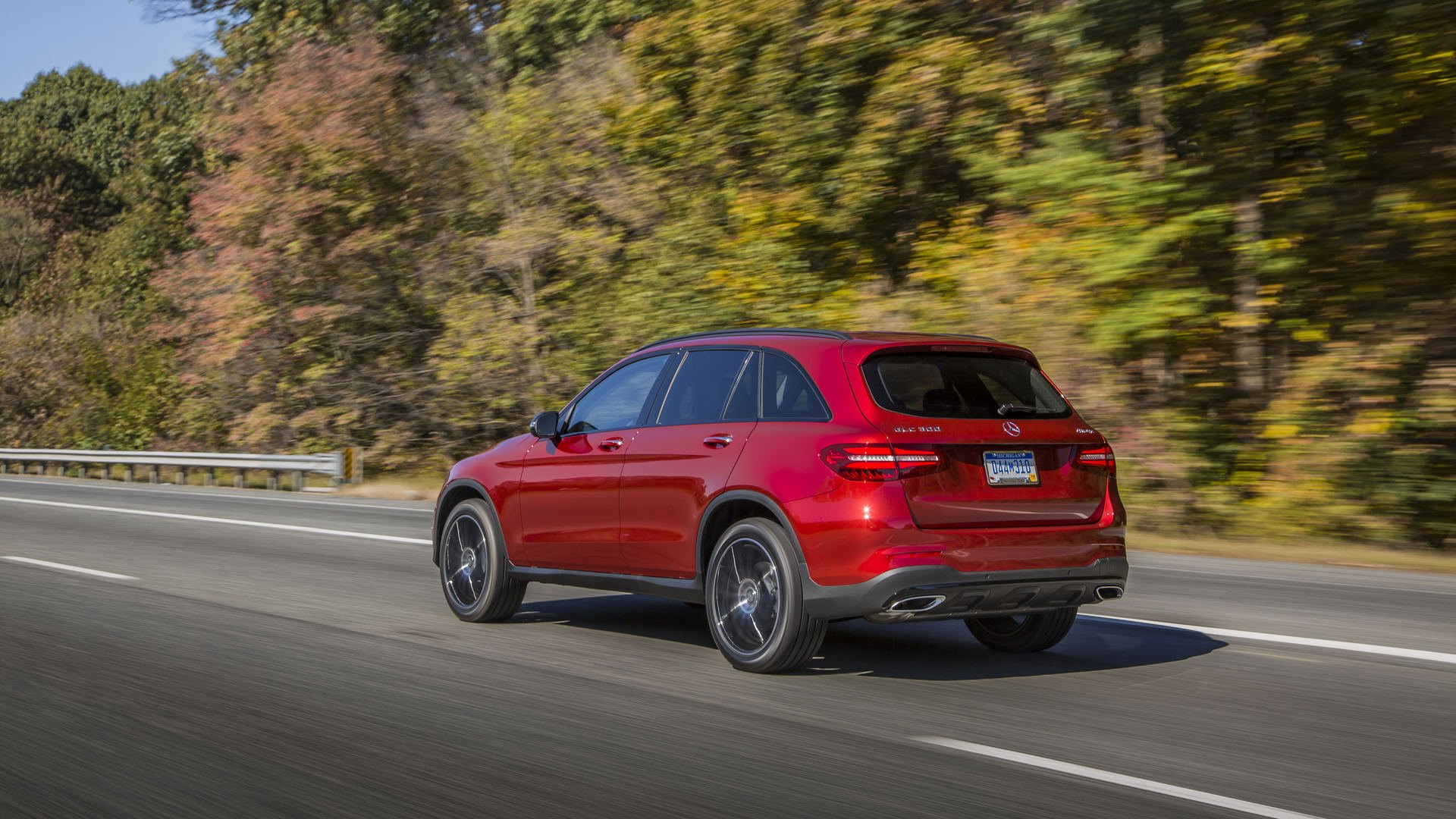
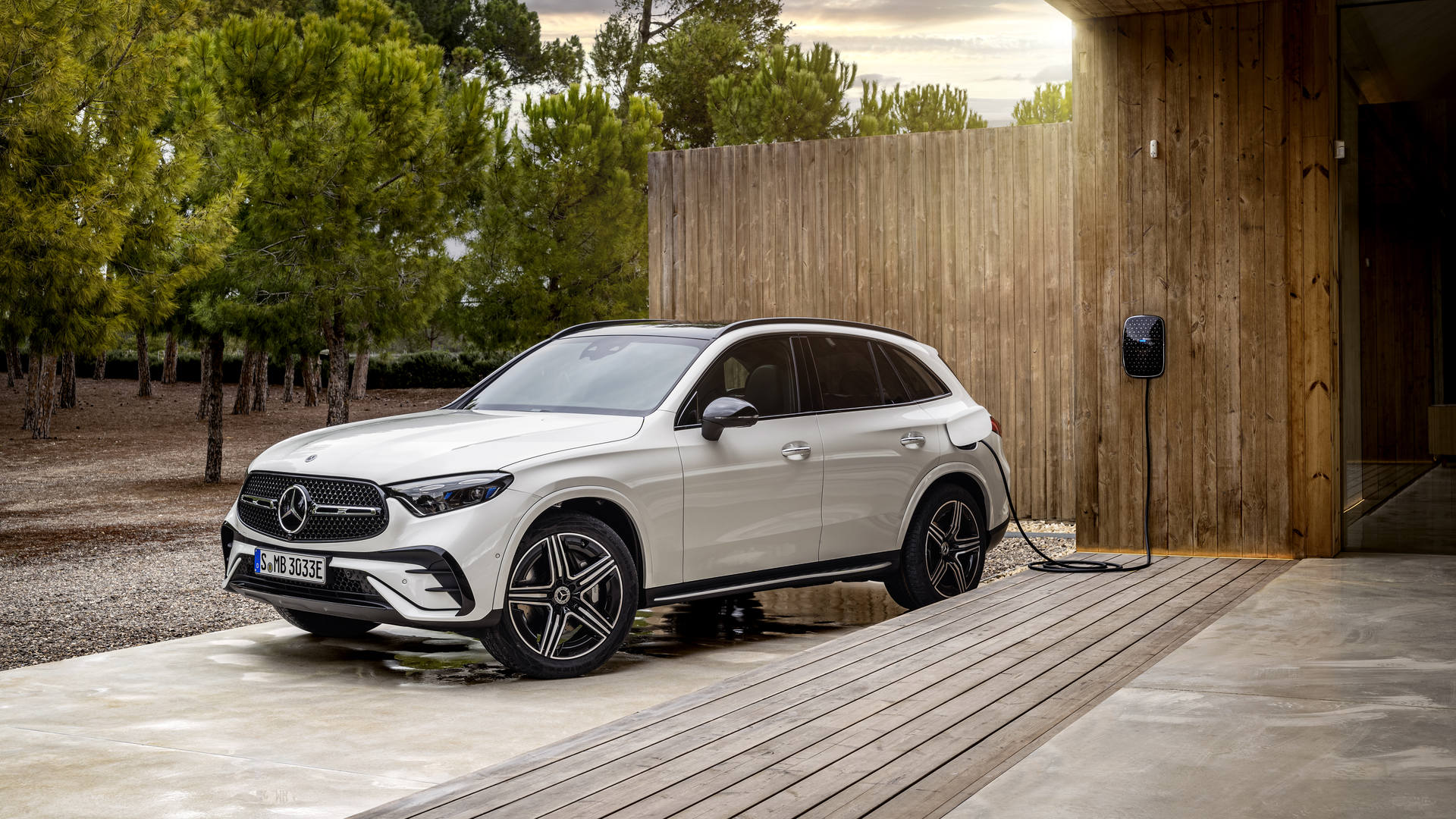
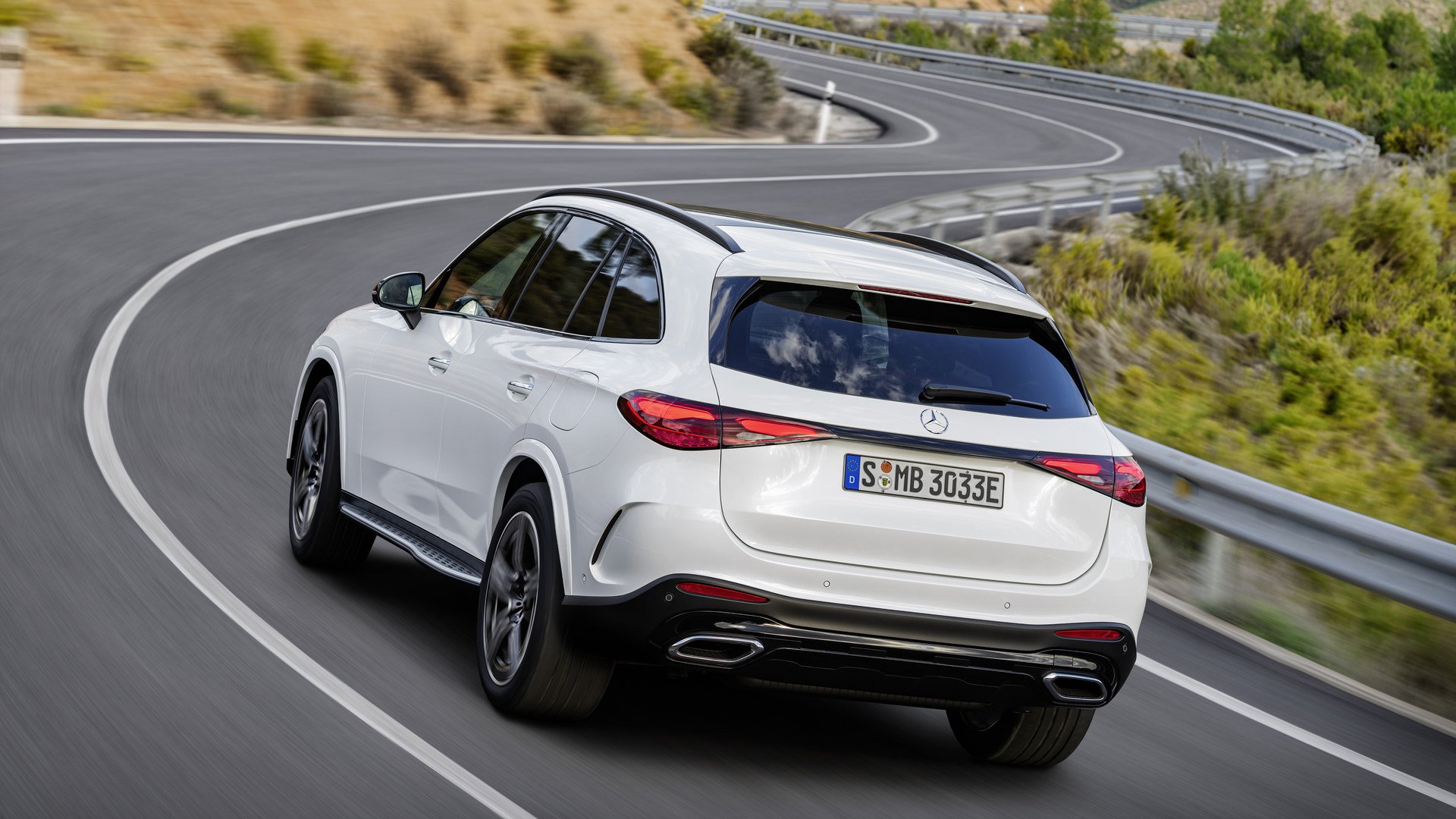
Arriving in dealerships for the 2016 model year, the Mercedes-Benz GLC replaced the GLK. This name change aimed to align the SUV nomenclature with that of the sedans, the GLC being the utility equivalent of the C-Class. Unlike the square and angular design of the GLK, the GLC adopted a rounder and more aerodynamic silhouette, favoring fuel efficiency and interior space. Since its introduction, we have seen two generations of the GLC, and a third will arrive for 2027, including the first electric version of this popular model.
Although the title of the first car is disputed by several vehicles, it is most often attributed to the Benz Patent-Motorwagen, shown to the public for the first time in 1886. This 1-cylinder motor tricycle is effectively the first personal vehicle offered for sale.
Unsurprisingly, the Benz in “Mercedes-Benz” is the same as that of the Patent-Motorwagen, but the introduction of his first vehicle did not mark the birth of this iconic brand. Indeed, it was not until the merger of Carl Benz’s company with that of Gottlieb Daimler in 1926 that Mercedes-Benz was born. The name Mercedes had already been used by Daimler since 1901 and is a tribute to Mercédès Jellinek, the daughter of Emil Jellinek, a race car driver and the main distributor of Daimler cars during the company’s early years.
While the Toyota automotive brand as we know it today was only created in 1937, the first car to bear this name appeared in 1936 when Toyota Industries, a major manufacturer of automatic looms, launched into automobile production. The Toyota AA, the first Toyota model to be marketed, was an all-metal construction sedan whose design was heavily inspired by the 1934 Chrysler Airflow. This was not the only borrowing from the American industry, as the Type A inline-six engine under the hood was a copy of the Chevrolet Stovebolt engine, and the chassis and electrical system were modeled on those of Ford.
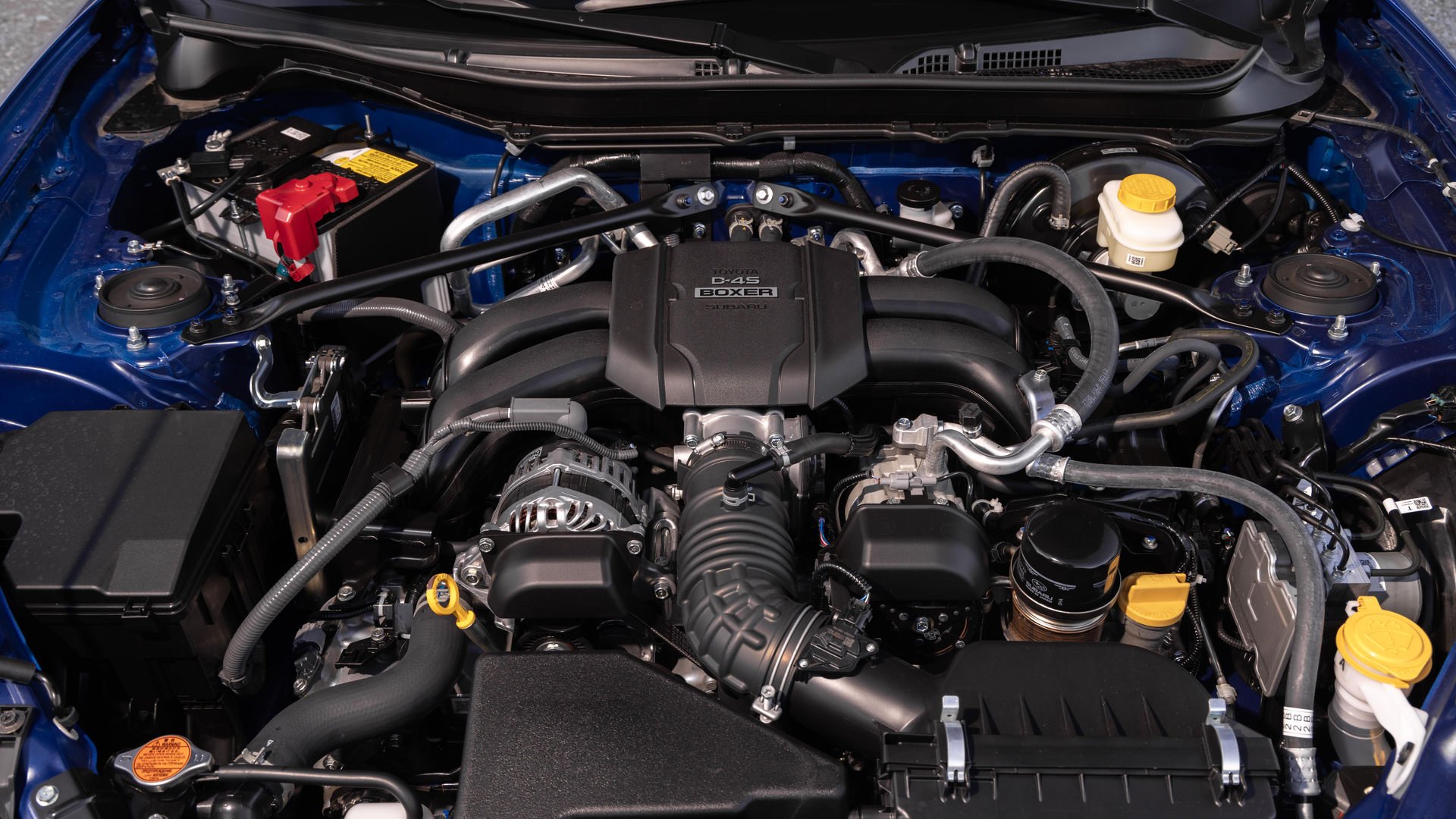
In addition to permanent all-wheel drive, Subaru is known for its Boxer engines with their distinctive sound. Indeed, all the brand’s models sold in North America have been equipped with this engine since the disappearance of the Justy in 1995. Subaru’s first flat engine (Boxer), the EA-52, entered production in 1966 with the introduction of the Subaru 1000, the manufacturer’s first compact car, which had only produced Kei cars since its entry into the automotive market in 1958. The EA engine series lasted until 1994, before being replaced by the EJ engine which would be used until 2021. Of course, the design of Subaru Boxer engines has evolved greatly since its beginnings, but even today, all the brand’s vehicles in North America trace their origins to the 1000 and its EA-52 engine.
You will have understood that since the Integra was one of the two founding models of the Acura brand and it celebrates its fortieth anniversary this year, the same goes for its manufacturer. Indeed, Honda’s luxury banner was the first to be launched during the Japanese economic bubble, which also saw the birth of Lexus (Toyota) and Infiniti (Nissan) in 1989. While of the three, Lexus has been the most successful, Acura is not doing too badly, with a current lineup comprising four models in Canada. Interestingly, this brand has never been offered in its native Japan, and sales in China, Hong Kong, Russia, and Ukraine have been abandoned, leaving only North America (including Mexico), Panama, and Kuwait as markets served by Acura.
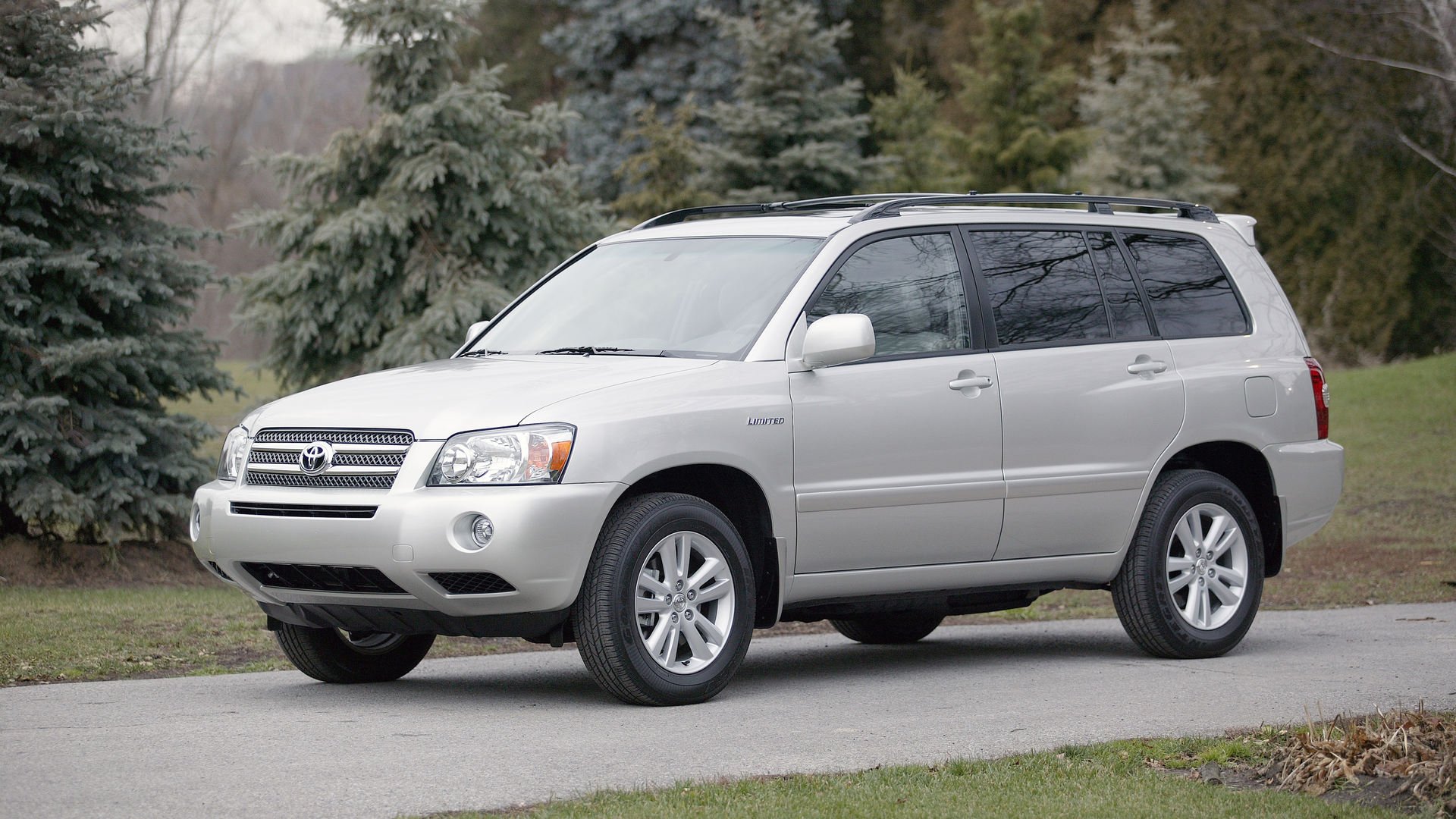
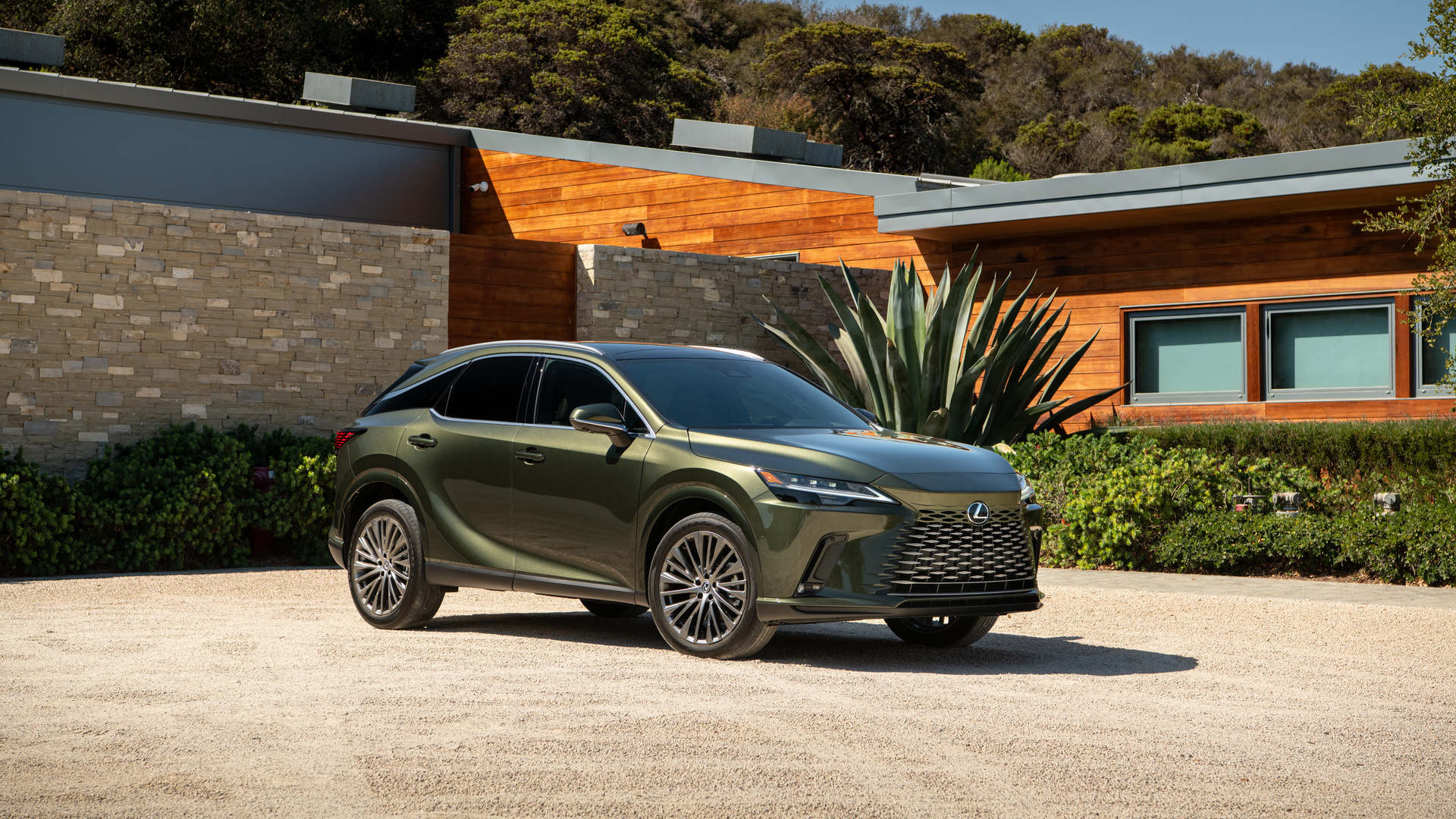
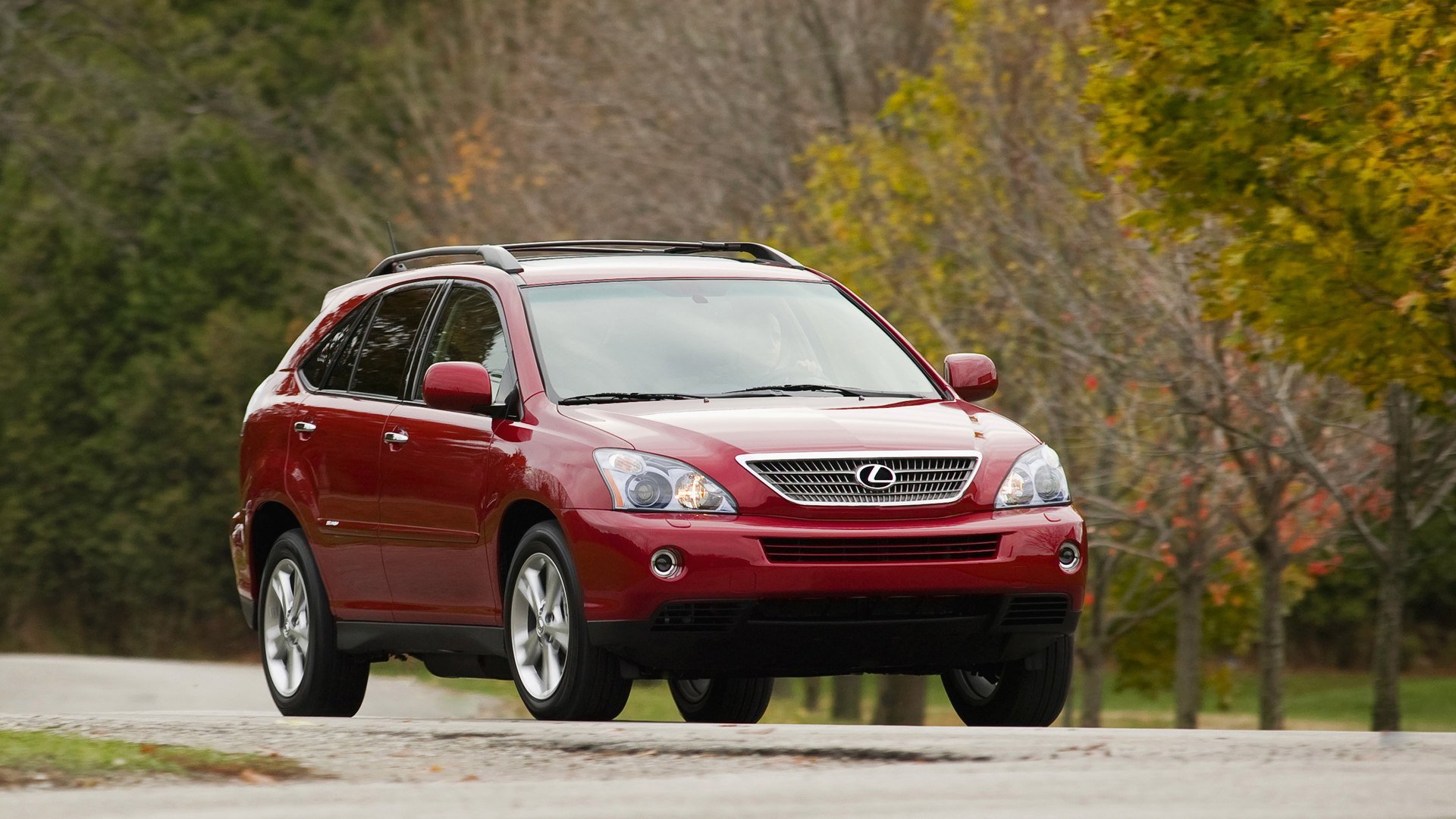
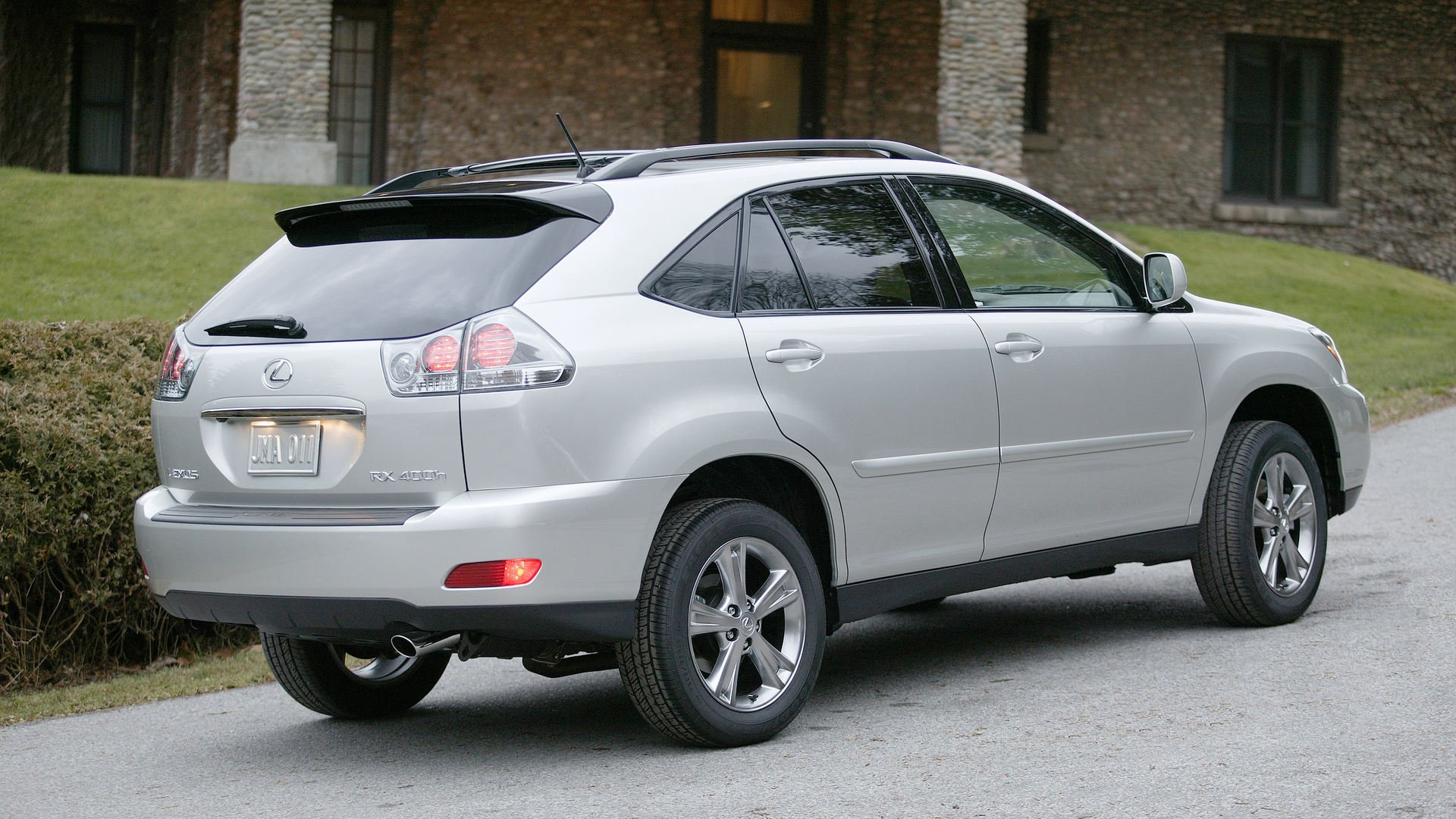
Hybrid SUVs are now very common in North America, being offered by a wide range of manufacturers, but only 20 years ago, the situation was quite different. Indeed, when they were launched in 2006, the Lexus RX 400h and Toyota Highlander were practically the only electrified SUVs and they both introduced a new category. The Lexus RX 400h became the first luxury utility vehicle with a hybrid powertrain, while the Highlander was the first model of its kind to accommodate 7 passengers. In 2026, both models continue to attract buyers thanks to their fuel economy and refinement, although they have inspired numerous imitators.
Just 252 examples of the 2027 Escalade-V Collector Series will be offered across Canada and…
A fuel line connection could separate on certain 2024–2027 Land Cruisers, potentially causing a fuel…
This model features slightly more rugged design elements and a raised suspension. The steering rack,…
The Cybercab is a two-seater driverless vehicle that doesn’t feature pedals or a steering wheel.…
BRABUS will build 10 P 900 Rocket Edition pickups worldwide. The G 63-based conversion rockets…
Two Mercedes-Benz CLA models, each weighing more than two tonnes, were involved in a side-impact…