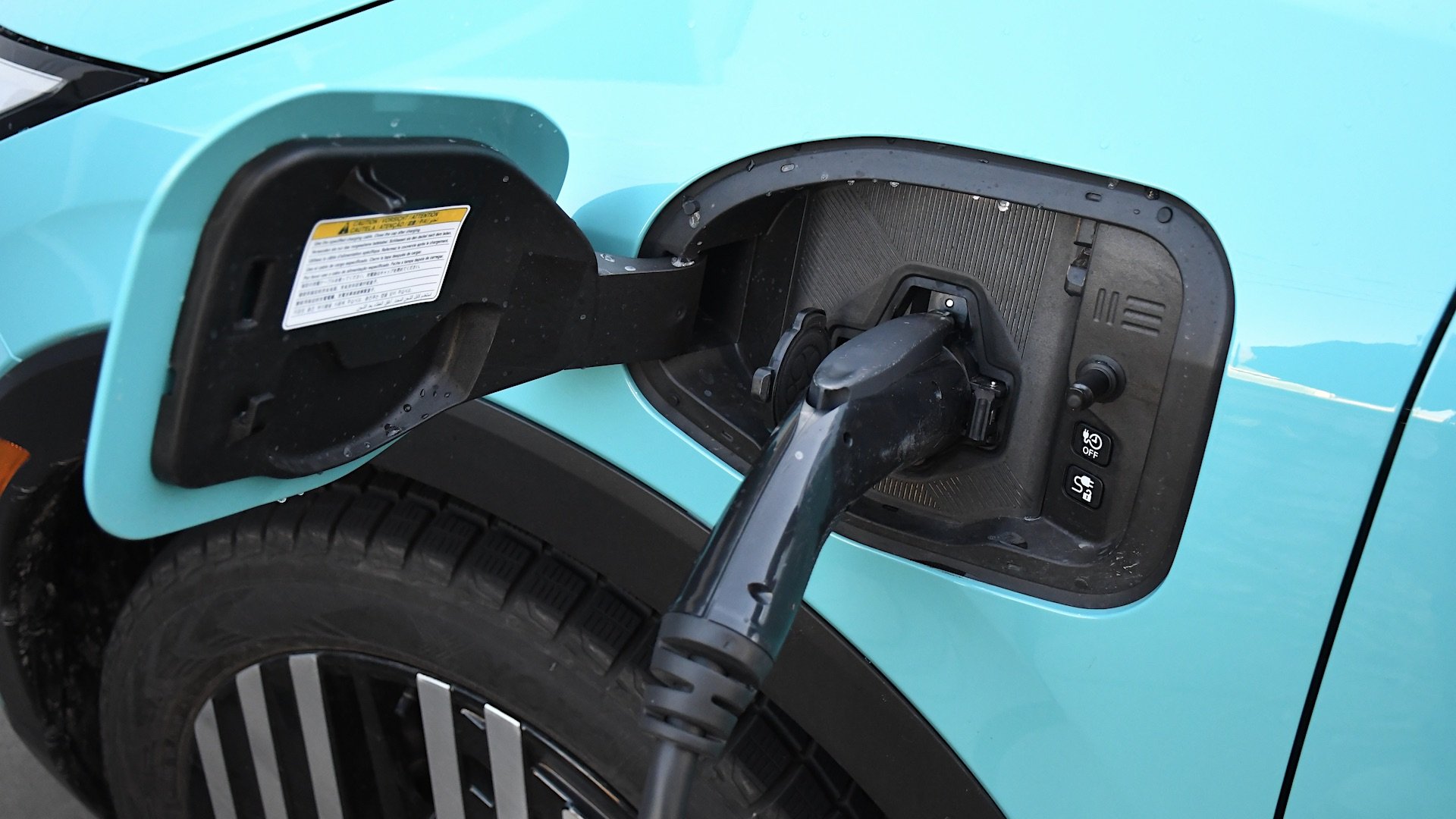
Nissan has just made a significant announcement regarding its electrification investment plans in the United States. The Japanese automaker confirmed this week that it is canceling all its programs to assemble electric models on American soil. The company is justifying its decision by citing shifting market conditions and a revised global strategy.
Nissan was set to invest $500 million USD at its Mississippi plant.
The decline in electric vehicle sales in the United States played a role in the company’s decision.
Nissan will focus on more profitable gas-powered models to shore up its finances.
In 2021, Nissan committed to a $500 million USD investment to transform its Canton, Mississippi, plant into a full-fledged electric vehicle production hub. The goal was to sell no fewer than 200,000 electric models per year by 2028, across both the Nissan and Infiniti brands.
That project has now been officially buried.
The Canton plant, which currently builds the Frontier pickup and the Altima sedan (yes, it is still sold in the United States), is taking a very different direction. Nissan is now banking on a new body-on-frame platform that will underpin at least five models. The first of these will mark the return of the Xterra, expected toward the end of 2028, followed by a redesigned Frontier and a three-row SUV.
The various models in this family could share up to 70 percent of their components, allowing Nissan to substantially reduce its production costs.
The company’s finances are known to be fragile. It needs to find ways to stabilize its situation. And when you look at the numbers, the decision is easy to understand.
A Difficult Context
Electric vehicle sales in the United States fell 37 percent in February. The market share of EVs dropped below the 5 percent mark south of the border. The elimination of the $7,500 federal tax credit last fall, combined with the Trump administration’s stance, which does little (or nothing) to encourage electrification efforts, has clearly dampened buyer enthusiasm.
Nissan is not the only automaker pulling back: General Motors, Ford, and Honda have also canceled or delayed some of their electric programs, opting for hybrid technology as a bridge solution.
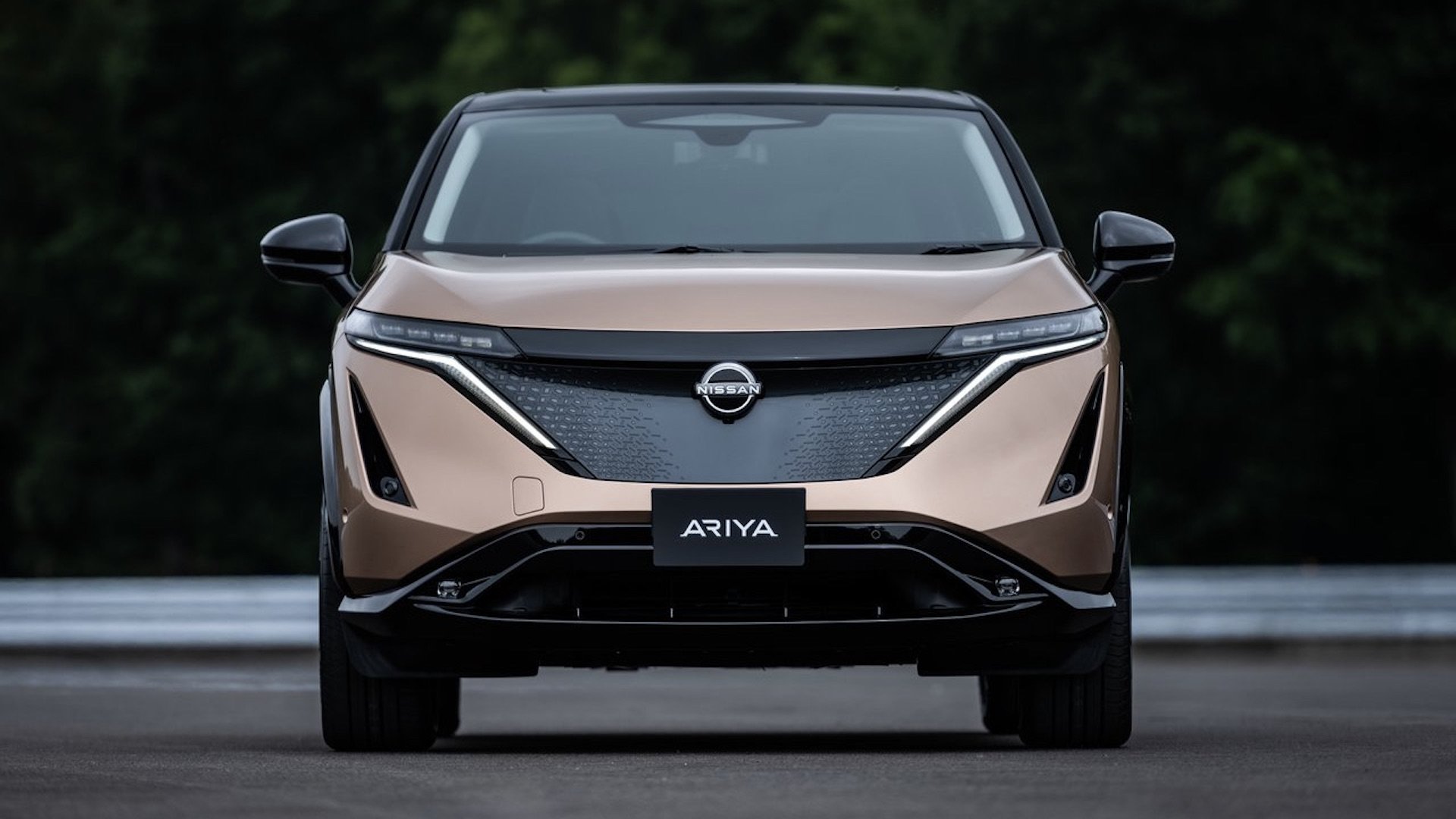
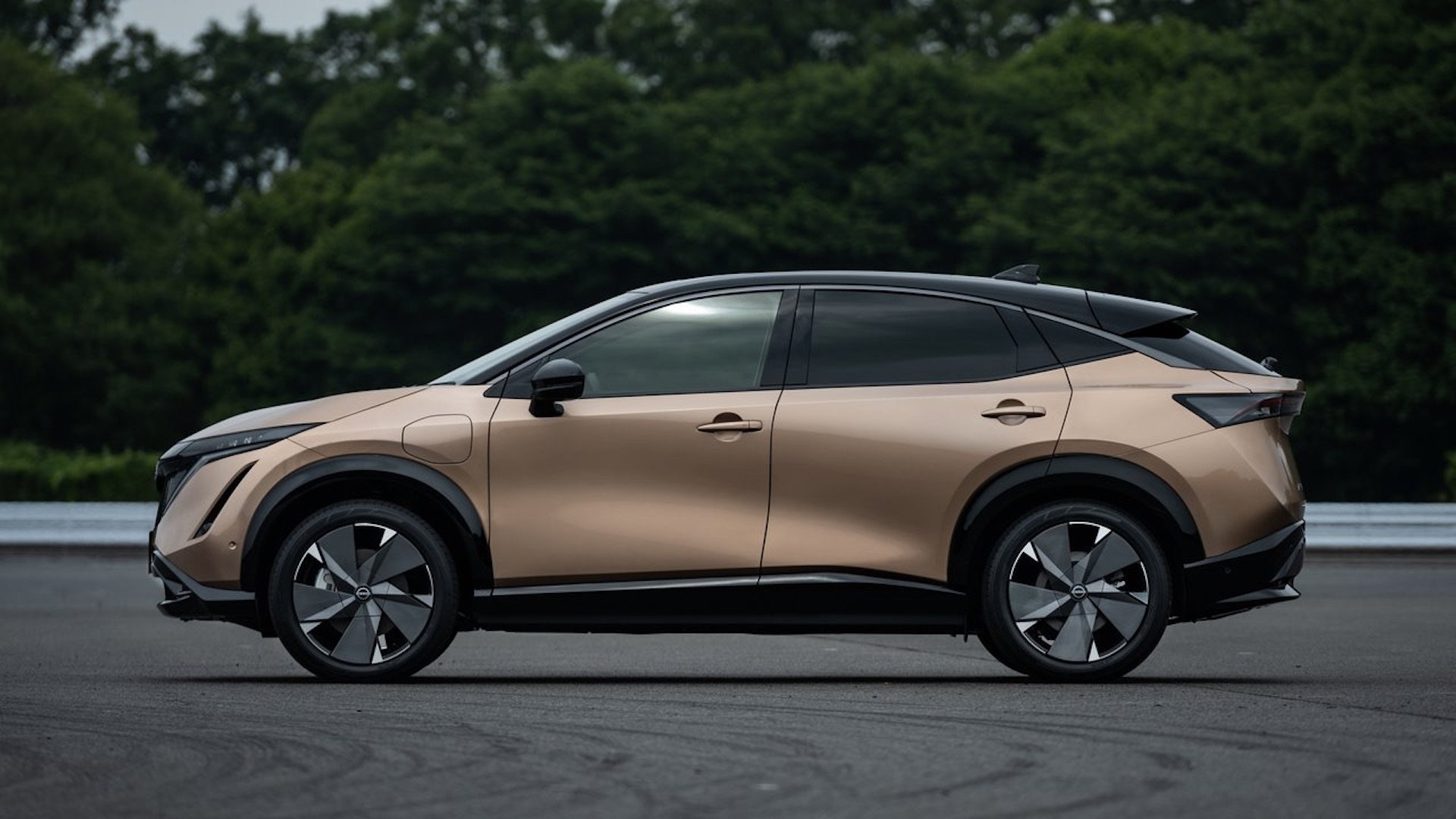
It is worth recalling that, in the same vein, Nissan has already announced the withdrawal of the Ariya from the American market. After spending so much money on its development and hoping it would find success, it is easy to understand why that kind of outcome delivers nothing on the financial front.
As part of its restructuring plan, Nissan aims to reach one million annual sales in North America by early 2031. To get there, it will lean on localized production and a vehicle lineup tailored to North American tastes, particularly those of American consumers.
A return to basics, in a sense. While this news is discouraging from the standpoint of the industry’s electric transition, one can choose to see the glass as half full. Once Nissan has its financial house back in order, it will be able to revisit its electric ambitions, perhaps at a time when the market is more committed to that inevitable shift.