Screenshot
Its crash tests and “Top Safety Pick” and “Top Safety Pick+” awards have become benchmarks for consumers and automakers alike.
Now, the big question: what must a manufacturer do to see one of its models reach the highest level?
The organization evaluates two fundamental aspects of automotive safety. The first concerns crash resistance, meaning a vehicle’s ability to protect its occupants during a collision. The second focuses on collision avoidance and impact reduction, which refers to driver assistance technologies that can prevent an accident or reduce its severity.
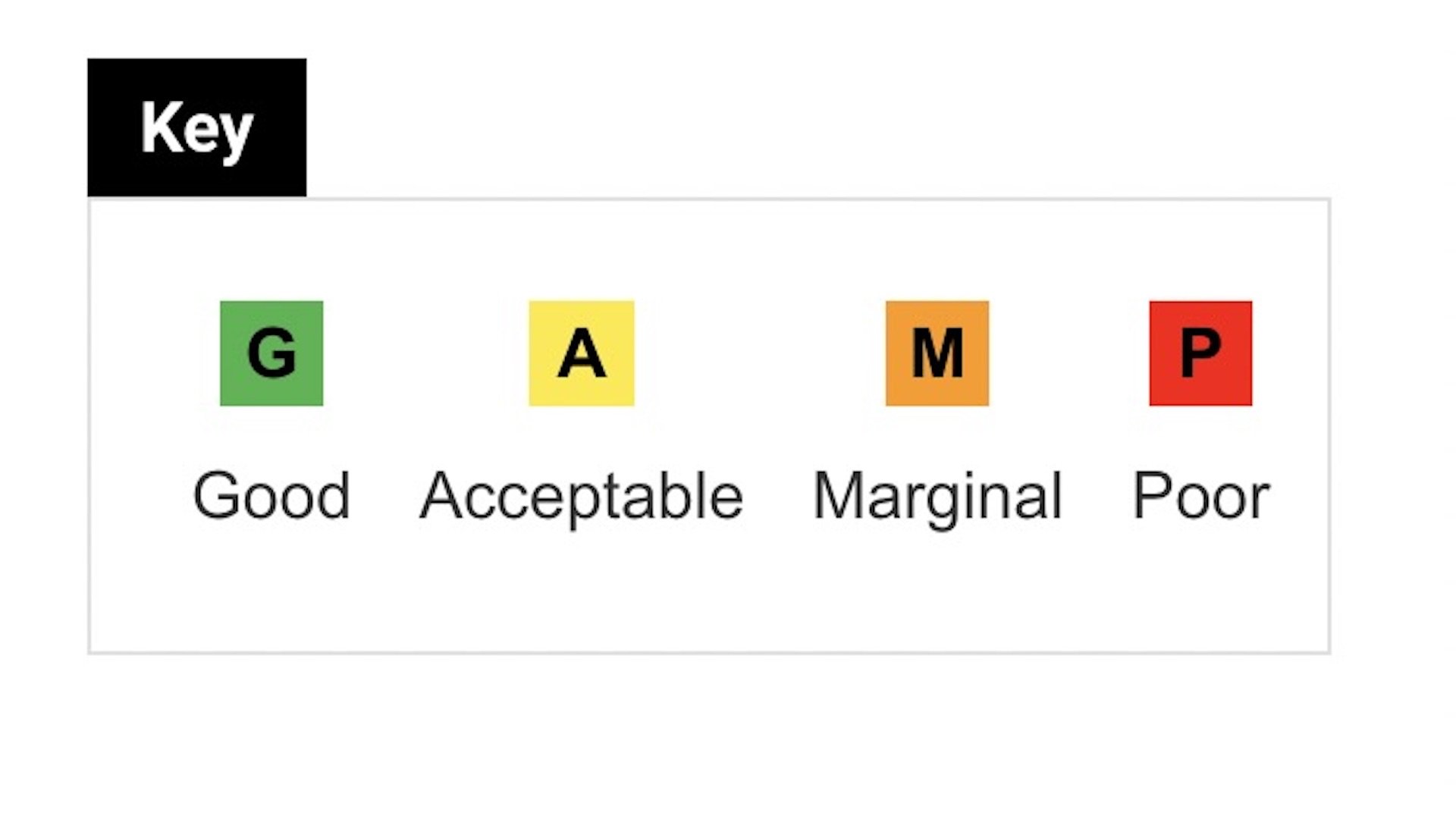
The ratings, in order, are: Good, Acceptable, Marginal, Poor.
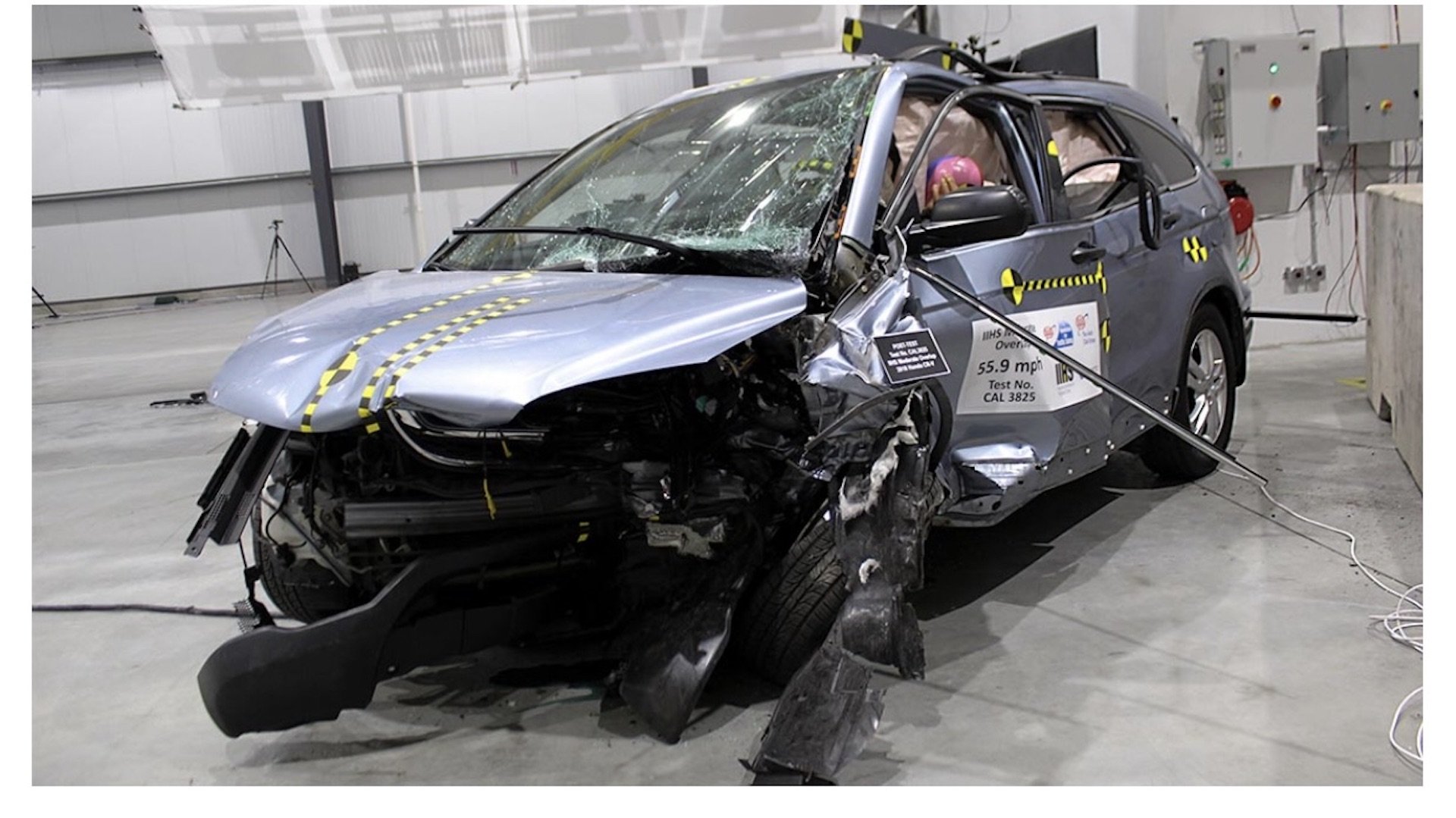
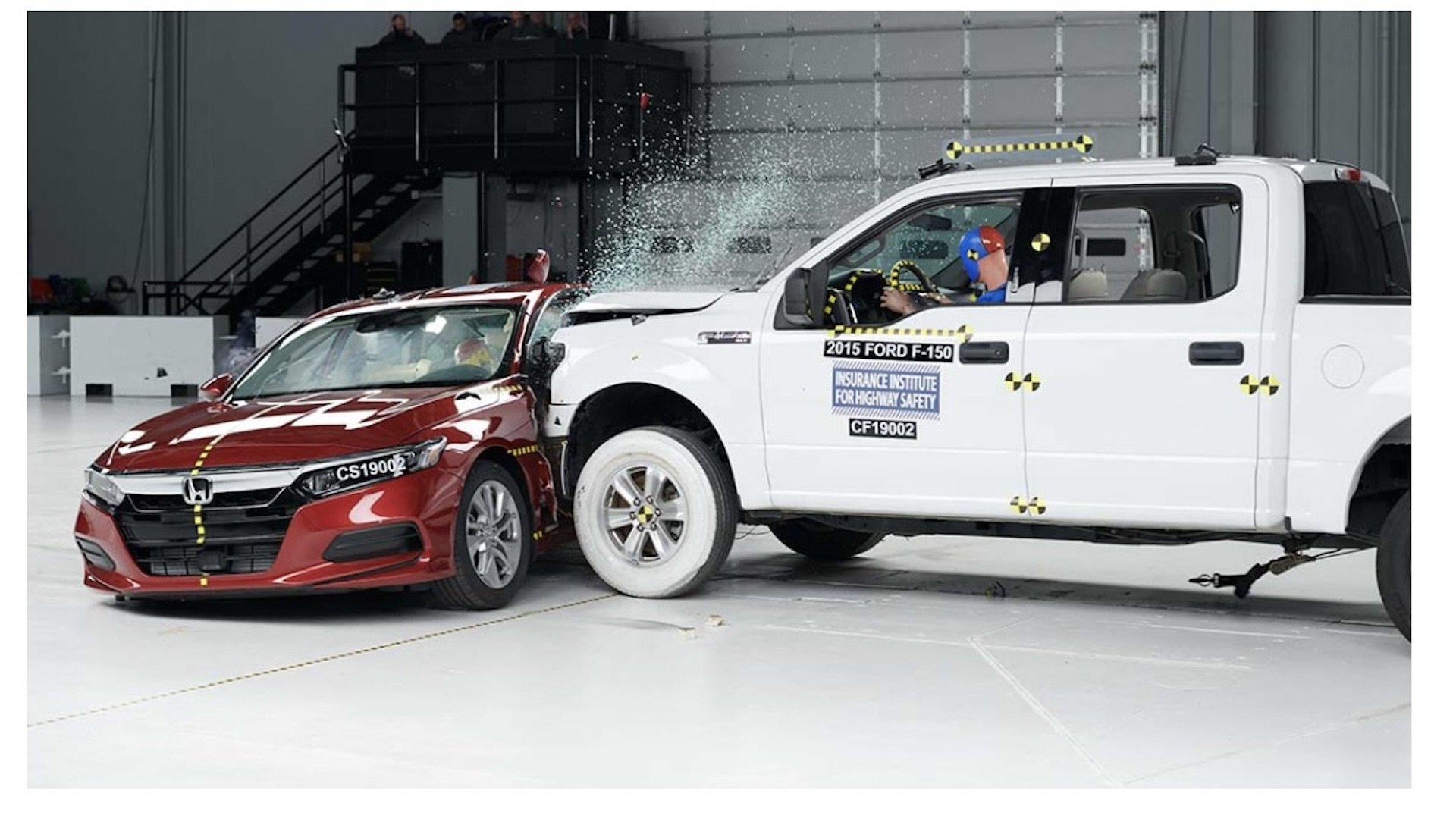
The IIHS subjects vehicles to several tests. The moderate overlap front tests simulate a head-on collision where 40% of the front strikes a deformable barrier at approximately 64 km/h.
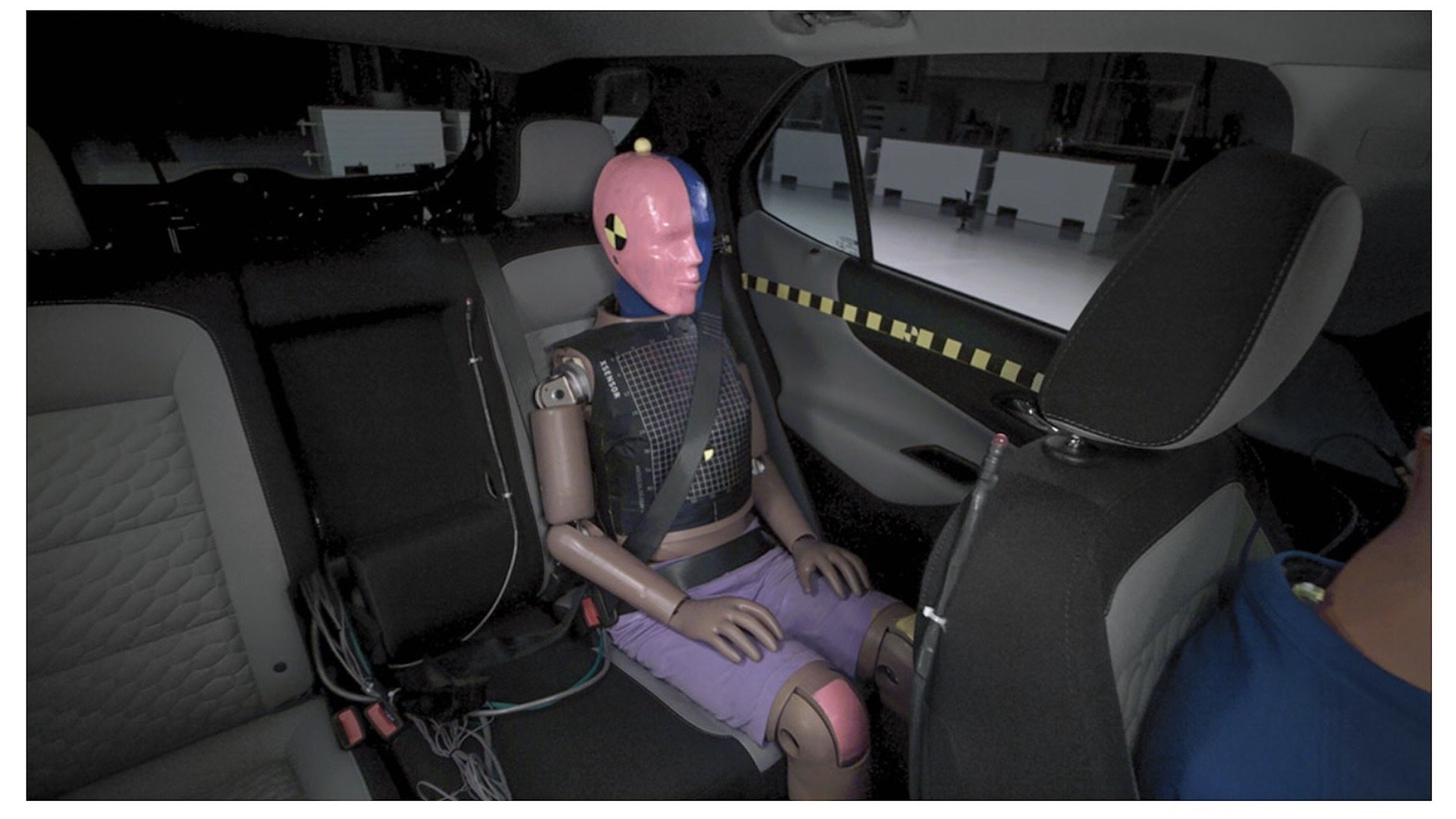
The current version of this test includes an additional dummy sitting in the back seat to evaluate the protection of passengers in that location.
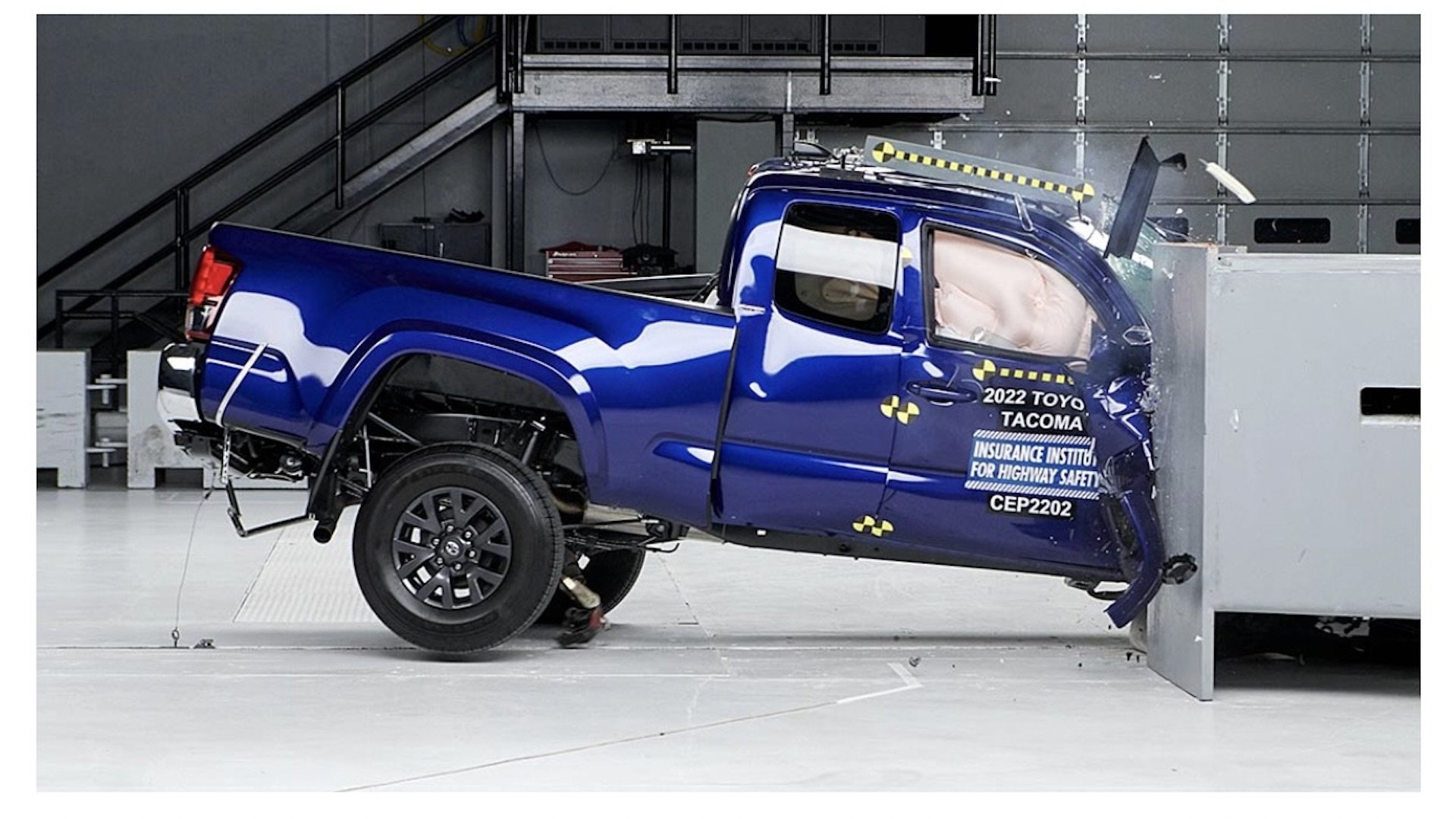
There’s also the small overlap front test (both sides), which subjects only 25% of the front to a 64 km/h impact against a rigid barrier. The final rating corresponds to the lower of the two results.
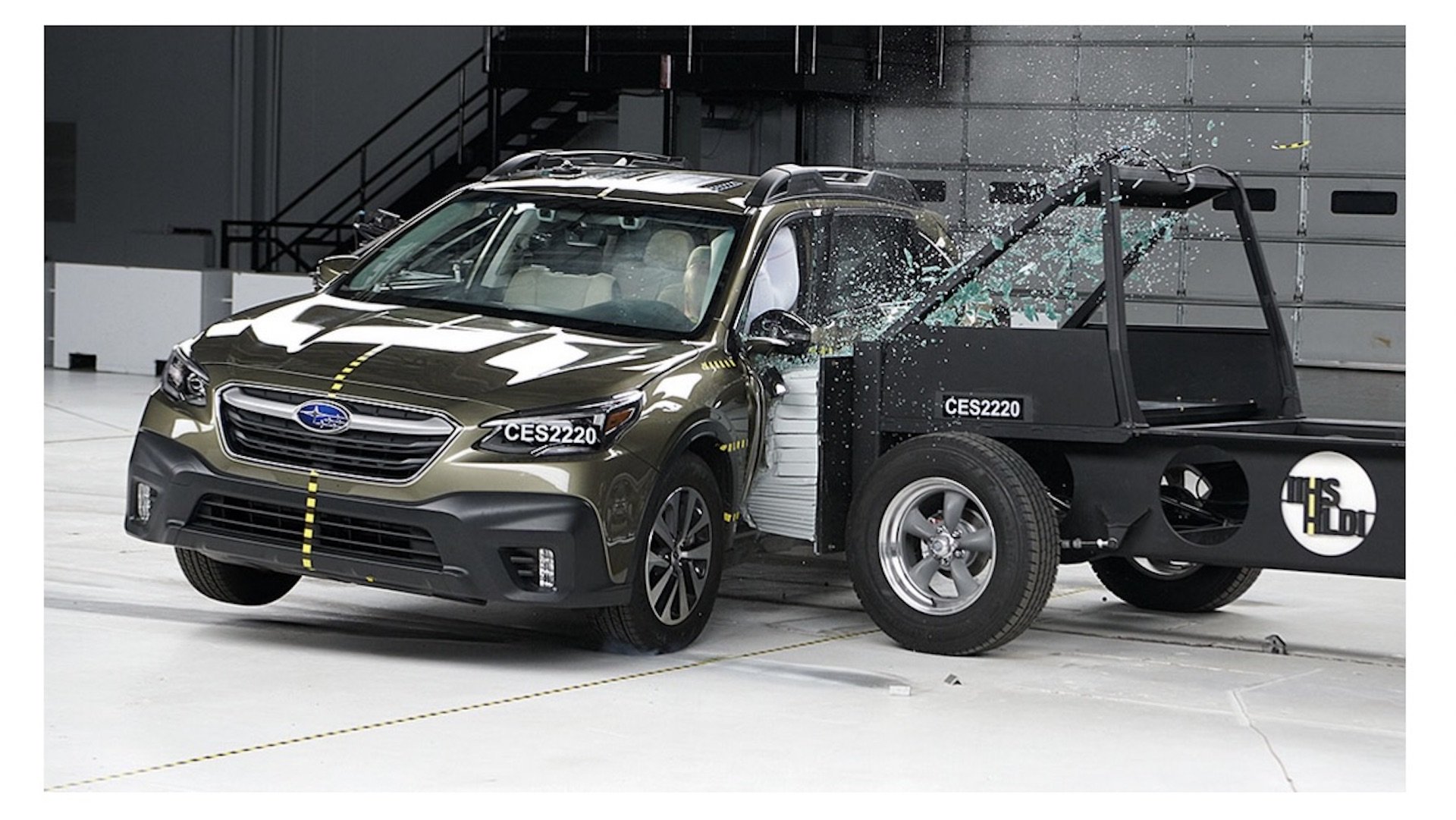
Finally, the side-impact test uses a barrier that travels at a high speed to T-bone a vehicle’s flank.
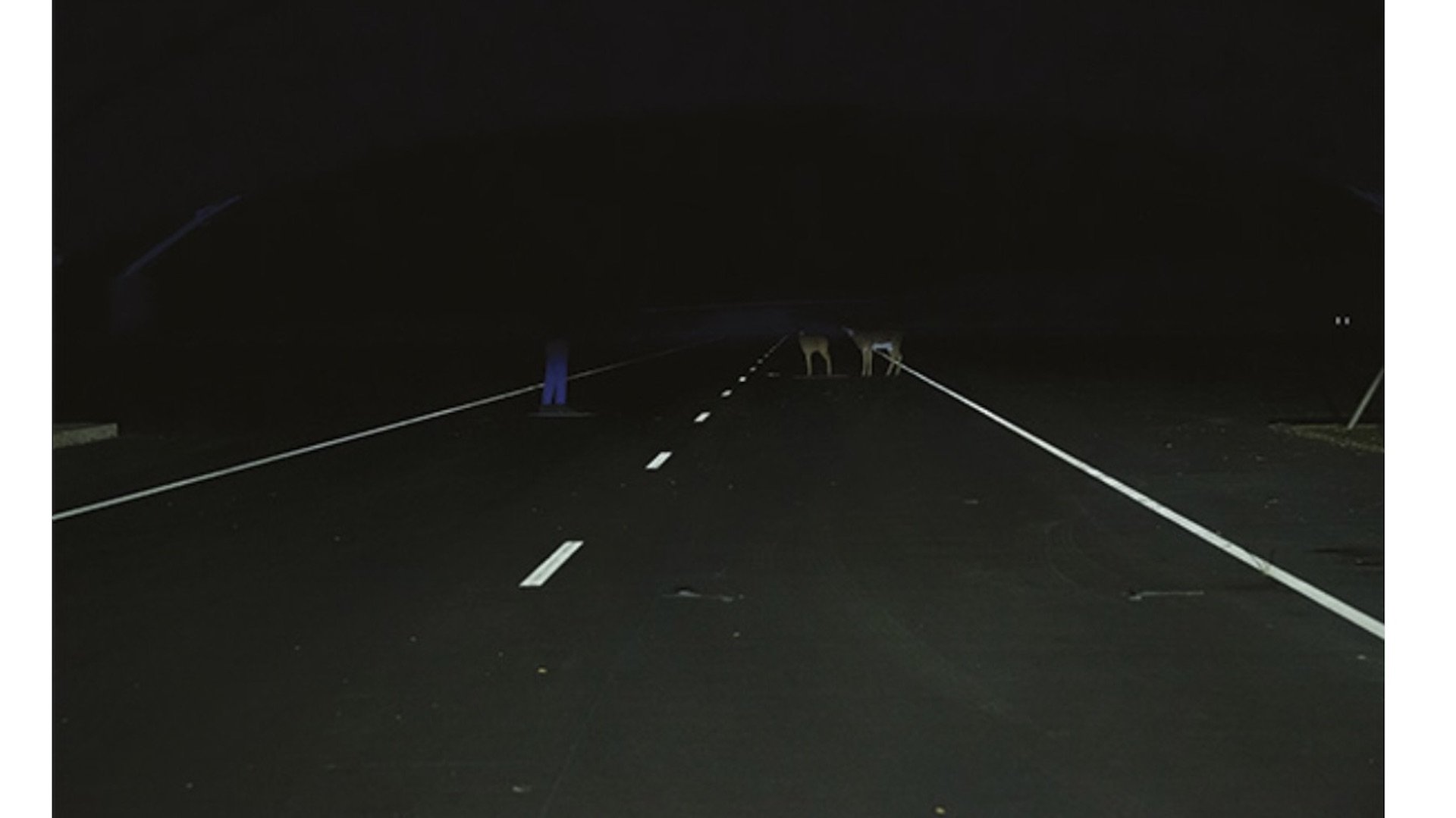
The IIHS also evaluates pedestrian collision prevention systems, both day and night. These tests use dummies representing adults and children in different scenarios. Vehicles receive a rating of Superior, Advanced, or Basic, based on their ability to avoid or reduce impact.
Headlights are also subject to strict evaluation. The IIHS tests each headlight option offered on a vehicle by measuring illumination range and potential glare for other drivers. Research shows that vehicles equipped with well-rated headlights are involved in 15% to 19% fewer single-vehicle accidents at night.
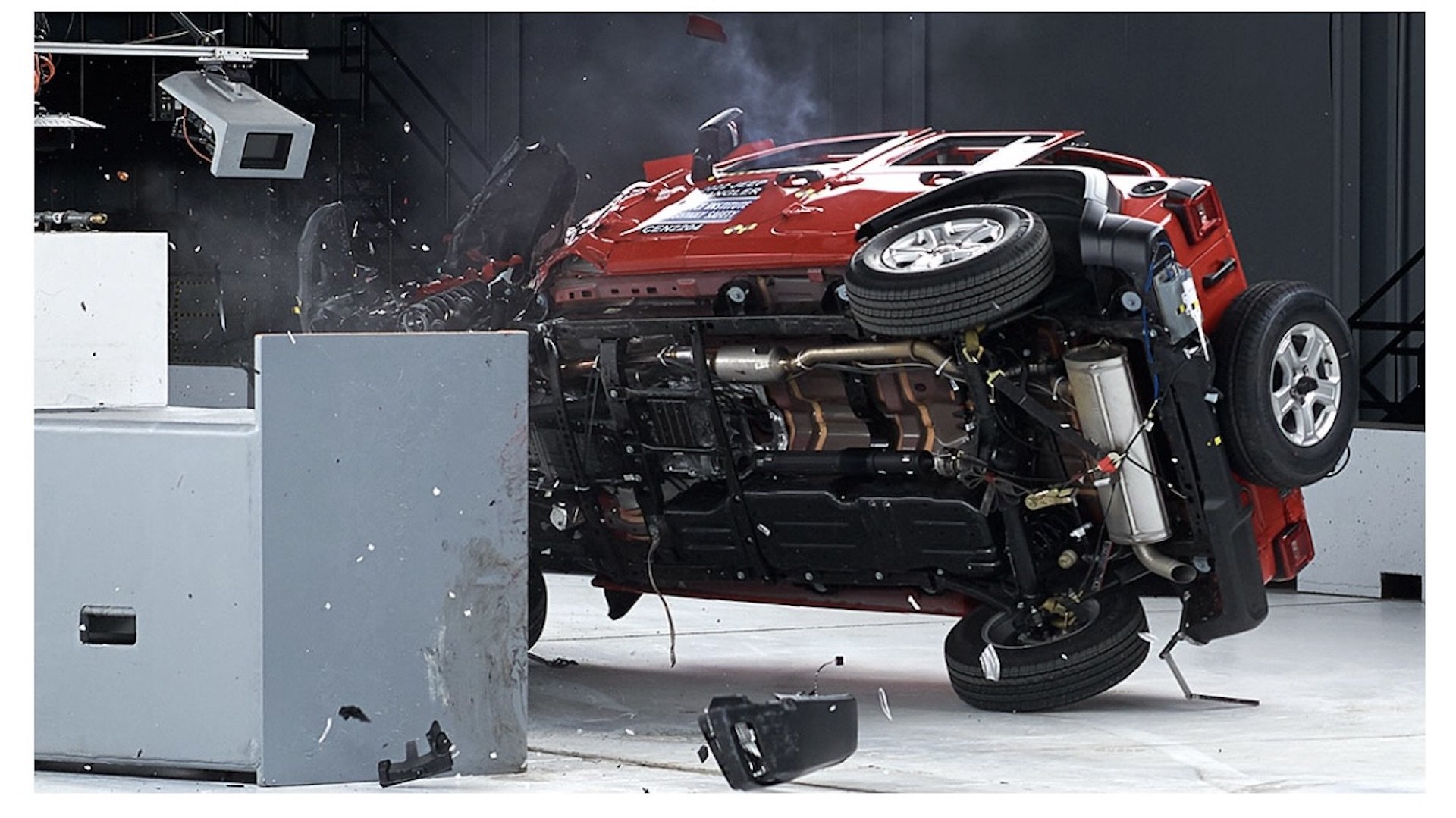
Tests measuring roof strength and seat and head restraint performance are also conducted.
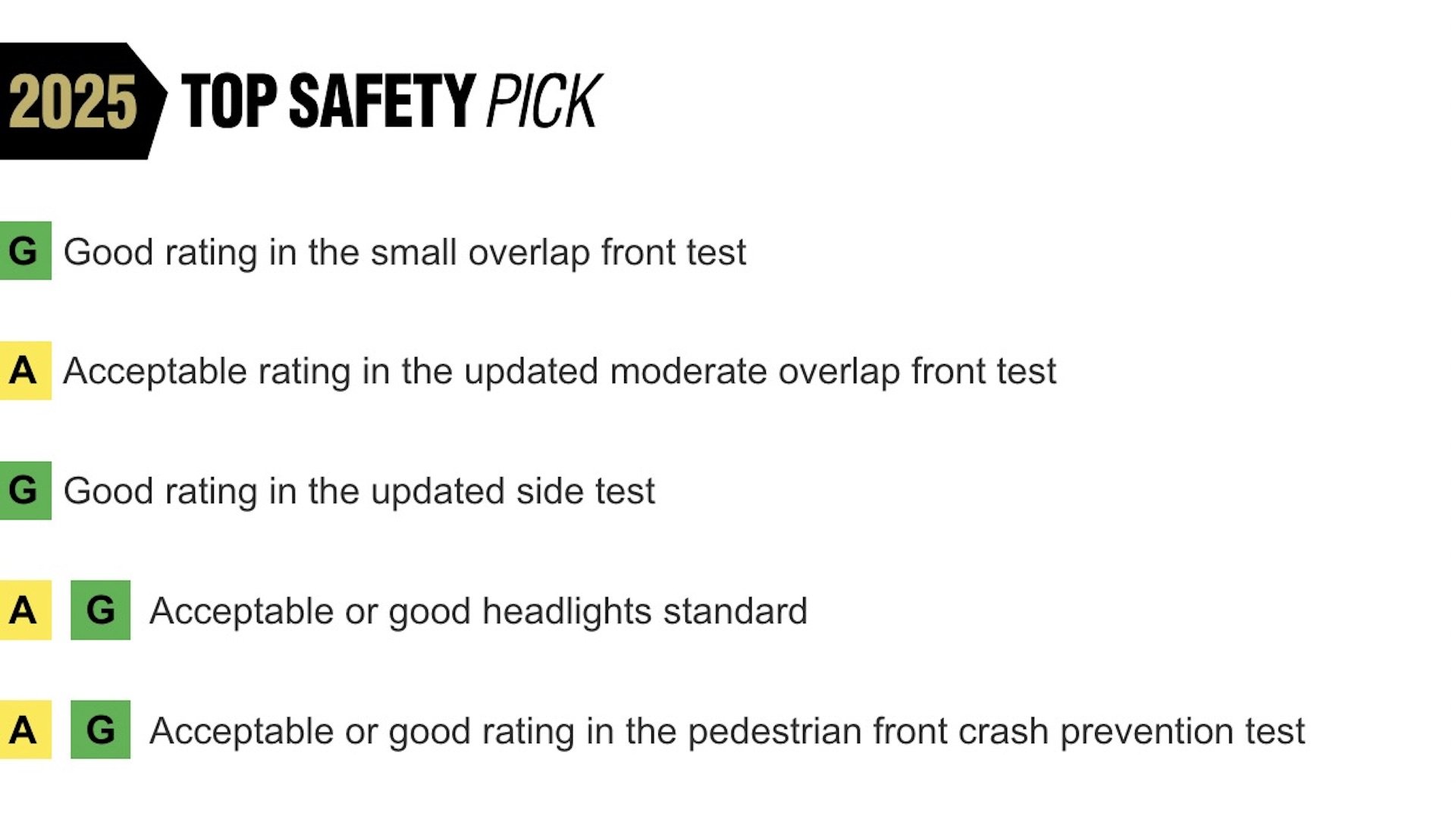
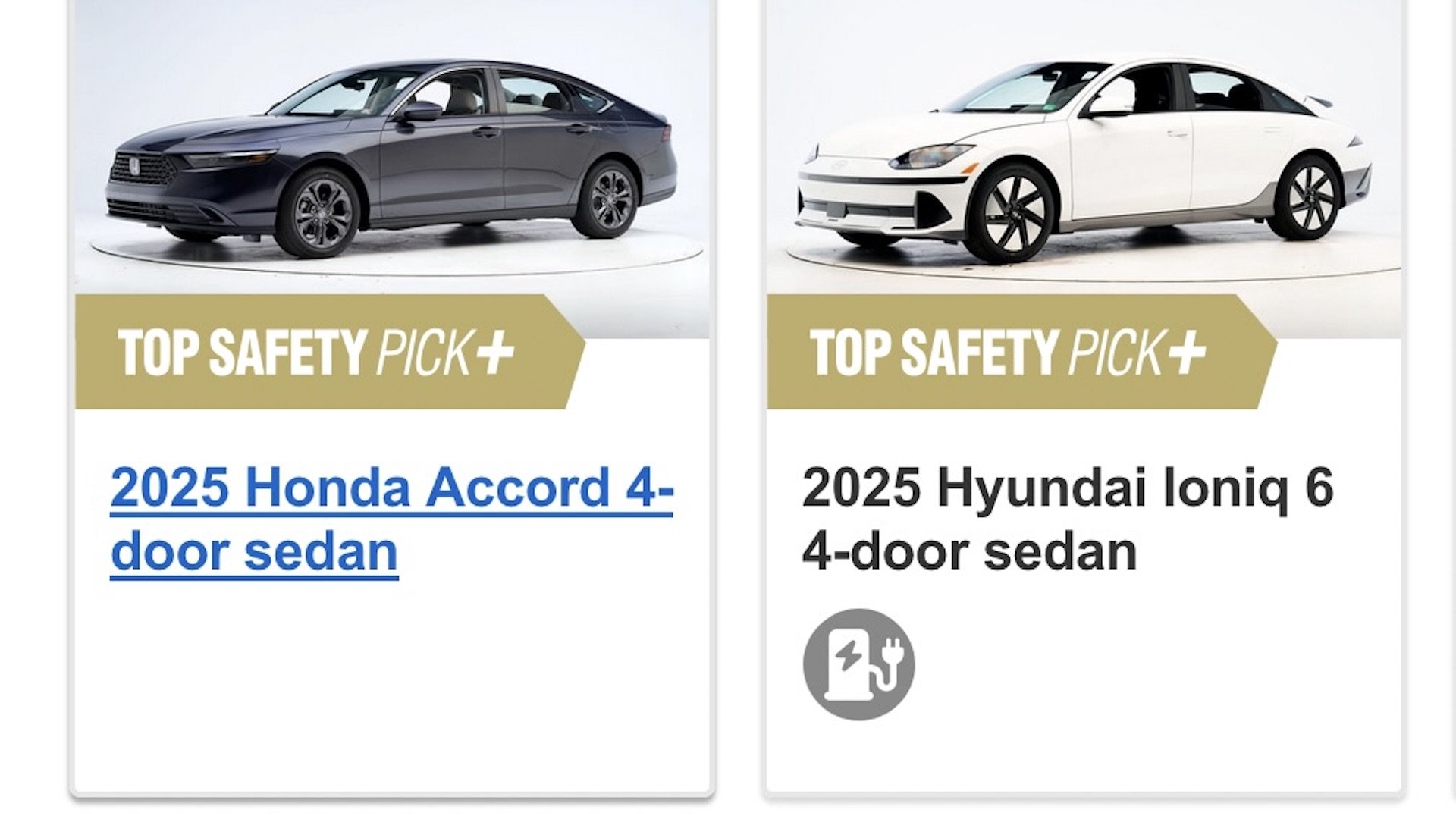
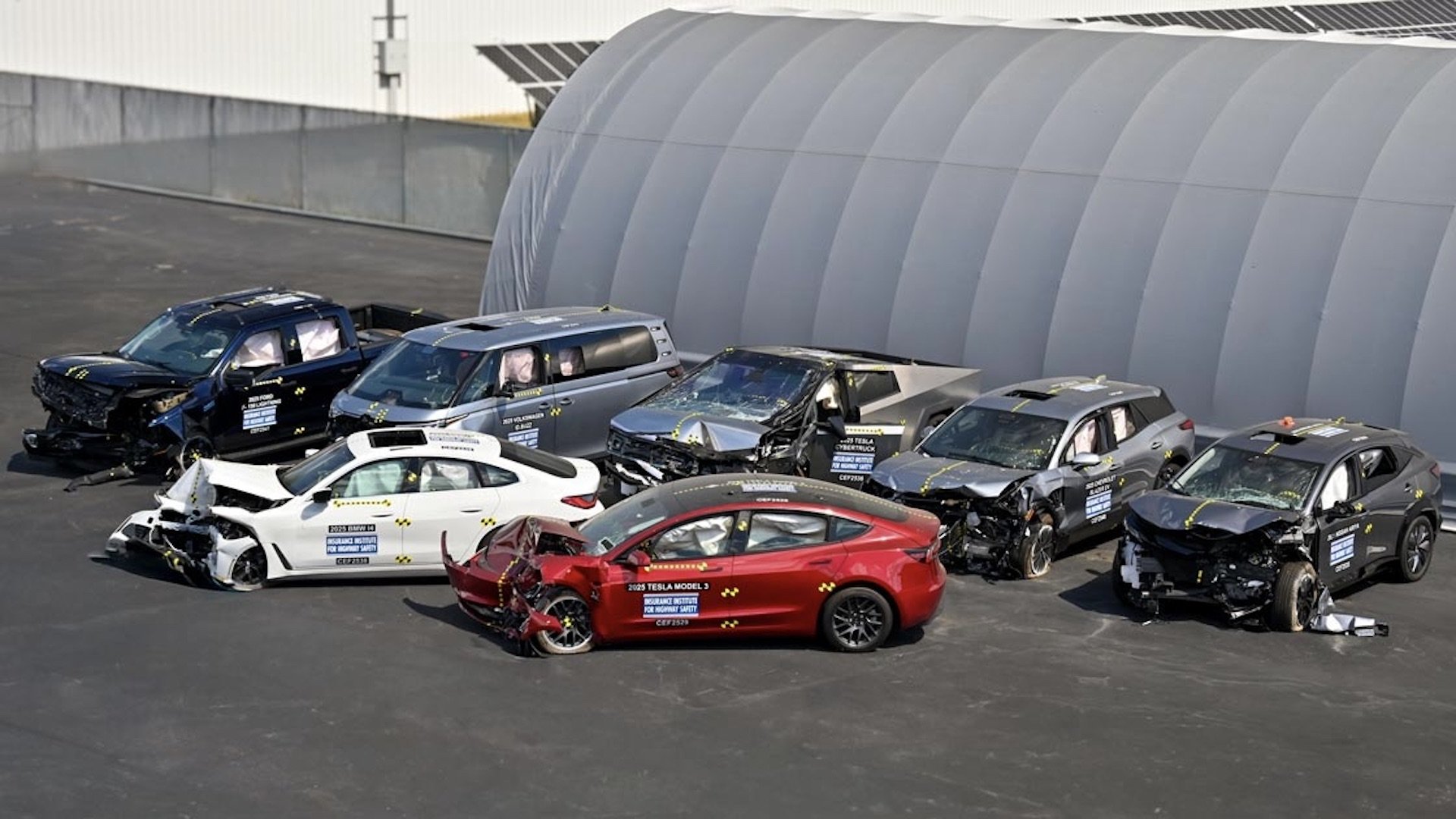
To earn the Top Safety Pick award in 2025, a vehicle must achieve an Acceptable rating in the moderate overlap front test, a Good rating in the small overlap front and side impact tests, and an Acceptable or Good rating for the pedestrian collision prevention evaluation.
Additionally, all trim levels of a model must be equipped with headlights rated Acceptable or Good.
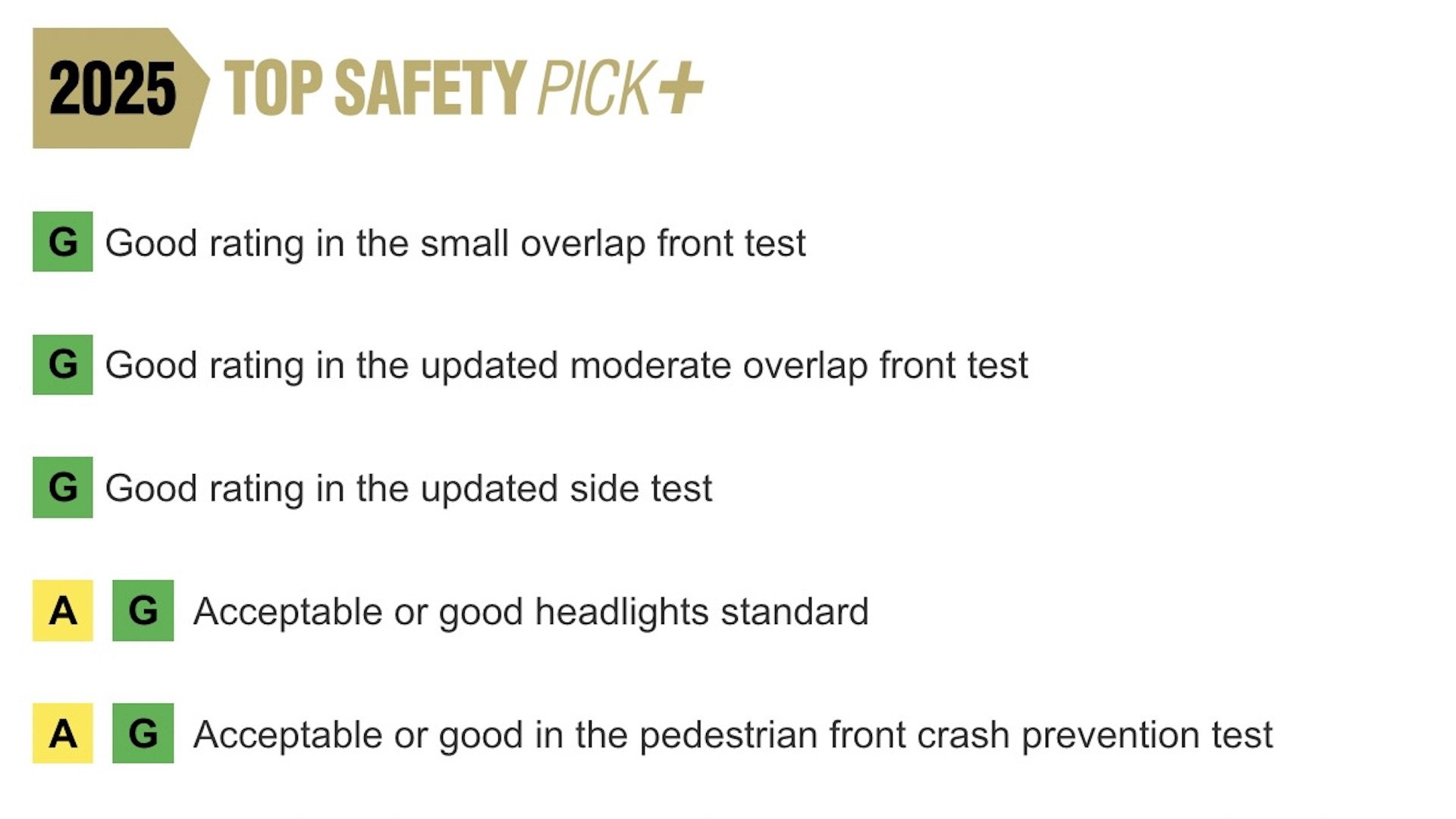
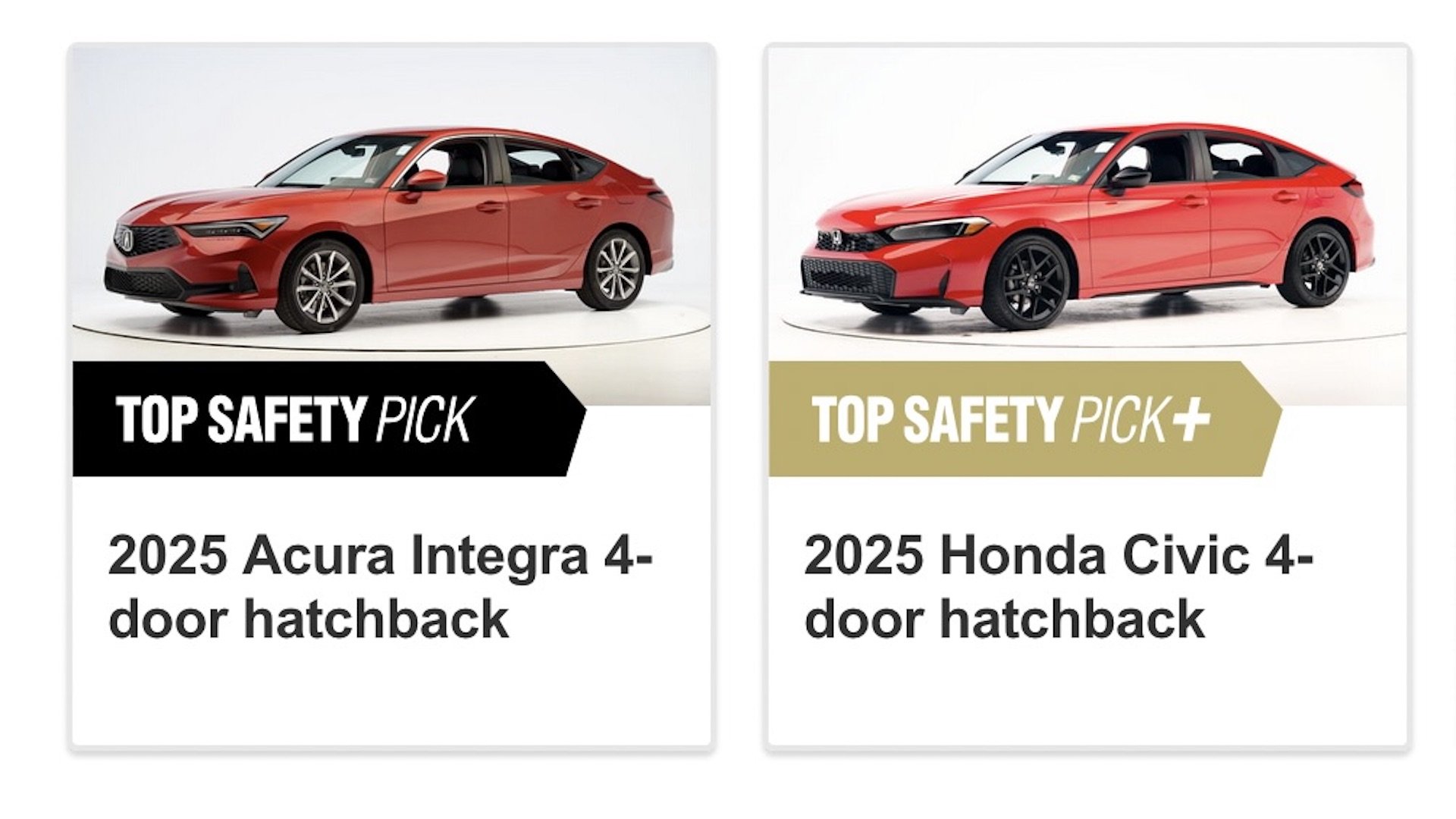
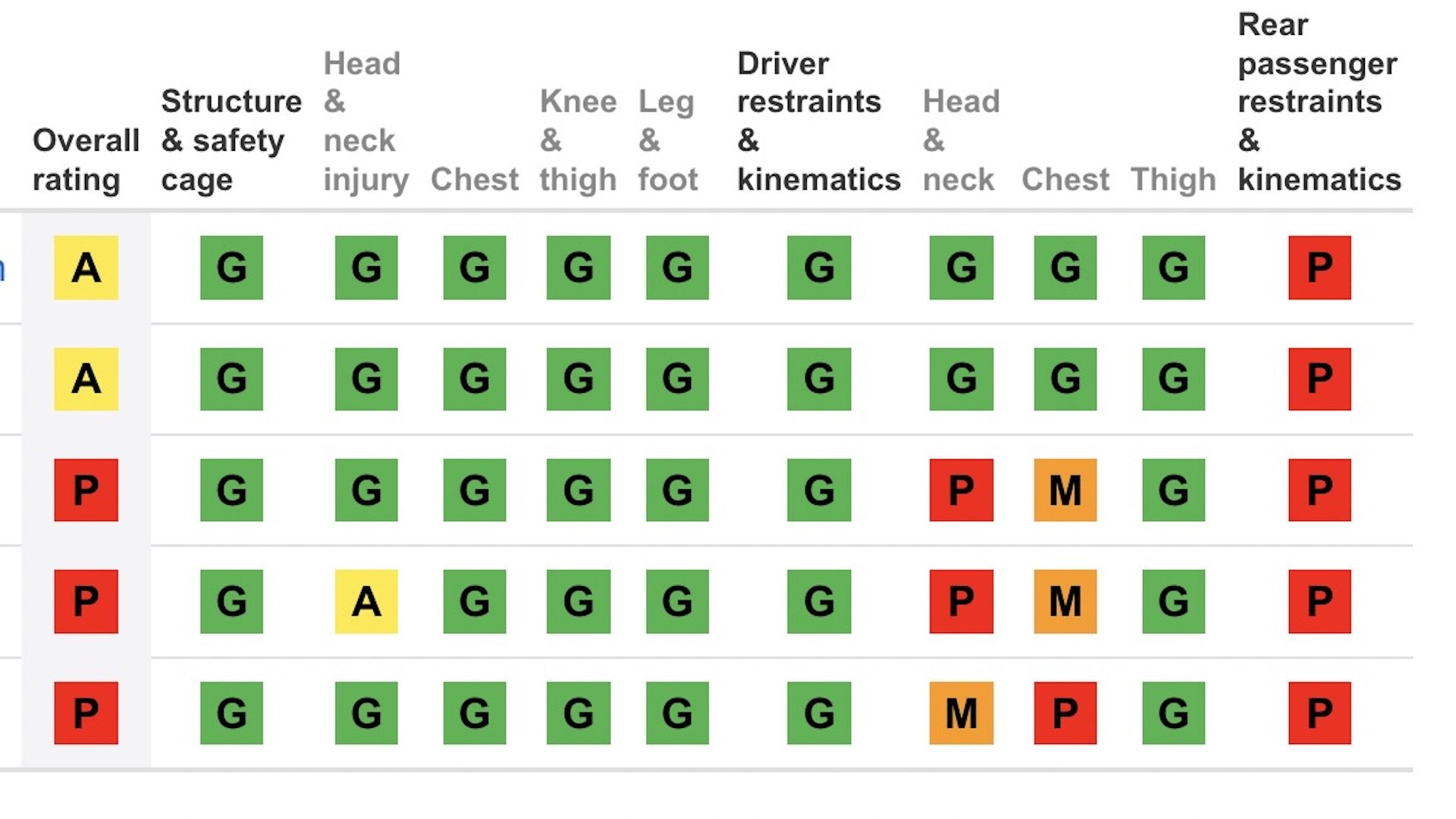
The Top Safety Pick+ award is more stringent, notably requiring a Good rating (rather than Acceptable) in the moderate overlap front test, which indicates a higher level of protection for rear passengers.
The IIHS continually raises its standards to push manufacturers to improve vehicle safety. In 2025, only 48 models qualified for the awards, compared to 71 the previous year. This decline demonstrates the impact of stricter criteria, particularly regarding rear passenger protection. This approach is paying off: drivers of vehicles rated Good in the moderate overlap front test are 46% less likely to die in a head-on collision than drivers of vehicles rated Poor.
Vehicle safety has progressed incredibly thanks to testing conducted by the IIHS. Things will only improve with time.
Let’s never forget, however, that the number one criterion for road safety remains the behavior of the person behind the wheel.
Fair warning…
Eleven pickups and a converted ProMaster gathered in Uxbridge offered a look at how many…
Every year, Wards Auto publishes its list of the 10 best powertrains available in a…
In a segment as competitive as the compact crossover one, in which there’s an abundance…
This SUV is based on the platform and powertrain of the AMG GT 4-door coupe.…
Volvo is reportedly producing about 200 EX60s weekly against a 2,000-unit target. Megacasting and cell-to-body…
Stellantis is exploring Canadian exports of two electrified Jeeps built in Wuhan. Brampton sale talks…