

U.S.-built vehicles made up 39% of Canadian sales in Q2, down from 41% in Q1 2025.
Mazda and Nissan halt some U.S. model shipments to Canada due to 25% tariff.
Mexico and South Korea continue to grow their share of Canada’s vehicle imports by value.
The share of U.S.-made vehicles sold in Canada declined in the second quarter of 2025 as trade tariffs imposed by Ottawa began to reshape the automotive import landscape.
Vehicles assembled in the United States accounted for 39% of Canadian vehicle sales by volume from April to June, according to DesRosiers Automotive Consultants. That figure was down from 41% in the first quarter, as retaliatory tariffs disrupted the cross-border flow of vehicles.
On April 9, the federal government introduced a 25% tariff on U.S.-built vehicles, following a broader tariff action by U.S. President Donald Trump on April 3 that targeted imports from Canada and other nations.
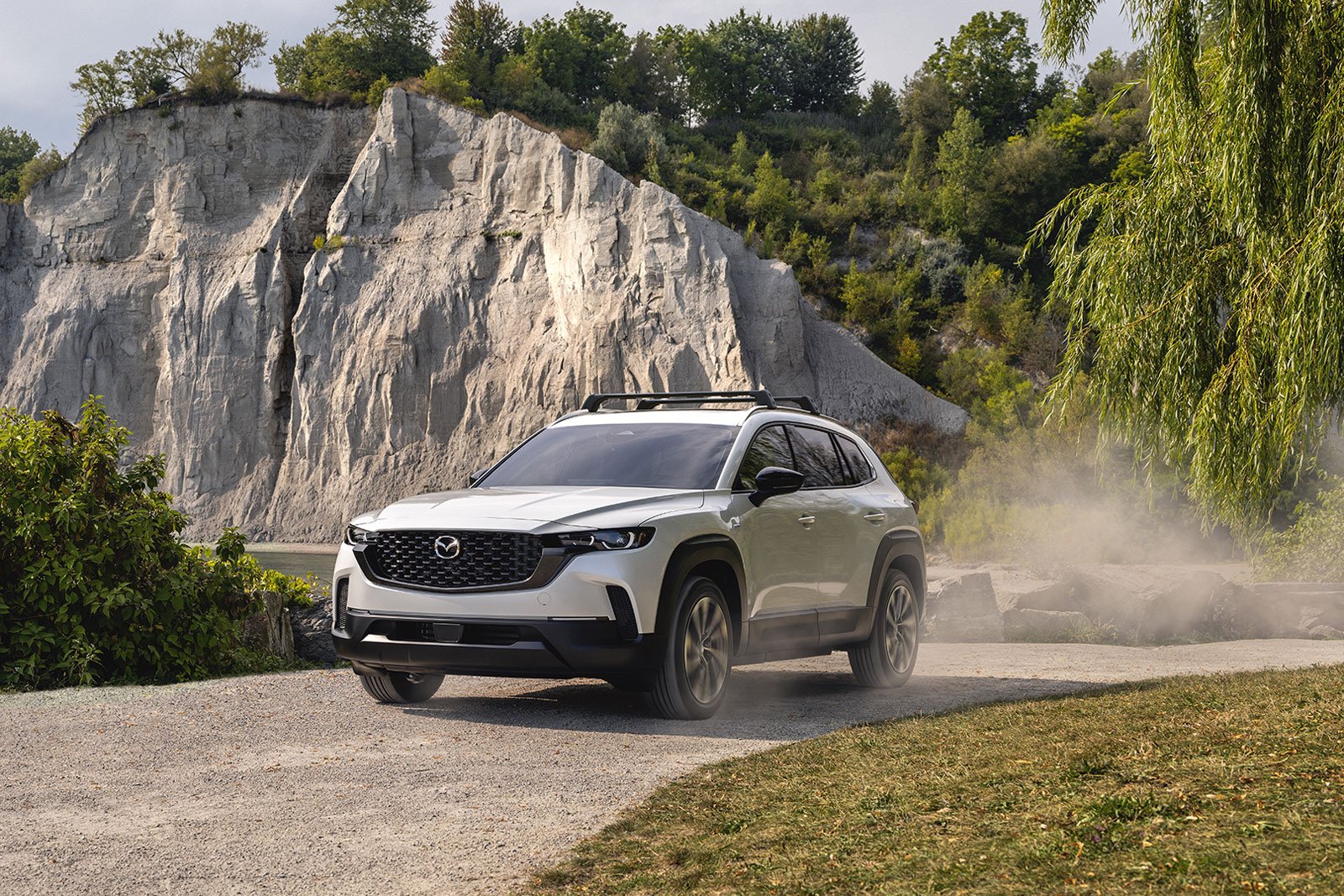
Automakers have started adjusting their production and supply strategies. Mazda has paused shipments of the U.S.-built CX-50 to Canada, and Nissan has temporarily halted exports of the Pathfinder, Murano, and Frontier. Trade negotiations between Ottawa and Washington are continuing, with both sides targeting an agreement by August 1. Without a resolution, more automakers may follow Mazda and Nissan in withdrawing U.S.-assembled models from Canadian dealerships.
“The only other option is to put up the price, and obviously putting up the price 25% is not practical for most segments, most models,” said Andrew King, managing partner at DesRosiers.
Nissan Halts Canadian Supply of Pathfinder, Murano and Frontier; Blame Tariffs
While the sales impact in the second quarter was limited by available inventory, King said deeper declines are expected in the coming months as dealers exhaust pre-tariff stock.
Automakers with no production footprint in Canada, such as Hyundai, Kia, Mazda, and Nissan, are directly exposed to the full impact of the tariffs. This group’s share of Canadian sales fell to 7% in Q2, down from 9% in Q1.
In contrast, automakers with local production have benefited from a confidential remission program introduced by the Canadian government. The initiative reportedly provides import levy relief to Ford, General Motors, Honda, Stellantis, and Toyota in exchange for continued domestic investment and manufacturing.
Beyond short-term volatility, the figures reflect a longer-term trend away from U.S.-assembled vehicles in the Canadian market. According to Innovation, Science and Economic Development Canada, the value share of U.S. vehicles among Canadian light-duty imports declined to 48.9% in 2024, down from 60.8% in 2014 and 66% in 2004.
Other vehicle-exporting nations have filled the gap. Mexico’s share more than doubled over two decades to 16.7% in 2024, while South Korea increased its portion to 10.2% from 5.8% in 2004. Imports from China accounted for 2.9% in 2024, compared with almost none in previous decades.
Source: Automotive News
