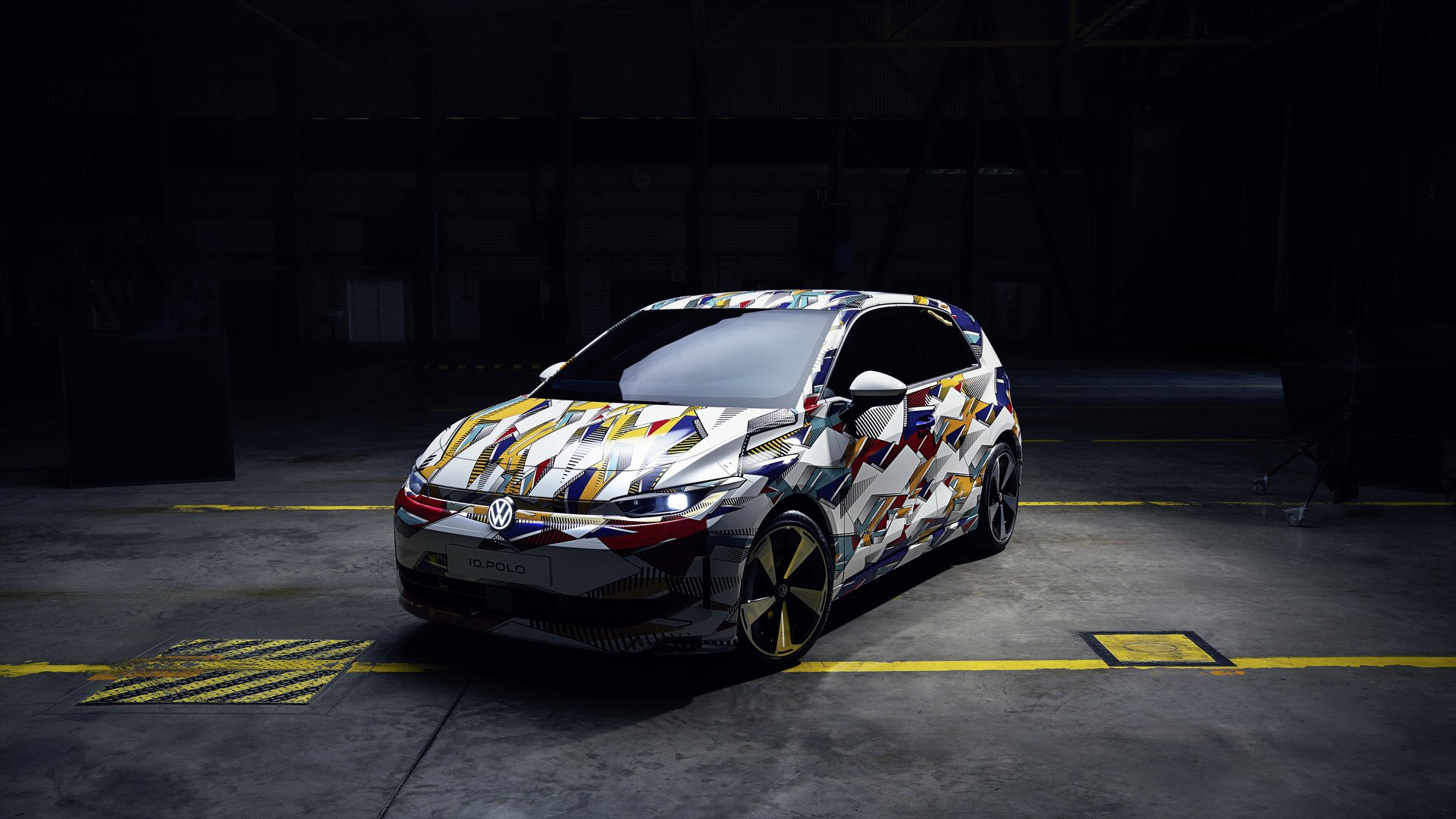
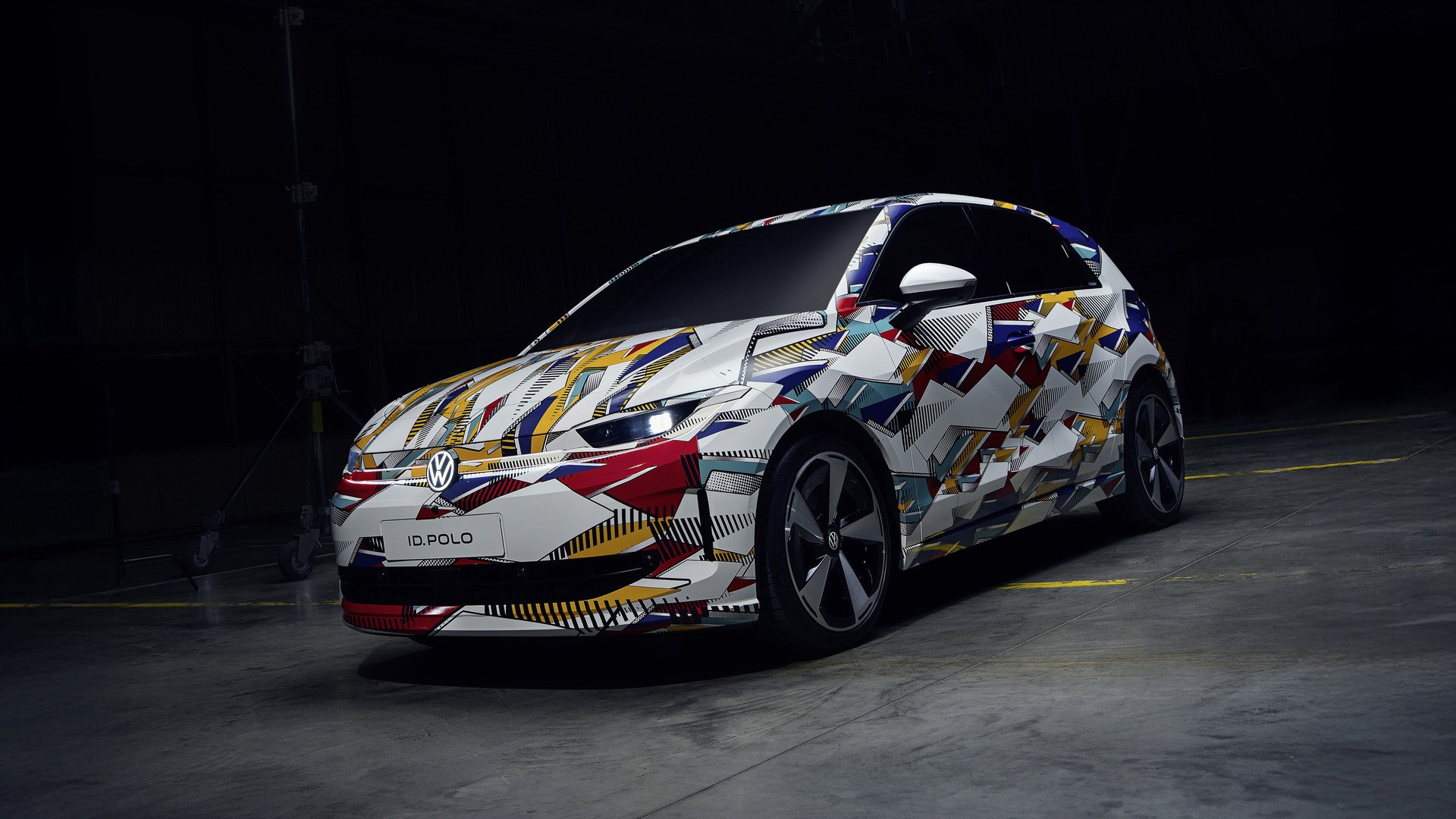
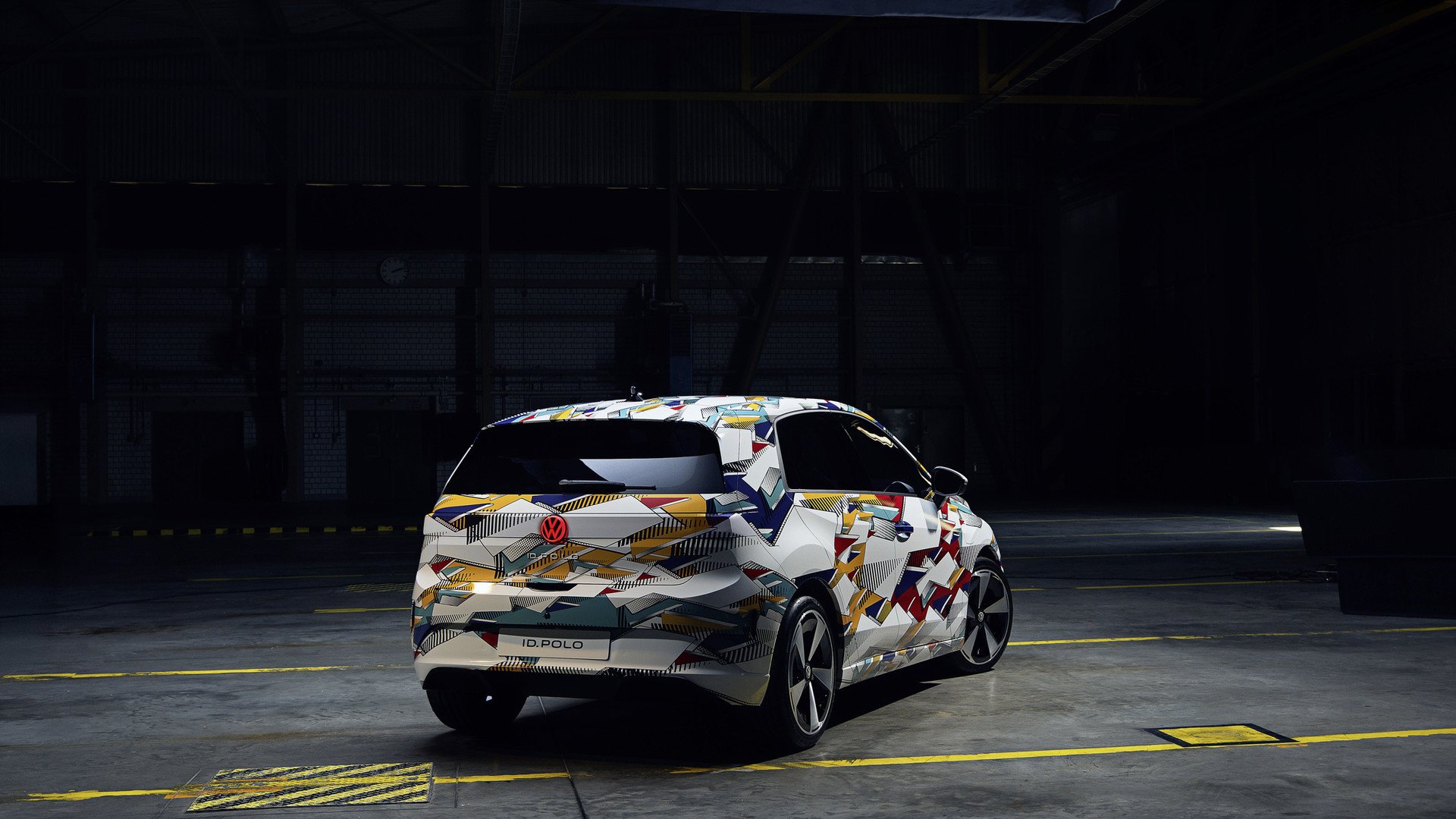
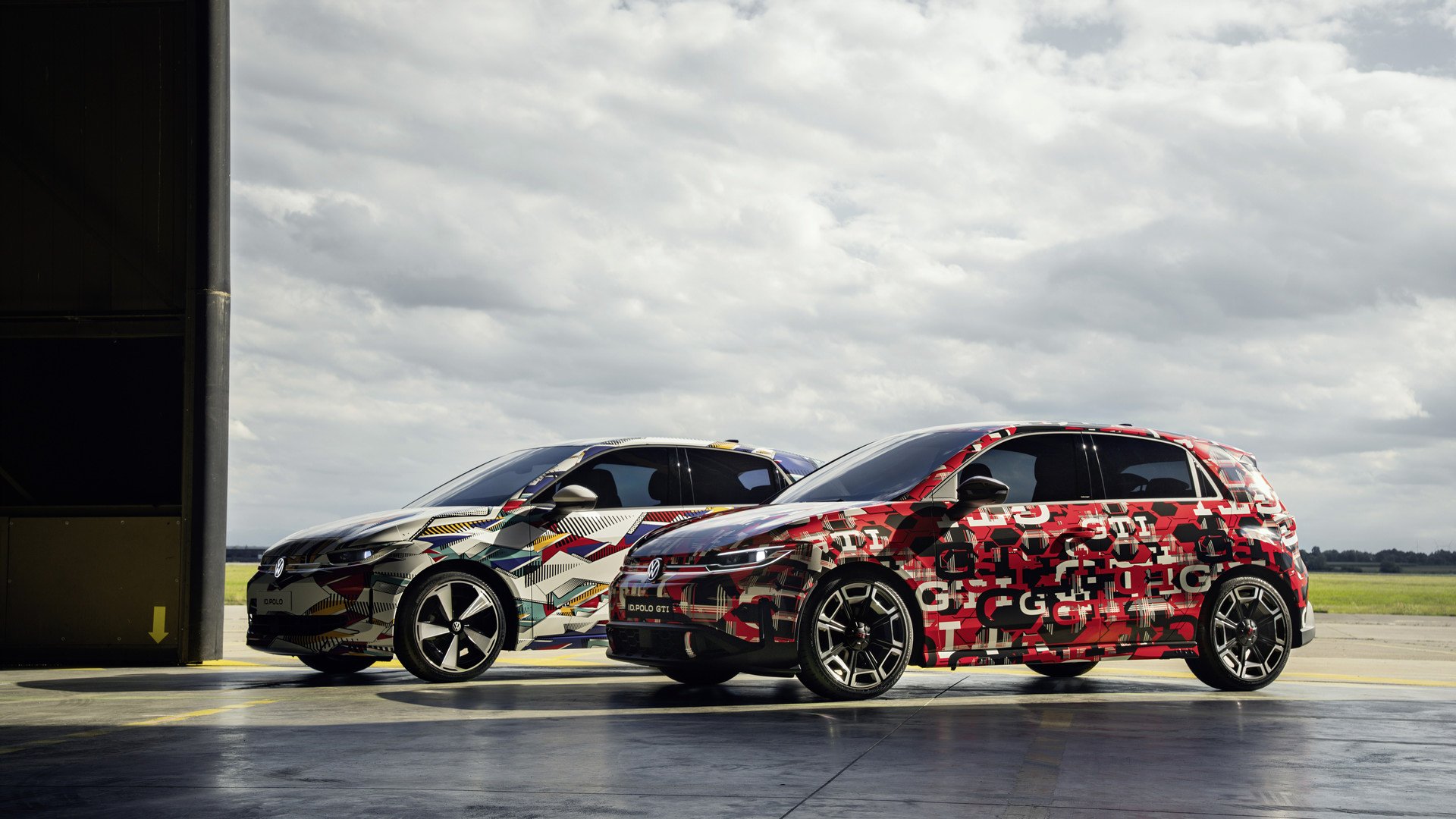
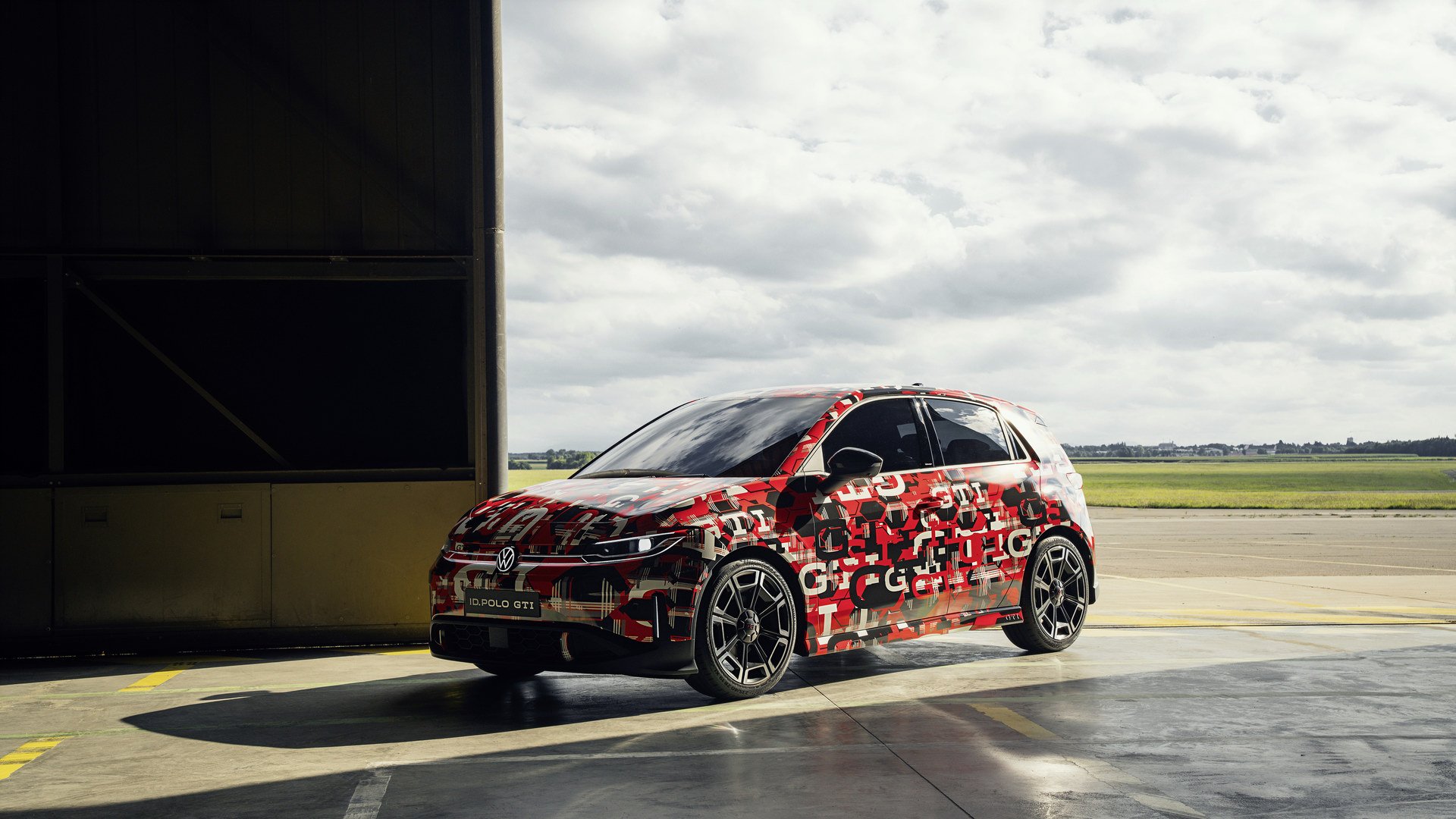
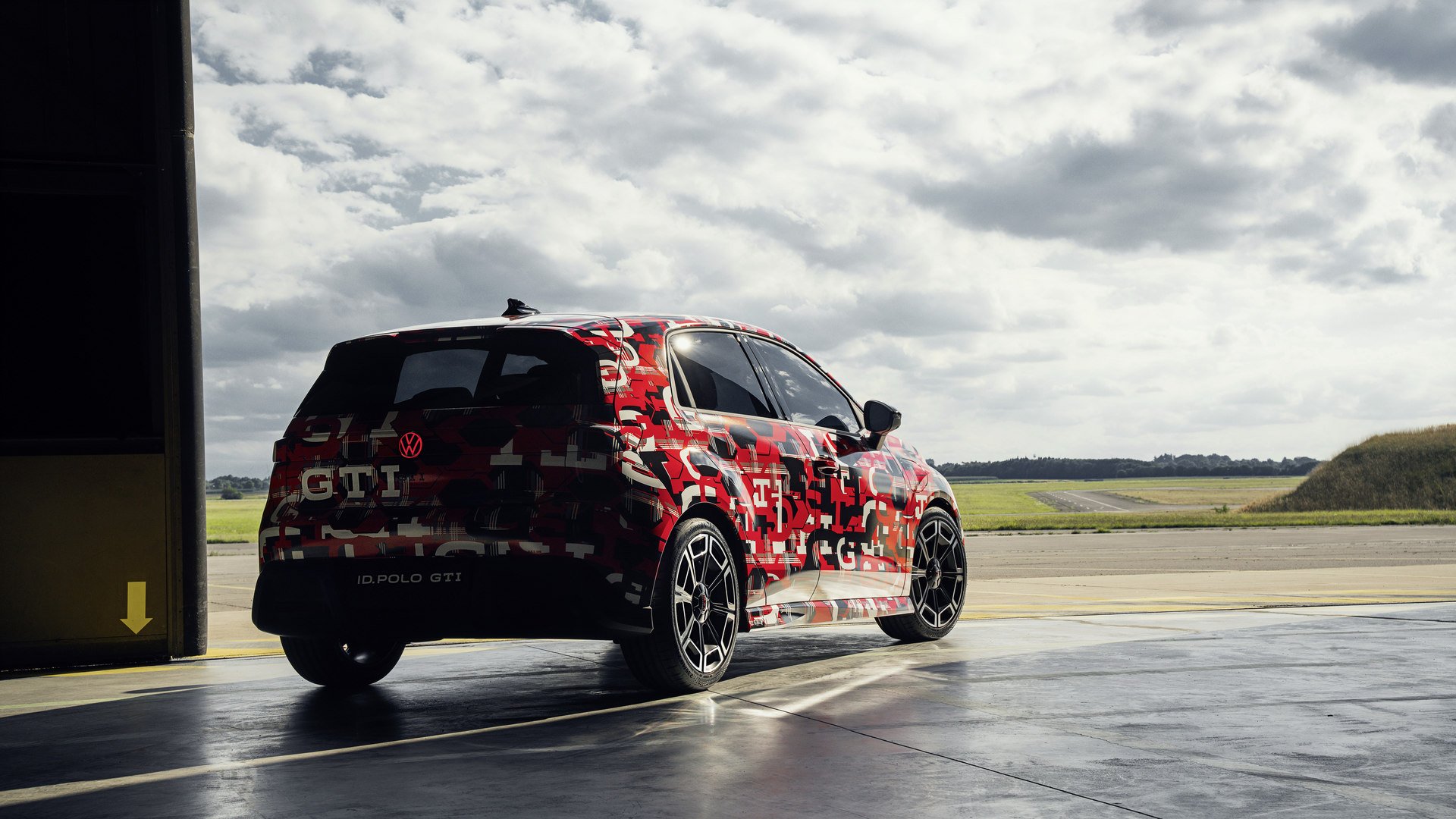
2026 Volkswagen ID. Polo | Photo: Volkswagen
For its next generation of electric vehicles, Volkswagen has decided to review its naming strategy in order to provide greater clarity for customers and better brand recognition for its vehicles.
Indeed, the German automaker has reversed its decision to name EVs with numbers and will instead give them traditional names, many of which will be instantly recognizable to its customers.
The first example of this will be the ID. Polo, set to be launched in 2026. This new sub-compact electric hatchback will be based on the ID. 2all concept that was unveiled in March 2023.
While unknown in North America, Polo is an iconic nameplate in Europe, having been applied to the model that stands just below the Golf in the Volkswagen lineup for 50 years now.
The company says its new naming strategy will be applied progressively as current models are replaced with a new generation of EVs. This means that the replacement for the ID. 3 is likely to be called ID. Golf, as it is slightly larger than the upcoming ID. Polo.
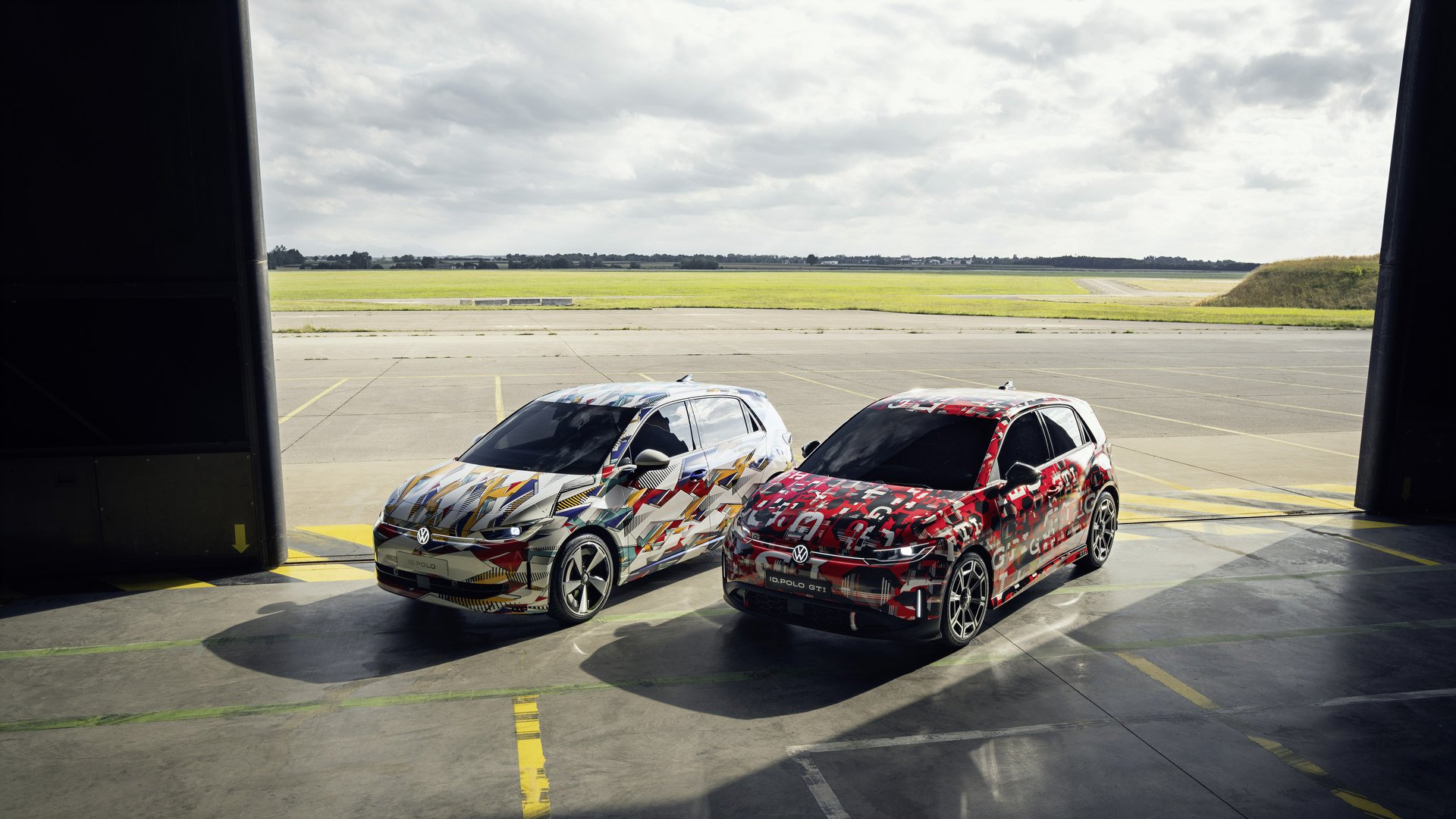
The electric Polo will be unveiled at the IAA Mobility show in Munich on September 8, but it will still be wearing camouflage at this point.
The ID. Polo won’t be alone on the stage, as it will be joined by the ID. Polo GTI, a sportier version based on the ID. GTI concept.
In addition, the automaker will unveil a third concept built on the same platform on September 7. Indeed, the ID. Cross concept will be a small crossover that will share its mechanical elements with the ID. Polo.
In keeping with the new naming structure, the production version of this sub-compact SUV will be called ID. Cross since the current gas-powered SUV built on the Polo platform is called T-Cross.
Speaking of combustion-powered vehicles, Volkswagen will keep them on sale alongside its EVs, which means customers will be able to choose between a conventional Polo or its electric ID. Polo counterpart.
Along with its new naming convention, Volkswagen says it has improved its next generation of vehicles by listening to customer feedback. Some of the changes the company highlighted include a more extensive use of premium materials, a better blend of physical and digital controls, especially on the steering wheel, and a more intuitive user interface.
All of this, along with more affordable prices, will hopefully help Volkswagen increase its global sales and improve its financial situation, which has struggled to recover after the pandemic.
Eleven pickups and a converted ProMaster gathered in Uxbridge offered a look at how many…
Every year, Wards Auto publishes its list of the 10 best powertrains available in a…
In a segment as competitive as the compact crossover one, in which there’s an abundance…
This SUV is based on the platform and powertrain of the AMG GT 4-door coupe.…
Volvo is reportedly producing about 200 EX60s weekly against a 2,000-unit target. Megacasting and cell-to-body…
Stellantis is exploring Canadian exports of two electrified Jeeps built in Wuhan. Brampton sale talks…