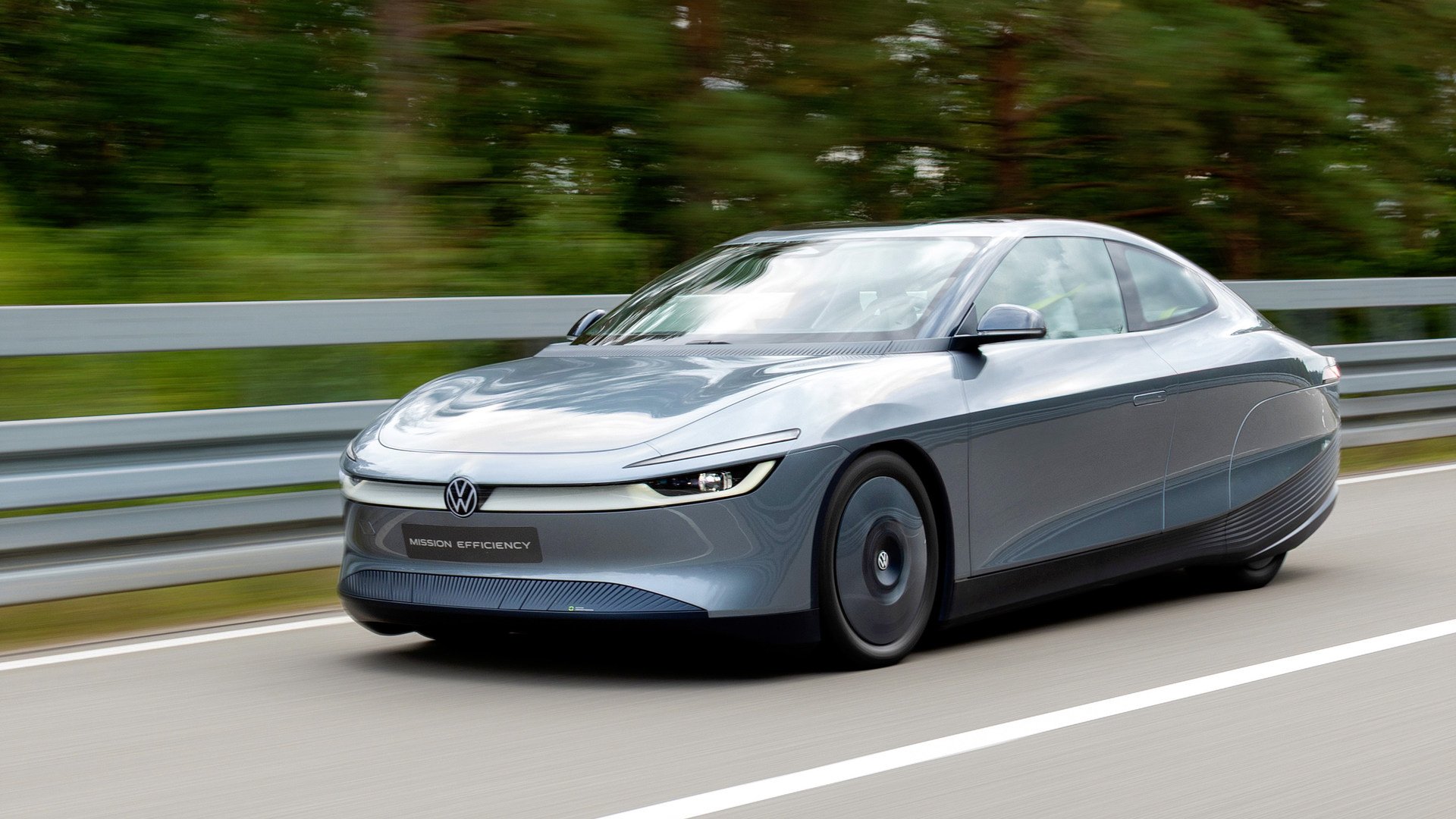
Volkswagen Mission Efficiency | Photo: Volkswagen
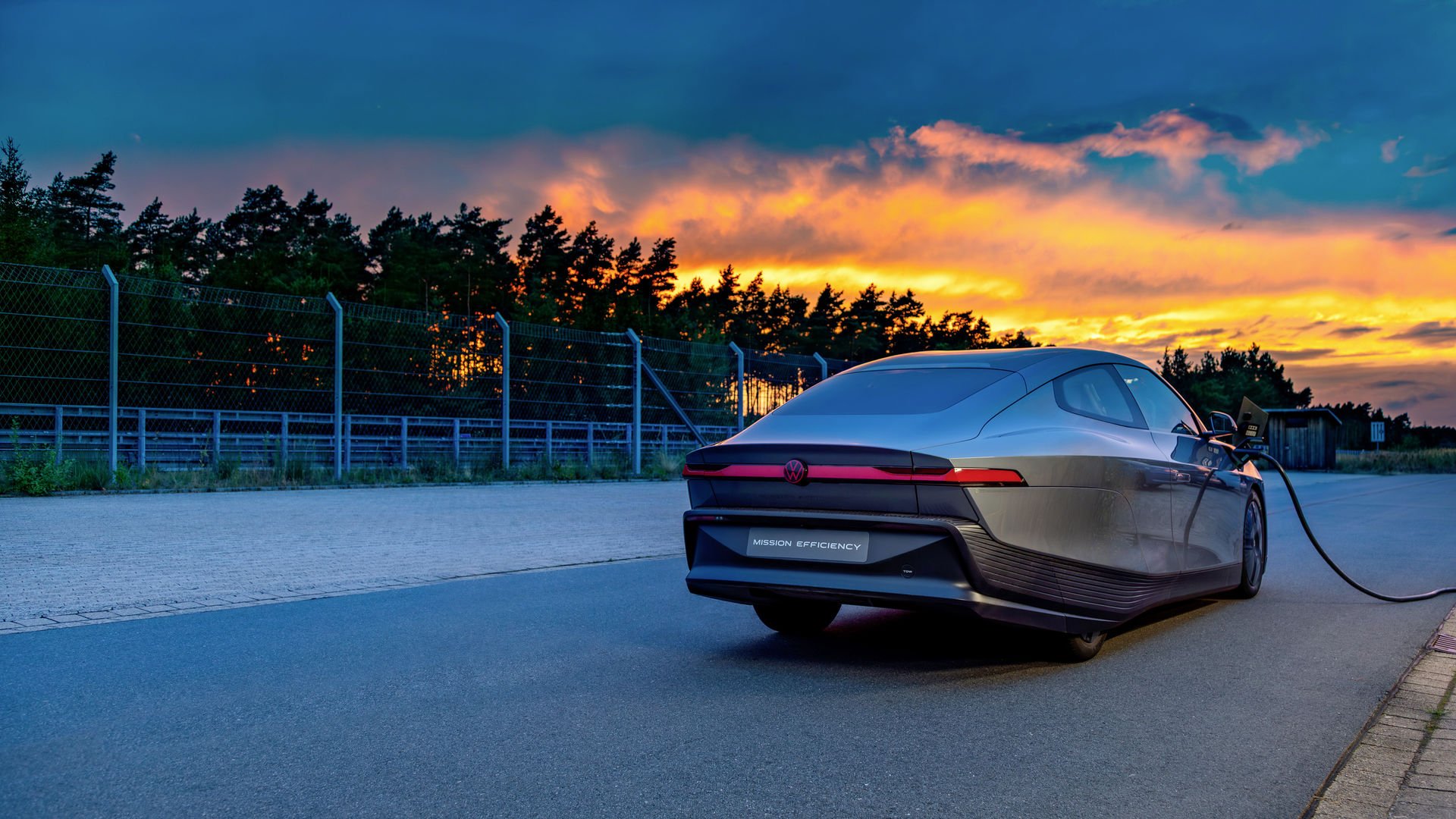
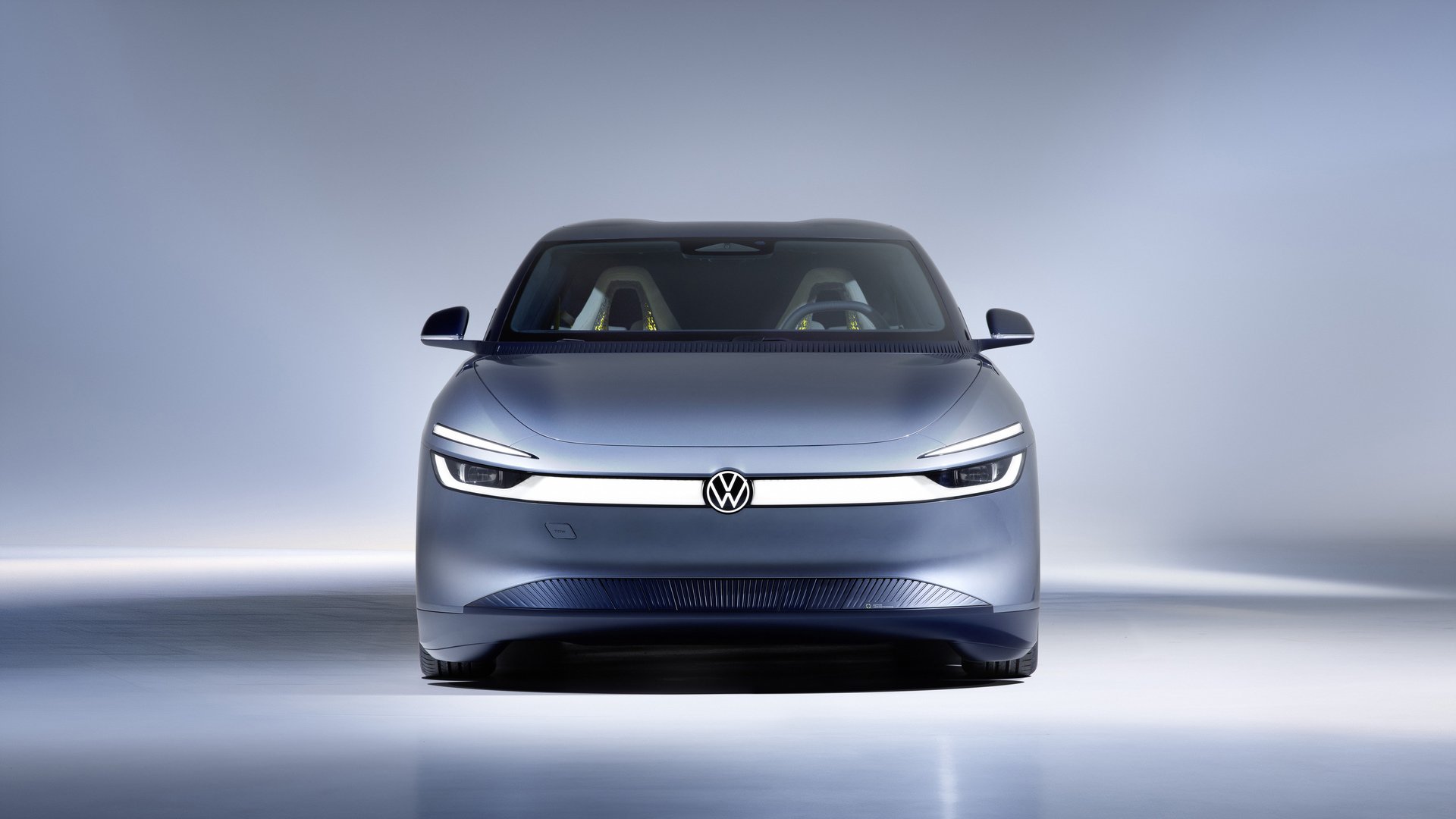
Thirteen years after having made the most efficient production car, Volkswagen has beat its record with the near-production Mission Efficiency.
Back in 2013, the German automaker achieved the highest efficiency of any production car with its XL-1 coupe, a futuristic-looking plug-in hybrid that was only produced in 250 units.
Thanks to its 0.9L two-cylinder diesel engine and its plug-in hybrid setup, the XL-1 was able to achieve an average fuel consumption of only 0.9 L/100 km, making it achieve the goal of having a “1-litre car” set at the start of the 21st century by then Volkswagen president Ferdinand Piëch.
Now that electric powertrains have become commonplace, the company has rebooted its drive for efficiency with the Mission Efficiency, a model that looks remarkably similar to the production XL-1.
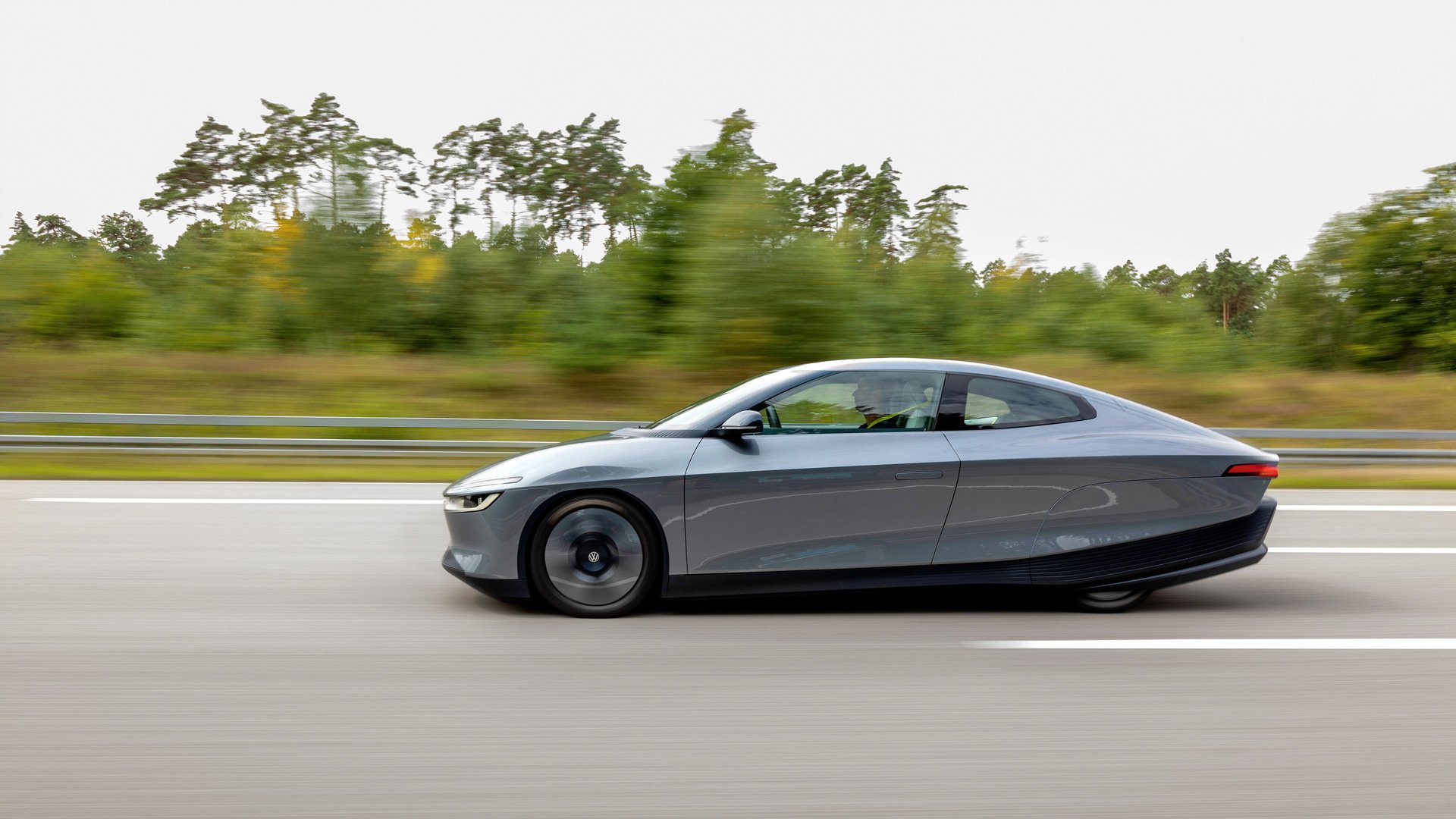
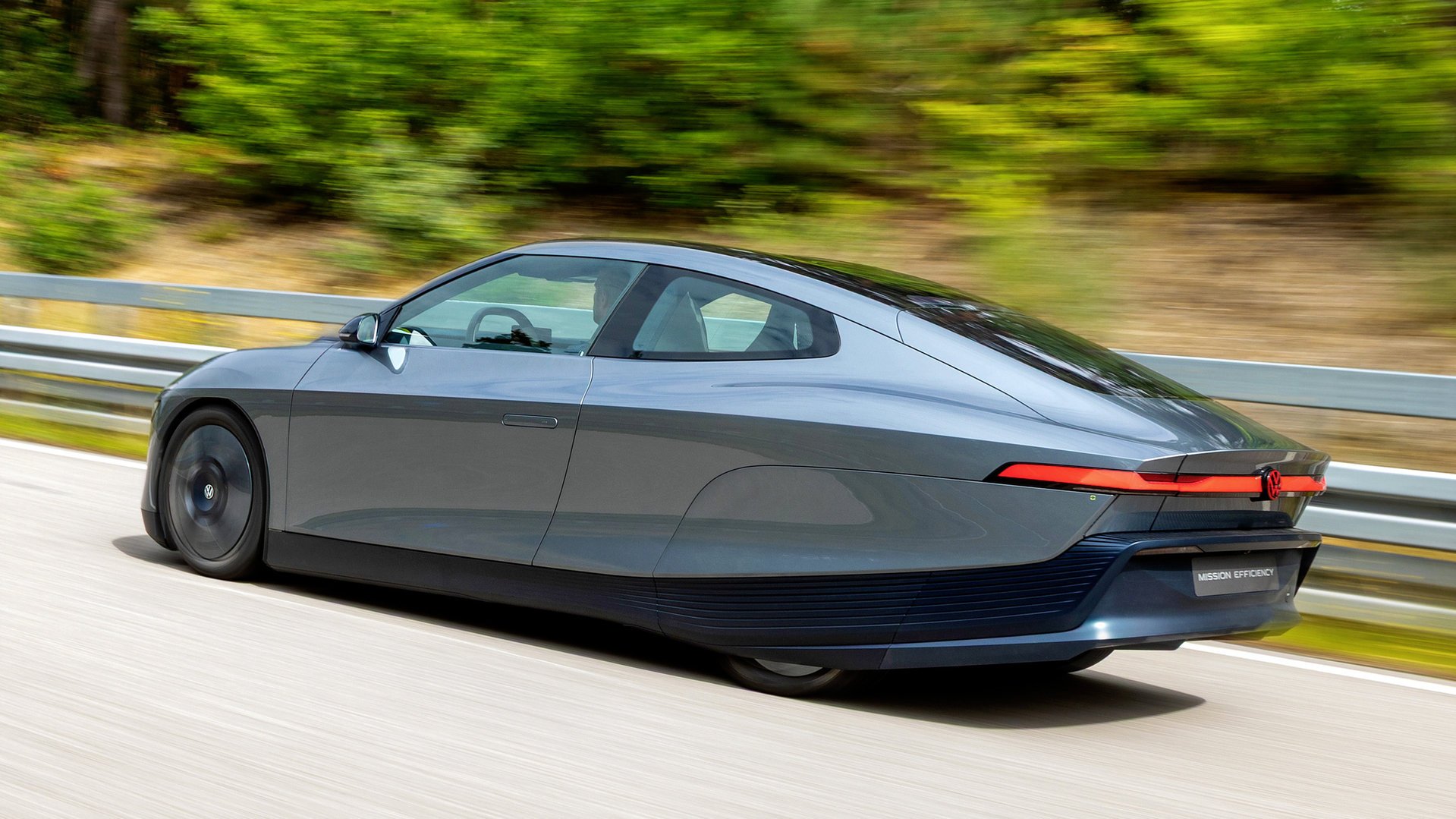
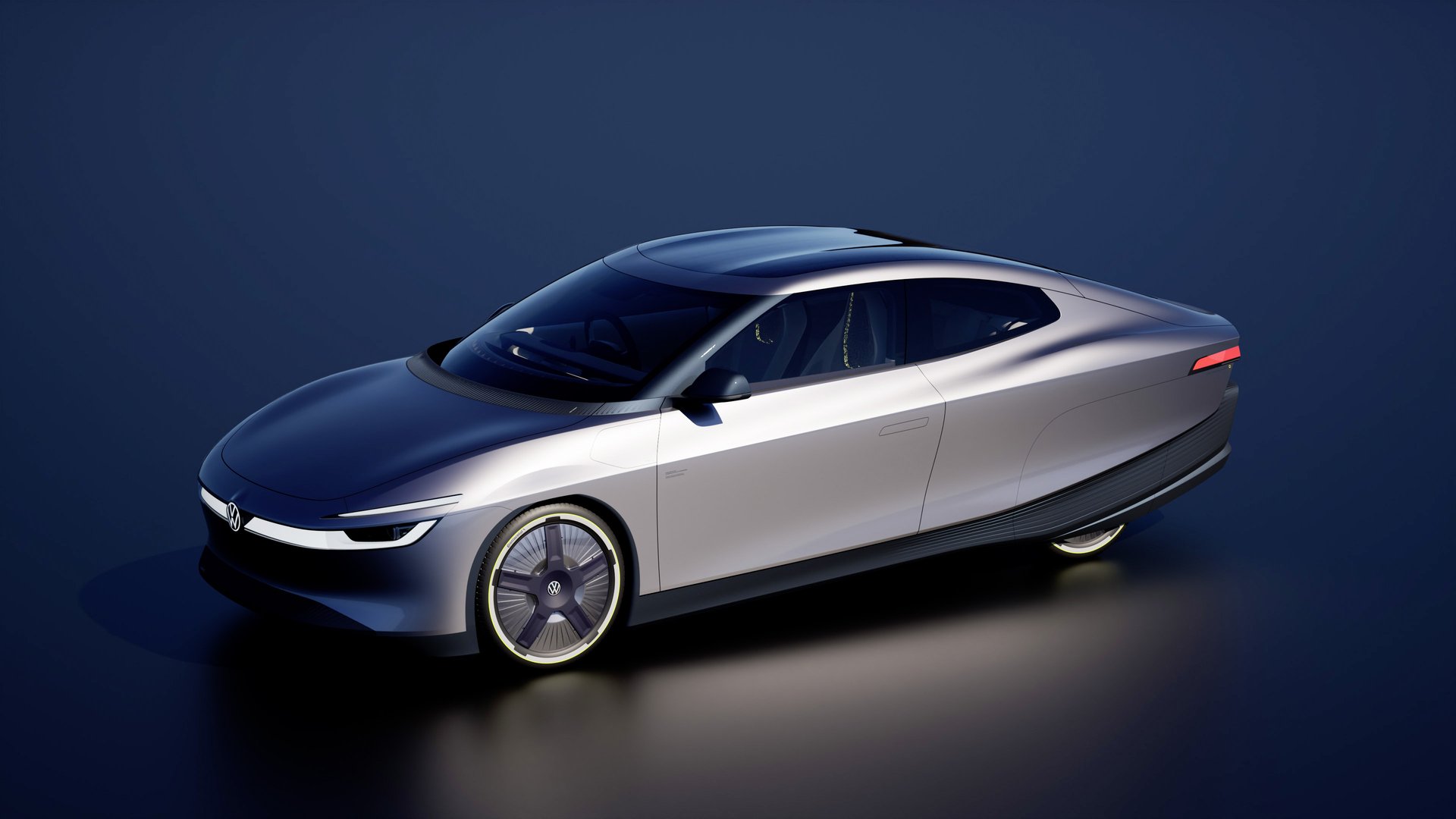
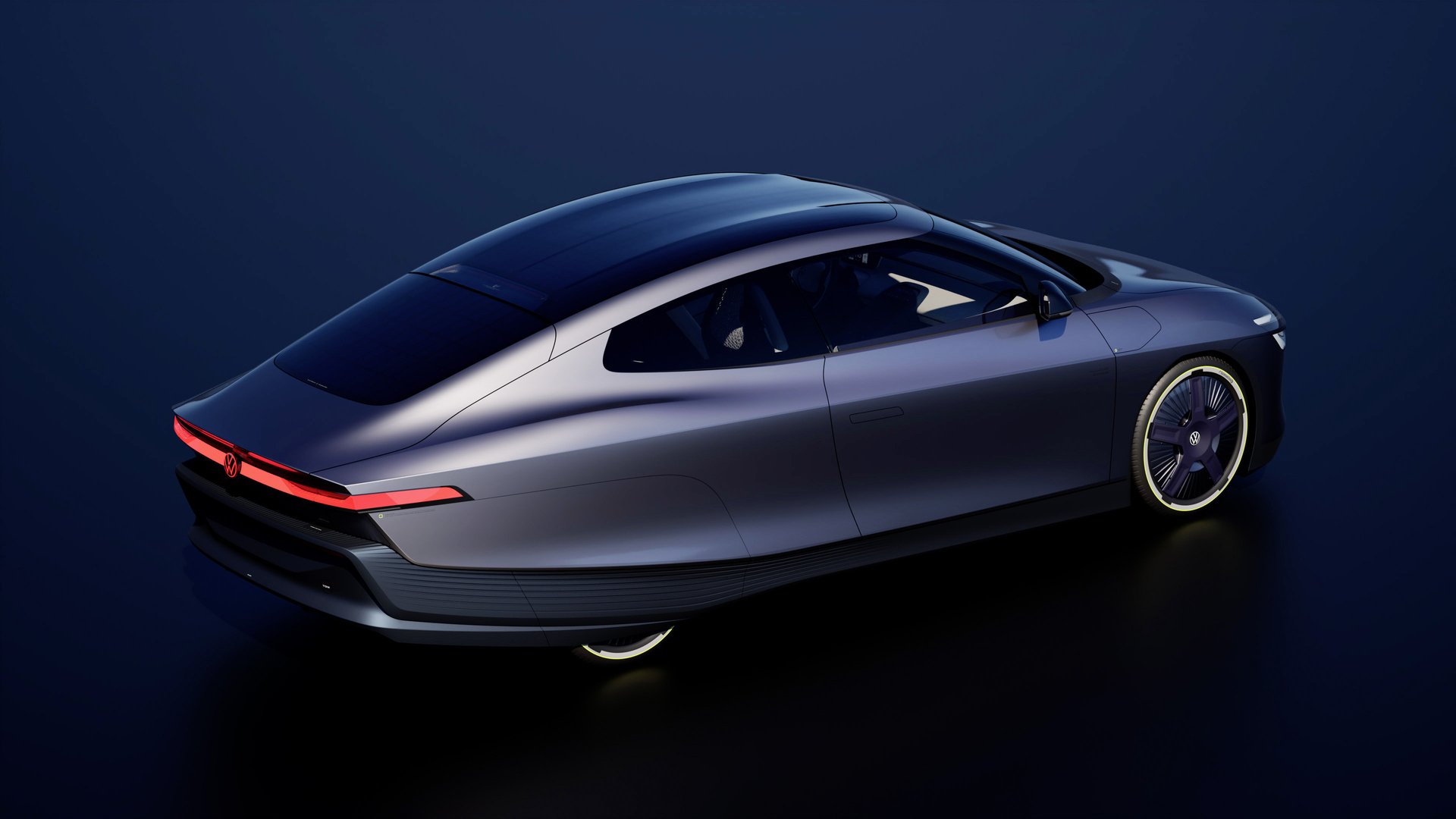
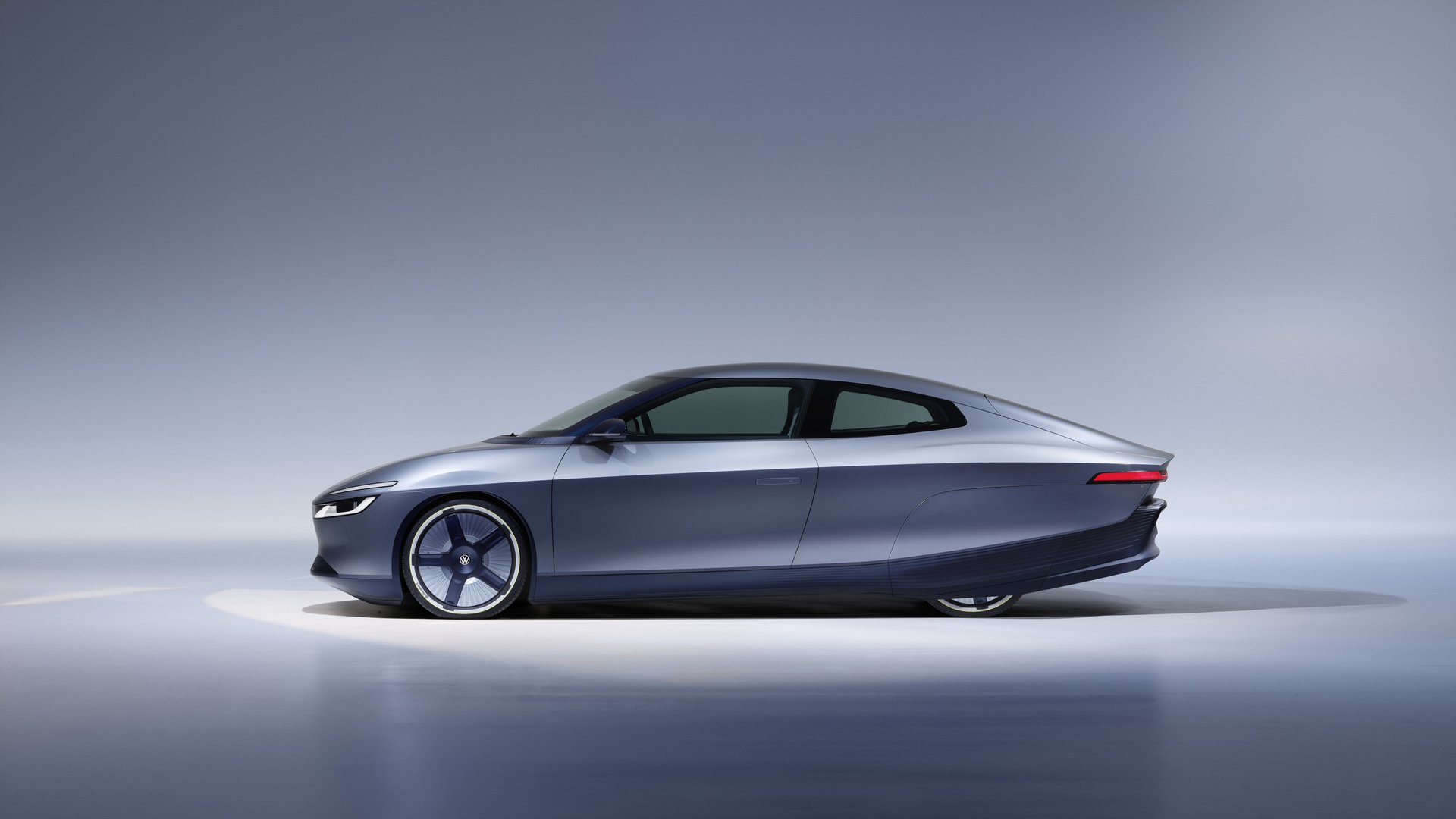
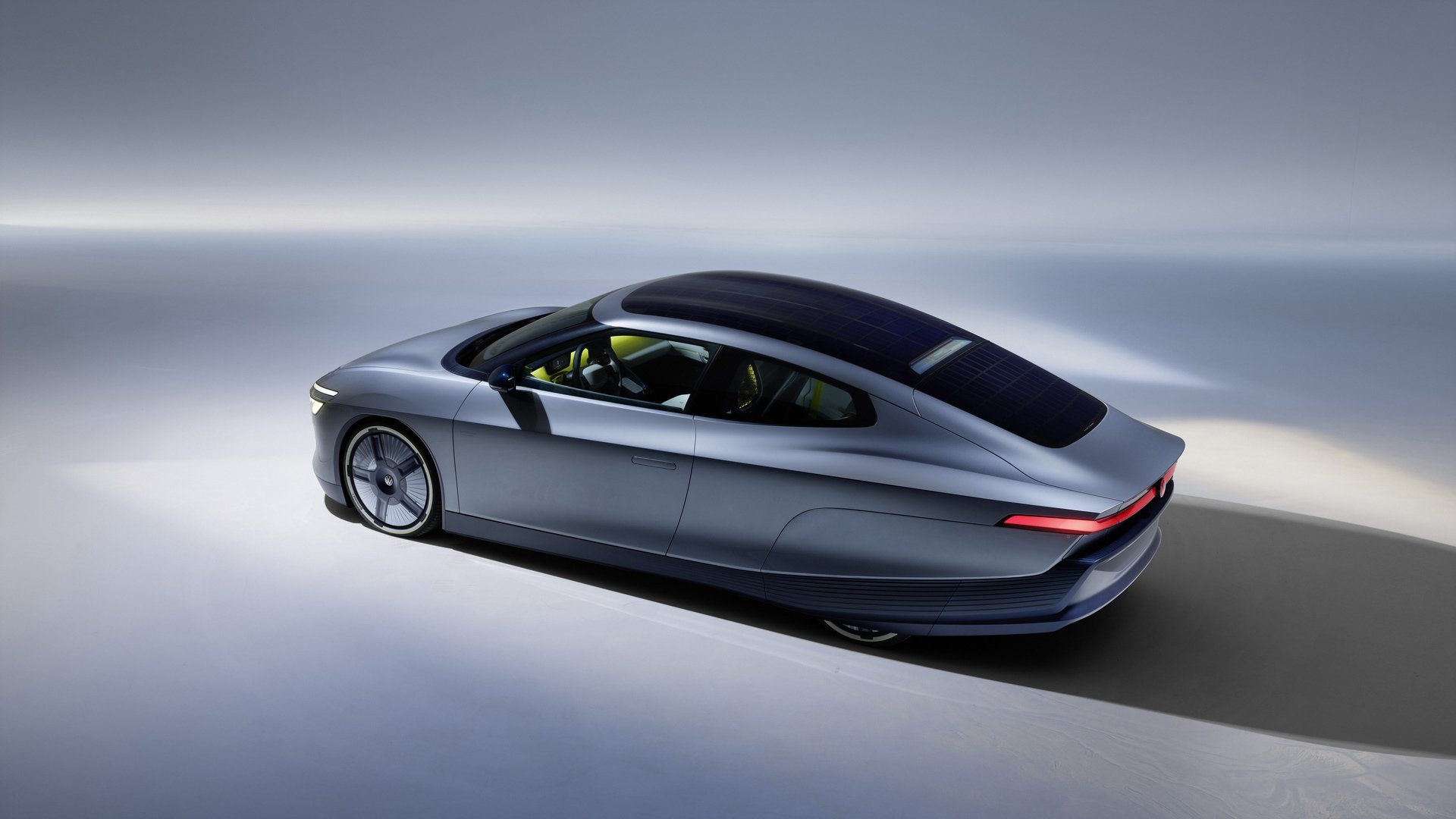
Indeed, the Mission Efficiency is also a futuristic-looking sleek coupe sporting a fastback roofline and mostly covered rear wheels.
This is a result of the XL-1’s intense focus on aerodynamics, which made its overall shape a good starting point for engineers to try and improve upon.
It seems they managed to do just that, as the Mission Efficiency can boast a drag coefficient (cd) of 0.158, making it more slippery than any other road-approved car, including the XL-1, which had a cd of 0.159.
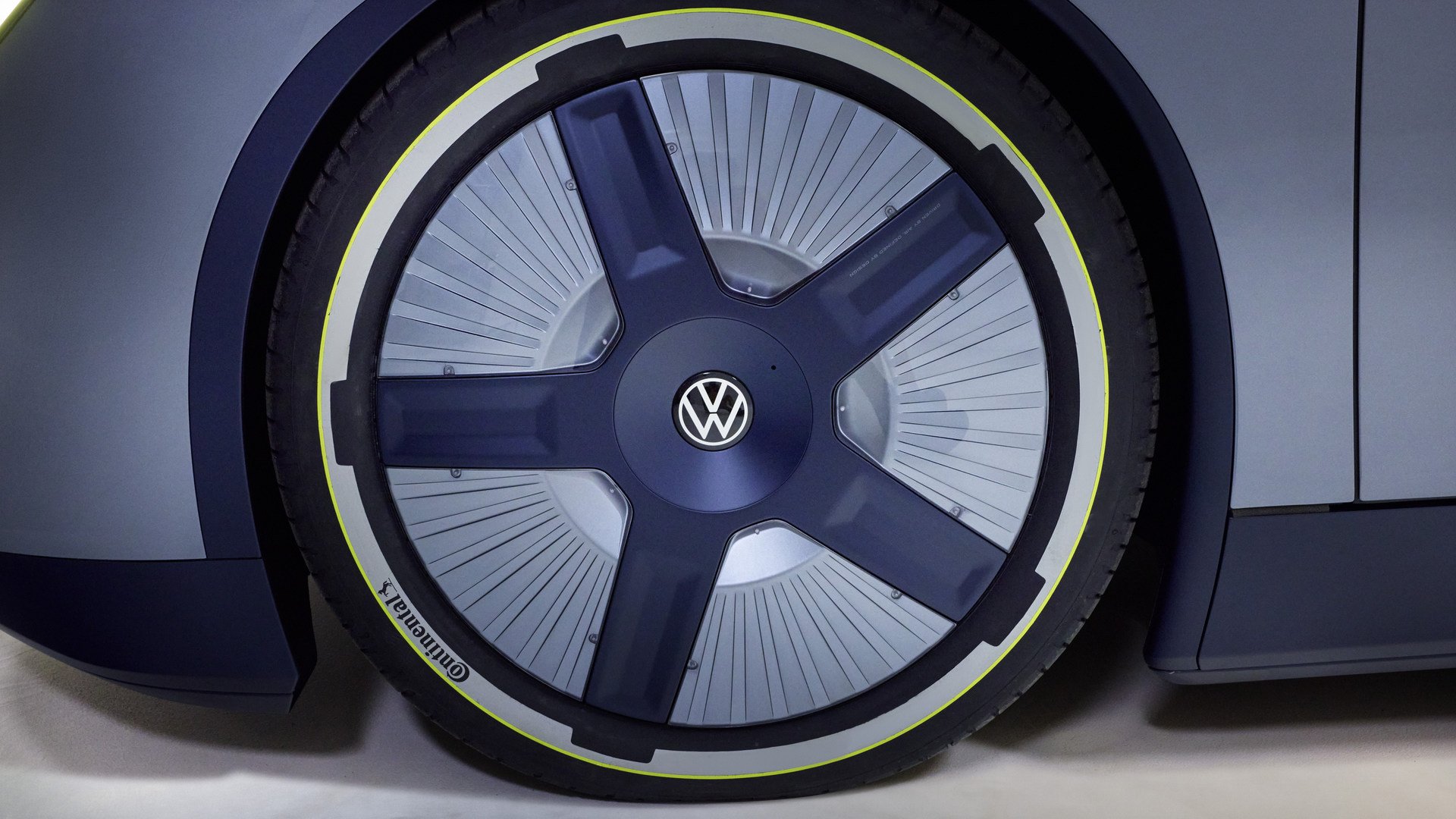
Part of this reduction in drag comes from the smooth wheel covers and tightly fitting front wheel arches, which prevent air from catching or creating turbulence around the wheel wells.
While the Mission Efficiency isn’t slated for regular production, at least, not that we know of, its record is still meaningful since it mostly uses mechanical elements that are currently in use in other Volkswagen models, namely the ID. Polo.
Indeed, under the skin of this concept are the main components of the MEB+ platform with front wheel drive, including the 99 kW (133 horsepower) electric motor and the 54.9 kWh (net) battery.
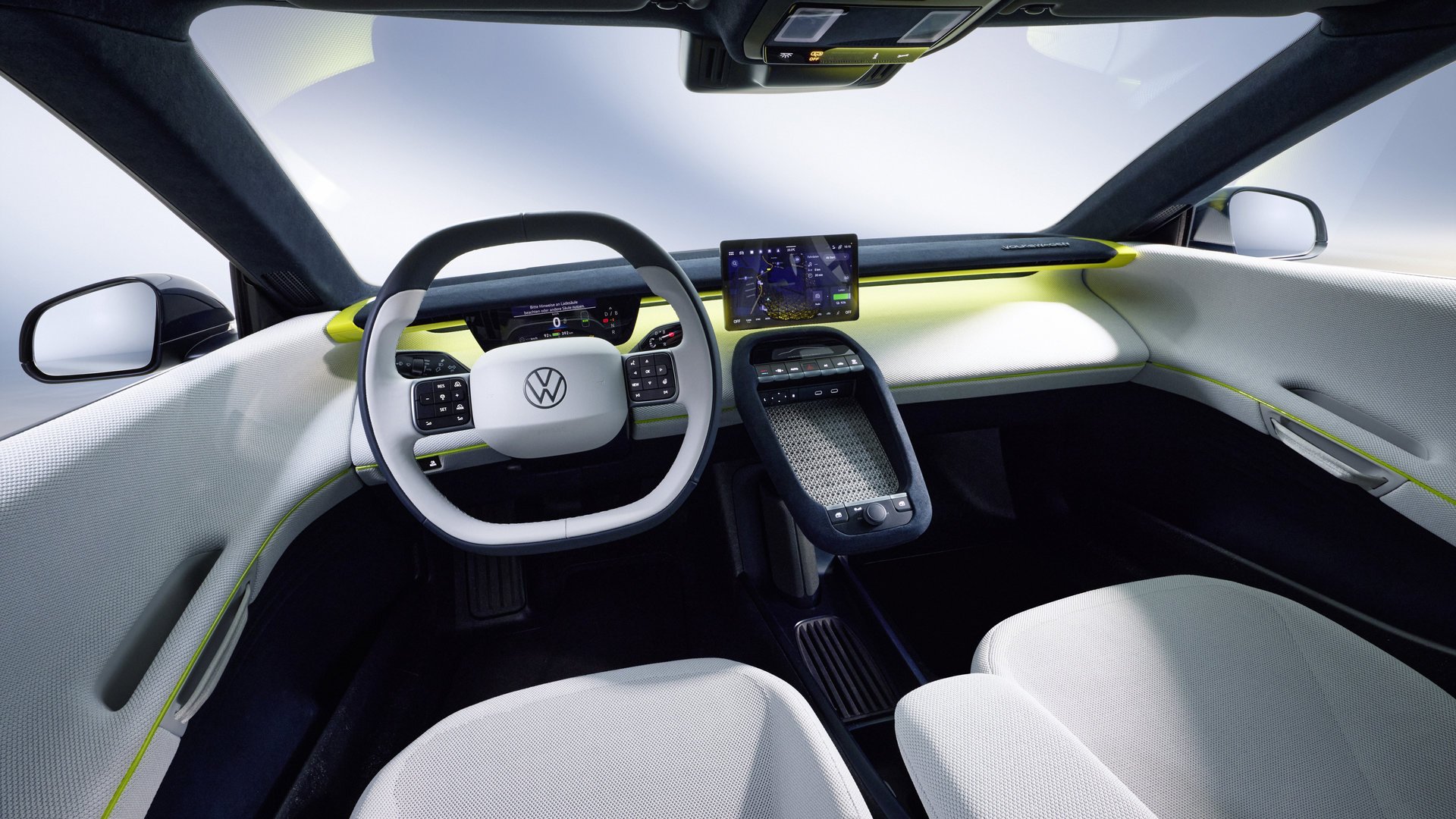
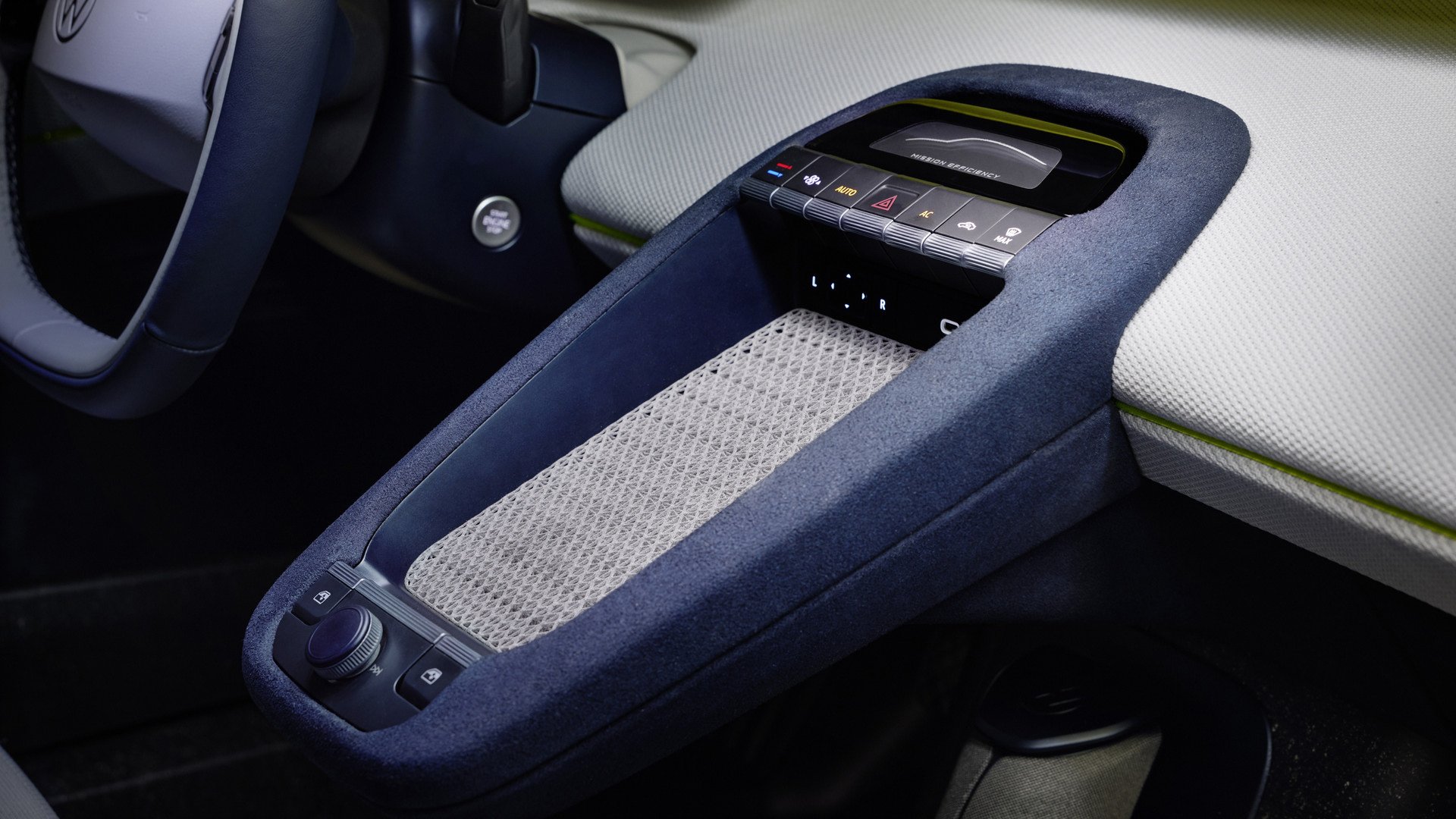
In addition to its aerodynamic design, the Mission Efficiency also relies on significant weight-saving measures to lower its energy consumption over the ID. Polo, which explains why the near-production model features a removable Bluetooth speaker in place of an audio system.
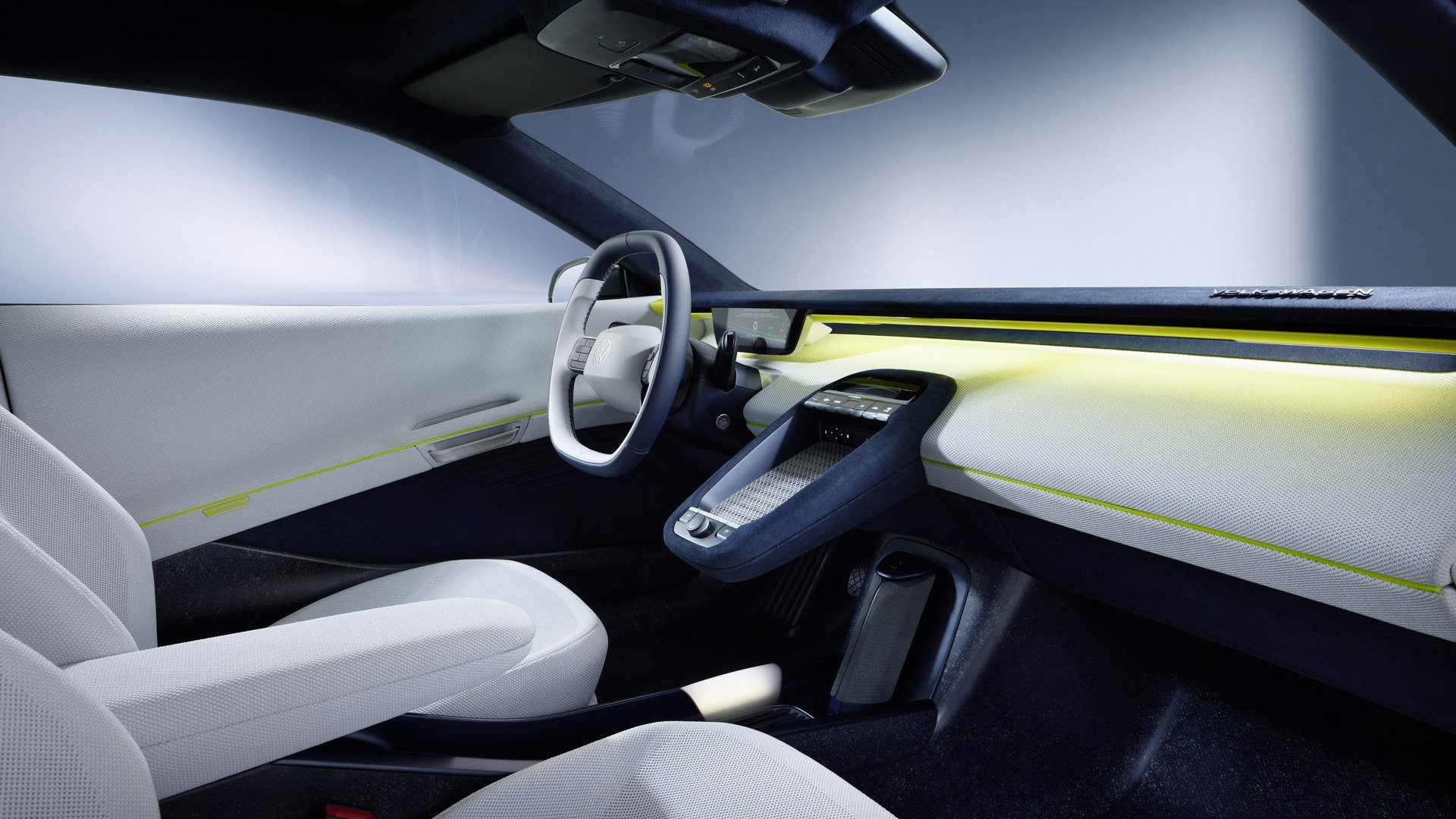
Furthermore, the Mission Efficiency doesn’t have a center screen or an infotainment system, inviting drivers to mount their own tablet or cellphone to the dashboard for navigation and entertainment purposes.
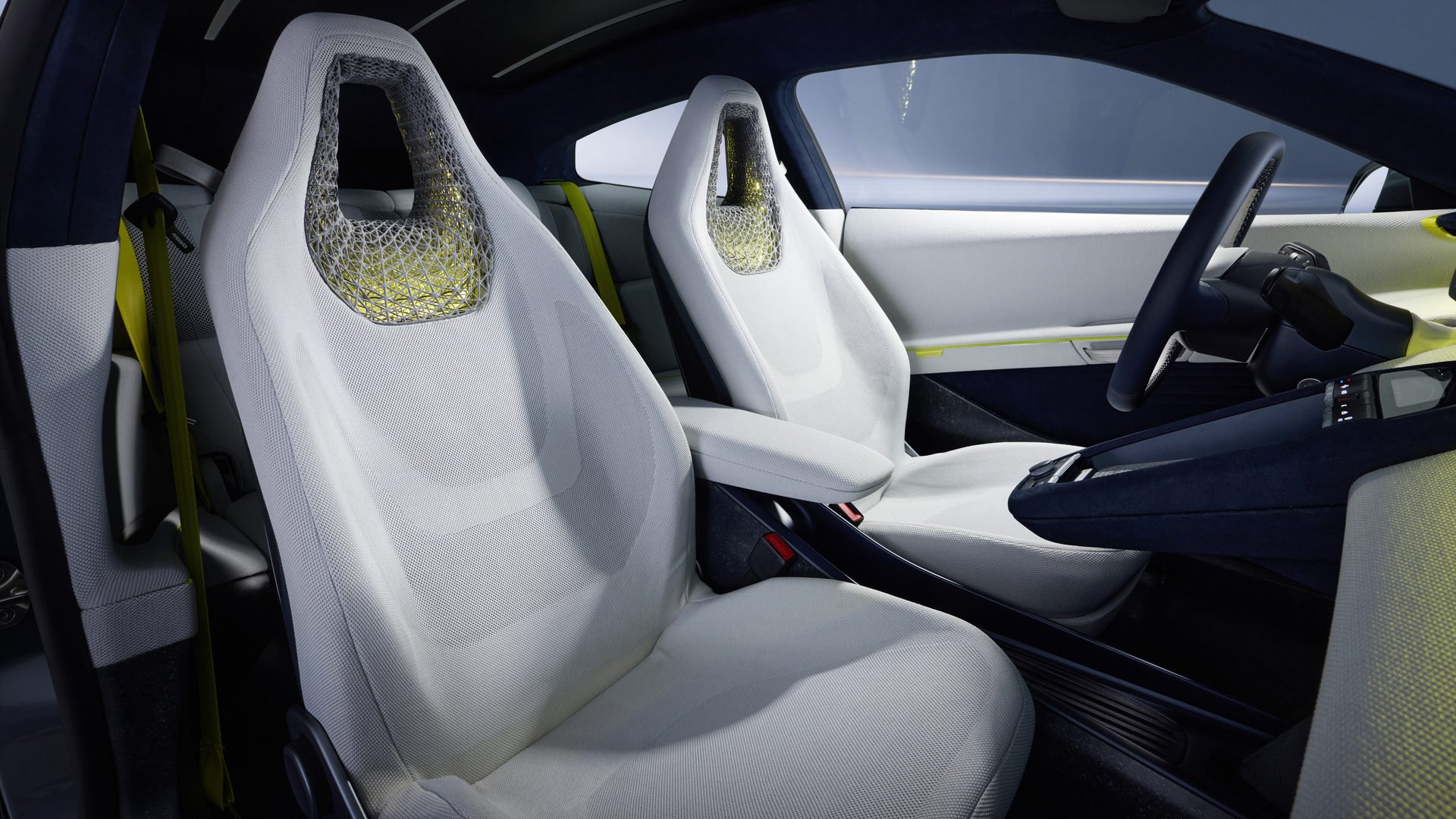
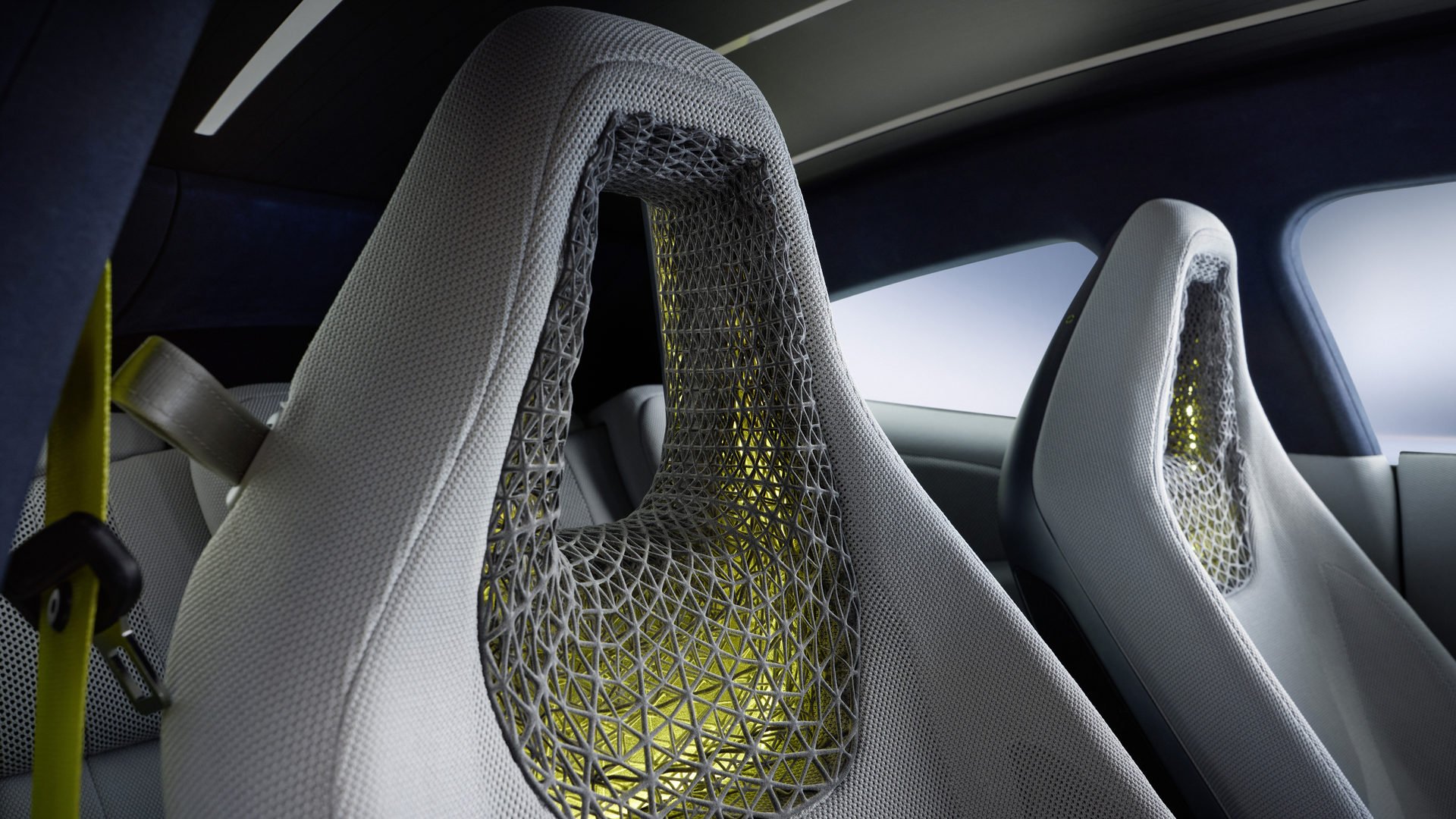
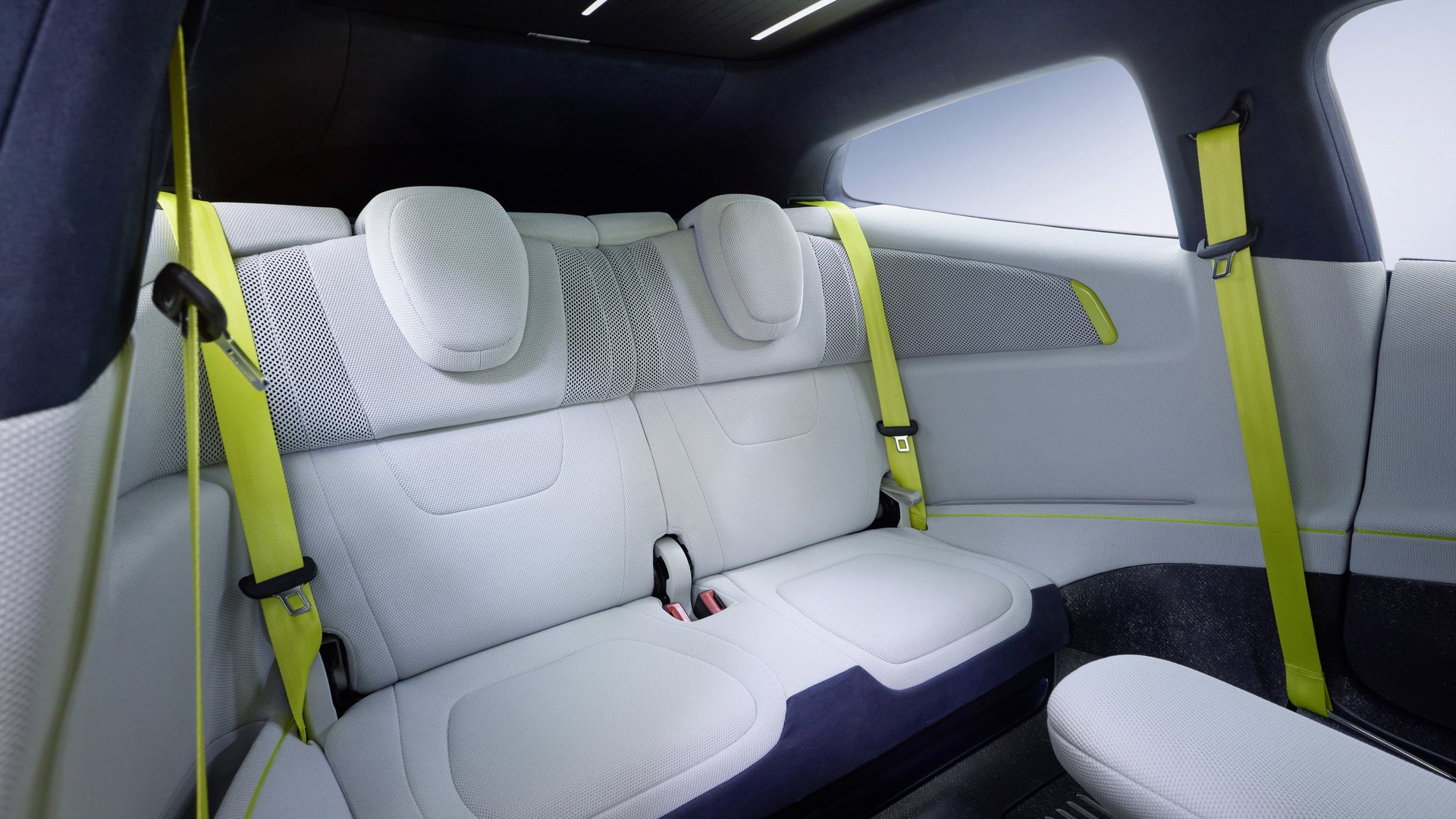
The car’s four seats are also upholstered in mesh and something that looks like 3D-printed spider web material around the headrests.
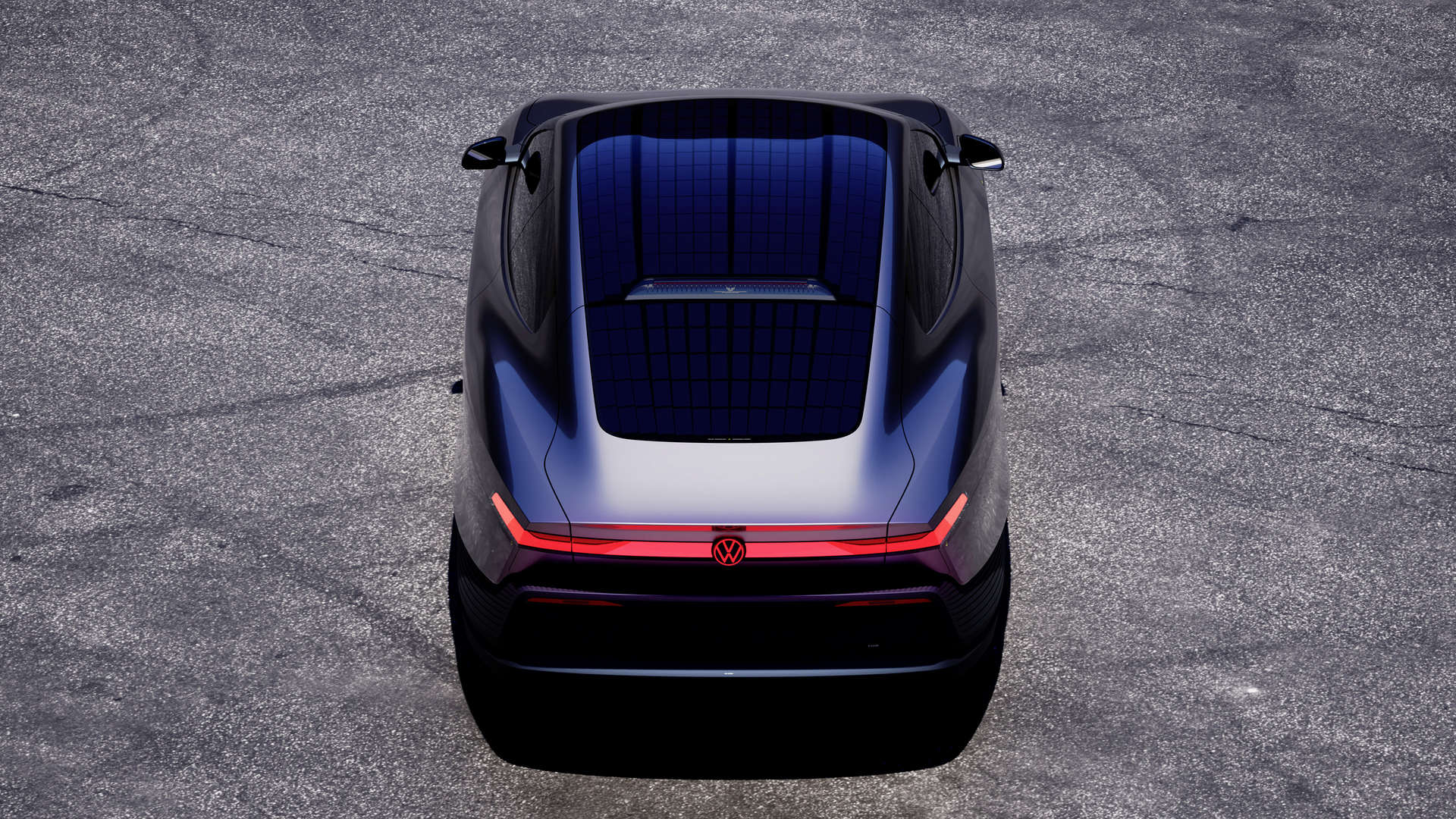
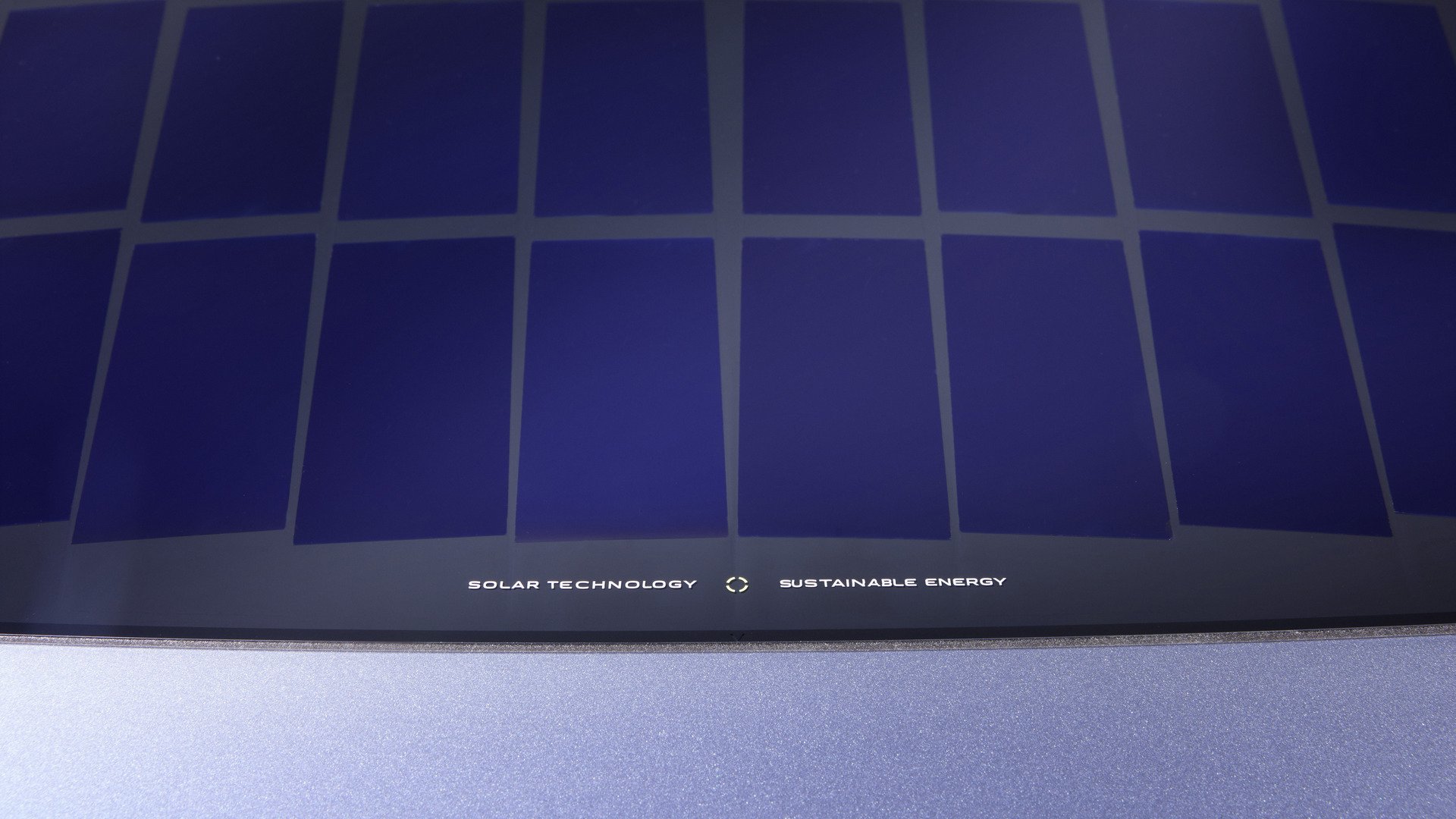
The concept also features solar cells on the roof and rear window, which are said to add up to 30 km of range per day in sunny conditions.
Finally, Volkswagen worked closely with Continental to develop a low-resistance tire specifically for this model based on the EcoContact 7 line.
All of this combines to make the Mission Efficiency the most efficient near-production car ever, with an average energy consumption of just 6.48 kWh/100 km on an ideal drive cycle.
While this scenario, which sees the car driving at a constant 68 km/h on a flat surface with all ancillary components, like the air conditioning system, turned off, is not very representative of actual real-world use, the concept proved its worth there too.
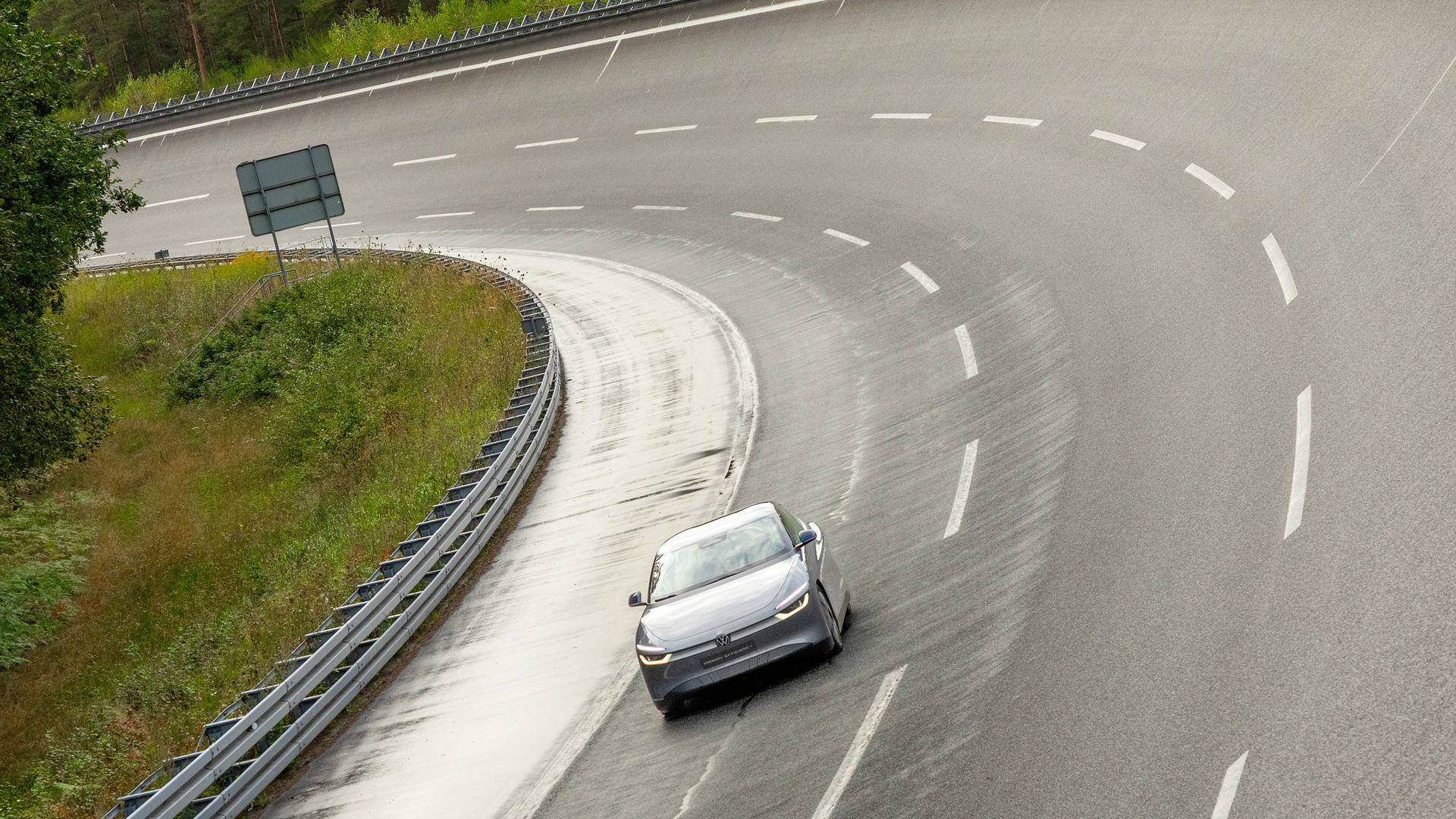
Indeed, Volkswagen took its Mission Efficiency on a 1,278 km road trip from its development center in Wolfsburg to Vienna, via Poznań and Olmütz, were the car achieved an average consumption of 7.51 kWh/100 km including charging losses, despite reaching a top speed of 138 km/h and an average speed of 67.72 km/h.
During this trip, the battery needed to be charged once, and the car arrived in Vienna with a remaining range of 164 km.
While the Mission Efficiency has four seats instead of the XL-1’s two, Volkswagen readily admits that the rear buckets are meant for children due to the car’s teardrop shape, meaning that the cabin is much narrower at the rear than at the front.
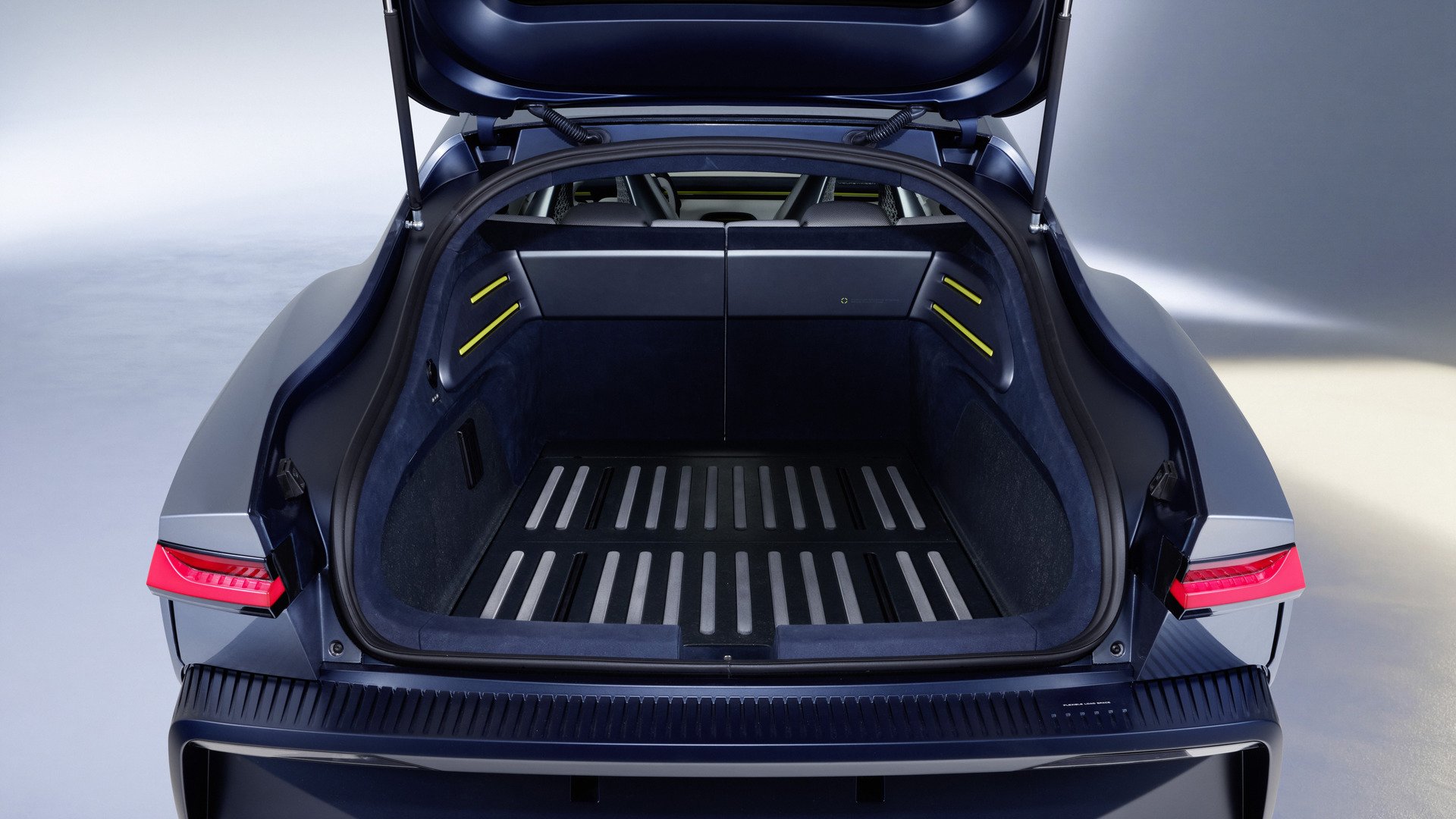
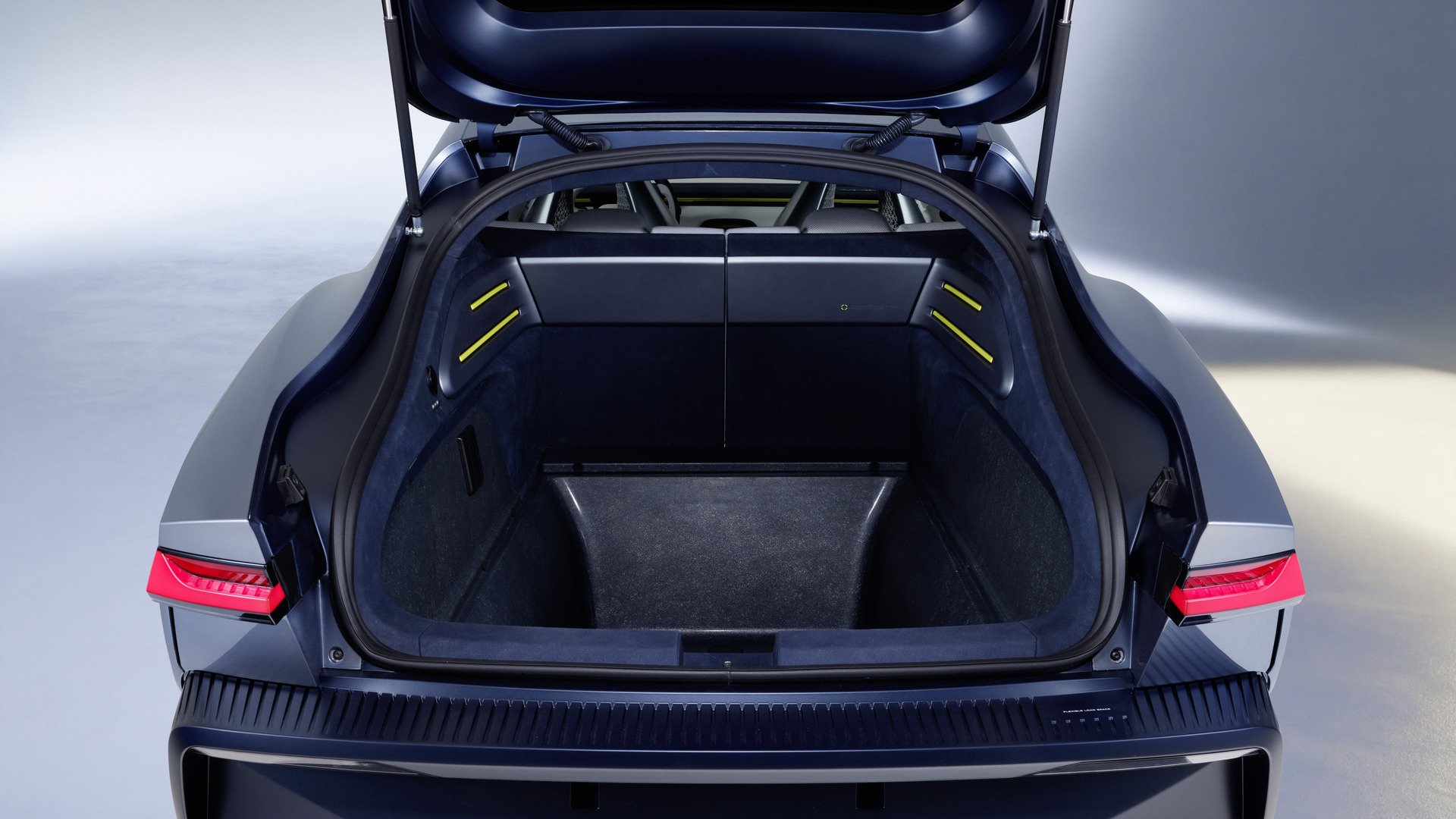
Nevertheless, the Mission Efficiency was also designed to be practical, with its rear liftback revealing a capacious-looking trunk that can be expanded by folding the rear seats and which features a deep under floor well.
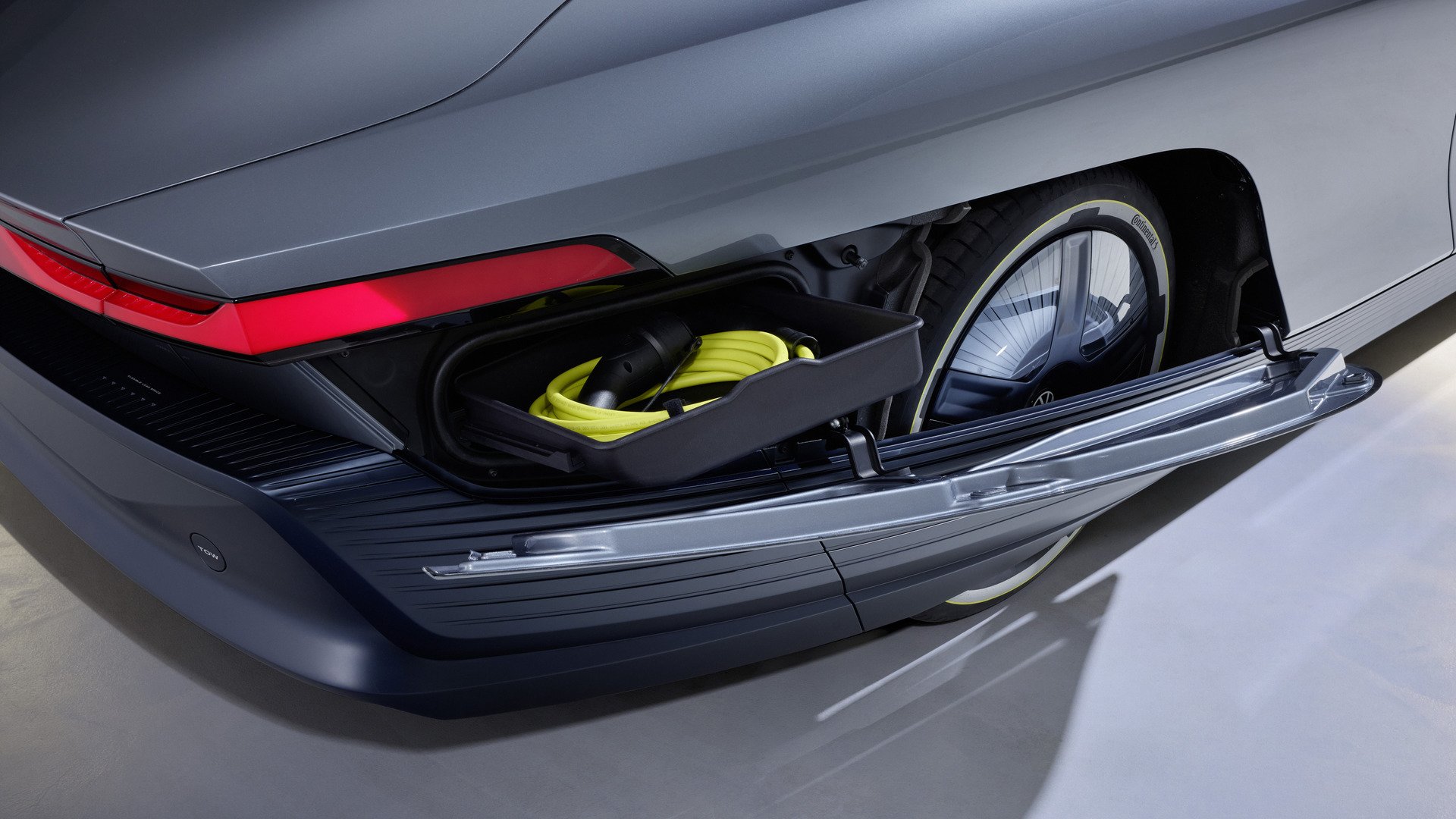
Moreover, the engineers found a way to house the charging cable in a tray set under a panel behind the right rear wheel, making use of otherwise wasted space and freeing up more load capacity in the trunk.
At the moment, Volkswagen hasn’t expressed a desire to develop a production version of the Mission Efficiency, but it could end up manufacturing a limited number like it did for the XL-1.
In parallel, Audi, VW’s premium brand, also targeted maximum efficiency with the recently released A2, showing that reducing energy consumption is a concern for the entire VW Group at the moment.
Interestingly, the new Audi A2 is also a modern reboot of a previous design, namely the first A2, which launched in 2000.
ORBA study estimates off-roading's annual Moab economic impact at US$178.7 million. Off-road visitors and suppliers…
Just 252 examples of the 2027 Escalade-V Collector Series will be offered across Canada and…
A fuel line connection could separate on certain 2024–2027 Land Cruisers, potentially causing a fuel…
This model features slightly more rugged design elements and a raised suspension. The steering rack,…
The Cybercab is a two-seater driverless vehicle that doesn’t feature pedals or a steering wheel.…
BRABUS will build 10 P 900 Rocket Edition pickups worldwide. The G 63-based conversion rockets…