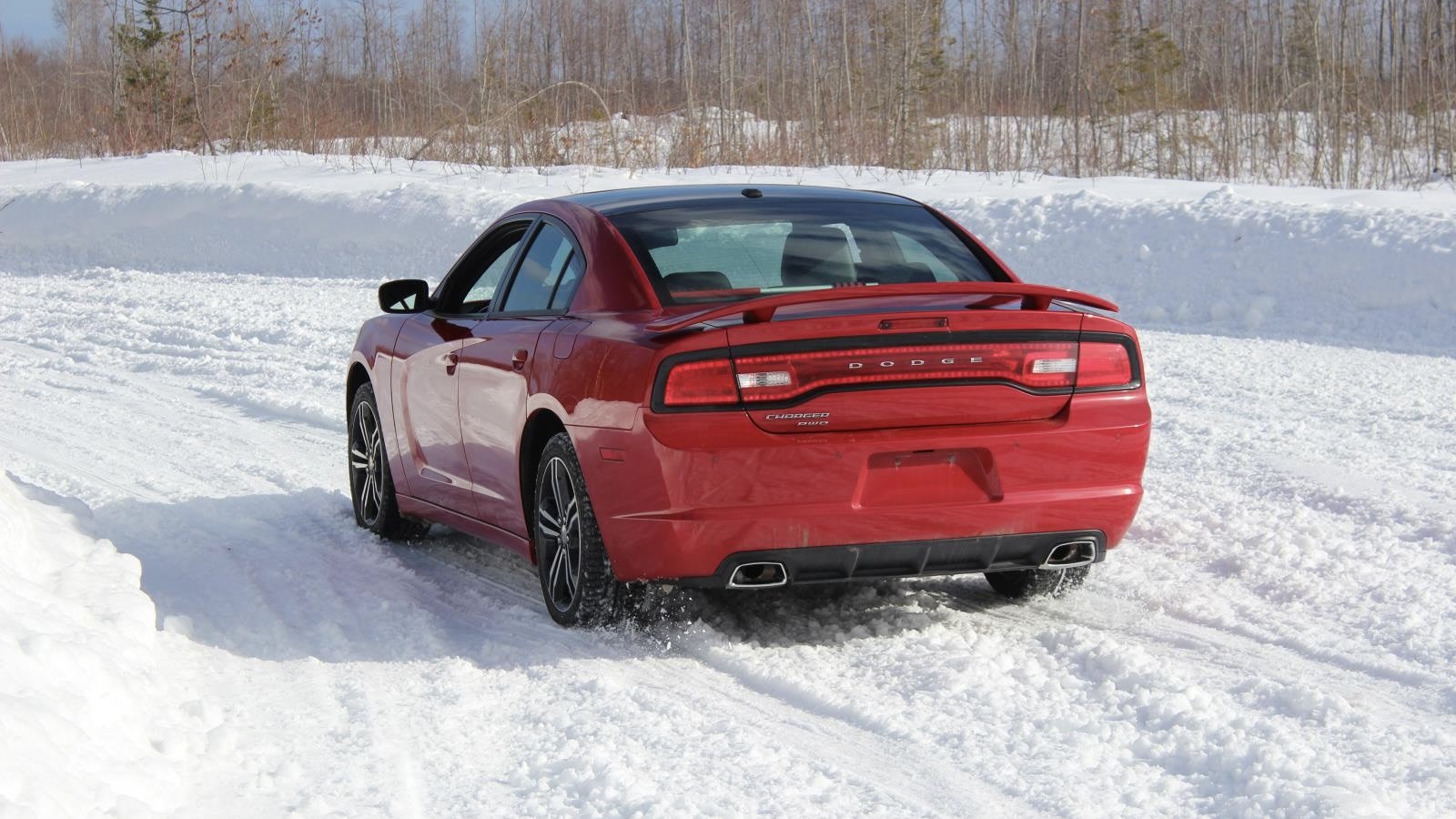
This week, winter revealed its harsh side throughout parts of Canada, as several regions received between 10 and 30 centimeters of snow.
Nothing can replace the performance of a good winter tire
Some all-season tires are winter-rated
Before changing tires, consult a tire professional
For many drivers, the shock was brutal, as they still had not installed winter tires on their cars. Canadians should have their winter tires installed by now.
Winter tires are obviously better suited to the coming season, but not necessarily for the reasons everyone might think. In fact, what is the real purpose of winter tires? Let’s address some preconceived notions that deserve clarification.
More Than Just For Snow
Many people believe that the primary purpose of winter tires is to perform well in snow conditions. Indeed, the sipes in the tread pattern of winter tires bite more effectively into snow, but winter tires are designed to perform as soon as the temperature drops below 7 degrees Celsius, even on dry roads. That’s why it’s essential to change them when the temperatures drop more regularly below the seven-degree mark, or at least around it.
The reason is quite simple. The rubber compound in winter tires maintains its flexibility in cold weather, allowing it to grip the road more effectively than a summer tire that becomes more rigid in colder temperatures. Thus, braking ability, cornering grip, and the vehicle’s overall handling are poorer with summer tires in winter. On the other hand, winter tires wear quickly and lose effectiveness above 7°C in summer.
All-Season Tires
Now, what about all-season tires? First, let’s clarify that there are two types of tires of this kind: “all-season” tires and all-weather tires, suitable for our winters. The former are not good for the cold season, while the latter are. They bear a symbol showing a snowflake inside a mountain.
Thus, all-season tires do not replace winter tires. All-weather tires can indeed prove effective during the cold season, particularly because they offer a more adapted tread pattern and remain flexible below seven degrees Celsius.

However, it’s essential to note that tests have shown that winter tires offer 50% more grip on snow and ice than all-weather tires. For all-season tires, well, it’s not even comparable.
Last Thoughts
Winter tires should therefore be your choice, but good all-weather tires can do the job, depending on each person’s situation.
And let’s highlight one last critical point. There are many tires on the market, and quality varies from one manufacturer to another, as well as within a given brand. Thus, an excellent all-weather tire can prove superior to a poor winter tire.
For expert guidance and to make an informed decision, please consult a tire professional who can help you choose the best tire for your vehicle and needs.